
- Home
- Flight quote
- Jacinto Aráuz
Private flights to Jacinto Aráuz
From USD 5,100 · 2 h 10 flight time
Results:
- Itinerary
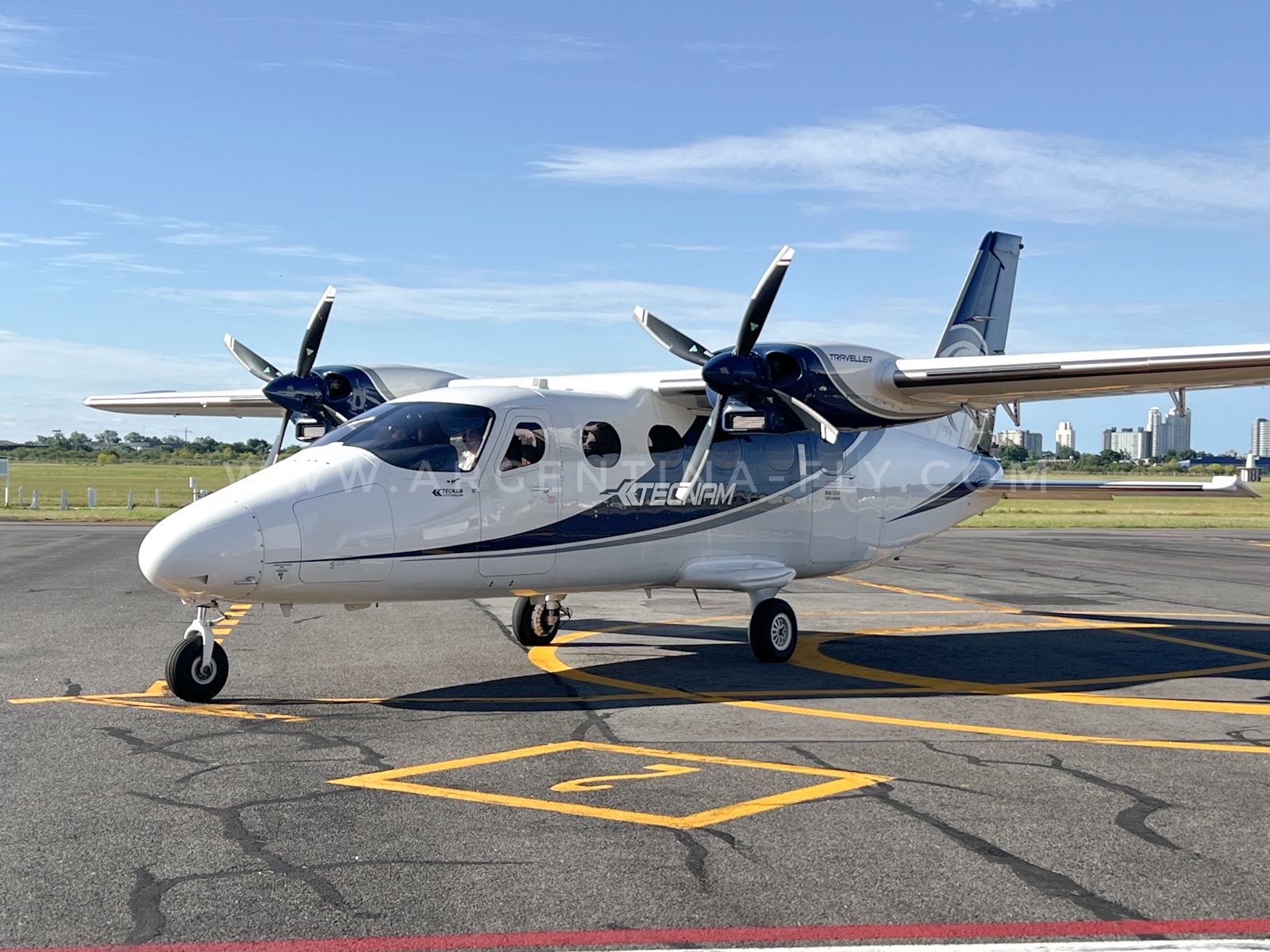
Tecnam Traveller
Piston aircraft · 9 passengers · 2 h 102 h 10flight time
USD 5,100+ VAT 10.5%
Request a quote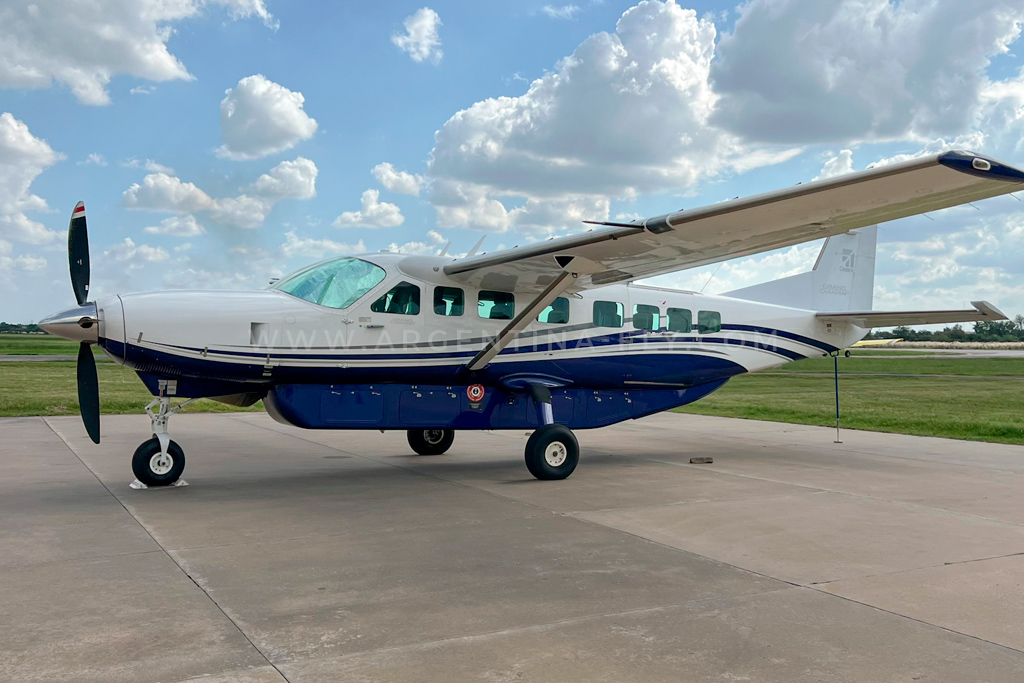
Cessna Grand Caravan
Turboprop · 9 passengers · 2 h 152 h 15flight time
USD 5,220+ VAT 10.5%
Request a quote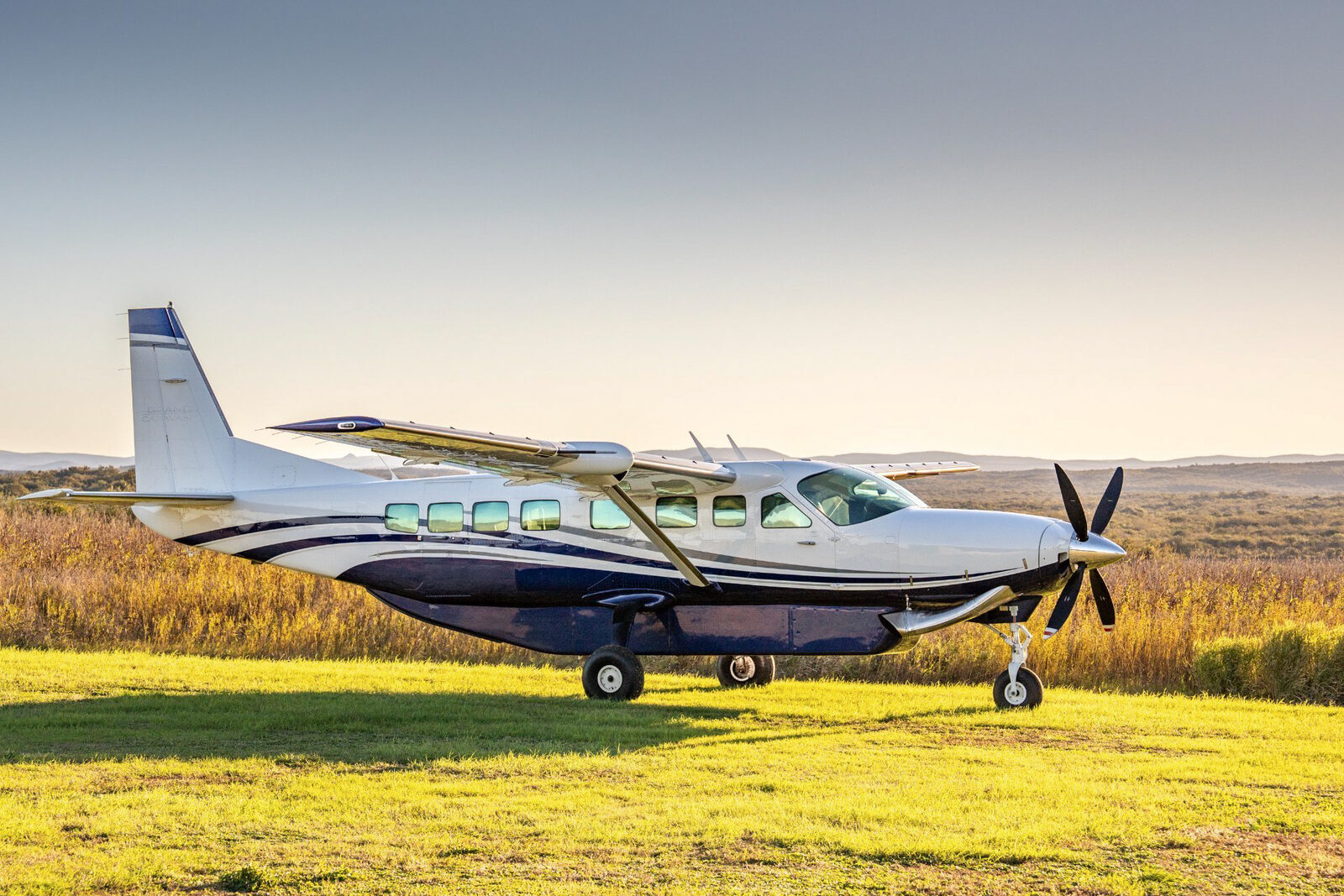
Cessna Grand Caravan Ex
Turboprop · 9 passengers · 2 h 052 h 05flight time
USD 5,600+ VAT 10.5%
Request a quote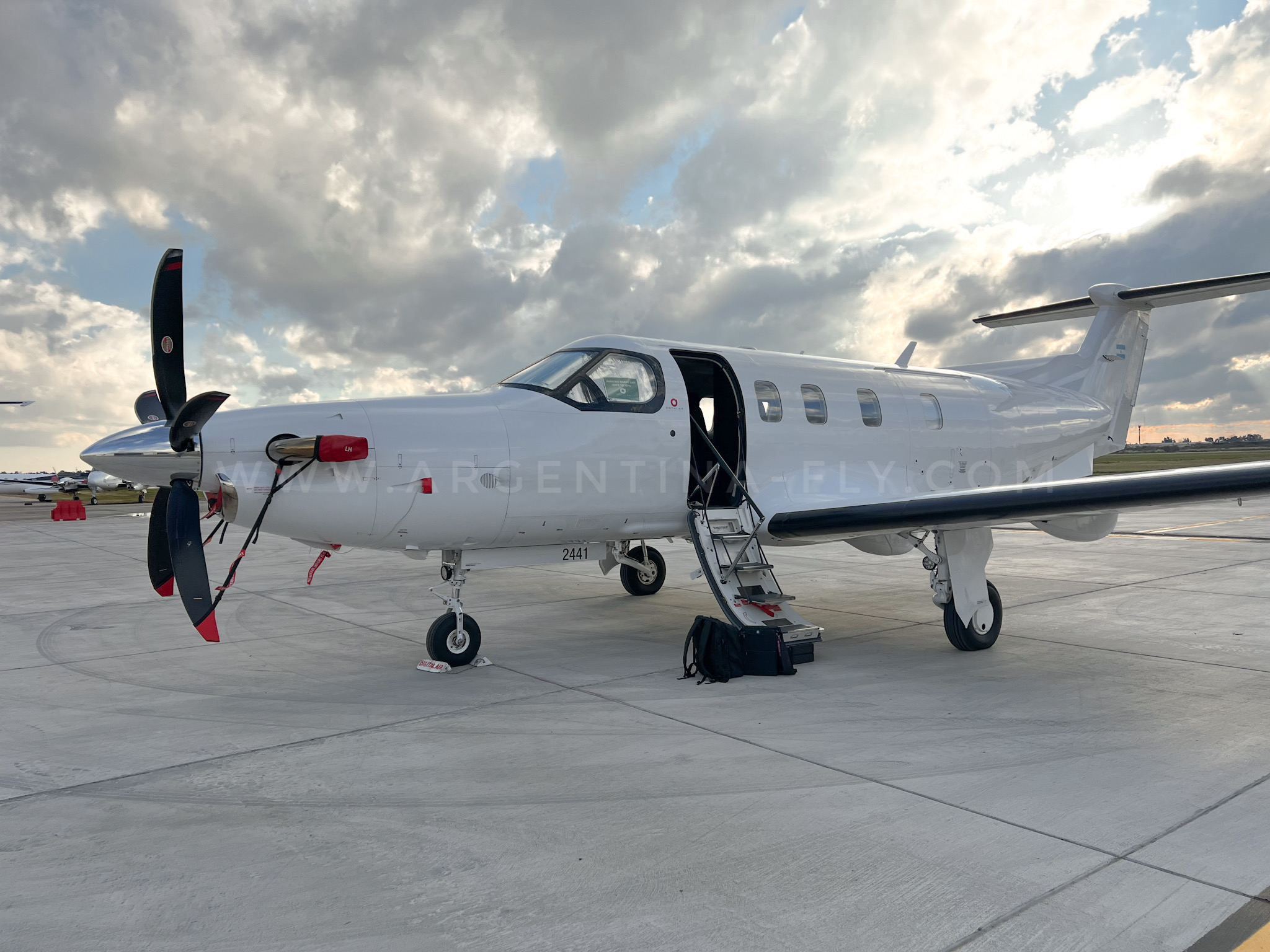
Pilatus PC-12
Turboprop · 8 passengers · 1 h 301 h 30flight time
USD 5,720+ VAT 10.5%
Request a quote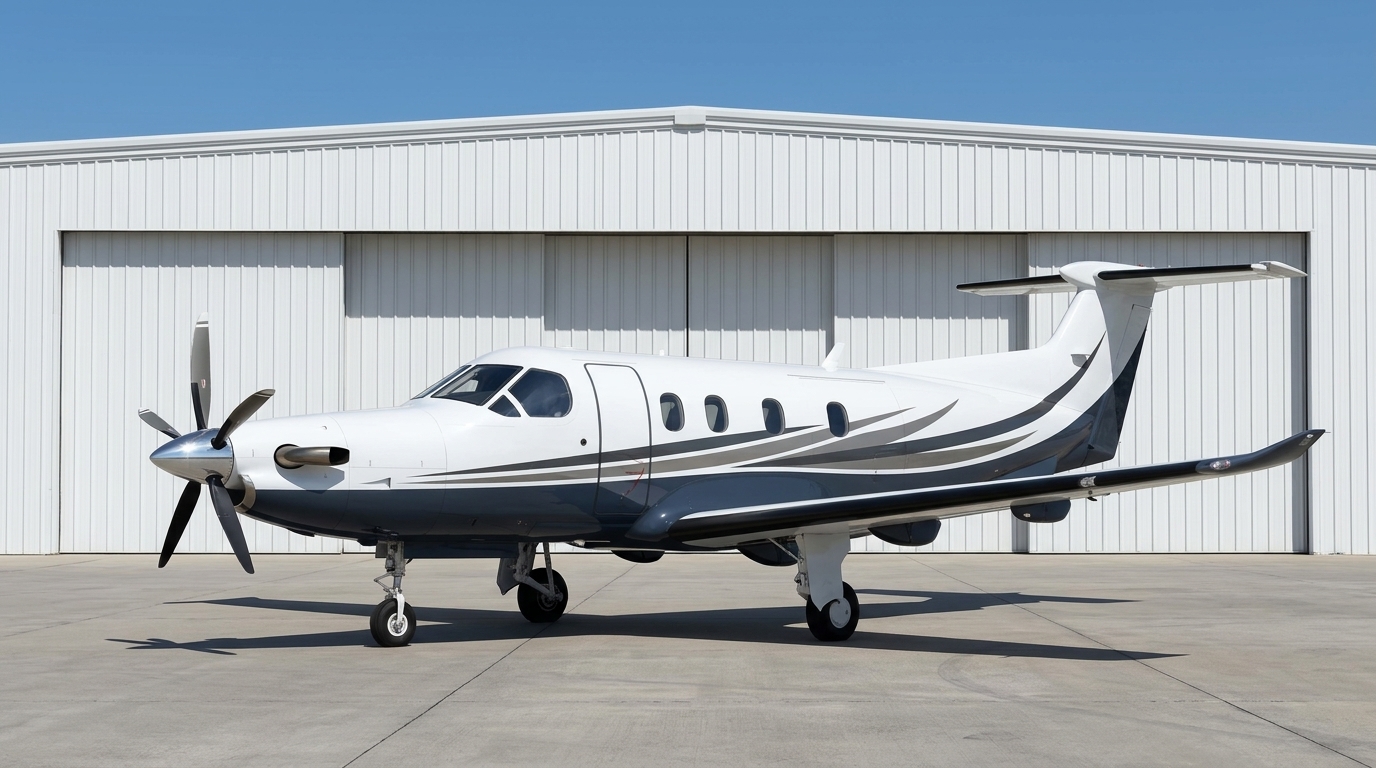
Pilatus PC12 Pro
Turboprop · 8 passengers · 1 h 301 h 30flight time
USD 5,850+ VAT 10.5%
Request a quote
Route and airfields
Rate conditions
Please read carefully before requesting a quote.
Prices
Reference fares in US dollars (USD), for the entire aircraft. They may vary with aircraft availability and travel dates. For itineraries with several destinations, please request a tailored quote.
Not included
VAT on flights within Argentina, fees abroad on international flights (airport charges, handling and FBO, among others), and special services on request.
Base airport
Fares are calculated for departure from San Fernando (FDO). Departing from Aeroparque (AEP) or Ezeiza (EZE) may change the fare, depending on where each aircraft is based.
Reference fleet
The aircraft displayed are for reference purposes only and may vary depending on operational availability. Contact us to learn about the available options for your trip.
Rate conditions
Please read carefully before requesting your quotation.
Published prices are provided for reference only.
 Prices
Reference fares in US dollars (USD), for the entire aircraft. They may vary with aircraft availability and travel dates. For itineraries with several destinations, please request a tailored quote.
 Not included
VAT on flights within Argentina, fees abroad on international flights (airport charges, handling and FBO, among others), and special services on request.
 Base airport
Fares are calculated for departure from San Fernando (FDO). Departing from Aeroparque (AEP) or Ezeiza (EZE) may change the fare, depending on where each aircraft is based.
 Reference fleet
The aircraft displayed are for reference purposes only and may vary depending on operational availability. Contact us to learn about the available options for your trip.
Need a personalized quotation?
Request quotation
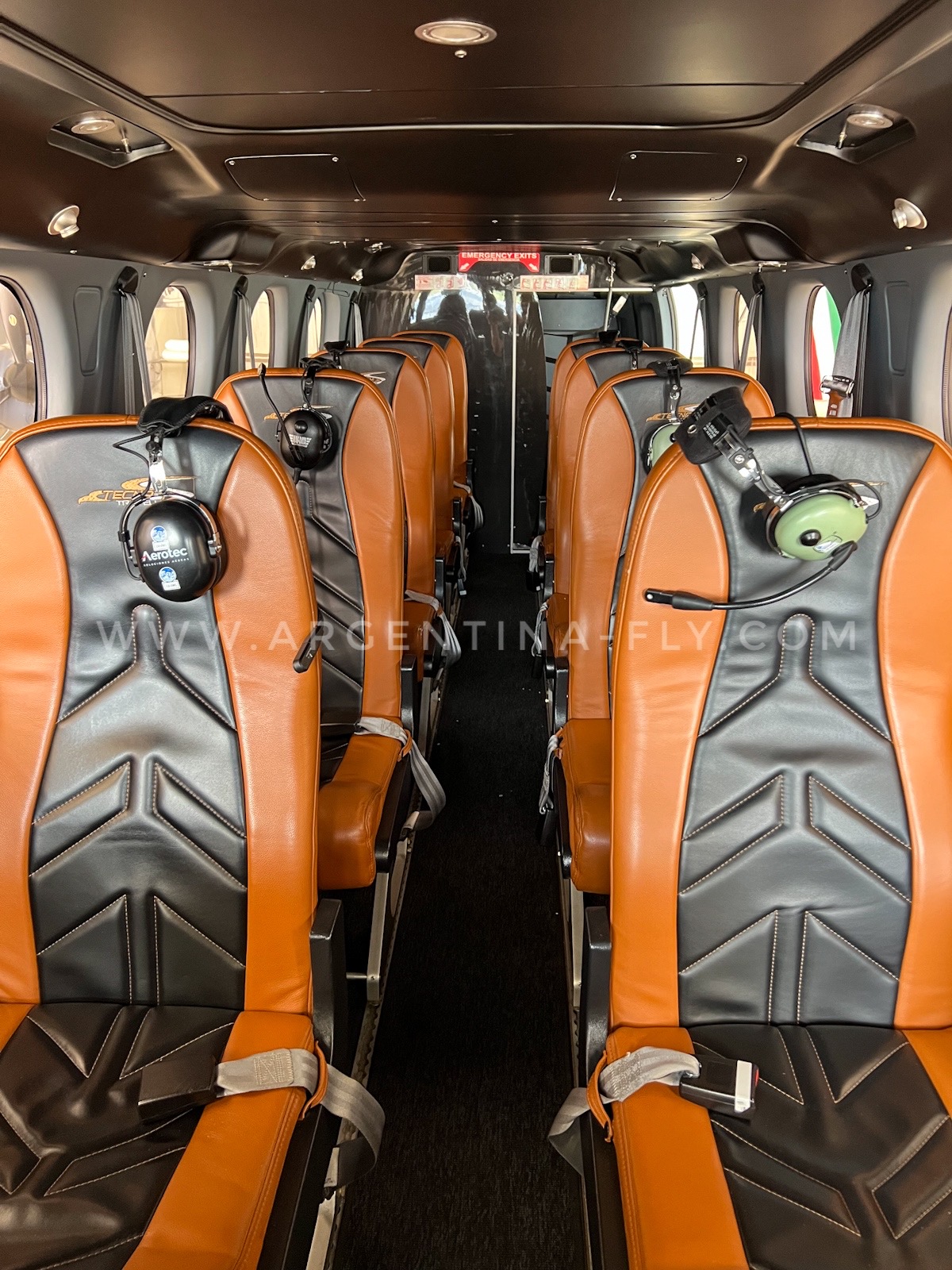
Tecnam Traveller
High-capacity twin-engine aircraft, ideal for group transfers with up to 9 passengers.
 Capacity
9 passengers
 Lavatory
Not available
 Cabin
Non-pressurized
 Luggage
Moderate
 Wi-Fi
Not available

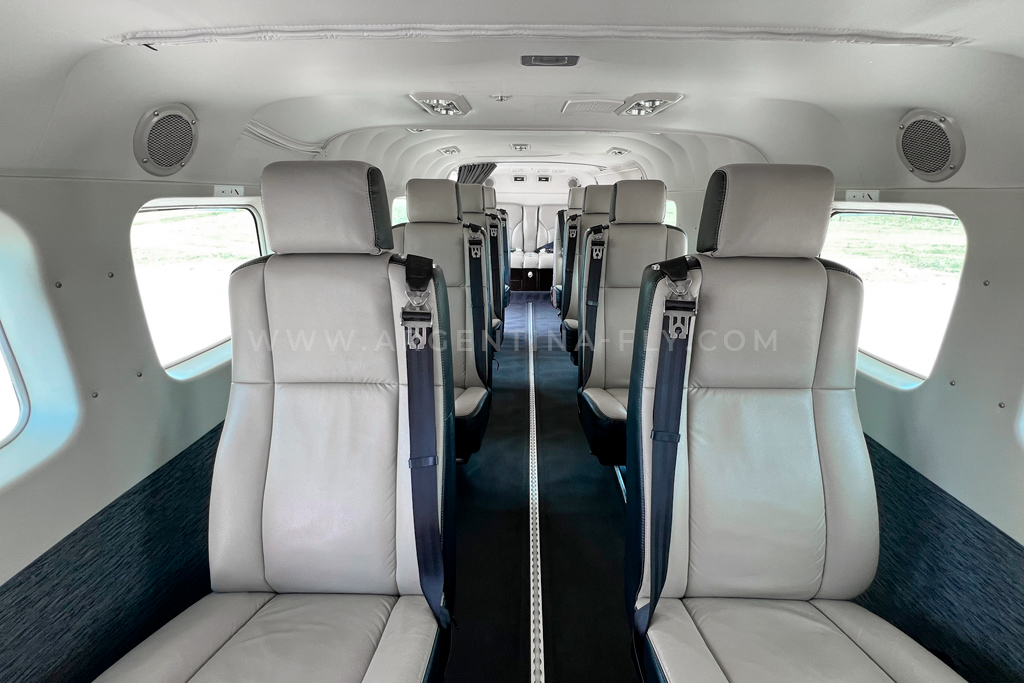
Cessna Grand Caravan
Versatile turboprop with generous payload capacity and a comfortable cabin, ideal for groups and flights to destinations with short runways.
Capacity
9 passengers
Lavatory
Not available
Cabin
Non-pressurized
Luggage
Moderate
Wi-Fi
Portable Starlink
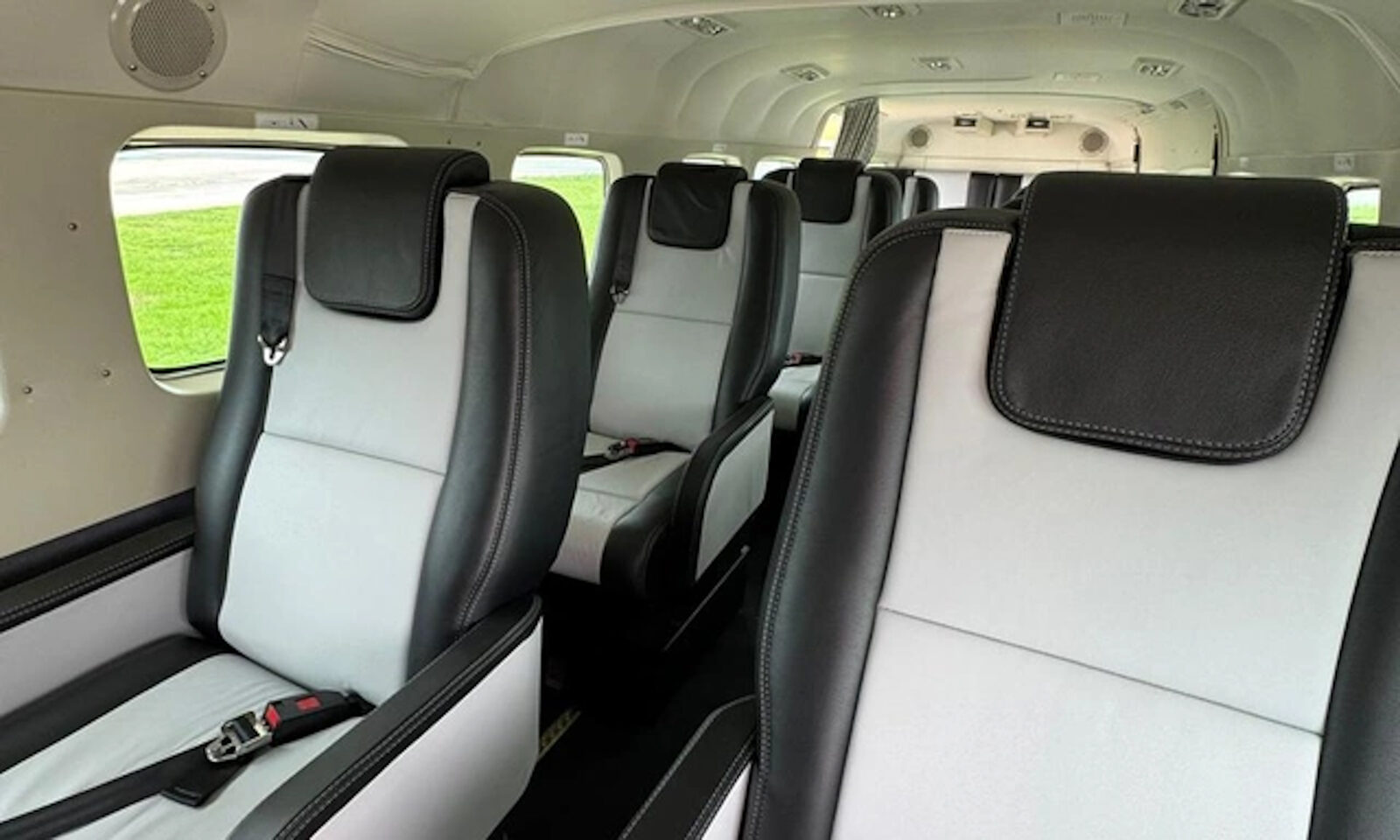
Cessna Grand Caravan Ex
Versatile turboprop with generous payload capacity and a comfortable cabin, ideal for groups and flights to destinations with short runways.
Capacity
9 passengers
Lavatory
Not available
Cabin
Not pressurized
Luggage
Standard
Wi-Fi
Portable Starlink
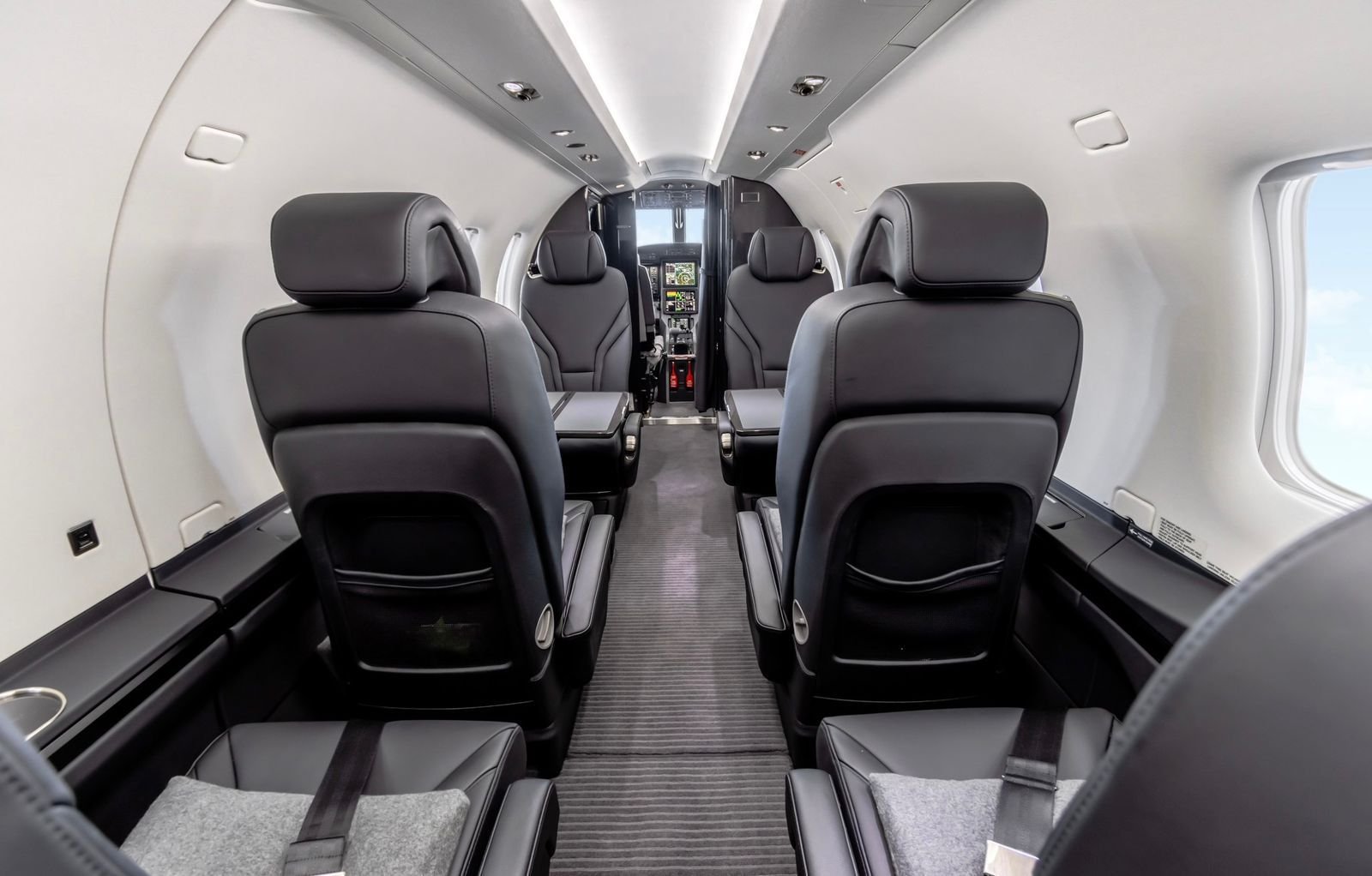
Pilatus PC-12
High-performance single-engine turboprop in executive configuration, with a spacious cabin and latest-generation technology.
Capacity
8 passengers
Lavatory
Not available
Cabin
Pressurized
Luggage
Standard
Wi-Fi
Portable Starlink
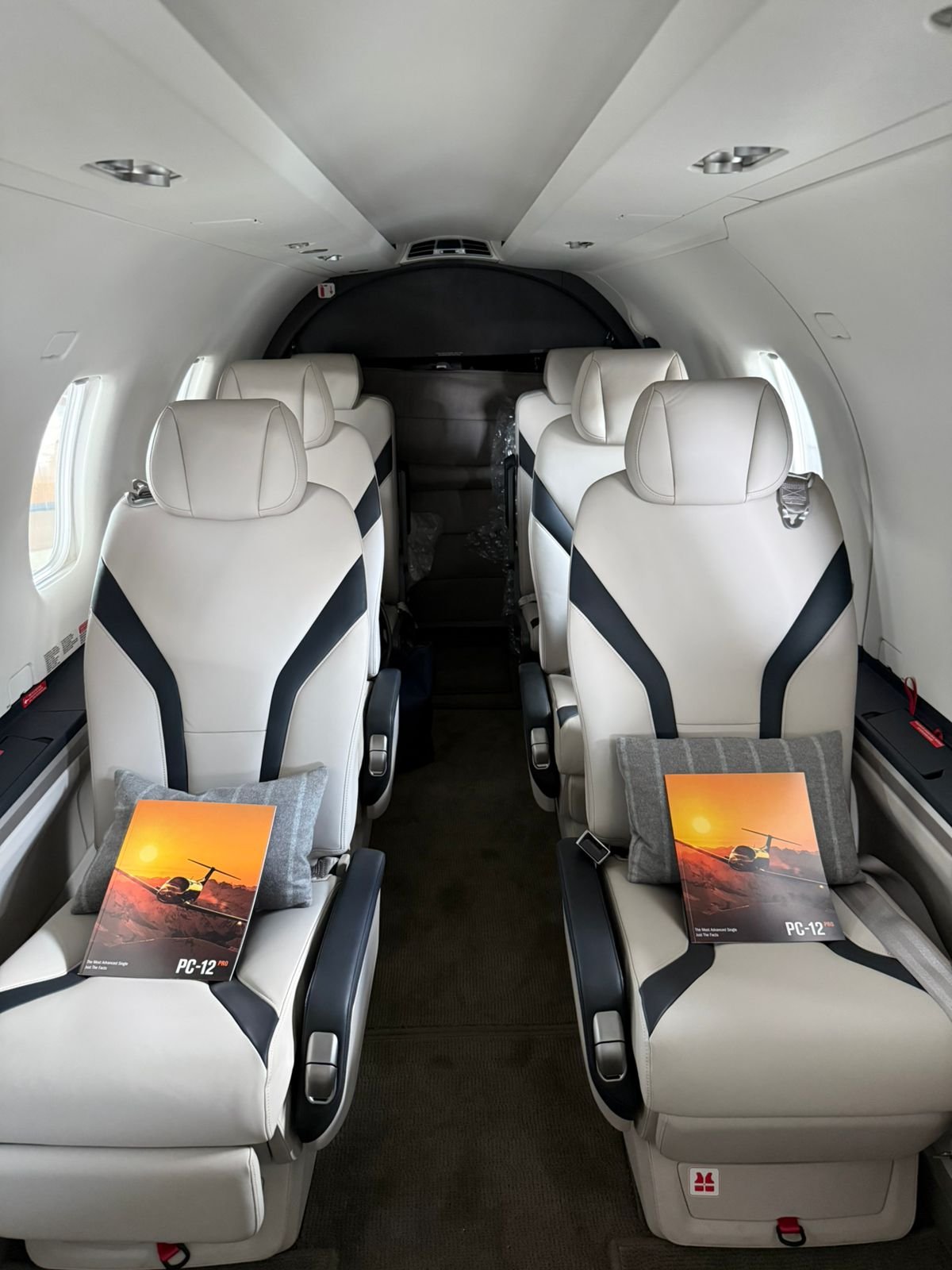
Pilatus PC12 Pro
High-performance single-engine turboprop in executive configuration, with a spacious cabin and latest-generation technology.
Capacity
8 passengers
Lavatory
Not available
Cabin
Pressurized
Luggage
Standard
Wi-Fi
Portable Starlink
Other routes from Buenos Aires
Destinations near Jacinto Aráuz, with the lowest reference fare and the shortest flight time.
Jacinto Aráuz
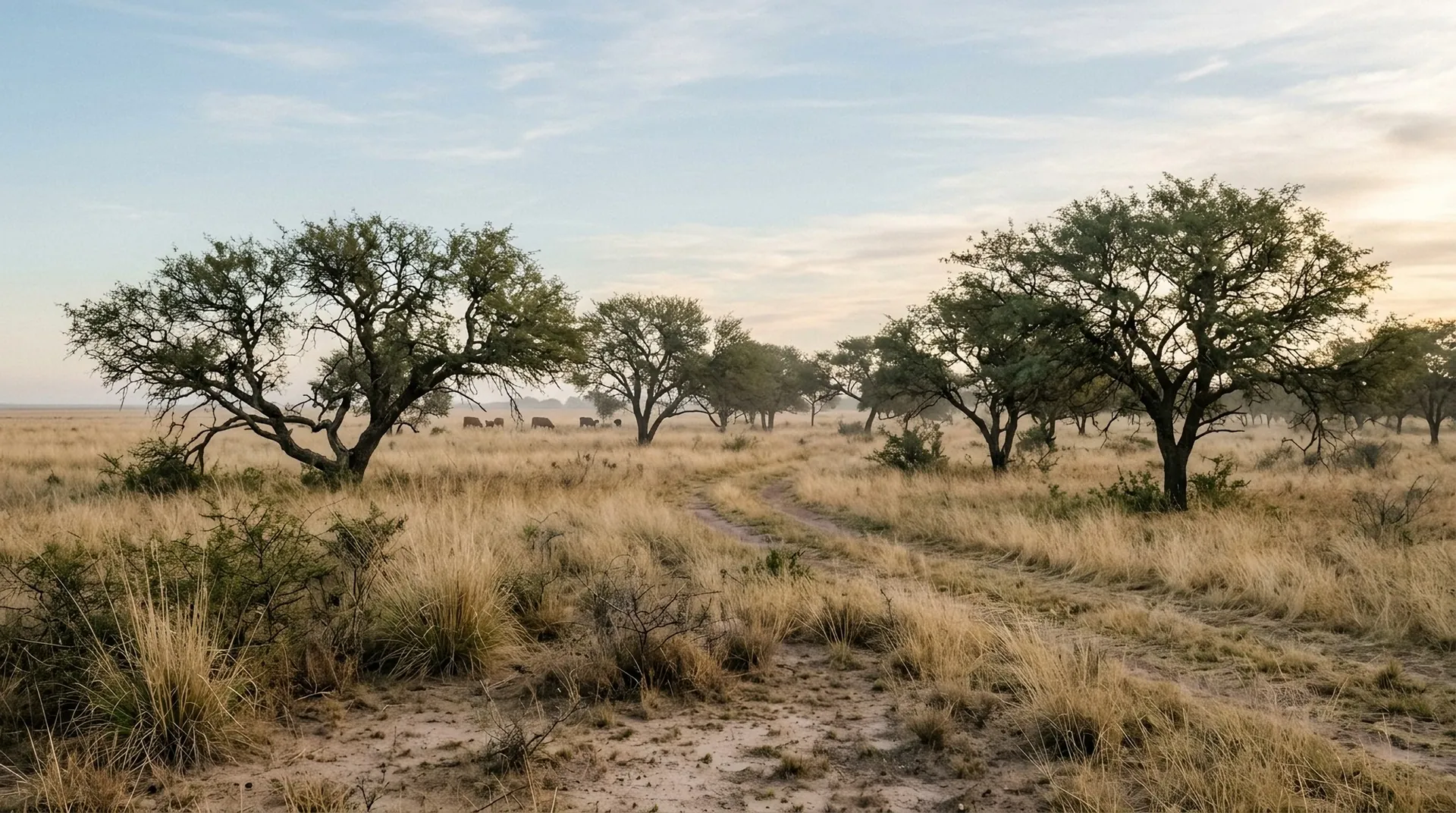
Jacinto Aráuz is a town in the Hucal department, in southeastern La Pampa, founded in 1889 on land that Jacinto Aráuz donated for the railroad and the town. From 1950, and for more than a decade, René Favaloro worked there as a country doctor, and the old station is now the museum that remembers him. It is an agricultural and industrial center, with hunting preserves in the department and the La Colorada Chica salt flat 30 km to the south. From Buenos Aires it is 606 km, and a piston aircraft or a turboprop lands at the town's airfield in 1 h 30 to 2 h 15, depending on the aircraft.
Favaloro, country doctor
The museum in the old station, the clinic and the monument: Favaloro's years in the town.
René Favaloro arrived in Jacinto Aráuz in 1950, newly graduated, to replace for a few months the town's only doctor, who was ill. He stayed more than a decade. With his brother Juan José, also a doctor, he set up a health center that reduced infant mortality, childbirth infections and malnutrition, before leaving to specialize in surgery at the Cleveland Clinic in the United States.
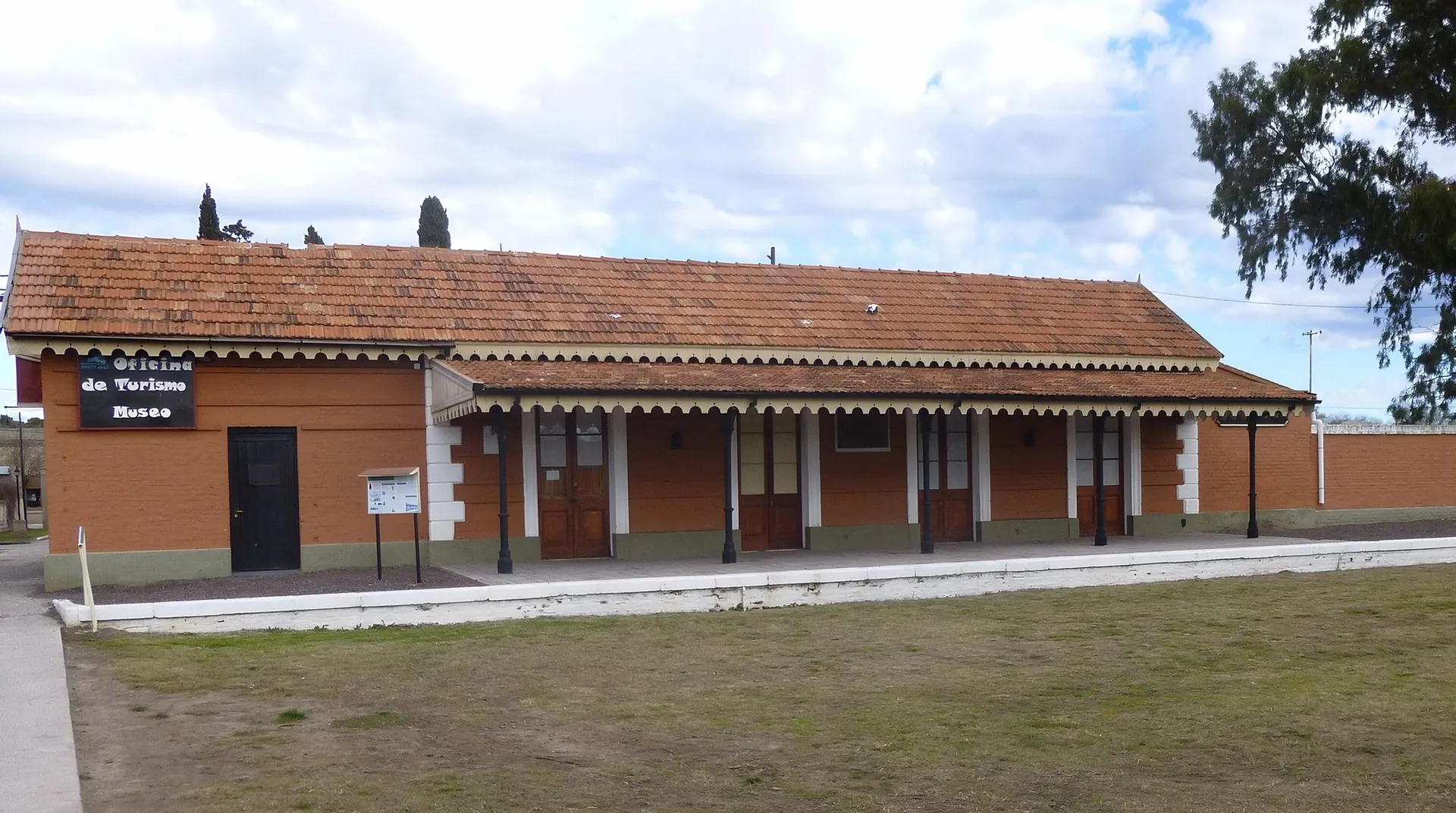
The Museo Histórico del Médico Rural “Dr. René Favaloro” is housed in the former railway station, on Boulevard San Martín, and remembers the Favaloro brothers and the doctors who practiced in the town. The tourism office is in the same building; it is best to confirm the museum's hours before going.
The province's tourist map also marks the Clínica Médico Quirúrgica, the hospital and the Monumento Homenaje al Dr. René Favaloro, all reachable on foot from the station. The town is also home to the workshop of Héctor “Tito” Oveseika, a visual artist who paints with his mouth and shows his work to visitors.
What to see
- Monumento Homenaje al Dr. René FavaloroPart of the walking route through the town, with the clinic and the hospital.
- Museo Histórico del Médico RuralIn the former railway station, on Boulevard San Martín.
- Tito Oveseika's workshopWork by a visual artist who paints with his mouth.
The town and its festivals
Piedmontese and Waldensian roots, folk music in March and aero asados with introductory flights.
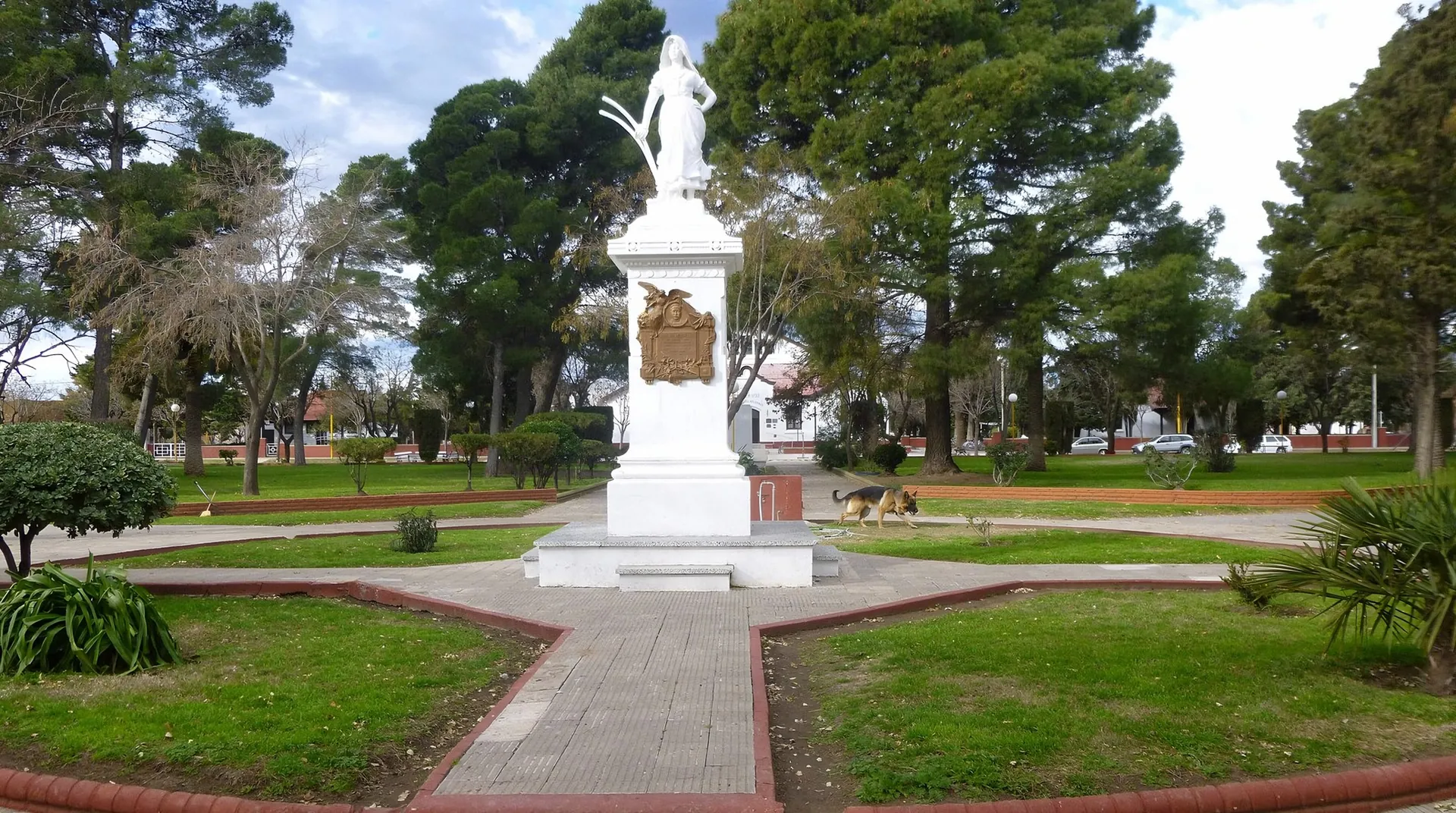
The first settlers came from Piedmont, in Italy, and many were Waldensians. The town grew as an agricultural and industrial center along National Route 35 and Provincial Route 28, and in the 2022 census it had 2,617 inhabitants. The tourist map places within a few blocks the Plaza Adolfo Mengelle, the Iglesia Evangélica Valdense and the Catholic and Evangelical Lutheran churches.
In the first week of March the Encuentro Federal de Folklore, a folk music festival, is held. Through the year, the town's calendar adds a motorcycle meet, aero asados, barbecues at the aeroclub with introductory flights, and a traditional jineteada, gaucho bronc riding, and the Centro Criollo Don Jacinto brings together country life.
What to see
- Centro Criollo Don JacintoCountry tradition and jineteadas.
- Iglesia Evangélica ValdenseA reminder of the Piedmontese settlers who populated the area.
- Plaza Adolfo MengelleThe town plaza, on the provincial tourist map.
Typical calendar
- First week of MarchEncuentro Federal de Folklore.
La Colorada Chica and the San Rosario colony
A salt flat in production, open to tourism, 30 km south of the town.
The La Colorada Chica salt flat, also called Laguna Larga, is 30 km south of Jacinto Aráuz and produces table salt. It is one of the salt flats in La Pampa open to tourism, with lookouts and authorized circuits. The pink tone of its waters is due to brine shrimp (Artemia salina), a tiny crustacean.
Visits are made on foot, along authorized circuits and with a licensed guide registered with the La Pampa Secretaría de Turismo, who also explains how the salt is extracted. Next to the salt flat is the San Rosario colony, founded by Volga German immigrants: 72 families who each received 100 hectares of farmland and a plot of salt flat, and built a chapel, a general store, a club and a school.
What to see
- Colonia San RosarioA Volga German colony, with a chapel, a general store and a school.
- Salina La Colorada Chica30 km to the south; visits on foot with a licensed guide.
Farmland and hunting in southern La Pampa
An agricultural town born with the railroad and licensed preserves in the Hucal department.
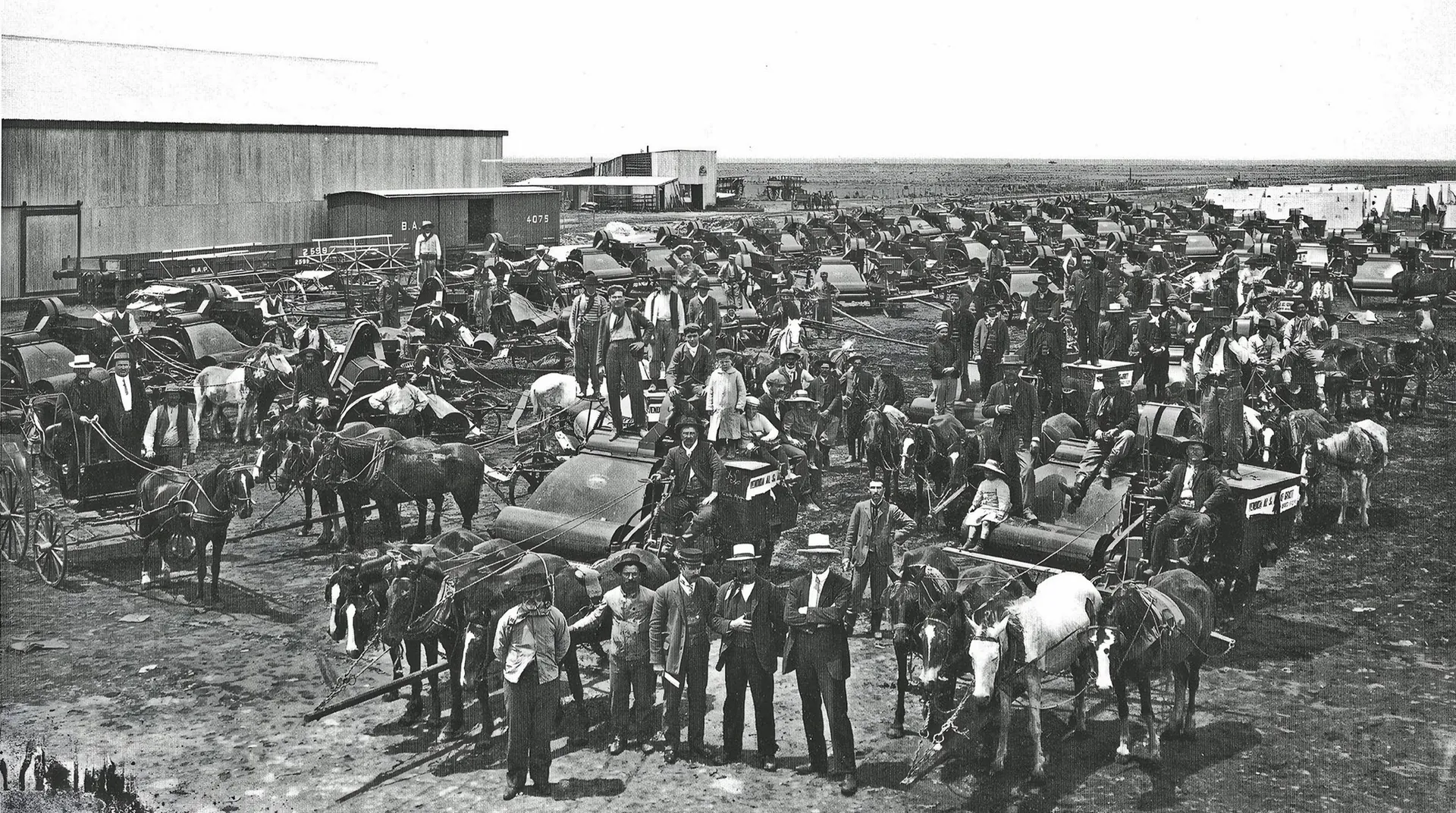
Jacinto Aráuz was born beside the railway station, on land donated for laying the track, and in the early 20th century the trains brought to it the machinery for the area's harvests. Today it remains an agricultural and industrial center of southeastern La Pampa, surrounded by cropland and ranchland.
In La Pampa, sport hunting is allowed only on hunting preserves (cotos de caza) and ranches registered with the Dirección de Recursos Naturales. The provincial register of licensed preserves includes several in the Hucal department, where Jacinto Aráuz is located, and the Secretaría de Turismo publishes the contacts of the preserves it oversees.
The usual big-game season runs from March to November on the preserves, for red deer, wild boar and antelope. For small game, the two local tinamous known as perdiz chica and perdiz de monte are hunted from May to July, with a limit of 6 birds per hunter per day; doves and European hare from March until September or November depending on the property. The exact dates are set by the province each season.
To hunt you need the province's license and hunting permit and the landowner's authorization with a certified signature; for firearms, you must be over 21. To take game out of the province a guía de tránsito, a transit permit, is required, and to take trophies out of the country, an export certificate from the national Dirección de Fauna y Flora Silvestre.
Typical seasons
- Big game on preservesRed deer, wild boar and antelope, from March to November.
- Doves and hareFrom March until September or November, depending on the property.
- PartridgesMay to July, 6 per day per hunter.
Arrival
From departure to destination.
- Departure
- From San Fernando (FDO), Aeroparque (AEP) or Ezeiza (EZE). The fare may change depending on where each aircraft is based.
- Airport
- Jacinto Aráuz airfield, public-use and non-towered, with a paved runway, a few minutes from the town.
- Favaloro museum
- In the former railway station, on Boulevard San Martín.
- La Colorada Chica salt flat
- 30 km south of the town; the visit is on foot, with a licensed guide.
When to go
The seasons at the destination.
- March
- Encuentro Federal de Folklore in the first week and the start of big-game hunting on the preserves.
- May to July
- Partridge season.
- November
- The usual close of big-game hunting on the preserves.
Key facts
- Airport
- Jacinto AráuzHucal department, La Pampa
- Category
- Public-use, non-towered
- Distance
- 606 kmFlight distance from Buenos Aires
Frequently asked questions
Price, flight time, airport, departure and travel documents.
How much does a private flight from Buenos Aires to Jacinto Aráuz cost?
Reference fares for a one-way private flight from Buenos Aires (San Fernando), whole aircraft, start at USD 5,100 for a piston twin and USD 5,220 for a turboprop. Round trips are calculated in the quote tool according to the length of your stay.
How long is the flight?
Between 1 h 30 and 2 h 15, depending on the aircraft.
Which airfield does the flight use?
Jacinto Aráuz airfield, public-use and non-towered, with a paved runway at an elevation of 160 m, a few minutes from the town. Flights to this route are by piston aircraft and turboprops.
Can I visit the Favaloro museum?
Yes. The Museo Histórico del Médico Rural “Dr. René Favaloro” is in the former railway station, next to the tourism office, and remembers the years when René and Juan José Favaloro practiced in the town. Confirm the hours before going.
Can I visit the La Colorada Chica salt flat?
Yes, along authorized circuits, on foot and with a licensed guide registered with the La Pampa Secretaría de Turismo. The salt flat is 30 km south of the town, next to the San Rosario colony.
When is the hunting season in the area?
Big game usually runs from March to November on the preserves, and partridges are hunted from May to July. Hunting is allowed only on licensed preserves and ranches, with a provincial permit; the exact dates are set by the province each season.
Can I fly there and back in a day?
Yes: the flight takes 1 h 30 to 2 h 15, depending on the aircraft, enough to visit the museum and the town, flying back in the afternoon. The fare is calculated by length of stay, from a same-day return to several days.
What documents do I need?
It is a domestic flight within Argentina: Argentine citizens travel with a valid national ID (DNI) and foreign nationals with a valid passport.
Are the published fares final?
They are estimates. The final quote depends on dates, length of stay, aircraft type and applicable operating fees.
Where does the flight depart from?
Fares are calculated for departure from San Fernando (FDO). Departing from Aeroparque (AEP) or Ezeiza (EZE) may change the fare, depending on where each aircraft is based.

Ready to fly? Let’s talk.
Share the details of your trip and we’ll help you find the aircraft and flight solution best suited to your needs.
- WhatsApp+54 9 11 3080 7775
- Phone+54 9 11 3080 7775
- Emailinfo@argentina-fly.com
For charter operatorsList your aircraft