
- Home
- Flight quote
- Bahía Blanca
Private flights to Bahía Blanca
Jet from USD 6,260 · 1 h 15
Results:
- Itinerary
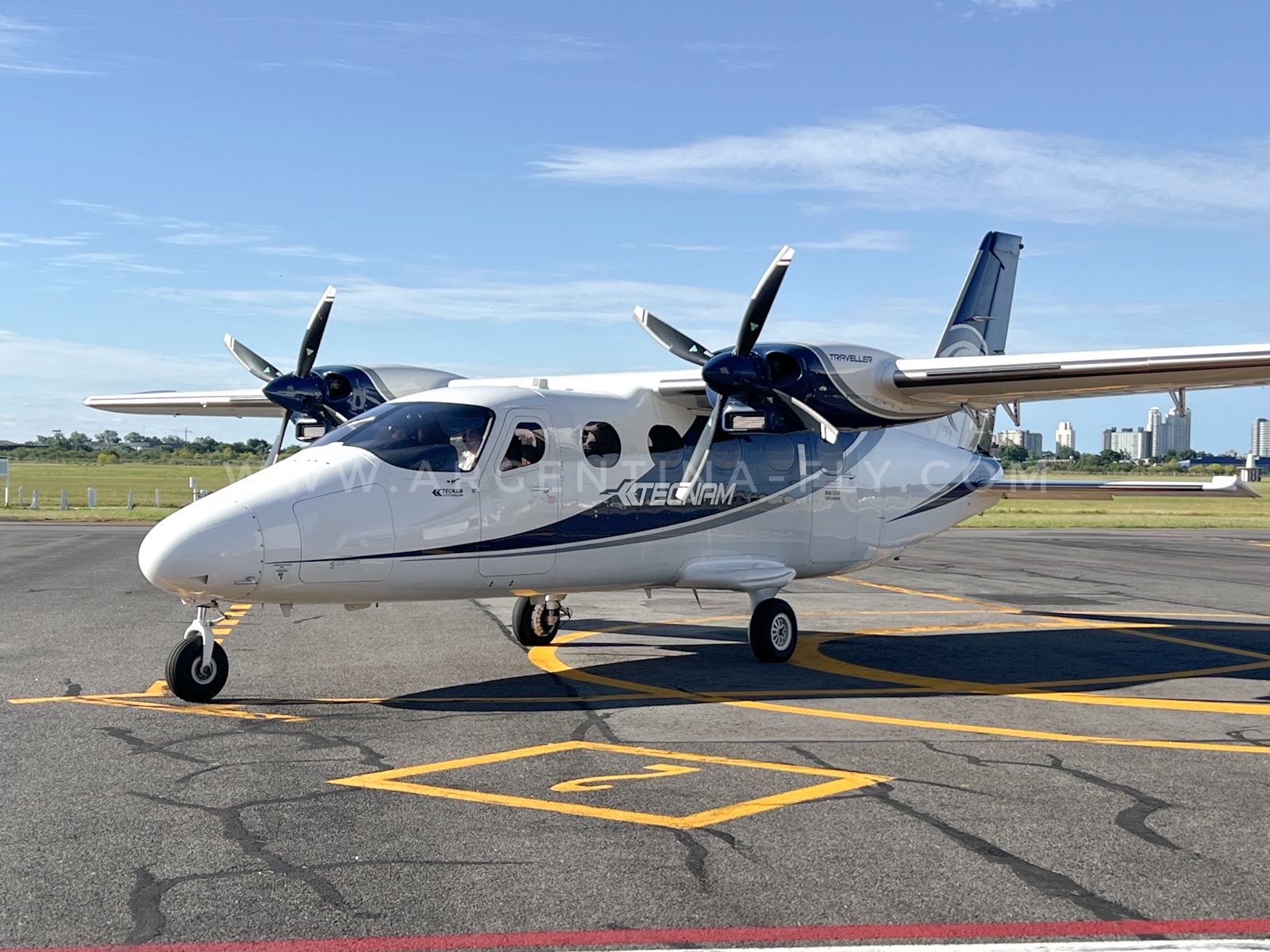
Tecnam Traveller
Piston aircraft · 9 passengers · 2 h 202 h 20flight time
USD 5,240+ VAT 10.5%
Request a quote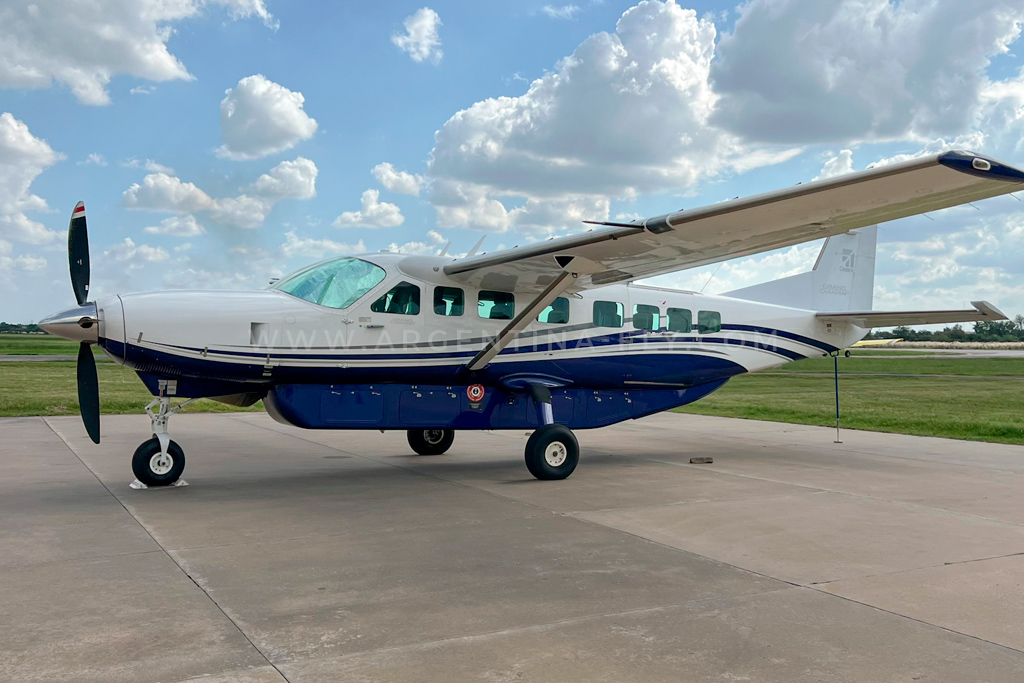
Cessna Grand Caravan
Turboprop · 9 passengers · 2 h 302 h 30flight time
USD 5,370+ VAT 10.5%
Request a quote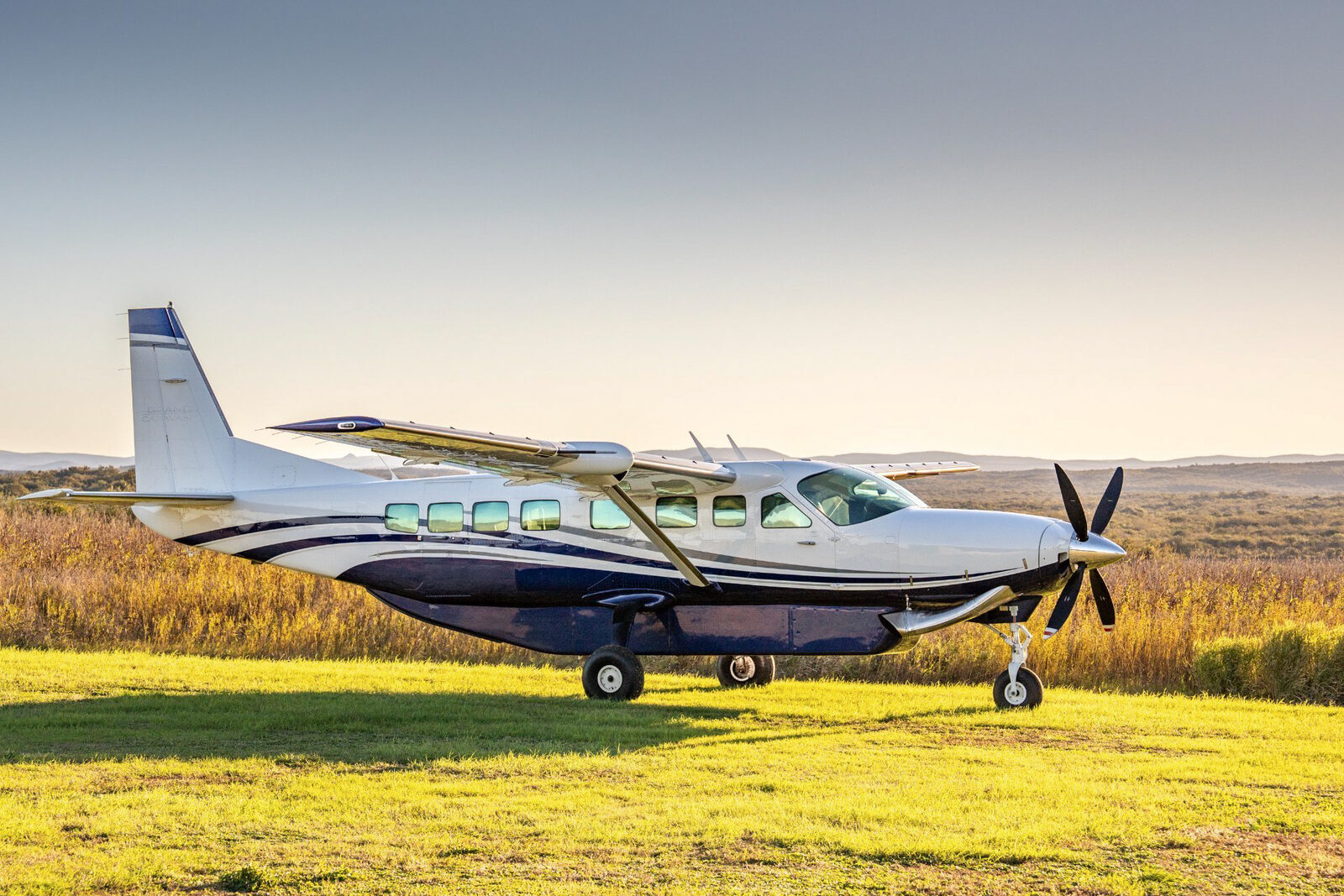
Cessna Grand Caravan Ex
Turboprop · 9 passengers · 2 h 202 h 20flight time
USD 5,750+ VAT 10.5%
Request a quote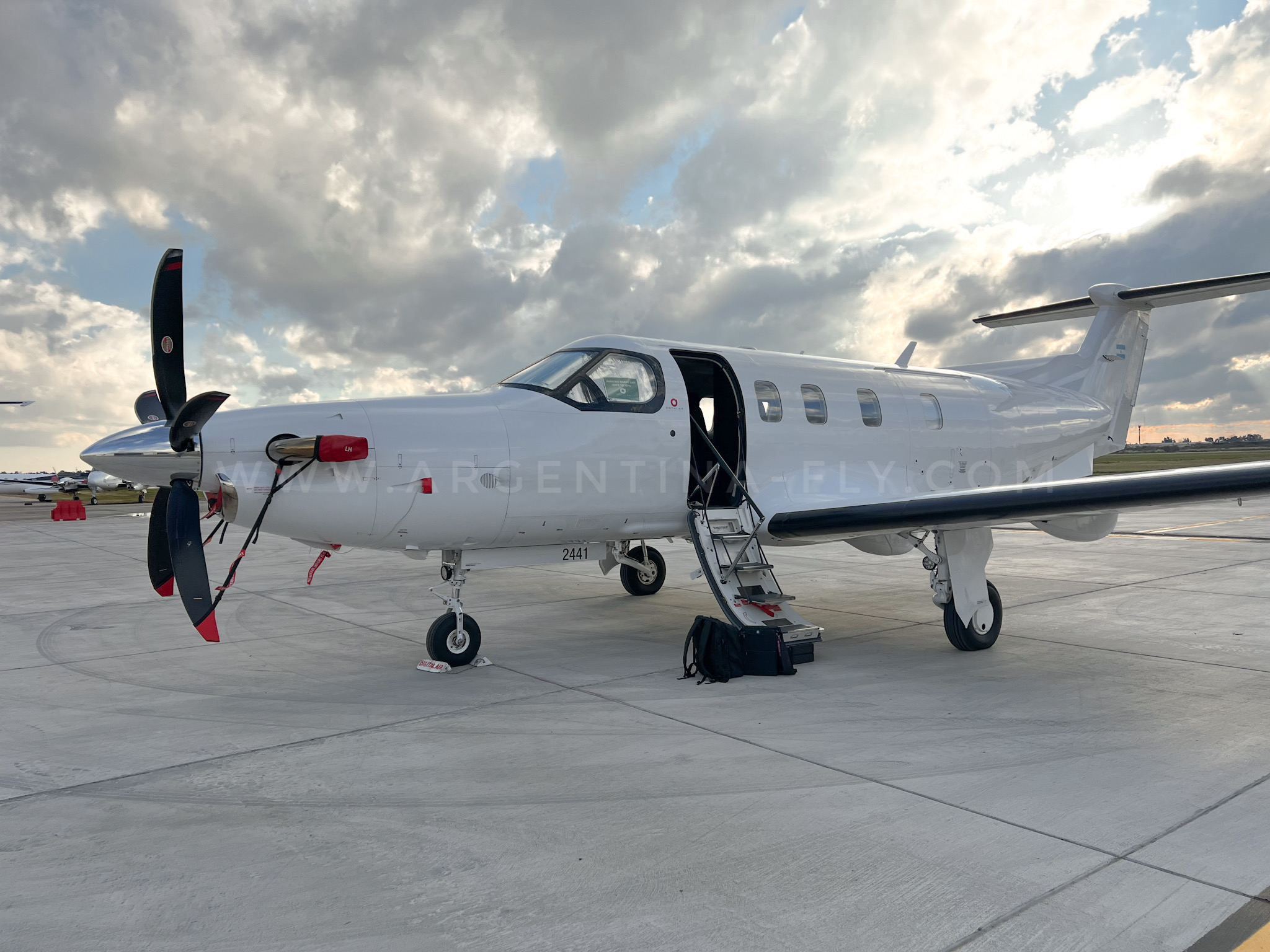
Pilatus PC-12
Turboprop · 8 passengers · 1 h 401 h 40flight time
USD 5,880+ VAT 10.5%
Request a quote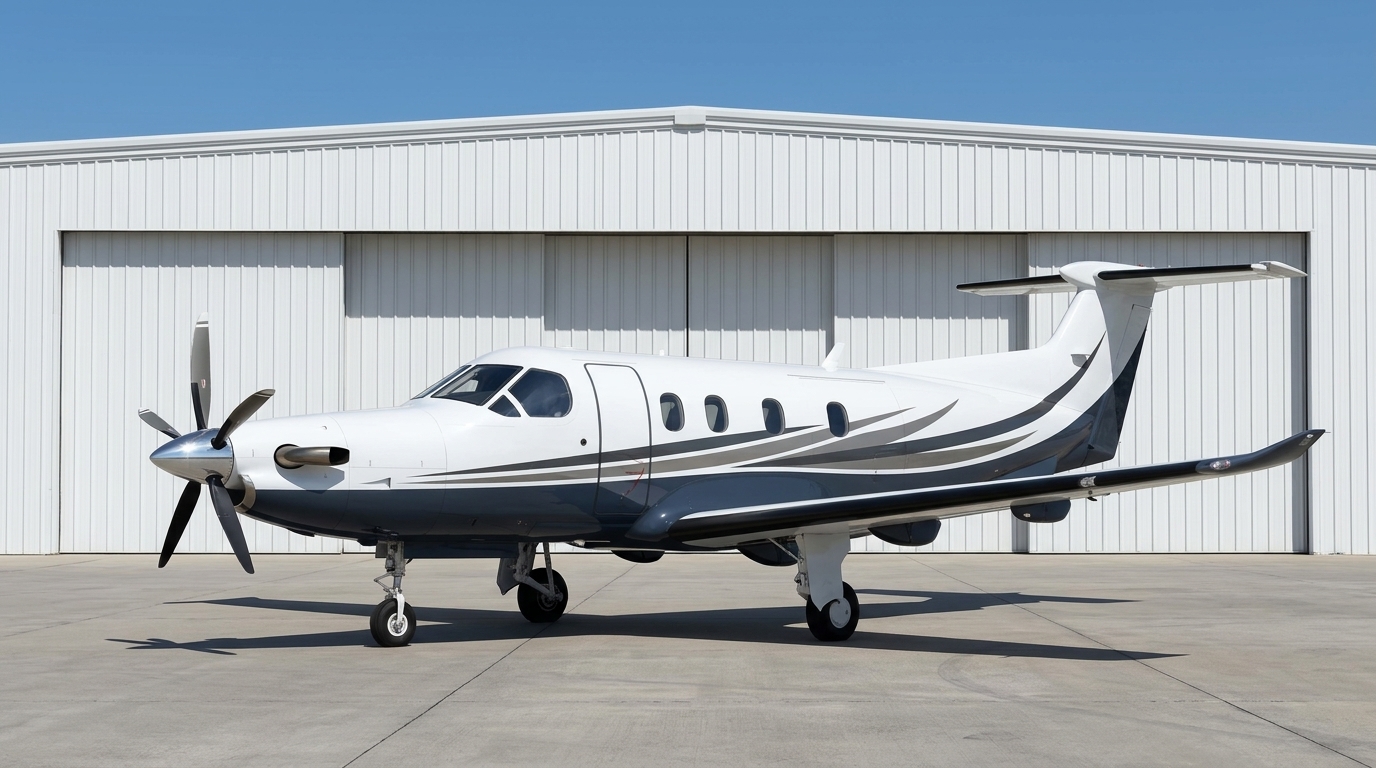
Pilatus PC12 Pro
Turboprop · 8 passengers · 1 h 401 h 40flight time
USD 6,010+ VAT 10.5%
Request a quote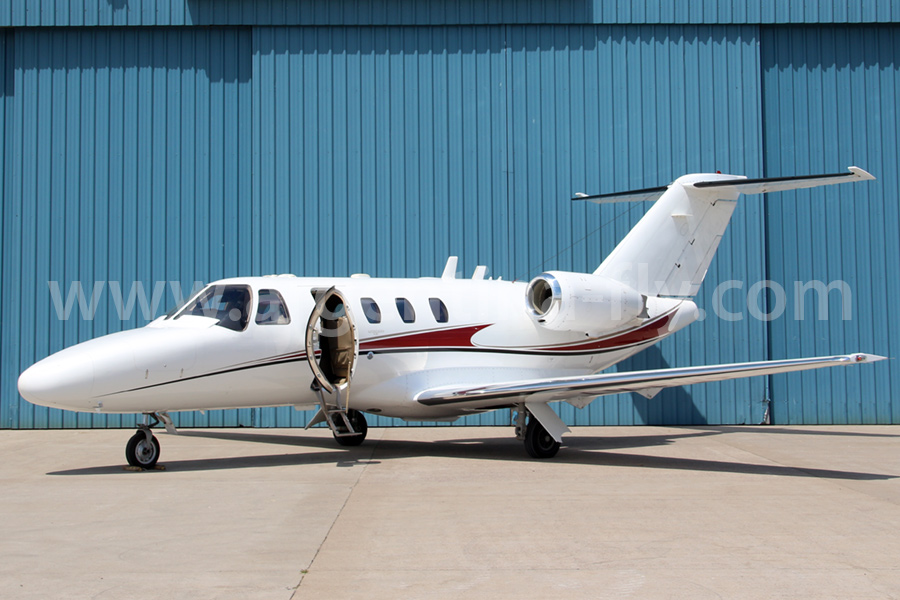
Citation CJ1
Light jet · 5 passengers · 1 h 151 h 15flight time
USD 6,260+ VAT 10.5%
Request a quote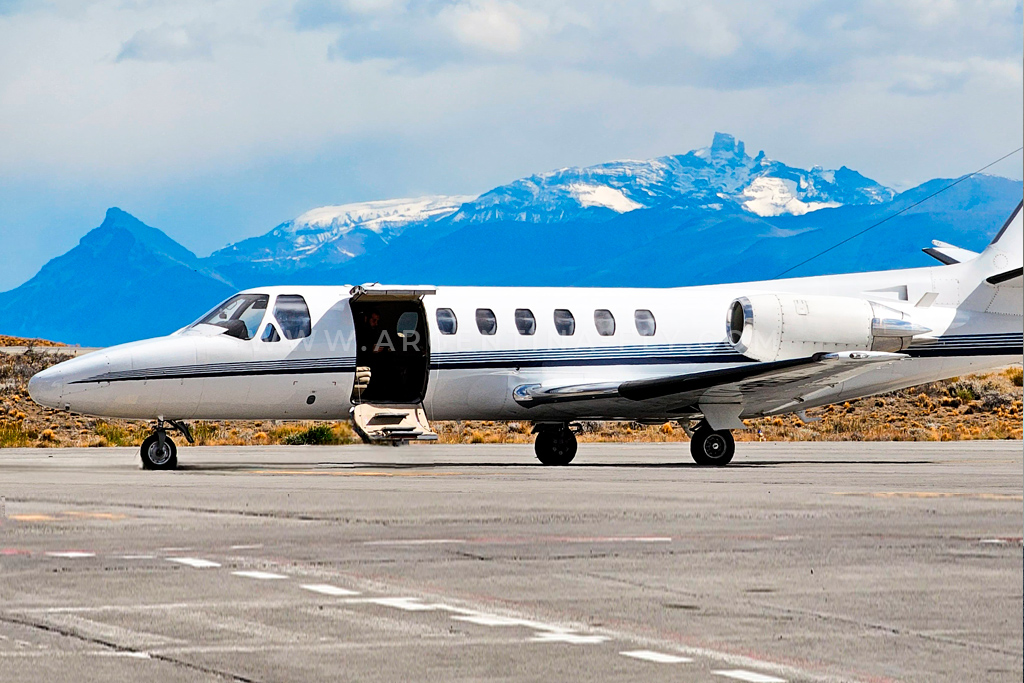
Citation V
Light jet · 8 passengers · 1 h 101 h 10flight time
USD 6,520+ VAT 10.5%
Request a quote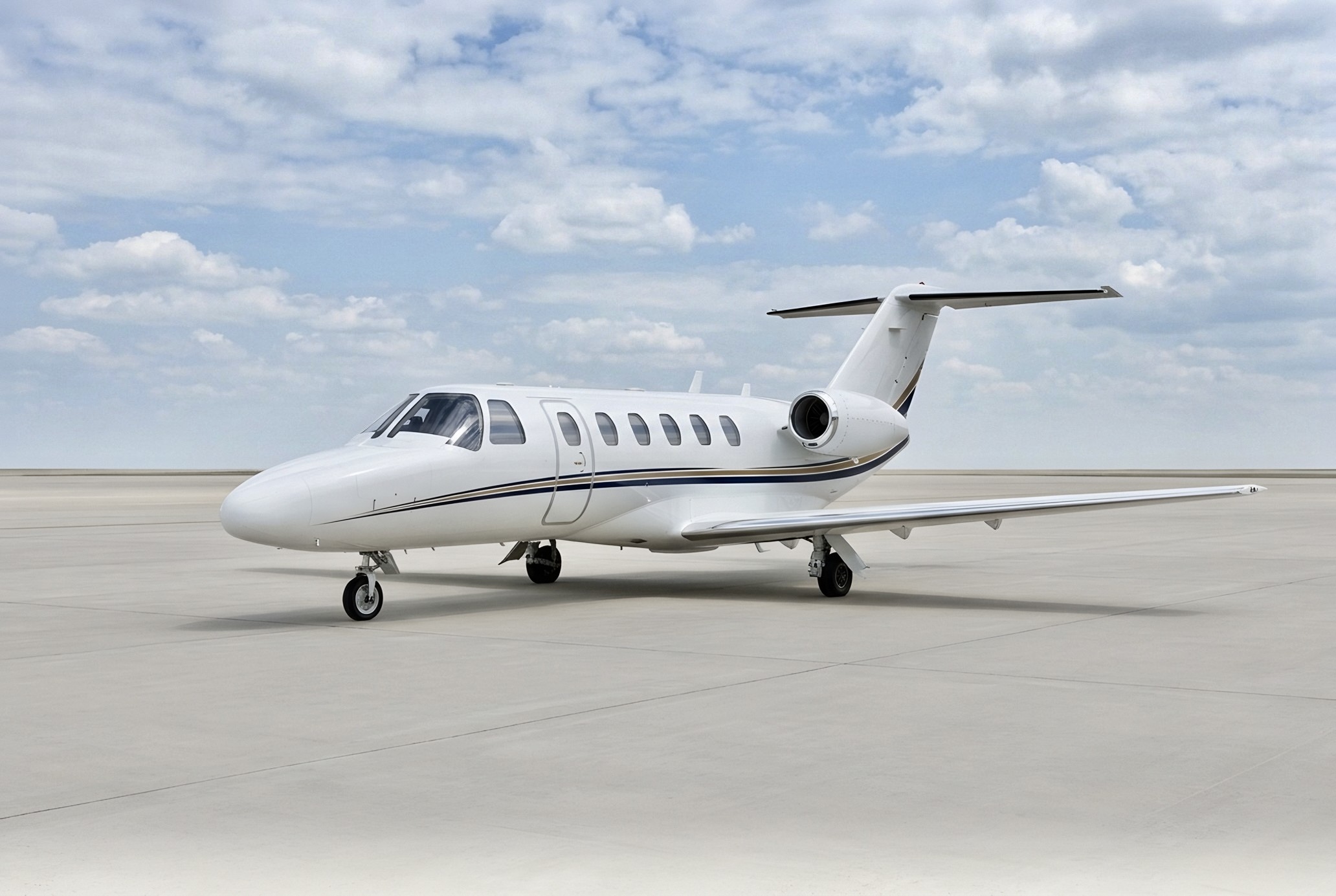
Citation CJ2
Light jet · 6 passengers · 1 h 15 · 2 options1 h 15flight time
USD 6,520+ VAT 10.5%
Request a quote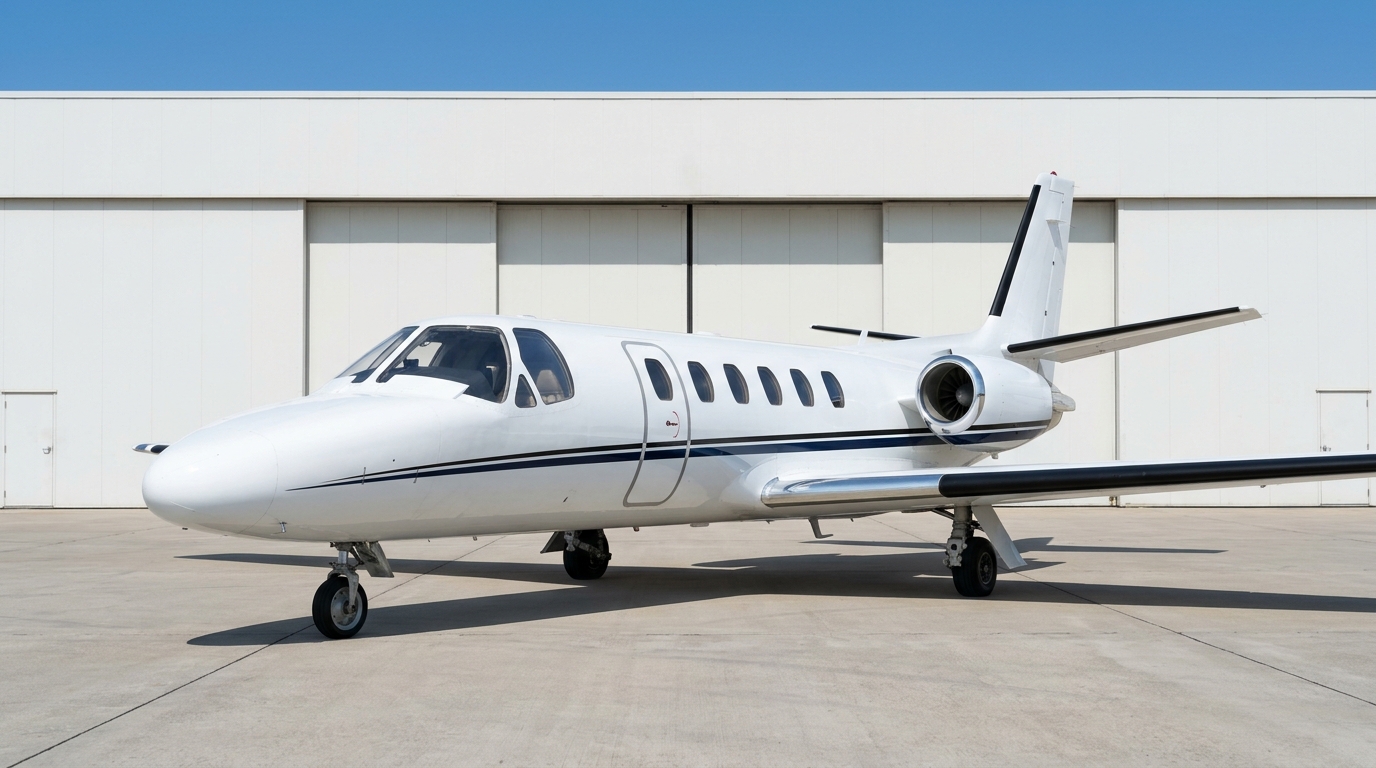
Citation Bravo
Light jet · 7 passengers · 1 h 151 h 15flight time
USD 6,900+ VAT 10.5%
Request a quote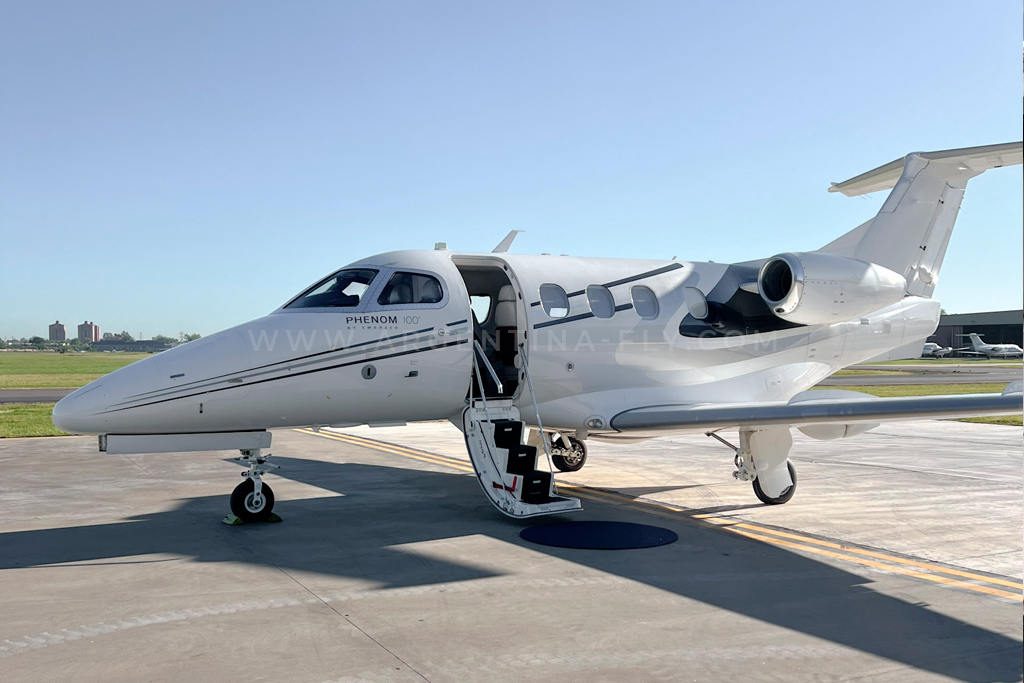
Phenom 100
Light jet · 5 passengers · 1 h 151 h 15flight time
USD 7,290+ VAT 10.5%
Request a quote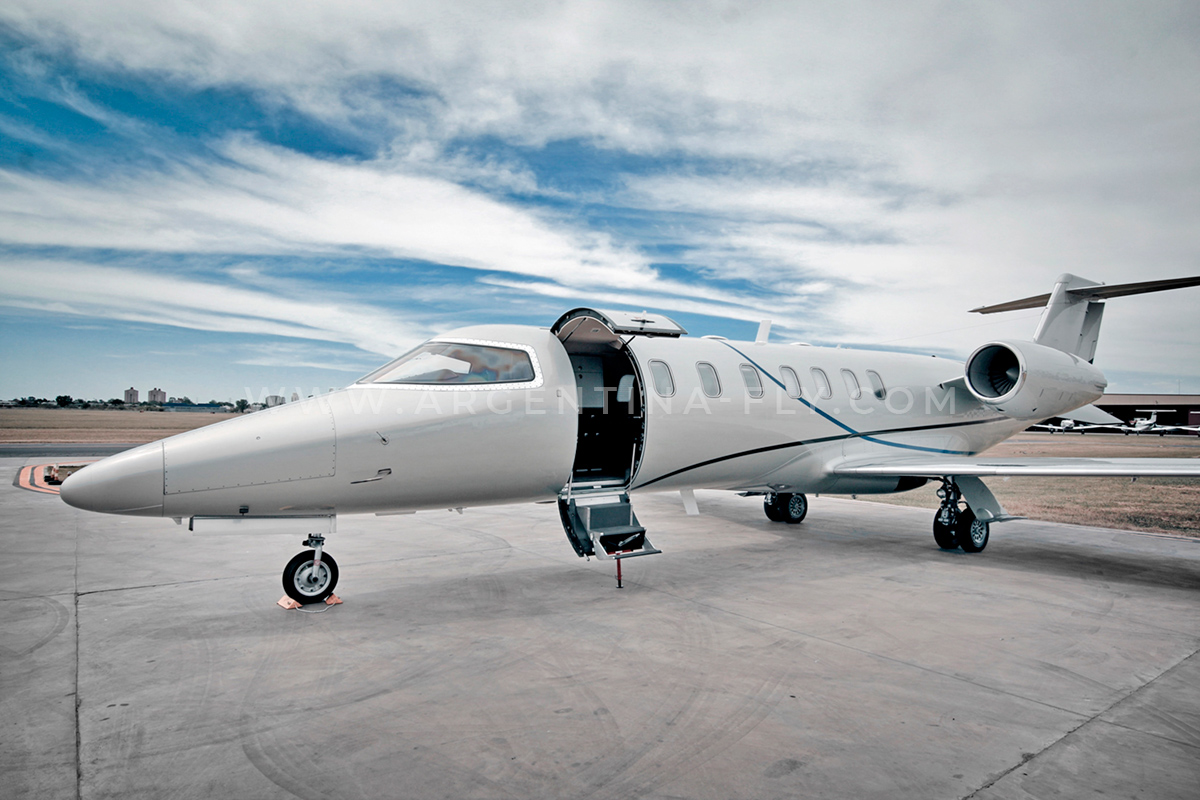
Learjet 40 XR
Light jet · 6 passengers · 1 h 051 h 05flight time
USD 7,670+ VAT 10.5%
Request a quote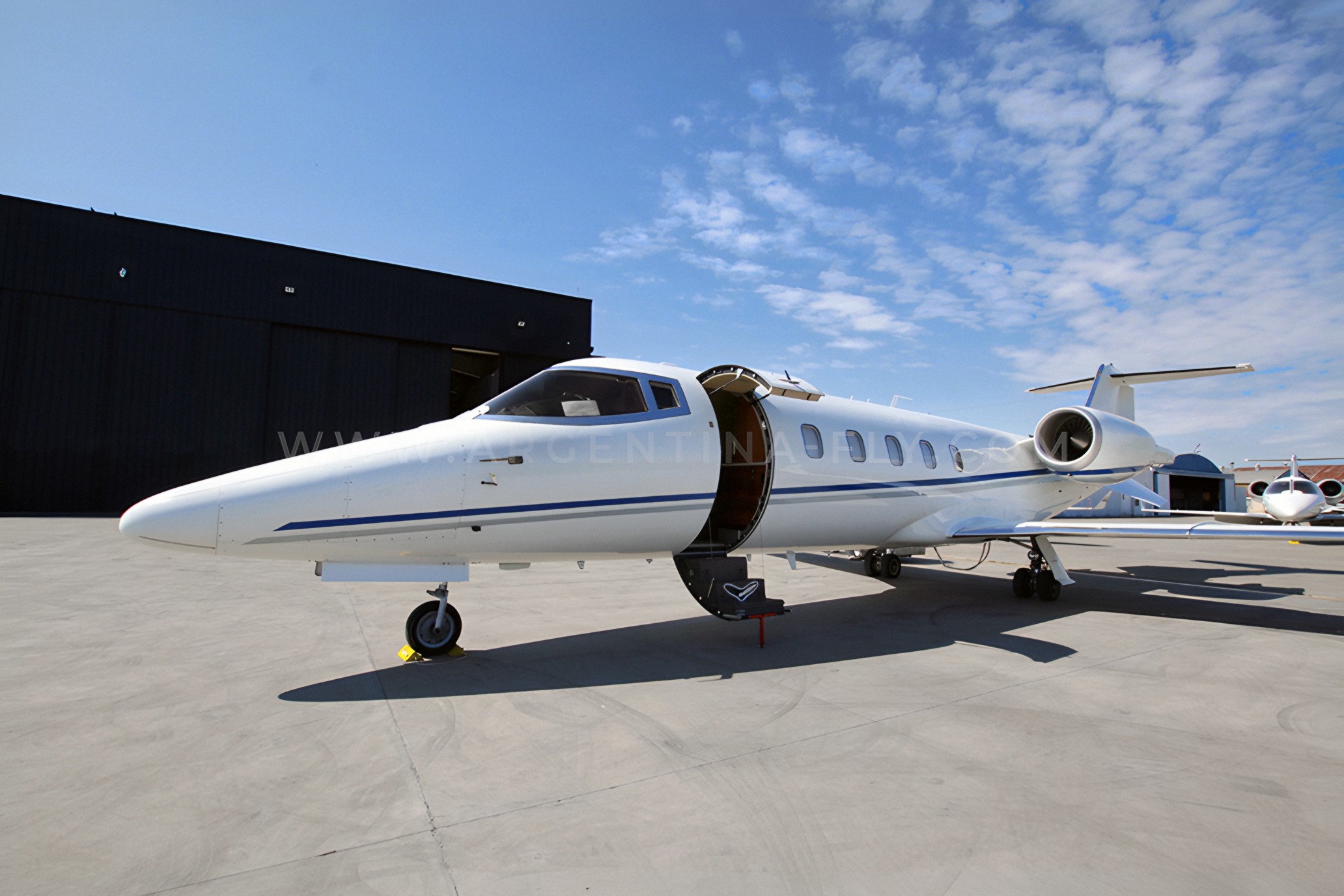
Learjet 60
Midsize jet · 7 passengers · 1 h 05 · 2 options1 h 05flight time
USD 7,930+ VAT 10.5%
Request a quote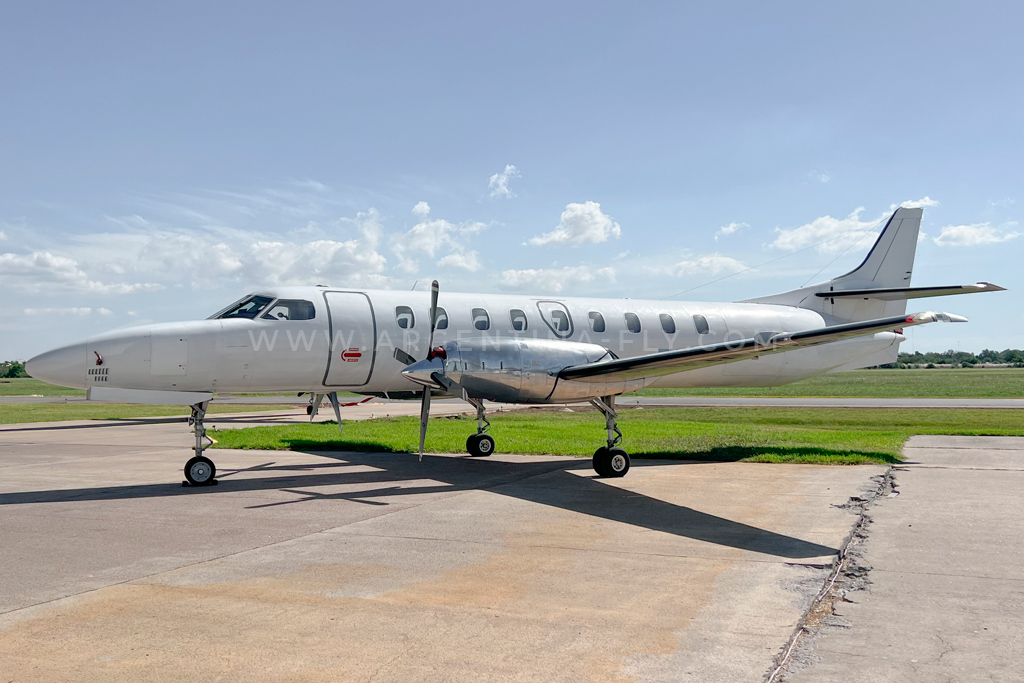
Metro 23
Turboprop · 19 passengers · 1 h 401 h 40flight time
USD 8,180+ VAT 10.5%
Request a quote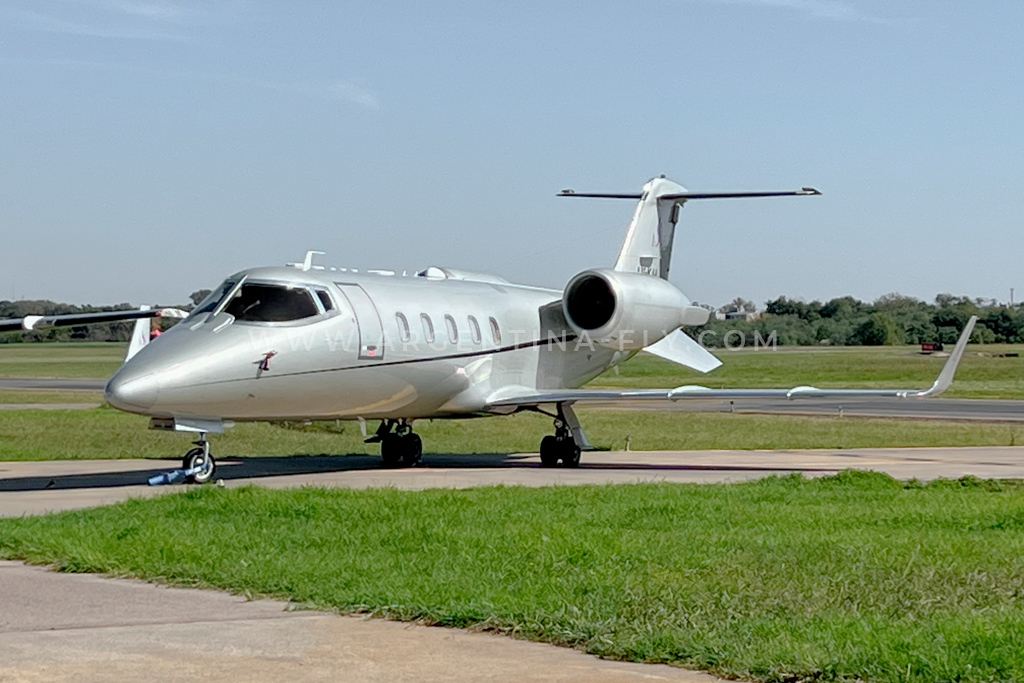
Learjet 60 XR
Midsize jet · 6 passengers · 1 h 051 h 05flight time
USD 8,310+ VAT 10.5%
Request a quote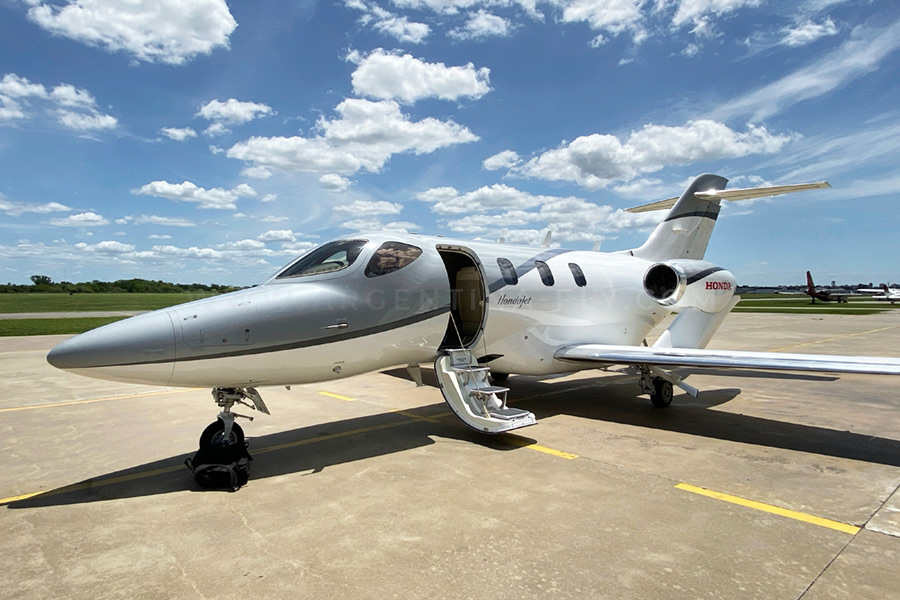
HondaJet
Light jet · 5 passengers · 1 h 151 h 15flight time
USD 8,820+ VAT 10.5%
Request a quote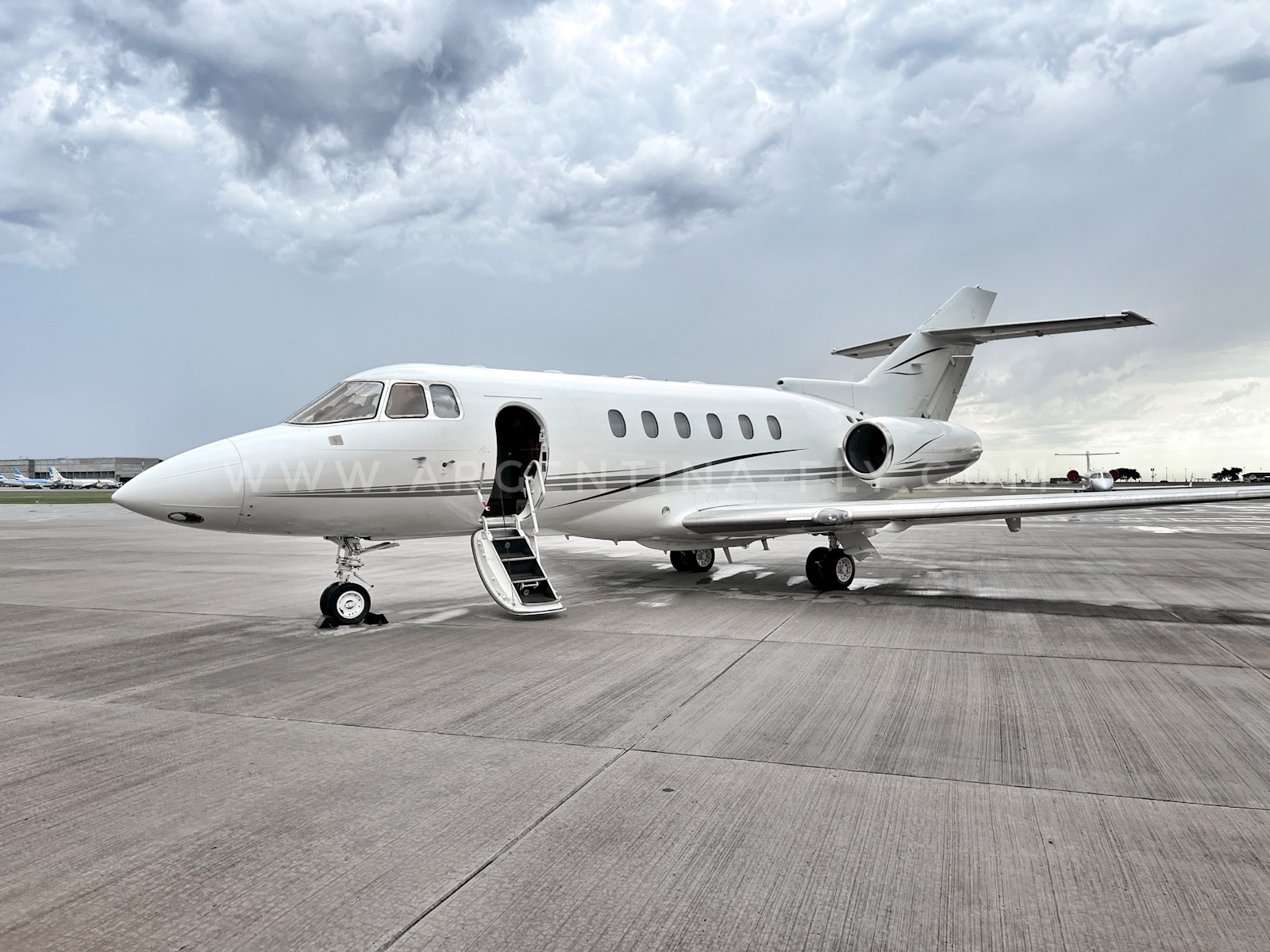
Hawker 800 XP
Midsize jet · 8 passengers · 1 h 101 h 10flight time
USD 9,240+ VAT 10.5%
Request a quote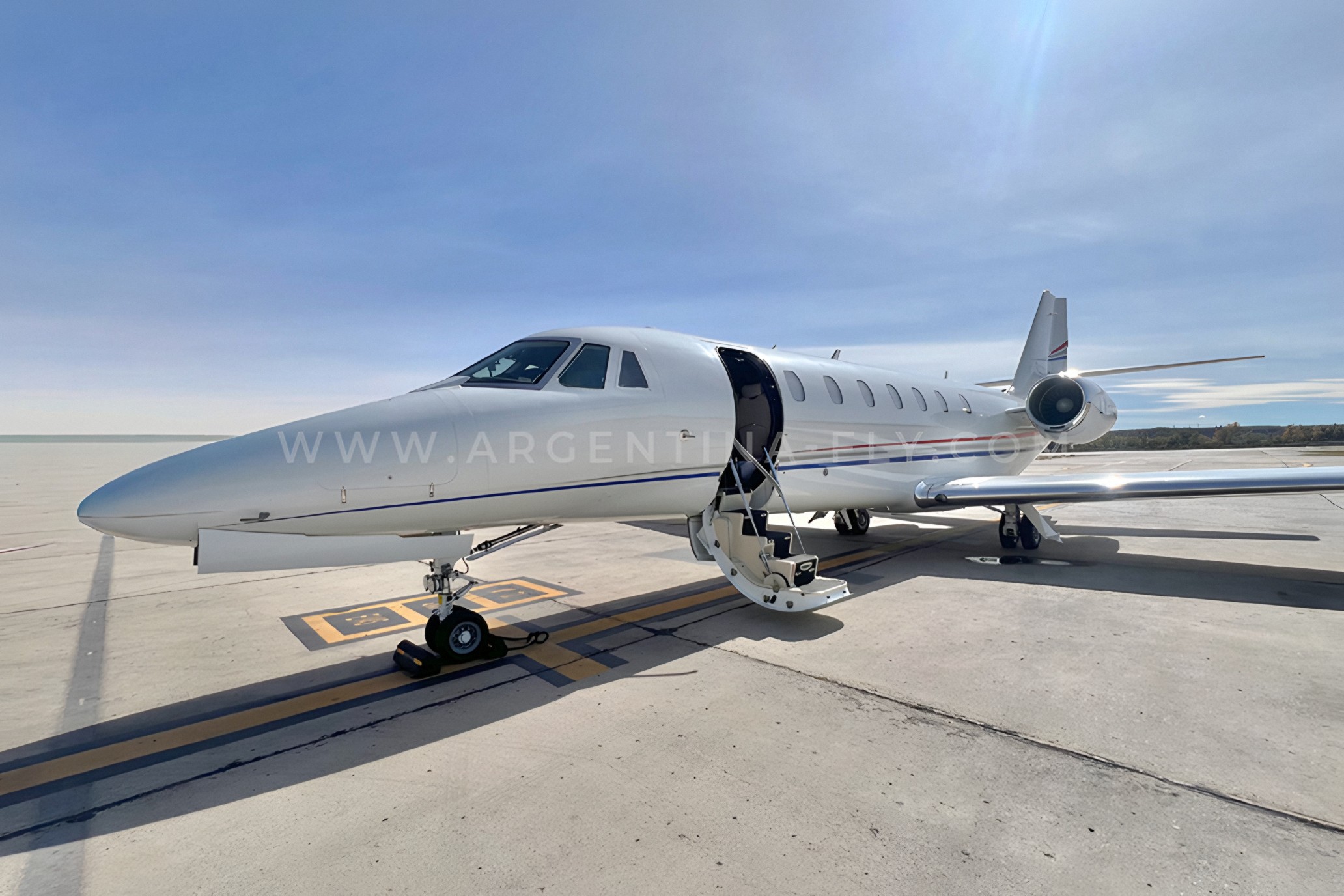
Citation Sovereign
Midsize jet · 8 passengers · 1 h 051 h 05flight time
USD 9,460+ VAT 10.5%
Request a quote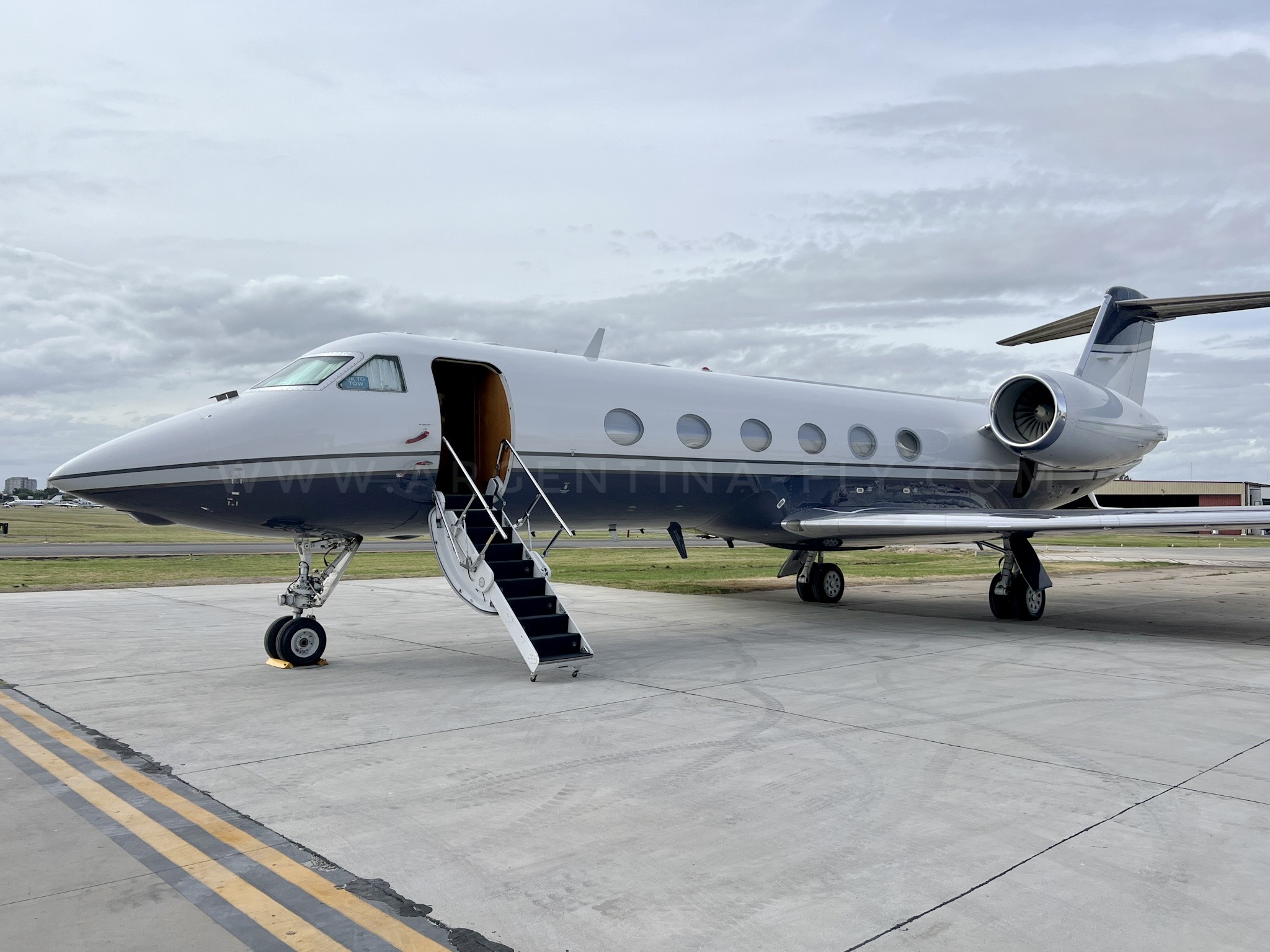
Gulfstream 400
Large jet · 14 passengers · 1 h 051 h 05flight time
USD 14,970+ VAT 10.5%
Request a quote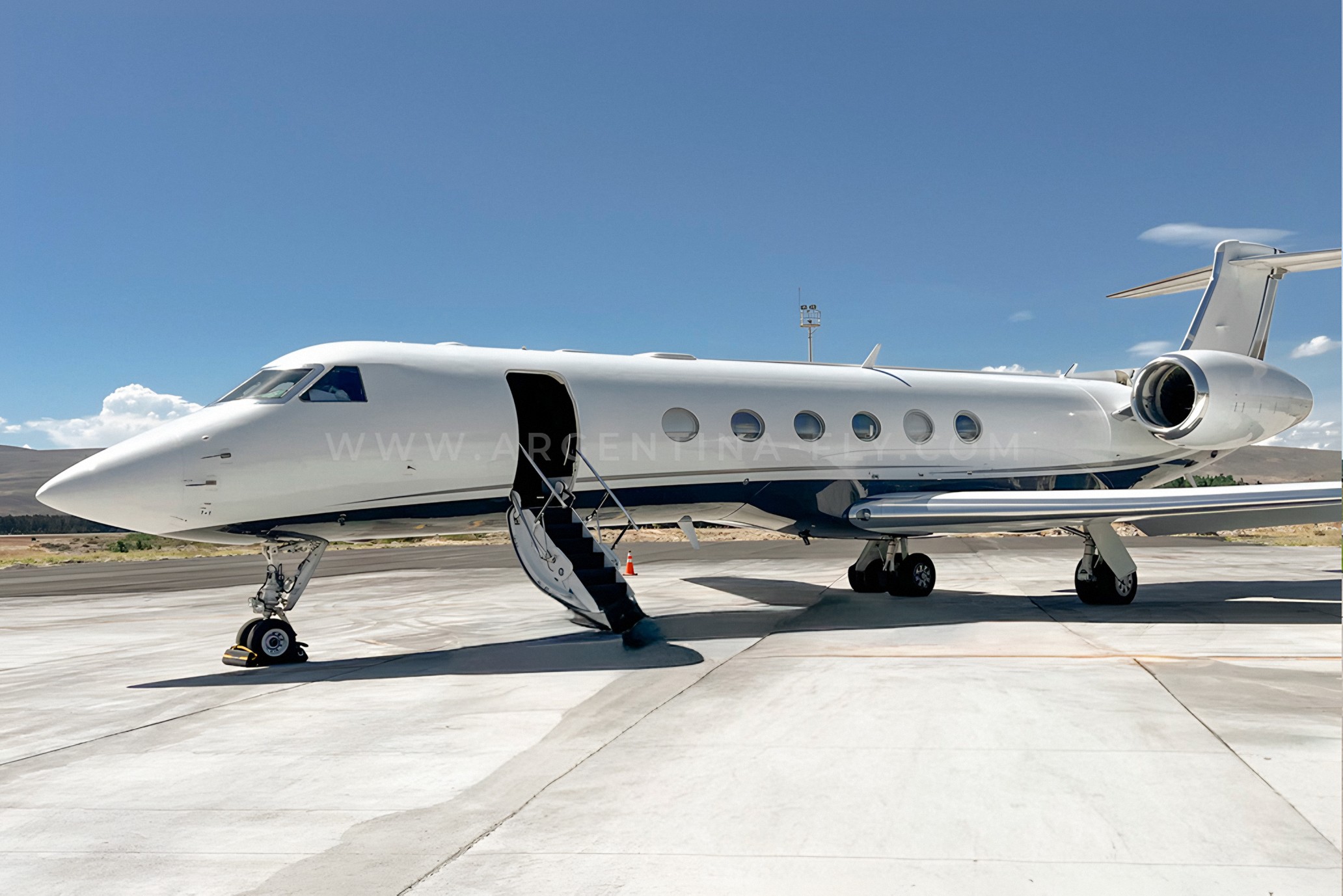
Gulfstream V
Large jet · 14 passengers · 1 h 05 · 2 options1 h 05flight time
USD 15,250+ VAT 10.5%
Request a quote
Route and airfields
Rate conditions
Please read carefully before requesting a quote.
Prices
Reference fares in US dollars (USD), for the entire aircraft. They may vary with aircraft availability and travel dates. For itineraries with several destinations, please request a tailored quote.
Not included
VAT on flights within Argentina, fees abroad on international flights (airport charges, handling and FBO, among others), and special services on request.
Base airport
Fares are calculated for departure from San Fernando (FDO). Departing from Aeroparque (AEP) or Ezeiza (EZE) may change the fare, depending on where each aircraft is based.
Reference fleet
The aircraft displayed are for reference purposes only and may vary depending on operational availability. Contact us to learn about the available options for your trip.
Rate conditions
Please read carefully before requesting your quotation.
Published prices are provided for reference only.
 Prices
Reference fares in US dollars (USD), for the entire aircraft. They may vary with aircraft availability and travel dates. For itineraries with several destinations, please request a tailored quote.
 Not included
VAT on flights within Argentina, fees abroad on international flights (airport charges, handling and FBO, among others), and special services on request.
 Base airport
Fares are calculated for departure from San Fernando (FDO). Departing from Aeroparque (AEP) or Ezeiza (EZE) may change the fare, depending on where each aircraft is based.
 Reference fleet
The aircraft displayed are for reference purposes only and may vary depending on operational availability. Contact us to learn about the available options for your trip.
Need a personalized quotation?
Request quotation
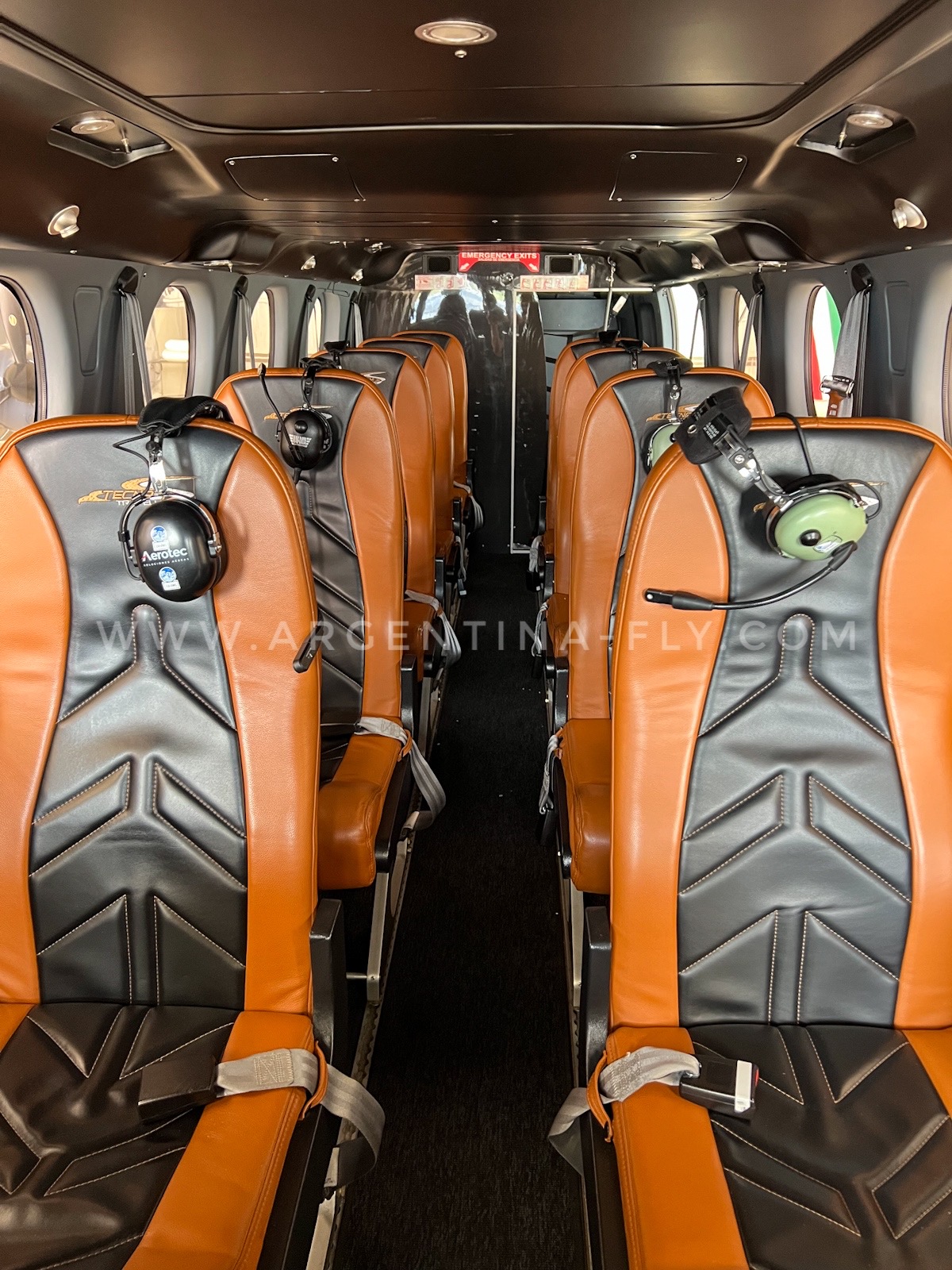
Tecnam Traveller
High-capacity twin-engine aircraft, ideal for group transfers with up to 9 passengers.
 Capacity
9 passengers
 Lavatory
Not available
 Cabin
Non-pressurized
 Luggage
Moderate
 Wi-Fi
Not available
 Bahía Blanca (BHI)
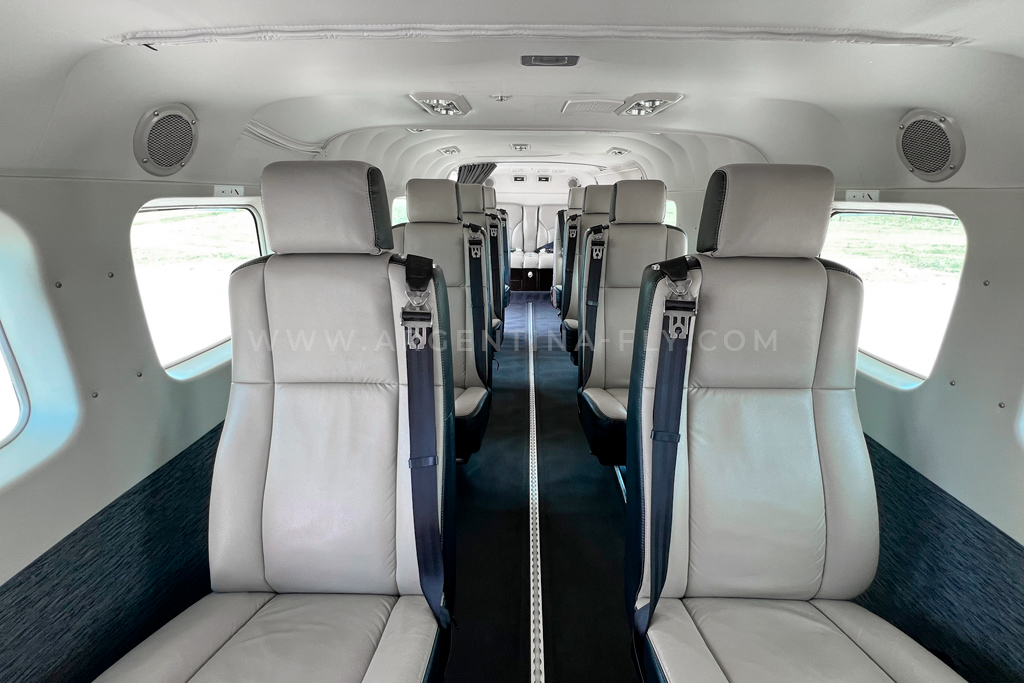
Cessna Grand Caravan
Versatile turboprop with generous payload capacity and a comfortable cabin, ideal for groups and flights to destinations with short runways.
Capacity
9 passengers
Lavatory
Not available
Cabin
Non-pressurized
Luggage
Moderate
Wi-Fi
Portable Starlink
Bahía Blanca (BHI)
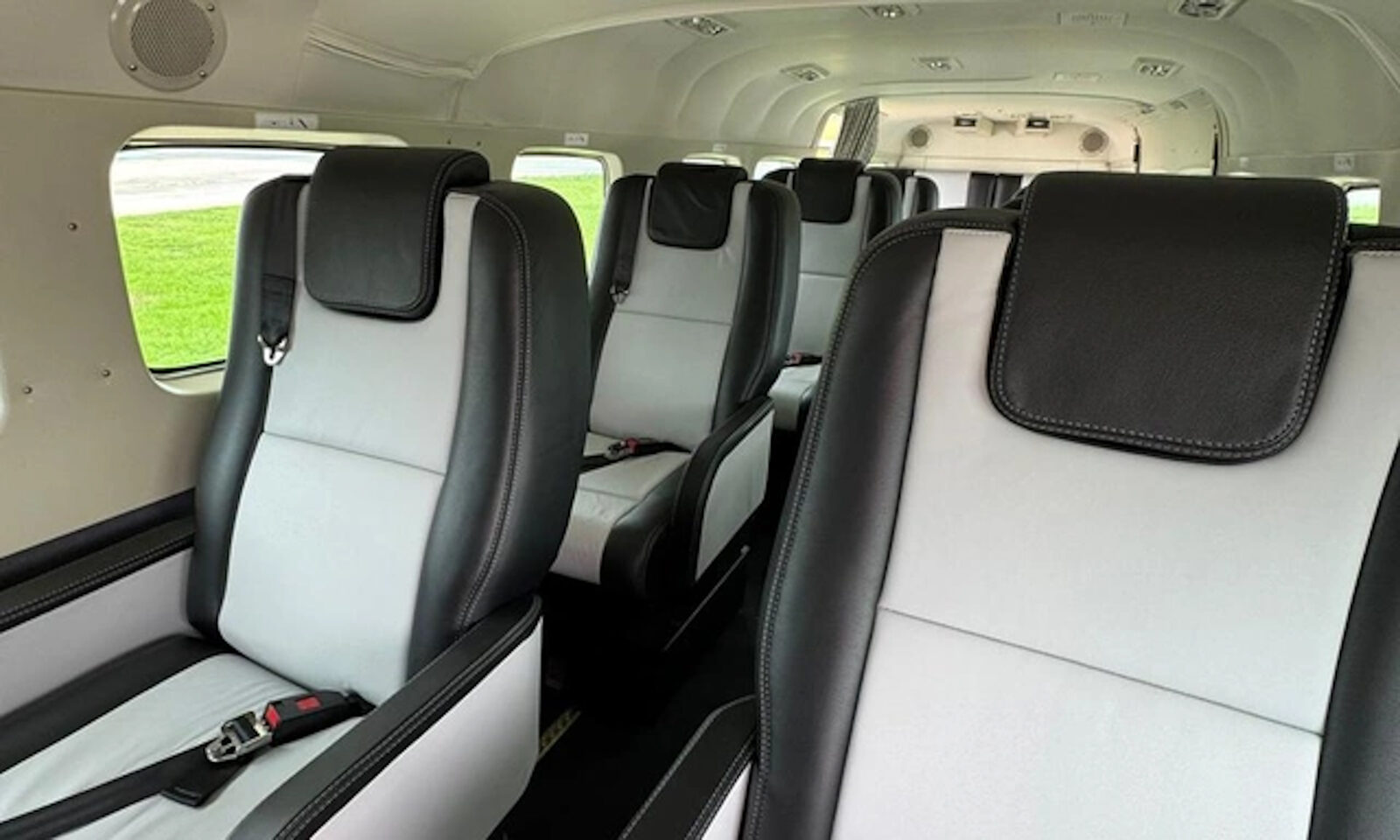
Cessna Grand Caravan Ex
Versatile turboprop with generous payload capacity and a comfortable cabin, ideal for groups and flights to destinations with short runways.
Capacity
9 passengers
Lavatory
Not available
Cabin
Not pressurized
Luggage
Standard
Wi-Fi
Portable Starlink
Bahía Blanca (BHI)
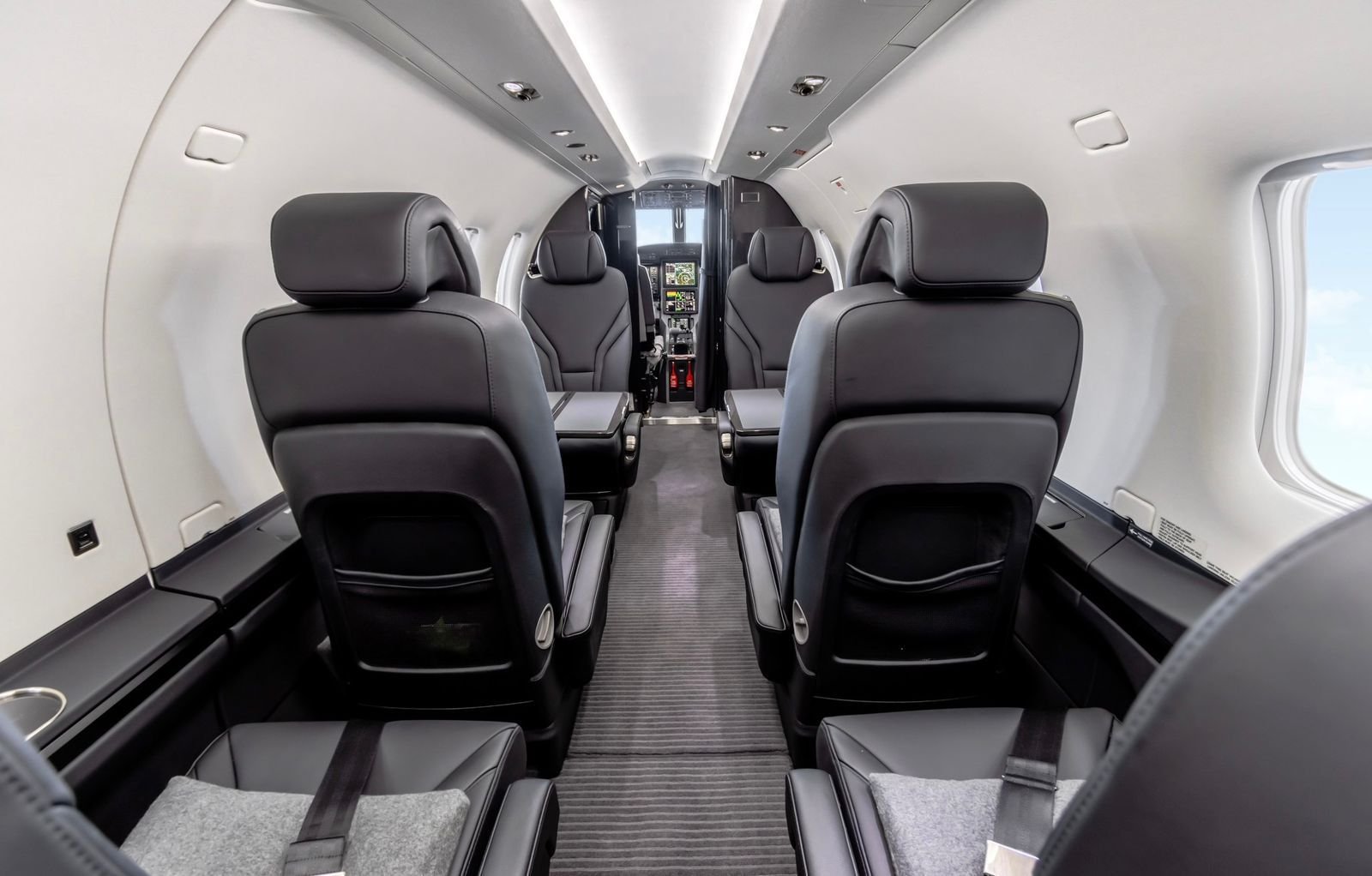
Pilatus PC-12
High-performance single-engine turboprop in executive configuration, with a spacious cabin and latest-generation technology.
Capacity
8 passengers
Lavatory
Not available
Cabin
Pressurized
Luggage
Standard
Wi-Fi
Portable Starlink
Bahía Blanca (BHI)
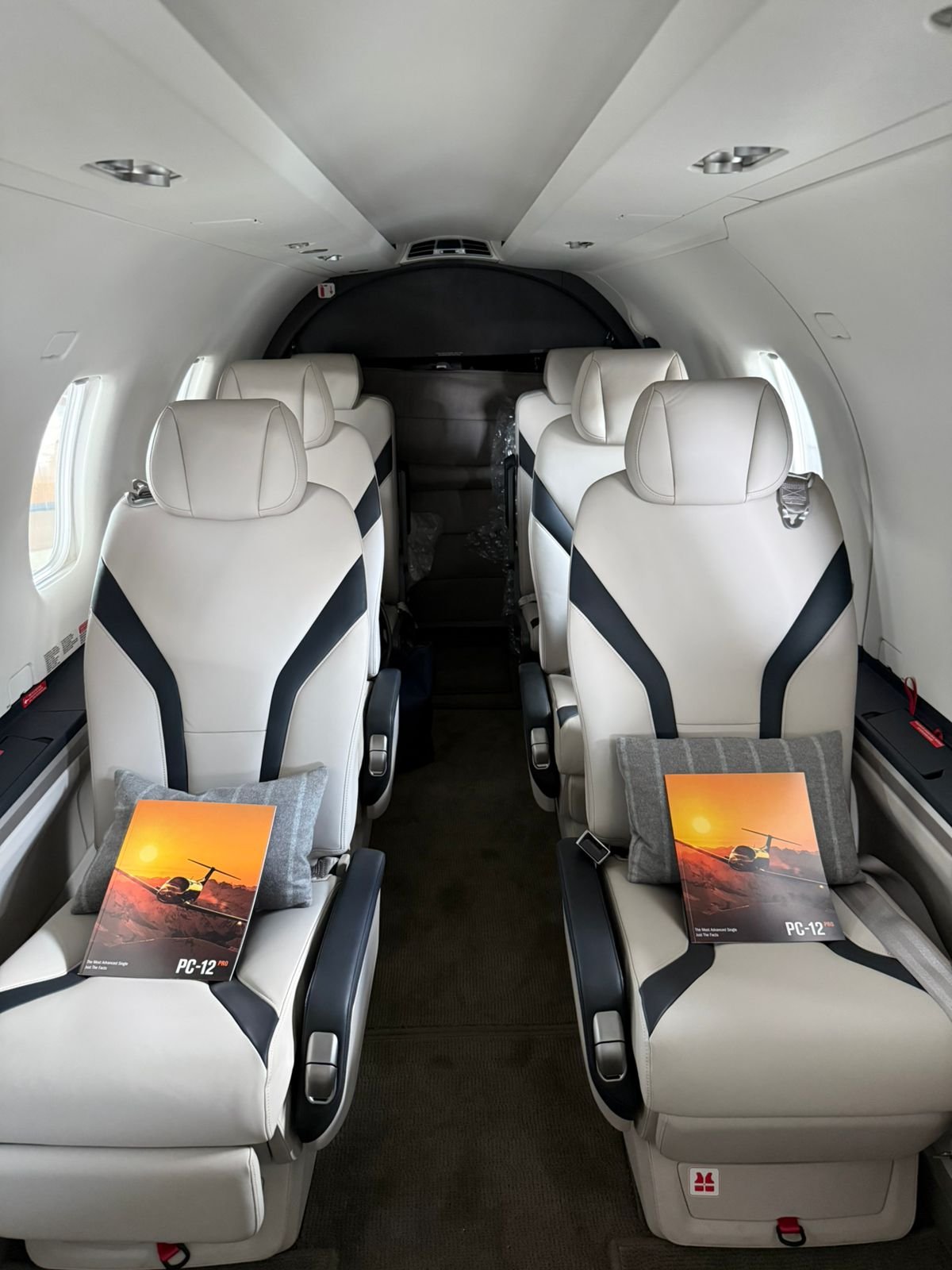
Pilatus PC12 Pro
High-performance single-engine turboprop in executive configuration, with a spacious cabin and latest-generation technology.
Capacity
8 passengers
Lavatory
Not available
Cabin
Pressurized
Luggage
Standard
Wi-Fi
Portable Starlink
Bahía Blanca (BHI)
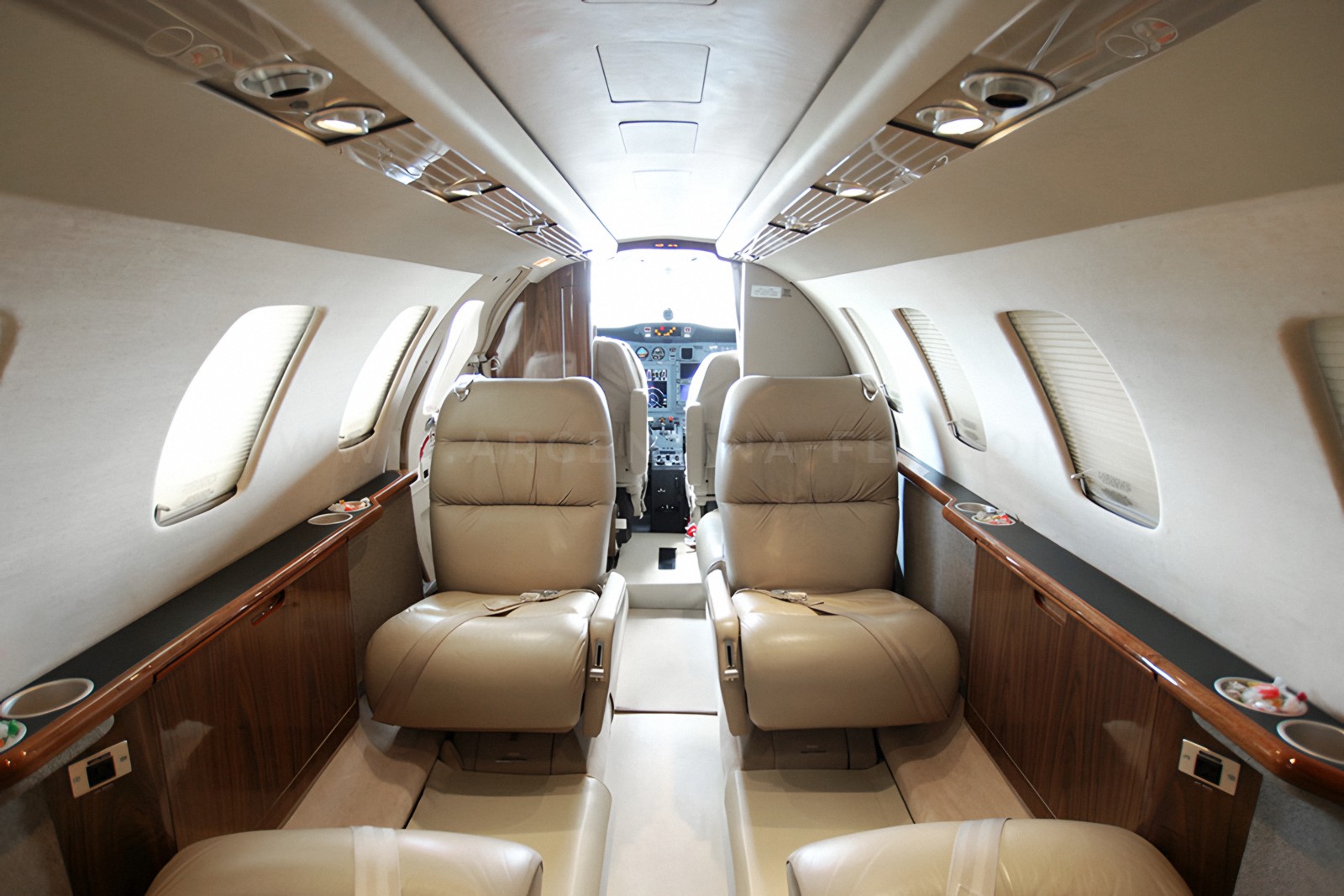
Citation CJ1
Compact light jet with excellent fuel efficiency, perfect for short-range executive flights.
Capacity
5 passengers
Lavatory
Not available
Cabin
Pressurized
Luggage
Moderate
Wi-Fi
Not available
Bahía Blanca (BHI)
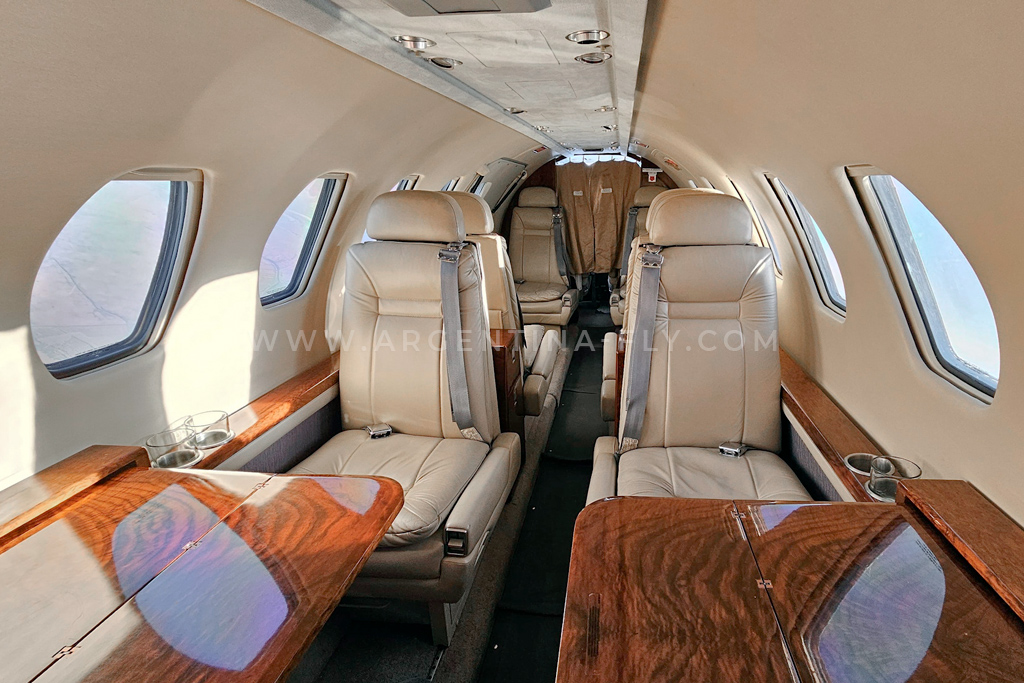
Citation V
Light jet with a comfortable cabin for up to 8 passengers and strong regional range.
Capacity
8 passengers
Lavatory
Not available
Cabin
Pressurized
Luggage
Moderate
Wi-Fi
Portable Starlink
Bahía Blanca (BHI)
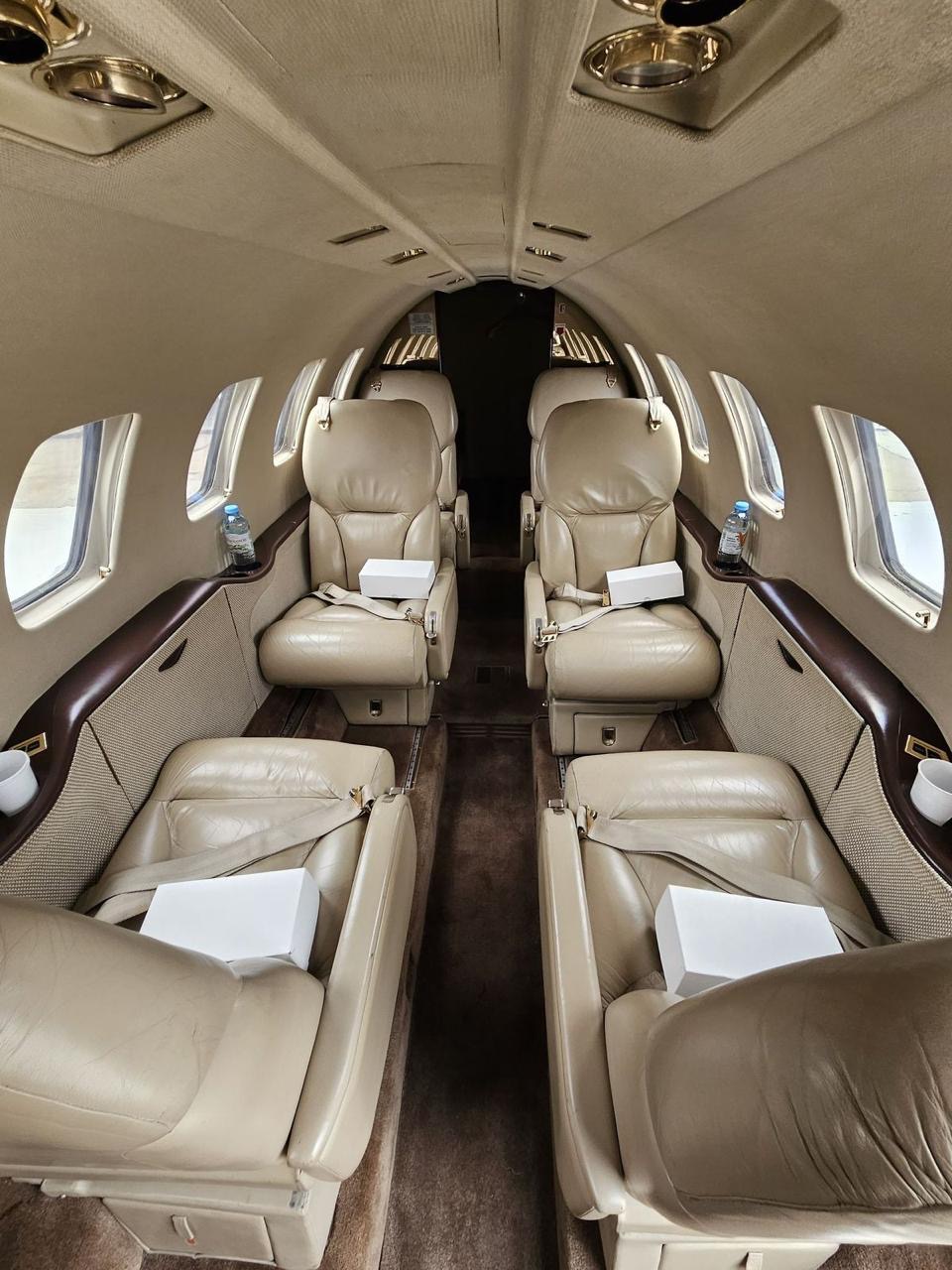
Citation Bravo
Classic light jet with a pressurized cabin, reliable and versatile for regional trips and short runways.
Capacity
7 passengers
Lavatory
Not available
Cabin
Pressurized
Luggage
Standard
Wi-Fi
Not available
Bahía Blanca (BHI)
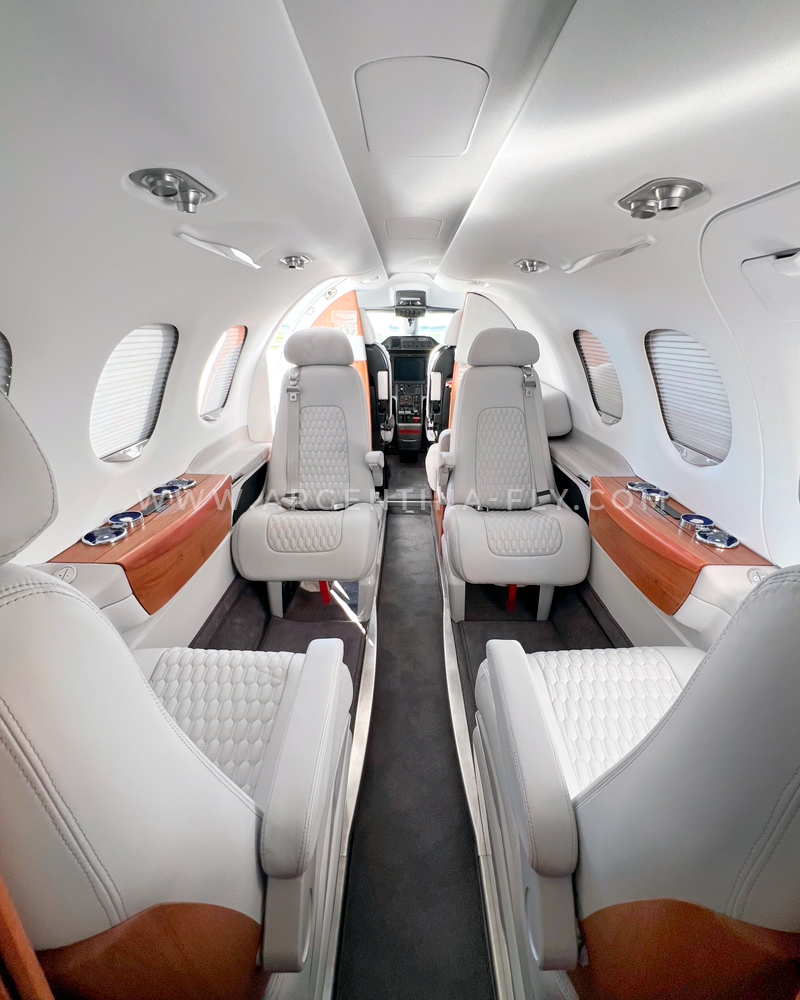
Phenom 100
Light jet ideal for short and medium sectors, with excellent cabin comfort and operating efficiency.
Capacity
5 passengers
Lavatory
Yes
Cabin
Pressurized
Luggage
Moderate
Wi-Fi
Portable Starlink
 Safety certifications
Bahía Blanca (BHI)
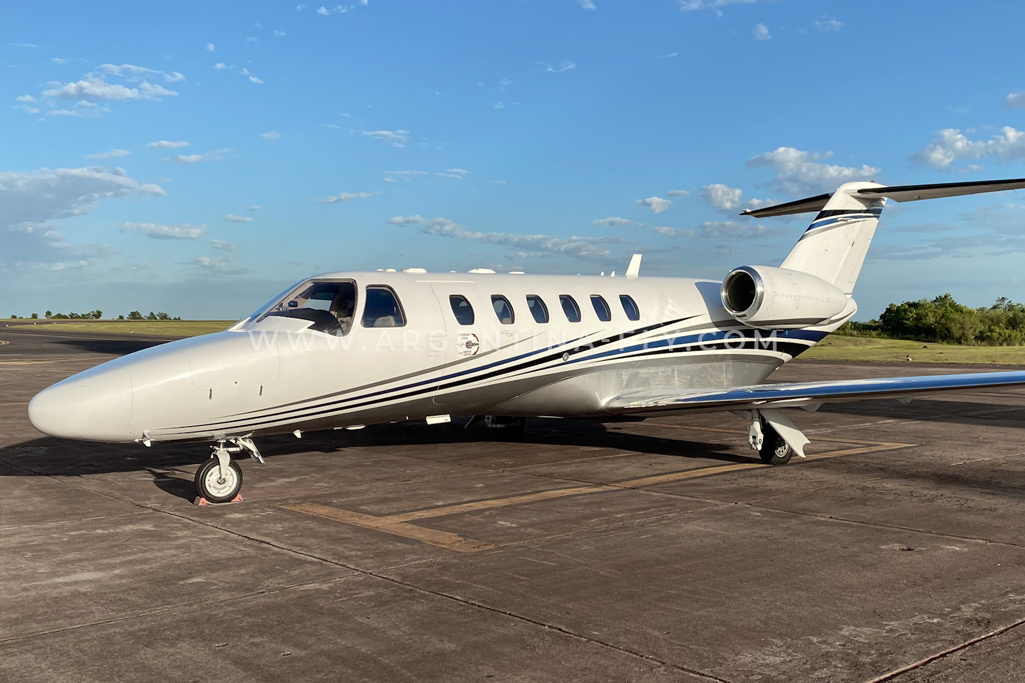
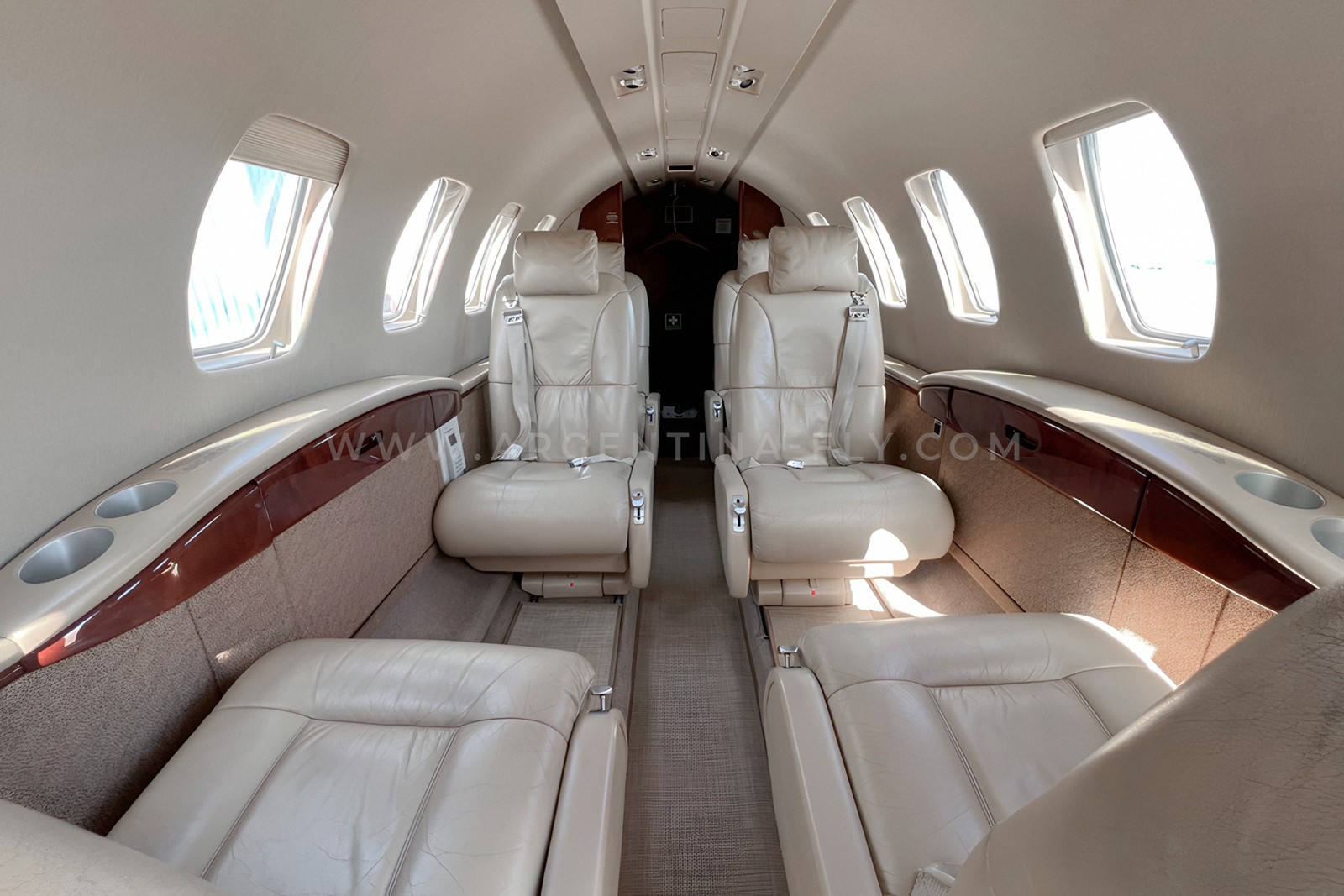
Citation CJ2
Light jet with greater range than the CJ1, offering an excellent balance between cost and executive performance.
Capacity
6 passengers
Lavatory
Not available
Cabin
Pressurized
Luggage
Moderate
Wi-Fi
Not available
Bahía Blanca (BHI)
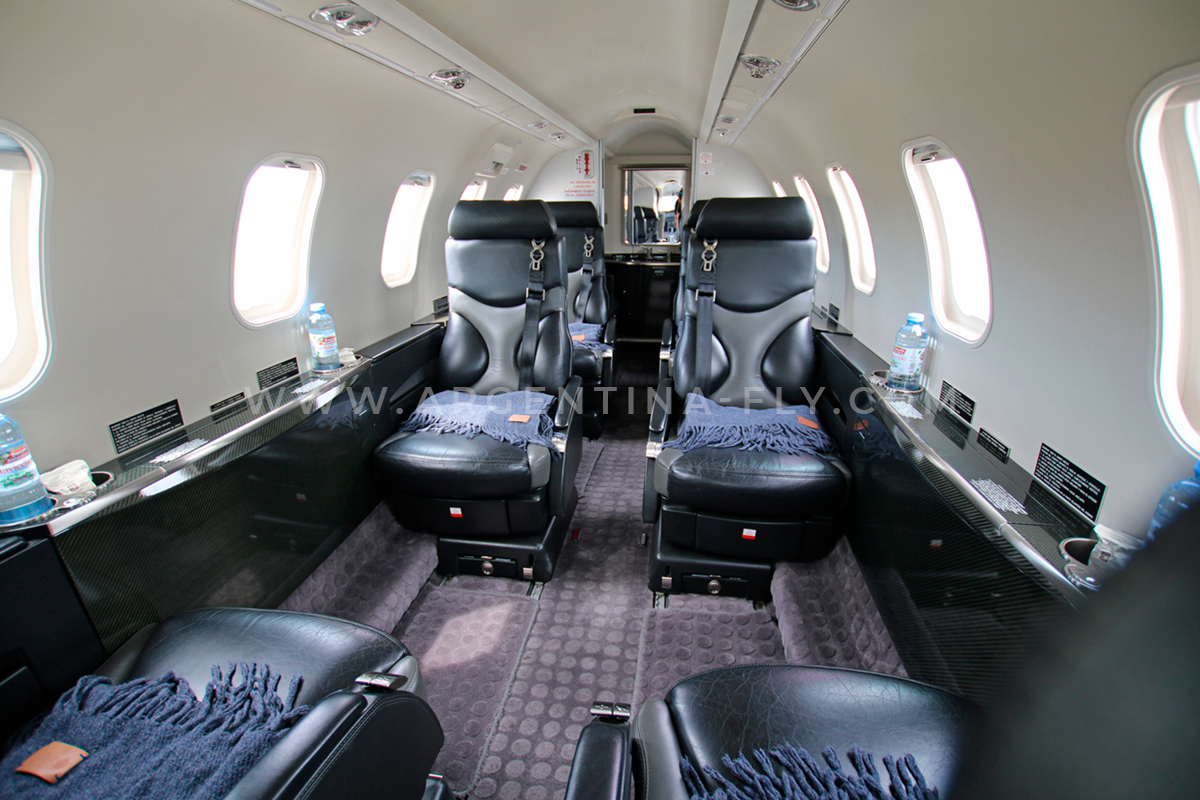
Learjet 40 XR
Light jet with a strong balance of speed and range, featuring a comfortable and modern executive cabin.
Capacity
6 passengers
Lavatory
Yes
Cabin
Pressurized
Luggage
Moderate
Wi-Fi
Not available
Safety certifications
Bahía Blanca (BHI)
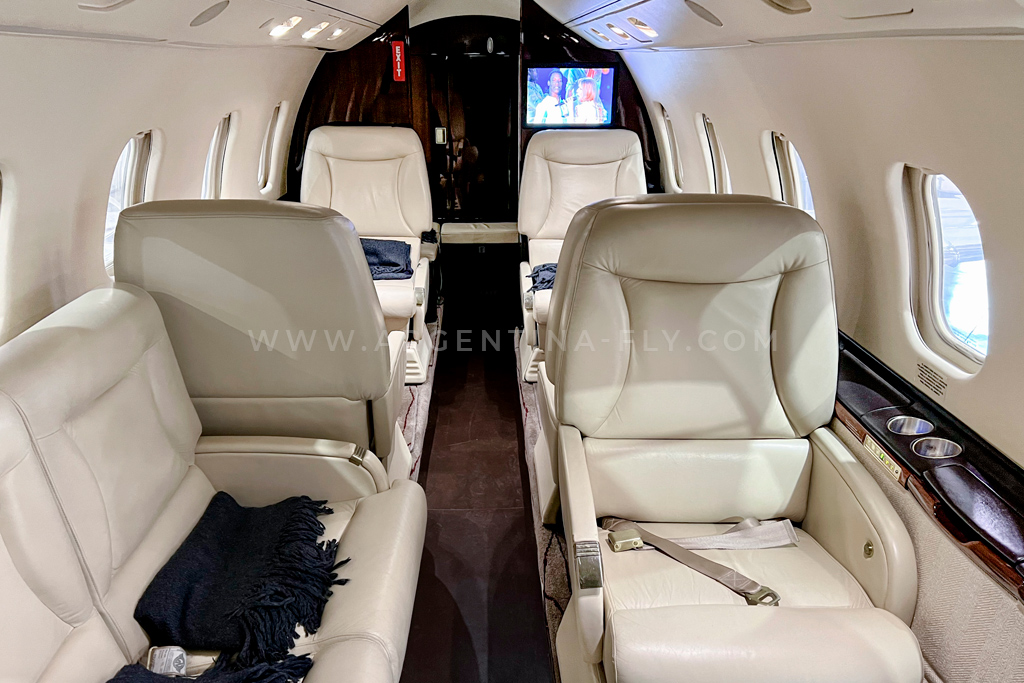
Learjet 60
Midsize jet with a spacious cabin and excellent cruise speed, one of the most requested options for executive flights.
Capacity
7 passengers
Lavatory
Yes
Cabin
Pressurized
Luggage
Moderate
Wi-Fi
Portable Starlink
Safety certifications
Bahía Blanca (BHI)
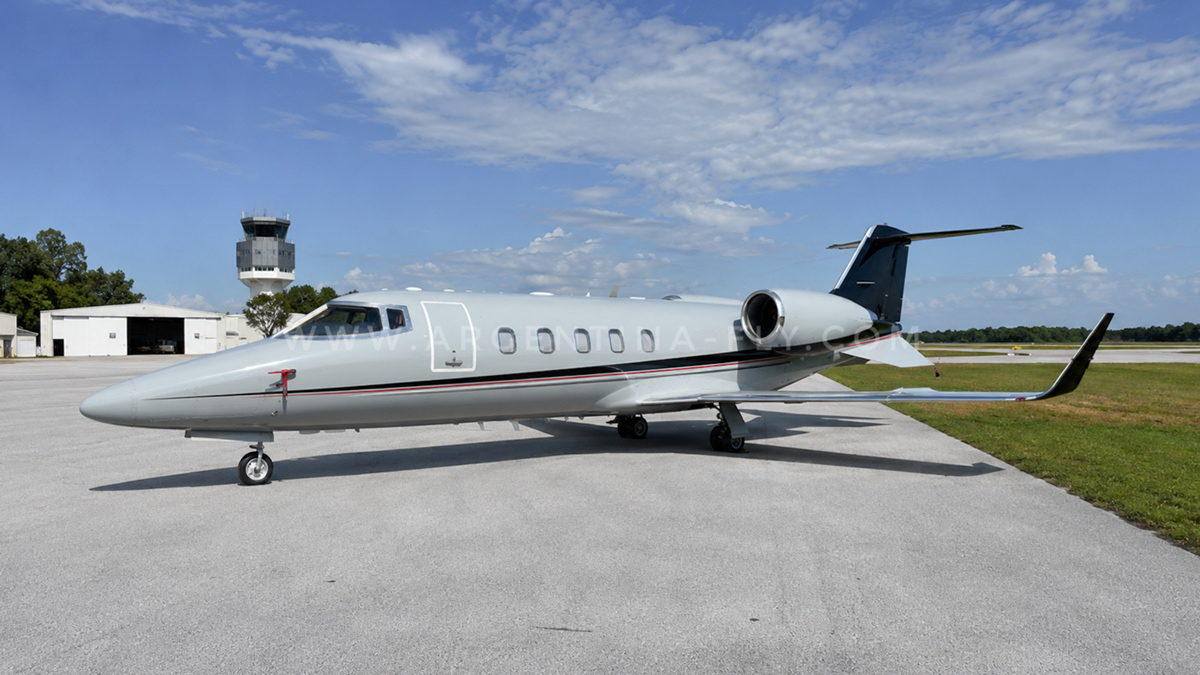
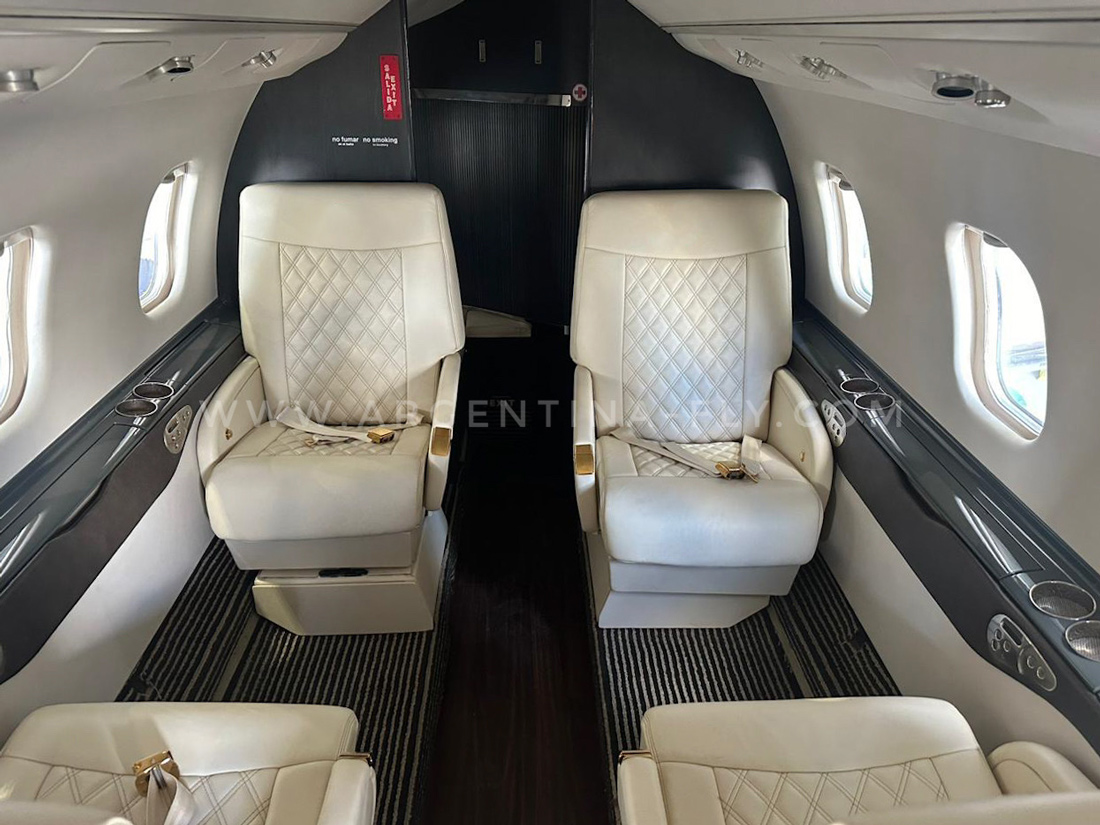
Learjet 60
Midsize jet with a spacious cabin and excellent cruise speed, one of the most requested options for executive flights.
Capacity
7 passengers
Lavatory
Yes
Cabin
Pressurized
Luggage
Standard
Wi-Fi
Not available
Bahía Blanca (BHI)
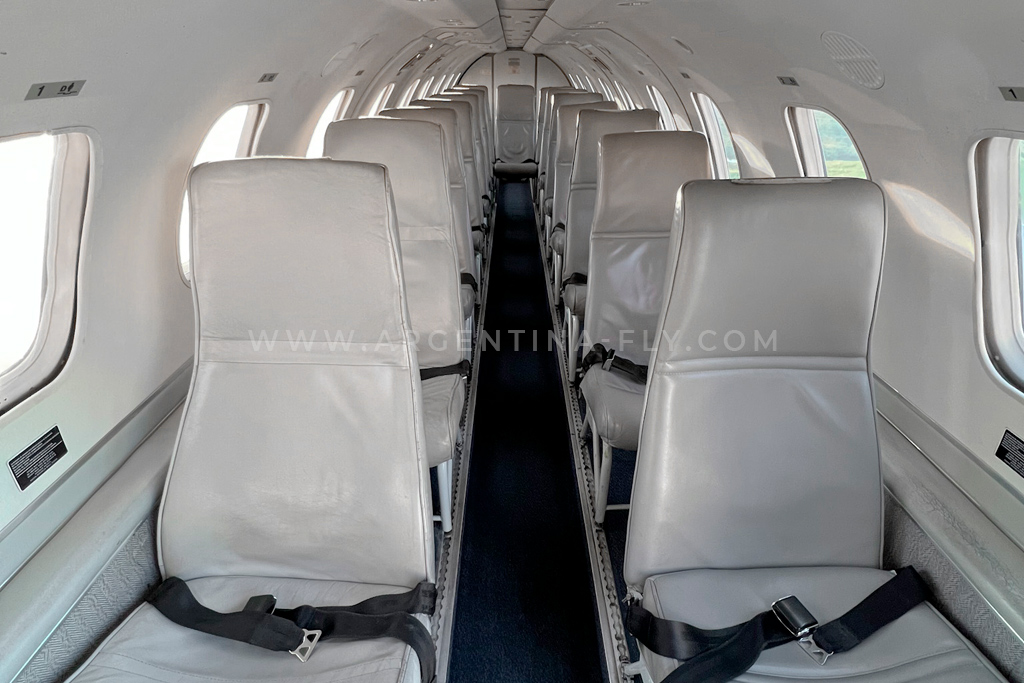
Metro 23
Pressurized regional aircraft with greater capacity, ideal for larger groups and destinations with paved runways.
Capacity
19 passengers
Lavatory
Not available
Cabin
Pressurized
Luggage
Moderate
Wi-Fi
Not available
Bahía Blanca (BHI)
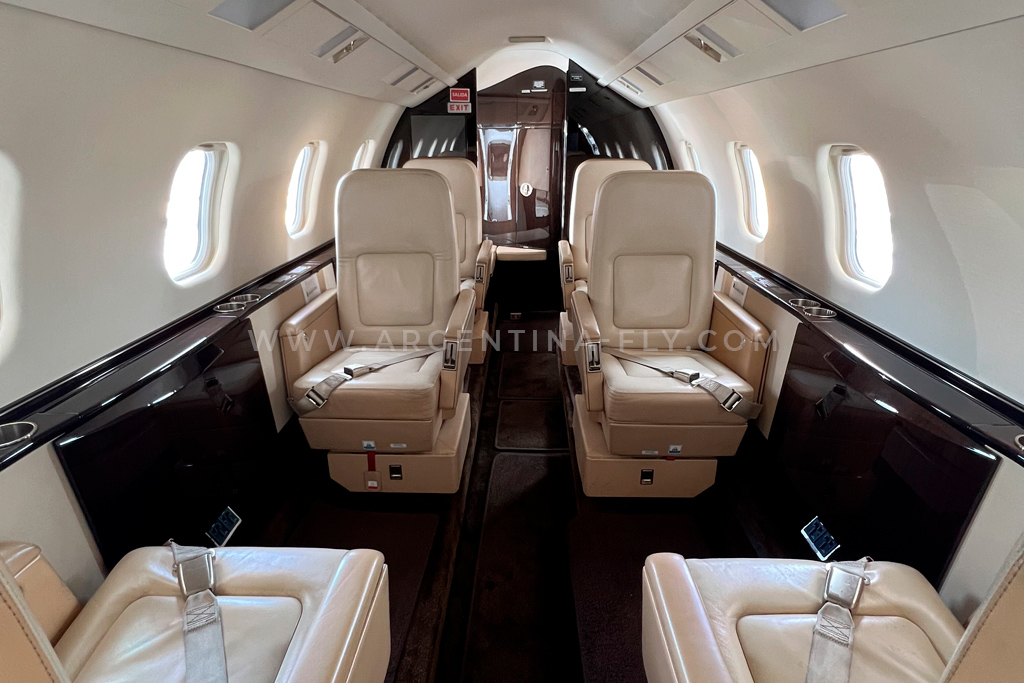
Learjet 60 XR
Enhanced version offering greater range and efficiency while maintaining the speed and comfort of the Learjet 60.
Capacity
6 passengers
Lavatory
Yes
Cabin
Pressurized
Luggage
Moderate
Wi-Fi
Not available
Safety certifications
Bahía Blanca (BHI)
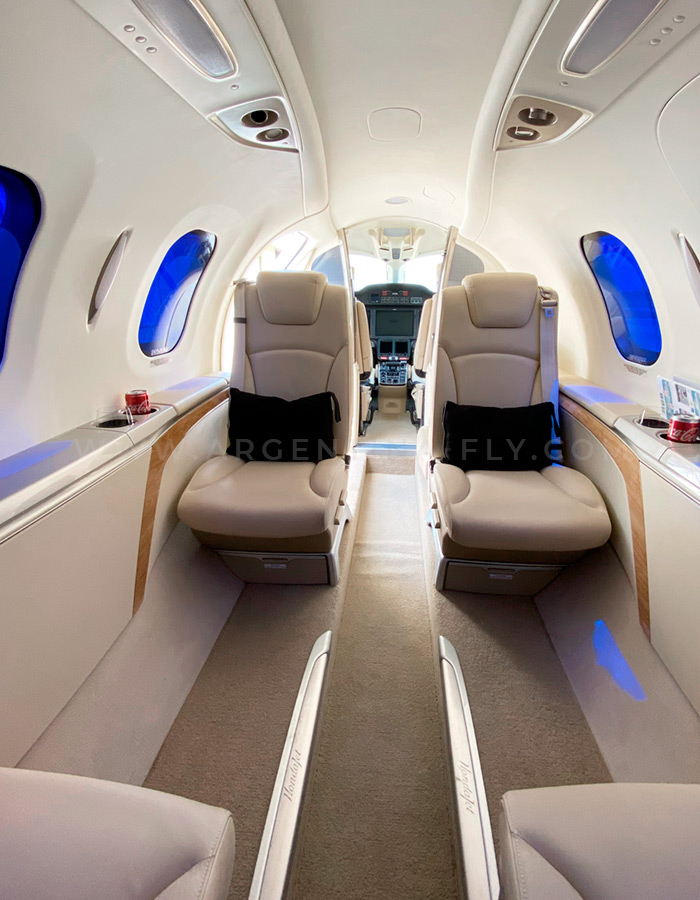
HondaJet
Next-generation light jet with over-the-wing engines, offering an excellent balance between efficiency and executive comfort.
Capacity
5 passengers
Lavatory
Yes
Cabin
Pressurized
Luggage
Moderate
Wi-Fi
Not available
Bahía Blanca (BHI)
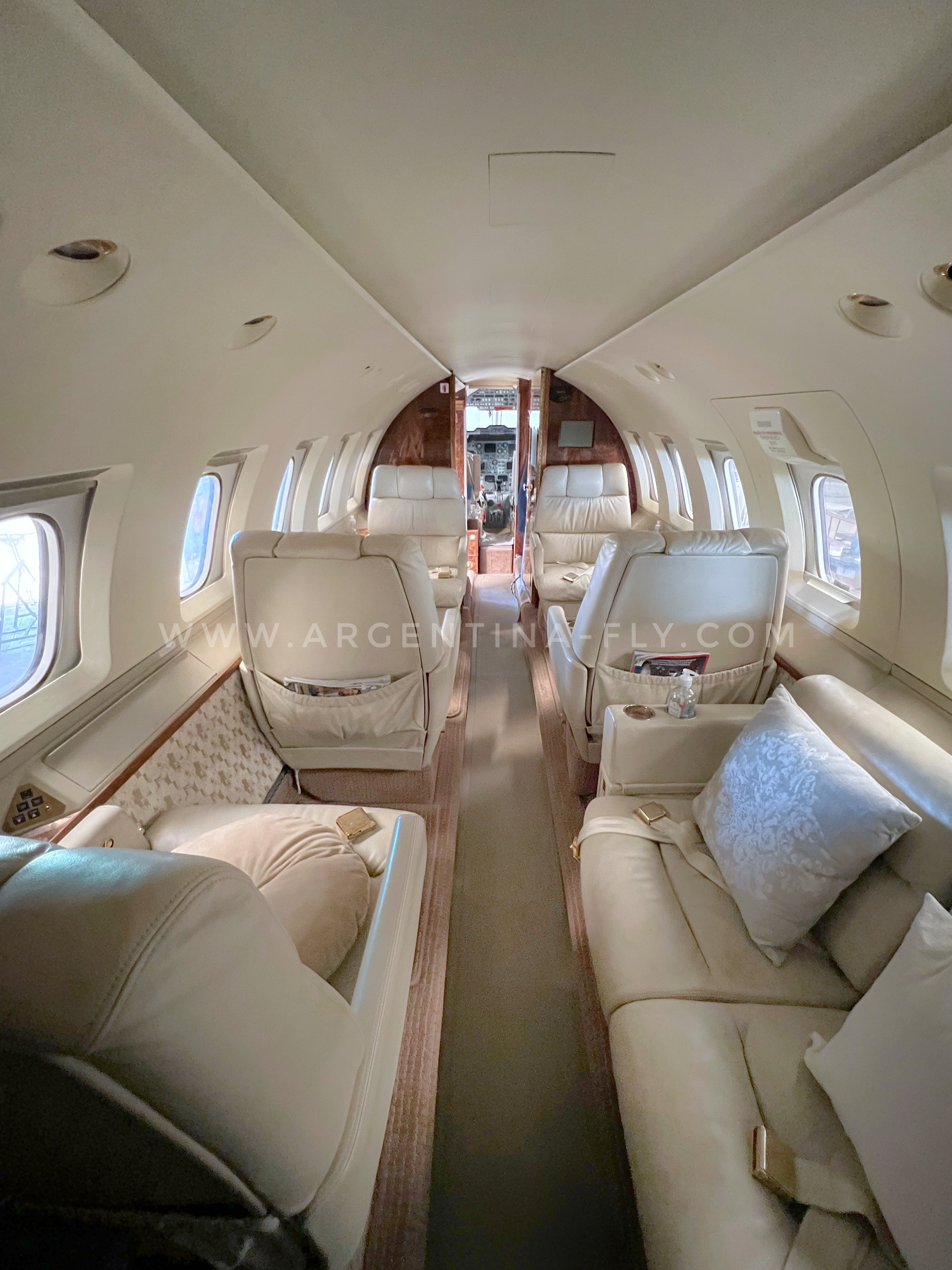
Hawker 800 XP
Midsize jet with a spacious cabin and excellent range, ideal for regional and medium-haul international flights.
Capacity
8 passengers
Lavatory
Yes
Cabin
Pressurized
Luggage
Moderate
Wi-Fi
Portable Starlink
Bahía Blanca (BHI)
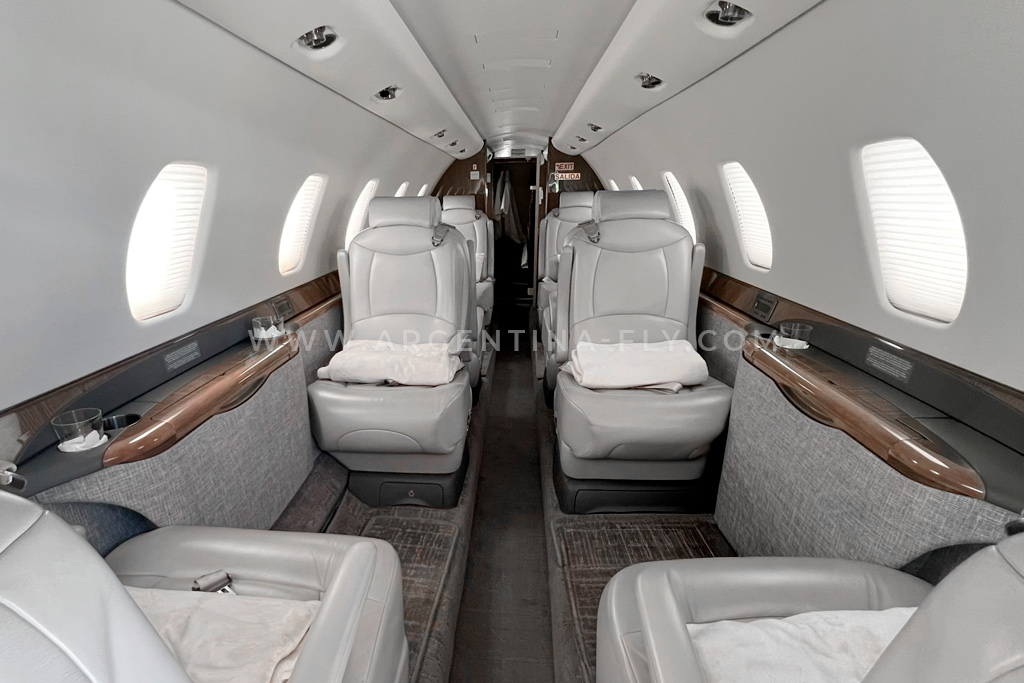
Citation Sovereign
Midsize jet with a spacious cabin, greater range and premium equipment for demanding passengers.
Capacity
8 passengers
Lavatory
Yes
Cabin
Pressurized
Luggage
Generous
Wi-Fi
Portable Starlink (extra cost)
Safety certifications
Bahía Blanca (BHI)
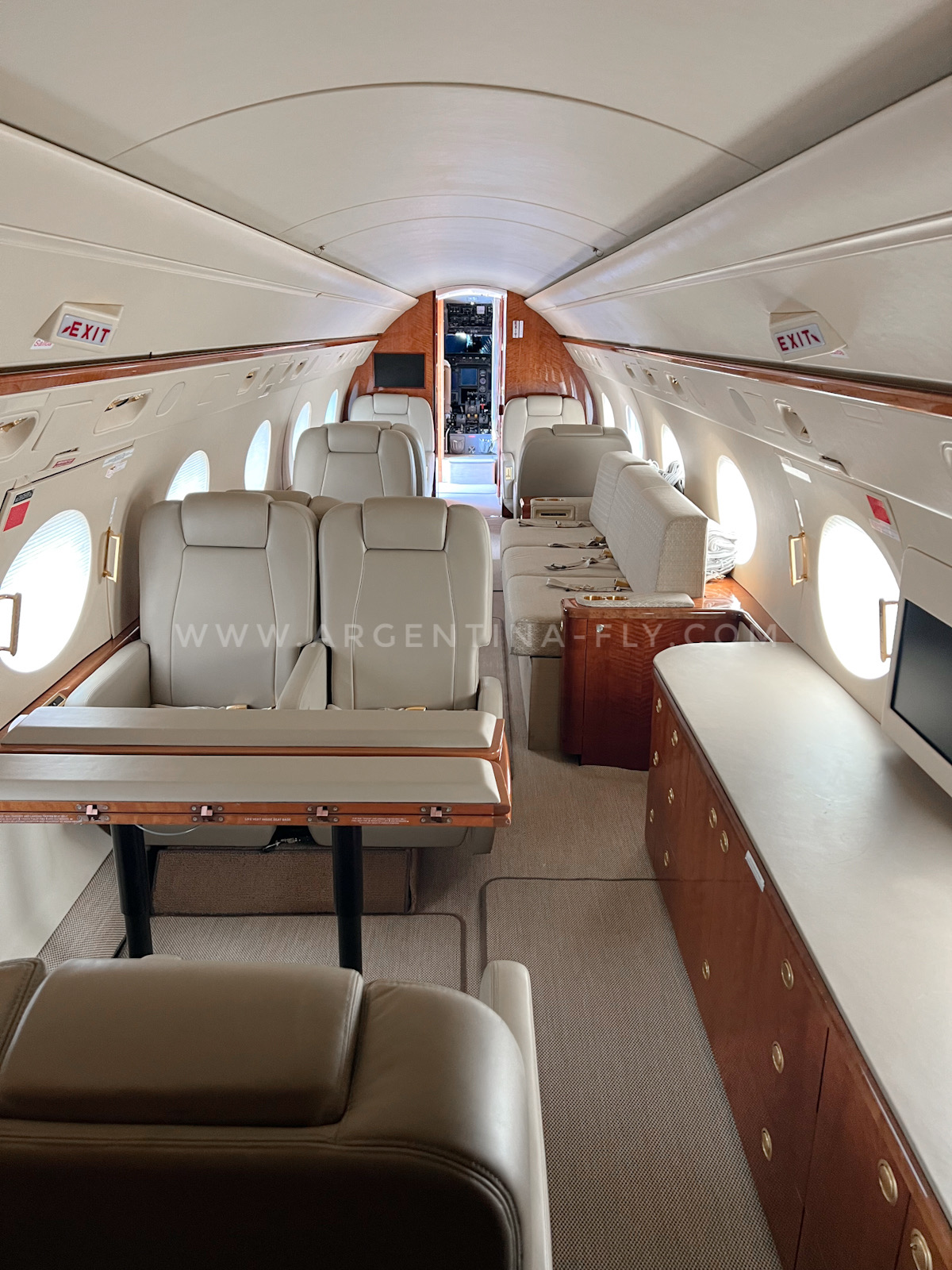
Gulfstream 400
Large jet with an exceptionally spacious cabin and long range, ideal for executive groups requiring maximum comfort.
Capacity
14 passengers
Lavatory
Yes
Cabin
Pressurized
Luggage
Generous
Wi-Fi
Built-in Starlink
Safety certifications
Bahía Blanca (BHI)
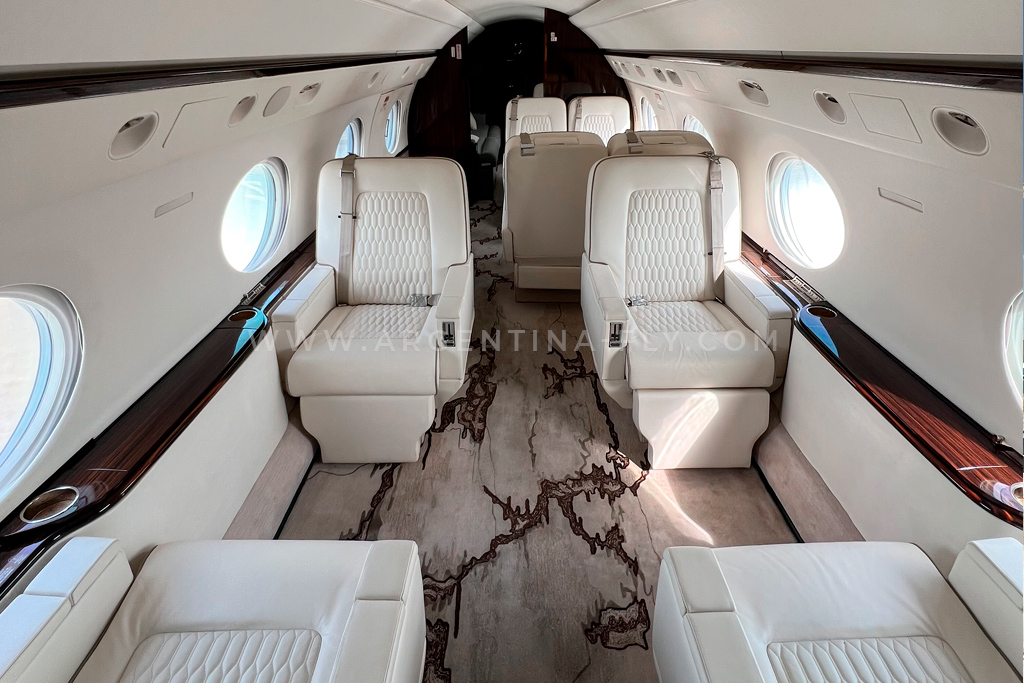
Gulfstream V
Long-range, large-cabin jet with VIP equipment for executive groups demanding the highest level of comfort.
Capacity
14 passengers
Lavatory
Yes
Cabin
Pressurized
Luggage
Generous
Wi-Fi
Built-in Starlink
Safety certifications
Bahía Blanca (BHI)
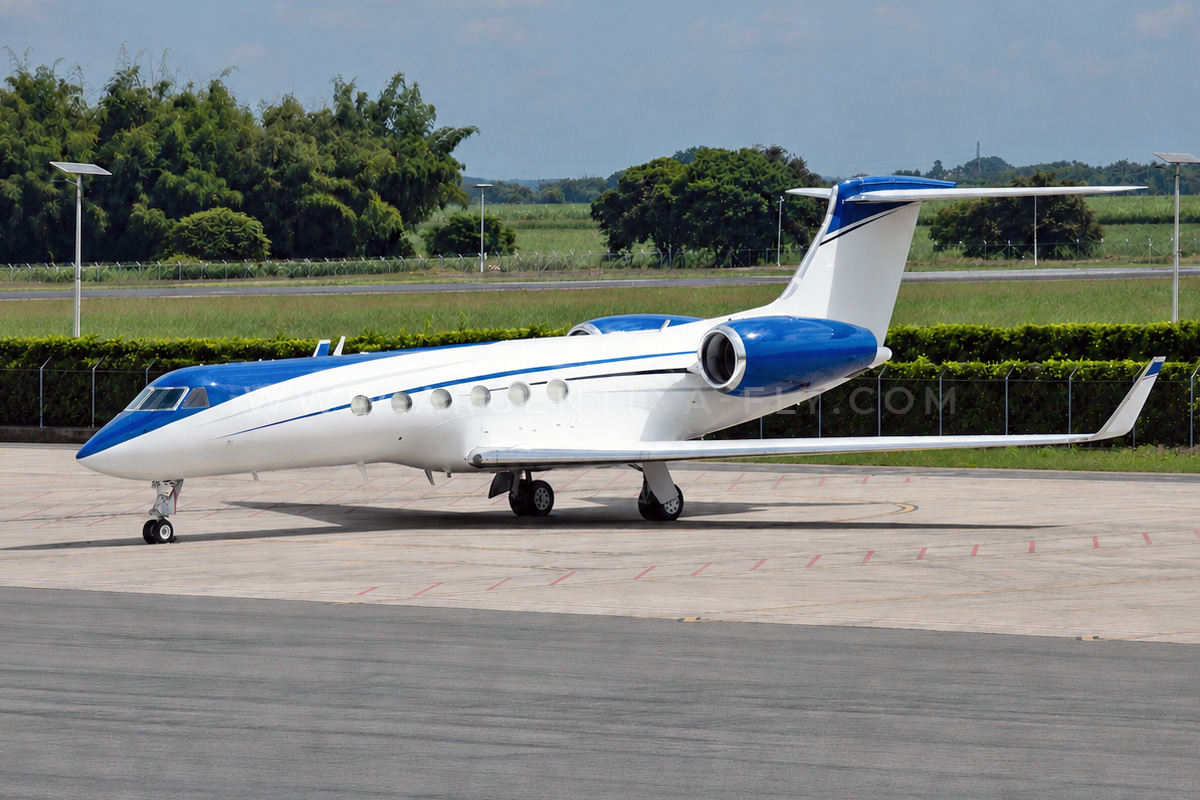
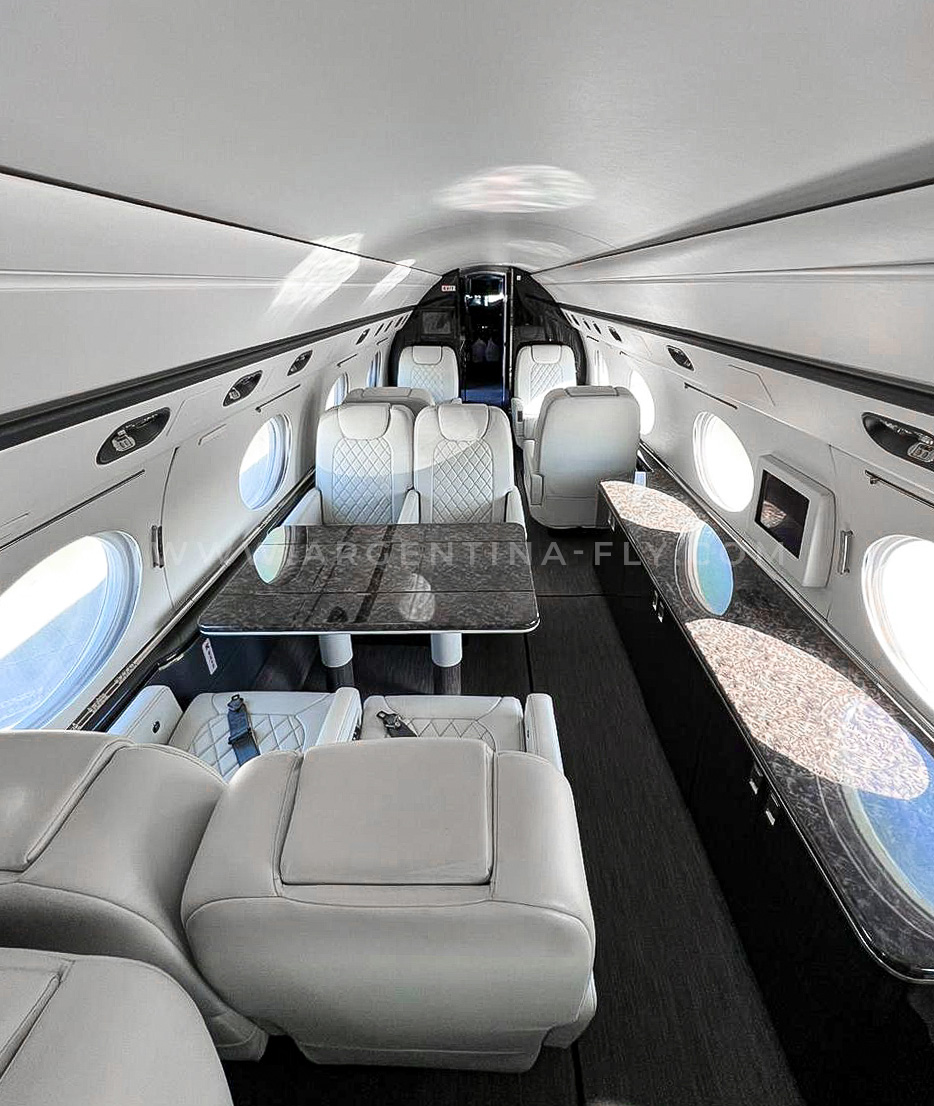
Gulfstream V
Long-range, large-cabin jet with VIP equipment for executive groups demanding the highest level of comfort.
Capacity
14 passengers
Lavatory
Yes
Cabin
Pressurized
Luggage
Spacious
Wi-Fi
Portable Starlink
Bahía Blanca (BHI)
Other routes from Buenos Aires
Destinations near Bahía Blanca, with the lowest reference fare and the shortest flight time.
Bahía Blanca
Bahía Blanca was born in 1828 as the Fortaleza Protectora Argentina, and today it is the city of southwestern Buenos Aires province that is home to the deepwater port of Ingeniero White, the petrochemical complex and the Universidad Nacional del Sur. By road, it leads to the Ventania hills and, 106 km away, to the beaches of Monte Hermoso. From Buenos Aires it is 679 km: a private jet lands at Comandante Espora Airport in 1 h 05 to 1 h 15, and a meeting at the port or in the city fits in a day.
The port and Ingeniero White
A 45-foot port, the petrochemical complex and the museums of the port town.
Since September 1, 1993, the port has been run by the Consorcio de Gestión del Puerto de Bahía Blanca, a non-state public body created by Provincial Law 11,414: it was the country's first autonomous port. The access channel is 92 km long and, with dredging, 45 feet deep; the terminals stretch 25 km along the north shore of the estuary, between Ingeniero White, Galván and Rosales. Grain and oilseeds from a wide farming region are shipped from them, and companies handling gases, fuels and chemicals operate there.
The petrochemical complex was set up next to the port in the early 1970s, and the Industrial Park is about 5 km from downtown, on the port access road. With the Universidad Nacional del Sur, founded in 1956, and venues for conferences and trade fairs, the city receives business travelers year-round.
Ingeniero White, the port town, keeps sheet-metal and timber houses, art deco buildings and chimneys. The Museo del Puerto, created in 1987 in the old customs house, tells the story of the town and its immigrants, with rooms that recreate daily life. On the grounds of the former Usina General San Martín power plant, from 1932, with its Tudor-style castle facade, the Museo Taller Ferrowhite gathers railway and port tools; the Casa del Espía, on the same grounds, is a cultural space and café. The plant supplied the city with electricity for 56 years, until 1988, and is a Provincial and National Historic Monument.
On an old wood and iron pier, the Balcón al Mar overlooks the estuary's main channel, where franciscana dolphins can be seen. The islands, banks and waters of the bay form the Bahía Blanca, Bahía Falsa and Bahía Verde Multiple-Use Provincial Nature Reserve. The municipal museums are open Tuesday to Sunday, with free admission.
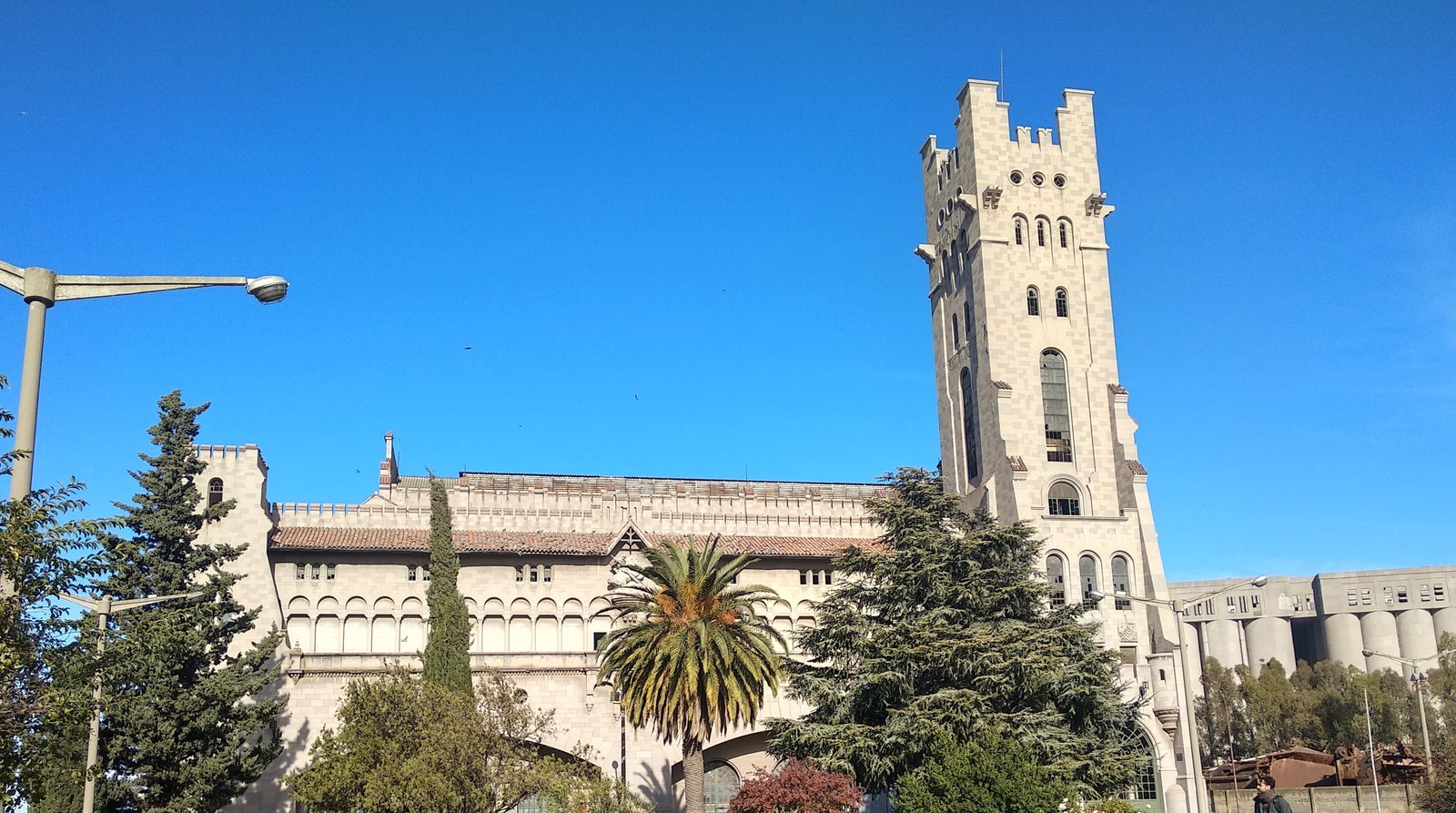
What to see
- Balcón al MarA lookout over the estuary's main channel, on an old wood and iron pier.
- Former Usina General San MartínFrom 1932, with a Tudor castle facade; a Provincial and National Historic Monument.
- Museo del PuertoIn Ingeniero White's old customs house since 1987; free admission.
- Museo Taller FerrowhiteRailway and port tools, railway sheds and the Casa del Espía.
Downtown, the theater and Parque de Mayo
From the 1828 fortress to the hall inspired by the Paris Opera.
Colonel Ramón Estomba founded the Fortaleza Protectora Argentina in 1828. Its center is now Plaza Rivadavia, a National Historic Site, designed by the Belgian landscape architect Auguste Flamant. Around it stand the Palacio Municipal, opened in 1909, the Nuestra Señora de la Merced Cathedral, from 1900, which keeps the urn with Estomba's remains, and early 20th-century buildings such as the Club Argentino and the Biblioteca Rivadavia, both National Historic Monuments.
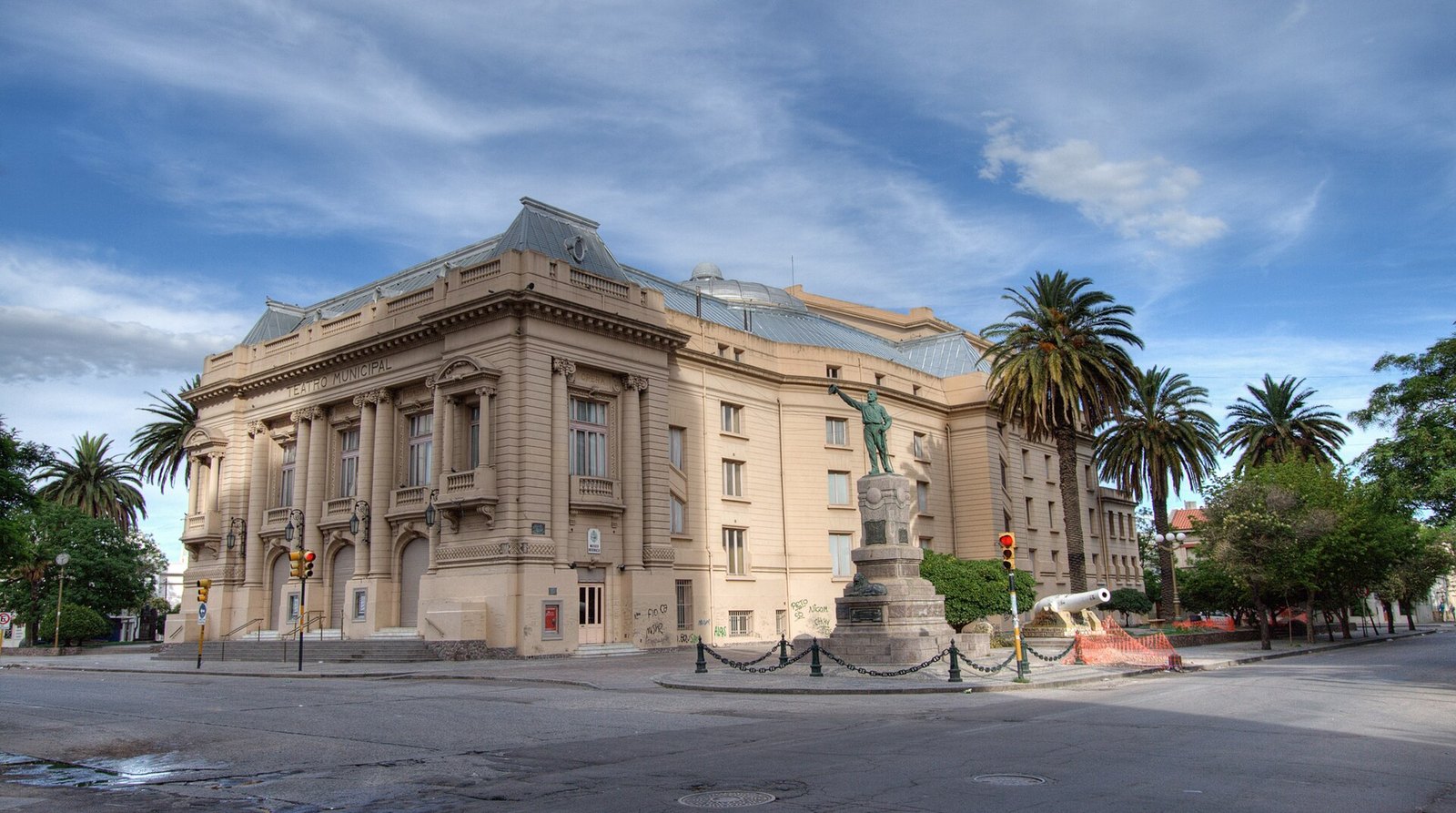
The Teatro Municipal opened on August 9, 1913 with Verdi's Aida. It was designed by the architects Jacques Henri Dunant and Gastón Louis Mallet in an academic style inspired by the Paris Opera; the main hall seats 730. The Bahía Blanca Symphony Orchestra, the resident ballet and the polyphonic choir were born there, and the theater offers guided tours.
Parque de Mayo, opened in 1906, has a lake with pedal boats and an amphitheater on the central island. It continues into the Paseo del Arroyo Napostá, with a bike path, and the Paseo de las Esculturas, with ten works made in 1993 from disused railway materials. Downtown, the Museum of Contemporary Art occupies the María Luisa art nouveau mansion, from the 1920s, and the Historical Museum and Archive holds objects and documents from the city's early years; both have free admission.
For a stay, the top hotels are the Land Plaza, four-star superior, downtown, and the four-star Howard Johnson, with an indoor pool and event rooms for 250 people. The Argos, downtown, has 100 rooms, a business center and five meeting rooms.
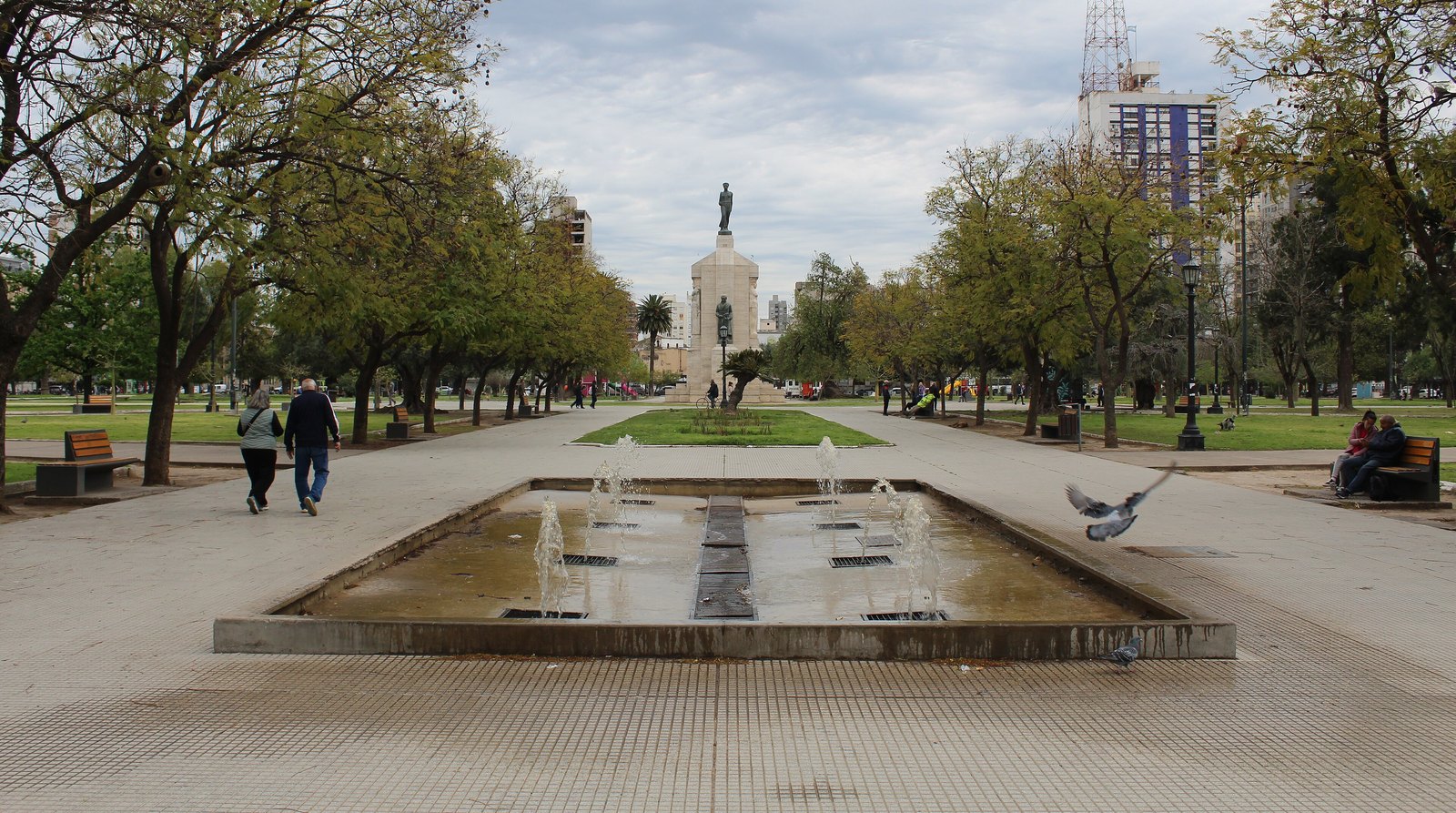
What to see
- Museo de Arte ContemporáneoIn the María Luisa art nouveau mansion, Sarmiento 450; free admission.
- Museo y Archivo HistóricoObjects and documents from the city's early years, at Saavedra 951.
- Parque de MayoFrom 1906, with a lake, pedal boats and the Paseo de las Esculturas.
- Plaza RivadaviaA National Historic Site, facing the Palacio Municipal and the Cathedral.
- Teatro MunicipalFrom 1913, with 730 seats, at Alsina 425; guided tours.
Where to stay
- Hotel ArgosA business hotel with 11 suites, 89 rooms and five meeting rooms, at España 149.
- Howard Johnson Bahía BlancaFour stars, with a heated indoor pool and event rooms for 250 people.
- Land Plaza Bahía BlancaFour-star superior at Saavedra 41, with a restaurant and event rooms.
Sierra de la Ventana and Cerro Ventana
Buenos Aires province's first provincial park, in the Ventania hills.
Ernesto Tornquist Provincial Park began in 1937, with a donation of land from the Tornquist family, and was the first protected area in Buenos Aires province. It protects more than 6,700 hectares of the Ventania hills, on Provincial Route 76, 5 km from Villa Ventana and 22 km from Tornquist. It opens at 8 a.m. in high season (summer, Holy Week and the winter school holidays) and at 9 a.m. the rest of the year; in low season it is closed on Wednesdays. There is an entrance fee.
Cerro Ventana, 1,134 meters high, has at its top the opening that gives it its name, the “window”: 8 meters high, 5 wide and 10 deep. It has been a Natural Monument since 1959. The climb is only allowed with a licensed guide, in groups of 15 to 25 people: it is difficult, takes about 6 hours, is open to ages 7 and up and starts at opening time. It is called off in snow, rain, low clouds or with water on the trails.
Without a guide, you can walk the Garganta Olvidada, in an hour, and the Piletones Naturales and Cerro Bahía Blanca, about two hours each; entry closes between 3 and 3:30 p.m. The Garganta del Diablo, with its waterfall, is visited with a guide, for ages 12 and up. Around the park, Sierra de la Ventana, Villa Ventana, Tornquist and Saldungaray have hotels, cabins and services.
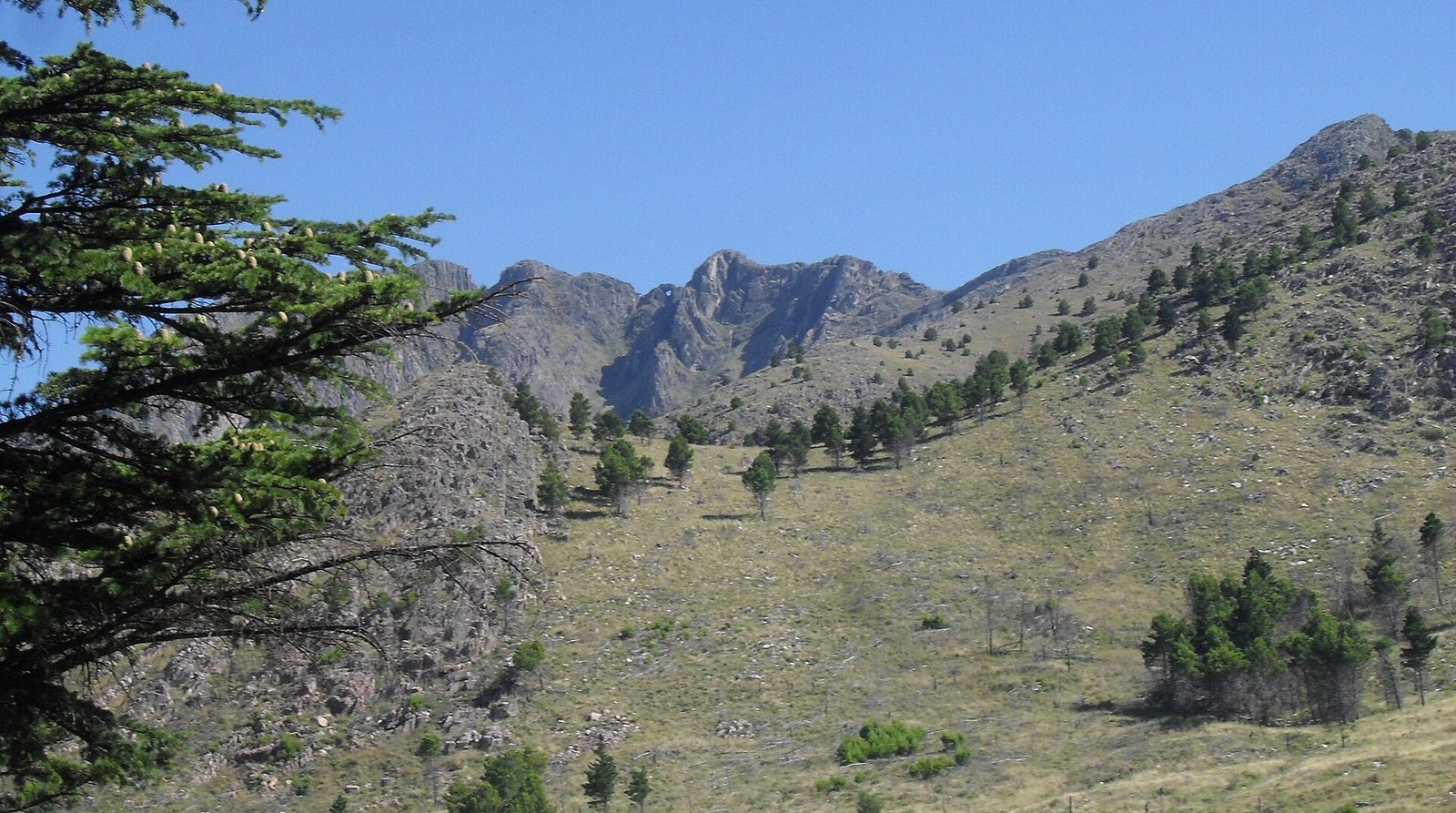
What to see
- Cerro Bahía BlancaA self-guided trail of about two hours; entry until 3 p.m.
- Cerro Ventana1,134 meters; a climb of about 6 hours with a licensed guide.
- Garganta del DiabloA waterfall in the hills; guided walk for ages 12 and up.
- Piletones NaturalesA self-guided two-hour trail; entry until 3 p.m.
Where to stay
- Days Inn Sierra de la VentanaAt Drago 130, Sierra de la Ventana, with a spa, an outdoor pool and a heated pool.
Monte Hermoso and Pehuen Co
A 32 km south-facing beach and footprints thousands of years old.
Monte Hermoso is 106 km from Bahía Blanca, along National Route 3 and Provincial Route 78. Its beach, some 32 km of fine sand with a very gentle slope, runs east to west: the sun rises and sets over the sea. 7 km from the center are the Sauce Grande beach area and the lagoon of the same name, of about 2,900 hectares.
3 km east of the center, the Faro Recalada a Bahía Blanca lighthouse was inaugurated on January 1, 1906. Its French-made, demountable steel structure is 67 meters tall. It cannot be climbed, but can be seen and photographed from outside, and the Museo Naval, a naval museum, operates on the same grounds.
Between Pehuen Co and Monte Hermoso, Provincial Law 13,394 of 2005 created a geological, paleontological and archaeological reserve with three areas. At Pehuen Co, the site discovered in 1986 preserves, along more than 3 km of beach, footprints of megafauna and birds some 12,000 years old: megatheriums, macrauchenias and toxodonts. In the Monte Hermoso area, 6 km west of the center, there are human footprints more than 7,000 years old. Visits are led by specialist guides from Monte Hermoso's Vicente Di Martino Natural Science Museum.
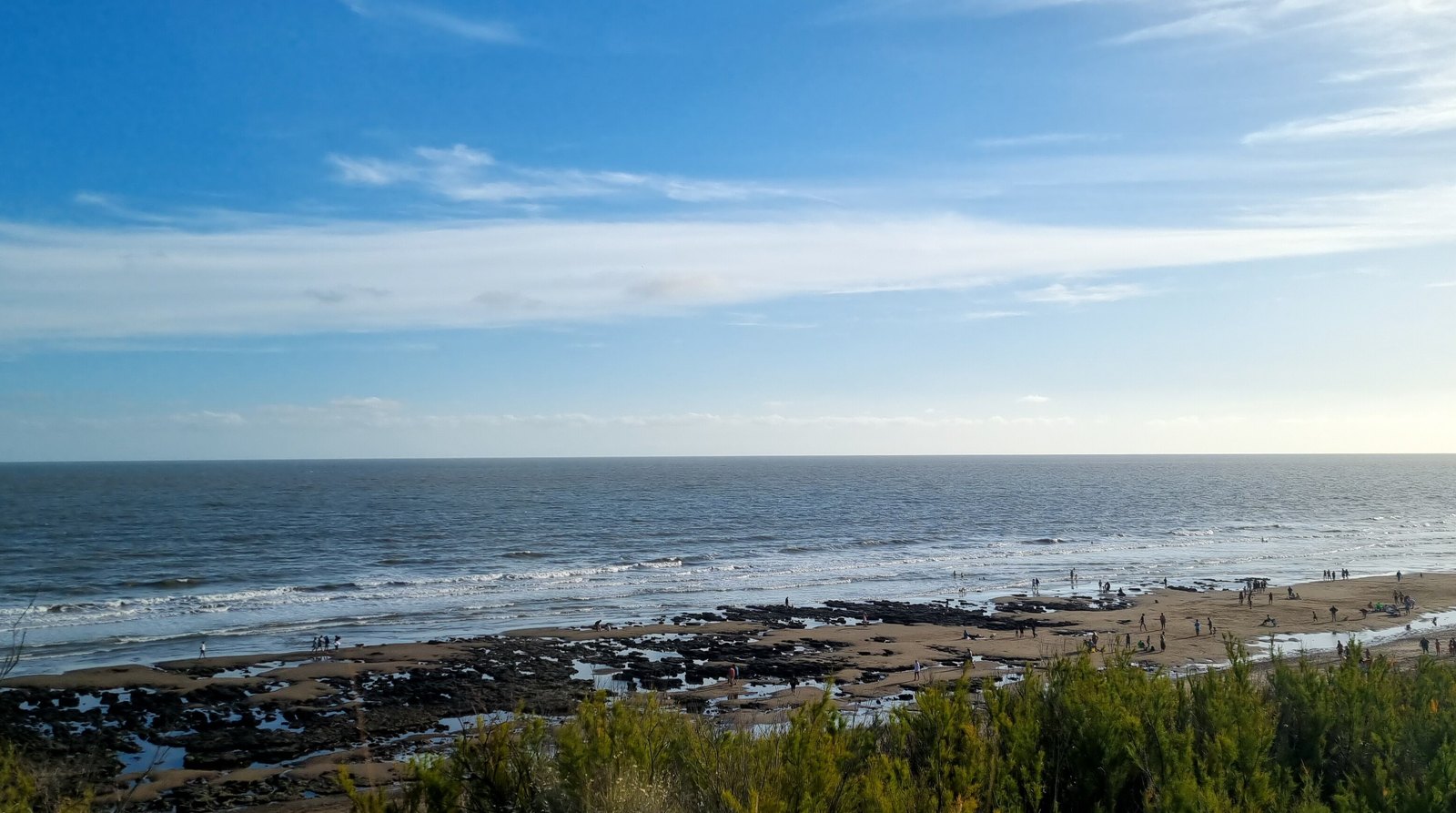
What to see
- Faro Recalada a Bahía BlancaFrom 1906, 67 meters tall, 3 km from the center; seen from outside.
- Laguna Sauce GrandeA freshwater lagoon of about 2,900 hectares, 7 km from Monte Hermoso.
- Museo de Ciencias Naturales Vicente Di MartinoRuns the guided visits to the reserve; Av. Faro Recalada 243.
- Pehuen Co - Monte Hermoso ReserveMegafauna footprints and human footprints, with specialist guides.
Arrival
From departure to destination.
- Departure
- From San Fernando (FDO), Aeroparque (AEP) or Ezeiza (EZE). The fare may change depending on where each aircraft is based.
- Airport
- Comandante Espora (BHI), public-use and towered, a few minutes from downtown.
- Sierra de la Ventana
- By road to Ernesto Tornquist Provincial Park, on Provincial Route 76.
- Monte Hermoso
- 106 km along National Route 3 and Provincial Route 78; Pehuen Co is on the same coast.
When to go
The seasons at the destination.
- Summer (December to March)
- Hot, with an average high of 31.2 °C in January: beach season in Monte Hermoso and Pehuen Co.
- March or April
- Holy Week: Ernesto Tornquist Provincial Park opens at 8 a.m.
- Fall (March to June)
- Mild, from a high of 27.0 °C in March to 17.7 °C in May.
- Winter (June to September)
- July is the coldest month, with a high of 13.9 °C and a low of 2.4 °C; in the hills, the Cerro Ventana climb is called off in snow or low clouds.
- Spring (September to December)
- The warmth returns; October is, along with March, one of the rainiest months, with about 70 mm.
- Year-round
- Business trips to the port and the petrochemical complex, the Ingeniero White museums and the park's trails.
Key facts
Summer January
- Average low
- 16.3°
- Average high
- 31.2°
66.2 mm of rain
Fall April
- Average low
- 9.4°
- Average high
- 22.0°
53.2 mm of rain
Winter July
- Average low
- 2.4°
- Average high
- 13.9°
32.4 mm of rain
Spring October
- Average low
- 8.5°
- Average high
- 22.1°
69.5 mm of rain
- Airport
- Comandante EsporaIATA / ICAO: BHI / SAZBA few minutes from downtown Bahía Blanca
- Category
- Public-use, towered
- Distance
- 679 kmFlight distance from Buenos Aires; 650 km by road
- Annual rainfall
- 639.1 mm63% falls from October to March
Frequently asked questions
Price, flight time, airport, departure and travel documents.
How much does a private flight from Buenos Aires to Bahía Blanca cost?
Reference fares for a one-way private flight from Buenos Aires (San Fernando), whole aircraft, start at USD 5,240 for a piston twin, USD 5,370 for a turboprop, USD 6,260 for a light jet, USD 7,930 for a midsize jet and USD 14,970 for a large jet. Round trips are calculated in the quote tool according to the length of your stay.
How long is the flight?
Between 1 h 05 and 2 h 30, depending on the aircraft; the fastest jet on the route takes 1 h 05.
Which airport does the flight land at?
Comandante Espora Airport (BHI / SAZB), public-use and towered, a few minutes from downtown Bahía Blanca.
Can I fly there and back in a day?
Yes. By jet the flight takes 1 h 05 to 1 h 15, and the airport is a few minutes from downtown: enough for a meeting in the city, at the port or at the petrochemical complex, and a return in the afternoon. The fare is calculated by length of stay, from a same-day return to several days.
When is the best time to fly to Bahía Blanca?
For a business trip, any time of year. For the coast, summer, with an average high of 31.2 °C in January. For the hills, spring and fall are mild; in winter, July has a high of 13.9 °C and the Cerro Ventana climb may be called off because of snow or low clouds.
Can I climb Cerro Ventana?
Yes, only with a licensed guide and in groups of 15 to 25 people. It is a difficult climb of about 6 hours, for ages 7 and up, that starts when the park opens and is called off in snow, rain, low clouds or with water on the trails. The park is in the Ventania hills, on Provincial Route 76.
What documents do I need?
It is a domestic flight within Argentina: Argentine citizens travel with a valid national ID (DNI) and foreign nationals with a valid passport.
Are the published fares final?
They are estimates. The final quote depends on dates, length of stay, aircraft type and applicable operating fees.
Where does the flight depart from?
Fares are calculated for departure from San Fernando (FDO). Departing from Aeroparque (AEP) or Ezeiza (EZE) may change the fare, depending on where each aircraft is based.

Ready to fly? Let’s talk.
Share the details of your trip and we’ll help you find the aircraft and flight solution best suited to your needs.
- WhatsApp+54 9 11 3080 7775
- Phone+54 9 11 3080 7775
- Emailinfo@argentina-fly.com
For charter operatorsList your aircraft