
- Home
- Flight quote
- Malargüe
Private flights to Las Leñas and Malargüe
Jet from USD 9,820 · 1 h 50
Results:
- Itinerary
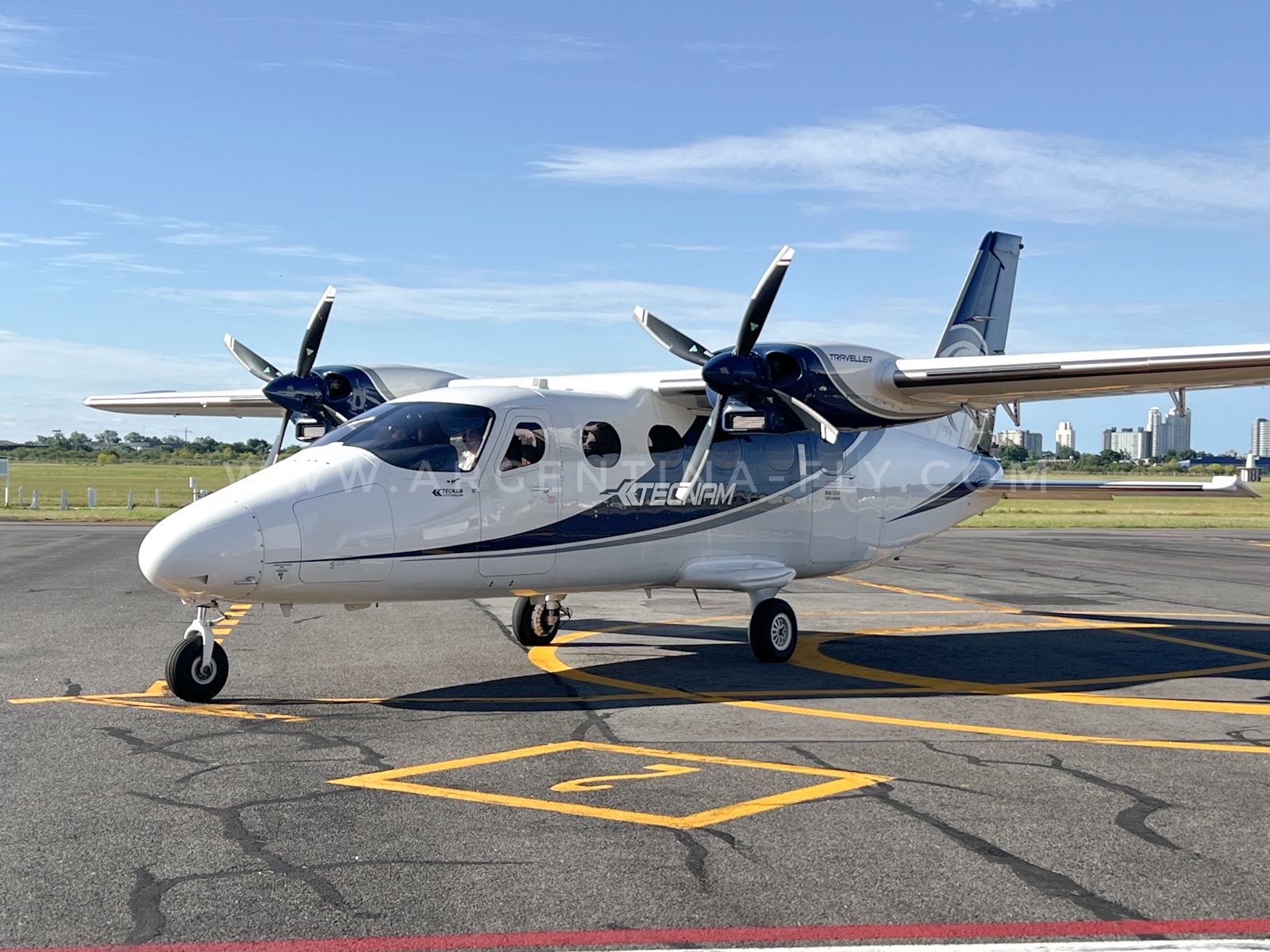
Tecnam Traveller
Piston aircraft · 9 passengers · 3 h 303 h 30flight time
USD 8,160+ VAT 10.5%
Request a quote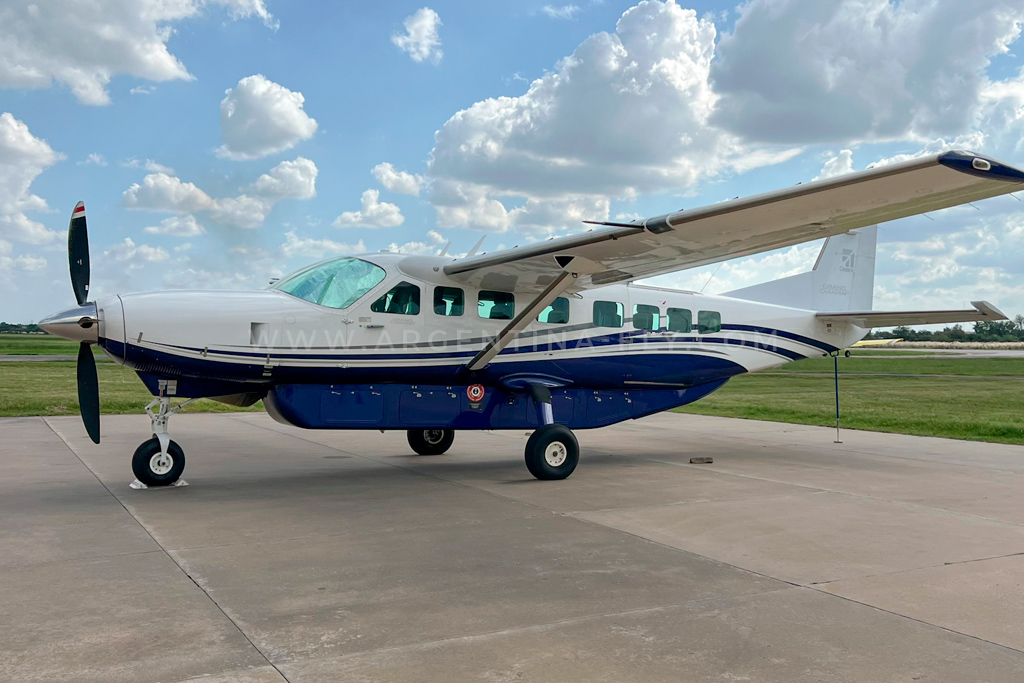
Cessna Grand Caravan
Turboprop · 9 passengers · 3 h 403 h 40flight time
USD 8,370+ VAT 10.5%
Request a quote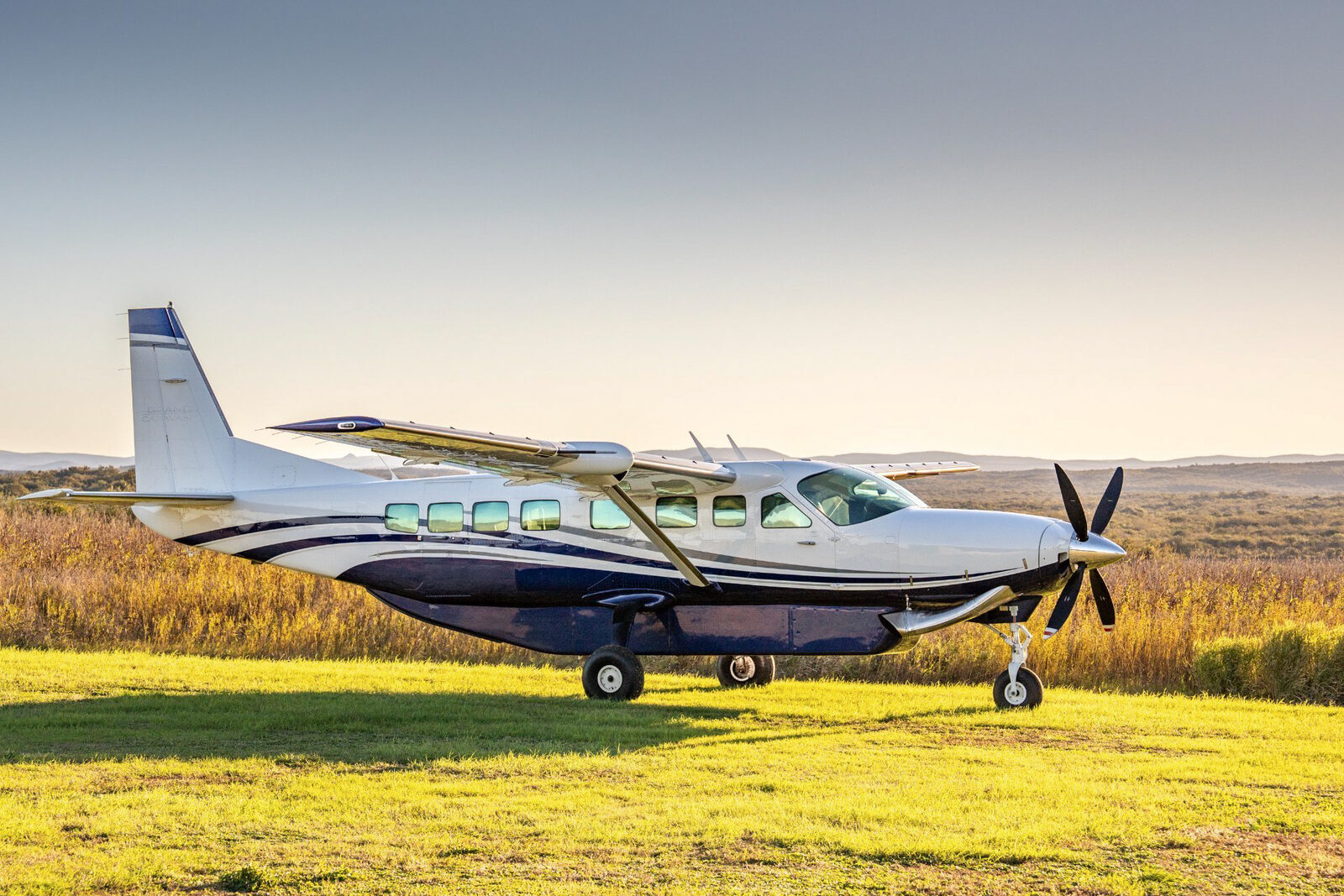
Cessna Grand Caravan Ex
Turboprop · 9 passengers · 3 h 253 h 25flight time
USD 8,990+ VAT 10.5%
Request a quote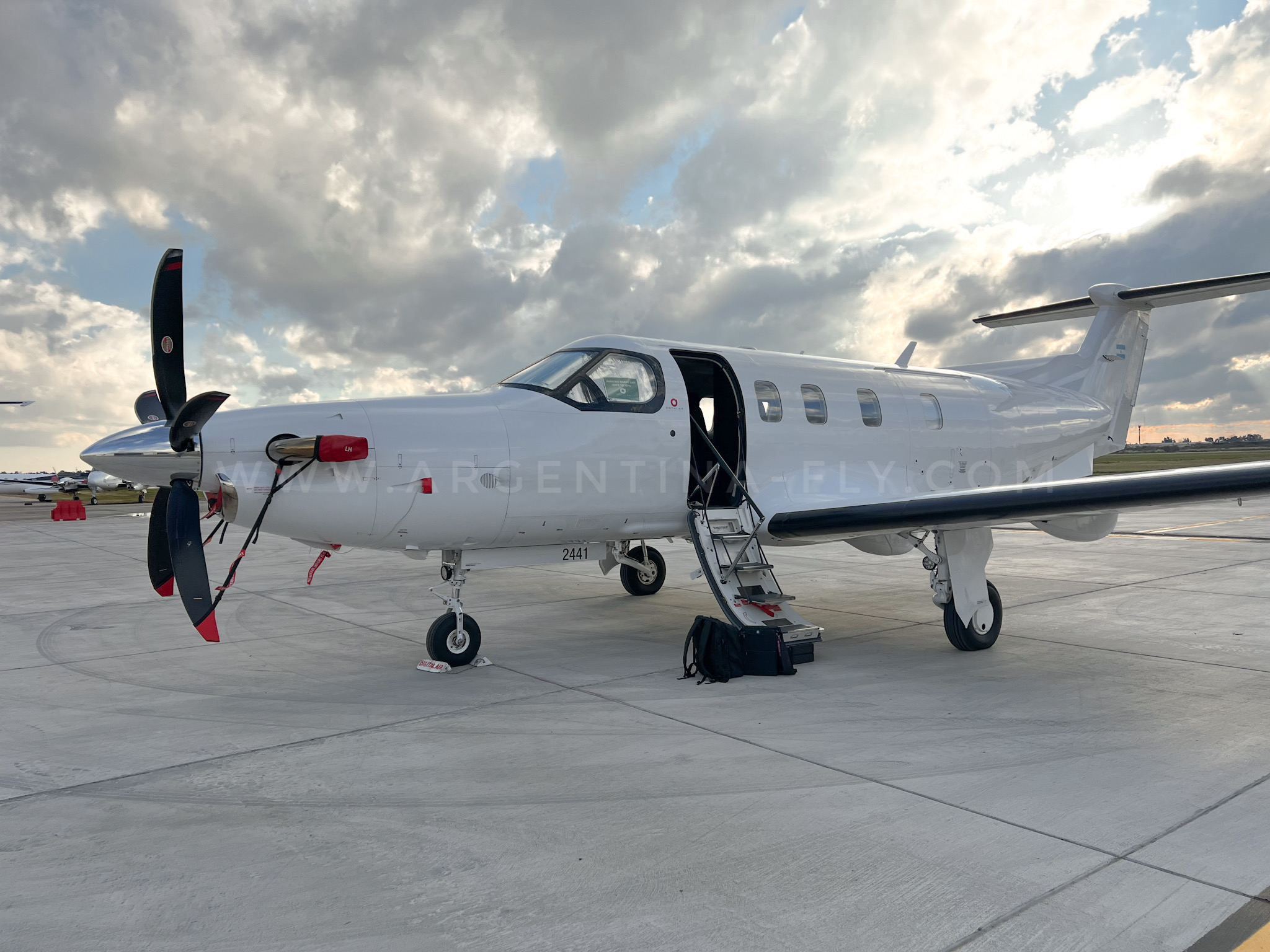
Pilatus PC-12
Turboprop · 8 passengers · 2 h 252 h 25flight time
USD 9,200+ VAT 10.5%
Request a quote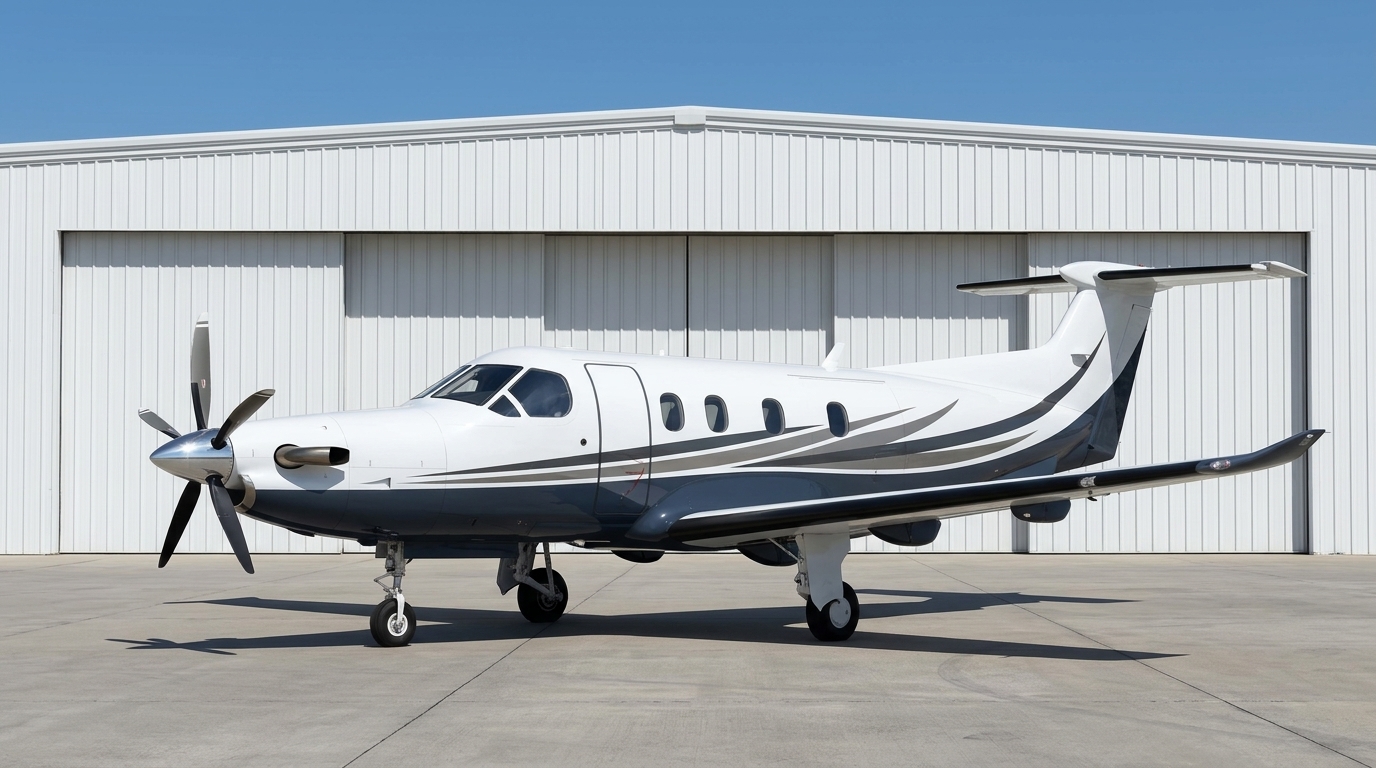
Pilatus PC12 Pro
Turboprop · 8 passengers · 2 h 252 h 25flight time
USD 9,410+ VAT 10.5%
Request a quote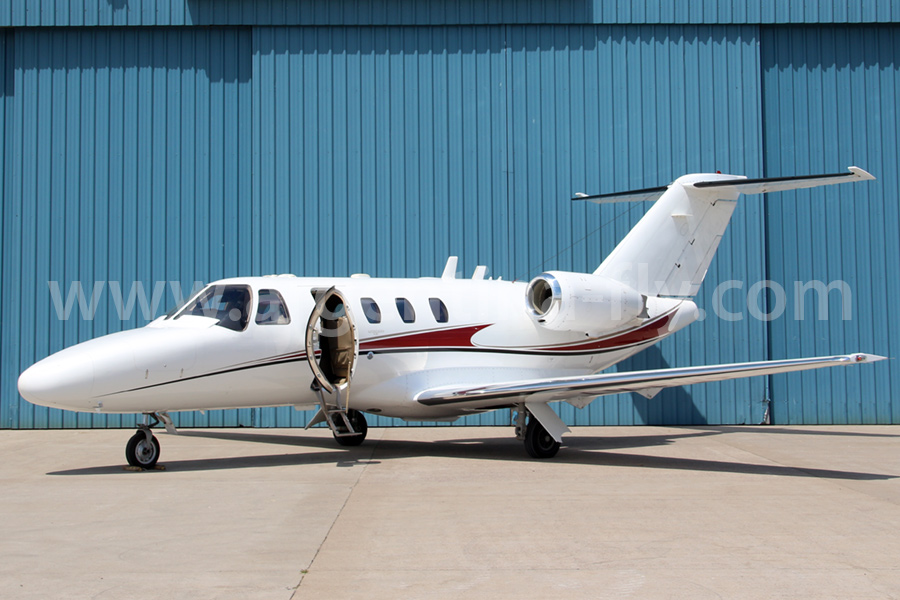
Citation CJ1
Light jet · 5 passengers · 1 h 501 h 50flight time
USD 9,820+ VAT 10.5%
Request a quote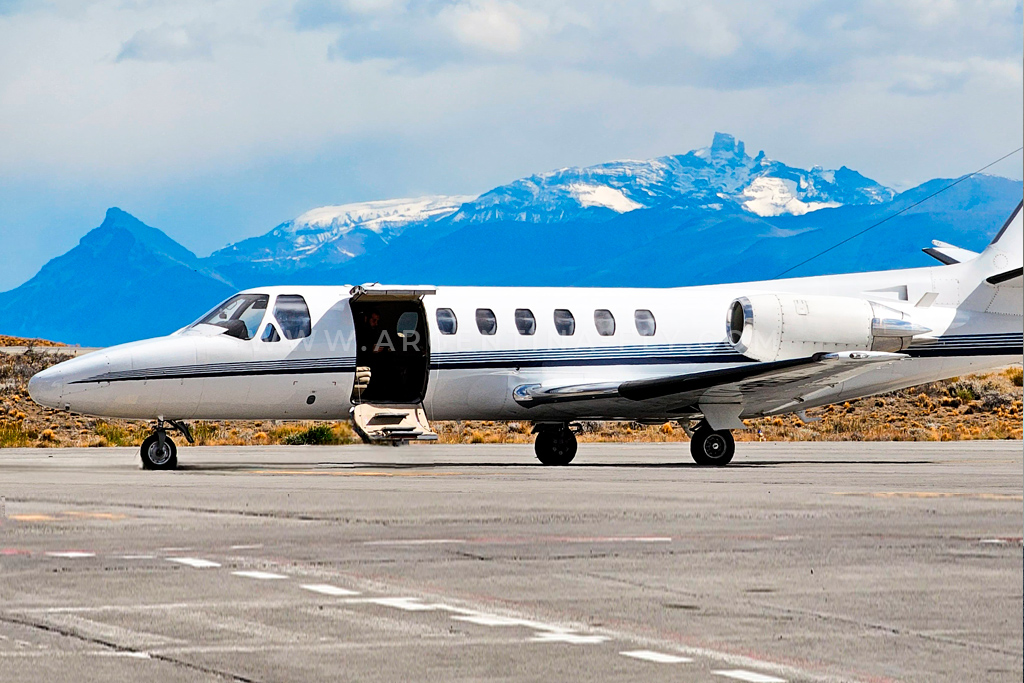
Citation V
Light jet · 8 passengers · 1 h 401 h 40flight time
USD 10,230+ VAT 10.5%
Request a quote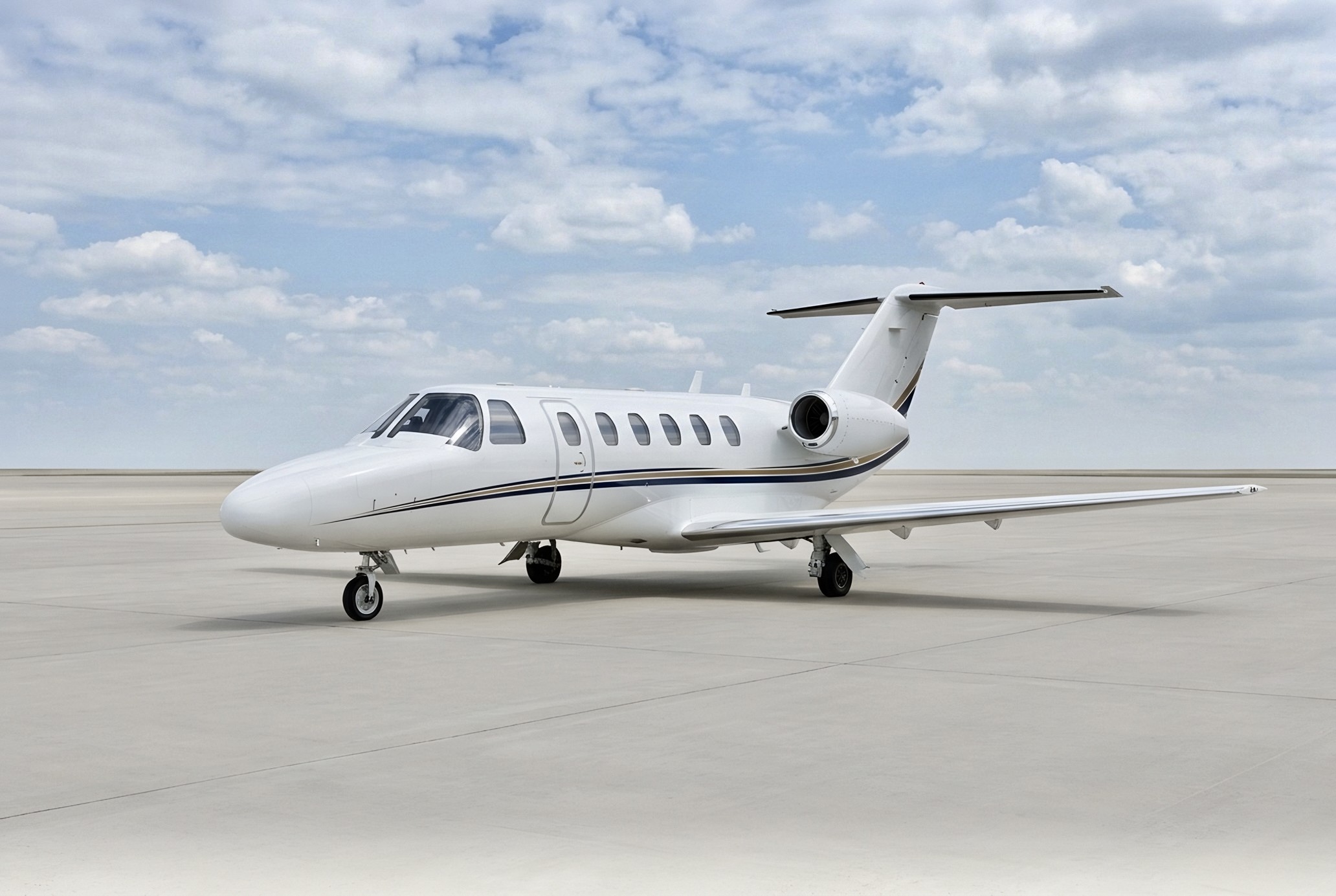
Citation CJ2
Light jet · 6 passengers · 1 h 45 · 2 options1 h 45flight time
USD 10,230+ VAT 10.5%
Request a quote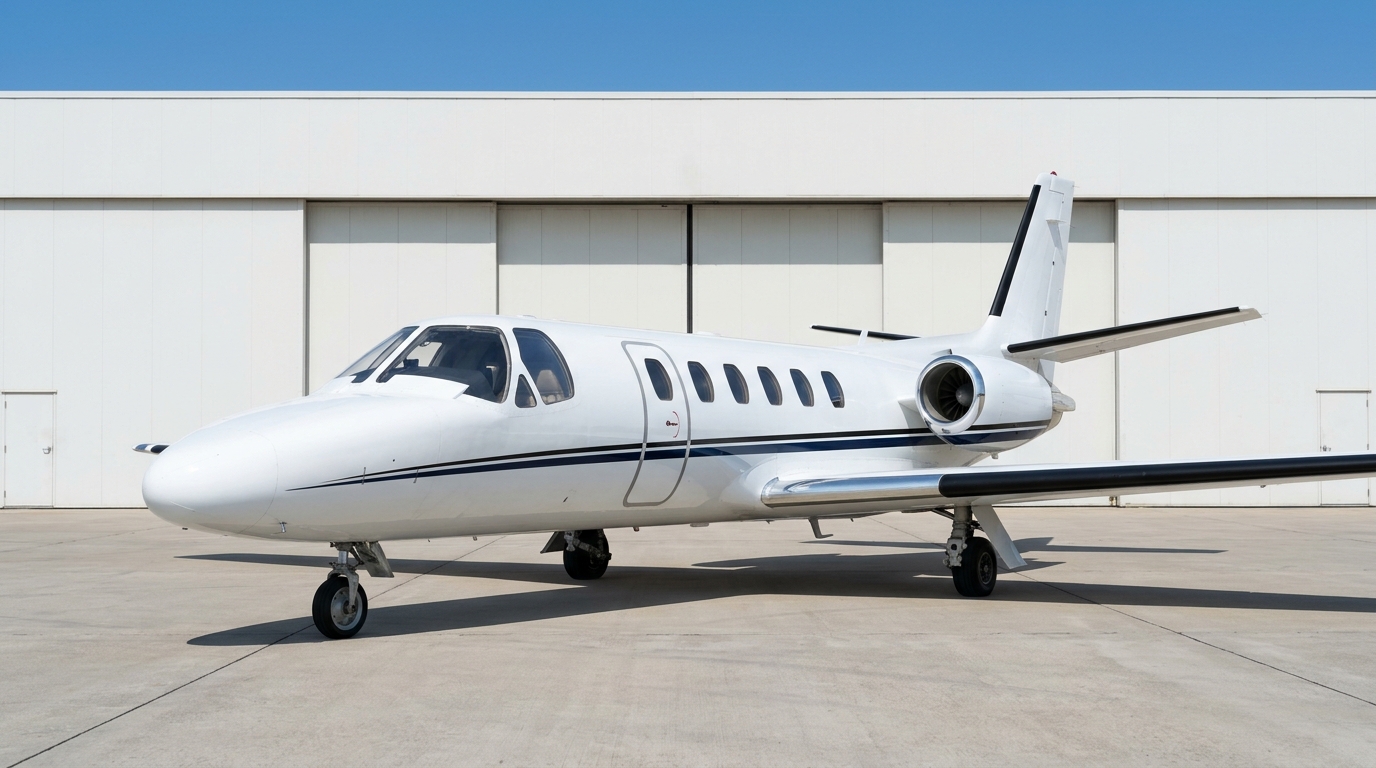
Citation Bravo
Light jet · 7 passengers · 1 h 451 h 45flight time
USD 10,870+ VAT 10.5%
Request a quote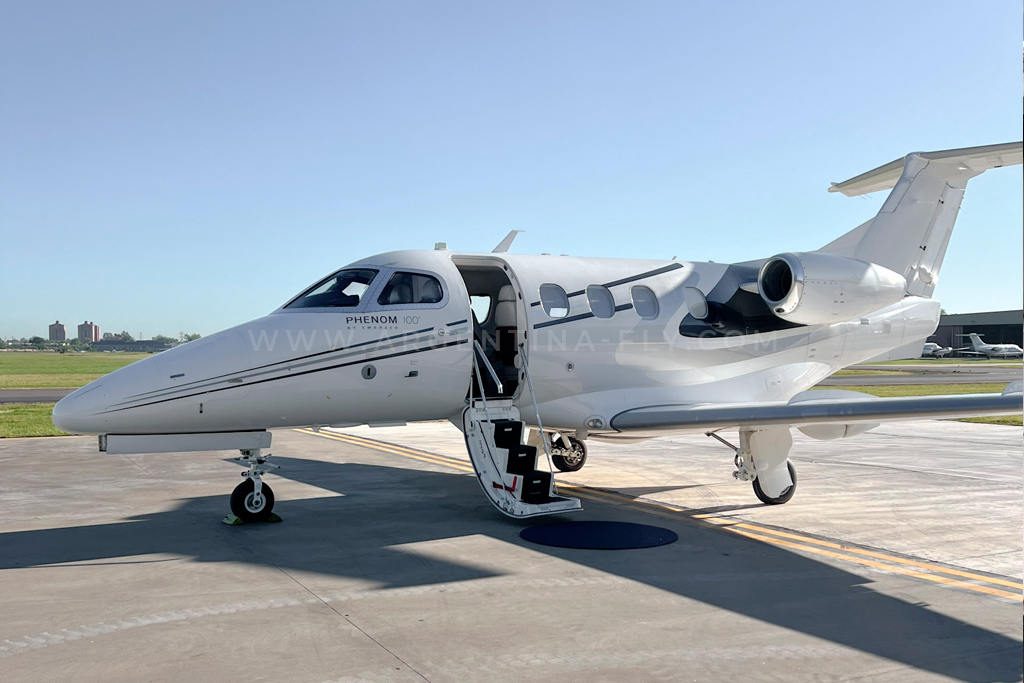
Phenom 100
Light jet · 5 passengers · 1 h 451 h 45flight time
USD 11,520+ VAT 10.5%
Request a quote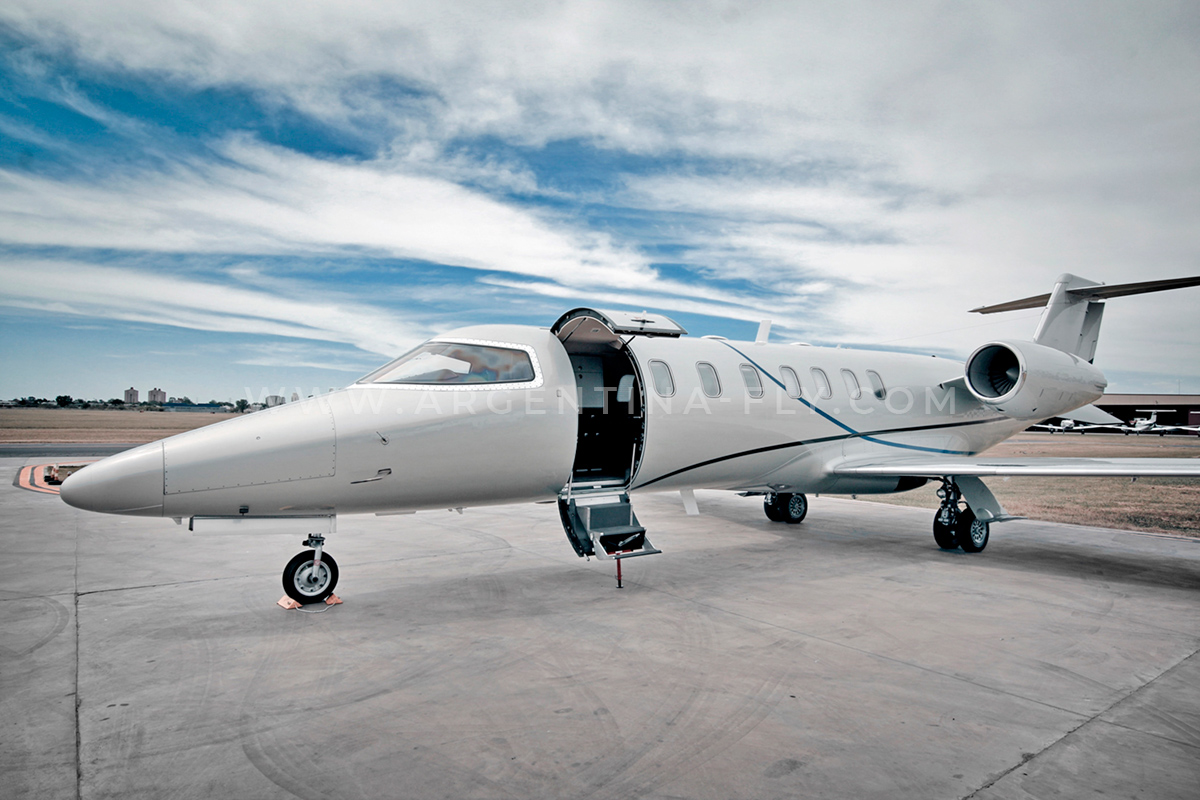
Learjet 40 XR
Light jet · 6 passengers · 1 h 351 h 35flight time
USD 12,180+ VAT 10.5%
Request a quote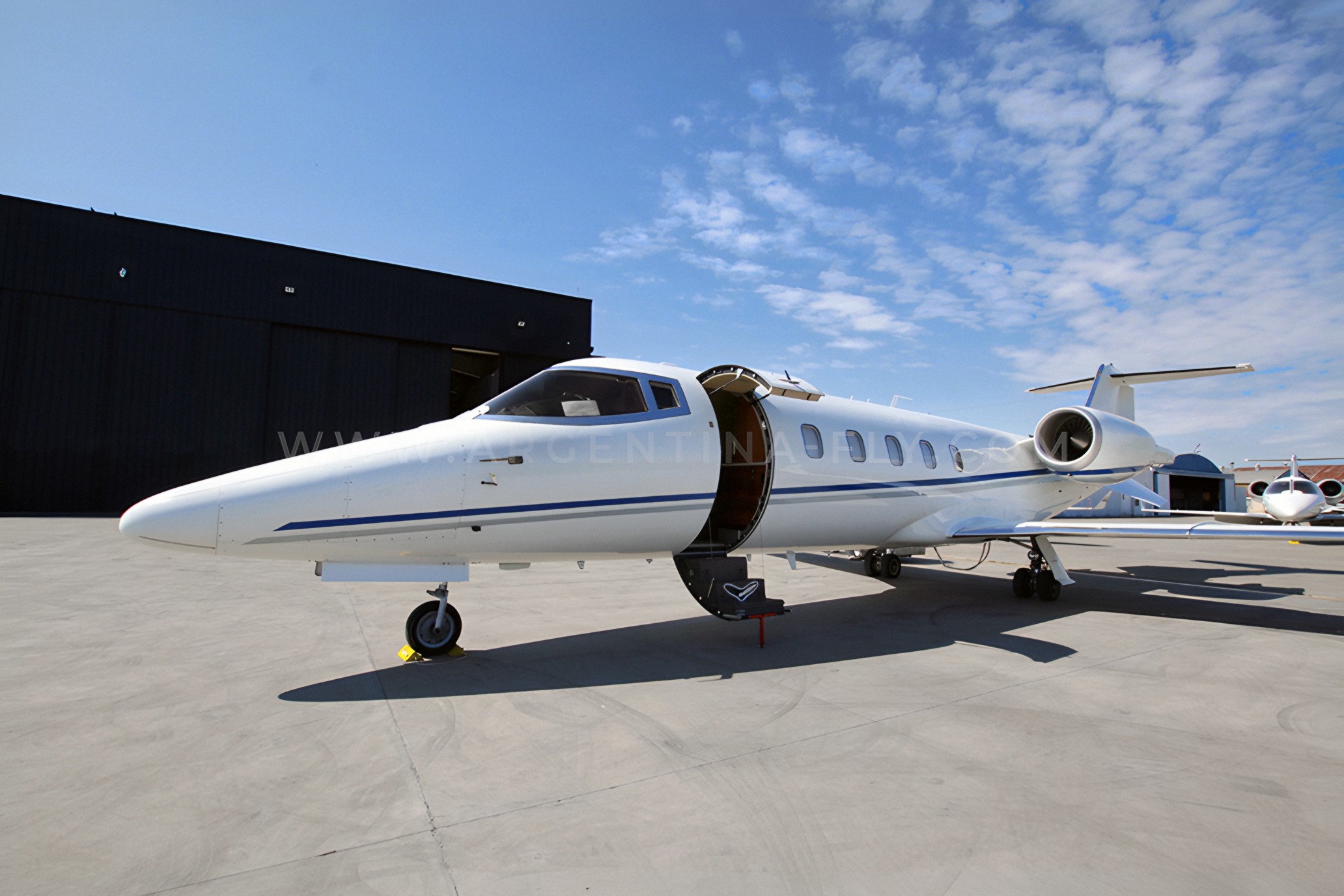
Learjet 60
Midsize jet · 7 passengers · 1 h 35 · 2 options1 h 35flight time
USD 12,610+ VAT 10.5%
Request a quote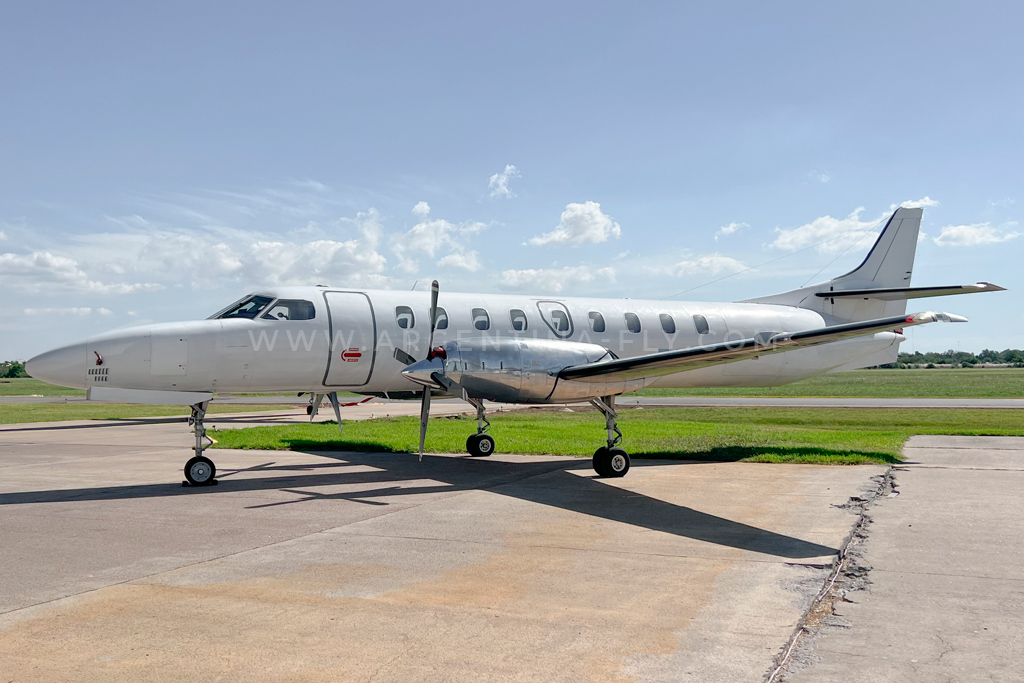
Metro 23
Turboprop · 19 passengers · 2 h 252 h 25flight time
USD 13,050+ VAT 10.5%
Request a quote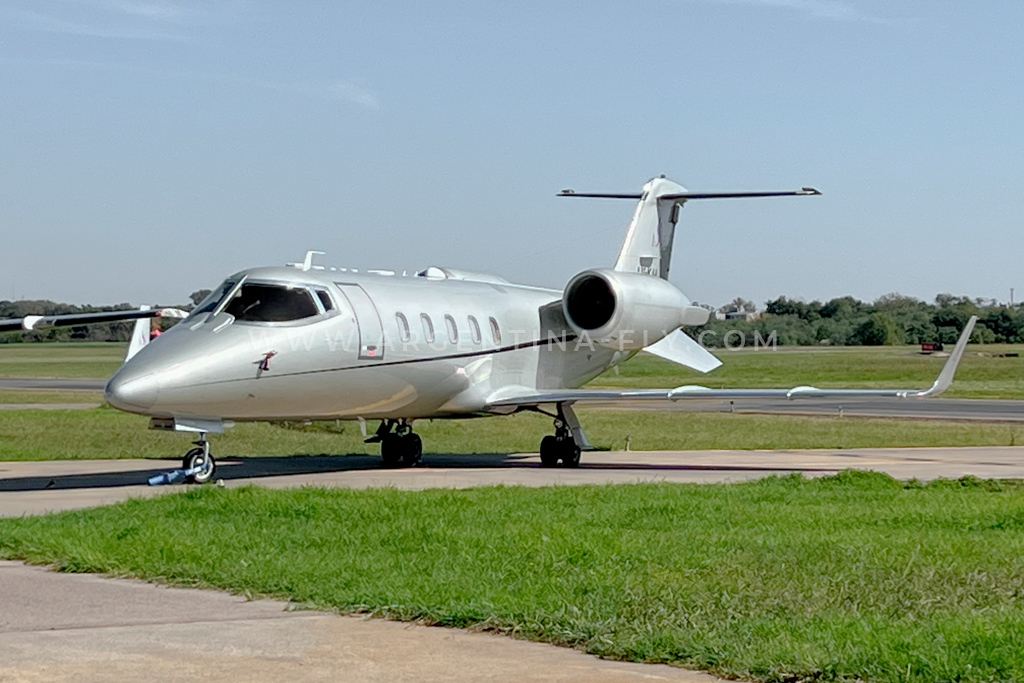
Learjet 60 XR
Midsize jet · 6 passengers · 1 h 301 h 30flight time
USD 13,260+ VAT 10.5%
Request a quote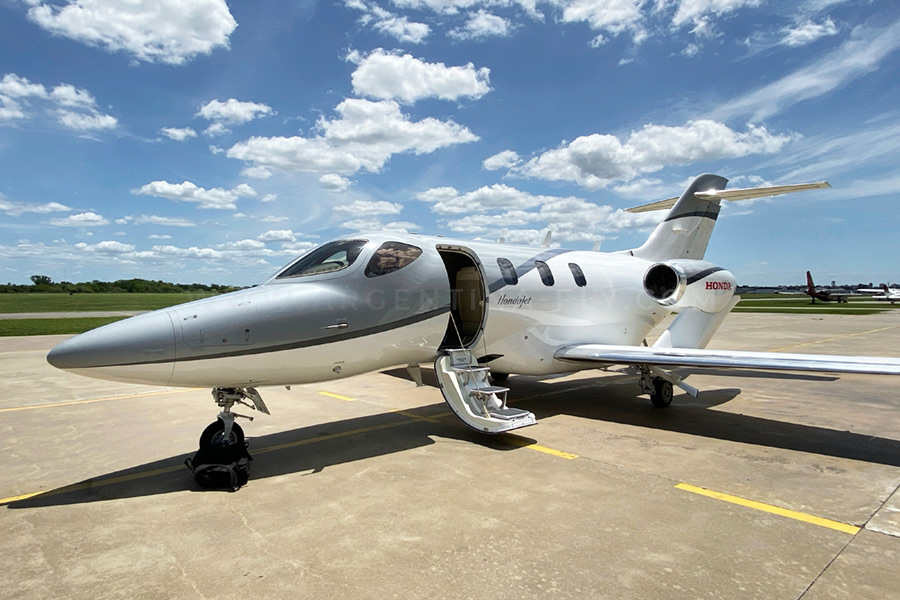
HondaJet
Light jet · 5 passengers · 1 h 451 h 45flight time
USD 14,130+ VAT 10.5%
Request a quote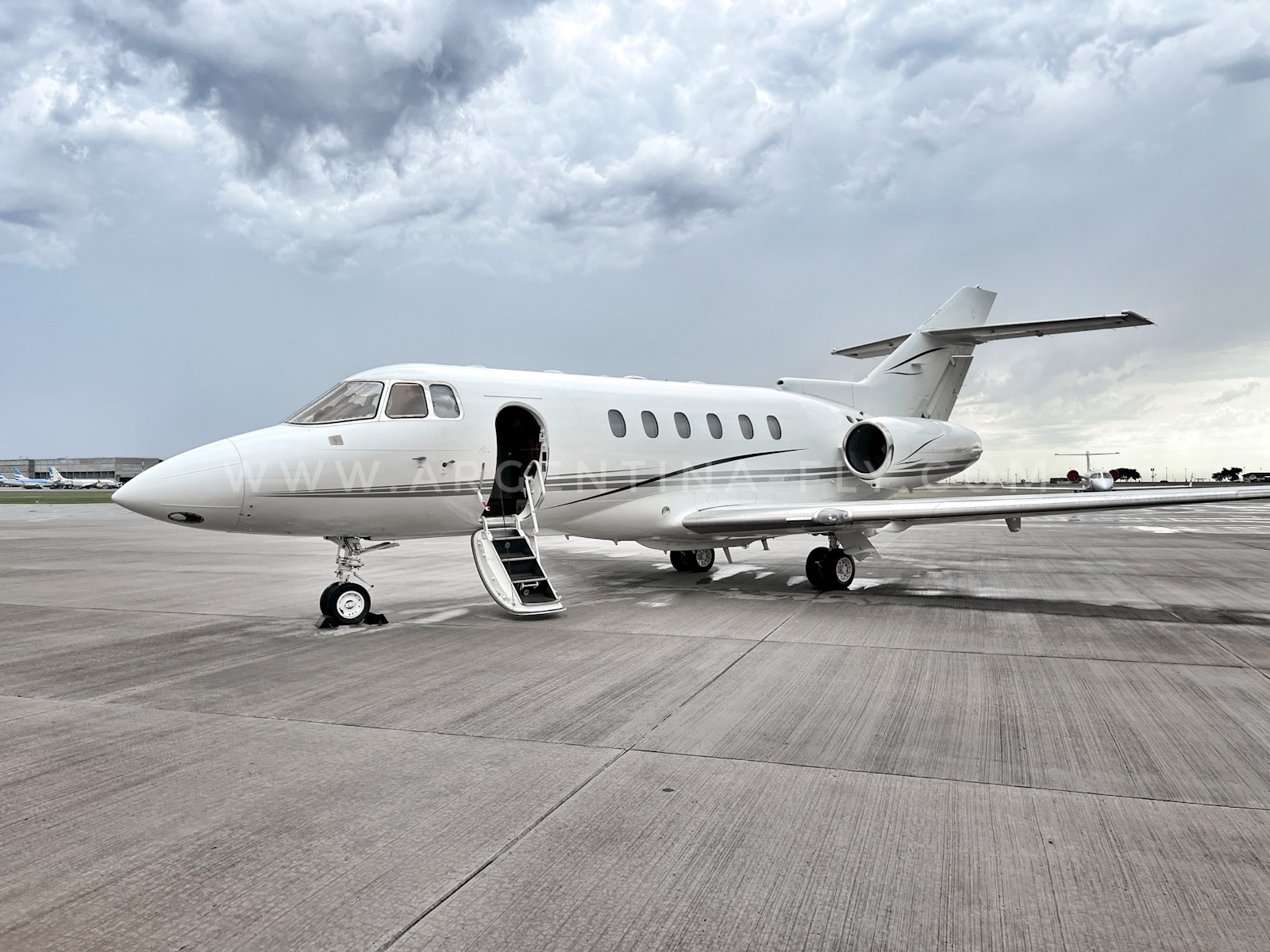
Hawker 800 XP
Midsize jet · 8 passengers · 1 h 351 h 35flight time
USD 14,150+ VAT 10.5%
Request a quote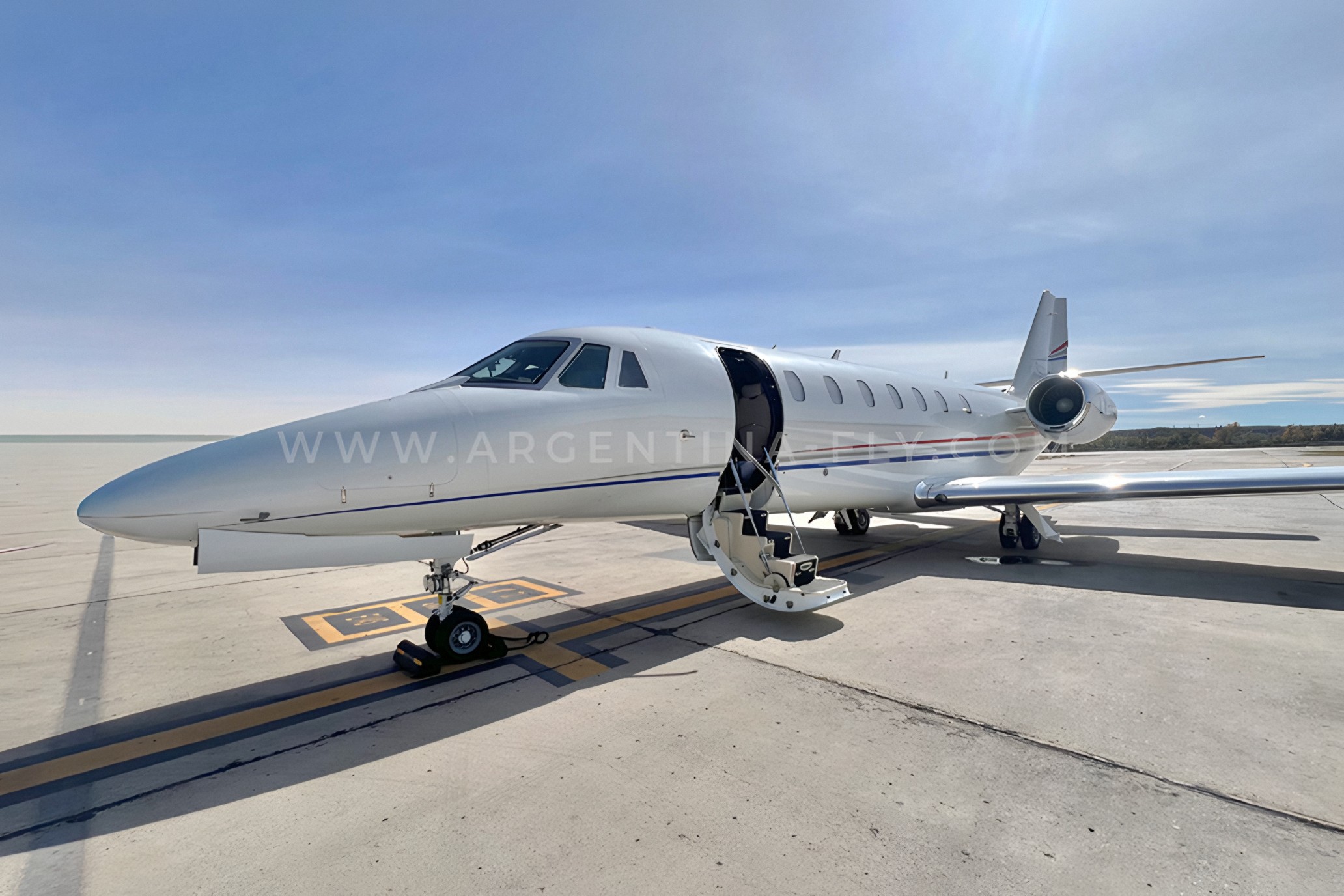
Citation Sovereign
Midsize jet · 8 passengers · 1 h 301 h 30flight time
USD 15,220+ VAT 10.5%
Request a quote
Route and airfields
Rate conditions
Please read carefully before requesting a quote.
Prices
Reference fares in US dollars (USD), for the entire aircraft. They may vary with aircraft availability and travel dates. For itineraries with several destinations, please request a tailored quote.
Not included
VAT on flights within Argentina, fees abroad on international flights (airport charges, handling and FBO, among others), and special services on request.
Base airport
Fares are calculated for departure from San Fernando (FDO). Departing from Aeroparque (AEP) or Ezeiza (EZE) may change the fare, depending on where each aircraft is based.
Reference fleet
The aircraft displayed are for reference purposes only and may vary depending on operational availability. Contact us to learn about the available options for your trip.
Rate conditions
Please read carefully before requesting your quotation.
Published prices are provided for reference only.
 Prices
Reference fares in US dollars (USD), for the entire aircraft. They may vary with aircraft availability and travel dates. For itineraries with several destinations, please request a tailored quote.
 Not included
VAT on flights within Argentina, fees abroad on international flights (airport charges, handling and FBO, among others), and special services on request.
 Base airport
Fares are calculated for departure from San Fernando (FDO). Departing from Aeroparque (AEP) or Ezeiza (EZE) may change the fare, depending on where each aircraft is based.
 Reference fleet
The aircraft displayed are for reference purposes only and may vary depending on operational availability. Contact us to learn about the available options for your trip.
Need a personalized quotation?
Request quotation
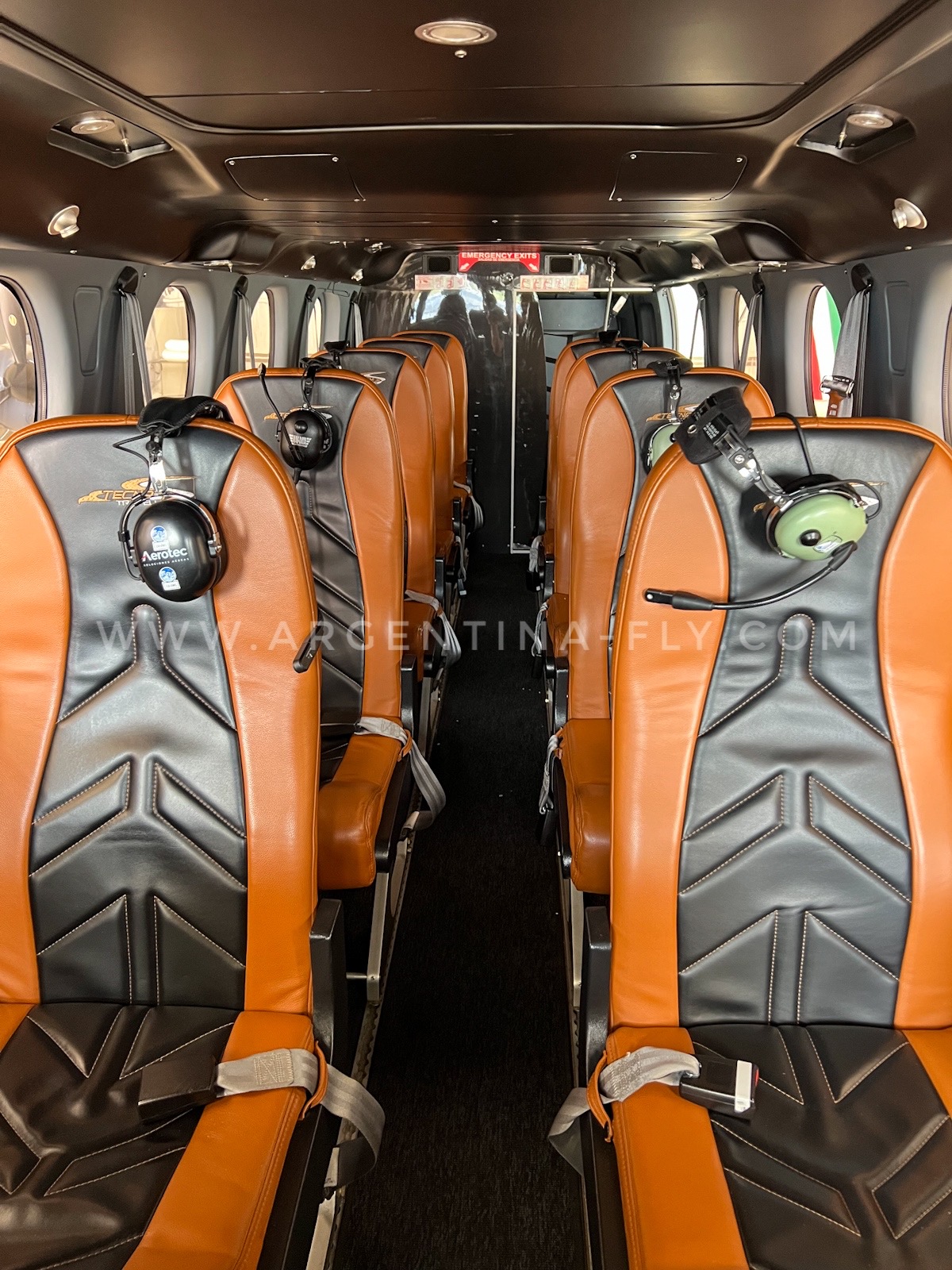
Tecnam Traveller
High-capacity twin-engine aircraft, ideal for group transfers with up to 9 passengers.
 Capacity
9 passengers
 Lavatory
Not available
 Cabin
Non-pressurized
 Luggage
Moderate
 Wi-Fi
Not available
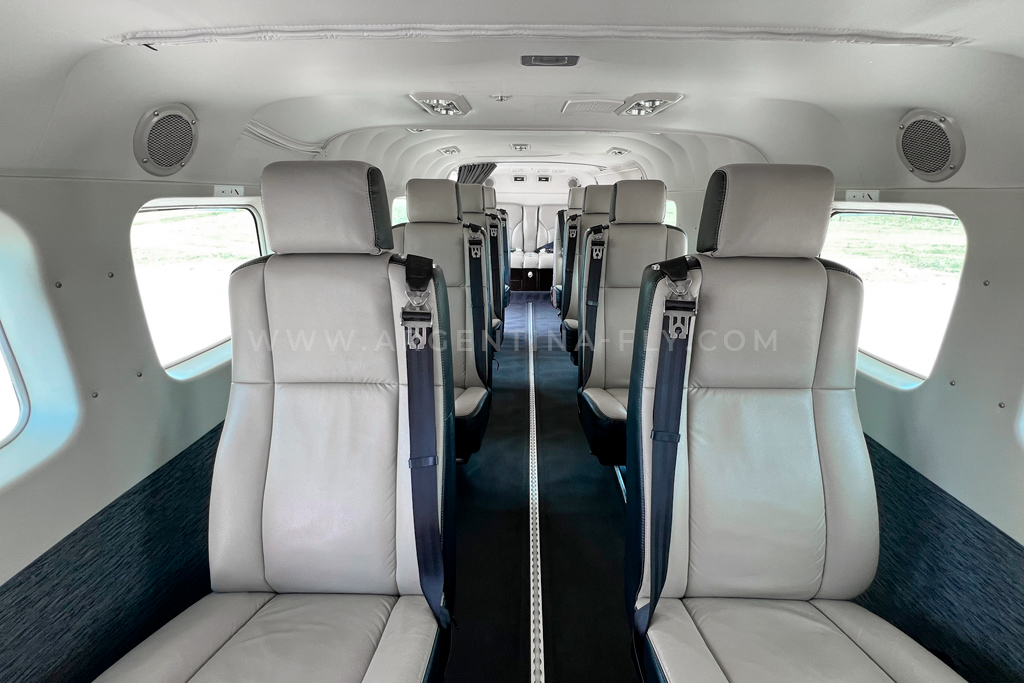
Cessna Grand Caravan
Versatile turboprop with generous payload capacity and a comfortable cabin, ideal for groups and flights to destinations with short runways.
Capacity
9 passengers
Lavatory
Not available
Cabin
Non-pressurized
Luggage
Moderate
Wi-Fi
Portable Starlink
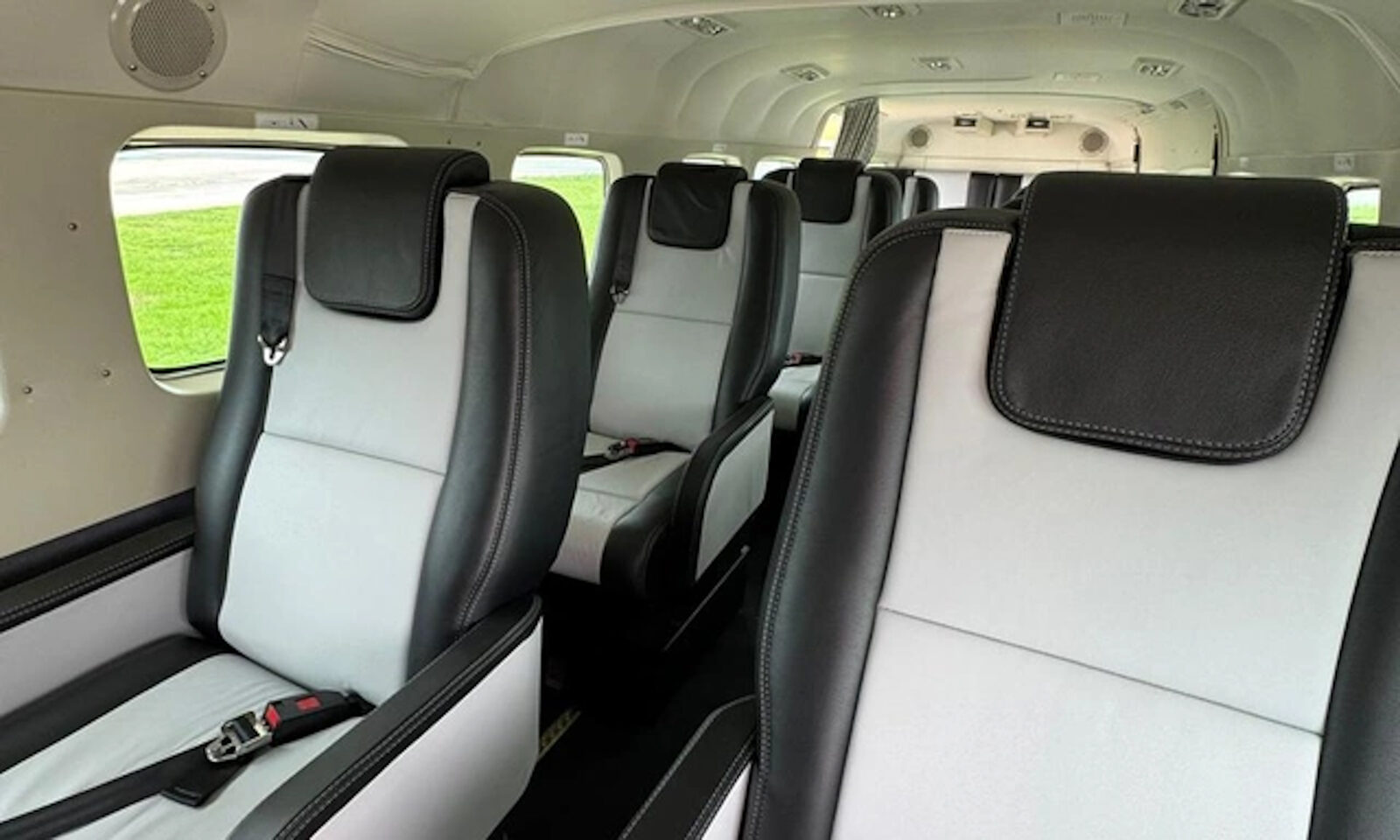
Cessna Grand Caravan Ex
Versatile turboprop with generous payload capacity and a comfortable cabin, ideal for groups and flights to destinations with short runways.
Capacity
9 passengers
Lavatory
Not available
Cabin
Not pressurized
Luggage
Standard
Wi-Fi
Portable Starlink
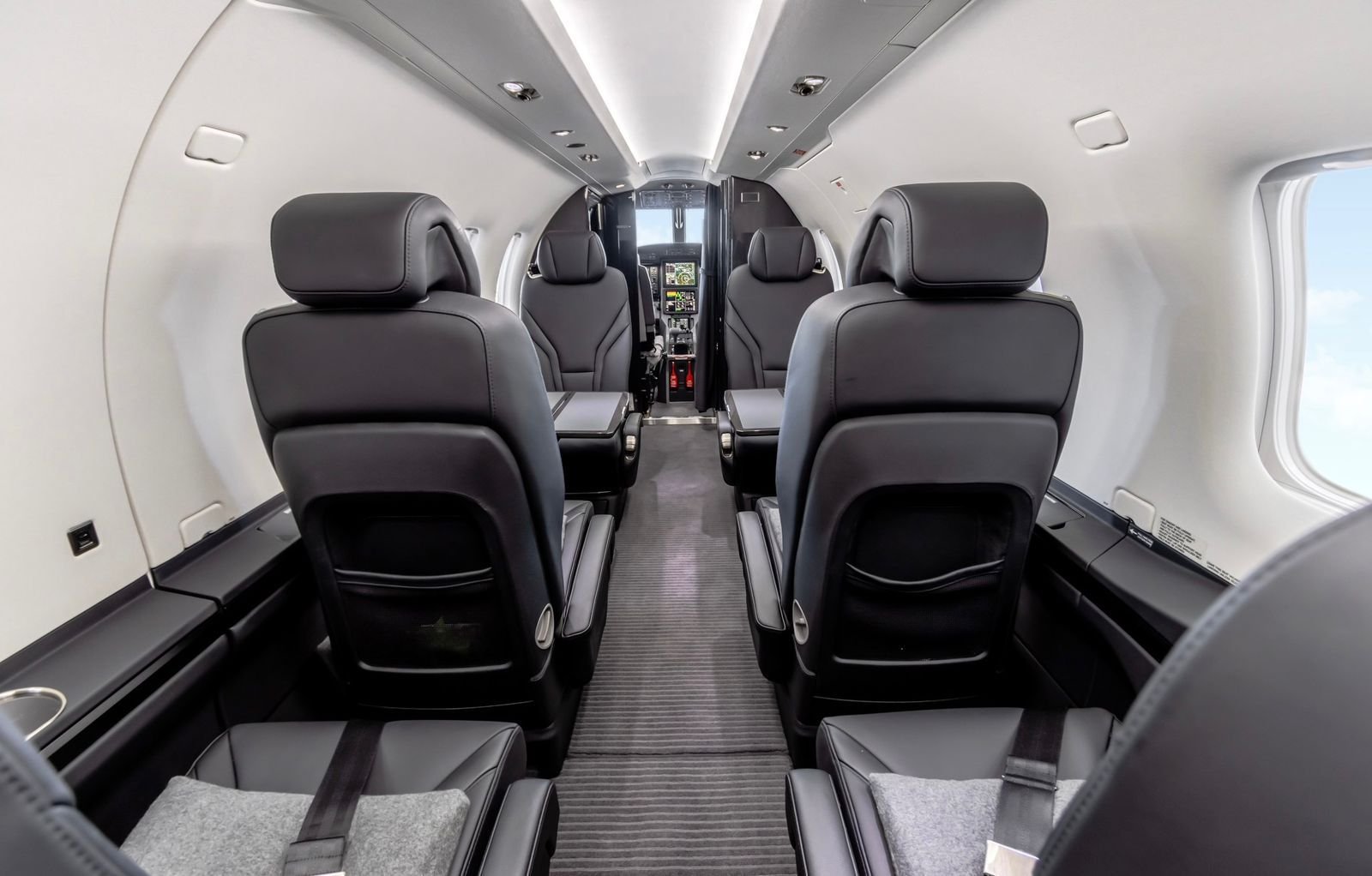
Pilatus PC-12
High-performance single-engine turboprop in executive configuration, with a spacious cabin and latest-generation technology.
Capacity
8 passengers
Lavatory
Not available
Cabin
Pressurized
Luggage
Standard
Wi-Fi
Portable Starlink
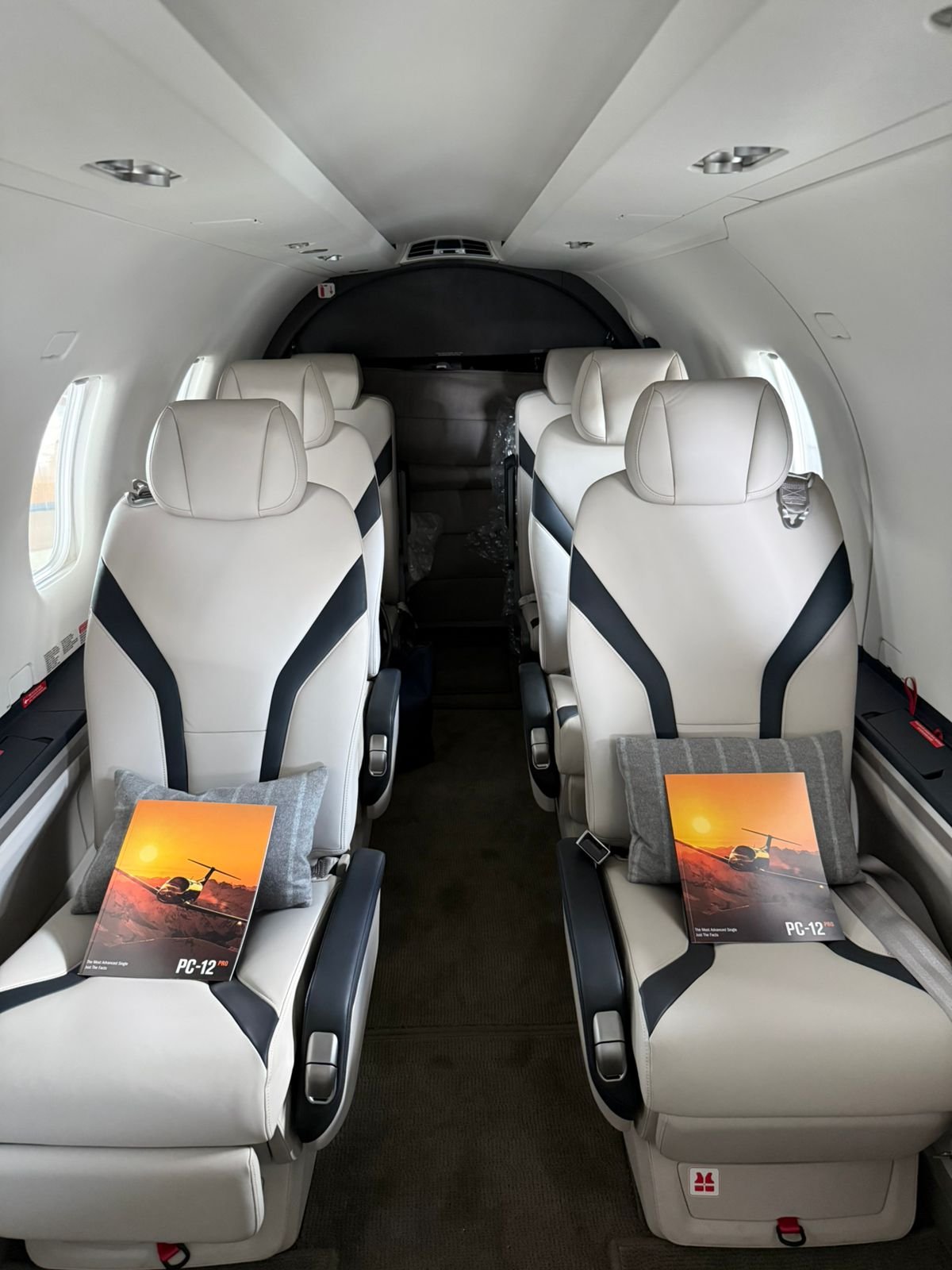
Pilatus PC12 Pro
High-performance single-engine turboprop in executive configuration, with a spacious cabin and latest-generation technology.
Capacity
8 passengers
Lavatory
Not available
Cabin
Pressurized
Luggage
Standard
Wi-Fi
Portable Starlink
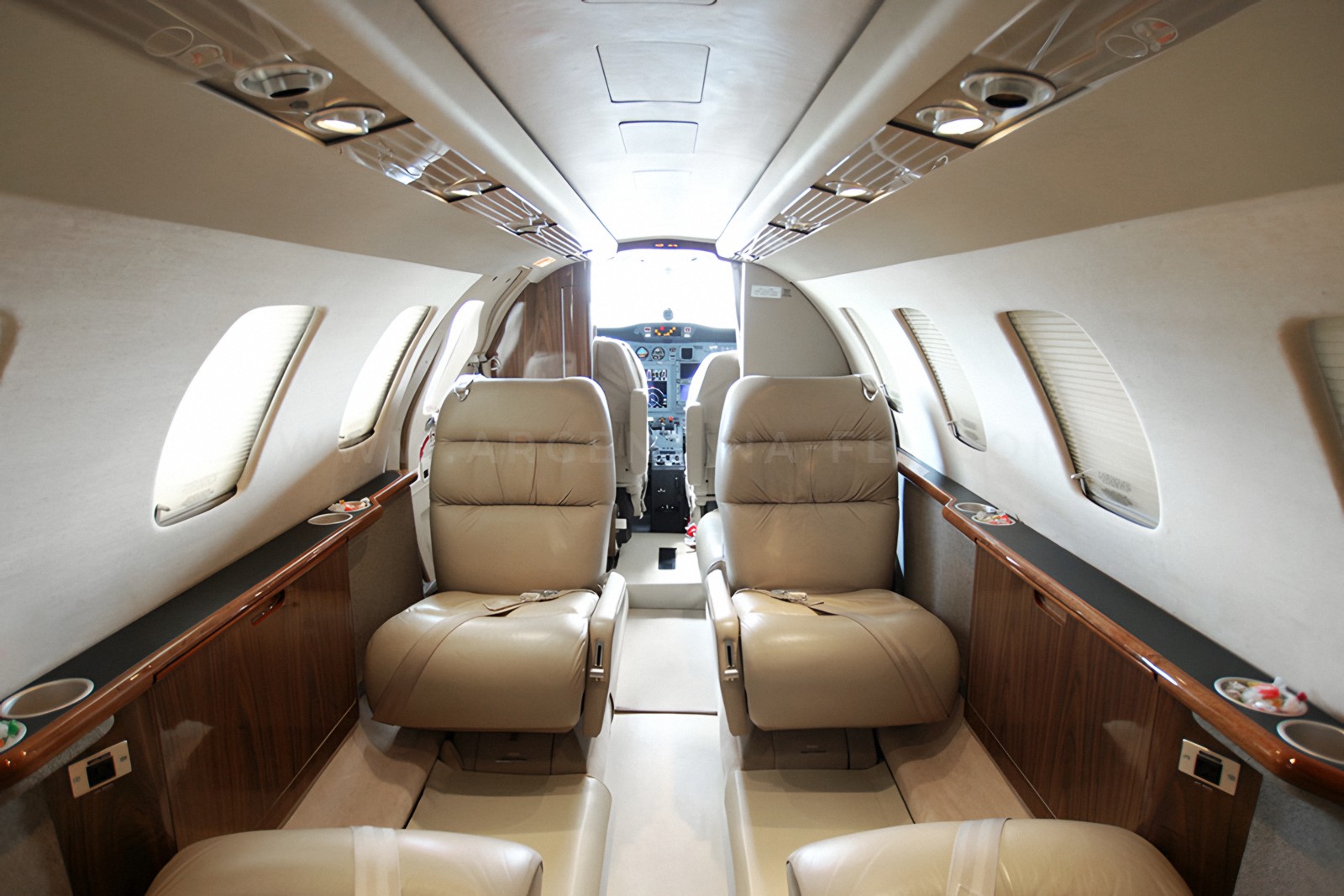
Citation CJ1
Compact light jet with excellent fuel efficiency, perfect for short-range executive flights.
Capacity
5 passengers
Lavatory
Not available
Cabin
Pressurized
Luggage
Moderate
Wi-Fi
Not available
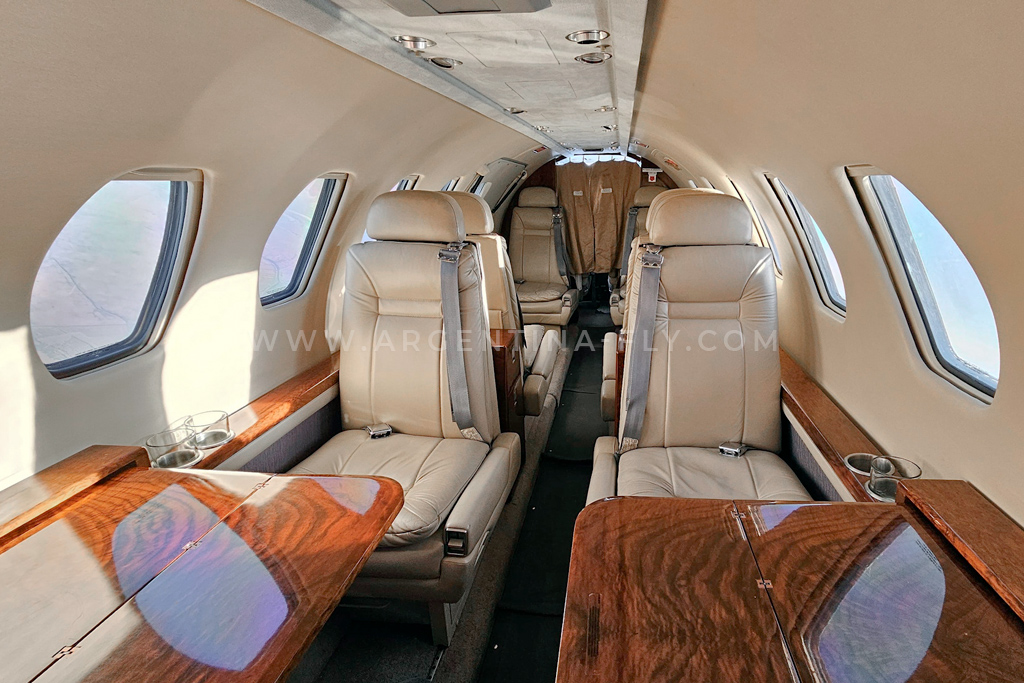
Citation V
Light jet with a comfortable cabin for up to 8 passengers and strong regional range.
Capacity
8 passengers
Lavatory
Not available
Cabin
Pressurized
Luggage
Moderate
Wi-Fi
Portable Starlink
 Malargüe (LGS)
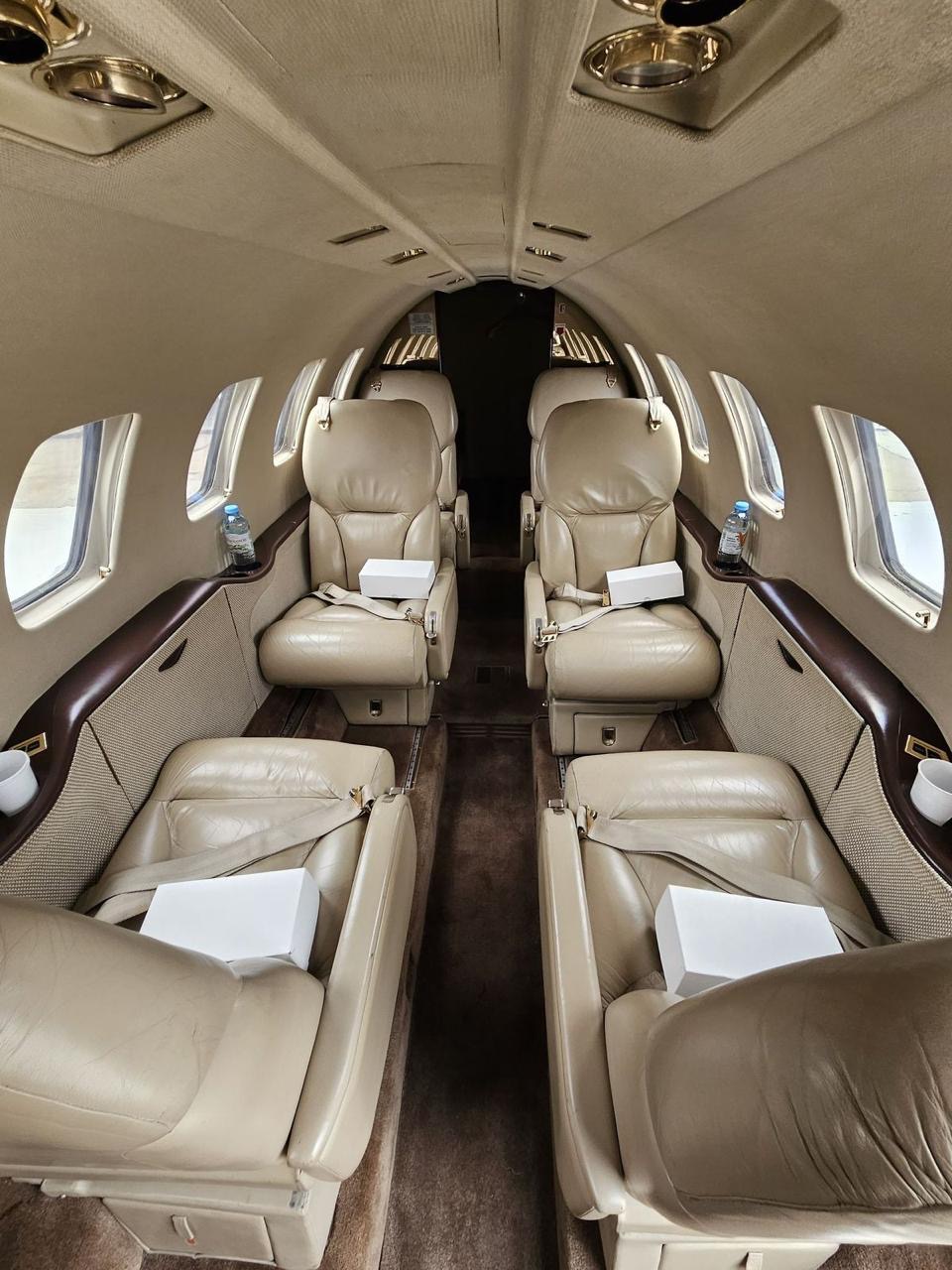
Citation Bravo
Classic light jet with a pressurized cabin, reliable and versatile for regional trips and short runways.
Capacity
7 passengers
Lavatory
Not available
Cabin
Pressurized
Luggage
Standard
Wi-Fi
Not available
Malargüe (LGS)
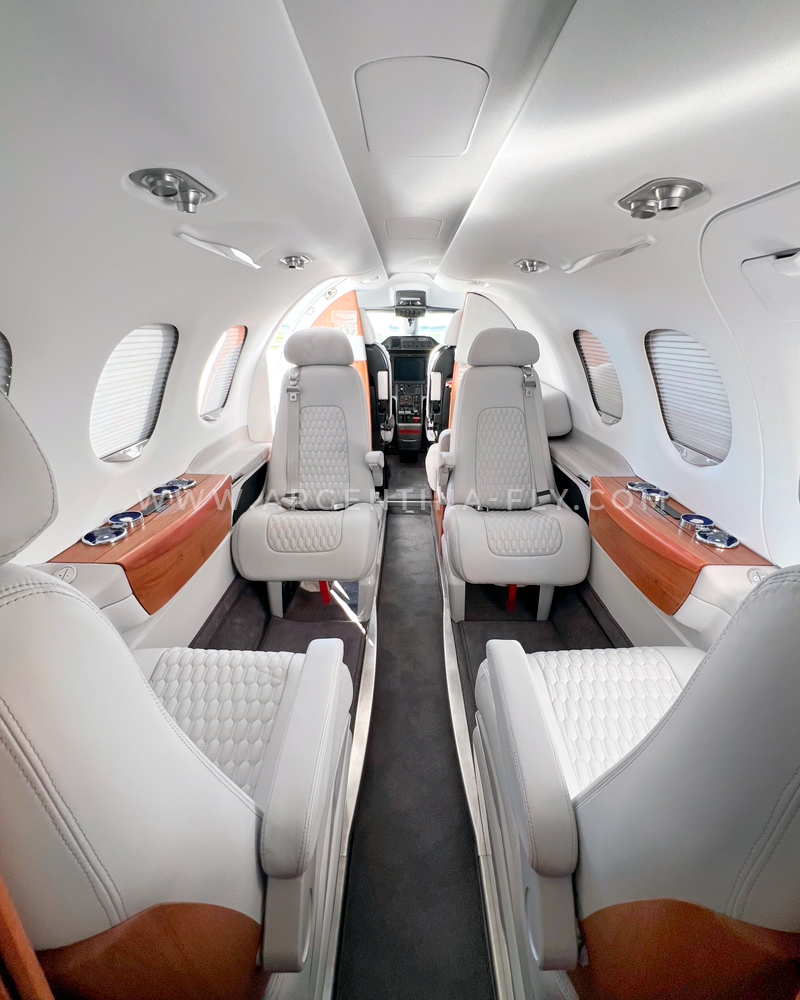
Phenom 100
Light jet ideal for short and medium sectors, with excellent cabin comfort and operating efficiency.
Capacity
5 passengers
Lavatory
Yes
Cabin
Pressurized
Luggage
Moderate
Wi-Fi
Portable Starlink
 Safety certifications
Malargüe (LGS)
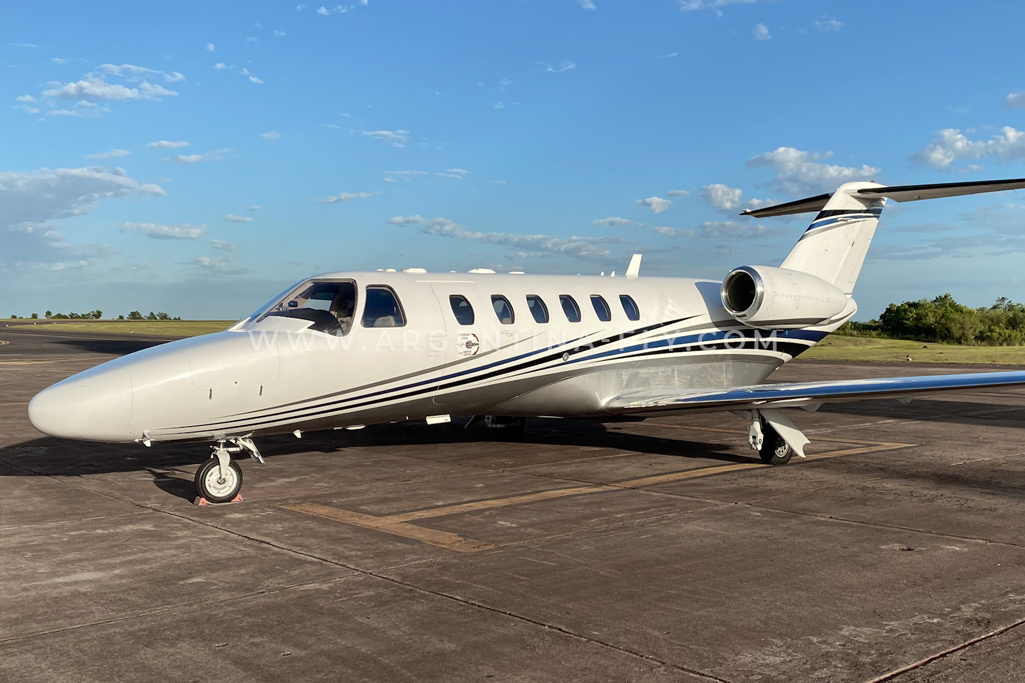
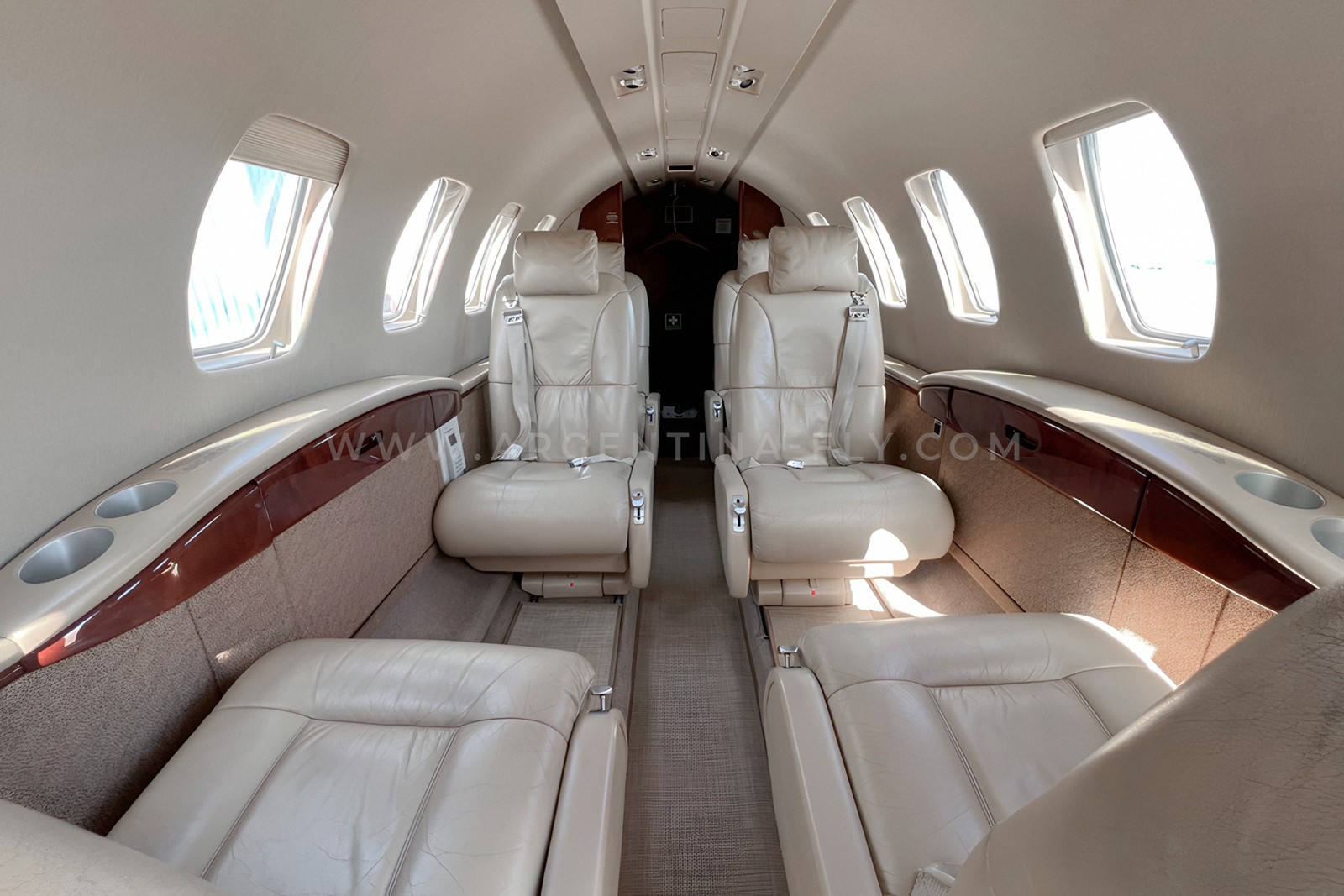
Citation CJ2
Light jet with greater range than the CJ1, offering an excellent balance between cost and executive performance.
Capacity
6 passengers
Lavatory
Not available
Cabin
Pressurized
Luggage
Moderate
Wi-Fi
Not available
Malargüe (LGS)
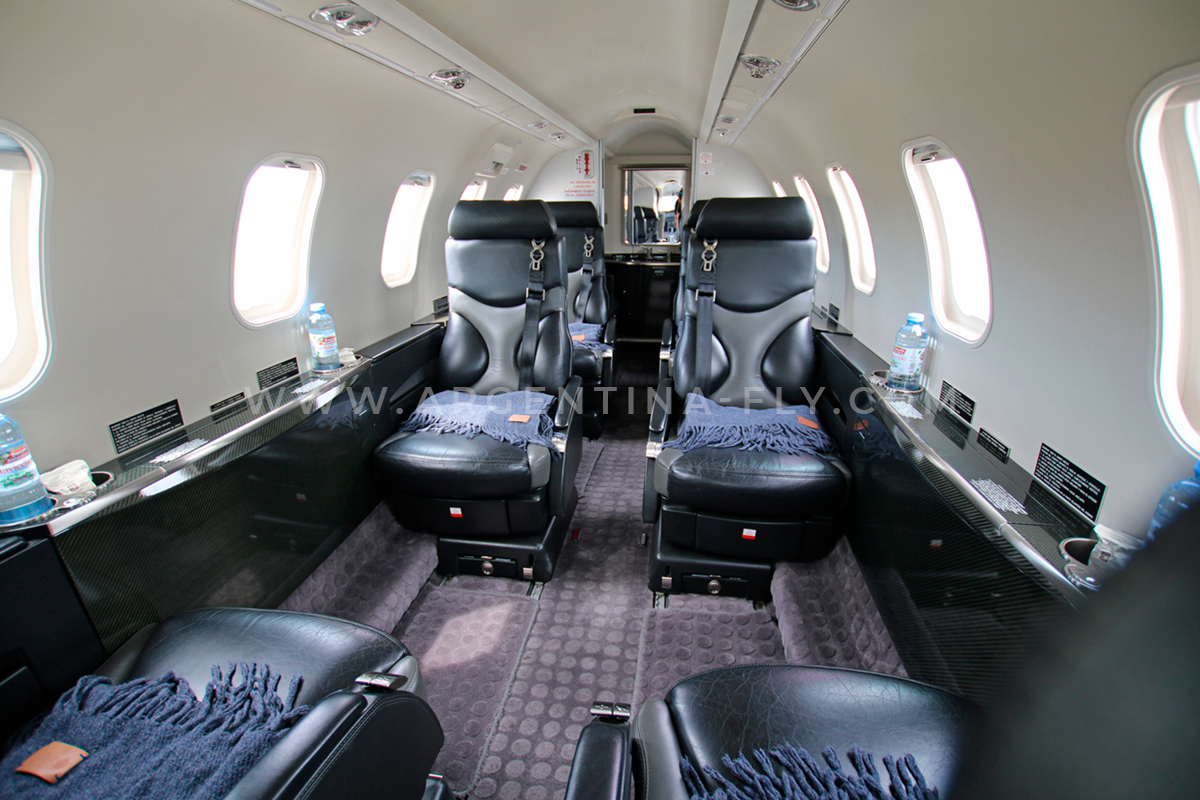
Learjet 40 XR
Light jet with a strong balance of speed and range, featuring a comfortable and modern executive cabin.
Capacity
6 passengers
Lavatory
Yes
Cabin
Pressurized
Luggage
Moderate
Wi-Fi
Not available
Safety certifications
Malargüe (LGS)
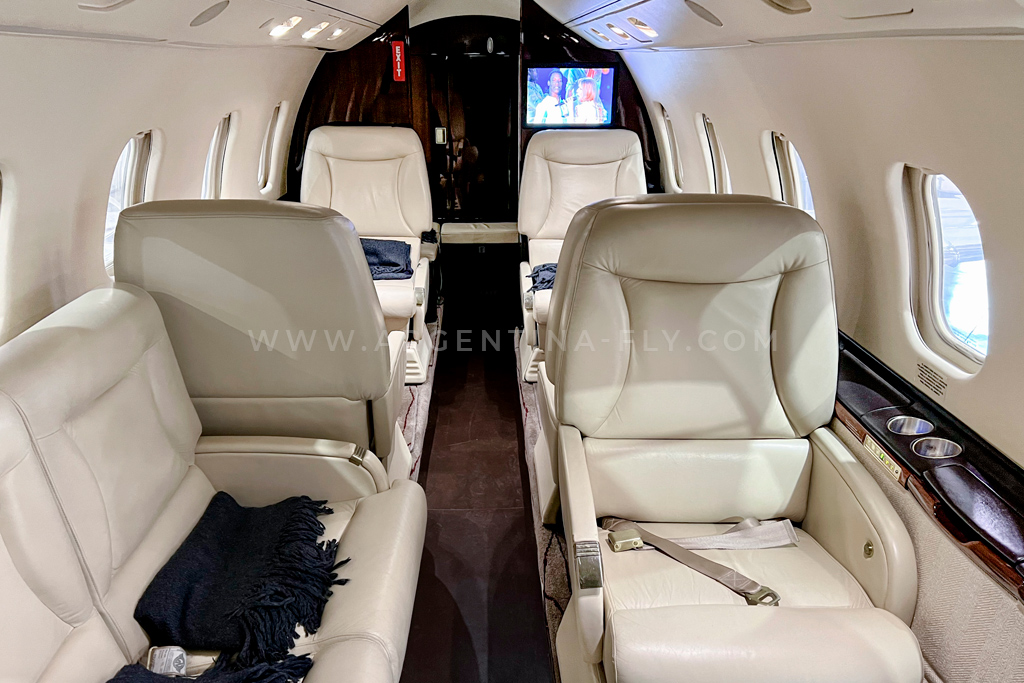
Learjet 60
Midsize jet with a spacious cabin and excellent cruise speed, one of the most requested options for executive flights.
Capacity
7 passengers
Lavatory
Yes
Cabin
Pressurized
Luggage
Moderate
Wi-Fi
Portable Starlink
Safety certifications
Malargüe (LGS)
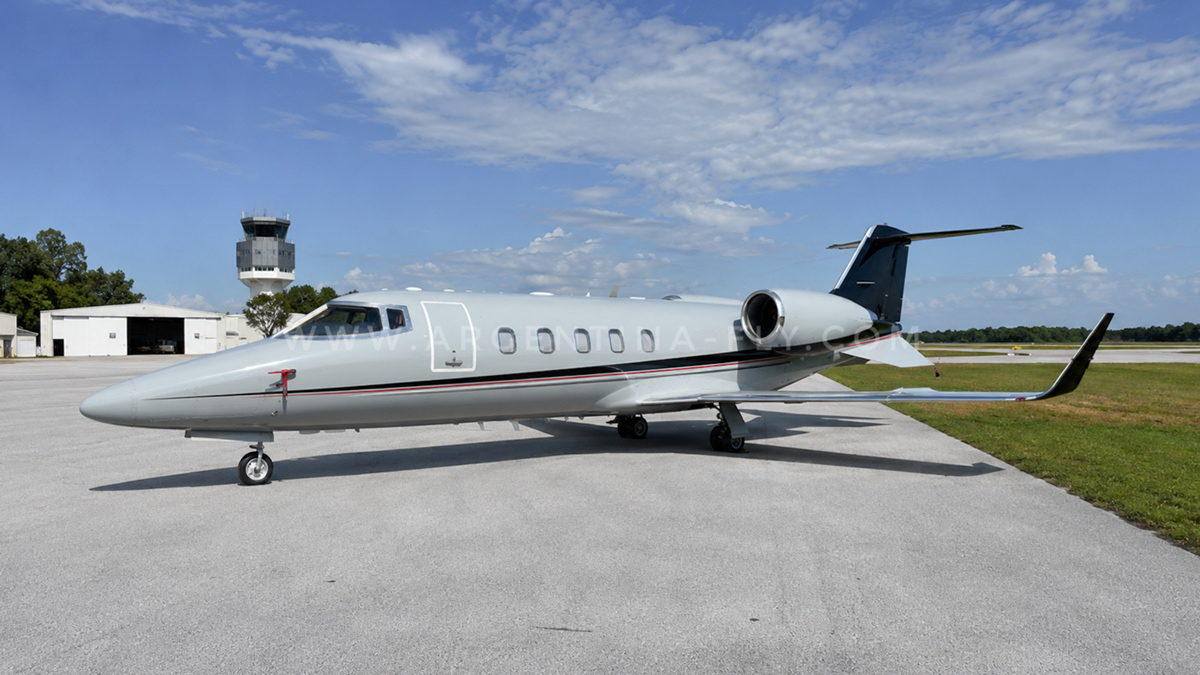
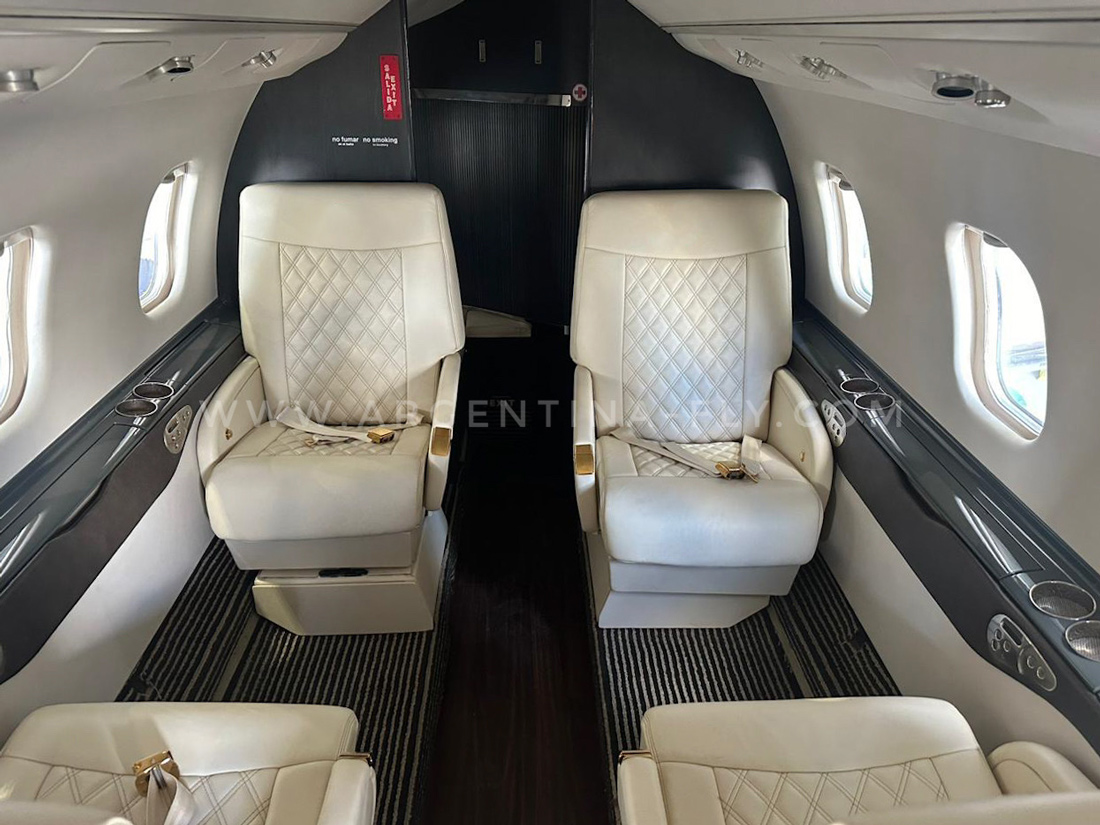
Learjet 60
Midsize jet with a spacious cabin and excellent cruise speed, one of the most requested options for executive flights.
Capacity
7 passengers
Lavatory
Yes
Cabin
Pressurized
Luggage
Standard
Wi-Fi
Not available
Malargüe (LGS)
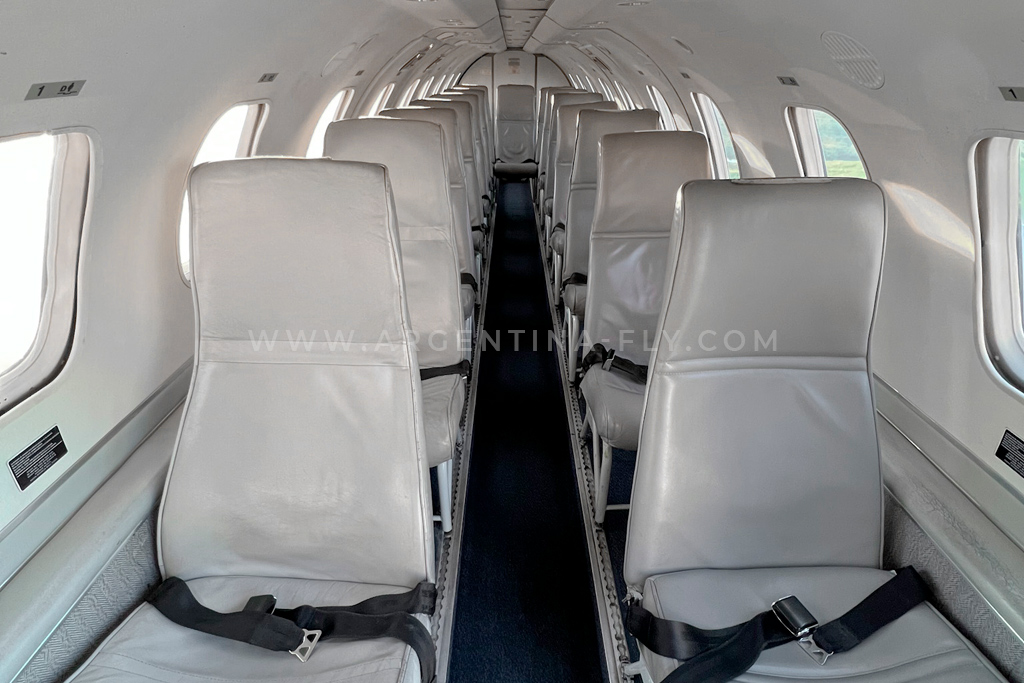
Metro 23
Pressurized regional aircraft with greater capacity, ideal for larger groups and destinations with paved runways.
Capacity
19 passengers
Lavatory
Not available
Cabin
Pressurized
Luggage
Moderate
Wi-Fi
Not available
Malargüe (LGS)
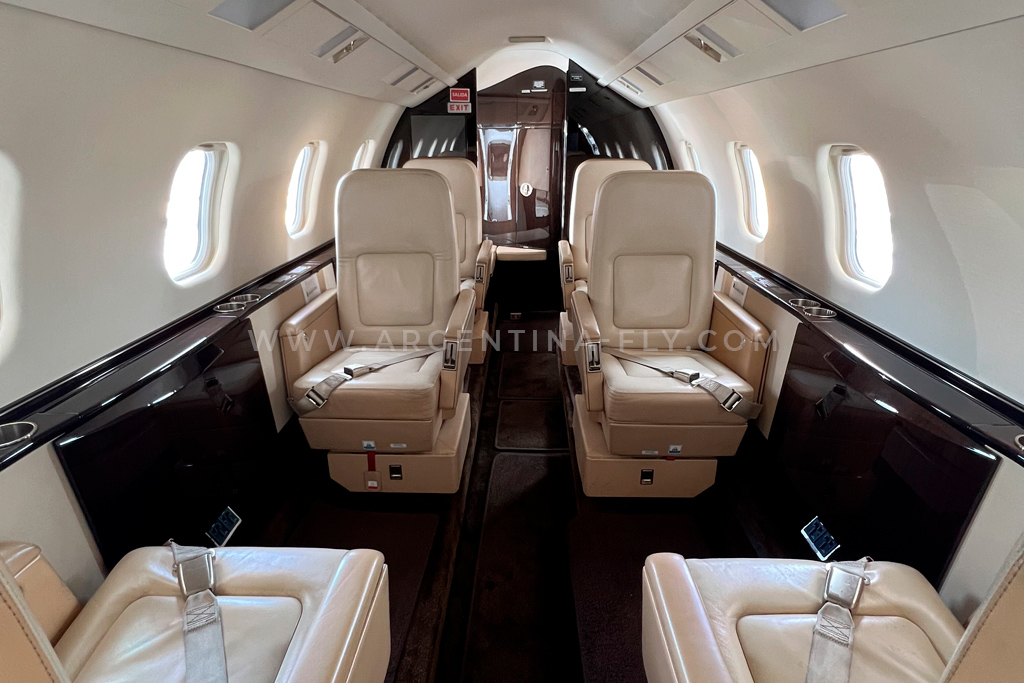
Learjet 60 XR
Enhanced version offering greater range and efficiency while maintaining the speed and comfort of the Learjet 60.
Capacity
6 passengers
Lavatory
Yes
Cabin
Pressurized
Luggage
Moderate
Wi-Fi
Not available
Safety certifications
Malargüe (LGS)
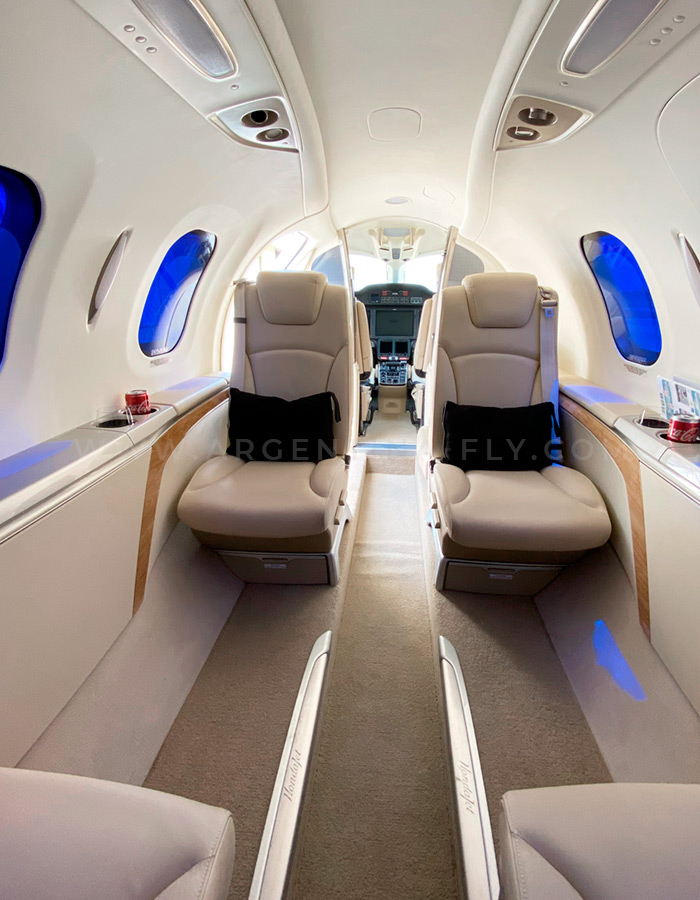
HondaJet
Next-generation light jet with over-the-wing engines, offering an excellent balance between efficiency and executive comfort.
Capacity
5 passengers
Lavatory
Yes
Cabin
Pressurized
Luggage
Moderate
Wi-Fi
Not available
Malargüe (LGS)
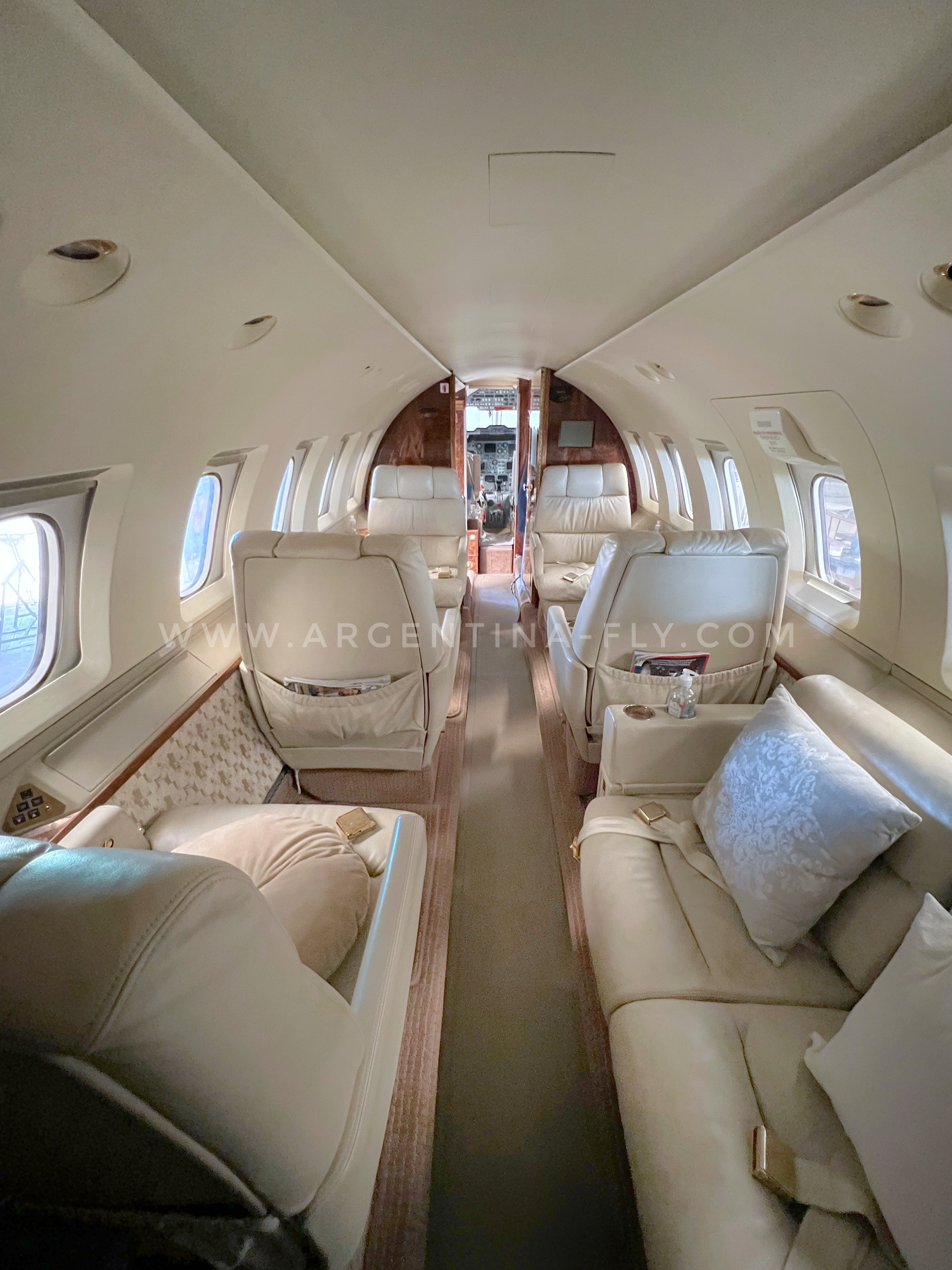
Hawker 800 XP
Midsize jet with a spacious cabin and excellent range, ideal for regional and medium-haul international flights.
Capacity
8 passengers
Lavatory
Yes
Cabin
Pressurized
Luggage
Moderate
Wi-Fi
Portable Starlink
Malargüe (LGS)
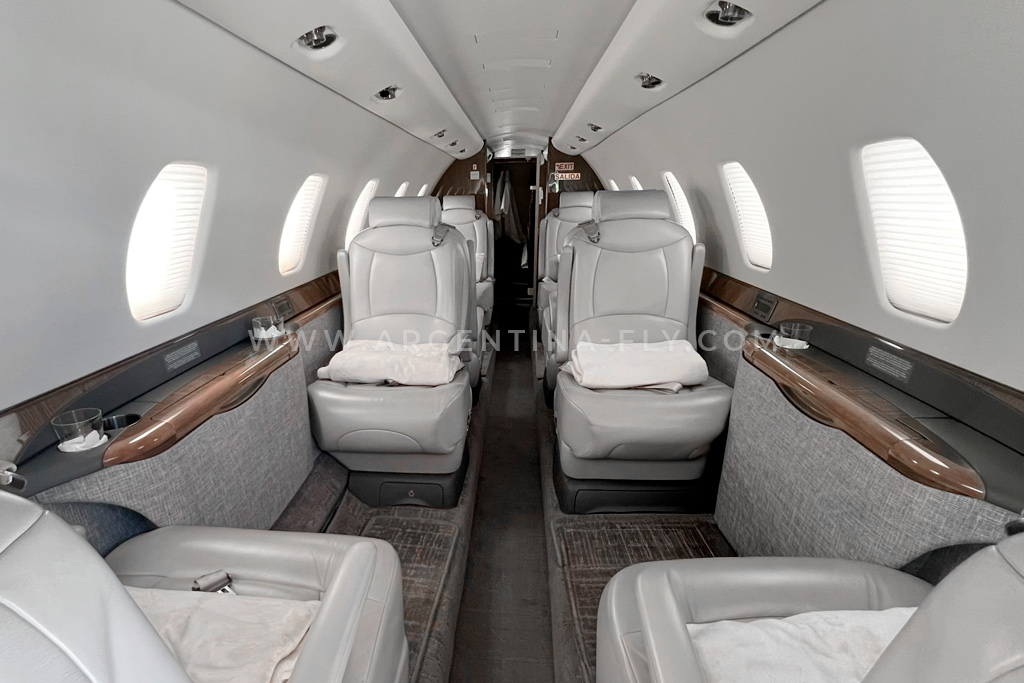
Citation Sovereign
Midsize jet with a spacious cabin, greater range and premium equipment for demanding passengers.
Capacity
8 passengers
Lavatory
Yes
Cabin
Pressurized
Luggage
Generous
Wi-Fi
Portable Starlink (extra cost)
Safety certifications
Malargüe (LGS)
Other routes from Buenos Aires
Destinations near Malargüe, with the lowest reference fare and the shortest flight time.
Malargüe
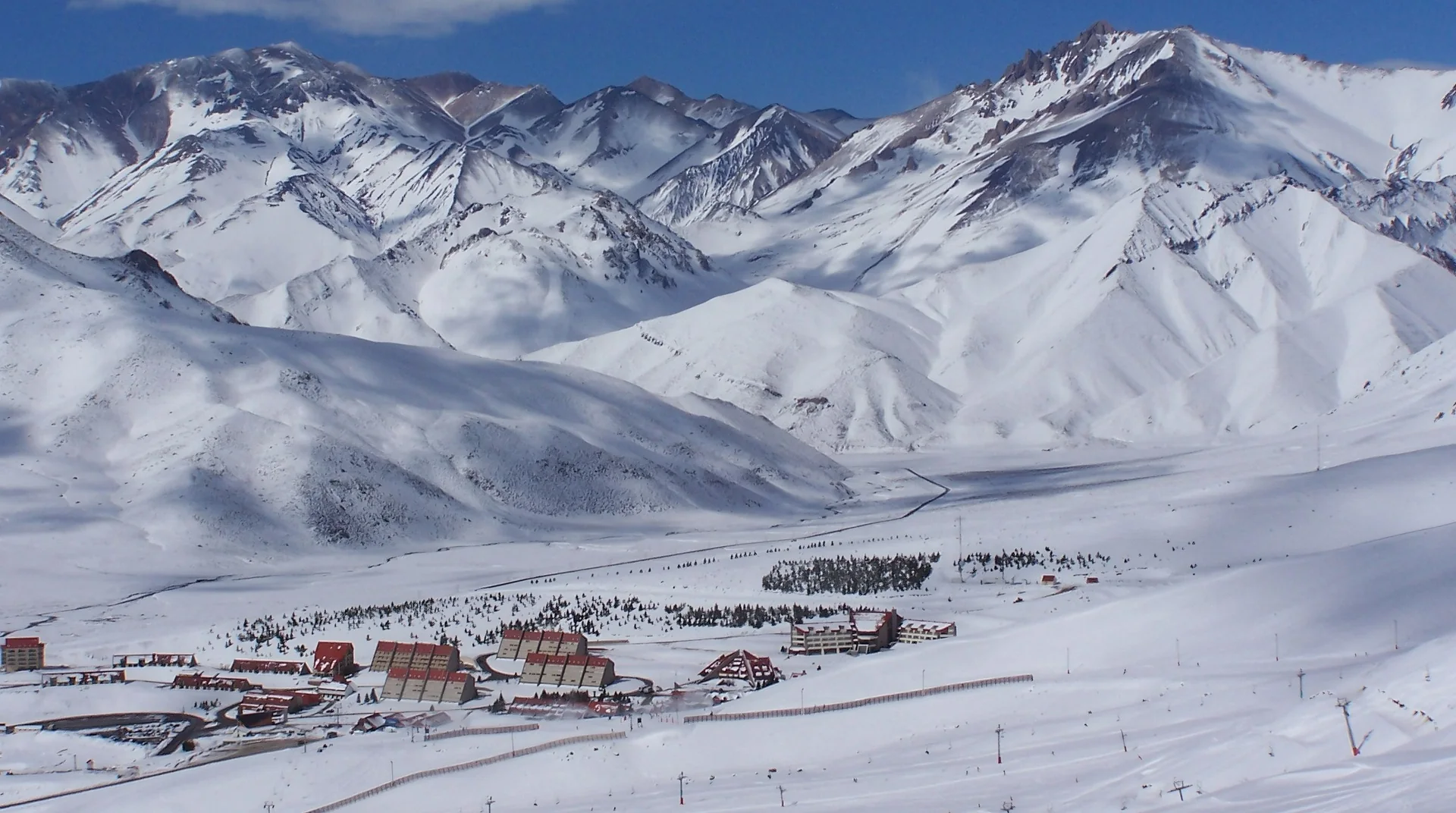
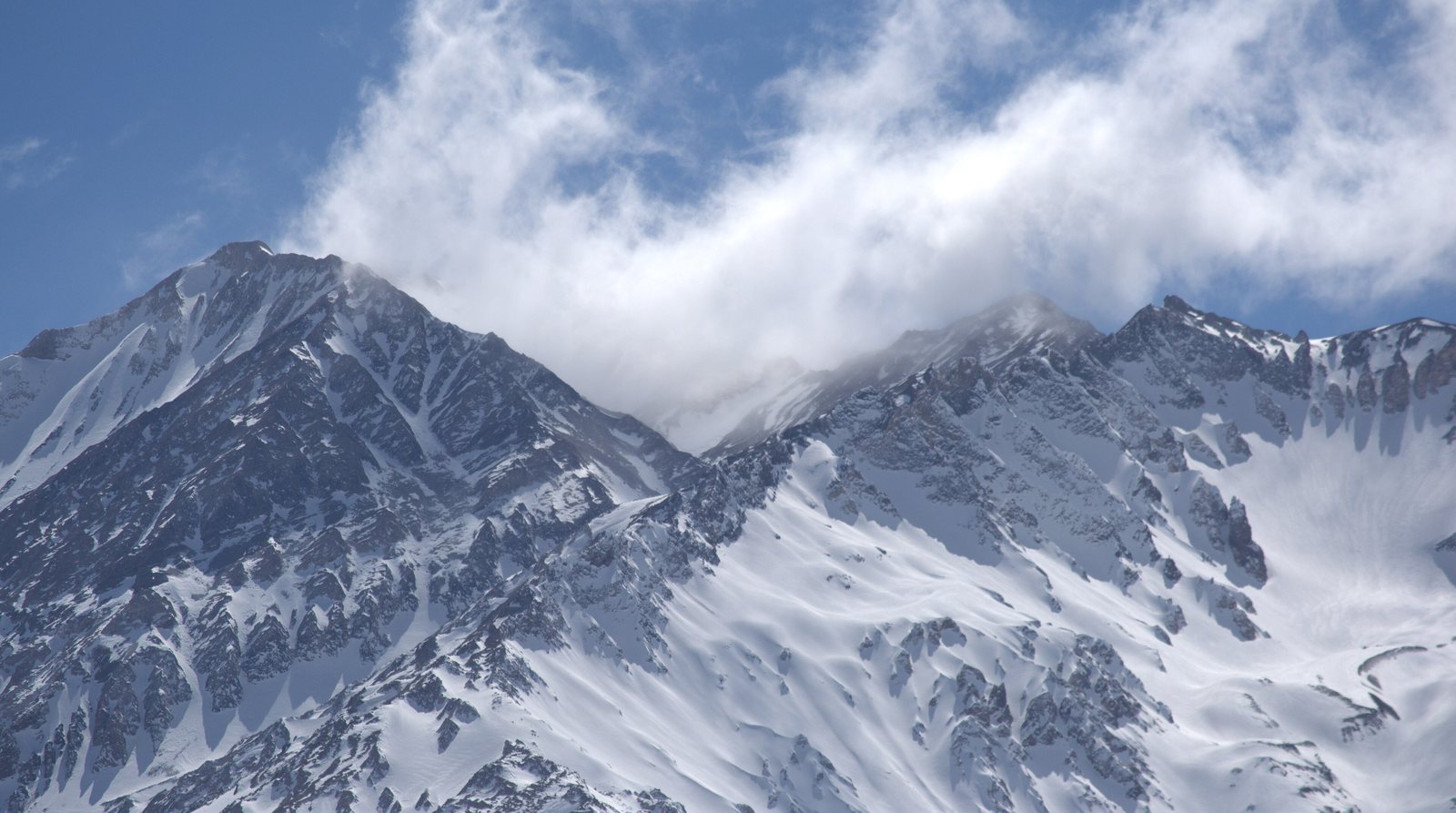
Malargüe covers southern Mendoza, between the Andes and the lava fields of La Payunia, a reserve with more than 800 volcanic cones. In winter, the snow is at Las Leñas, 80 km from town, with its base at 2,240 m and its summit at 3,430 m. A private jet flies from Buenos Aires in 1 h 30 to 1 h 50 to Comodoro D. Ricardo Salomón Airport, 1 km from town and the closest to the ski resort.
Las Leñas
The valley's ski resort, in winter and in summer.
Las Leñas is 80 km from Malargüe and 200 km from San Rafael, on Route 40 and Provincial Route 222. The base is at 2,240 m and the summit at 3,430 m. It has 16 lifts, an uninterrupted 7 km run and snowmaking fed by its own reservoir. The season runs from mid-June to late September, depending on the snow.
The lifts also give access to off-piste terrain. The resort's ski and snowboard guides take each group according to its level; skiers who head out on their own sign a waiver, wear a numbered wristband and check the day's open sectors and the avalanche risk beforehand. Trips to Valle Hermoso go up by snowcat with guides and ski patrollers, and some add nights of glamping at the Valle Hermoso Eco Lodge.
In winter, carrying snow chains is mandatory on the access road. Before the valley, Route 222 passes through Los Molles, 60 km from Malargüe, a valley with hot spring hotels and tea houses.
In summer the valley changes pace: full-day horseback rides, mountain biking, trekking on routes such as the Mirador del Indio or the Valle del Desecho, a zip line, climbing and rappelling. Hotel Piscis opens with full board, and Valle Hermoso, 90 km from Malargüe, adds a lagoon for kayaking, canoeing and fishing, ringed by the Cobre and Tordillo rivers.
What to see
- Las LeñasSki resort with its base at 2,240 m and its summit at 3,430 m; 16 lifts.
- Los MollesHot springs valley on Route 222, 60 km from Malargüe.
- Valle HermosoA lagoon 90 km from Malargüe; in winter it is reached by snowcat from Las Leñas.
Where to stay
- ApartmentsGéminis, Atenas, Esparta, Corinto and Tebas, at the base; for 2 to 8 people.
- Escorpio Mountain LodgeThe first hotel built in Las Leñas; 47 rooms and a restaurant with a terrace at the base.
- Hotel Acuario40 rooms at the foot of the slopes.
- Hotel Aries & Spa100 rooms and 4 suites with balconies, a spa and an outdoor pool.
- Hotel Piscis Resort & Spa90 rooms with slope views, a spa and indoor and outdoor pools; also open in summer.
- Hotel Virgo SpaAt the base, at the foot of the slopes; indoor and outdoor pools.
- Valle Hermoso Eco LodgeGlamping and a restaurant on the shore of the Valle Hermoso lagoon.
Volcanoes
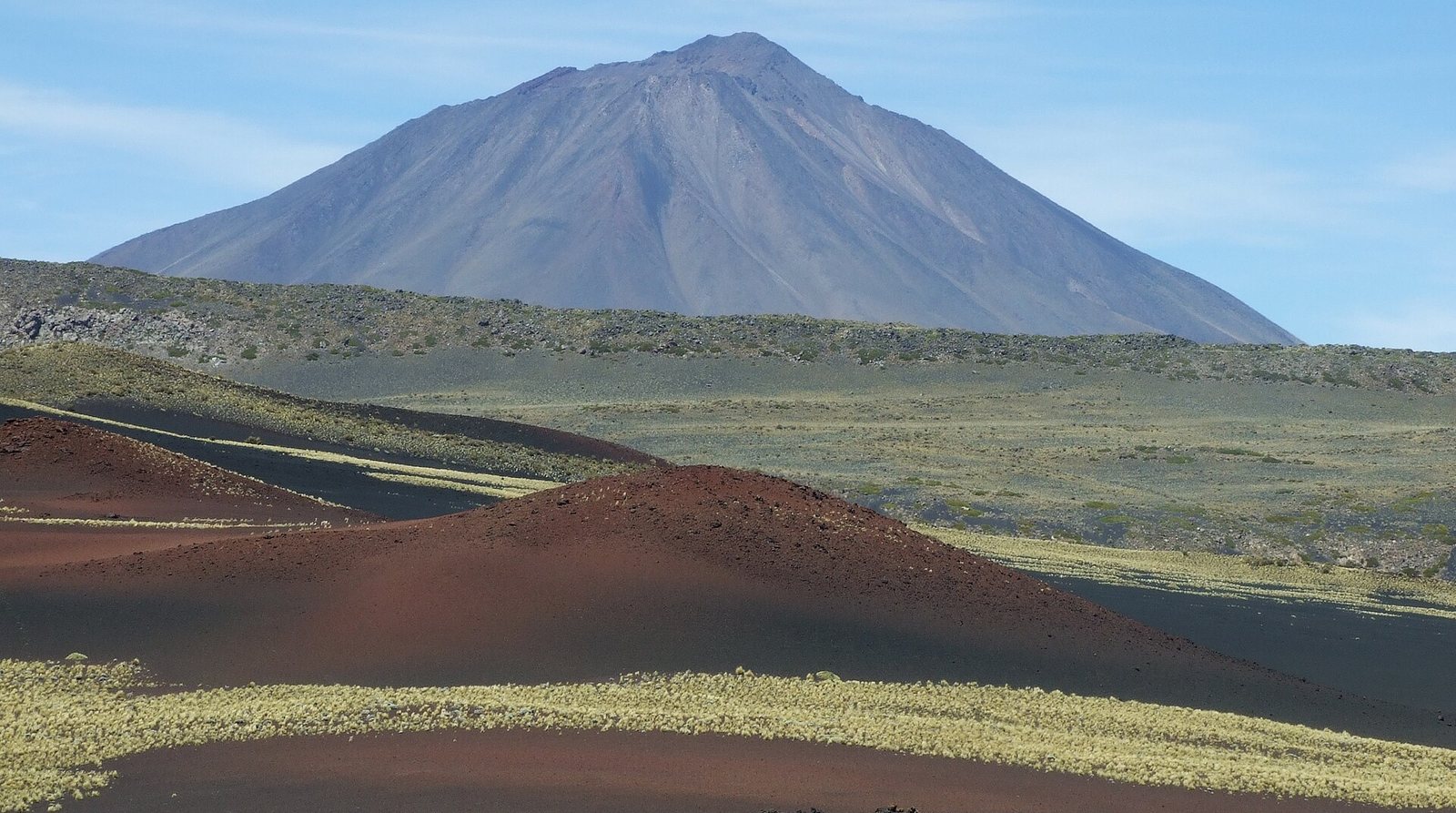
La Payunia, Malacara and the lava fields of the Grande River.
The Reserva Natural La Payunia lies about 120 km south and east of Malargüe, on Route 40 and Provincial Routes 186 or 181. It holds more than 800 volcanic cones and since 2011 has been on UNESCO's Tentative List for World Heritage. Two volcanoes dominate it: Payún Matrú, 3,350 m, with a caldera 8 km across, and Payún Liso, 3,680 m. Herds of more than 11,000 guanacos have been recorded on its steppes.
The Los Volcanes circuit takes about six hours and requires a licensed guide, hired before you go because there are no guides in the reserve; without a guide, only a partial route is possible. The Volcán Santa María circuit, a variant, takes four to six hours. There are no restrooms along the way; the La Amarga ranger station, on Provincial Route 183, has a camping area.
Closer in, 42 km southeast of town, the Malacara volcano is explored from the inside. The trek is guided, of moderate difficulty, and takes about three hours, with iron stairs and a final 400 m stretch uphill. A time slot is booked in advance, and long pants are mandatory. From the top you see the north of La Payunia and the Llancanelo lagoon.
To the south, 120 km down Route 40, La Pasarela shows how lava blocked the bed of the Grande River: the water cut its way through again between basalt flows about 100 m thick.
What to see
- Circuito Los VolcanesThe main route through La Payunia; about six hours, with a licensed guide hired in advance.
- Circuito Volcán Santa MaríaA variant of the La Payunia circuit, four to six hours, with a guide.
- La Pasarela120 km down Route 40; the Grande River between basalt flows.
- Volcán Malacara42 km southeast; a guided trek inside the volcano, with a booked time slot.
Caves, lagoons and wetlands
The Caverna de las Brujas, the Pozo de las Ánimas and Llancanelo.
The Reserva Natural Caverna de las Brujas, created in 1990, is in Bardas Blancas, 65 km south of Malargüe. Its 1,343 m of passages open in Jurassic marine limestone, with stalactites, stalagmites, columns and flowstone. Visitors enter in groups of ten with a licensed guide, which is mandatory and paid separately from the entrance fee. The full tour takes an hour and a half and is for ages seven and up; children from four to six visit only the first chamber. Leave Malargüe two hours before your time slot.
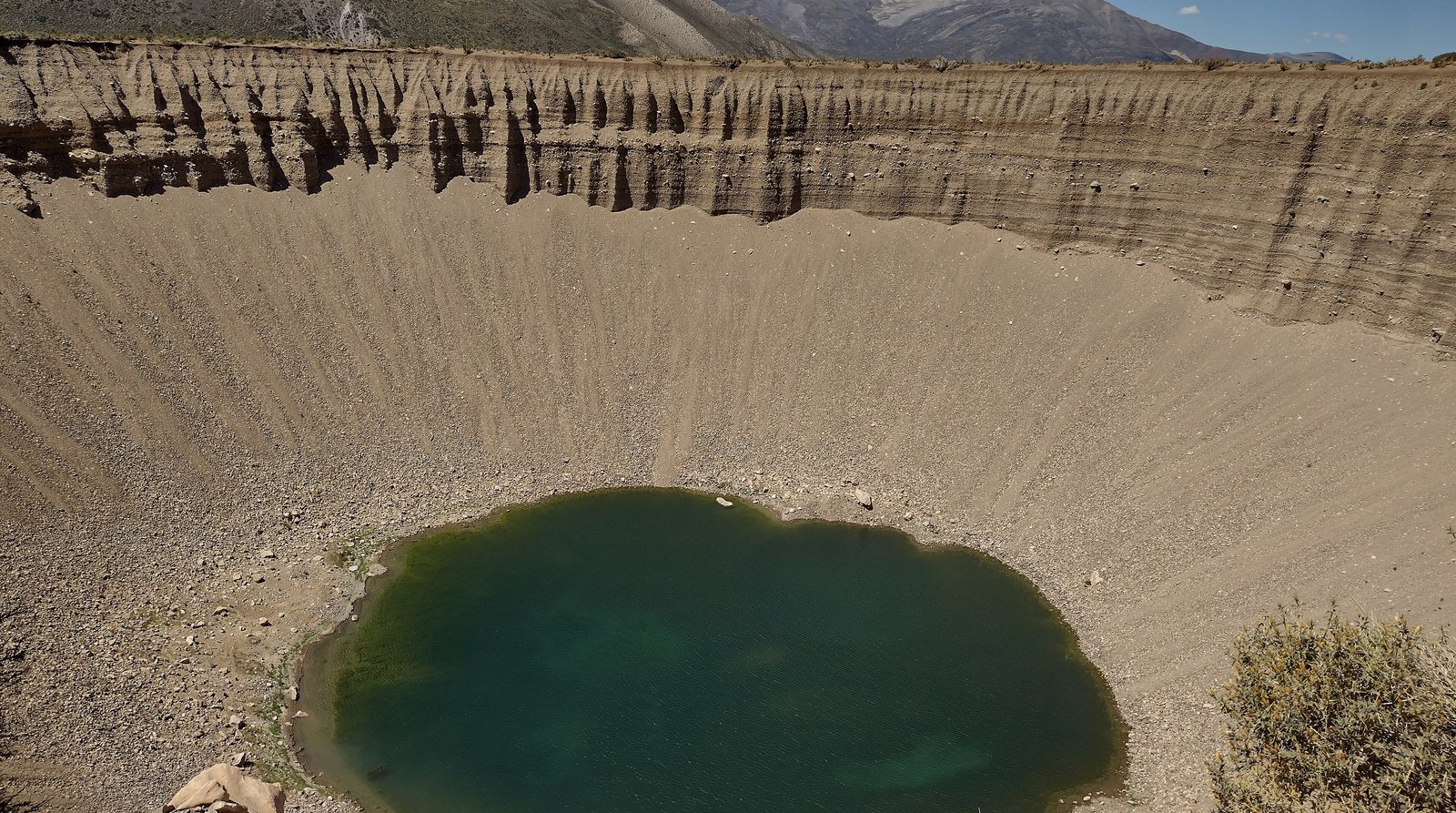
Along Route 222, on the way to Las Leñas, water appears at the bottom of the rock. The Laguna de la Niña Encantada, 55 km away, is 80 m across and fed by underground rivers between volcanic rocks. At 67 km, the Pozo de las Ánimas is a pair of sinkholes about 200 m across and 80 m deep down to the water; entry is free.
Southeast of town, about 75 km on a dirt road, the Llancanelo wetland has been a Ramsar site since 1995 and is the second most important nesting site for the Chilean flamingo. It is explored on a three-hour self-guided circuit or on a full five-hour circuit with a guide hired in advance.
What to see
- Cascada de Manqui Malal34 km away; a drop of about 30 m between fossil-bearing marine rocks.
- Caverna de las Brujas65 km south; an hour-and-a-half tour with a mandatory guide, from age seven.
- Humedal LlancaneloAbout 75 km southeast; Chilean flamingos and a self-guided or guided circuit.
- Laguna de la Niña Encantada55 km along Route 222; water from underground rivers between volcanic rocks.
- Pozo de las Ánimas67 km along Route 222; two sinkholes with water at the bottom, free entry.
Where to stay
- Hotel Las Termas de Los MollesHigh-mountain lodging with hot springs, in Los Molles.
- Hotel Termas Lahuen-CóThe hotel that started the hot spring hospitality of Los Molles.
Sky and science
The Pierre Auger Observatory, the Planetarium and a deep space antenna.
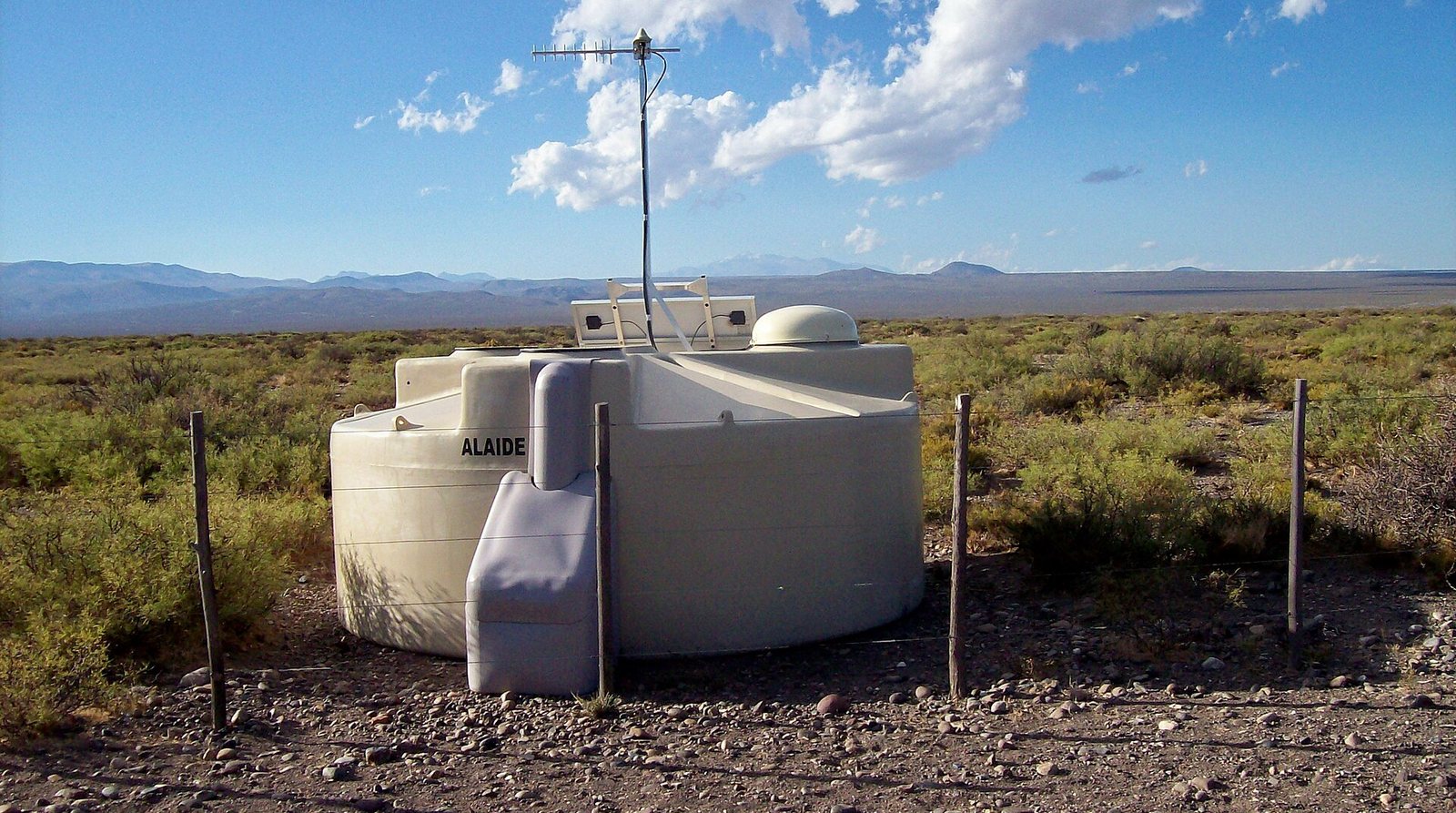
Malargüe is home to the Central Campus of the Pierre Auger Observatory, which studies ultra-high-energy cosmic rays. Its 1,660 surface detectors, set 1.5 km apart, cover 3,000 km² of southern Mendoza, and 27 fluorescence telescopes watch the sky on clear nights. The Visitor Center is open daily, by appointment and free of charge, and shows detectors working in real time.
The Malargüe Planetarium occupies three buildings in town: an astronomy museum, a park with sundials and a 65-seat dome for shows. It can be explored on your own during the day; at dusk there is a guided tour and a show, and at night, observations with local astronomers.
On the road to Llancanelo stands the DSA 3 antenna, a deep space tracking station of the European Space Agency, installed under an agreement with Argentina. It can be seen from the summit of the Malacara volcano.
What to see
- Antena DSA 3The European Space Agency's deep space station, on Route 186.
- Observatorio Pierre AugerVisitor Center at Avenida San Martín 304 Norte; daily, by appointment and free of charge.
- Planetario MalargüeMuseum, sundials and dome shows, in town.
Where to stay
- Hotel Boutique Punto SurIn the town of Malargüe.
- Hotel MaggioDowntown; more than 25 rooms and the La Faustina restaurant.
- Hotel Malargüe Suite & SpaPool, spa and the La Cañada restaurant, in town.
Pincheira and the Fiesta del Chivo
Stone castles, dinosaur tracks and the January festival.
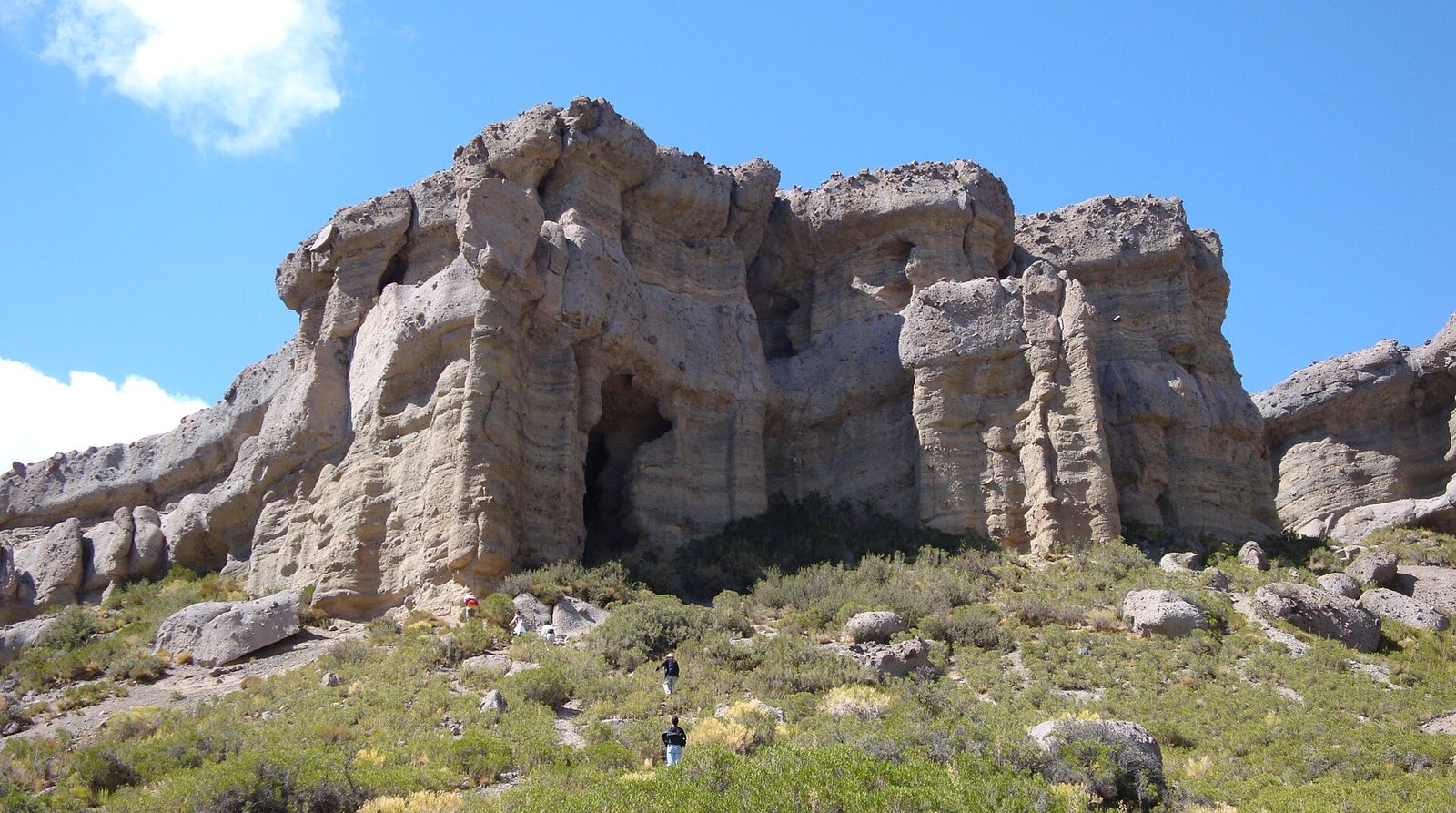
27 km southwest of town, the Castillos de Pincheira are walls of volcanic rock that water and wind have carved into towers and ramparts. Outlaw tales and local legends mingle here, and there is a campground with a pool. Near town, the Parque Municipal Cretácico Huellas de Dinosaurios preserves dinosaur tracks 70 to 80 million years old.
Every January, the Fiesta Nacional del Chivo, Argentina's national kid goat festival, fills the Predio Raíces Malargüinas for five days. It opens with the department's grape harvest festival and the crowning of the queen, continues with a peña, a night of folk music, and the main night, and closes on Sunday with a free-entry day. Between stages, the quinchos, roofed barbecue pavilions, serve kid goat roasted over the fire and in clay ovens, and the Expo Caprina y Ovina shows the department's goat and sheep production.
What to see
- Castillos de Pincheira27 km southwest; volcanic rock formations and a campground with a pool.
- Fiesta Nacional del ChivoIn January, at the Predio Raíces Malargüinas; five days of music, kid goat and the Expo Caprina y Ovina.
- Parque Municipal Cretácico Huellas de DinosauriosTracks 70 to 80 million years old, near town.
Rivers, fishing and Pehuenche
Trout in the Andean rivers and the road to Chile.
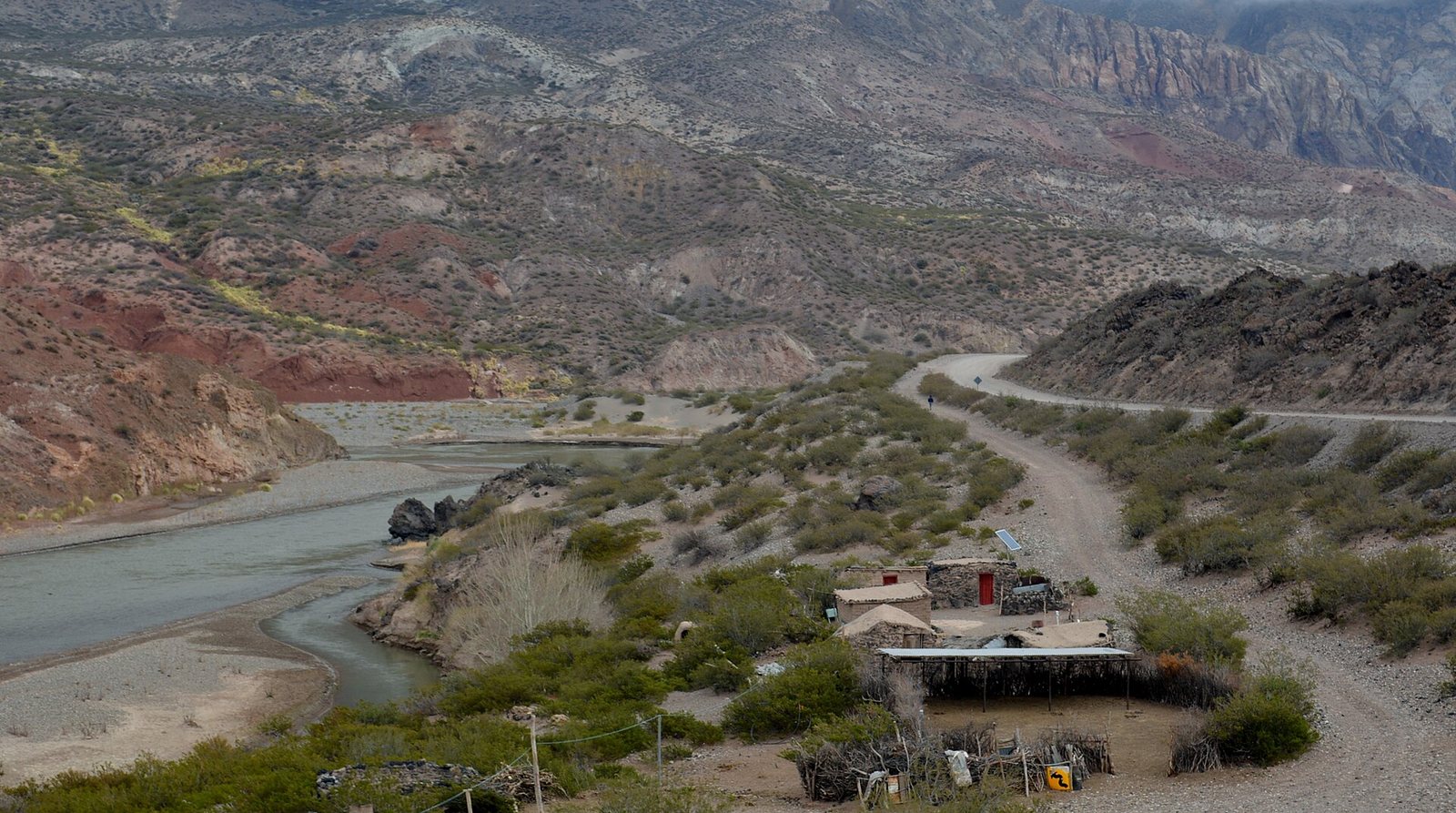
Trout season runs from November 1 to May 1. In Malargüe, anglers fish the Atuel, Salado, Malargüe, Grande and Barrancas rivers, and the Valle Hermoso area, with its lagoon and the Cobre and Tordillo rivers. Each angler may keep two trout per outing, with a provincial fishing license and disinfected gear to avoid spreading didymo, an invasive alga. The Laguna de la Niña Encantada, the Pozo de las Ánimas, the Pozos de Carapacho and the Llancanelo lagoon are closed to fishing.
Route 145 leads toward the Andes and Chile. 135 km from Malargüe, the Termas de Cajón Grande have five open-air pools at the foot of Cerro Campanario; the customs post's hours, 9 a.m. to 6 p.m., apply both ways. At the end of the road, Paso Pehuenche crosses the Andes at 2,553 m and links Malargüe with Talca, in Chile.
What to see
- Barrancas RiverOpen to trout fishing along its entire length.
- Grande RiverFishing in its main channel, from Valle Noble to the confluence with the Barrancas.
- Paso PehuencheAt 2,553 m, on Route 145; it links Malargüe with Talca.
- Termas de Cajón Grande135 km along Route 145; five open-air thermal pools.
Where to stay
- Real del PehuencheFive domes at the foot of Cerro Campanario, next to the Chilean border; access depends on the weather and the pass.
Arrival
From departure to destination.
- Departure
- From San Fernando (FDO), Aeroparque (AEP) or Ezeiza (EZE). The fare may change depending on where each aircraft is based.
- Airport
- Comodoro D. Ricardo Salomón (LGS): public-use and towered, 1 km south of town, with a 2,650 m paved runway.
- Las Leñas
- It has no airfield: from Malargüe it is 80 km on Route 40 and Route 222. In winter, snow chains are mandatory on the access road.
- Alternative
- San Rafael (AFA), 200 km from Las Leñas: from 1 h 20 by jet.
When to go
The seasons at the destination.
- January
- Fiesta Nacional del Chivo, with the department's grape harvest festival, at the Predio Raíces Malargüinas.
- Mid-June to late September
- Ski season at Las Leñas, depending on the snow.
- November to May
- Trout season in the rivers of Malargüe.
- Summer (December to March)
- Las Leñas opens for horseback rides, trekking and mountain biking; Valle Hermoso, for kayaking and fishing.
- Year-round
- Pierre Auger Observatory, the Planetarium and the Caverna de las Brujas, depending on the roads and the weather.
Key facts
Summer January
- Average low
- 11.6°
- Average high
- 29.1°
22.7 mm of rain
Fall April
- Average low
- 4.8°
- Average high
- 20.0°
30.4 mm of rain
Winter July
- Average low
- −2.3°
- Average high
- 11.8°
24.4 mm of rain
Spring October
- Average low
- 4.4°
- Average high
- 20.5°
24.5 mm of rain
- Airport
- Comodoro D. Ricardo SalomónIATA / ICAO: LGS / SAMM1 km south of the town of Malargüe80 km from Las Leñas
- Category
- Public-use, towered
- Distance
- 1,022 kmFlight distance from Buenos Aires; 1,180 km by road
- Annual rainfall
- 320.6 mm49% falls from October to March
Frequently asked questions
Price, flight time, airport, departure and travel documents.
How much does a private flight from Buenos Aires to Malargüe cost?
Reference fares for a one-way private flight from Buenos Aires (San Fernando), whole aircraft, start at USD 8,160 for a piston twin, USD 8,370 for a turboprop, USD 9,820 for a light jet and USD 12,610 for a midsize jet. Round trips are calculated in the quote tool according to the length of your stay.
How long is the flight?
Between 1 h 30 and 3 h 40, depending on the aircraft; the fastest jet on the route takes 1 h 30.
Can I land at Las Leñas?
No. Las Leñas has no airfield: the ANAC aerodrome registry, kept by Argentina's civil aviation authority, lists none in the valley. The flight lands at Malargüe Airport, Comodoro D. Ricardo Salomón (LGS / SAMM), 1 km from town, and from there it is 80 km on Route 40 and Provincial Route 222 to the ski resort.
How do I get from Malargüe Airport to Las Leñas?
By road, with a private transfer or a hired car: it is 80 paved kilometers. In winter, carrying snow chains is mandatory on the access road, and at the junction of Routes 222 and 40 a notice says when they must be fitted.
Should I fly to Malargüe or to San Rafael?
For Las Leñas, Malargüe is the closest airport, 80 km away. San Rafael is 200 km from the ski resort and makes sense if the trip adds the wineries or the Atuel Canyon. Both airports are public-use and towered.
When is the best time to fly to Malargüe?
It depends on the plan. The ski season at Las Leñas usually runs from mid-June to late September; in July, in town, the average high is 11.8 °C and the low −2.3 °C. In summer, with an average high of 29.1 °C in January, visitors tour La Payunia, the lagoons and the rivers, and in January the Fiesta Nacional del Chivo takes place.
Do I need a guide for La Payunia and the Caverna de las Brujas?
Yes. On the Los Volcanes circuit in La Payunia, a licensed guide is mandatory and must be hired before you go, because there are no guides in the reserve; without a guide, only a partial route is possible. At the Caverna de las Brujas a guide is also mandatory, paid separately from the entrance fee, and visitors enter in groups of ten.
Where does the flight depart from?
Fares are calculated for departure from San Fernando (FDO). Departing from Aeroparque (AEP) or Ezeiza (EZE) may change the fare, depending on where each aircraft is based.
What documents do I need?
It is a domestic flight within Argentina: Argentine citizens travel with a valid national ID (DNI) and foreign nationals with a valid passport.
Are the published fares final?
They are estimates. The final quote depends on dates, length of stay, aircraft type and applicable operating fees.

Ready to fly? Let’s talk.
Share the details of your trip and we’ll help you find the aircraft and flight solution best suited to your needs.
- WhatsApp+54 9 11 3080 7775
- Phone+54 9 11 3080 7775
- Emailinfo@argentina-fly.com
For charter operatorsList your aircraft