

- Home
- Flight quote
- Rio de Janeiro
Private flights to Rio de Janeiro
Jet from USD 20,250 · 2 h 40
Results:
- Itinerary
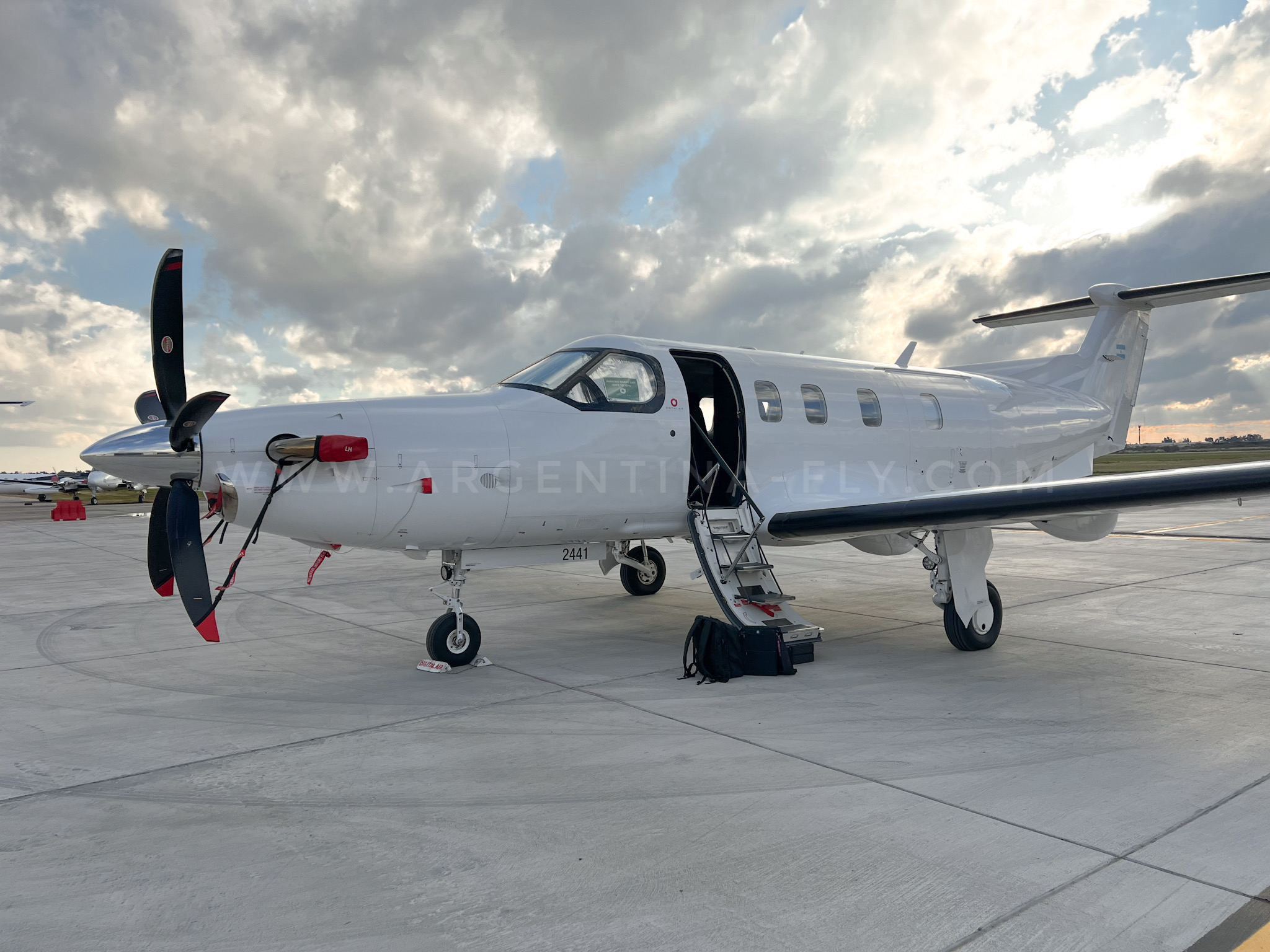
Pilatus PC-12
Turboprop · 8 passengers · 4 h 004 h 00flight time
USD 18,090+ international fees
Request a quote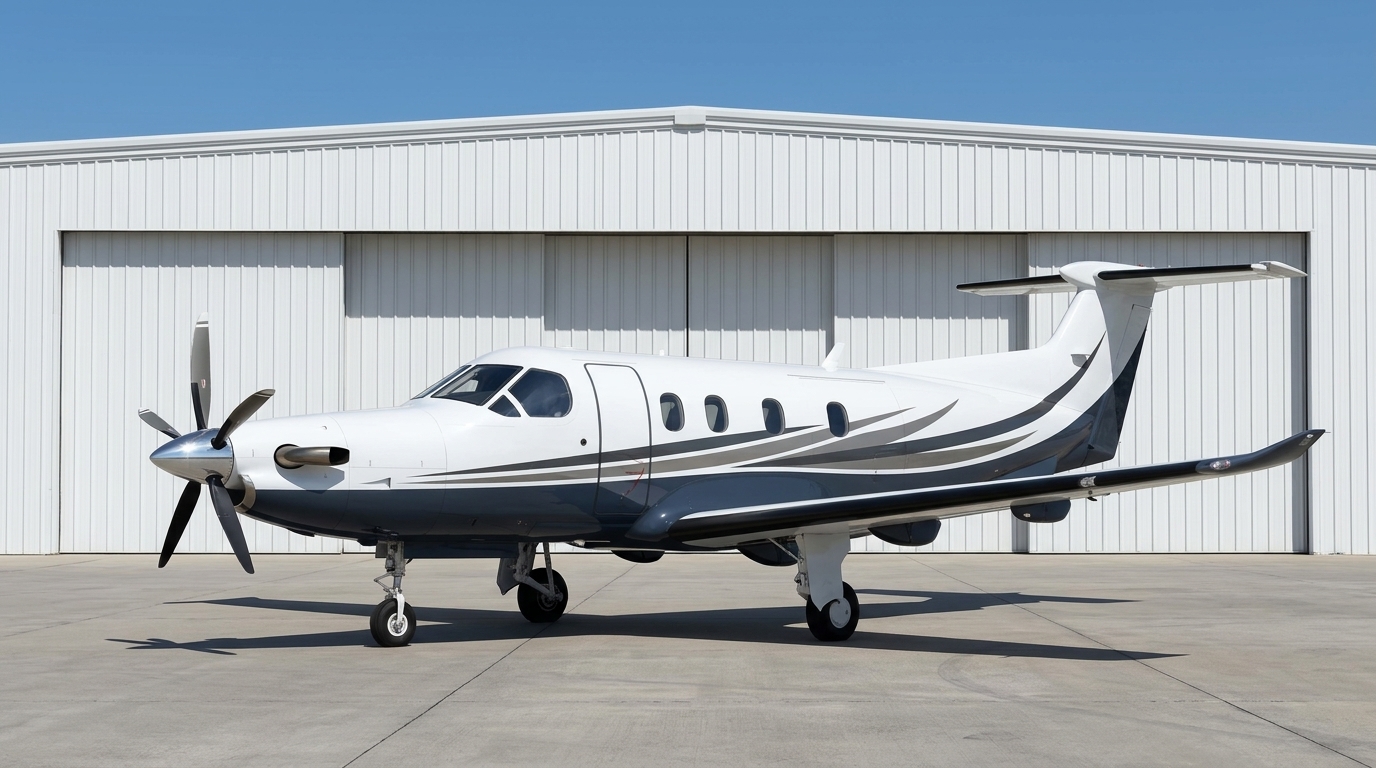
Pilatus PC12 Pro
Turboprop · 8 passengers · 4 h 004 h 00flight time
USD 18,530+ international fees
Request a quote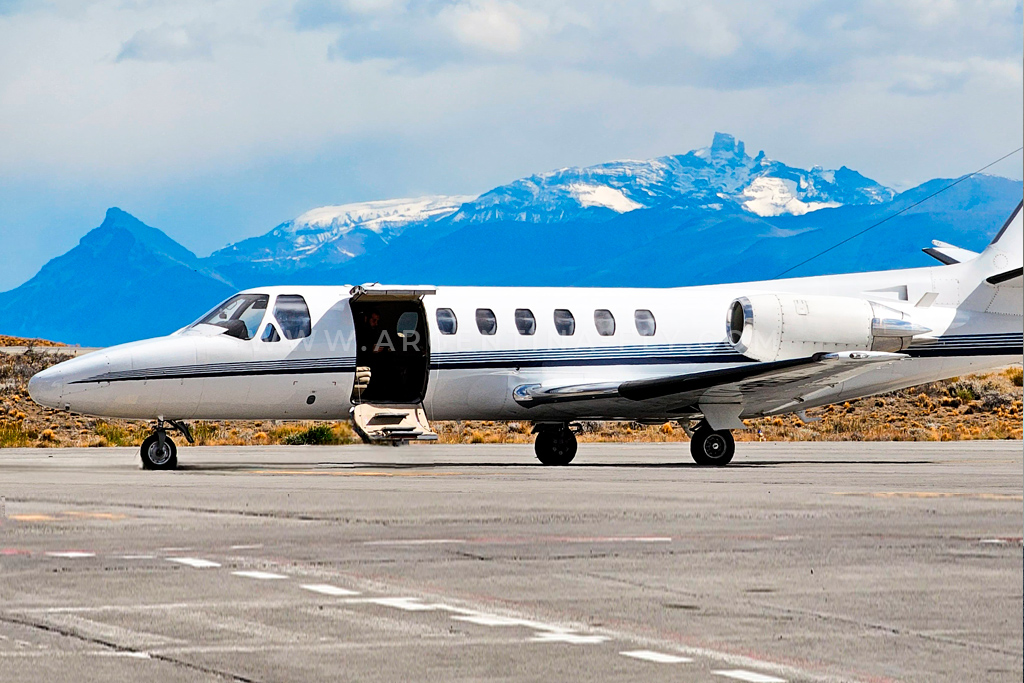
Citation V
Light jet · 8 passengers · 2 h 402 h 40flight time
USD 20,250+ international fees
Request a quote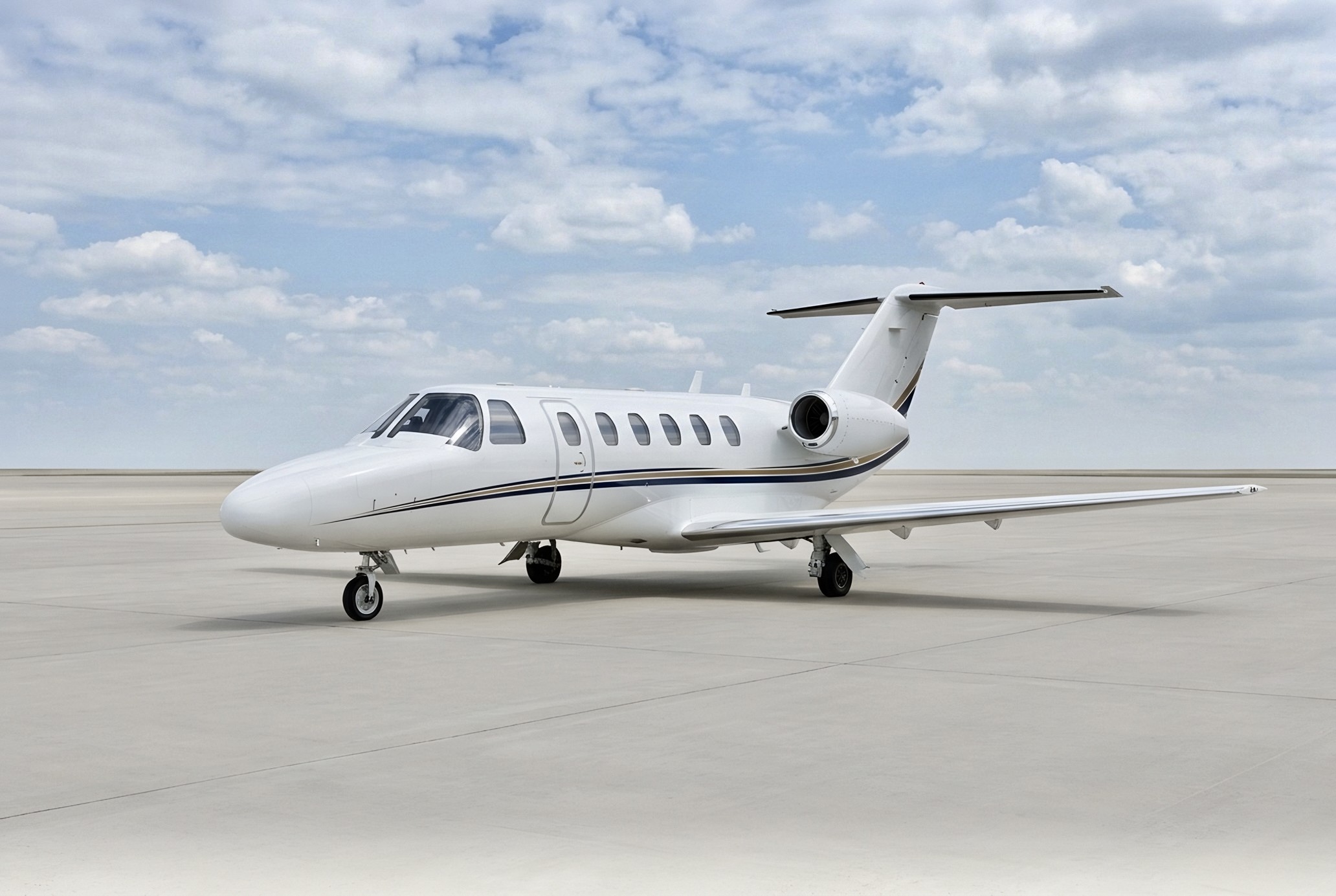
Citation CJ2
Light jet · 6 passengers · 2 h 50 · 2 options2 h 50flight time
USD 20,250+ international fees
Request a quote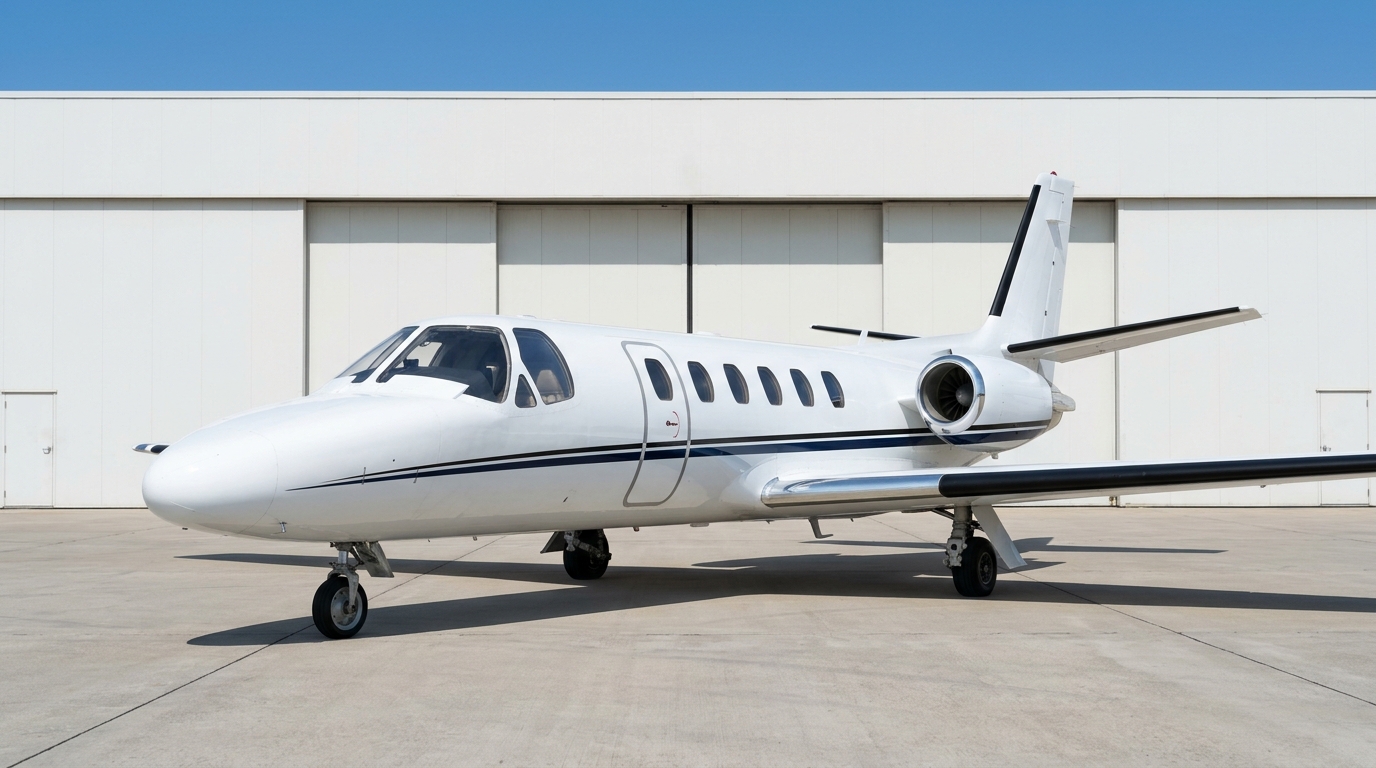
Citation Bravo
Light jet · 7 passengers · 2 h 452 h 45flight time
USD 21,540+ international fees
Request a quote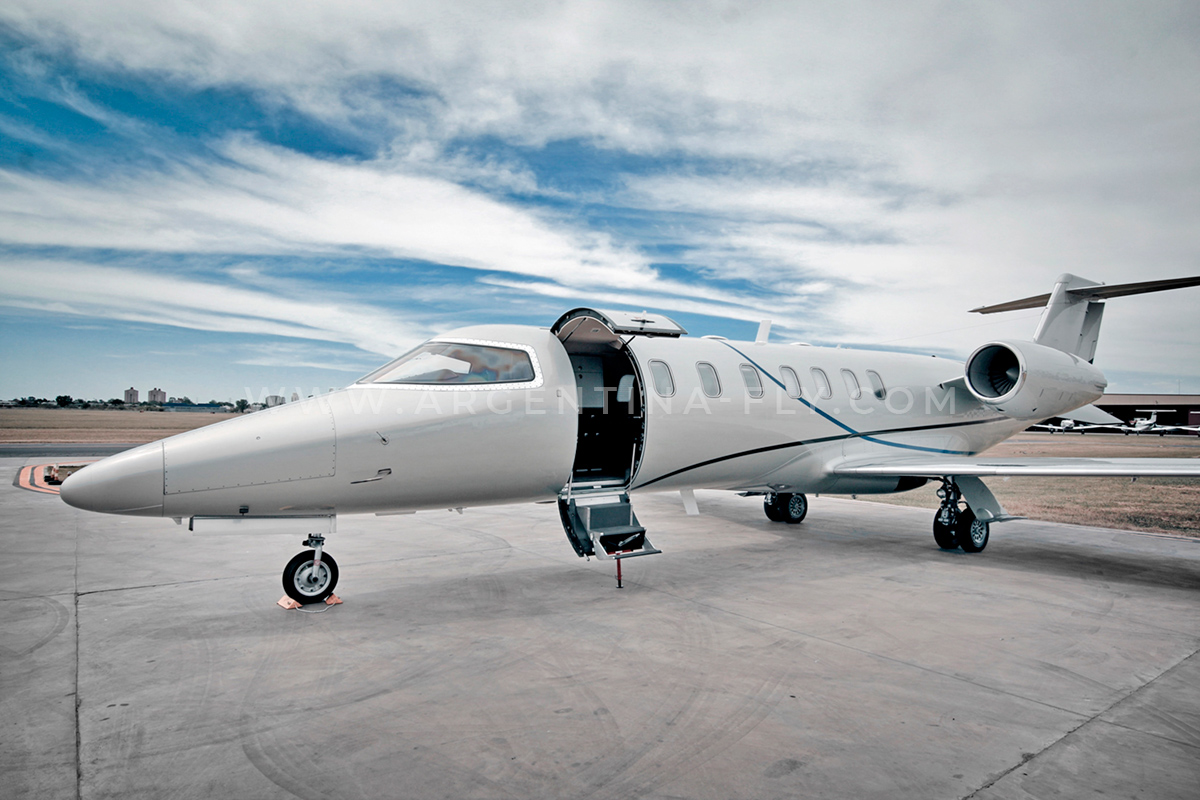
Learjet 40 XR
Light jet · 6 passengers · 2 h 352 h 35flight time
USD 24,120+ international fees
Request a quote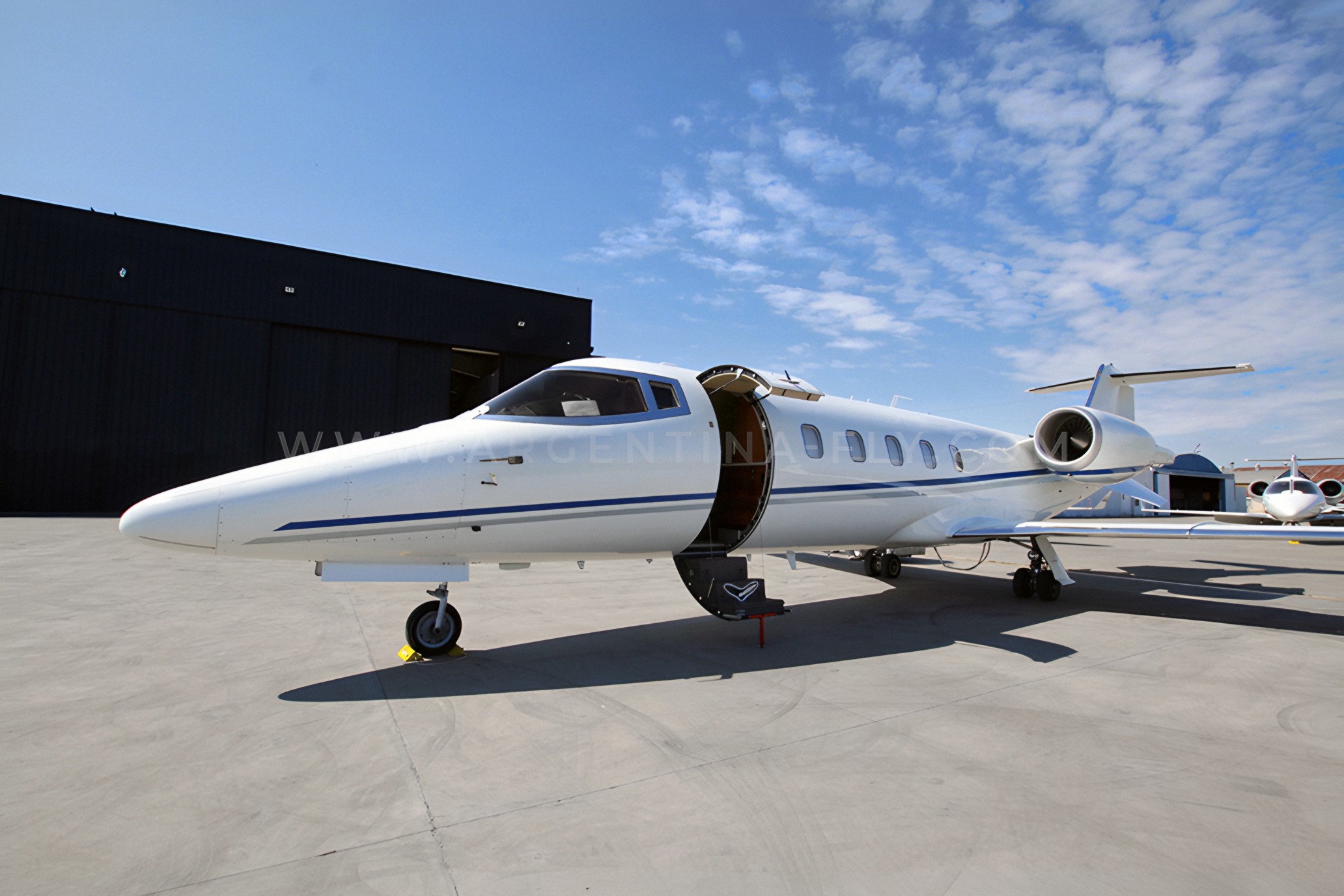
Learjet 60
Midsize jet · 7 passengers · 2 h 30 · 2 options2 h 30flight time
USD 24,990+ international fees
Request a quote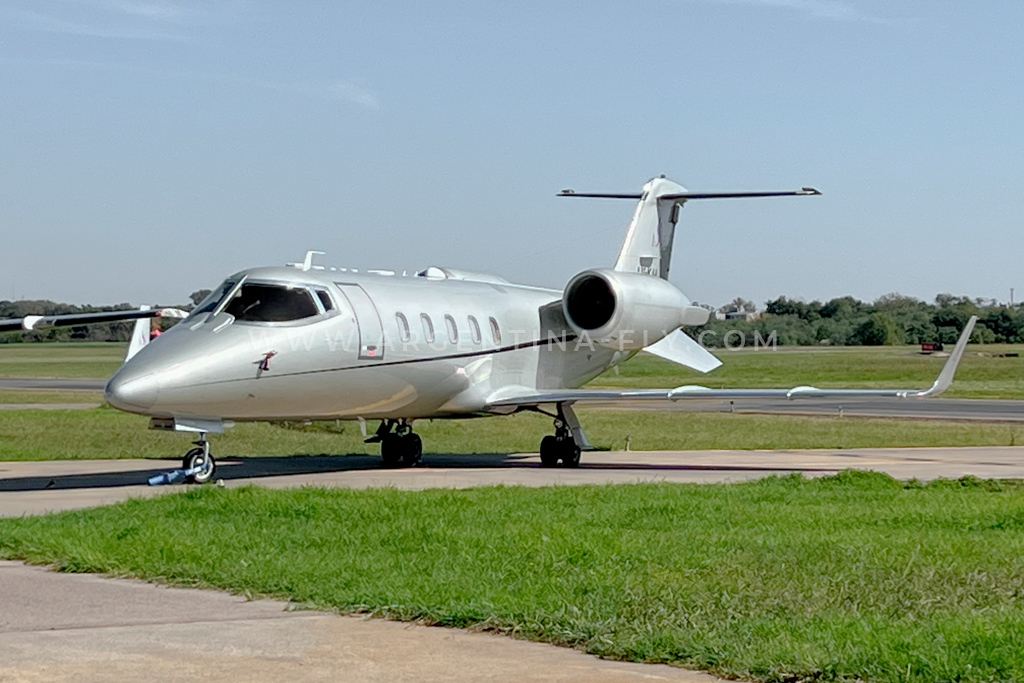
Learjet 60 XR
Midsize jet · 6 passengers · 2 h 252 h 25flight time
USD 26,280+ international fees
Request a quote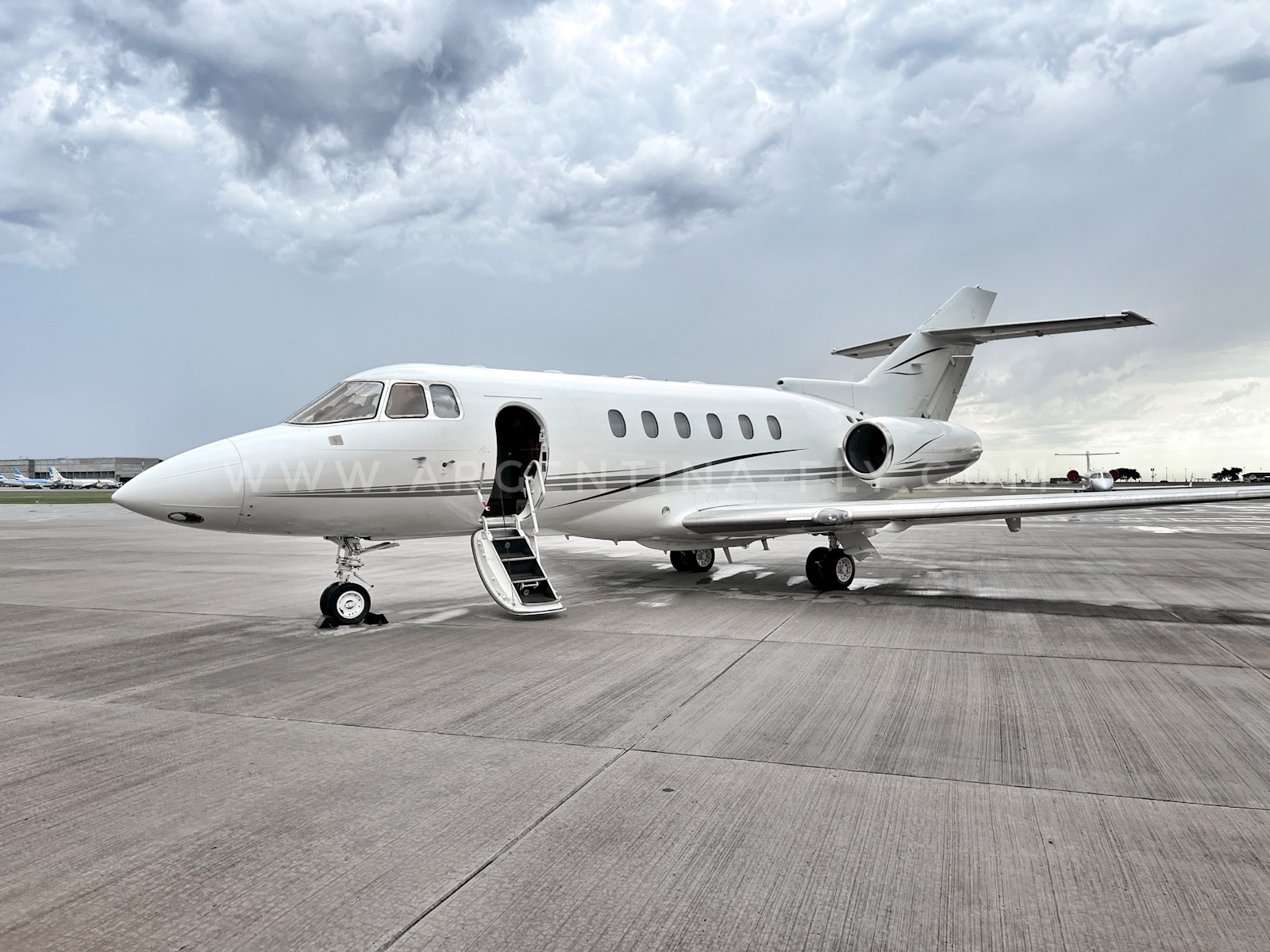
Hawker 800 XP
Midsize jet · 8 passengers · 2 h 302 h 30flight time
USD 26,950+ international fees
Request a quote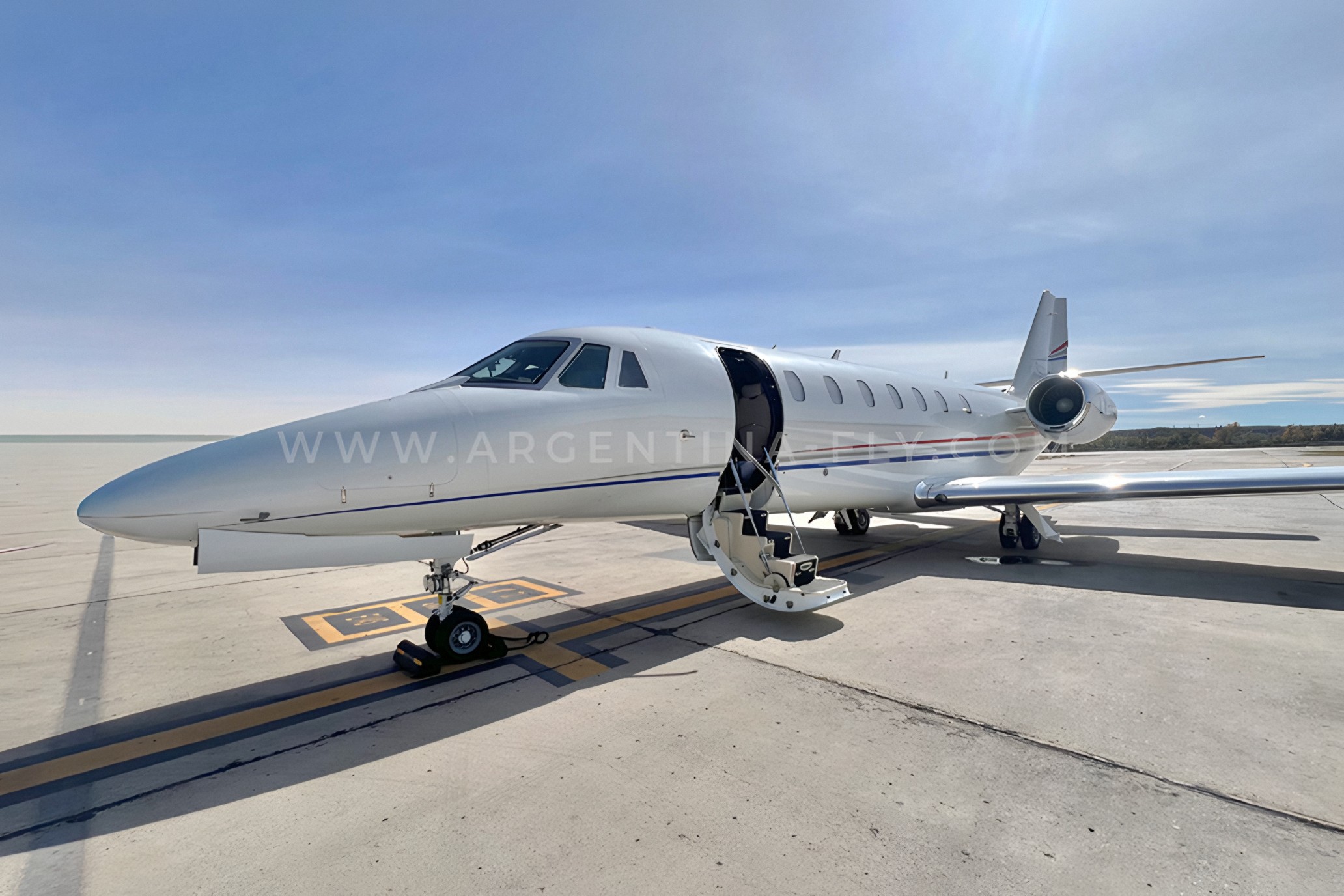
Citation Sovereign
Midsize jet · 8 passengers · 2 h 252 h 25flight time
USD 30,150+ international fees
Request a quote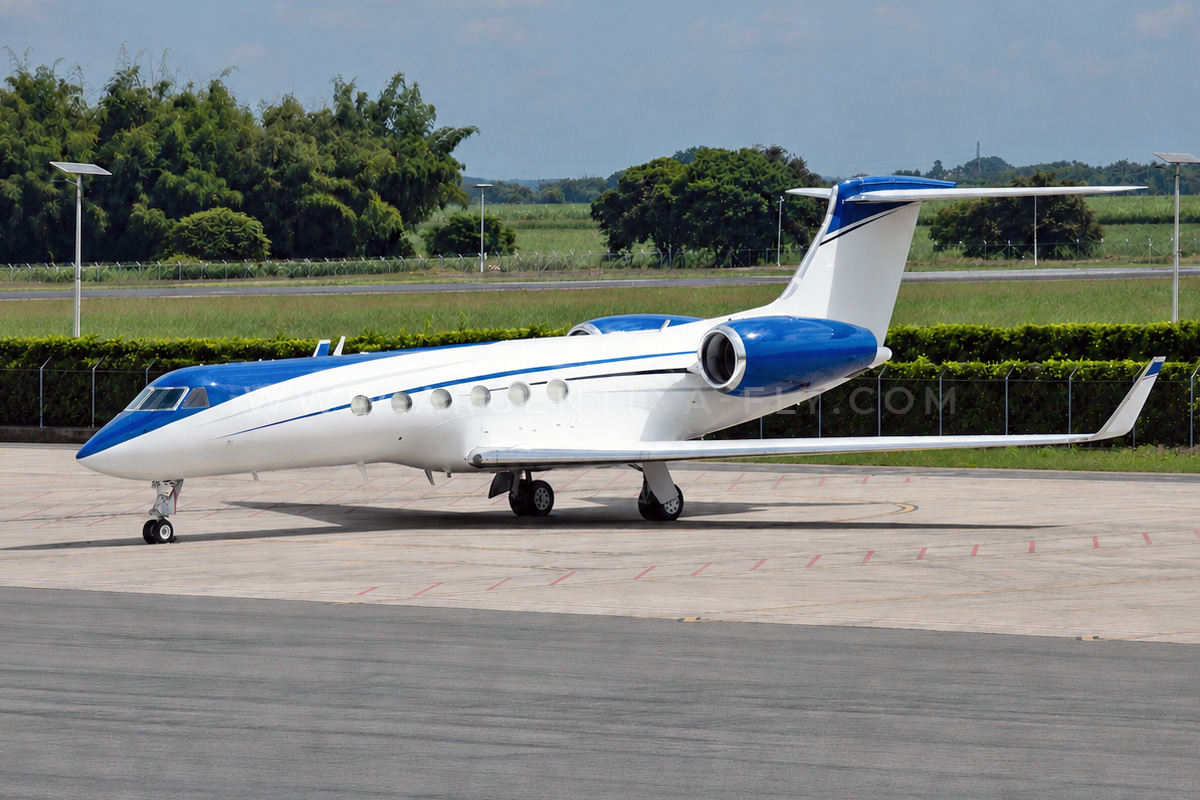
Gulfstream V
Large jet · 14 passengers · 2 h 20 · 2 options2 h 20flight time
USD 37,860+ international fees
Request a quote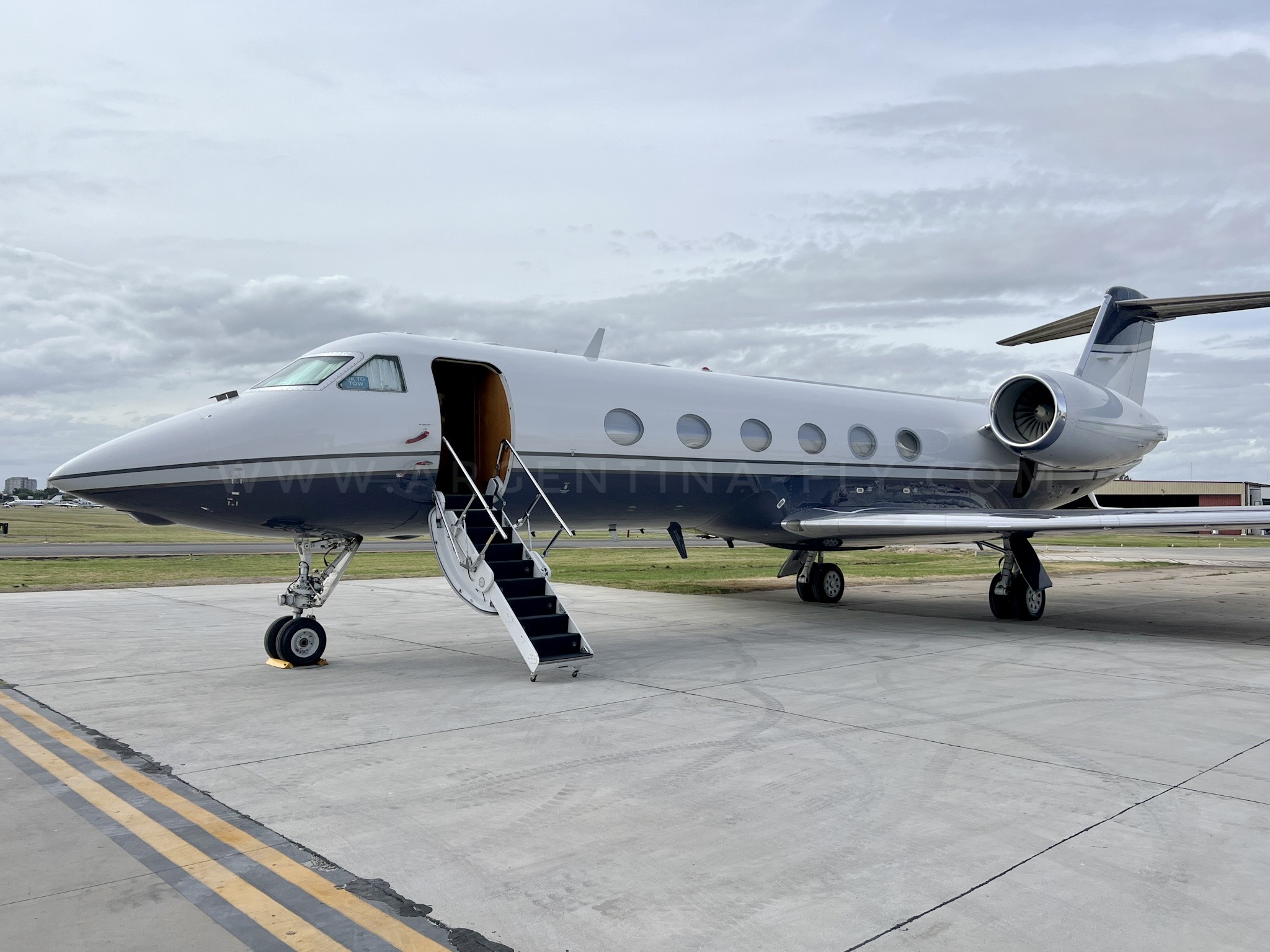
Gulfstream 400
Large jet · 14 passengers · 2 h 252 h 25flight time
USD 40,920+ international fees
Request a quote
Route and airfields
Rate conditions
Please read carefully before requesting a quote.
Prices
Reference fares in US dollars (USD), for the entire aircraft. They may vary with aircraft availability and travel dates. For itineraries with several destinations, please request a tailored quote.
Not included
VAT on flights within Argentina, fees abroad on international flights (airport charges, handling and FBO, among others), and special services on request.
Base airport
Fares are calculated for departure from San Fernando (FDO). Departing from Aeroparque (AEP) or Ezeiza (EZE) may change the fare, depending on where each aircraft is based.
Reference fleet
The aircraft displayed are for reference purposes only and may vary depending on operational availability. Contact us to learn about the available options for your trip.
Rate conditions
Please read carefully before requesting your quotation.
Published prices are provided for reference only.
 Prices
Reference fares in US dollars (USD), for the entire aircraft. They may vary with aircraft availability and travel dates. For itineraries with several destinations, please request a tailored quote.
 Not included
VAT on flights within Argentina, fees abroad on international flights (airport charges, handling and FBO, among others), and special services on request.
 Base airport
Fares are calculated for departure from San Fernando (FDO). Departing from Aeroparque (AEP) or Ezeiza (EZE) may change the fare, depending on where each aircraft is based.
 Reference fleet
The aircraft displayed are for reference purposes only and may vary depending on operational availability. Contact us to learn about the available options for your trip.
Need a personalized quotation?
Request quotation
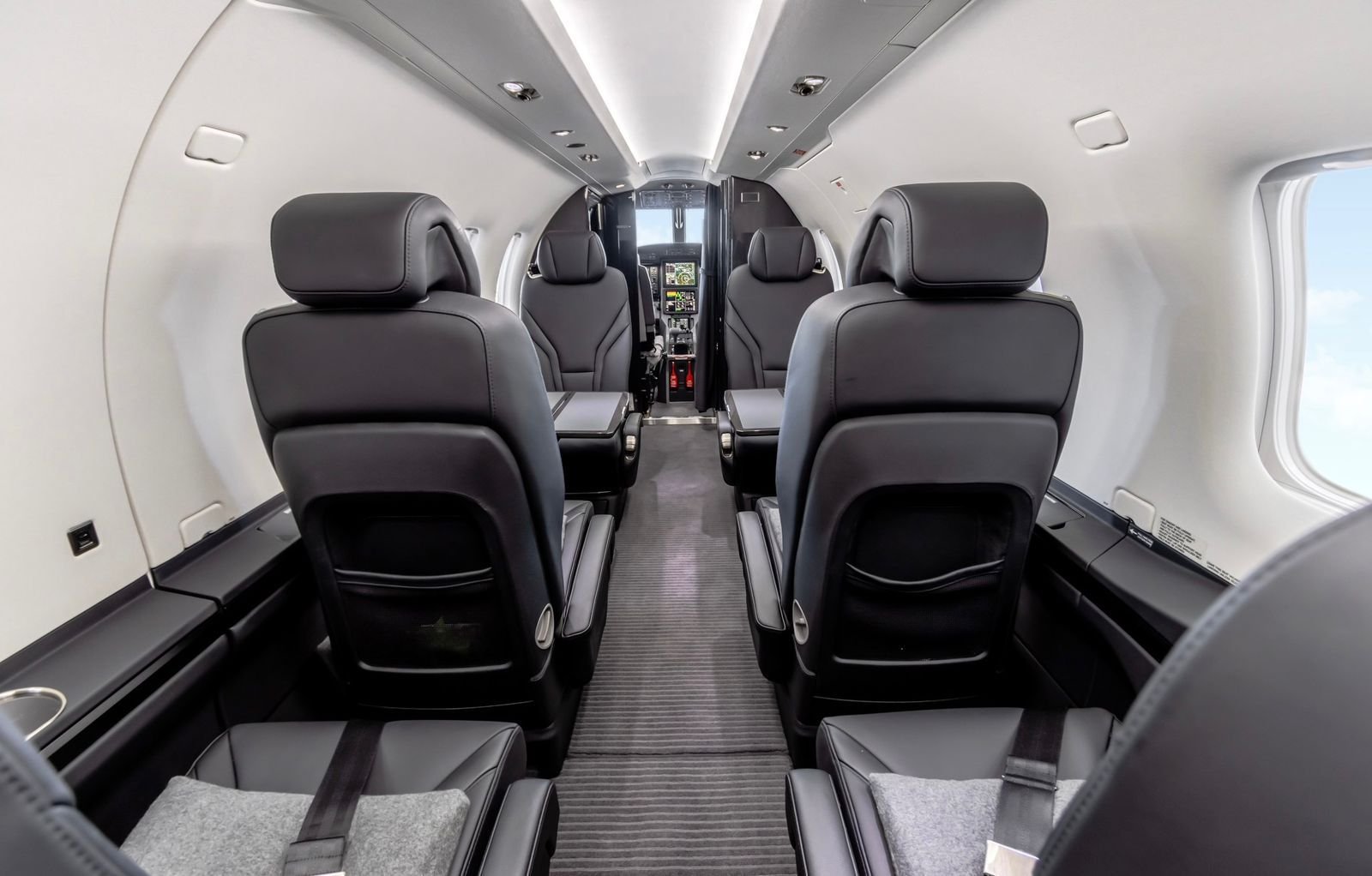
Pilatus PC-12
High-performance single-engine turboprop in executive configuration, with a spacious cabin and latest-generation technology.
 Capacity
8 passengers
 Lavatory
Not available
 Cabin
Pressurized
 Luggage
Standard
 Wi-Fi
Portable Starlink
 Rio de Janeiro (GIG)
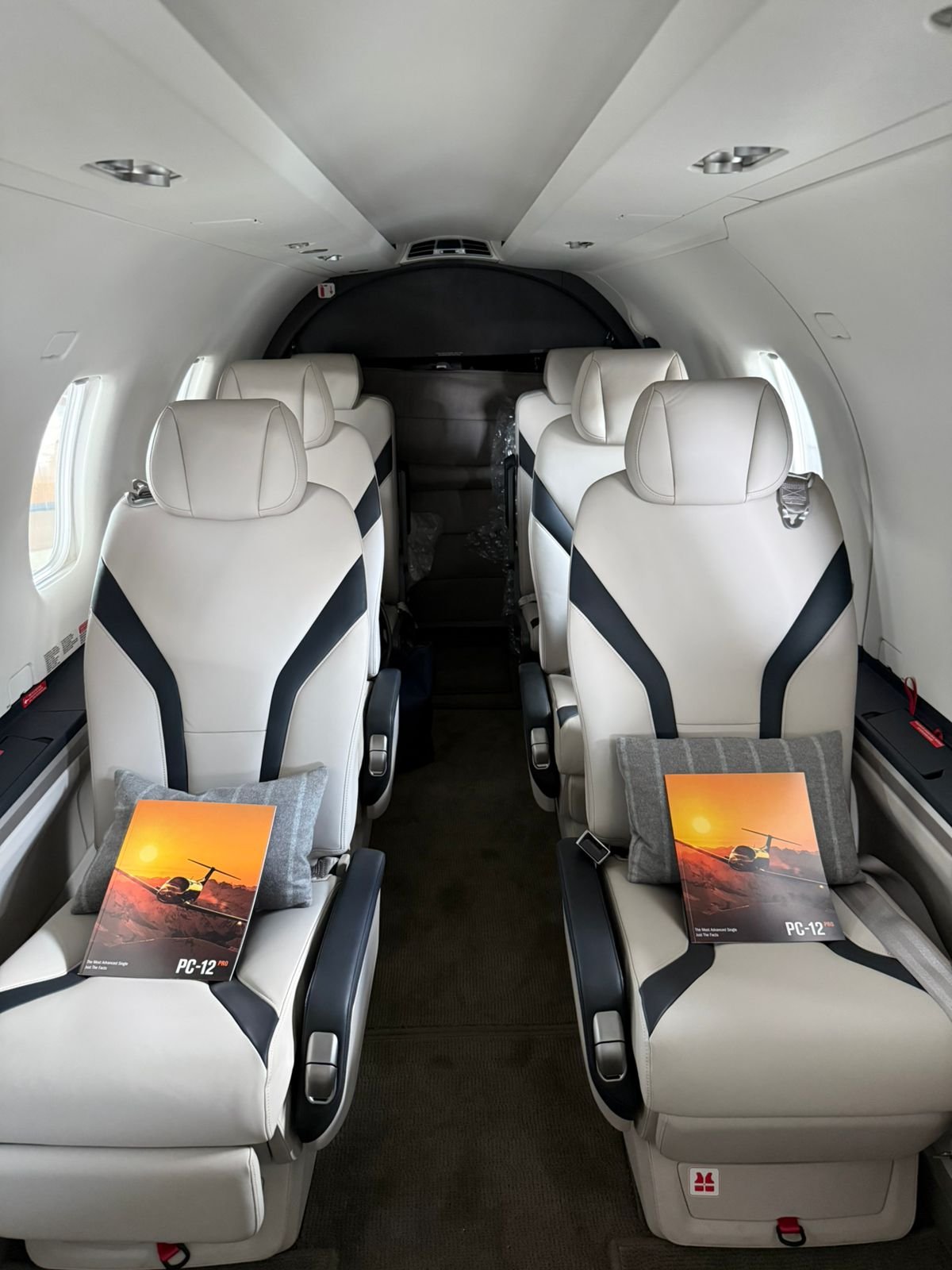
Pilatus PC12 Pro
High-performance single-engine turboprop in executive configuration, with a spacious cabin and latest-generation technology.
Capacity
8 passengers
Lavatory
Not available
Cabin
Pressurized
Luggage
Standard
Wi-Fi
Portable Starlink
Rio de Janeiro (GIG)
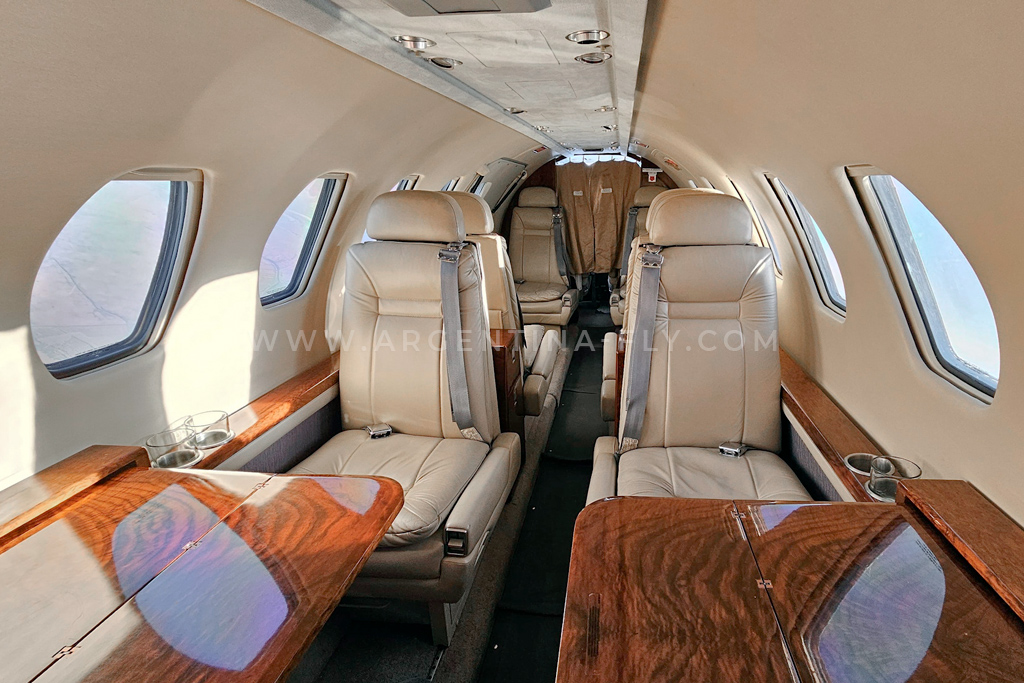
Citation V
Light jet with a comfortable cabin for up to 8 passengers and strong regional range.
Capacity
8 passengers
Lavatory
Not available
Cabin
Pressurized
Luggage
Moderate
Wi-Fi
Portable Starlink
Rio de Janeiro (GIG)
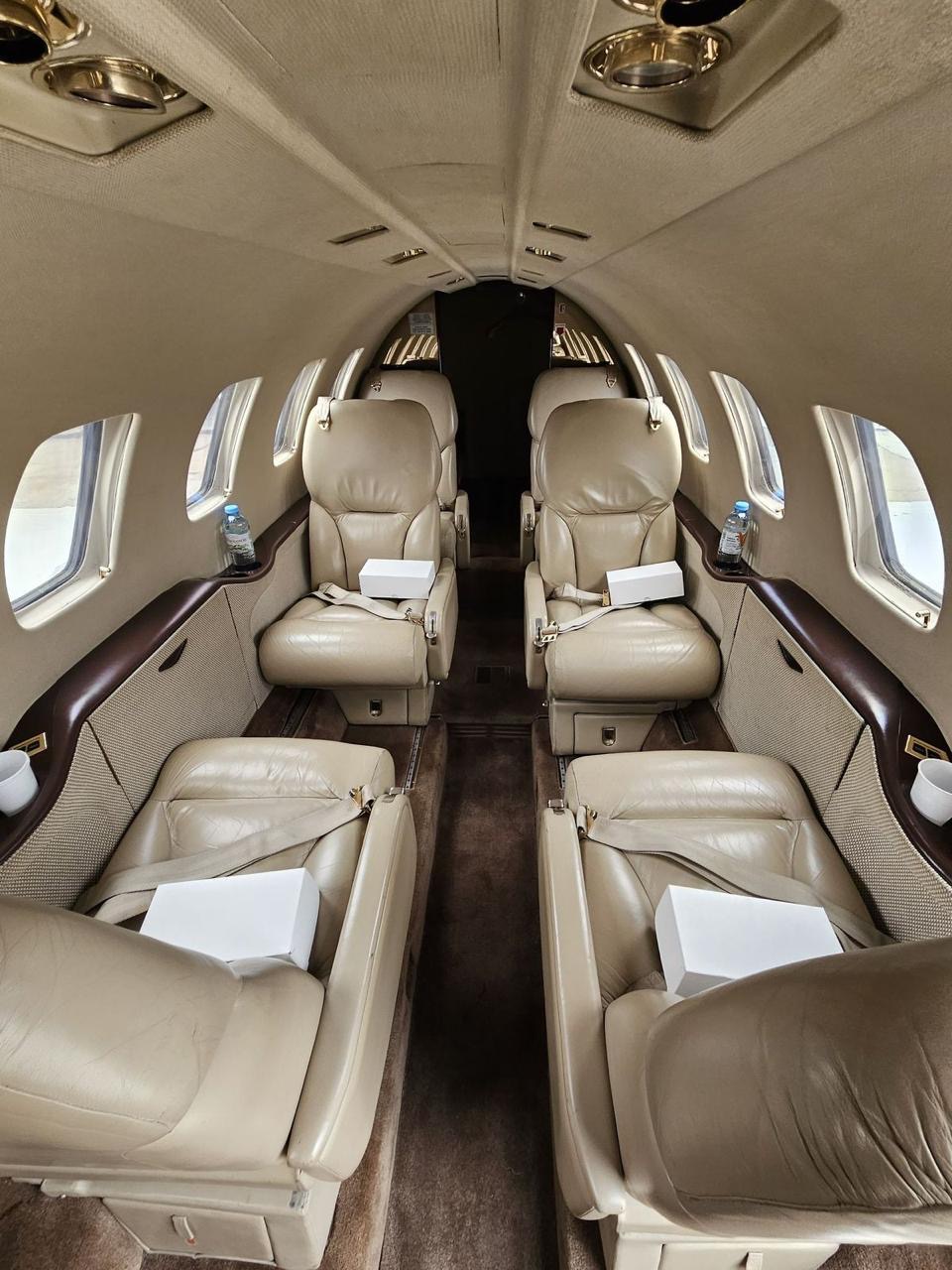
Citation Bravo
Classic light jet with a pressurized cabin, reliable and versatile for regional trips and short runways.
Capacity
7 passengers
Lavatory
Not available
Cabin
Pressurized
Luggage
Standard
Wi-Fi
Not available
Rio de Janeiro (GIG)
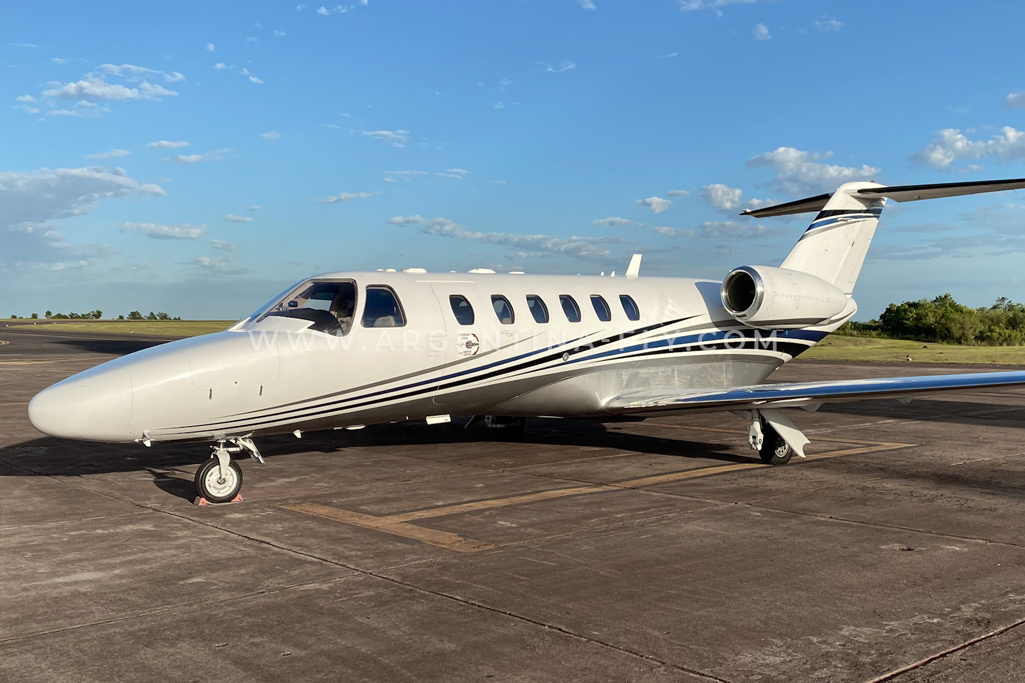
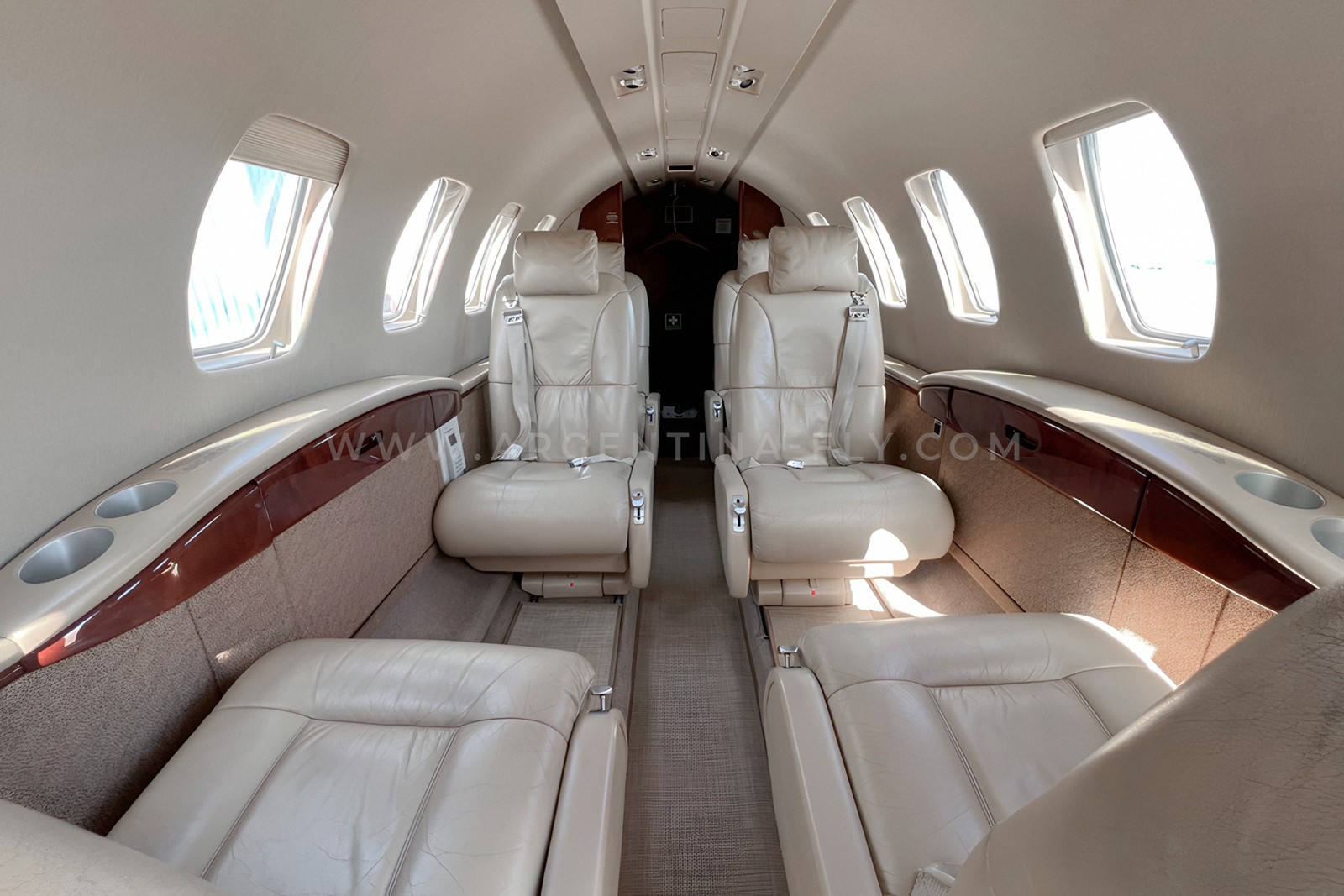
Citation CJ2
Light jet with greater range than the CJ1, offering an excellent balance between cost and executive performance.
Capacity
6 passengers
Lavatory
Not available
Cabin
Pressurized
Luggage
Moderate
Wi-Fi
Not available
Rio de Janeiro (GIG)
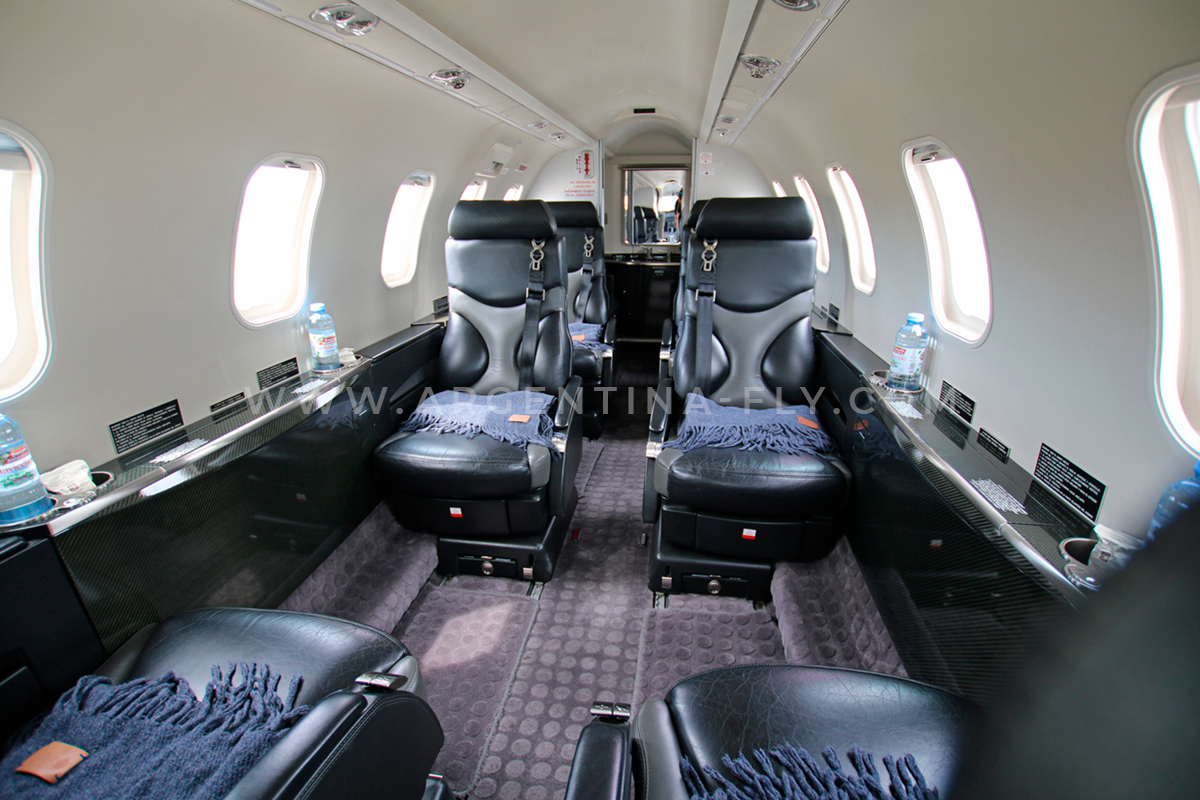
Learjet 40 XR
Light jet with a strong balance of speed and range, featuring a comfortable and modern executive cabin.
Capacity
6 passengers
Lavatory
Yes
Cabin
Pressurized
Luggage
Moderate
Wi-Fi
Not available
 Safety certifications
Rio de Janeiro (GIG)
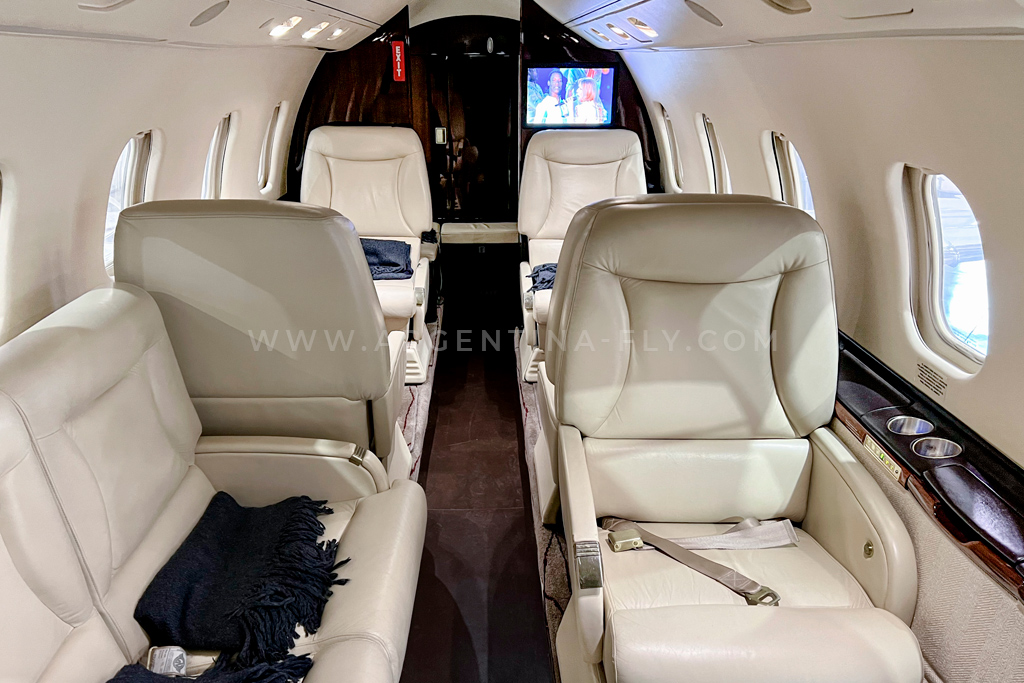
Learjet 60
Midsize jet with a spacious cabin and excellent cruise speed, one of the most requested options for executive flights.
Capacity
7 passengers
Lavatory
Yes
Cabin
Pressurized
Luggage
Moderate
Wi-Fi
Portable Starlink
Safety certifications
Rio de Janeiro (GIG)
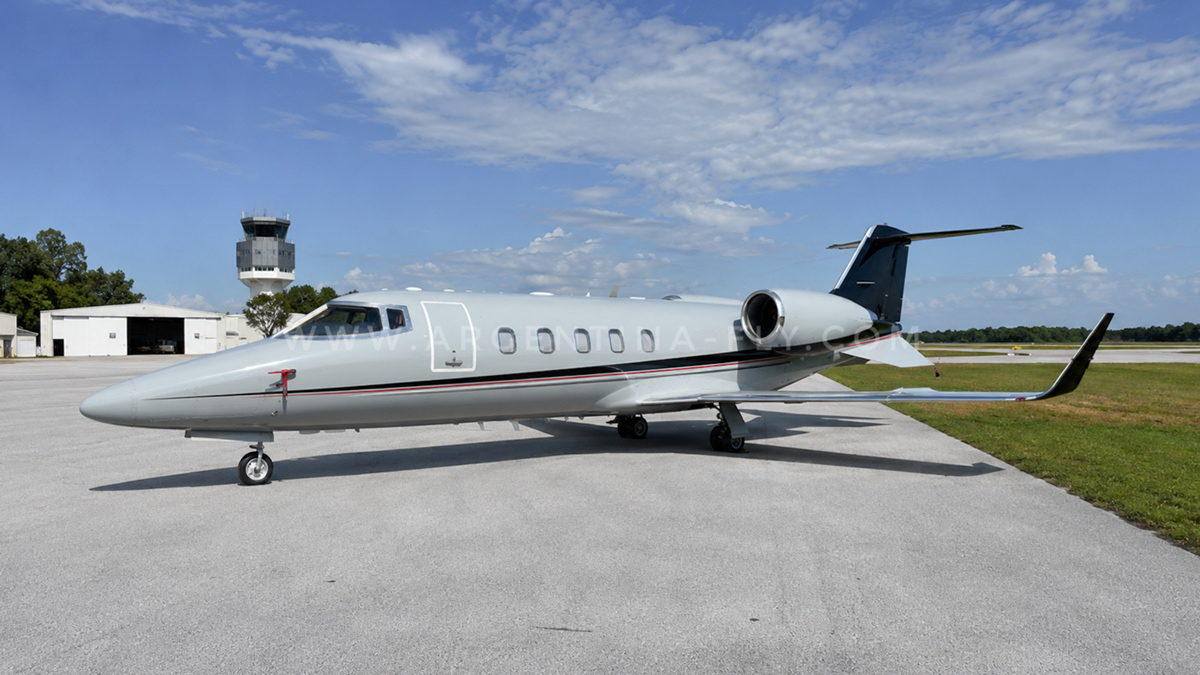
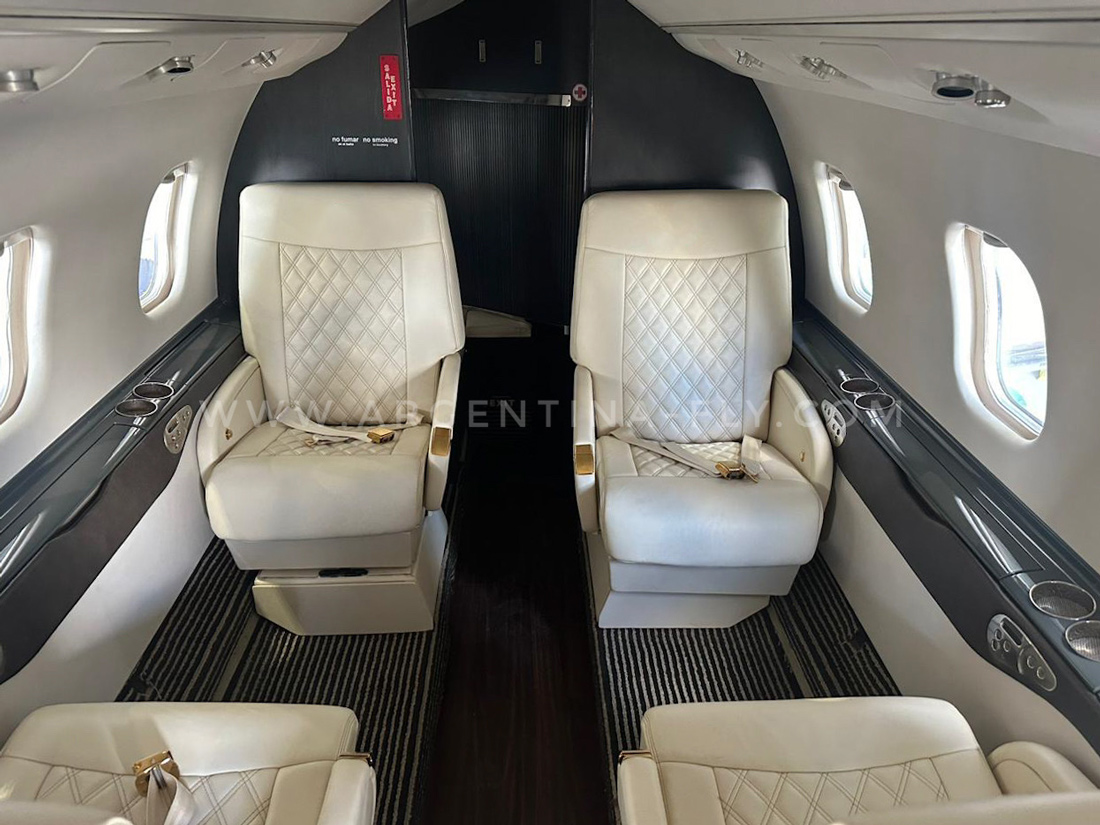
Learjet 60
Midsize jet with a spacious cabin and excellent cruise speed, one of the most requested options for executive flights.
Capacity
7 passengers
Lavatory
Yes
Cabin
Pressurized
Luggage
Standard
Wi-Fi
Not available
Rio de Janeiro (GIG)
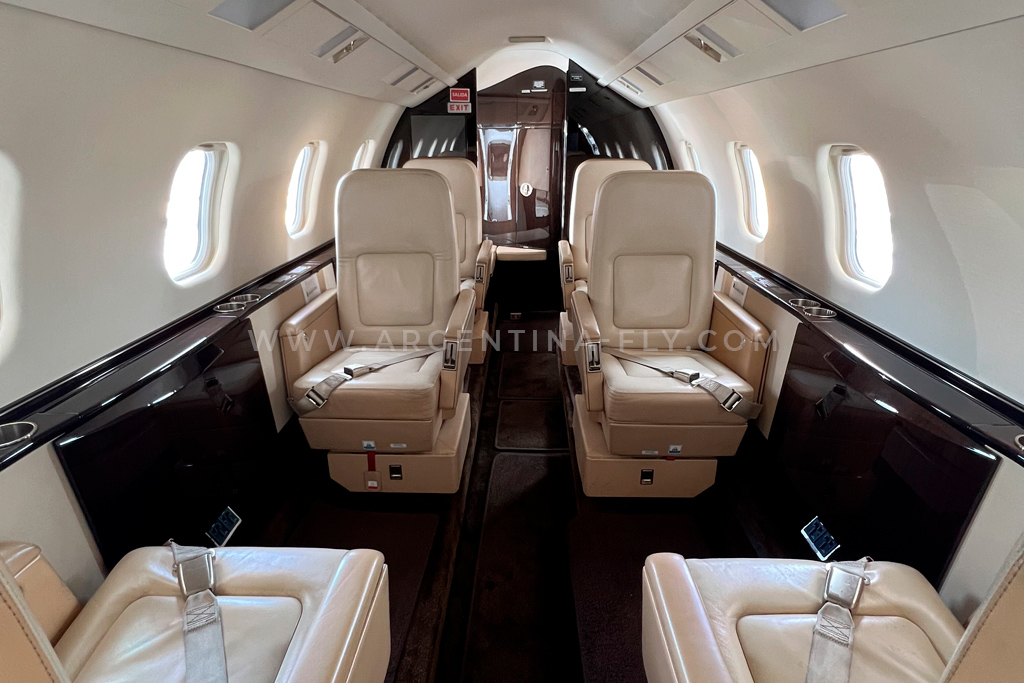
Learjet 60 XR
Enhanced version offering greater range and efficiency while maintaining the speed and comfort of the Learjet 60.
Capacity
6 passengers
Lavatory
Yes
Cabin
Pressurized
Luggage
Moderate
Wi-Fi
Not available
Safety certifications
Rio de Janeiro (GIG)
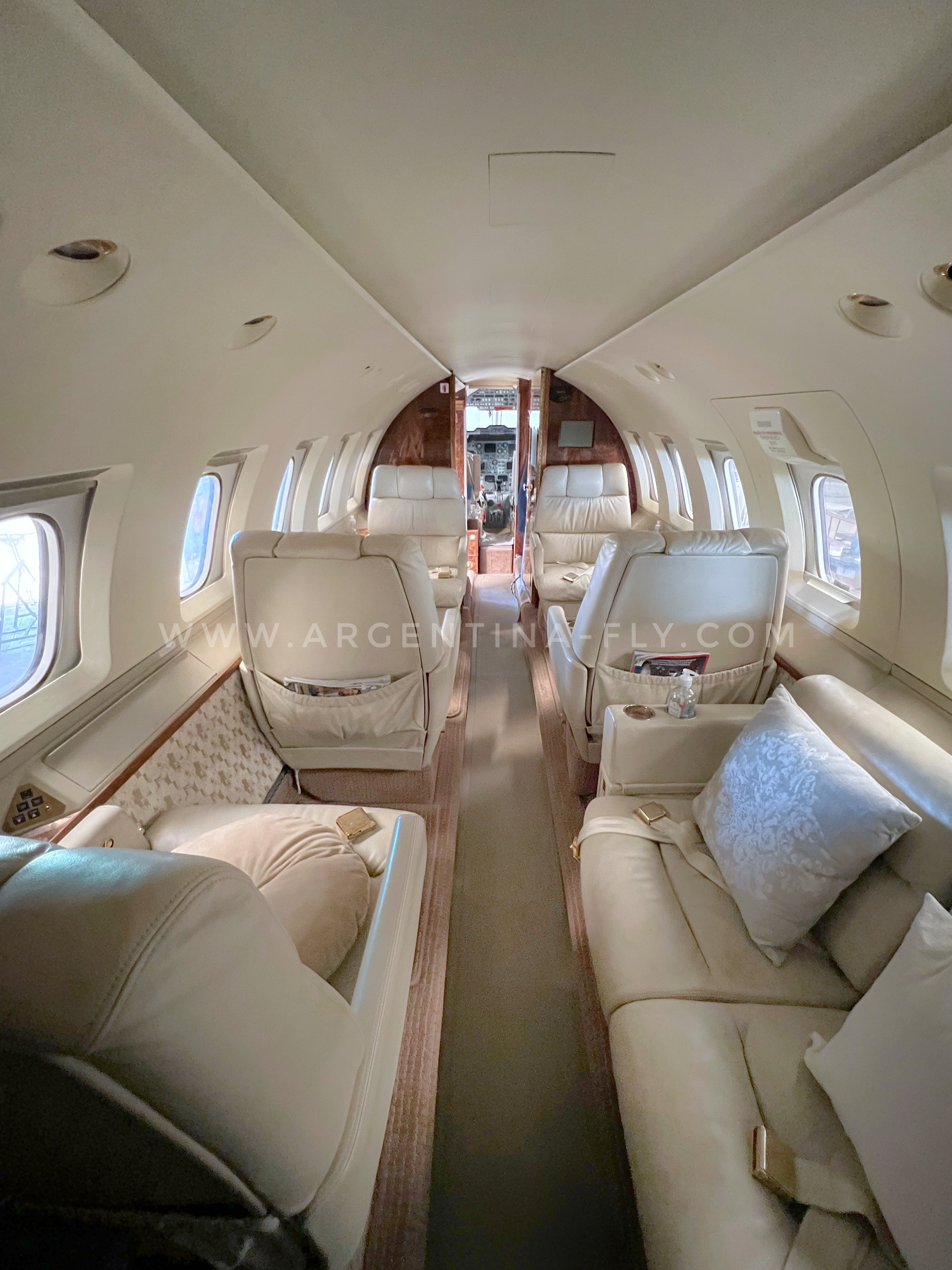
Hawker 800 XP
Midsize jet with a spacious cabin and excellent range, ideal for regional and medium-haul international flights.
Capacity
8 passengers
Lavatory
Yes
Cabin
Pressurized
Luggage
Moderate
Wi-Fi
Portable Starlink
Rio de Janeiro (GIG)
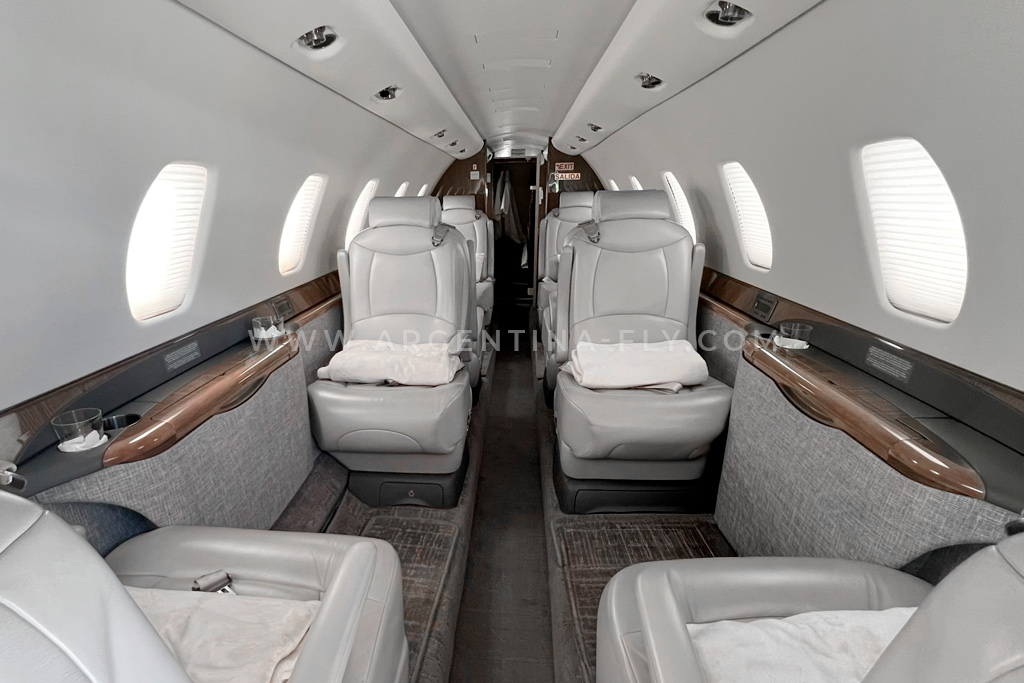
Citation Sovereign
Midsize jet with a spacious cabin, greater range and premium equipment for demanding passengers.
Capacity
8 passengers
Lavatory
Yes
Cabin
Pressurized
Luggage
Generous
Wi-Fi
Portable Starlink (extra cost)
Safety certifications
Rio de Janeiro (GIG)
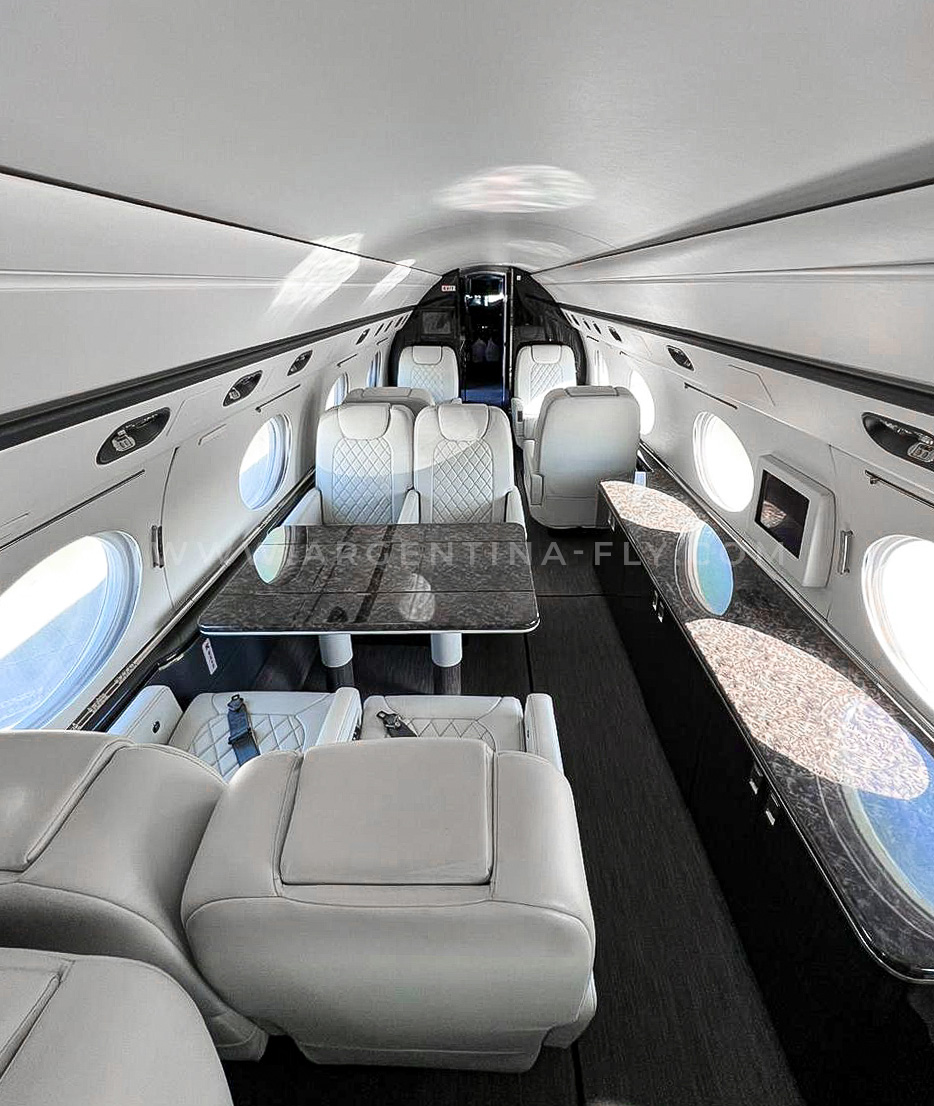
Gulfstream V
Long-range, large-cabin jet with VIP equipment for executive groups demanding the highest level of comfort.
Capacity
14 passengers
Lavatory
Yes
Cabin
Pressurized
Luggage
Spacious
Wi-Fi
Portable Starlink
Rio de Janeiro (GIG)
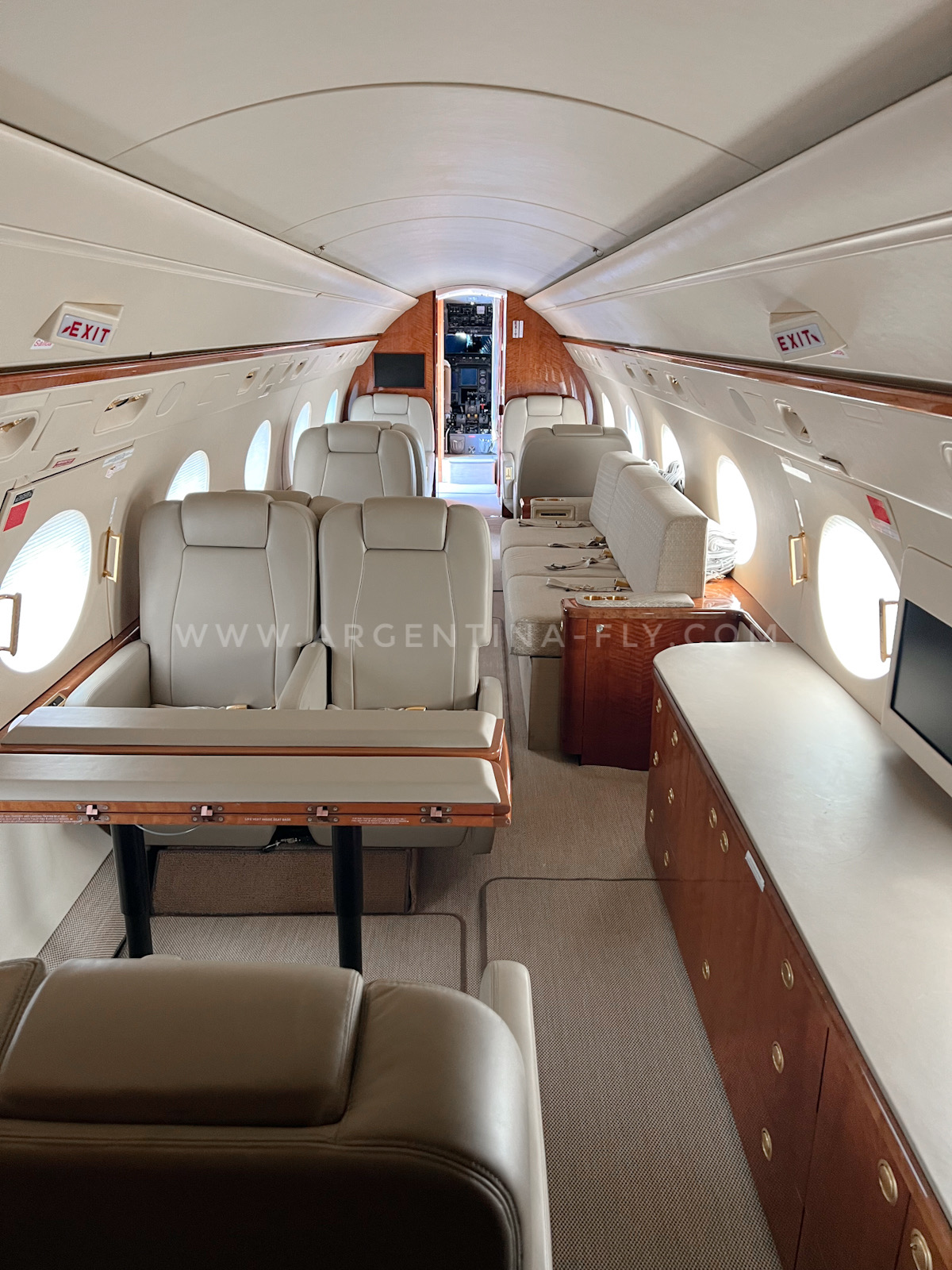
Gulfstream 400
Large jet with an exceptionally spacious cabin and long range, ideal for executive groups requiring maximum comfort.
Capacity
14 passengers
Lavatory
Yes
Cabin
Pressurized
Luggage
Generous
Wi-Fi
Built-in Starlink
Safety certifications
Rio de Janeiro (GIG)
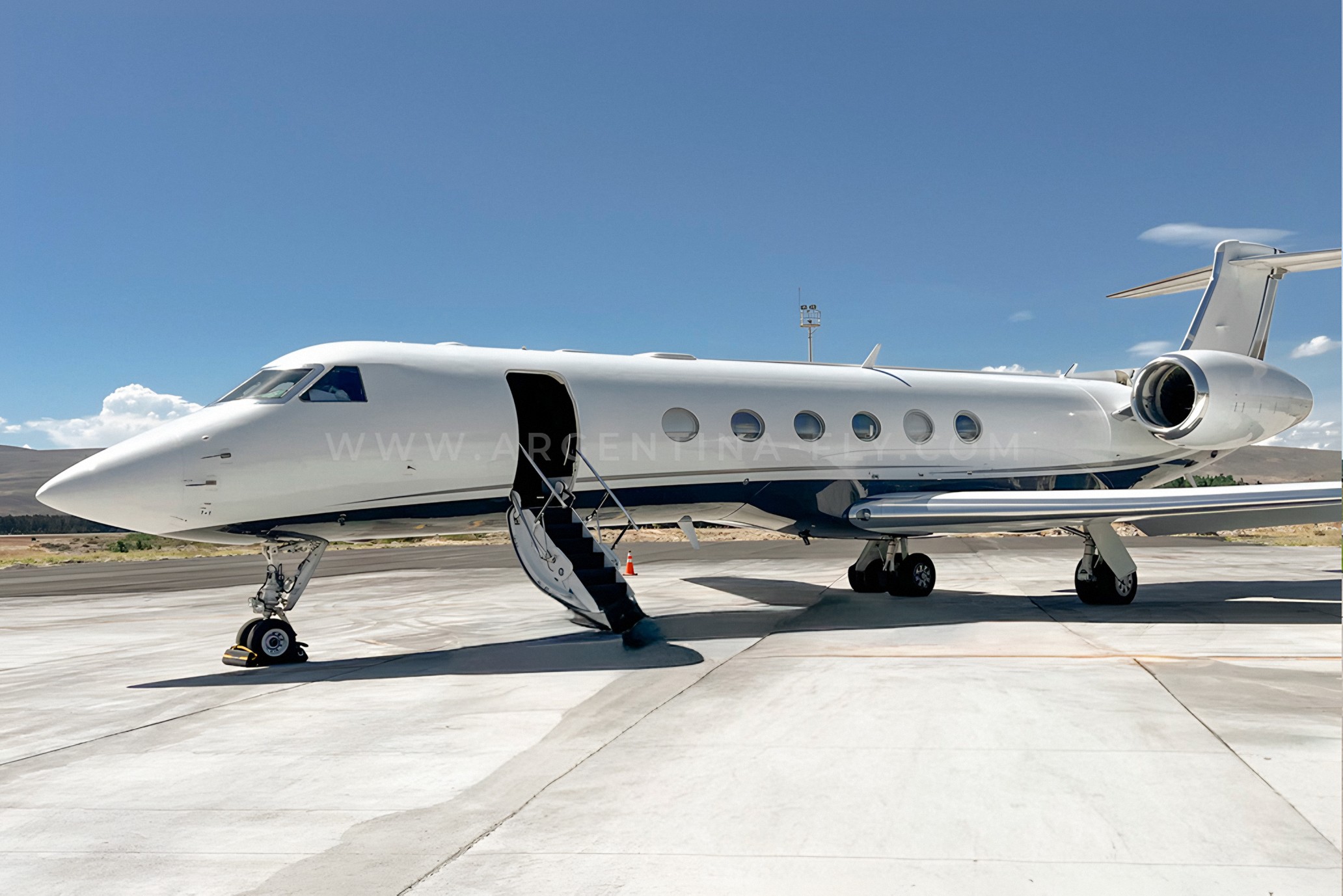
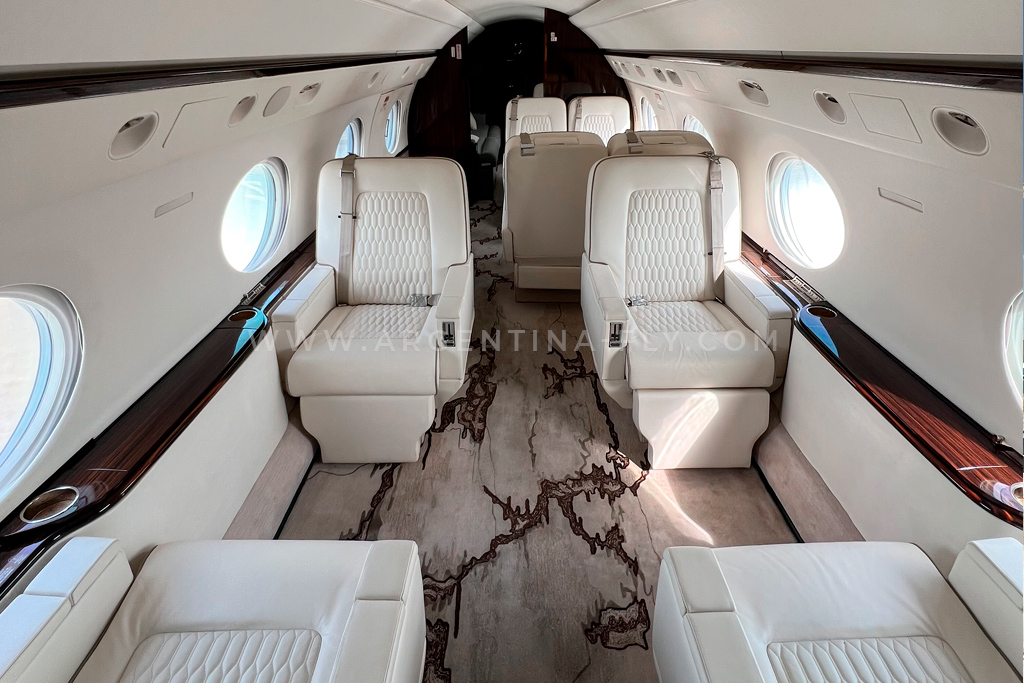
Gulfstream V
Long-range, large-cabin jet with VIP equipment for executive groups demanding the highest level of comfort.
Capacity
14 passengers
Lavatory
Yes
Cabin
Pressurized
Luggage
Generous
Wi-Fi
Built-in Starlink
Safety certifications
Rio de Janeiro (GIG)
Other routes from Buenos Aires
Destinations near Rio de Janeiro, with the lowest reference fare and the shortest flight time.
Rio de Janeiro
Rio de Janeiro fills the strip between Guanabara Bay, the Atlantic and the hills covered in Atlantic Forest: Christ the Redeemer on Corcovado, Sugar Loaf facing the bay and the beaches of Copacabana, Ipanema and Leblon. From Buenos Aires it is 2,058 km: a private jet lands at Galeão airport in 2 h 20 to 2 h 50, depending on the aircraft.
Christ the Redeemer, Sugar Loaf and Tijuca
The hills and the forest that UNESCO declared a World Heritage Site.
Christ the Redeemer, the Cristo Redentor, was inaugurated on October 12, 1931, on the summit of Corcovado, 704 m above sea level. The Art Deco statue, designed by Heitor da Silva Costa, stands 38 m tall. You go up on the Corcovado Train, which has left the Cosme Velho station since 1884 and runs through the Tijuca forest, or via Paineiras, where the visitor center is.
The Sugar Loaf cable car, the bondinho do Pão de Açúcar and Brazil's first cable car, has run since 1912. It climbs in two stages: from Praia Vermelha to Morro da Urca and from there to the summit of Sugar Loaf, one of the peaks that frame Guanabara Bay.
Tijuca National Park, created in 1961, protects more than 3,900 hectares of Atlantic Forest inside the city, on former coffee plantations replanted in the 19th century. It has lookouts such as Vista Chinesa and Mirante Dona Marta, the 1,021 m Pico da Tijuca and Pedra Bonita, where hang-gliding and paragliding flights take off. Together with the Jardim Botânico, founded in 1808, it is part of the “Carioca Landscapes between the Mountain and the Sea” that UNESCO declared a World Heritage Site in 2012.

What to see
- Christ the RedeemerOn the summit of Corcovado; reached on the Corcovado Train from Cosme Velho or via Paineiras.
- Jardim BotânicoThe botanical garden, founded in 1808; part of the UNESCO World Heritage Site.
- Parque Bondinho Pão de AçúcarCable car since 1912, from Praia Vermelha to Morro da Urca and the summit of Sugar Loaf.
- Pedra BonitaIn Tijuca National Park, reached from São Conrado; the takeoff point for hang-gliding and paragliding flights.
- Pico da TijucaThe park's highest point, at 1,021 m, with a staircase carved into the rock.
- Vista ChinesaLookout in the Serra da Carioca sector of Tijuca National Park.
Copacabana, Ipanema and Leblon
The South Zone coastline and the wild beaches of the west.
Copacabana is the beach of the wave-patterned promenade, the calçadão, and of the kiosks that come alive at night. On Avenida Atlântica stands the Copacabana Palace, built in 1923. At the far end, between Copacabana and Ipanema, the Arpoador rock draws Cariocas and visitors every evening to watch the sunset.
Ipanema, the beach of the bossa nova song “Garota de Ipanema”, has its best-known spot at Posto 9 and continues west to Leblon, quieter, with the Morro Dois Irmãos behind it. On the sand, vendors sell biscoito Globo and iced mate.
Past Barra da Tijuca and Recreio, Prainha and Grumari are beaches surrounded by hills and native vegetation. Prainha, inside an environmental protection area, is one of the city's surf beaches.

What to see
- ArpoadorBetween Ipanema and Copacabana; the sunset is watched from the rock.
- CopacabanaThe wave-patterned promenade and the kiosks facing the sea.
- GrumariWest of the city, surrounded by hills and native vegetation.
- IpanemaFrom Arpoador to Leblon; Posto 9 is its best-known spot.
- LeblonWith views of the Morro Dois Irmãos and bars along Avenida Delfim Moreira.
- PrainhaSurf beach inside an environmental protection area.
Where to stay
- Copacabana Palace, A Belmond HotelFacing Copacabana Beach since 1923, with the Mee restaurant. Two MICHELIN Keys.
- Emiliano RioOn Copacabana Beach, with a rooftop pool. Selected by the MICHELIN Guide.
- Fairmont Rio de Janeiro CopacabanaA 375-room tower facing the sea, with views of Sugar Loaf. Selected by the MICHELIN Guide.
- Fasano Rio de JaneiroOn Avenida Vieira Souto, in Ipanema; designed by Philippe Starck, with a rooftop pool. Selected by the MICHELIN Guide.
- Hotel ArpoadorAt the end of Ipanema, at the foot of the Arpoador rock. Selected by the MICHELIN Guide.
- JANEIRO HotelFacing Leblon Beach, by designer Oskar Metsavaht. Selected by the MICHELIN Guide.
Centro, Lapa and Santa Teresa
The Belle Époque city, the renewed port and the neighborhood of the bondinho tram.
Around Cinelândia are the Theatro Municipal, opened in 1909 and inspired by the Paris Opera, the Biblioteca Nacional and the Museu Nacional de Belas Artes. A few blocks away, the Real Gabinete Português de Leitura, founded in 1837, keeps its library in an 1887 Neo-Manueline building, and the Mosteiro de São Bento, founded in 1590, has a Baroque church covered in gilded woodcarving.
The port area was renewed around the Boulevard Olímpico and Praça Mauá, home to the Museu do Amanhã, by Santiago Calatrava, opened in 2015, and the Museu de Arte do Rio. Nearby, Pedra do Sal, with rodas de samba, informal samba circles, from Thursday to Monday, keeps the city's African heritage alive.
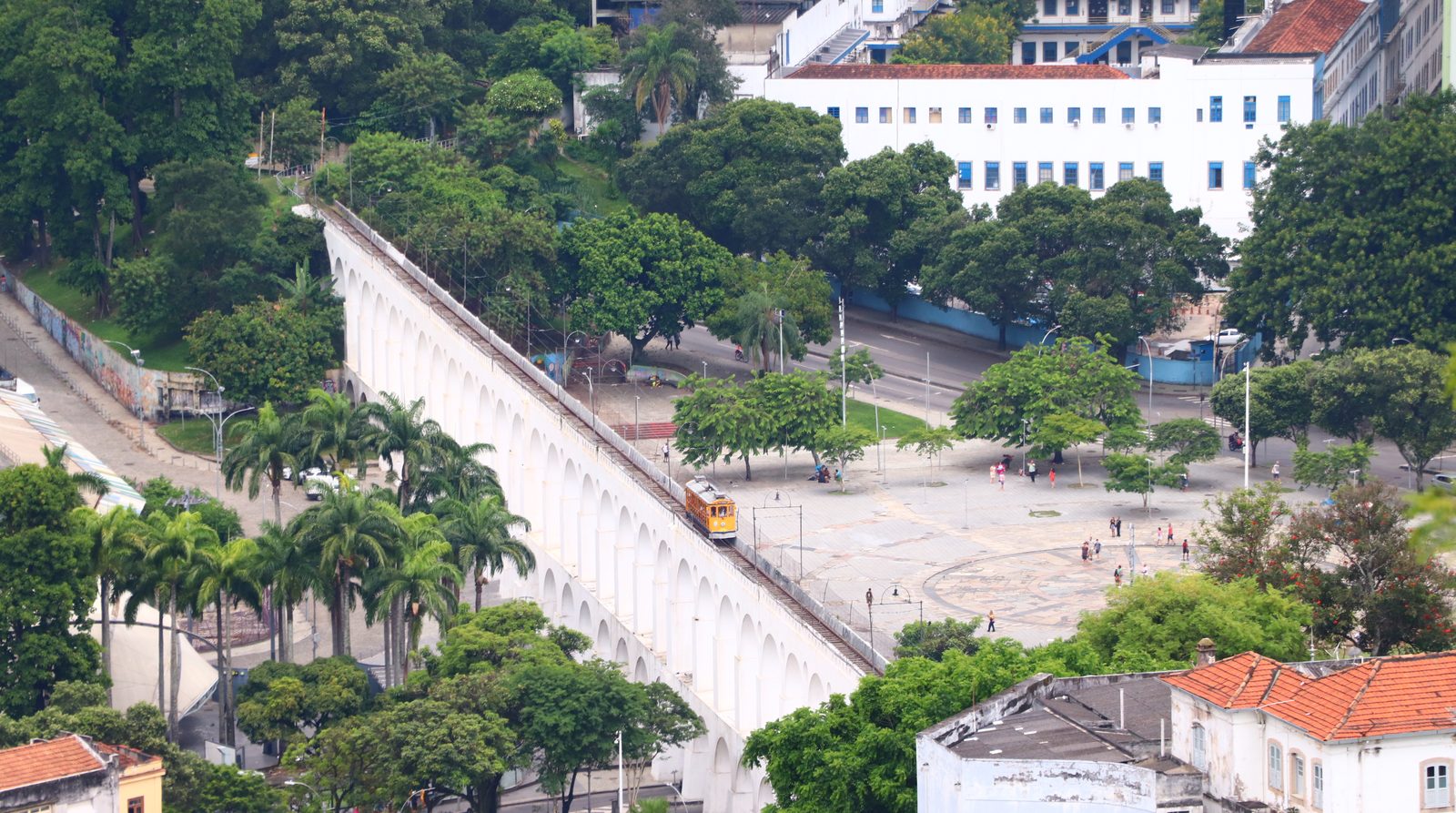
The Santa Teresa tram, the bondinho, leaves Largo da Carioca, crosses the Arcos da Lapa and climbs into the neighborhood via Largo do Curvelo to Largo dos Guimarães, with restaurants and bars. Up the hill are Parque Glória Maria, in the ruins of an old mansion with views over the city, and the Museu Chácara do Céu, the house that collector Castro Maya left to the public. At night, Lapa is the neighborhood of live music and rodas de samba.
What to see
- Bondinho de Santa TeresaFrom Largo da Carioca to Santa Teresa, over the Arcos da Lapa.
- Mosteiro de São BentoFounded in 1590; Baroque church with gilded woodcarving and tiles.
- Museu do AmanhãOn Praça Mauá; Santiago Calatrava building, opened in 2015.
- Parque Glória MariaThe ruins of a mansion high in Santa Teresa, with views over the city.
- Real Gabinete Português de LeituraLibrary founded in 1837, in an 1887 Neo-Manueline building.
- Theatro MunicipalFrom 1909, inspired by the Paris Opera; opera, ballet and guided tours.
Where to stay
- Hotel Santa Teresa Rio MGalleryOn an 1850 coffee estate in Santa Teresa; 44 rooms. One MICHELIN Key.
- Villa Paranaguá Hotel & SpaA century-old villa in Santa Teresa, with an infinity pool and spa. Selected by the MICHELIN Guide.
Carnival and Réveillon
The samba schools at the Sambadrome and New Year's Eve in Copacabana.
Carnival falls in February or March, depending on the year. At the Sambadrome, the Marquês de Sapucaí parade ground designed by Oscar Niemeyer and opened in 1984, the twelve samba schools of the Special Group, the top league, parade on the nights of Carnival. You watch from the grandstands, with numbered or open seating sections, or from the private boxes, which include food, drinks and round-trip transfers.
On the night of December 31, Copacabana hosts Réveillon, Rio's New Year's Eve celebration: stages on the sand, with the main one in front of the Copacabana Palace, and at midnight fireworks launched from barges along the length of the beach.

Typical calendar
- February or MarchCarnival: samba school parades at the Sambadrome.
- October 12Anniversary of Christ the Redeemer, with Masses at the Corcovado sanctuary.
- December 31Réveillon on Copacabana Beach.
Dining
Eight MICHELIN-starred restaurants and the Carioca classics.
The MICHELIN Guide Rio de Janeiro & São Paulo recognizes eight Rio restaurants. Two hold two Stars: Lasai, in Humaitá, where chef Rafa Costa e Silva serves a surprise menu at a ten-seat counter, with vegetables from his own gardens; and Oro, in Leblon, where Felipe Bronze cooks over an open fire dishes that travel through the regions of Brazil.
Holding one Star are Oteque, by Alberto Landgraf; Mee, the pan-Asian restaurant at the Copacabana Palace; Casa 201, in Jardim Botânico; Oseille, in Ipanema; and, in Leblon, San Omakase and Madame Olympe, where Claude Troisgros and Jéssica Trindade blend French cooking with Brazilian ingredients.
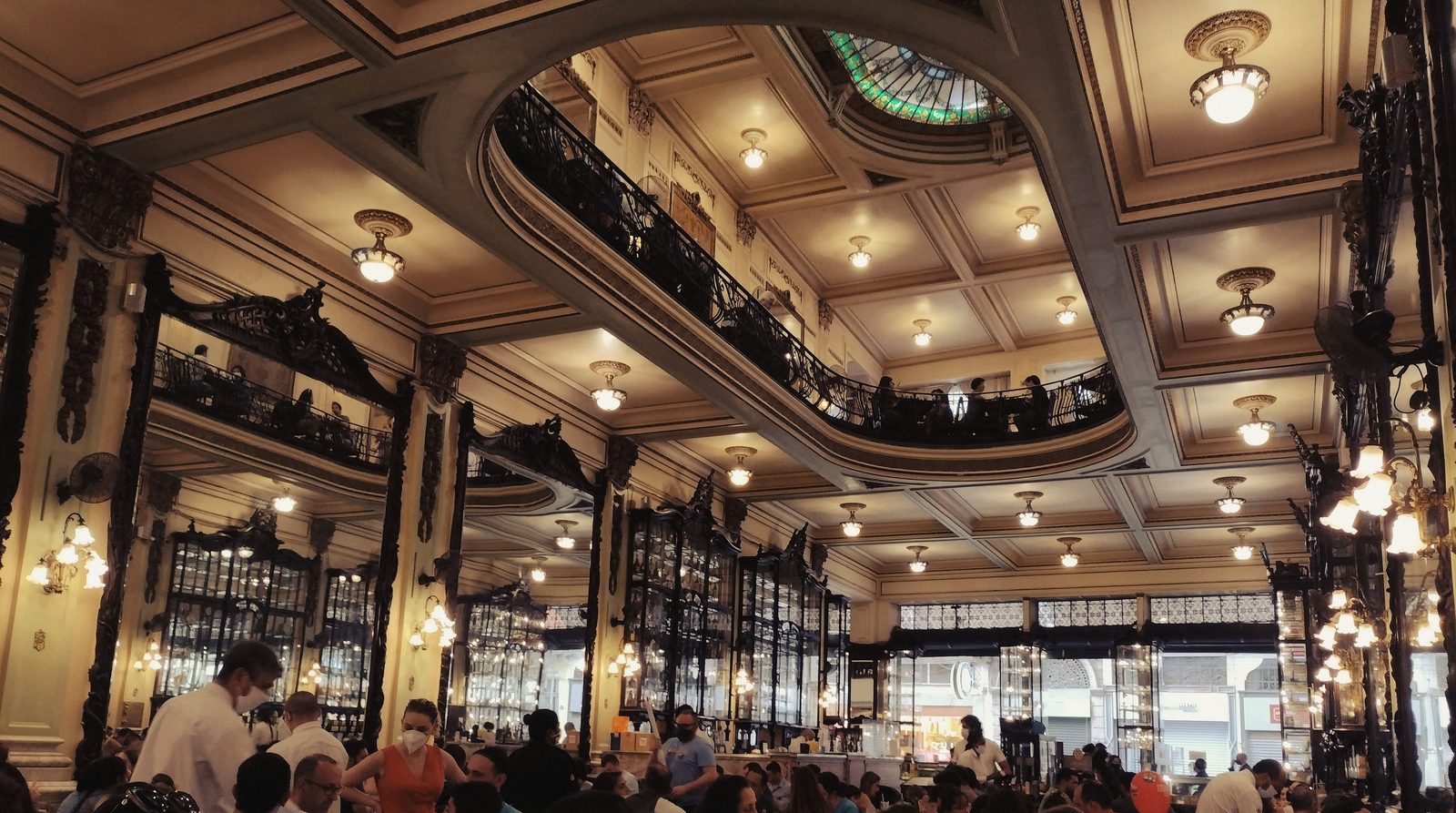
The other side is the everyday table. Confeitaria Colombo, opened in 1894 in Centro, keeps its 1914 dining room with Belgian mirrors, stained glass and period furniture; in Ipanema, Koral, with a Bib Gourmand, grills fish and seafood.
MICHELIN-starred
- Casa 201In Jardim Botânico, by chef João Paulo Frankenfeld; one Star.
- LasaiIn Humaitá; two Stars.
- Madame OlympeIn Leblon; one Star.
- MeeAt the Copacabana Palace; one Star.
- OroIn Leblon; two Stars.
- OseilleIn Ipanema; one Star.
- OtequeModern Brazilian cooking by Alberto Landgraf; one Star.
- San OmakaseJapanese cooking in Leblon; one Star.
Where to eat
- Confeitaria ColomboSince 1894 on Rua Gonçalves Dias, in Centro; 1914 dining room with Belgian mirrors.
- KoralIn Ipanema; Bib Gourmand in the MICHELIN Guide.
Arrival
From departure to destination.
- Departure
- From San Fernando (FDO), Aeroparque (AEP) or Ezeiza (EZE). The fare may change depending on where each aircraft is based.
- Airport
- Galeão International – Antônio Carlos Jobim (GIG), on Ilha do Governador, with business aviation services. Immigration and customs are cleared on arrival.
- Documents
- U.S. citizens with a passport valid for the whole stay and a Brazilian e-Visa, obtained online before the trip; Canadian and Australian citizens also need an e-Visa; Argentine citizens with a valid DNI or passport; other foreign nationals with a passport and, depending on nationality, a visa. This information is for guidance only: always confirm entry and health requirements with the official Brazilian authorities before you travel.
- During Carnival and Réveillon
- Book the flight and accommodation well in advance.
When to go
The seasons at the destination.
- December to March
- Summer, hot and wetter; an average high of 31.5 °C in January.
- February or March
- Carnival and the Sambadrome parades.
- April to October
- Drier weather and clear skies for the lookouts and the Tijuca trails; an average high of 26.4 °C in July.
- December 31
- Réveillon in Copacabana.
Key facts
Summer January
- Average low
- 24.1°
- Average high
- 31.5°
Fall April
- Average low
- 23.0°
- Average high
- 30.0°
Winter July
- Average low
- 18.7°
- Average high
- 26.4°
Spring October
- Average low
- 21.1°
- Average high
- 28.2°
- Airport
- Galeão – Tom JobimIATA / ICAO: GIG / SBGLAntônio Carlos Jobim, on Ilha do Governador
- Category
- Public-use, towered, international
- Distance
- 2,058 kmFlight distance from Buenos Aires
Frequently asked questions
Price, flight time, airport, departure and travel documents.
How much does a private flight from Buenos Aires to Rio de Janeiro cost?
Reference fares for a one-way private flight from Buenos Aires (San Fernando), whole aircraft, start at USD 18,090 for a turboprop, USD 20,250 for a light jet, USD 24,990 for a midsize jet and USD 37,860 for a large jet. Passenger fees or international fees at the destination are added to the fare, depending on the aircraft, as shown on each row. Round trips are calculated in the quote tool according to the length of your stay.
How long is the flight?
Between 2 h 20 and 4 h 00, depending on the aircraft; the fastest jet on the route takes 2 h 20.
Which airport does the flight land at?
Galeão International Airport – Antônio Carlos Jobim (GIG / SBGL), on Ilha do Governador. It is public-use, towered and international, has business aviation services, and immigration and customs are cleared on arrival.
What documents do I need to travel to Brazil?
U.S. citizens need a visa: the Brazilian e-Visa, applied for online before the trip through the official portal of the Brazilian government, covers tourism and business stays of up to 90 days, and the passport must be valid for the length of the trip. Canadian and Australian citizens follow the same process. Argentine citizens enter with a valid DNI (the latest version issued by RENAPER) or a passport, without a visa, for stays of up to 90 days. Other foreign nationals travel with a valid passport and, depending on their nationality, a visa, which can be checked with the Brazilian consulate. This information is for guidance only: always confirm entry and health requirements with the official Brazilian authorities before you travel.
When is the best time to fly to Rio de Janeiro?
It depends on your plans. December to March is summer, hot and wetter, with an average high of 31.5 °C in January, and Carnival arrives in February or March. From April to October the weather is drier and the skies clearer, better for the lookouts and the Tijuca trails, with an average high of 26.4 °C in July. On December 31, Réveillon fills Copacabana Beach.
What can I do in Rio de Janeiro in a few days?
Ride the Corcovado Train up to Christ the Redeemer and the cable car up Sugar Loaf; watch the sunset from Arpoador; walk through Centro, from the Theatro Municipal to the Museu do Amanhã, and take the tram up to Santa Teresa; and book a table at one of the eight MICHELIN-starred restaurants.
Are the published fares final?
They are estimates. The final quote depends on dates, length of stay, aircraft type and applicable operating fees; on this international flight, international fees are added.
Where does the flight depart from?
Fares are calculated for departure from San Fernando (FDO). Departing from Aeroparque (AEP) or Ezeiza (EZE) may change the fare, depending on where each aircraft is based.

Ready to fly? Let’s talk.
Share the details of your trip and we’ll help you find the aircraft and flight solution best suited to your needs.
- WhatsApp+54 9 11 3080 7775
- Phone+54 9 11 3080 7775
- Emailinfo@argentina-fly.com
For charter operatorsList your aircraft