
- Home
- Flight quote
- Rosario
Private flights to Rosario
Jet from USD 5,000 · 0 h 40
Results:
- Itinerary
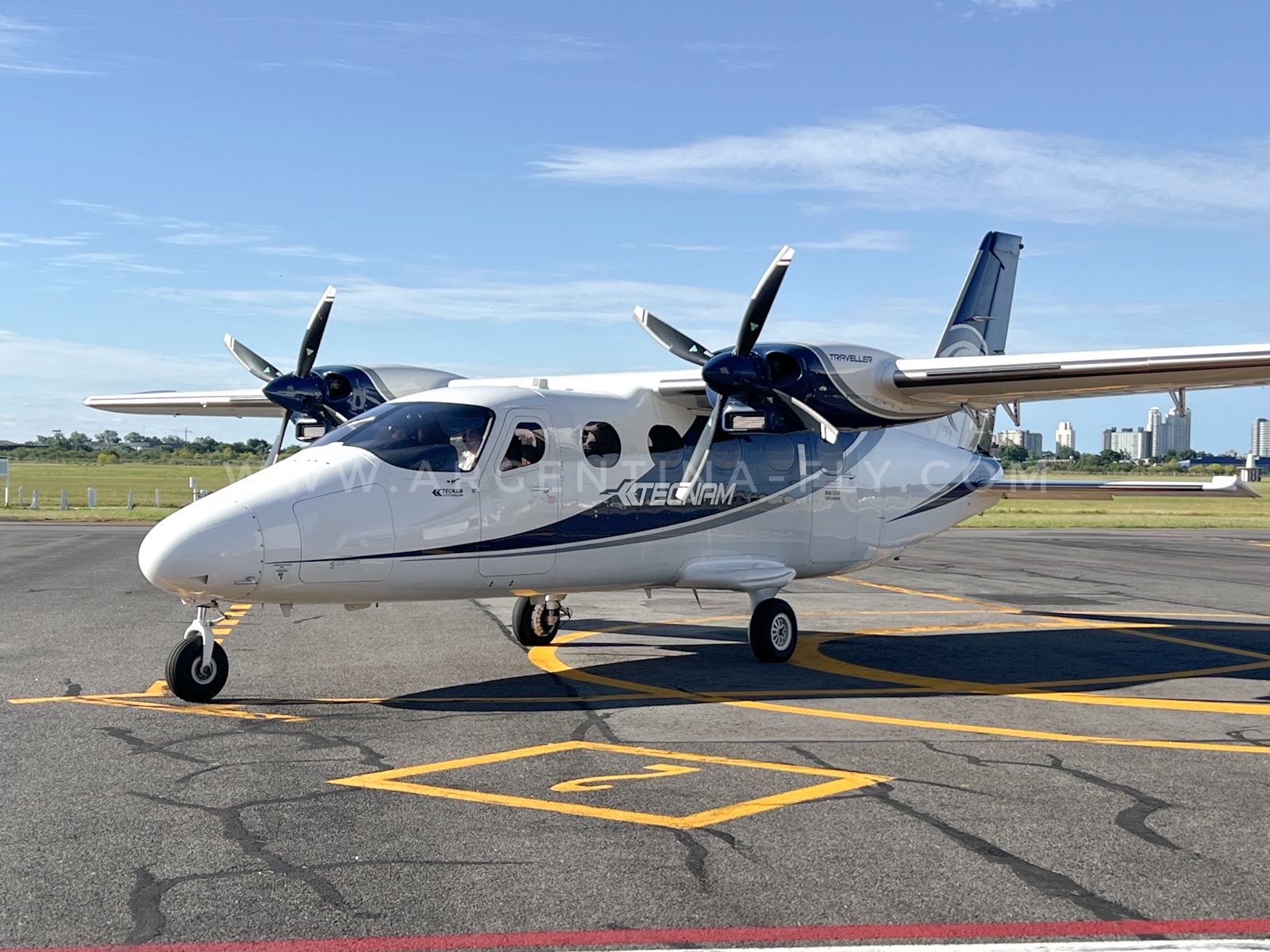
Tecnam Traveller
Piston aircraft · 9 passengers · 1 h 001 h 00flight time
USD 2,530+ VAT 10.5%
Request a quote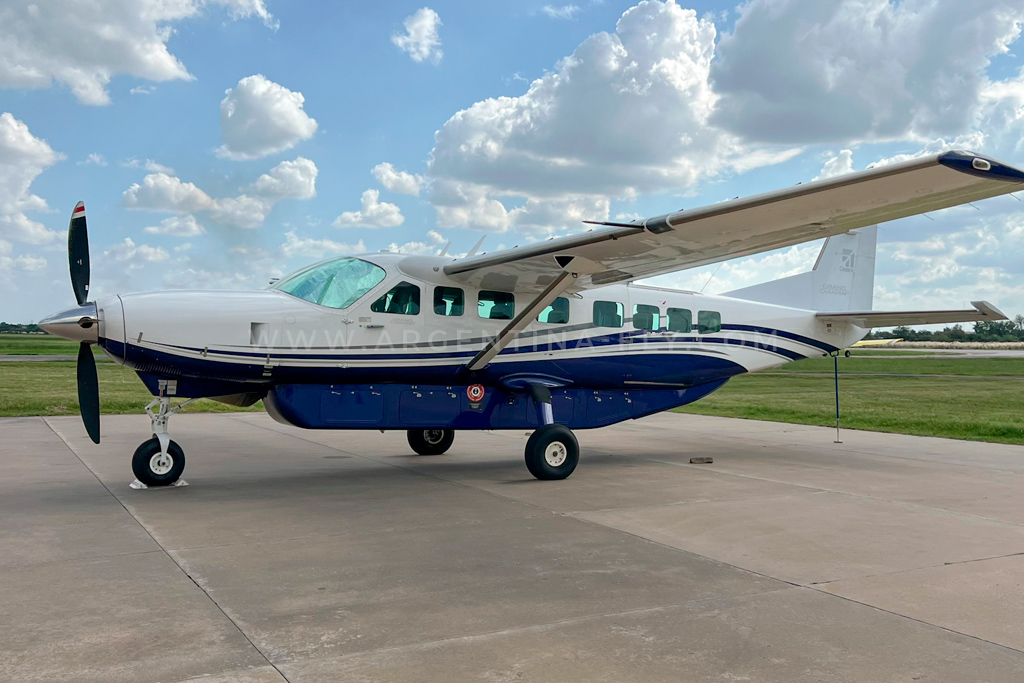
Cessna Grand Caravan
Turboprop · 9 passengers · 1 h 051 h 05flight time
USD 3,540+ VAT 10.5%
Request a quote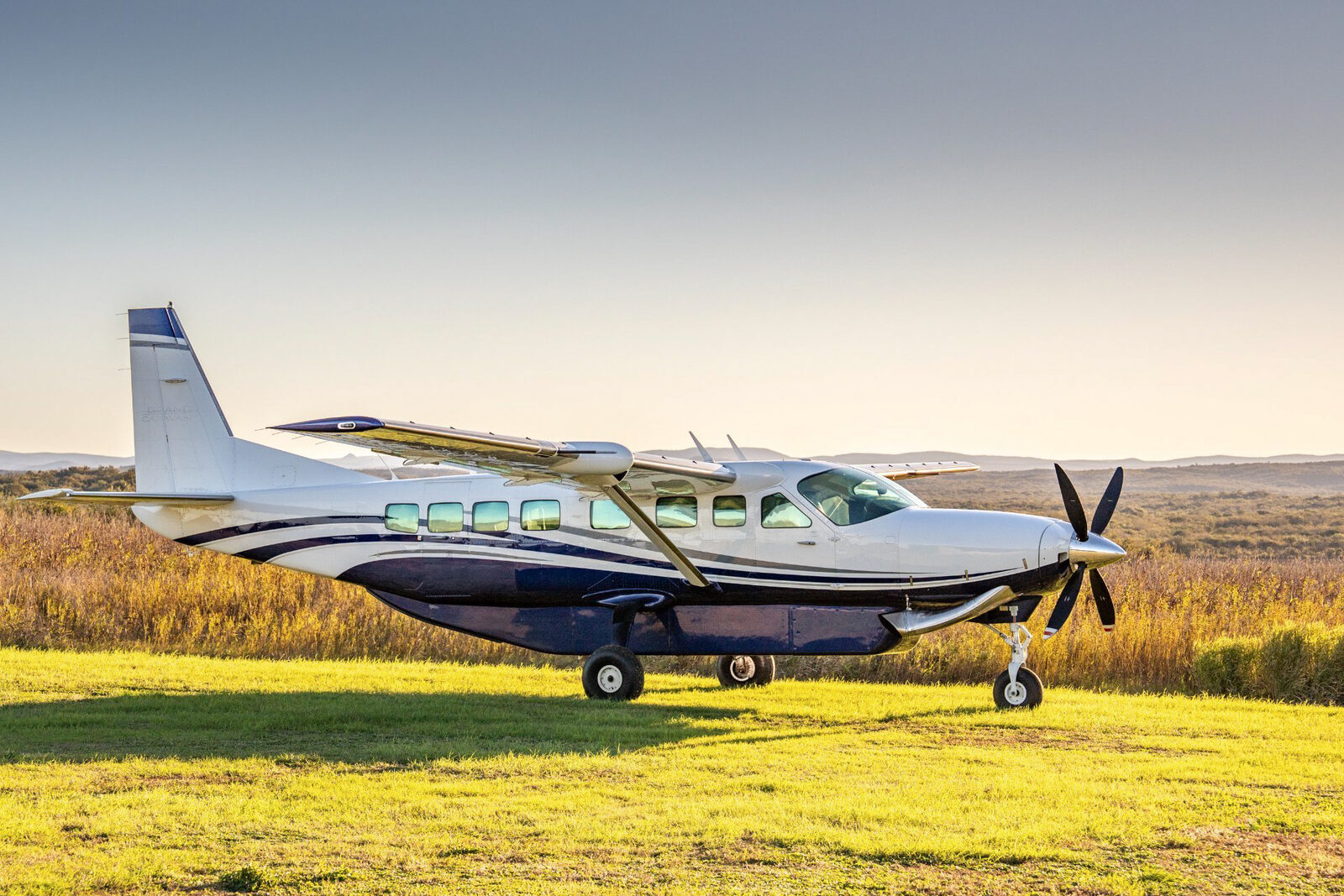
Cessna Grand Caravan Ex
Turboprop · 9 passengers · 1 h 001 h 00flight time
USD 3,780+ VAT 10.5%
Request a quote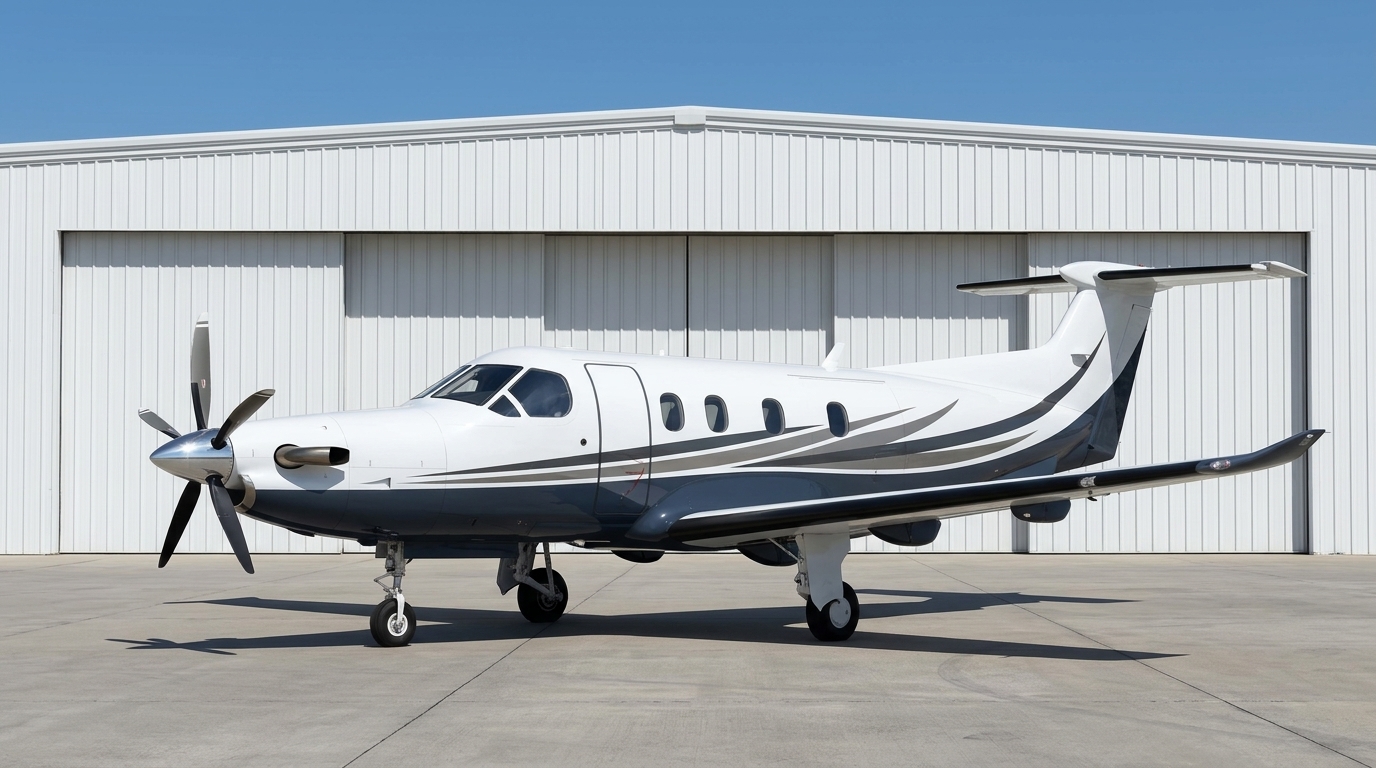
Pilatus PC12 Pro
Turboprop · 8 passengers · 0 h 450 h 45flight time
USD 3,940+ VAT 10.5%
Request a quote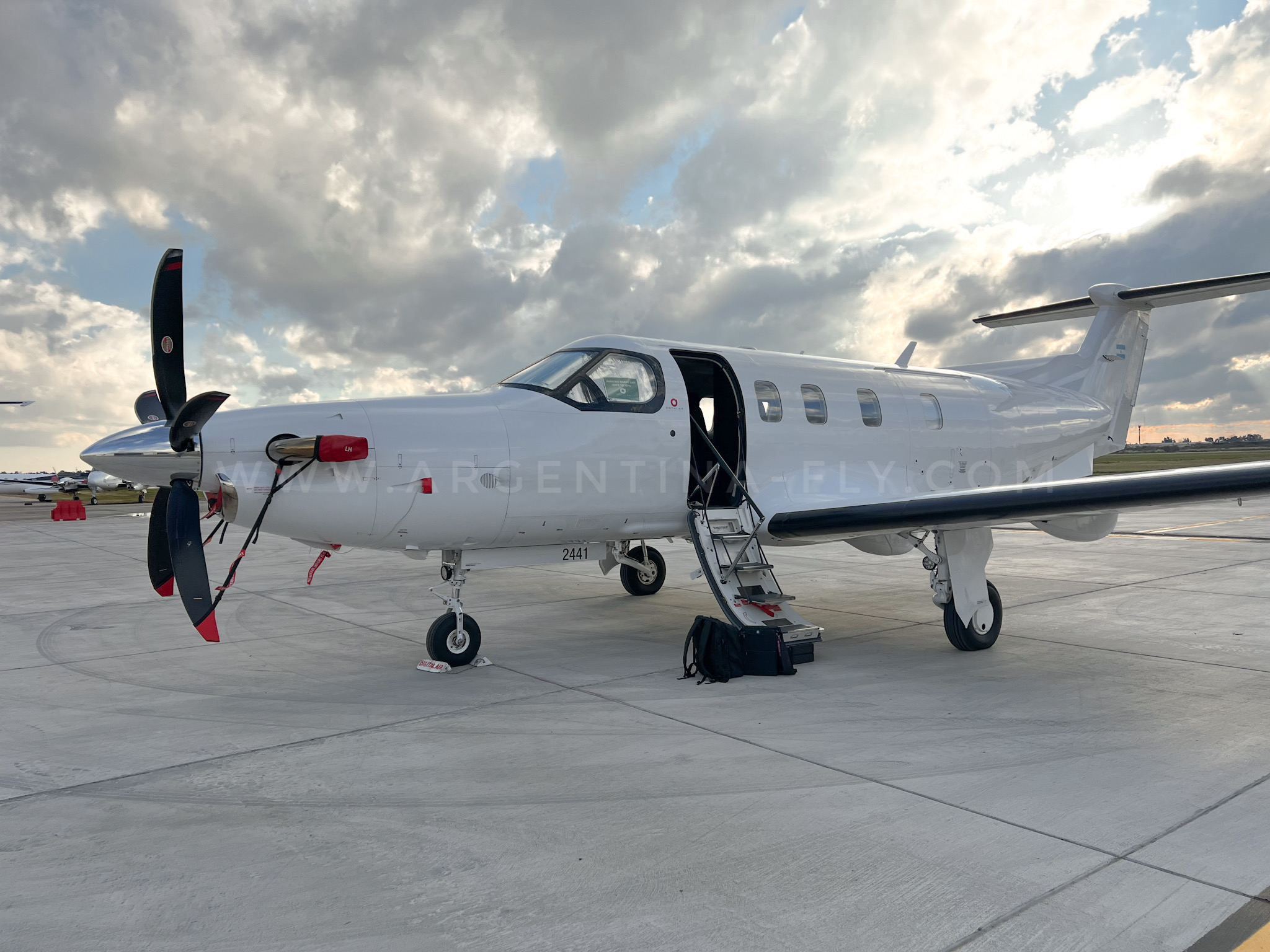
Pilatus PC-12
Turboprop · 8 passengers · 0 h 450 h 45flight time
USD 4,700+ VAT 10.5%
Request a quote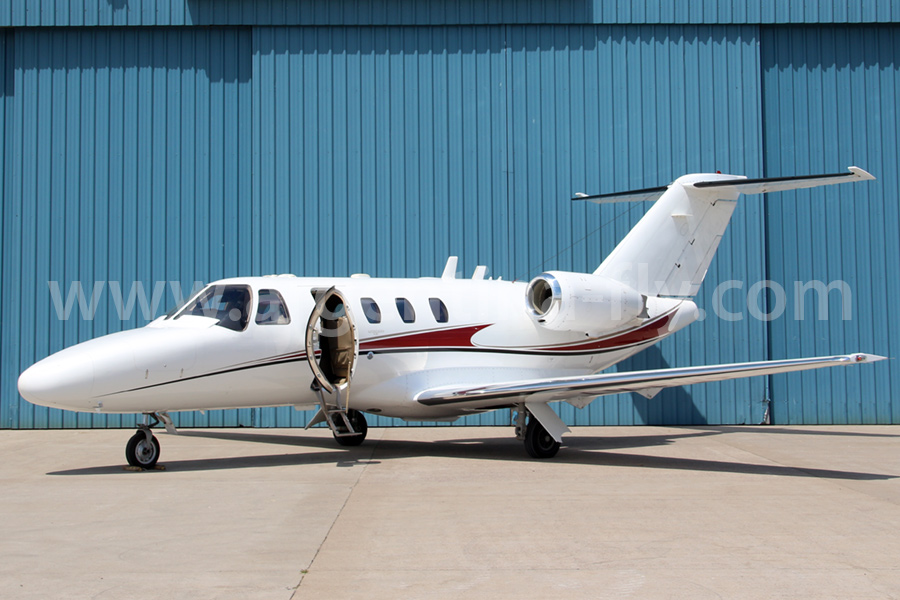
Citation CJ1
Light jet · 5 passengers · 0 h 400 h 40flight time
USD 5,000+ VAT 10.5%
Request a quote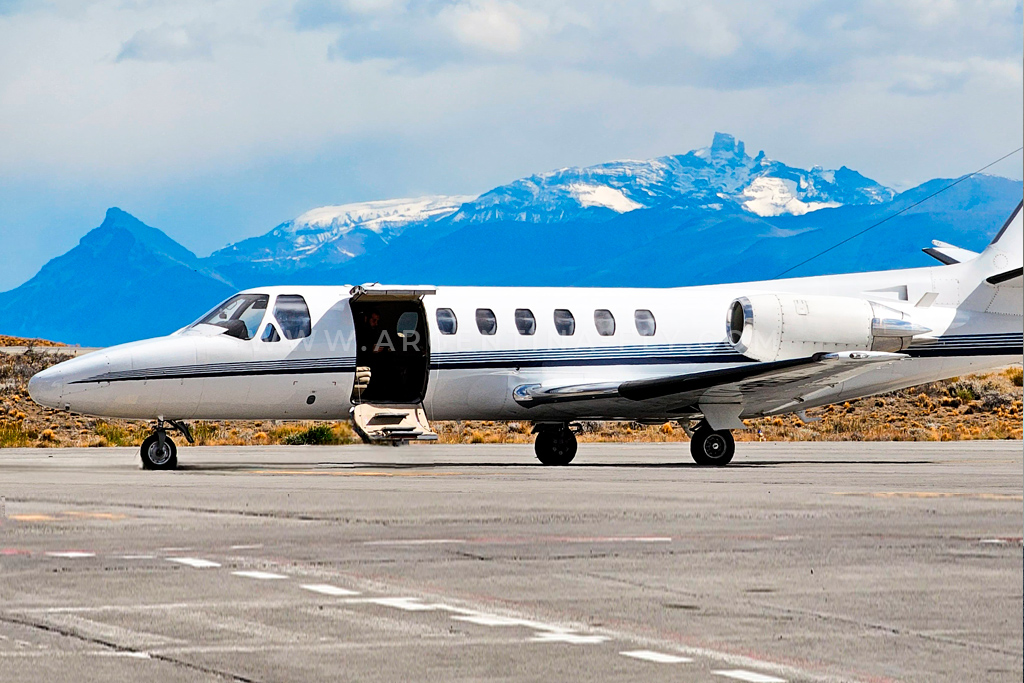
Citation V
Light jet · 8 passengers · 0 h 350 h 35flight time
USD 5,200+ VAT 10.5%
Request a quote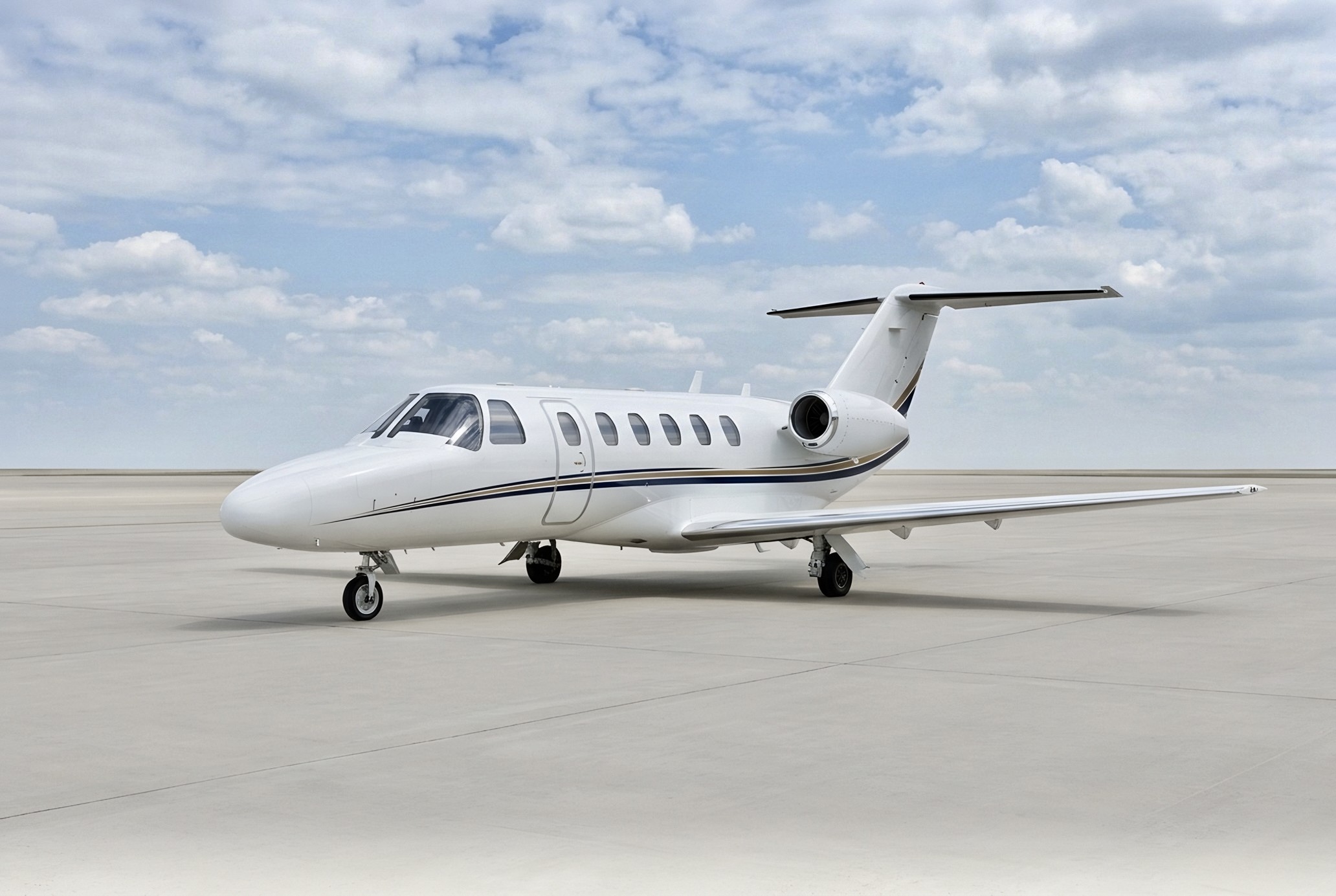
Citation CJ2
Light jet · 6 passengers · 0 h 40 · 2 options0 h 40flight time
USD 5,200+ VAT 10.5%
Request a quote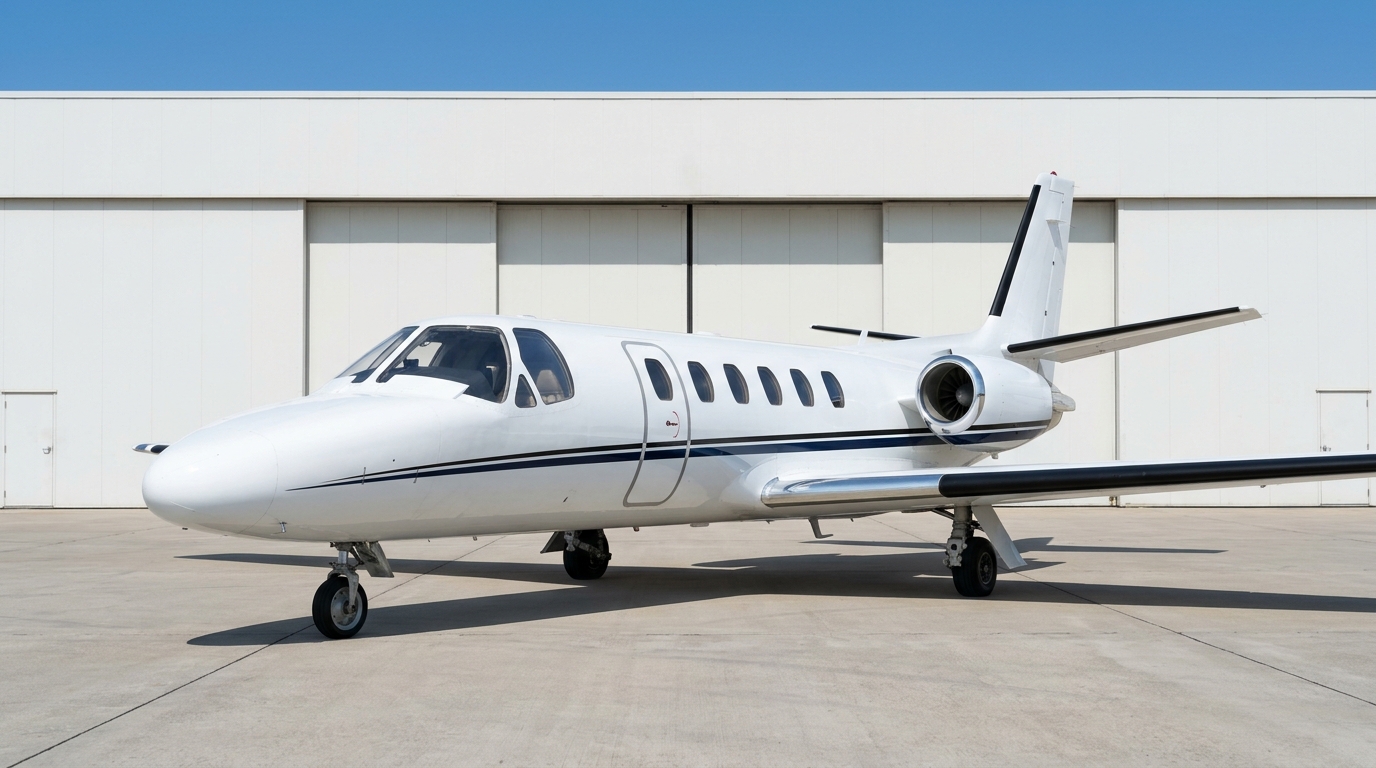
Citation Bravo
Light jet · 7 passengers · 0 h 400 h 40flight time
USD 5,500+ VAT 10.5%
Request a quote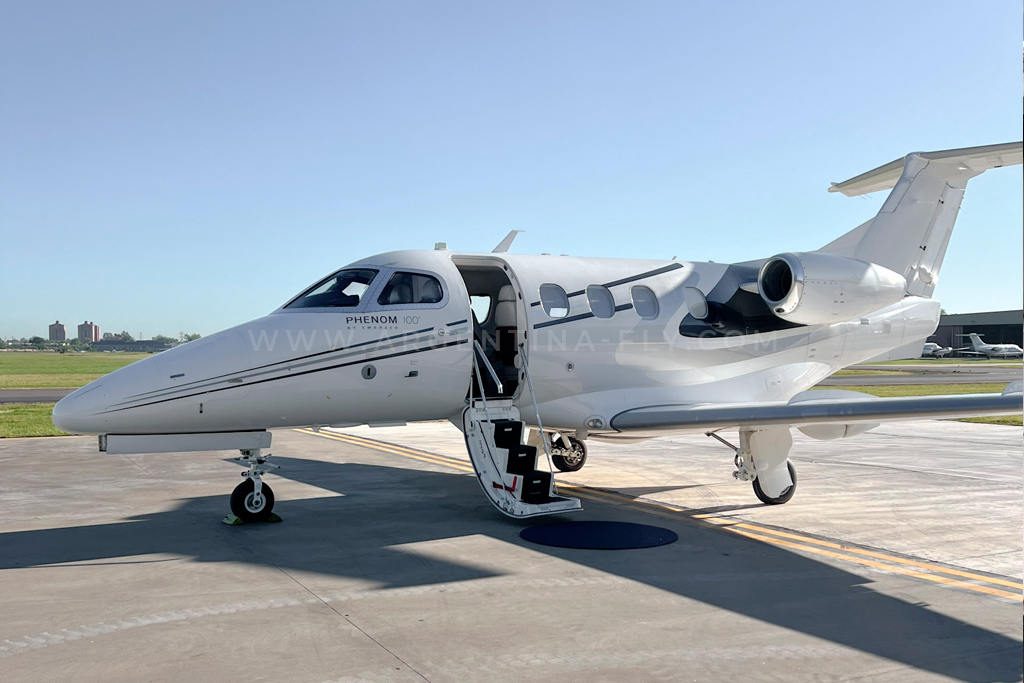
Phenom 100
Light jet · 5 passengers · 0 h 400 h 40flight time
USD 5,800+ VAT 10.5%
Request a quote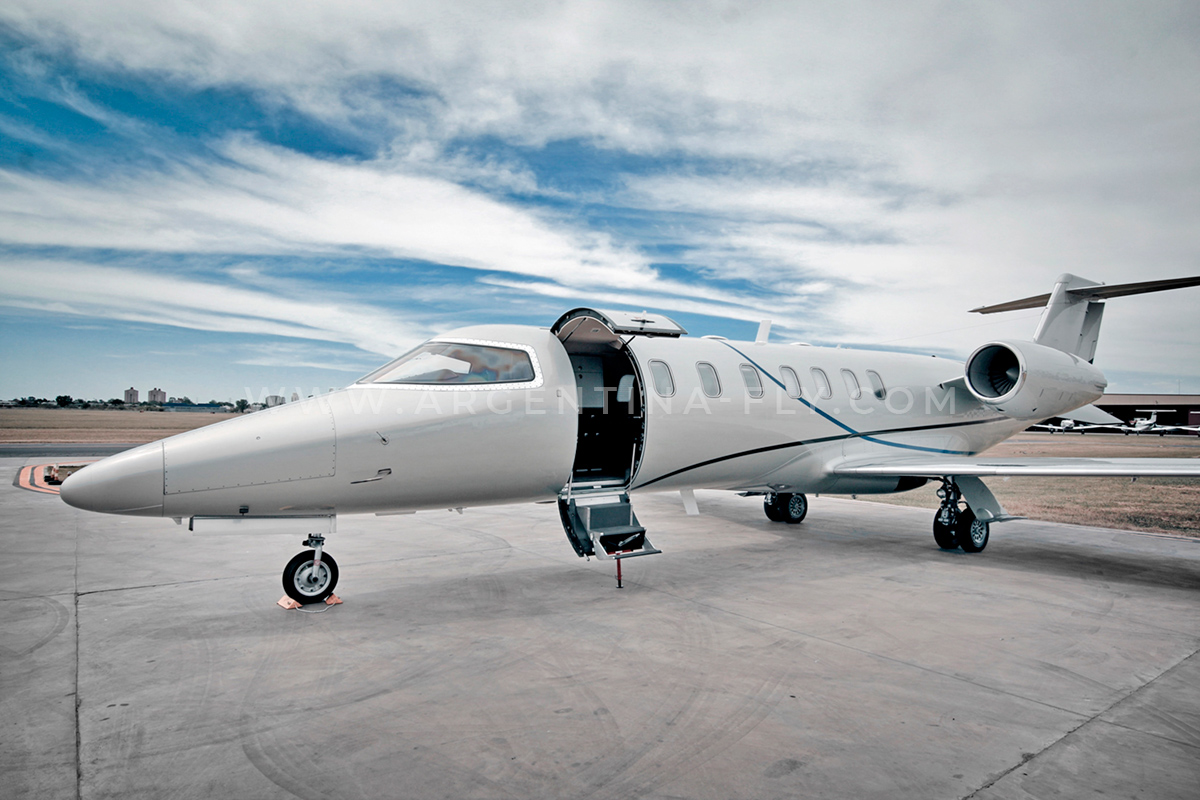
Learjet 40 XR
Light jet · 6 passengers · 0 h 350 h 35flight time
USD 6,100+ VAT 10.5%
Request a quote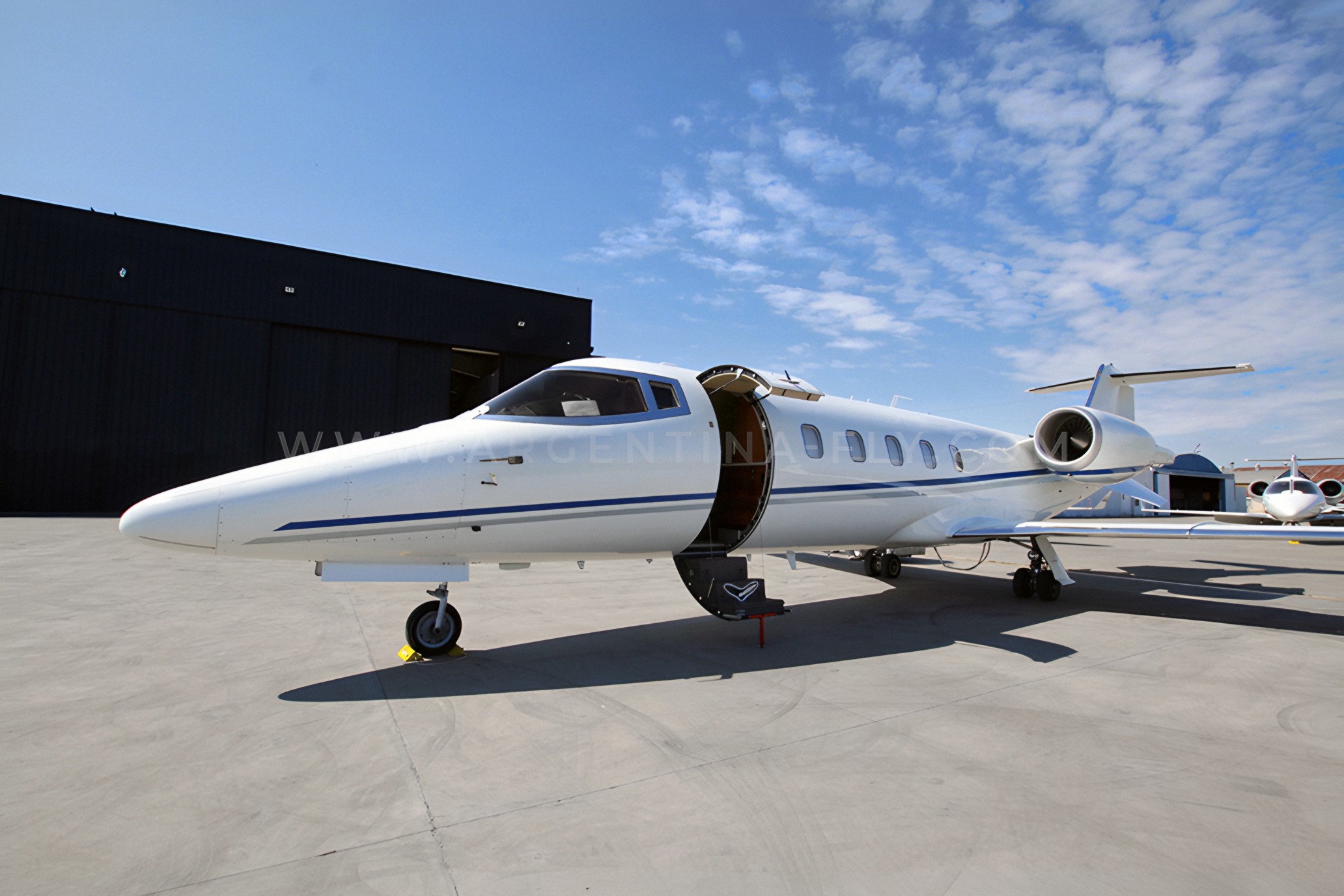
Learjet 60
Midsize jet · 7 passengers · 0 h 35 · 2 options0 h 35flight time
USD 6,300+ VAT 10.5%
Request a quote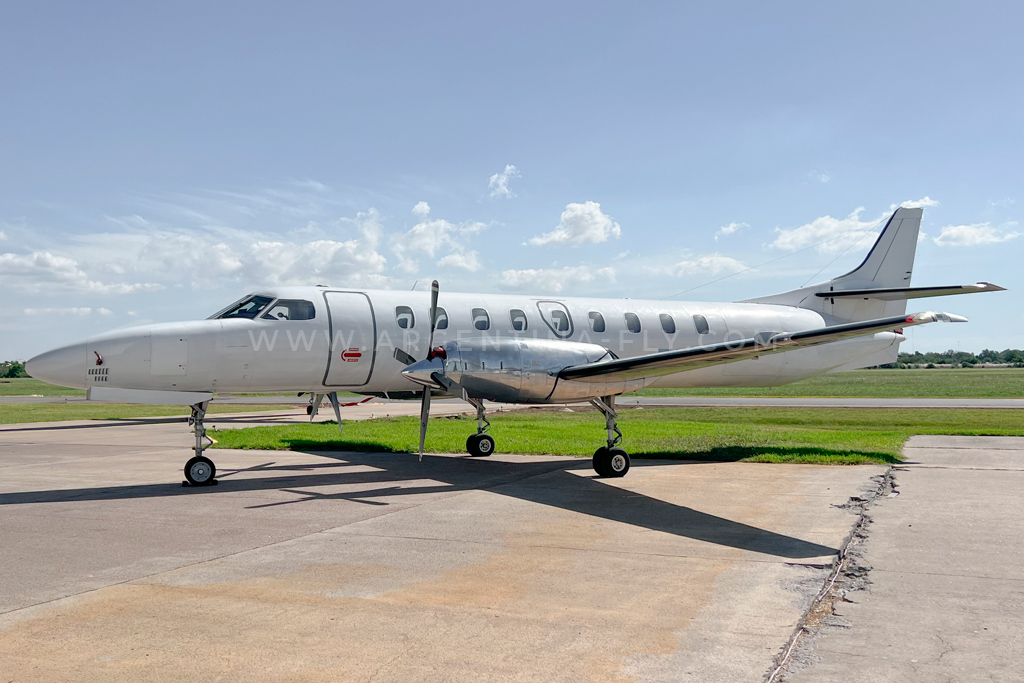
Metro 23
Turboprop · 19 passengers · 0 h 450 h 45flight time
USD 6,500+ VAT 10.5%
Request a quote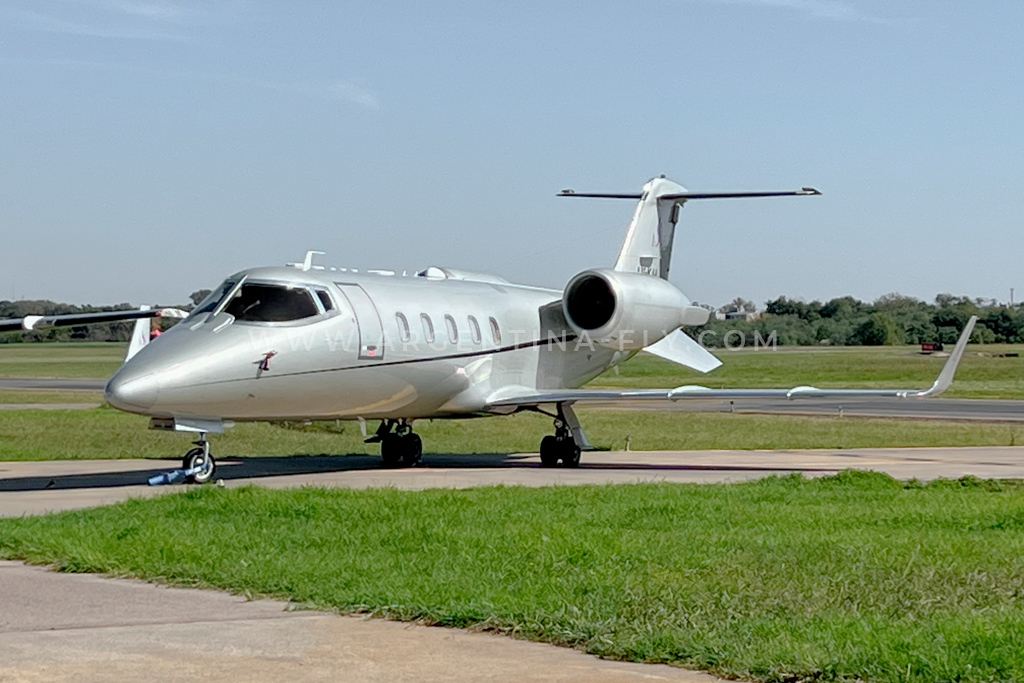
Learjet 60 XR
Midsize jet · 6 passengers · 0 h 350 h 35flight time
USD 6,600+ VAT 10.5%
Request a quote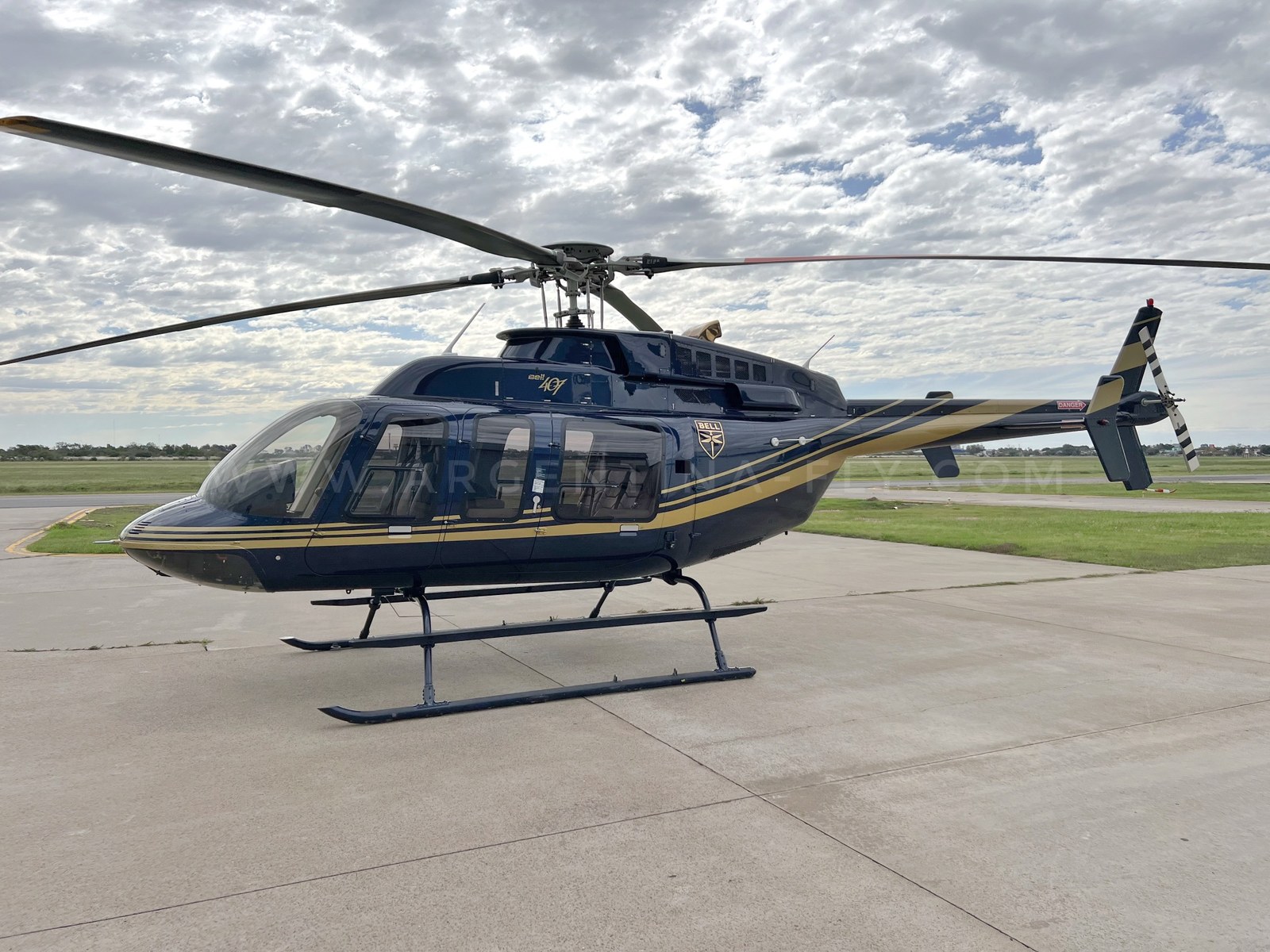
Bell 407
Helicopter · 6 passengers · 1 h 151 h 15flight time
USD 6,700+ VAT 10.5%
Request a quote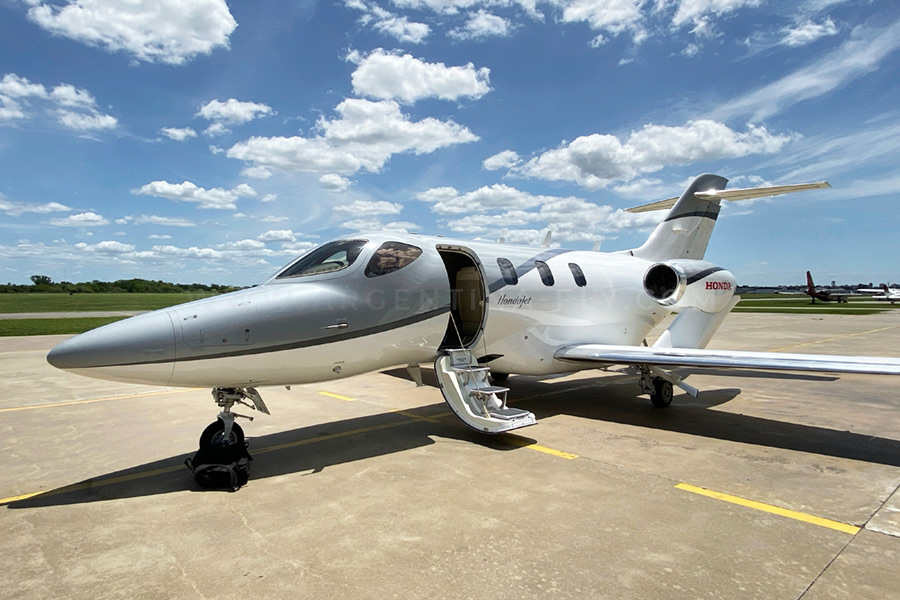
HondaJet
Light jet · 5 passengers · 0 h 400 h 40flight time
USD 7,000+ VAT 10.5%
Request a quote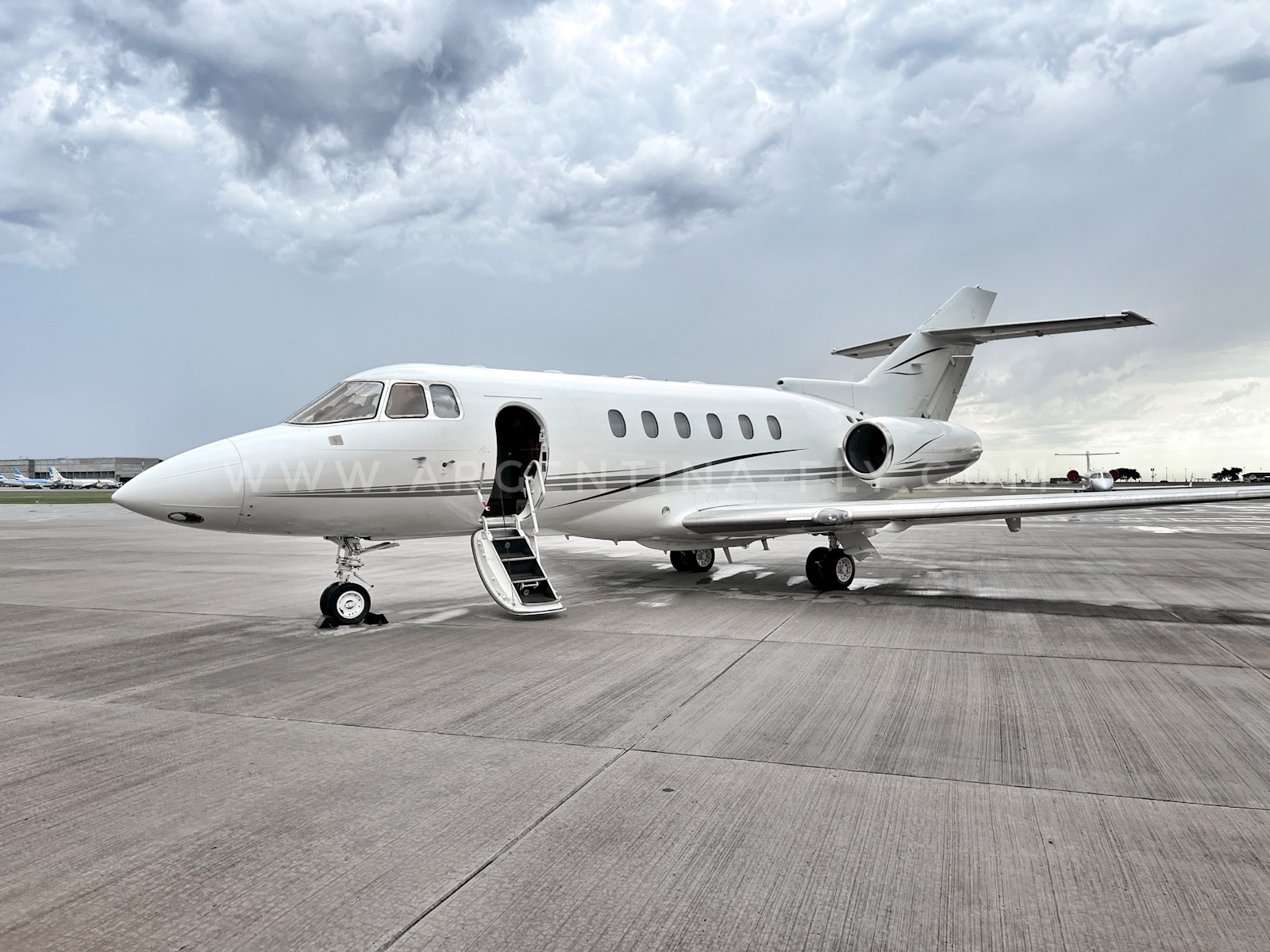
Hawker 800 XP
Midsize jet · 8 passengers · 0 h 350 h 35flight time
USD 7,300+ VAT 10.5%
Request a quote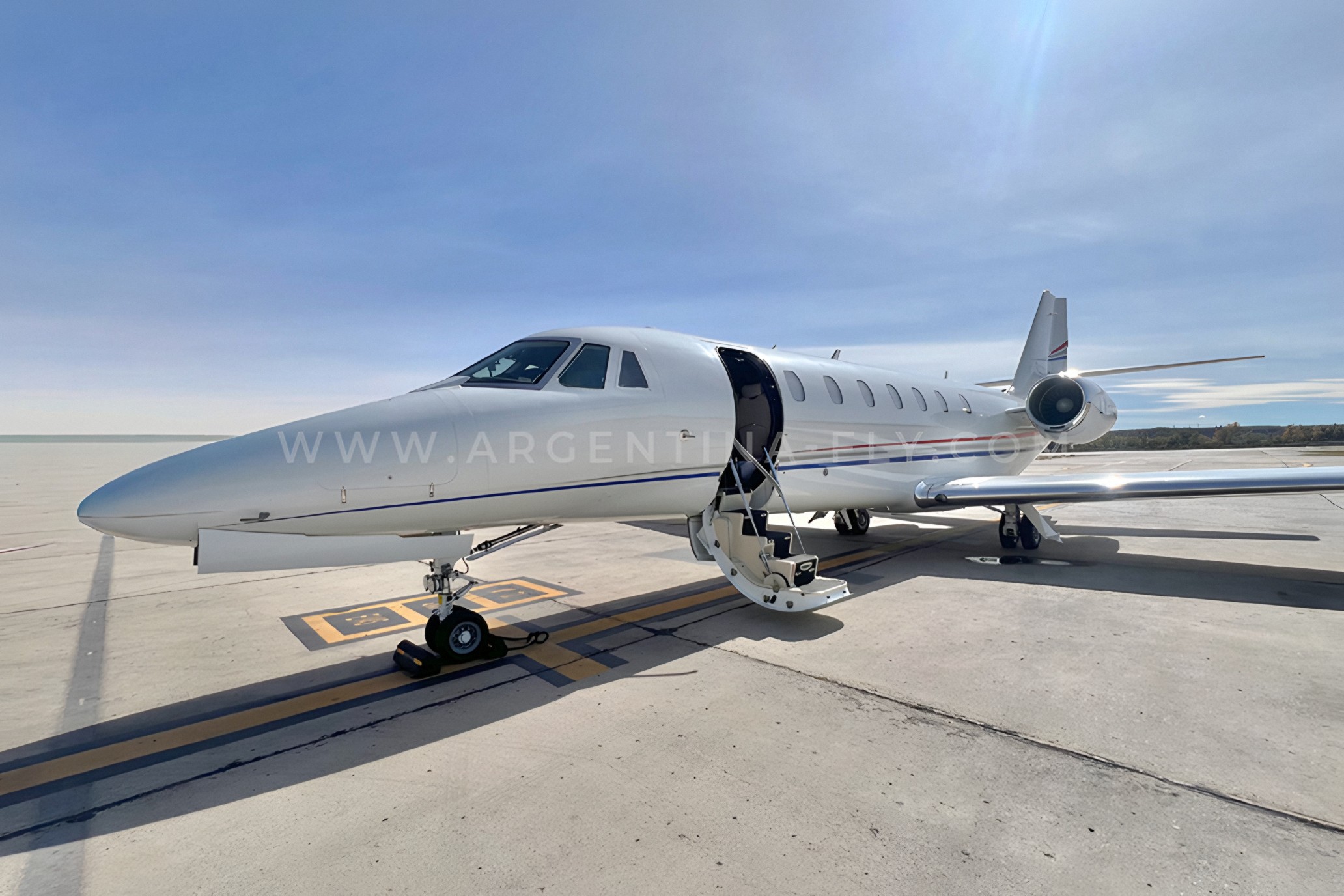
Citation Sovereign
Midsize jet · 8 passengers · 0 h 350 h 35flight time
USD 8,900+ VAT 10.5%
Request a quote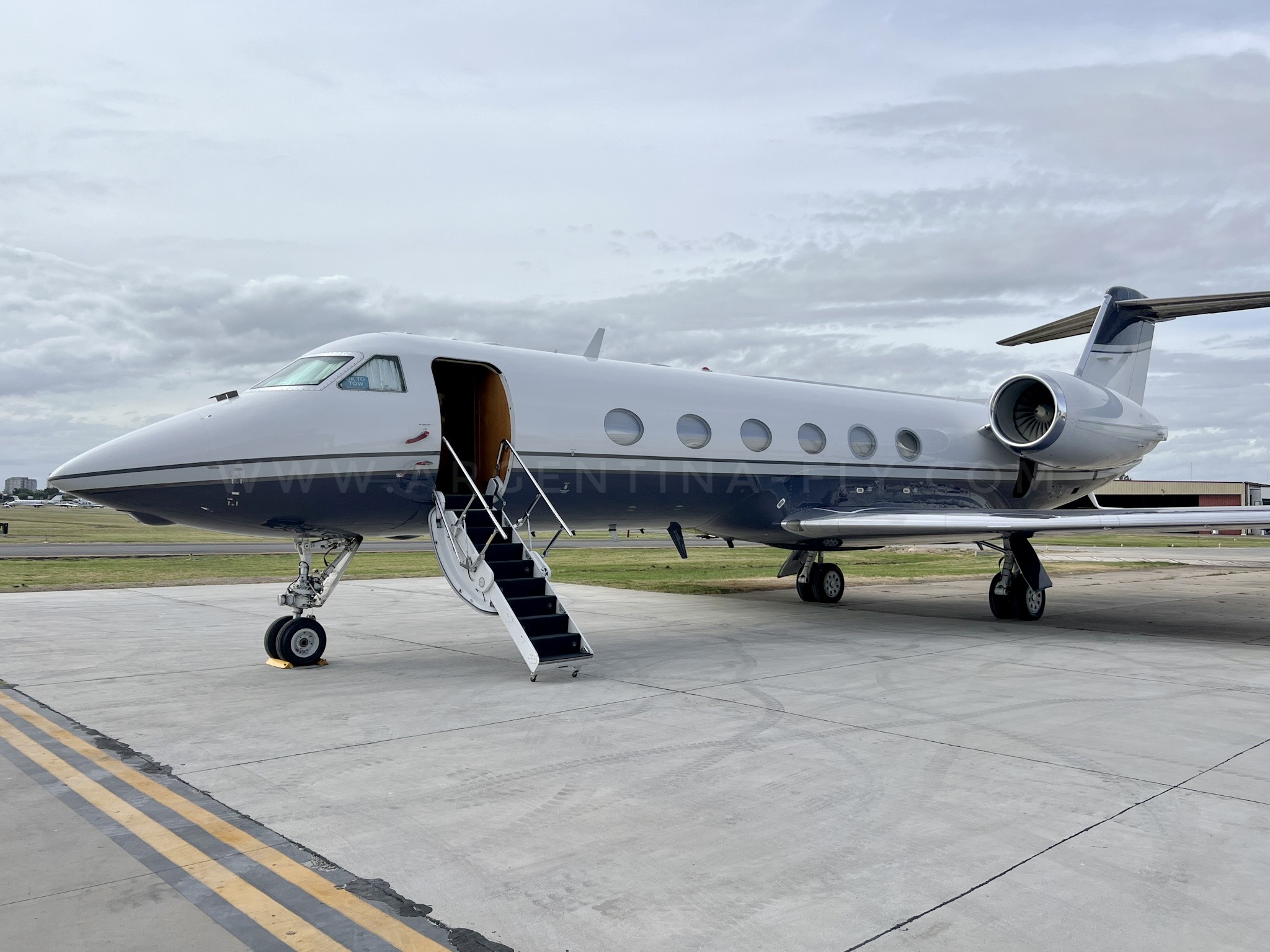
Gulfstream 400
Large jet · 14 passengers · 0 h 350 h 35flight time
USD 14,970+ VAT 10.5%
Request a quote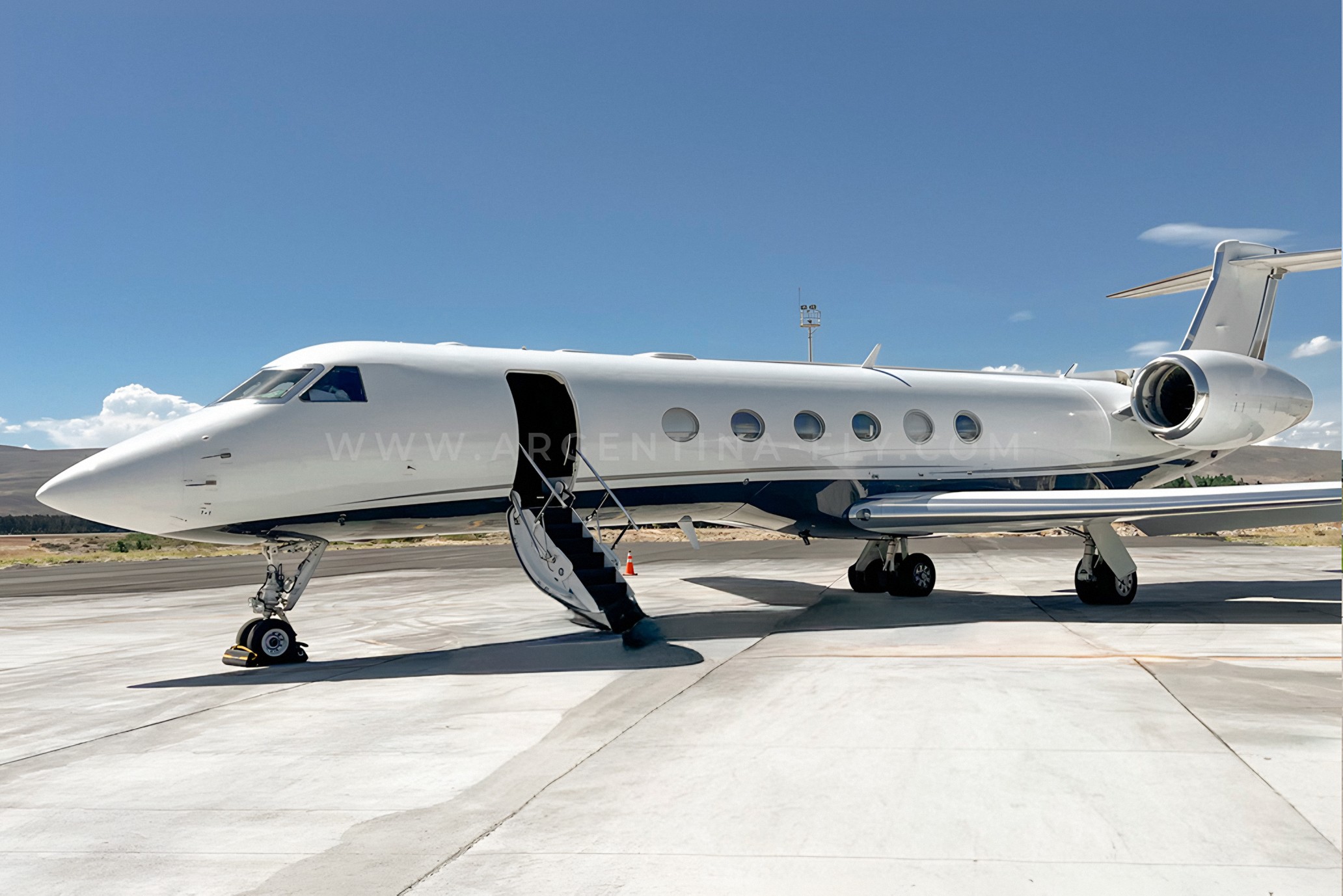
Gulfstream V
Large jet · 14 passengers · 0 h 35 · 2 options0 h 35flight time
USD 15,250+ VAT 10.5%
Request a quote
Route and airfields
Rate conditions
Please read carefully before requesting a quote.
Prices
Reference fares in US dollars (USD), for the entire aircraft. They may vary with aircraft availability and travel dates. For itineraries with several destinations, please request a tailored quote.
Not included
VAT on flights within Argentina, fees abroad on international flights (airport charges, handling and FBO, among others), and special services on request.
Base airport
Fares are calculated for departure from San Fernando (FDO). Departing from Aeroparque (AEP) or Ezeiza (EZE) may change the fare, depending on where each aircraft is based.
Reference fleet
The aircraft displayed are for reference purposes only and may vary depending on operational availability. Contact us to learn about the available options for your trip.
Rate conditions
Please read carefully before requesting your quotation.
Published prices are provided for reference only.
 Prices
Reference fares in US dollars (USD), for the entire aircraft. They may vary with aircraft availability and travel dates. For itineraries with several destinations, please request a tailored quote.
 Not included
VAT on flights within Argentina, fees abroad on international flights (airport charges, handling and FBO, among others), and special services on request.
 Base airport
Fares are calculated for departure from San Fernando (FDO). Departing from Aeroparque (AEP) or Ezeiza (EZE) may change the fare, depending on where each aircraft is based.
 Reference fleet
The aircraft displayed are for reference purposes only and may vary depending on operational availability. Contact us to learn about the available options for your trip.
Need a personalized quotation?
Request quotation
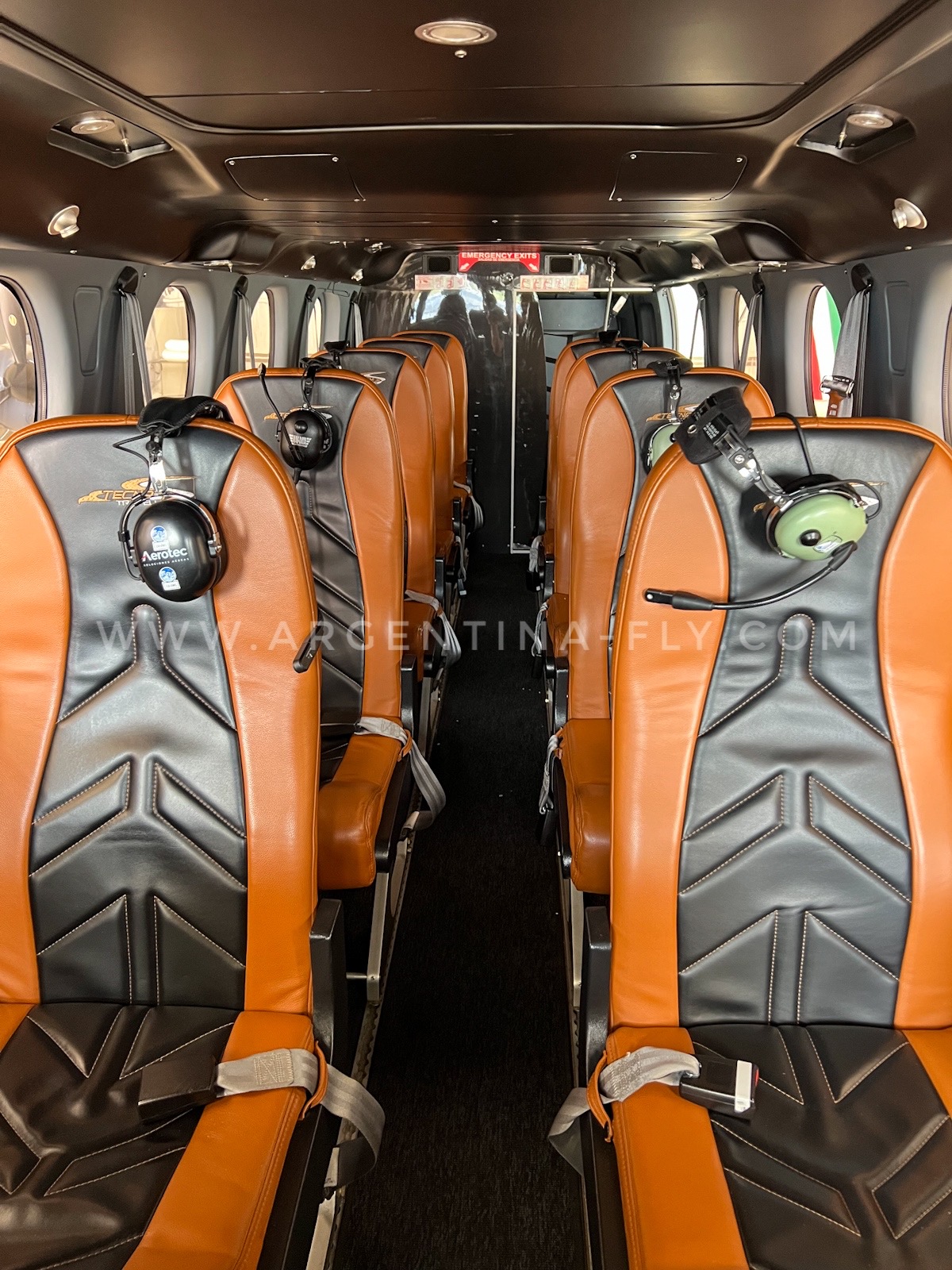
Tecnam Traveller
High-capacity twin-engine aircraft, ideal for group transfers with up to 9 passengers.
 Capacity
9 passengers
 Lavatory
Not available
 Cabin
Non-pressurized
 Luggage
Moderate
 Wi-Fi
Not available

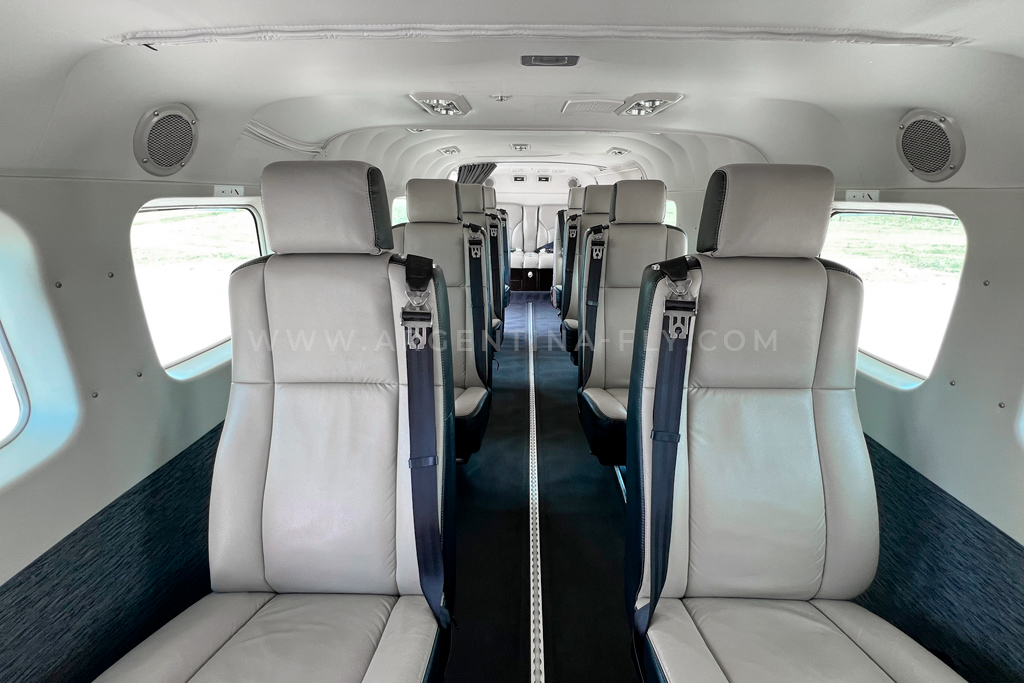
Cessna Grand Caravan
Versatile turboprop with generous payload capacity and a comfortable cabin, ideal for groups and flights to destinations with short runways.
Capacity
9 passengers
Lavatory
Not available
Cabin
Non-pressurized
Luggage
Moderate
Wi-Fi
Portable Starlink
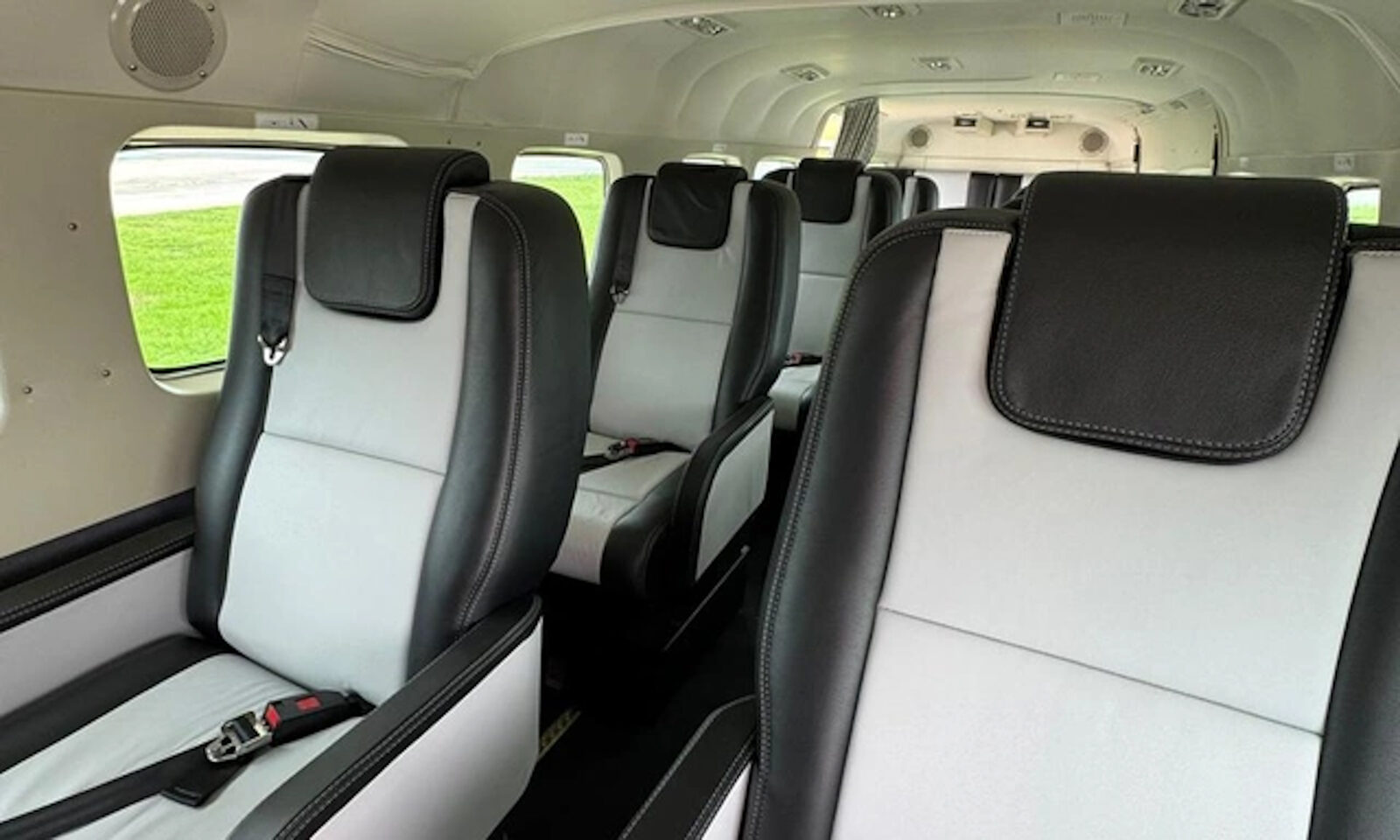
Cessna Grand Caravan Ex
Versatile turboprop with generous payload capacity and a comfortable cabin, ideal for groups and flights to destinations with short runways.
Capacity
9 passengers
Lavatory
Not available
Cabin
Not pressurized
Luggage
Standard
Wi-Fi
Portable Starlink
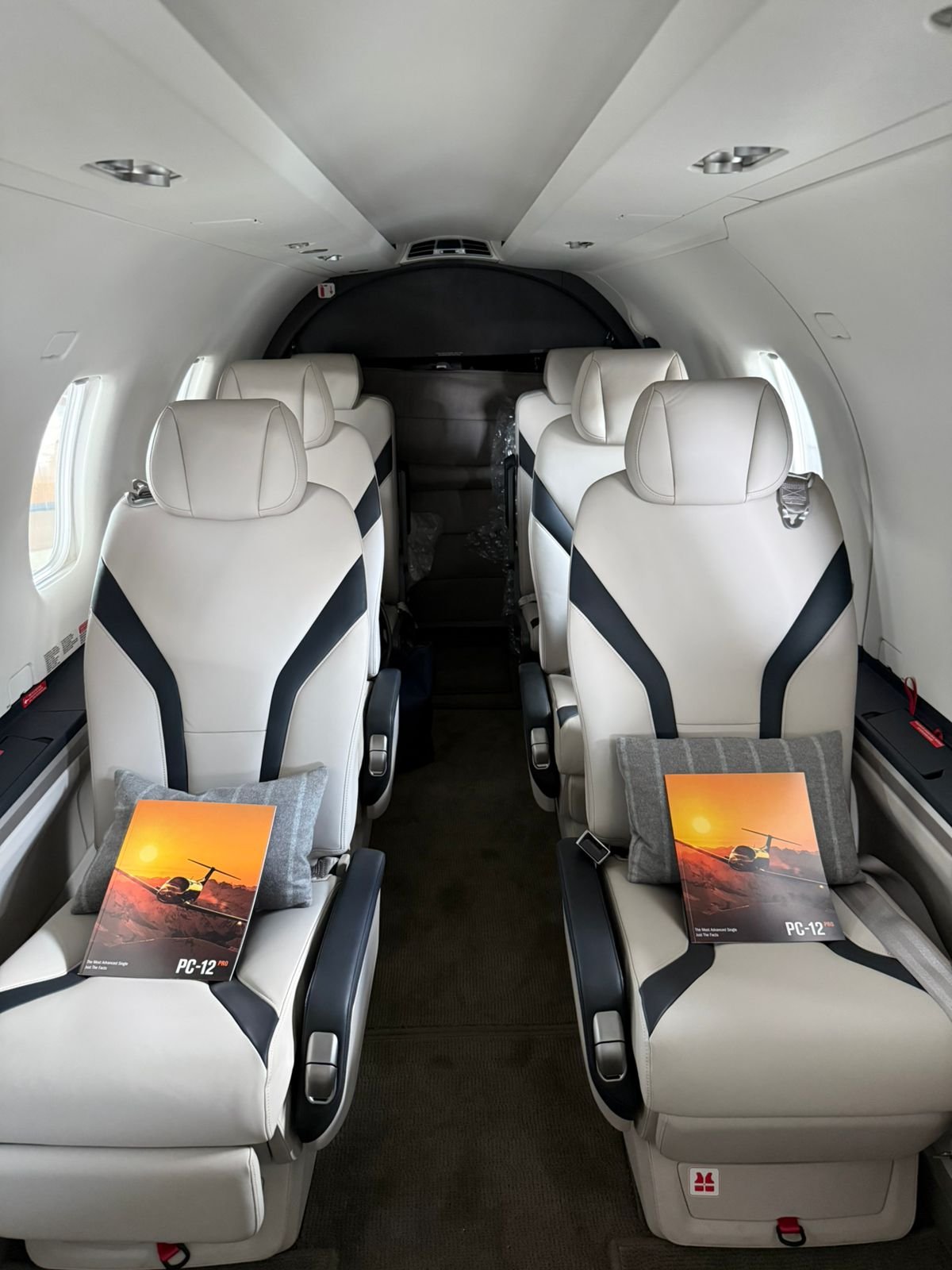
Pilatus PC12 Pro
High-performance single-engine turboprop in executive configuration, with a spacious cabin and latest-generation technology.
Capacity
8 passengers
Lavatory
Not available
Cabin
Pressurized
Luggage
Standard
Wi-Fi
Portable Starlink
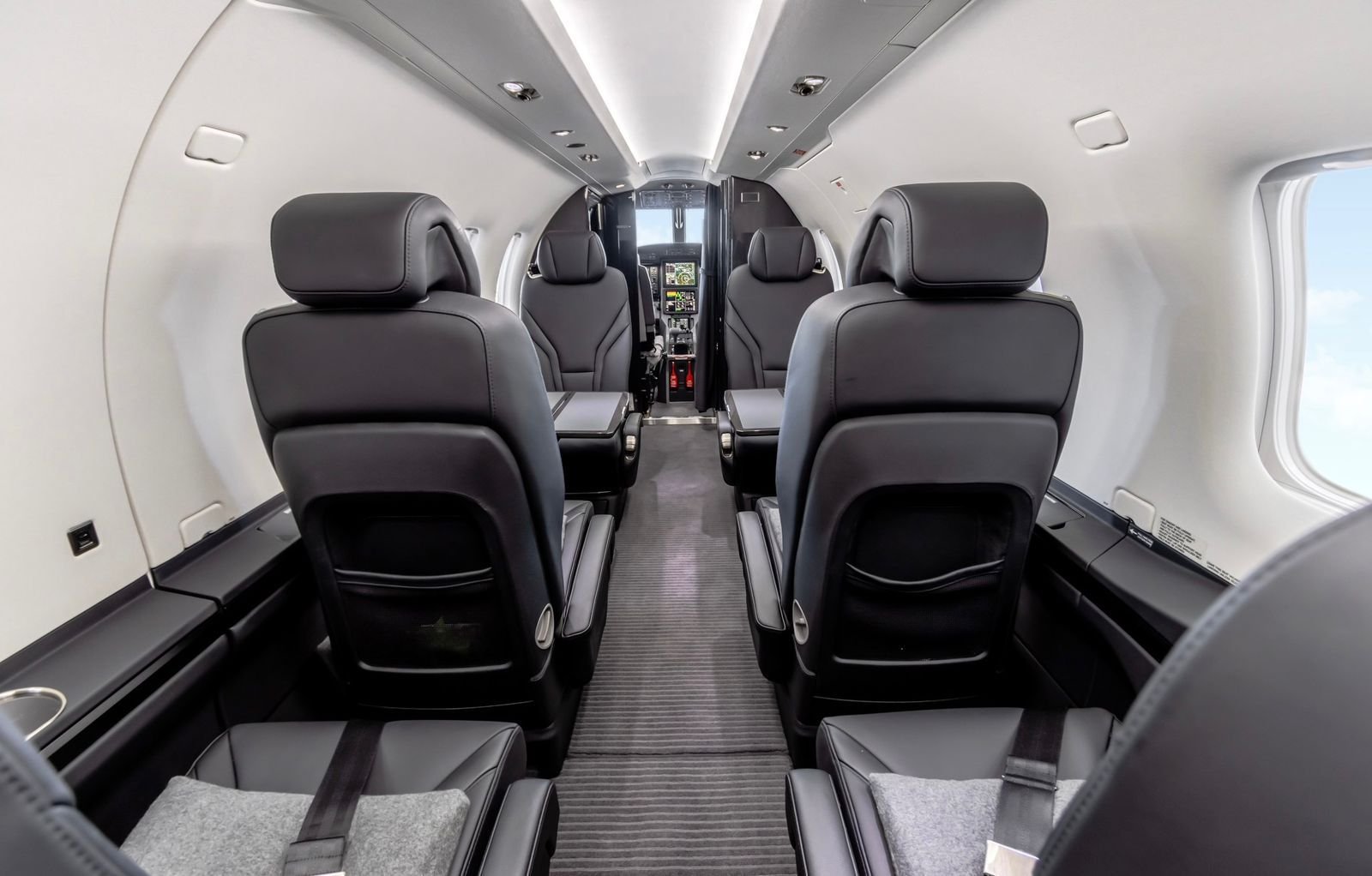
Pilatus PC-12
High-performance single-engine turboprop in executive configuration, with a spacious cabin and latest-generation technology.
Capacity
8 passengers
Lavatory
Not available
Cabin
Pressurized
Luggage
Standard
Wi-Fi
Portable Starlink
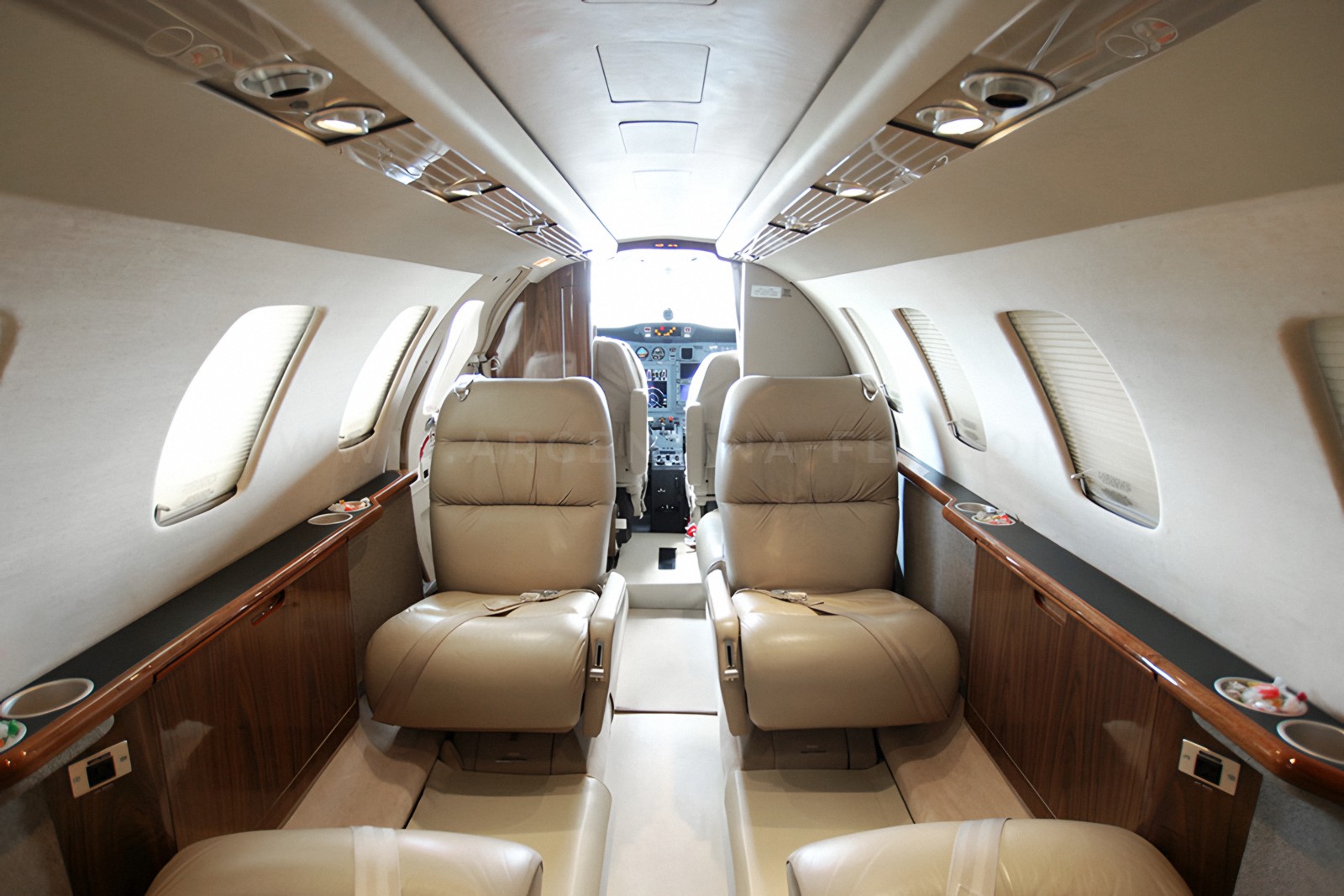
Citation CJ1
Compact light jet with excellent fuel efficiency, perfect for short-range executive flights.
Capacity
5 passengers
Lavatory
Not available
Cabin
Pressurized
Luggage
Moderate
Wi-Fi
Not available
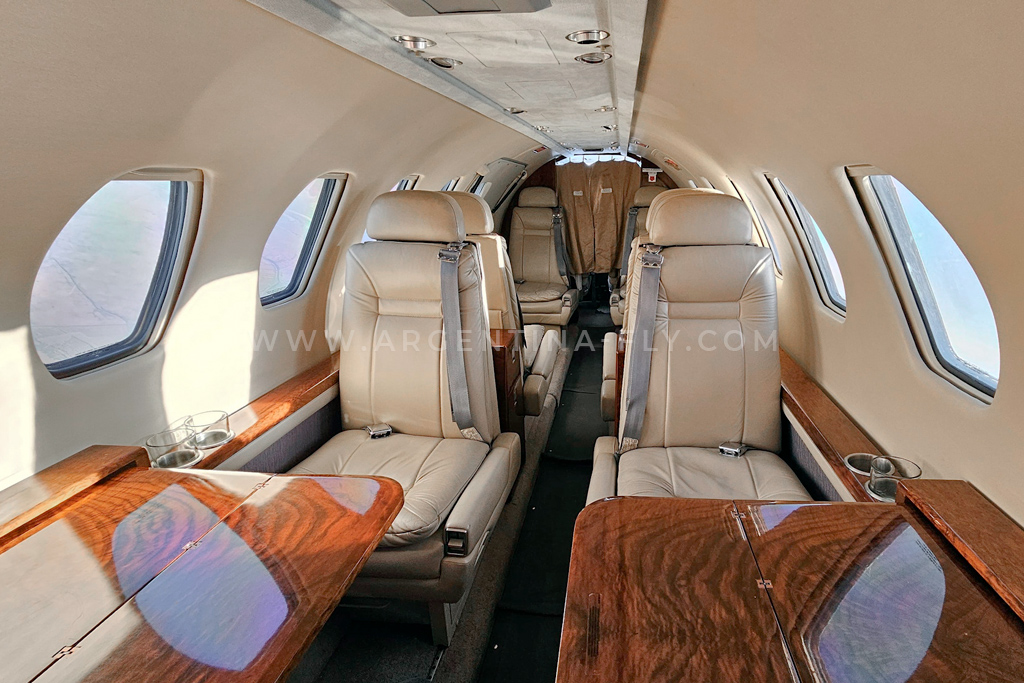
Citation V
Light jet with a comfortable cabin for up to 8 passengers and strong regional range.
Capacity
8 passengers
Lavatory
Not available
Cabin
Pressurized
Luggage
Moderate
Wi-Fi
Portable Starlink
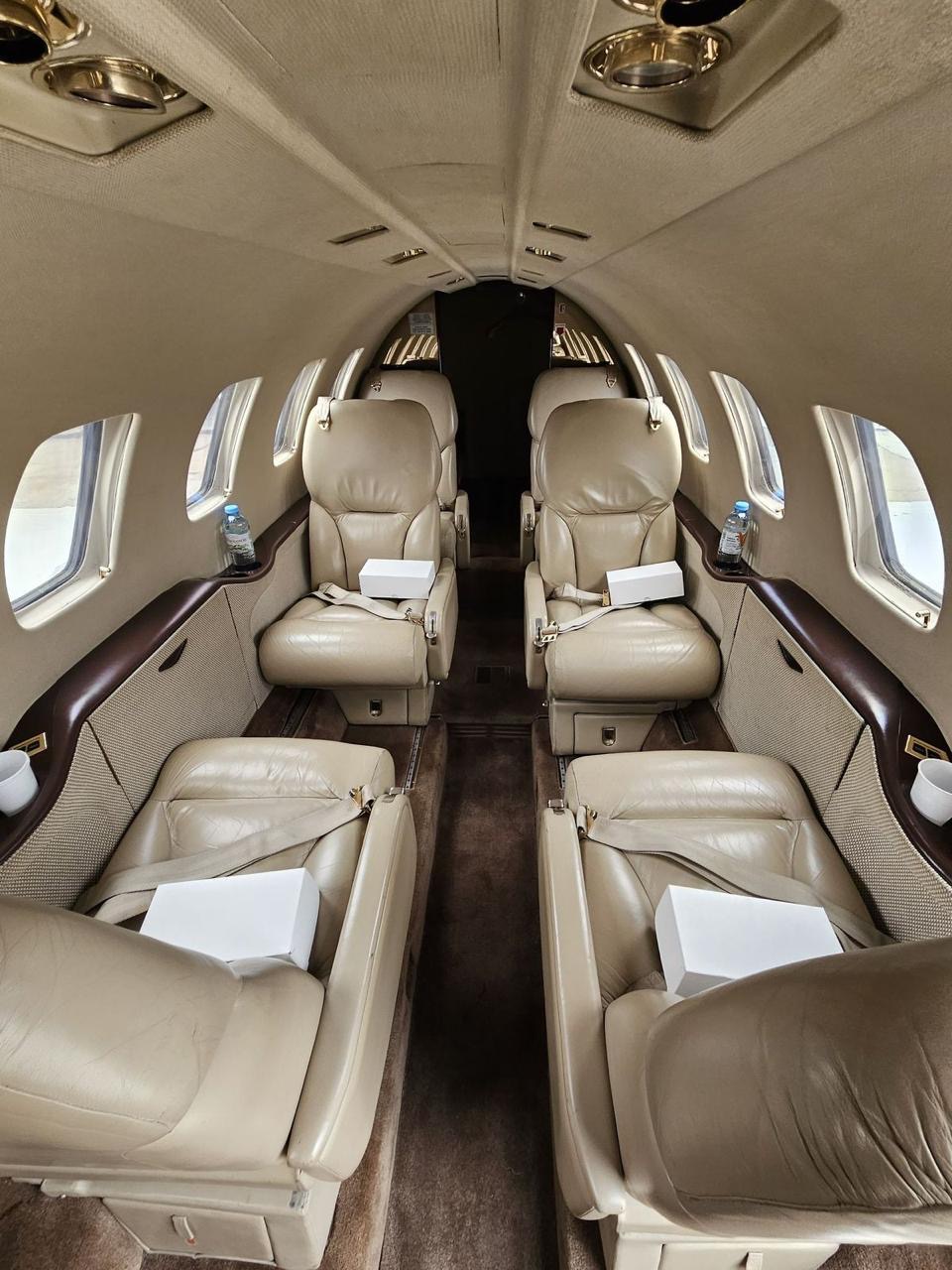
Citation Bravo
Classic light jet with a pressurized cabin, reliable and versatile for regional trips and short runways.
Capacity
7 passengers
Lavatory
Not available
Cabin
Pressurized
Luggage
Standard
Wi-Fi
Not available
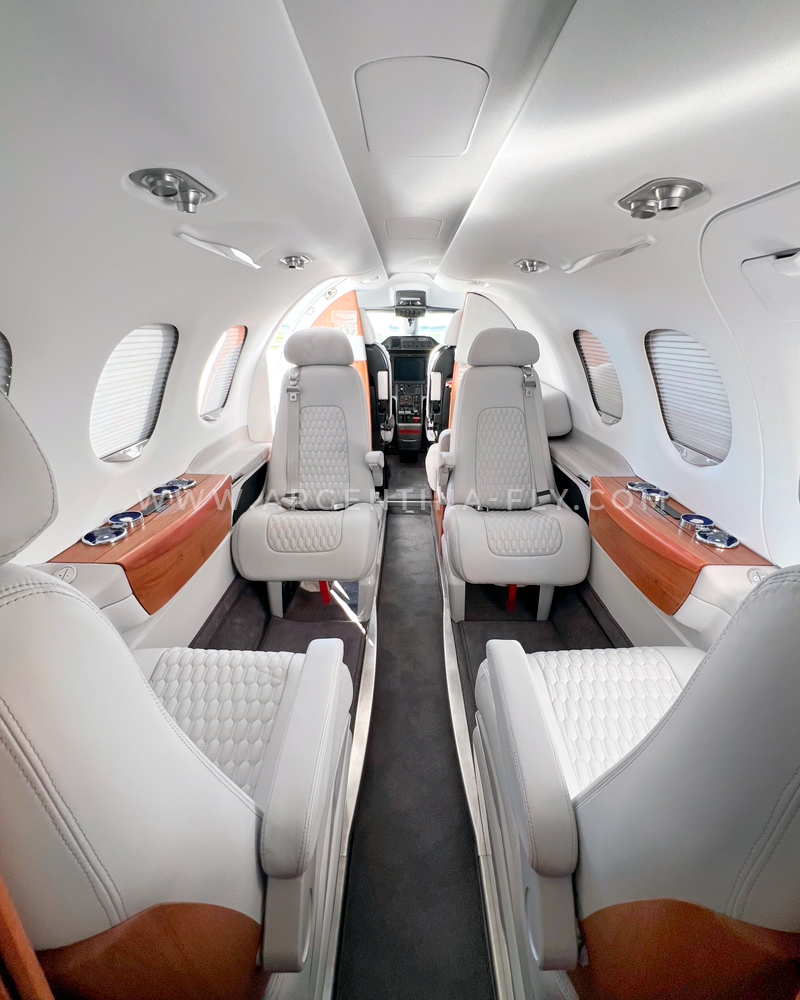
Phenom 100
Light jet ideal for short and medium sectors, with excellent cabin comfort and operating efficiency.
Capacity
5 passengers
Lavatory
Yes
Cabin
Pressurized
Luggage
Moderate
Wi-Fi
Portable Starlink
 Safety certifications
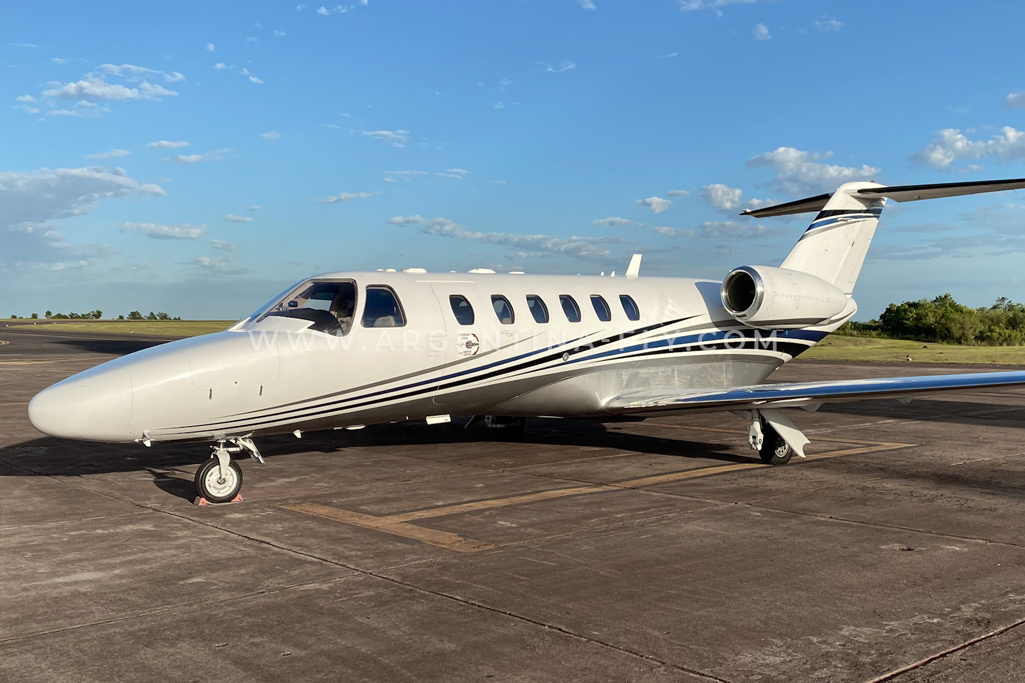
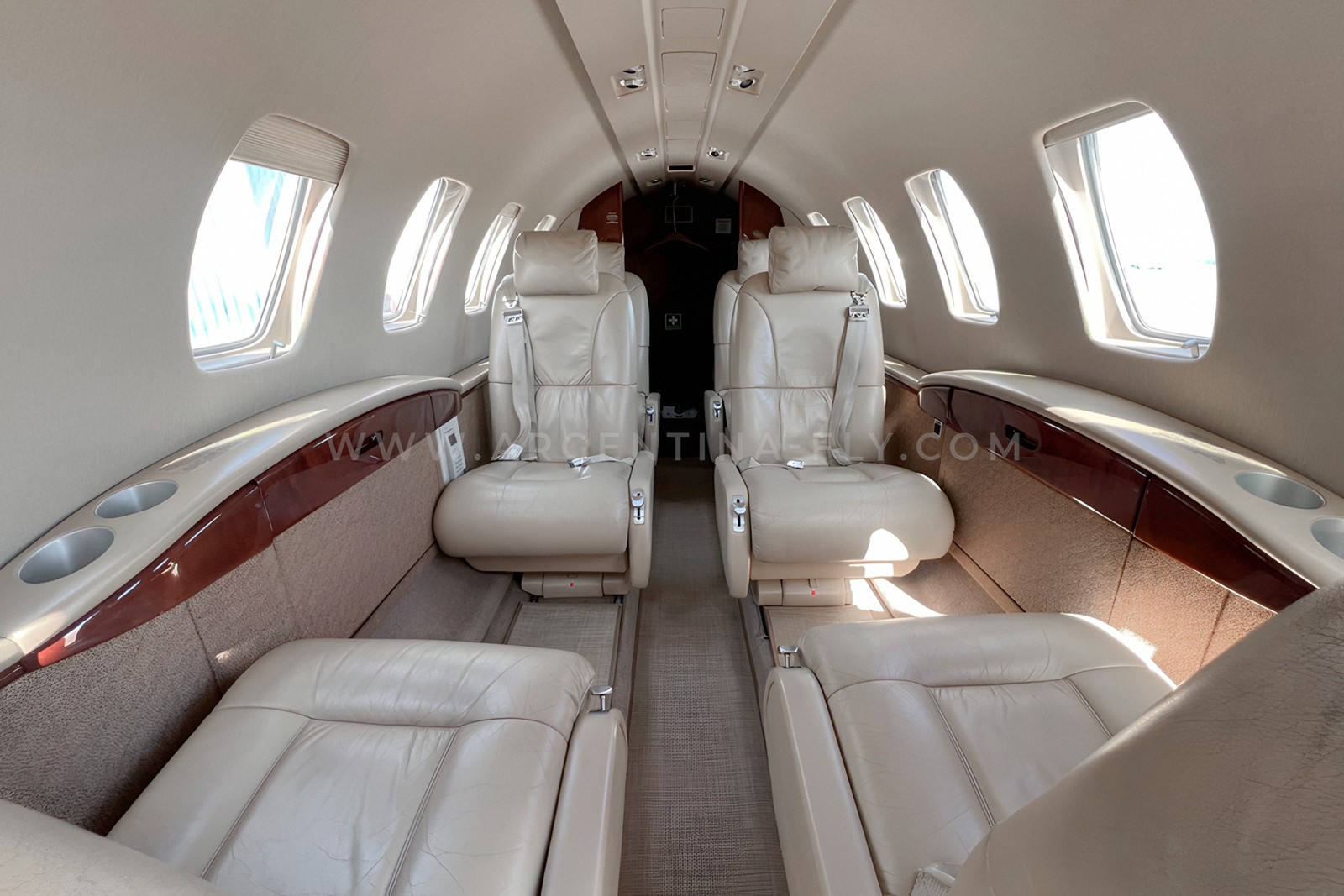
Citation CJ2
Light jet with greater range than the CJ1, offering an excellent balance between cost and executive performance.
Capacity
6 passengers
Lavatory
Not available
Cabin
Pressurized
Luggage
Moderate
Wi-Fi
Not available
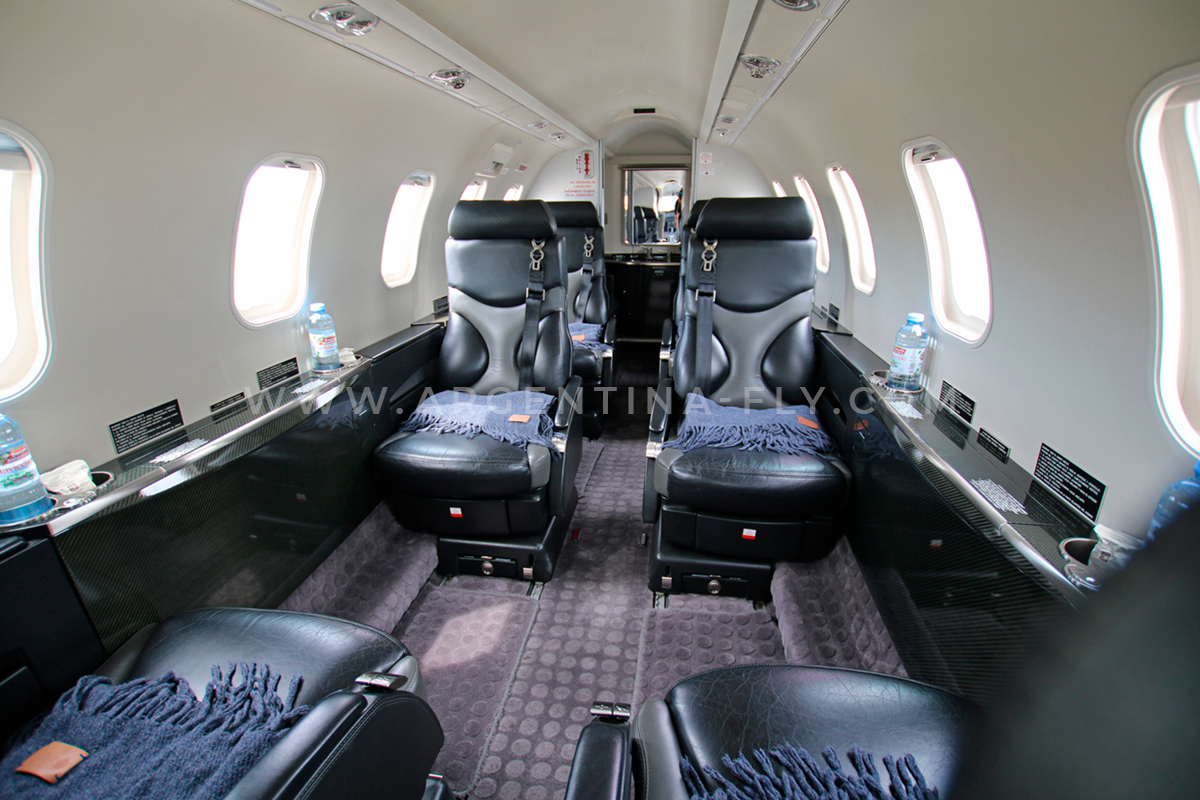
Learjet 40 XR
Light jet with a strong balance of speed and range, featuring a comfortable and modern executive cabin.
Capacity
6 passengers
Lavatory
Yes
Cabin
Pressurized
Luggage
Moderate
Wi-Fi
Not available
Safety certifications
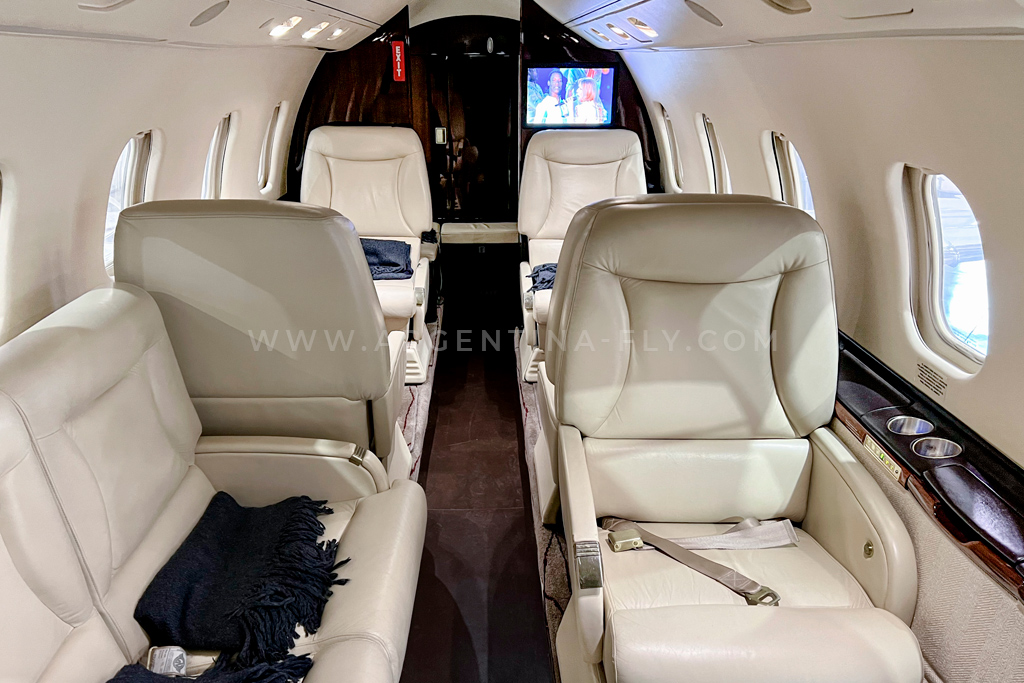
Learjet 60
Midsize jet with a spacious cabin and excellent cruise speed, one of the most requested options for executive flights.
Capacity
7 passengers
Lavatory
Yes
Cabin
Pressurized
Luggage
Moderate
Wi-Fi
Portable Starlink
Safety certifications
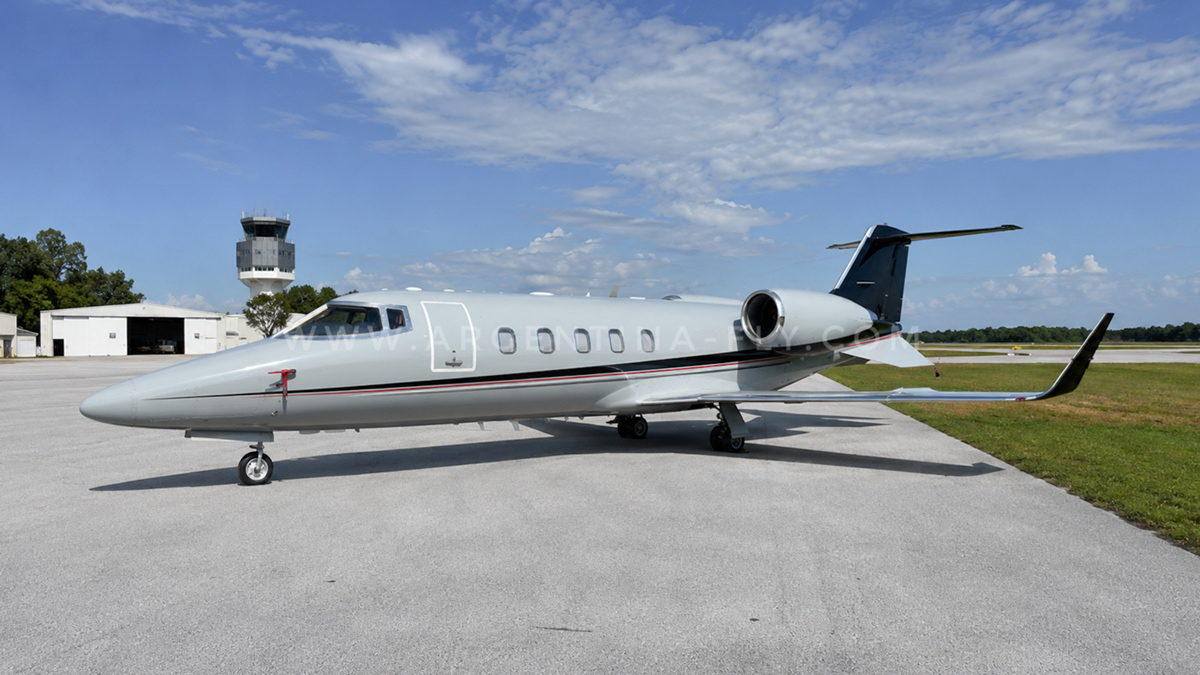
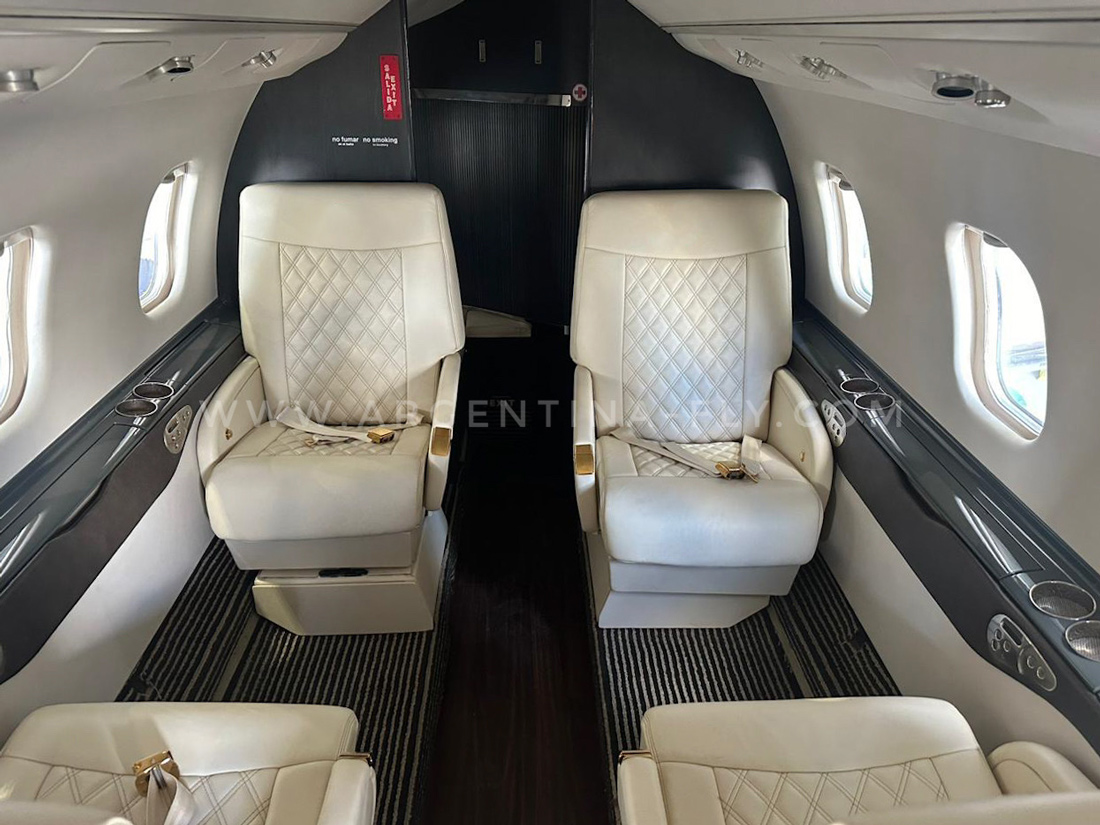
Learjet 60
Midsize jet with a spacious cabin and excellent cruise speed, one of the most requested options for executive flights.
Capacity
7 passengers
Lavatory
Yes
Cabin
Pressurized
Luggage
Standard
Wi-Fi
Not available
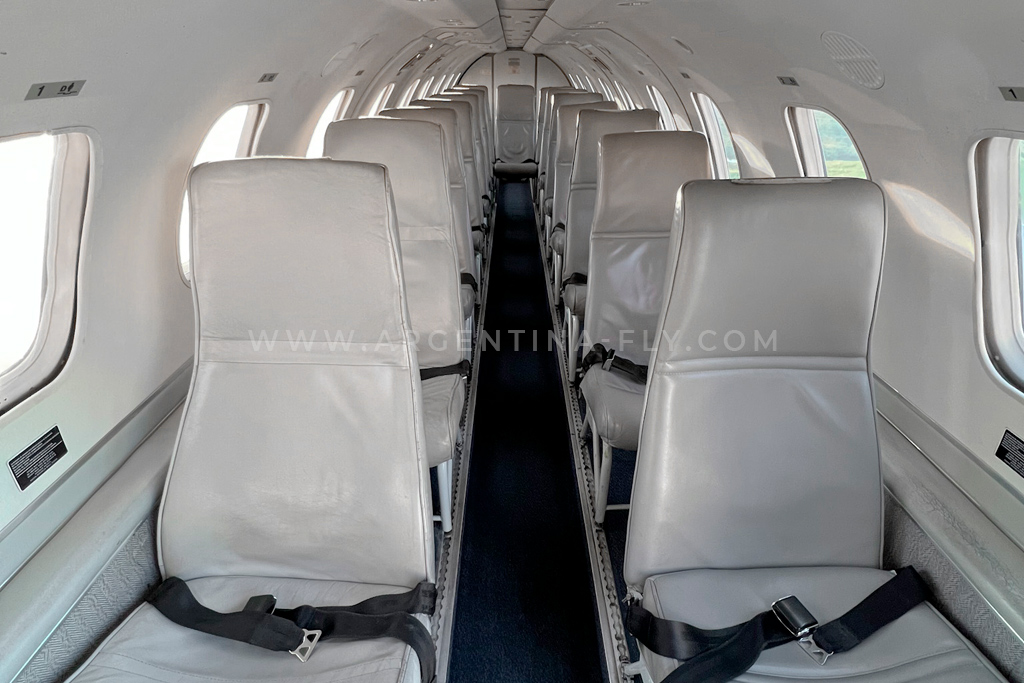
Metro 23
Pressurized regional aircraft with greater capacity, ideal for larger groups and destinations with paved runways.
Capacity
19 passengers
Lavatory
Not available
Cabin
Pressurized
Luggage
Moderate
Wi-Fi
Not available
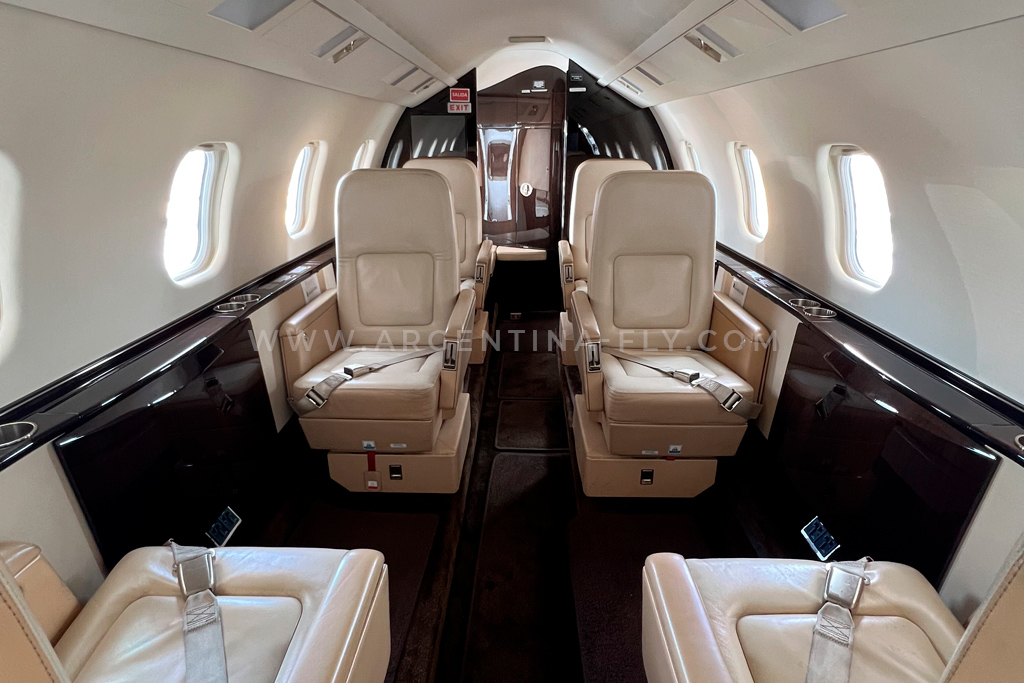
Learjet 60 XR
Enhanced version offering greater range and efficiency while maintaining the speed and comfort of the Learjet 60.
Capacity
6 passengers
Lavatory
Yes
Cabin
Pressurized
Luggage
Moderate
Wi-Fi
Not available
Safety certifications
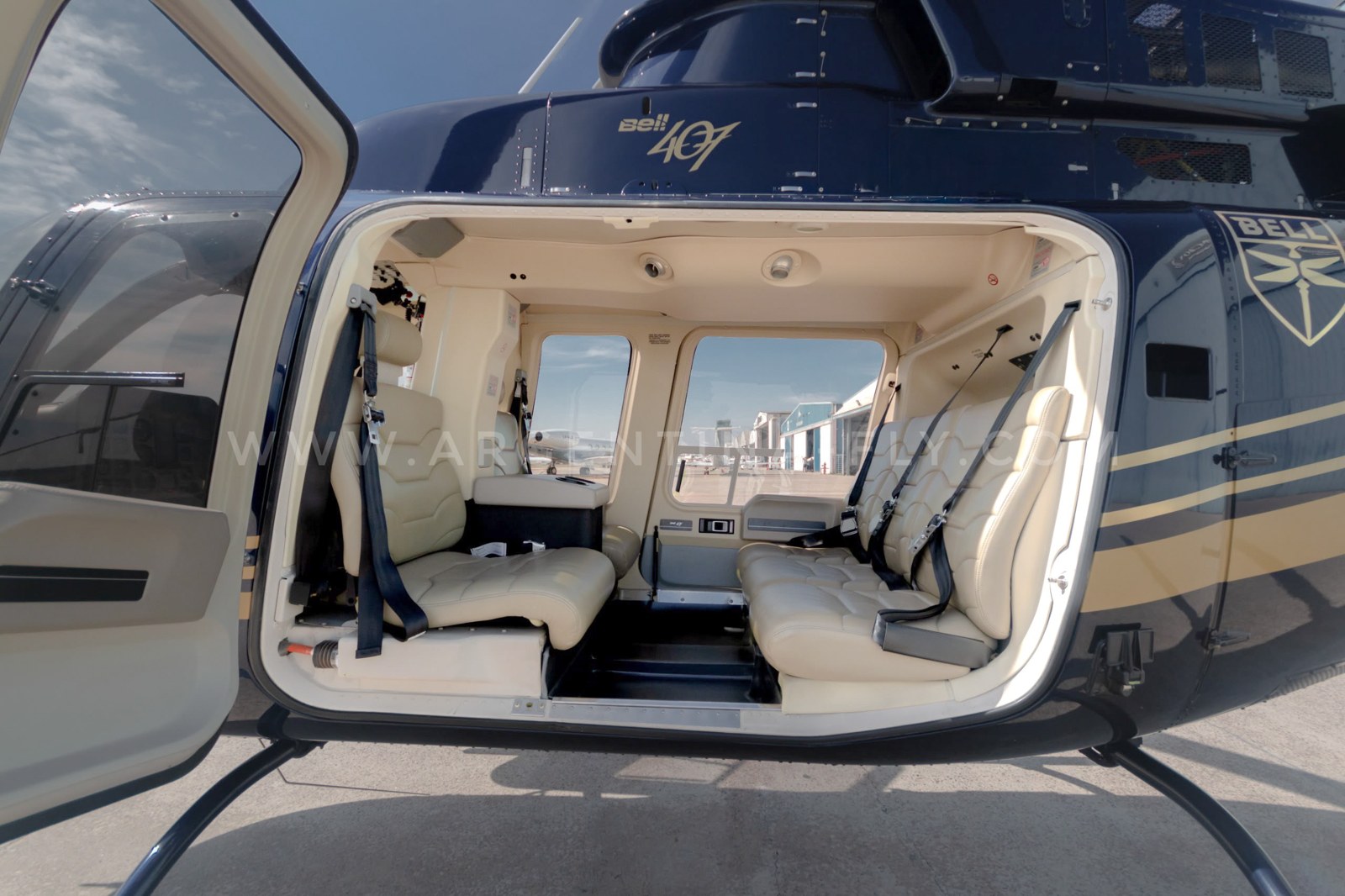
Bell 407
Single-engine helicopter for up to 6 passengers, with a five-seat cabin and a double door.
Capacity
6 passengers
Lavatory
Not available
Cabin
Not pressurized
Luggage
Compact
Wi-Fi
Not available
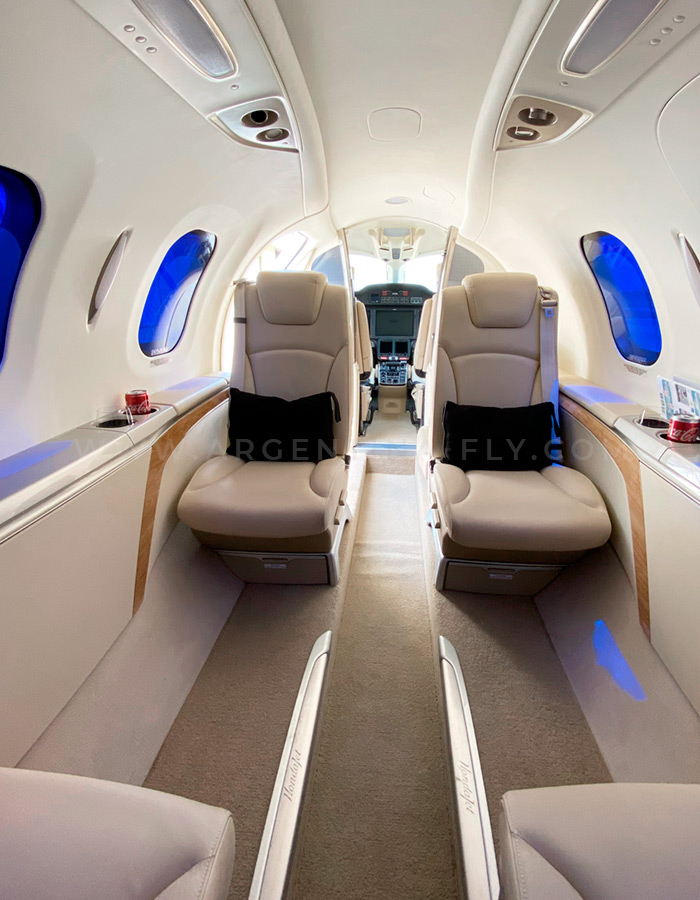
HondaJet
Next-generation light jet with over-the-wing engines, offering an excellent balance between efficiency and executive comfort.
Capacity
5 passengers
Lavatory
Yes
Cabin
Pressurized
Luggage
Moderate
Wi-Fi
Not available
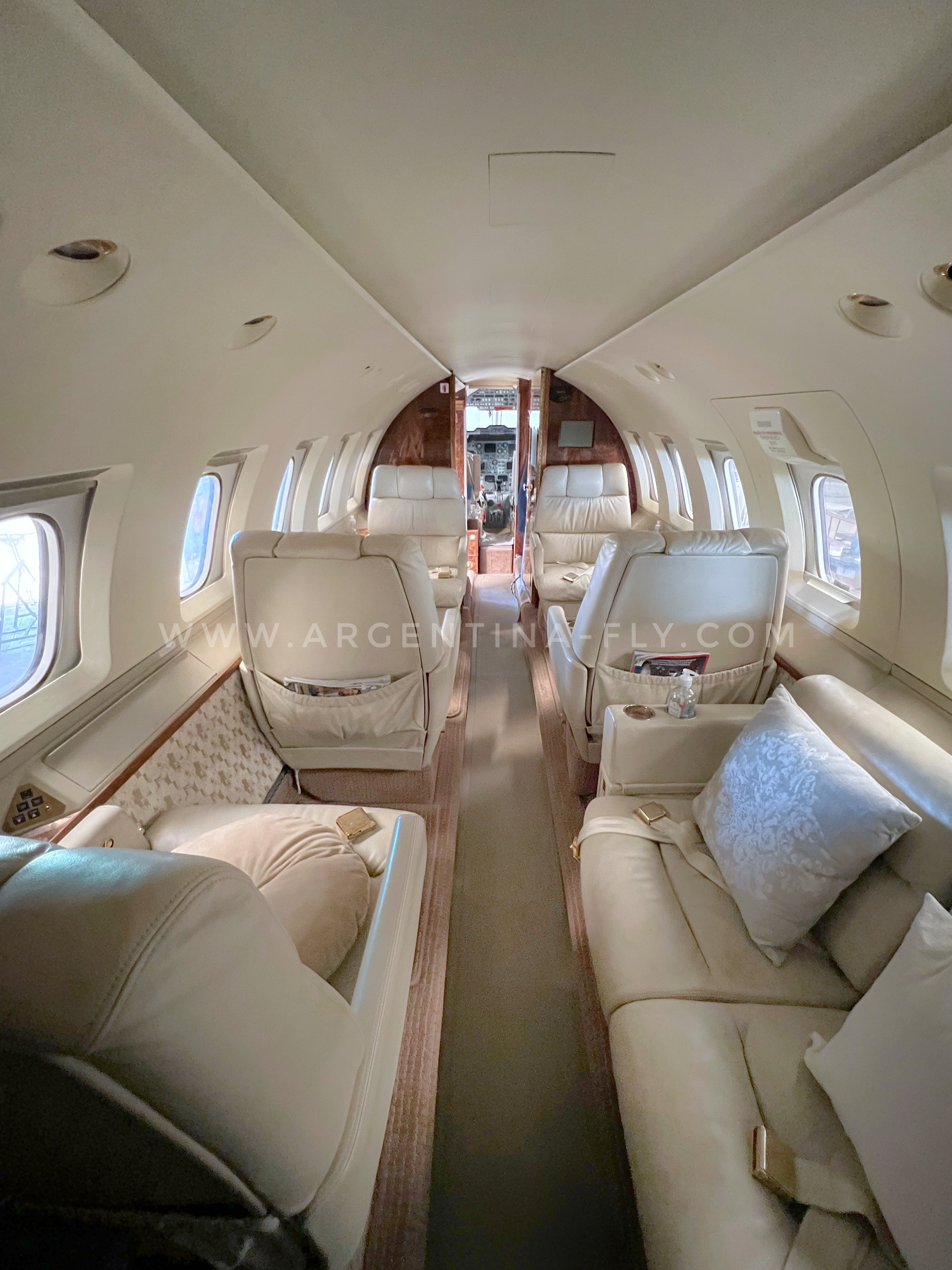
Hawker 800 XP
Midsize jet with a spacious cabin and excellent range, ideal for regional and medium-haul international flights.
Capacity
8 passengers
Lavatory
Yes
Cabin
Pressurized
Luggage
Moderate
Wi-Fi
Portable Starlink
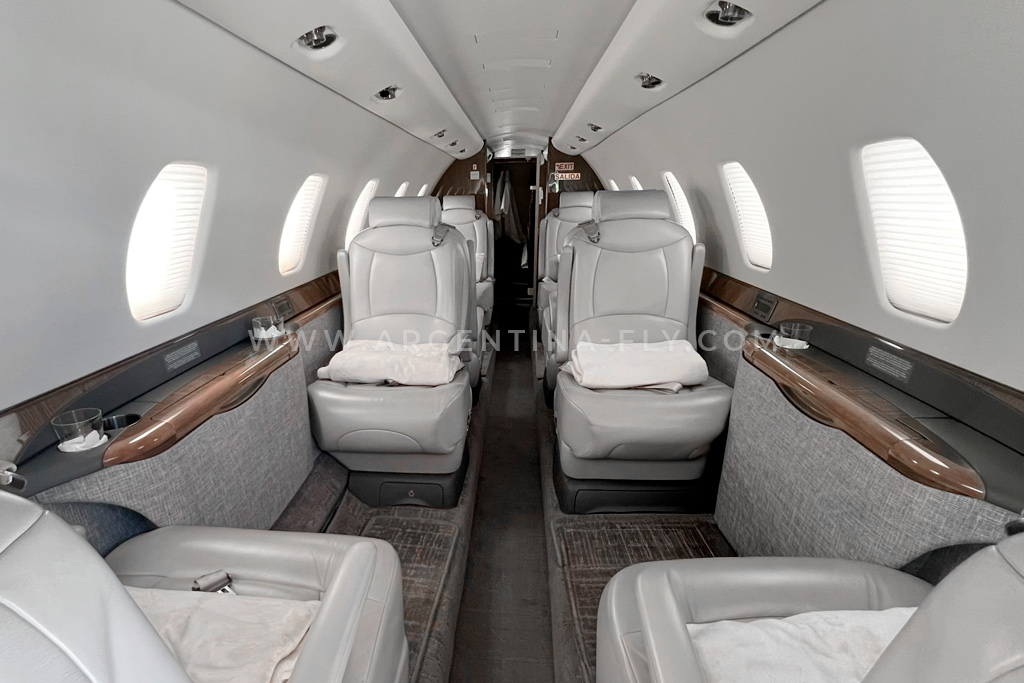
Citation Sovereign
Midsize jet with a spacious cabin, greater range and premium equipment for demanding passengers.
Capacity
8 passengers
Lavatory
Yes
Cabin
Pressurized
Luggage
Generous
Wi-Fi
Portable Starlink (extra cost)
Safety certifications
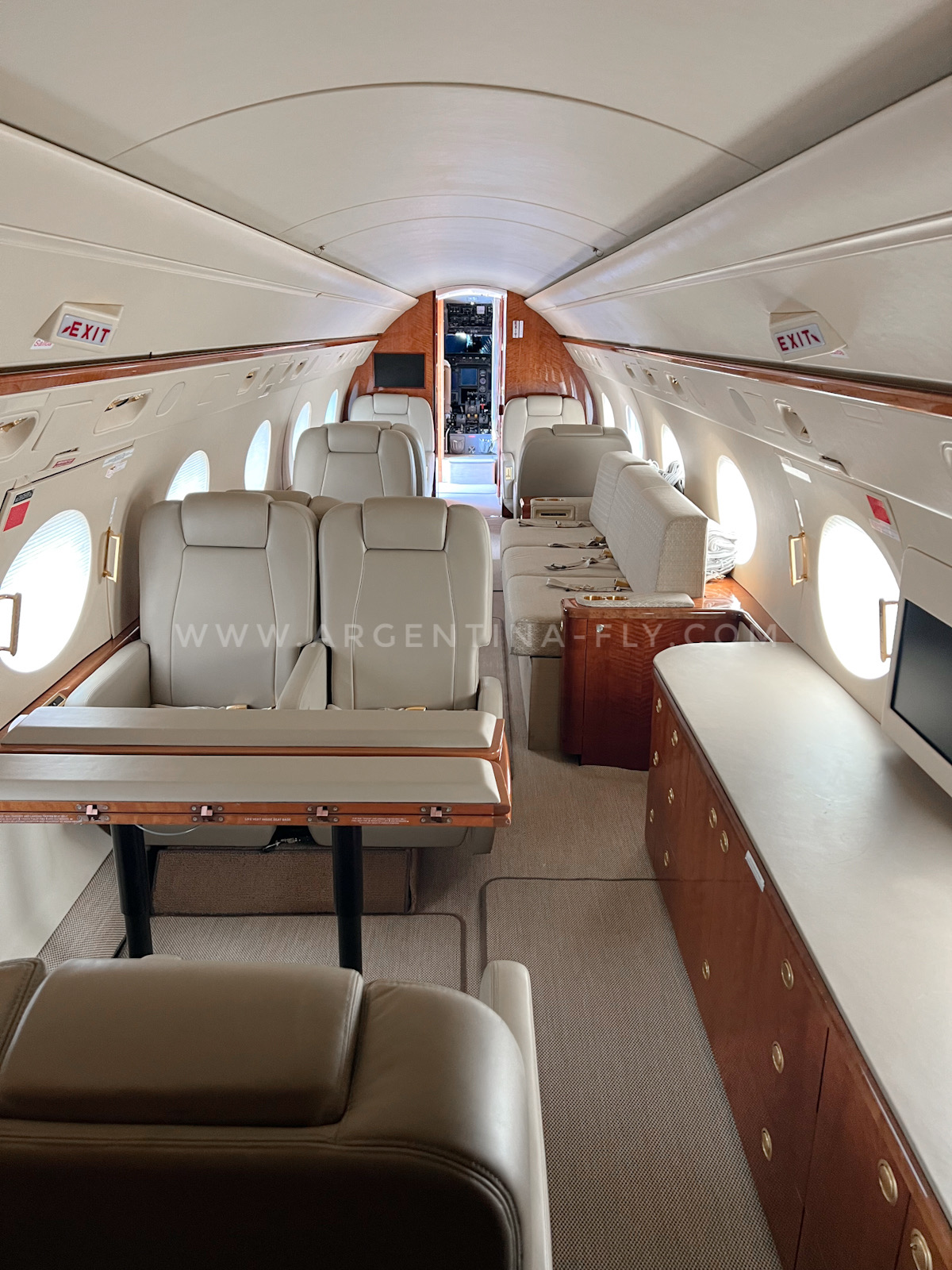
Gulfstream 400
Large jet with an exceptionally spacious cabin and long range, ideal for executive groups requiring maximum comfort.
Capacity
14 passengers
Lavatory
Yes
Cabin
Pressurized
Luggage
Generous
Wi-Fi
Built-in Starlink
Safety certifications
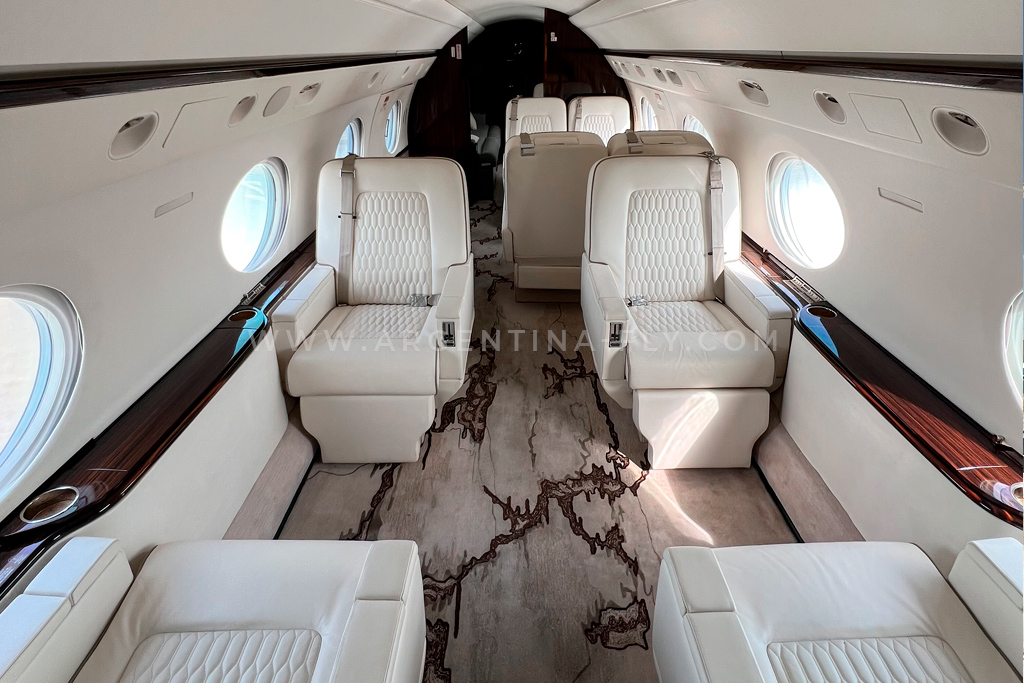
Gulfstream V
Long-range, large-cabin jet with VIP equipment for executive groups demanding the highest level of comfort.
Capacity
14 passengers
Lavatory
Yes
Cabin
Pressurized
Luggage
Generous
Wi-Fi
Built-in Starlink
Safety certifications
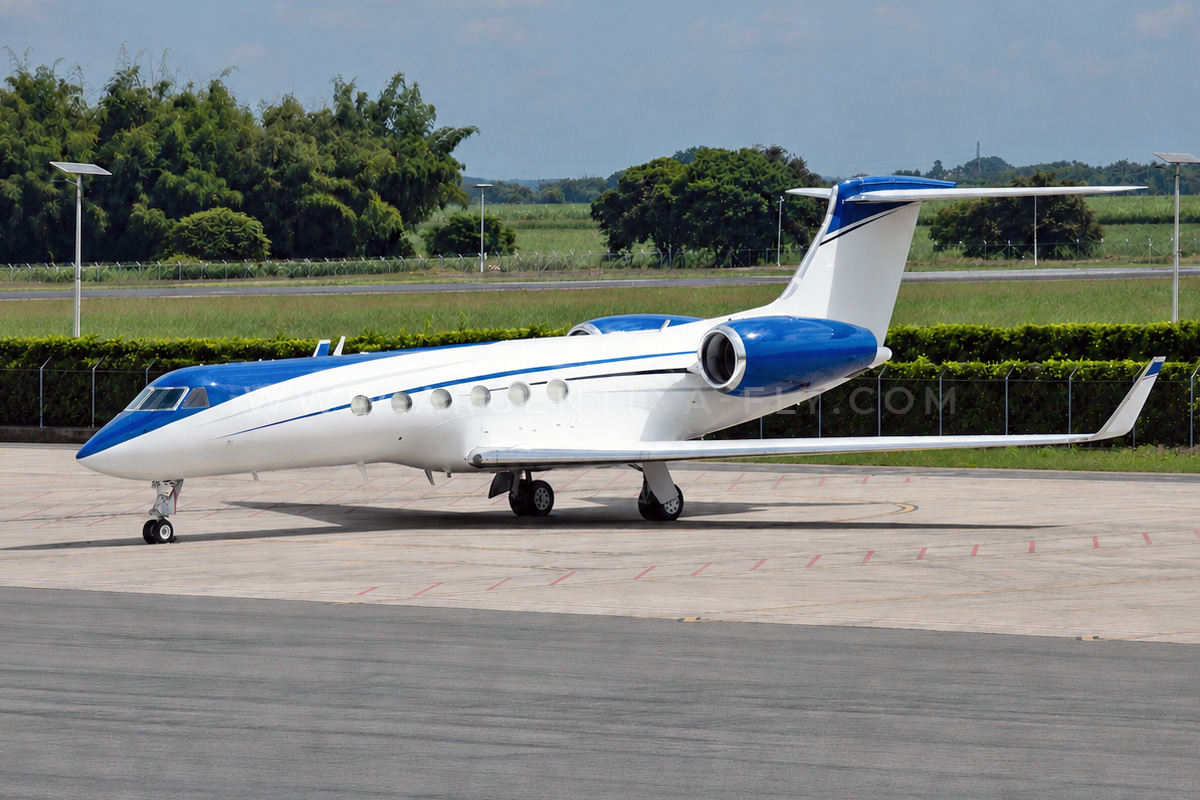
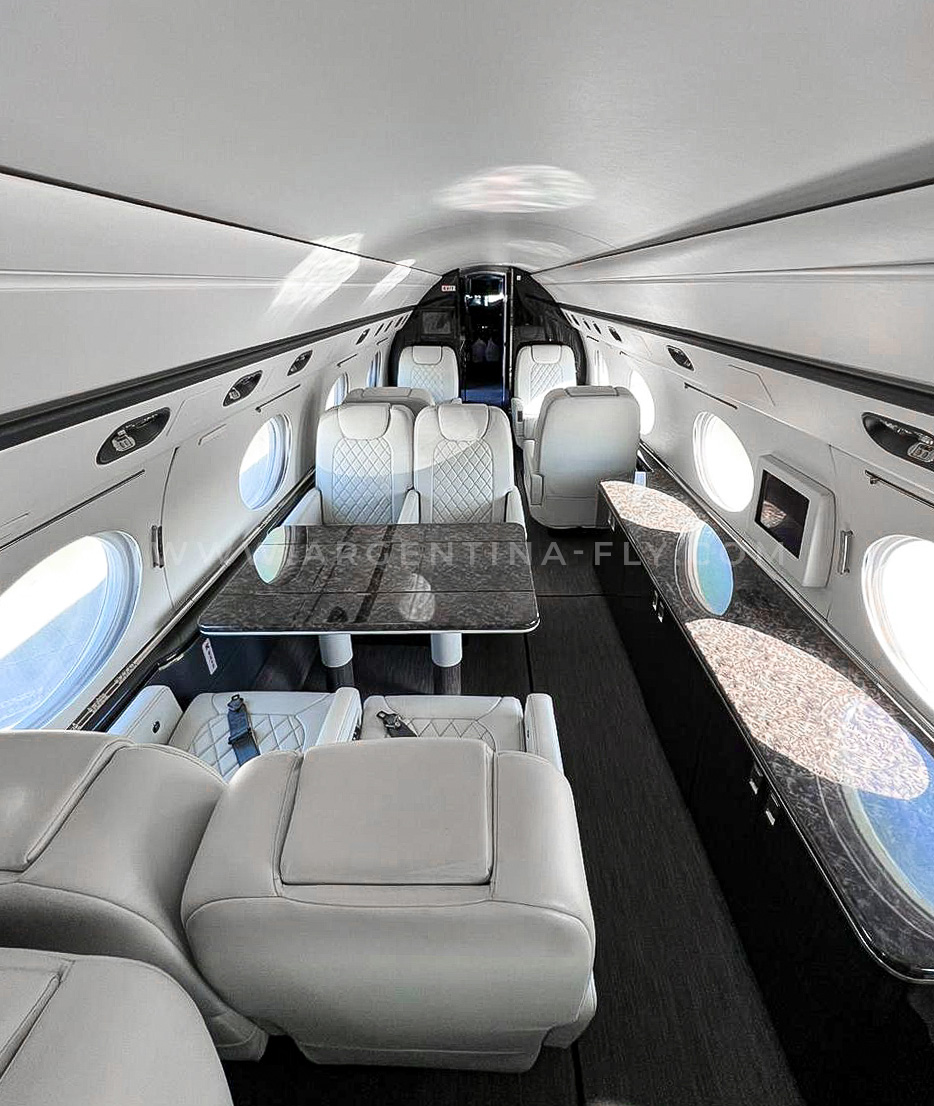
Gulfstream V
Long-range, large-cabin jet with VIP equipment for executive groups demanding the highest level of comfort.
Capacity
14 passengers
Lavatory
Yes
Cabin
Pressurized
Luggage
Spacious
Wi-Fi
Portable Starlink
Other routes from Buenos Aires
Destinations near Rosario, with the lowest reference fare and the shortest flight time.
Rosario
Rosario stretches along the high bank of the Paraná River, in southern Santa Fe province. It is where Manuel Belgrano first raised the Argentine flag in 1812, and nearly 75% of the agro-industrial products shipped from Argentine ports leave through the terminals of Greater Rosario. The city has a riverfront of parks facing the islands of the delta, museums of Argentine art, two historic soccer clubs and a table built on river fish. From Buenos Aires, a private jet reaches Islas Malvinas Airport in 0 h 35 to 0 h 40.
The Flag Memorial and the historic center
The stone ship above the river and the streets around it.
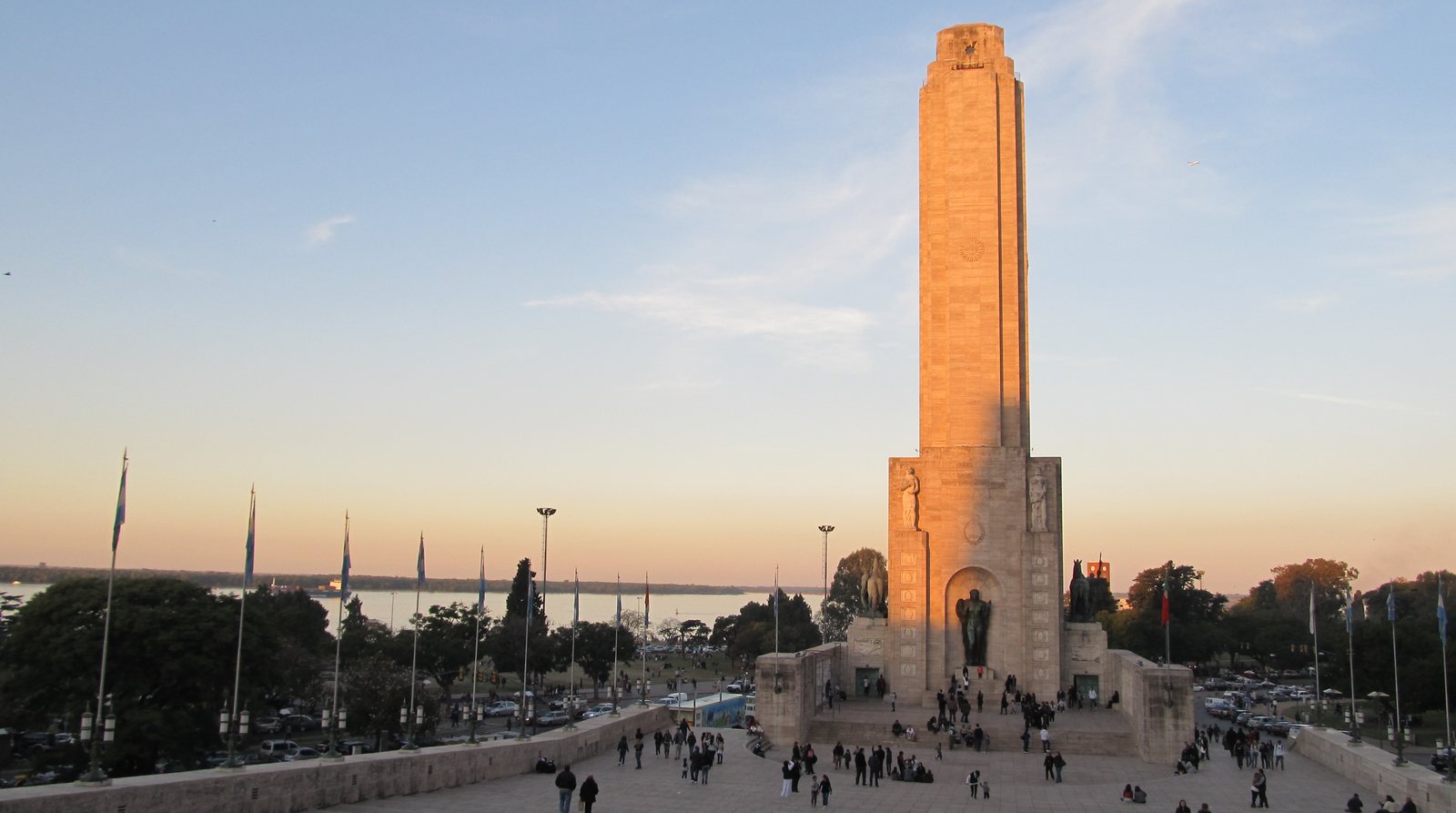
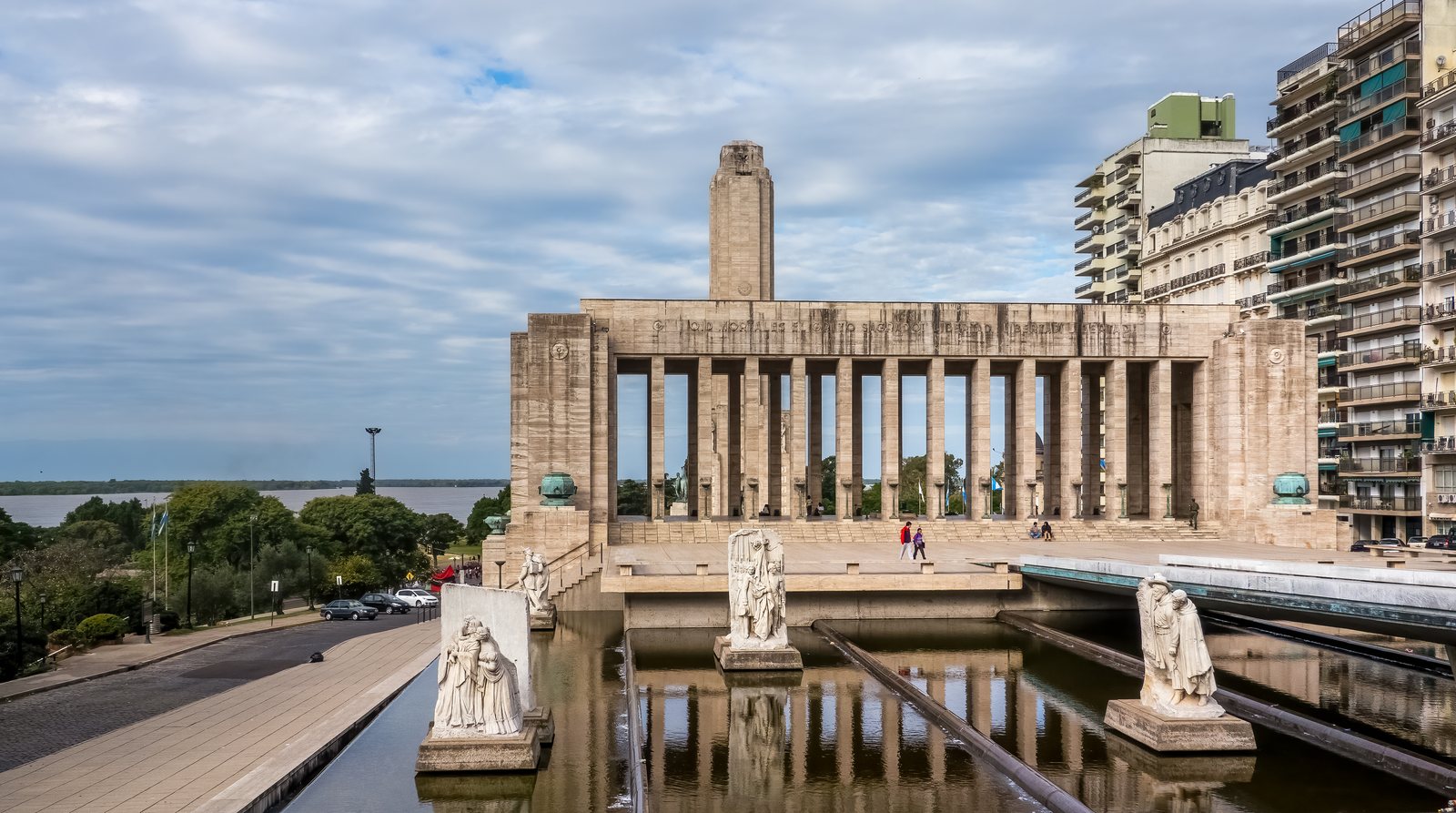
The Monumento Nacional a la Bandera, the National Flag Memorial, stands on the site where, on February 27, 1812, Manuel Belgrano first raised the sky-blue and white flag. The design by architects Ángel Guido and Alejandro Bustillo, with sculptors Alfredo Bigatti and José Fioravanti, won the 1940 national competition; construction began in 1943 and the memorial was inaugurated on June 20, 1957.
Its 10,000 m² are clad in travertine marble and represent a ship sailing toward the river. The Proa, the bow, has a tower almost 70 m high with a lookout, reached from Belgrano's crypt; the great staircase of the Patio Cívico leads to the Propylaeum, where the votive flame burns, and below it is the Galería de Honor de las Banderas de América, the hall of honor of the flags of the Americas. The crypt and the Galería are free; the ride up to the lookout has a fee.
The Pasaje Juramento, with reflecting pools and sculptures by Lola Mora, links the memorial with Plaza 25 de Mayo. Around the square are the Basílica Catedral, with a Carrara marble altar and an image of the Virgen del Rosario brought from Cádiz in 1773, the Palacio de los Leones, seat of the city government, the Correo Central, the main post office designed by Ángel Guido, and the Museo de Arte Decorativo Firma y Odilo Estévez.
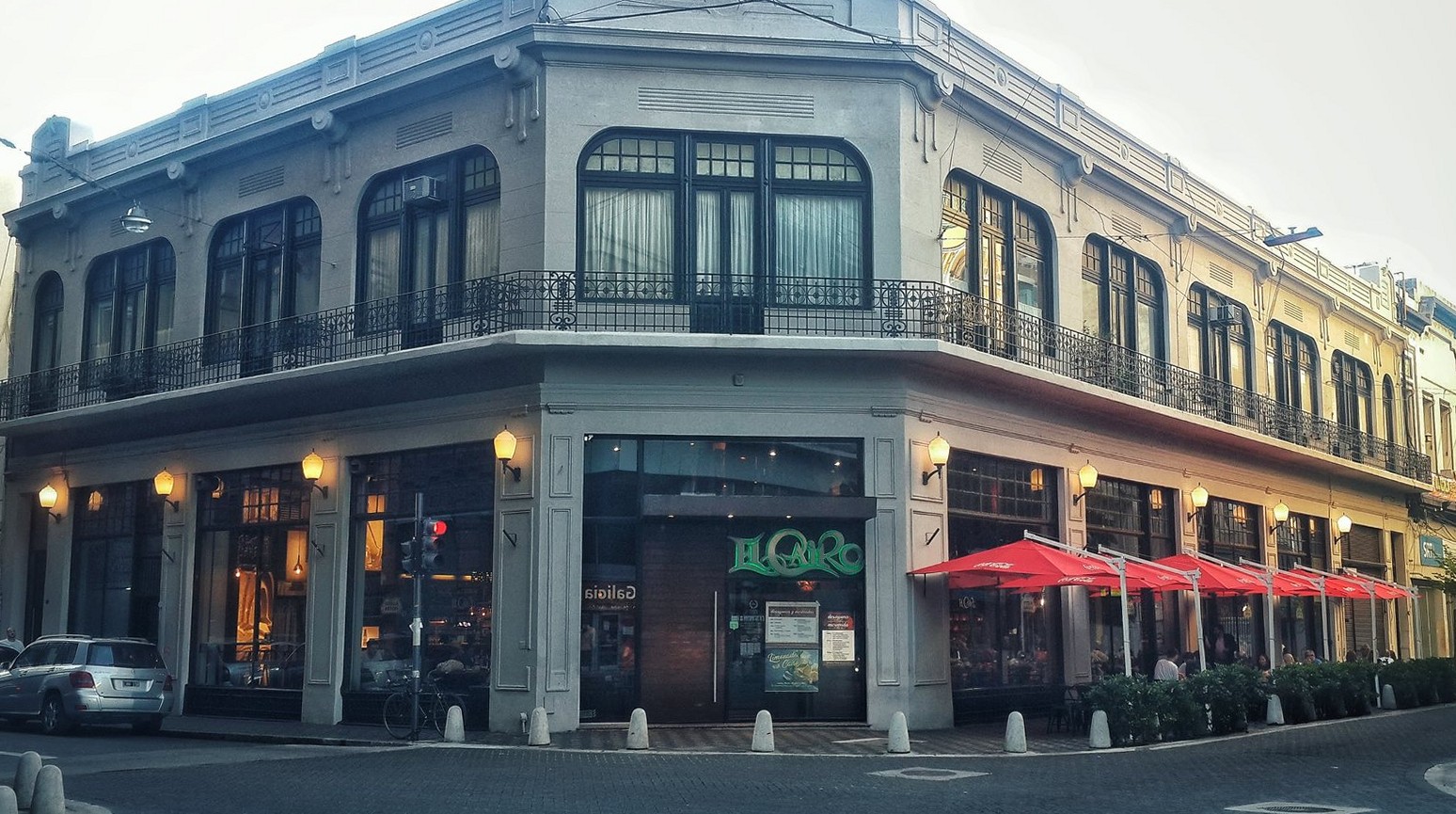
A few blocks away, at Santa Fe and Sarmiento, the Palacio Fuentes was built between 1922 and 1927: its tower has a four-faced clock and a weathervane shaped like a plow, and the basement houses the Museo Internacional para la Democracia. Across the street, the bar El Cairo was the meeting place of cartoonist and writer Roberto Fontanarrosa and his mesa de los galanes, his regular table of friends. To the west, Boulevard Oroño runs between palm trees and residences from the late 19th and early 20th centuries.
What to see
- Basílica Catedral Nuestra Señora del RosarioFacing Plaza 25 de Mayo, at Buenos Aires 789, with a Carrara marble altar; free entry.
- Boulevard OroñoA promenade of palm trees, street lamps and residences from the late 19th and early 20th centuries.
- National Flag MemorialBy Guido and Bustillo, inaugurated in 1957; Belgrano's crypt, the hall of honor and a lookout in the tower.
- Palacio FuentesA 1922-1927 building at Santa Fe and Sarmiento; in the basement, the Museo Internacional para la Democracia.
- Pasaje JuramentoLinks the memorial with Plaza 25 de Mayo, between reflecting pools and sculptures by Lola Mora.
The Paraná riverfront
Parks on the riverbank, boat rides and the bridge to Victoria.
The riverfront is one continuous promenade. Next to the memorial, the Parque Nacional a la Bandera brings together tree-lined walks, crafts fairs and the Terminal Fluvial, the river terminal some 100 m away, where boats leave for the islands. To the north is Costa Nueva, the renovated promenade along the Paraná between La Fluvial and the Parque de España, with paths for walking and cycling.
The Parque de España is a raised balcony above the shore: to the south you see the Parque a la Bandera, and to the north the waterfront that runs to the bridge. It has steps down to the river, an open-air amphitheater with the islands as a backdrop, and a cultural center with exhibition halls and the Teatro Príncipe de Asturias.
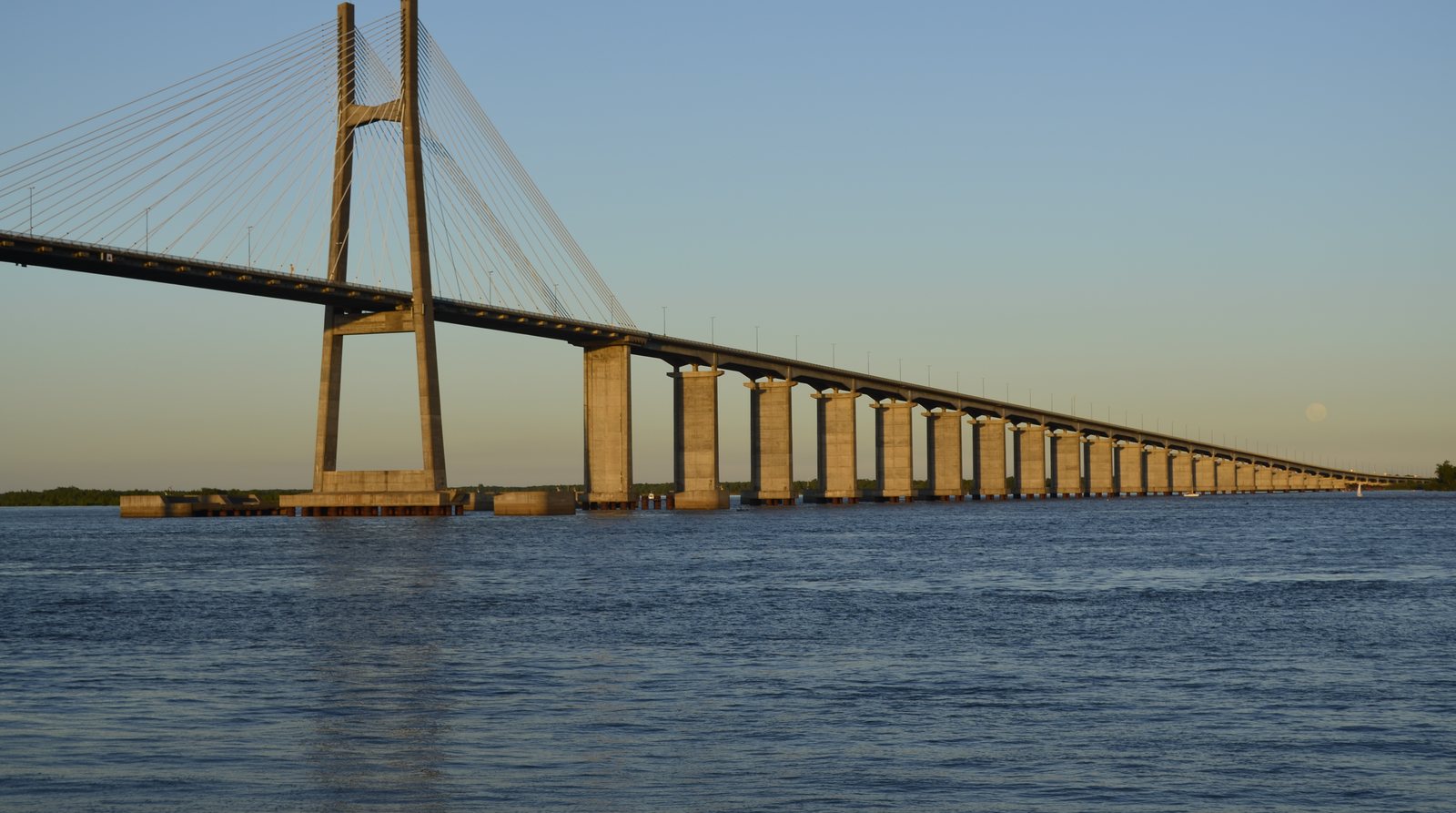
Upstream, the Rosario-Victoria Bridge has linked Santa Fe with Entre Ríos since 2003. The cable-stayed span is 608 m long and leaves 56 m of clearance and 300 m of width for shipping; eight more bridges and 47 km of embankments across the islands follow, for a total of about 60 km to Victoria.
Guided boat trips of about two hours leave from the Terminal Fluvial: they cross to the islands, head up the Arroyo Charigüé, go up to the bridge and return along the city's waterfront. There are also sailboat outings by reservation, kayaking and stand-up paddleboarding.
What to see
- Costa NuevaPedestrian promenade along the river between La Fluvial and the Parque de España.
- Parque de EspañaA balcony over the shore, at Sarmiento and the river, with a cultural center and amphitheater; free entry.
- Parque Nacional a la BanderaNext to the memorial, at Av. Belgrano 500, with crafts fairs and the Terminal Fluvial.
- Rosario-Victoria BridgeOpened in 2003; a 608 m cable-stayed span over the Paraná.
- Terminal Fluvial100 m from the memorial; guided trips on the river and to the islands leave from here.
Islands, beaches and fishing
Sand in the delta, beach clubs on the north shore and fishing trips.
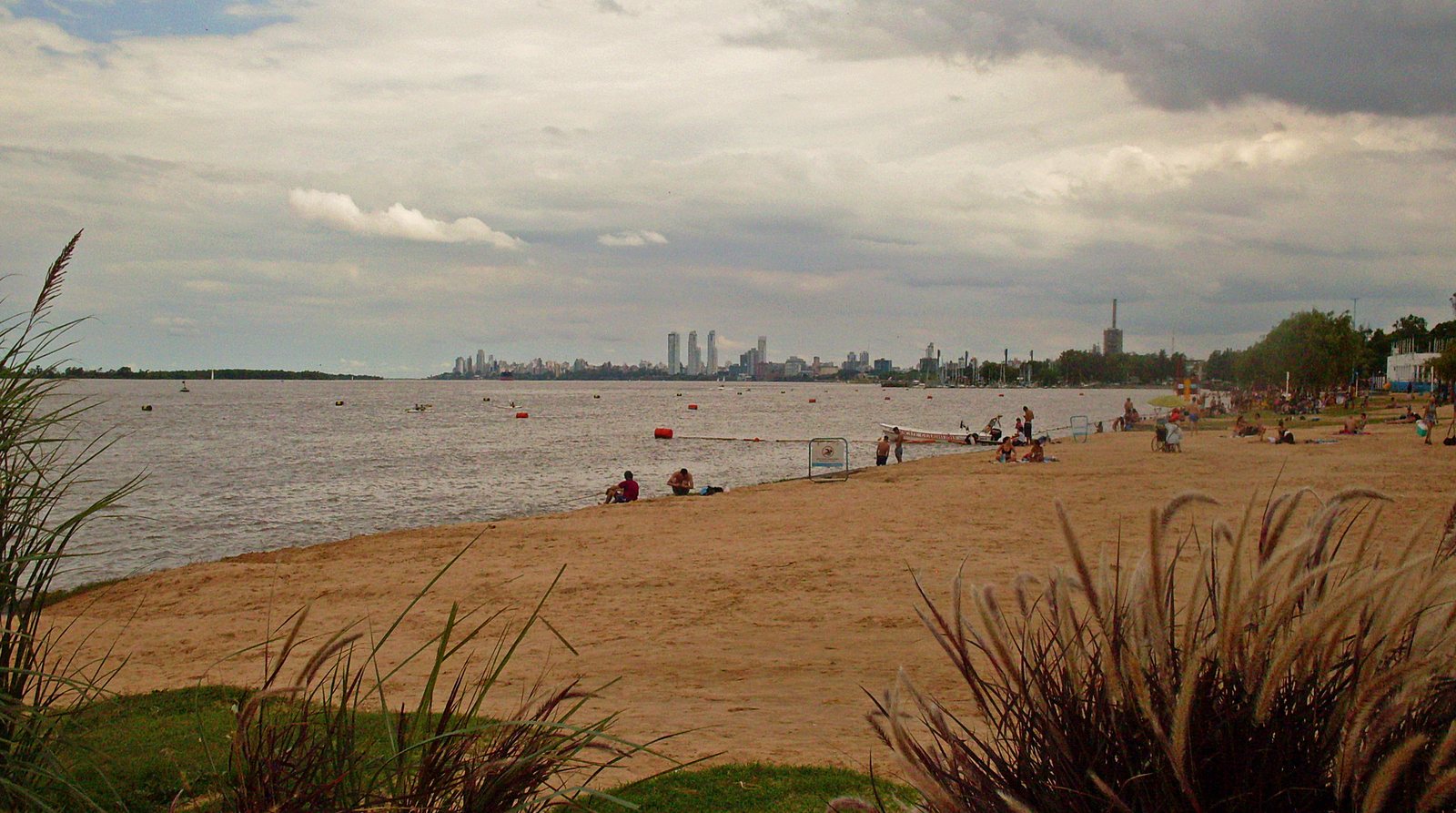
Across from the city, the islands of the Paraná Delta have sandy beaches a few minutes away by boat. From the piers at Rambla Catalunya and Costa Alta, in the north of the city, water taxis run to Isla La Invernada and the Paraná Viejo, and the guided river trips cross over from the Terminal Fluvial.
On Isla Charigüé, already in Entre Ríos province, the Los Tres Cerros Municipal Reserve protects 1,700 hectares that the philanthropist Carlos Deliot donated to the City of Rosario in 1948. It is an hour by boat from the central waterfront.
On the north shore, La Florida has operated as a beach since 1933: some 400 m of sand facing the bridge and the delta, with lifeguards, beach bars, and kayaks and stand-up paddleboards steps from the south entrance; in summer there is an entry fee. Next door, Rambla Catalunya adds more than 600 m of free public beach with beach bars.
Guided fishing trips leave from the Rosario shore for the delta in trakker-style boats: dorado, surubí (spotted sorubim), boga (a river characin), tararira (trahira), piranha and chafalote (biara), depending on the area and the time of year. There are day trips, night trips and camping trips of two days or more, with gear included.
What to see
- La FloridaA beach open since 1933, at Av. Eudoro Carrasco 2035, facing the bridge; entry fee in summer.
- Los Tres Cerros Municipal Reserve1,700 hectares on Isla Charigüé, an hour away by boat.
- Rambla CatalunyaMore than 600 m of free public beach in the north of the city, with beach bars and lifeguards.
Grain, ports and business
The agro-export hub of Greater Rosario and the Board of Trade, since 1884.
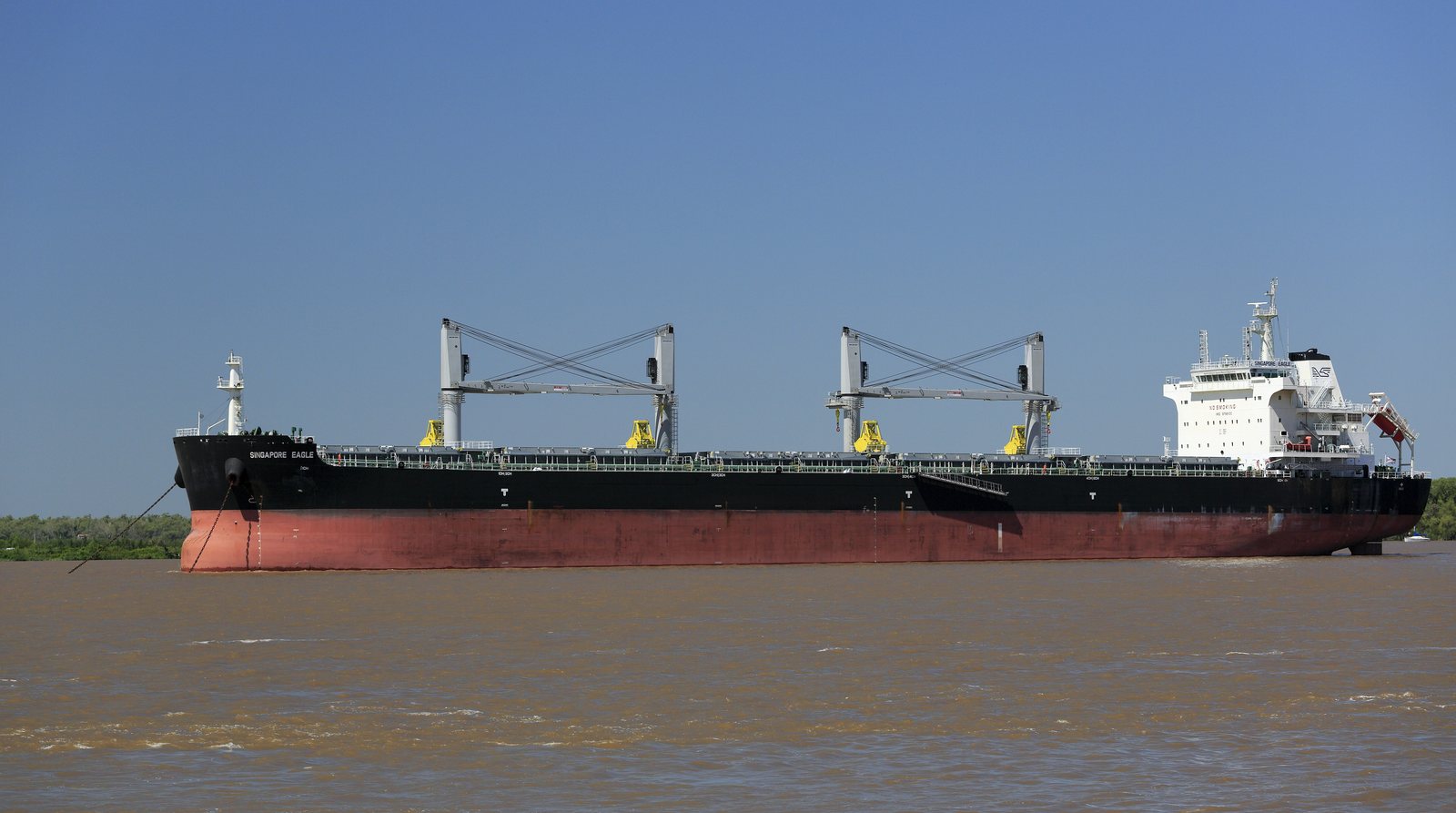
Along 70 km of the Paraná shore, between Timbúes to the north and Arroyo Seco to the south, Greater Rosario has 30 port terminals, 18 of them for agro-industrial products. According to the Bolsa de Comercio de Rosario, in 2025 they loaded 75.7 million tons of grain, meal and oil, nearly 75% of what was shipped from Argentine ports, and the hub ranked first among the world's agro-export port clusters.
The Bolsa de Comercio, the Rosario Board of Trade, was founded on August 18, 1884 as the Centro Comercial de Rosario and took its current name in 1899, the same year its grain arbitration chamber was created. Its building at Córdoba and Corrientes, by architect Raúl R. Rivera, opened on November 11, 1929: a cylindrical corner with a dome, Corinthian columns and allegorical sculptures of farming and ranching.
Inside is a museum open to the public by appointment: the Orígenes, Los Tiempos del Centenario and Presente y Futuro rooms tell the story of immigration, the railway, the port and the grain boom, and the room of the old grain trading floor recreates open-outcry trading with light and sound.
With the airport some 15 km from downtown and a 0 h 35 flight from Buenos Aires, the city allows a same-day return for a day of meetings. For conferences, the Ros Tower has a convention center of more than 3,000 m².
What to see
- Bolsa de Comercio de RosarioA 1929 building at Córdoba 1402, with a museum on the grain trade; visits by appointment.
Where to stay
- Esplendor Savoy RosarioA restored 1910 building at San Lorenzo 1022, steps from the memorial, with a heated pool.
- Pullman Rosario City CenterFive stars in the City Center complex, at Bv. Oroño and Av. Batlle y Ordóñez, with a casino and Moi Spa.
- Puerto Norte HotelIn Puerto Norte, at Av. Luis Cándido Carballo 148, with suites overlooking the Paraná and Nimbus Spa.
- Ros TowerFive stars at Mitre 295, with a top-floor pool overlooking the river and a convention center.
Museums, soccer and Che
Argentine art in two venues and the hometown of Messi and Ernesto Guevara.
The Museo Municipal de Bellas Artes Juan B. Castagnino opened on December 7, 1937 in a building that Rosa Tiscornia de Castagnino donated in memory of her son, the collector Juan Bautista Castagnino. Designed by Hilarión Hernández Larguía and Juan Manuel Newton, it was one of the first buildings in the country conceived as a museum; it stands at Pellegrini and Oroño, on the edge of the Parque de la Independencia.
Its second venue, the Macro, opened on November 16, 2004 on the riverfront, in the old Davis silos: eight concrete cylinders that once stored grain and a ten-story tower, now toured as galleries. It holds almost a thousand works of Argentine contemporary art, and entry is free.
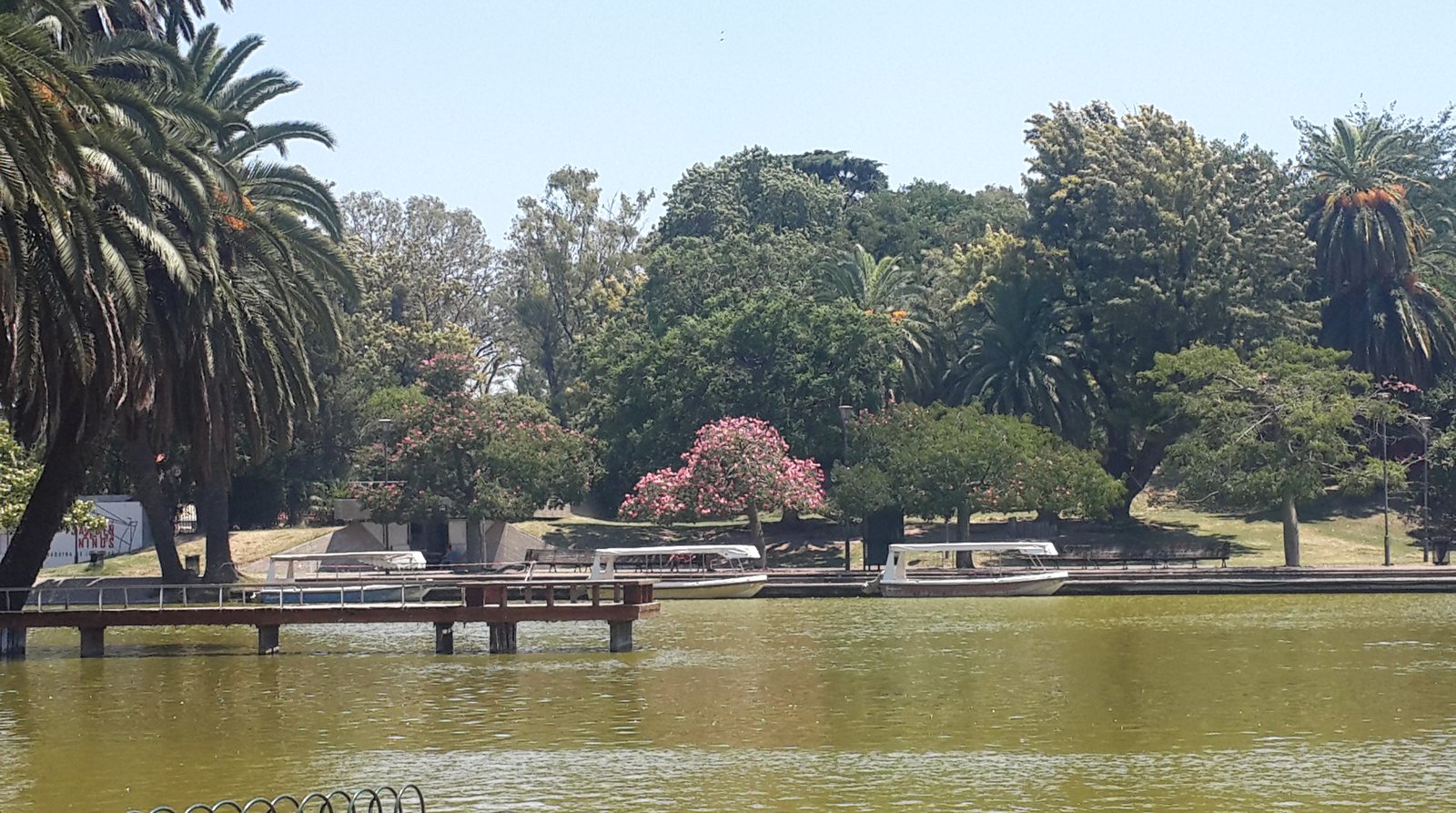
The Parque de la Independencia, designed around 1900 by Carlos Thays, has a small lake with pedal boats, the Rosedal rose garden, the Museo de la Ciudad, the Museo Histórico Provincial Julio Marc, the racetrack and the stadium of Newell's Old Boys, the Coloso del Parque. The club was founded on November 3, 1903 in honor of the British educator Isaac Newell; Rosario Central, founded in 1889 as the Central Argentine Railway Club, plays at the Gigante de Arroyito, by the river, which holds 41,654 spectators.
Lionel Messi was born in Rosario on June 24, 1987 and took his first steps in Newell's youth leagues; the tourist board's Circuito Messi, with an audio guide, visits the places of his childhood, and the Museo del Deporte Santafesino has a space devoted to him. Ernesto Guevara was born on June 14, 1928 in an apartment in the building at Entre Ríos 480, designed by Alejandro Bustillo, which can only be seen from outside; in the Parque Yrigoyen, his bronze statue by Andrés Zerneri was cast from keys and objects donated by thousands of people.
What to see
- MacroArgentine contemporary art in the Davis silos, at Bv. Oroño and the river; free entry.
- Museo CastagninoFine arts since 1937, at Av. Pellegrini 2202, facing the Parque de la Independencia.
- Museo del Deporte SantafesinoThe history of sport in the province, at Ayacucho 4800, with a space devoted to Messi; free entry.
- Parque de la IndependenciaDesigned by Carlos Thays, with a small lake, the Rosedal, museums and a racetrack.
Soccer
- Coloso del ParqueThe Newell's Old Boys stadium, in the Parque de la Independencia.
- Gigante de ArroyitoThe Rosario Central stadium, by the river; renovated for the 1978 World Cup.
The Rosario table
River fish, asado and artisanal ice cream.
Fish from the Paraná rule the city's table: boga, patí and surubí, grilled over embers with herbs and lemon or in chef-driven dishes. Rosario is also the port city of a cattle region, and asado ancho a la estaca, flank ribs slow-roasted on a stake over the fire, and grilled rack of ribs, with chimichurri or salsa criolla, are among its classics.
Rosario is Argentina's Capital Nacional del Helado Artesanal, the national capital of artisanal ice cream, at the center of the country's main dairy region, and the tourist board publishes a map of its ice cream shops. The historic bars, many opened by Italian and Spanish immigrants, sit alongside bodegones, traditional eateries with generous homestyle dishes.
The Pichincha neighborhood, born with the railway and port city of the late 19th century, is now a dining corridor: the Mercado Pichincha, at Brown 2000, gathers more than forty food, design and antiques stalls and art galleries. Paseo Pellegrini is the city's other major restaurant corridor.
Where to eat
- Bar El CairoAt Santa Fe and Sarmiento, the bar of Fontanarrosa's mesa de los galanes.
- Mercado PichinchaMore than forty food and design stalls at Brown 2000; free entry.
- Paseo PellegriniA restaurant corridor along Avenida Pellegrini.
Arrival
From departure to destination.
- Departure
- From San Fernando (FDO), Aeroparque (AEP) or Ezeiza (EZE). The fare may change depending on where each aircraft is based.
- Airport
- Islas Malvinas (ROS): public-use, towered and international, west of the city, some 15 km from downtown by road.
- In June
- Every June 20, Flag Day, there is a ceremony and parade at the memorial: book the flight and accommodation well in advance.
When to go
The seasons at the destination.
- December to February
- River summer: the season for La Florida and the island beach bars, with an average high of 30.9 °C in January.
- March to May
- The average high drops from 27.7 °C in March to 20.1 °C in May; March is the wettest month of the year.
- June
- June 20, Flag Day, with a ceremony and parade at the memorial.
- Winter (June to September)
- Cool and dry: a high of 16.5 °C and a low of 4.9 °C in July, the month with the least rain. Museums, the historic center and business.
- September to November
- A mild spring, from an average high of 21.5 °C in September to 27.5 °C in November.
- Year-round
- The Flag Memorial, museums, boat trips on the Paraná, fishing and business travel.
Key facts
Summer January
- Average low
- 18.7°
- Average high
- 30.9°
120.7 mm of rain
Fall April
- Average low
- 12.4°
- Average high
- 23.9°
119.9 mm of rain
Winter July
- Average low
- 4.9°
- Average high
- 16.5°
23.0 mm of rain
Spring October
- Average low
- 12.3°
- Average high
- 24.3°
118.7 mm of rain
- Airport
- Islas MalvinasIATA / ICAO: ROS / SAARRosario “Islas Malvinas” International Airport, some 15 km from downtown
- Category
- Public-use, towered, international
- Distance
- 267 kmFlight distance from Buenos Aires; 302 km by road, via the Rosario-Buenos Aires Expressway
- Annual rainfall
- 1,053.5 mm70% falls from October to March
Frequently asked questions
Price, flight time, airport, departure and travel documents.
How much does a private flight from Buenos Aires to Rosario cost?
Reference fares for a one-way private flight from Buenos Aires (San Fernando), whole aircraft, start at USD 2,530 for a piston twin, USD 3,540 for a turboprop, USD 5,000 for a light jet, USD 6,300 for a midsize jet and USD 14,970 for a large jet. Round trips are calculated in the quote tool according to the length of your stay.
How long is the flight?
Between 0 h 35 and 1 h 05, depending on the aircraft; the fastest jet on the route takes 0 h 35.
Which airport does the flight land at?
Rosario “Islas Malvinas” International Airport (ROS / SAAR), west of the city, some 15 km from downtown by road. It is public-use, towered and cleared for international flights.
Can I fly there and back in a day?
Yes. By jet the flight takes from 0 h 35 each way: enough for a day of meetings, a visit to the Board of Trade or lunch by the river, and a return in the afternoon. Enter your dates and times in our online quote tool: the fare is calculated by length of stay, from a same-day return to several days.
When is the best time to fly to Rosario?
It depends on the plan. Summer is the season for beaches and islands, with an average high of 30.9 °C in January; winter is cool and dry, with a high of 16.5 °C and a low of 4.9 °C in July, the month with the least rain. Every June 20, Flag Day is celebrated at the memorial, and the museums and business calendar run year-round.
Can you go up the National Flag Memorial?
Yes. The tower, almost 70 m high, has a lookout over the city and the river, reached from Belgrano's crypt; the ride up has a fee, and ticket sales close 30 minutes before closing time. The crypt and the Galería de Honor de las Banderas de América are free.
Where does the flight depart from?
Fares are calculated for departure from San Fernando (FDO). Departing from Aeroparque (AEP) or Ezeiza (EZE) may change the fare, depending on where each aircraft is based.
What documents do I need?
It is a domestic flight within Argentina: Argentine citizens travel with a valid national ID (DNI) and foreign nationals with a valid passport.
Are the published fares final?
They are estimates. The final quote depends on dates, length of stay, aircraft type and applicable operating fees.
Ready to fly? Let’s talk.
Share the details of your trip and we’ll help you find the aircraft and flight solution best suited to your needs.
- WhatsApp+54 9 11 3080 7775
- Phone+54 9 11 3080 7775
- Emailinfo@argentina-fly.com
For charter operatorsList your aircraft