
- Home
- Flight quote
- Balcarce
Private flights to Balcarce
From USD 3,930 · 1 h 35 flight time
Results:
- Itinerary
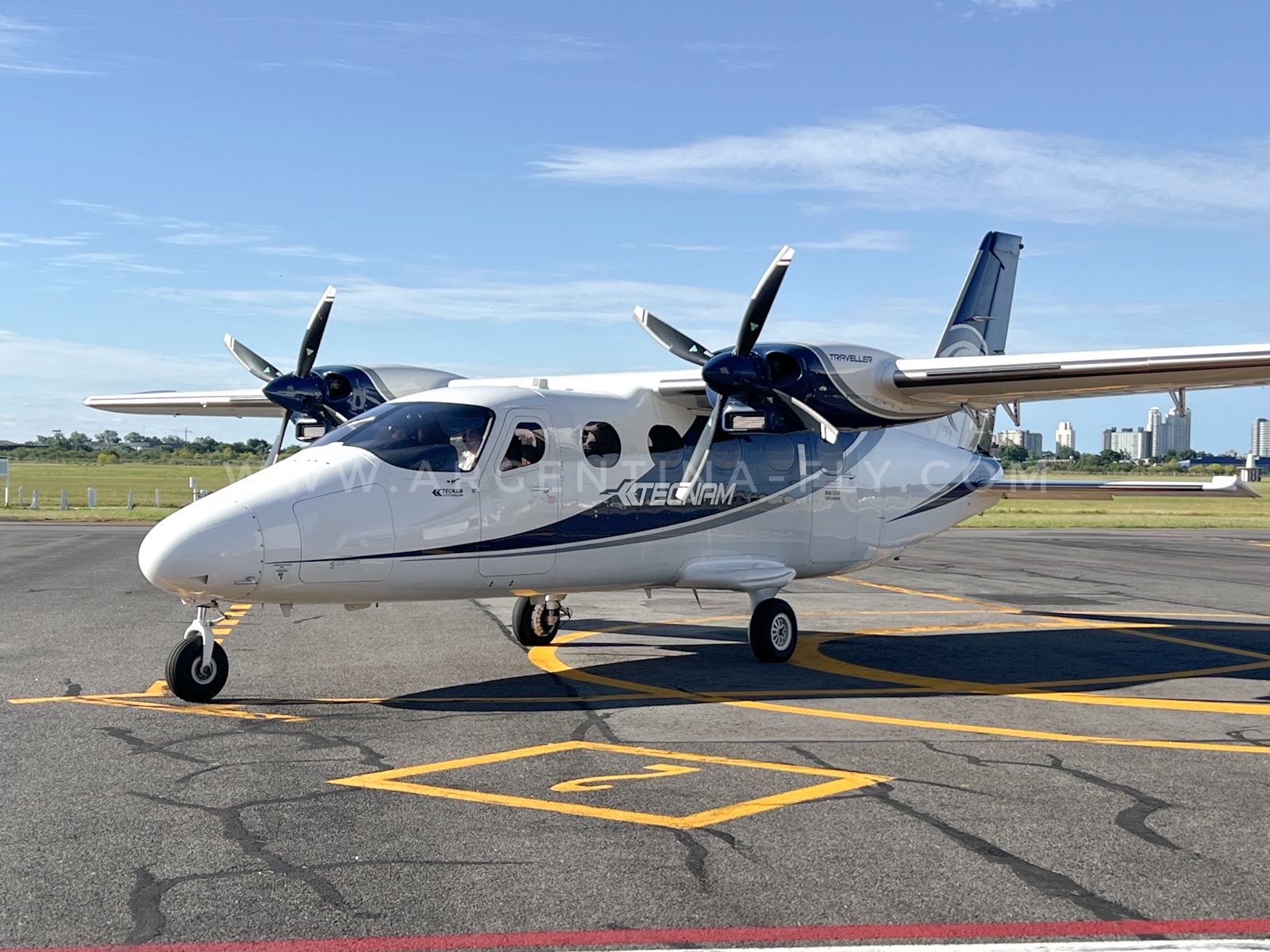
Tecnam Traveller
Piston aircraft · 9 passengers · 1 h 351 h 35flight time
USD 3,930+ VAT 10.5%
Request a quote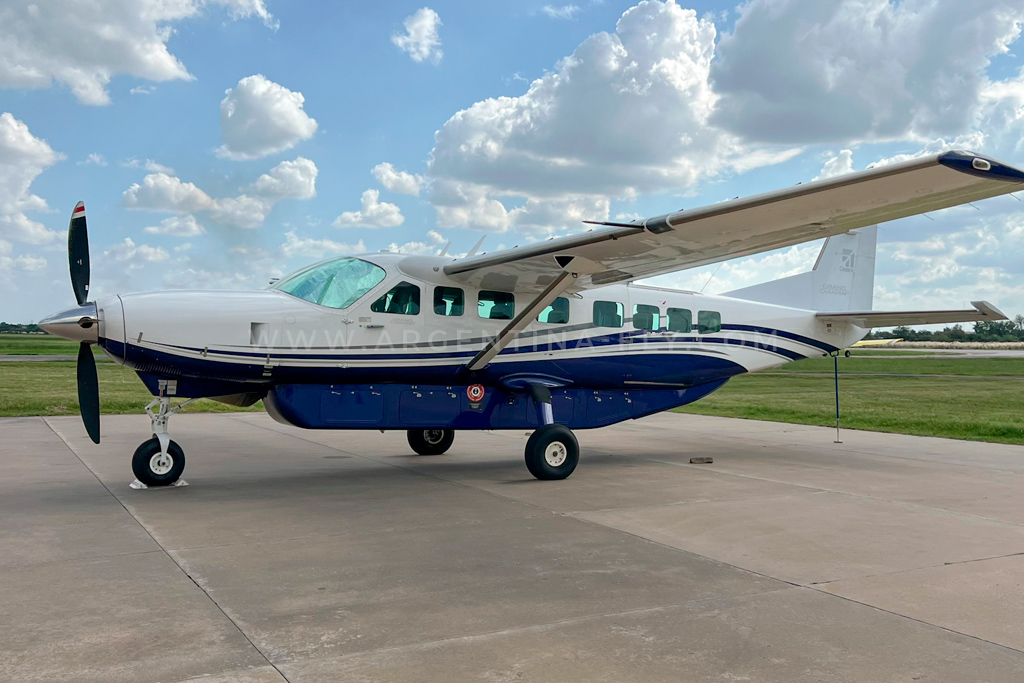
Cessna Grand Caravan
Turboprop · 9 passengers · 1 h 351 h 35flight time
USD 4,020+ VAT 10.5%
Request a quote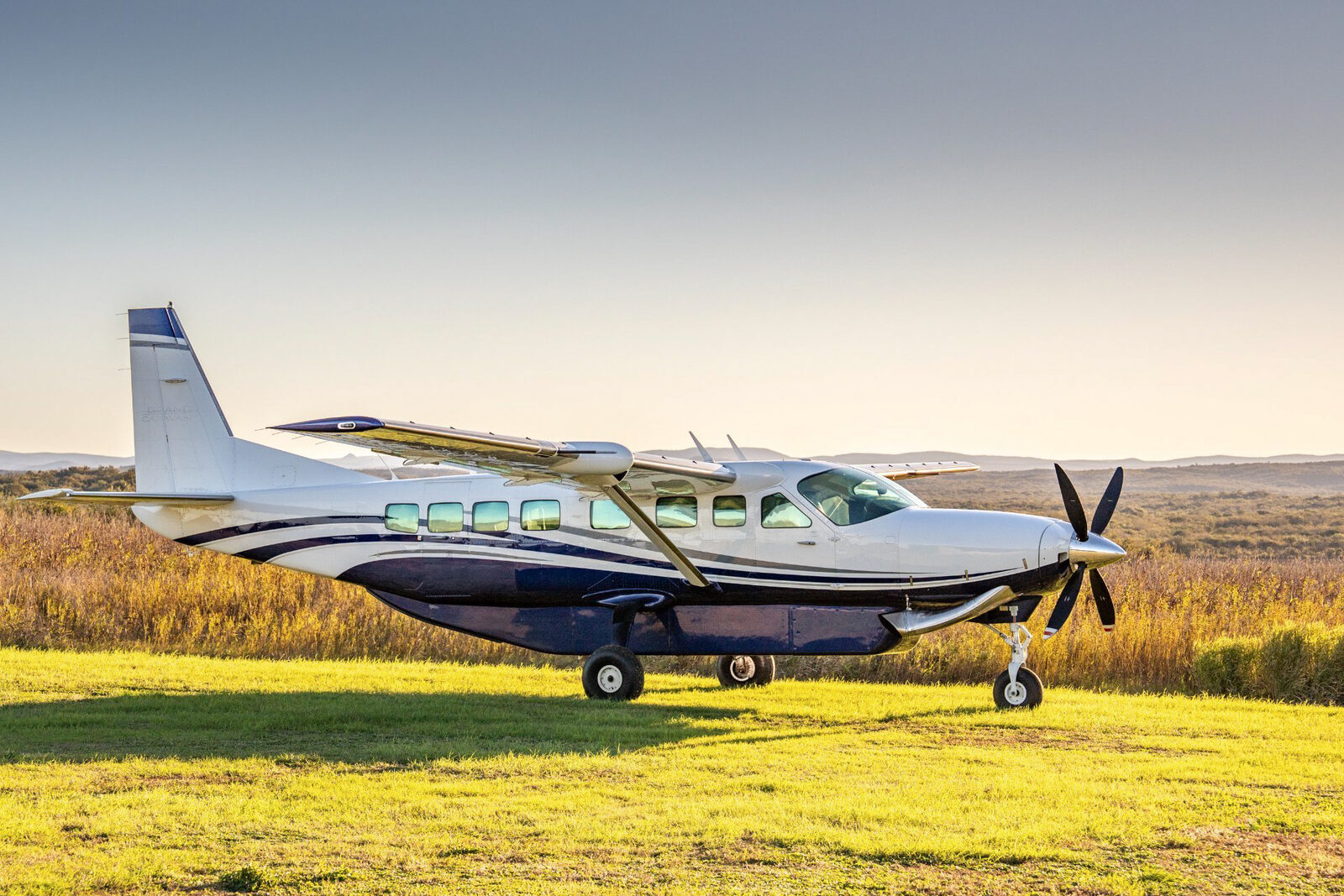
Cessna Grand Caravan Ex
Turboprop · 9 passengers · 1 h 301 h 30flight time
USD 4,300+ VAT 10.5%
Request a quote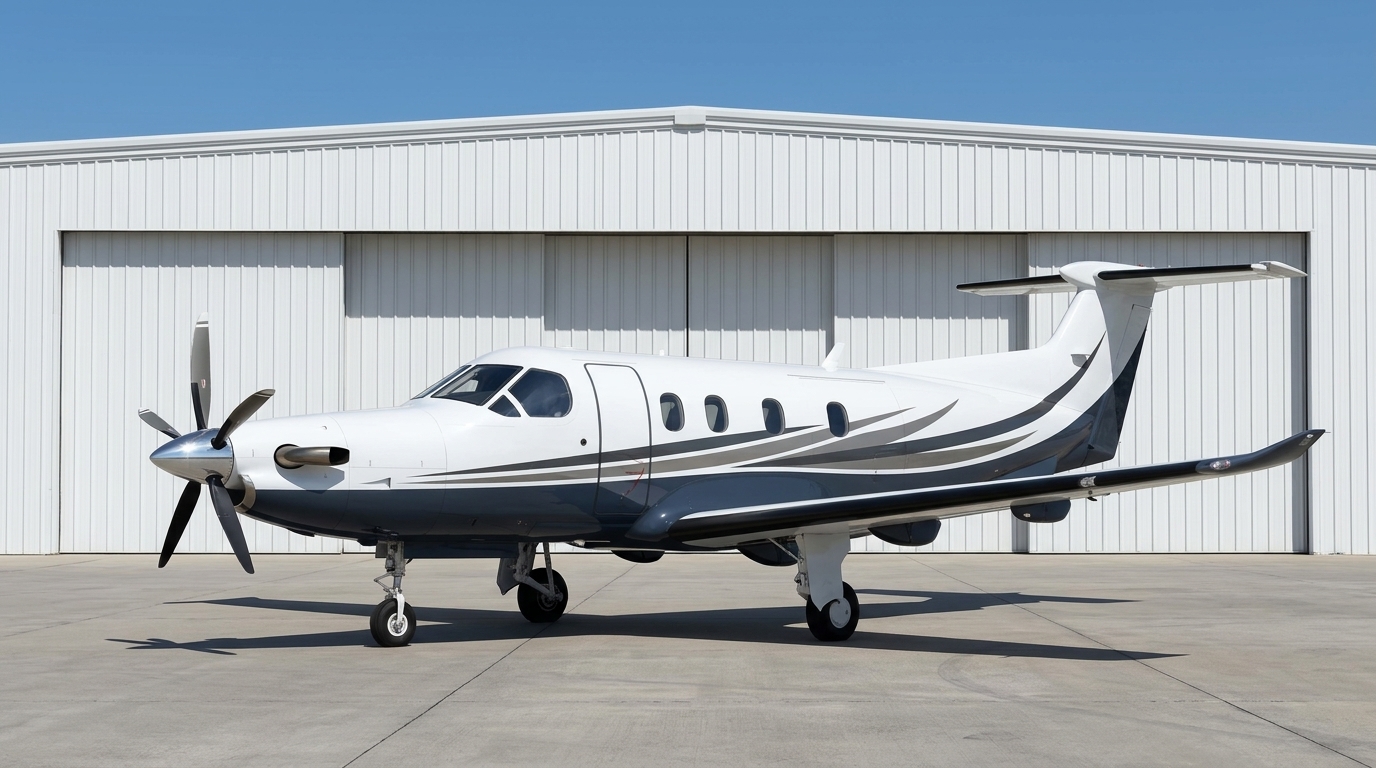
Pilatus PC12 Pro
Turboprop · 8 passengers · 1 h 051 h 05flight time
USD 4,490+ VAT 10.5%
Request a quote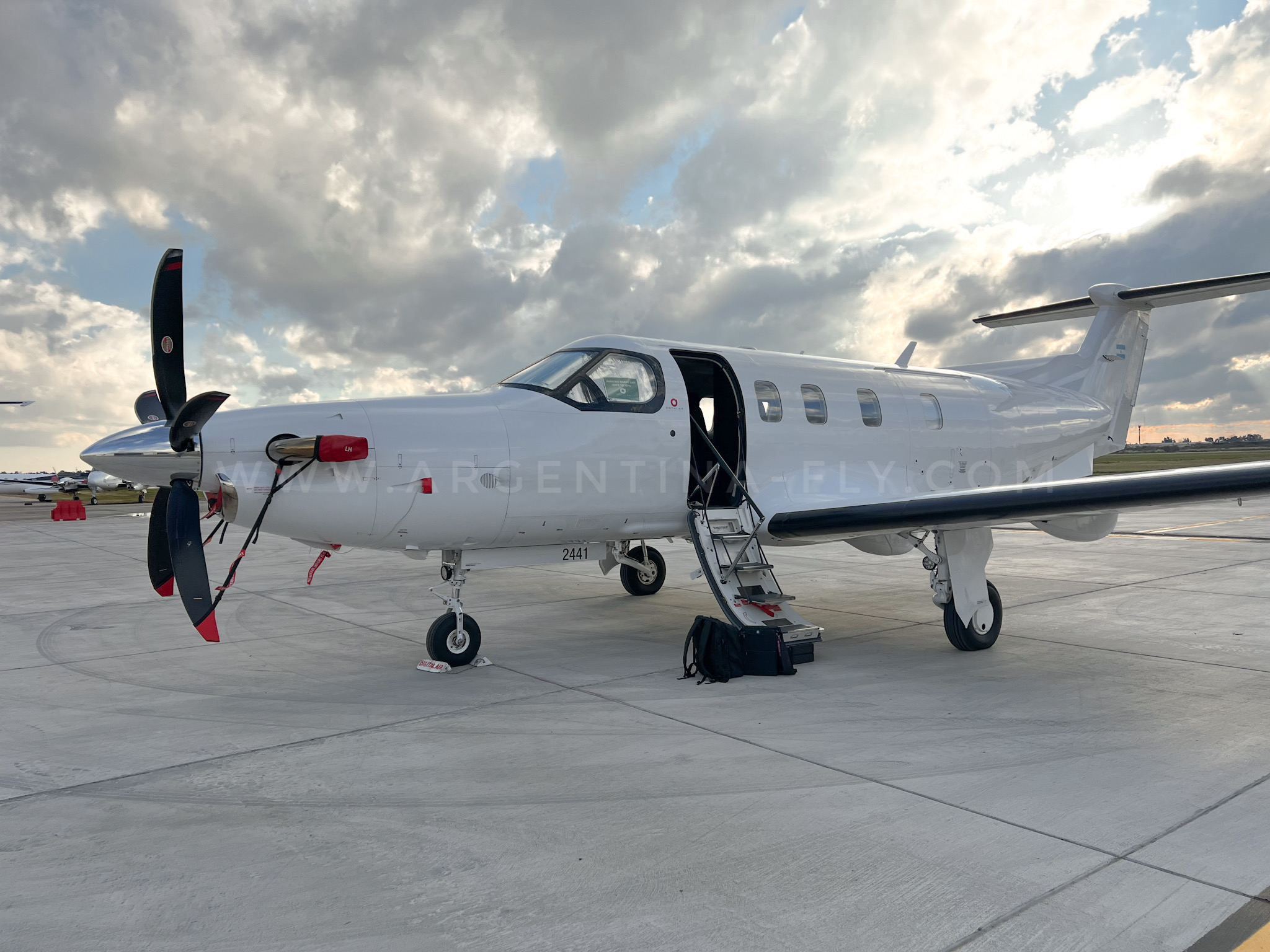
Pilatus PC-12
Turboprop · 8 passengers · 1 h 051 h 05flight time
USD 4,700+ VAT 10.5%
Request a quote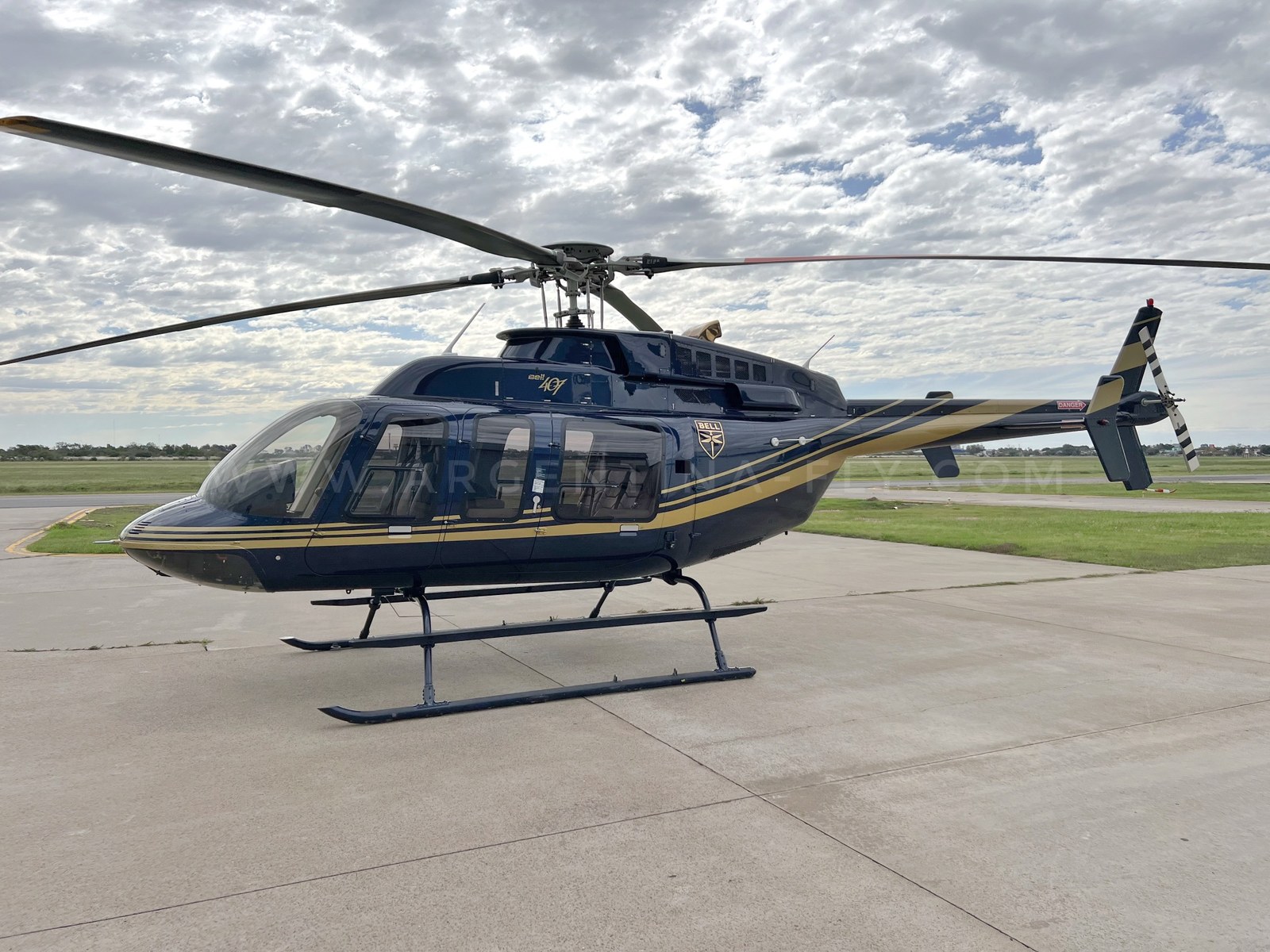
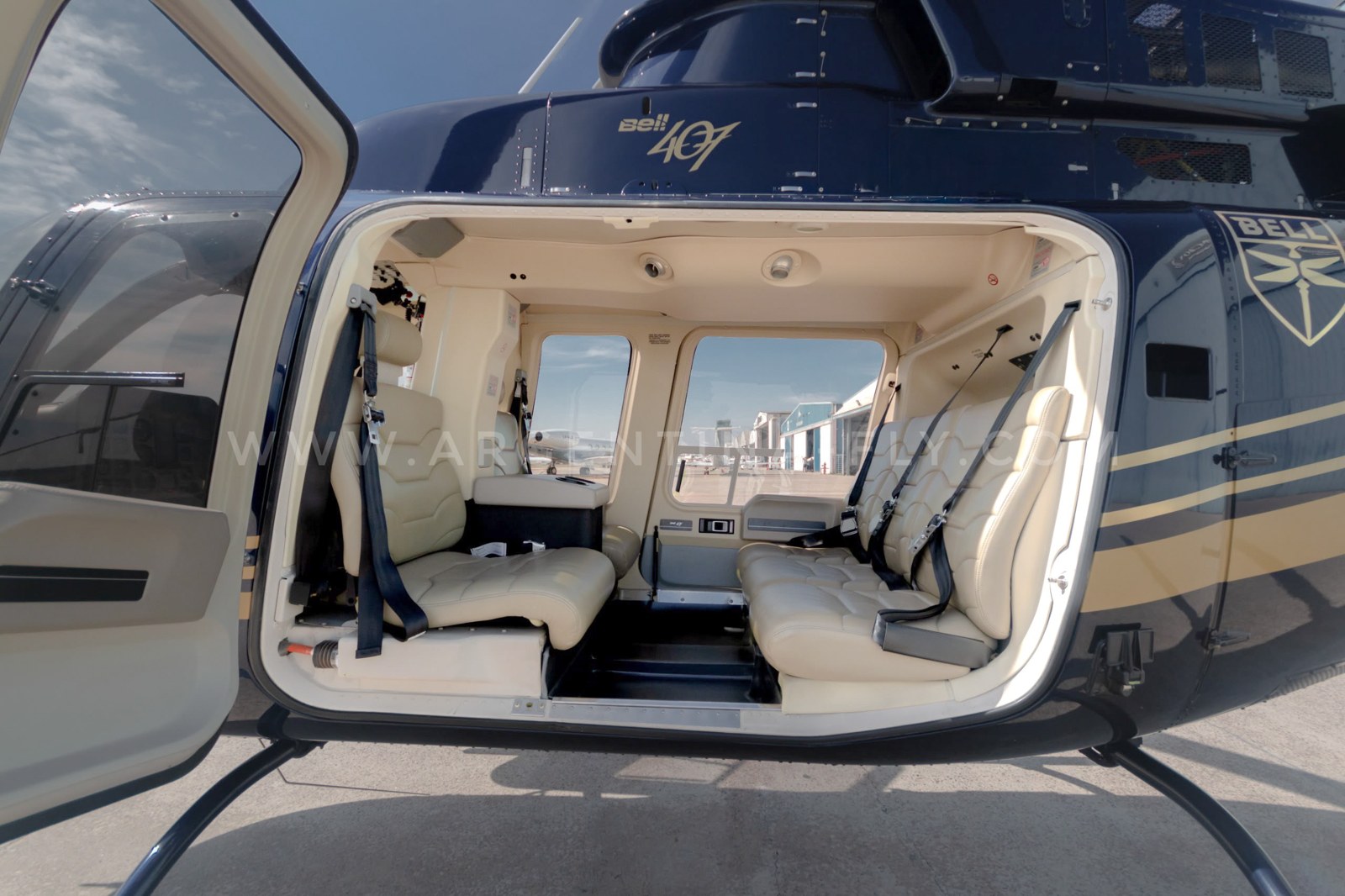
Bell 407
Helicopter · 6 passengers · 2 h 002 h 00flight time
USD 10,990+ VAT 10.5%
Request a quote
Route and airfields
Rate conditions
Please read carefully before requesting a quote.
Prices
Reference fares in US dollars (USD), for the entire aircraft. They may vary with aircraft availability and travel dates. For itineraries with several destinations, please request a tailored quote.
Not included
VAT on flights within Argentina, fees abroad on international flights (airport charges, handling and FBO, among others), and special services on request.
Base airport
Fares are calculated for departure from San Fernando (FDO). Departing from Aeroparque (AEP) or Ezeiza (EZE) may change the fare, depending on where each aircraft is based.
Reference fleet
The aircraft displayed are for reference purposes only and may vary depending on operational availability. Contact us to learn about the available options for your trip.
Rate conditions
Please read carefully before requesting your quotation.
Published prices are provided for reference only.
 Prices
Reference fares in US dollars (USD), for the entire aircraft. They may vary with aircraft availability and travel dates. For itineraries with several destinations, please request a tailored quote.
 Not included
VAT on flights within Argentina, fees abroad on international flights (airport charges, handling and FBO, among others), and special services on request.
 Base airport
Fares are calculated for departure from San Fernando (FDO). Departing from Aeroparque (AEP) or Ezeiza (EZE) may change the fare, depending on where each aircraft is based.
 Reference fleet
The aircraft displayed are for reference purposes only and may vary depending on operational availability. Contact us to learn about the available options for your trip.
Need a personalized quotation?
Request quotation
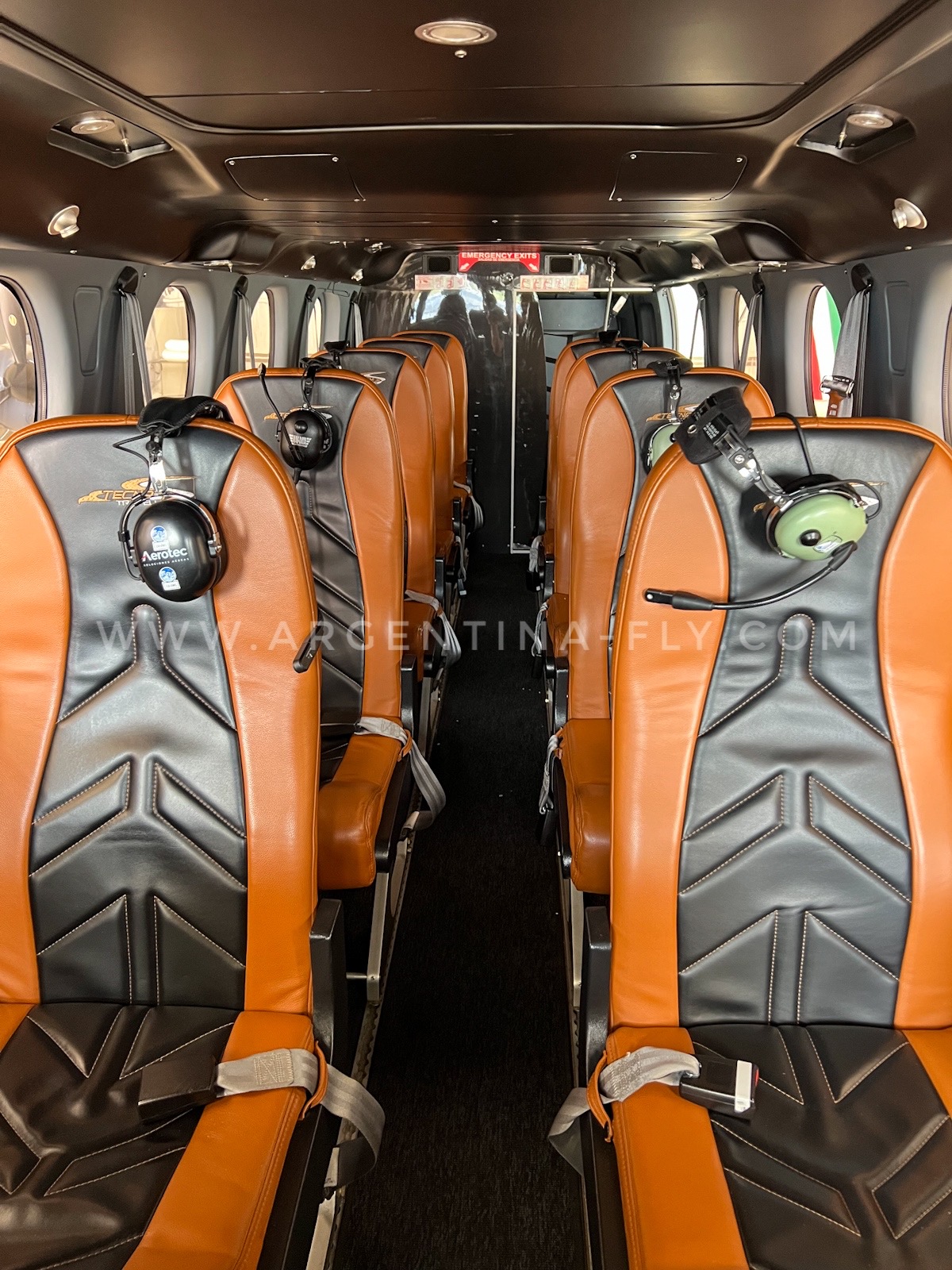
Tecnam Traveller
High-capacity twin-engine aircraft, ideal for group transfers with up to 9 passengers.
 Capacity
9 passengers
 Lavatory
Not available
 Cabin
Non-pressurized
 Luggage
Moderate
 Wi-Fi
Not available

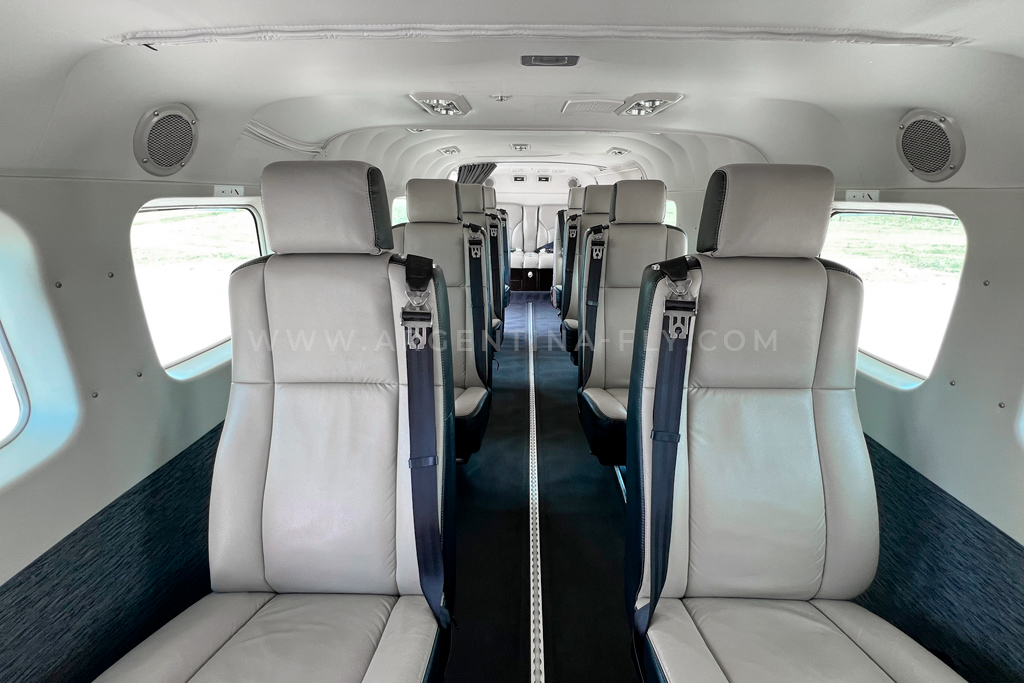
Cessna Grand Caravan
Versatile turboprop with generous payload capacity and a comfortable cabin, ideal for groups and flights to destinations with short runways.
Capacity
9 passengers
Lavatory
Not available
Cabin
Non-pressurized
Luggage
Moderate
Wi-Fi
Portable Starlink
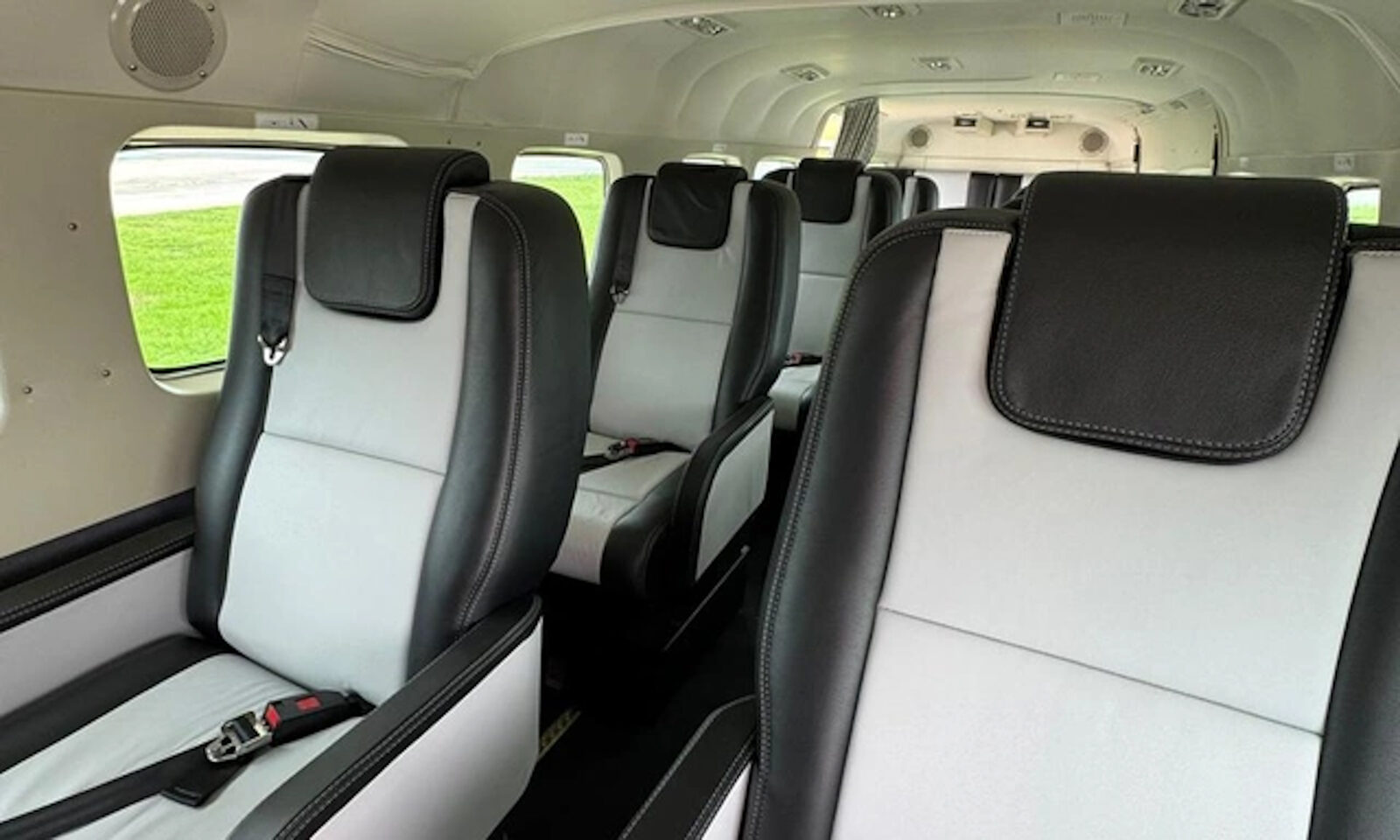
Cessna Grand Caravan Ex
Versatile turboprop with generous payload capacity and a comfortable cabin, ideal for groups and flights to destinations with short runways.
Capacity
9 passengers
Lavatory
Not available
Cabin
Not pressurized
Luggage
Standard
Wi-Fi
Portable Starlink
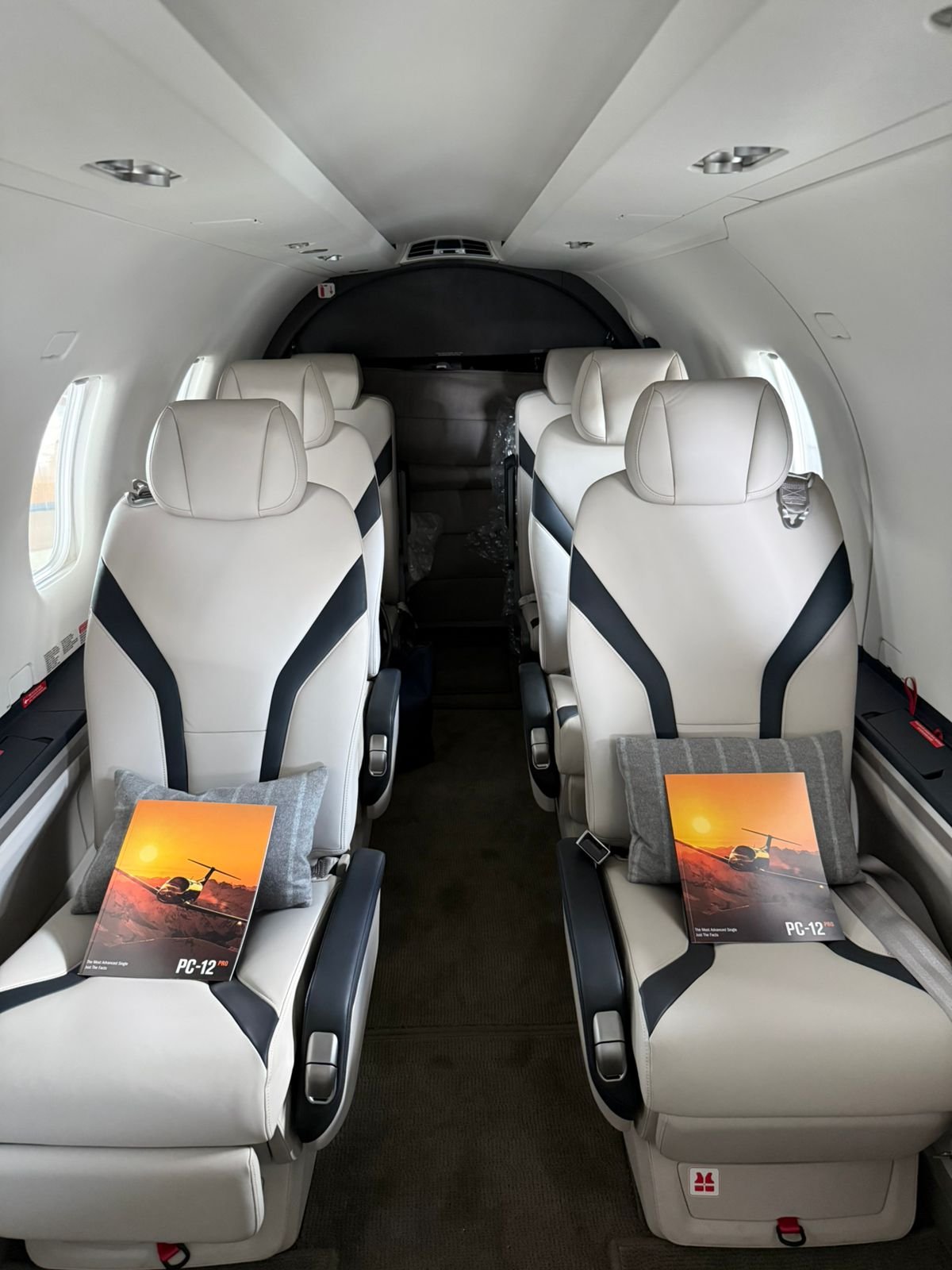
Pilatus PC12 Pro
High-performance single-engine turboprop in executive configuration, with a spacious cabin and latest-generation technology.
Capacity
8 passengers
Lavatory
Not available
Cabin
Pressurized
Luggage
Standard
Wi-Fi
Portable Starlink
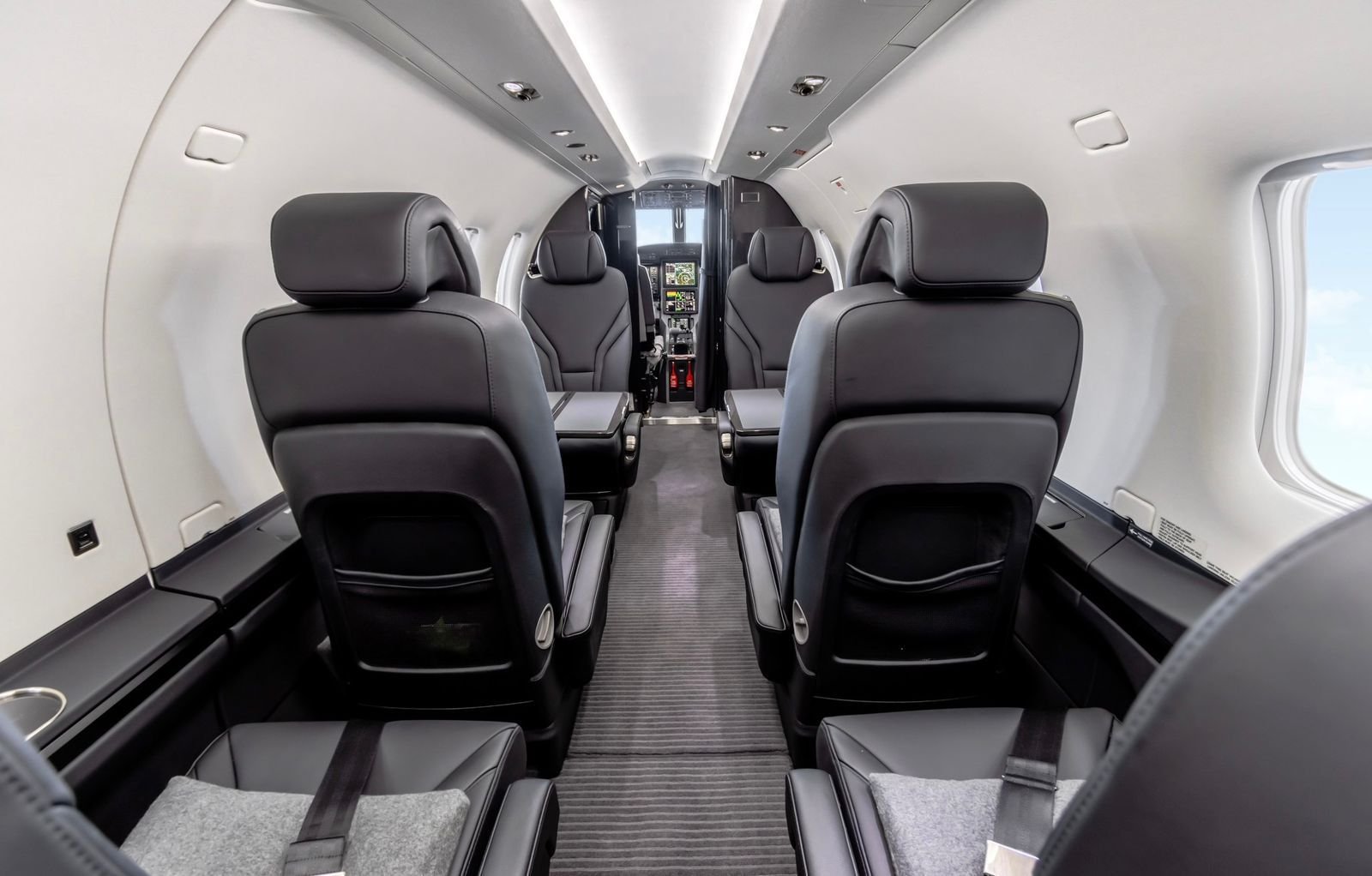
Pilatus PC-12
High-performance single-engine turboprop in executive configuration, with a spacious cabin and latest-generation technology.
Capacity
8 passengers
Lavatory
Not available
Cabin
Pressurized
Luggage
Standard
Wi-Fi
Portable Starlink
Bell 407
Single-engine helicopter for up to 6 passengers, with a five-seat cabin and a double door.
Capacity
6 passengers
Lavatory
Not available
Cabin
Not pressurized
Luggage
Compact
Wi-Fi
Not available
Other routes from Buenos Aires
Destinations near Balcarce, with the lowest reference fare and the shortest flight time.
Balcarce
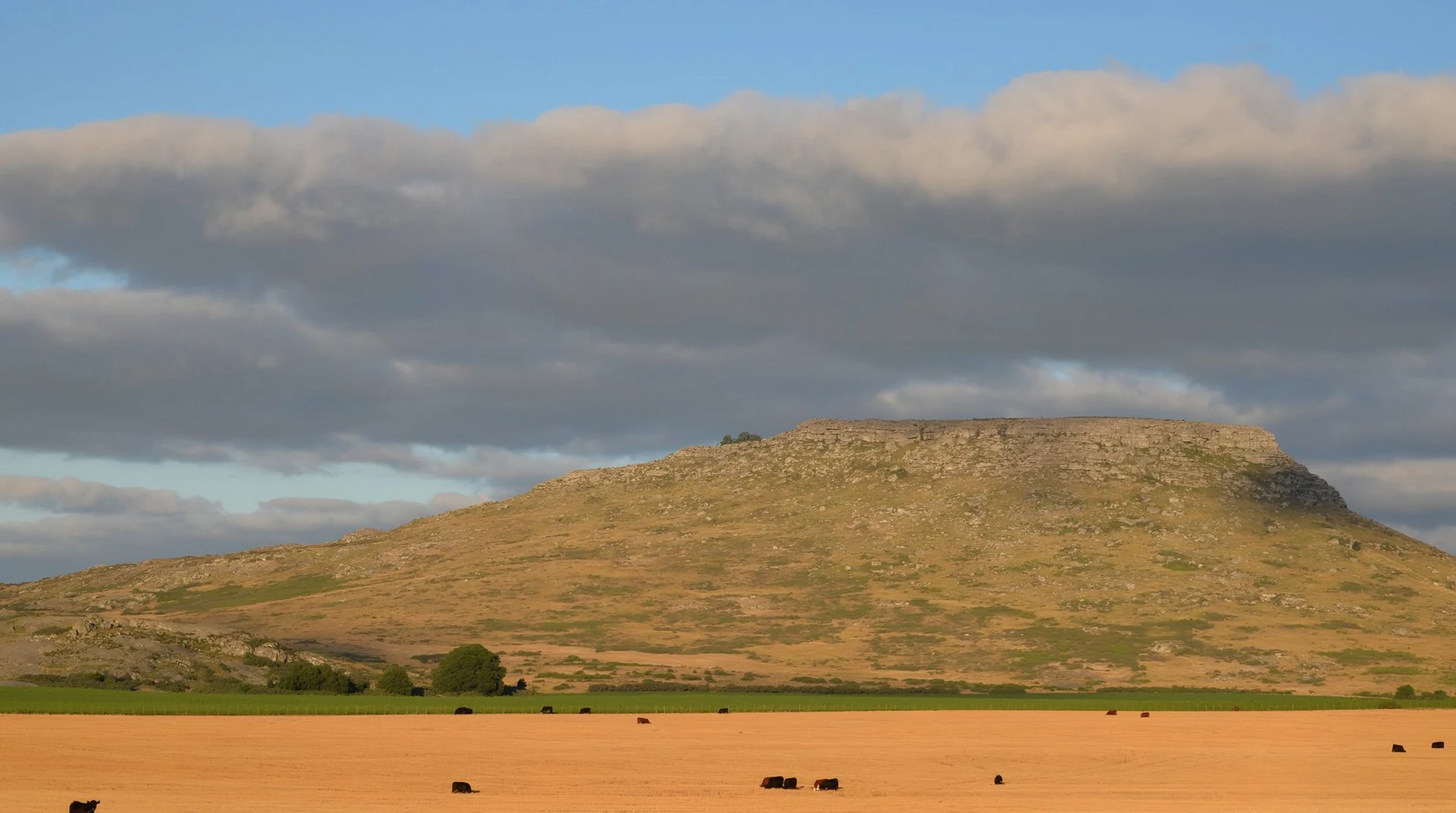
Balcarce, in southeastern Buenos Aires province, is the hometown of Juan Manuel Fangio: his museum occupies the old 1906 town hall, on a corner of the main square, and the racetrack that bears his name runs at the foot of the Sierra La Barrosa, in the Tandilia hills. Around it are potato fields, hillside vineyards and Laguna La Brava. From Buenos Aires it is 436 km: a private aircraft lands at the Balcarce airfield in 1 h 05 to 1 h 35.
Fangio: museum, racetrack and karting
The hometown of the five-time Formula 1 world champion.
The Museo del Automovilismo Juan Manuel Fangio, the Fangio motor racing museum, opened on November 22, 1986 in the old town hall, a 1906 building on a corner of the main square, at Dardo Rocha (Calle 18) and Mitre (Calle 17). It brings together cars, trophies and mementos of the career of Fangio, Formula 1 world champion in 1951, 1954, 1955, 1956 and 1957, and cars on loan from institutions and other drivers.
It is open every day: from 10 a.m. to 5 p.m. on weekdays and from 10 a.m. to 6 p.m. on weekends, holidays and in January and February. A visit takes one to three hours; there is an audio guide in two languages, a 100-seat screening room, a café, a shop, an elevator and parking. Private guided tours and groups of more than 10 people are arranged with the museum.
The Autódromo Juan Manuel Fangio racetrack is at the foot of the Sierra La Barrosa, inside the city. Reopened after restoration work, it hosted national racing series again after 15 years. It is a competition venue: entry is only with prior authorization from the city's tourism office. The Kartódromo rents karts on Saturdays from 10 a.m. to 5 p.m., and the workshop of Crespi, a builder of racing cars, offers guided tours Monday to Friday from 10 a.m. to 4 p.m.
The Fundación Fangio puts together the Fangio Experience, a tailor-made trip that includes driving Fangio's cars at the racetrack and staying at the El Casco de Fangio estancia. The driver's birthplace can be seen from the street, and every year, in late January or early February, the Fiesta Nacional del Automovilismo, the national motor racing festival, brings together classic and modern cars, club meets and shows.
What to see
- Autódromo Juan Manuel FangioAt the foot of the Sierra La Barrosa; entry with prior authorization.
- Crespi CompeticiónGuided workshop tours, Monday to Friday from 10 a.m. to 4 p.m.
- Fangio's birthplaceSeen from the street.
- Kartódromo Juan Manuel FangioKart rentals on Saturdays from 10 a.m. to 5 p.m.
- Museo del Automovilismo Juan Manuel FangioDardo Rocha and Mitre; 10 a.m. to 5 p.m., and until 6 p.m. on weekends, holidays, January and February.
Sierra La Barrosa and Cerro El Triunfo
Trails, lookouts and climbing in the Tandilia hills, inside the city.
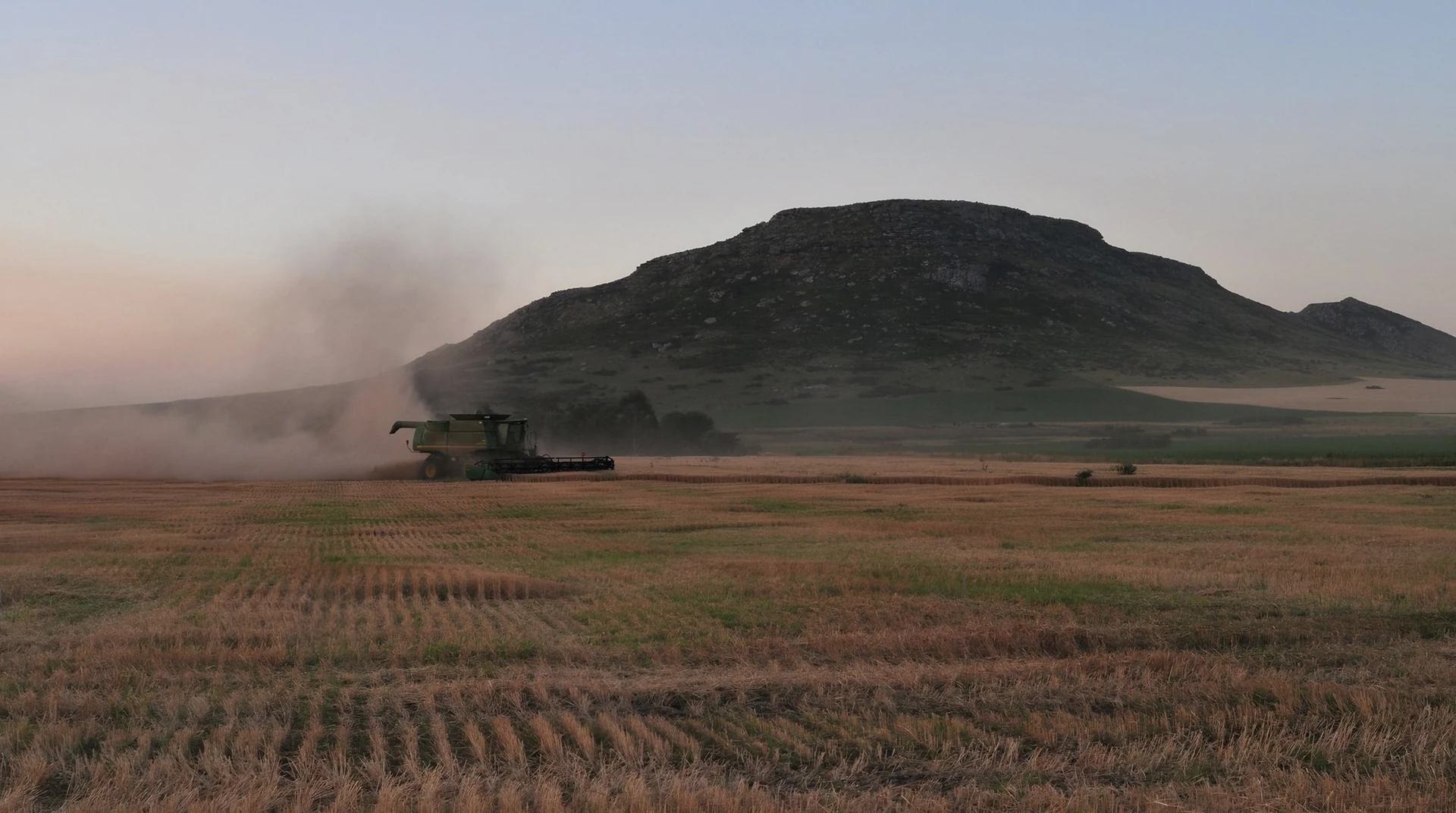
Balcarce is surrounded by the hills of the Tandilia range. The Sierra La Barrosa, inside the city, is the only one in the district (partido) with public access: it holds the Paseo El Mirador, the Pun Antü Geopark, the racetrack and the Reserva Fundación Fangio.
The reserve has an easy trail of about 3,400 meters; in summer it is open from 10 a.m. to 7:30 p.m., and hours change with the season. Groups arrange their visit with the tourism office. La Barrosa offers hiking, trail running, mountain biking and rock climbing, with local guides and schools, and guided horseback rides of one to three hours.
Cerro El Triunfo adds the Nuestra Señora de Fátima grotto, the Carlos Máximo Cabrera pulpería, a traditional country store and bar with open folk dance classes, and the La Vieja Cantera tavern. 16 km away, the village of Los Pinos has the Paseo de la Cantera, Cerro San Agustín, pecan groves and vineyards; 26 km away, San Agustín has the Parque Idoyaga Molina, with camping and bike rides.
What to see
- Cerro El TriunfoFátima grotto, pulpería and tavern.
- Los PinosA village 16 km away, with the Paseo de la Cantera and vineyards.
- Paseo El MiradorViews of the city and the countryside from La Barrosa.
- Pun Antü GeoparkFacing the Sierra La Barrosa, with a café open Tuesday to Sunday.
- Reserva Fundación FangioAn easy trail of about 3,400 meters.
Laguna La Brava
Fishing, water sports and climbing among the hills, 39.5 km from the city.
Laguna La Brava is 39.5 km from the city, on National Route 226, between the La Brava, La Vigilancia and Valdez hills. It has about 4 km² of open water and a maximum depth of 4.57 meters, and the province declared its surroundings a Protected Landscape of Provincial Interest.
Activities include fishing, mainly for pejerrey, the Argentinian silverside, kayaking, stand-up paddleboarding, windsurfing and sailing. The Club de Pesca Balcarce, at km 39.5 of the route, rents kayaks and boats and has a campground; the village has cabins and other campgrounds.
At about km 43, the Centro de Escalada La Vigilancia has more than 300 bolted routes, hiking, rappelling and a zip line, with entry only by advance registration and a daily cap. Piedra Naranja, at the same kilometer, offers kayaking, mountain biking, birdwatching and tandem paragliding intro flights.
What to see
- Centro de Escalada La VigilanciaMore than 300 routes; entry by advance registration.
- Club de Pesca BalcarceFishing, camping and kayak and boat rentals.
- Piedra NaranjaKayaking, mountain biking, birds and paragliding, at km 43.
Potatoes, wine and postre Balcarce
The farmland of southeastern Buenos Aires, INTA and the city's table.
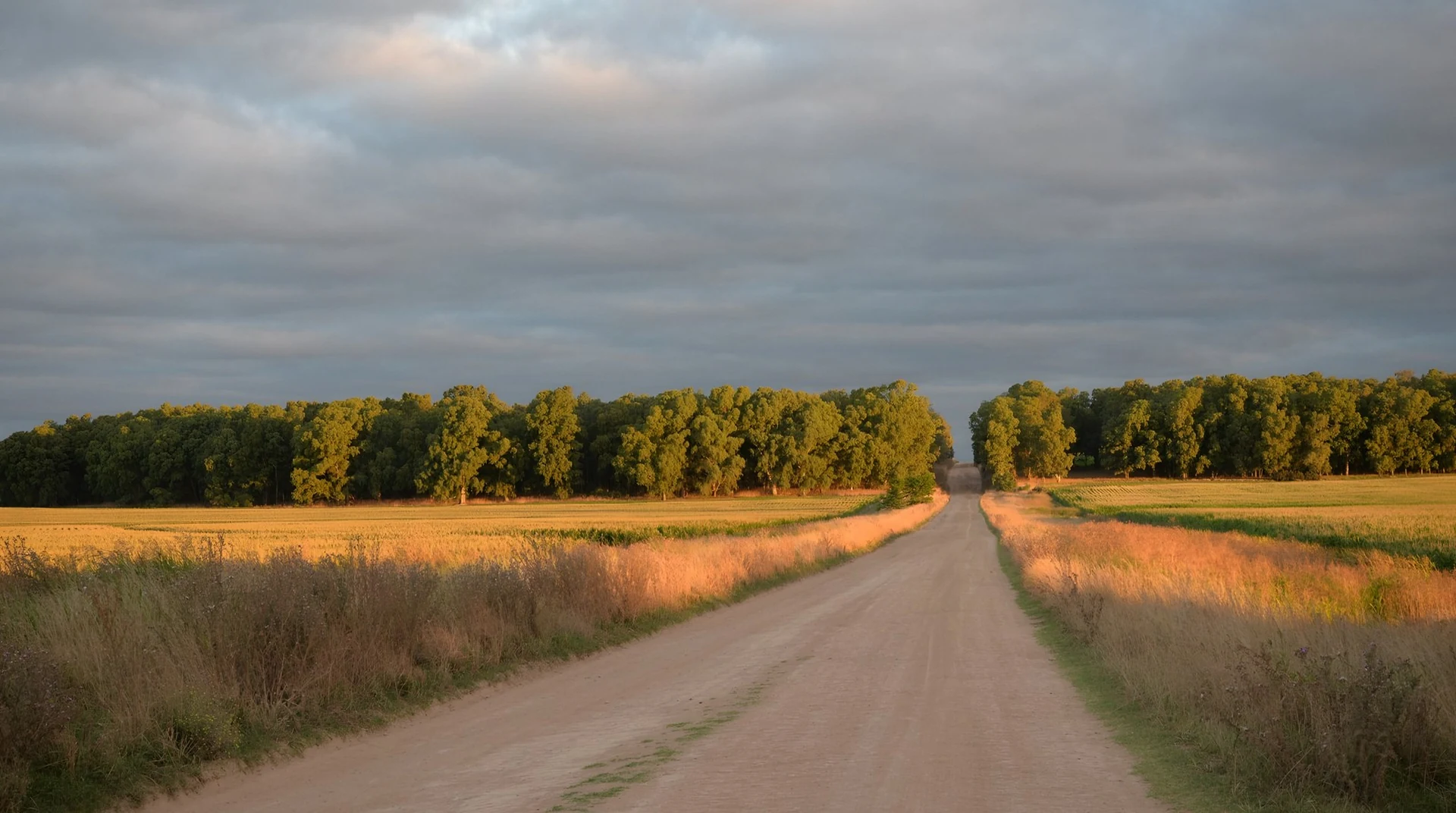
Balcarce is one of the potato-growing partidos of southeastern Buenos Aires province: with Lobería and Tandil, it plants one of the largest areas in the region, with a medium-late potato crop. Since 1962, the Balcarce Agricultural Experiment Station of INTA, Argentina's national agricultural technology institute, and the School of Agricultural Sciences of the Universidad Nacional de Mar del Plata have formed the Unidad Integrada Balcarce, which researches potato and cereal production, soils and livestock.
On the partido's hillsides, more than six producers grow hill vineyards. Bodegas y Viñedos Balcarce, at Route 55 km 79, 10 minutes from downtown, makes Cabernet Franc, Sauvignon Blanc and blends, with tastings, a restaurant, guided tours and lodging. Finca La Alegría, at the Loma Carmelo vineyard, hosts groups of 10 to 25 people by reservation for tours, tastings and asados.
Postre Balcarce was created by Guillermo Talou in 1950: pionono, a thin sponge cake, with dulce de leche, cream, meringue, walnuts and shredded coconut. It is sold in the city's cafés and bakeries, and the Fiesta Nacional del Postre, the national dessert festival, celebrates it every year in late October or early November at the Sociedad Rural grounds, with cooking classes, shows and the cutting of the dessert.
In the countryside, estancias such as San Pedro de La Vigilancia offer a día de campo, a day at the ranch, and La María, a polo club on Route 55, gives lessons and horseback rides. The province's small-game hunting season usually runs from May to early August: European hare and eared dove, up to 10 per hunter per day; ducks and spotted nothura (perdiz chica), up to 6. You need a sport hunting license, a firearm authorization and written permission from the landowner; the exact dates are set by the province each year.
Where to eat and shop
- Bodegas y Viñedos BalcarceTastings and a restaurant at Route 55 km 79.
- Cavas Bar Vinos & RestóWine and food at Calle 27 No. 886.
- El Cóndor Café y RestóPostre Balcarce and alfajores at Calle 17 No. 576.
- Heladería CyranoArtisanal ice cream since 1970, at Calles 17 and 18.
- La Vieja Cantera BodegónOn Cerro El Triunfo; Friday and Saturday evenings, Sunday lunch.
- Parrilla Bodegón Los TroncosGrilled meats at Avenida Central 626.
Where to stay
- 646 Hotel BalcarceIn the city, with car rental.
- Estancia El Casco de FangioRoute 55 km 18, in Los Pinos: 8 double rooms, a 5-bedroom country house, a pool and an event hall for 300 people.
- Las Biscardi LodgeCabins with a pool and private grills.
- Viñedos BalcarceLodging among the vineyards on Route 55.
Arrival
From departure to destination.
- Departure
- From San Fernando (FDO), Aeroparque (AEP) or Ezeiza (EZE). The fare may change depending on where each aircraft is based.
- Airfield
- Balcarce (BAL), public-use and non-towered, with a grass runway, a few minutes from downtown.
- Aircraft
- Piston twins and turboprops land here.
- Laguna La Brava
- 39.5 km from the city along National Route 226.
- Racetrack and reserve
- Visits are arranged in advance with the tourism office.
When to go
The seasons at the destination.
- Summer (December to March)
- Mild, with an average high of 28.3 °C and a low of 14.3 °C in January, the rainiest month.
- Late January or early February
- Fiesta Nacional del Automovilismo.
- Fall (March to June)
- Mild days, with a high of 24.8 °C in March and 20.7 °C in April.
- May to early August
- Small-game hunting season in the province.
- Winter (June to September)
- July is the coldest and driest month: a high of 12.5 °C, a low of 3.4 °C and about five days of frost.
- Late October or early November
- Fiesta Nacional del Postre.
Key facts
Summer January
- Average low
- 14.3°
- Average high
- 28.3°
99.5 mm of rain
Fall April
- Average low
- 9.7°
- Average high
- 20.7°
85.3 mm of rain
Winter July
- Average low
- 3.4°
- Average high
- 12.5°
52.1 mm of rain
Spring October
- Average low
- 7.9°
- Average high
- 19.5°
87.3 mm of rain
- Airport
- BalcarceGrass runway
- Category
- Public-use, non-towered
- Distance
- 436 kmFlight distance from Buenos Aires; 416 km by road
- Annual rainfall
- 900.8 mm59% falls from October to March
Frequently asked questions
Price, flight time, airport, departure and travel documents.
How much does a private flight from Buenos Aires to Balcarce cost?
Reference fares for a one-way private flight from Buenos Aires (San Fernando), whole aircraft, start at USD 3,930 for a piston twin and USD 4,020 for a turboprop. Round trips are calculated in the quote tool according to the length of your stay.
How long is the flight?
Between 1 h 05 and 1 h 35, depending on the aircraft.
Which airfield does the flight land at?
Balcarce Airfield (BAL), public-use and non-towered, with a grass runway, a few minutes from downtown. Piston twins and turboprops land here.
When is the best time to fly to Balcarce?
It depends on the plan. Summer is mild, with an average high of 28.3 °C in January, and the Fiesta Nacional del Automovilismo is held in late January or early February. Winter is cold and dry, with a high of 12.5 °C and a low of 3.4 °C in July. The Fiesta Nacional del Postre is in late October or early November.
Can I fly there and back in a day?
Yes: the flight takes 1 h 05 to 1 h 35, enough to tour the Fangio Museum, have lunch downtown and go up the Sierra La Barrosa. The fare is calculated by length of stay, from a same-day return to several days.
What are the Fangio Museum's hours?
It is open every day: from 10 a.m. to 5 p.m. on weekdays and from 10 a.m. to 6 p.m. on weekends, holidays and in January and February. A visit takes one to three hours and there is an audio guide in two languages; private guided tours and groups of more than 10 people are arranged with the museum.
Can I visit the Autódromo Juan Manuel Fangio?
Yes, with prior authorization: it is a competition venue, and entry is arranged with Balcarce's tourism office according to the track calendar. The same applies to group visits to the Reserva Fundación Fangio, on the same hill.
What is postre Balcarce?
A dessert created in the city by Guillermo Talou in 1950, with pionono sponge cake, dulce de leche, cream, meringue, walnuts and shredded coconut. It is sold in Balcarce's cafés and bakeries and has its own national festival in late October or early November.
What documents do I need?
It is a domestic flight within Argentina: Argentine citizens travel with a valid national ID (DNI) and foreign nationals with a valid passport.
Are the published fares final?
They are estimates. The final quote depends on dates, length of stay, aircraft type and applicable operating fees.
Where does the flight depart from?
Fares are calculated for departure from San Fernando (FDO). Departing from Aeroparque (AEP) or Ezeiza (EZE) may change the fare, depending on where each aircraft is based.
Ready to fly? Let’s talk.
Share the details of your trip and we’ll help you find the aircraft and flight solution best suited to your needs.
- WhatsApp+54 9 11 3080 7775
- Phone+54 9 11 3080 7775
- Emailinfo@argentina-fly.com
For charter operatorsList your aircraft