
- Home
- Flight quote
- Cusco
Private flights to Cusco and Machu Picchu
Jet from USD 33,330 · 3 h 30
Results:
- Itinerary
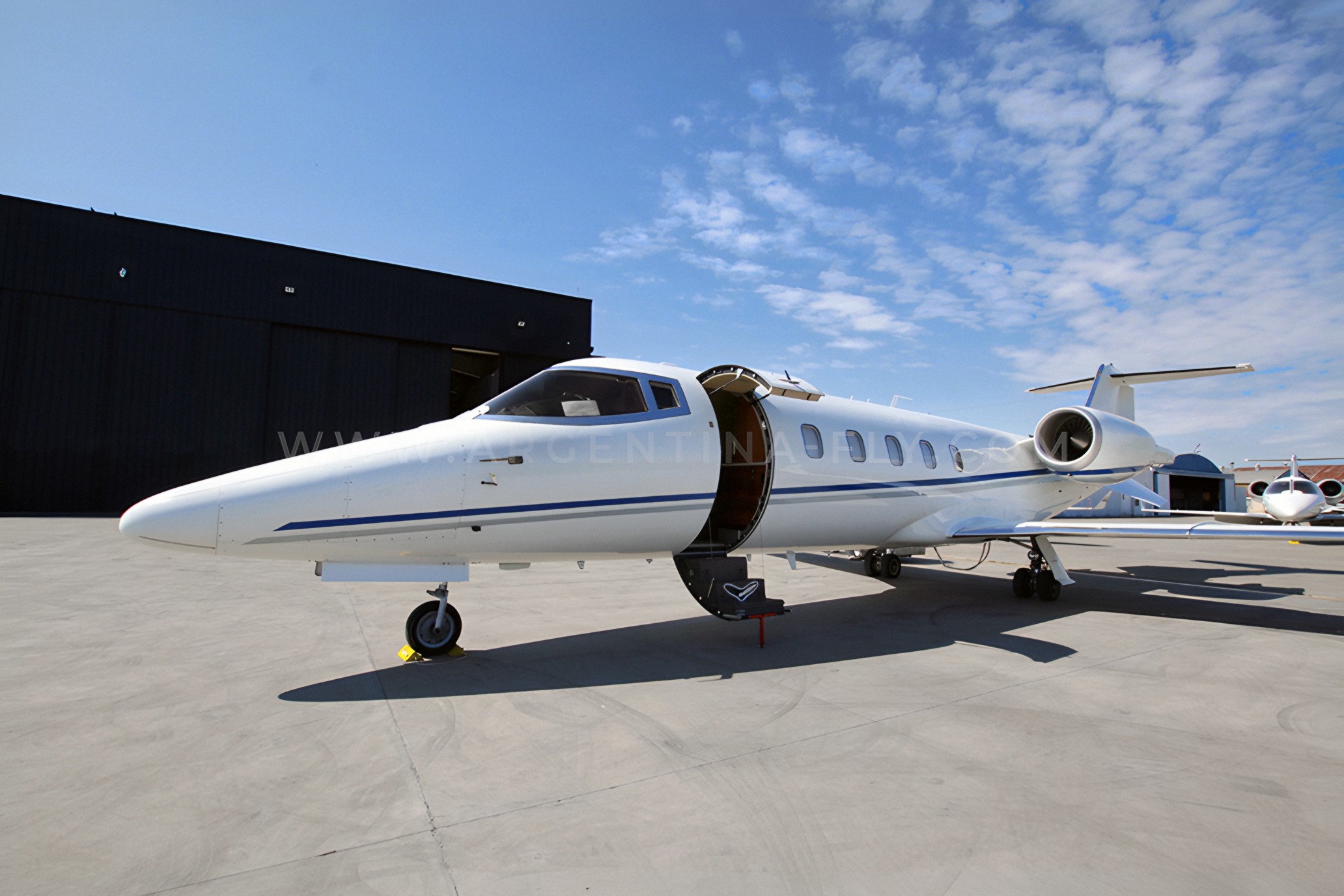
Learjet 60
Midsize jet · 7 passengers · 3 h 303 h 30flight time
USD 33,330+ international fees
Request a quote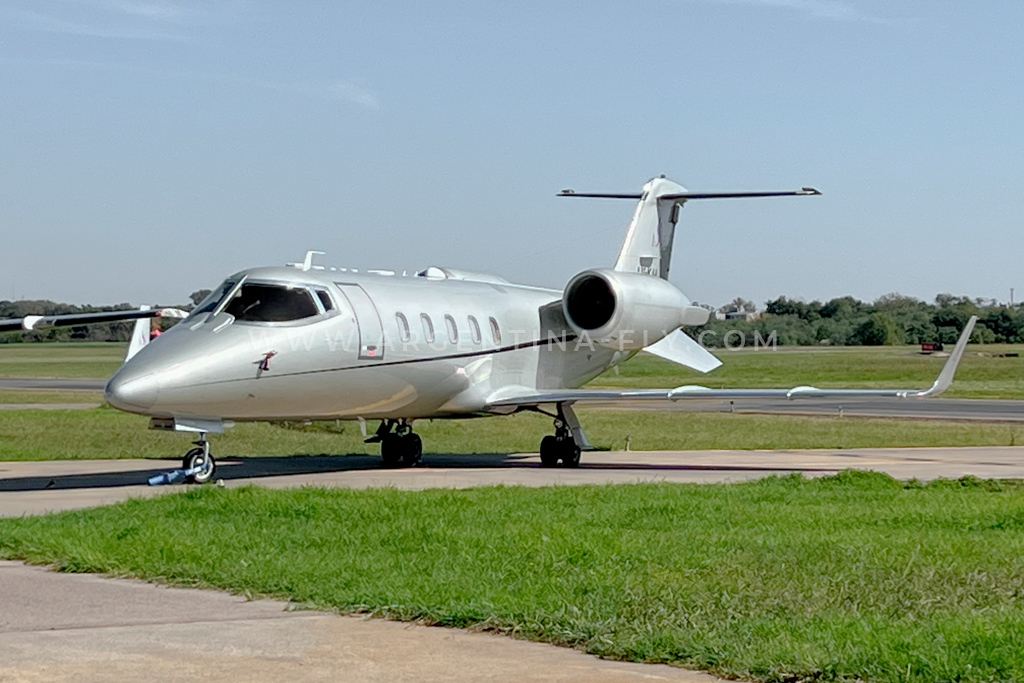
Learjet 60 XR
Midsize jet · 6 passengers · 3 h 303 h 30flight time
USD 35,050+ international fees
Request a quote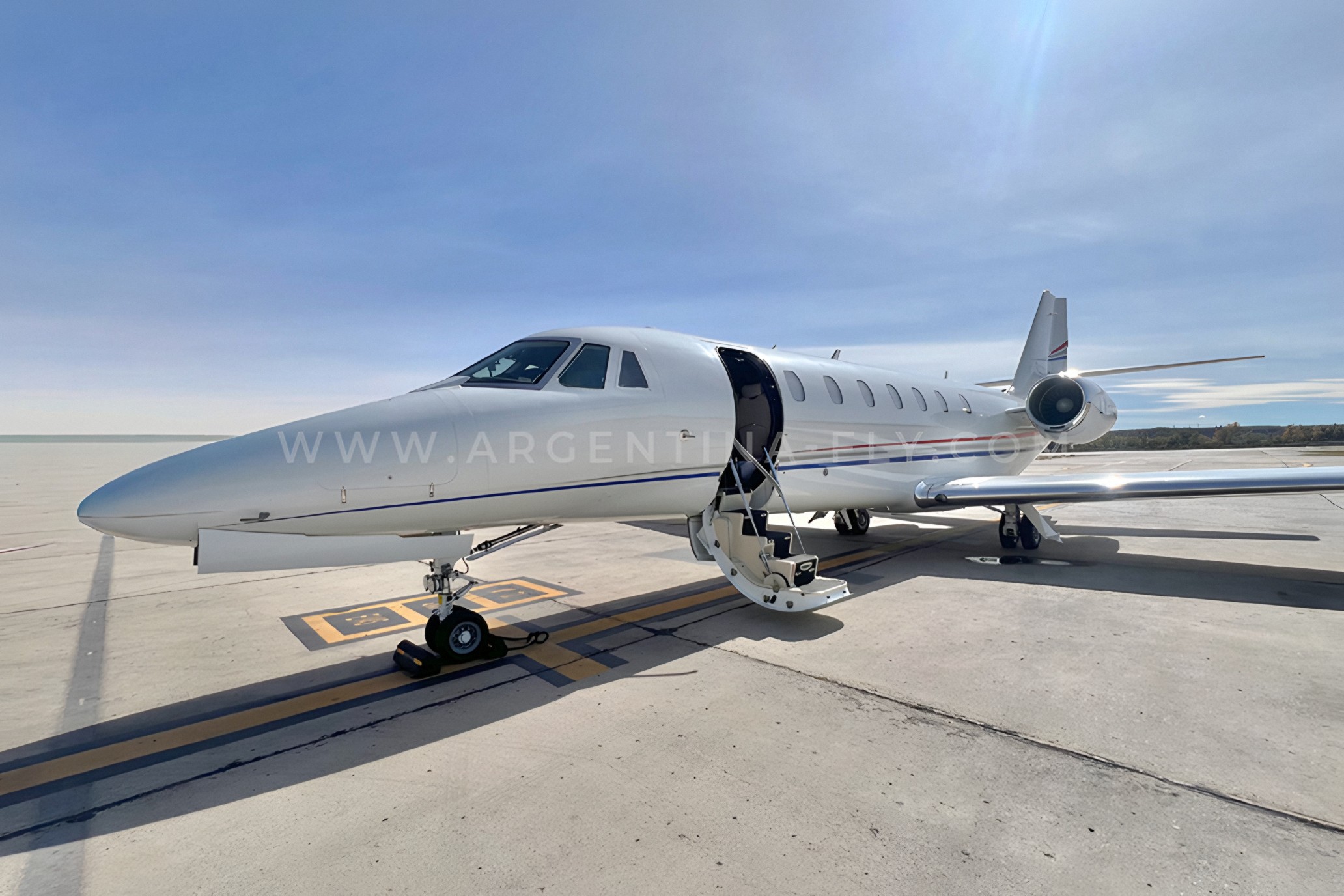
Citation Sovereign
Midsize jet · 8 passengers · 3 h 303 h 30flight time
USD 40,220+ international fees
Request a quote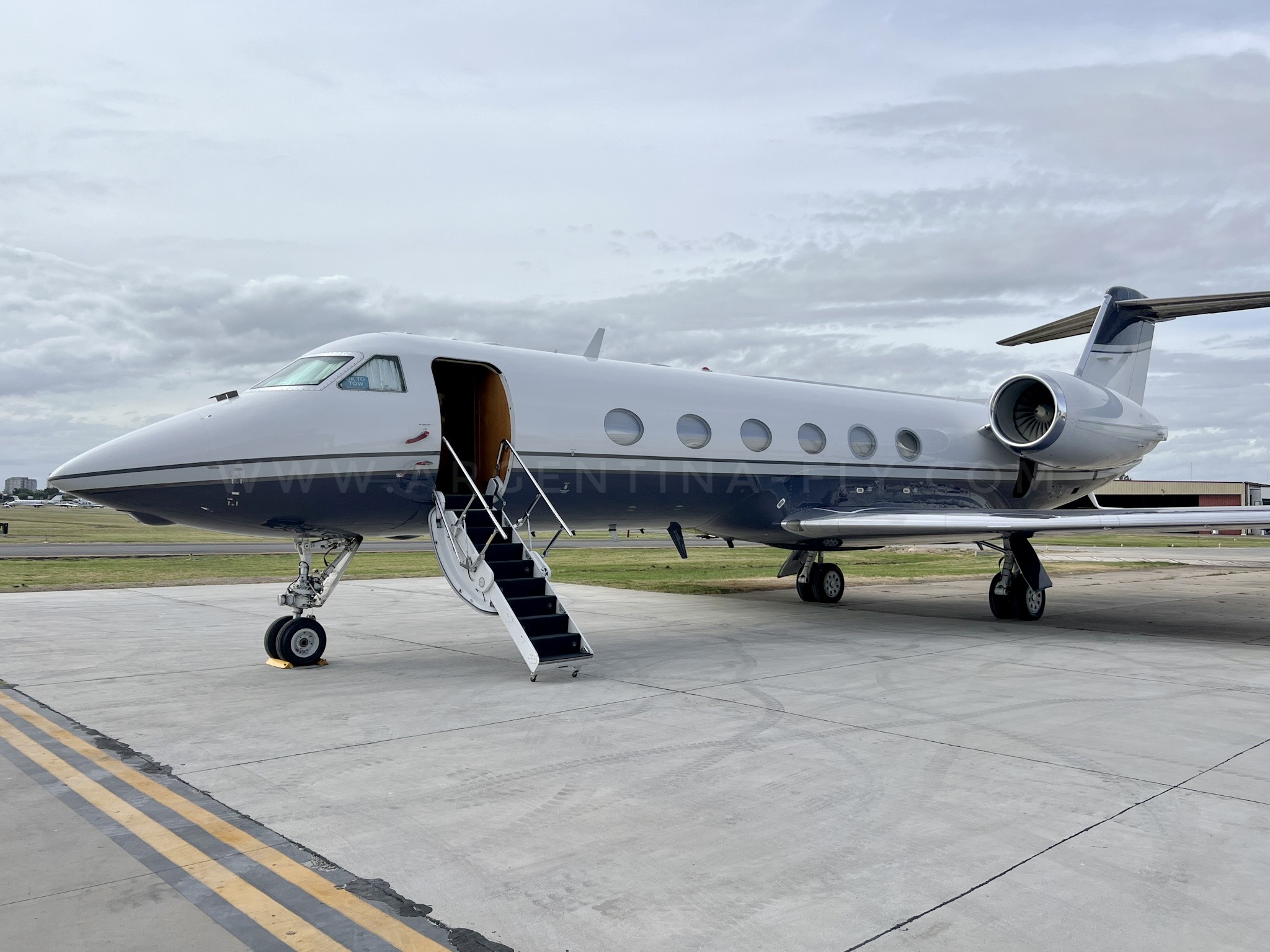
Gulfstream 400
Large jet · 14 passengers · 3 h 253 h 25flight time
USD 54,590+ international fees
Request a quote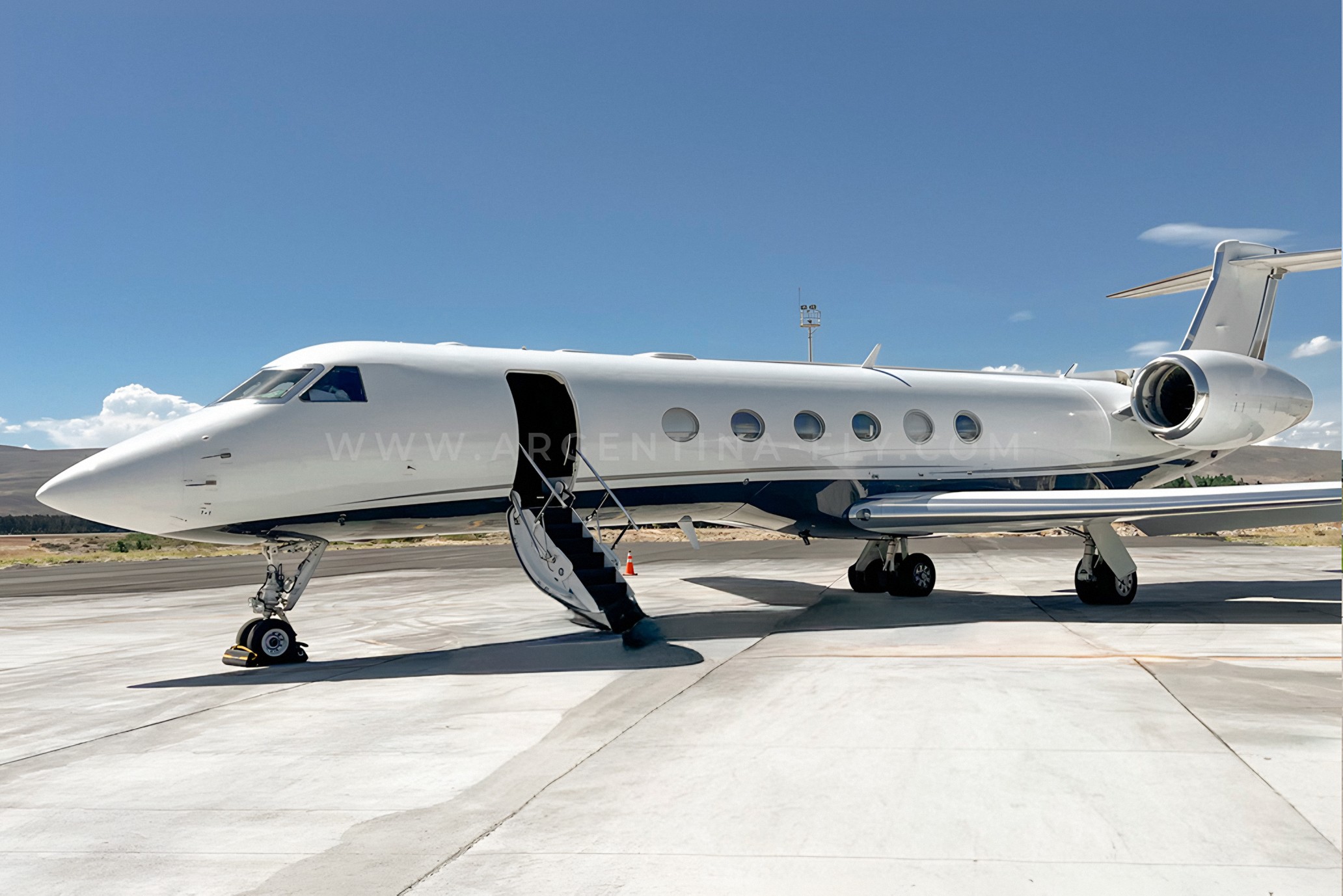
Gulfstream V
Large jet · 14 passengers · 3 h 203 h 20flight time
USD 54,590+ international fees
Request a quote
Route and airfields
Rate conditions
Please read carefully before requesting a quote.
Prices
Reference fares in US dollars (USD), for the entire aircraft. They may vary with aircraft availability and travel dates. For itineraries with several destinations, please request a tailored quote.
Not included
VAT on flights within Argentina, fees abroad on international flights (airport charges, handling and FBO, among others), and special services on request.
Base airport
Fares are calculated for departure from San Fernando (FDO). Departing from Aeroparque (AEP) or Ezeiza (EZE) may change the fare, depending on where each aircraft is based.
Reference fleet
The aircraft displayed are for reference purposes only and may vary depending on operational availability. Contact us to learn about the available options for your trip.
Rate conditions
Please read carefully before requesting your quotation.
Published prices are provided for reference only.
 Prices
Reference fares in US dollars (USD), for the entire aircraft. They may vary with aircraft availability and travel dates. For itineraries with several destinations, please request a tailored quote.
 Not included
VAT on flights within Argentina, fees abroad on international flights (airport charges, handling and FBO, among others), and special services on request.
 Base airport
Fares are calculated for departure from San Fernando (FDO). Departing from Aeroparque (AEP) or Ezeiza (EZE) may change the fare, depending on where each aircraft is based.
 Reference fleet
The aircraft displayed are for reference purposes only and may vary depending on operational availability. Contact us to learn about the available options for your trip.
Need a personalized quotation?
Request quotation
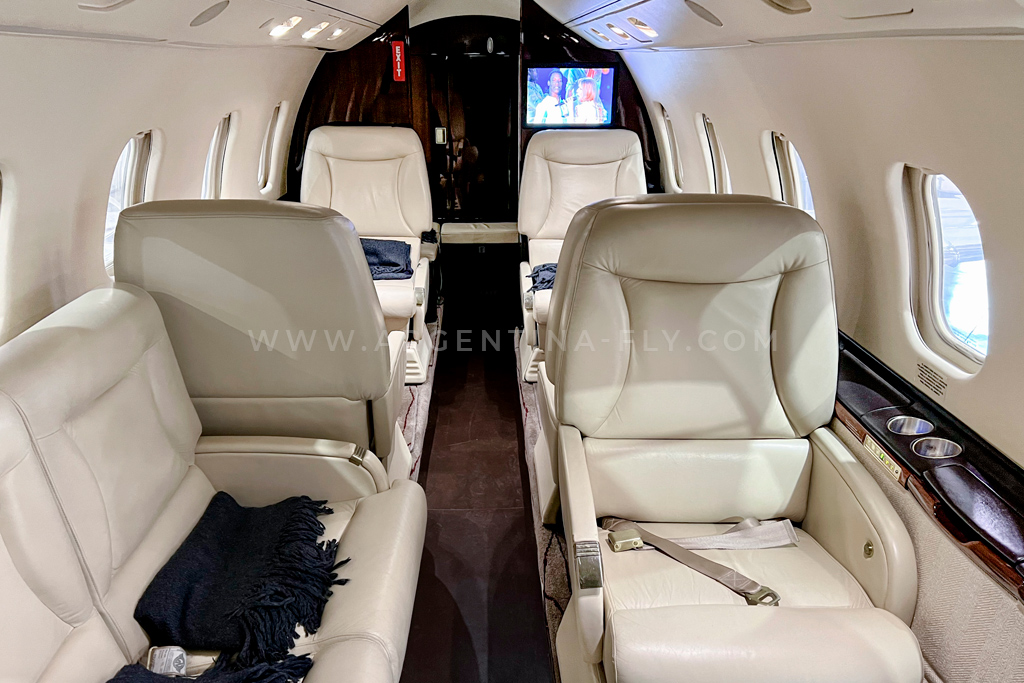
Learjet 60
Midsize jet with a spacious cabin and excellent cruise speed, one of the most requested options for executive flights.
 Capacity
7 passengers
 Lavatory
Yes
 Cabin
Pressurized
 Luggage
Moderate
 Wi-Fi
Portable Starlink
 Safety certifications

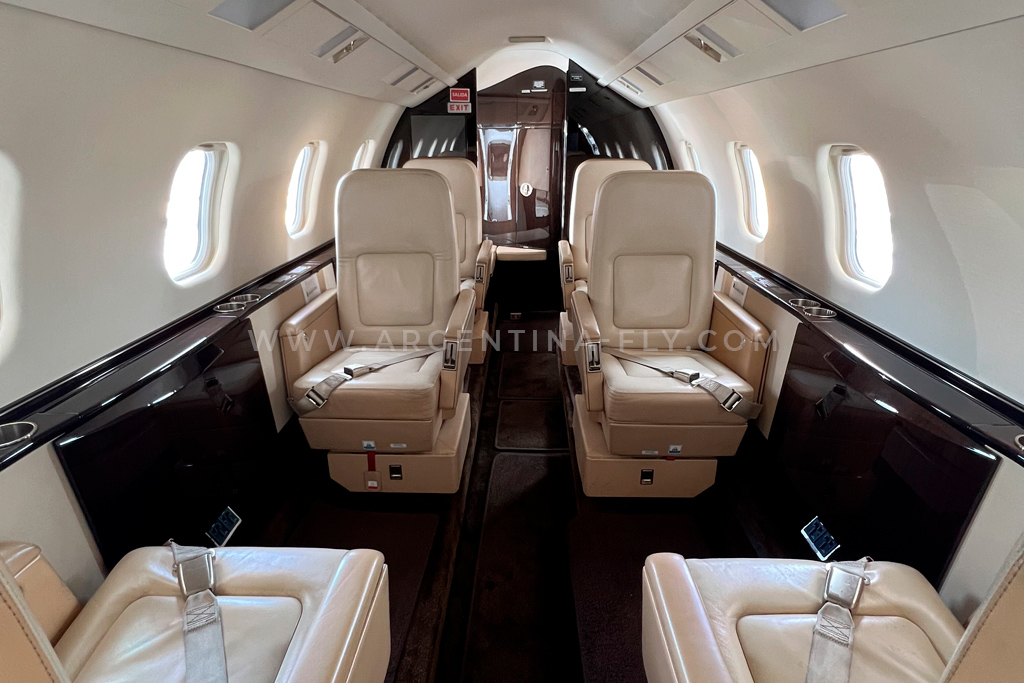
Learjet 60 XR
Enhanced version offering greater range and efficiency while maintaining the speed and comfort of the Learjet 60.
Capacity
6 passengers
Lavatory
Yes
Cabin
Pressurized
Luggage
Moderate
Wi-Fi
Not available
Safety certifications
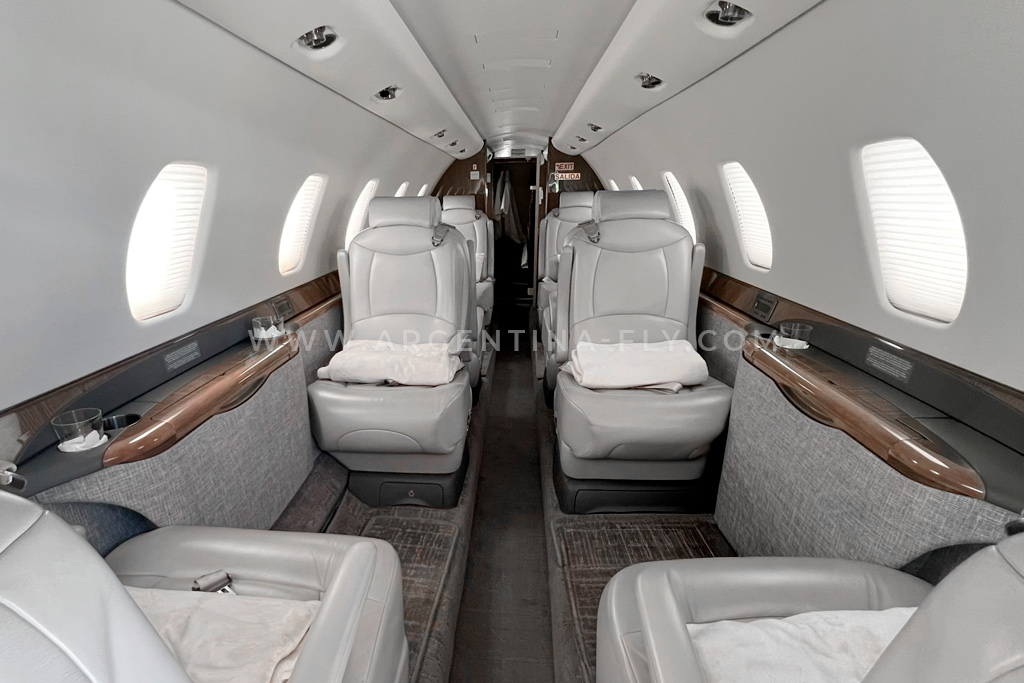
Citation Sovereign
Midsize jet with a spacious cabin, greater range and premium equipment for demanding passengers.
Capacity
8 passengers
Lavatory
Yes
Cabin
Pressurized
Luggage
Generous
Wi-Fi
Portable Starlink (extra cost)
Safety certifications
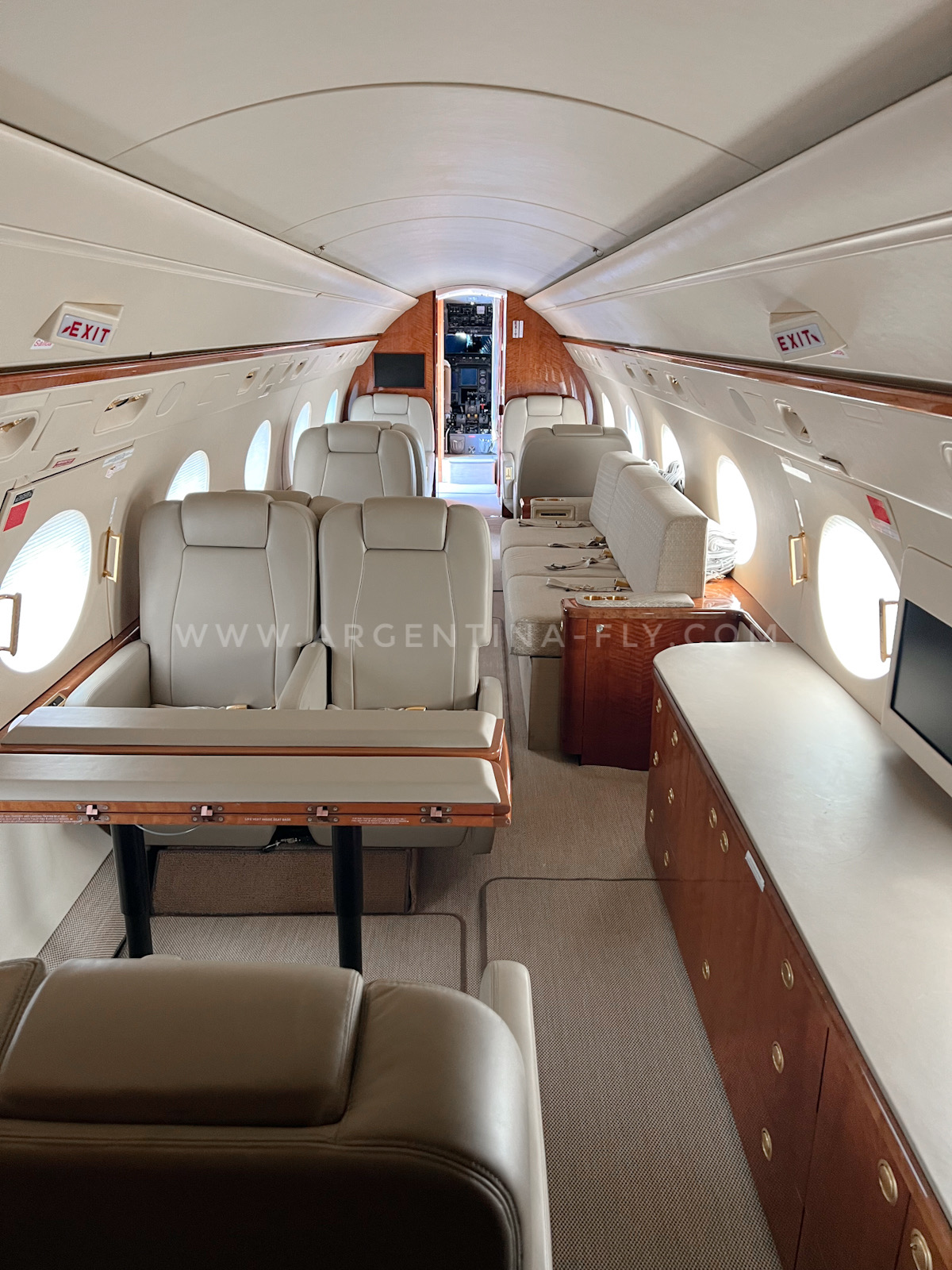
Gulfstream 400
Large jet with an exceptionally spacious cabin and long range, ideal for executive groups requiring maximum comfort.
Capacity
14 passengers
Lavatory
Yes
Cabin
Pressurized
Luggage
Generous
Wi-Fi
Built-in Starlink
Safety certifications
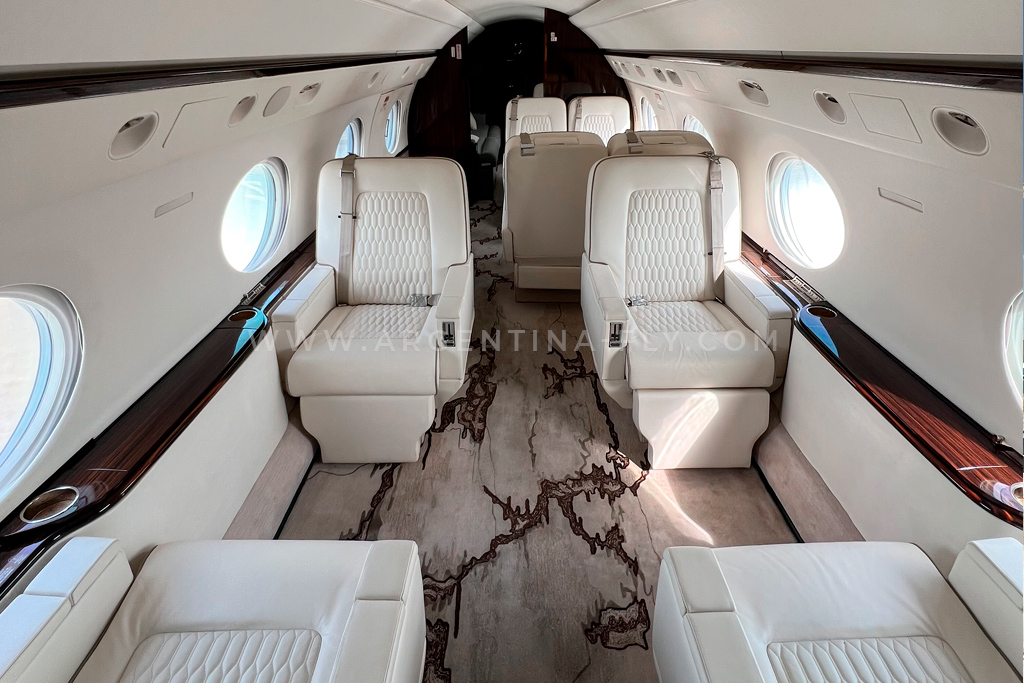
Gulfstream V
Long-range, large-cabin jet with VIP equipment for executive groups demanding the highest level of comfort.
Capacity
14 passengers
Lavatory
Yes
Cabin
Pressurized
Luggage
Generous
Wi-Fi
Built-in Starlink
Safety certifications
Other routes from Buenos Aires
Destinations near Cusco, with the lowest reference fare and the shortest flight time.
Cusco
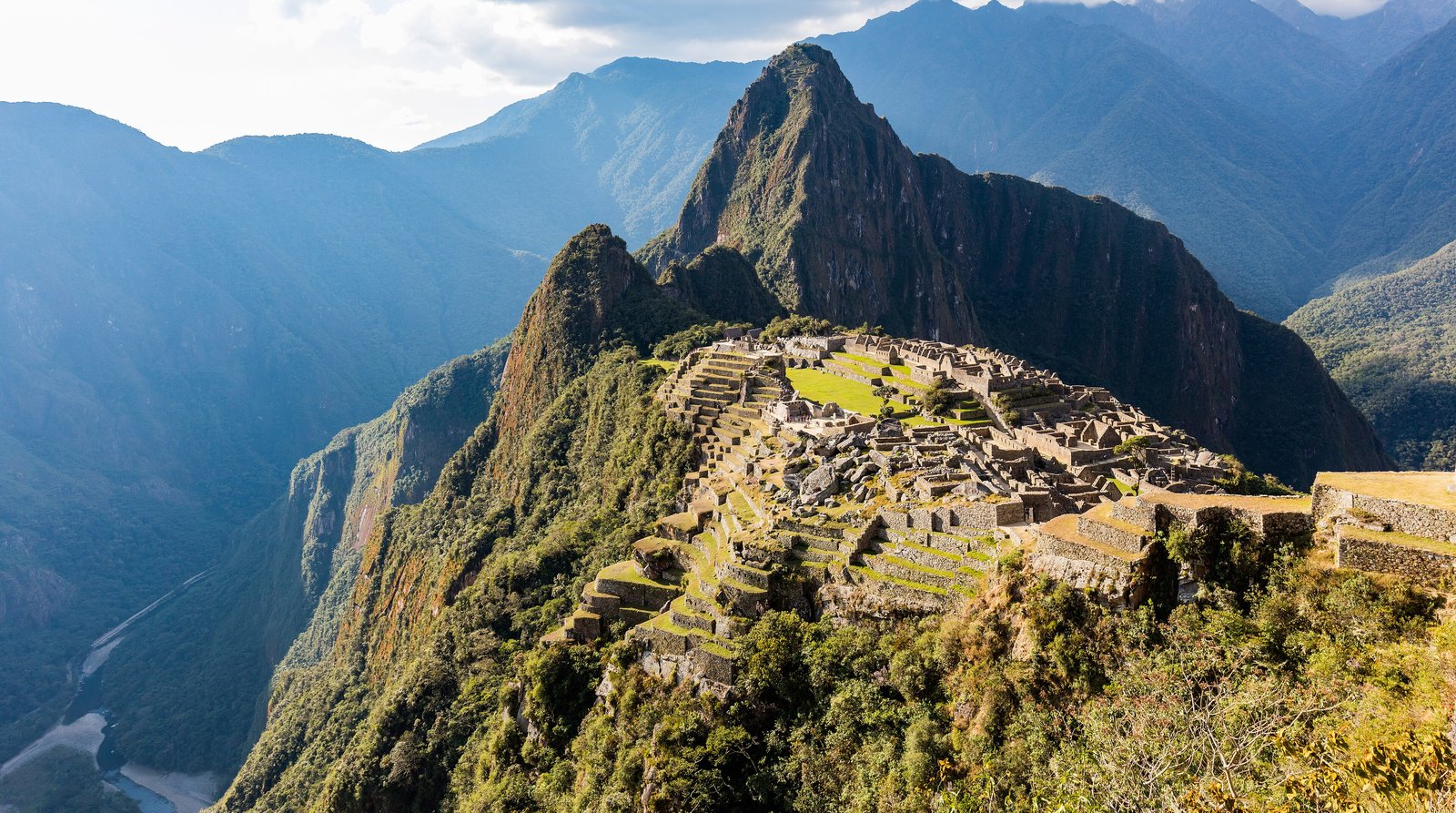
Cusco was the capital of the Inca Empire and is the base for visiting Machu Picchu and the Sacred Valley. Its historic center and the Historic Sanctuary of Machu Picchu have been UNESCO World Heritage Sites since 1983. From Buenos Aires it is 2,706 km: a private jet reaches Alejandro Velasco Astete International Airport in 3 h 20 to 3 h 30, depending on the aircraft.
Machu Picchu
The Inca llaqta, its three circuits and timed entry.
The Historic Sanctuary of Machu Picchu has been a UNESCO World Heritage Site since 1983, listed as both a cultural and a natural site. The llaqta, the Inca citadel, stands at 2,430 m in a tropical mountain forest on the eastern slope of the Andes, and is managed by Peru's Ministry of Culture.
Since June 1, 2024, visits are organized into three circuits that group ten routes. Circuit 1, the panoramic circuit, includes the climb up Machupicchu Mountain and the upper terrace; Circuit 2, the Inka city circuit, covers the central sector; Circuit 3, the Royalty circuit, includes the climb up Waynapicchu. The Intipunku Gate, the Inka Bridge, the Great Cavern and Huchuypicchu open only in high season.
Each ticket has a circuit, a date and a time slot, and is bought in advance on the Ministry of Culture's official platform. Backpacks larger than 40 x 35 x 20 cm, walking sticks, tripods, food and drones are not allowed in the llaqta.
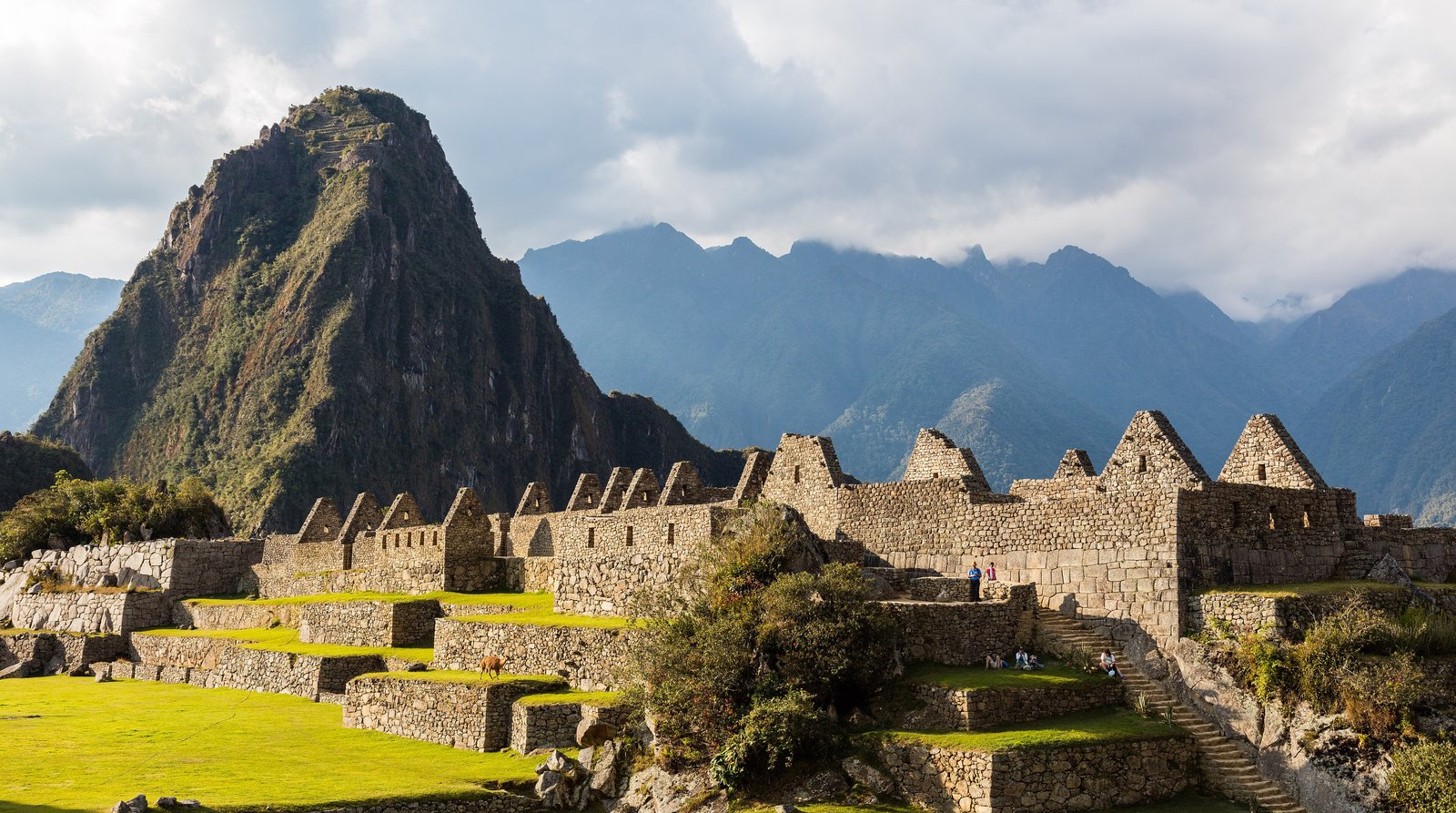
What to see
- Inka city circuitCircuit 2: the route through the central sector of the llaqta.
- Intipunku GateRoute 1-C of the panoramic circuit; open only in high season.
- Machupicchu MountainRoute 1-A of the panoramic circuit, with its own ticket.
- WaynapicchuRoute 3-A of the Royalty circuit, with its own ticket.
From Cusco to Machu Picchu
The train to Aguas Calientes and the bus to the llaqta entrance.
The last stretch is by train to Aguas Calientes station, in Machu Picchu Pueblo, and from there by bus to the llaqta entrance. PeruRail departs from Poroy, on the outskirts of Cusco, a ride of about three and a half hours, and from Ollantaytambo, in the Sacred Valley, a ride of an hour and three quarters; it also runs a service that combines a bus from Cusco with a train from Pachar station.
The Belmond Hiram Bingham departs from Poroy, from the station at the Rio Sagrado hotel, in Urubamba, or from Ollantaytambo, with two dining cars; the fare includes the bus between Aguas Calientes station and the citadel. The train ticket does not include admission to Machu Picchu, which is bought separately.
To stay at the foot of the llaqta, Sanctuary Lodge is the only hotel at the entrance to the citadel, 50 m away; in Machu Picchu Pueblo is the Inkaterra Machu Picchu Pueblo Hotel, on five hectares of cloud forest.
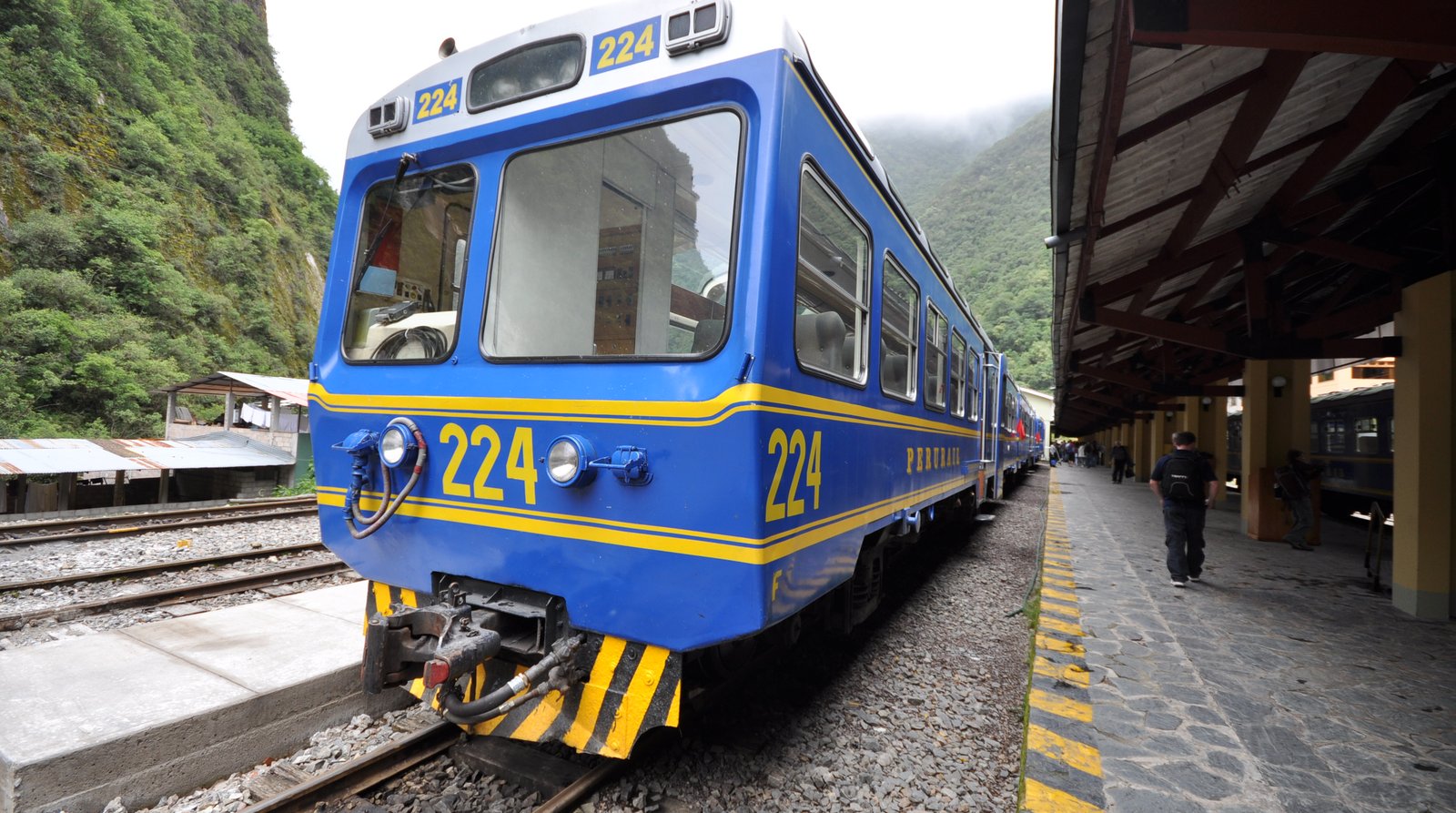
Trains
- Belmond Hiram BinghamFrom Poroy, Urubamba or Ollantaytambo, with two dining cars and the bus to the citadel included.
- PeruRail from OllantaytamboAn hour and three quarters to Aguas Calientes, depending on the service.
- PeruRail from PoroyOn the outskirts of Cusco; about three and a half hours to Aguas Calientes.
Sacred Valley
Pisaq, Ollantaytambo, Chinchero and Moray, between Cusco and Machu Picchu.
The Sacred Valley of the Incas lies between Cusco and Machu Picchu and is lower than the city: Urubamba, its provincial capital, is at 2,871 m. Its four large archaeological parks are part of Circuit III of the Boleto Turístico del Cusco, the Cusco tourist ticket, whose partial version is valid for two days.
Pisaq was a royal estate of the Inca Pachacutec, with terraces, farming platforms and ceremonial buildings above the entrance to the valley; the park is 33 km from Cusco on the road to Calca, and 9 km above the village. Ollantaytambo, 61 km from Cusco via Chinchero, was a planned city for the Inca nobility, with squares, palaces and terraces; today it is also a station on the train to Machu Picchu.
Chinchero, 30 km from Cusco and at 3,750 m, has its monumental area around the main square. In Moray, at 3,480 m and 7 km from the village of Maras, the circular, amphitheater-shaped terraces were a center of agricultural experimentation that made use of different ecological levels.
In Moray, at 3,568 m, is MIL, the restaurant at No. 49 on Latin America's 50 Best Restaurants 2025; it serves lunch Tuesday to Sunday.
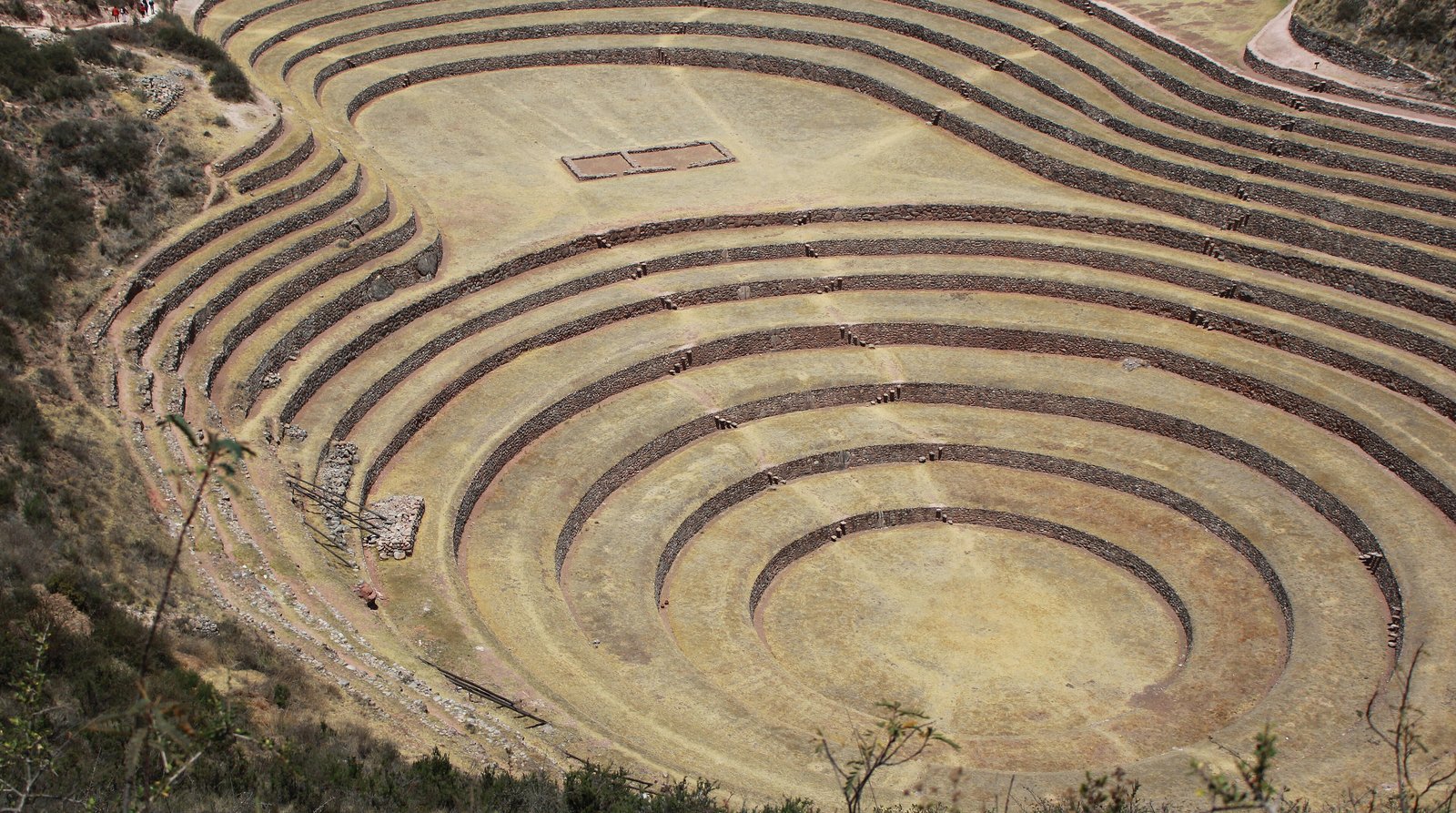
What to see
- Chinchero30 km from Cusco, at 3,750 m; open 7 a.m. to 6 p.m.
- MorayCircular terraces 7 km from Maras, at 3,480 m; open 7 a.m. to 5 p.m.
- Ollantaytambo61 km from Cusco via Chinchero; open 7 a.m. to 4:30 p.m. A station on the train to Machu Picchu.
- Pisaq33 km from Cusco on the road to Calca, plus 9 km from the village; open 7 a.m. to 4:30 p.m.
Where to eat
- MILIn Moray, at 3,568 m; lunch Tuesday to Sunday. No. 49 on Latin America's 50 Best Restaurants 2025.
Historic Cusco
The Inca and colonial city, Saqsaywaman and Inti Raymi.
The City of Cuzco has been a UNESCO World Heritage Site since 1983 and sits at 3,399 m. Several colonial mansions and convents were built on Inca foundations, and some of the stones of Saqsaywaman were reused in the city's churches and mansions.
North of the Plaza de Armas, the Saqsaywaman Archaeological Park covers almost 3,000 hectares and 96 archaeological sites, among them Q'enqo, Puka Pukara and Tambomachay; its construction began under the Inca Pachakuteq. From downtown you can walk there through the San Cristóbal and San Blas neighborhoods. The four sites are part of Circuit I of the Boleto Turístico del Cusco.
Every June 24, Inti Raymi, the Inca Sun Festival, is staged at the Qorikancha, the Plaza Mayor and the esplanade of Saqsaywaman, in a ceremony of about seven hours organized by the Provincial Municipality of Cusco.
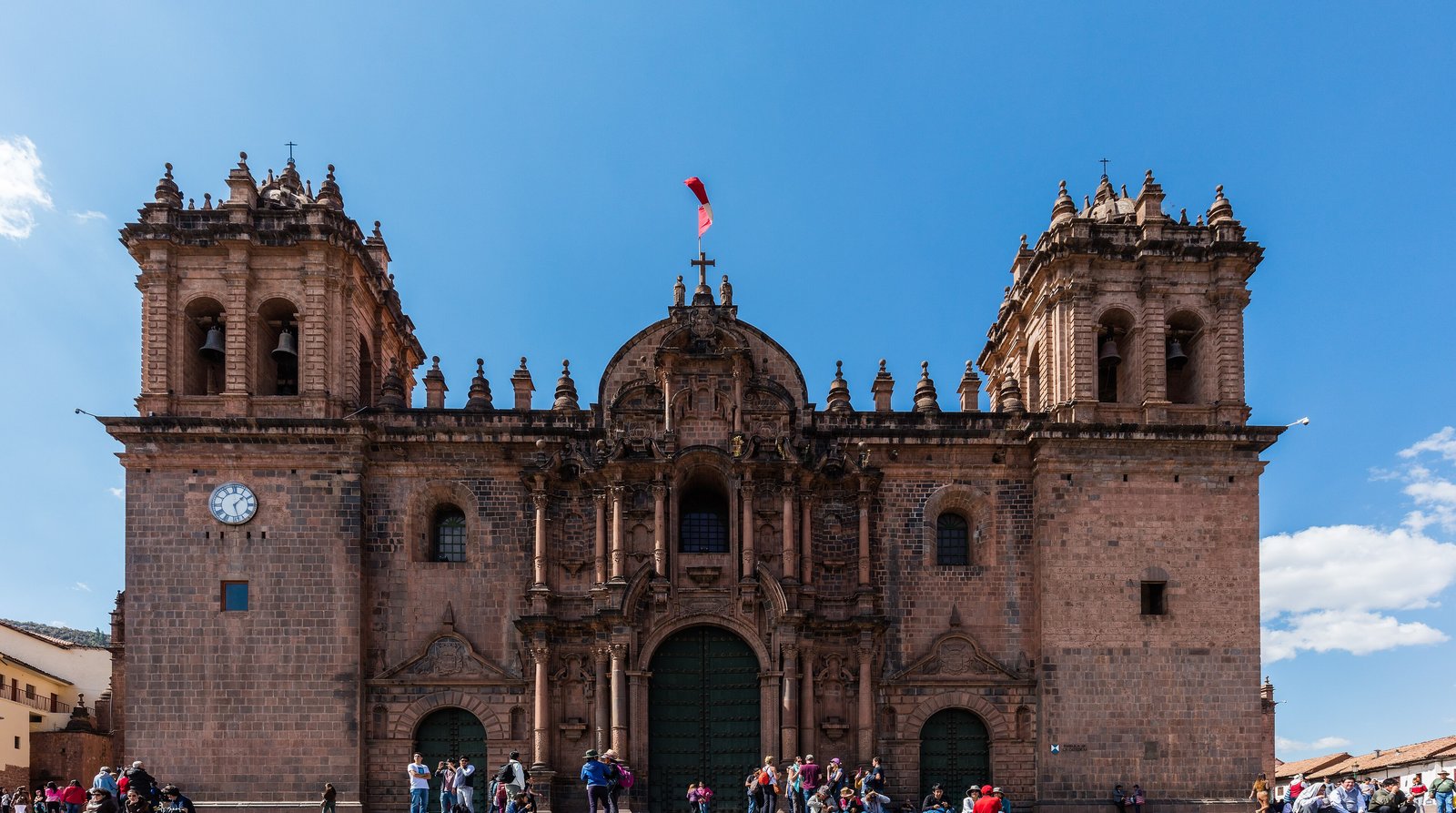
What to see
- Puka Pukara, Q'enqo and TambomachayInside the Saqsaywaman Archaeological Park, on the road to the Sacred Valley.
- QorikanchaIts site museum is part of the Boleto Turístico del Cusco; a stage of Inti Raymi.
- SaqsaywamanNorth of the Plaza de Armas, with pedestrian access from San Blas and San Cristóbal; open 7 a.m. to 5:30 p.m.
Where to stay
Convents and mansions in Cusco, haciendas in the valley and a hotel at the llaqta entrance.
In central Cusco, on the Plazoleta de las Nazarenas, three hotels in colonial buildings hold MICHELIN Keys. Monasterio occupies a 16th-century Baroque monastery, with 97 rooms, 20 suites and some suites with added oxygen; Palacio Nazarenas, a restored former convent with 55 suites, a heated outdoor pool and the restaurant Mauka, by chef Pía León; Inkaterra La Casona, a 16th-century mansion with 11 suites around the courtyard, a Relais & Châteaux member. From there, the airport is about 20 minutes by car.
In the Sacred Valley, explora Valle Sagrado sits on a 32-hectare estate, with all meals, the spa, more than 40 guided explorations and airport transfers included. Inkaterra Hacienda Urubamba has about 40 hectares of countryside; Rio Sagrado, on the riverbank, has its own train station to Machu Picchu; and Sol y Luna, in Urubamba, welcomes guests in 43 stone casitas and is a Relais & Châteaux member.
At the foot of Machu Picchu, Sanctuary Lodge has 31 rooms and suites 50 m from the citadel, and the Inkaterra Machu Picchu Pueblo Hotel has 80 casitas in Machu Picchu Pueblo, in a cloud-forest reserve with 372 species of native orchids.
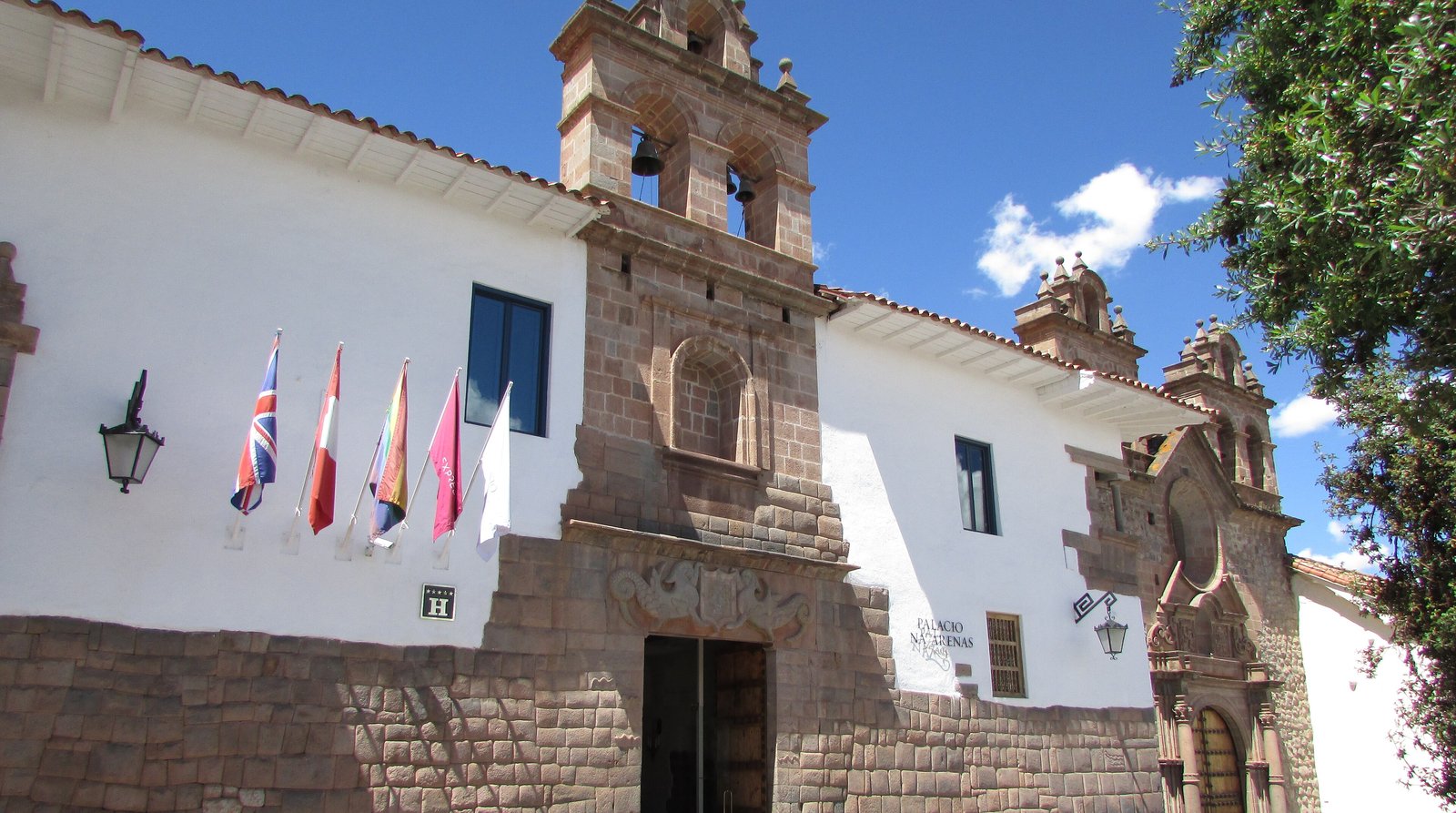
In Cusco
- Antigua Casona San Blas48 rooms in the San Blas neighborhood. Holds one MICHELIN Key.
- Inkaterra La Casona11 suites in a 16th-century mansion on the Plazoleta de las Nazarenas. A Relais & Châteaux member; holds two MICHELIN Keys.
- Monasterio, A Belmond Hotel97 rooms and 20 suites in a 16th-century monastery, some with added oxygen. Holds one MICHELIN Key.
- Palacio Nazarenas, A Belmond Hotel55 suites in a former convent, with a heated outdoor pool and a spa. Holds one MICHELIN Key.
In the valley and at Machu Picchu
- explora Valle Sagrado44 rooms on a 32-hectare estate, with guided explorations and transfers included. Holds one MICHELIN Key.
- Inkaterra Hacienda Urubamba36 rooms in the hacienda house and casitas, on about 40 hectares. Holds two MICHELIN Keys.
- Inkaterra Machu Picchu Pueblo Hotel80 casitas in Machu Picchu Pueblo, on five hectares of cloud forest. Selected by the MICHELIN Guide.
- Rio Sagrado, A Belmond Hotel21 rooms and 2 villas by the river, with its own train station to Machu Picchu. Holds one MICHELIN Key.
- Sanctuary Lodge, A Belmond Hotel31 rooms and suites, the only hotel at the entrance to the citadel. Selected by the MICHELIN Guide.
- Sol y Luna43 stone casitas in Urubamba. A Relais & Châteaux member; Selected by the MICHELIN Guide.
Arrival
From departure to destination.
- Departure
- From San Fernando (FDO), Aeroparque (AEP) or Ezeiza (EZE). The fare may change depending on where each aircraft is based.
- Airport
- Alejandro Velasco Astete International (CUZ), in Wanchaq, within the city; operated by CORPAC. It sits at 3,310 m and has a 3,400 m paved runway. It has an immigration checkpoint, with international flights to La Paz, Bogotá and Santiago de Chile.
- Documents
- U.S. citizens: a passport valid for at least six months from the date of entry; no visa for tourist stays of up to 90 days. Argentine citizens: a valid DNI card or a passport valid for at least six more months; the digital DNI on a phone is not accepted. Other foreign nationals: a passport and, depending on nationality, a visa. This information is for guidance only: always confirm entry and health requirements with the official Peruvian authorities before you travel.
- Machu Picchu
- By train from Poroy or Ollantaytambo to Aguas Calientes, then by bus to the entrance. Tickets to the llaqta are bought in advance, with a date and time slot.
- Sacred Valley
- Pisaq, 33 km from Cusco on the road to Calca; Ollantaytambo, 61 km via Chinchero.
When to go
The seasons at the destination.
- January to March
- The rainiest months: between 97 and 146 mm a month.
- February
- The Inca Trail network to Machu Picchu closes for maintenance and reopens on March 1.
- May to September
- Dry season, with less than 15 mm of rain a month; cold nights, with average lows below freezing in June and July.
- June 24
- Inti Raymi at the Qorikancha, the Plaza Mayor and Saqsaywaman.
- November and December
- The rains return: 71 mm in November and 115 mm in December.
Key facts
Summer January
- Average low
- 7.4°
- Average high
- 20.2°
145.8 mm of rain
Fall April
- Average low
- 4.4°
- Average high
- 20.9°
33.1 mm of rain
Winter July
- Average low
- −1.3°
- Average high
- 20.8°
4.2 mm of rain
Spring October
- Average low
- 5.4°
- Average high
- 21.9°
43.6 mm of rain
- Airport
- Alejandro Velasco AsteteIATA / ICAO: CUZ / SPZOTeniente FAP Alejandro Velasco Astete International AirportIn Wanchaq, Cusco, at 3,310 m
- Category
- Public-use, towered, international
- Distance
- 2,706 kmFlight distance from Buenos Aires
- Annual rainfall
- 666.1 mm90% falls from October to March
Frequently asked questions
Price, flight time, airport, departure and travel documents.
How much does a private flight from Buenos Aires to Cusco cost?
Reference fares for a one-way private flight from Buenos Aires (San Fernando), whole aircraft, start at USD 33,330 for a midsize jet and USD 54,590 for a large jet. Passenger fees or international fees at the destination are added to the fare, depending on the aircraft, as shown on each row. Round trips are calculated in the quote tool according to the length of your stay.
How long is the flight?
Between 3 h 20 and 3 h 30, depending on the aircraft; the fastest jet on the route takes 3 h 20.
Which airport does the flight land at?
Alejandro Velasco Astete International Airport (CUZ / SPZO), in Wanchaq, within the city of Cusco. It is operated by CORPAC, sits at 3,310 m and has a 3,400 m paved runway. The hotels of the historic center are about 20 minutes away by car.
What documents do I need to travel to Peru?
U.S. citizens need a passport valid for at least six months from the date of entry and no visa for tourist stays of up to 90 days. Argentine citizens enter as tourists with a valid DNI card or with a passport valid for at least six more months; the digital DNI on a phone and the receipt for a DNI in process are not accepted. The length of stay is set by Peru's immigration agency, Migraciones, on arrival. Other foreign nationals need a passport and, depending on their nationality, a visa. Minors traveling with only one parent, with other adults or alone need the travel authorization issued by Argentina's immigration agency, Migraciones. This information is for guidance only: always confirm entry and health requirements with the official Peruvian authorities before you travel.
How do I get from Cusco to Machu Picchu?
By train to Aguas Calientes station, in Machu Picchu Pueblo, and from there by bus to the llaqta entrance. PeruRail departs from Poroy, on the outskirts of Cusco, a ride of about three and a half hours, and from Ollantaytambo, a ride of an hour and three quarters. The Belmond Hiram Bingham departs from Poroy, Urubamba or Ollantaytambo and includes the bus to the citadel. None of the train tickets includes admission to Machu Picchu.
Do I need to buy Machu Picchu tickets in advance?
Yes. Each ticket is for a circuit, a date and a time slot, and is bought on the official platform of Peru's Ministry of Culture. The climbs up Waynapicchu and Machupicchu Mountain have their own tickets. The Inca Trail to Machu Picchu closes every February for maintenance.
When is the best time to visit Cusco and Machu Picchu?
From May to September, the dry season, with less than 15 mm of rain a month and highs of 21 to 22 °C; nights are cold, with average lows of −0.8 °C in June and −1.3 °C in July. From November to March, 83% of the year's rain falls. Inti Raymi is celebrated on June 24, and the Inca Trail closes in February.
What is the altitude of Cusco and Machu Picchu?
The city of Cusco is at 3,399 m and the airport at 3,310 m. The Sacred Valley is lower: Urubamba is at 2,871 m. The llaqta of Machu Picchu is at 2,430 m. Before the trip, consult a doctor about the altitude.
Are the published fares final?
They are estimates. The final quote depends on dates, length of stay, aircraft type and applicable operating fees; on this international flight, passenger taxes and international fees are added.
Where does the flight depart from?
Fares are calculated for departure from San Fernando (FDO). Departing from Aeroparque (AEP) or Ezeiza (EZE) may change the fare, depending on where each aircraft is based.

Ready to fly? Let’s talk.
Share the details of your trip and we’ll help you find the aircraft and flight solution best suited to your needs.
- WhatsApp+54 9 11 3080 7775
- Phone+54 9 11 3080 7775
- Emailinfo@argentina-fly.com
For charter operatorsList your aircraft