
- Home
- Flight quote
- Tartagal
Private flights to Tartagal
Jet from USD 14,550 · 2 h 25
Results:
- Itinerary
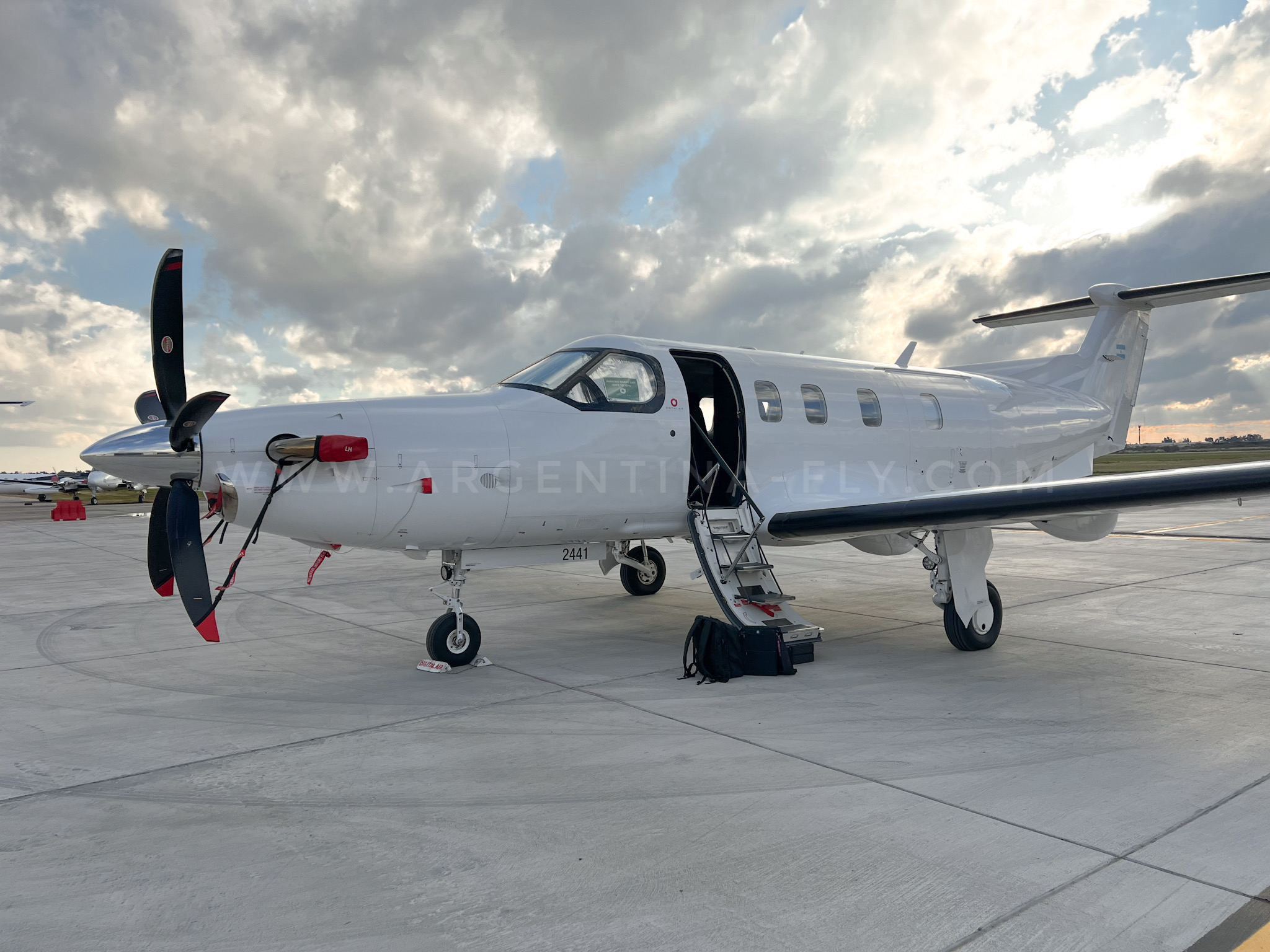
Pilatus PC-12
Turboprop · 8 passengers · 3 h 153 h 15flight time
USD 13,580+ VAT 10.5%
Request a quote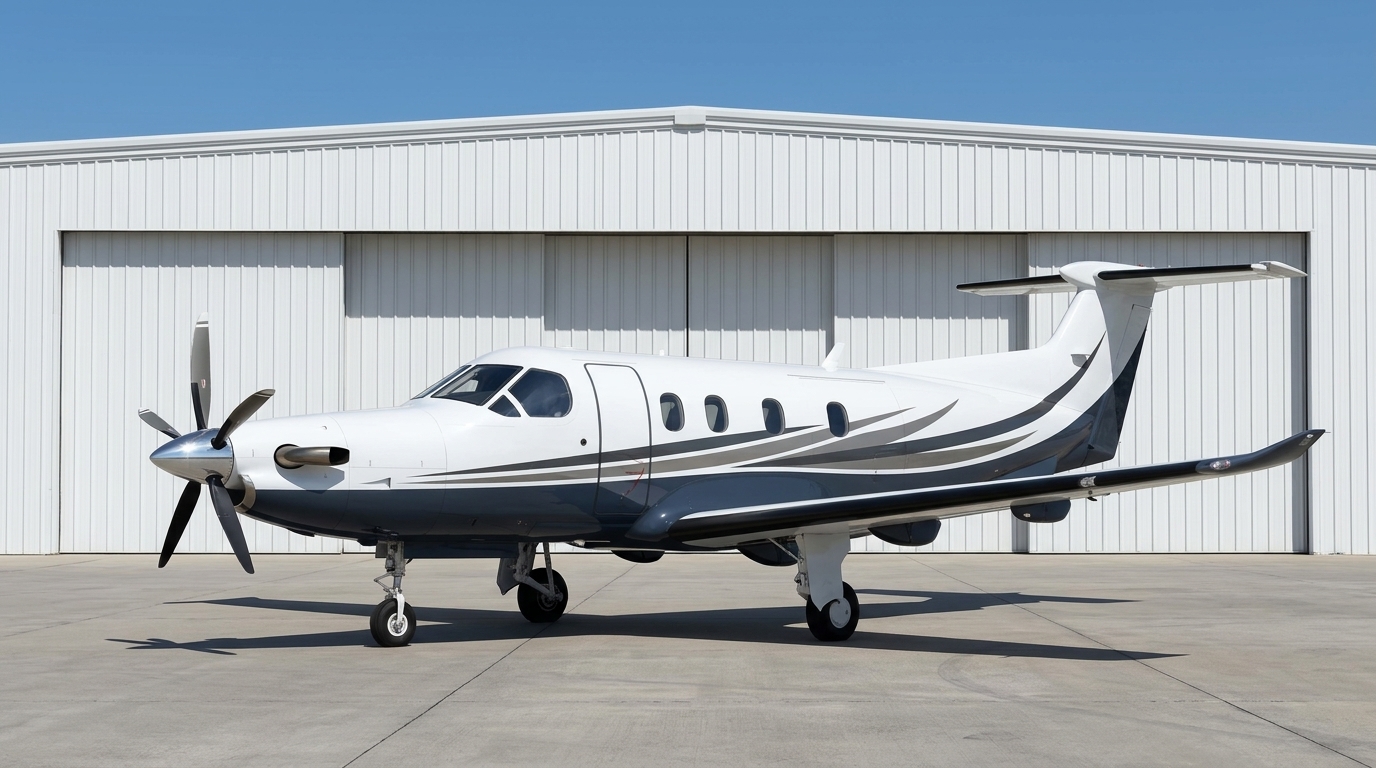
Pilatus PC12 Pro
Turboprop · 8 passengers · 3 h 153 h 15flight time
USD 13,900+ VAT 10.5%
Request a quote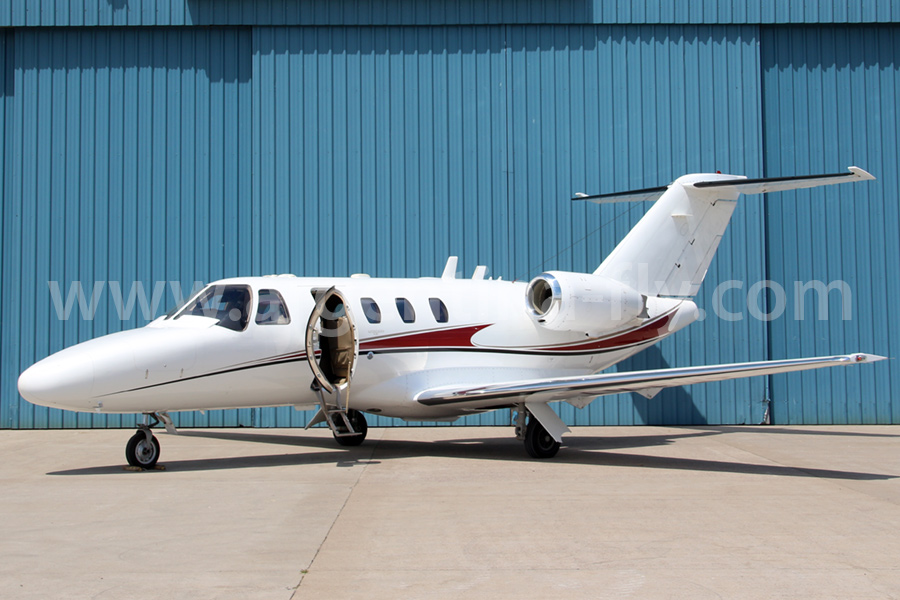
Citation CJ1
Light jet · 5 passengers · 2 h 252 h 25flight time
USD 14,550+ VAT 10.5%
Request a quote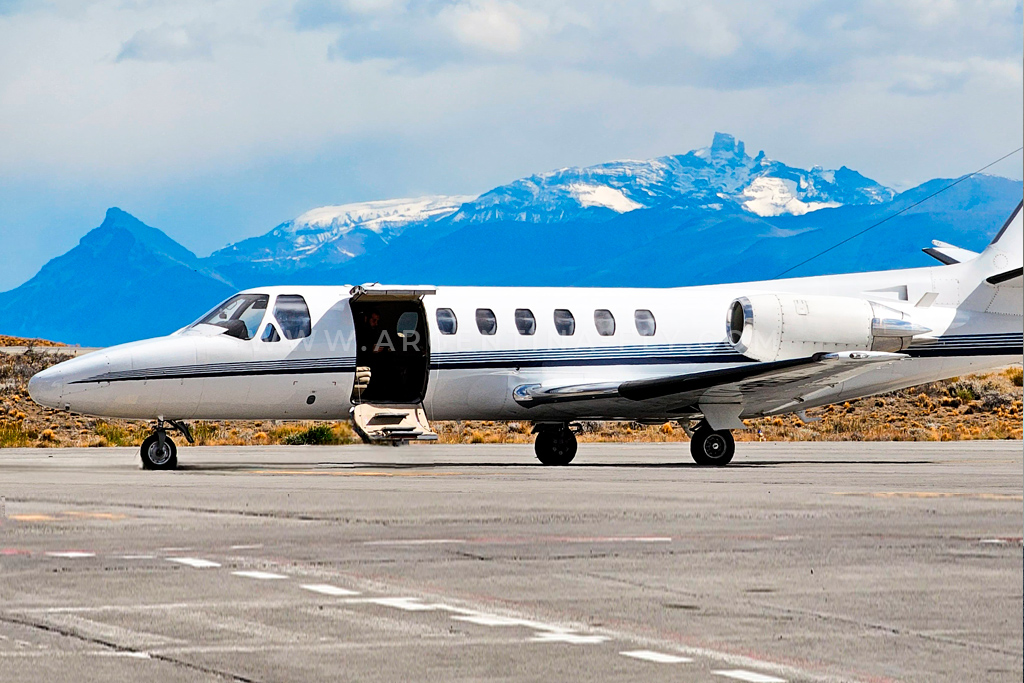
Citation V
Light jet · 8 passengers · 2 h 102 h 10flight time
USD 15,190+ VAT 10.5%
Request a quote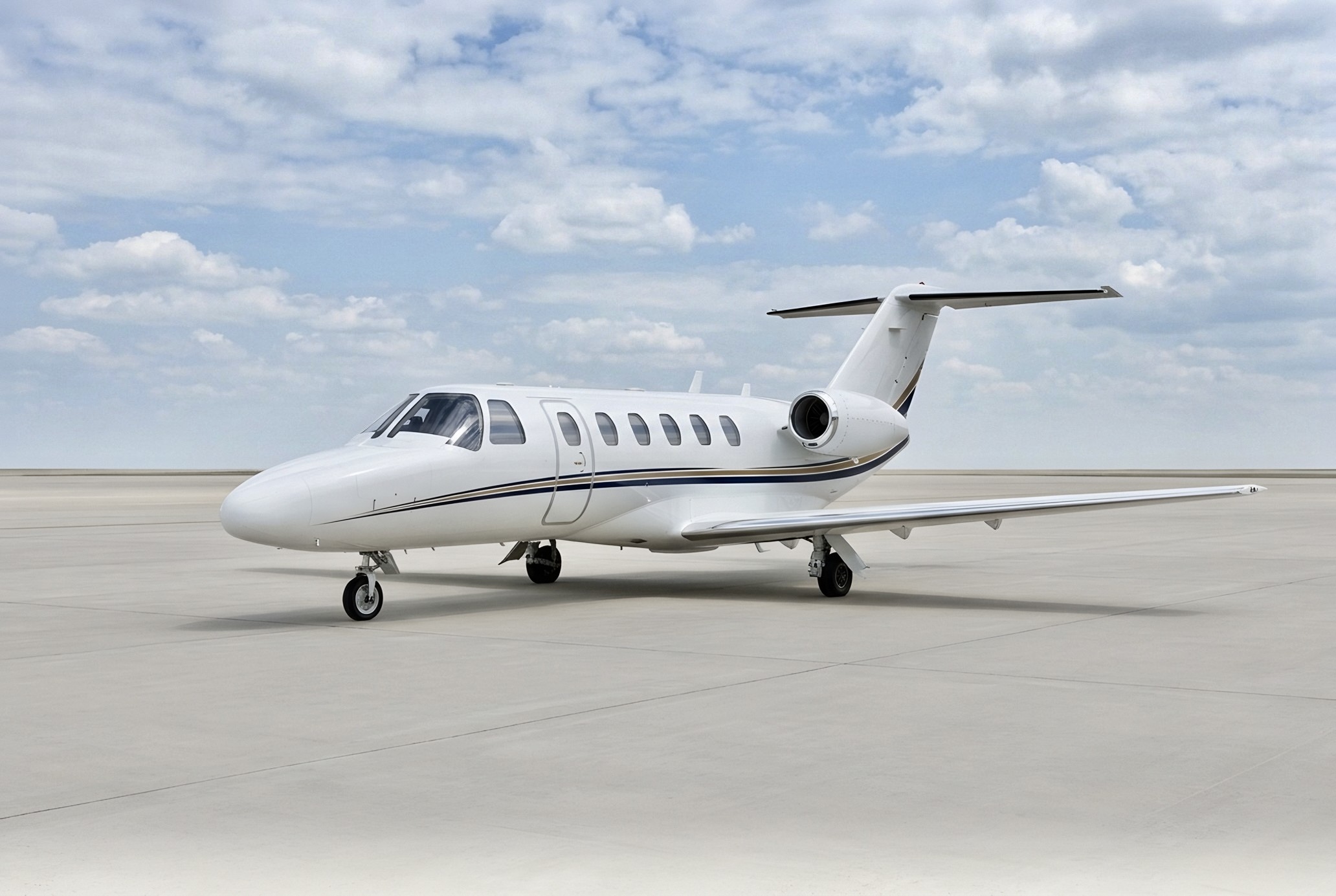
Citation CJ2
Light jet · 6 passengers · 2 h 20 · 2 options2 h 20flight time
USD 15,190+ VAT 10.5%
Request a quote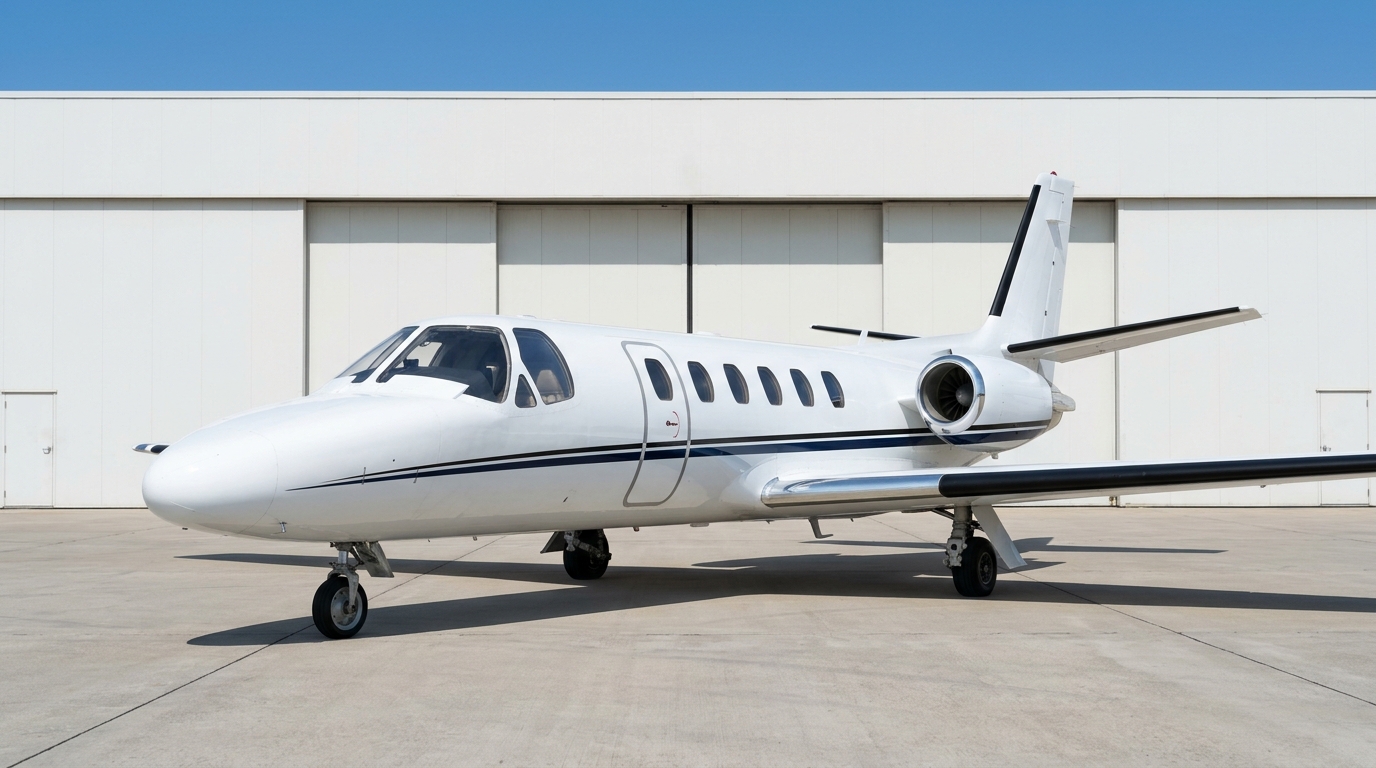
Citation Bravo
Light jet · 7 passengers · 2 h 152 h 15flight time
USD 16,160+ VAT 10.5%
Request a quote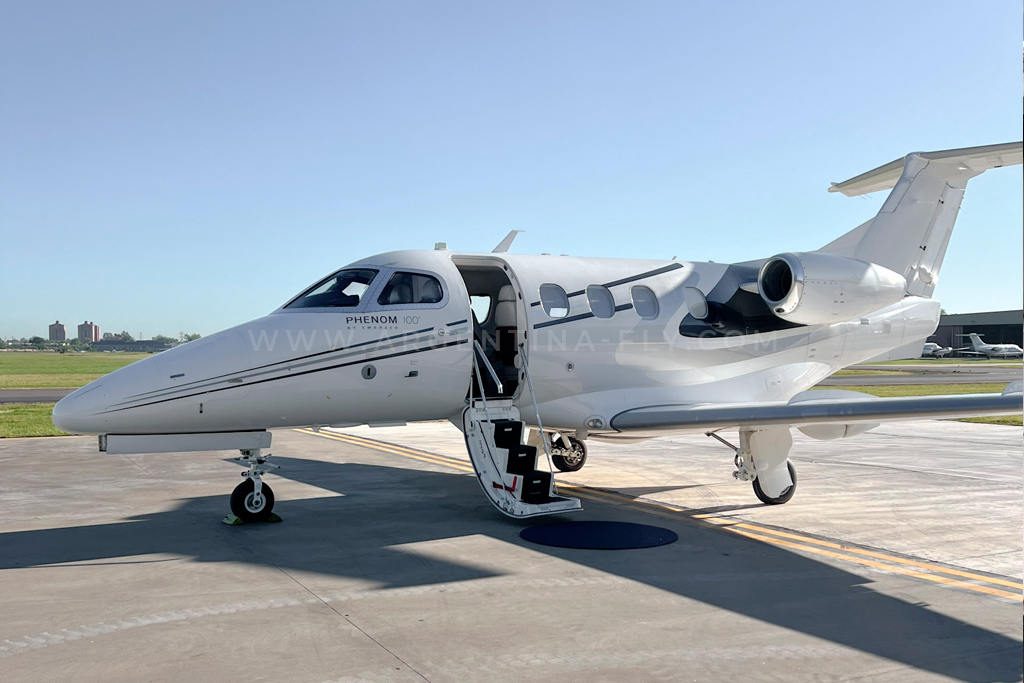
Phenom 100
Light jet · 5 passengers · 2 h 202 h 20flight time
USD 17,130+ VAT 10.5%
Request a quote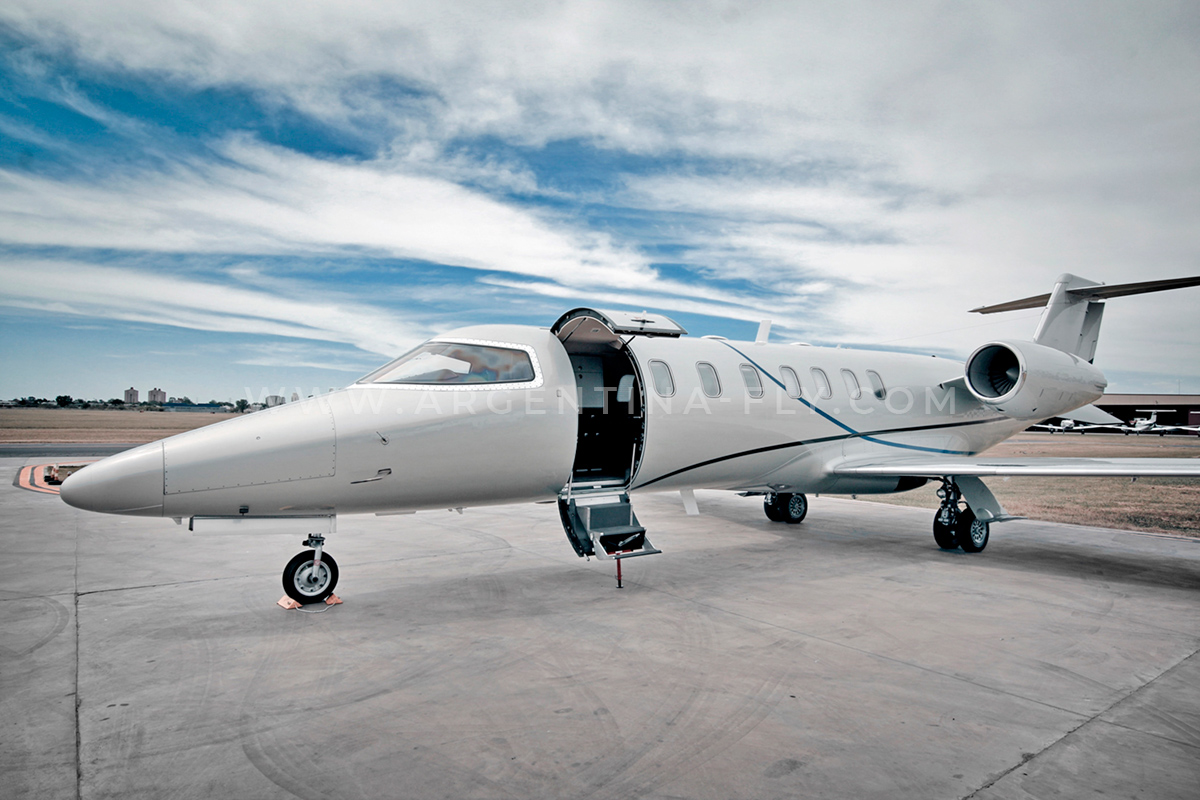
Learjet 40 XR
Light jet · 6 passengers · 2 h 052 h 05flight time
USD 18,100+ VAT 10.5%
Request a quote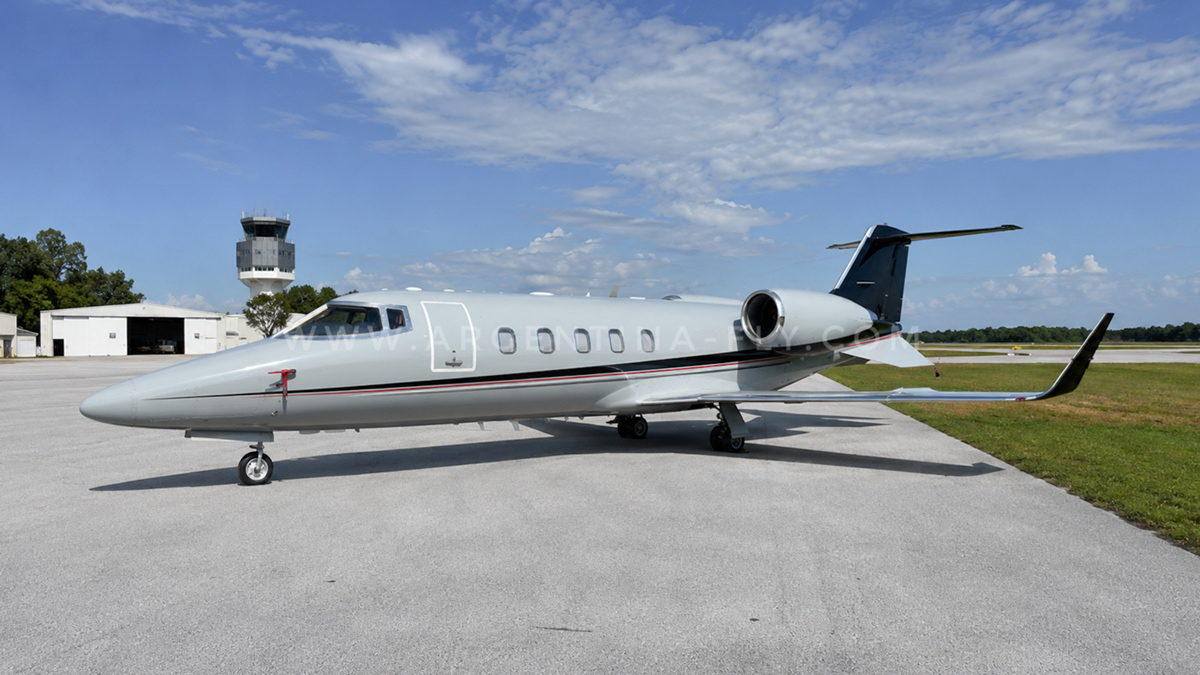
Learjet 60
Midsize jet · 7 passengers · 2 h 00 · 2 options2 h 00flight time
USD 18,350+ VAT 10.5%
Request a quote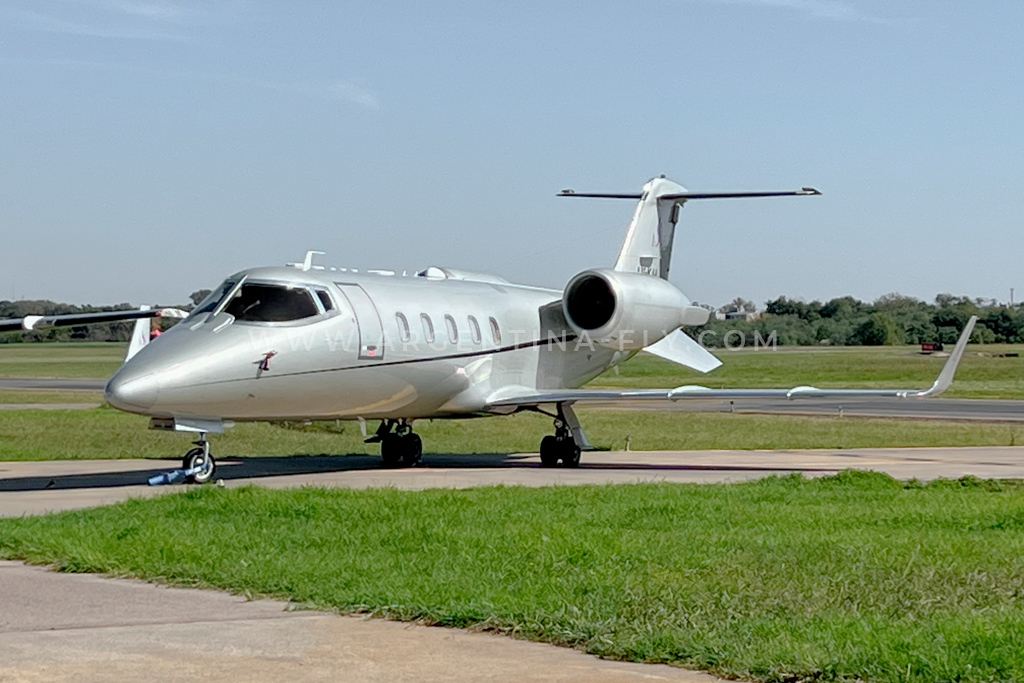
Learjet 60 XR
Midsize jet · 6 passengers · 2 h 002 h 00flight time
USD 19,720+ VAT 10.5%
Request a quote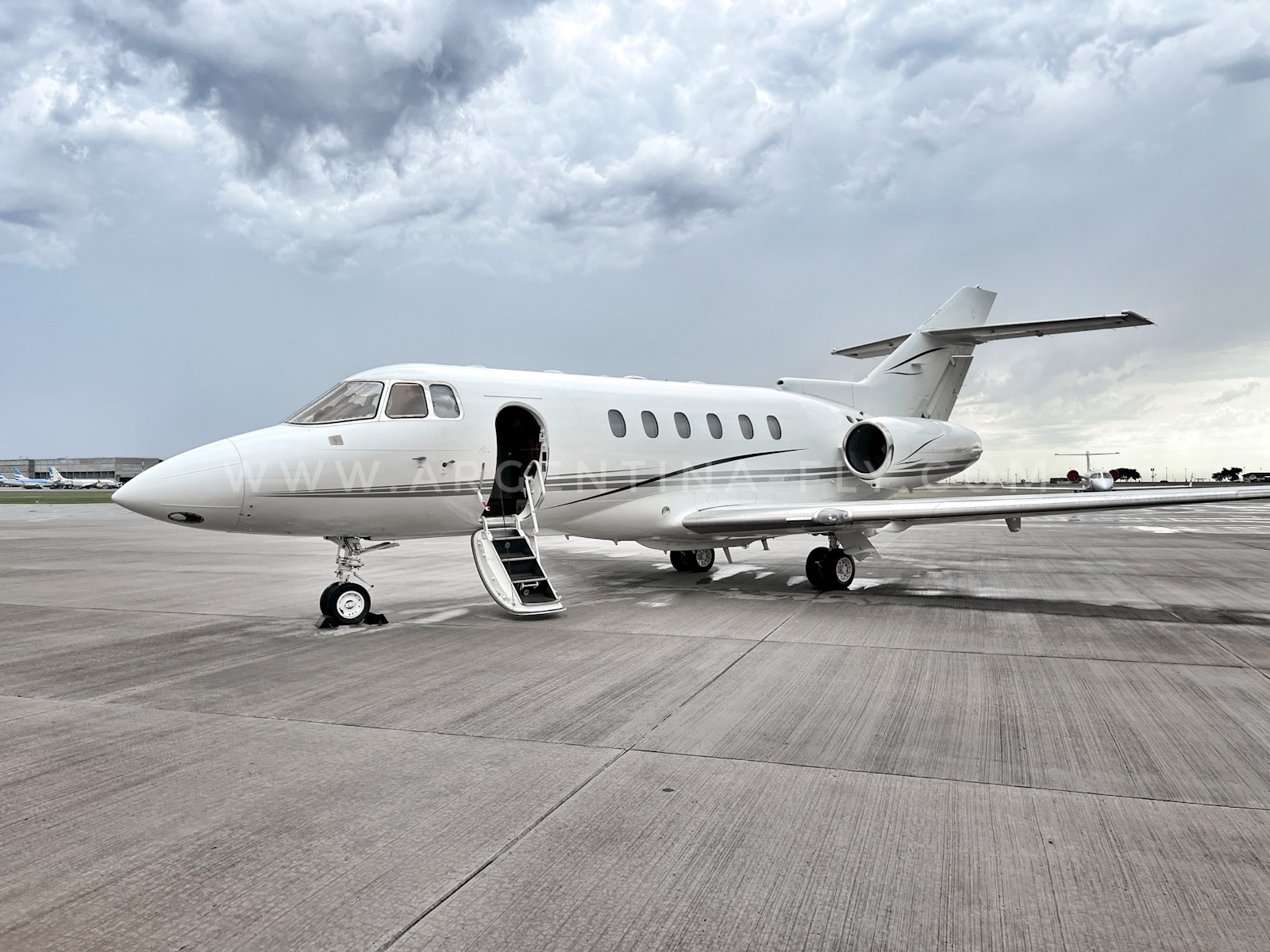
Hawker 800 XP
Midsize jet · 8 passengers · 2 h 052 h 05flight time
USD 19,820+ VAT 10.5%
Request a quote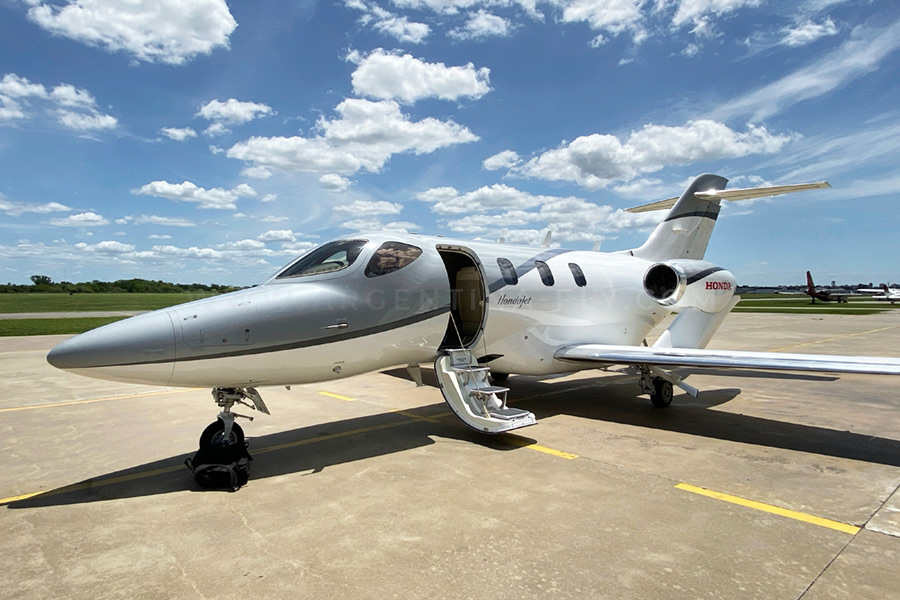
HondaJet
Light jet · 5 passengers · 2 h 152 h 15flight time
USD 21,010+ VAT 10.5%
Request a quote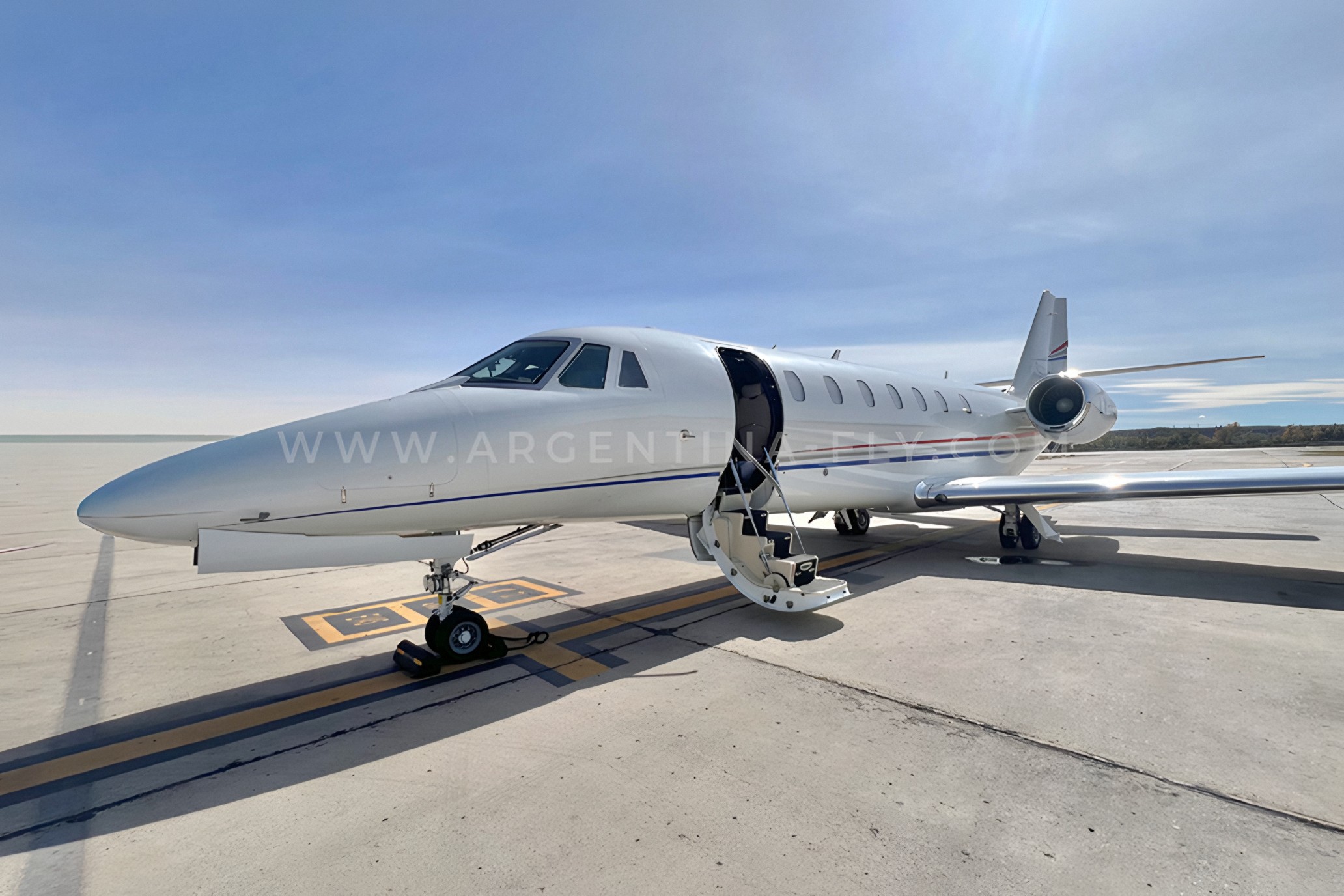
Citation Sovereign
Midsize jet · 8 passengers · 2 h 002 h 00flight time
USD 22,630+ VAT 10.5%
Request a quote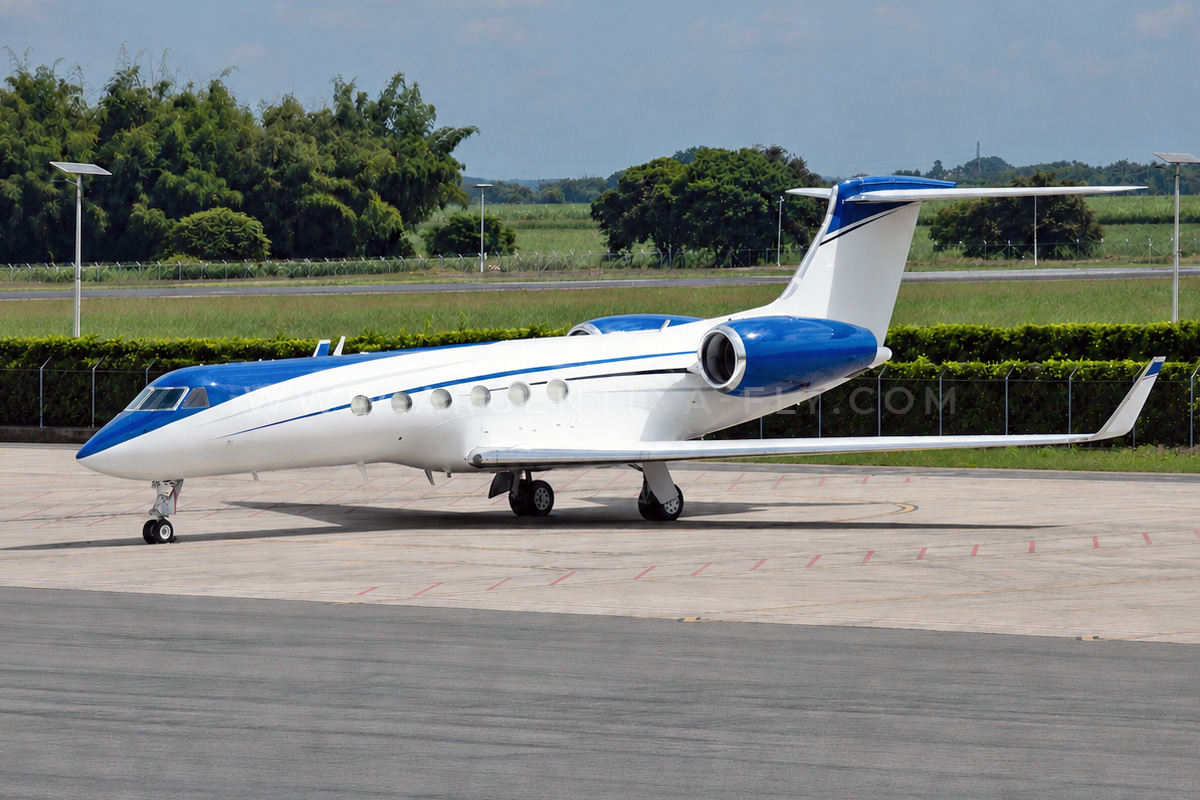
Gulfstream V
Large jet · 14 passengers · 1 h 55 · 2 options1 h 55flight time
USD 27,520+ VAT 10.5%
Request a quote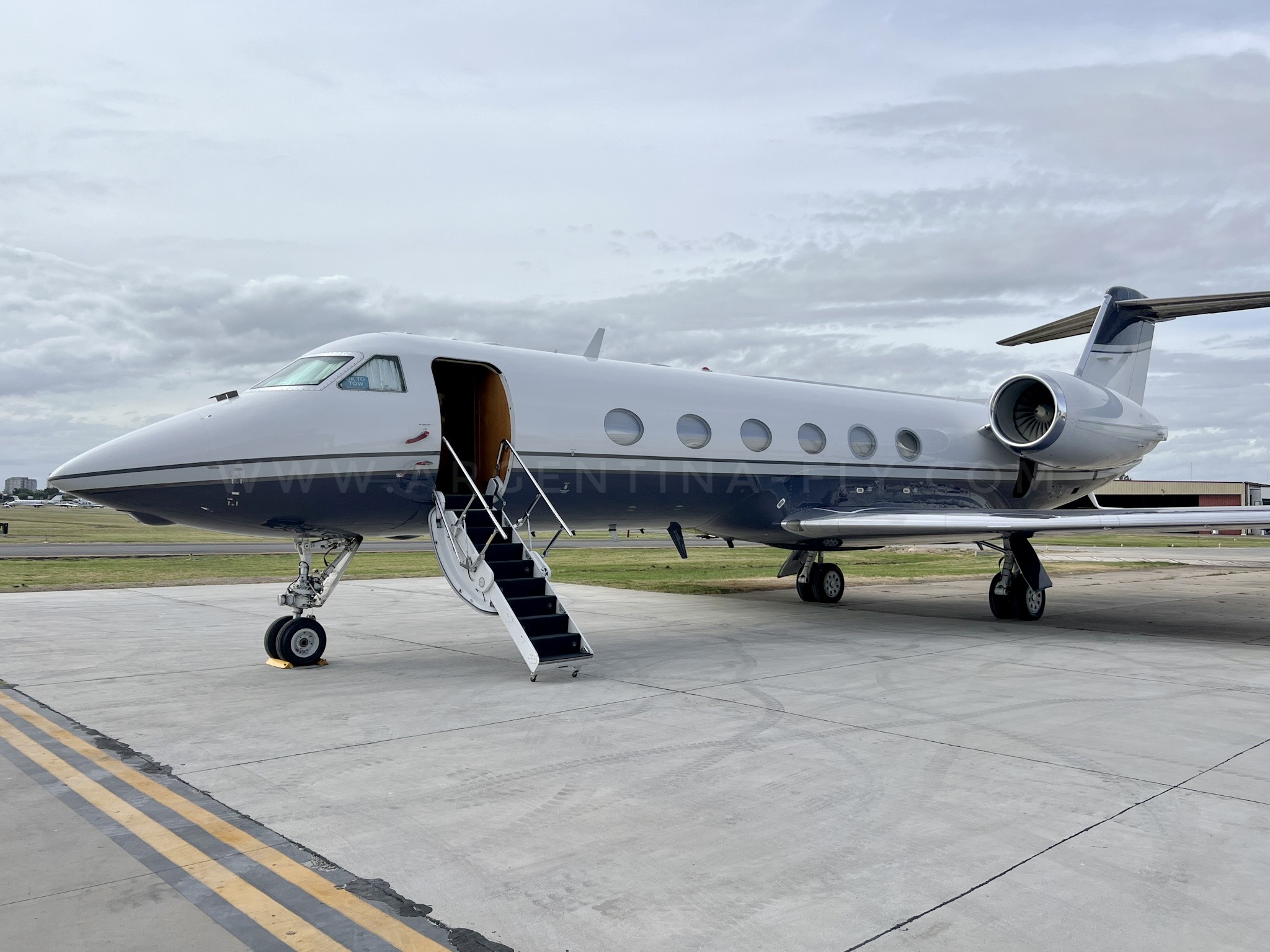
Gulfstream 400
Large jet · 14 passengers · 2 h 002 h 00flight time
USD 30,710+ VAT 10.5%
Request a quote
Route and airfields
Rate conditions
Please read carefully before requesting a quote.
Prices
Reference fares in US dollars (USD), for the entire aircraft. They may vary with aircraft availability and travel dates. For itineraries with several destinations, please request a tailored quote.
Not included
VAT on flights within Argentina, fees abroad on international flights (airport charges, handling and FBO, among others), and special services on request.
Base airport
Fares are calculated for departure from San Fernando (FDO). Departing from Aeroparque (AEP) or Ezeiza (EZE) may change the fare, depending on where each aircraft is based.
Reference fleet
The aircraft displayed are for reference purposes only and may vary depending on operational availability. Contact us to learn about the available options for your trip.
Rate conditions
Please read carefully before requesting your quotation.
Published prices are provided for reference only.
 Prices
Reference fares in US dollars (USD), for the entire aircraft. They may vary with aircraft availability and travel dates. For itineraries with several destinations, please request a tailored quote.
 Not included
VAT on flights within Argentina, fees abroad on international flights (airport charges, handling and FBO, among others), and special services on request.
 Base airport
Fares are calculated for departure from San Fernando (FDO). Departing from Aeroparque (AEP) or Ezeiza (EZE) may change the fare, depending on where each aircraft is based.
 Reference fleet
The aircraft displayed are for reference purposes only and may vary depending on operational availability. Contact us to learn about the available options for your trip.
Need a personalized quotation?
Request quotation
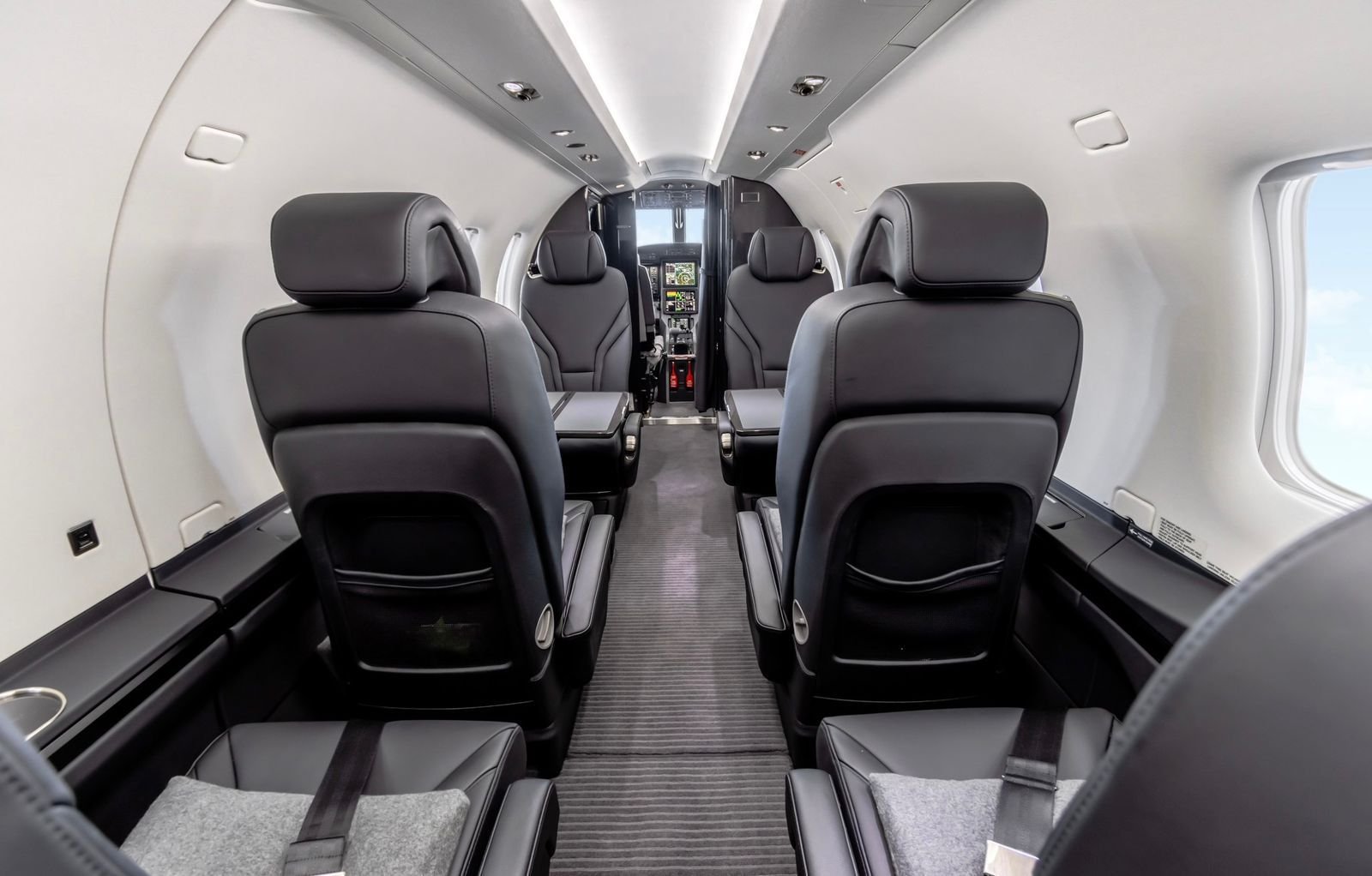
Pilatus PC-12
High-performance single-engine turboprop in executive configuration, with a spacious cabin and latest-generation technology.
 Capacity
8 passengers
 Lavatory
Not available
 Cabin
Pressurized
 Luggage
Standard
 Wi-Fi
Portable Starlink
 Tartagal (TTG)
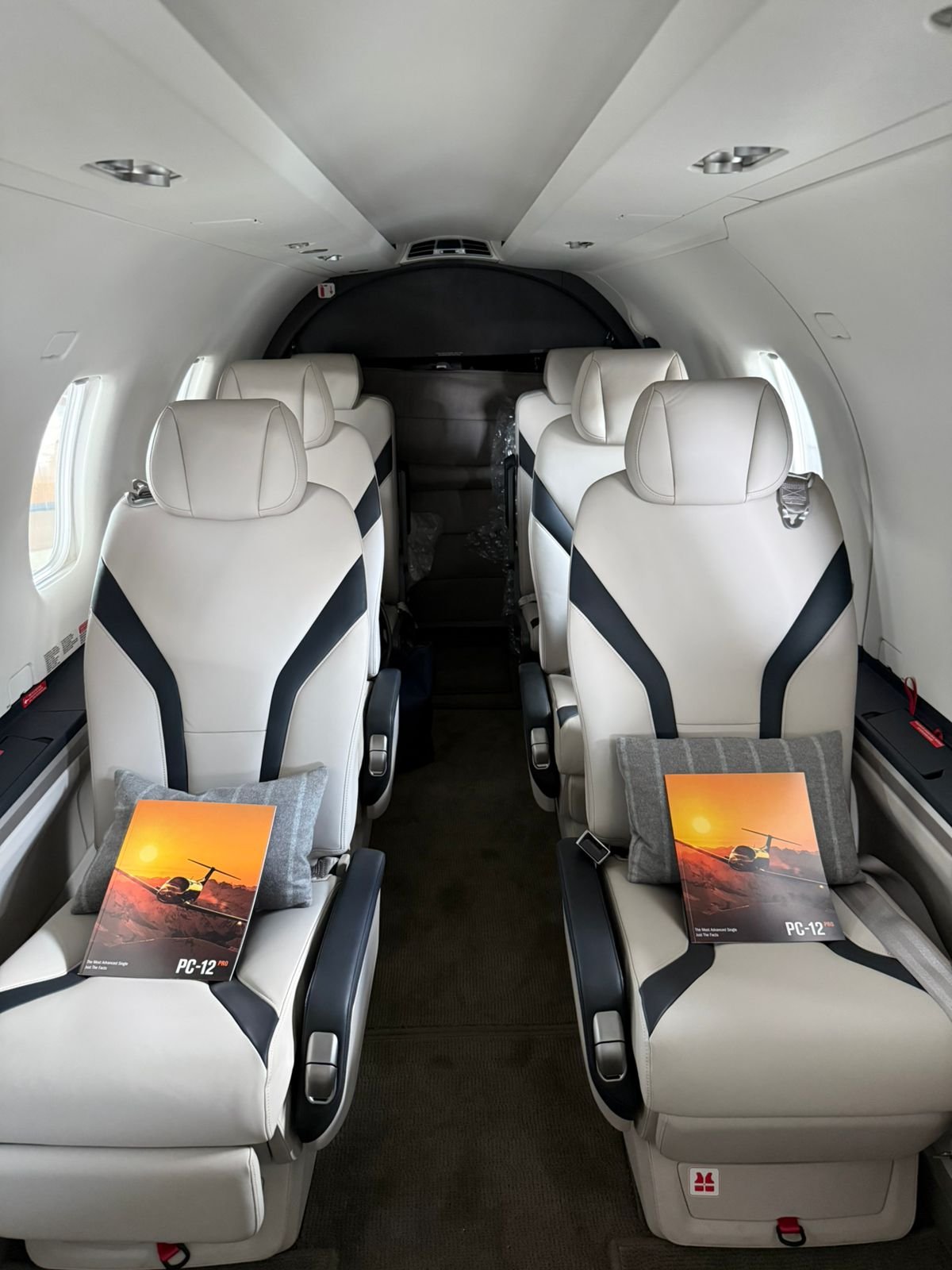
Pilatus PC12 Pro
High-performance single-engine turboprop in executive configuration, with a spacious cabin and latest-generation technology.
Capacity
8 passengers
Lavatory
Not available
Cabin
Pressurized
Luggage
Standard
Wi-Fi
Portable Starlink
Tartagal (TTG)
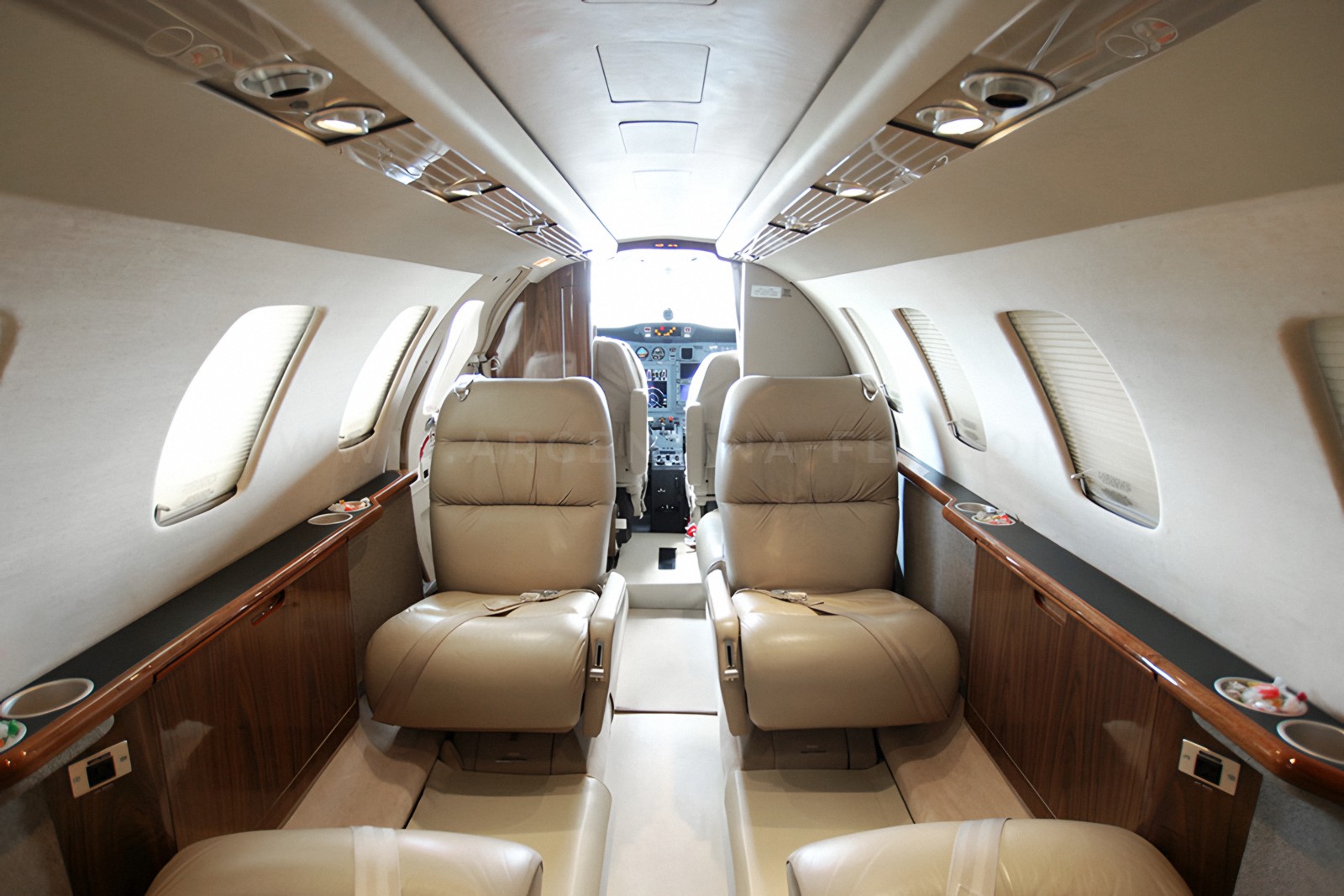
Citation CJ1
Compact light jet with excellent fuel efficiency, perfect for short-range executive flights.
Capacity
5 passengers
Lavatory
Not available
Cabin
Pressurized
Luggage
Moderate
Wi-Fi
Not available
Tartagal (TTG)
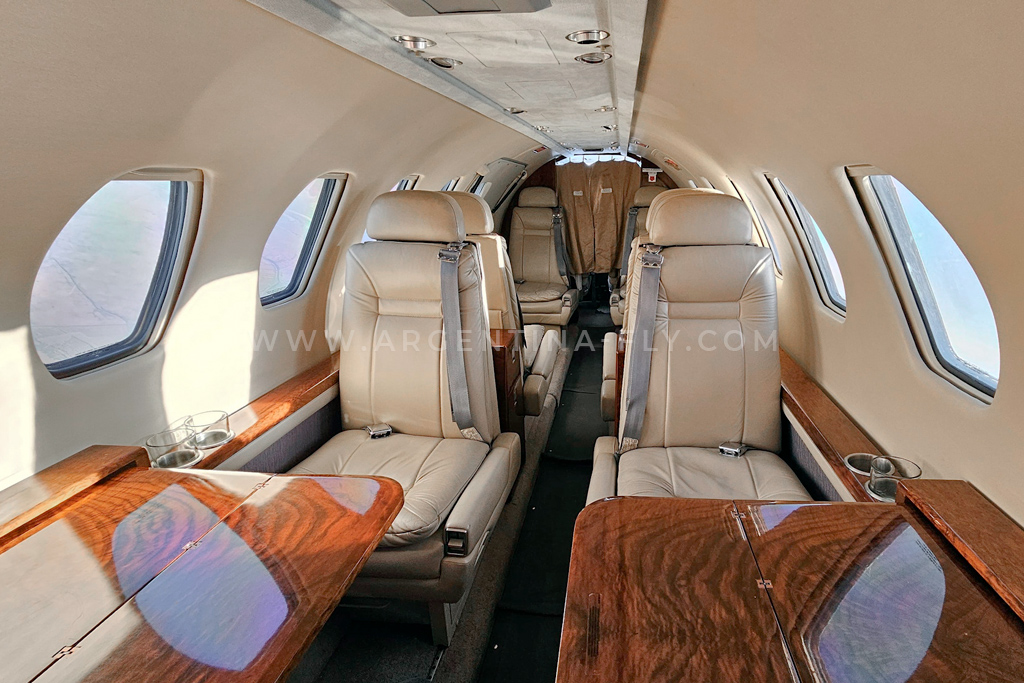
Citation V
Light jet with a comfortable cabin for up to 8 passengers and strong regional range.
Capacity
8 passengers
Lavatory
Not available
Cabin
Pressurized
Luggage
Moderate
Wi-Fi
Portable Starlink
Tartagal (TTG)
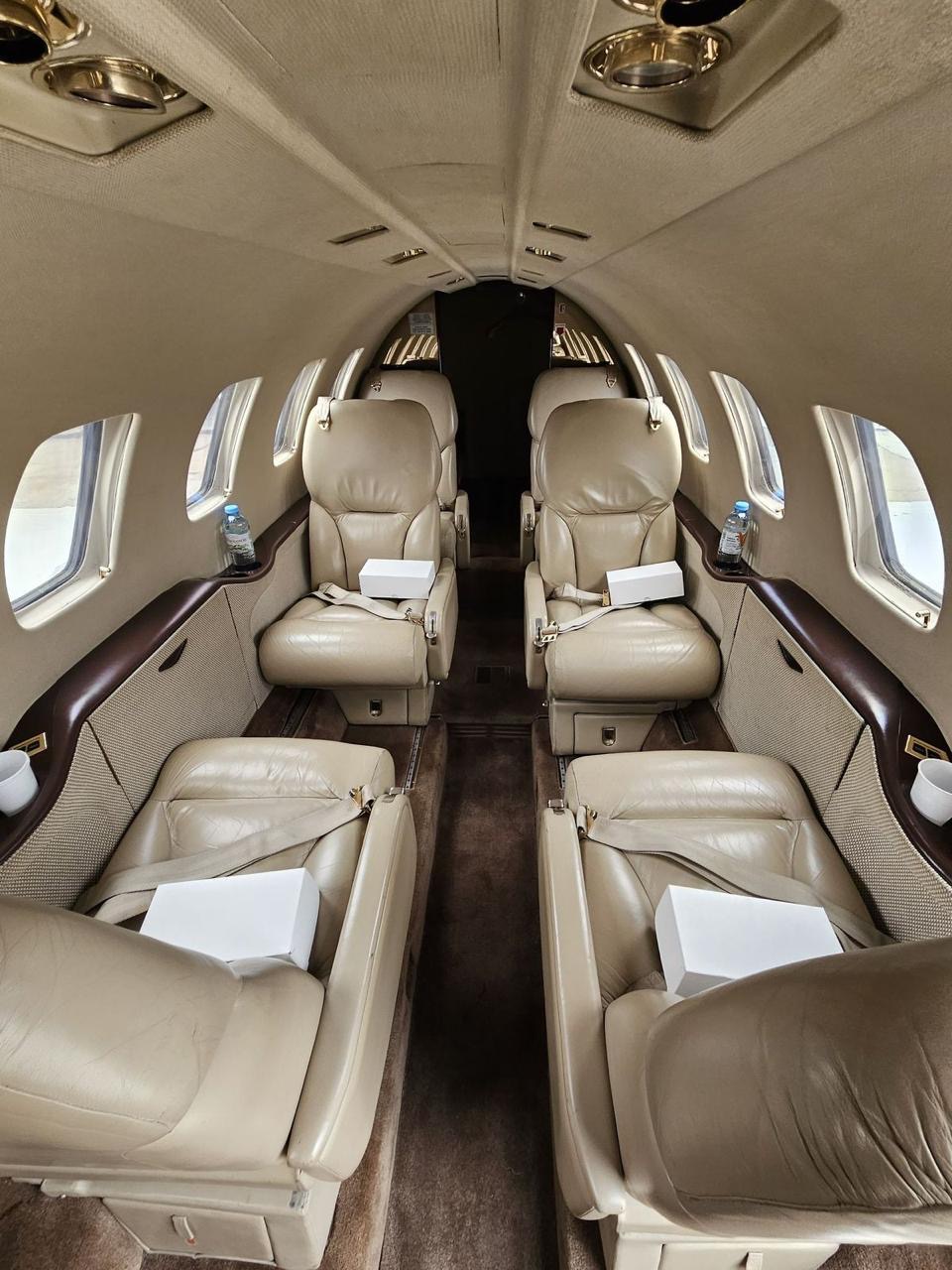
Citation Bravo
Classic light jet with a pressurized cabin, reliable and versatile for regional trips and short runways.
Capacity
7 passengers
Lavatory
Not available
Cabin
Pressurized
Luggage
Standard
Wi-Fi
Not available
Tartagal (TTG)
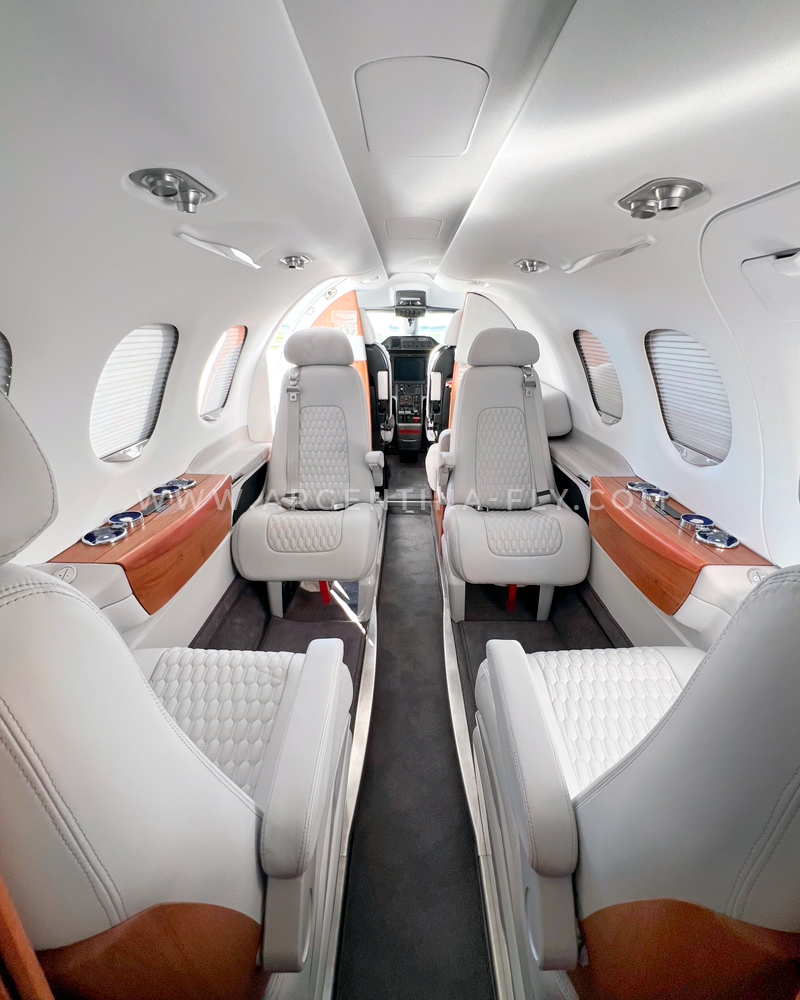
Phenom 100
Light jet ideal for short and medium sectors, with excellent cabin comfort and operating efficiency.
Capacity
5 passengers
Lavatory
Yes
Cabin
Pressurized
Luggage
Moderate
Wi-Fi
Portable Starlink
 Safety certifications
Tartagal (TTG)
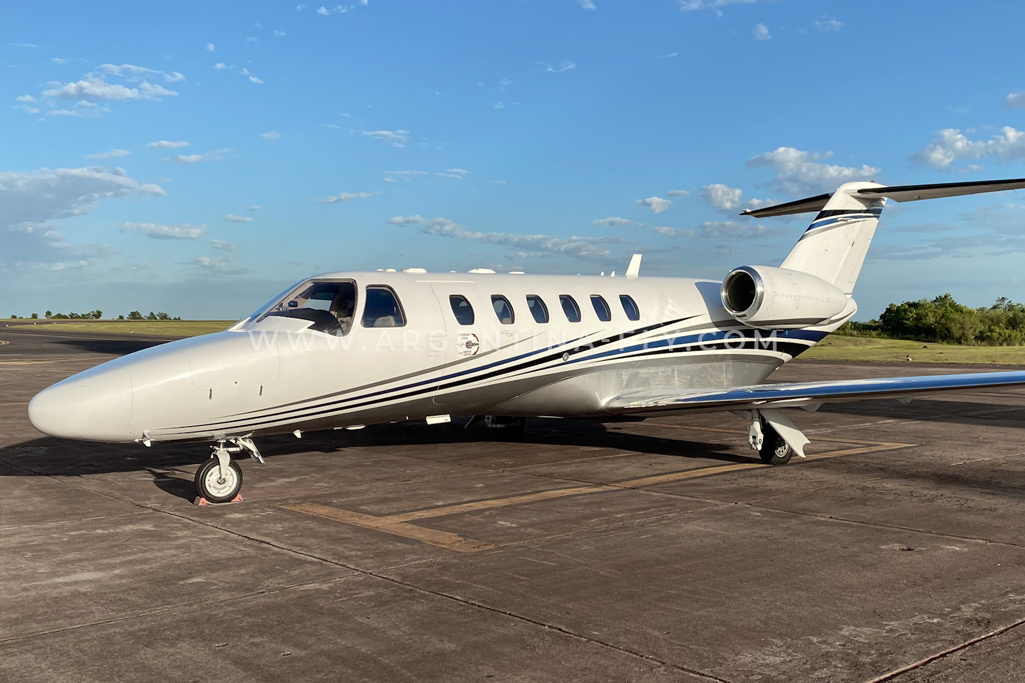
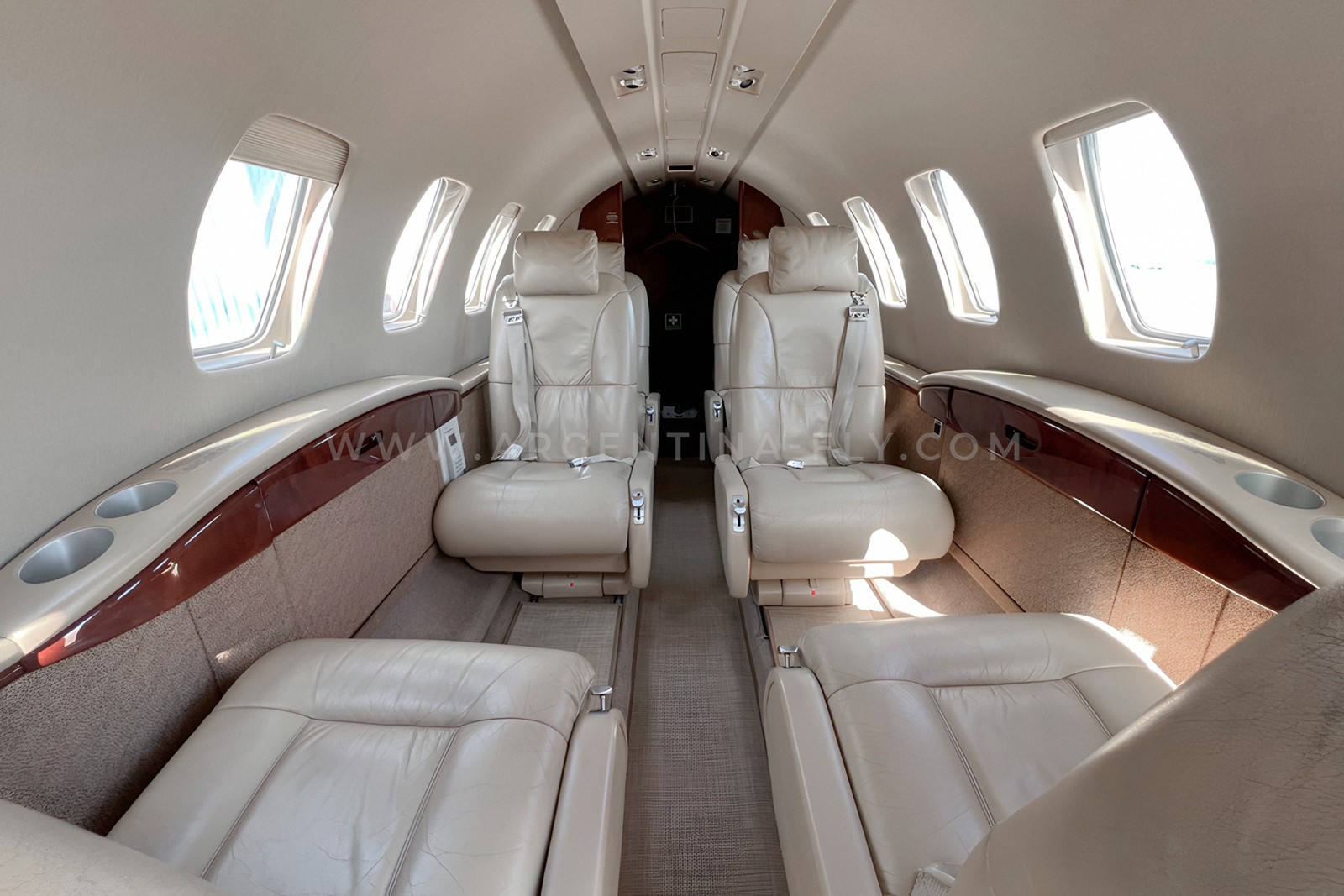
Citation CJ2
Light jet with greater range than the CJ1, offering an excellent balance between cost and executive performance.
Capacity
6 passengers
Lavatory
Not available
Cabin
Pressurized
Luggage
Moderate
Wi-Fi
Not available
Tartagal (TTG)
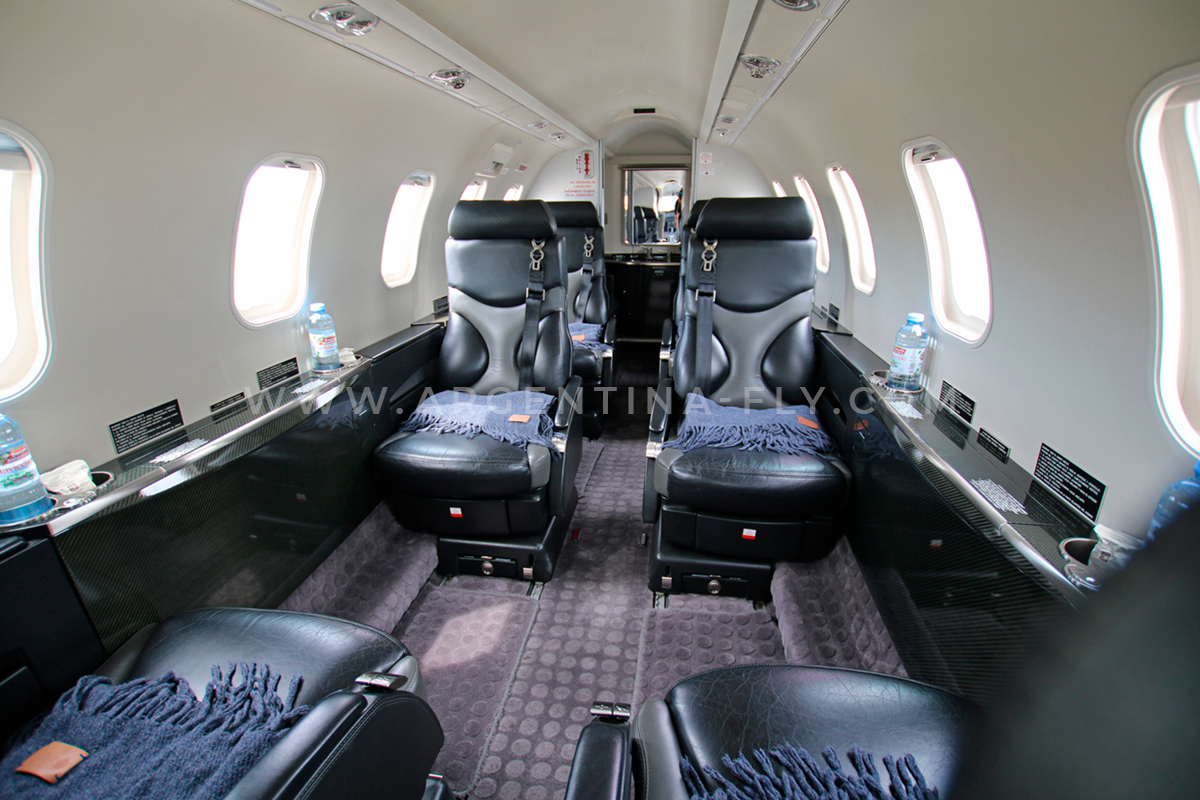
Learjet 40 XR
Light jet with a strong balance of speed and range, featuring a comfortable and modern executive cabin.
Capacity
6 passengers
Lavatory
Yes
Cabin
Pressurized
Luggage
Moderate
Wi-Fi
Not available
Safety certifications
Tartagal (TTG)
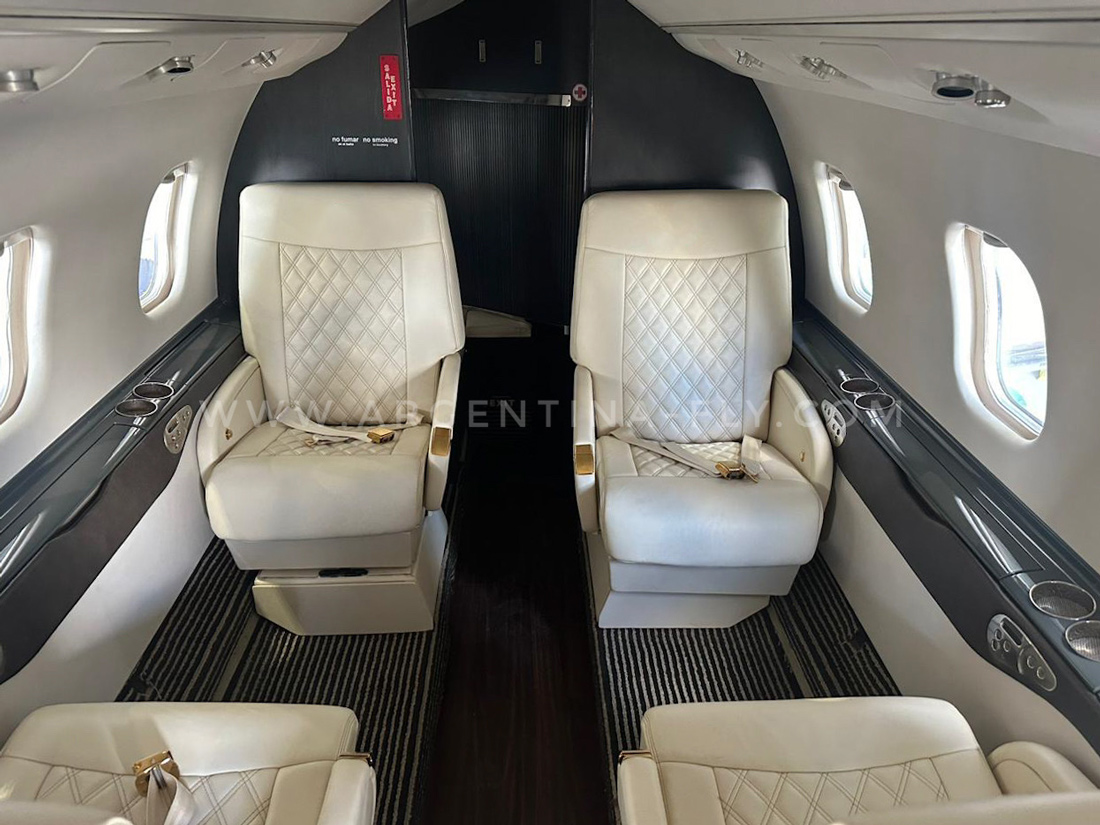
Learjet 60
Midsize jet with a spacious cabin and excellent cruise speed, one of the most requested options for executive flights.
Capacity
7 passengers
Lavatory
Yes
Cabin
Pressurized
Luggage
Standard
Wi-Fi
Not available
Tartagal (TTG)
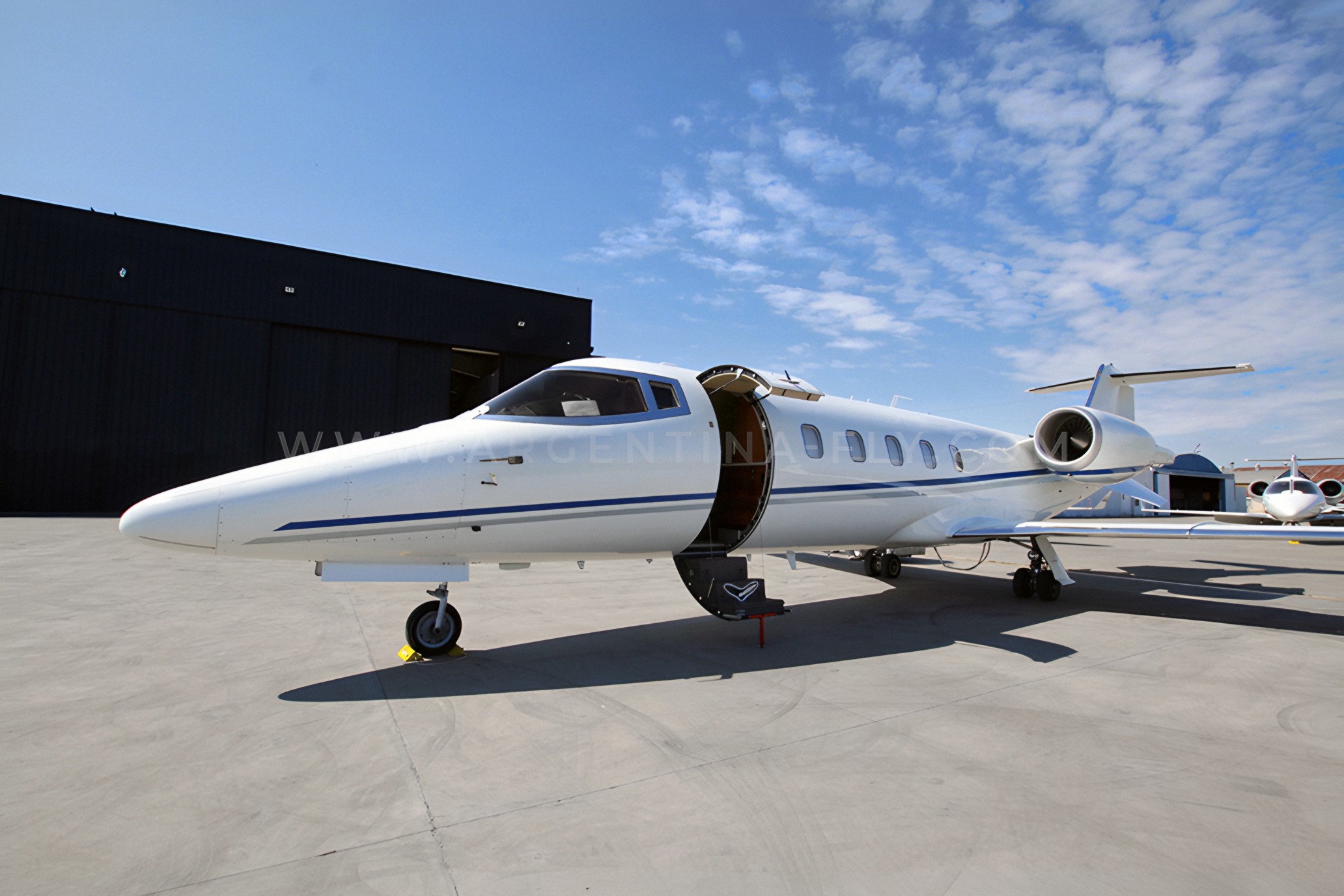
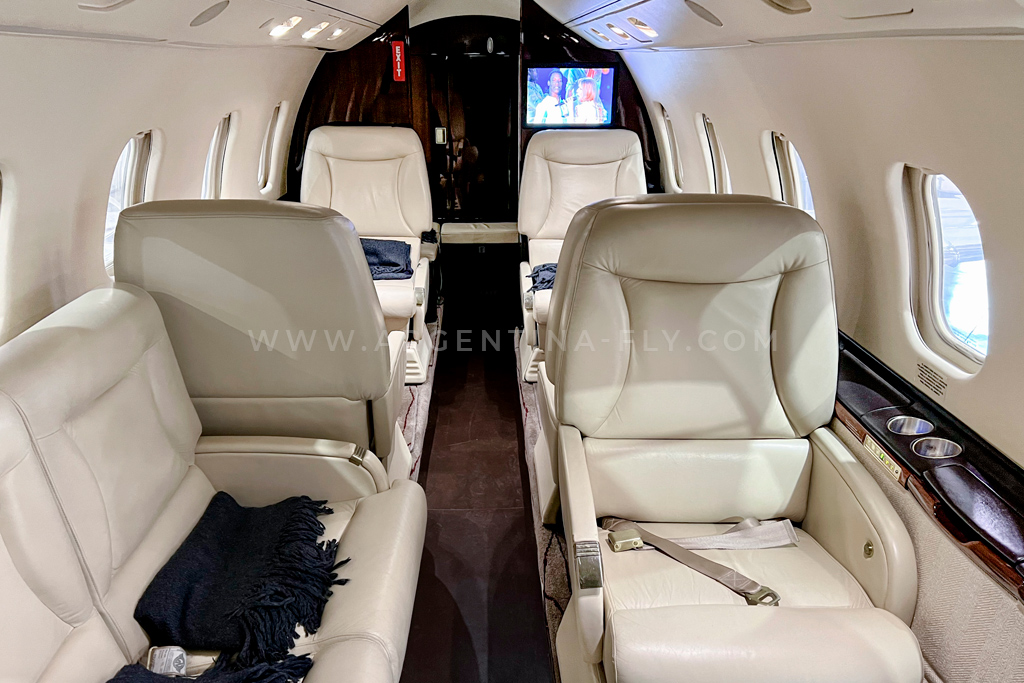
Learjet 60
Midsize jet with a spacious cabin and excellent cruise speed, one of the most requested options for executive flights.
Capacity
7 passengers
Lavatory
Yes
Cabin
Pressurized
Luggage
Moderate
Wi-Fi
Portable Starlink
Safety certifications
Tartagal (TTG)
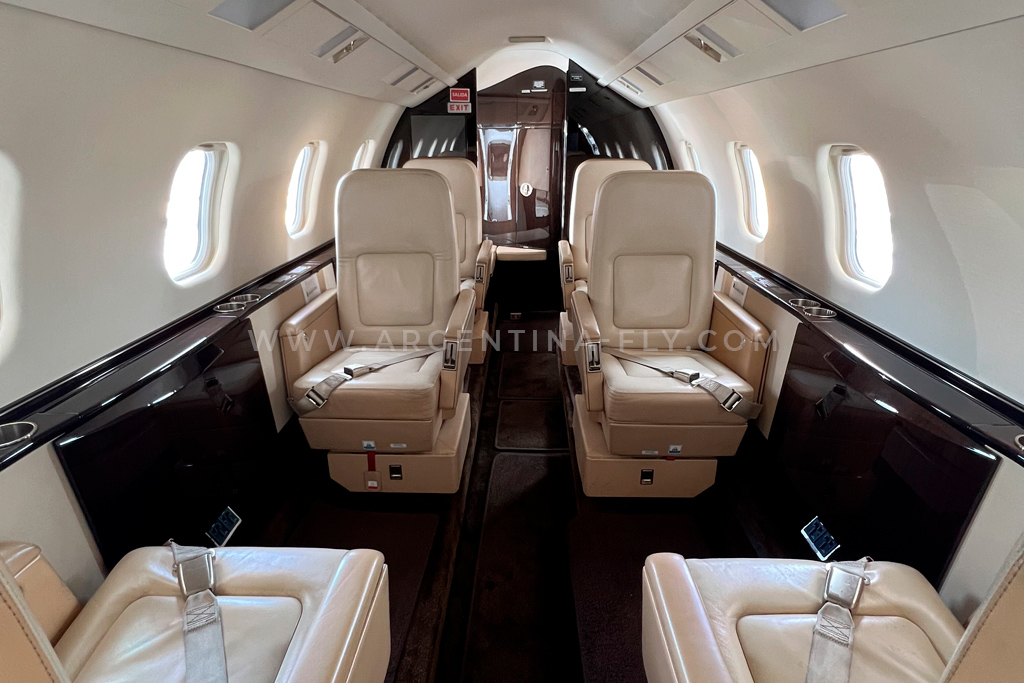
Learjet 60 XR
Enhanced version offering greater range and efficiency while maintaining the speed and comfort of the Learjet 60.
Capacity
6 passengers
Lavatory
Yes
Cabin
Pressurized
Luggage
Moderate
Wi-Fi
Not available
Safety certifications
Tartagal (TTG)
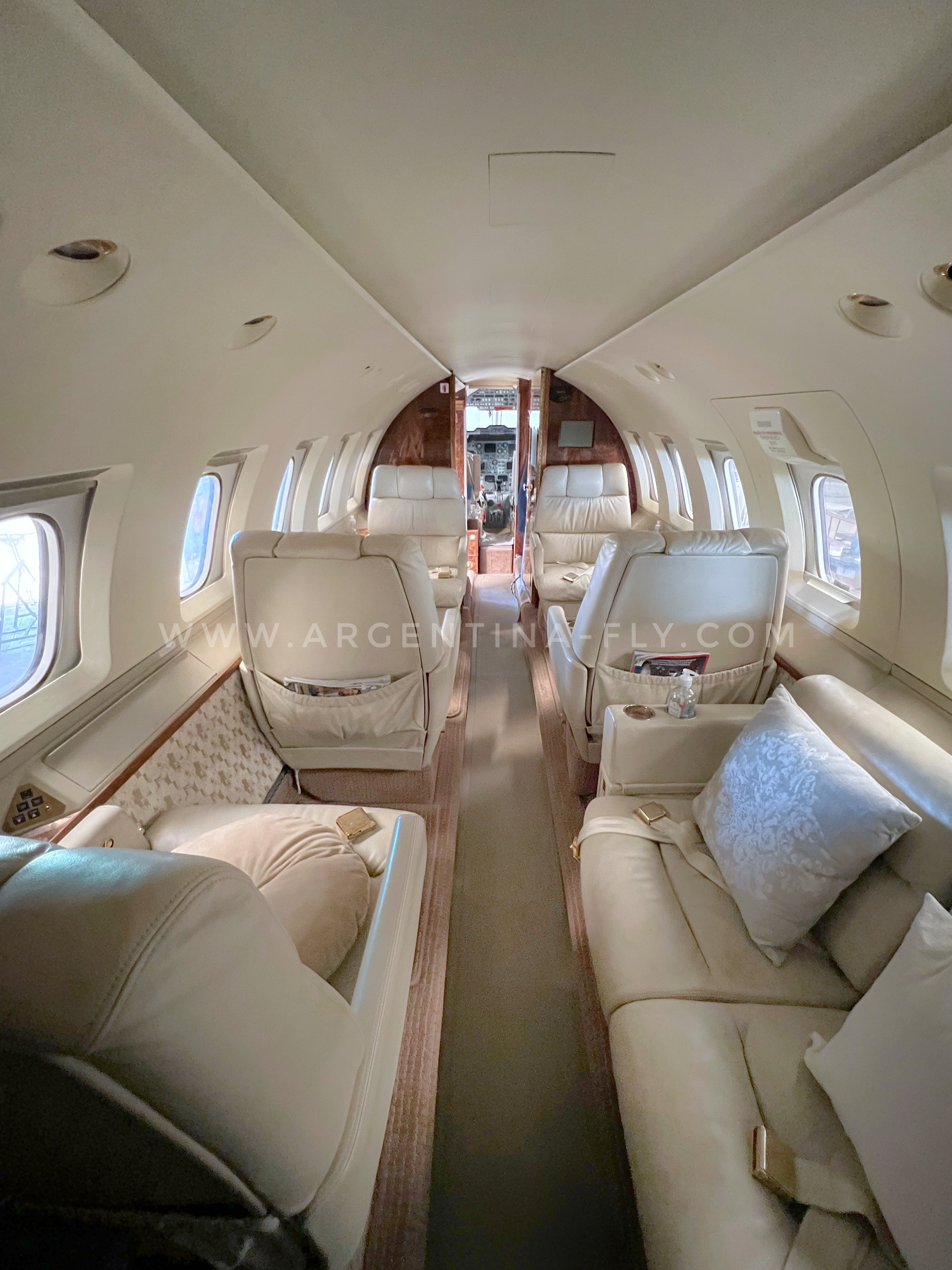
Hawker 800 XP
Midsize jet with a spacious cabin and excellent range, ideal for regional and medium-haul international flights.
Capacity
8 passengers
Lavatory
Yes
Cabin
Pressurized
Luggage
Moderate
Wi-Fi
Portable Starlink
Tartagal (TTG)
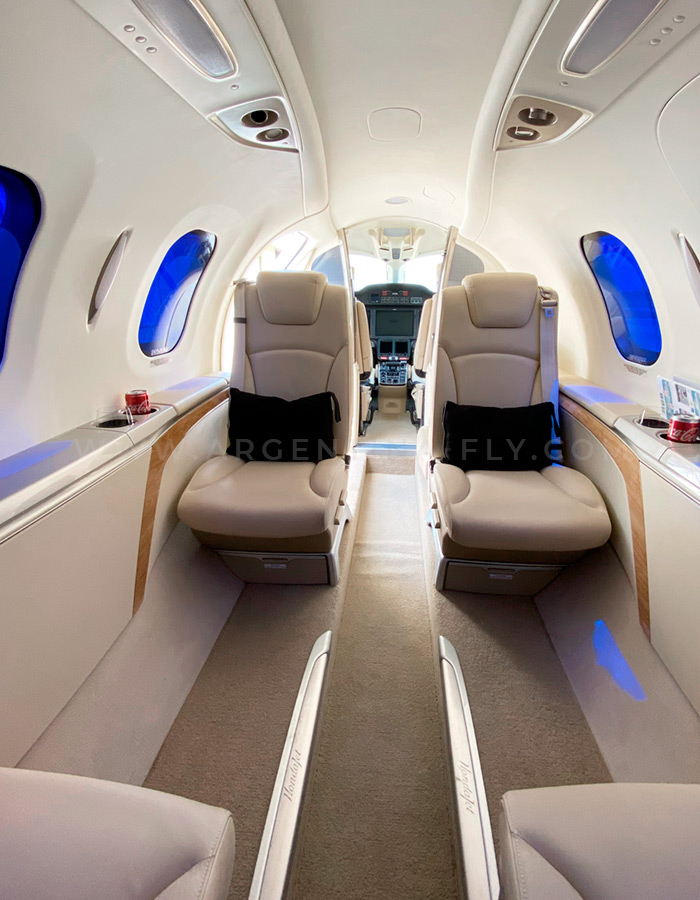
HondaJet
Next-generation light jet with over-the-wing engines, offering an excellent balance between efficiency and executive comfort.
Capacity
5 passengers
Lavatory
Yes
Cabin
Pressurized
Luggage
Moderate
Wi-Fi
Not available
Tartagal (TTG)
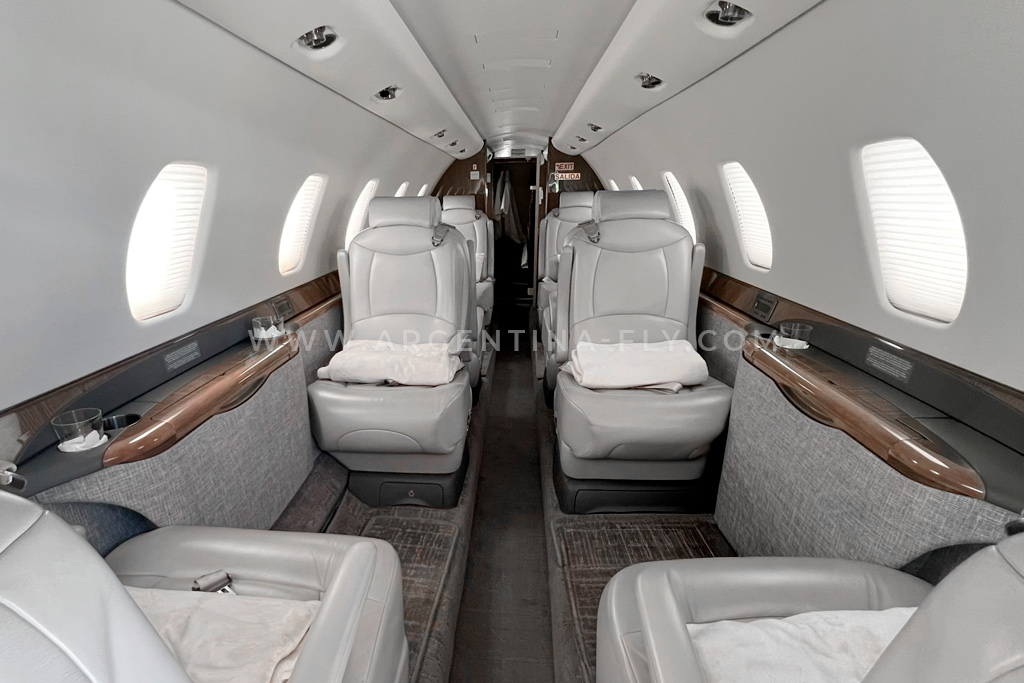
Citation Sovereign
Midsize jet with a spacious cabin, greater range and premium equipment for demanding passengers.
Capacity
8 passengers
Lavatory
Yes
Cabin
Pressurized
Luggage
Generous
Wi-Fi
Portable Starlink (extra cost)
Safety certifications
Tartagal (TTG)
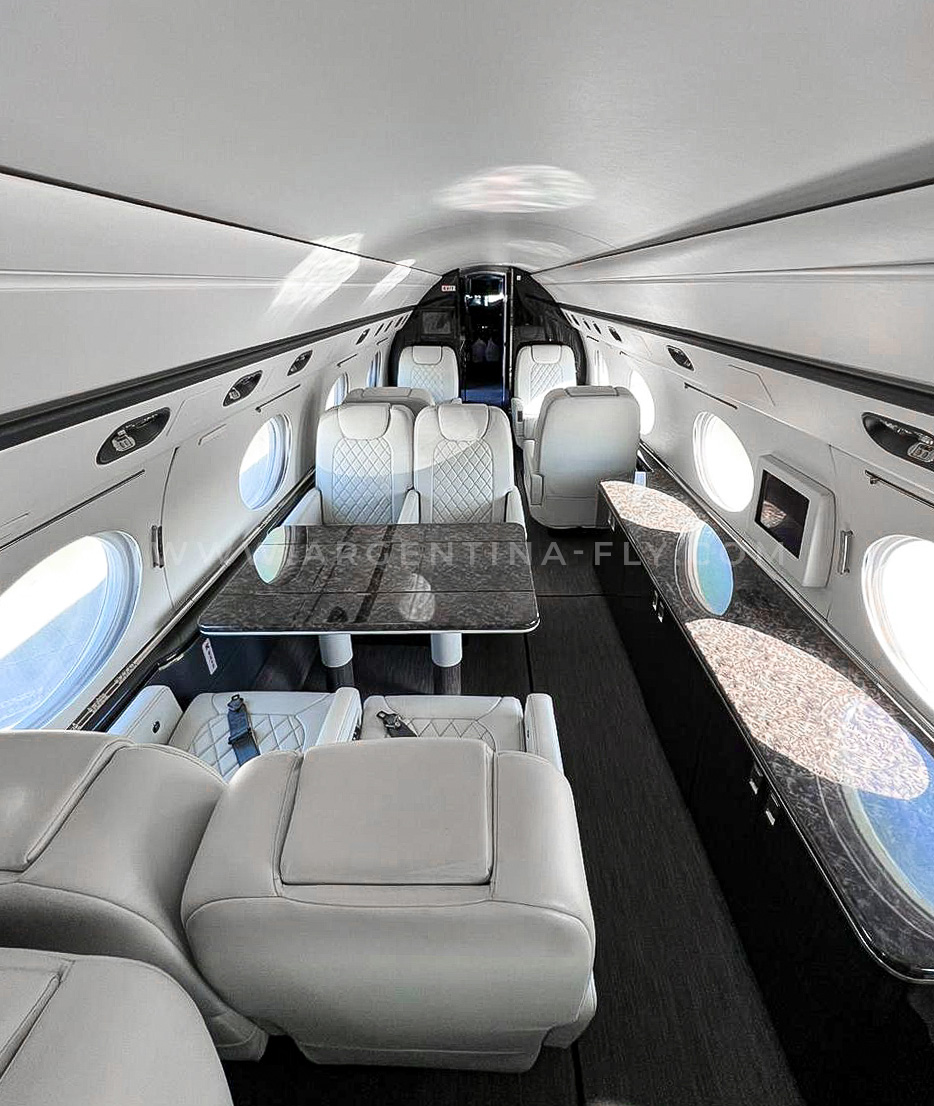
Gulfstream V
Long-range, large-cabin jet with VIP equipment for executive groups demanding the highest level of comfort.
Capacity
14 passengers
Lavatory
Yes
Cabin
Pressurized
Luggage
Spacious
Wi-Fi
Portable Starlink
Tartagal (TTG)
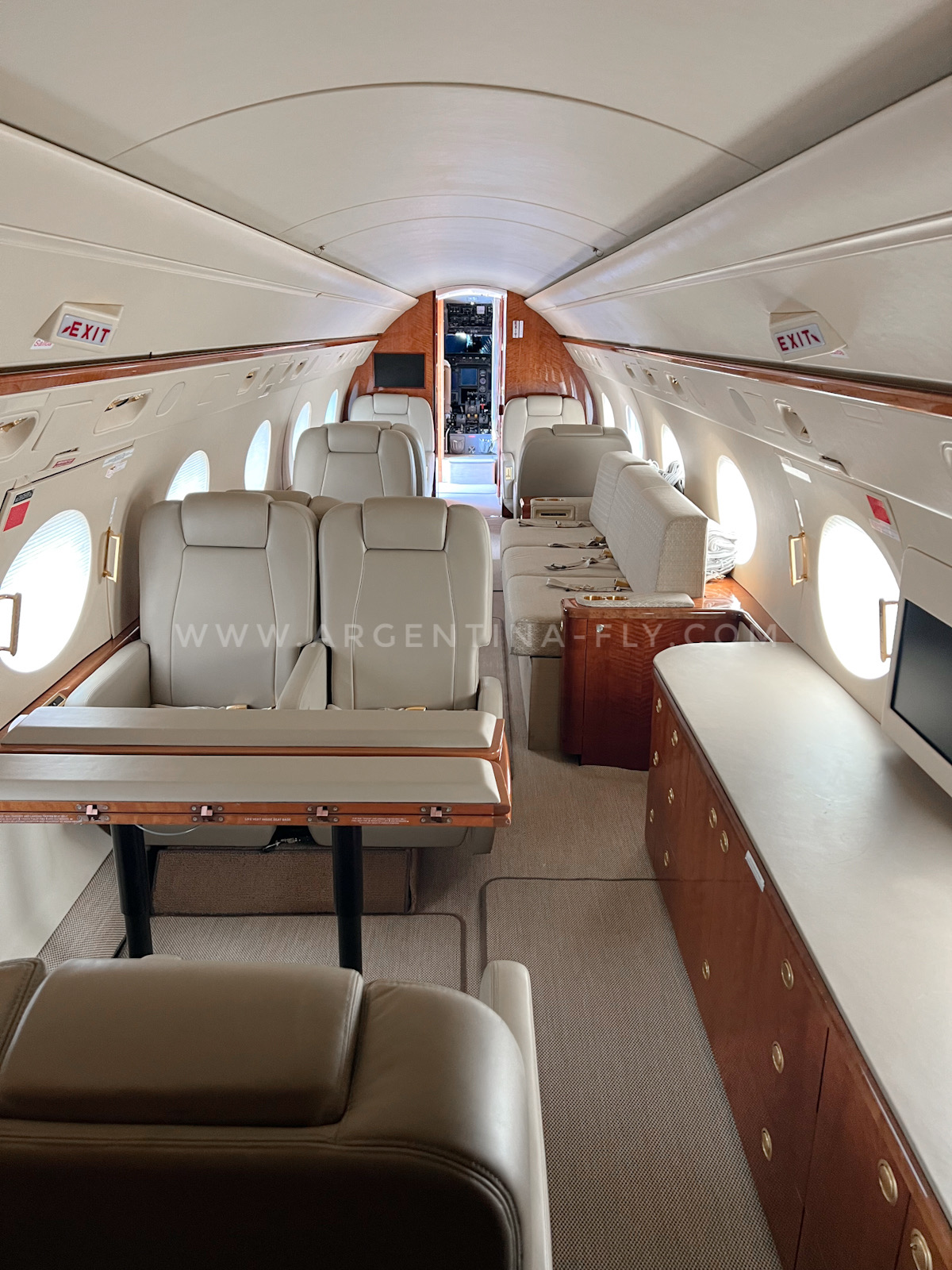
Gulfstream 400
Large jet with an exceptionally spacious cabin and long range, ideal for executive groups requiring maximum comfort.
Capacity
14 passengers
Lavatory
Yes
Cabin
Pressurized
Luggage
Generous
Wi-Fi
Built-in Starlink
Safety certifications
Tartagal (TTG)
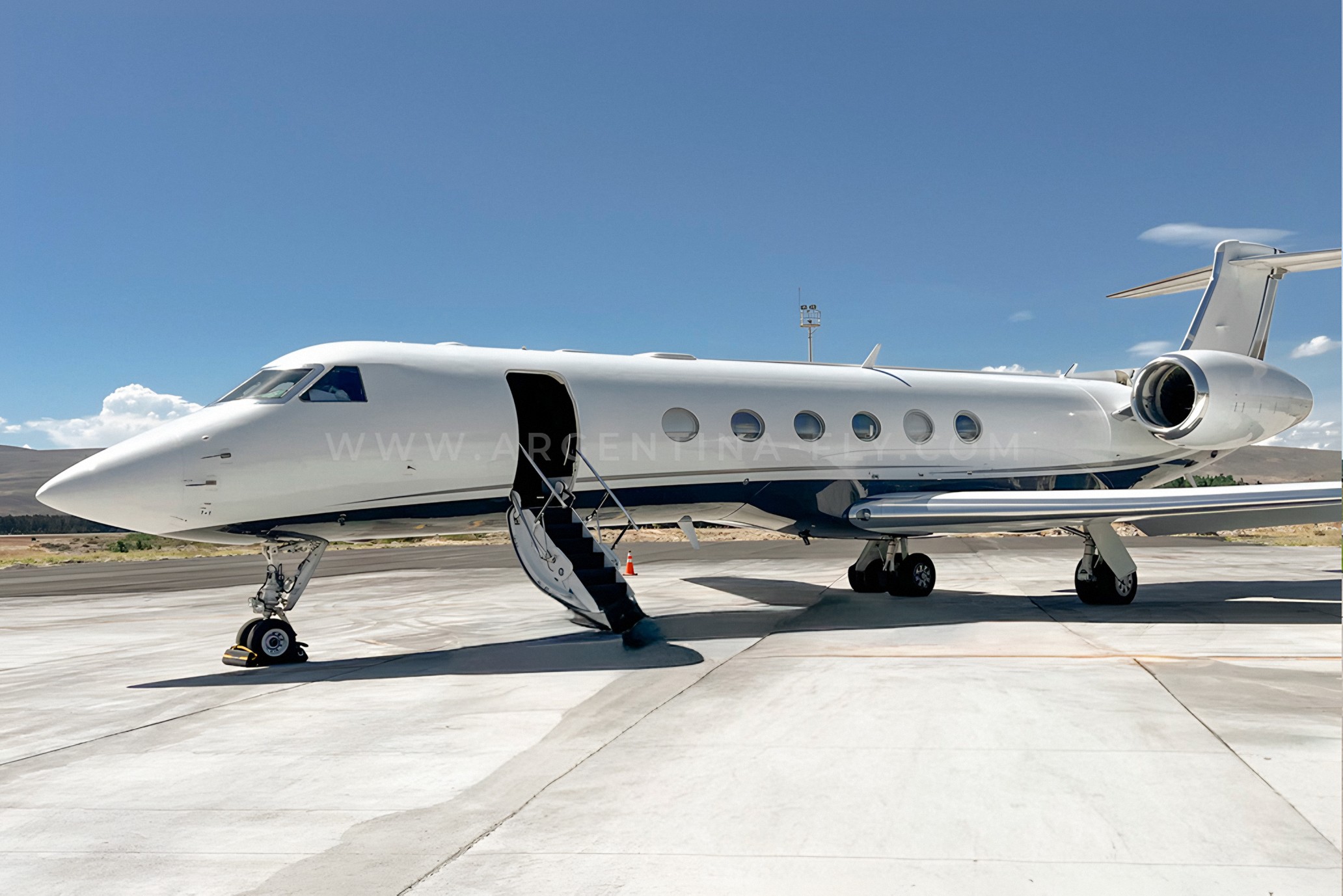
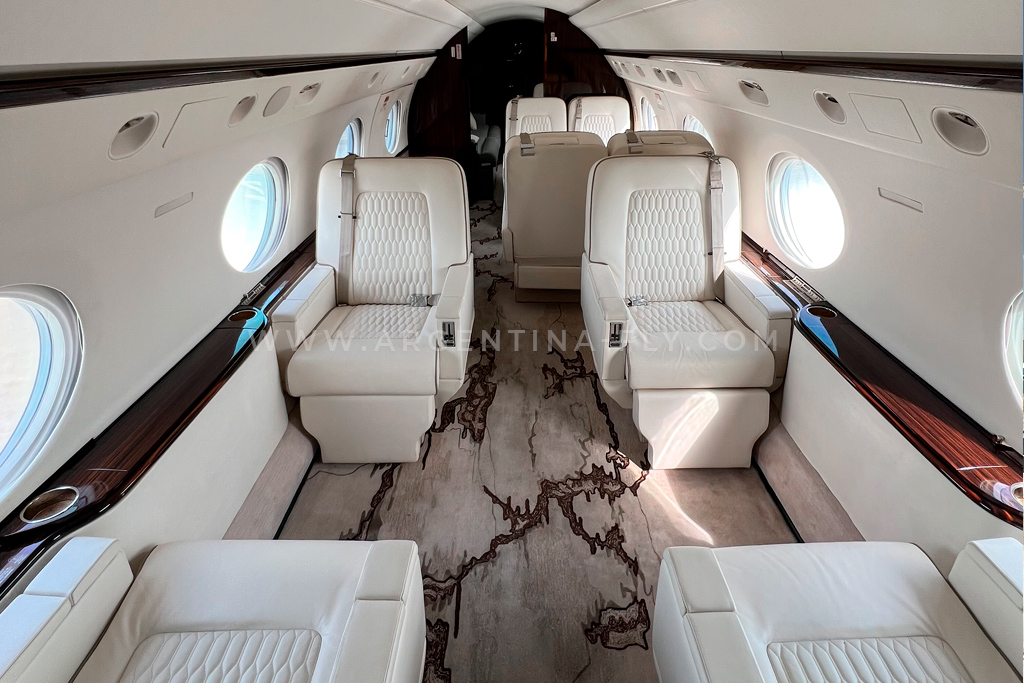
Gulfstream V
Long-range, large-cabin jet with VIP equipment for executive groups demanding the highest level of comfort.
Capacity
14 passengers
Lavatory
Yes
Cabin
Pressurized
Luggage
Generous
Wi-Fi
Built-in Starlink
Safety certifications
Tartagal (TTG)
Other routes from Buenos Aires
Destinations near Tartagal, with the lowest reference fare and the shortest flight time.
Tartagal
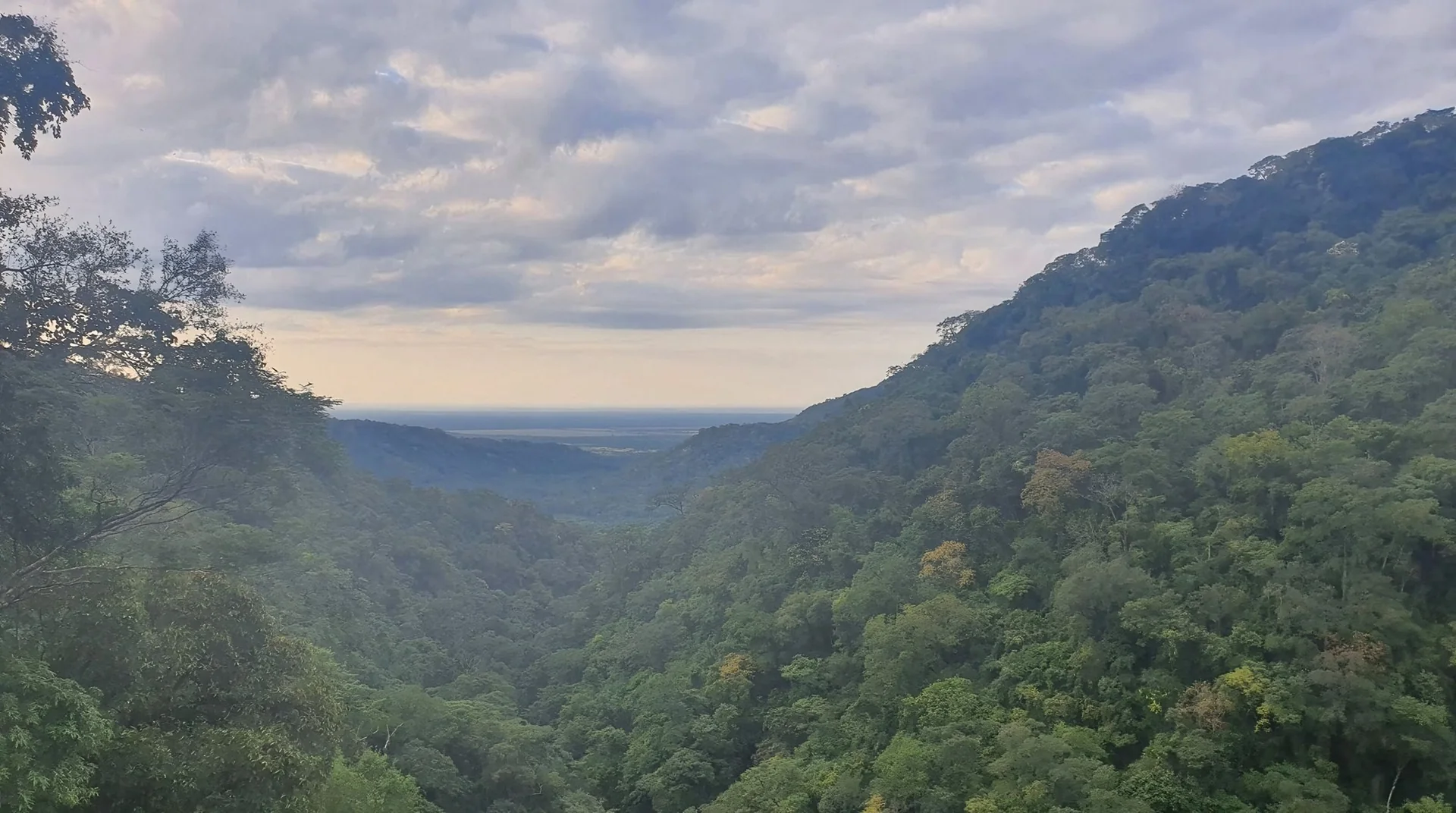
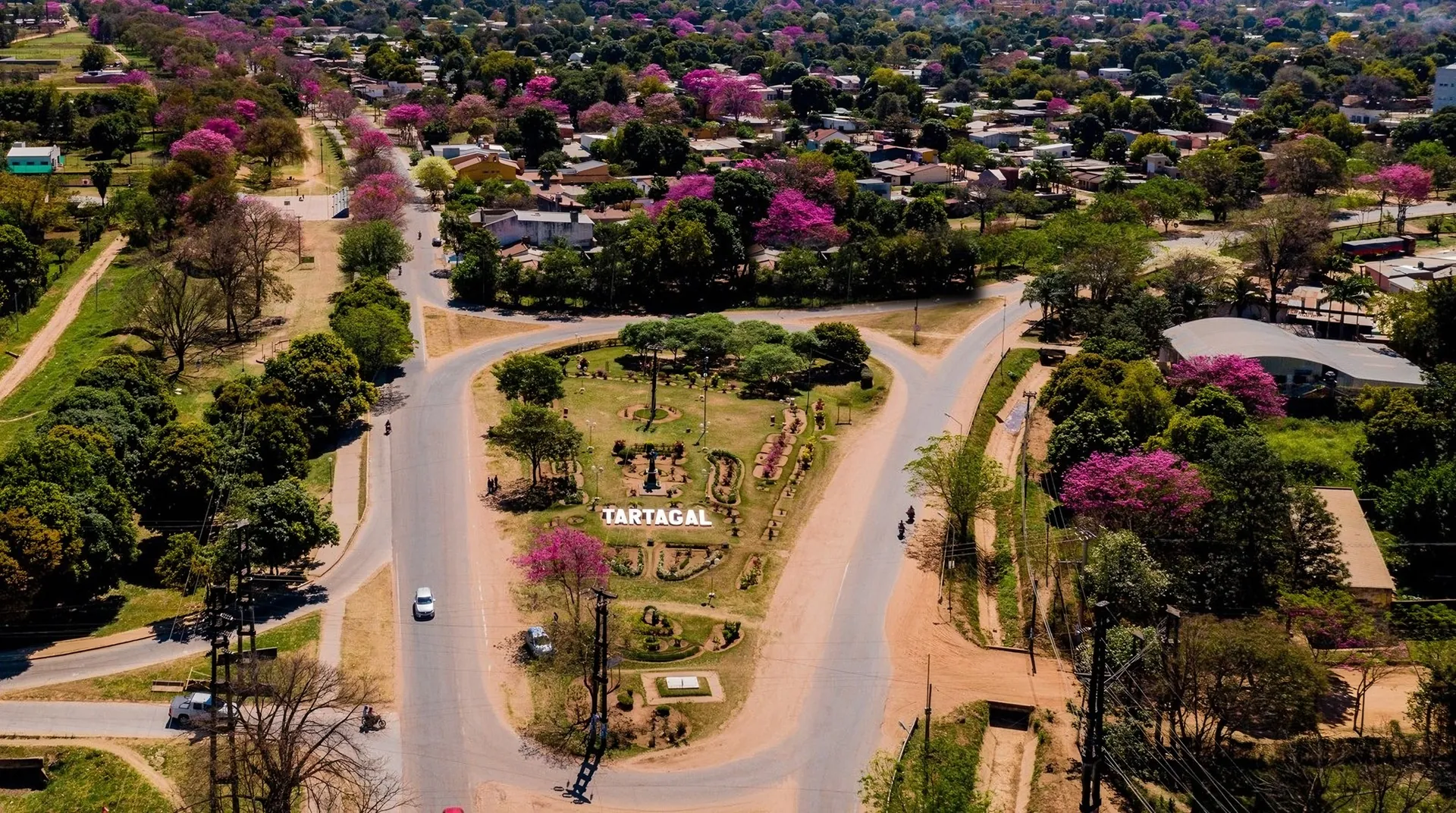
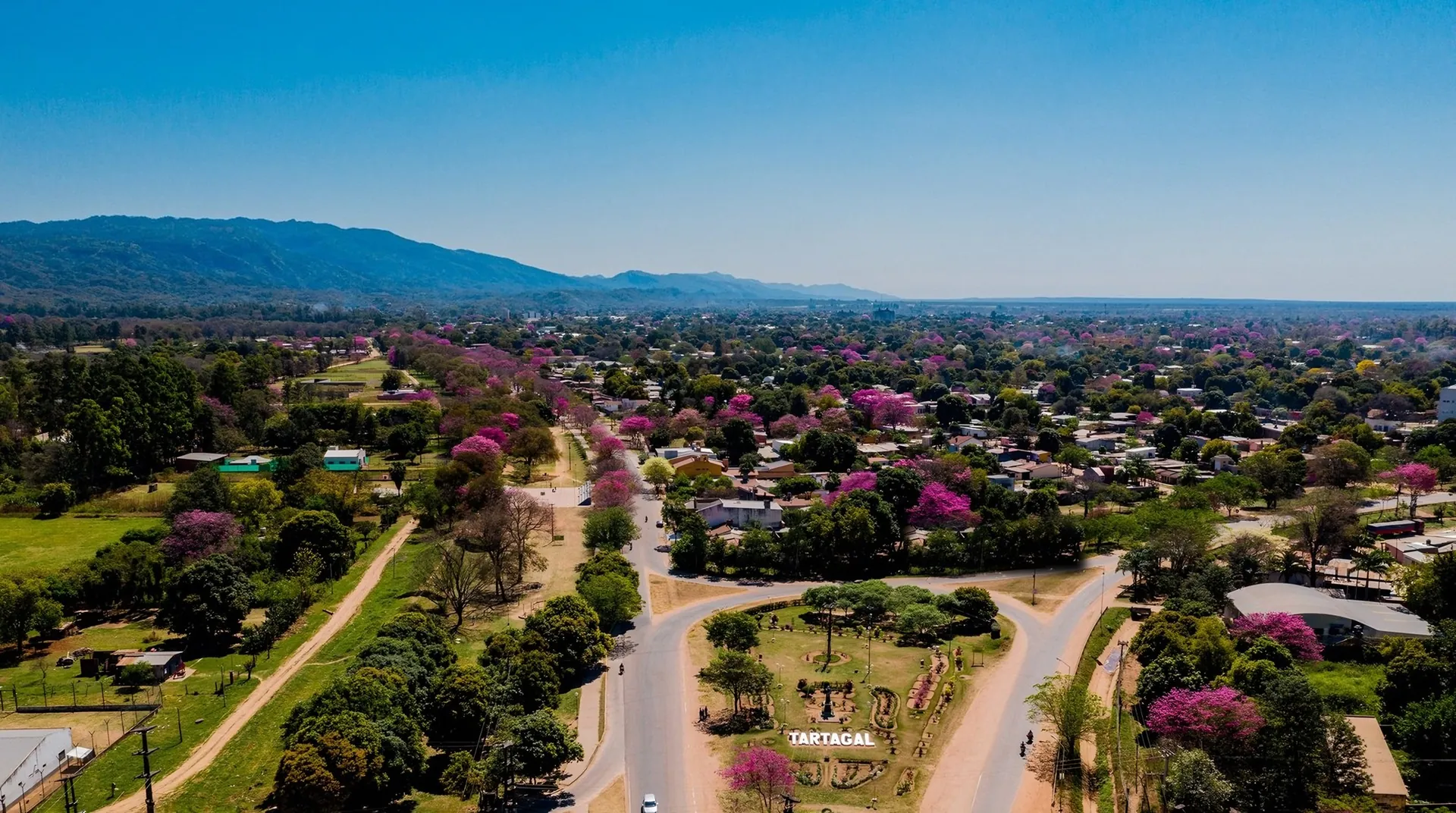
Tartagal, in the San Martín department in northeastern Salta, is the province's third city by economic output: a center of oil and gas extraction, with a timber industry, at the foot of ranges covered in Yungas cloud forest. Nine Indigenous peoples live in the city, with crafts in chaguar fiber and wood, and close by are Campamento Vespucio, the birthplace of oil in the north, and the Acambuco Reserve. From Buenos Aires it is 1,521 km: a private jet reaches General Enrique Mosconi Airport in 1 h 55 to 2 h 25.
The city and its peoples
Nine Indigenous peoples, chaguar weaving and a festival calendar from summer to winter.
The name comes from the tártago plants, the castor bean whose seeds yield castor oil, that once grew all over the area. Northeastern Salta is home to most of the province's Indigenous peoples, and all of them are represented in Tartagal: Wichí, Toba, Chorote, Tapiete, Guaraní, Chulupí, Chané, Iojys and Kolla; the largest groups are the Wichí, the Guaraní and the Chané. From the fiber of the chaguar, a wild bromeliad, they weave yiscas, a kind of shoulder bag, as well as bags, curtains and hammocks, and they also make fired clay pieces and masks carved in wood.
The Arete Guazú, the “great feast,” celebrates the corn harvest: people dance the pim pim for days and drink chicha, a corn beer, and the men wear wooden masks, the aña aña, with the faces of ancestors and local animals. In summer, the Corso Color brings together comparsas, costumed dance troupes, of immigrant communities and Indigenous peoples in the corsódromo on Avenida 20 de Febrero, and during the July school vacation there is a winter carnival, with pim pim, sayas, batucadas and Indigenous comparsas. In June, the feast of San Antonio de Padua, the patron saint, adds a serenade, a procession and fireworks.
The Santuario Virgen de la Peña, among hills, woodland and a stream, welcomes pilgrims on the third Sunday of August. For lodging, the Hotel Pórtico Norte, rated four stars in the provincial registry, is on National Route 34 at km 1431, and the three-star Hotel Majoy is at Sarmiento 697, downtown. On the table you will find triangular humitas, chancaca made from cane juice and local fruit: mangoes, papayas and citrus.
Typical calendar
- JuneFeast of San Antonio de Padua, the patron saint.
- JulyWinter carnival, during the school vacation.
- AugustPilgrimage to the Santuario Virgen de la Peña, on the third Sunday.
- Summer (December to March)Corso Color, with comparsas of immigrant communities and Indigenous peoples.
Where to stay
- Hotel MajoyThree-star hotel at Sarmiento 697, downtown.
- Hotel Pórtico NorteFour-star hotel on National Route 34, km 1431.
Oil and Campamento Vespucio
From YPF's first well in 1928 to a planned town in the Yungas, with museums and trails.
In 1906, Francisco Tobar found oil seeps in the Quebrada de Galarza, in the ranges near Tartagal. On September 12, 1928, YPF, the state oil company, drilled its first well there, Vespucio 1, and Campamento Vespucio was born, in the municipality of General Mosconi: meant to be temporary, it became a planned town, with diagonal, sloping streets, wooden buildings and its own services. The region still lives off oil and gas extraction.
Vespucio is best explored on foot. The wooden Administración Yacimiento Norte was YPF's headquarters at the camp; the Club Social, a neocolonial building from 1933, was the employees' hall and café, and the movie theater was built in 1953. The Rodolfo Parodi Bustos Museum of Natural Sciences and Oil, from 1993, has rooms on paleontology, archaeology, mineralogy and ethnography and belongings of Tobar, and the Museo Gregorio Torres, in the old company store, shows birds, mammals and reptiles of the Yungas.
The 29-hectare Parque Las Yungas has five easy and moderate trails among cedar, cebil and yuchán trees, and from the Divina Misericordia lookout you can see the camp, General Mosconi and Tartagal. In the Quebrada de Galarza, where it all began, there is a 5-meter waterfall, with rappelling and trekking; the wetlands on the road to Aguay are a municipal protected area, good for birdwatching.
What to see
- Mirador Divina MisericordiaViews of the camp, General Mosconi and Tartagal, on an easy trail.
- Museo de Ciencias Naturales y del PetróleoPaleontology, archaeology, mineralogy and belongings of Francisco Tobar.
- Museo Gregorio TorresBirds, mammals and reptiles of the Yungas, in YPF's old company store.
- Parque Las Yungas29 hectares of forest with five trails.
- Quebrada de GalarzaWhere oil was discovered, with a 5-meter waterfall.
Acambuco and the Yungas of Aguaray
A provincial reserve of foothill forest, waterfalls and lookouts in the hills.
The Acambuco Flora and Fauna Reserve protects 36,734 hectares of foothill forest in the municipality of Aguaray, north of Tartagal. It is reached by Provincial Route 46: it lies some 45 km from that road's junction with National Route 34, at the community of Piquirenda Fátima. It has palo blanco, palo amarillo, cebil, Andean walnut and cedar trees, and is home to the jaguar, tapir, peccary, hooded capuchin, coati and South Yungas red squirrel. It can be explored on hikes, treks and horseback rides, and local entrepreneurs run campgrounds, cabins and food for visitors.
For birdwatchers, the reserve has the military macaw, the solitary eagle and the ornate hawk-eagle, and every year Aguaray takes part in the military macaw census. Near town, the Capiazuti circuit leaves the municipal campground on a 4 km trail, past traces of the first oil explorations, to El Espejo, a waterfall between two hills. 2 km from downtown, the Chané community of Tuyunti looks after the Virgen de la Lluvia circuit, with trails and a lookout over Aguaray.
What to see
- Acambuco Flora and Fauna ReserveFoothill forest with trails, horseback rides and birds such as the military macaw.
- Circuito de CapiazutiA 4 km trail to the El Espejo waterfall.
- Circuito Virgen de la LluviaTrails and a lookout cared for by the Chané community of Tuyunti.
Arrival
From departure to destination.
- Departure
- From San Fernando (FDO), Aeroparque (AEP) or Ezeiza (EZE). The fare may change depending on where each aircraft is based.
- Airport
- General Enrique Mosconi (TTG): public-use and towered, with a paved runway, a few minutes from downtown.
- Aircraft
- It takes turboprops and jets, including large-cabin jets.
- Salta city
- 350 km by road, about four hours and twenty minutes.
When to go
The seasons at the destination.
- Summer (December to March)
- Corso Color. It is the rainy season, from December to March.
- May to September
- The dry season, the best time for the trails of Vespucio and Acambuco.
- June
- Feast of San Antonio de Padua, the patron saint.
- July
- Winter carnival, during the school vacation.
- August
- Pilgrimage to the Santuario Virgen de la Peña, on the third Sunday.
Key facts
Summer January
- Average low
- 20.8°
- Average high
- 32.3°
193.2 mm of rain
Fall April
- Average low
- 17.1°
- Average high
- 26.1°
59.3 mm of rain
Winter July
- Average low
- 9.3°
- Average high
- 22.1°
4.0 mm of rain
Spring October
- Average low
- 18.0°
- Average high
- 31.4°
46.3 mm of rain
- Airport
- General Enrique MosconiIATA / ICAO: TTG / SASTA few minutes from downtown TartagalPaved runway
- Category
- Public-use, towered
- Distance
- 1,521 kmFlight distance from Buenos Aires
- Annual rainfall
- 997.1 mm88% falls from October to March
Frequently asked questions
Price, flight time, airport, departure and travel documents.
How much does a private flight from Buenos Aires to Tartagal cost?
Reference fares for a one-way private flight from Buenos Aires (San Fernando), whole aircraft, start at USD 13,580 for a turboprop, USD 14,550 for a light jet, USD 18,350 for a midsize jet and USD 27,520 for a large jet. Round trips are calculated in the quote tool according to the length of your stay.
How long is the flight?
Between 1 h 55 and 3 h 15, depending on the aircraft; the fastest jet on the route takes 1 h 55.
Which airport does the flight land at?
Tartagal's General Enrique Mosconi Airport (TTG / SAST), public-use and towered, with a paved runway, a few minutes from downtown. It takes turboprops and jets, including large-cabin jets.
What is Campamento Vespucio?
The town that grew up beside YPF's first well in the north, Vespucio 1, drilled in 1928 in the municipality of General Mosconi. It keeps buildings from the oil era, the Museum of Natural Sciences and Oil, the Parque Las Yungas and a lookout over Mosconi and Tartagal.
How do I visit the Acambuco Reserve?
By Provincial Route 46, some 45 km from its junction with National Route 34, in the municipality of Aguaray. It can be explored on hikes, treks and horseback rides, and local entrepreneurs run campgrounds and cabins. It is a good place to see the military macaw.
What crafts are made in Tartagal?
Chaguar weavings, such as the yisca, a kind of shoulder bag, as well as bags, curtains and hammocks, fired clay pieces and masks carved in wood, made by the Wichí, Guaraní and Chané communities and the other peoples who live in the city.
Where to stay in Tartagal?
The four-star Hotel Pórtico Norte is on National Route 34, at km 1431; the three-star Hotel Majoy is at Sarmiento 697, downtown.
Are the published fares final?
They are estimates. The final quote depends on dates, length of stay, aircraft type and applicable operating fees.
Where does the flight depart from?
Fares are calculated for departure from San Fernando (FDO). Departing from Aeroparque (AEP) or Ezeiza (EZE) may change the fare, depending on where each aircraft is based.
What documents do I need?
It is a domestic flight within Argentina: Argentine citizens travel with a valid national ID (DNI) and foreign nationals with a valid passport.

Ready to fly? Let’s talk.
Share the details of your trip and we’ll help you find the aircraft and flight solution best suited to your needs.
- WhatsApp+54 9 11 3080 7775
- Phone+54 9 11 3080 7775
- Emailinfo@argentina-fly.com
For charter operatorsList your aircraft