
- Home
- Flight quote
- Jujuy
Private flights to Jujuy
Jet from USD 12,400 · 2 h 05
Results:
- Itinerary
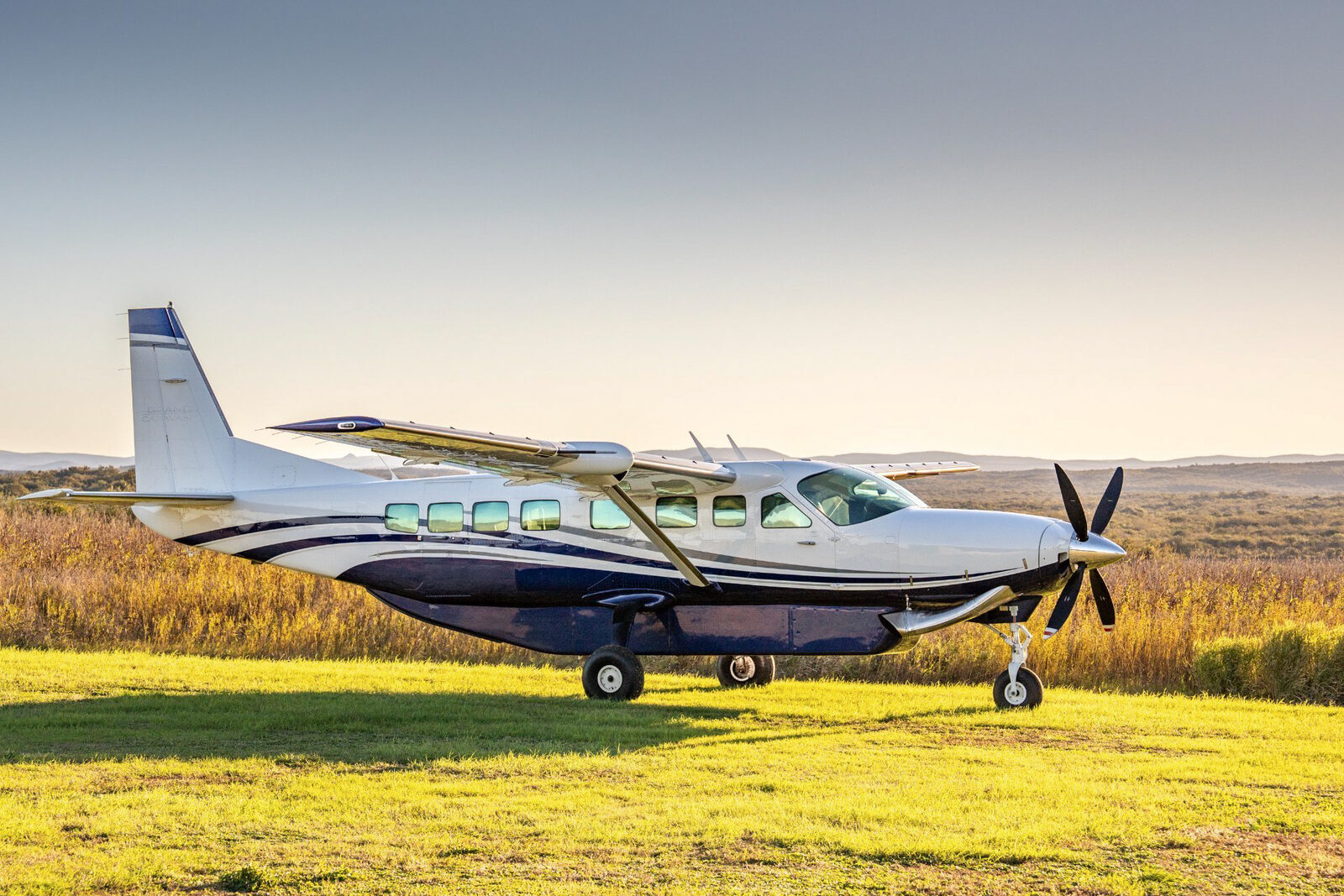
Cessna Grand Caravan Ex
Turboprop · 9 passengers · 4 h 204 h 20flight time
USD 11,570+ VAT 10.5%
Request a quote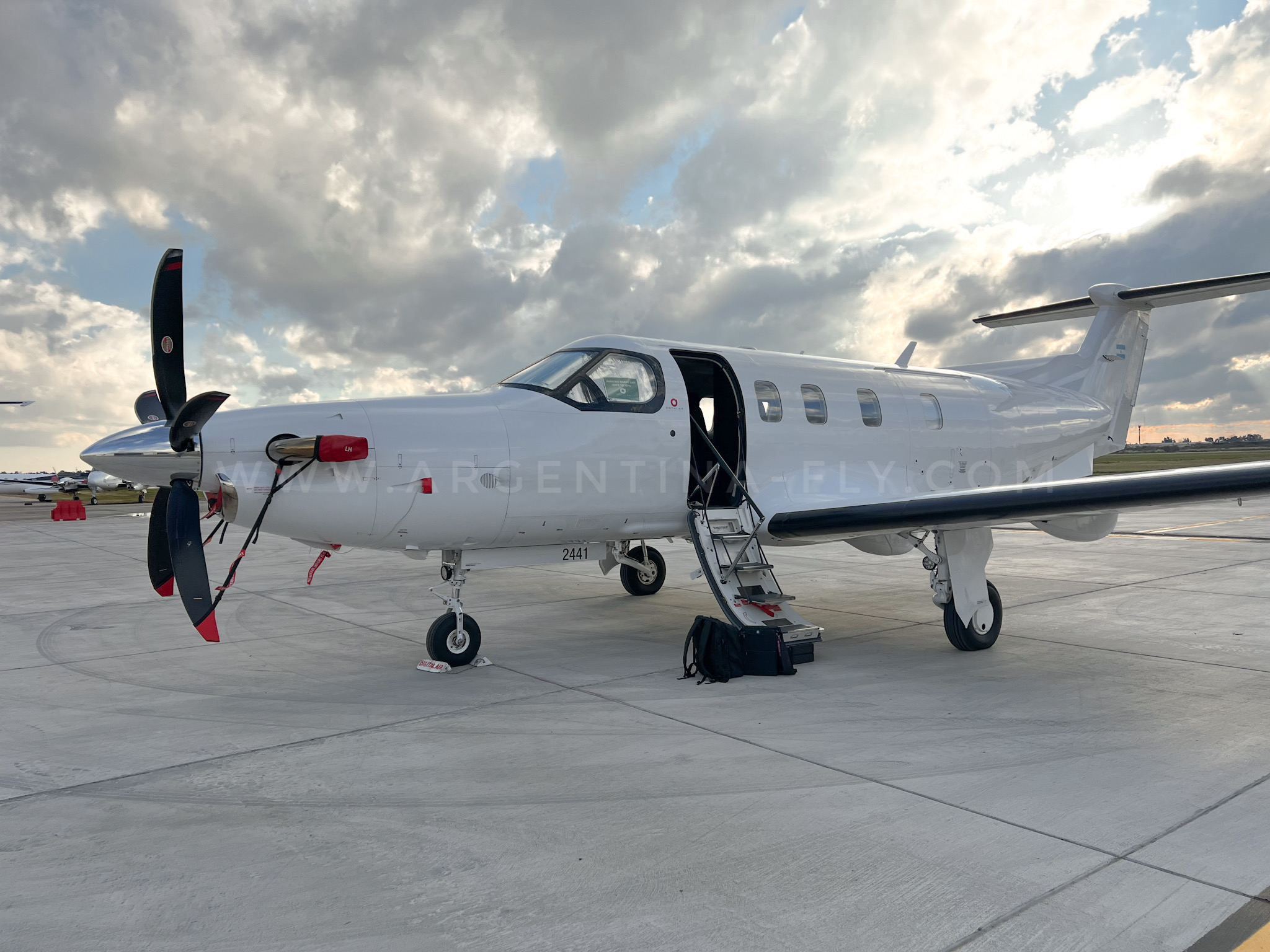
Pilatus PC-12
Turboprop · 8 passengers · 2 h 502 h 50flight time
USD 11,580+ VAT 10.5%
Request a quote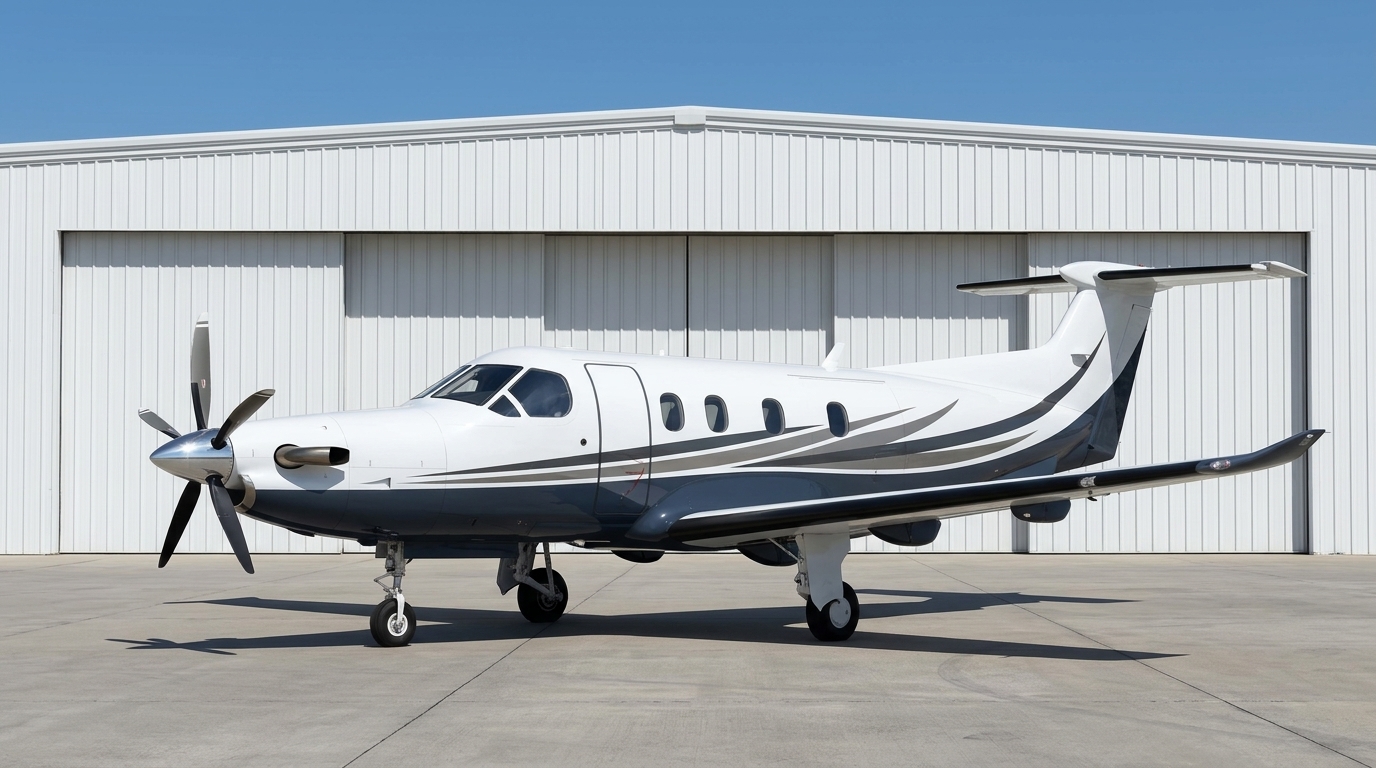
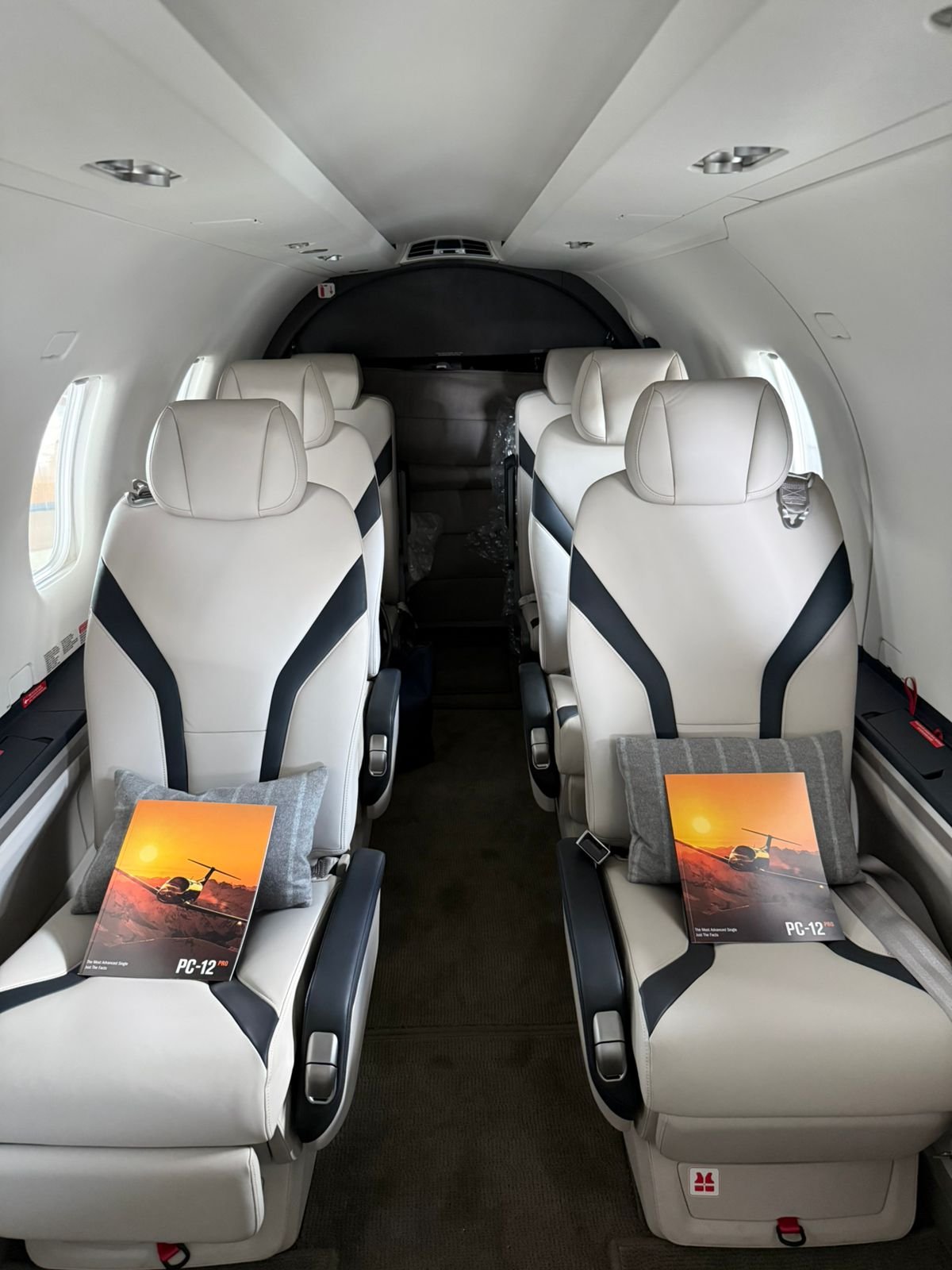
Pilatus PC12 Pro
Turboprop · 8 passengers · 2 h 502 h 50flight time
USD 11,850+ VAT 10.5%
Request a quote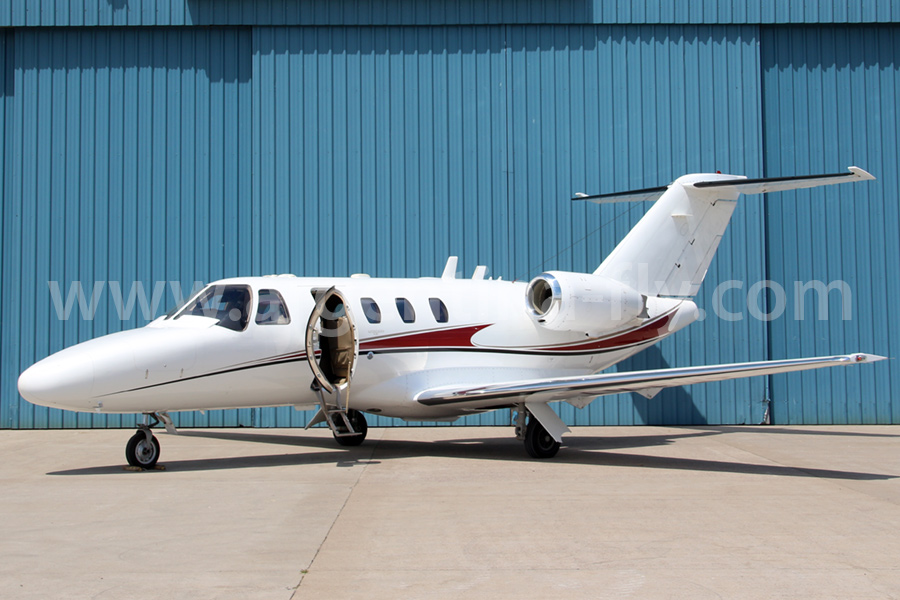
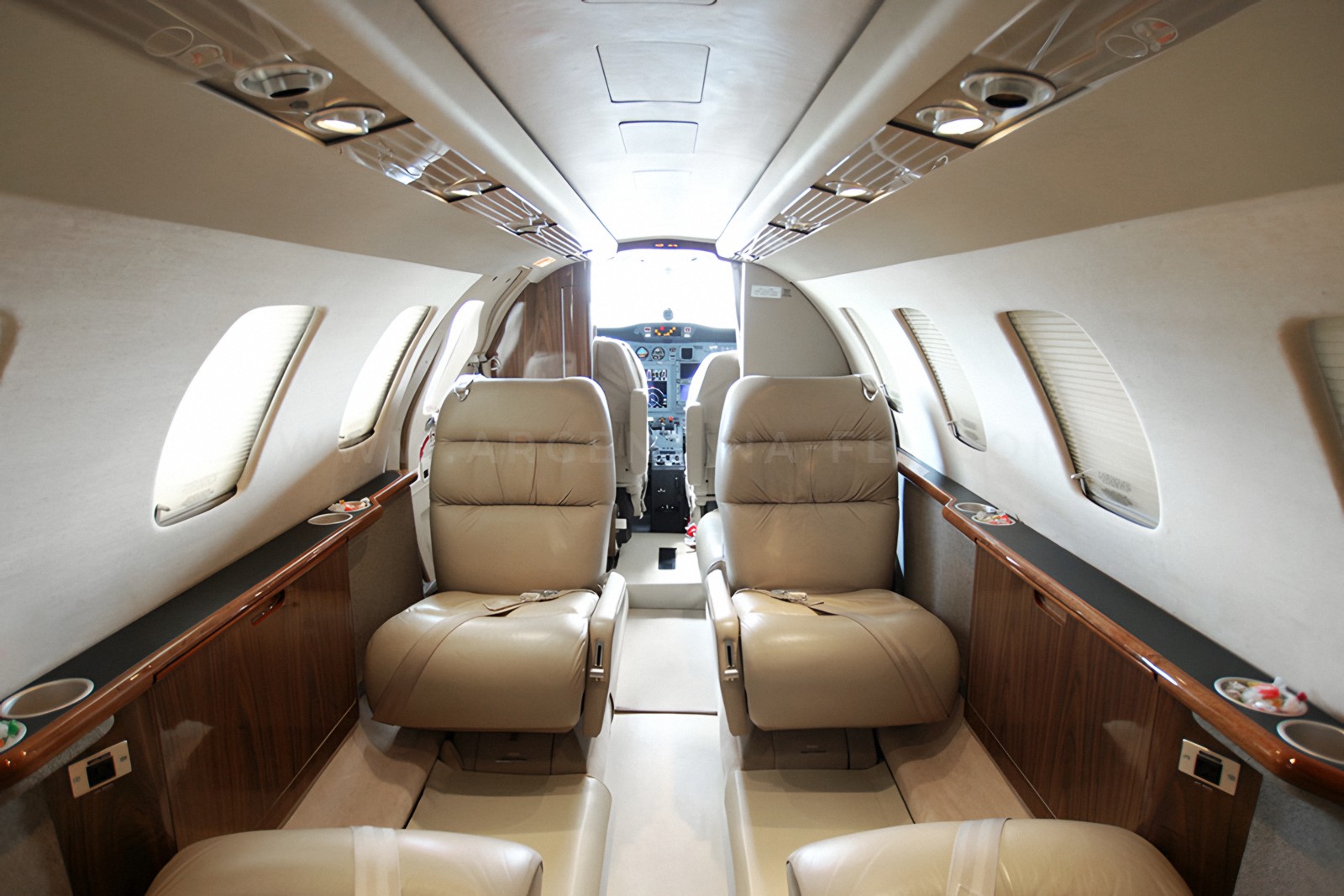
Citation CJ1
Light jet · 5 passengers · 2 h 052 h 05flight time
USD 12,400+ VAT 10.5%
Request a quote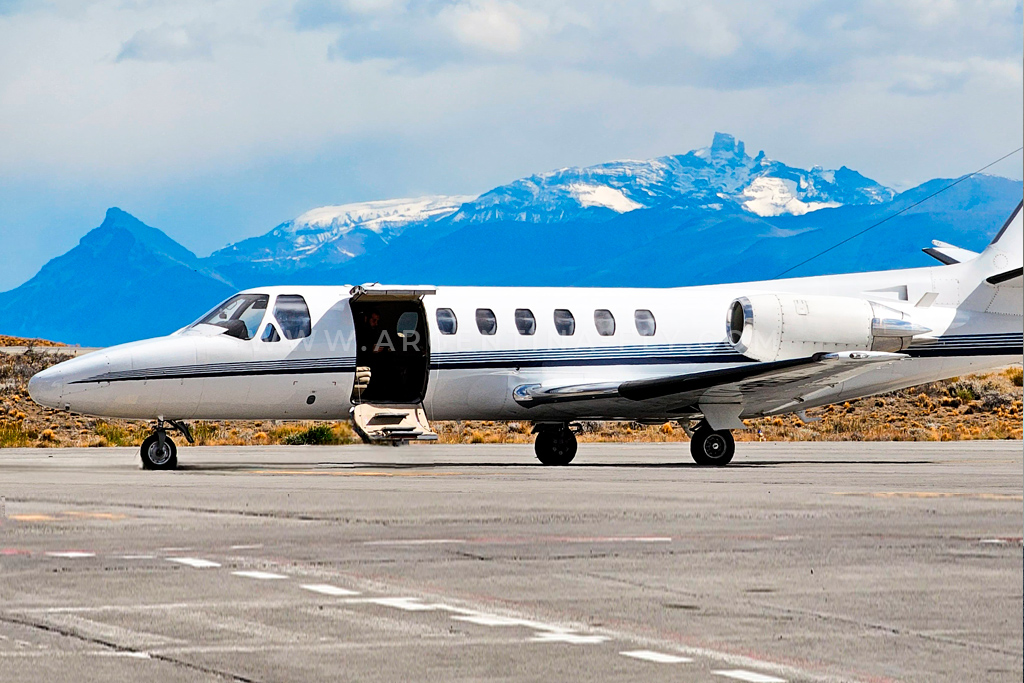
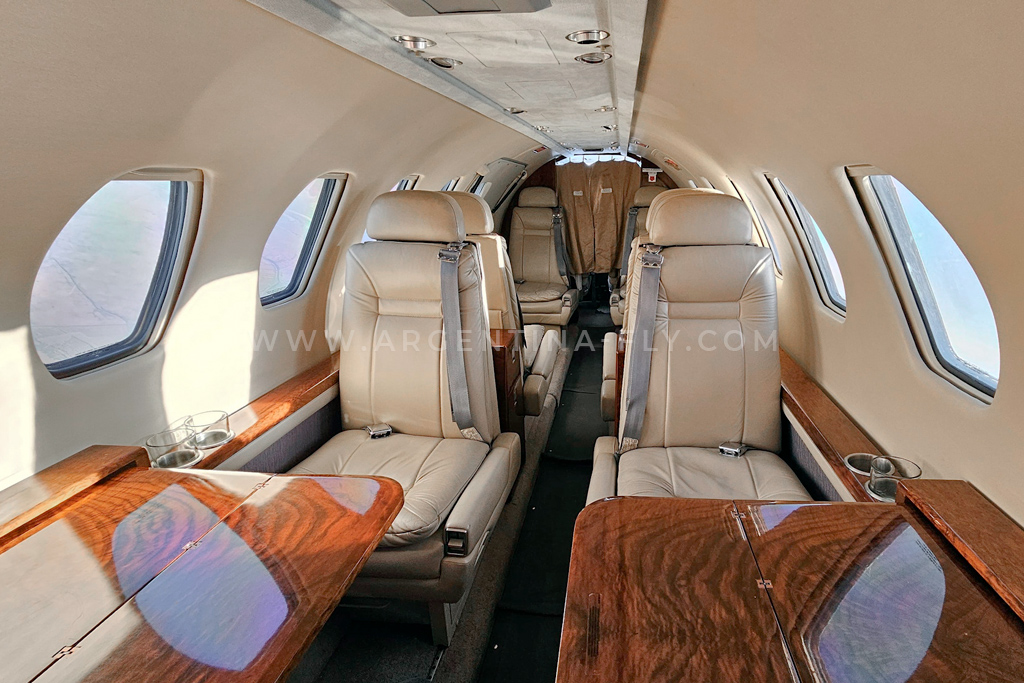
Citation V
Light jet · 8 passengers · 1 h 551 h 55flight time
USD 12,950+ VAT 10.5%
Request a quote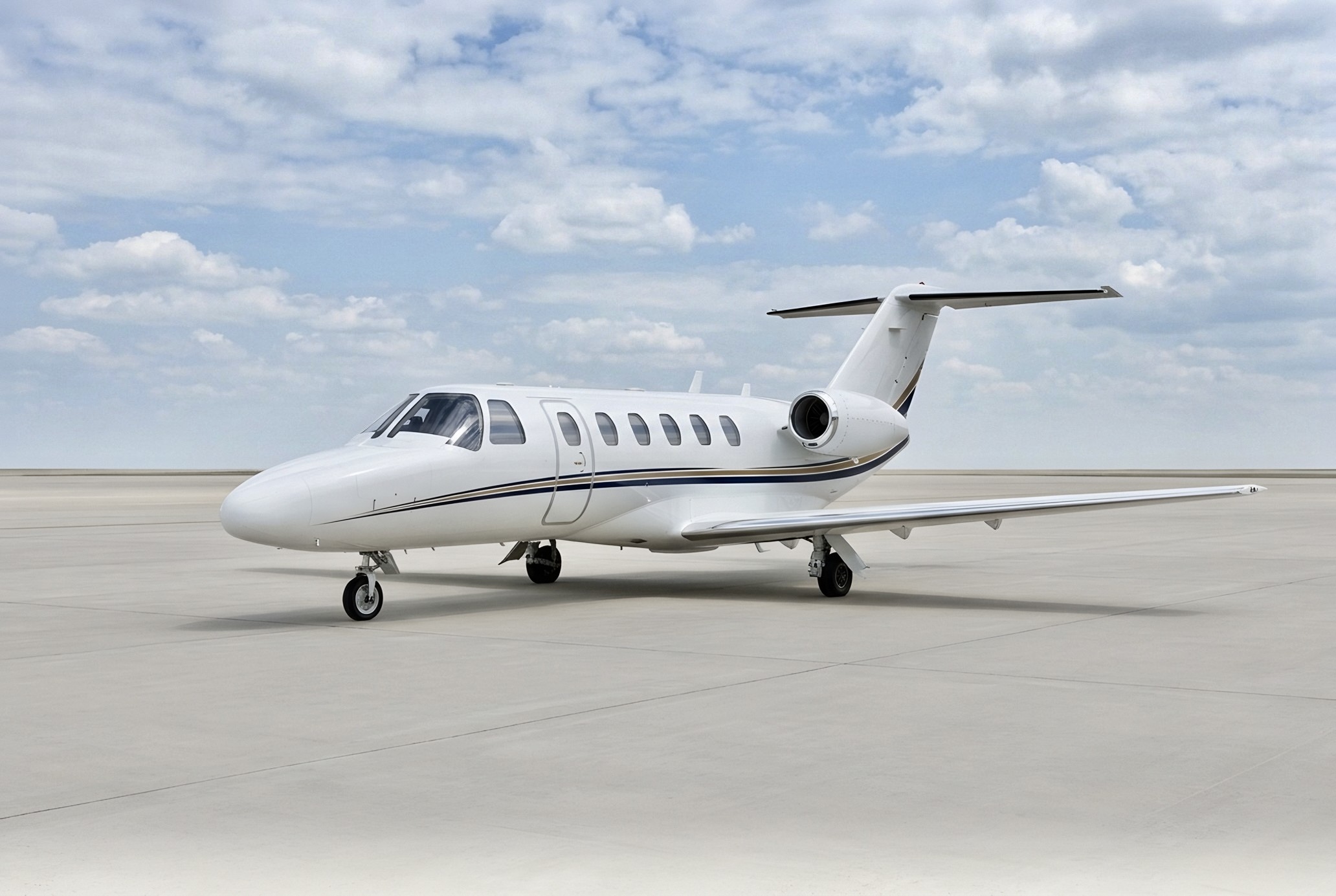
Citation CJ2
Light jet · 6 passengers · 2 h 05 · 2 options2 h 05flight time
USD 12,950+ VAT 10.5%
Request a quote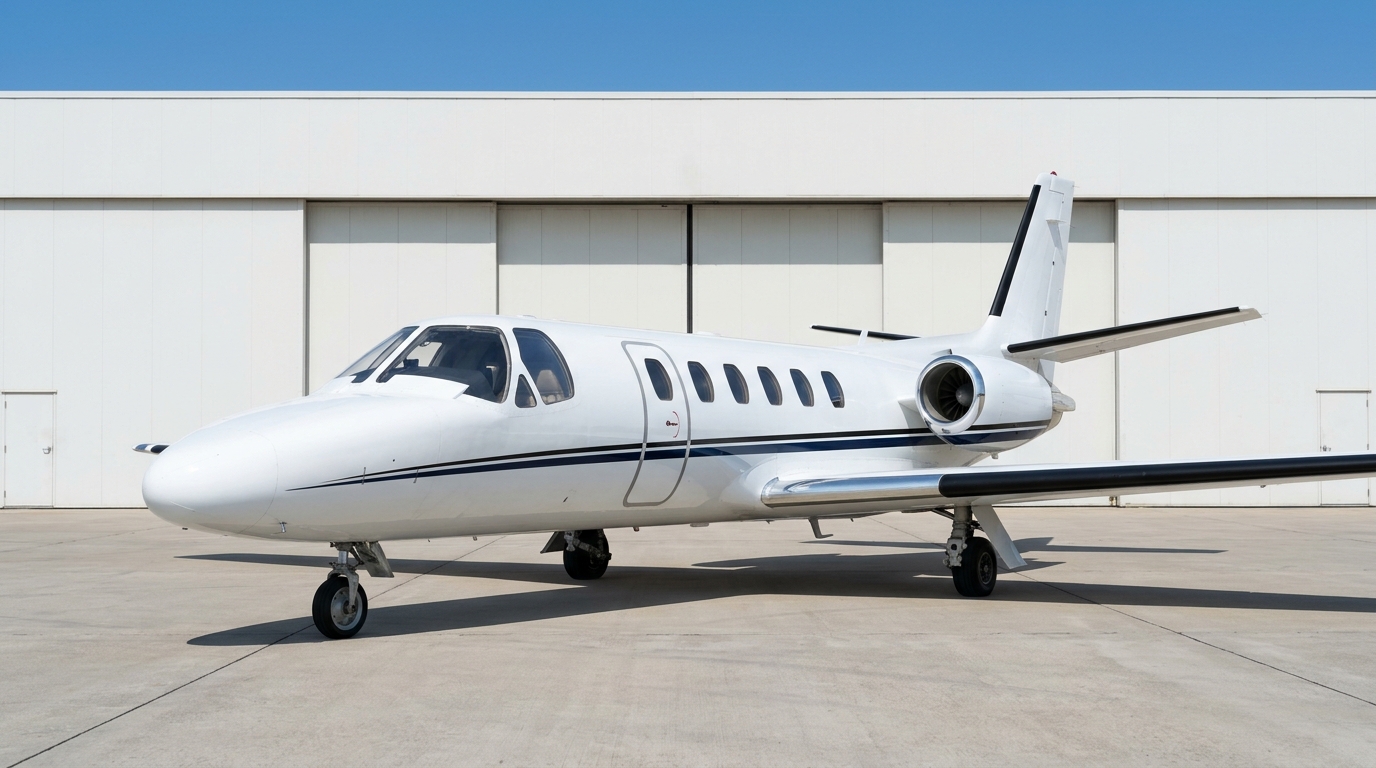
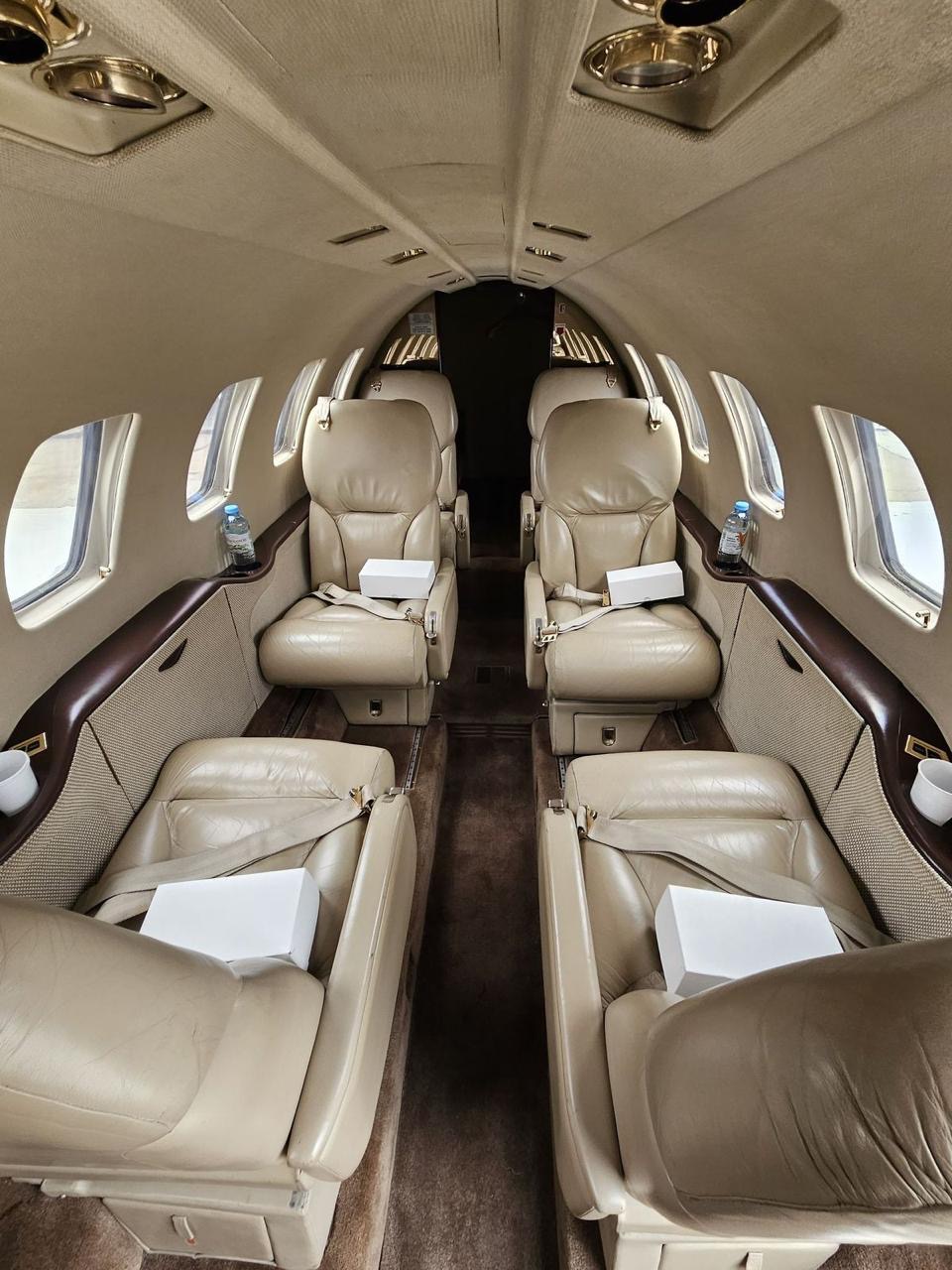
Citation Bravo
Light jet · 7 passengers · 2 h 002 h 00flight time
USD 13,780+ VAT 10.5%
Request a quote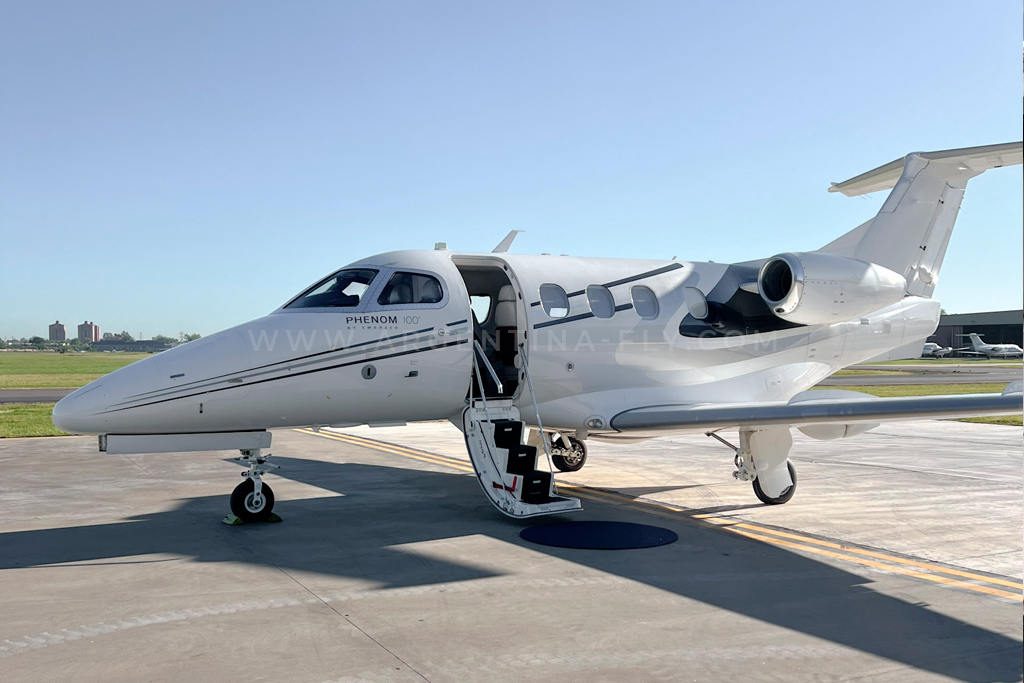
Phenom 100
Light jet · 5 passengers · 2 h 052 h 05flight time
USD 14,610+ VAT 10.5%
Request a quote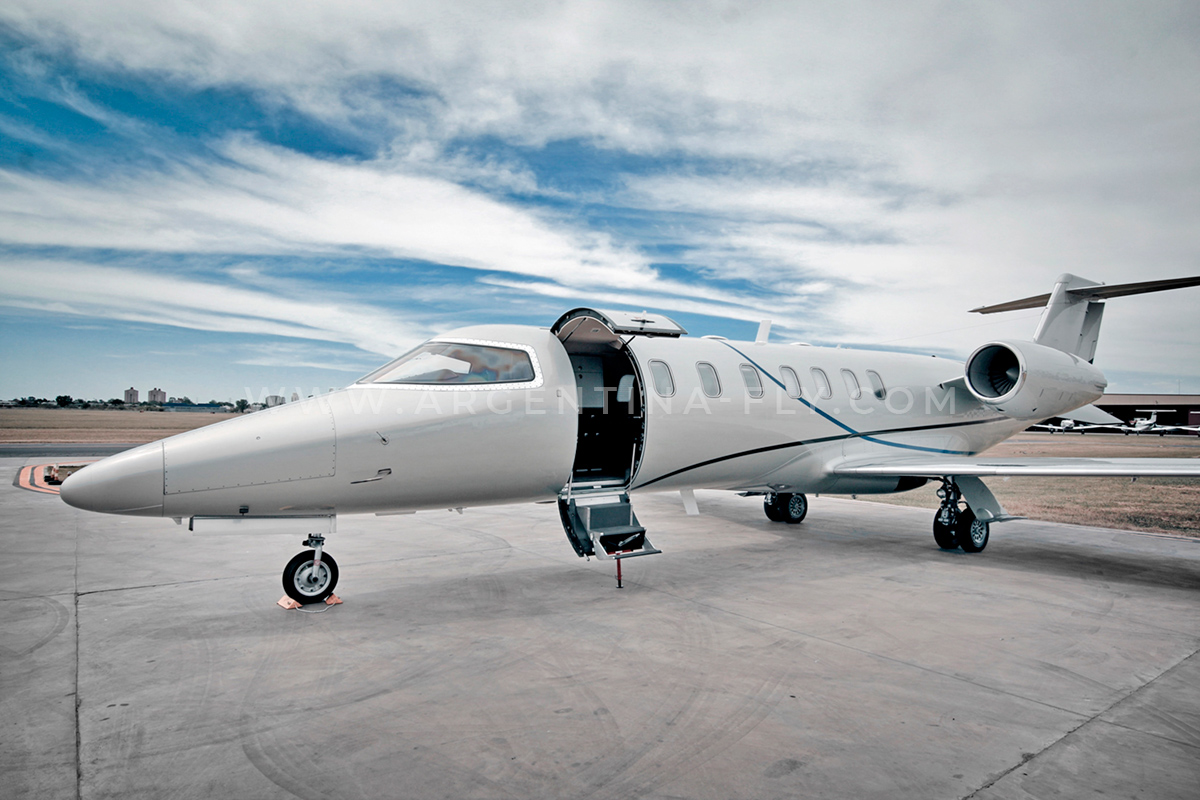
Learjet 40 XR
Light jet · 6 passengers · 1 h 501 h 50flight time
USD 15,430+ VAT 10.5%
Request a quote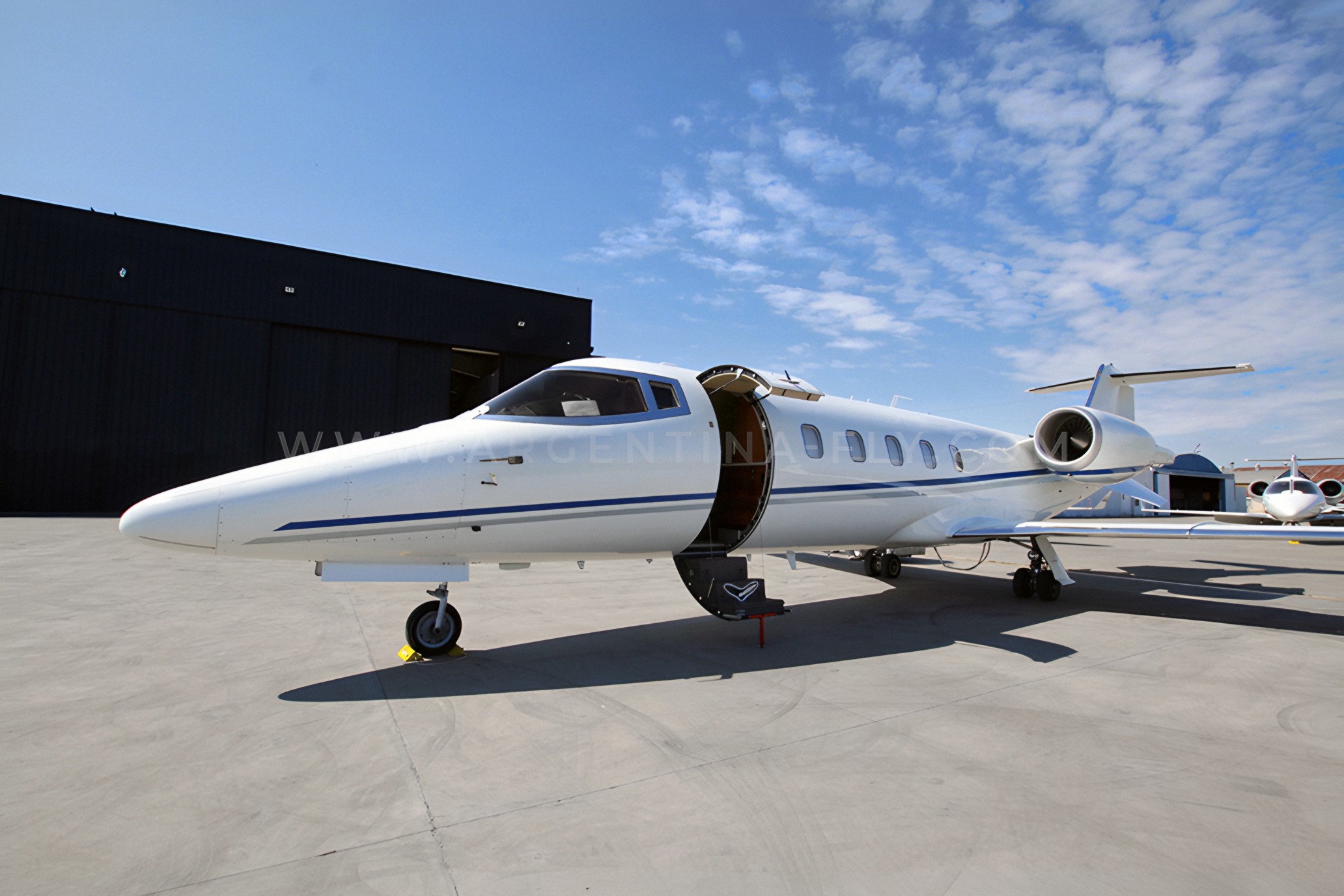
Learjet 60
Midsize jet · 7 passengers · 1 h 50 · 2 options1 h 50flight time
USD 15,980+ VAT 10.5%
Request a quote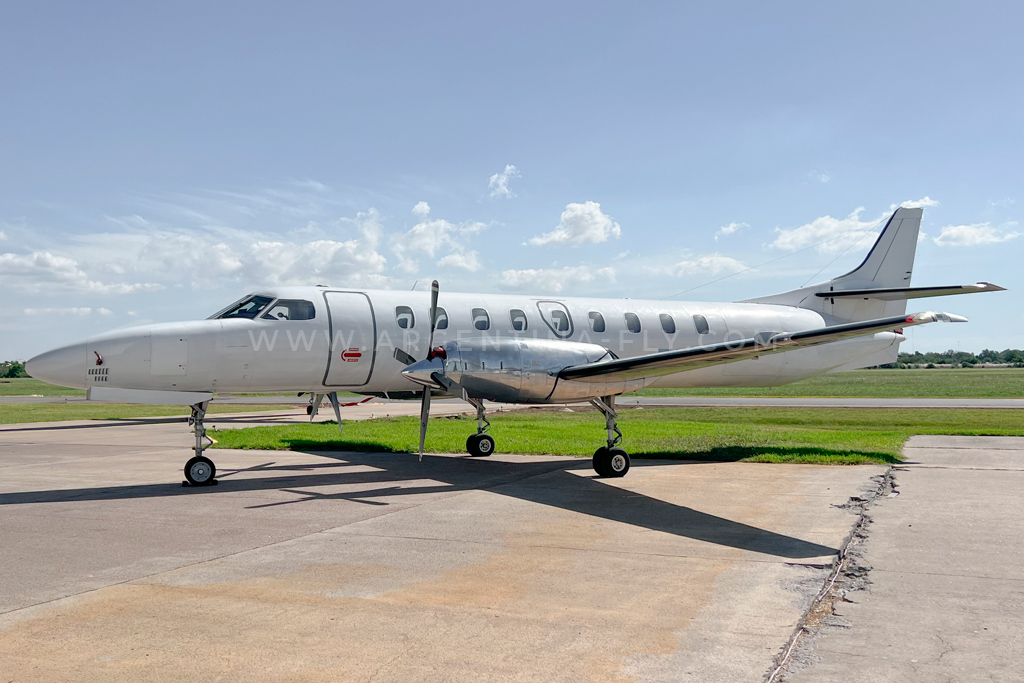
Metro 23
Turboprop · 19 passengers · 2 h 502 h 50flight time
USD 16,540+ VAT 10.5%
Request a quote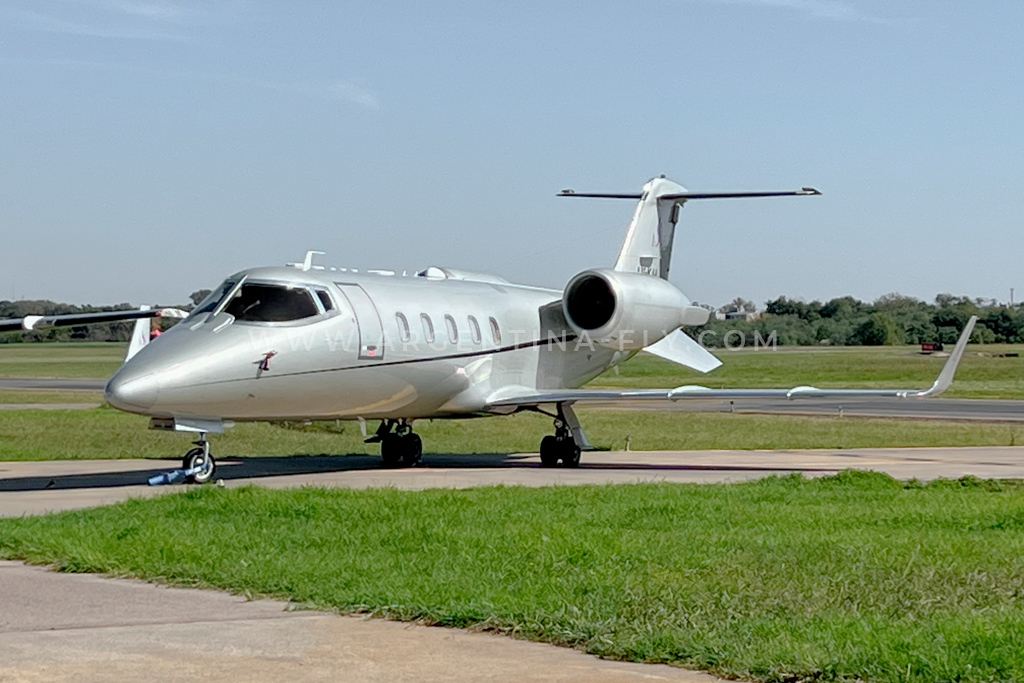
Learjet 60 XR
Midsize jet · 6 passengers · 1 h 451 h 45flight time
USD 16,810+ VAT 10.5%
Request a quote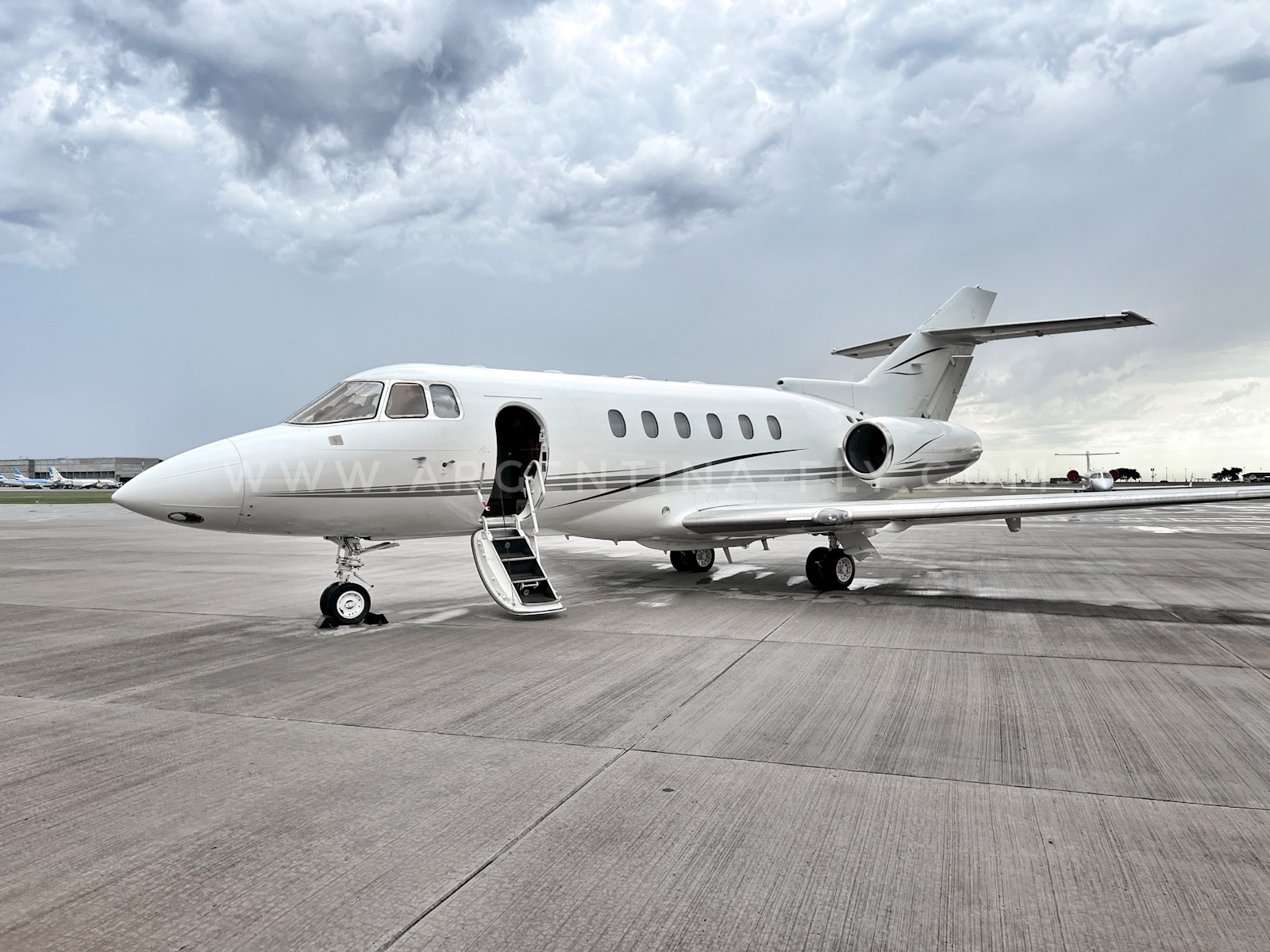
Hawker 800 XP
Midsize jet · 8 passengers · 1 h 501 h 50flight time
USD 17,640+ VAT 10.5%
Request a quote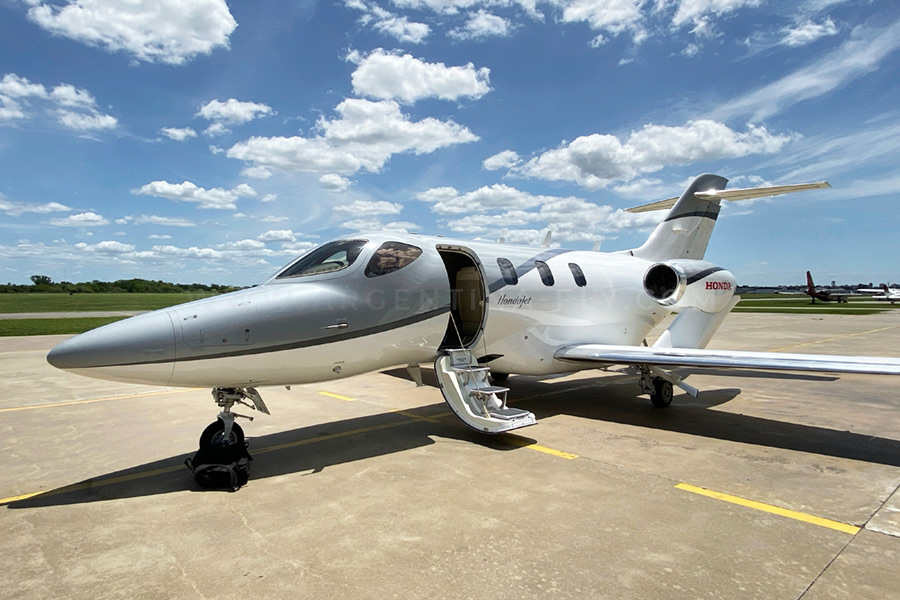
HondaJet
Light jet · 5 passengers · 2 h 002 h 00flight time
USD 17,910+ VAT 10.5%
Request a quote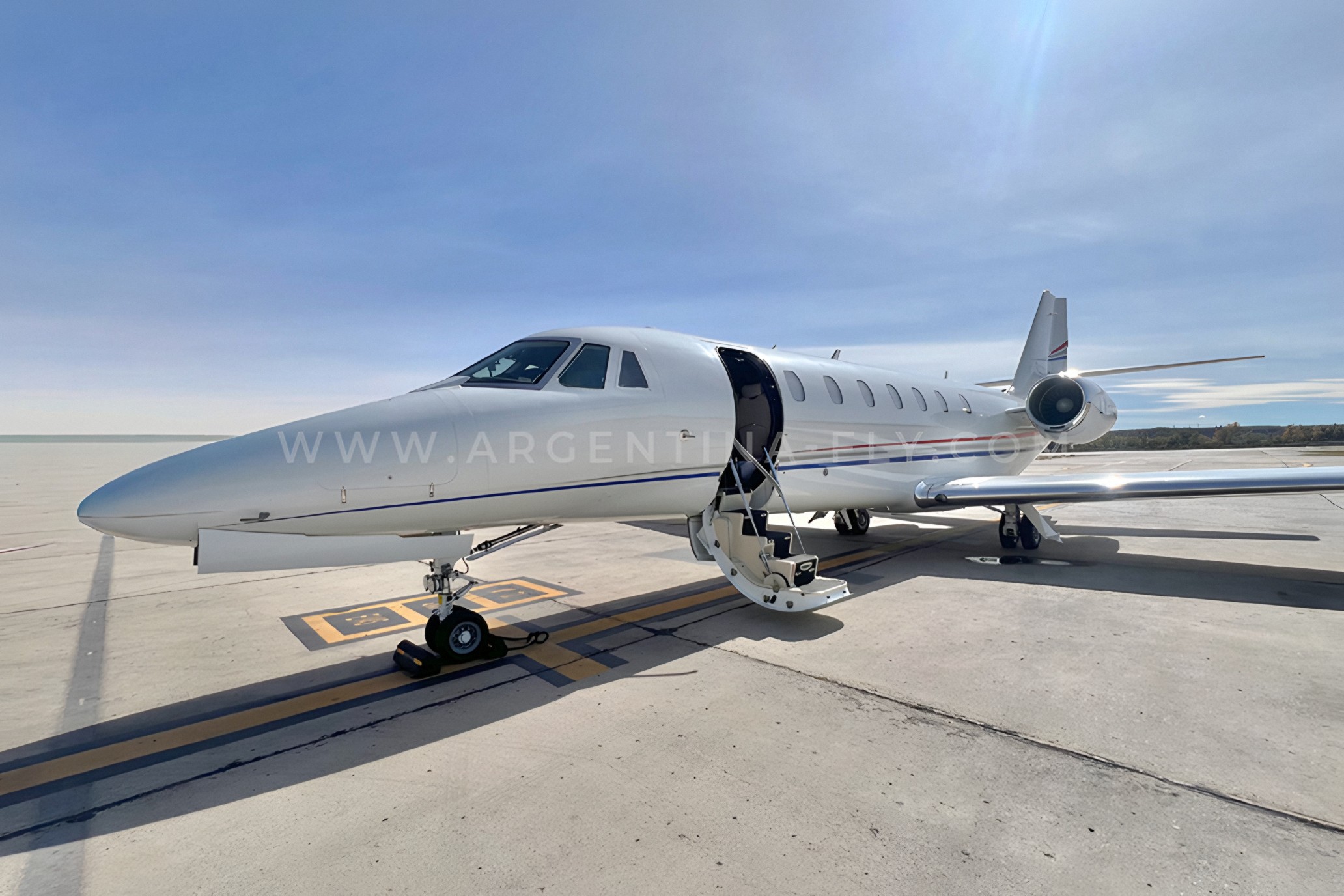
Citation Sovereign
Midsize jet · 8 passengers · 1 h 451 h 45flight time
USD 19,290+ VAT 10.5%
Request a quote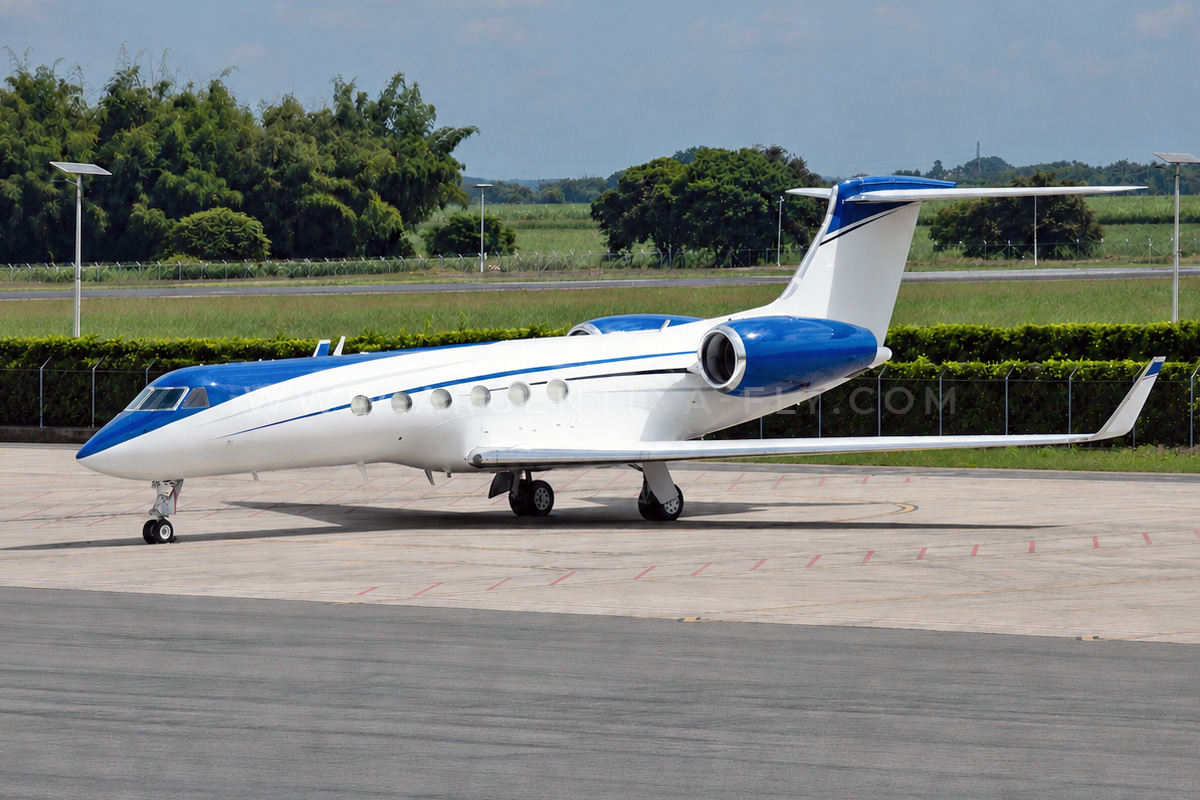
Gulfstream V
Large jet · 14 passengers · 1 h 45 · 2 options1 h 45flight time
USD 24,360+ VAT 10.5%
Request a quote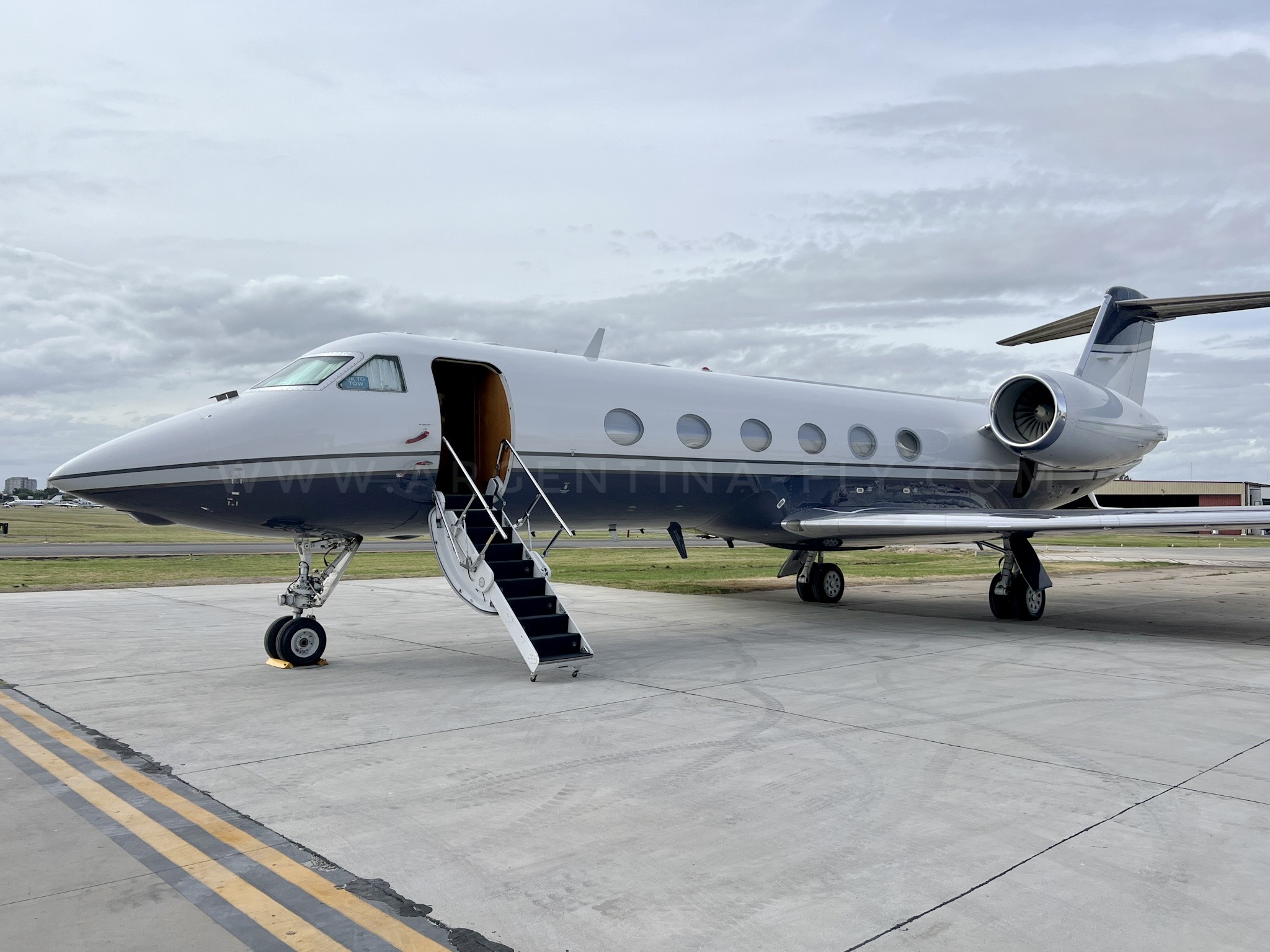
Gulfstream 400
Large jet · 14 passengers · 1 h 451 h 45flight time
USD 26,180+ VAT 10.5%
Request a quote
Route and airfields
Rate conditions
Please read carefully before requesting a quote.
Prices
Reference fares in US dollars (USD), for the entire aircraft. They may vary with aircraft availability and travel dates. For itineraries with several destinations, please request a tailored quote.
Not included
VAT on flights within Argentina, fees abroad on international flights (airport charges, handling and FBO, among others), and special services on request.
Base airport
Fares are calculated for departure from San Fernando (FDO). Departing from Aeroparque (AEP) or Ezeiza (EZE) may change the fare, depending on where each aircraft is based.
Reference fleet
The aircraft displayed are for reference purposes only and may vary depending on operational availability. Contact us to learn about the available options for your trip.
Rate conditions
Please read carefully before requesting your quotation.
Published prices are provided for reference only.
 Prices
Reference fares in US dollars (USD), for the entire aircraft. They may vary with aircraft availability and travel dates. For itineraries with several destinations, please request a tailored quote.
 Not included
VAT on flights within Argentina, fees abroad on international flights (airport charges, handling and FBO, among others), and special services on request.
 Base airport
Fares are calculated for departure from San Fernando (FDO). Departing from Aeroparque (AEP) or Ezeiza (EZE) may change the fare, depending on where each aircraft is based.
 Reference fleet
The aircraft displayed are for reference purposes only and may vary depending on operational availability. Contact us to learn about the available options for your trip.
Need a personalized quotation?
Request quotation
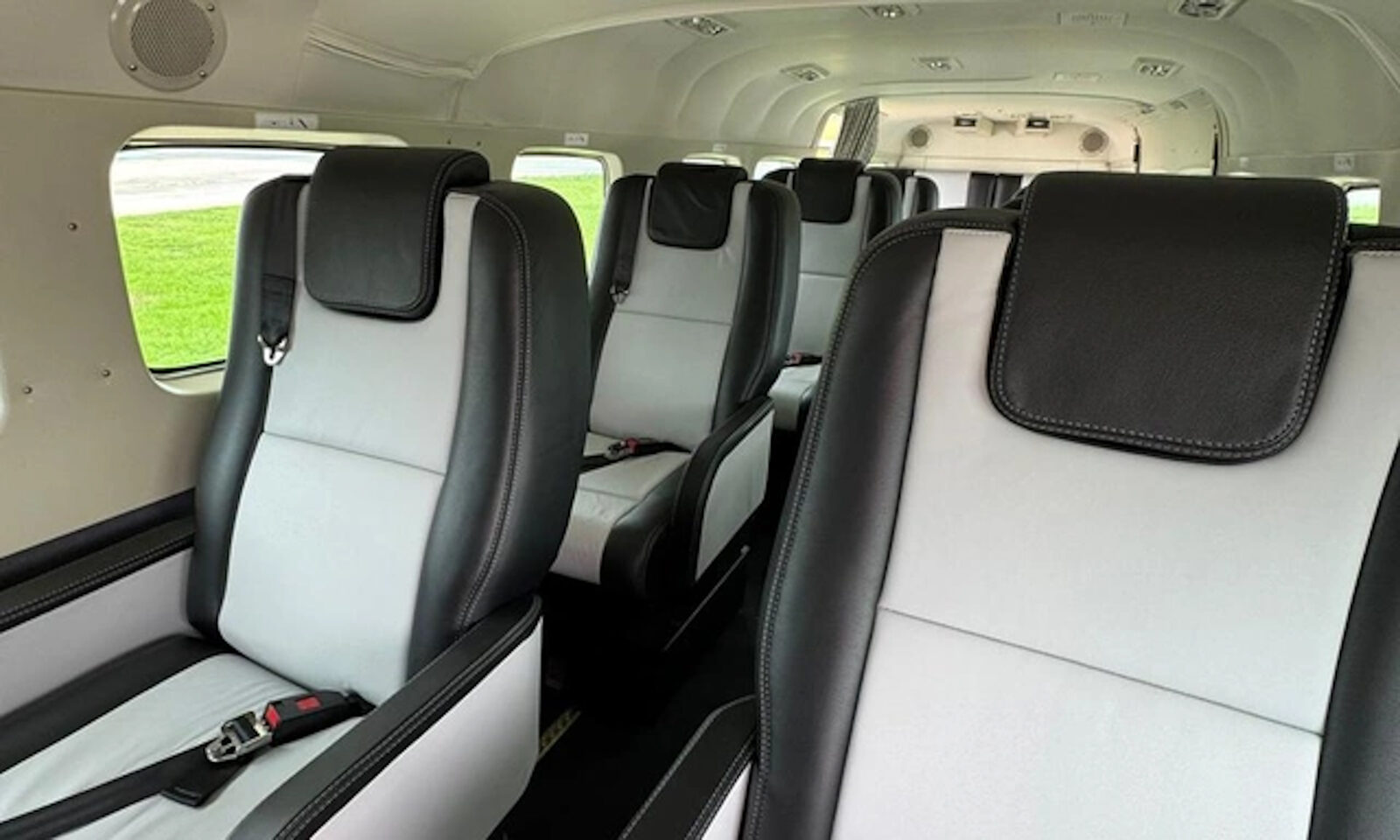
Cessna Grand Caravan Ex
Versatile turboprop with generous cargo capacity and a comfortable cabin, ideal for groups and flights to destinations with short runways.
 Capacity
9 passengers
 Lavatory
Not available
 Cabin
Not pressurized
 Luggage
Standard
 Wi-Fi
Portable Starlink

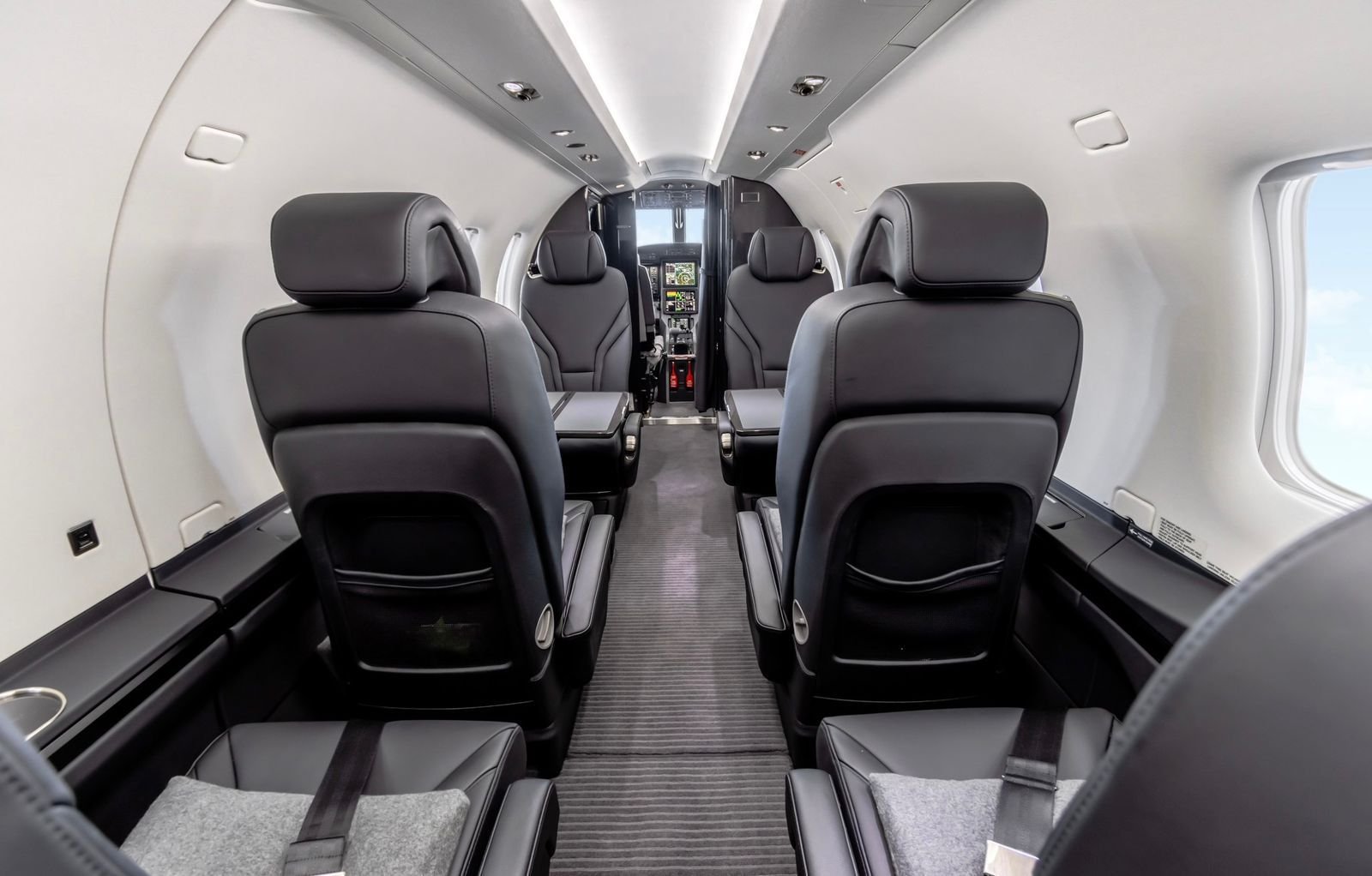
Pilatus PC-12
High-performance single-engine turboprop in executive configuration, with a spacious cabin and latest-generation technology.
Capacity
8 passengers
Lavatory
Not available
Cabin
Pressurized
Luggage
Standard
Wi-Fi
Portable Starlink
Pilatus PC12 Pro
High-performance single-engine turboprop in executive configuration, with a spacious cabin and latest-generation technology.
Capacity
8 passengers
Lavatory
Not available
Cabin
Pressurized
Luggage
Standard
Wi-Fi
Portable Starlink
Citation CJ1
Compact light jet with excellent fuel efficiency, perfect for short-range executive flights.
Capacity
5 passengers
Lavatory
Not available
Cabin
Pressurized
Luggage
Moderate
Wi-Fi
Not available
Citation V
Light jet with a comfortable cabin for up to 8 passengers and strong regional range.
Capacity
8 passengers
Lavatory
Not available
Cabin
Pressurized
Luggage
Moderate
Wi-Fi
Portable Starlink
Citation Bravo
Classic light jet with a pressurized cabin, reliable and versatile for regional trips and short runways.
Capacity
7 passengers
Lavatory
Not available
Cabin
Pressurized
Luggage
Standard
Wi-Fi
Not available
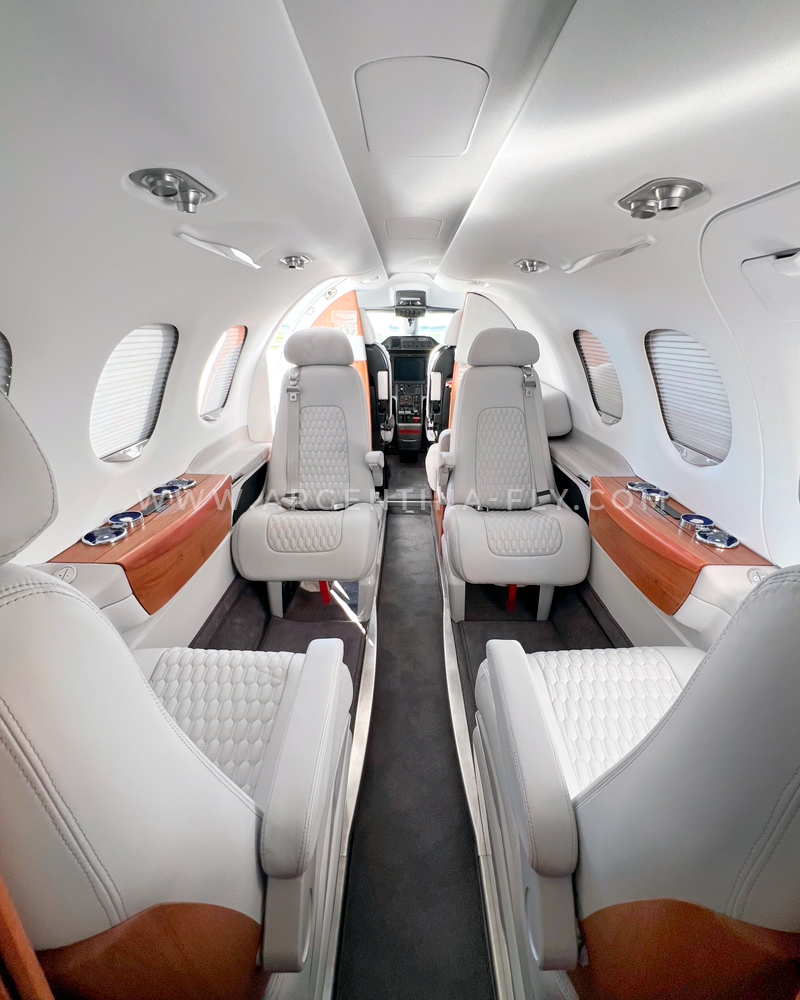
Phenom 100
Light jet ideal for short and medium sectors, with excellent cabin comfort and operating efficiency.
Capacity
5 passengers
Lavatory
Yes
Cabin
Pressurized
Luggage
Moderate
Wi-Fi
Portable Starlink
 Safety certifications
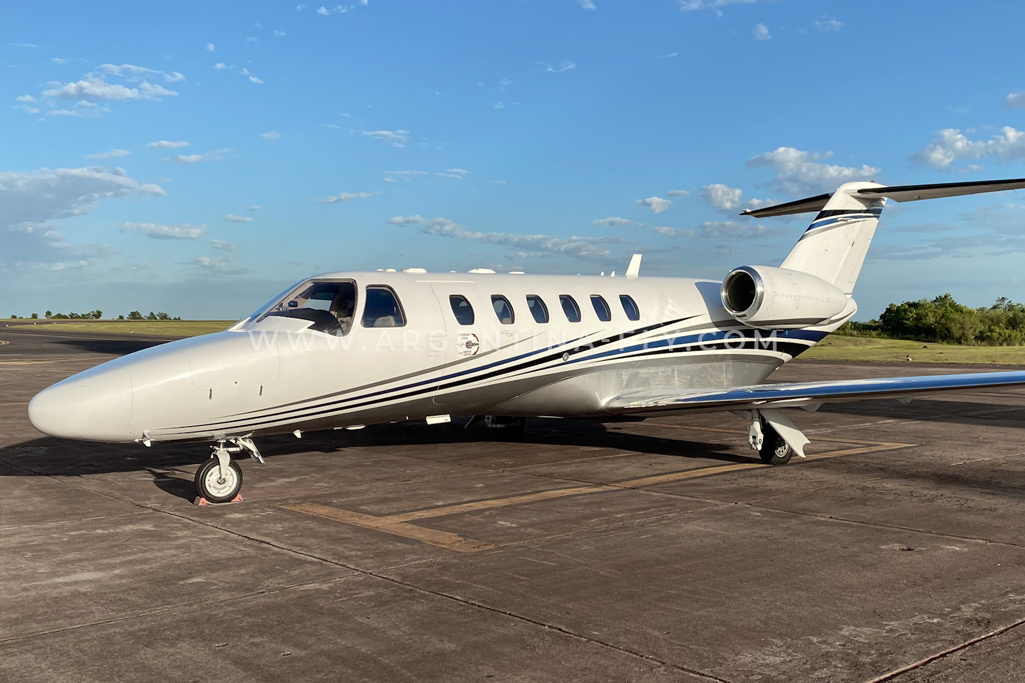
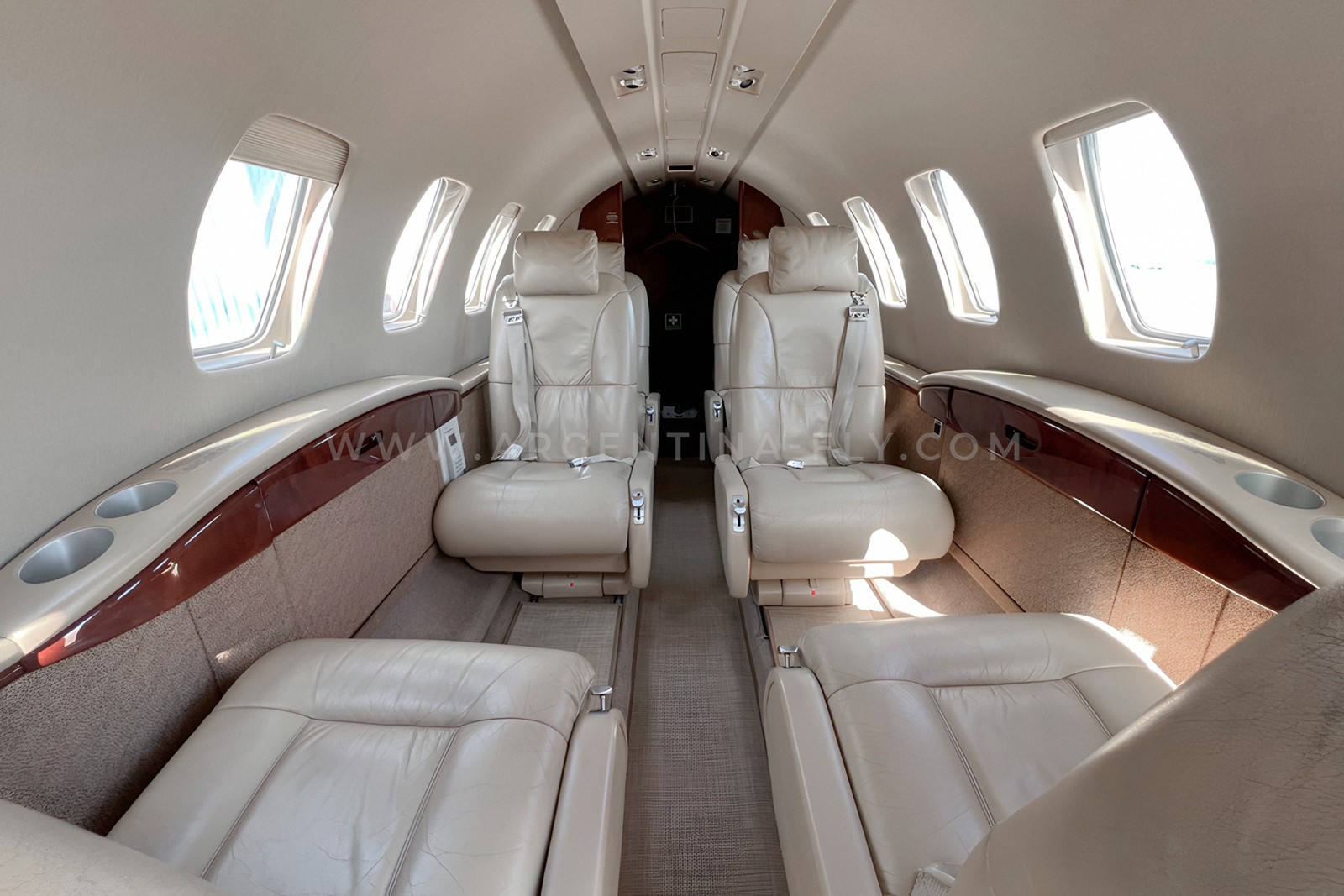
Citation CJ2
Light jet with greater range than the CJ1, offering an excellent balance between cost and executive performance.
Capacity
6 passengers
Lavatory
Not available
Cabin
Pressurized
Luggage
Moderate
Wi-Fi
Not available
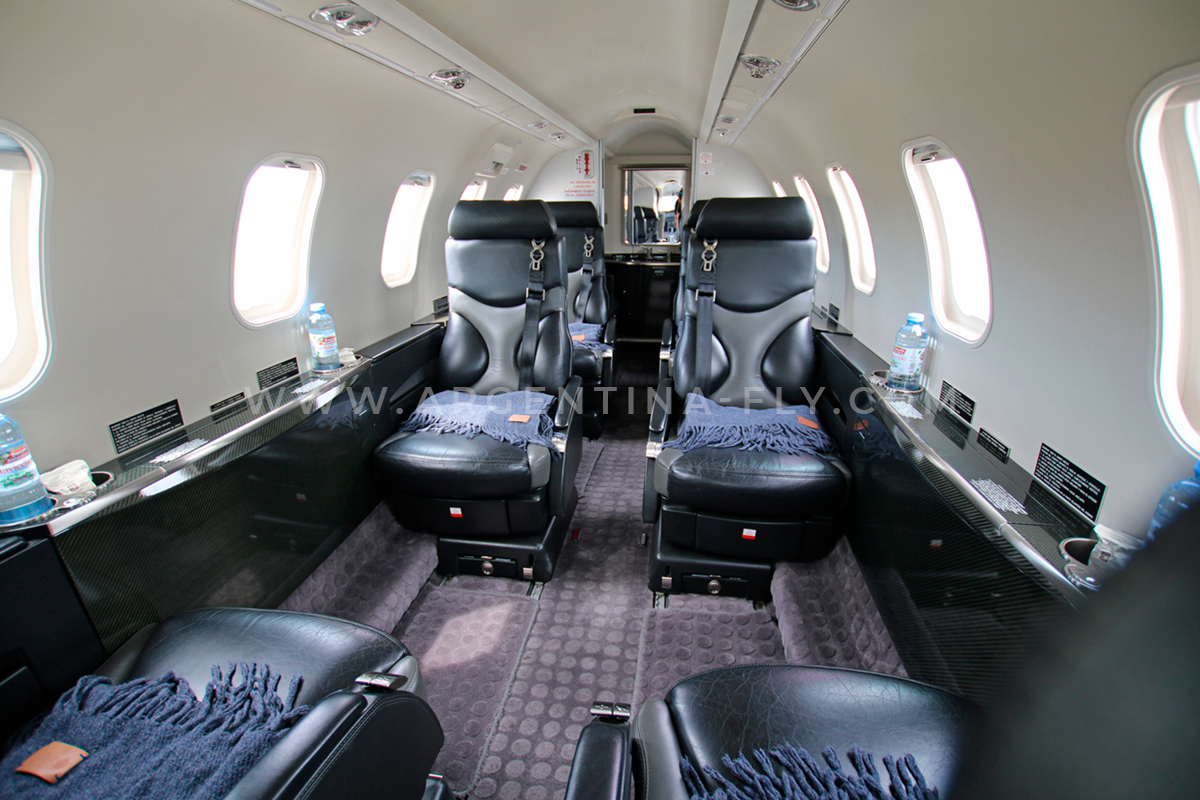
Learjet 40 XR
Light jet with a strong balance of speed and range, featuring a comfortable and modern executive cabin.
Capacity
6 passengers
Lavatory
Yes
Cabin
Pressurized
Luggage
Moderate
Wi-Fi
Not available
Safety certifications
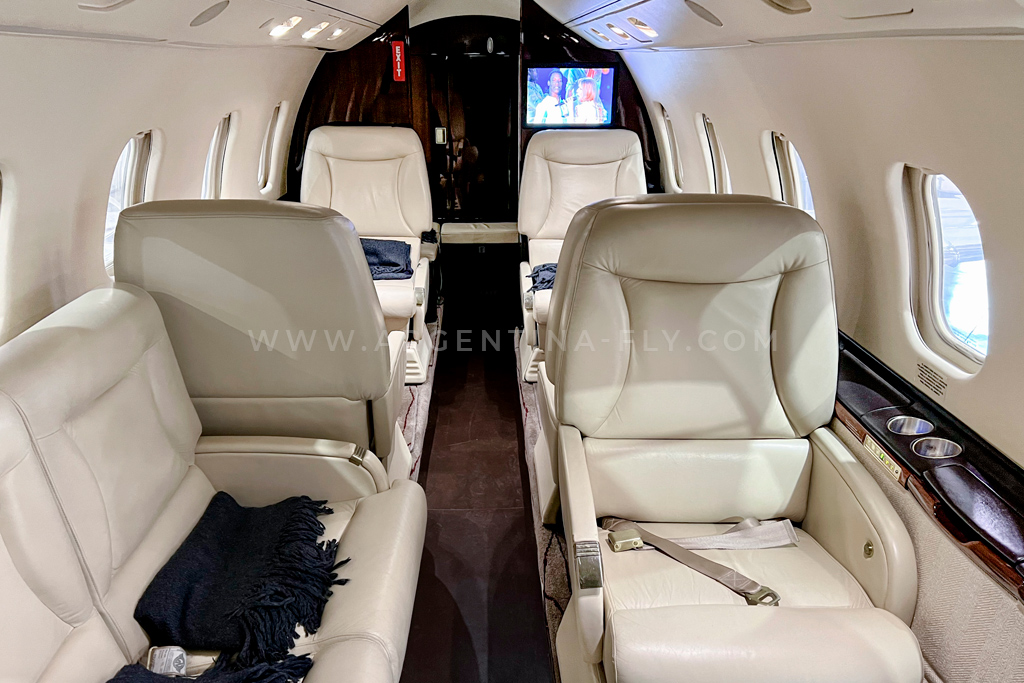
Learjet 60
Midsize jet with a spacious cabin and excellent cruise speed, one of the most requested options for executive flights.
Capacity
7 passengers
Lavatory
Yes
Cabin
Pressurized
Luggage
Moderate
Wi-Fi
Portable Starlink
Safety certifications
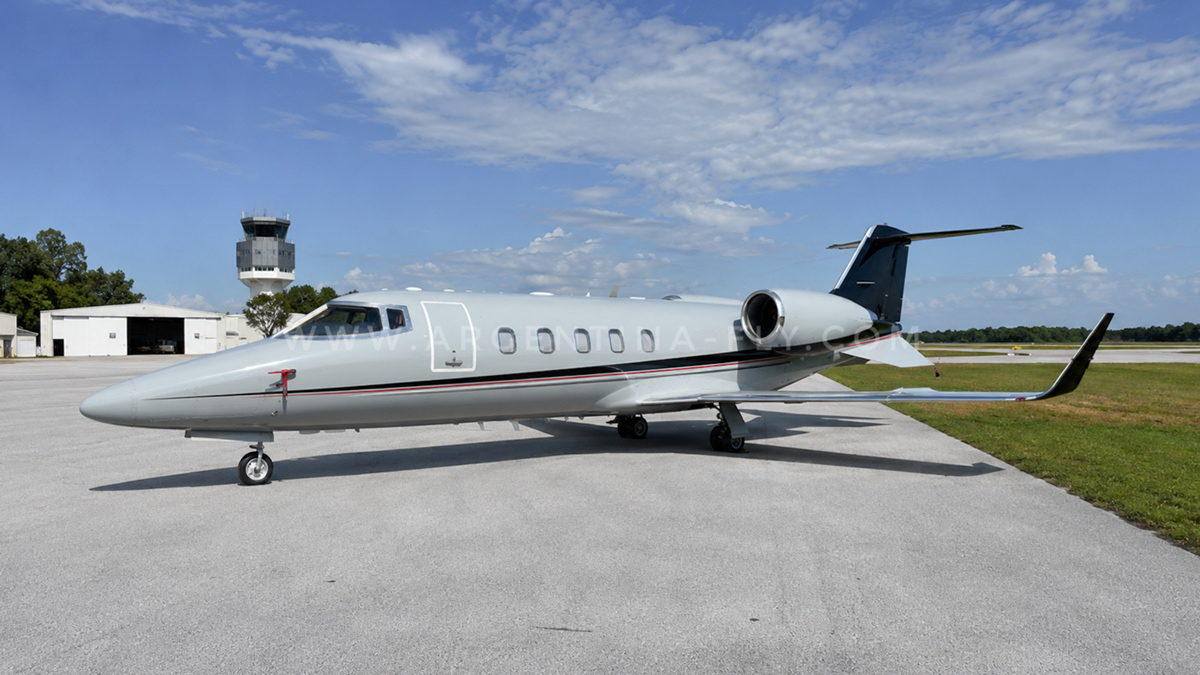
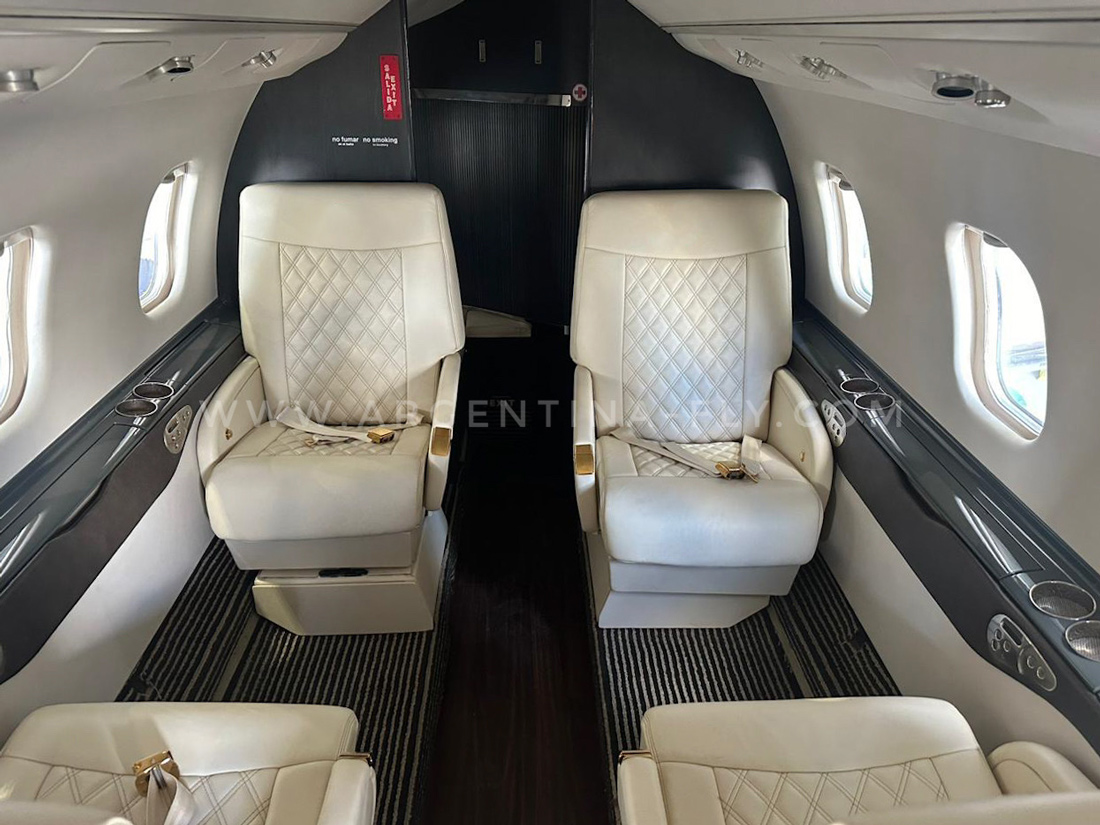
Learjet 60
Midsize jet with a spacious cabin and excellent cruise speed, one of the most requested options for executive flights.
Capacity
7 passengers
Lavatory
Yes
Cabin
Pressurized
Luggage
Standard
Wi-Fi
Not available
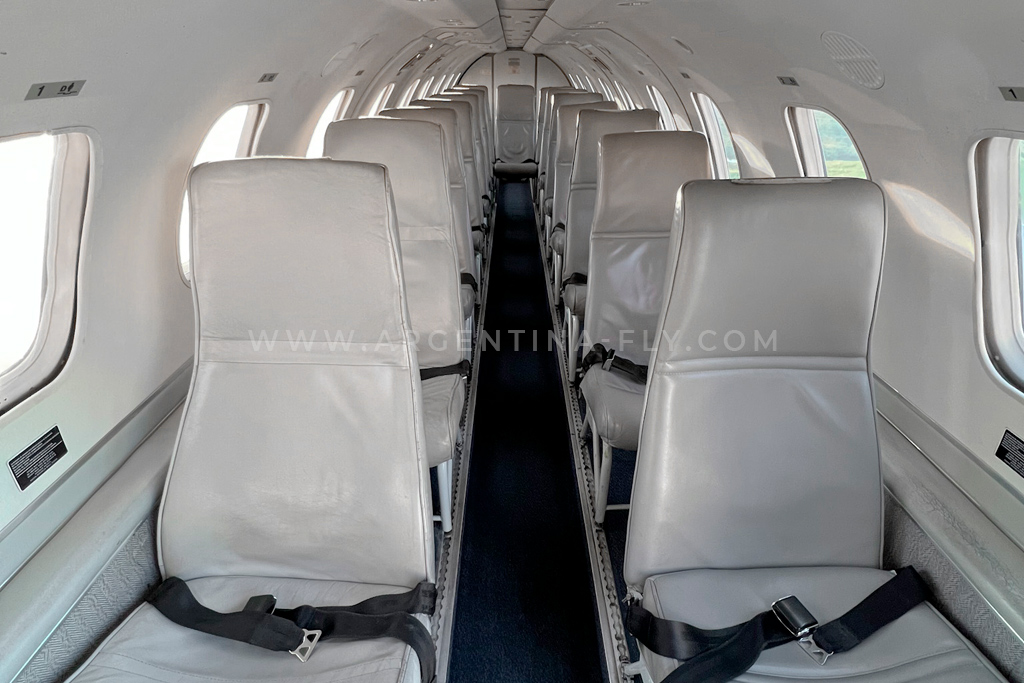
Metro 23
Pressurized regional aircraft with greater capacity, ideal for larger groups and destinations with paved runways.
Capacity
19 passengers
Lavatory
Not available
Cabin
Pressurized
Luggage
Moderate
Wi-Fi
Not available
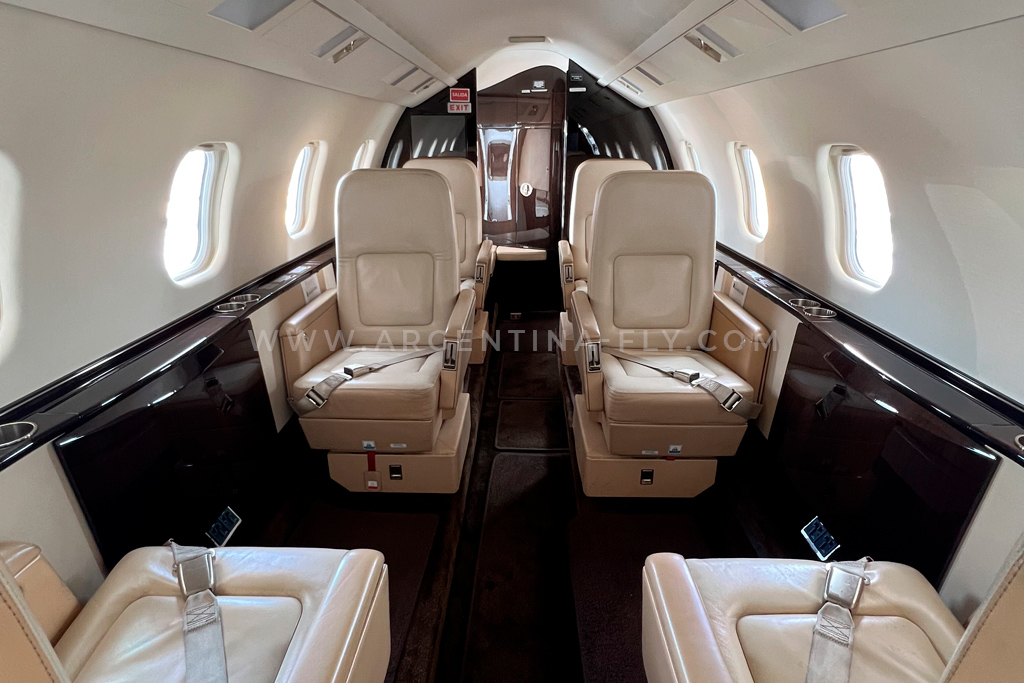
Learjet 60 XR
Enhanced version offering greater range and efficiency while maintaining the speed and comfort of the Learjet 60.
Capacity
6 passengers
Lavatory
Yes
Cabin
Pressurized
Luggage
Moderate
Wi-Fi
Not available
Safety certifications
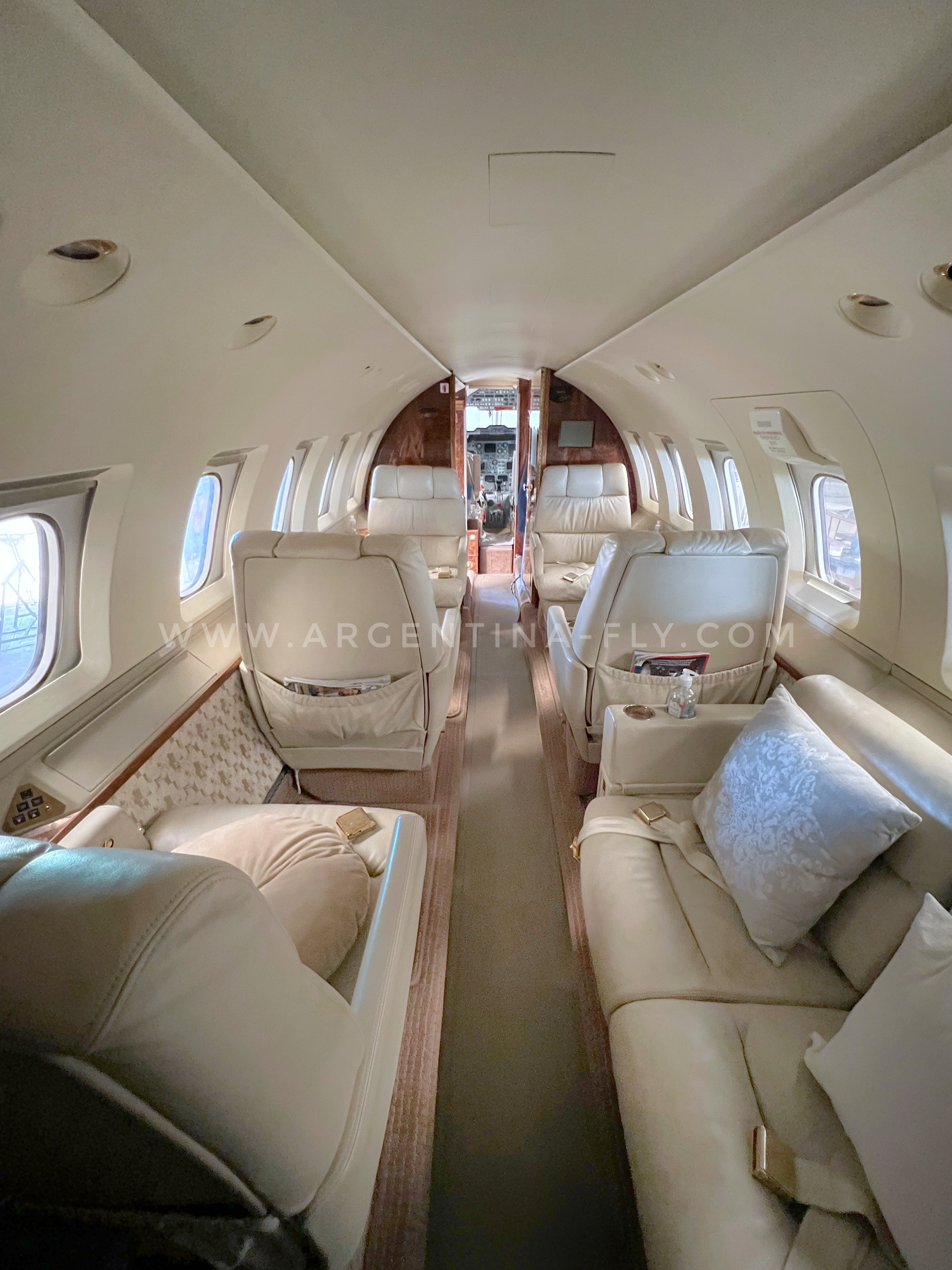
Hawker 800 XP
Midsize jet with a spacious cabin and excellent range, ideal for regional and medium-haul international flights.
Capacity
8 passengers
Lavatory
Yes
Cabin
Pressurized
Luggage
Moderate
Wi-Fi
Portable Starlink
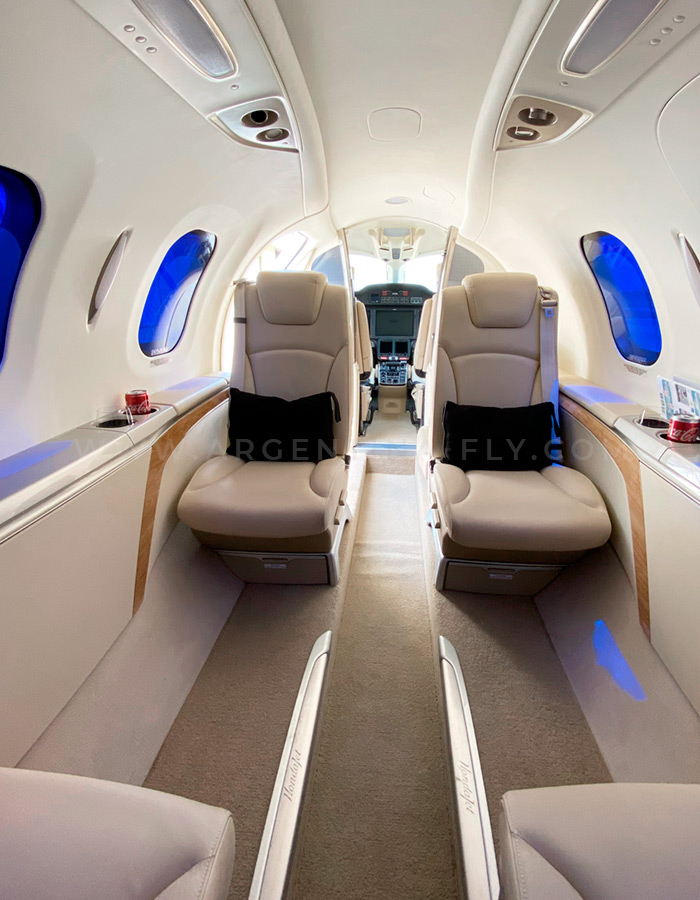
HondaJet
Next-generation light jet with over-the-wing engines, offering an excellent balance between efficiency and executive comfort.
Capacity
5 passengers
Lavatory
Yes
Cabin
Pressurized
Luggage
Moderate
Wi-Fi
Not available
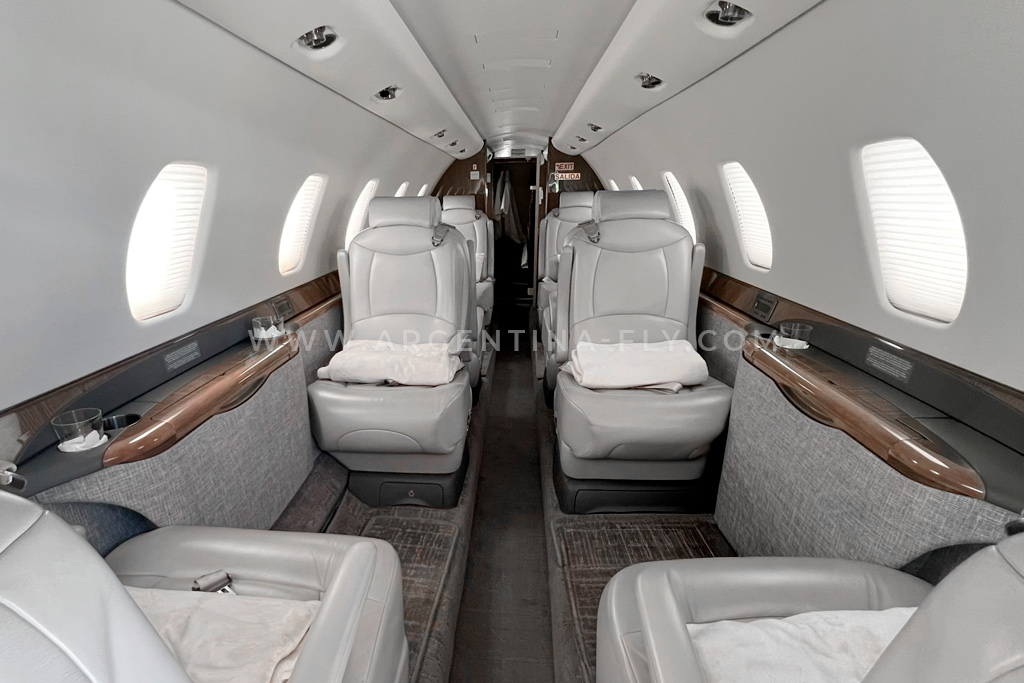
Citation Sovereign
Midsize jet with a spacious cabin, greater range and premium equipment for demanding passengers.
Capacity
8 passengers
Lavatory
Yes
Cabin
Pressurized
Luggage
Generous
Wi-Fi
Portable Starlink (extra cost)
Safety certifications
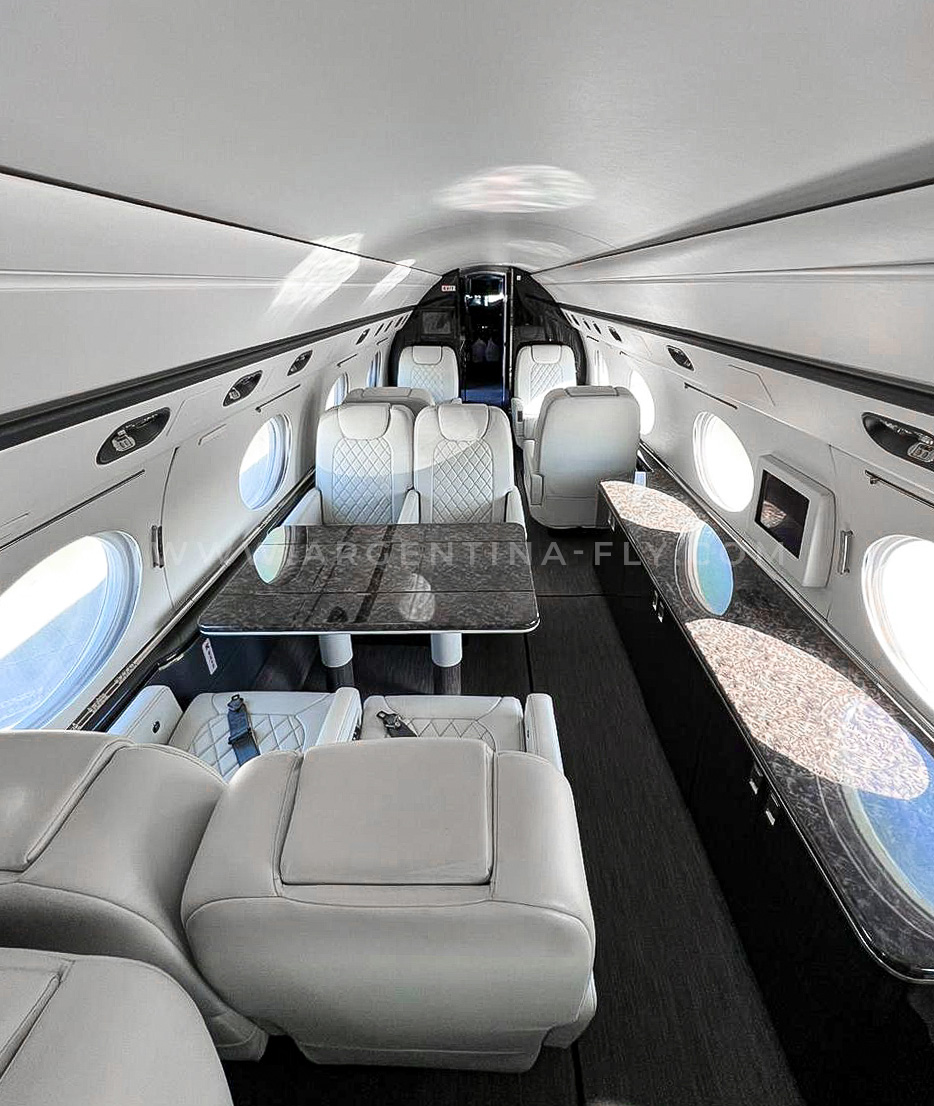
Gulfstream V
Long-range, large-cabin jet with VIP equipment for executive groups demanding the highest level of comfort.
Capacity
14 passengers
Lavatory
Yes
Cabin
Pressurized
Luggage
Spacious
Wi-Fi
Portable Starlink
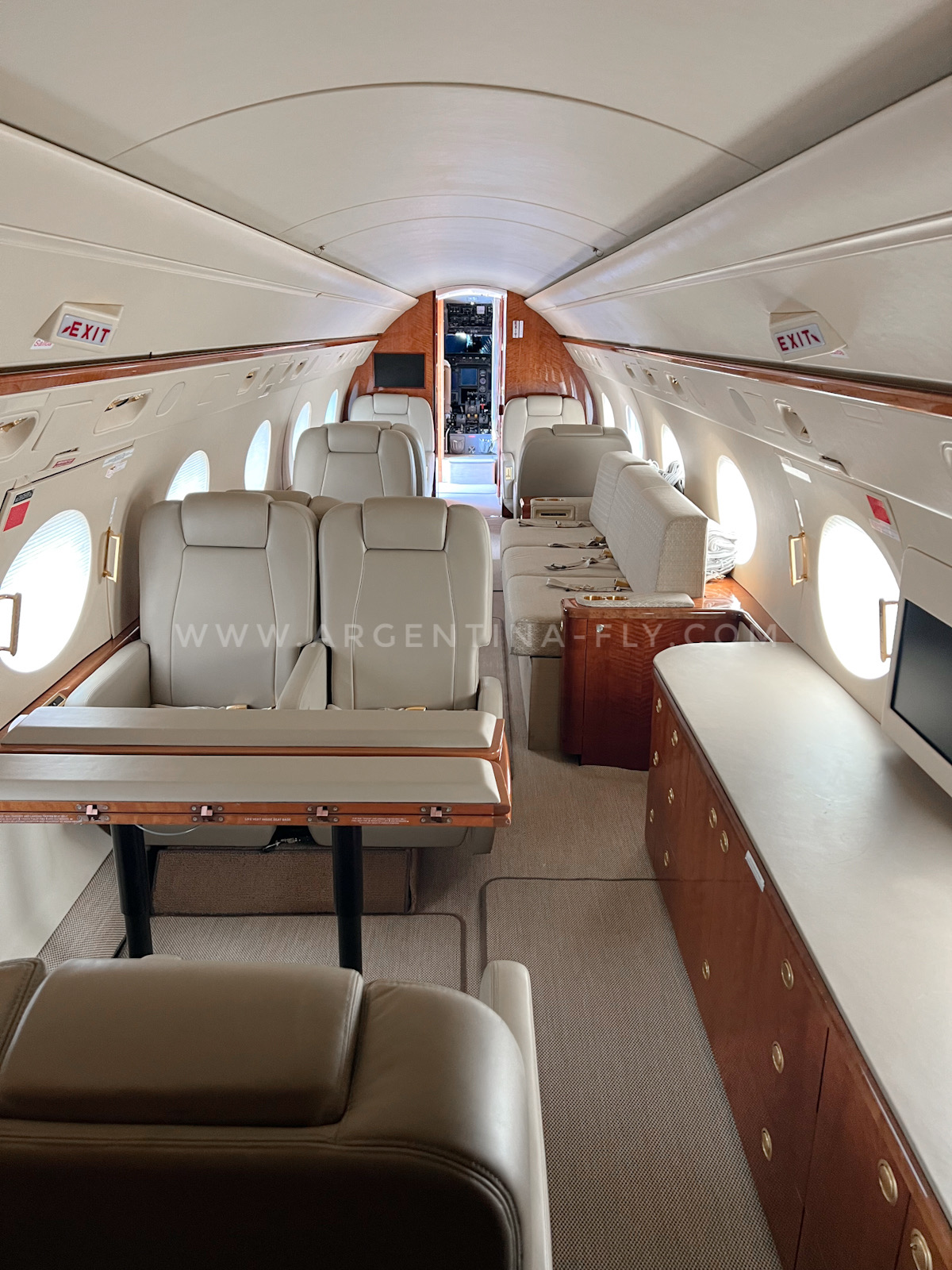
Gulfstream 400
Large jet with an exceptionally spacious cabin and long range, ideal for executive groups requiring maximum comfort.
Capacity
14 passengers
Lavatory
Yes
Cabin
Pressurized
Luggage
Generous
Wi-Fi
Built-in Starlink
Safety certifications
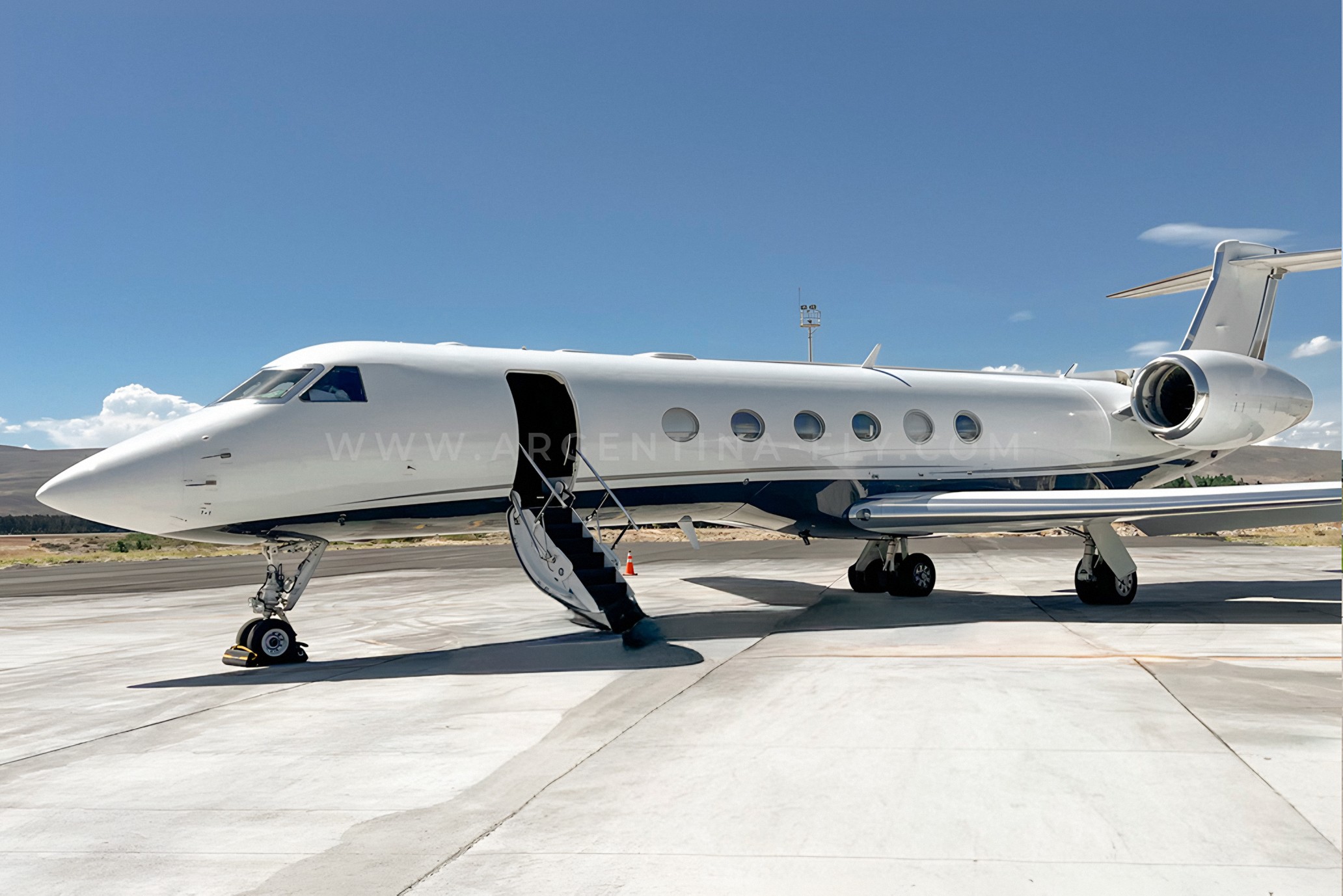
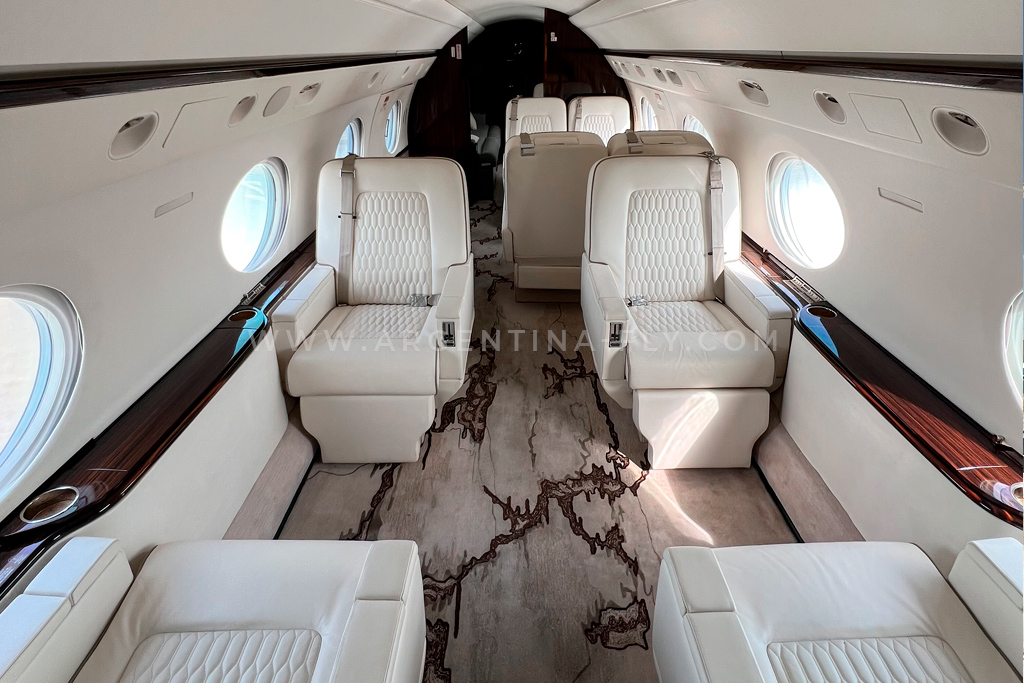
Gulfstream V
Long-range, large-cabin jet with VIP equipment for executive groups demanding the highest level of comfort.
Capacity
14 passengers
Lavatory
Yes
Cabin
Pressurized
Luggage
Generous
Wi-Fi
Built-in Starlink
Safety certifications
Other routes from Buenos Aires
Destinations near Jujuy, with the lowest reference fare and the shortest flight time.
Jujuy
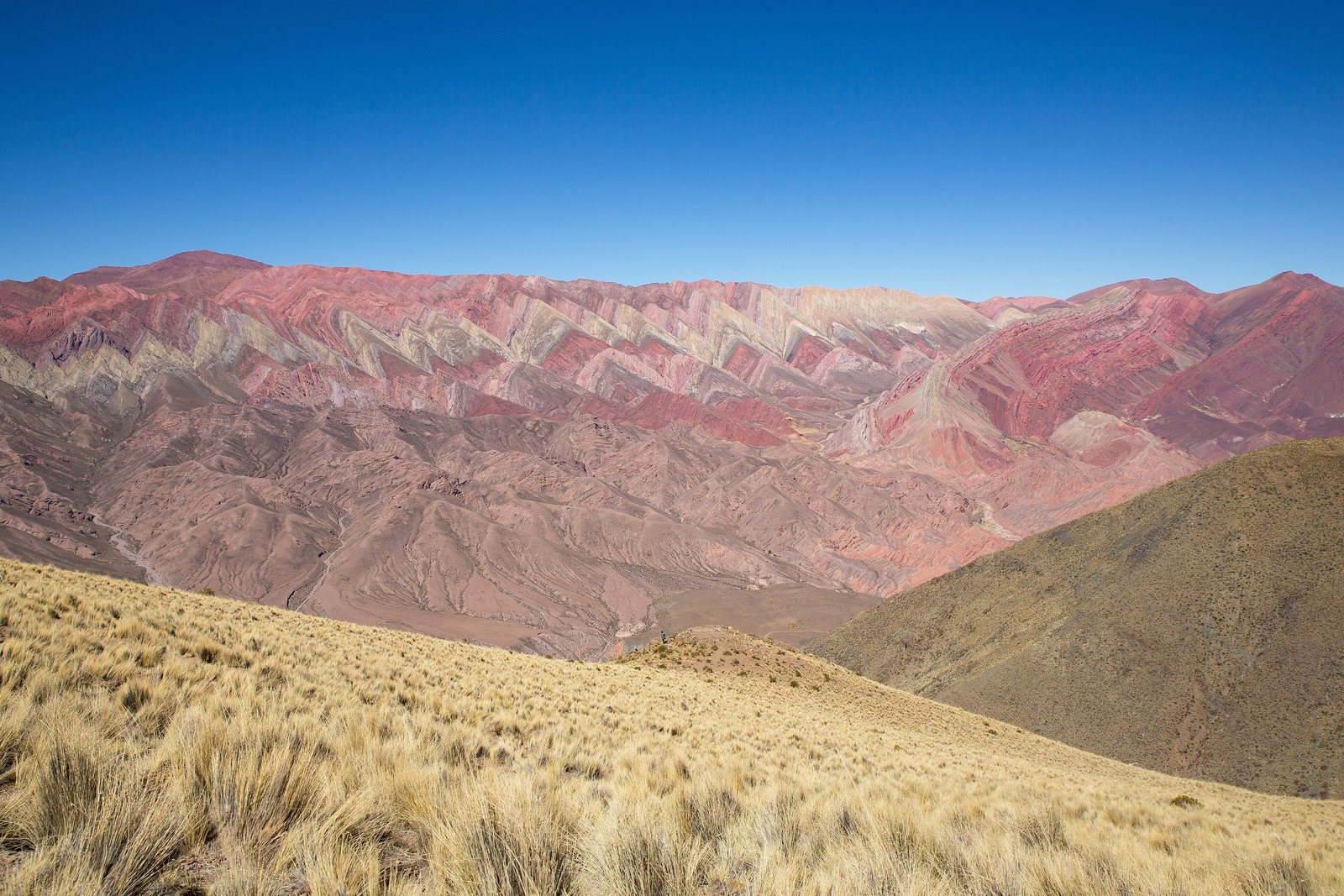
Jujuy brings four regions together in one province: the Puna highlands, the Quebrada de Humahuaca, the Valleys and the Yungas cloud forest. The Quebrada has been a UNESCO World Heritage Site since 2003, and Purmamarca, at the foot of the Cerro de los Siete Colores, is 65 km from San Salvador de Jujuy, the capital. By road it is 1,543 km from Buenos Aires; a private jet reaches Gobernador Horacio Guzmán Airport in 1 h 45 to 2 h 05.
Quebrada de Humahuaca
Purmamarca, Tilcara, Humahuaca and the Serranía de Hornocal.
UNESCO listed the Quebrada de Humahuaca as a World Heritage Site on July 2, 2003: a cultural landscape nearly 200 km long, with traces of ten thousand years of human settlement, crossed by a branch of the Qhapaq Ñan, the Inca road network. National Route 9 runs north through it. Purmamarca, 65 km from the capital at 2,324 m, is an adobe village of dirt streets at the foot of the Cerro de los Siete Colores, the Hill of Seven Colors, whose hues come from the sedimentary origin of its rocks. The Paseo de los Colorados loops around the village among reddish hills, and its church has been a National Historic Monument since 1941.
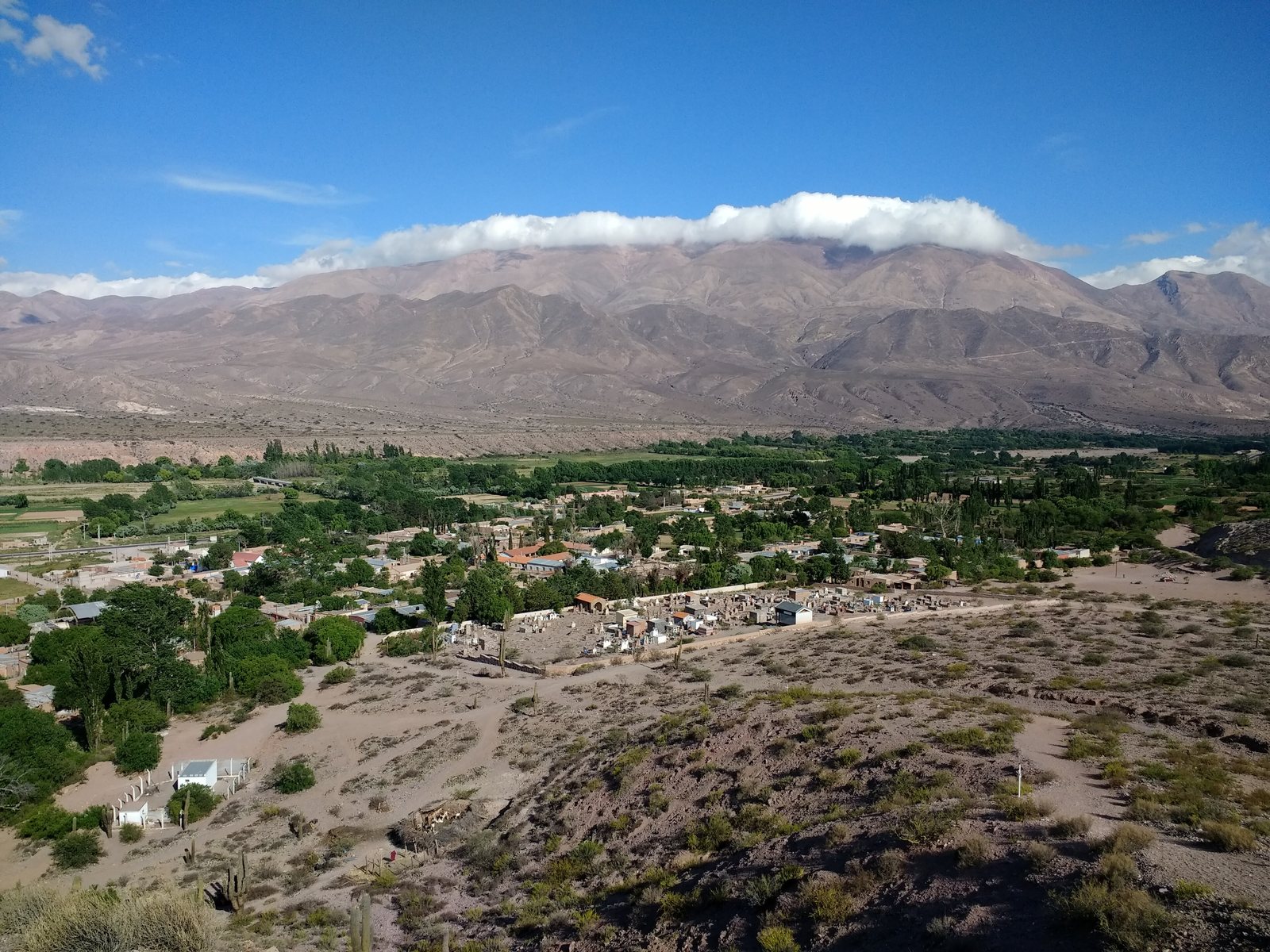
Before Maimará, the Posta de Hornillos, from 1772, was a shelter and relay station for horses on the road between the Río de la Plata and Lima; Belgrano rested there in 1813, and today it is a museum. Maimará, at 2,383 m, sits against the Paleta del Pintor, the Painter's Palette, a hill of colored bands, with its flower-filled cemetery at the foot. Tilcara, at 2,465 m, is the cultural hub of the Quebrada: on an 80 m hill beside the Río Grande, the Pucará de Tilcara preserves a pre-Hispanic settlement, a National Historic Monument, with a high-altitude botanical garden. The Tren Solar de la Quebrada, a solar-powered train, runs 42 km between Volcán and Tilcara, with stations at Tumbaya, Purmamarca, Hornillos and Maimará.
Huacalera sits on the Tropic of Capricorn, beside the old Camino Real; its adobe chapel, with a collection of Cusco School paintings, and the chapel at Uquía are National Historic Monuments. Humahuaca, 126 km from the capital at 3,012 m, was a trading center of Upper Peru: its church keeps the main altarpiece commissioned in 1680, and the whole town can be seen from the Monument to the Heroes of Independence. To the north lie the archaeological sites of Coctaca, with pre-Columbian ruins, and Inca Cueva, with rock paintings.
East of Humahuaca, Provincial Route 73 climbs 25 km on a dirt mountain road, from 2,900 to 4,350 m, to the lookout over the Serranía de Hornocal, run by ten families of the Indigenous Hornocal community, of the Omaguaca people. The drive up takes about an hour, there is a stop at 4,200 m with a view over the Quebrada, and it is cold at the lookout all year. There is an entrance fee; it is open from 9 a.m. to 6:30 p.m. from September to March and from 10 a.m. to 5:30 p.m. from April to August.
What to see
- Humahuaca126 km from the capital at 3,012 m, with its church, the Monument to the Heroes of Independence and the Museo Folklórico Regional.
- Maimará and the Paleta del PintorAt 2,383 m, with the hill of colored bands and the cemetery at its foot.
- Mirador de la Serranía de Hornocal25 km from Humahuaca on Provincial Route 73, at 4,350 m; run by the Hornocal community, with an entrance fee.
- Posta de HornillosA 1772 relay station on the road to Lima, where Belgrano rested in 1813; now a museum.
- Pucará de TilcaraA pre-Hispanic settlement on an 80 m hill, with a high-altitude botanical garden; a National Historic Monument.
- Purmamarca and the Cerro de los Siete Colores65 km from the capital, with the Paseo de los Colorados and the crafts market on the square.
- Tren Solar de la Quebrada42 km between Volcán and Tilcara, with a full-day circuit through the stations or a short stretch from Purmamarca or Tilcara.
Where to stay
- Hotel HuacaleraFour-star hotel at kilometer 1,790 of National Route 9, with the Monterrey restaurant.
- La ComarcaAt the foot of the Cerro de los Siete Colores, in Purmamarca, built in the style of an Andean hamlet.
- Las MaríasBoutique hotel three blocks from the Tilcara square, with a spa, pool and restaurant.
- Marqués de TojoFour-star hotel steps from the Cerro de los Siete Colores, with a terrace.
Salinas Grandes and the Puna
The Cuesta de Lipán, the salt flat and the Laguna de los Pozuelos.
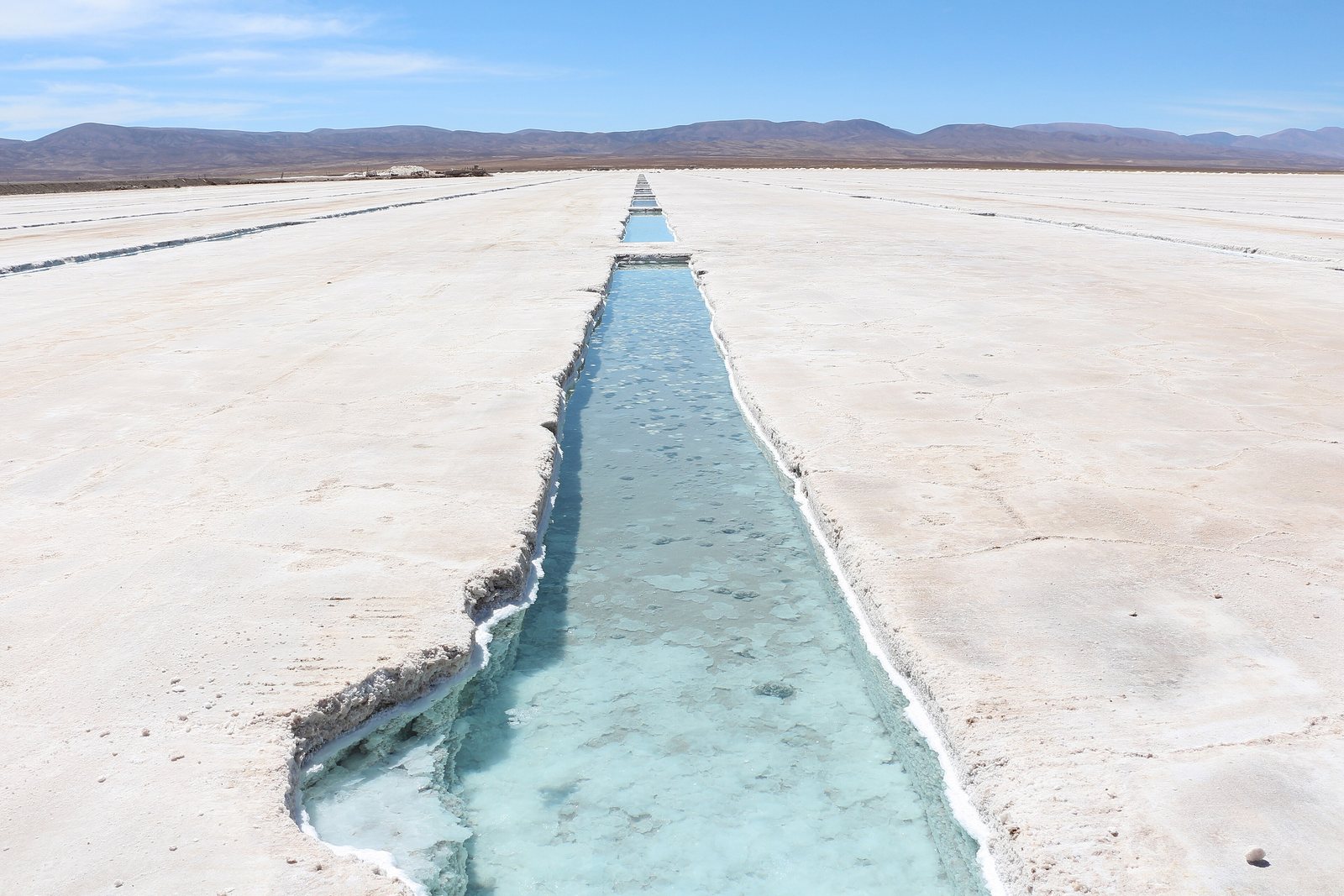
From Purmamarca, National Route 52 climbs the Cuesta de Lipán to 4,170 m and drops to the Salinas Grandes, 66 km from the village: 212 km² of salt at about 3,450 m, shared with Salta. The salt flat formed when the salt water that covered the basin evaporated, five to ten million years ago. Salt is still harvested by hand in the pools, and the communities of the salt flat welcome visitors through community-based rural tourism. Beside the salt flat, in El Moreno, Pristine Salinas Grandes is a camp of six suites.
National Route 52 continues to Susques, with the oldest church in Jujuy, and the Paso de Jama, on the border with Chile. In the northern Puna, Casabindo, whose chapel is a National Historic Monument, holds the Toreo de la Vincha in the village square every August 15. In Barrancas, an interpretation center explains the local rock art, and Yavi, a National Historic Site, preserves the Casa del Marqués and its church.
The Laguna de los Pozuelos Natural Monument protects 16,000 ha of Puna around a landlocked wetland, with some 130 bird species and the country's three flamingo species, which can number more than 100,000 birds. It is a UNESCO Biosphere Reserve and a Ramsar site. It is reached by National Route 9 to Abra Pampa, 220 km from the capital, and then 50 km of gravel on Provincial Route 7 to the Río Cincel ranger station, where registering on the way in and out is mandatory. It is open Monday to Friday from 8 a.m. to 4 p.m. and on weekends from 8 a.m. to 3 p.m.
What to see
- BarrancasA Puna village with an archaeological interpretation center and rock paintings.
- CasabindoThe village chapel is a National Historic Monument; on August 15, the Toreo de la Vincha.
- Cuesta de LipánThe stretch of National Route 52 between Purmamarca and the salt flat, climbing to 4,170 m.
- Laguna de los Pozuelos Natural MonumentA 16,000 ha wetland with three flamingo species, 50 km from Abra Pampa; free entry.
- Salinas Grandes212 km² of salt at 3,450 m, 66 km from Purmamarca on National Route 52, with salt harvesting pools.
- YaviA National Historic Site, with the Casa del Marqués and its church.
Where to stay
- Pristine Salinas GrandesA camp of six suites in El Moreno, beside the salt flat; guests visit the salt pools with a community guide.
Yungas and hot springs
The Calilegua forest and the waters of Termas de Reyes.
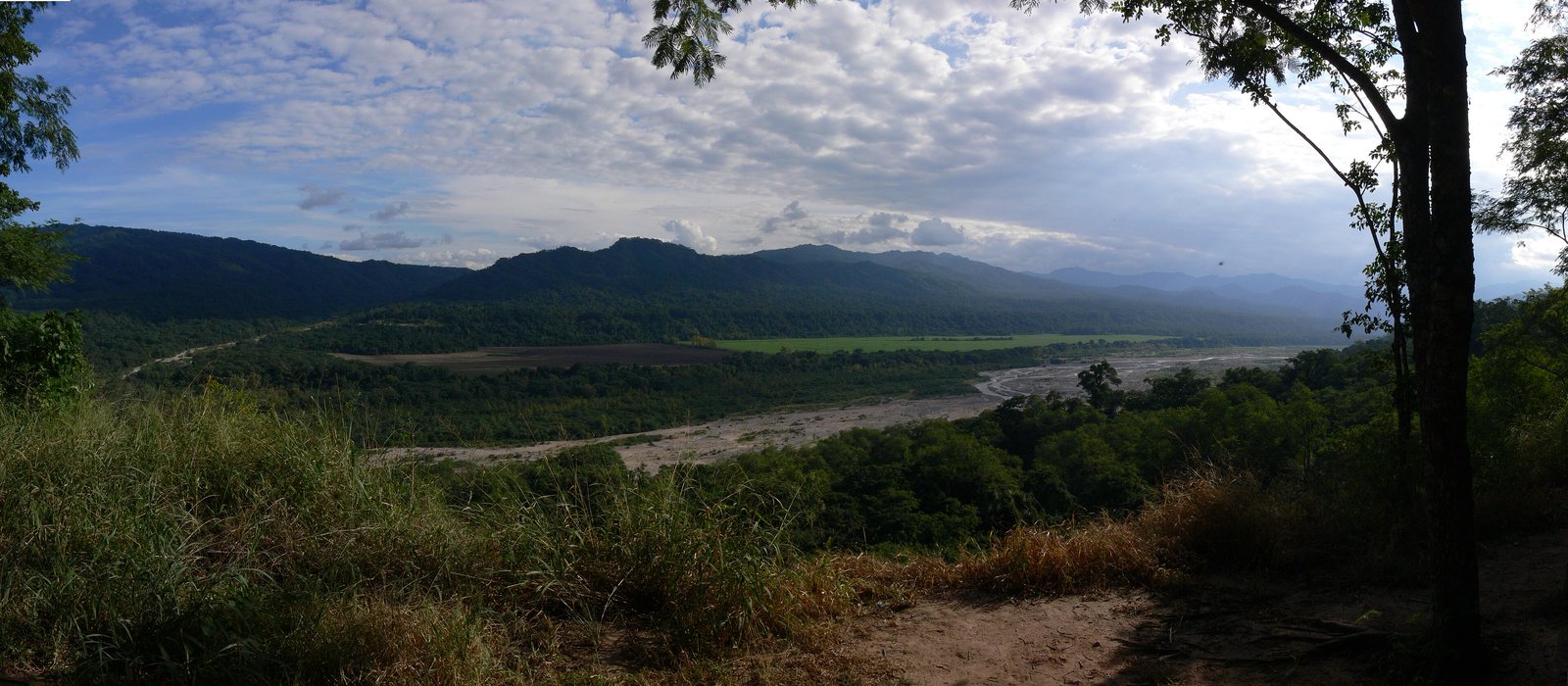
In the east of the province, Calilegua National Park protects more than 76,000 ha of Yungas, the mountain cloud forest, on the slopes of the Sierras de Calilegua, and is part of the Yungas Biosphere Reserve. It has about 350 bird species, with the burgo, a motmot, as its emblem, and its ravines are home to the jaguar, the taruca deer and the toco toucan. It is reached by National Route 34 to Libertador General San Martín, some 112 km from the capital; from there, Provincial Route 83, a gravel road carved into the mountainside, crosses the park in 23 km. Entry is free, and the best time is April to November, the dry season.
The Aguas Negras Visitor Center is open daily from 8 a.m. to 7 p.m. Short trails start nearby: Somos Selva, accessible for visitors with reduced mobility; Seres Fantásticos, with eleven scrap-metal sculptures of folklore creatures; and La Lagunita, 3.3 km to a lagoon with herons and grebes. Registration is mandatory for the long trails. Birds are best seen at dawn and dusk.
19 km from the capital, among the mountains, the Hotel Termas de Reyes opened in 1938 as the Gran Hotel Casino, designed by architect Jaime Roca. Every room receives thermal water directly; the thermal pools are open from 9 a.m. to 9 p.m. and the spa from 1 p.m. to 9 p.m. The Yungas also have the Termas de Caimancito and the hot springs of the Jordán River, in San Francisco.
What to see
- Calilegua National Park76,000 ha of Yungas and about 350 bird species; via Provincial Route 83, with free entry.
- Termas de Caimancito and the Jordán RiverHot springs of the Yungas; those of the Jordán River are in San Francisco.
Where to stay
- Hotel Termas de ReyesA 1938 hotel 19 km from the capital, with thermal water in every room, thermal pools and a spa.
San Salvador de Jujuy
The Flag of Civil Liberty, the Cabildo and the Exodus.
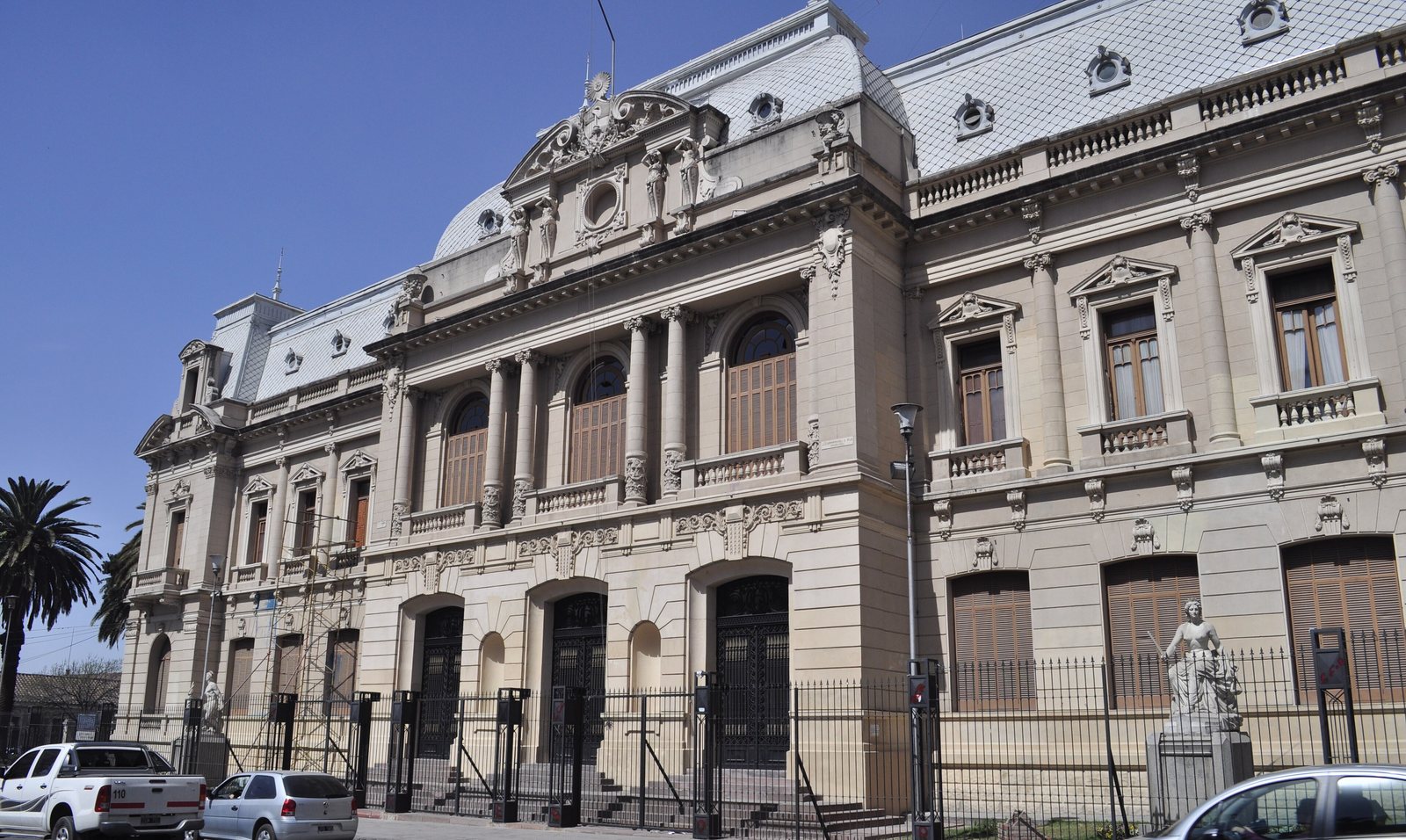
In the Casa de Gobierno, the government house, the Salón de la Bandera, opened in 1927, holds the National Flag of Civil Liberty, which General Belgrano gave to the Cabildo of Jujuy after the Battle of Salta, in recognition of the Exodus and the wars of Independence. It is made of satin in three panels, measures 162 by 148 cm and bears the coat of arms approved by the Assembly of 1813, painted on. On the second floor, an interpretation center tells its story, with a 4D screening every 30 minutes.
On August 23, 1812, on Belgrano's orders, the people of Jujuy abandoned the city and marched more than 360 km toward Tucumán, leaving scorched earth for the royalist army. Every August 22, the Marcha Evocativa reenacts the Exodus in the capital and in villages of the Quebrada.
The Cabildo, the colonial town hall and a National Historic Monument, is now an eight-room museum running from the origins of the province's peoples to Belgrano's campaign. The Museo Histórico Provincial Juan Galo Lavalle occupies the 18th-century mansion where Lavalle died in 1841, and the chapel of Santa Bárbara dates from the late 17th century; both are National Historic Monuments. The Teatro Mitre, opened on June 23, 1901, is an Italian-style theater for 550 people, and in Alto La Viña the Centro Cultural Lola Mora, by César Pelli, was designed to preserve the native woodland.
What to see
- Cabildo de JujuyA National Historic Monument, now an eight-room museum on the history of the province.
- Capilla de Santa BárbaraFrom the late 17th century; a National Historic Monument.
- Casa de Gobierno and Salón de la BanderaThe National Flag of Civil Liberty, on display since 1927, and its interpretation center.
- Centro Cultural Lola MoraA César Pelli building in Alto La Viña, built without cutting down the native woodland.
- Museo Histórico Provincial Juan Galo LavalleAn 18th-century mansion with three patios and seven rooms, from colonial times to the early 20th century.
- Teatro MitreAn Italian-style theater for 550 people, opened in 1901.
High-altitude wine and cooking
Wineries along National Route 9 and a cuisine of corn, potatoes and llama.
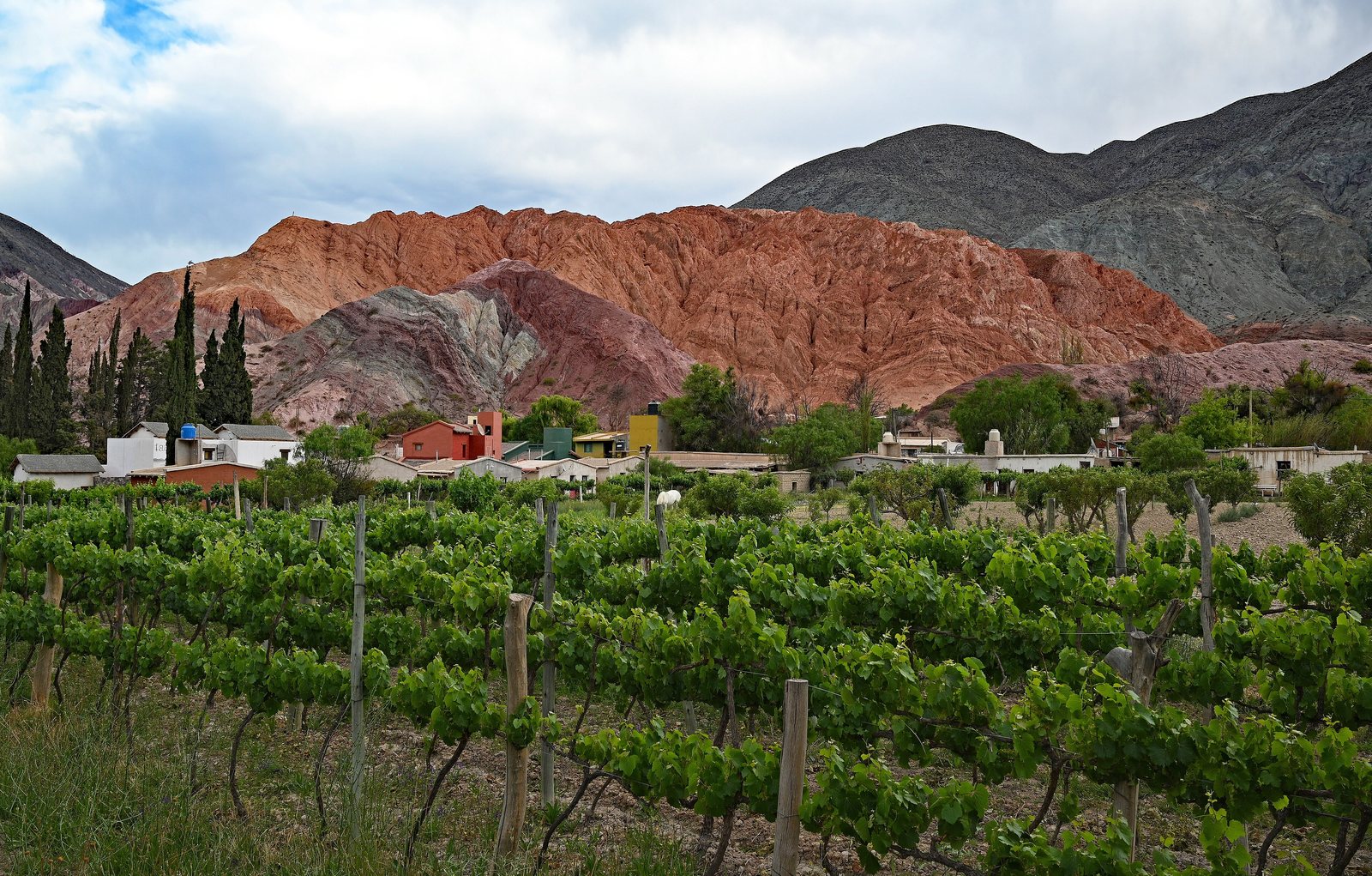
Jujuy's Wine Route brings together twenty wineries and vineyards: fifteen in the Quebrada, along National Route 9 between Purmamarca and Uquía, and five in the Valleys, in Monterrico and the capital. The Quebrada grows Malbec, Cabernet Sauvignon, Sauvignon Blanc and Pinot Noir; with wide swings between day and night temperatures, the grapes ripen late and give wines of deep color and natural acidity.
In Purmamarca, Kindgard, at kilometer 1,739 of National Route 9, shows the vineyard, the winery and the cellar and closes with three wines paired with local cheeses and preserves; it has a restaurant and lodging. In Maimará, Fernando Dupont offers guided tours with pairings. Viñas del Perchel, in Villa El Perchel, between Tilcara and Huacalera, grows fine varieties above 2,625 m. In Huacalera, Viñedos Yacoraite has a wine bar with a tasting menu, and Casa Mocha serves lunches and tastings. In Uquía, Viñas de Uquía ages its Uraqui wines in an old mine tunnel at nearly 4,000 m and has a five-room inn.
Cooking in the Quebrada is built on corn, Andean potatoes, quinoa, llama and lamb: tamales, humitas, locro with scallions, llama and lamb stews, fava beans with fresh corn and goat cheese. In the Puna they make calapurca, a soup cooked with hot stones, and dessert is dulce de cayote, a squash preserve, with quesillo cheese, anchi or mazamorra, both corn-based puddings.
What to see
- Bodega Fernando DupontAt kilometer 1,776 of National Route 9, in Maimará; guided tours and pairings.
- Bodega KindgardAt kilometer 1,739 of National Route 9, in Purmamarca; tour, tasting, restaurant and lodging.
- Bodega Viñas del PerchelIn Villa El Perchel, between Tilcara and Huacalera, above 2,625 m; tours and tastings.
- Casa MochaIn Huacalera; lunches, tastings and a walk through the vines.
- Huichaira VineyardsIn Huichaira, on National Route 9; tours with pairings and native cooking.
- Viñas de UquíaAt kilometer 1,799 of National Route 9; Uraqui wines, a cellar in a mine tunnel and a five-room inn.
- Viñedos YacoraiteIn Colonia San José, Huacalera; a wine bar, tasting menu and tastings.
Where to eat
- El Nuevo ProgresoFood and art in Tilcara since 2003: a seasonal menu with Jujuy produce such as llama, quinoa and Andean potatoes.
- MonterreyThe Hotel Huacalera restaurant, led by Jujuy-born chef Walter Leal, with Andean recipes.
- Q'isaThe table at Viñas de Uquía: an organic garden, local producers and tailored menus.
Festivals
Carnival, Pachamama and Holy Week in the mountains.
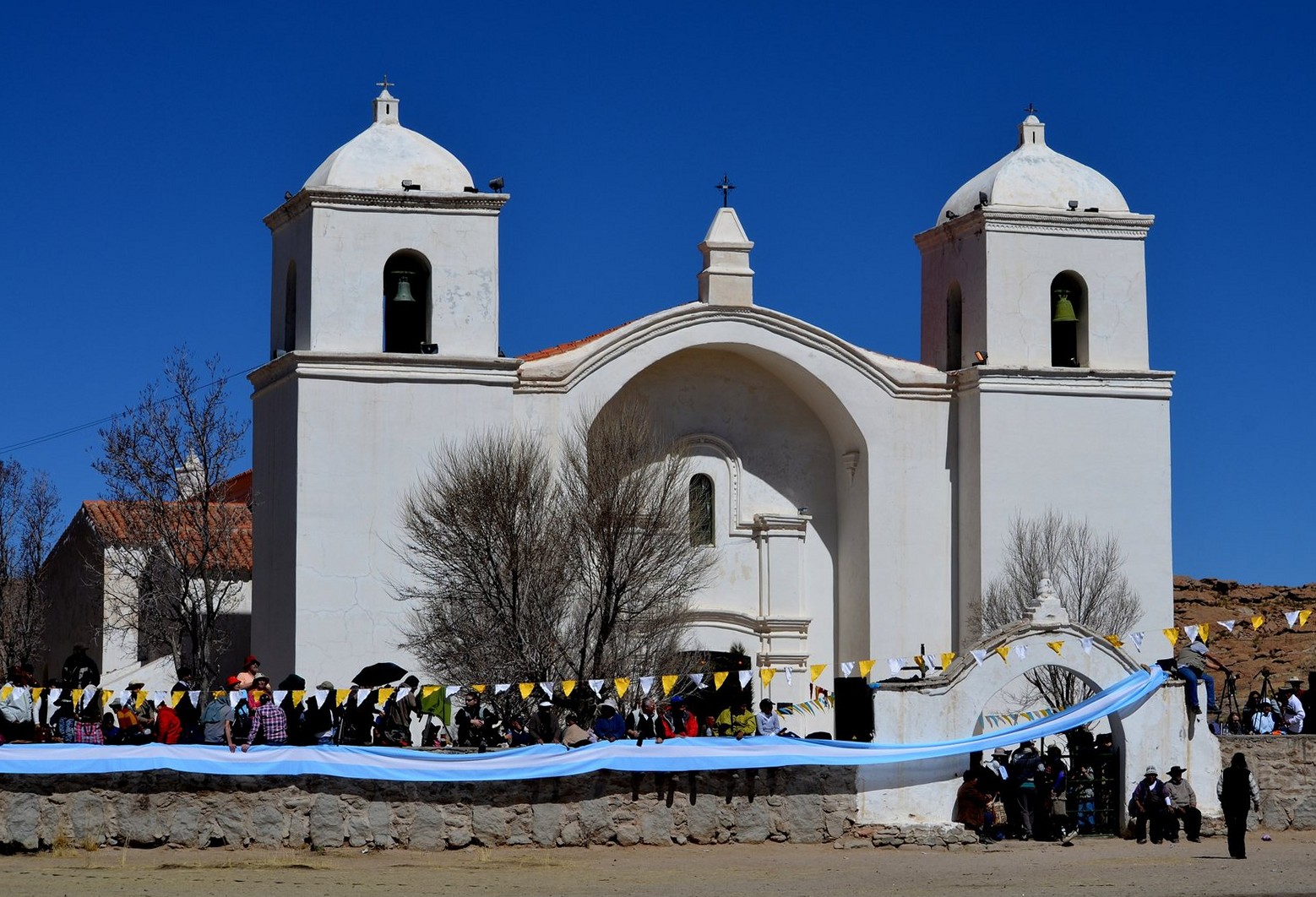
The Carnaval de la Quebrada begins with the desentierro, the unearthing of the devil, Pujllay, a rag doll each community digs out of an apacheta, a stone cairn. For eight days, comparsas, costumed dance troupes, dance carnavalitos through the streets to erkenchos, anatas, charangos and bombo drums, amid flour, talc, streamers and sprigs of basil, and at night the dancing moves indoors. On Domingo de Tentación the devil is buried again in a pit that stands for the mouth of the Pachamama.
August is the month of the Pachamama, Mother Earth: by law, Jujuy is the National Capital of the Pachamama, with August 1 as the central date. In the corpachada, a pit is dug, filled with offerings of coca leaves, food and drink and then covered, a ritual most deeply rooted in the Puna and the Quebrada. On August 15, in Casabindo, the Toreo de la Vincha celebrates the Assumption of the Virgin: the winner is whoever takes from the bull, without hurting it, the headband hung with silver coins, which is offered to the Virgin.
During Holy Week, hundreds of pilgrims climb some 24 km from Tumbaya to the shrine of the Virgen de Copacabana de Punta Corral, at 4,000 m, with more than eighty bands of sikuris, Andean panpipe players, and come down with the image on Palm Sunday. In Tilcara, the Ermitas recreate the Passion in large pictures made of flowers, seeds and colored earth.
In January, Tilcara celebrates the Enero Tilcareño. In late September, the Fiesta Nacional de los Estudiantes, the national students' festival, fills ten days in the capital, with parades of illuminated floats built by high school students and the election of the national queen.
Typical calendar
- JanuaryEnero Tilcareño.
- February or MarchCarnaval de la Quebrada, from the unearthing to the burial of the devil.
- Holy Week (March or April)Pilgrimage to Punta Corral and the Ermitas of Tilcara.
- JuneInti Raymi, at the winter solstice, in Huacalera.
- AugustPachamama, the Toreo de la Vincha in Casabindo and the Marcha Evocativa of the Exodus.
- SeptemberFiesta Nacional de los Estudiantes.
Arrival
From departure to destination.
- Departure
- From San Fernando (FDO), Aeroparque (AEP) or Ezeiza (EZE). The fare may change depending on where each aircraft is based.
- Airport
- Gobernador Horacio Guzmán (JUJ): public-use, towered and international, in Perico, 33 km southeast of San Salvador de Jujuy.
- The Quebrada
- Purmamarca is 65 km from the capital and Humahuaca 126 km, on National Route 9.
- Salta
- 99 km by road. You can also fly direct to Salta, from 1 h 40 by jet.
When to go
The seasons at the destination.
- January
- Enero Tilcareño.
- February or March
- Carnaval de la Quebrada, depending on the date of Easter.
- Holy Week (March or April)
- Pilgrimage to Punta Corral and the Ermitas of Tilcara.
- April to November
- Dry season: the recommended time for the Quebrada and the Yungas.
- August
- Pachamama, the Toreo de la Vincha in Casabindo and the anniversary of the Jujuy Exodus.
- September
- Fiesta Nacional de los Estudiantes, in the capital.
- December to March
- Rainy season: in the Quebrada, flash floods can cut off roads and tracks.
Key facts
Summer January
- Average low
- 16.7°
- Average high
- 27.3°
191.5 mm of rain
Fall April
- Average low
- 12.7°
- Average high
- 22.4°
62.0 mm of rain
Winter July
- Average low
- 4.5°
- Average high
- 18.6°
7.1 mm of rain
Spring October
- Average low
- 12.9°
- Average high
- 26.4°
40.8 mm of rain
- Airport
- Gobernador Horacio GuzmánIATA / ICAO: JUJ / SASJIn Perico, 33 km southeast of the capital
- Category
- Public-use, towered, international
- Distance
- 1,330 kmFlight distance from Buenos Aires; 1,543 km by road
- Annual rainfall
- 951.2 mm88% falls from October to March
Frequently asked questions
Price, flight time, airport, departure and travel documents.
How much does a private flight from Buenos Aires to Jujuy cost?
Reference fares for a one-way private flight from Buenos Aires (San Fernando), whole aircraft, start at USD 11,570 for a turboprop, USD 12,400 for a light jet, USD 15,980 for a midsize jet and USD 24,360 for a large jet. Round trips are calculated in the quote tool according to the length of your stay.
How long is the flight?
Between 1 h 45 and 4 h 20, depending on the aircraft; the fastest jet on the route takes 1 h 45.
Which airport does the flight land at?
Gobernador Horacio Guzmán Airport (JUJ / SASJ), in Perico, 33 km southeast of San Salvador de Jujuy. It is public-use, towered and cleared for international flights. It handles every aircraft in the quote tool for this route, from turboprops to jets.
When is the best time to fly to Jujuy?
April to November, the dry season. December to March brings about three quarters of the year's rain, and roads in the Quebrada can be cut off; it is also carnival season. In the capital, July has an average high of 18.6 °C and a low of 4.5 °C; in the Quebrada and the Puna, above 2,300 m, bring warm clothing, especially from July to September.
What should I keep in mind about the altitude?
Humahuaca is at 3,012 m, the Salinas Grandes at about 3,450 m, the Cuesta de Lipán reaches 4,170 m and the Hornocal lookout 4,350 m. For those climbs, eat light, avoid alcohol before and during the drive, and bring warm clothing and sun protection at any time of year.
Can I combine Jujuy with Salta?
Yes. Salta is 99 km from San Salvador de Jujuy by road, and you can also fly direct to its airport from Buenos Aires.
Are the published fares final?
They are estimates. The final quote depends on dates, length of stay, aircraft type and applicable operating fees.
Where does the flight depart from?
Fares are calculated for departure from San Fernando (FDO). Departing from Aeroparque (AEP) or Ezeiza (EZE) may change the fare, depending on where each aircraft is based.
What documents do I need?
It is a domestic flight within Argentina: Argentine citizens travel with a valid national ID (DNI) and foreign nationals with a valid passport.

Ready to fly? Let’s talk.
Share the details of your trip and we’ll help you find the aircraft and flight solution best suited to your needs.
- WhatsApp+54 9 11 3080 7775
- Phone+54 9 11 3080 7775
- Emailinfo@argentina-fly.com
For charter operatorsList your aircraft