
- Home
- Flight quote
- Tucumán
Private flights to Tucumán
Jet from USD 10,090 · 1 h 45
Results:
- Itinerary
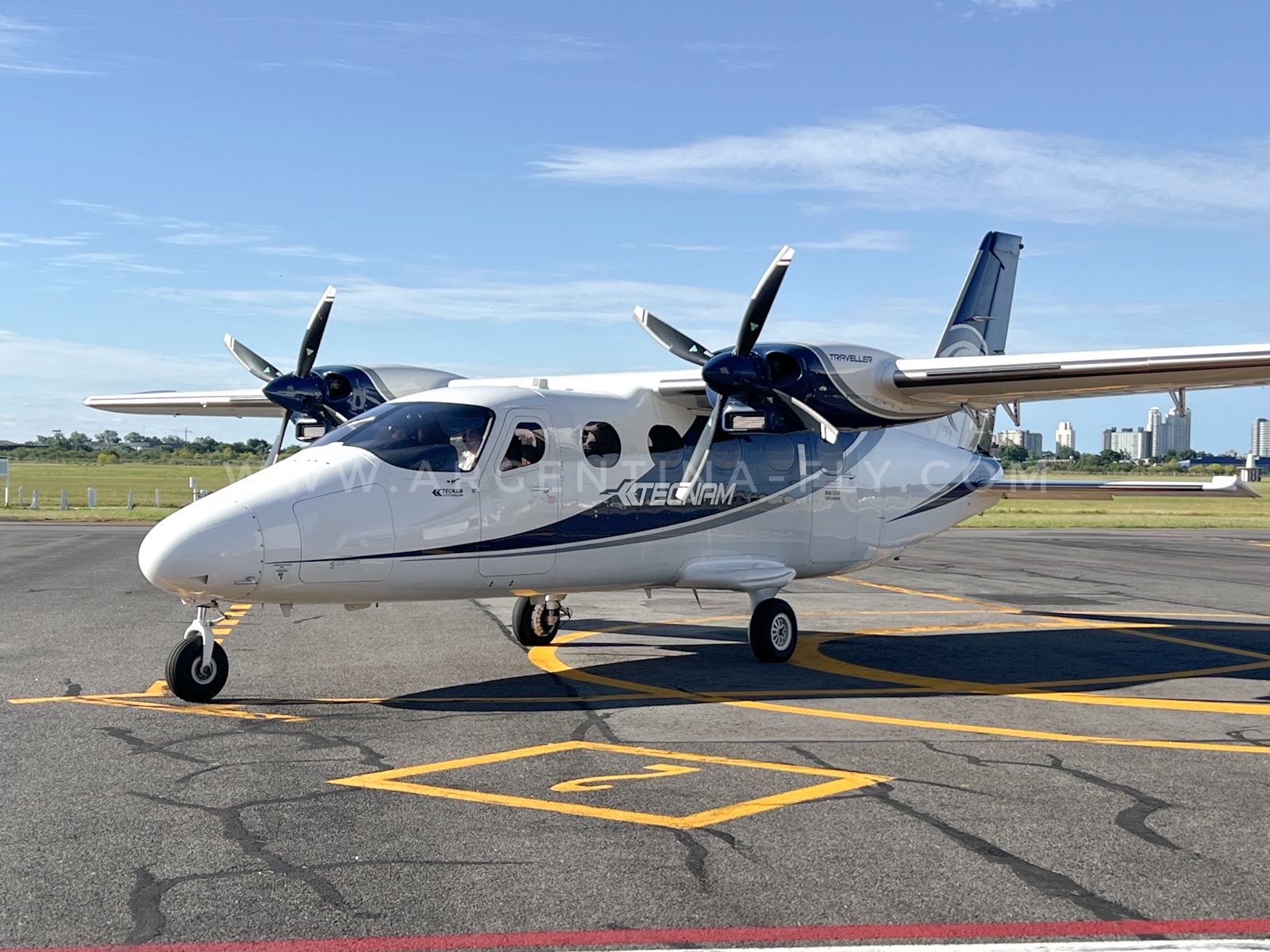
Tecnam Traveller
Piston aircraft · 9 passengers · 3 h 353 h 35flight time
USD 8,420+ VAT 10.5%
Request a quote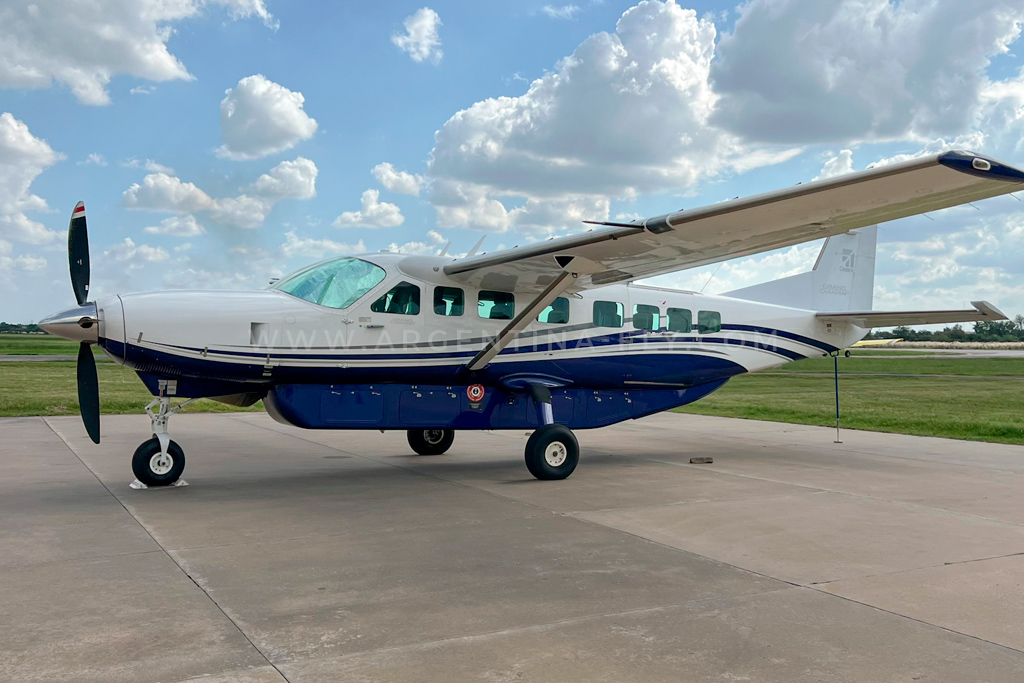
Cessna Grand Caravan
Turboprop · 9 passengers · 3 h 403 h 40flight time
USD 8,640+ VAT 10.5%
Request a quote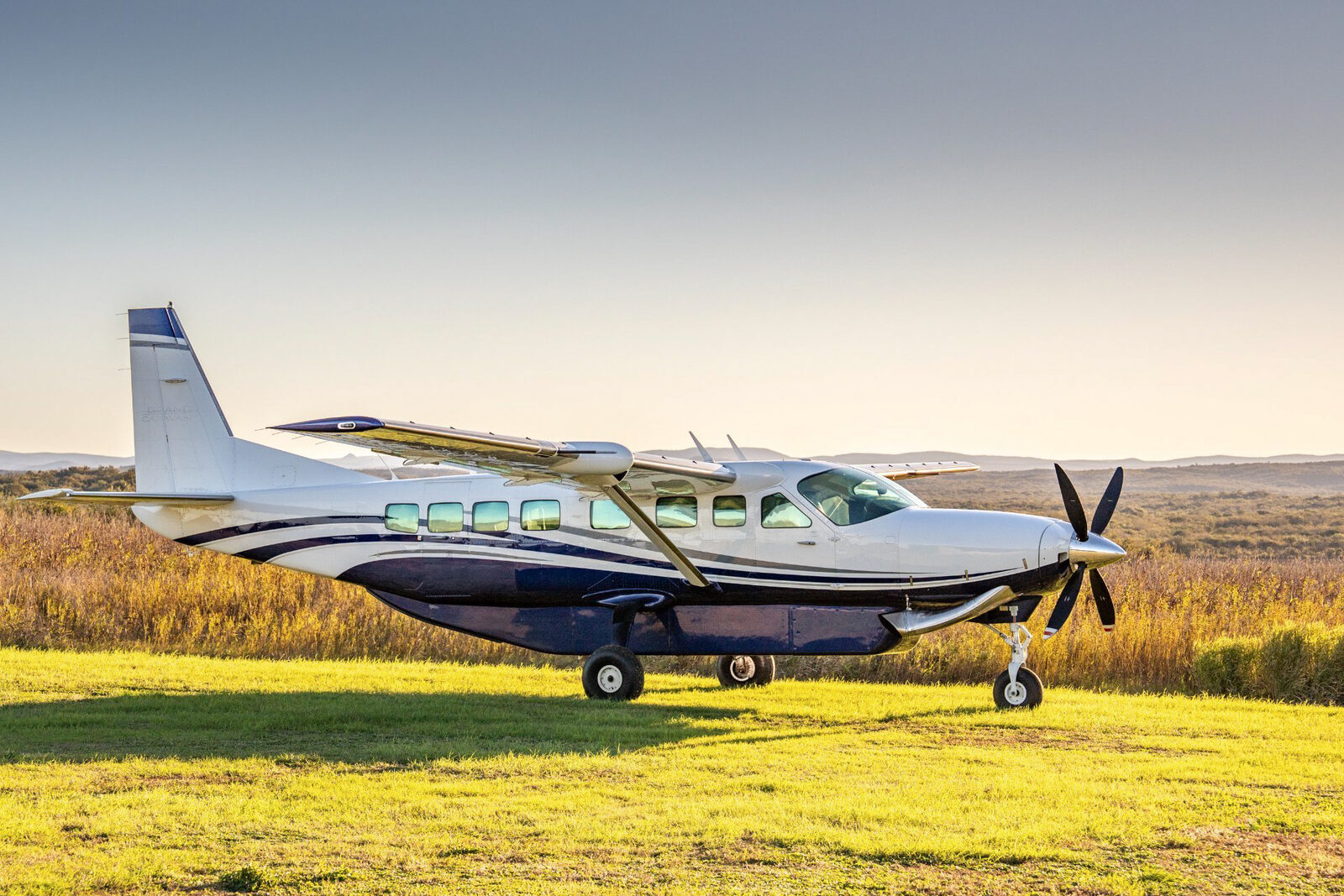
Cessna Grand Caravan Ex
Turboprop · 9 passengers · 3 h 303 h 30flight time
USD 9,280+ VAT 10.5%
Request a quote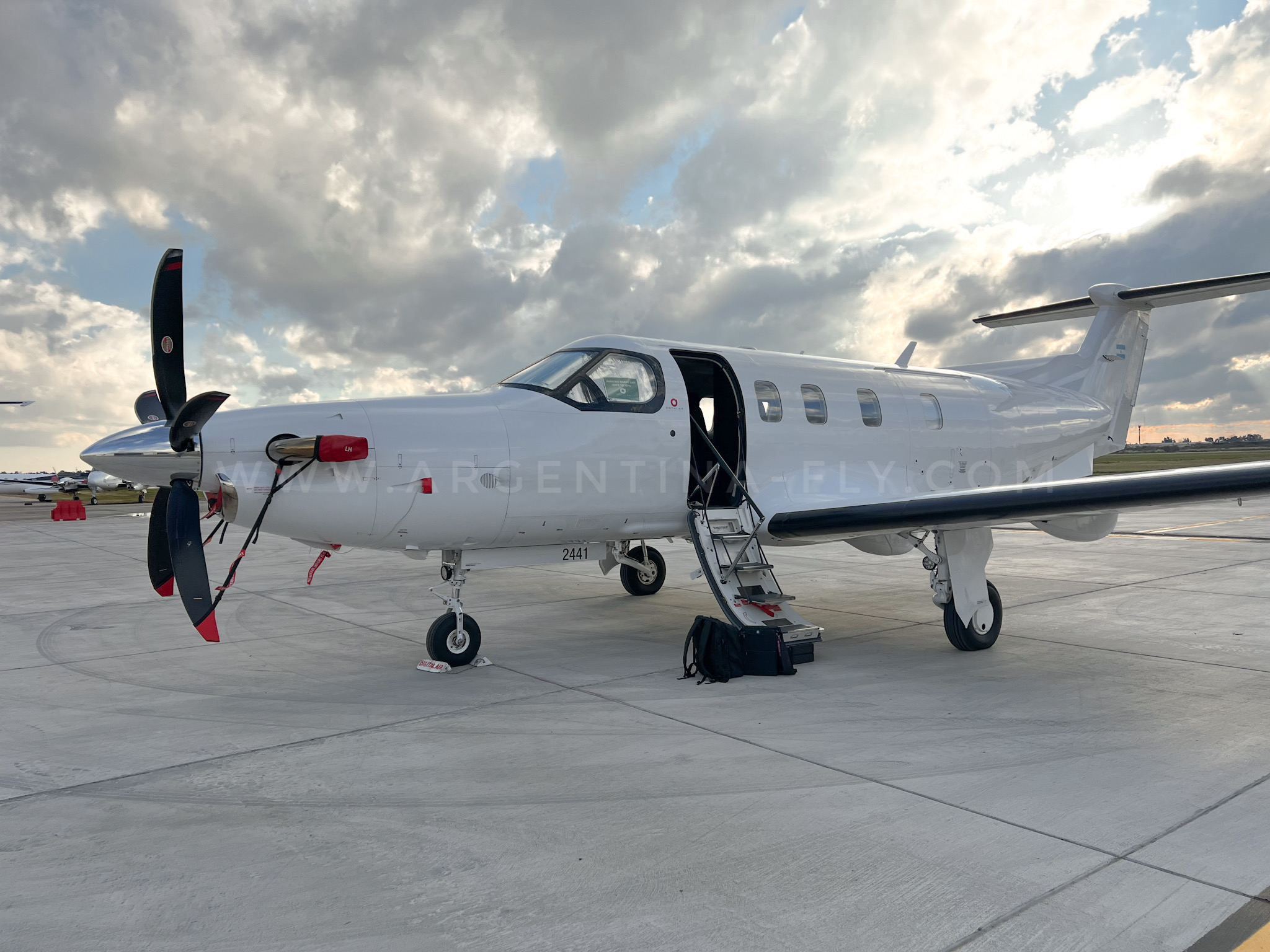
Pilatus PC-12
Turboprop · 8 passengers · 2 h 202 h 20flight time
USD 9,450+ VAT 10.5%
Request a quote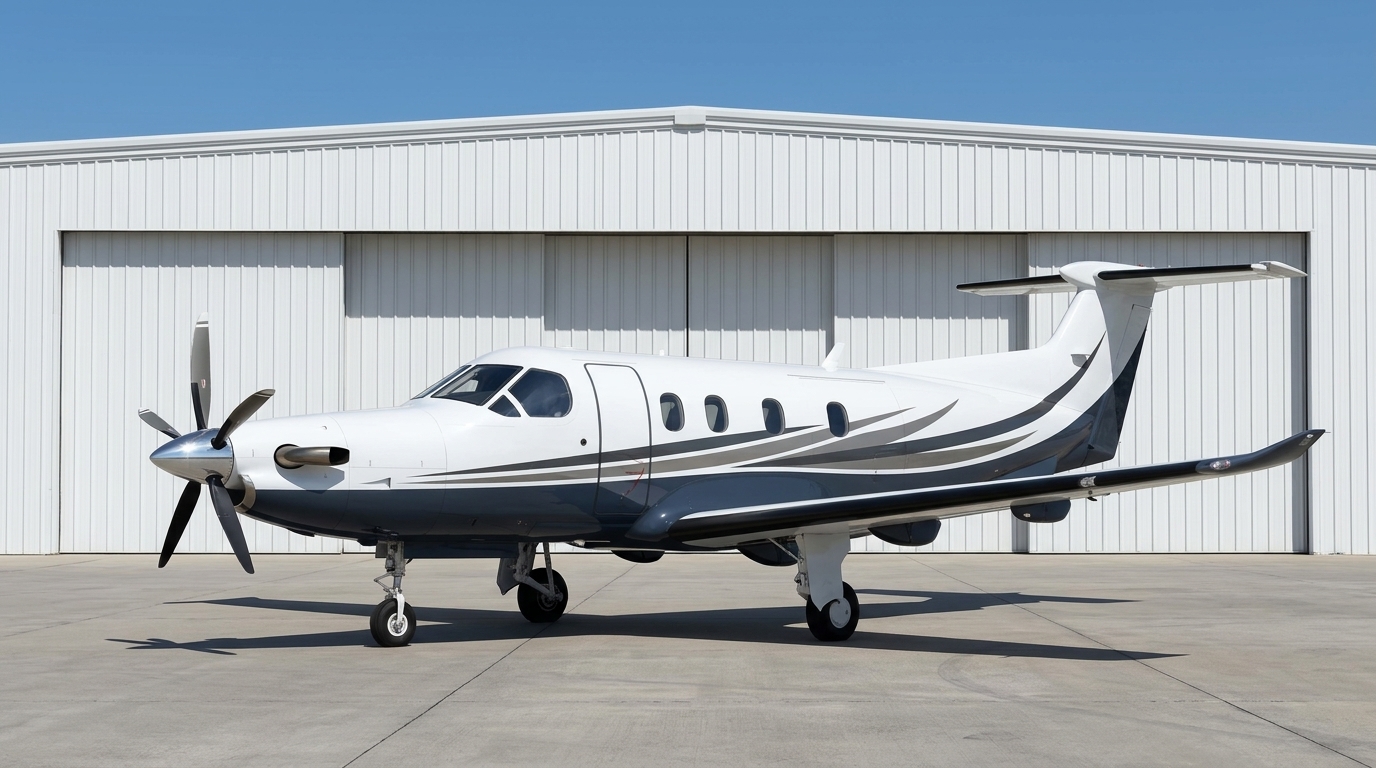
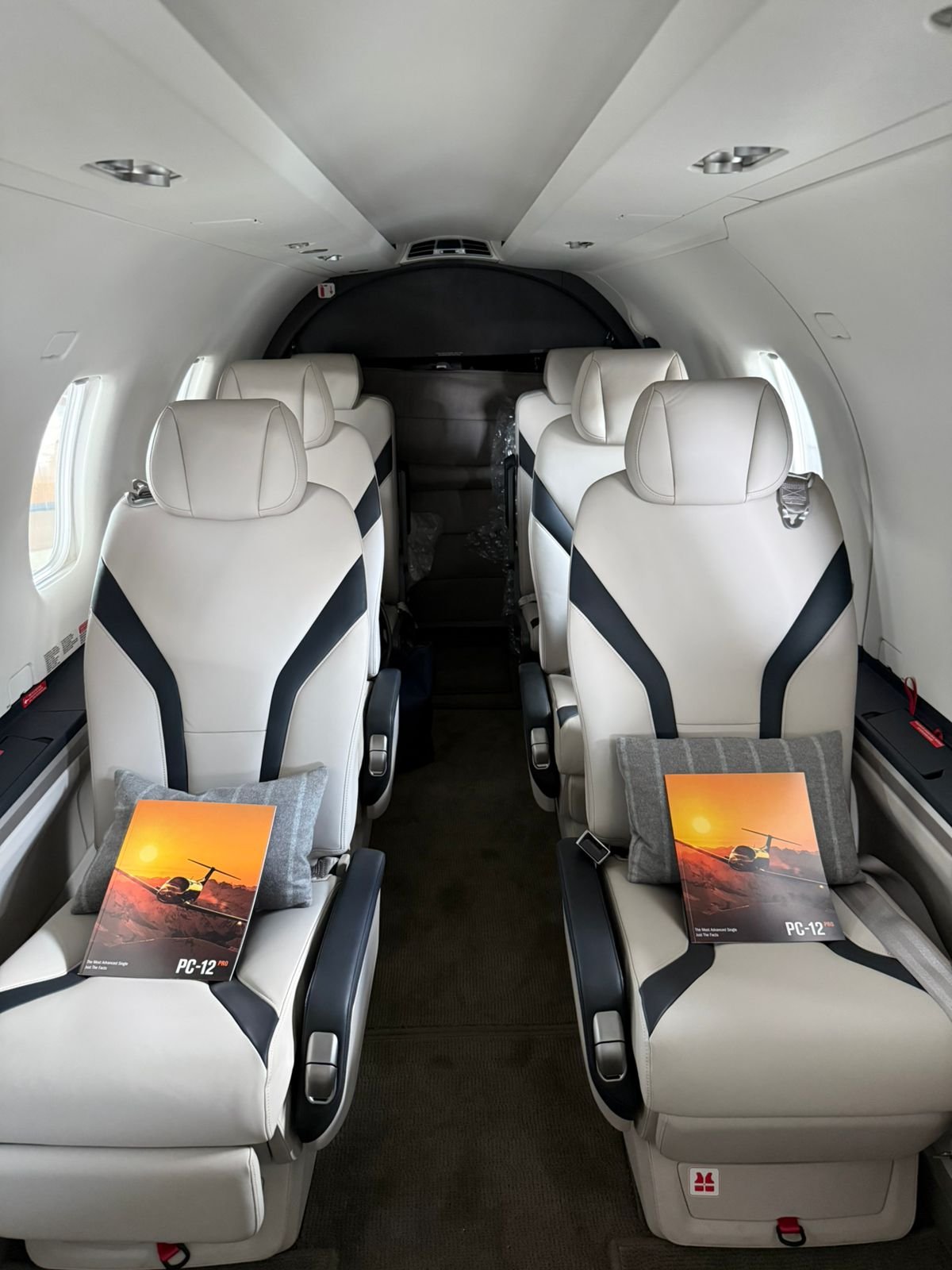
Pilatus PC12 Pro
Turboprop · 8 passengers · 2 h 202 h 20flight time
USD 9,660+ VAT 10.5%
Request a quote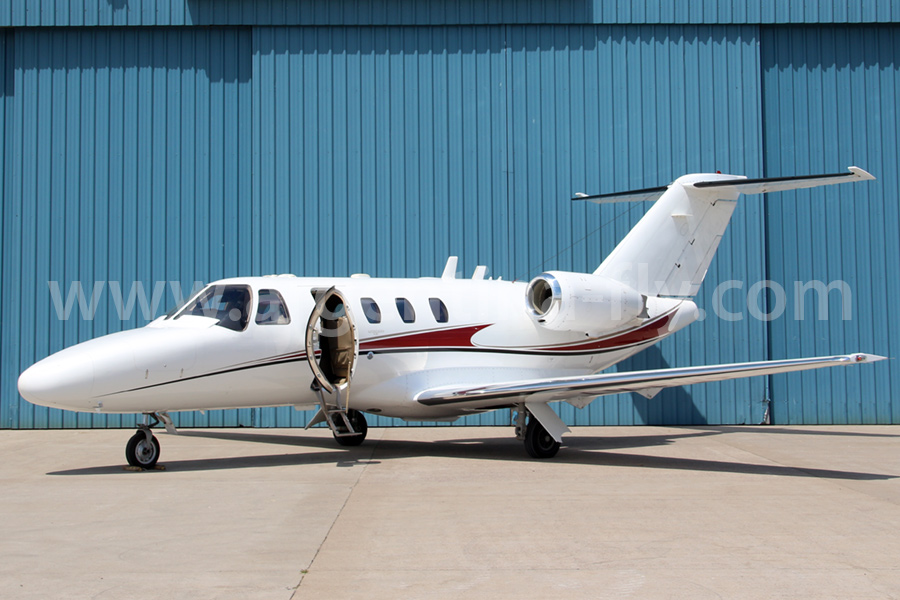
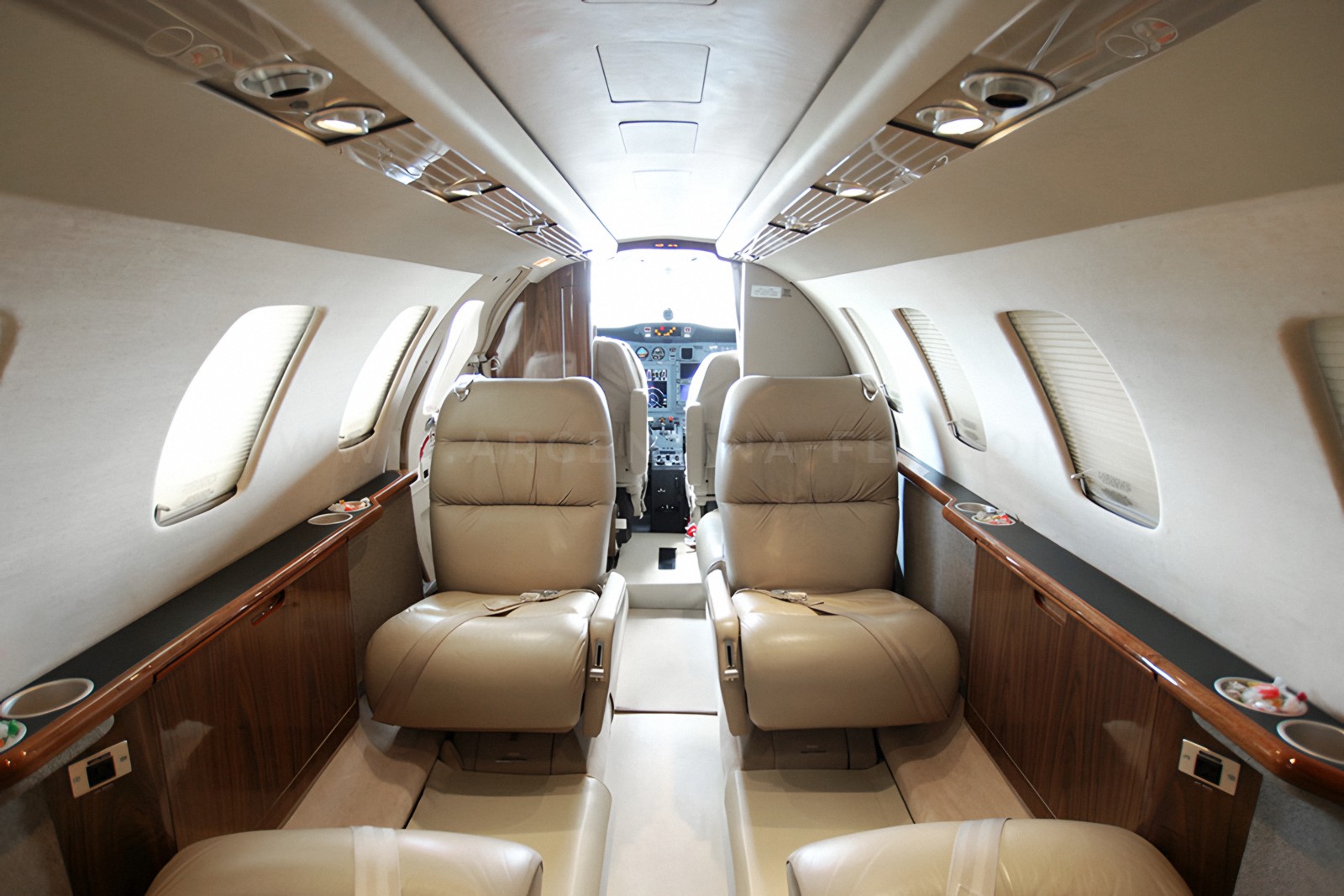
Citation CJ1
Light jet · 5 passengers · 1 h 451 h 45flight time
USD 10,090+ VAT 10.5%
Request a quote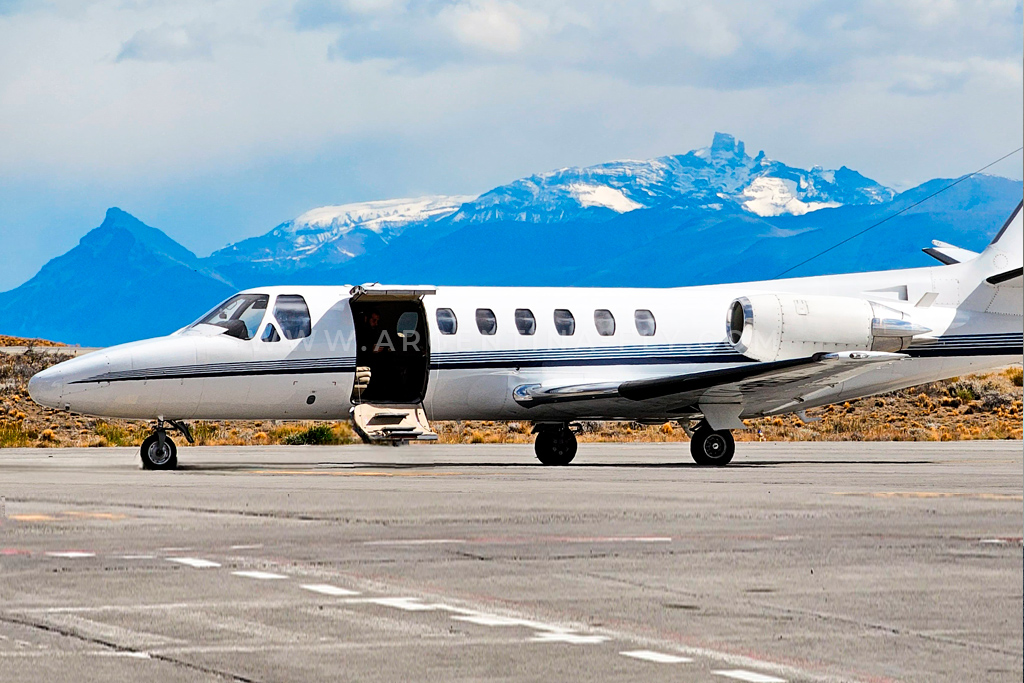
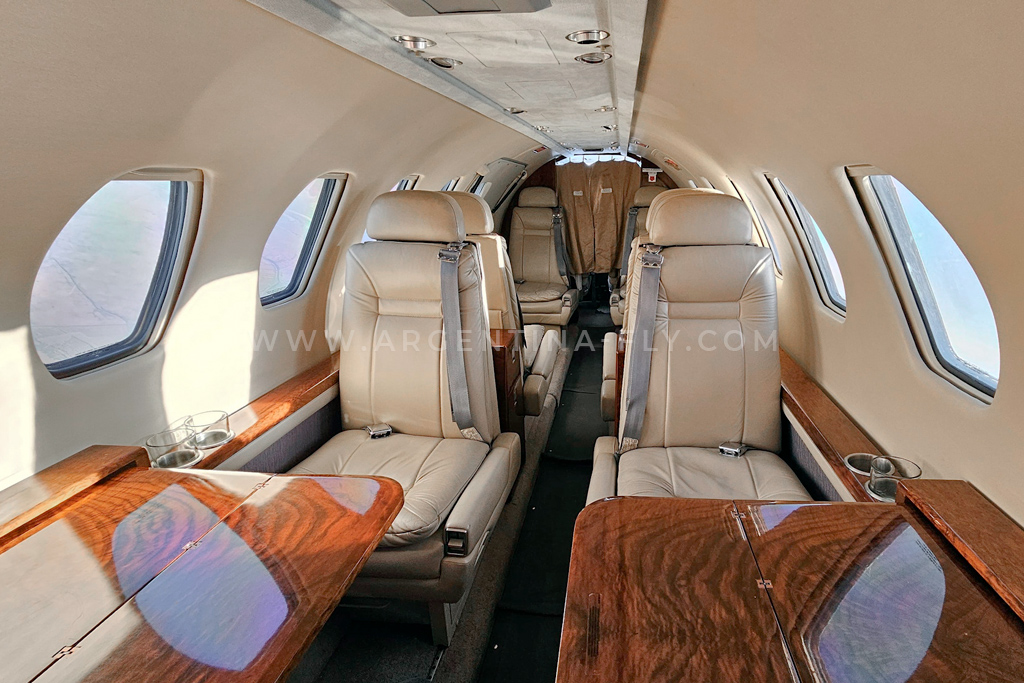
Citation V
Light jet · 8 passengers · 1 h 351 h 35flight time
USD 10,510+ VAT 10.5%
Request a quote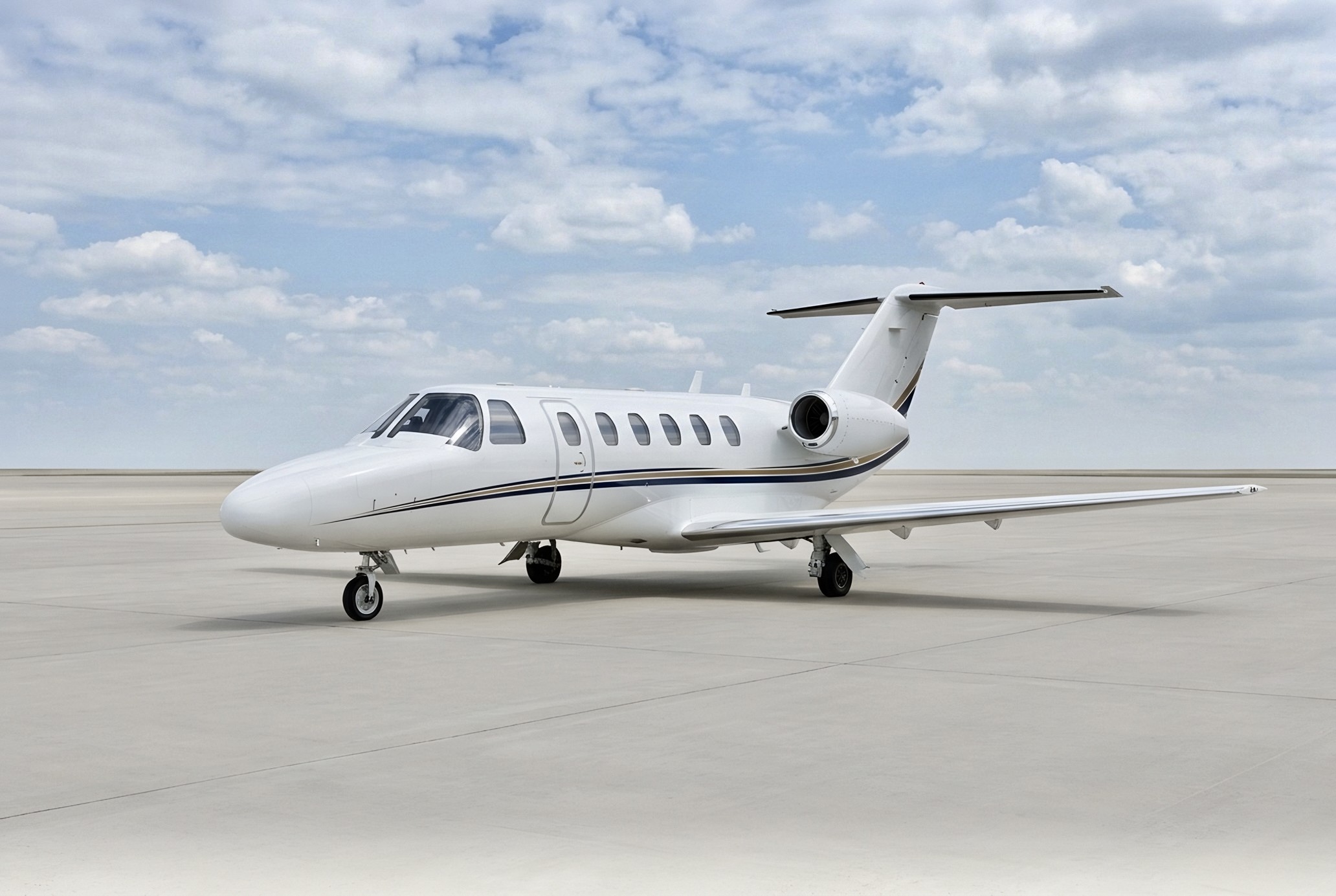
Citation CJ2
Light jet · 6 passengers · 1 h 45 · 2 options1 h 45flight time
USD 10,510+ VAT 10.5%
Request a quote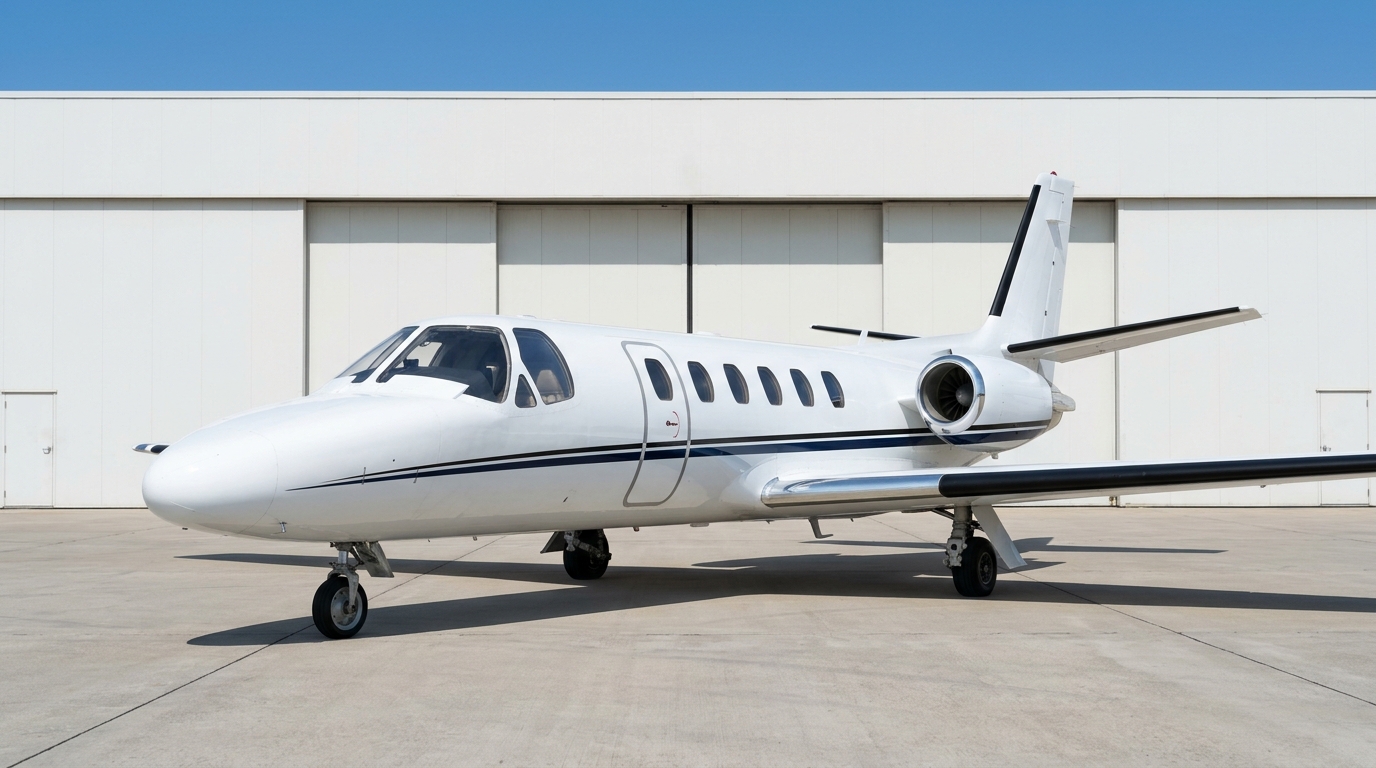
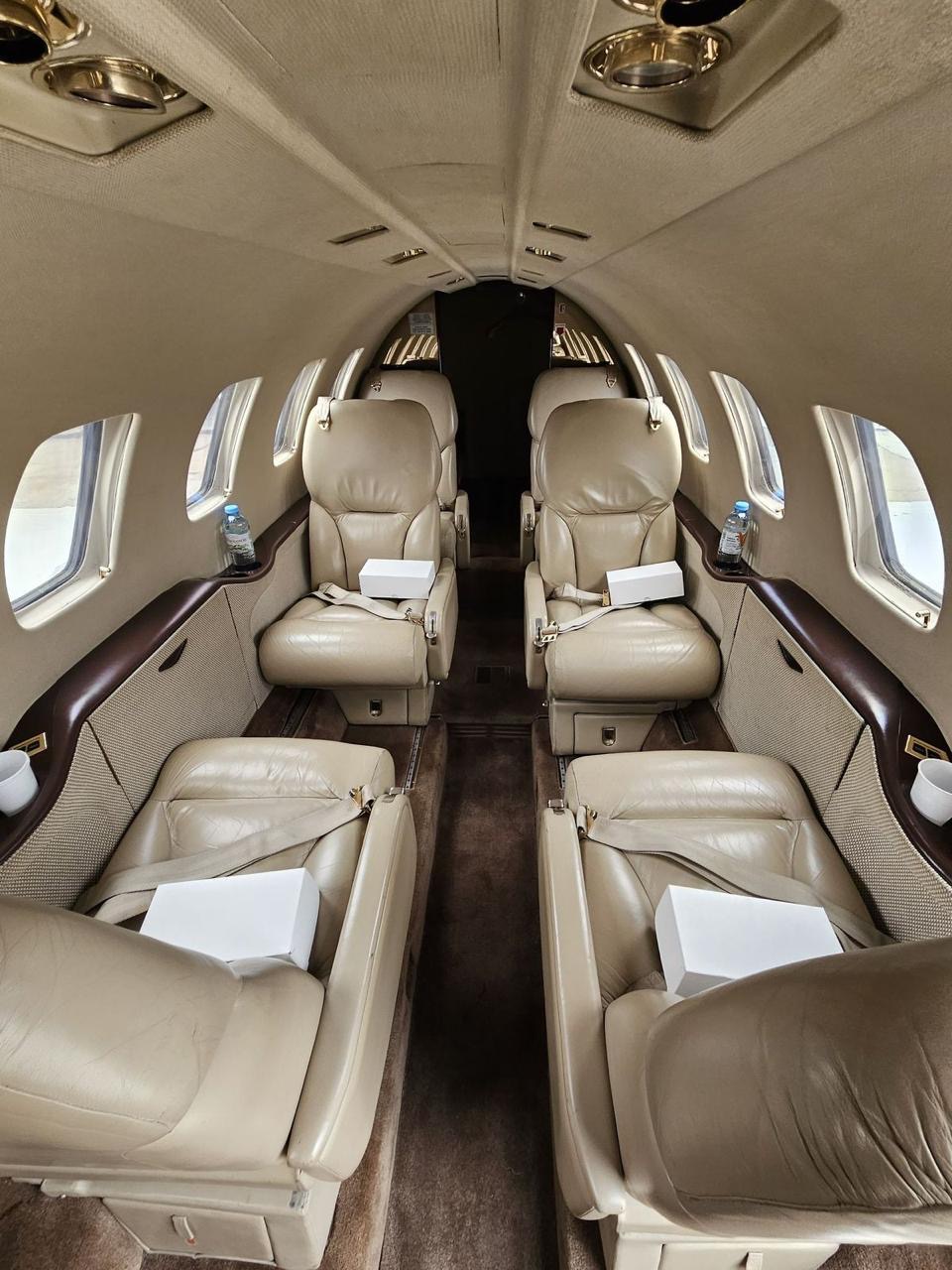
Citation Bravo
Light jet · 7 passengers · 1 h 401 h 40flight time
USD 11,180+ VAT 10.5%
Request a quote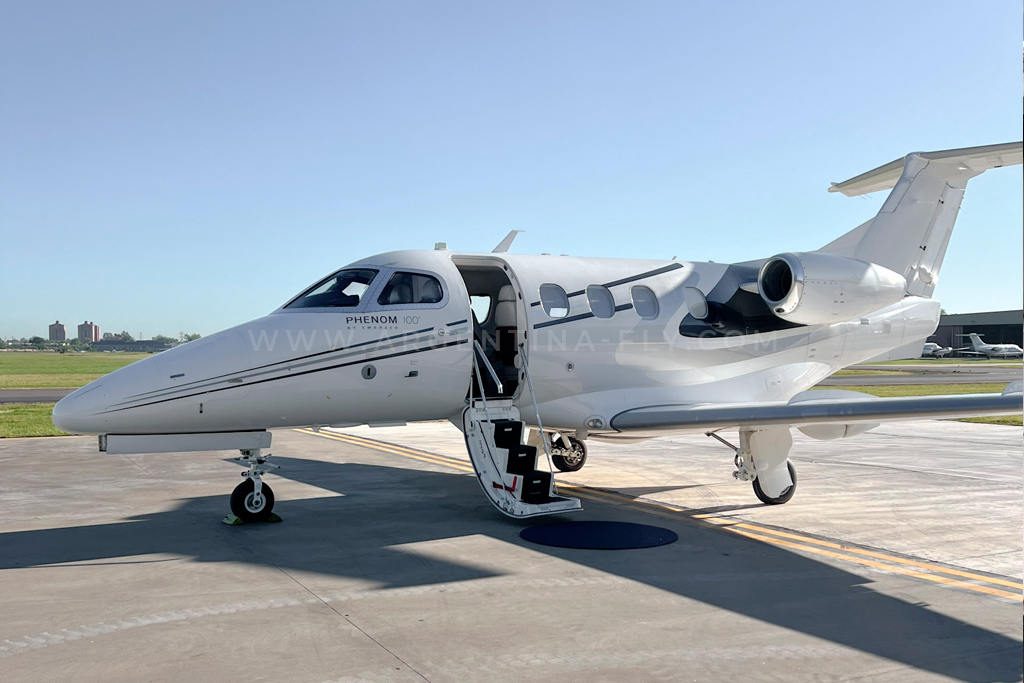
Phenom 100
Light jet · 5 passengers · 1 h 451 h 45flight time
USD 11,850+ VAT 10.5%
Request a quote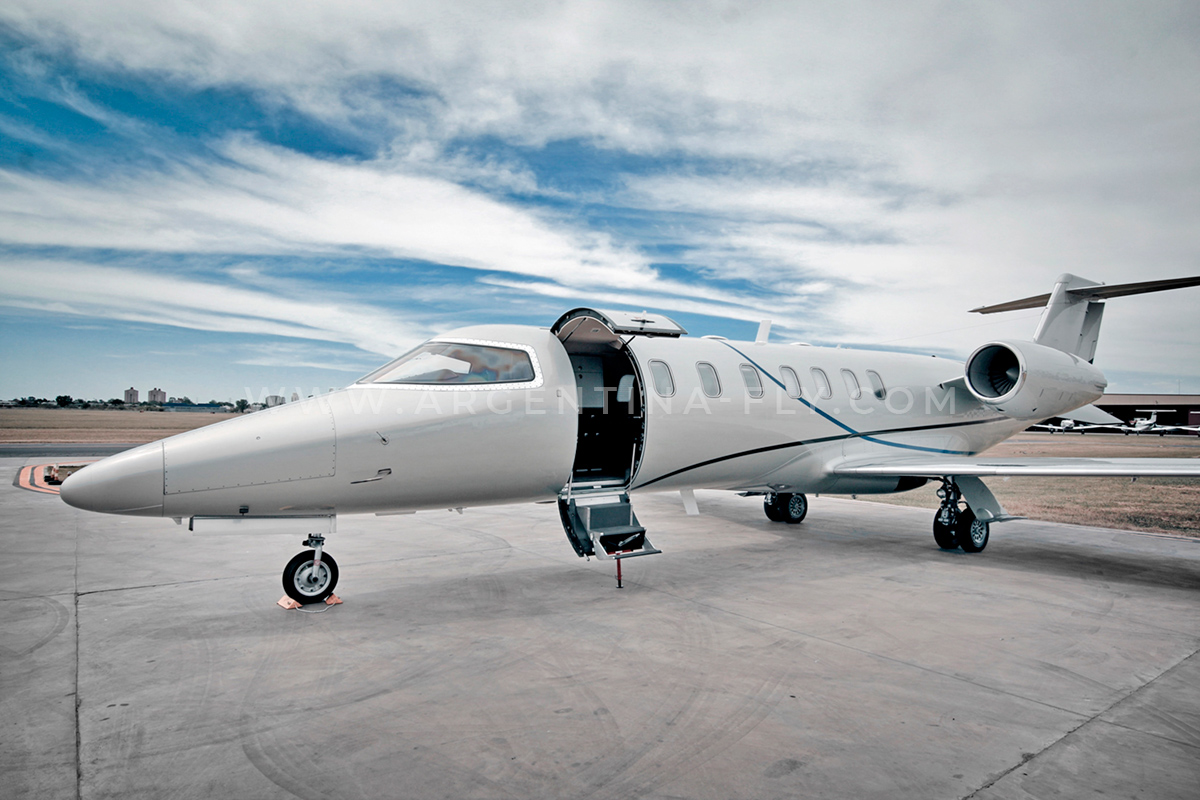
Learjet 40 XR
Light jet · 6 passengers · 1 h 351 h 35flight time
USD 12,520+ VAT 10.5%
Request a quote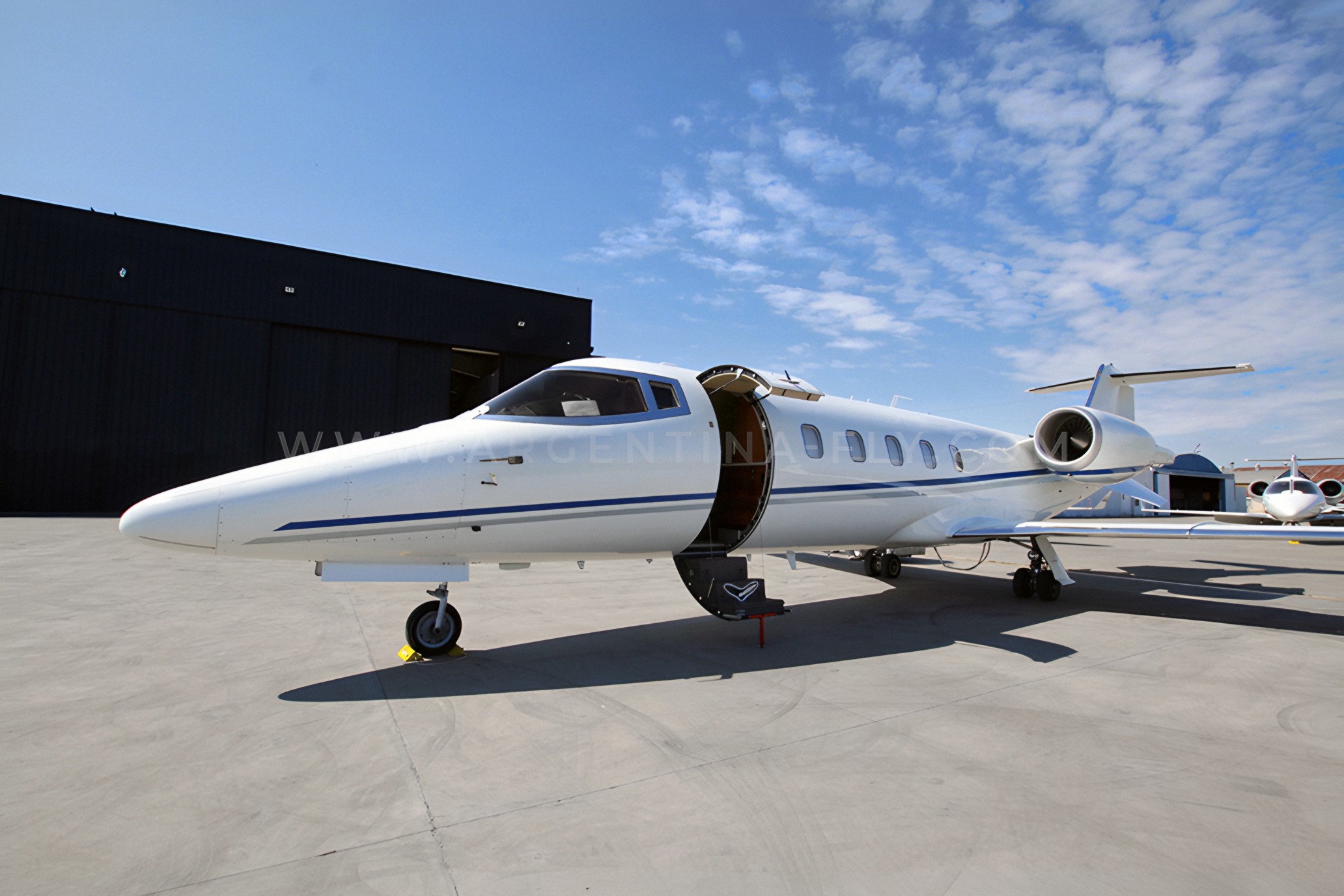
Learjet 60
Midsize jet · 7 passengers · 1 h 30 · 2 options1 h 30flight time
USD 12,970+ VAT 10.5%
Request a quote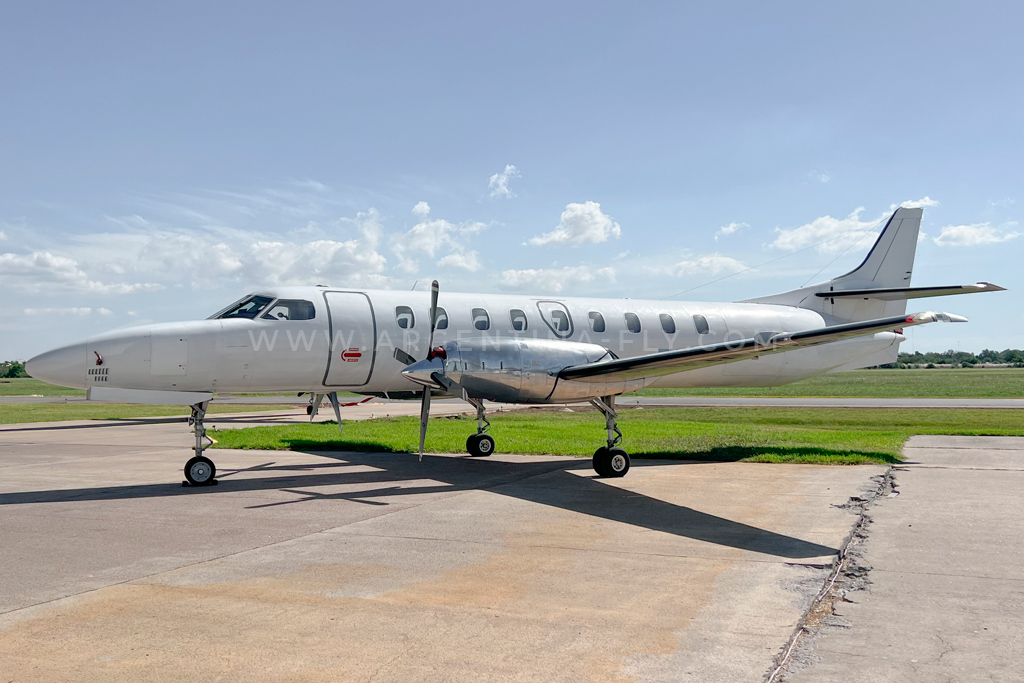
Metro 23
Turboprop · 19 passengers · 2 h 202 h 20flight time
USD 13,420+ VAT 10.5%
Request a quote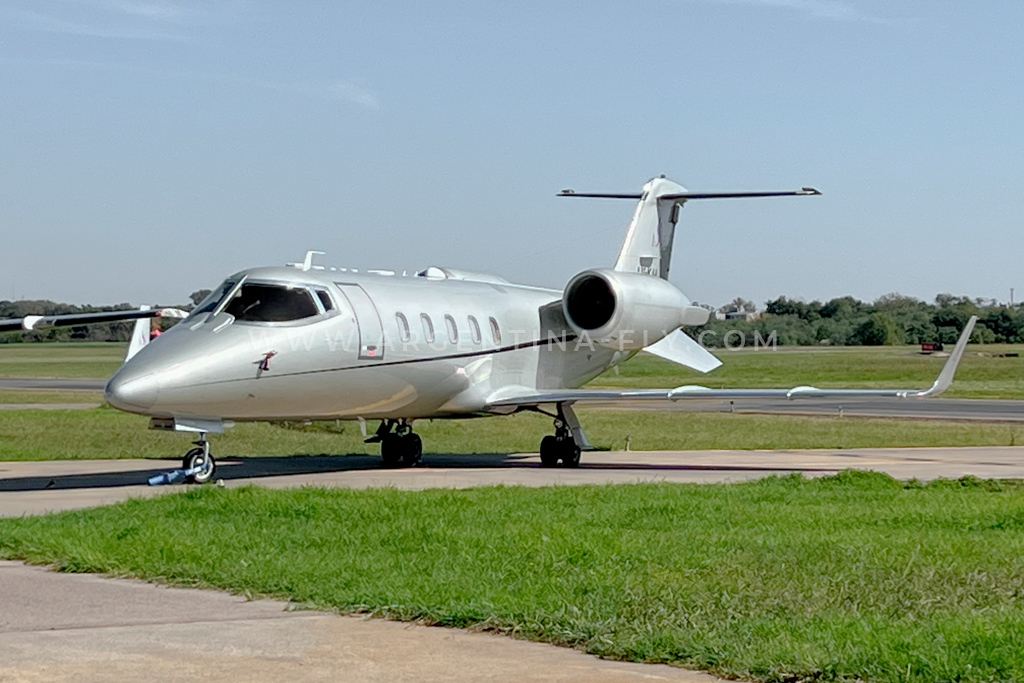
Learjet 60 XR
Midsize jet · 6 passengers · 1 h 301 h 30flight time
USD 13,640+ VAT 10.5%
Request a quote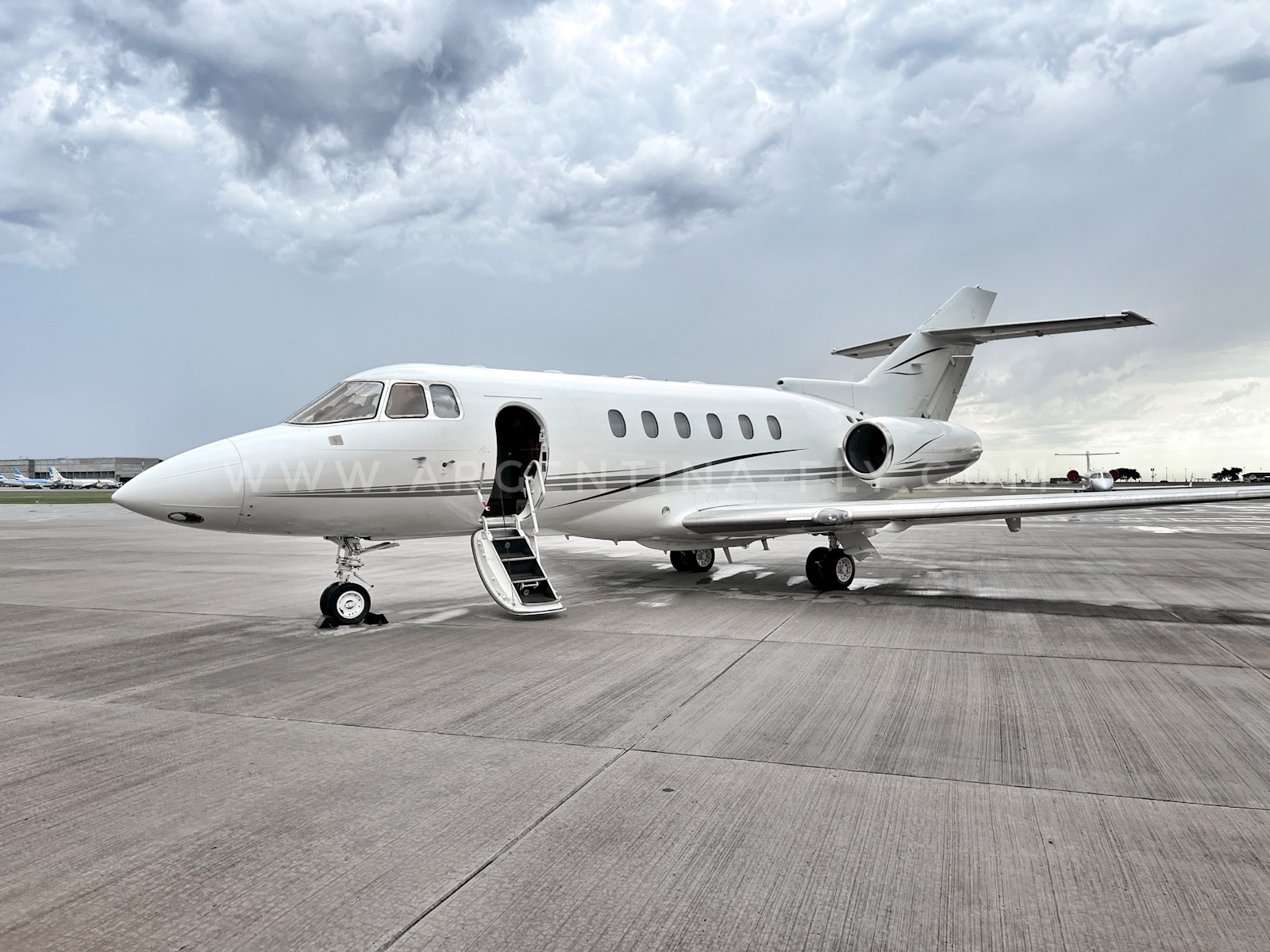
Hawker 800 XP
Midsize jet · 8 passengers · 1 h 351 h 35flight time
USD 14,520+ VAT 10.5%
Request a quote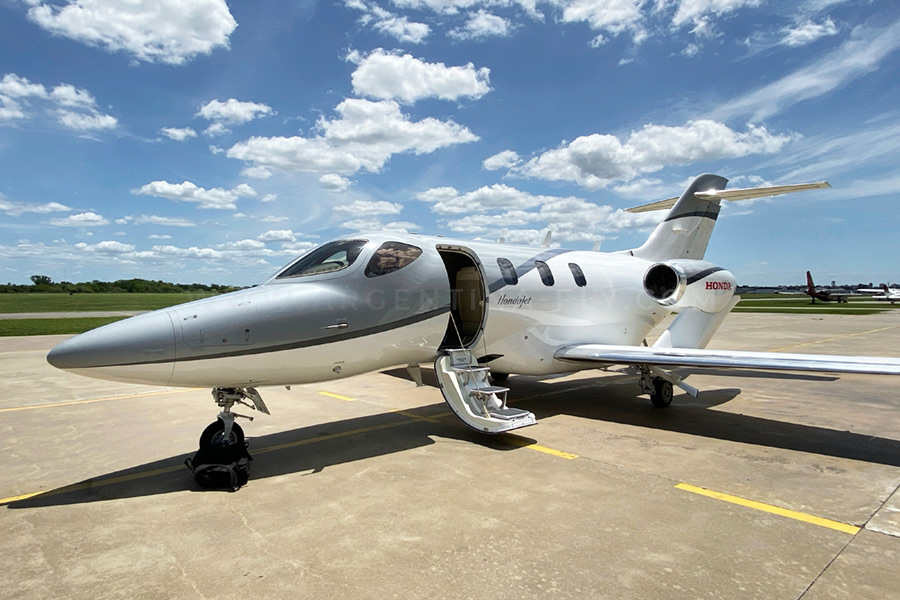
HondaJet
Light jet · 5 passengers · 1 h 401 h 40flight time
USD 14,540+ VAT 10.5%
Request a quote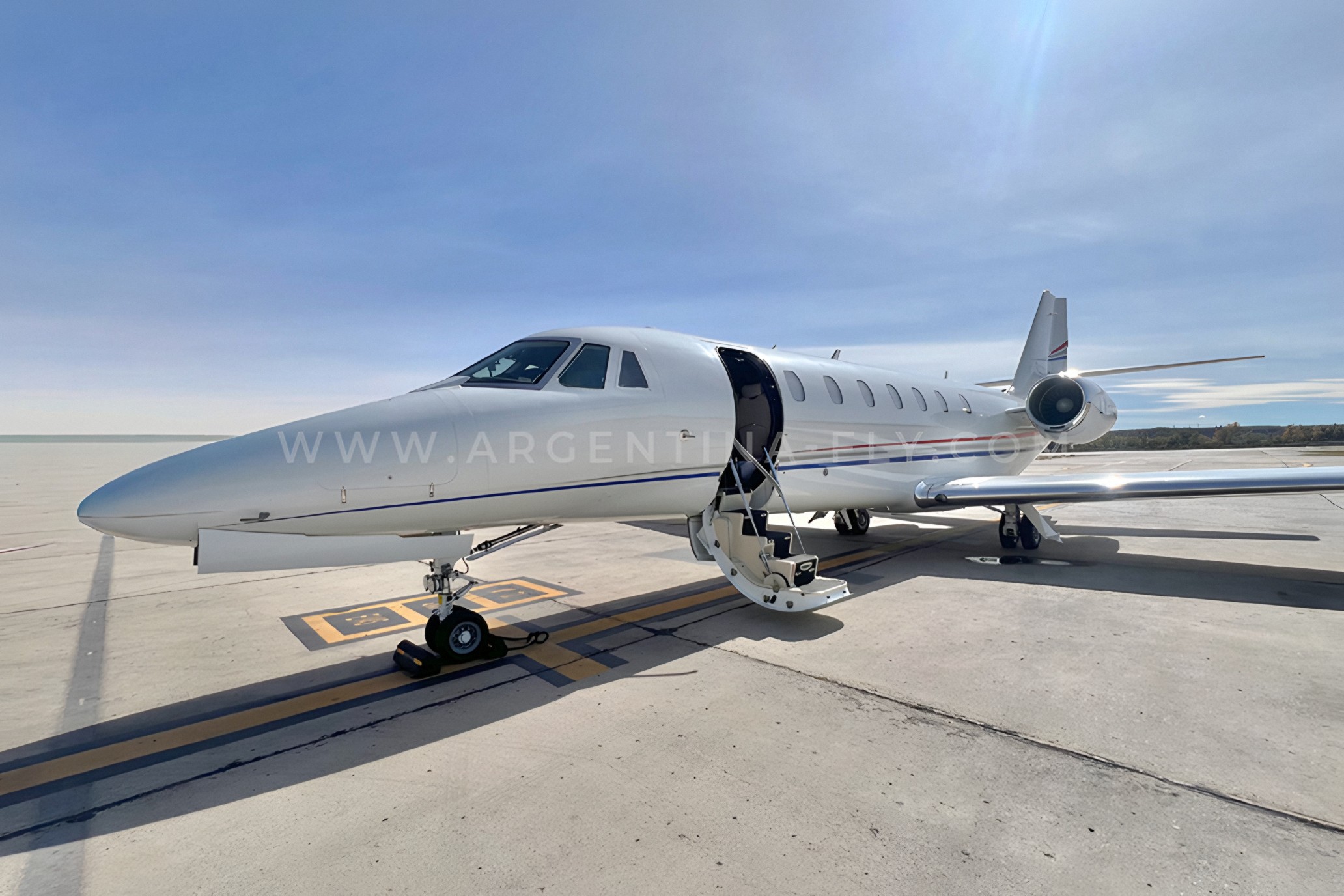
Citation Sovereign
Midsize jet · 8 passengers · 1 h 301 h 30flight time
USD 15,650+ VAT 10.5%
Request a quote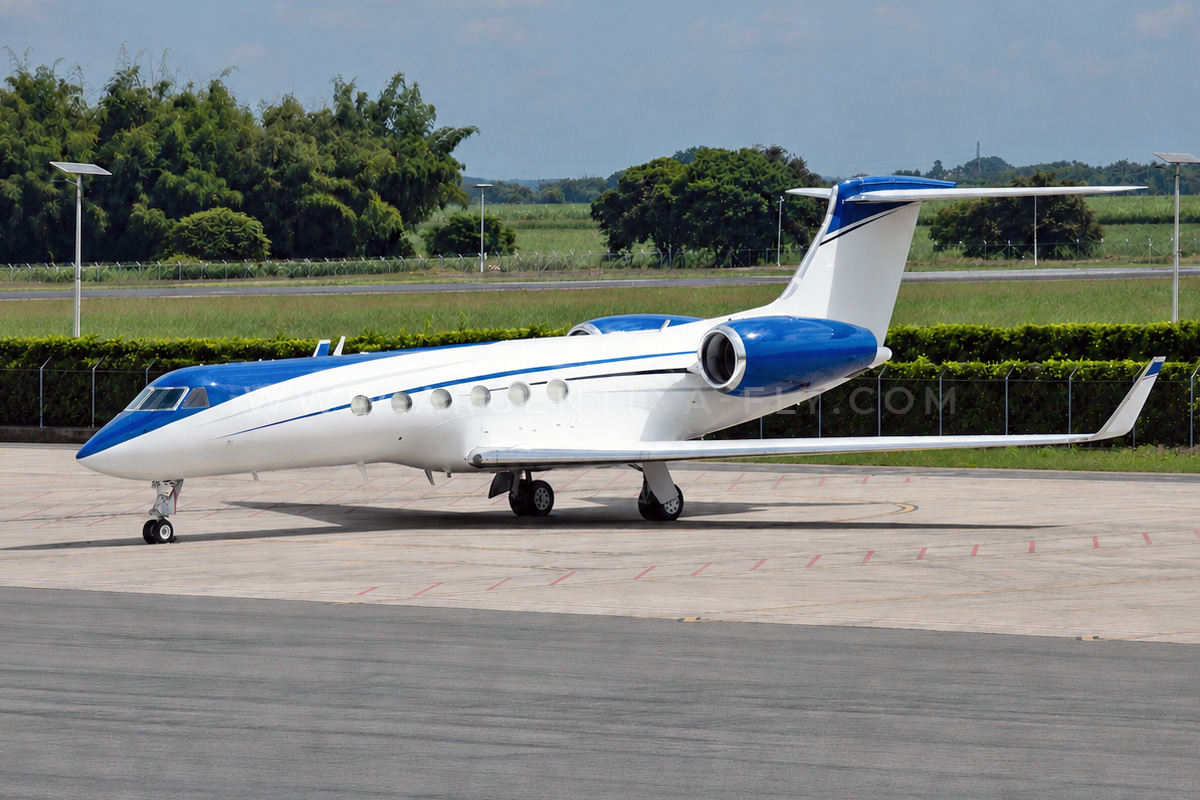
Gulfstream V
Large jet · 14 passengers · 1 h 25 · 2 options1 h 25flight time
USD 19,880+ VAT 10.5%
Request a quote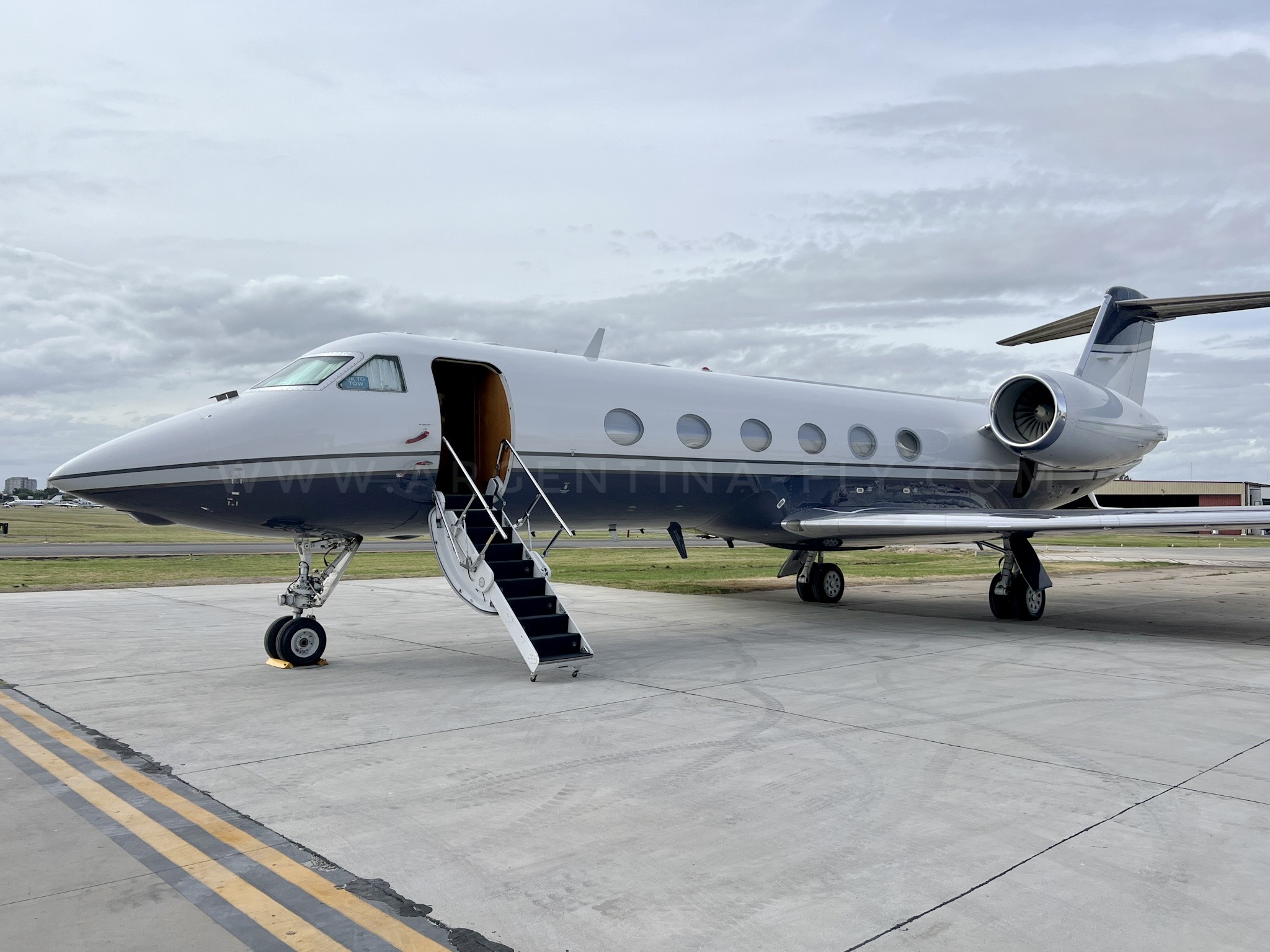
Gulfstream 400
Large jet · 14 passengers · 1 h 301 h 30flight time
USD 21,240+ VAT 10.5%
Request a quote
Route and airfields
Rate conditions
Please read carefully before requesting a quote.
Prices
Reference fares in US dollars (USD), for the entire aircraft. They may vary with aircraft availability and travel dates. For itineraries with several destinations, please request a tailored quote.
Not included
VAT on flights within Argentina, fees abroad on international flights (airport charges, handling and FBO, among others), and special services on request.
Base airport
Fares are calculated for departure from San Fernando (FDO). Departing from Aeroparque (AEP) or Ezeiza (EZE) may change the fare, depending on where each aircraft is based.
Reference fleet
The aircraft displayed are for reference purposes only and may vary depending on operational availability. Contact us to learn about the available options for your trip.
Rate conditions
Please read carefully before requesting your quotation.
Published prices are provided for reference only.
 Prices
Reference fares in US dollars (USD), for the entire aircraft. They may vary with aircraft availability and travel dates. For itineraries with several destinations, please request a tailored quote.
 Not included
VAT on flights within Argentina, fees abroad on international flights (airport charges, handling and FBO, among others), and special services on request.
 Base airport
Fares are calculated for departure from San Fernando (FDO). Departing from Aeroparque (AEP) or Ezeiza (EZE) may change the fare, depending on where each aircraft is based.
 Reference fleet
The aircraft displayed are for reference purposes only and may vary depending on operational availability. Contact us to learn about the available options for your trip.
Need a personalized quotation?
Request quotation
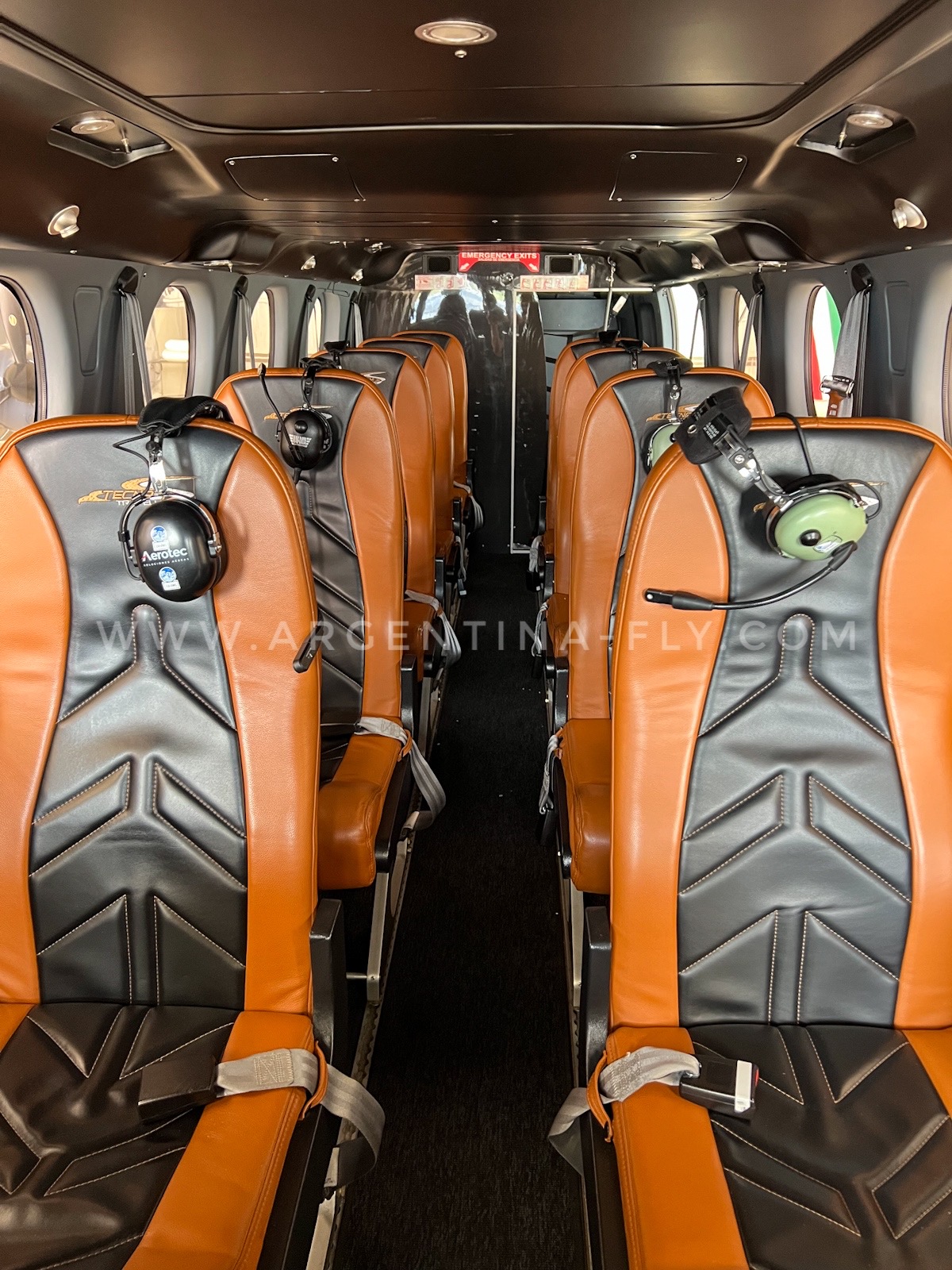
Tecnam Traveller
High-capacity twin-engine aircraft, ideal for group transfers with up to 9 passengers.
 Capacity
9 passengers
 Lavatory
Not available
 Cabin
Non-pressurized
 Luggage
Moderate
 Wi-Fi
Not available

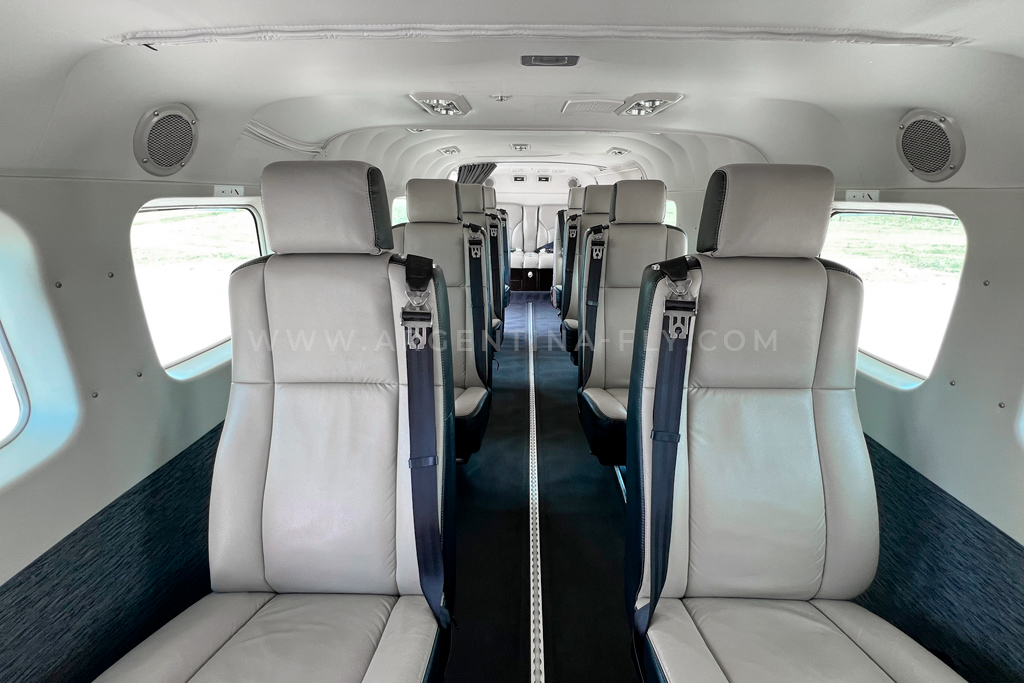
Cessna Grand Caravan
Versatile turboprop with generous payload capacity and a comfortable cabin, ideal for groups and flights to destinations with short runways.
Capacity
9 passengers
Lavatory
Not available
Cabin
Non-pressurized
Luggage
Moderate
Wi-Fi
Portable Starlink
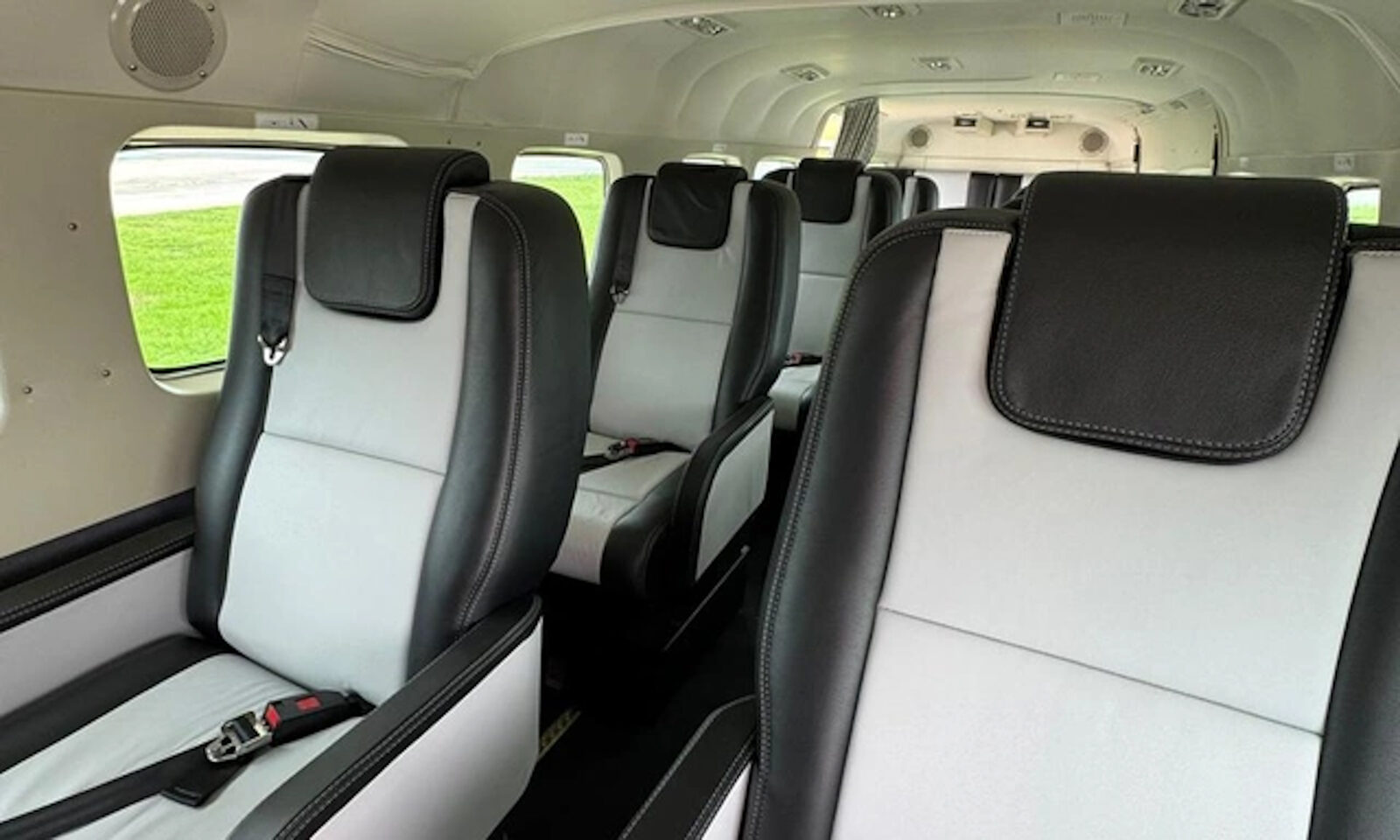
Cessna Grand Caravan Ex
Versatile turboprop with generous payload capacity and a comfortable cabin, ideal for groups and flights to destinations with short runways.
Capacity
9 passengers
Lavatory
Not available
Cabin
Not pressurized
Luggage
Standard
Wi-Fi
Portable Starlink
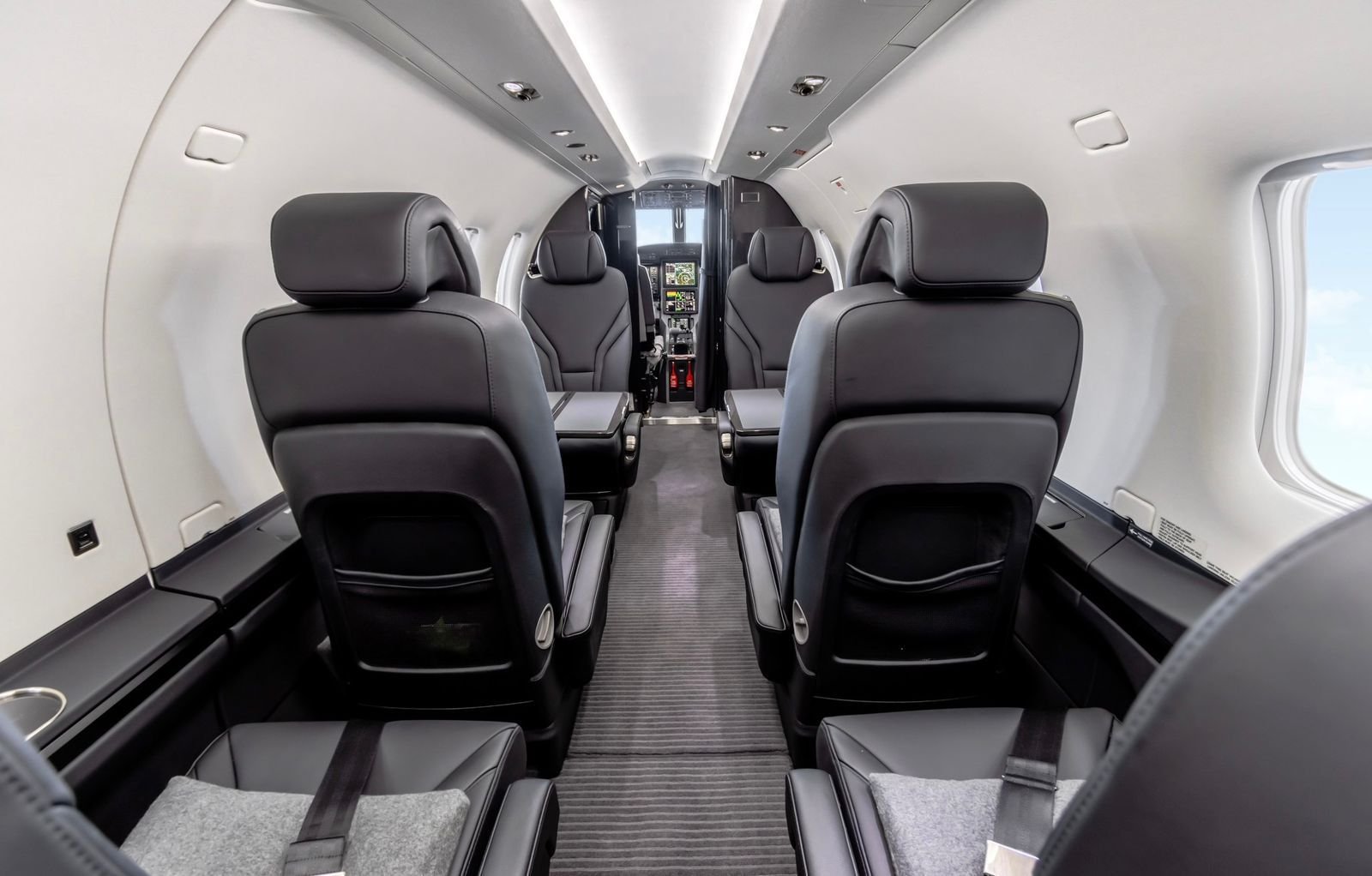
Pilatus PC-12
High-performance single-engine turboprop in executive configuration, with a spacious cabin and latest-generation technology.
Capacity
8 passengers
Lavatory
Not available
Cabin
Pressurized
Luggage
Standard
Wi-Fi
Portable Starlink
Pilatus PC12 Pro
High-performance single-engine turboprop in executive configuration, with a spacious cabin and latest-generation technology.
Capacity
8 passengers
Lavatory
Not available
Cabin
Pressurized
Luggage
Standard
Wi-Fi
Portable Starlink
Citation CJ1
Compact light jet with excellent fuel efficiency, perfect for short-range executive flights.
Capacity
5 passengers
Lavatory
Not available
Cabin
Pressurized
Luggage
Moderate
Wi-Fi
Not available
Citation V
Light jet with a comfortable cabin for up to 8 passengers and strong regional range.
Capacity
8 passengers
Lavatory
Not available
Cabin
Pressurized
Luggage
Moderate
Wi-Fi
Portable Starlink
Citation Bravo
Classic light jet with a pressurized cabin, reliable and versatile for regional trips and short runways.
Capacity
7 passengers
Lavatory
Not available
Cabin
Pressurized
Luggage
Standard
Wi-Fi
Not available
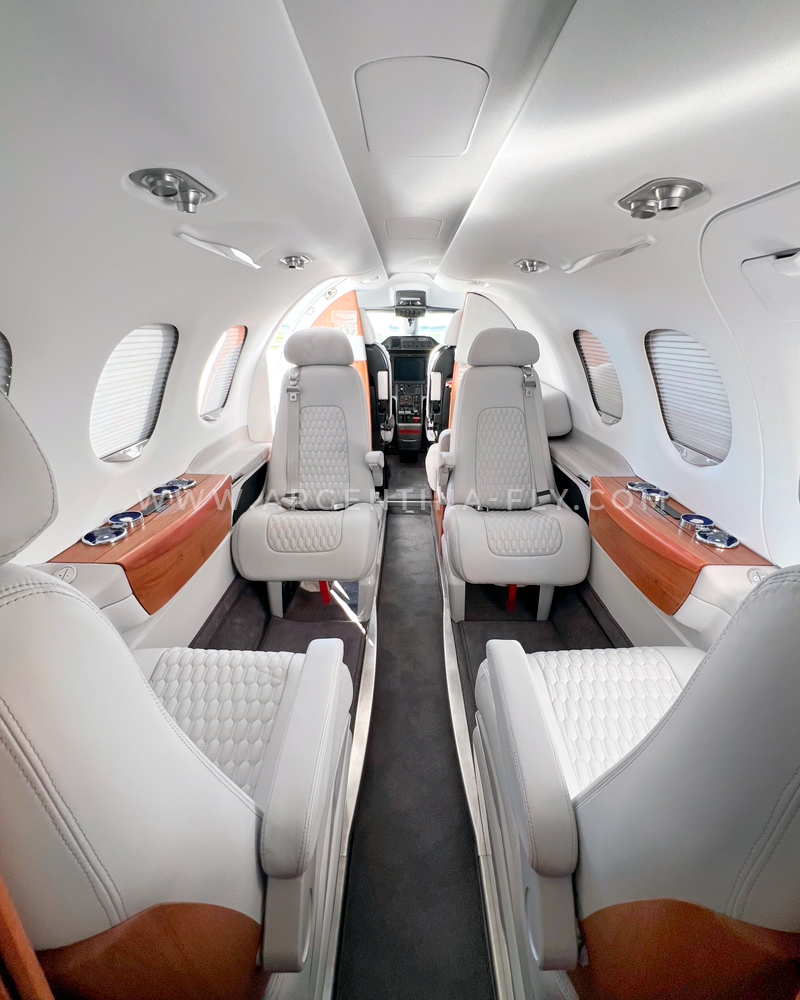
Phenom 100
Light jet ideal for short and medium sectors, with excellent cabin comfort and operating efficiency.
Capacity
5 passengers
Lavatory
Yes
Cabin
Pressurized
Luggage
Moderate
Wi-Fi
Portable Starlink
 Safety certifications
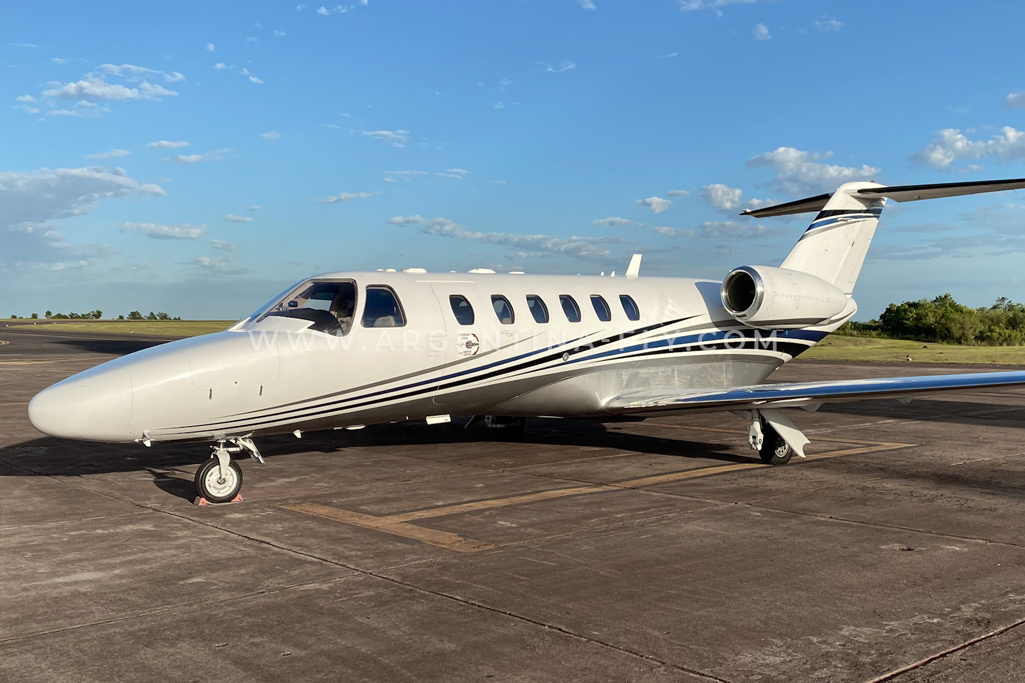
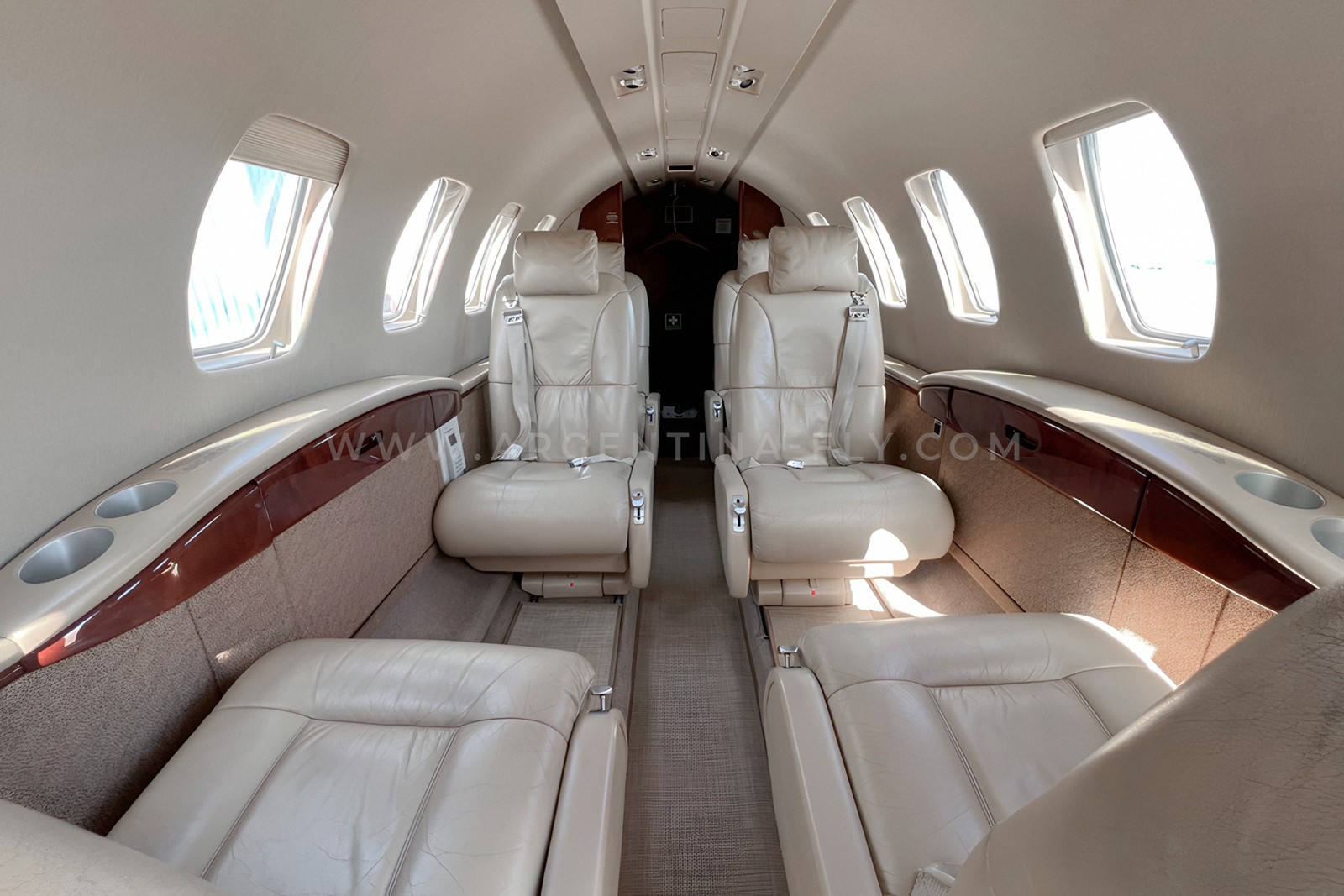
Citation CJ2
Light jet with greater range than the CJ1, offering an excellent balance between cost and executive performance.
Capacity
6 passengers
Lavatory
Not available
Cabin
Pressurized
Luggage
Moderate
Wi-Fi
Not available
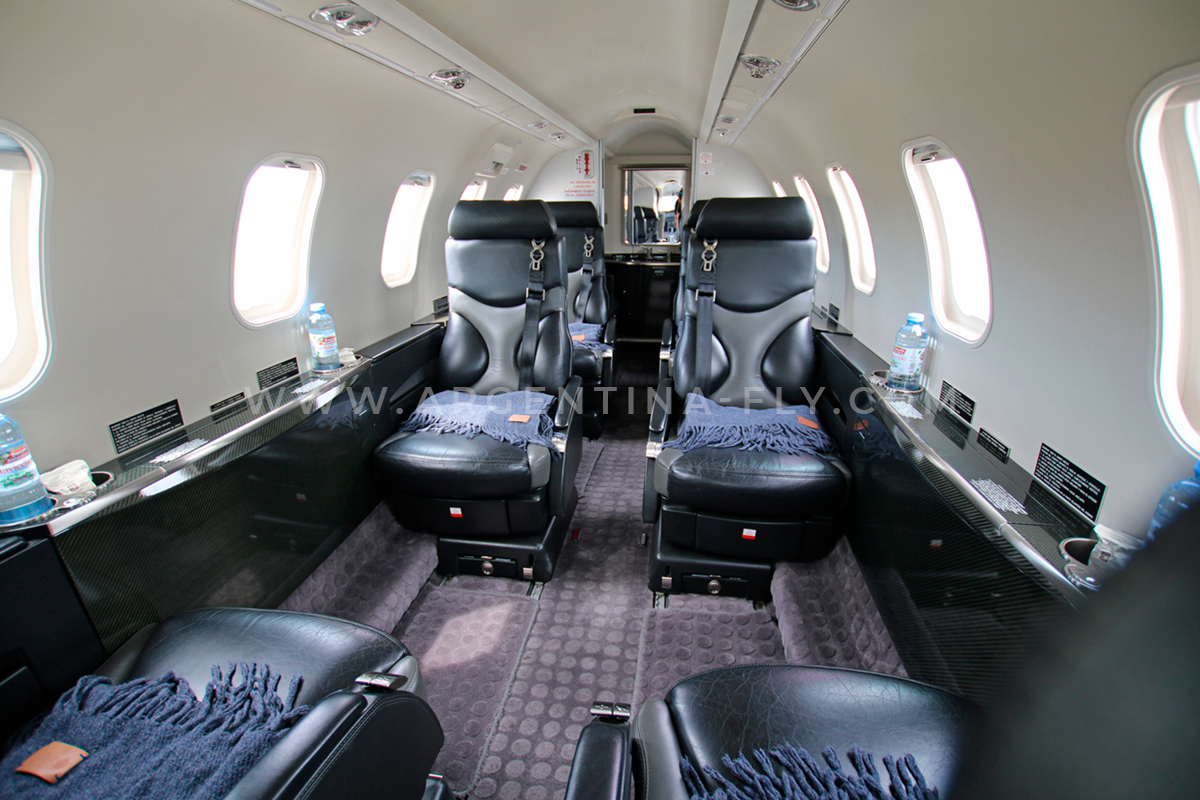
Learjet 40 XR
Light jet with a strong balance of speed and range, featuring a comfortable and modern executive cabin.
Capacity
6 passengers
Lavatory
Yes
Cabin
Pressurized
Luggage
Moderate
Wi-Fi
Not available
Safety certifications
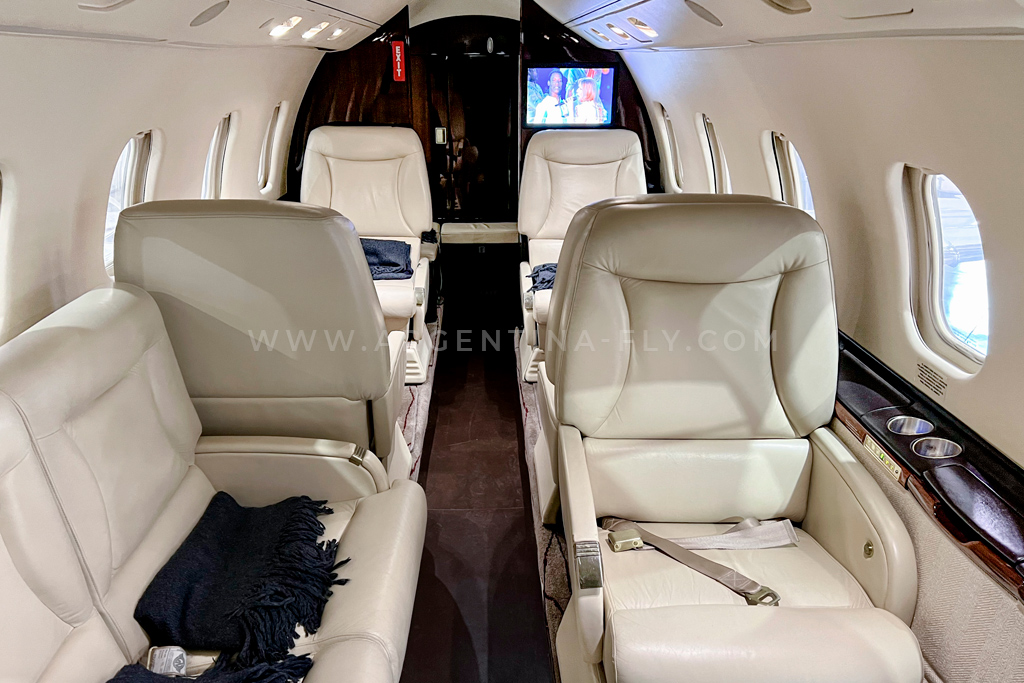
Learjet 60
Midsize jet with a spacious cabin and excellent cruise speed, one of the most requested options for executive flights.
Capacity
7 passengers
Lavatory
Yes
Cabin
Pressurized
Luggage
Moderate
Wi-Fi
Portable Starlink
Safety certifications
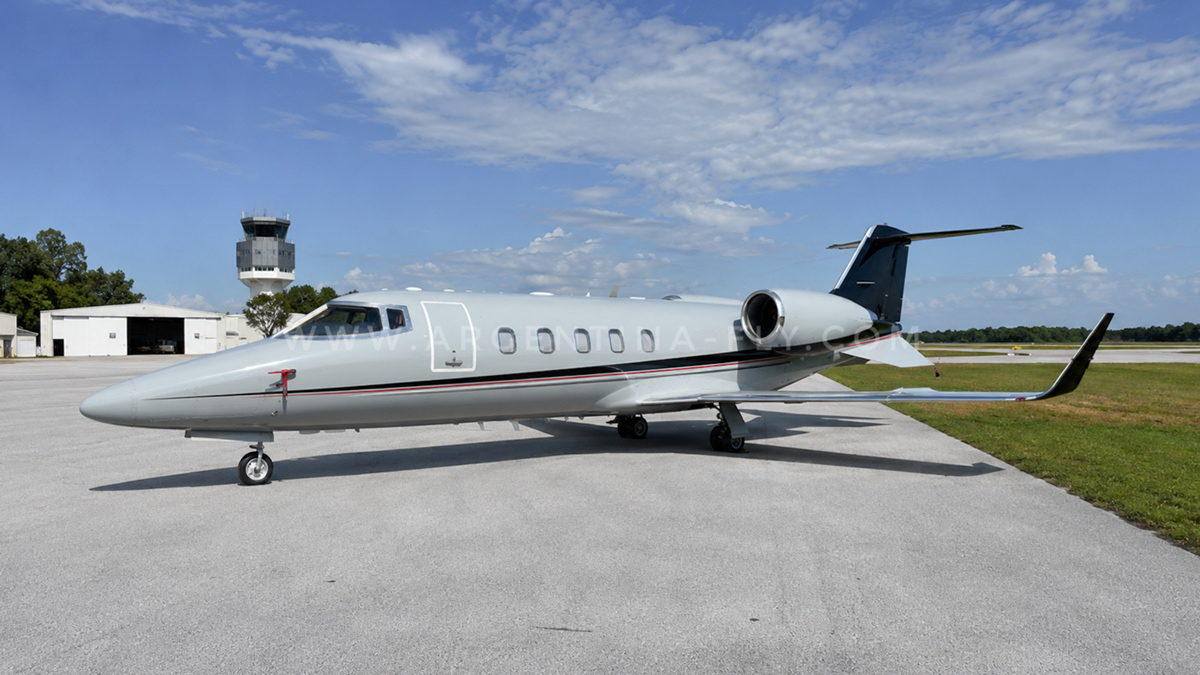
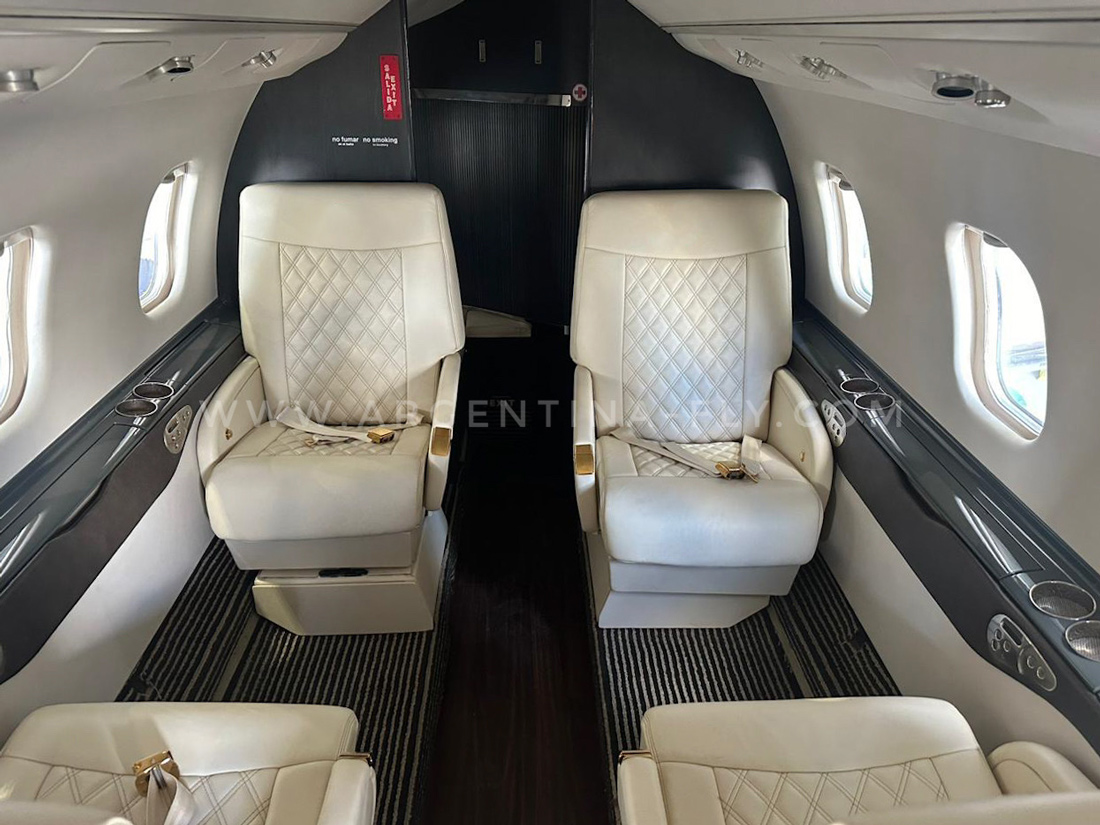
Learjet 60
Midsize jet with a spacious cabin and excellent cruise speed, one of the most requested options for executive flights.
Capacity
7 passengers
Lavatory
Yes
Cabin
Pressurized
Luggage
Standard
Wi-Fi
Not available
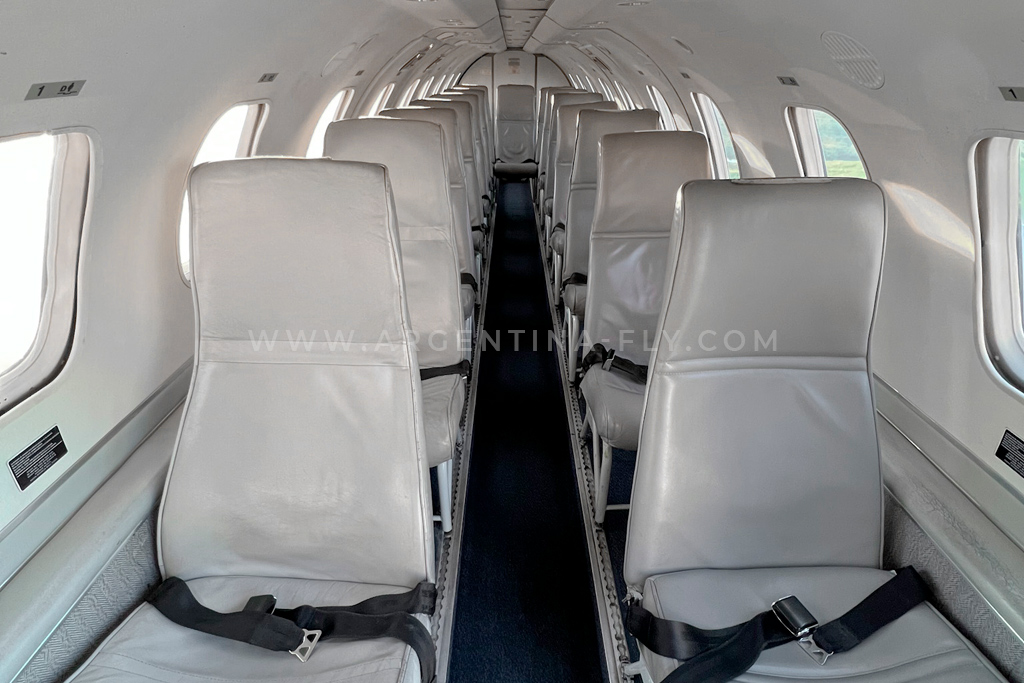
Metro 23
Pressurized regional aircraft with greater capacity, ideal for larger groups and destinations with paved runways.
Capacity
19 passengers
Lavatory
Not available
Cabin
Pressurized
Luggage
Moderate
Wi-Fi
Not available
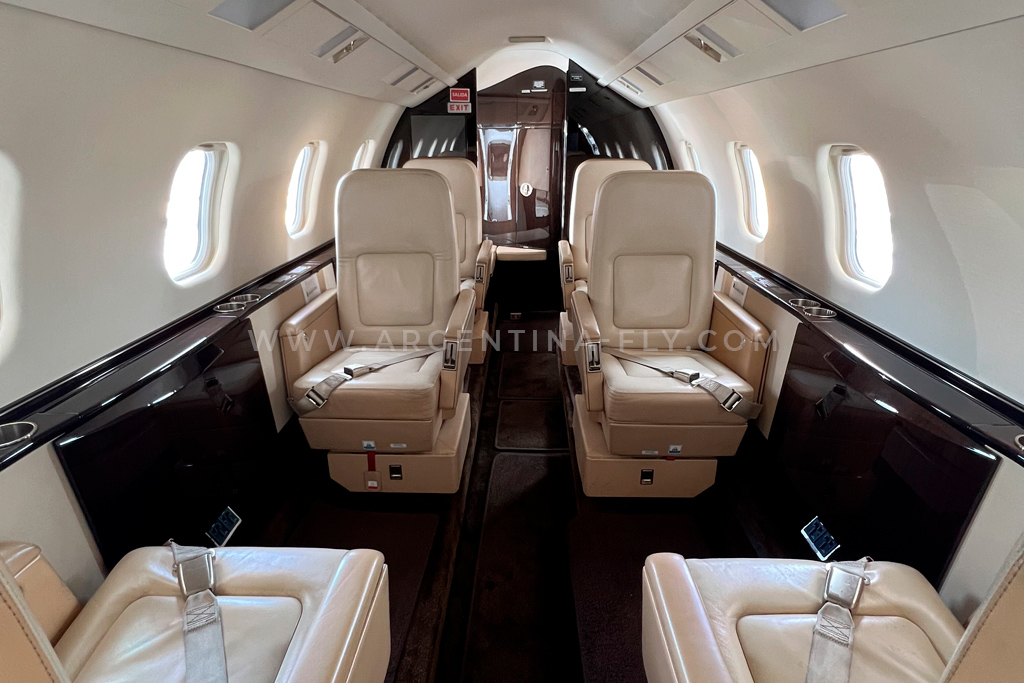
Learjet 60 XR
Enhanced version offering greater range and efficiency while maintaining the speed and comfort of the Learjet 60.
Capacity
6 passengers
Lavatory
Yes
Cabin
Pressurized
Luggage
Moderate
Wi-Fi
Not available
Safety certifications
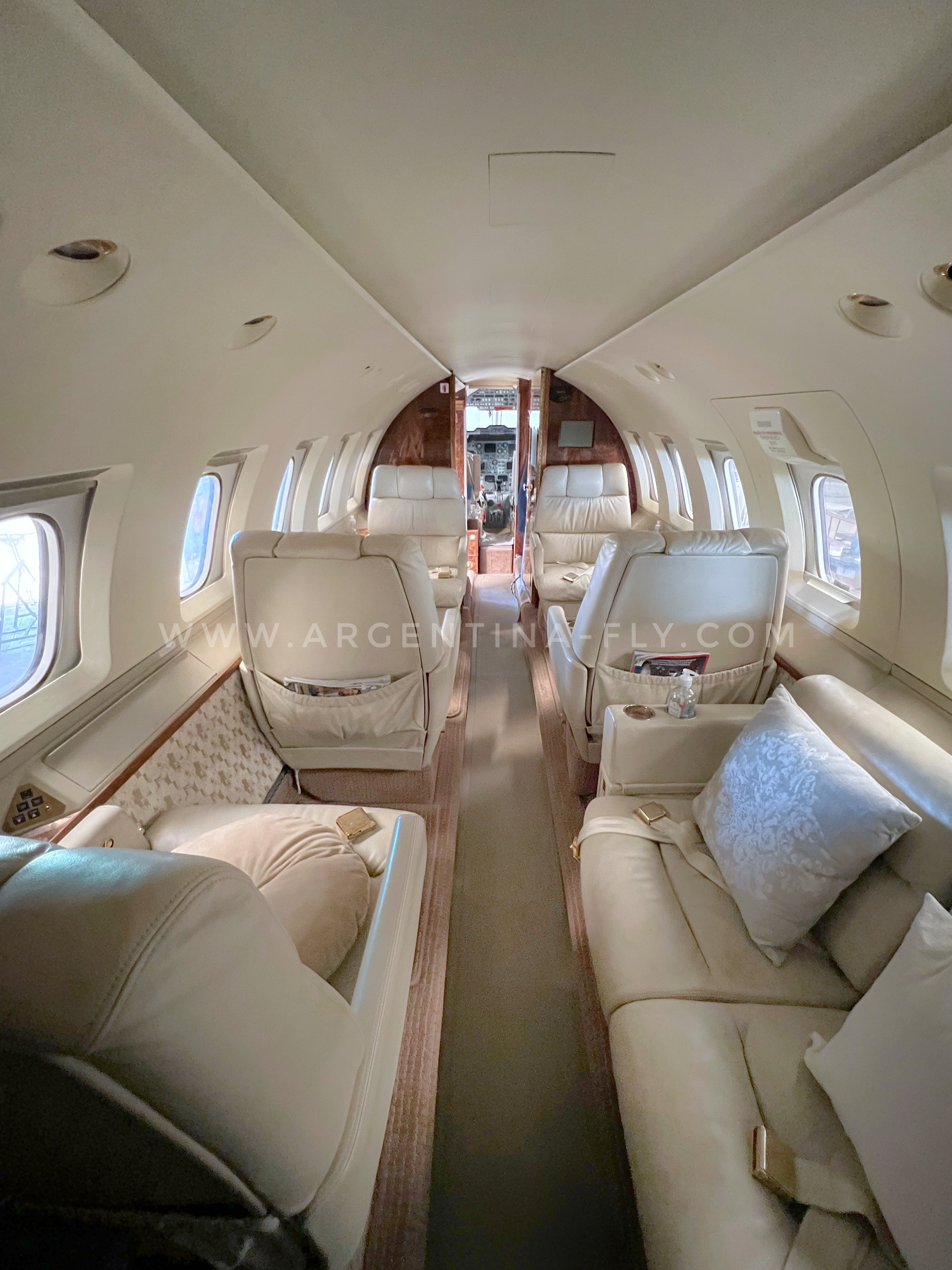
Hawker 800 XP
Midsize jet with a spacious cabin and excellent range, ideal for regional and medium-haul international flights.
Capacity
8 passengers
Lavatory
Yes
Cabin
Pressurized
Luggage
Moderate
Wi-Fi
Portable Starlink
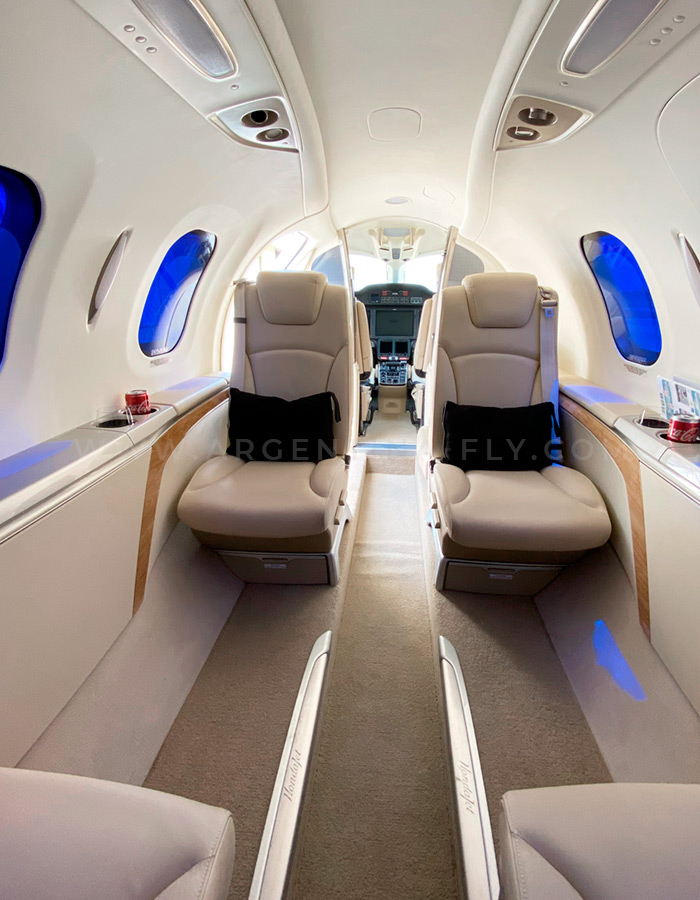
HondaJet
Next-generation light jet with over-the-wing engines, offering an excellent balance between efficiency and executive comfort.
Capacity
5 passengers
Lavatory
Yes
Cabin
Pressurized
Luggage
Moderate
Wi-Fi
Not available
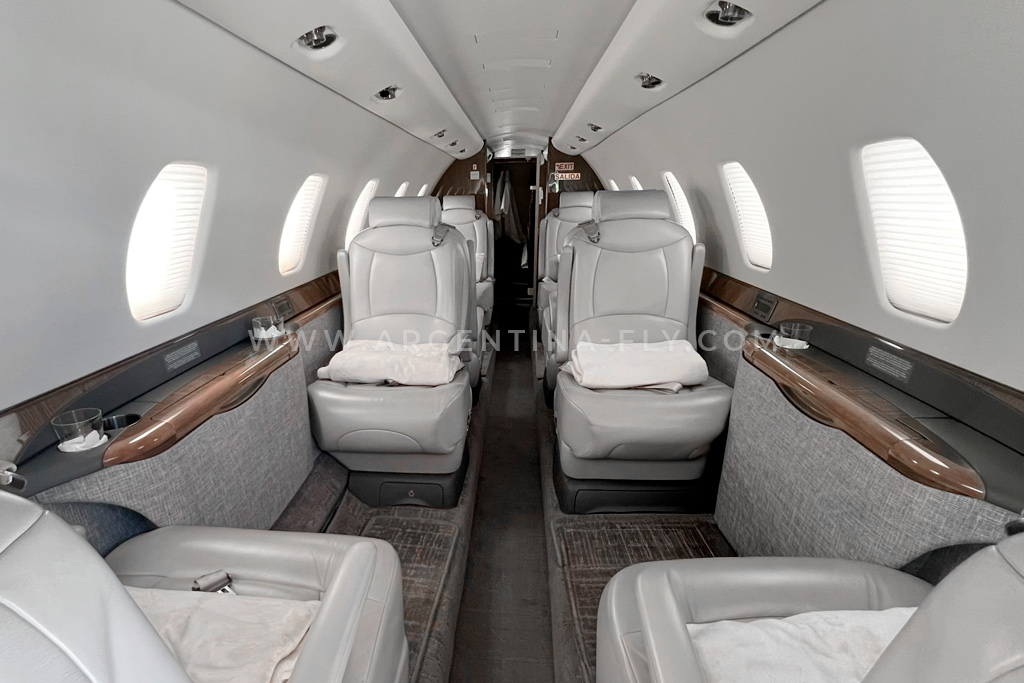
Citation Sovereign
Midsize jet with a spacious cabin, greater range and premium equipment for demanding passengers.
Capacity
8 passengers
Lavatory
Yes
Cabin
Pressurized
Luggage
Generous
Wi-Fi
Portable Starlink (extra cost)
Safety certifications
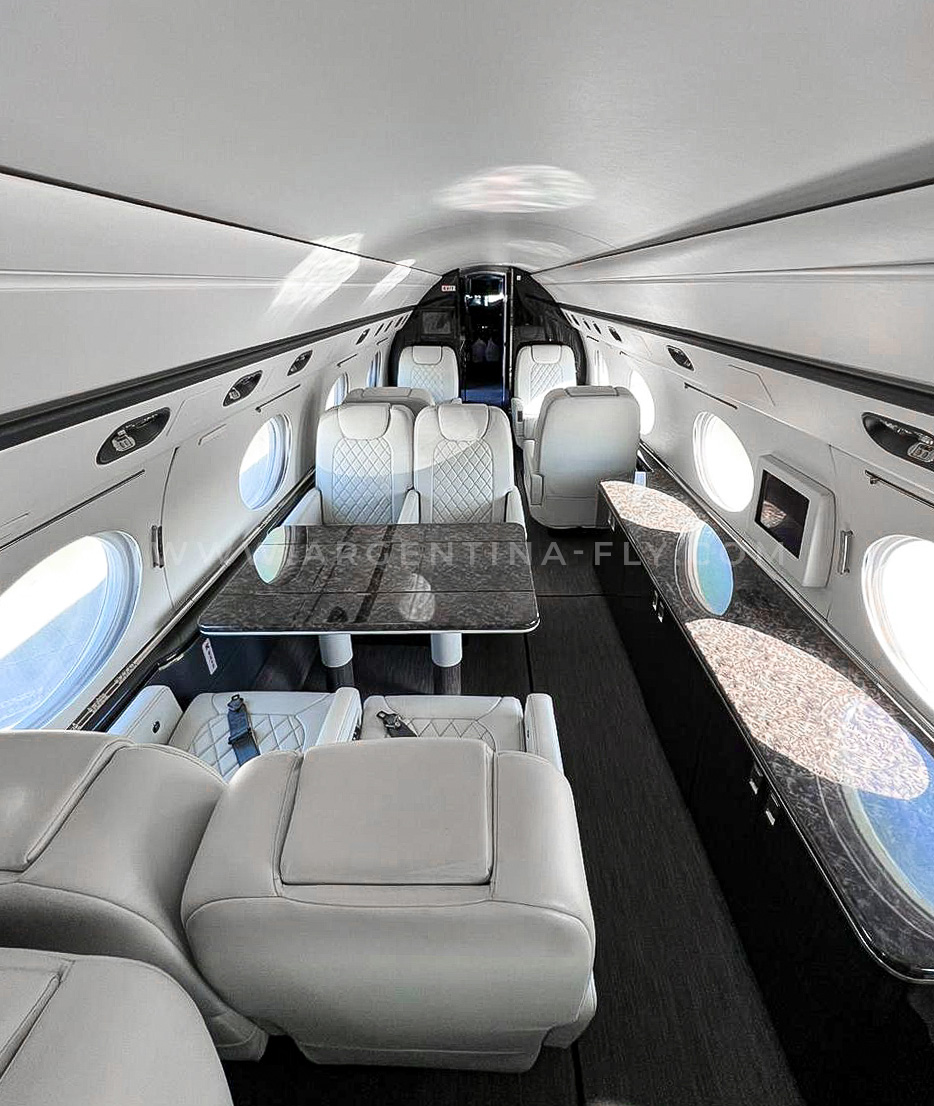
Gulfstream V
Long-range, large-cabin jet with VIP equipment for executive groups demanding the highest level of comfort.
Capacity
14 passengers
Lavatory
Yes
Cabin
Pressurized
Luggage
Spacious
Wi-Fi
Portable Starlink
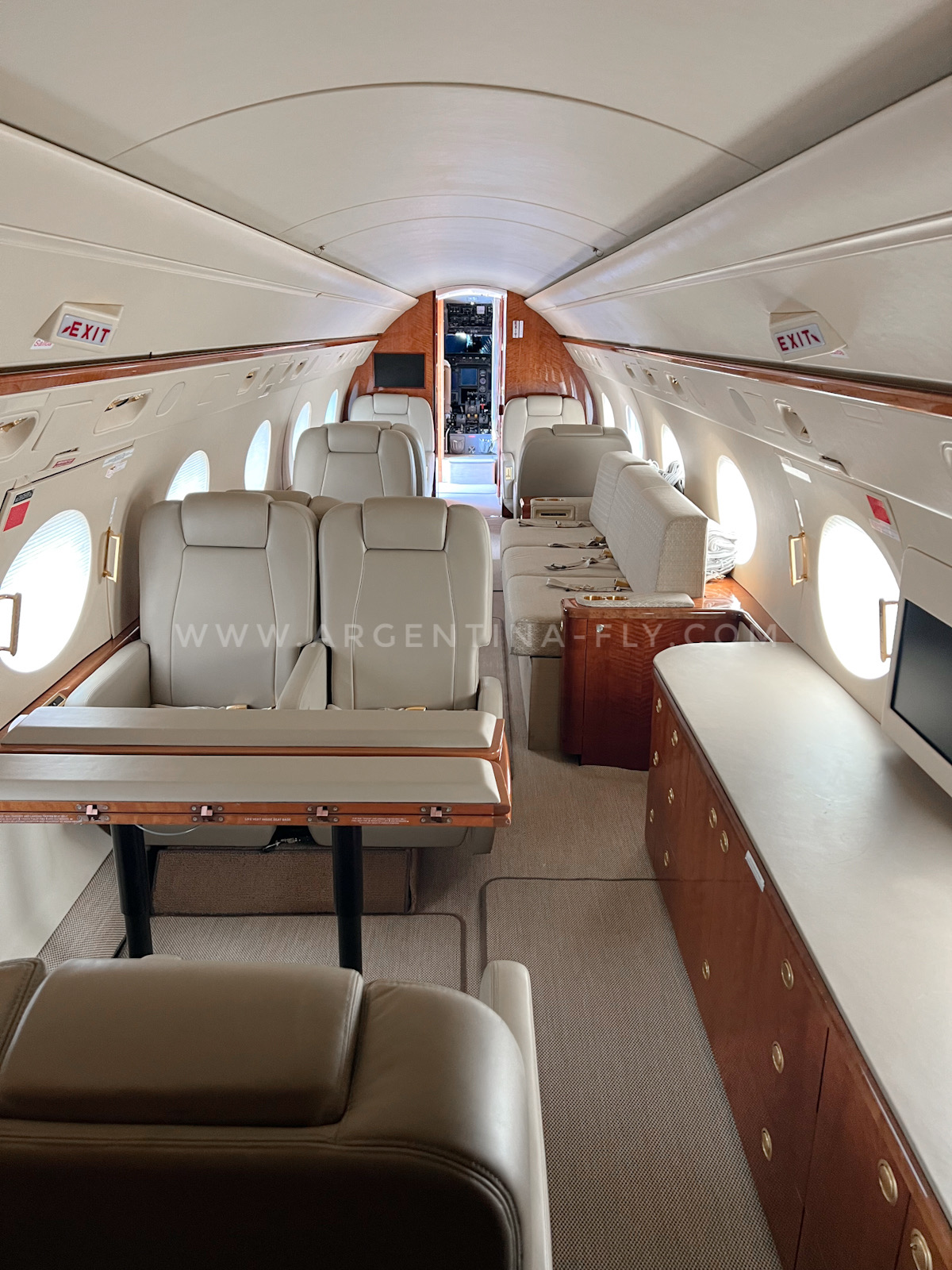
Gulfstream 400
Large jet with an exceptionally spacious cabin and long range, ideal for executive groups requiring maximum comfort.
Capacity
14 passengers
Lavatory
Yes
Cabin
Pressurized
Luggage
Generous
Wi-Fi
Built-in Starlink
Safety certifications
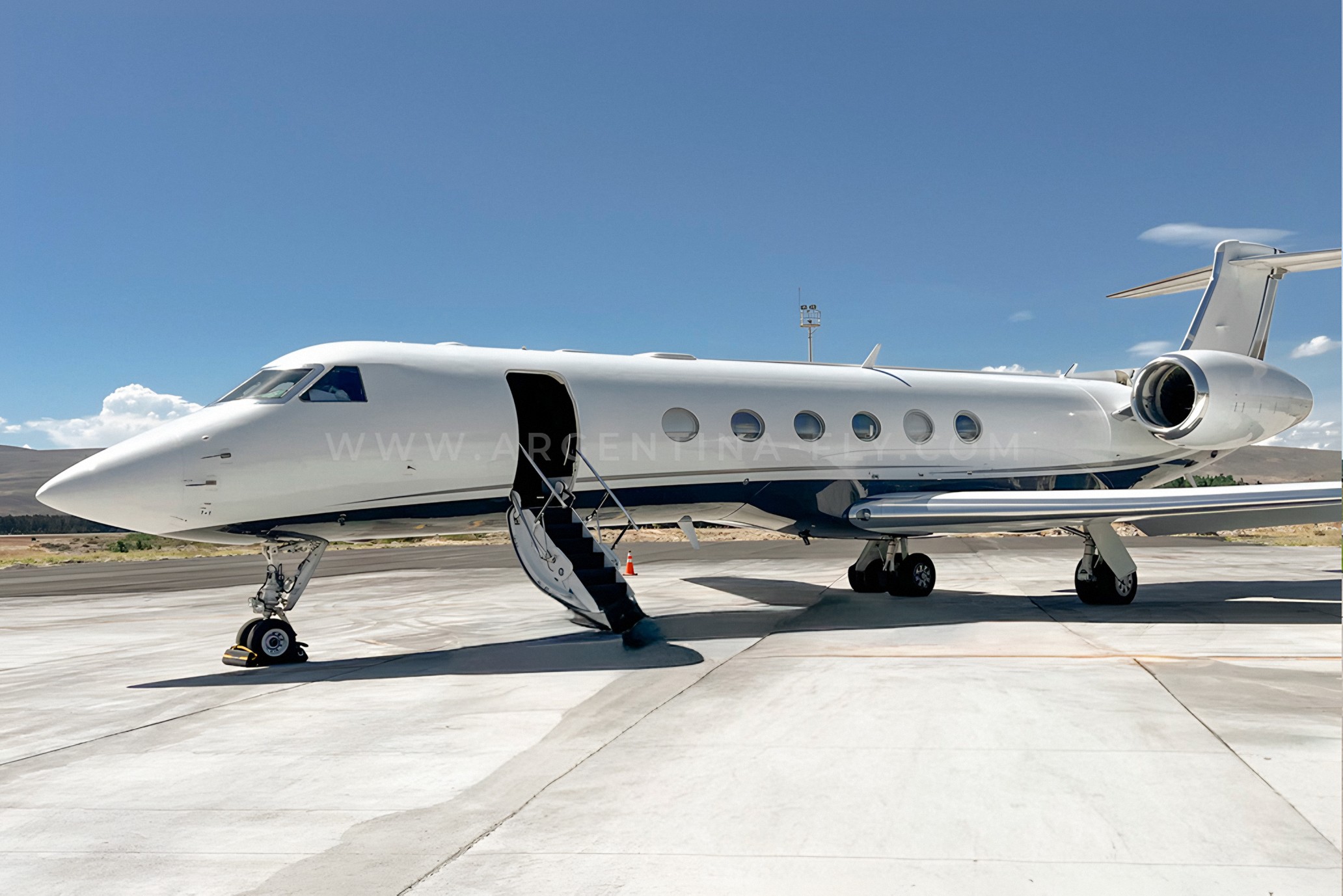
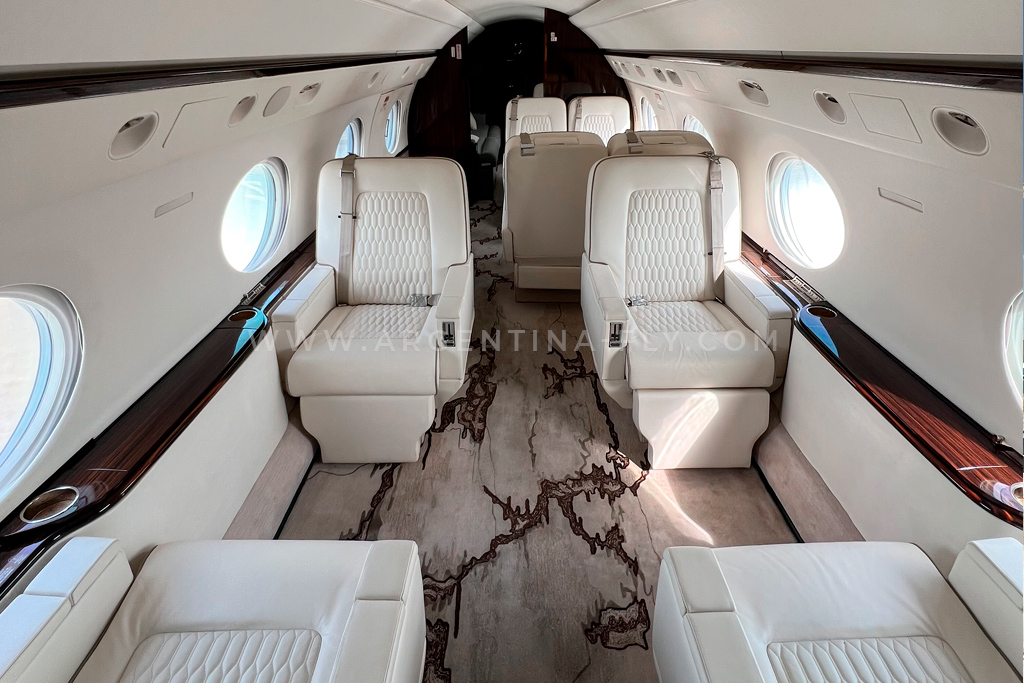
Gulfstream V
Long-range, large-cabin jet with VIP equipment for executive groups demanding the highest level of comfort.
Capacity
14 passengers
Lavatory
Yes
Cabin
Pressurized
Luggage
Generous
Wi-Fi
Built-in Starlink
Safety certifications
Other routes from Buenos Aires
Destinations near Tucumán, with the lowest reference fare and the shortest flight time.
Tucumán
San Miguel de Tucumán is the city where Argentina declared its independence, on July 9, 1816, and the gateway to the Yungas cloud forest, the Tafí valley and Tucumán's share of the Calchaquí Valleys, with Amaicha and the Ciudad Sagrada de Quilmes. By road it is 1,203 km from Buenos Aires; a private jet reaches Teniente Benjamín Matienzo Airport, 9 km from downtown, in 1 h 25 to 1 h 45.
The city of Independence
The Casa Histórica, Plaza Independencia and the museums of the historic center.
In the house lent by Francisca Bazán de Laguna, the Congress declared independence on July 9, 1816. The government bought it in 1874; it was rebuilt in 1943 from a photograph and a plan of the period and has been a National Historic Monument since 1941. Today it is the Museo Casa Histórica de la Independencia, at Congreso de Tucumán 141: the Salón de la Jura, the hall where independence was sworn, holds the declaration, and the rooms cover the colonial era, the wars of independence and the 19th century. Entry is free; it is open Tuesday to Friday from 9 a.m. to 1 p.m. and 4 p.m. to 8 p.m., and on Saturdays, Sundays and holidays from 9 a.m. to 8 p.m., with guided tours at 10 a.m., 11:30 a.m. and 5:30 p.m. At night, the “Luces y Sonidos de la Independencia” sound and light show is projected onto its walls, with paid admission and advance booking.
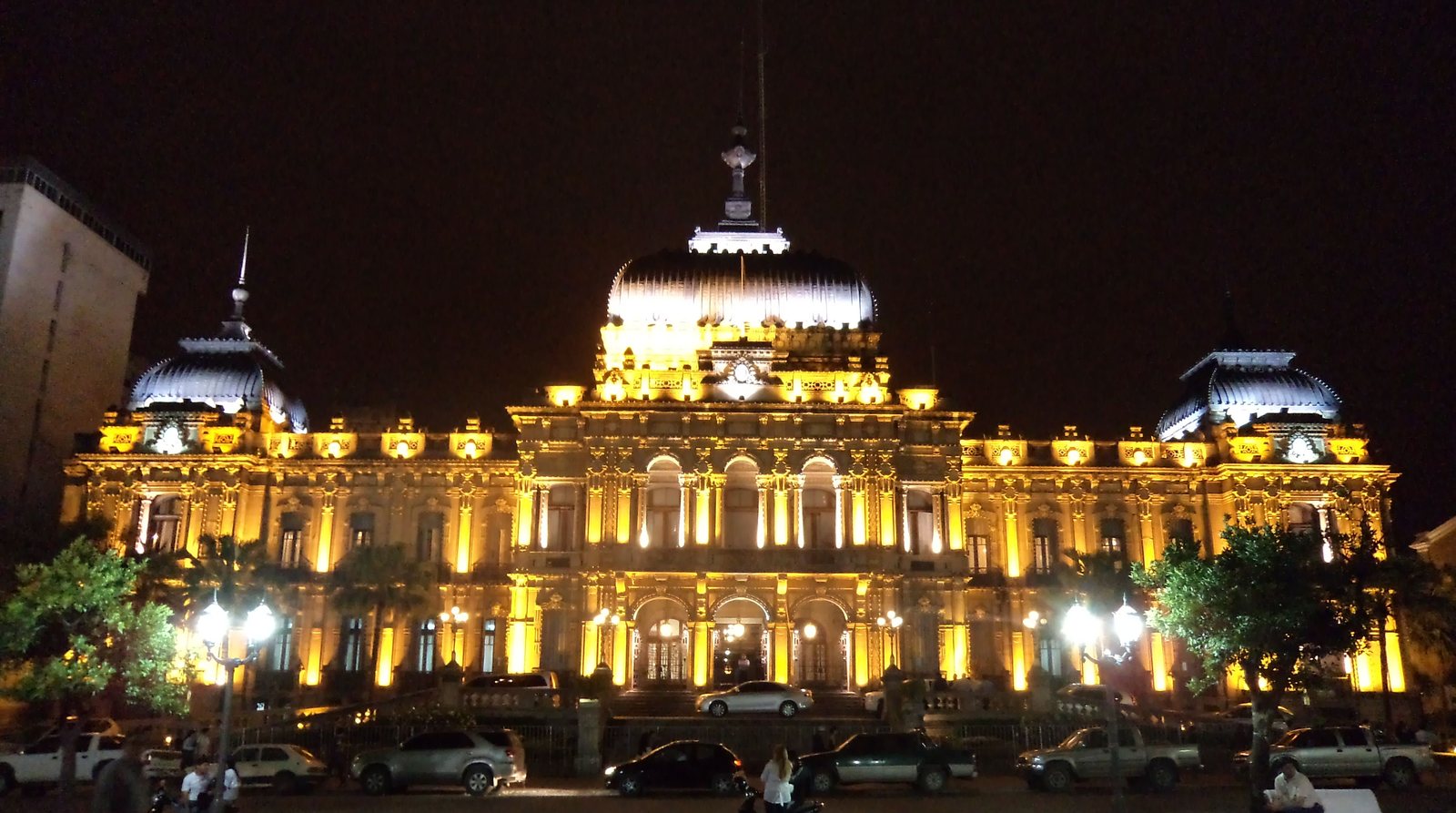
Around Plaza Independencia stand the Casa de Gobierno, the government house designed by Domingo Selva and a National Historic Monument, and the Cathedral, the city's mother church, which keeps the Founding Cross and an organ brought from Paris in 1800. A few blocks away, the Basilica of Nuestra Señora de la Merced holds the image that General Belgrano named general of the Army, and the Basilica of Santo Domingo, the Virgen del Rosario brought from Ibatín, the city's first settlement.
The Museo Histórico Provincial occupies the birthplace of Nicolás Avellaneda, president from 1874 to 1880, and the Museo de Arte Sacro gathers painting, sculpture and silverwork from Tucumán's churches. In Parque 9 de Julio, with Lago San Miguel and the Rosedal rose garden, the 1800 mansion of Bishop José Colombres, a pioneer of sugarcane, is now the Museo de la Industria Azucarera, the sugar industry museum, with an old wooden cane mill. The province is the country's largest producer of sugar and lemons.
What to see
- Basílica de Nuestra Señora de la MercedThe image of the Virgin that Belgrano named general of the Army.
- Casa de GobiernoFacing Plaza Independencia; designed by Domingo Selva, a National Historic Monument.
- CathedralThe mother church facing the square, with the Founding Cross and an organ brought from Paris in 1800.
- Museo Casa Histórica de la IndependenciaCongreso de Tucumán 141; free entry, Tuesday to Sunday, with the Salón de la Jura.
- Museo de la Industria AzucareraIn Bishop Colombres's house, inside Parque 9 de Julio; free entry.
- Museo Histórico ProvincialThe birthplace of Nicolás Avellaneda, in the historic center; free entry.
- Parque 9 de JulioLago San Miguel, the Rosedal and the Reloj Floral, a flower clock, a few blocks from downtown.
Where to stay
- Hilton Garden Inn TucumánIn the Central Tucumano complex, 2 km from downtown and 14 km from the airport, with an outdoor pool.
- Sheraton Tucumán124 rooms overlooking the park and the city, a spa, pool and convention center.
The Yungas and the Sierra de San Javier
The Cristo Bendicente, Loma Bola and forest trails, minutes from the city.
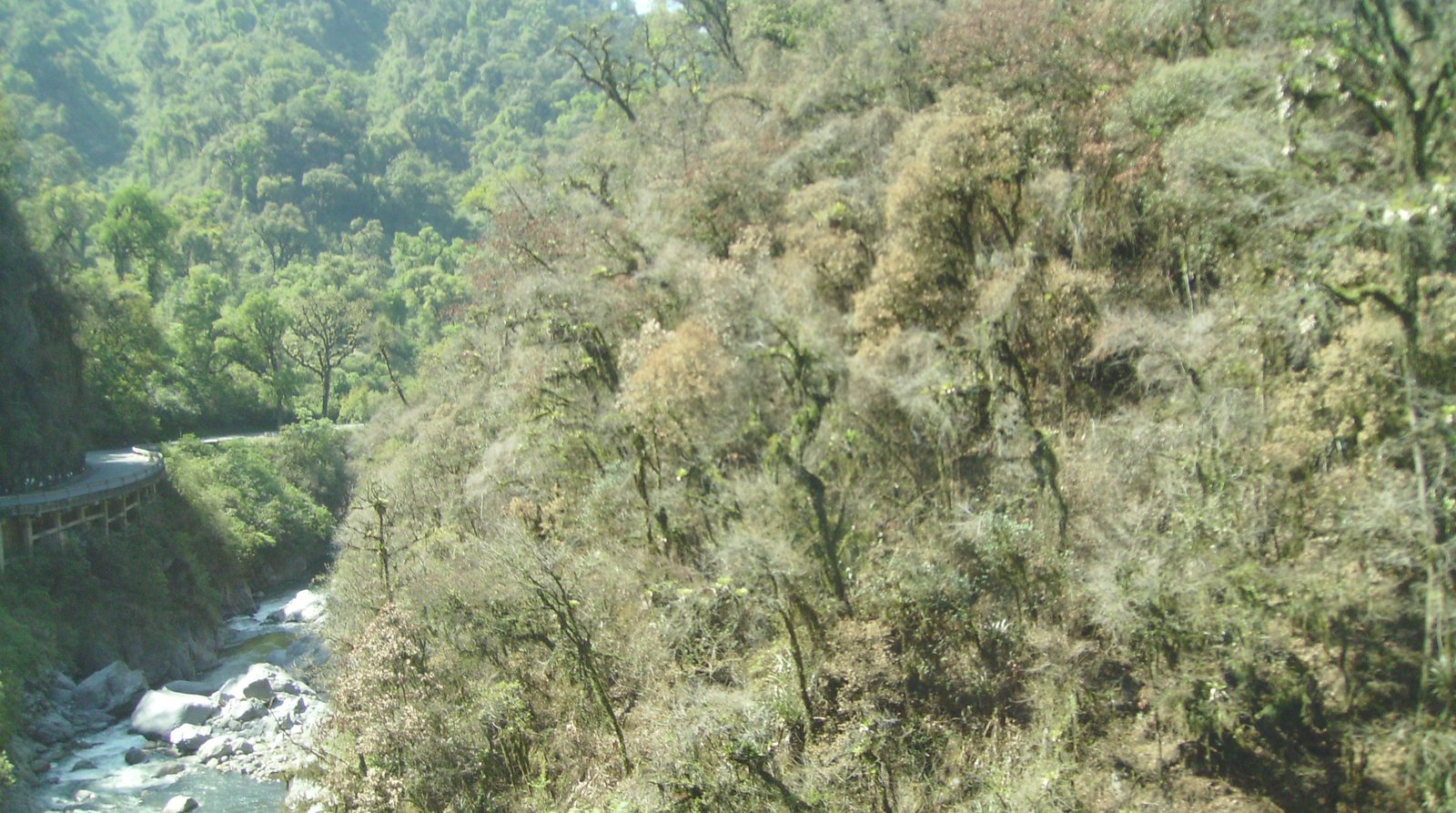
West of the city, Provincial Route 340 climbs the Sierra de San Javier through the Yungas cloud forest. At the summit, the Cristo Bendicente, the blessing Christ by Tucumán sculptor Juan Carlos Iramain, stands 28 m tall and weighs some 135 tons; it was unveiled in 1942. The summit complex has lookouts over San Miguel de Tucumán and Yerba Buena, places to eat and, at night, the “Cristo Resplandeciente” light show, with times that change through the year.
The National University of Tucumán owns the more than 14,000 hectares of the Parque Sierra de San Javier, 74% of the range. Inside are the Botanical Garden and the Reserva Experimental Horco Molle, where native species are rescued and rehabilitated: visits are led by a wildlife ranger, daily from 9 a.m. to 7 p.m. The Funicular, Puerta del Cielo and Cuesta Vieja trails cross the forest; they close in rain or mud.
Loma Bola, on the same range, is a paragliding launch site; it is best to fly with an adventure tourism provider licensed by the province. Higher up, Villa Nougués has the Chapel of the Sacred Heart of Jesus, its Stations of the Cross and an inn. To the north, the Celestino Gelsi dam, at El Cadillal, offers kayak and boat trips, a chairlift and an archaeological museum; in Raco, the Benedictine monks of the Monasterio Cristo Rey make fruit preserves.
What to see
- Cristo Bendicente28 m tall on the summit of Cerro San Javier; lookouts and a light show at night.
- El CadillalThe Celestino Gelsi dam: kayaking, boat trips, a chairlift and an archaeological museum.
- Loma BolaA paragliding launch site in the Sierra de San Javier.
- Monasterio Cristo ReyIn Raco; fruit preserves made by the Benedictine monks.
- Parque Sierra de San JavierMore than 14,000 hectares owned by the UNT; the Funicular, Puerta del Cielo and Cuesta Vieja trails.
- Reserva Experimental Horco MolleNative wildlife in rehabilitation; daily from 9 a.m. to 7 p.m., with a wildlife ranger.
- Villa NouguésThe Chapel of the Sacred Heart of Jesus, its Stations of the Cross and an inn.
Tafí del Valle
The Quebrada de los Sosa, the menhirs of El Mollar and the Jesuit estancia of La Banda.
Tafí del Valle sits at 2,014 m, some 110 km from the capital on National Route 38 and Provincial Route 307. Between km 20 and 38 of Route 307, the Reserva Provincial Los Sosa protects the river gorge, with more than 60 mammal species and more than 100 bird species; the Mirador del Indio is the usual stop. Above, the valley opens into hills and pastures around the La Angostura reservoir, used for kayaking, kitesurfing and fishing for pejerrey, the Argentinian silverside, and trout.
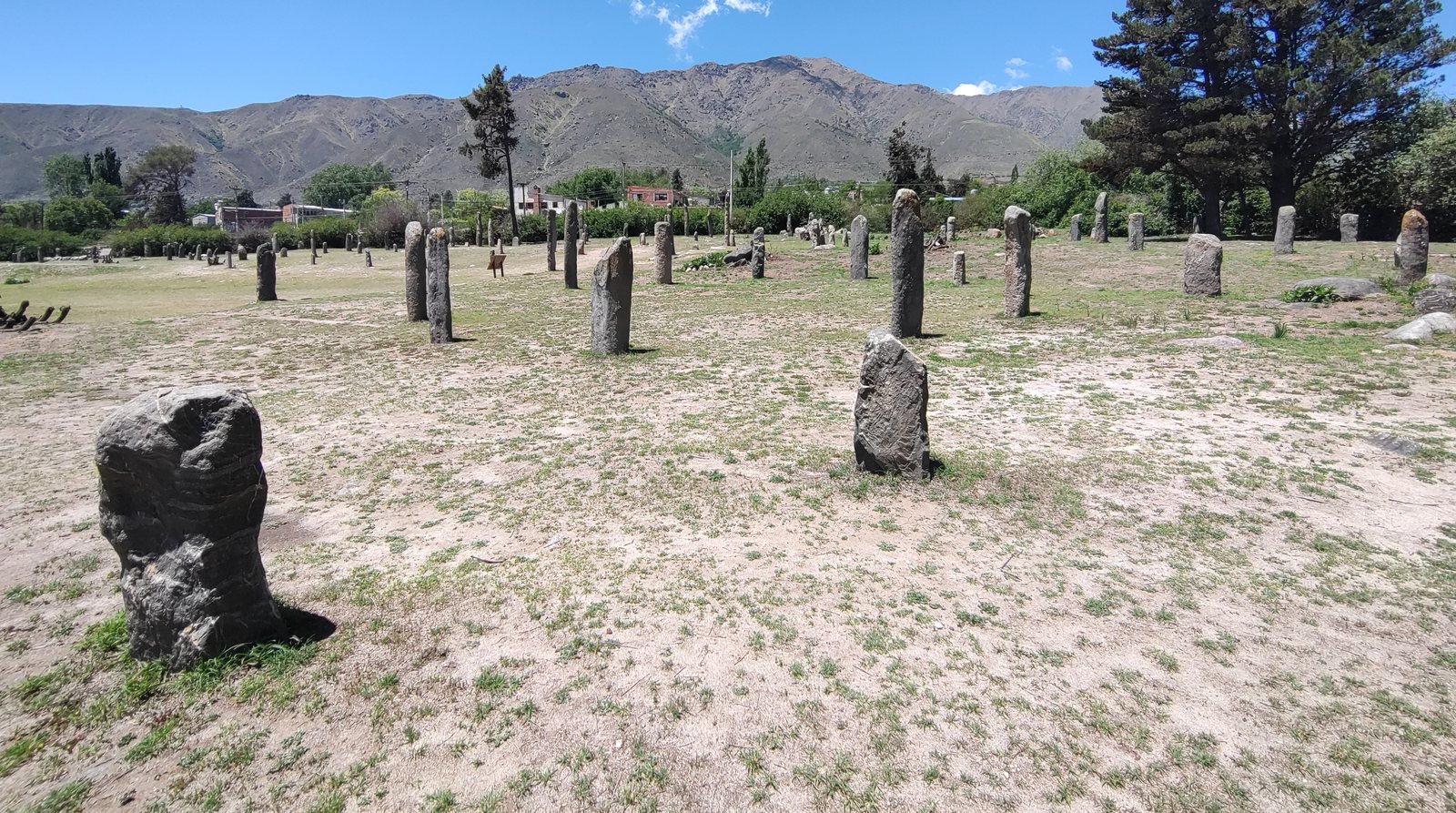
Facing the square in El Mollar, beside the reservoir, the Reserva Arqueológica Los Menhires gathers some 50 standing stones, some up to 3 m tall, carved with human and animal faces more than 2,000 years ago by the valley's first peoples.
In Tafí, the Museo Jesuítico de La Banda occupies the estancia the Jesuits built in 1718: a chapel, a sacristy, rooms of a 19th-century house and the old cheese dairy, with a tour of lights, sounds and aromas. It is open Tuesday to Sunday from 8 a.m. to 6 p.m. Tafí del Valle cheese, made above 1,800 m since the Jesuits brought the technique, was the country's first dairy product with a Geographical Indication; every February the Fiesta Nacional del Queso, the national cheese festival, celebrates it. The town also has the Ruta del Artesano, an artisans' trail, horseback rides through the hills and the Vuelta al Valle walk, among pre-Hispanic sites.
What to see
- Dique La AngosturaKayaking, kitesurfing and fishing for pejerrey and trout, between El Mollar and Tafí.
- Museo Jesuítico de La BandaA 1718 Jesuit estancia with a chapel and cheese dairy; Tuesday to Sunday from 8 a.m. to 6 p.m.
- Reserva Arqueológica Los MenhiresSome 50 standing stones over 2,000 years old, facing the square in El Mollar.
- Reserva Provincial Los SosaBetween km 20 and 38 of Route 307, with the Mirador del Indio.
- Ruta del ArtesanoArtisans' workshops in Tafí del Valle and El Mollar.
Where to stay
- Estancia Las CarrerasA 1779 estancia in the Tafí valley, with guest rooms.
- Hostería LunahuanaThree-star inn in the center of Tafí del Valle, with a restaurant serving regional food and local wines.
Amaicha and the Ciudad Sagrada de Quilmes
From El Infiernillo to the Calchaquí Valleys, with the culture of the valley's communities.
From Tafí, Route 307 crosses the peaks at the Abra del Infiernillo pass, with a lookout on the road, and descends into the Calchaquí Valleys. Amaicha del Valle, at 2,000 m and just over 160 km from the capital, is the land of the Indigenous community of Amaicha. The Museo de la Pachamama, at km 118 of Route 307, shows pottery, textiles, minerals and sculptures from the valley's cultures; its courtyard, built like a stone fortress, gathers figures of the Pachamama, Inti the sun and the table of the twelve chiefs.
In February, with carnival, Amaicha holds the Fiesta Nacional de la Pachamama, the national festival of Mother Earth, in which the Council of Elders chooses the Pachamama from among the community's older women. August brings the Día de la Pachamama. Around the village are the Los Zazos reservoir, the El Remate waterfall and, in Ampimpa, an astronomical observatory.
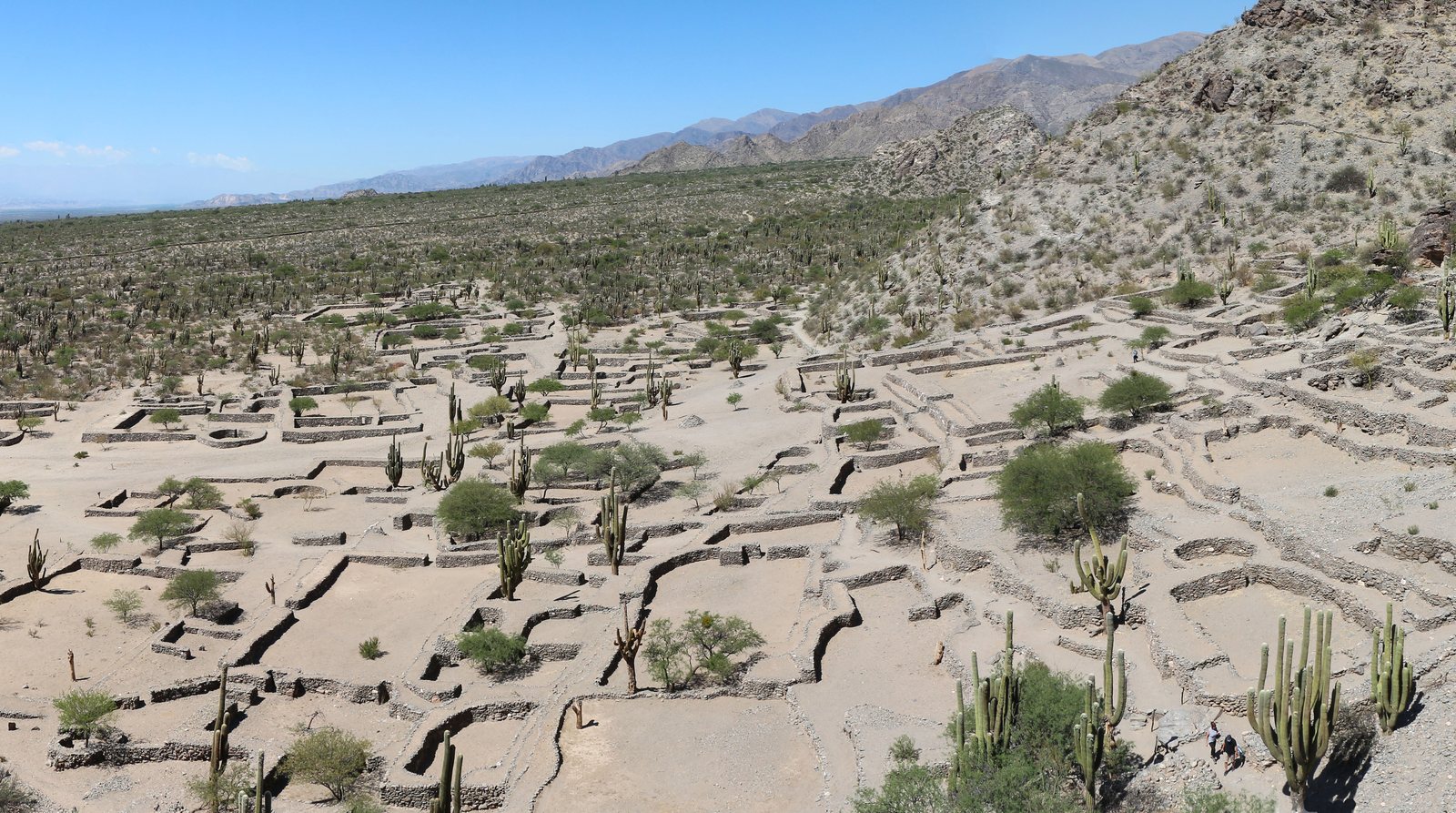
The Ciudad Sagrada de Quilmes, at 1,850 m and 180 km from the capital on National Route 40, was the city of a people of 2,500 to 4,000, with double walls of mortarless stone at the foot of the hill. It faced the Inca invasion around 1480 and resisted the Spanish until 1667, when the Quilmes were banished and one group ended up in what is now the Buenos Aires district of Quilmes. It was restored in the 1970s and is now run by the Comunidad India Quilmes together with the province: it is open daily from 8:30 a.m. to 6 p.m., the guided tour takes about two hours, and at the entrance the Interpretation Center has four rooms and an audiovisual show.
What to see
- Abra del InfiernilloA lookout on Route 307, between Tafí del Valle and Amaicha.
- Centro de Interpretación de QuilmesAt the entrance to the Ciudad Sagrada: four rooms and an audiovisual show.
- Ciudad Sagrada de Quilmes180 km from the capital, on Route 40; daily from 8:30 a.m. to 6 p.m., with a guide.
- Museo de la PachamamaAt km 118 of Route 307, in Amaicha del Valle; a stone courtyard with sculptures.
Where to stay
- Altos de AmaichaBoutique hotel in Amaicha del Valle, with a restaurant serving regional food.
High-altitude wine from the Tucumán valley
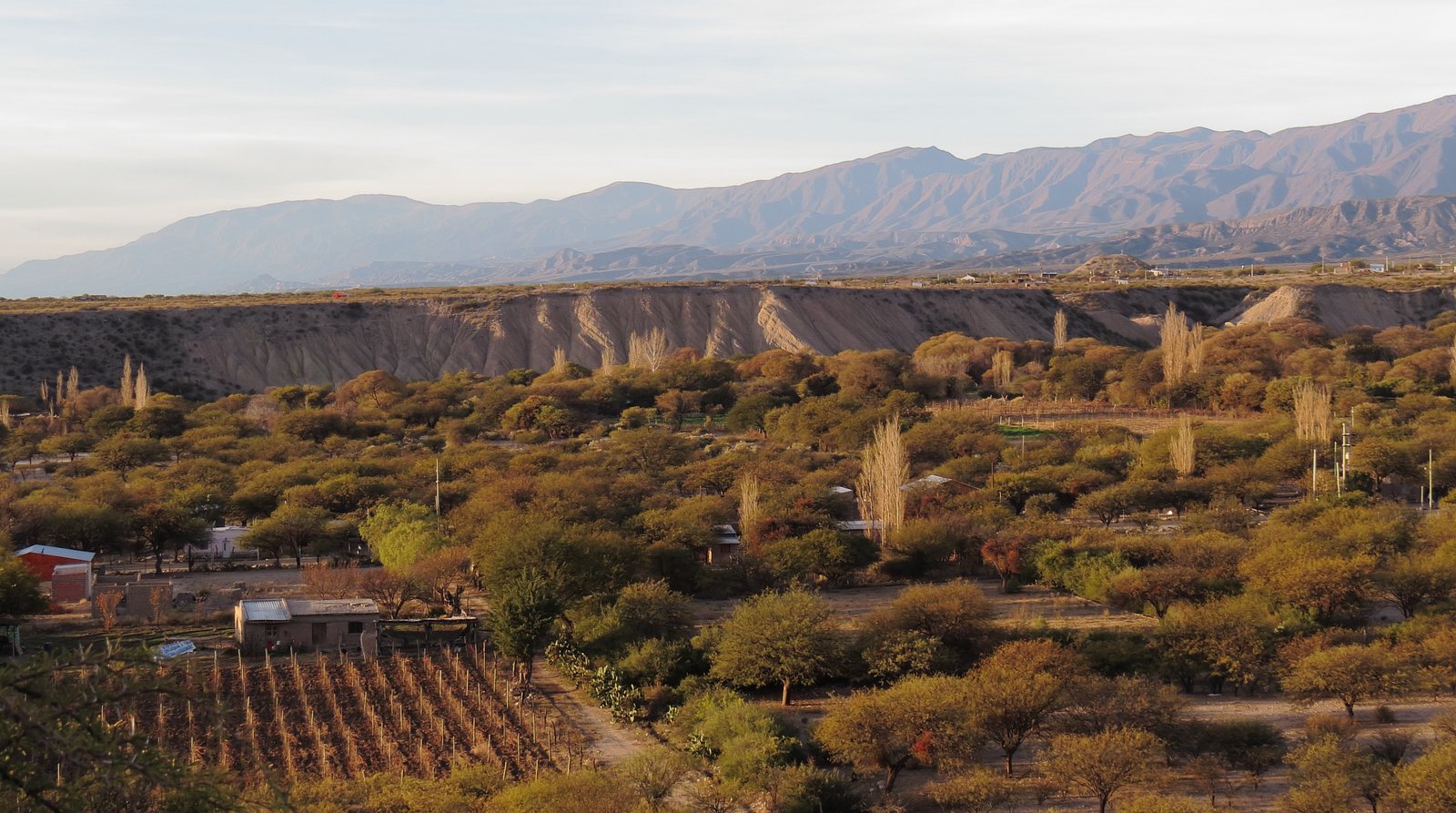
Wineries along Route 307 and Route 40, from Amaicha to Colalao del Valle.
Tucumán's Wine Route runs along Route 307 and Route 40, from Amaicha del Valle to Colalao del Valle, with eleven wineries open to visitors; each visit is arranged in advance with the winery. At km 115 of Route 307, Los Amaichas is the first winery in the country and the third in the world run by an Indigenous community; it is open daily from 9 a.m. to 1 p.m. and 2 p.m. to 5 p.m.
On Route 40, between km 4,282 and 4,314, are Chico Zossi, one of the province's pioneering wineries, open daily from 9 a.m. to 7 p.m.; Finca La Orilla, with its Micuna wines, Tuesday to Sunday from 11 a.m. to 7 p.m.; Las Arcas de Tolombón, Monday to Saturday from 9 a.m. to 5 p.m.; the Luna de Cuarzo organic winery; and Albarossa, in Colalao del Valle, with its own Malbec and Torrontés and lunch by reservation.
From Colalao, Route 40 continues north to Cafayate, across the line in Salta, which has its own airfield, 1 h 40 from Buenos Aires by jet: a trip can fly into Tucumán, cross the valleys by road and fly home from Cafayate.
What to see
- AlbarossaRoute 40, km 4,282, in Colalao del Valle; tours and meals from 11 a.m. to 3 p.m., by reservation.
- Bodega Comunitaria Los AmaichasRoute 307, km 115; daily from 9 a.m. to 1 p.m. and 2 p.m. to 5 p.m.
- Chico ZossiA pioneering winery on Route 40, in Colalao del Valle; daily from 9 a.m. to 7 p.m.
- Finca La OrillaOn Route 40; Tuesday to Sunday from 11 a.m. to 7 p.m.
- Las Arcas de TolombónOn Route 40; Monday to Saturday from 9 a.m. to 5 p.m.
- Luna de CuarzoAn organic winery beside Route 40, near Colalao del Valle; open daily.
Empanadas, cheeses and festivals
The Famaillá empanada, the Simoca tamal and the valleys' calendar.
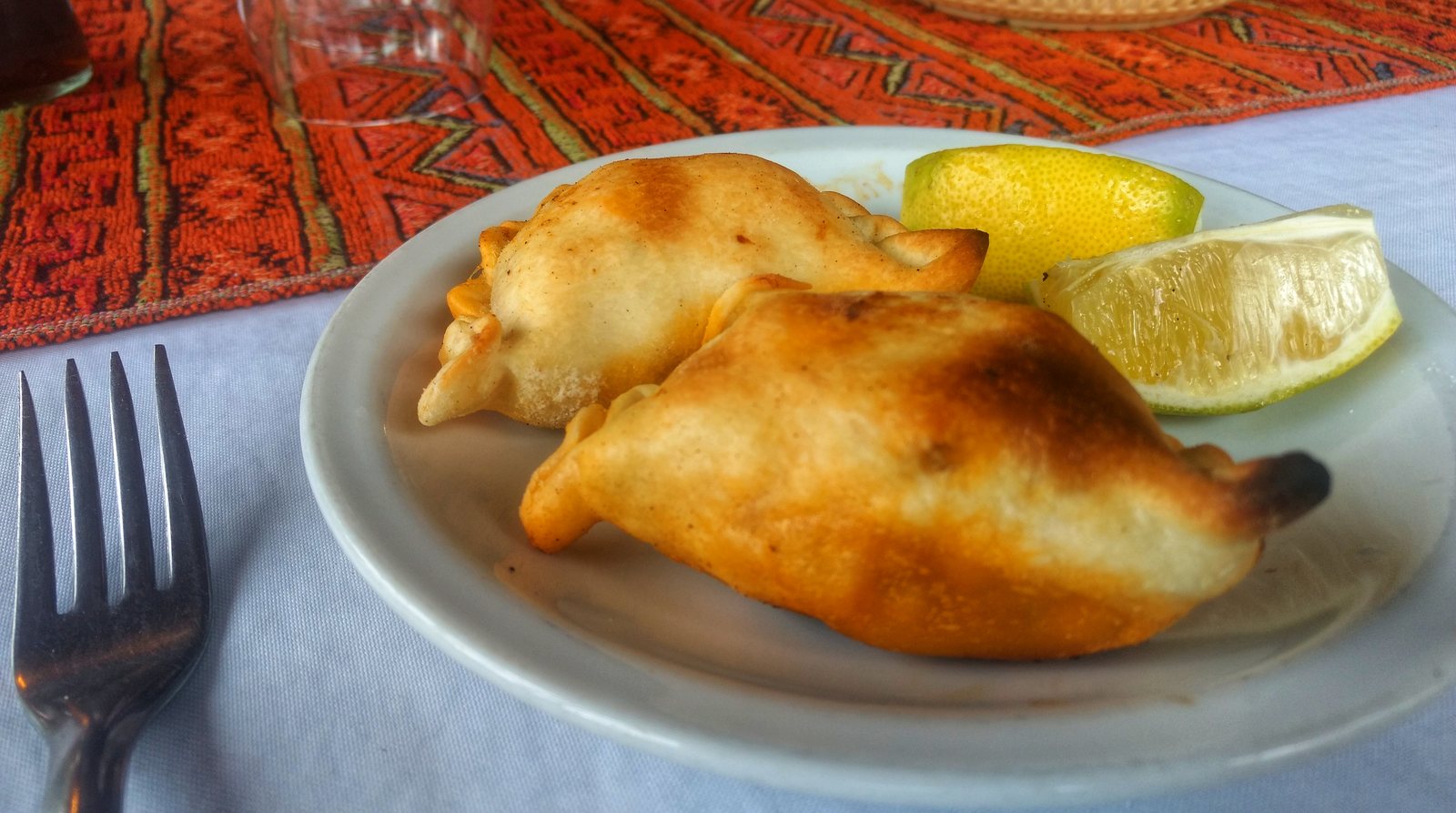
The Tucumán empanada is filled with hand-cut beef, plenty of white onion, hard-boiled egg, scallions and cumin. Famaillá, the National Capital of the Empanada, holds the Fiesta Nacional de la Empanada every September, which crowns the year's best. Simoca, the National Capital of the Tamal, has a market every Saturday where barter is still practiced, and on Saturdays in July, the Fiesta Nacional de la Feria, with a parade of sulkies, the light horse carts typical of the town. In the valleys people eat humitas, quesillo cheese with cane syrup and Tafí cheese.
The province's calendar follows the seasons of the valleys. In January, the Fiesta Nacional del Antigal in Colalao del Valle; in February, the cheese festival in Tafí del Valle and the Pachamama festival in Amaicha; in July, the Fiesta del Vino Patero y la Mistela, celebrating homemade wine and fortified grape must, in Amaicha. On the night of July 8, the Independence Day vigil is held at the Casa Histórica, followed on the 9th by the parade in Parque 9 de Julio; on September 24 the city commemorates the 1812 Battle of Tucumán with the procession of the Virgen de la Merced. September also brings the Fiesta Nacional del Limón, the national lemon festival, in Tafí Viejo; November, the sulky festival in Simoca.
Typical calendar
- JanuaryFiesta Nacional del Antigal in Colalao del Valle.
- FebruaryFiesta Nacional del Queso in Tafí del Valle and Fiesta Nacional de la Pachamama in Amaicha, with carnival.
- JulyThe vigil on the 8th at the Casa Histórica and the July 9 parade; the Fiesta Nacional de la Feria in Simoca, on Saturdays; vino patero in Amaicha.
- AugustDía de la Pachamama in Amaicha del Valle.
- SeptemberFiesta Nacional de la Empanada in Famaillá; on the 24th, the Battle of Tucumán and the Virgen de la Merced.
- NovemberFiesta Nacional del Sulky in Simoca.
Arrival
From departure to destination.
- Departure
- From San Fernando (FDO), Aeroparque (AEP) or Ezeiza (EZE). The fare may change depending on where each aircraft is based.
- Airport
- Teniente Benjamín Matienzo (TUC): public-use, towered and international, 9 km east of downtown San Miguel de Tucumán.
- Tafí del Valle
- Some 110 km on National Route 38 and Provincial Route 307, through the Quebrada de los Sosa.
- Amaicha and Quilmes
- Amaicha del Valle, just over 160 km away; the Ciudad Sagrada de Quilmes, 180 km away on Route 40.
- Cafayate
- To fly home from the valleys, the Cafayate airfield is 1 h 40 from Buenos Aires by jet.
When to go
The seasons at the destination.
- Summer (December to March)
- Rainy season in the city: 238.0 mm in January and an average high of 31.3 °C. The Yungas are green.
- February
- Fiesta Nacional del Queso in Tafí del Valle and the Pachamama festival in Amaicha, with carnival.
- May to September
- Dry season: 5.4 mm in July, with an average high of 19.4 °C and an average low of 6.9 °C.
- July
- Independence Day: the vigil on the night of the 8th at the Casa Histórica and the parade on the 9th; on Saturdays, the Fiesta Nacional de la Feria in Simoca.
- September
- Fiesta Nacional de la Empanada in Famaillá; on the 24th, the Battle of Tucumán and the Virgen de la Merced.
- Year-round
- The Casa Histórica is open Tuesday to Sunday and the Ciudad Sagrada de Quilmes every day.
Key facts
Summer January
- Average low
- 20.3°
- Average high
- 31.3°
238.0 mm of rain
Fall April
- Average low
- 15.5°
- Average high
- 24.9°
61.6 mm of rain
Winter July
- Average low
- 6.9°
- Average high
- 19.4°
5.4 mm of rain
Spring October
- Average low
- 15.4°
- Average high
- 28.9°
63.8 mm of rain
- Airport
- Teniente Benjamín MatienzoIATA / ICAO: TUC / SANT9 km east of San Miguel de Tucumán
- Category
- Public-use, towered, international
- Distance
- 1,057 kmFlight distance from Buenos Aires; 1,203 km by road
- Annual rainfall
- 1,009.7 mm87% falls from October to March
Frequently asked questions
Price, flight time, airport, departure and travel documents.
How much does a private flight from Buenos Aires to Tucumán cost?
Reference fares for a one-way private flight from Buenos Aires (San Fernando), whole aircraft, start at USD 8,420 for a piston twin, USD 8,640 for a turboprop, USD 10,090 for a light jet, USD 12,970 for a midsize jet and USD 19,880 for a large jet. Round trips are calculated in the quote tool according to the length of your stay.
How long is the flight?
Between 1 h 25 and 3 h 40, depending on the aircraft; the fastest jet on the route takes 1 h 25.
Which airport does the flight land at?
Teniente Benjamín Matienzo International Airport (TUC / SANT), 9 km east of downtown San Miguel de Tucumán at an elevation of 455 m. It is public-use, towered and cleared for international flights, and it handles every aircraft in the quote tool for this route, from piston twins to large jets.
When is the best time to fly to Tucumán?
It depends on your plans. May to September is the dry season: 5.4 mm of rain in July, an average high of 19.4 °C and a low of 6.9 °C, a good time to tour the valleys and Quilmes. Summer brings most of the rain, with 238.0 mm in January and an average high of 31.3 °C; the Yungas are green, and February brings the cheese festival in Tafí and the Pachamama festival in Amaicha. On the night of July 8, the Independence Day vigil is held at the Casa Histórica.
How do I get from the airport to Tafí del Valle and Quilmes?
By road. Tafí del Valle is some 110 km from the capital on National Route 38 and Provincial Route 307, which climbs through the Quebrada de los Sosa. Route 307 continues over the Abra del Infiernillo to Amaicha del Valle, just over 160 km away, and the Ciudad Sagrada de Quilmes is 180 km away, on Route 40.
Can I visit the Ciudad Sagrada de Quilmes?
Yes. It is run by the Comunidad India Quilmes together with the province and is open daily from 8:30 a.m. to 6 p.m. The guided tour takes about two hours, and at the entrance the Interpretation Center has four rooms and an audiovisual show.
Can I combine Tucumán with Cafayate or Salta?
Yes. From Quilmes and Colalao del Valle, Route 40 continues north to Cafayate, which has its own airfield, 1 h 40 from Buenos Aires by jet: you can fly into Tucumán, cross the valleys by road and fly home from Cafayate. The city of Salta is 1 h 40 from Buenos Aires.
Are the published fares final?
They are estimates. The final quote depends on dates, length of stay, aircraft type and applicable operating fees.
Where does the flight depart from?
Fares are calculated for departure from San Fernando (FDO). Departing from Aeroparque (AEP) or Ezeiza (EZE) may change the fare, depending on where each aircraft is based.
What documents do I need?
It is a domestic flight within Argentina: Argentine citizens travel with a valid national ID (DNI) and foreign nationals with a valid passport.

Ready to fly? Let’s talk.
Share the details of your trip and we’ll help you find the aircraft and flight solution best suited to your needs.
- WhatsApp+54 9 11 3080 7775
- Phone+54 9 11 3080 7775
- Emailinfo@argentina-fly.com
For charter operatorsList your aircraft