
- Home
- Flight quote
- Santiago del Estero
Private flights to Santiago del Estero
Jet from USD 8,950 · 1 h 35
Results:
- Itinerary
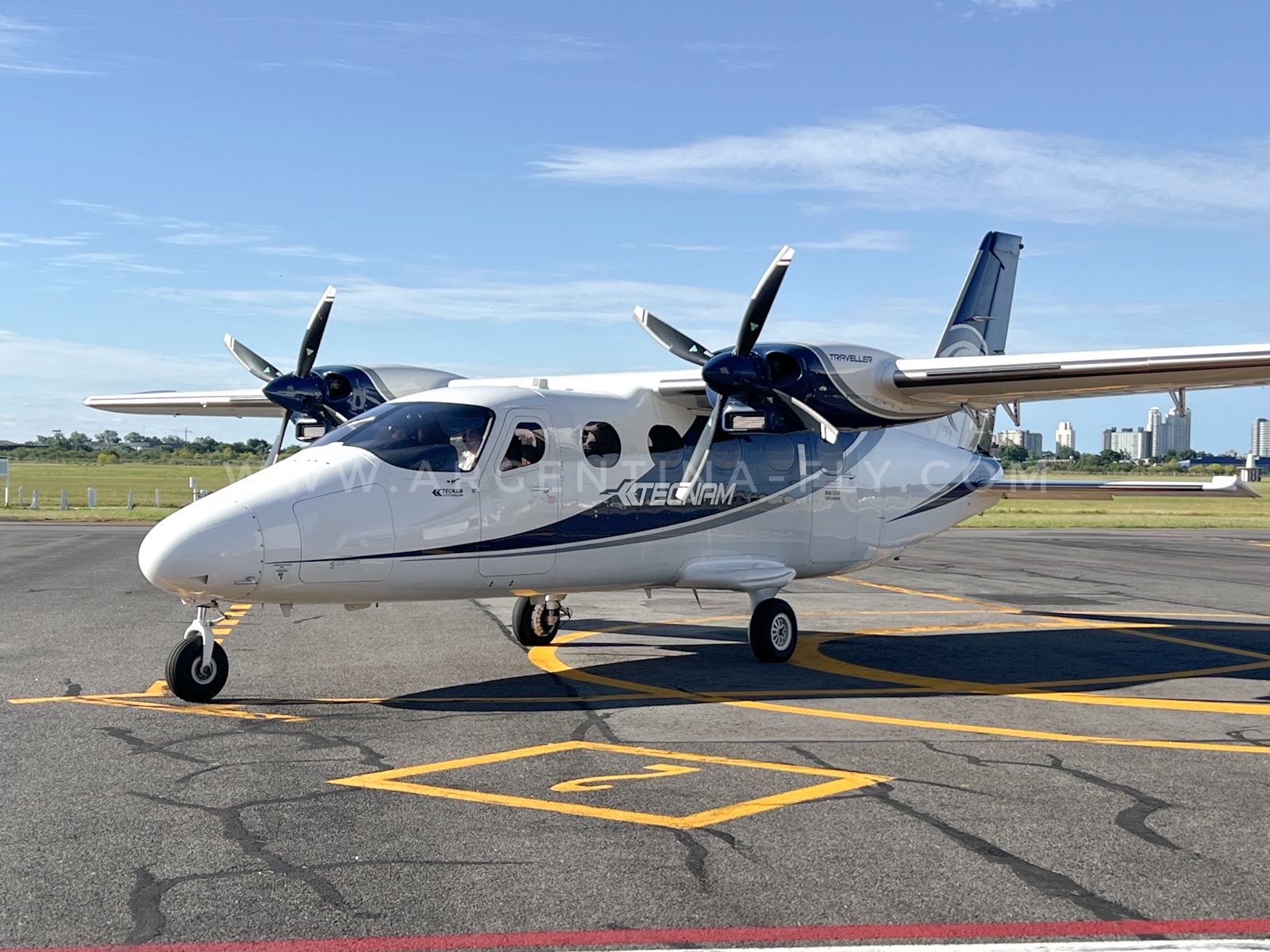
Tecnam Traveller
Piston aircraft · 9 passengers · 3 h 103 h 10flight time
USD 7,470+ VAT 10.5%
Request a quote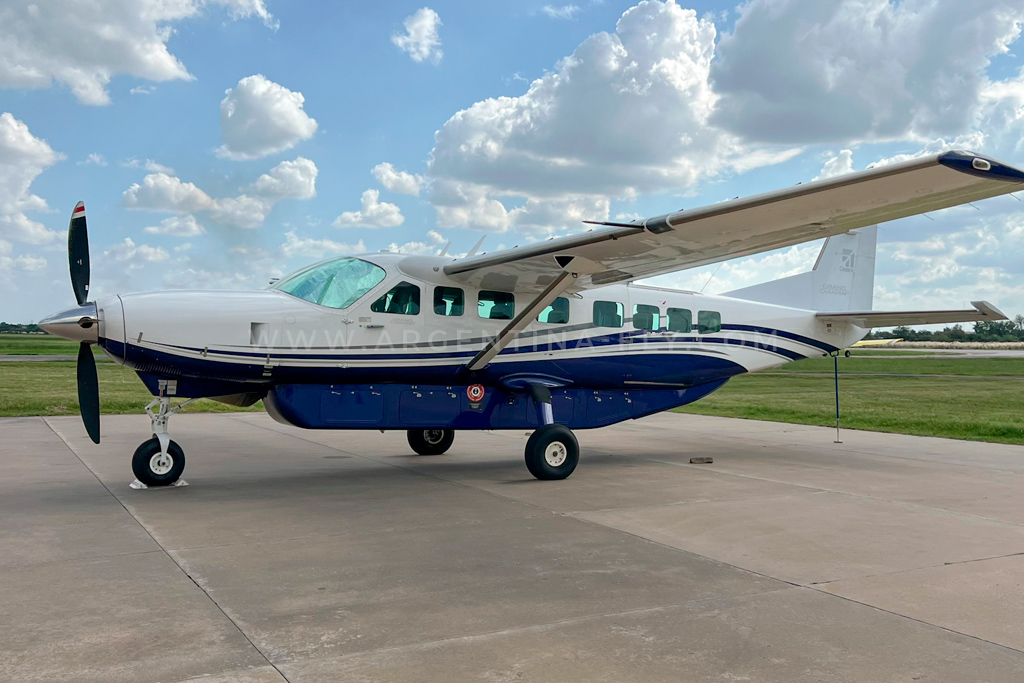
Cessna Grand Caravan
Turboprop · 9 passengers · 3 h 153 h 15flight time
USD 7,660+ VAT 10.5%
Request a quote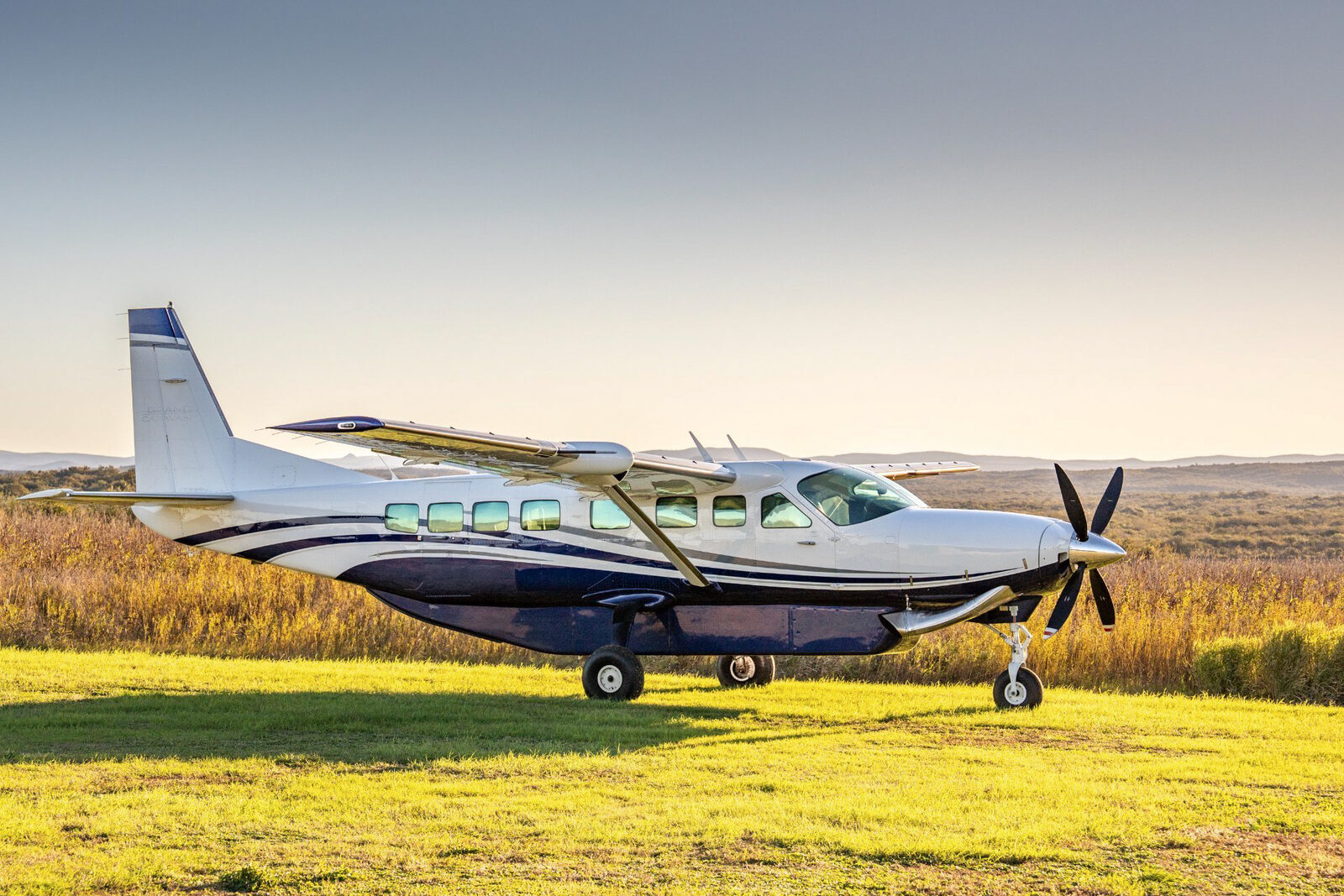
Cessna Grand Caravan Ex
Turboprop · 9 passengers · 3 h 053 h 05flight time
USD 8,220+ VAT 10.5%
Request a quote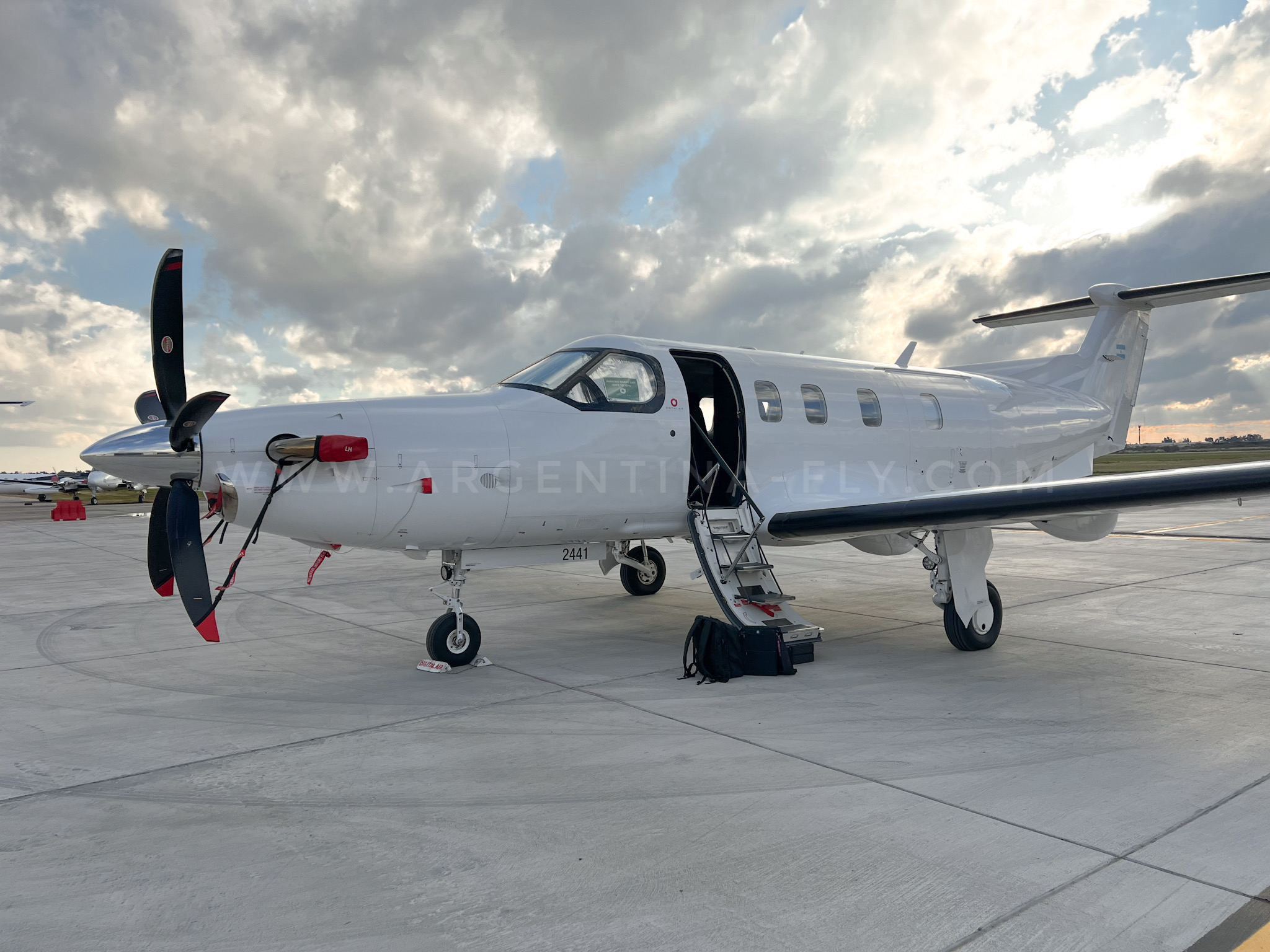
Pilatus PC-12
Turboprop · 8 passengers · 2 h 052 h 05flight time
USD 8,380+ VAT 10.5%
Request a quote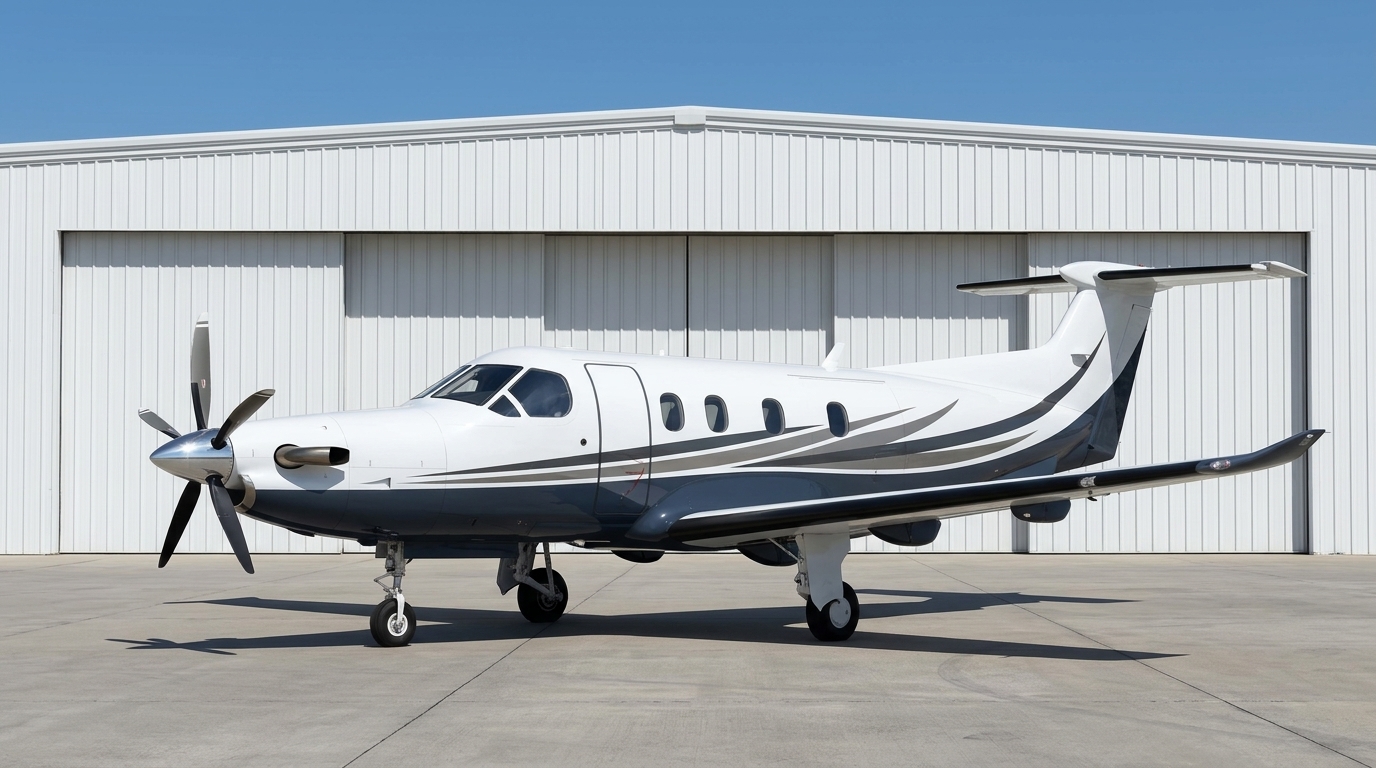
Pilatus PC12 Pro
Turboprop · 8 passengers · 2 h 052 h 05flight time
USD 8,570+ VAT 10.5%
Request a quote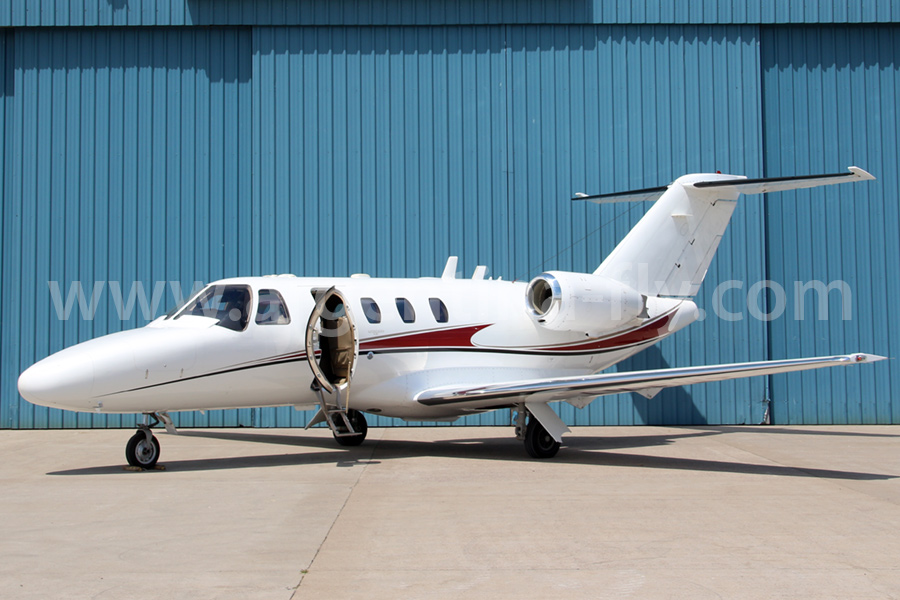
Citation CJ1
Light jet · 5 passengers · 1 h 351 h 35flight time
USD 8,950+ VAT 10.5%
Request a quote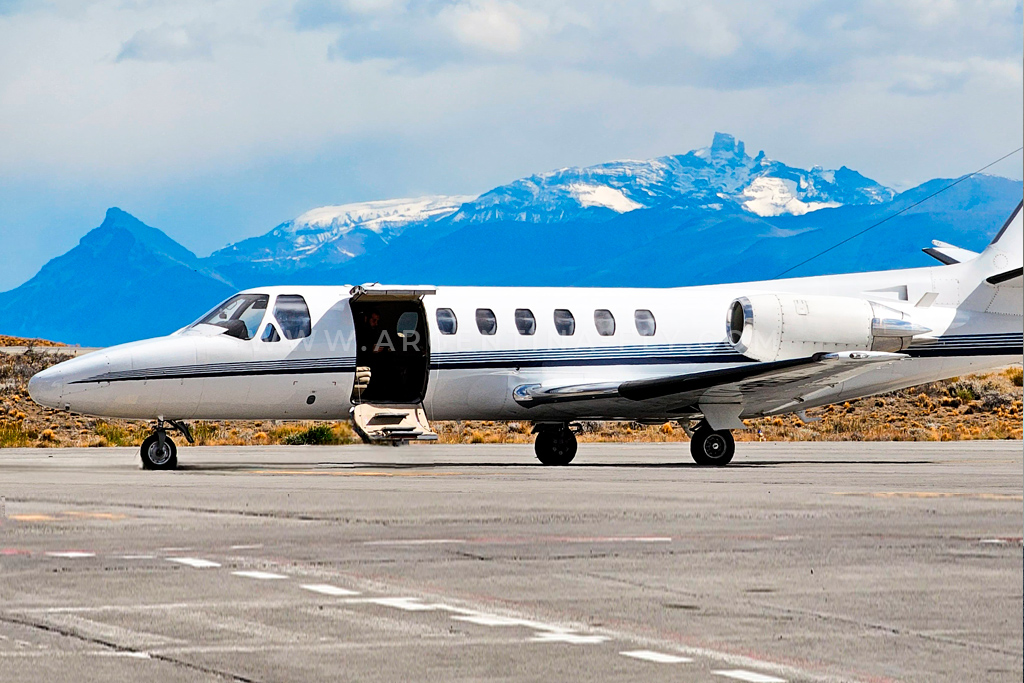
Citation V
Light jet · 8 passengers · 1 h 301 h 30flight time
USD 9,320+ VAT 10.5%
Request a quote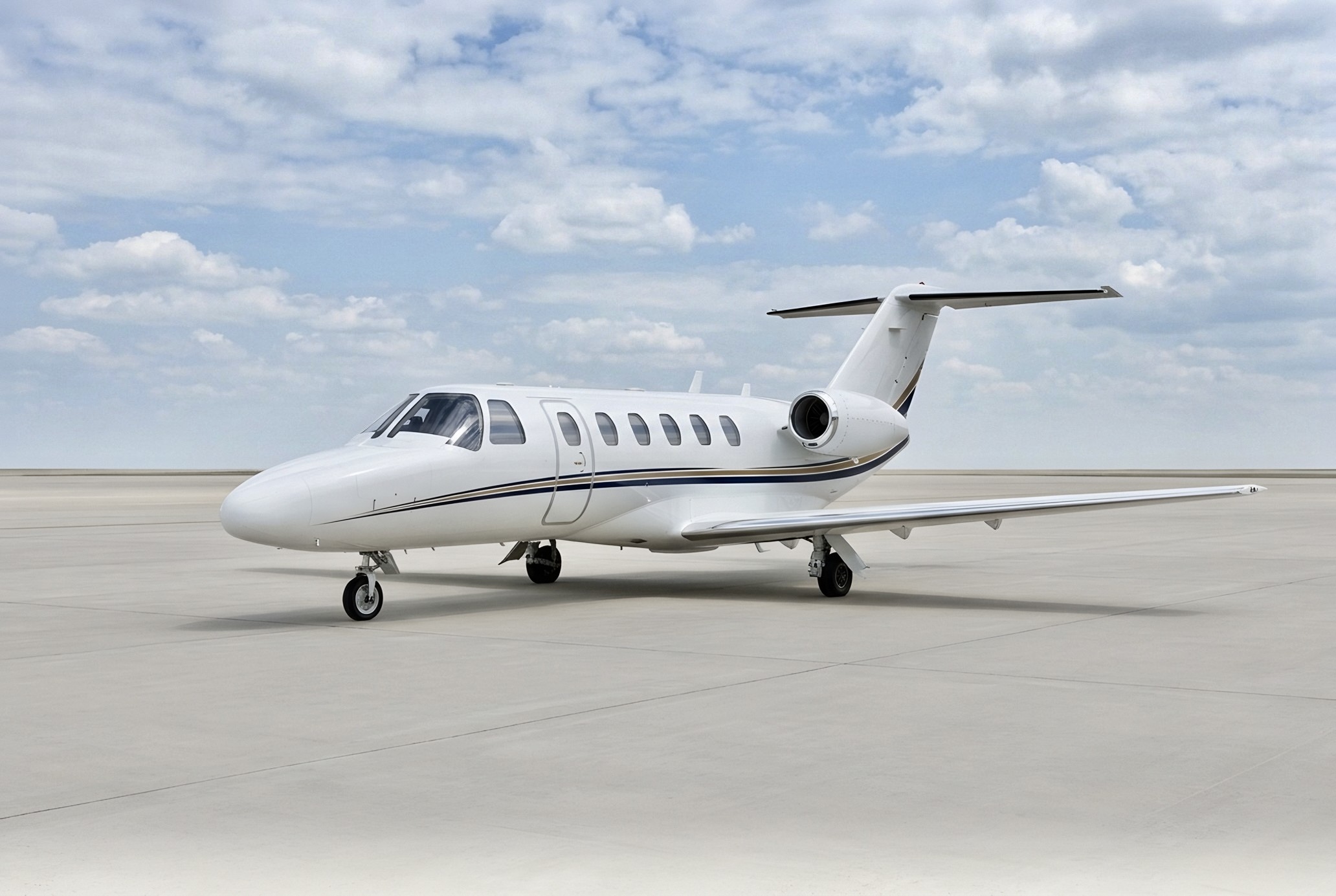
Citation CJ2
Light jet · 6 passengers · 1 h 35 · 2 options1 h 35flight time
USD 9,320+ VAT 10.5%
Request a quote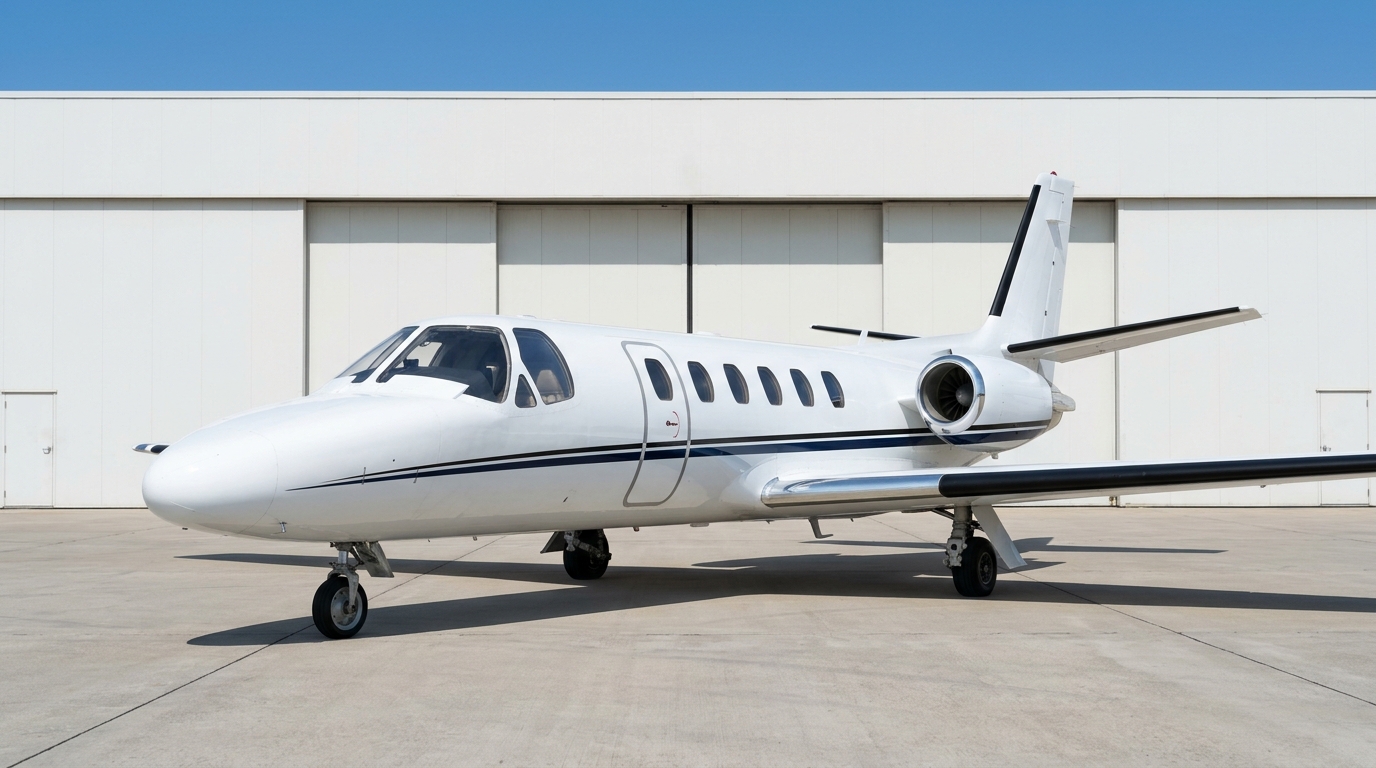
Citation Bravo
Light jet · 7 passengers · 1 h 301 h 30flight time
USD 9,880+ VAT 10.5%
Request a quote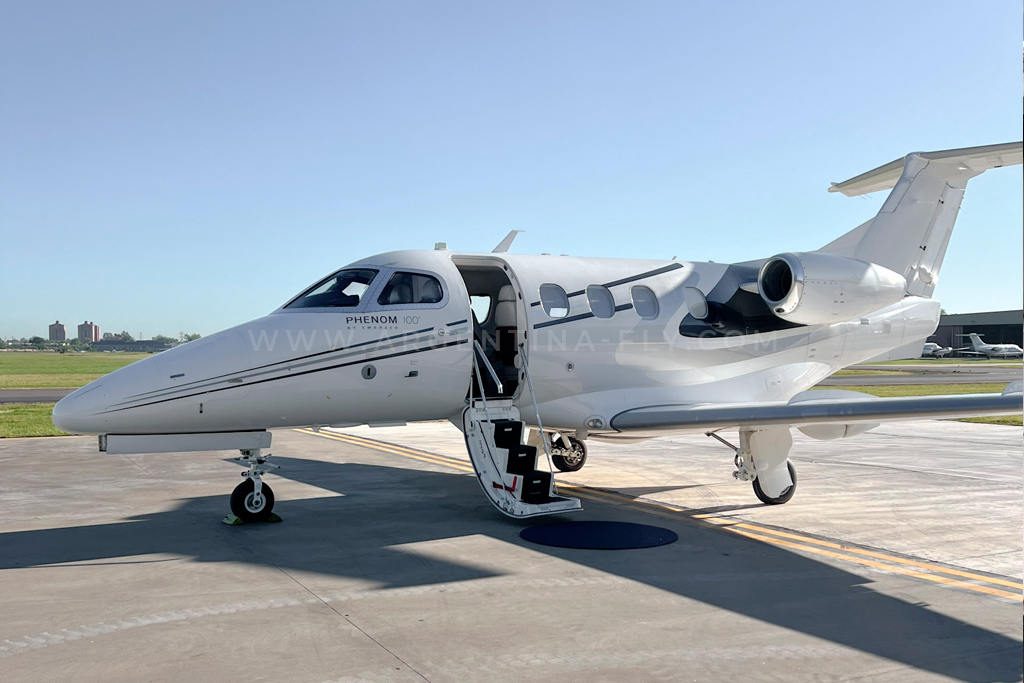
Phenom 100
Light jet · 5 passengers · 1 h 351 h 35flight time
USD 10,450+ VAT 10.5%
Request a quote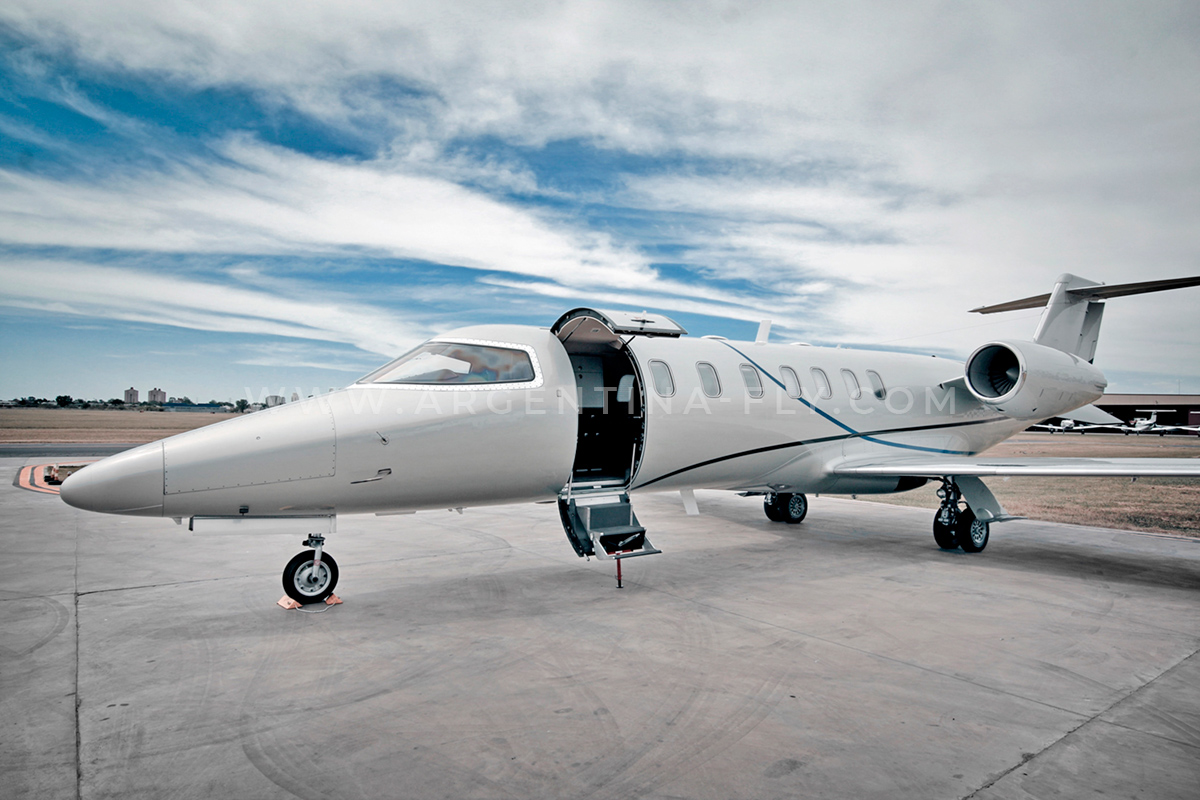
Learjet 40 XR
Light jet · 6 passengers · 1 h 251 h 25flight time
USD 11,040+ VAT 10.5%
Request a quote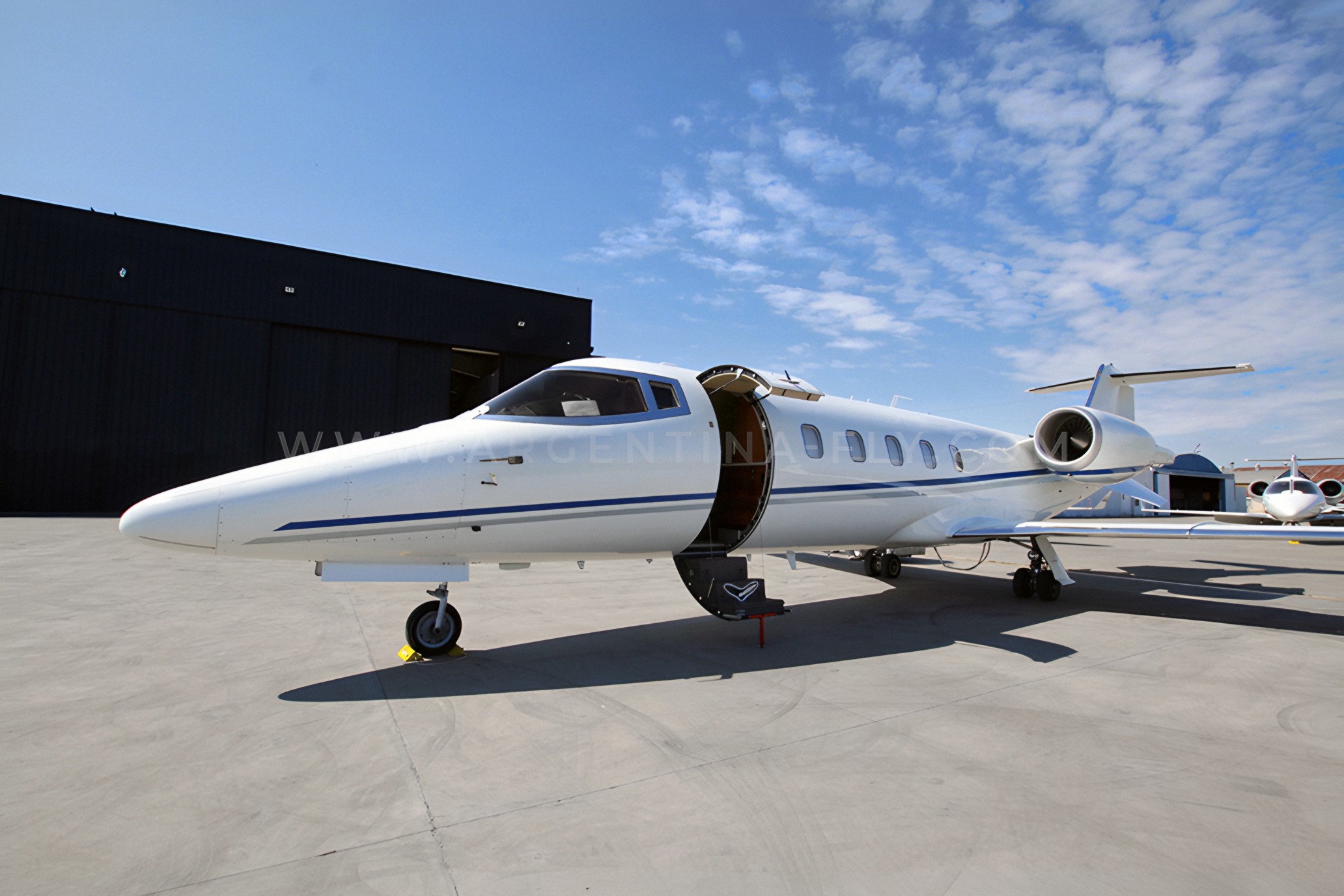
Learjet 60
Midsize jet · 7 passengers · 1 h 20 · 2 options1 h 20flight time
USD 11,430+ VAT 10.5%
Request a quote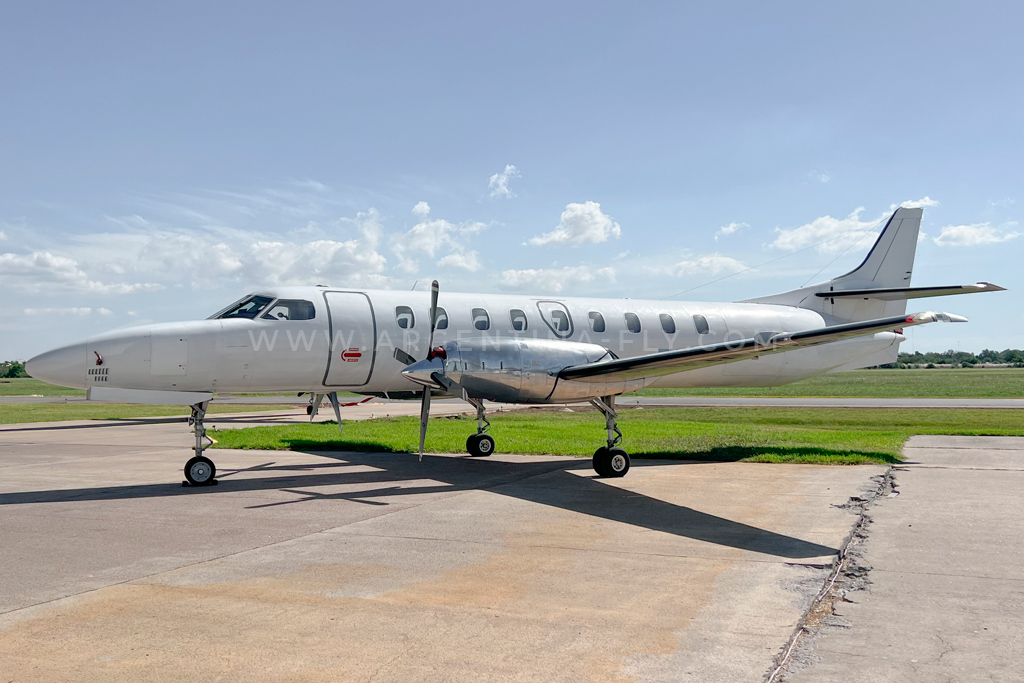
Metro 23
Turboprop · 19 passengers · 2 h 052 h 05flight time
USD 11,820+ VAT 10.5%
Request a quote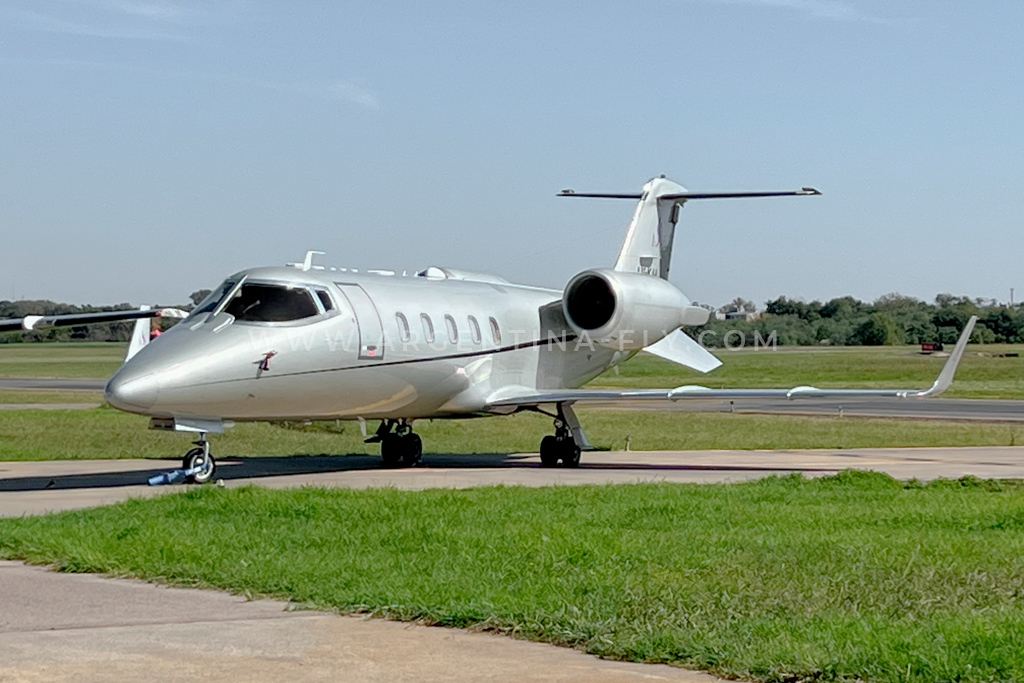
Learjet 60 XR
Midsize jet · 6 passengers · 1 h 201 h 20flight time
USD 12,020+ VAT 10.5%
Request a quote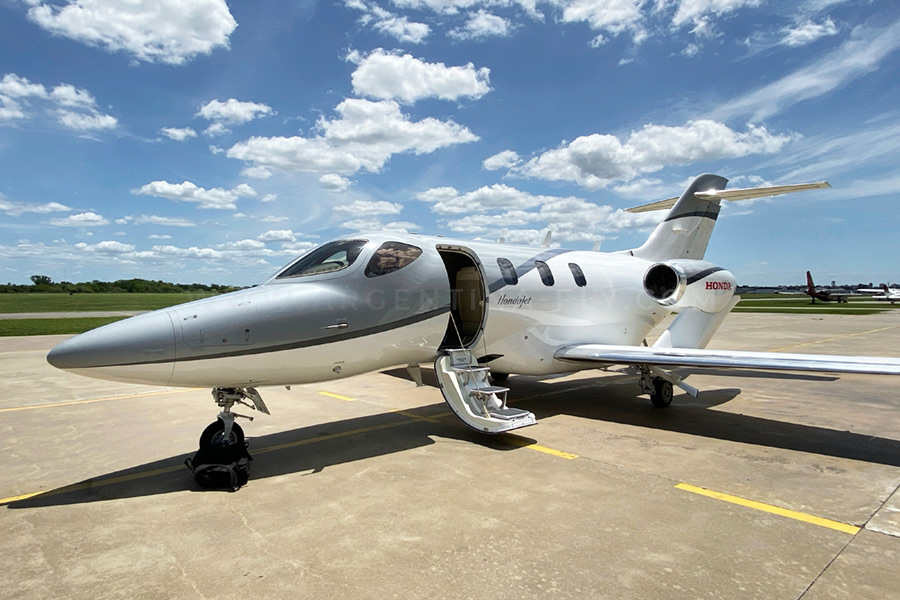
HondaJet
Light jet · 5 passengers · 1 h 301 h 30flight time
USD 12,810+ VAT 10.5%
Request a quote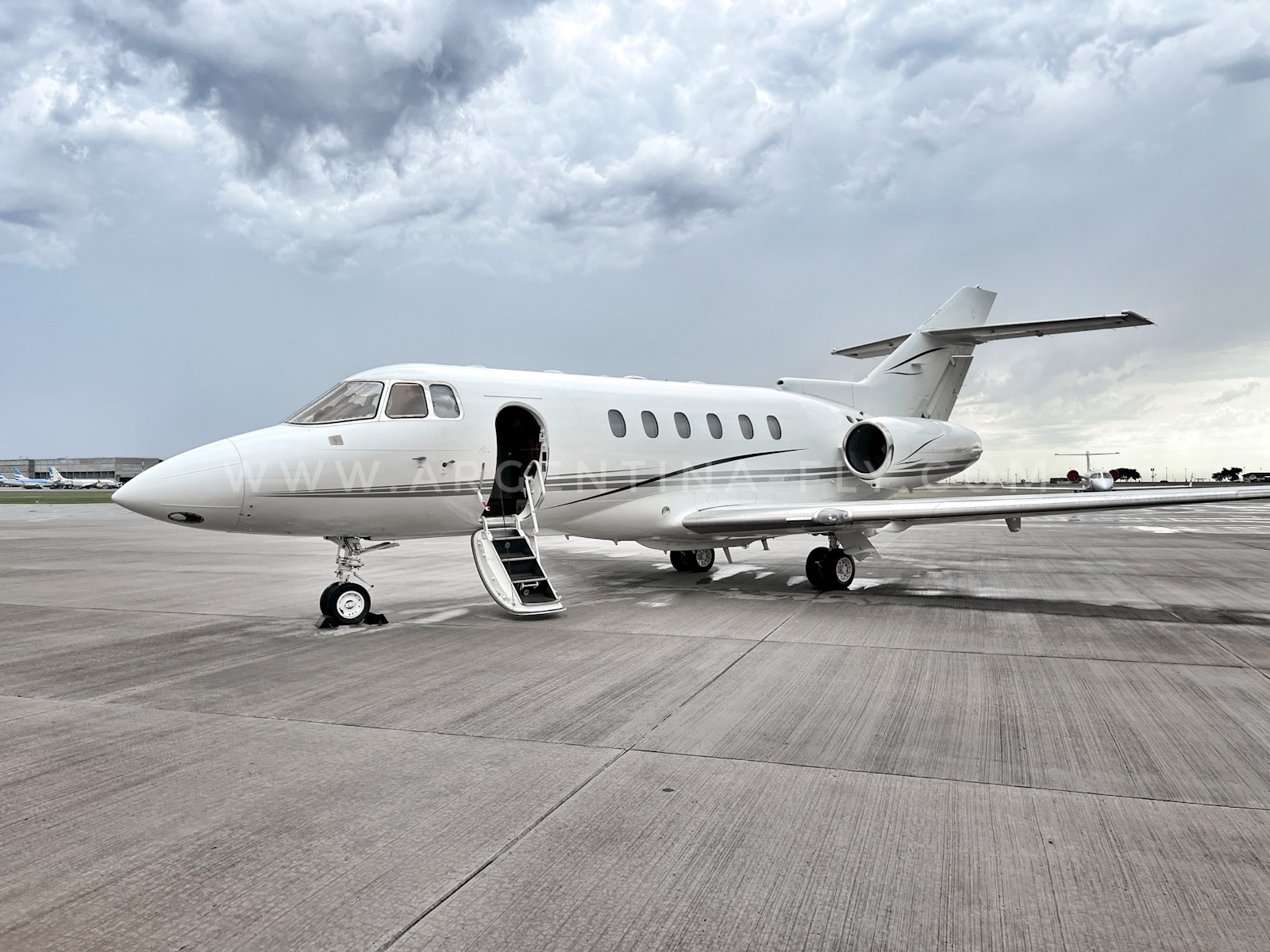
Hawker 800 XP
Midsize jet · 8 passengers · 1 h 251 h 25flight time
USD 12,930+ VAT 10.5%
Request a quote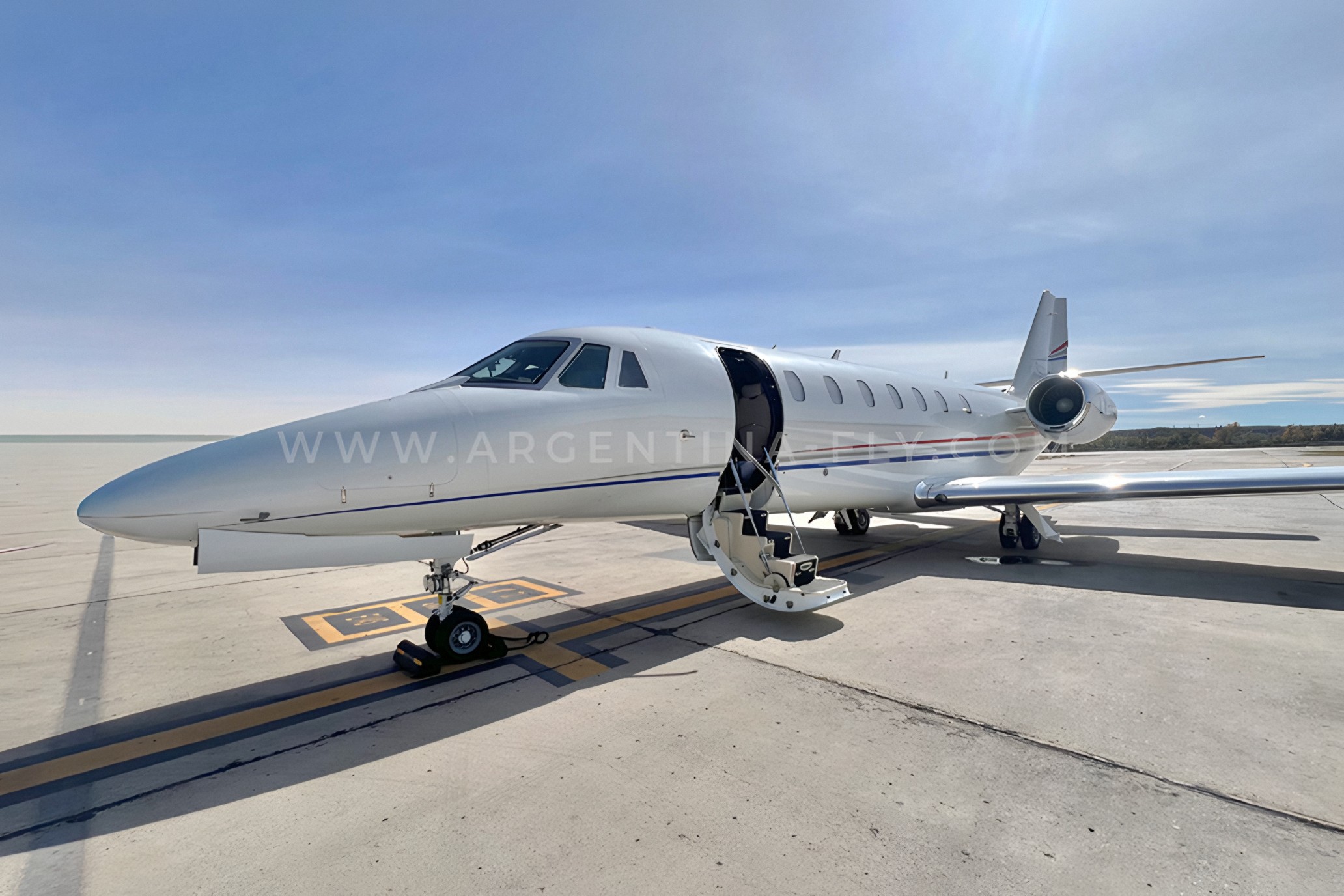
Citation Sovereign
Midsize jet · 8 passengers · 1 h 201 h 20flight time
USD 13,790+ VAT 10.5%
Request a quote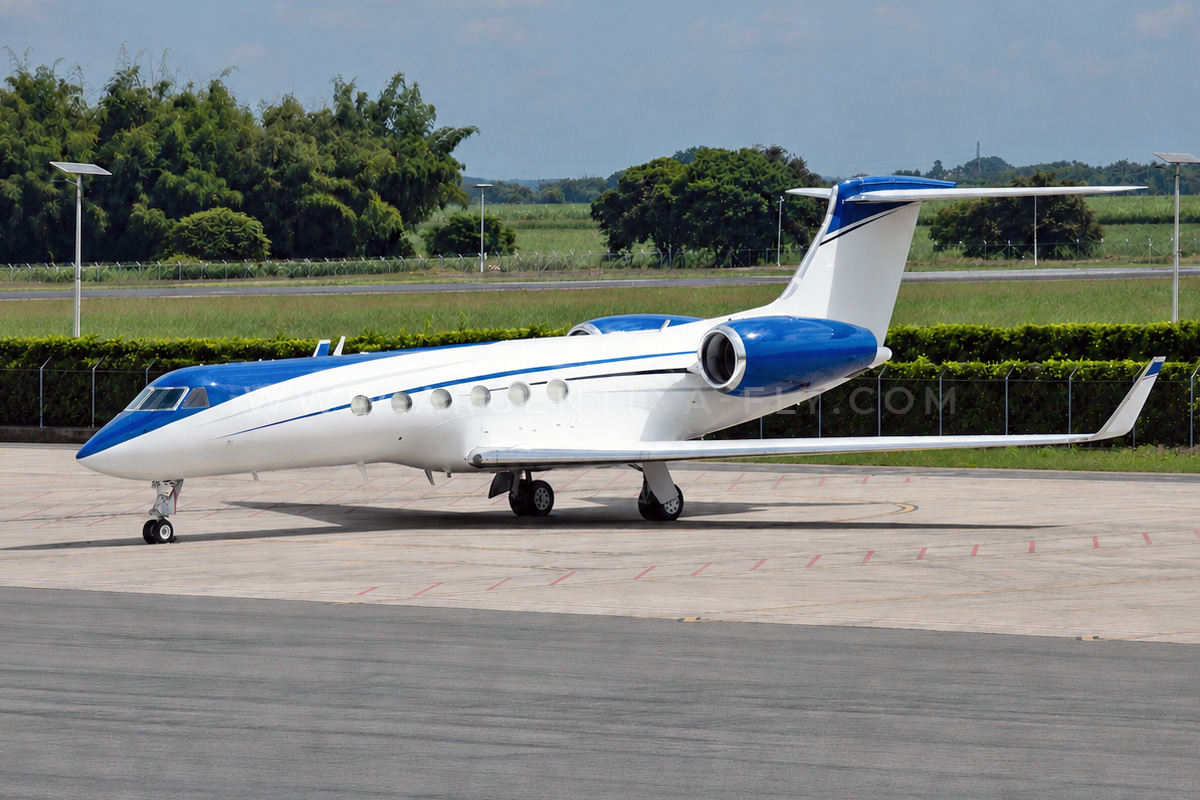
Gulfstream V
Large jet · 14 passengers · 1 h 20 · 2 options1 h 20flight time
USD 17,690+ VAT 10.5%
Request a quote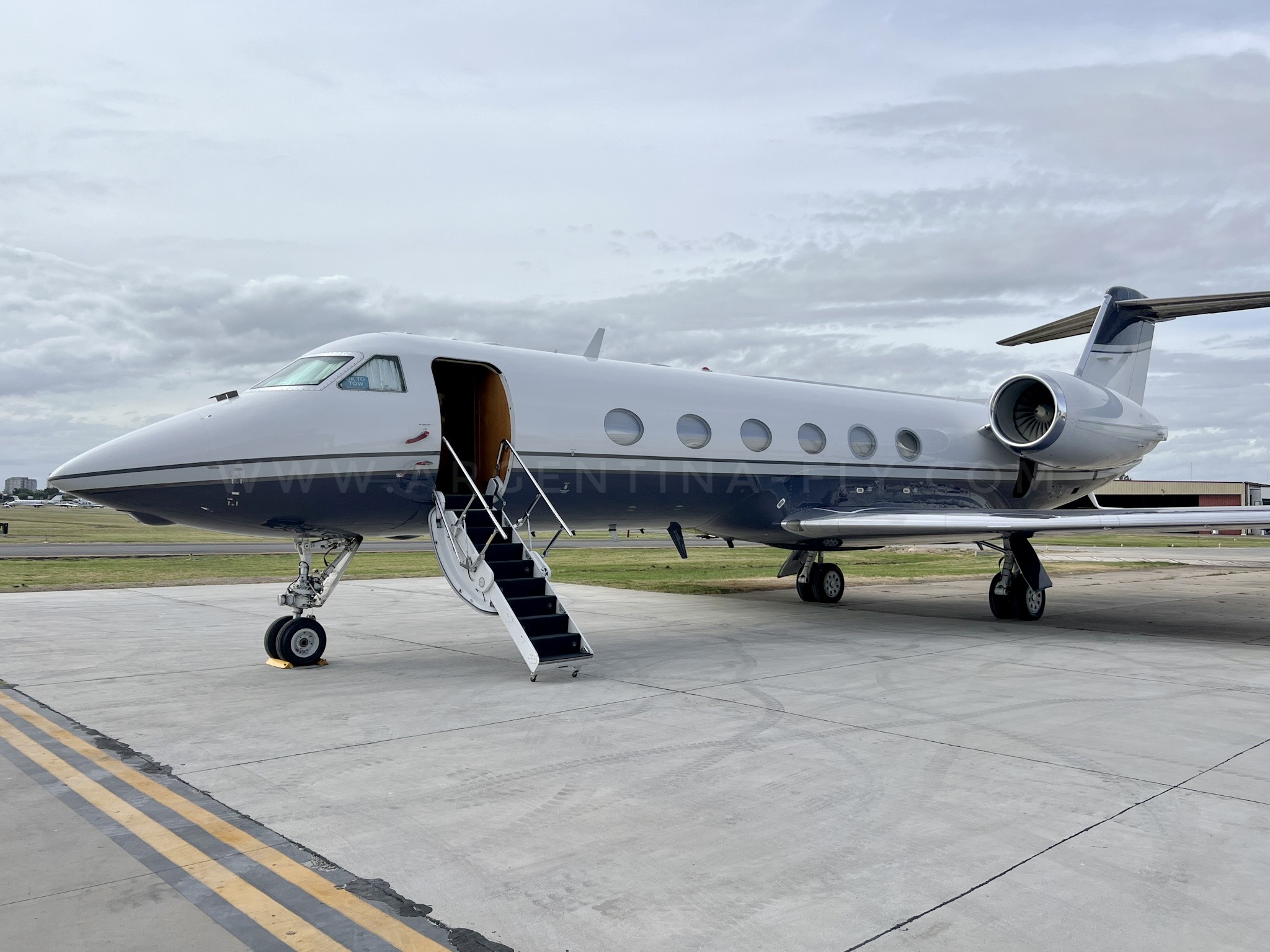
Gulfstream 400
Large jet · 14 passengers · 1 h 201 h 20flight time
USD 18,720+ VAT 10.5%
Request a quote
Route and airfields
Rate conditions
Please read carefully before requesting a quote.
Prices
Reference fares in US dollars (USD), for the entire aircraft. They may vary with aircraft availability and travel dates. For itineraries with several destinations, please request a tailored quote.
Not included
VAT on flights within Argentina, fees abroad on international flights (airport charges, handling and FBO, among others), and special services on request.
Base airport
Fares are calculated for departure from San Fernando (FDO). Departing from Aeroparque (AEP) or Ezeiza (EZE) may change the fare, depending on where each aircraft is based.
Reference fleet
The aircraft displayed are for reference purposes only and may vary depending on operational availability. Contact us to learn about the available options for your trip.
Rate conditions
Please read carefully before requesting your quotation.
Published prices are provided for reference only.
 Prices
Reference fares in US dollars (USD), for the entire aircraft. They may vary with aircraft availability and travel dates. For itineraries with several destinations, please request a tailored quote.
 Not included
VAT on flights within Argentina, fees abroad on international flights (airport charges, handling and FBO, among others), and special services on request.
 Base airport
Fares are calculated for departure from San Fernando (FDO). Departing from Aeroparque (AEP) or Ezeiza (EZE) may change the fare, depending on where each aircraft is based.
 Reference fleet
The aircraft displayed are for reference purposes only and may vary depending on operational availability. Contact us to learn about the available options for your trip.
Need a personalized quotation?
Request quotation
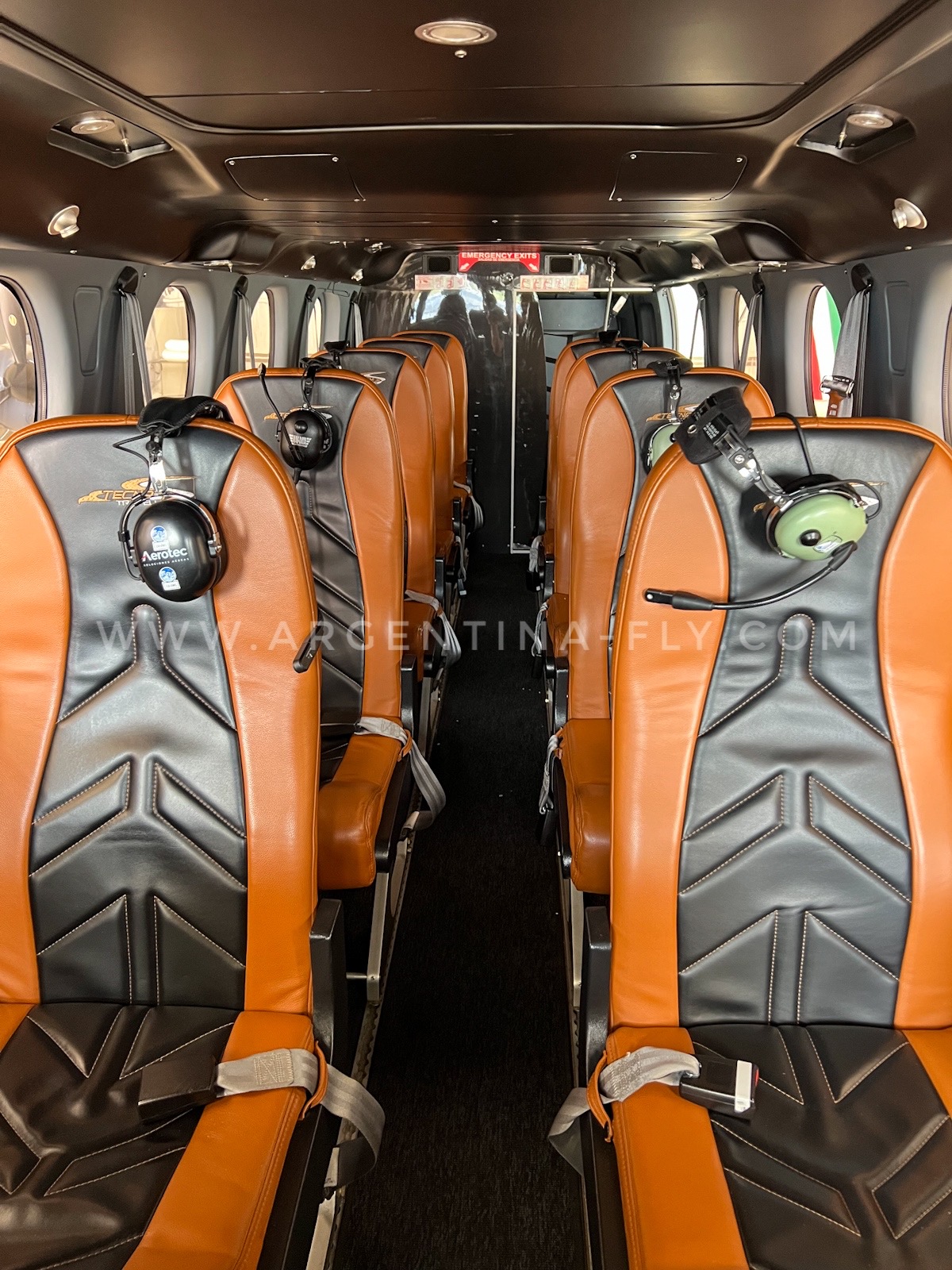
Tecnam Traveller
High-capacity twin-engine aircraft, ideal for group transfers with up to 9 passengers.
 Capacity
9 passengers
 Lavatory
Not available
 Cabin
Non-pressurized
 Luggage
Moderate
 Wi-Fi
Not available
 Santiago del Estero (SDE)
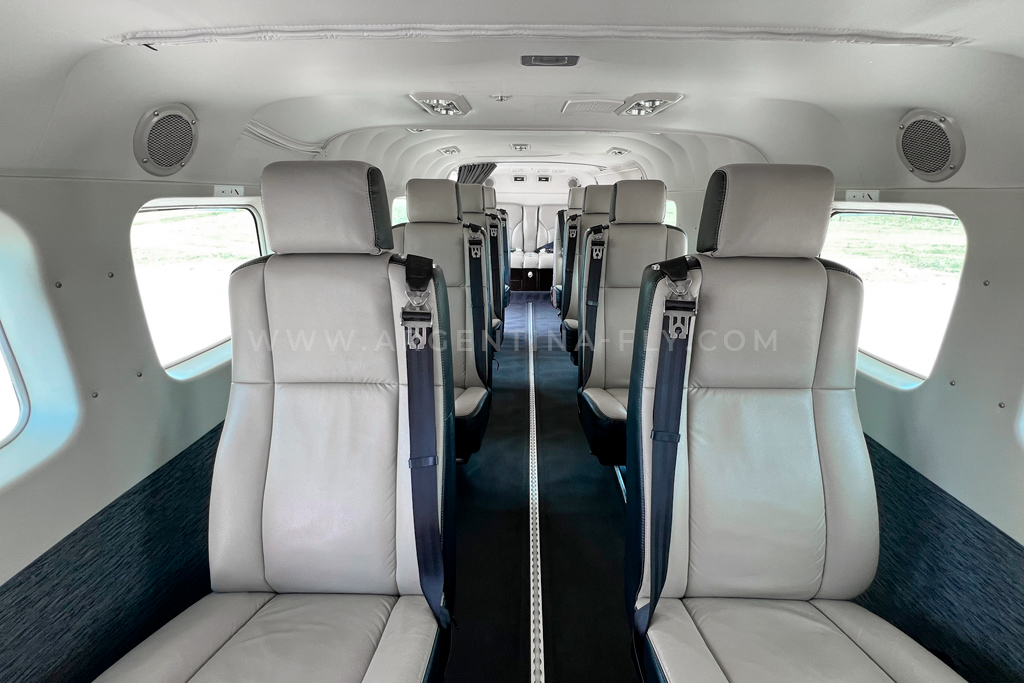
Cessna Grand Caravan
Versatile turboprop with generous payload capacity and a comfortable cabin, ideal for groups and flights to destinations with short runways.
Capacity
9 passengers
Lavatory
Not available
Cabin
Non-pressurized
Luggage
Moderate
Wi-Fi
Portable Starlink
Santiago del Estero (SDE)
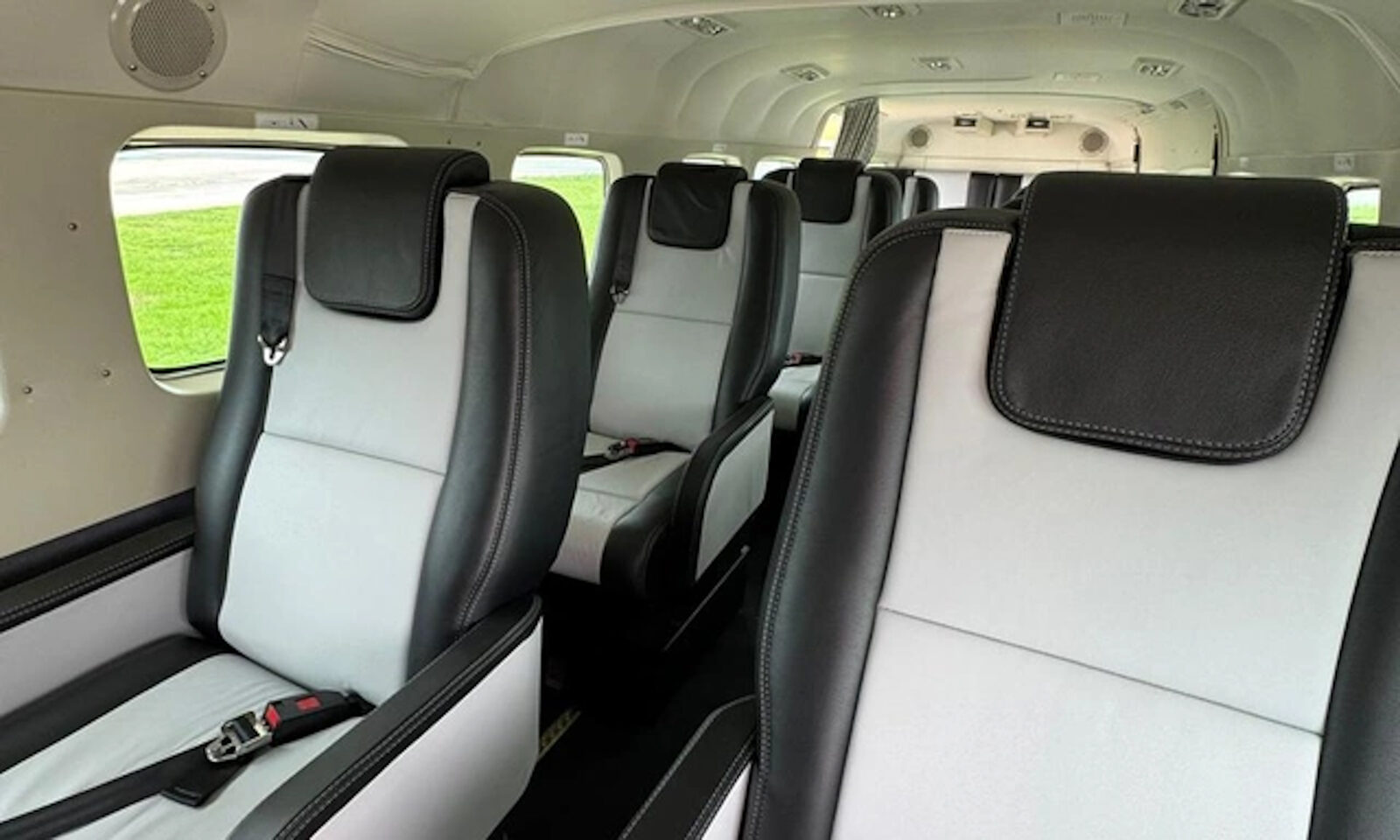
Cessna Grand Caravan Ex
Versatile turboprop with generous payload capacity and a comfortable cabin, ideal for groups and flights to destinations with short runways.
Capacity
9 passengers
Lavatory
Not available
Cabin
Not pressurized
Luggage
Standard
Wi-Fi
Portable Starlink
Santiago del Estero (SDE)
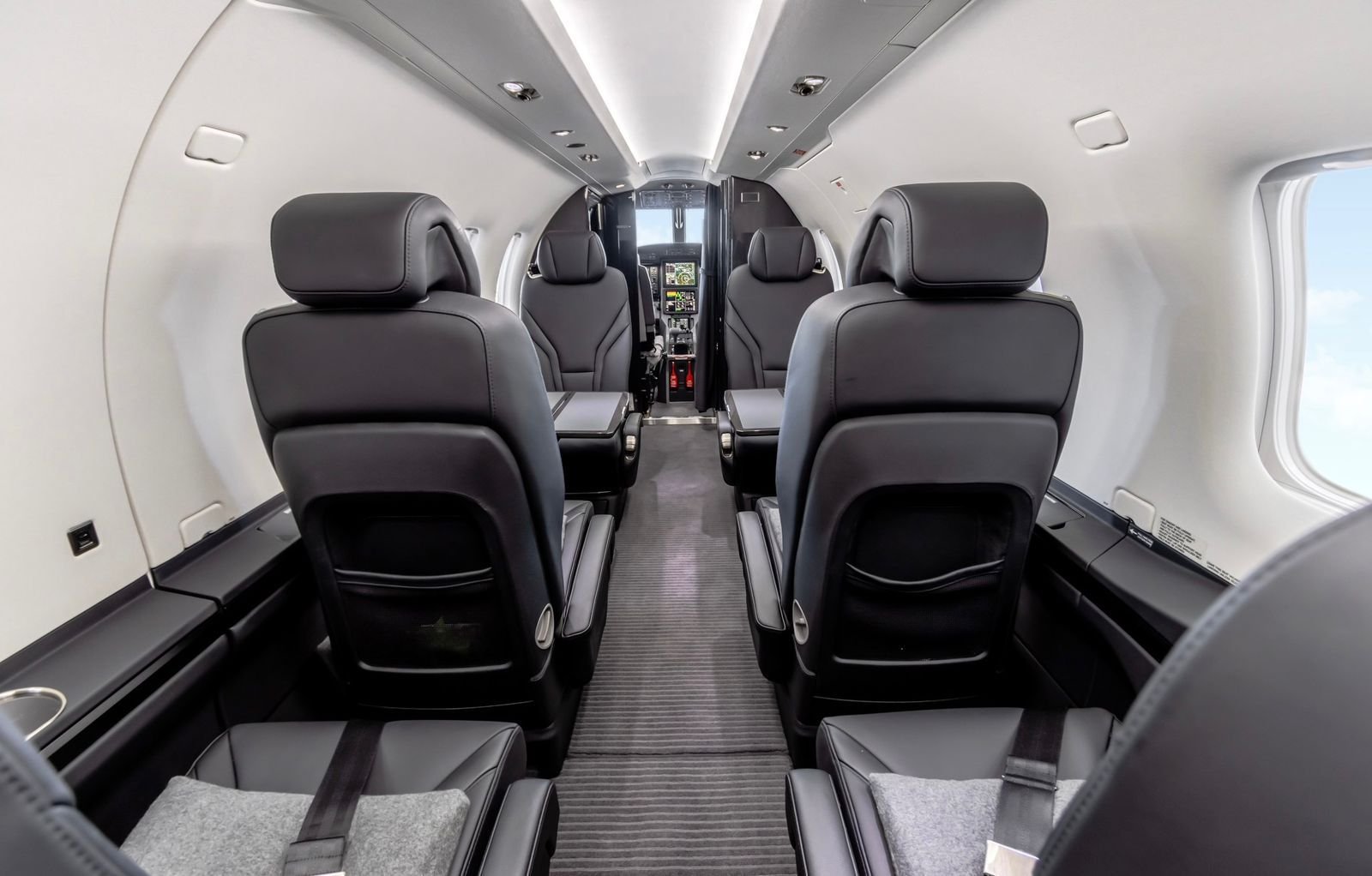
Pilatus PC-12
High-performance single-engine turboprop in executive configuration, with a spacious cabin and latest-generation technology.
Capacity
8 passengers
Lavatory
Not available
Cabin
Pressurized
Luggage
Standard
Wi-Fi
Portable Starlink
Santiago del Estero (SDE)
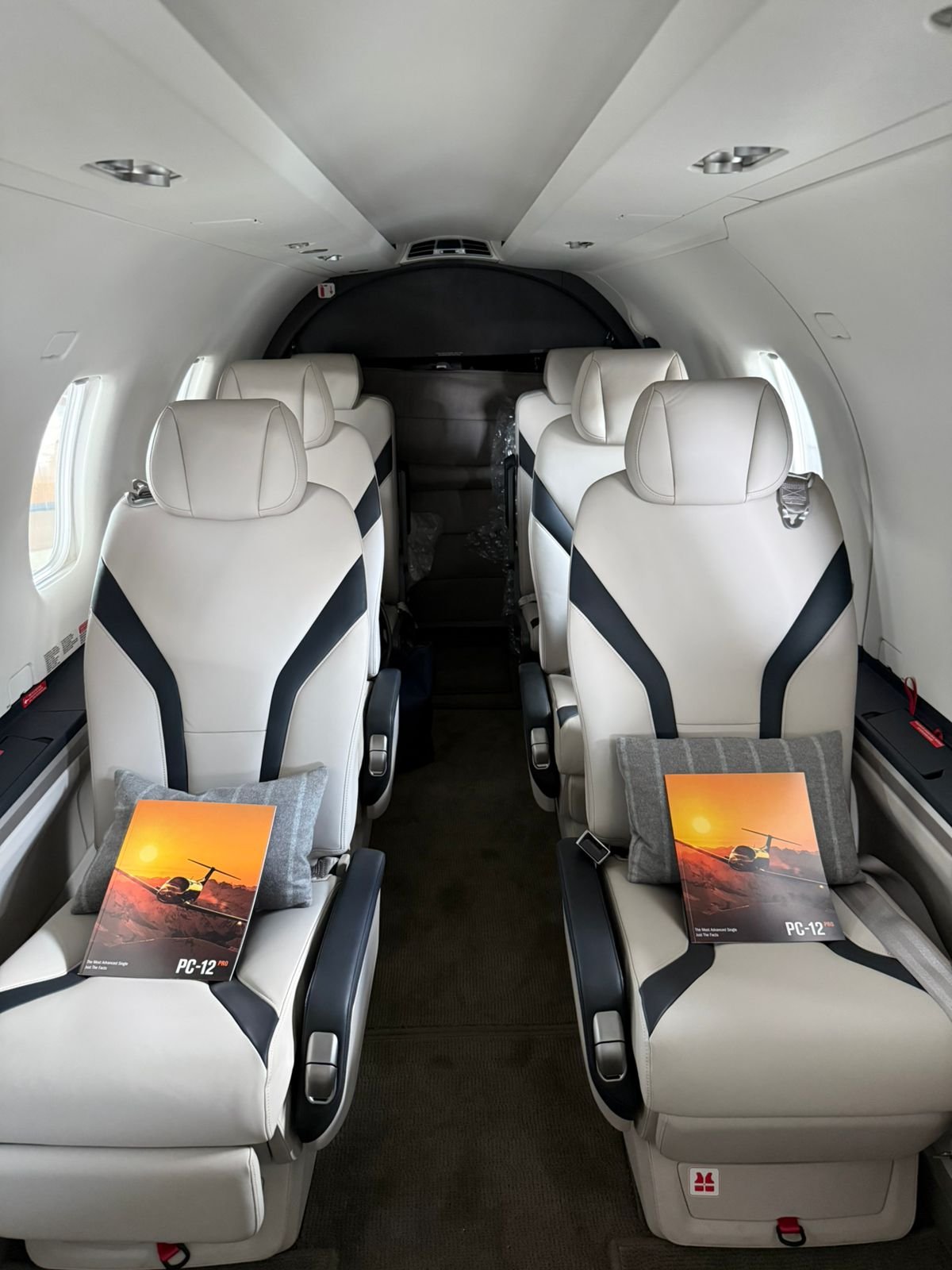
Pilatus PC12 Pro
High-performance single-engine turboprop in executive configuration, with a spacious cabin and latest-generation technology.
Capacity
8 passengers
Lavatory
Not available
Cabin
Pressurized
Luggage
Standard
Wi-Fi
Portable Starlink
Santiago del Estero (SDE)
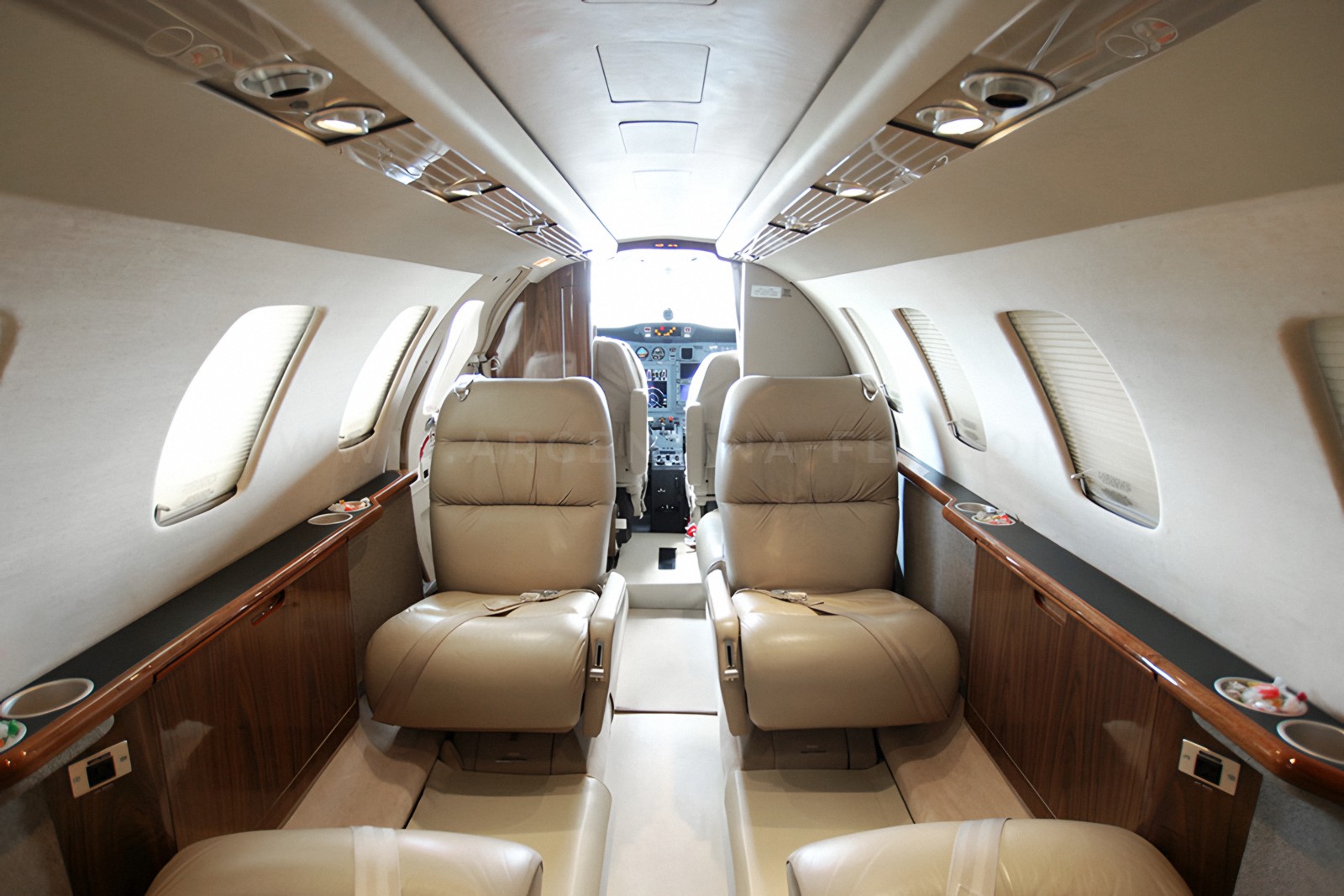
Citation CJ1
Compact light jet with excellent fuel efficiency, perfect for short-range executive flights.
Capacity
5 passengers
Lavatory
Not available
Cabin
Pressurized
Luggage
Moderate
Wi-Fi
Not available
Santiago del Estero (SDE)
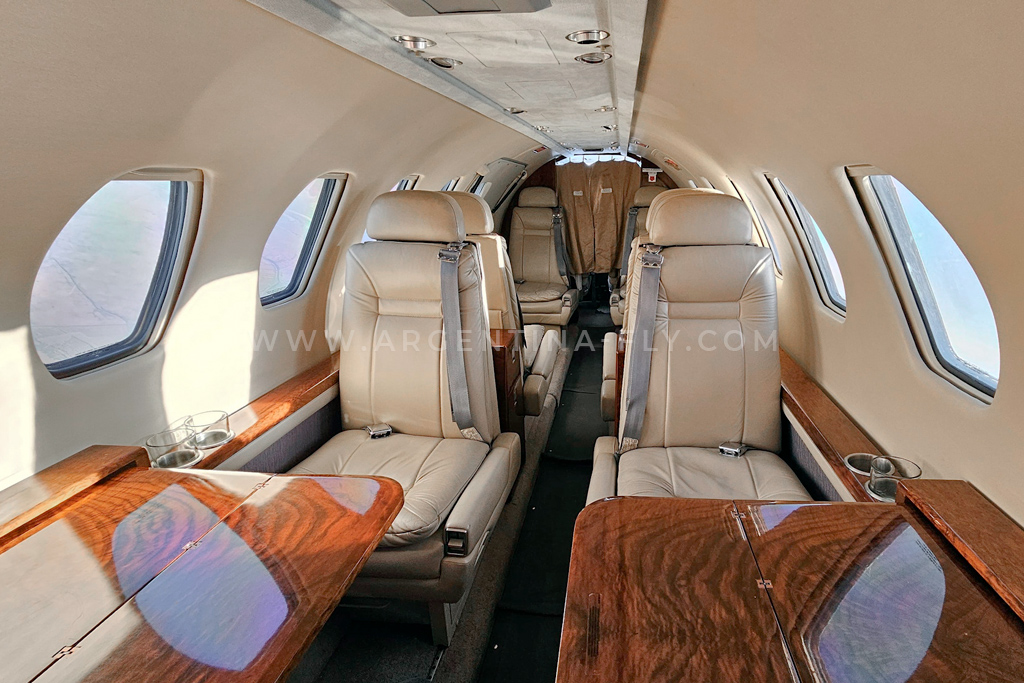
Citation V
Light jet with a comfortable cabin for up to 8 passengers and strong regional range.
Capacity
8 passengers
Lavatory
Not available
Cabin
Pressurized
Luggage
Moderate
Wi-Fi
Portable Starlink
Santiago del Estero (SDE)
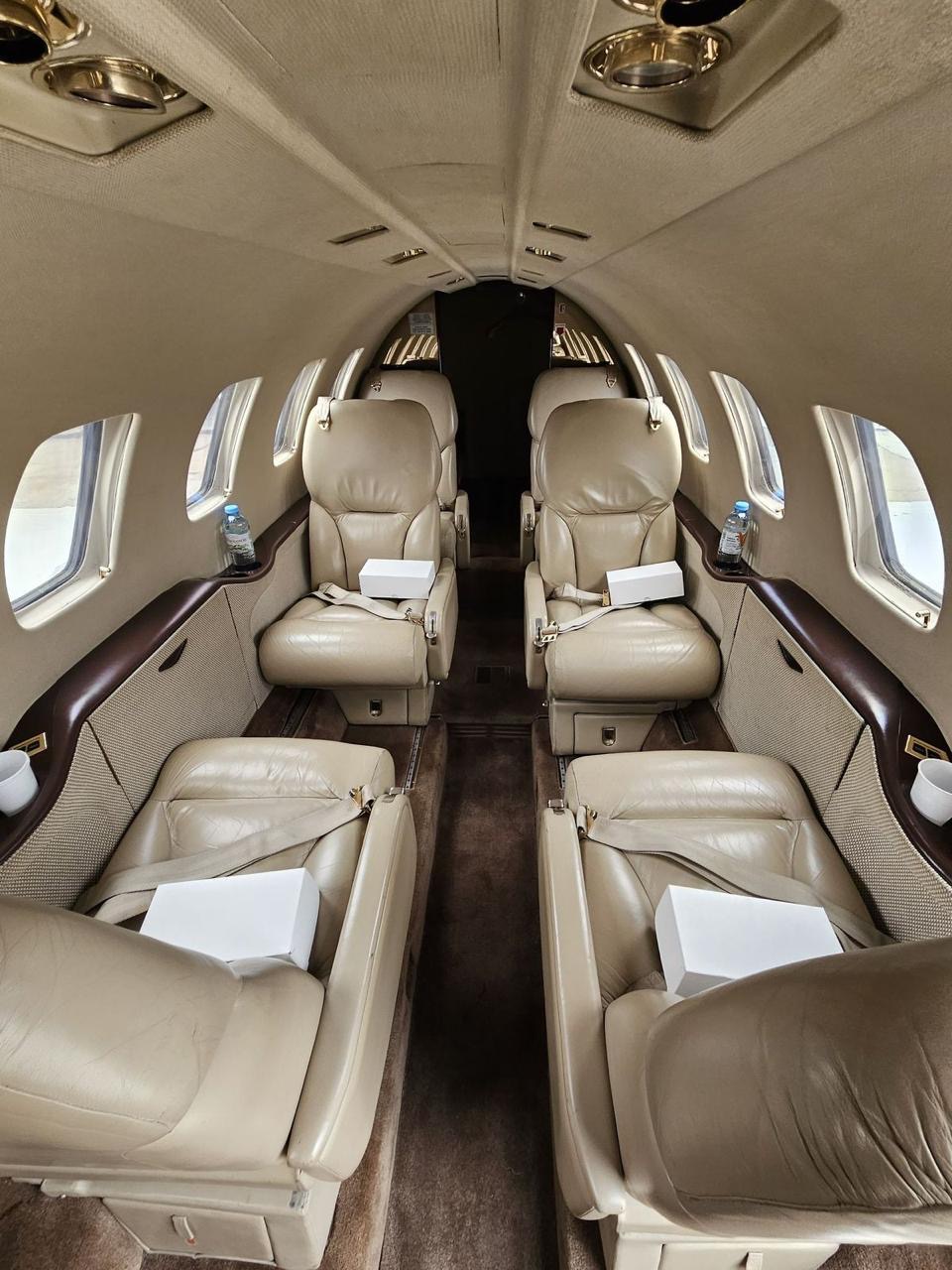
Citation Bravo
Classic light jet with a pressurized cabin, reliable and versatile for regional trips and short runways.
Capacity
7 passengers
Lavatory
Not available
Cabin
Pressurized
Luggage
Standard
Wi-Fi
Not available
Santiago del Estero (SDE)
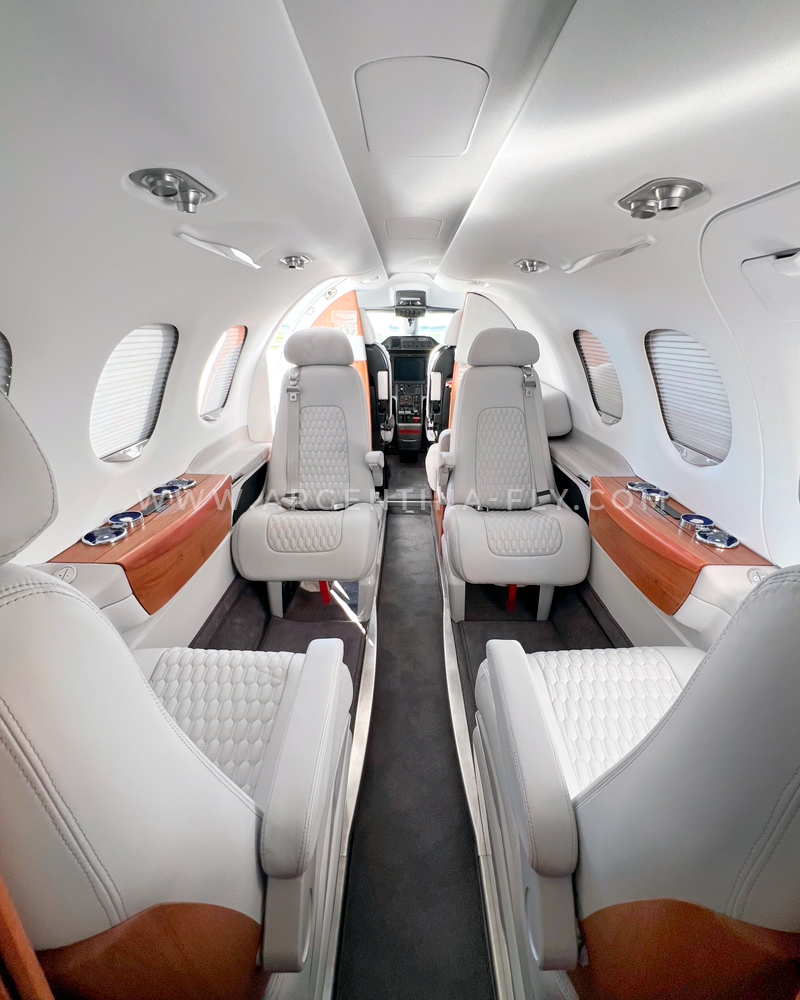
Phenom 100
Light jet ideal for short and medium sectors, with excellent cabin comfort and operating efficiency.
Capacity
5 passengers
Lavatory
Yes
Cabin
Pressurized
Luggage
Moderate
Wi-Fi
Portable Starlink
 Safety certifications
Santiago del Estero (SDE)
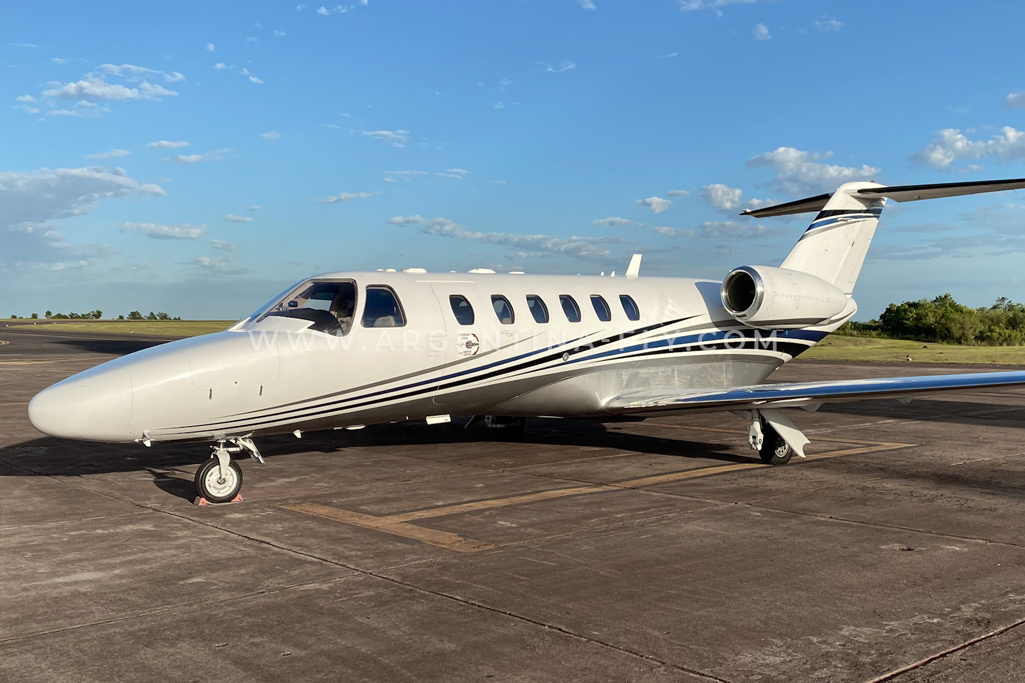
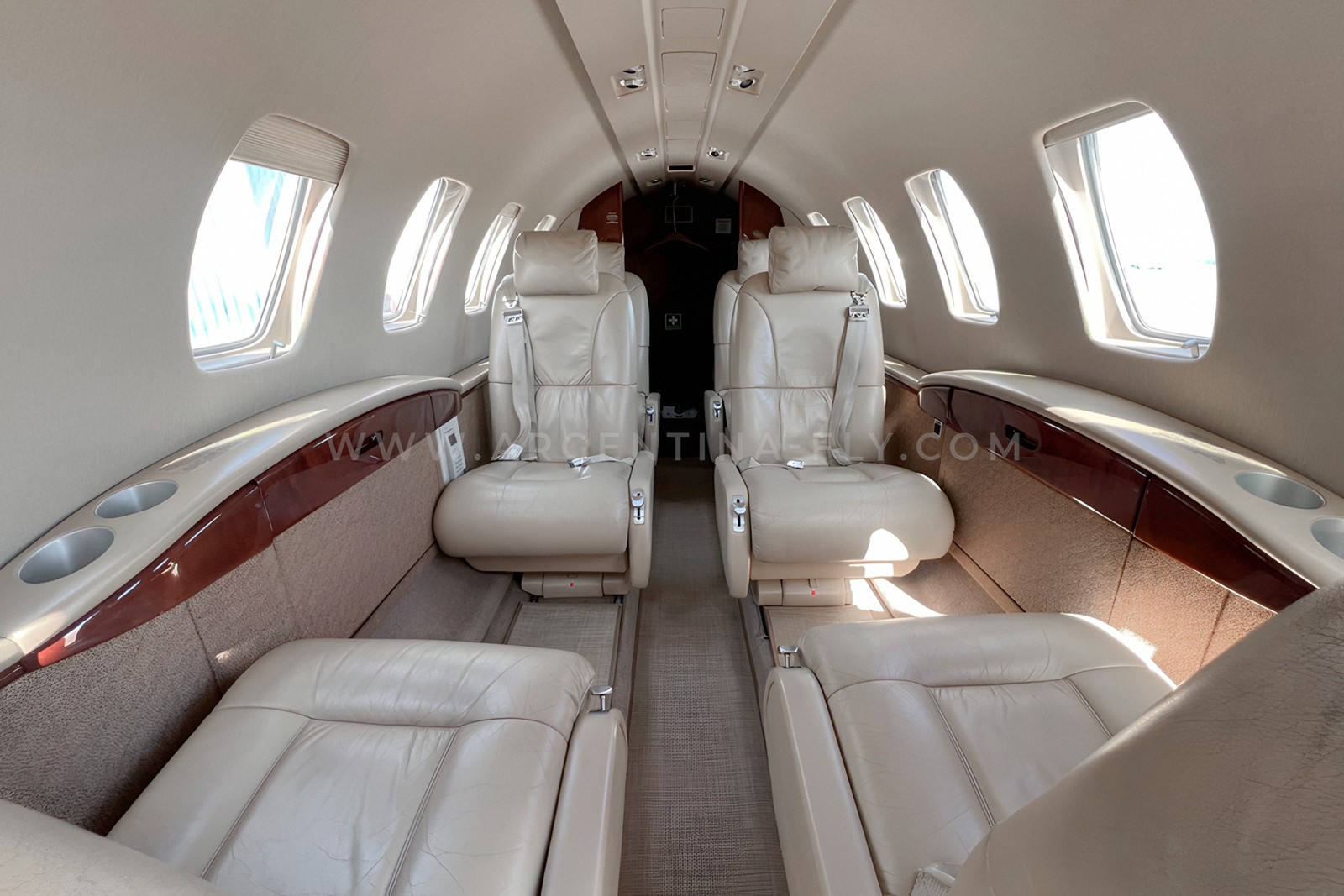
Citation CJ2
Light jet with greater range than the CJ1, offering an excellent balance between cost and executive performance.
Capacity
6 passengers
Lavatory
Not available
Cabin
Pressurized
Luggage
Moderate
Wi-Fi
Not available
Santiago del Estero (SDE)
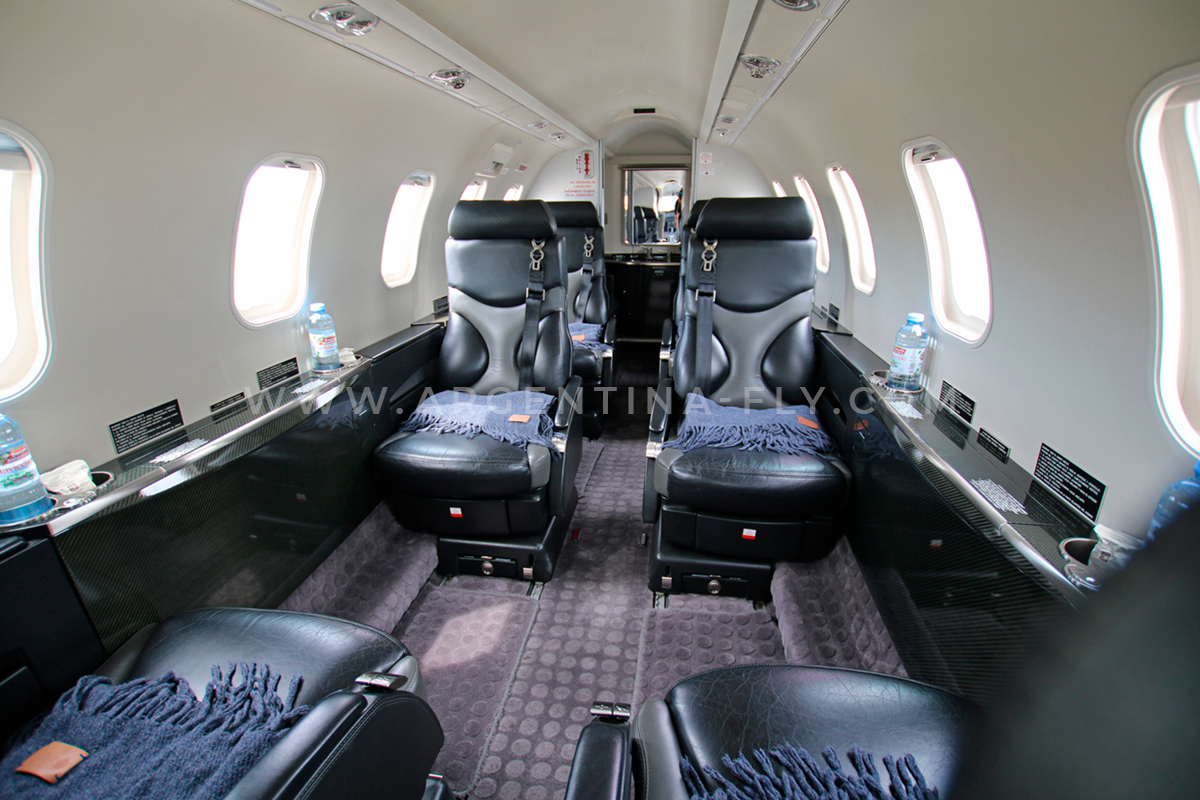
Learjet 40 XR
Light jet with a strong balance of speed and range, featuring a comfortable and modern executive cabin.
Capacity
6 passengers
Lavatory
Yes
Cabin
Pressurized
Luggage
Moderate
Wi-Fi
Not available
Safety certifications
Santiago del Estero (SDE)
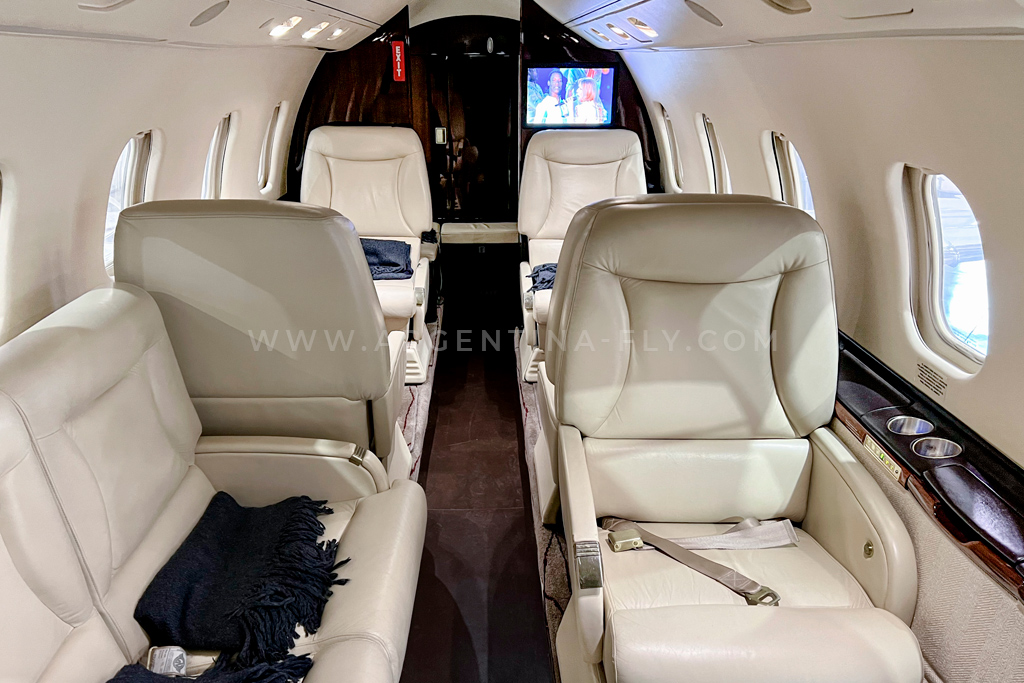
Learjet 60
Midsize jet with a spacious cabin and excellent cruise speed, one of the most requested options for executive flights.
Capacity
7 passengers
Lavatory
Yes
Cabin
Pressurized
Luggage
Moderate
Wi-Fi
Portable Starlink
Safety certifications
Santiago del Estero (SDE)
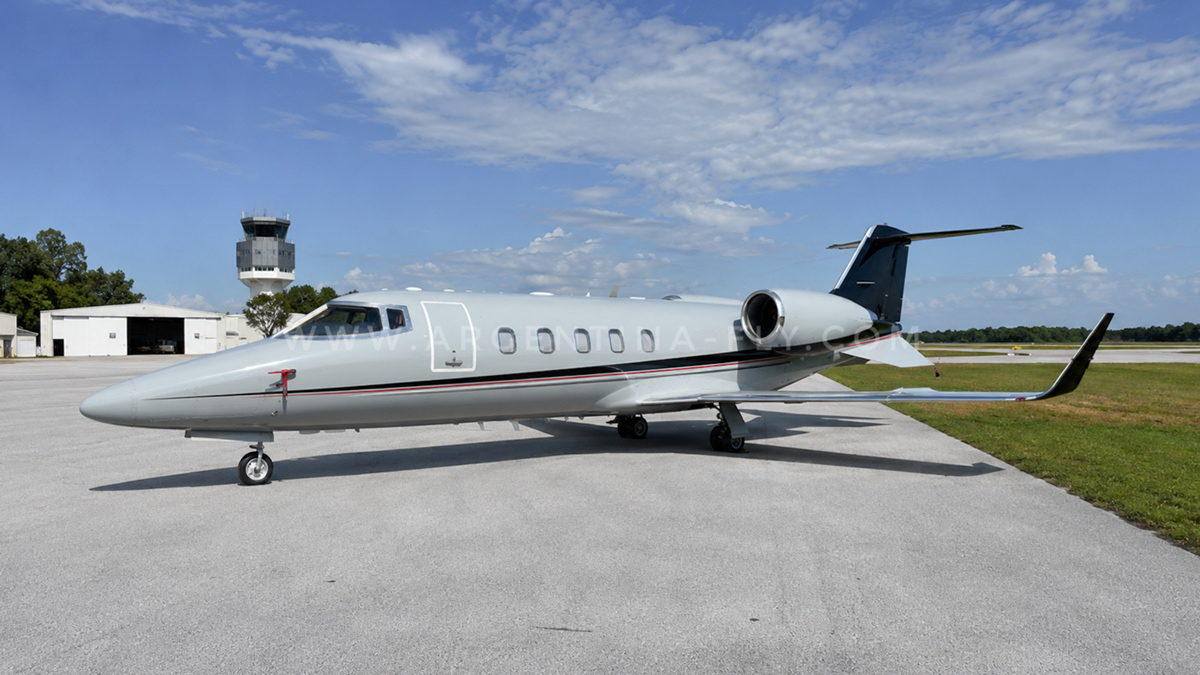
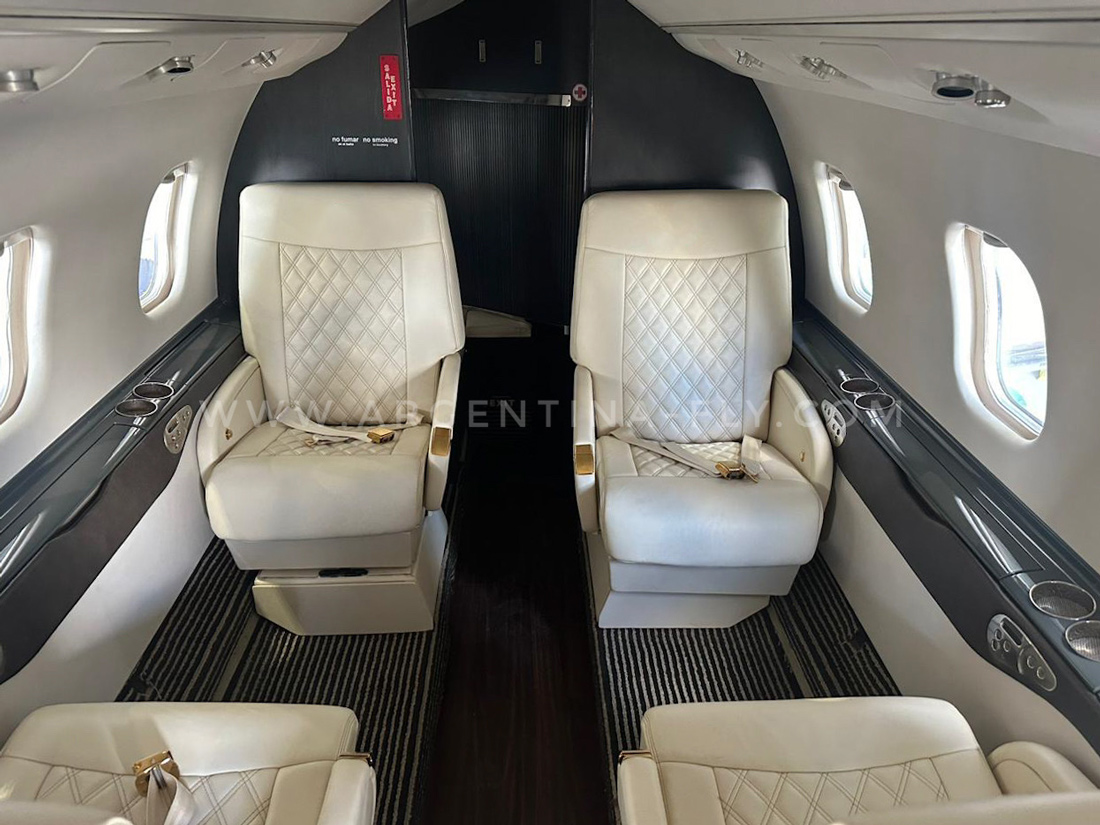
Learjet 60
Midsize jet with a spacious cabin and excellent cruise speed, one of the most requested options for executive flights.
Capacity
7 passengers
Lavatory
Yes
Cabin
Pressurized
Luggage
Standard
Wi-Fi
Not available
Santiago del Estero (SDE)
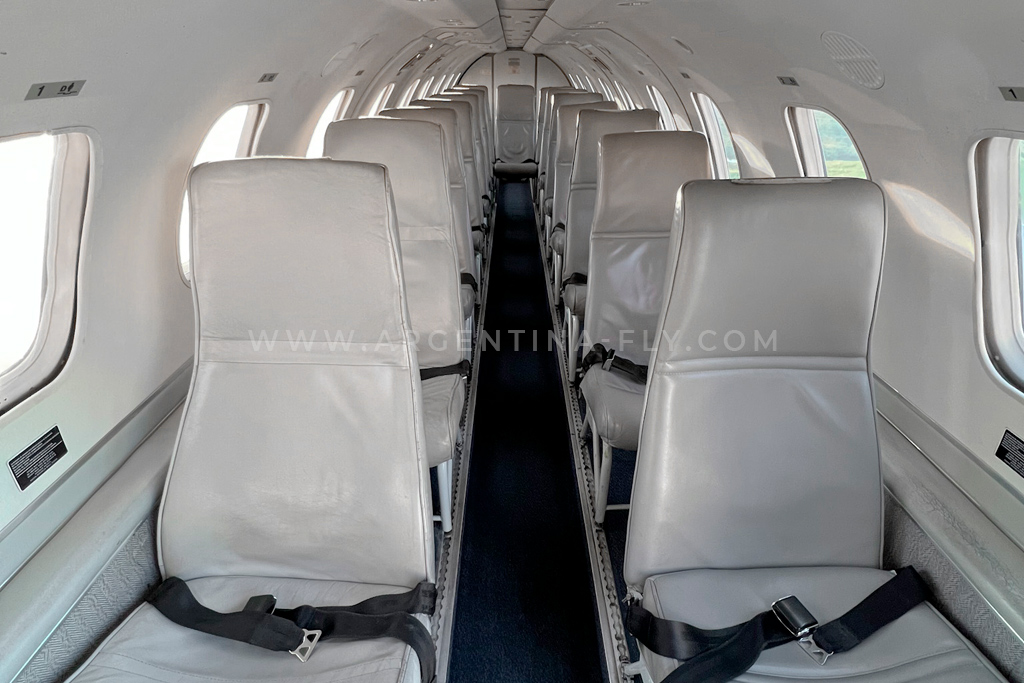
Metro 23
Pressurized regional aircraft with greater capacity, ideal for larger groups and destinations with paved runways.
Capacity
19 passengers
Lavatory
Not available
Cabin
Pressurized
Luggage
Moderate
Wi-Fi
Not available
Santiago del Estero (SDE)
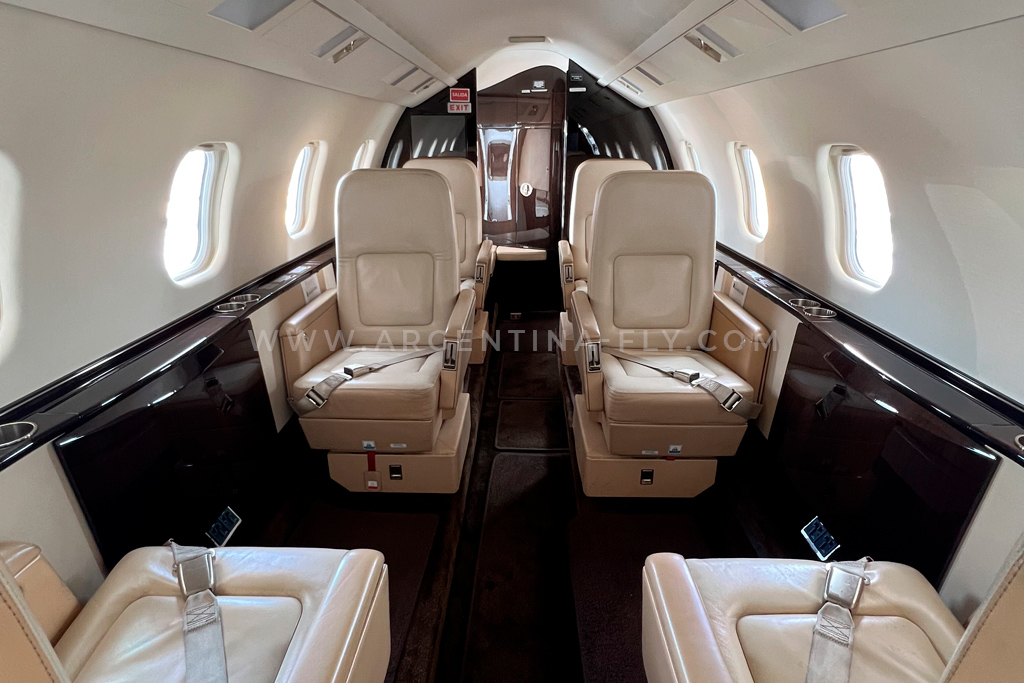
Learjet 60 XR
Enhanced version offering greater range and efficiency while maintaining the speed and comfort of the Learjet 60.
Capacity
6 passengers
Lavatory
Yes
Cabin
Pressurized
Luggage
Moderate
Wi-Fi
Not available
Safety certifications
Santiago del Estero (SDE)
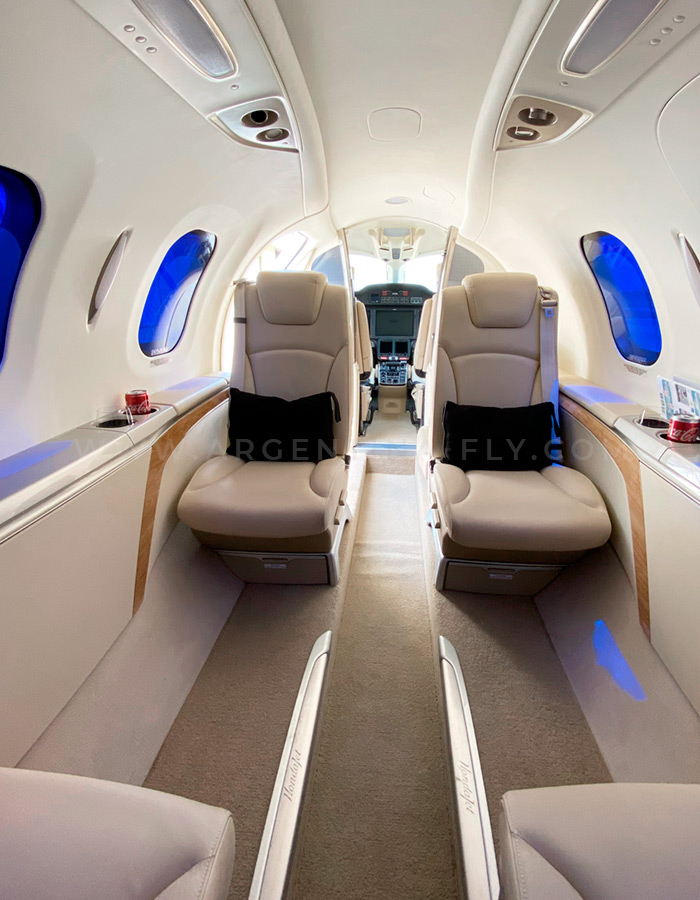
HondaJet
Next-generation light jet with over-the-wing engines, offering an excellent balance between efficiency and executive comfort.
Capacity
5 passengers
Lavatory
Yes
Cabin
Pressurized
Luggage
Moderate
Wi-Fi
Not available
Santiago del Estero (SDE)
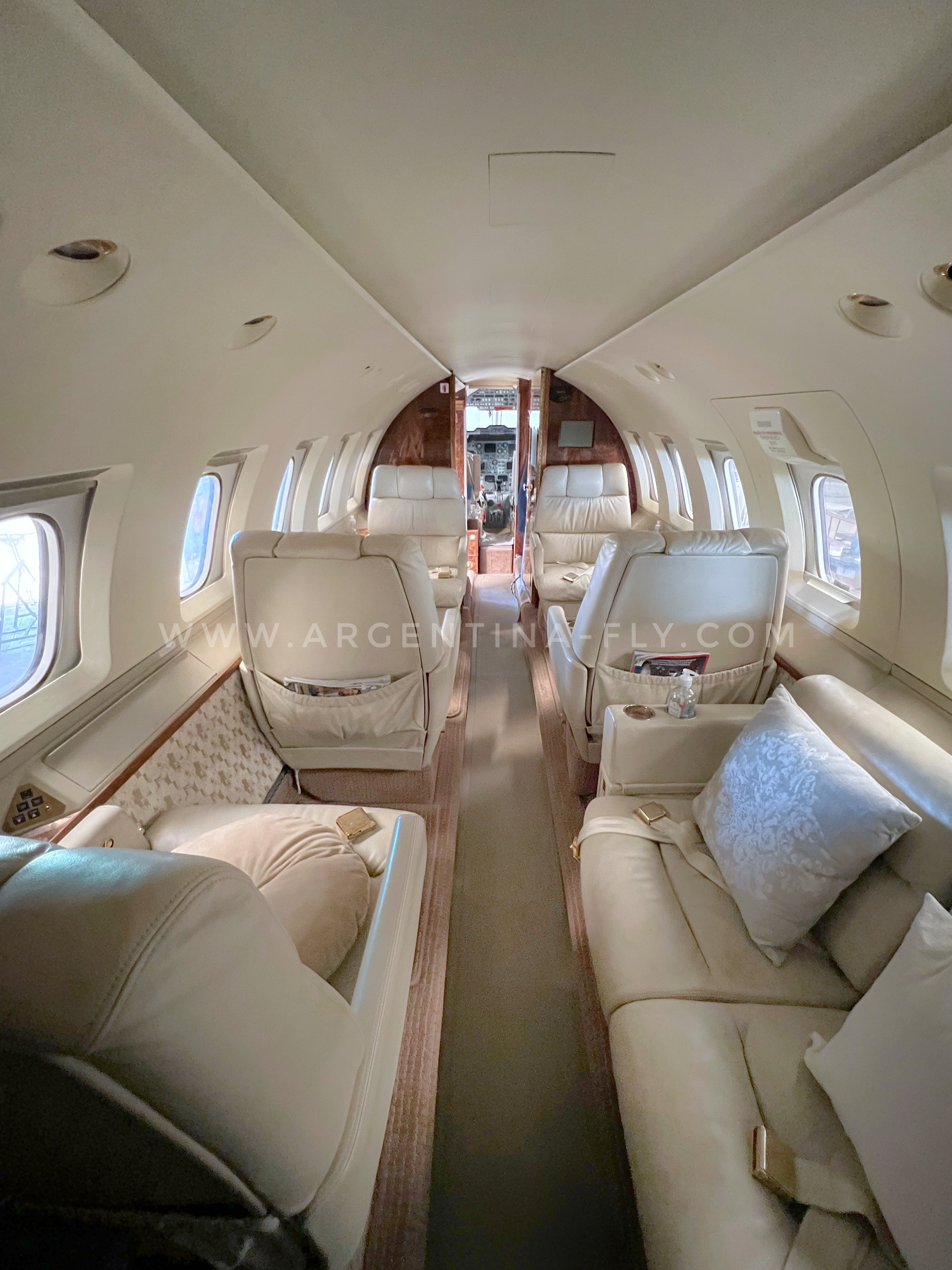
Hawker 800 XP
Midsize jet with a spacious cabin and excellent range, ideal for regional and medium-haul international flights.
Capacity
8 passengers
Lavatory
Yes
Cabin
Pressurized
Luggage
Moderate
Wi-Fi
Portable Starlink
Santiago del Estero (SDE)
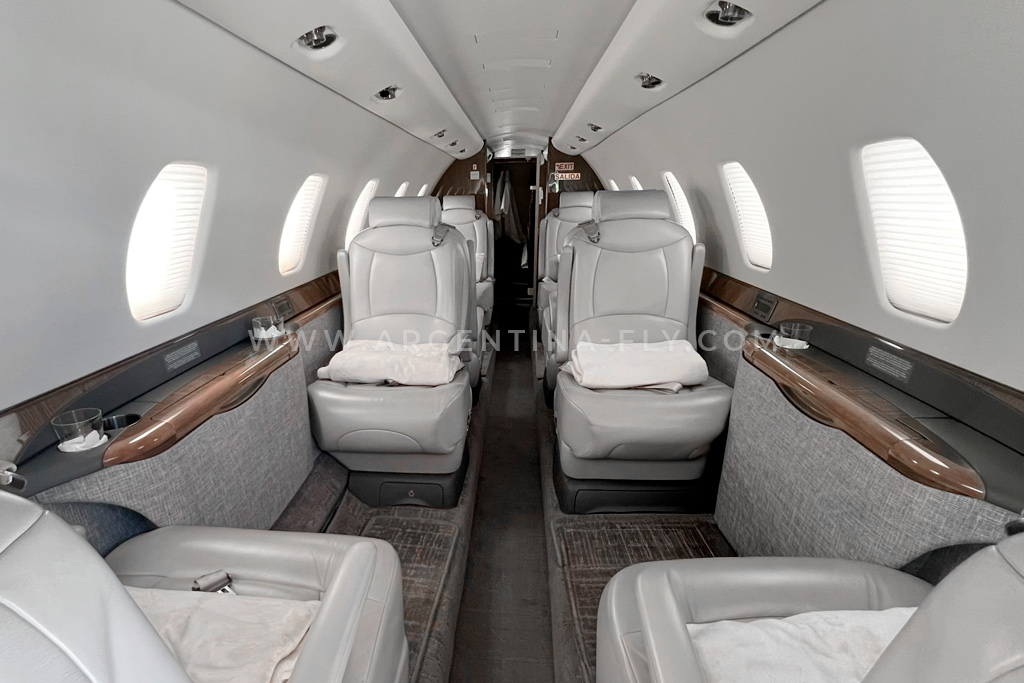
Citation Sovereign
Midsize jet with a spacious cabin, greater range and premium equipment for demanding passengers.
Capacity
8 passengers
Lavatory
Yes
Cabin
Pressurized
Luggage
Generous
Wi-Fi
Portable Starlink (extra cost)
Safety certifications
Santiago del Estero (SDE)
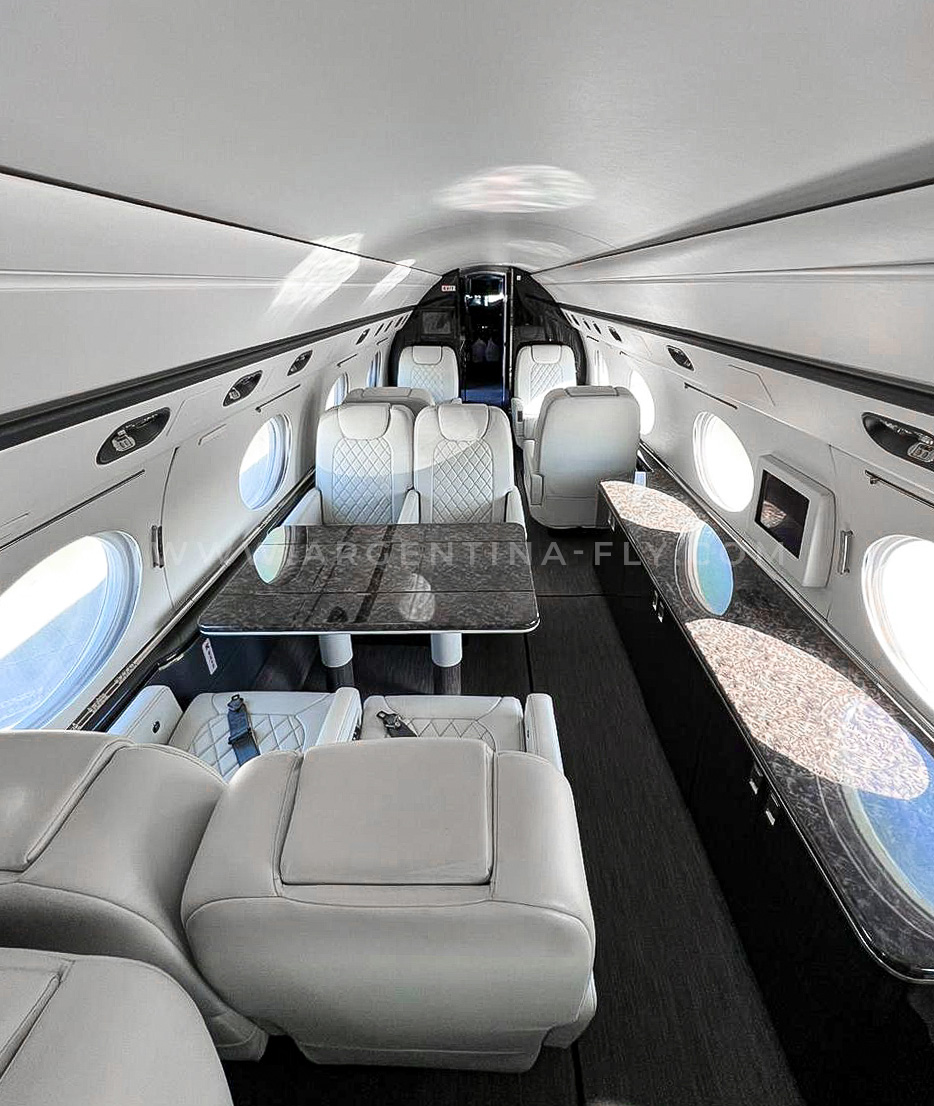
Gulfstream V
Long-range, large-cabin jet with VIP equipment for executive groups demanding the highest level of comfort.
Capacity
14 passengers
Lavatory
Yes
Cabin
Pressurized
Luggage
Spacious
Wi-Fi
Portable Starlink
Santiago del Estero (SDE)
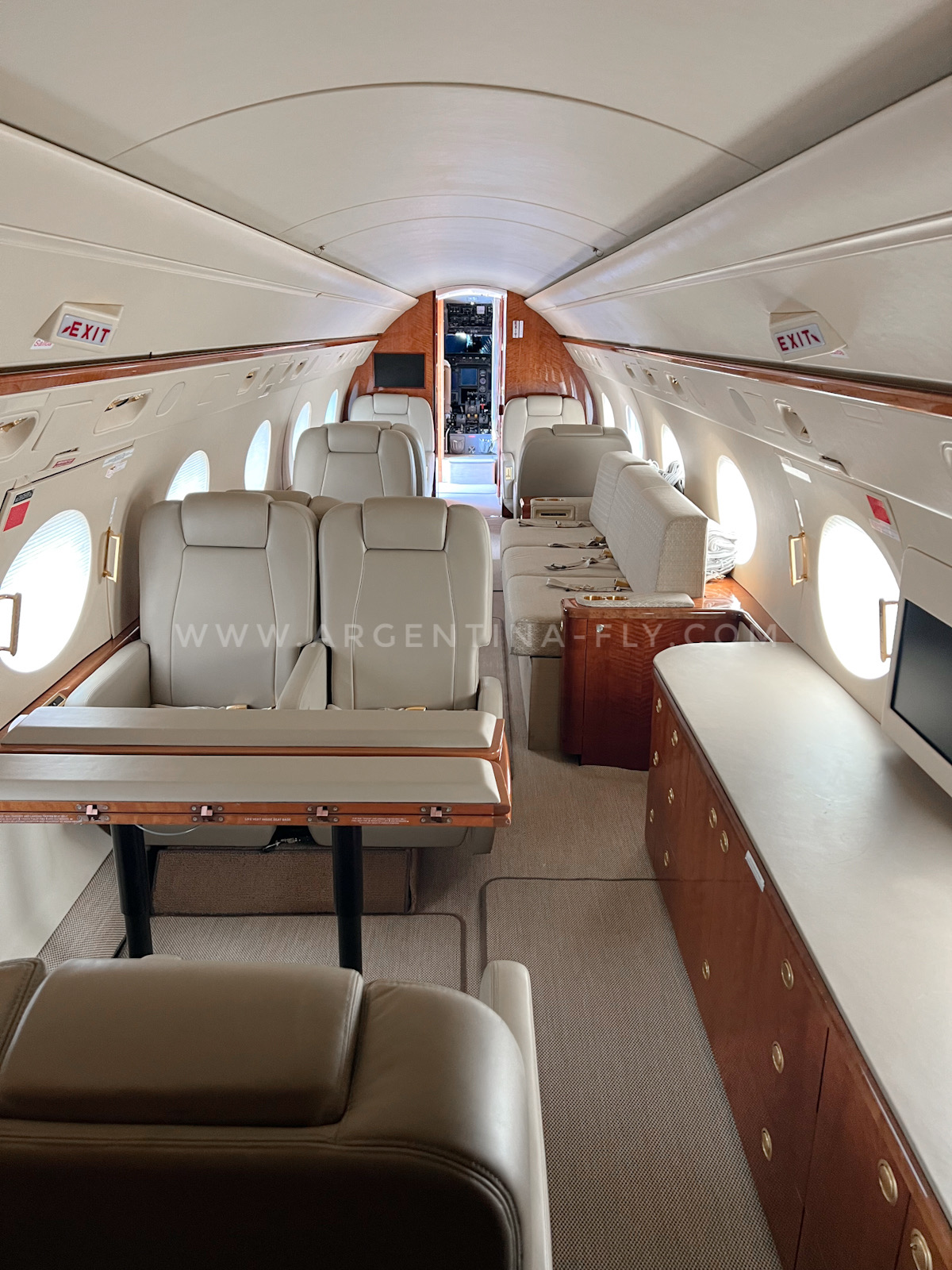
Gulfstream 400
Large jet with an exceptionally spacious cabin and long range, ideal for executive groups requiring maximum comfort.
Capacity
14 passengers
Lavatory
Yes
Cabin
Pressurized
Luggage
Generous
Wi-Fi
Built-in Starlink
Safety certifications
Santiago del Estero (SDE)
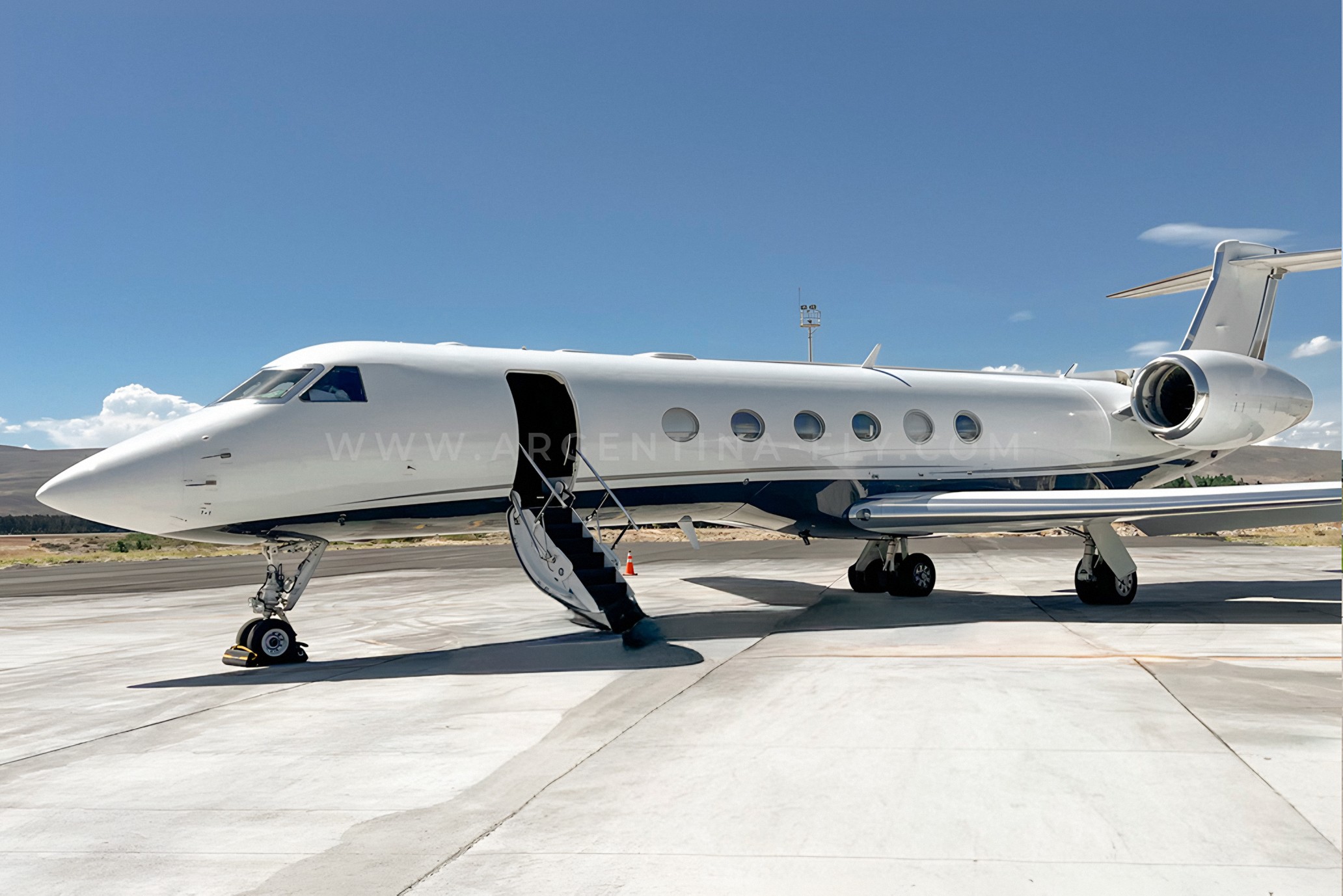
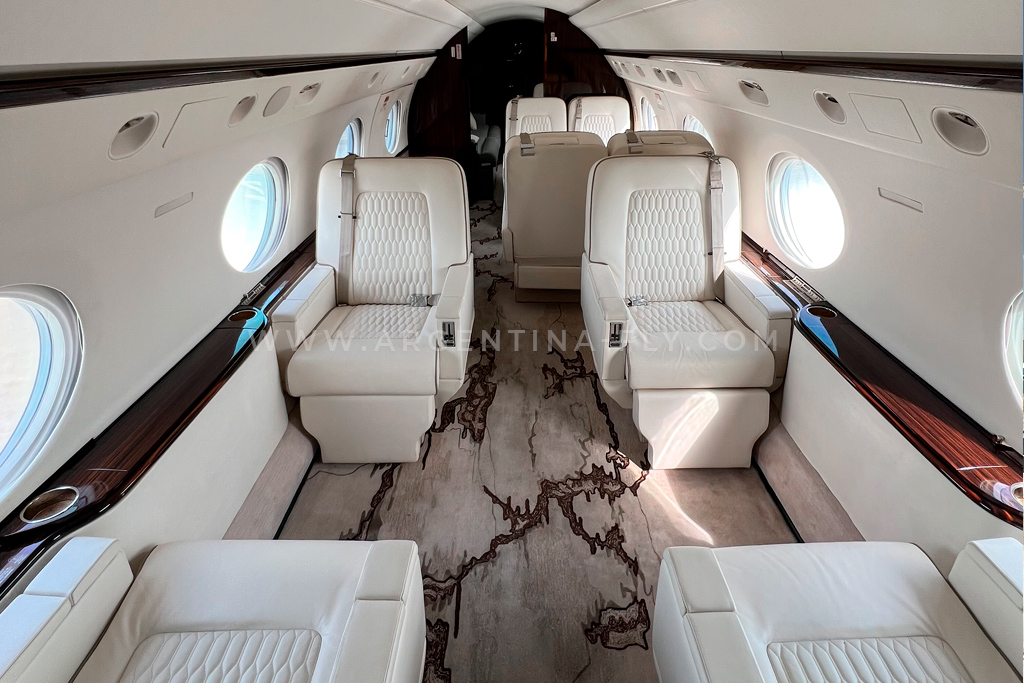
Gulfstream V
Long-range, large-cabin jet with VIP equipment for executive groups demanding the highest level of comfort.
Capacity
14 passengers
Lavatory
Yes
Cabin
Pressurized
Luggage
Generous
Wi-Fi
Built-in Starlink
Safety certifications
Santiago del Estero (SDE)
Other routes from Buenos Aires
Destinations near Santiago del Estero, with the lowest reference fare and the shortest flight time.
Santiago del Estero
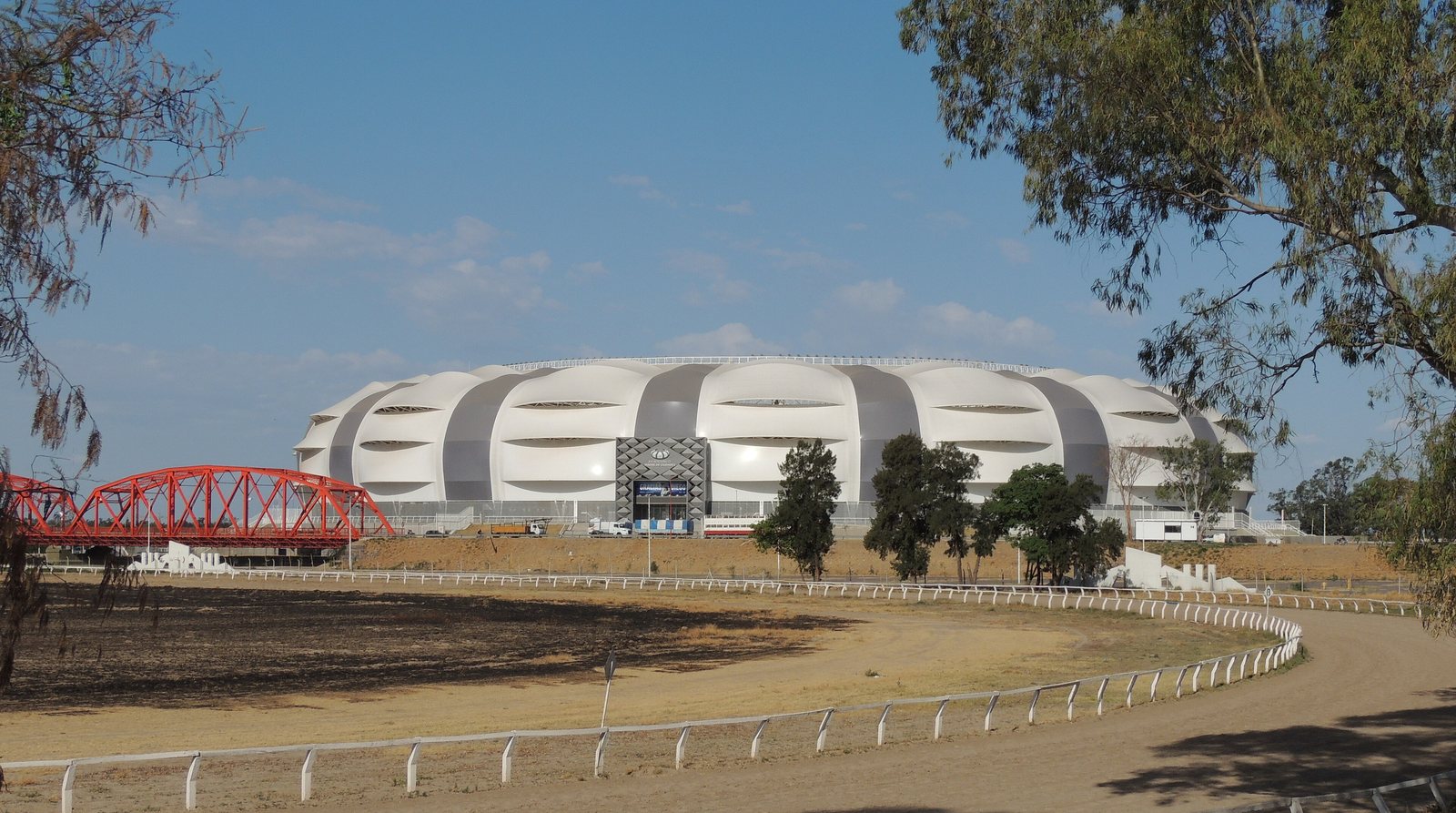
Santiago del Estero, capital of the province of the same name, lies on the banks of the Dulce River, next to the city of La Banda. It was founded in 1553 and is known as the Madre de Ciudades, the Mother of Cities. It is the seat of government of a province of grain, soybeans, cotton and cattle, with a convention center in the old Mitre Railway station and a stadium for 29,000 people. From Buenos Aires it is 929 km: a private jet reaches Madre de Ciudades Airport, 6 km from downtown, in 1 h 20 to 1 h 35.
The Mother of Cities
Founded in 1553 beside the Dulce River; its history unfolds at the Centro Cultural del Bicentenario.
Francisco de Aguirre gave the city its name in 1553: Santiago, for the apostle, and del Estero, “of the marsh,” for its location beside today's Dulce River. From here the colonizing expeditions set out that founded other cities, among them several of today's provincial capitals, which is why it is known as the Mother of Cities. The city celebrates its founding every July 25.
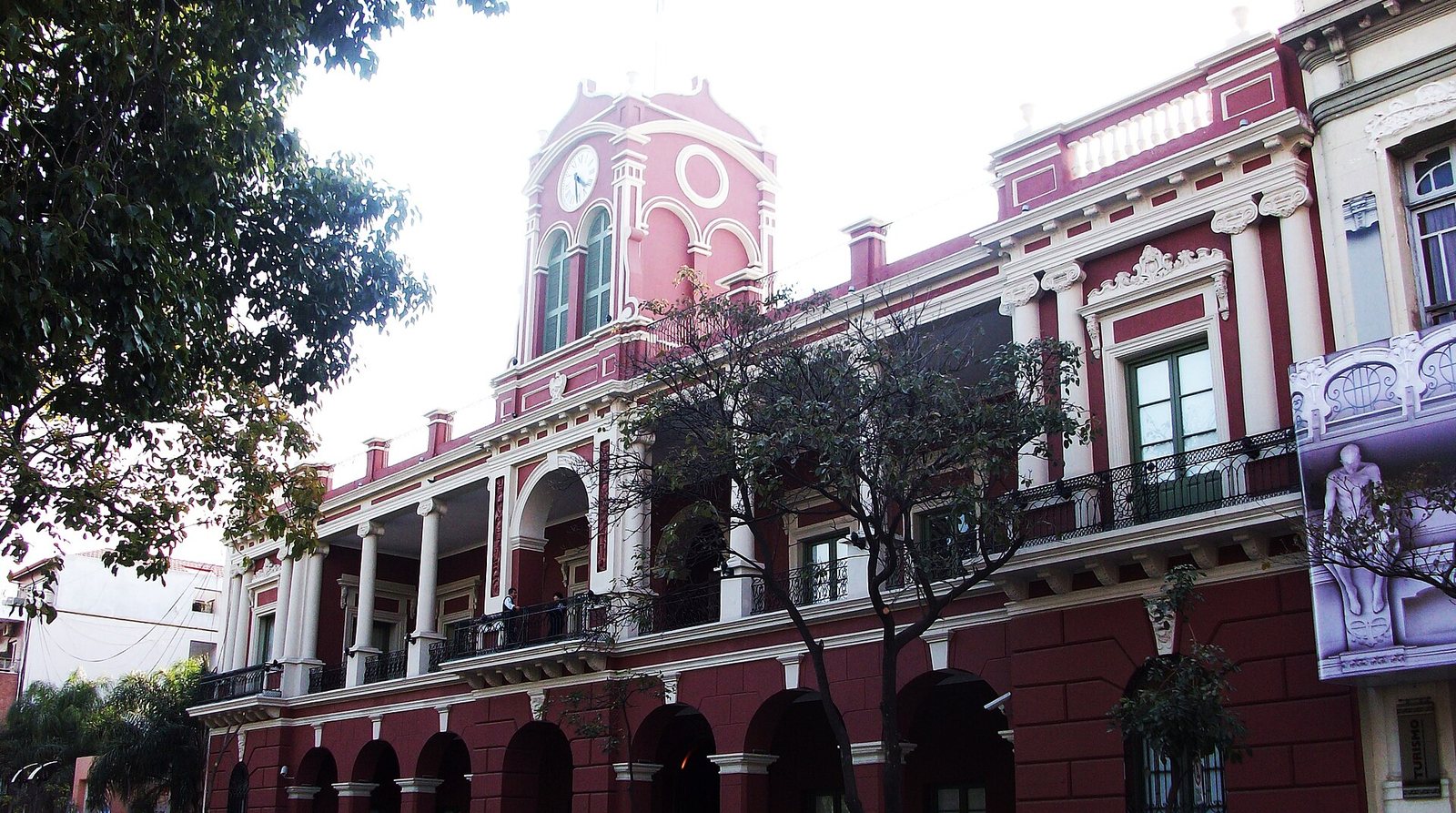
The Centro Cultural del Bicentenario opened on July 24, 2010 in the old Casa de Gobierno, the 1868 government house, on Calle Libertad facing the square of the same name. The historic building, a Provincial Historic Monument since 1987, was joined to a modern extension: 10,000 m² in all, with the three provincial museums, a large exhibition hall, an auditorium and a central hall with an old fountain. The entrance on the Tucumán pedestrian street is a replica of the portico of the Colegio de San Jerónimo, on the Praza do Obradoiro in Santiago de Compostela.
The Emilio y Duncan Wagner Museum of Anthropological and Natural Sciences was founded in 1917 with 3,000 archaeological and ethnographic pieces; the expeditions of the French brothers Wagner, between the 1920s and the 1940s, added vessels, burial urns, musical instruments and paleontological pieces from the Chaco-Santiago region. The Museo Histórico Dr. Orestes Di Lullo, from 1941, traces the life of the city since its founding, with religious statuary and the Cruz de Matará; the Ramón Gómez Cornet Museum of Fine Arts, from 1942, gathers work by artists from Santiago and across Argentina. The Teatro 25 de Mayo, the city's first theater, has 1,000 seats.
What to see
- Centro Cultural del BicentenarioIn the old Casa de Gobierno, facing Plaza Libertad; home to the three provincial museums.
- Museo de Bellas Artes Ramón Gómez CornetWork by artists from Santiago and across Argentina, since 1942.
- Museo de Ciencias Antropológicas y Naturales Emilio y Duncan WagnerArchaeology, ethnography and paleontology of the Chaco-Santiago region.
- Museo Histórico Dr. Orestes Di LulloThe history of the city and the province since the founding.
- Teatro 25 de MayoThe city's first theater, with 1,000 seats.
Where to stay
- Hilton Garden Inn Santiago del EsteroFour-star hotel at Leandro N. Alem 148.
- NH Santiago del EsteroFour-star hotel at Independencia 110.
Provincial capital and farm country
Seat of government of a province of grain, soybeans, cotton and cattle.
The province grows corn, wheat, soybeans and cotton. Grain is its leading export complex and soybeans the second; most of the grain is processed outside the province and shipped from the port of Rosario. Cotton is grown in the east of the province, without irrigation, and cattle and goat ranching and forestry round out the economy.
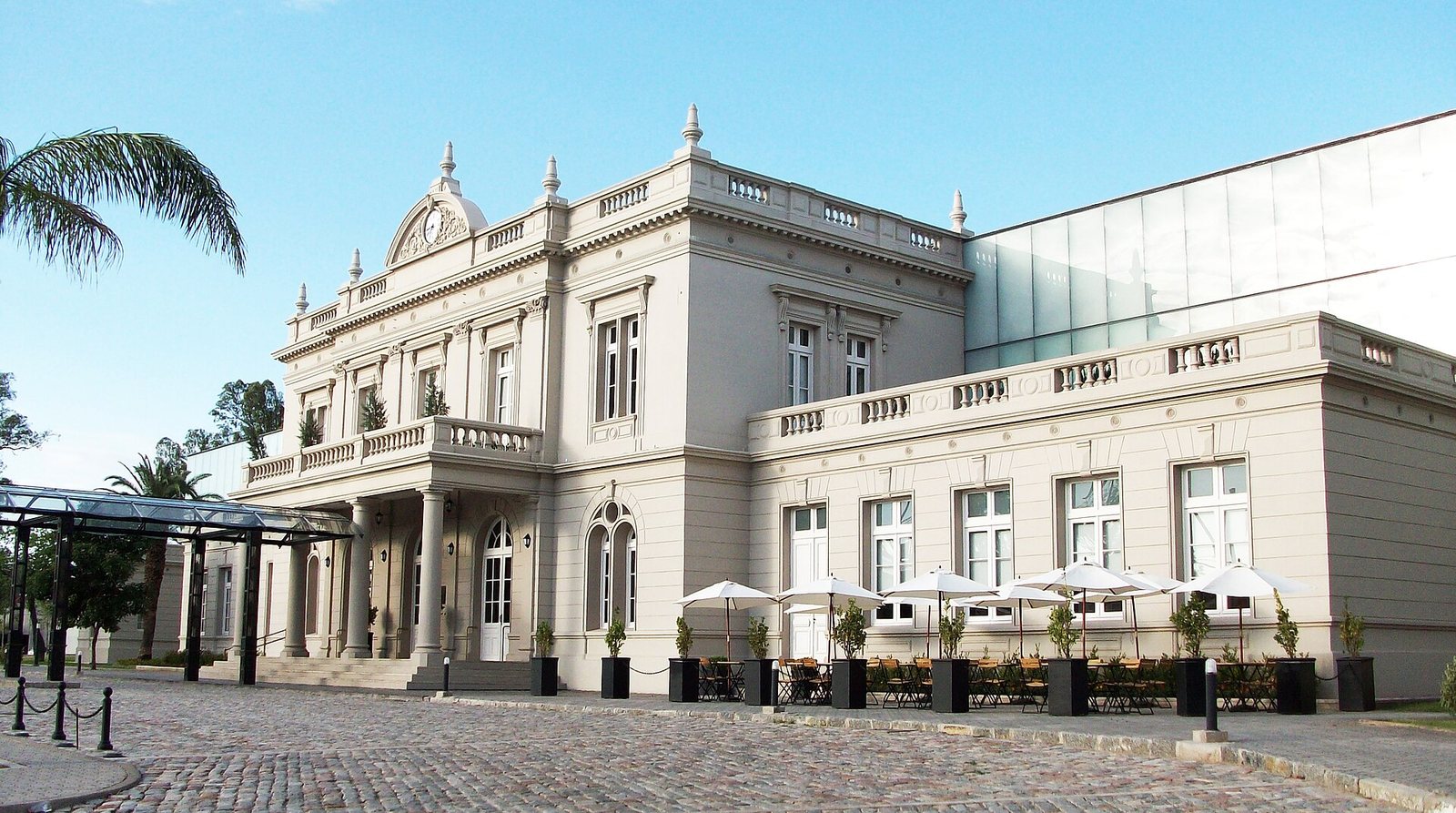
The Centro de Convenciones Provincial Fórum occupies the old Mitre Railway station, on Calle Perú, and keeps the old ticket office at reception. It has 4,000 m² under roof: the main hall, over 2,500 m², seats up to 3,000 people and divides with movable panels into as many as four rooms that can run at the same time. Outside, the Plaza Seca hosts exhibitions and fairs.
In La Banda, the neighboring city, the province's Nodo Tecnológico, its technology hub, covers 15,000 m² in the La Isla Industrial Park, with conference and exhibition halls, meeting rooms, coworking spaces and a foyer for hundreds of people. Downtown, the Centro Cultural del Bicentenario adds a room for 120 people.
What to see
- Centro de Convenciones Provincial FórumIn the old Mitre Railway station, seating up to 3,000 people.
- Nodo Tecnológico15,000 m² for conferences, exhibitions and coworking, in La Banda.
The stadium and the Dulce River parks
A stadium for 29,000 people and the parks along the riverbank.
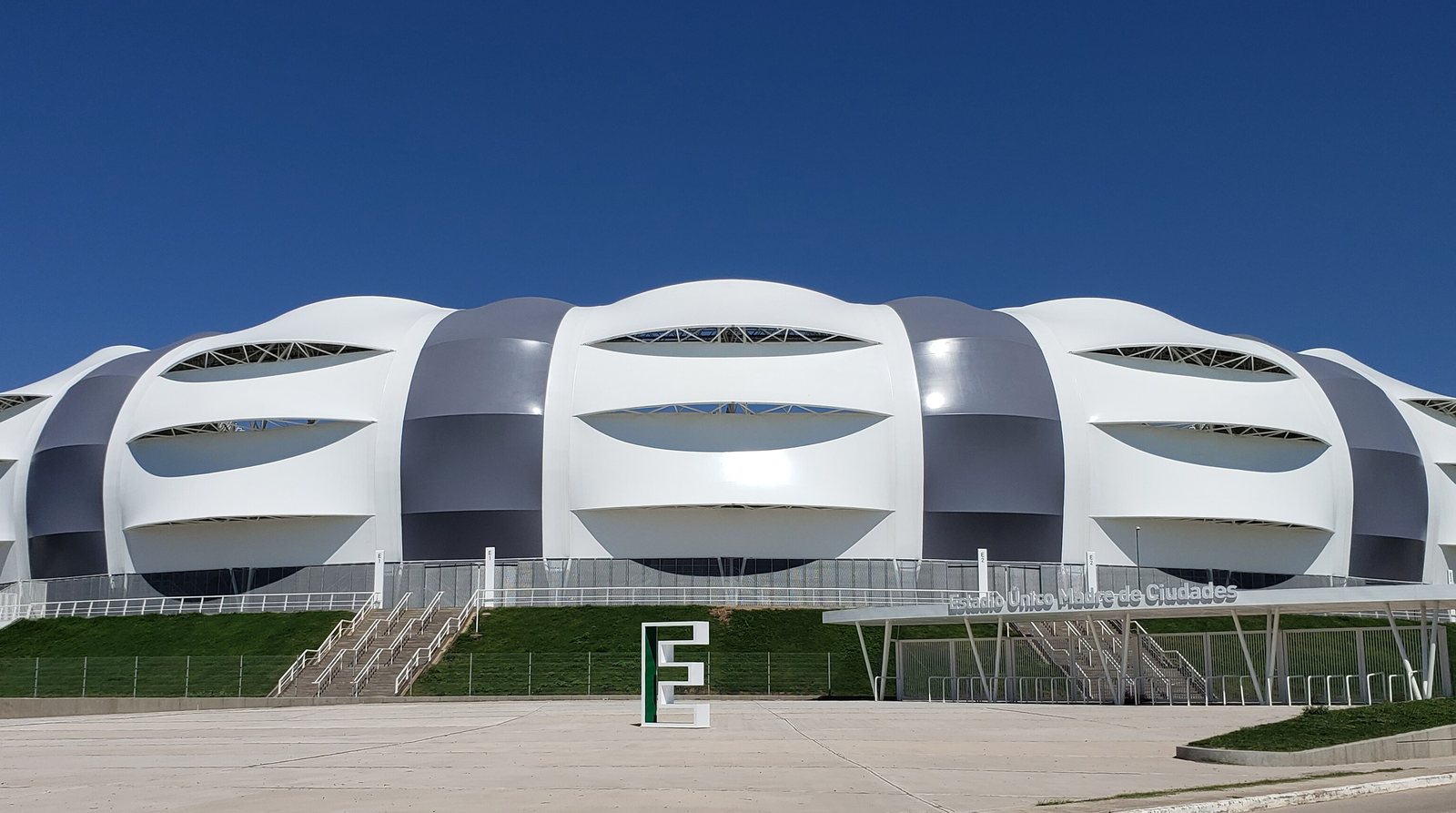
The Estadio Único Madre de Ciudades holds 29,000 spectators, with 22 boxes, VIP seating and press booths, plus an interactive museum with virtual reality. It hosts soccer and rugby matches, and the Tren al Desarrollo links it with the bus terminal and the La Banda station.
Parque Aguirre stretches along the banks of the Dulce River. Inside is the Polideportivo Provincial, the provincial sports complex, with an Olympic aquatic center of two heated pools, a hockey complex with one grass and one synthetic field, certified by the International Hockey Federation, and a double BMX track. By the river, the Plaza Añoranzas is an open-air stage for 10,000 people that hosts concerts and shows in summer.
Near downtown, on the grounds of the old zoo, the Parque del Encuentro opened in 2021 as a park for interfaith dialogue: it has buildings of five faiths and, at the entrance, a dome with technology and special effects.
What to see
- Estadio Único Madre de Ciudades29,000 seats, boxes and an interactive museum with virtual reality.
- Parque AguirreOn the banks of the Dulce River, with the Polideportivo Provincial.
- Parque del EncuentroA park for interfaith dialogue, with buildings of five faiths and a dome.
- Plaza AñoranzasAn open-air stage for 10,000 people beside the river.
Arrival
From departure to destination.
- Departure
- From San Fernando (FDO), Aeroparque (AEP) or Ezeiza (EZE). The fare may change depending on where each aircraft is based.
- Airport
- Madre de Ciudades, Vicecomodoro Ángel de la Paz Aragonés (SDE): public-use and towered, 6 km northwest of the city.
- La Banda
- The neighboring city, linked to the capital by the Tren al Desarrollo.
- Termas de Río Hondo
- 68 km away by road, with its own international airport.
When to go
The seasons at the destination.
- Summer (December to March)
- Heat and rain: an average high of 34.2 °C and 139.3 mm of rain in January. Concerts at the Plaza Añoranzas.
- April and May
- The heat and rain ease: an average high of 26.7 °C in April and 16.0 mm of rain in May.
- Winter (June to September)
- The dry season, with 1.6 mm of rain in July, highs of 20.9 °C and lows of 4.9 °C.
- July 25
- Anniversary of the city's founding.
Key facts
Summer January
- Average low
- 20.7°
- Average high
- 34.2°
139.3 mm of rain
Fall April
- Average low
- 14.9°
- Average high
- 26.7°
39.9 mm of rain
Winter July
- Average low
- 4.9°
- Average high
- 20.9°
1.6 mm of rain
Spring October
- Average low
- 15.6°
- Average high
- 30.6°
55.2 mm of rain
- Airport
- Madre de CiudadesIATA / ICAO: SDE / SANEVicecomodoro Ángel de la Paz Aragonés, 6 km from downtown
- Category
- Public-use, towered
- Distance
- 929 kmFlight distance from Buenos Aires; 1,043 km by road
- Annual rainfall
- 652.4 mm88% falls from October to March
Frequently asked questions
Price, flight time, airport, departure and travel documents.
How much does a private flight from Buenos Aires to Santiago del Estero cost?
Reference fares for a one-way private flight from Buenos Aires (San Fernando), whole aircraft, start at USD 7,470 for a piston twin, USD 7,660 for a turboprop, USD 8,950 for a light jet, USD 11,430 for a midsize jet and USD 17,690 for a large jet. Round trips are calculated in the quote tool according to the length of your stay.
How long is the flight?
Between 1 h 20 and 3 h 15, depending on the aircraft; the fastest jet on the route takes 1 h 20.
Which airport does the flight land at?
Madre de Ciudades Airport, Vicecomodoro Ángel de la Paz Aragonés (SDE / SANE), 6 km northwest of the city at an elevation of 200 m. It is public-use and towered, with a paved runway.
Why is Santiago del Estero called the Mother of Cities?
Because it was founded in 1553, and from it set out the colonizing expeditions that founded other cities, among them several of today's provincial capitals. Its history is told at the Museo Histórico Dr. Orestes Di Lullo, inside the Centro Cultural del Bicentenario.
Where can I hold a conference or a company event?
At the Centro de Convenciones Provincial Fórum, in the old Mitre Railway station, with a main hall seating up to 3,000 people that divides into as many as four rooms. In La Banda, the Nodo Tecnológico has 15,000 m² with conference and exhibition halls, and the Centro Cultural del Bicentenario has a room for 120 people.
Where to stay in Santiago del Estero?
The four-star hotels downtown are the Hilton Garden Inn, at Leandro N. Alem 148, and the NH Santiago del Estero, at Independencia 110.
Can I combine the trip with Termas de Río Hondo?
Yes. Termas de Río Hondo is 68 km away by road, with its thermal spa hotels and racetrack. You can also get a quote for a direct flight to its international airport.
When does it rain least?
From April to September: July brings 1.6 mm of rain, with highs of 20.9 °C and lows of 4.9 °C. Summer is the rainy season, with an average high of 34.2 °C in January.
Are the published fares final?
They are estimates. The final quote depends on dates, length of stay, aircraft type and applicable operating fees.
Where does the flight depart from?
Fares are calculated for departure from San Fernando (FDO). Departing from Aeroparque (AEP) or Ezeiza (EZE) may change the fare, depending on where each aircraft is based.
What documents do I need?
It is a domestic flight within Argentina: Argentine citizens travel with a valid national ID (DNI) and foreign nationals with a valid passport.

Ready to fly? Let’s talk.
Share the details of your trip and we’ll help you find the aircraft and flight solution best suited to your needs.
- WhatsApp+54 9 11 3080 7775
- Phone+54 9 11 3080 7775
- Emailinfo@argentina-fly.com
For charter operatorsList your aircraft