
- Home
- Flight quote
- La Rioja
Private flights to La Rioja and Talampaya
Jet from USD 9,190 · 1 h 40
Results:
- Itinerary
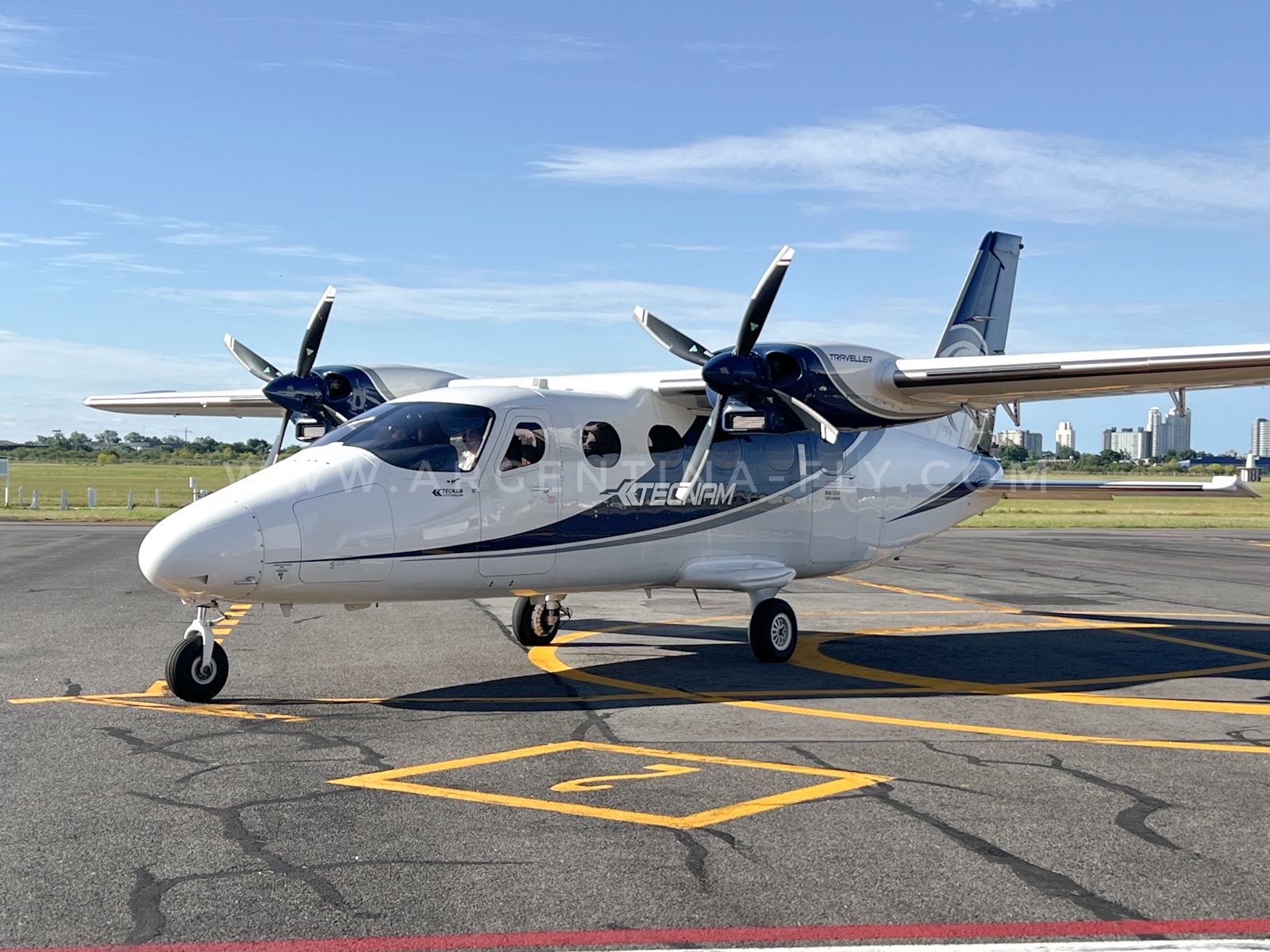
Tecnam Traveller
Piston aircraft · 9 passengers · 3 h 153 h 15flight time
USD 7,650+ VAT 10.5%
Request a quote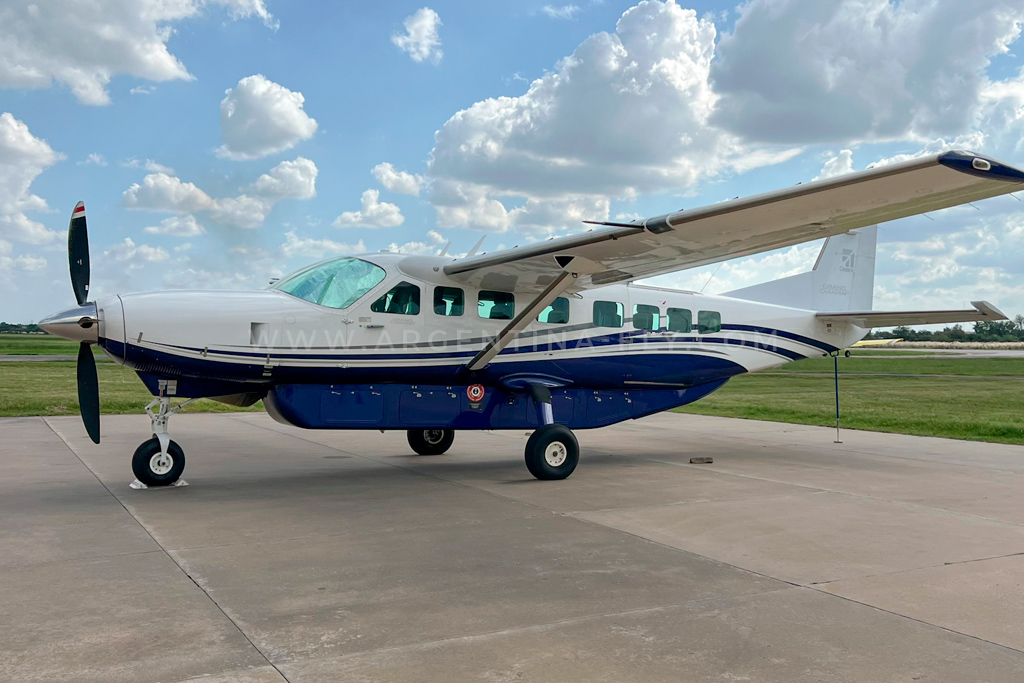
Cessna Grand Caravan
Turboprop · 9 passengers · 3 h 253 h 25flight time
USD 7,840+ VAT 10.5%
Request a quote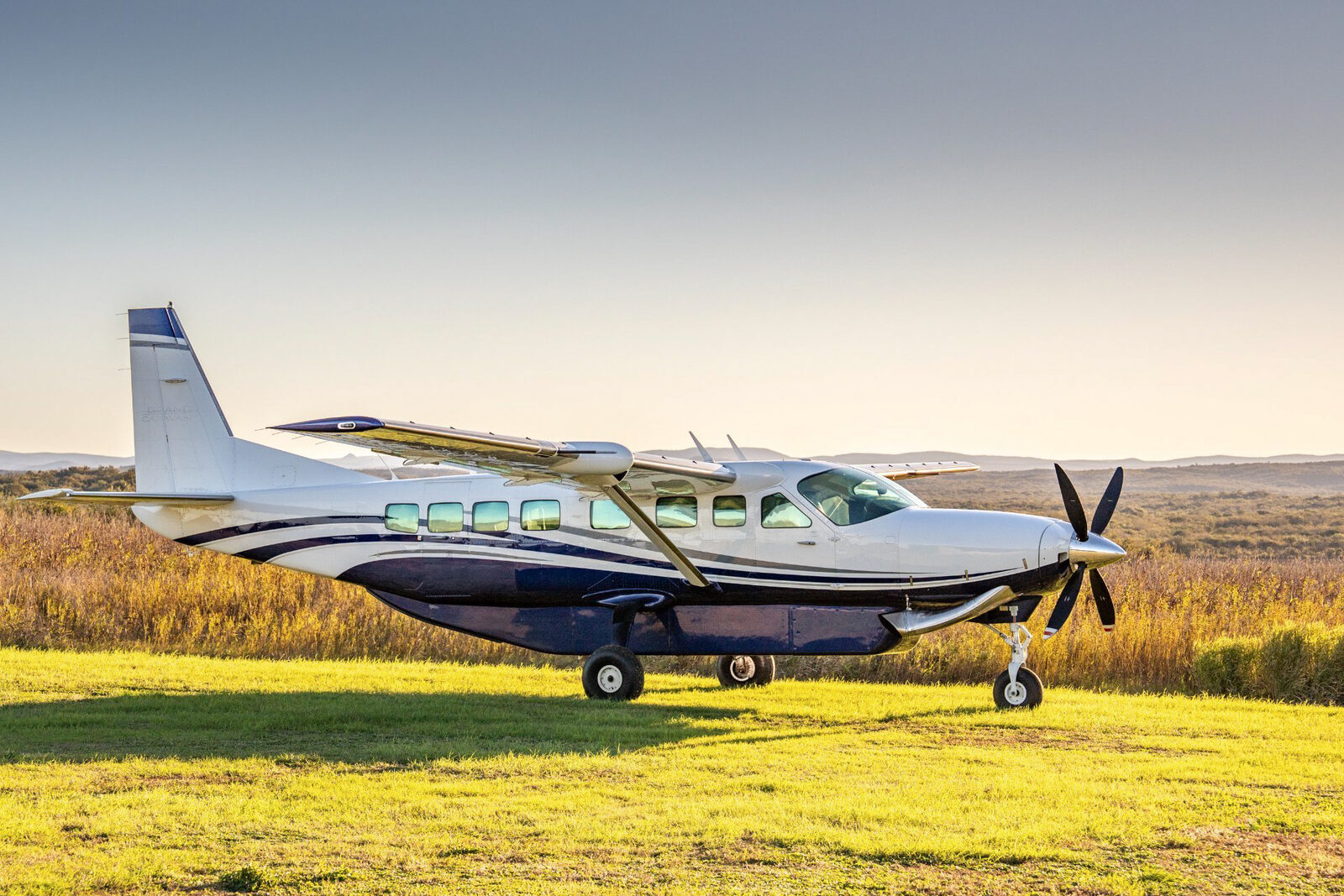
Cessna Grand Caravan Ex
Turboprop · 9 passengers · 3 h 103 h 10flight time
USD 8,420+ VAT 10.5%
Request a quote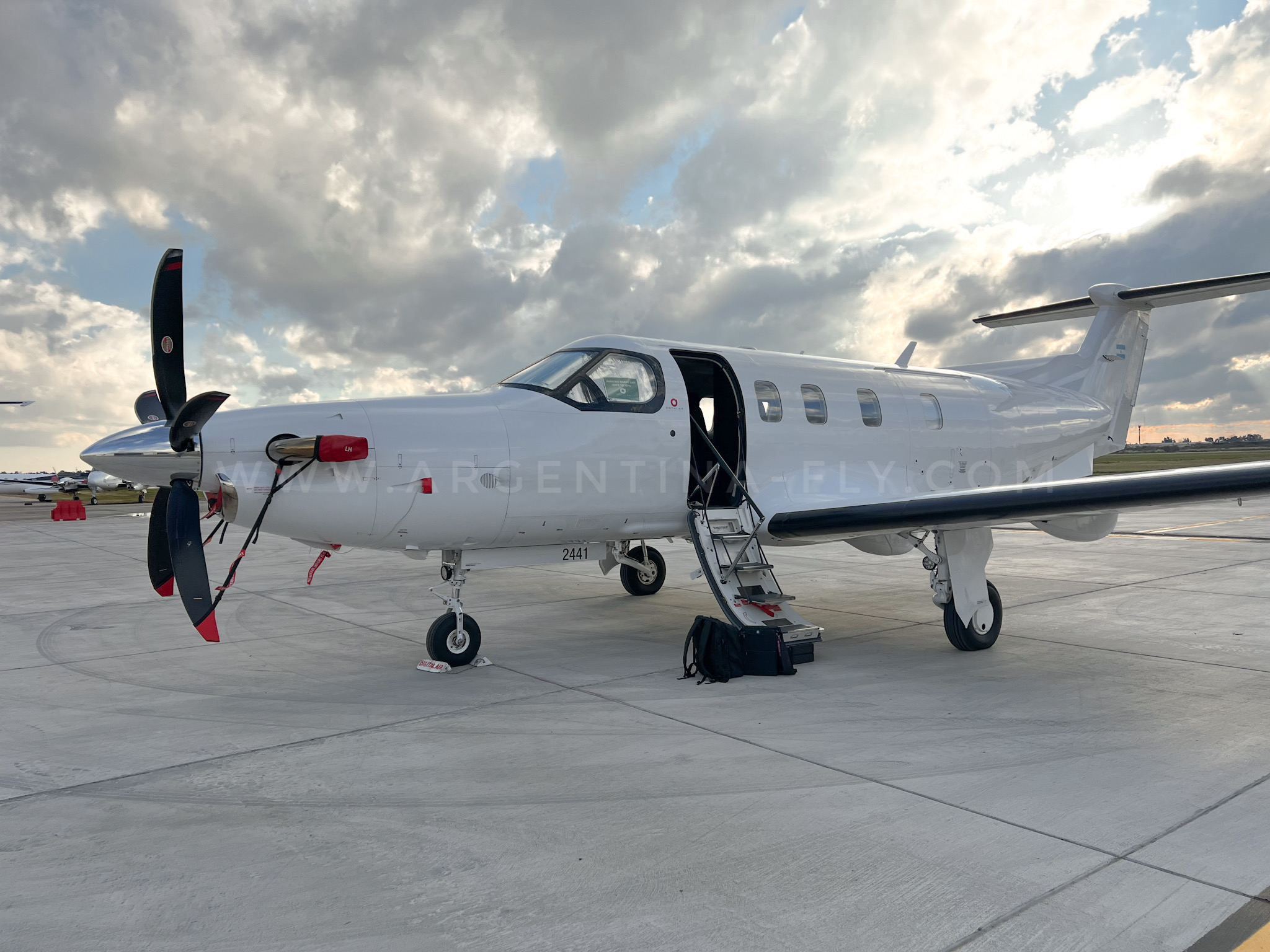
Pilatus PC-12
Turboprop · 8 passengers · 2 h 102 h 10flight time
USD 8,610+ VAT 10.5%
Request a quote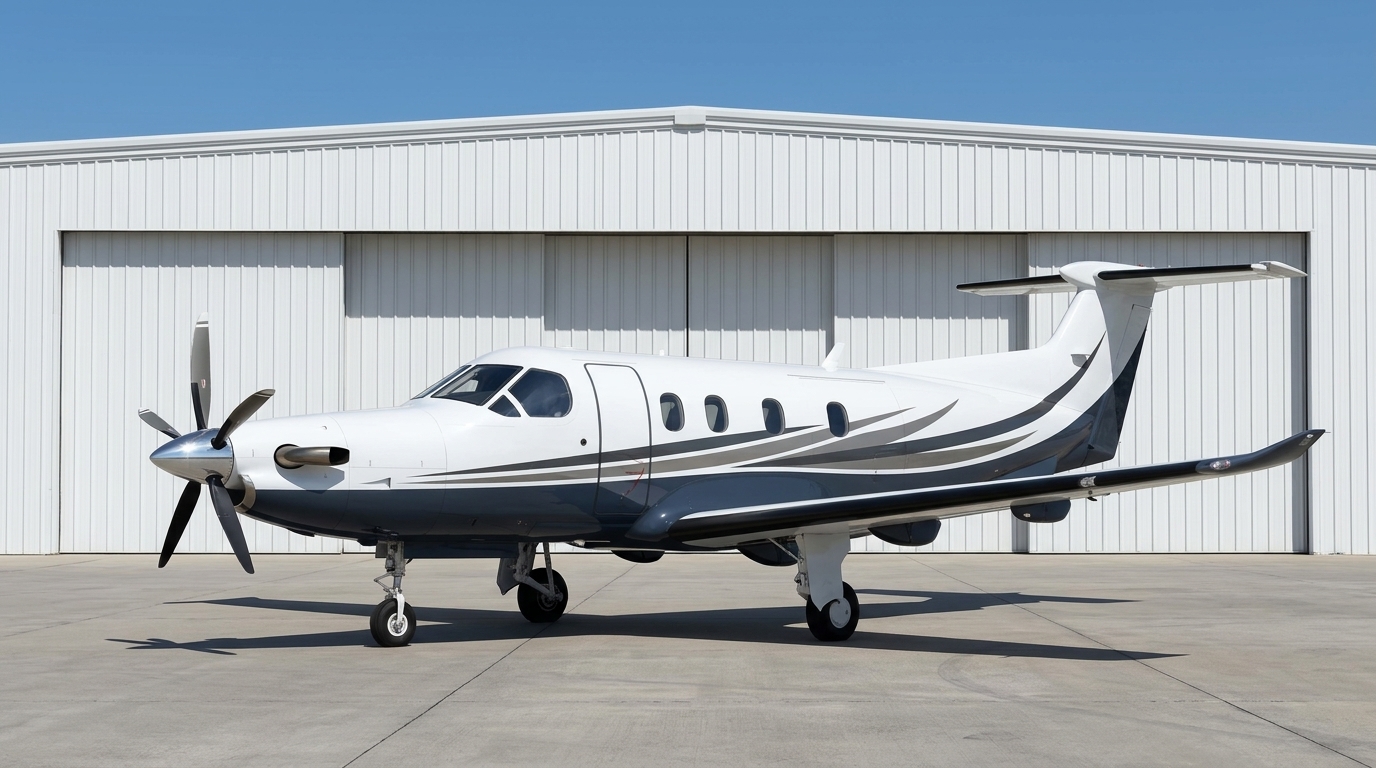
Pilatus PC12 Pro
Turboprop · 8 passengers · 2 h 102 h 10flight time
USD 8,810+ VAT 10.5%
Request a quote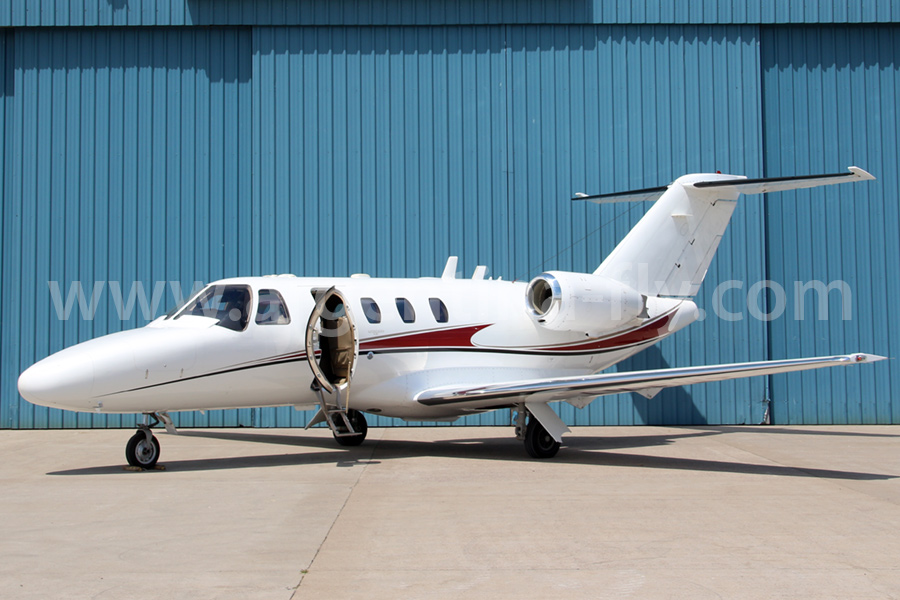
Citation CJ1
Light jet · 5 passengers · 1 h 401 h 40flight time
USD 9,190+ VAT 10.5%
Request a quote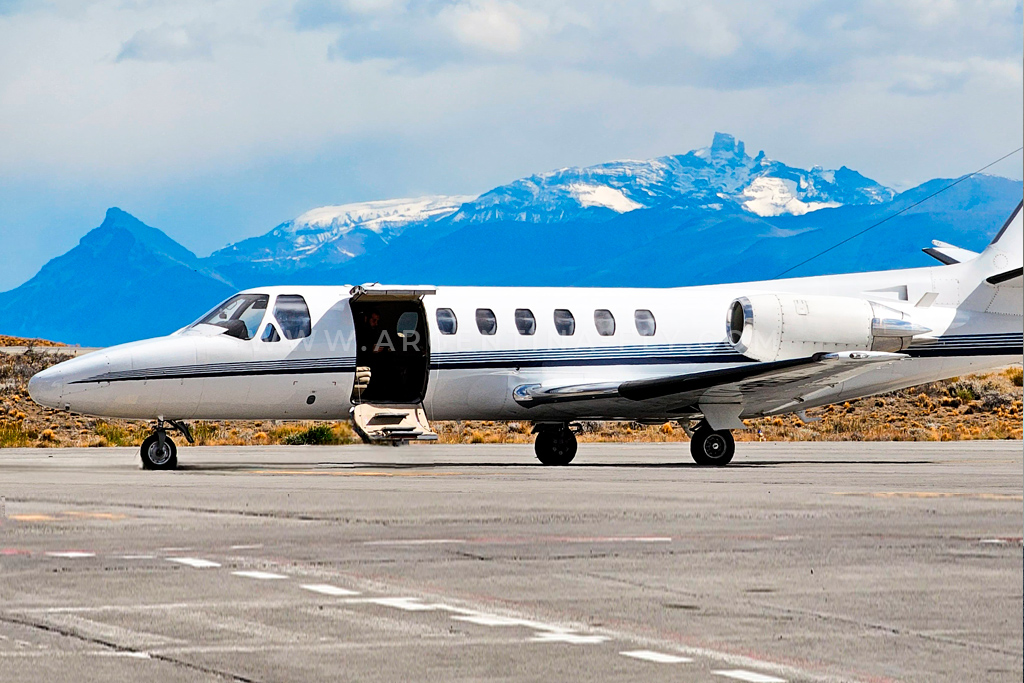
Citation V
Light jet · 8 passengers · 1 h 351 h 35flight time
USD 9,580+ VAT 10.5%
Request a quote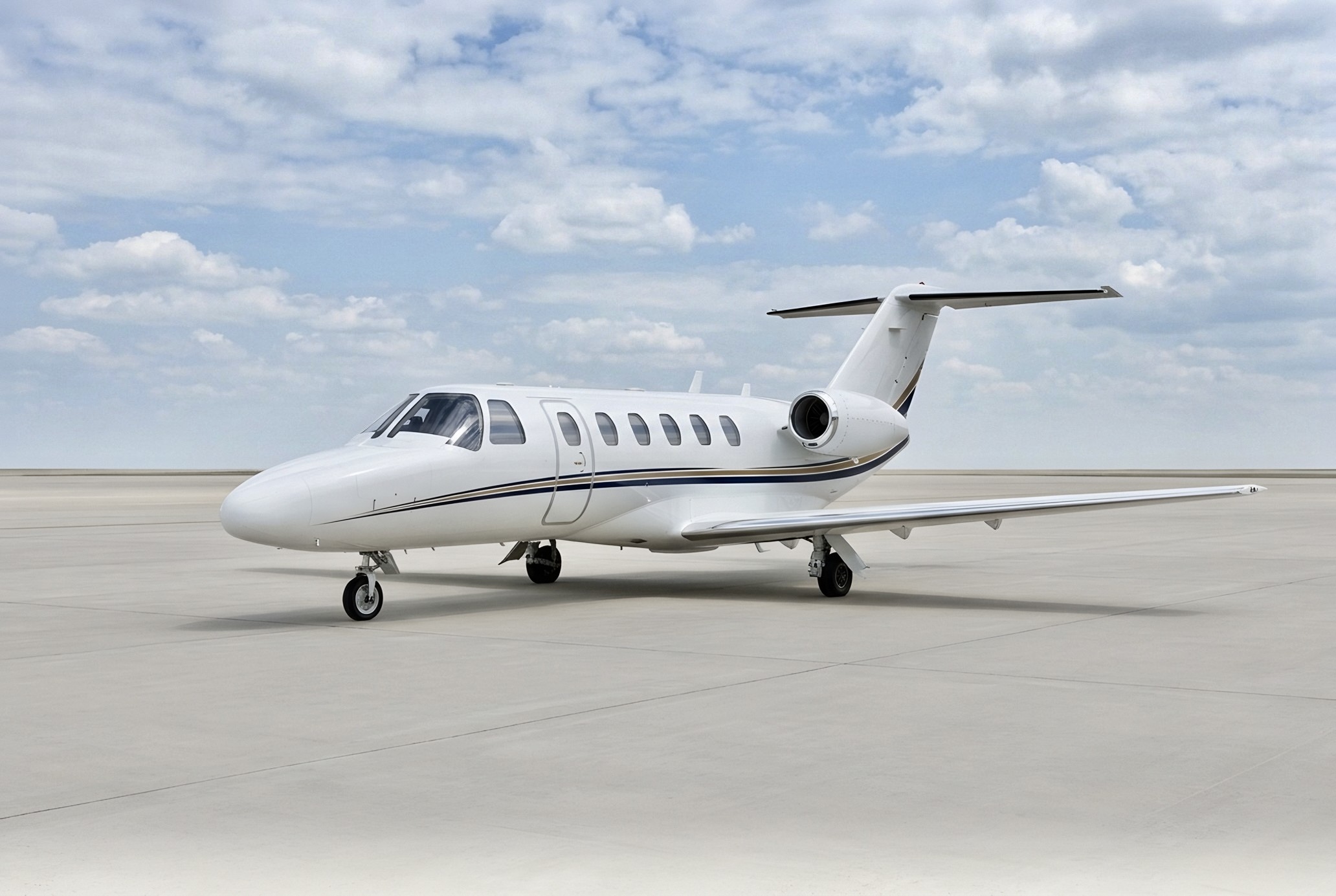
Citation CJ2
Light jet · 6 passengers · 1 h 40 · 2 options1 h 40flight time
USD 9,580+ VAT 10.5%
Request a quote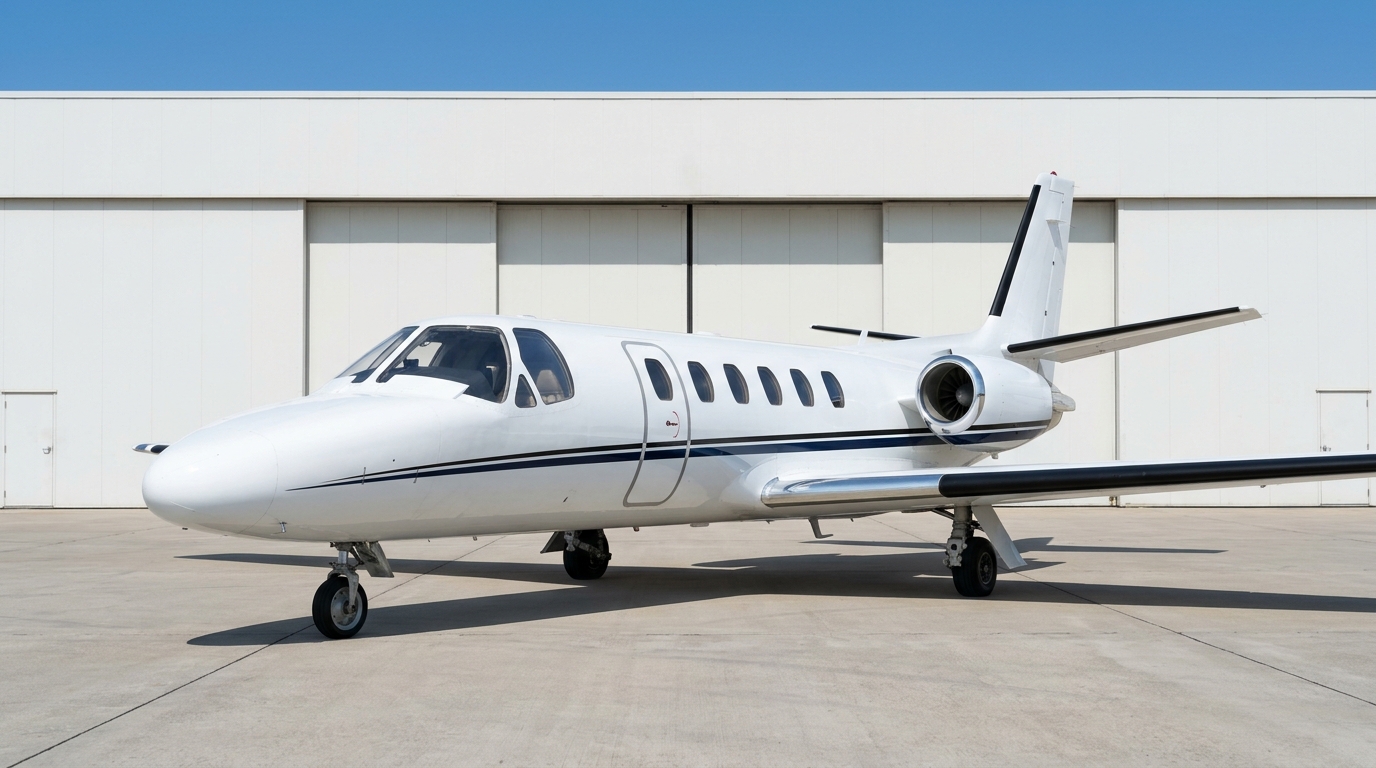
Citation Bravo
Light jet · 7 passengers · 1 h 351 h 35flight time
USD 10,160+ VAT 10.5%
Request a quote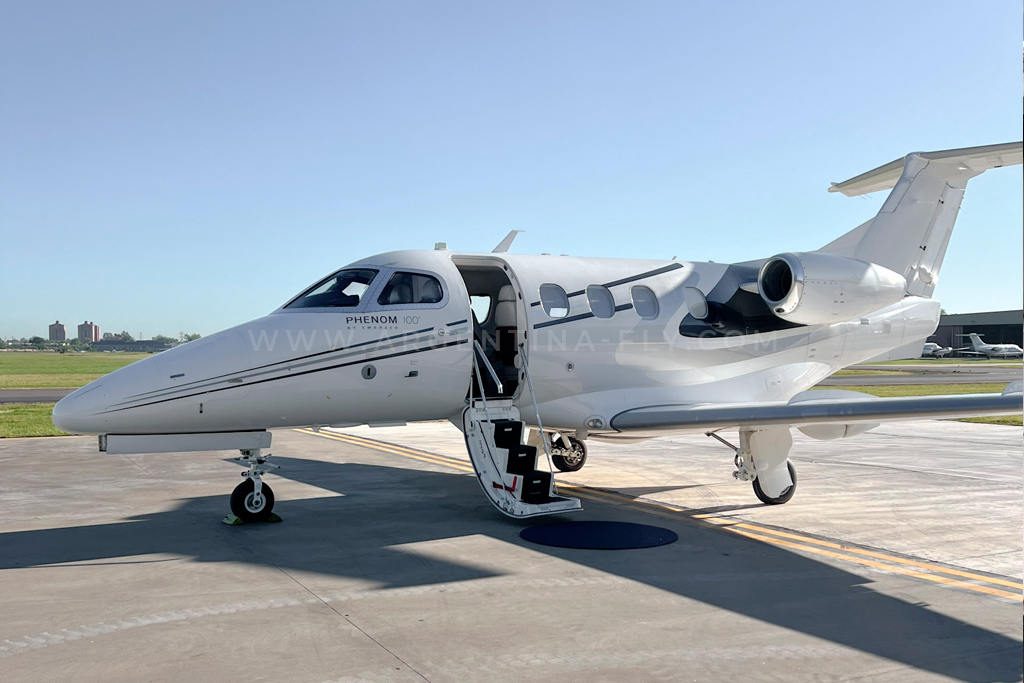
Phenom 100
Light jet · 5 passengers · 1 h 401 h 40flight time
USD 10,750+ VAT 10.5%
Request a quote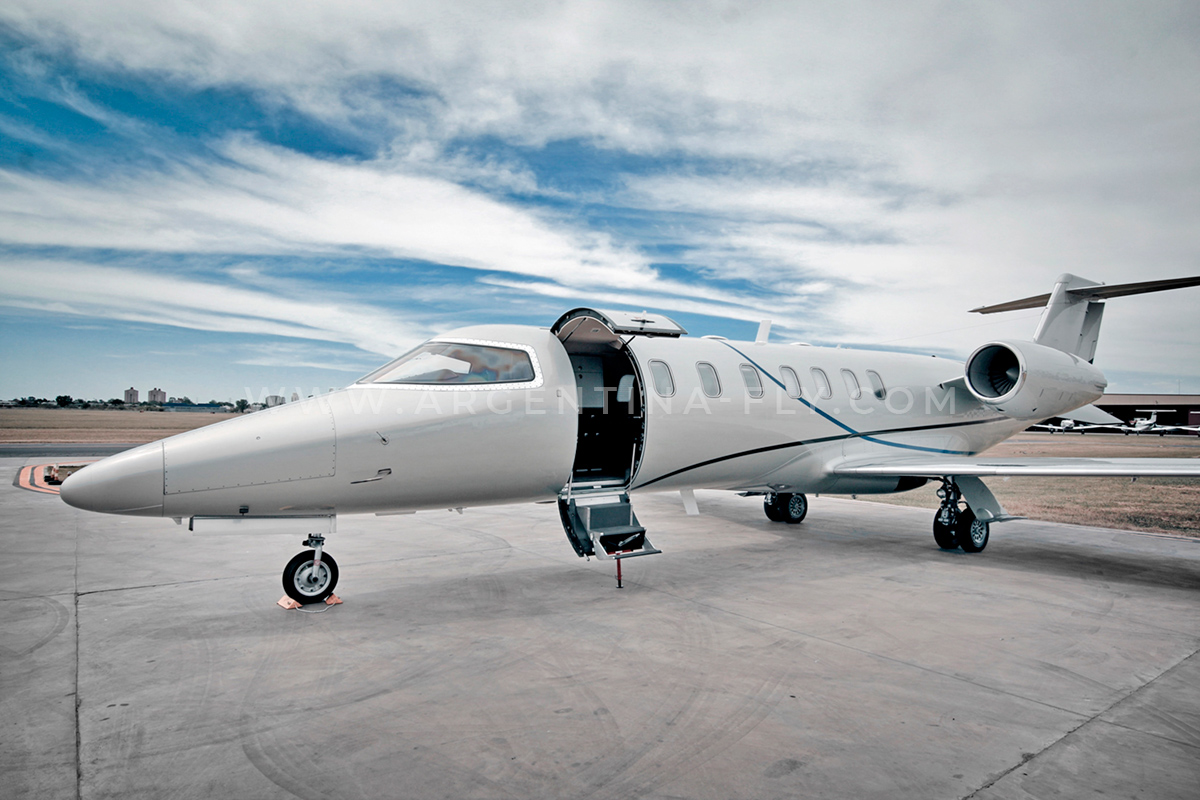
Learjet 40 XR
Light jet · 6 passengers · 1 h 301 h 30flight time
USD 11,360+ VAT 10.5%
Request a quote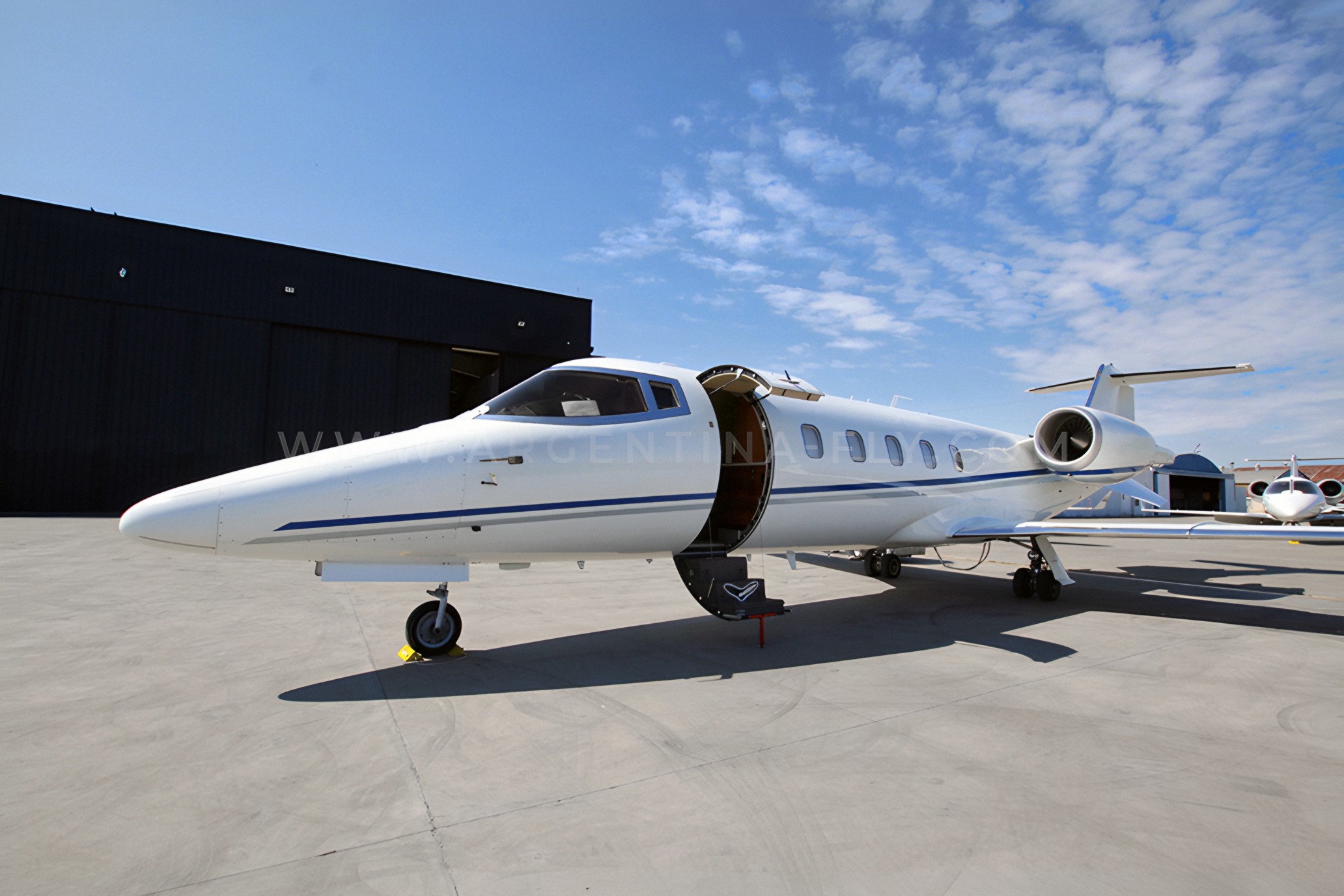
Learjet 60
Midsize jet · 7 passengers · 1 h 25 · 2 options1 h 25flight time
USD 11,760+ VAT 10.5%
Request a quote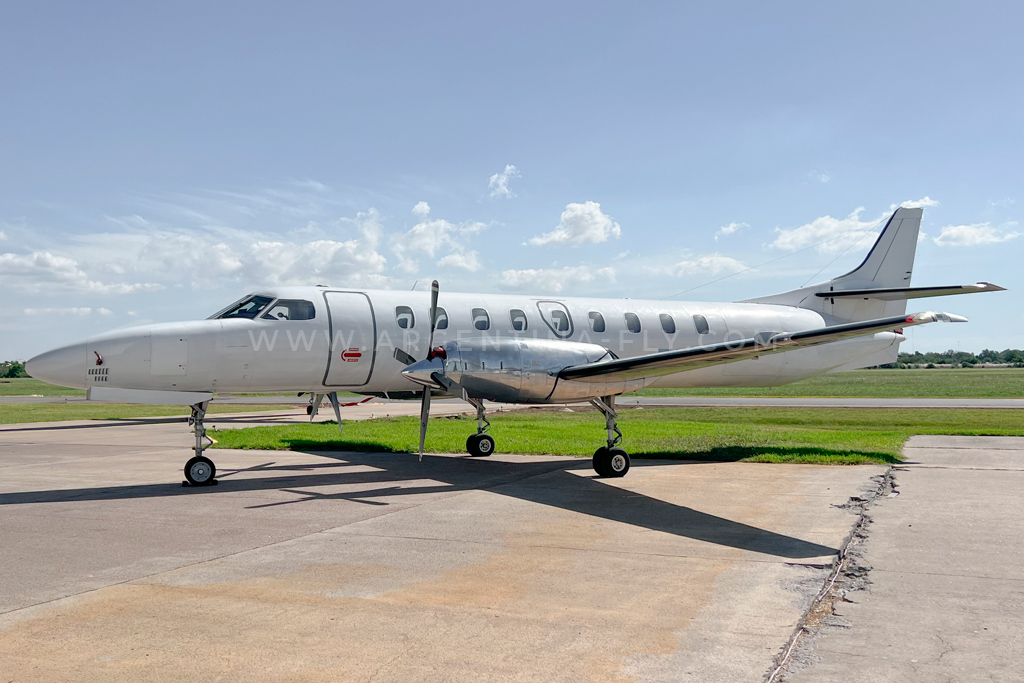
Metro 23
Turboprop · 19 passengers · 2 h 152 h 15flight time
USD 12,170+ VAT 10.5%
Request a quote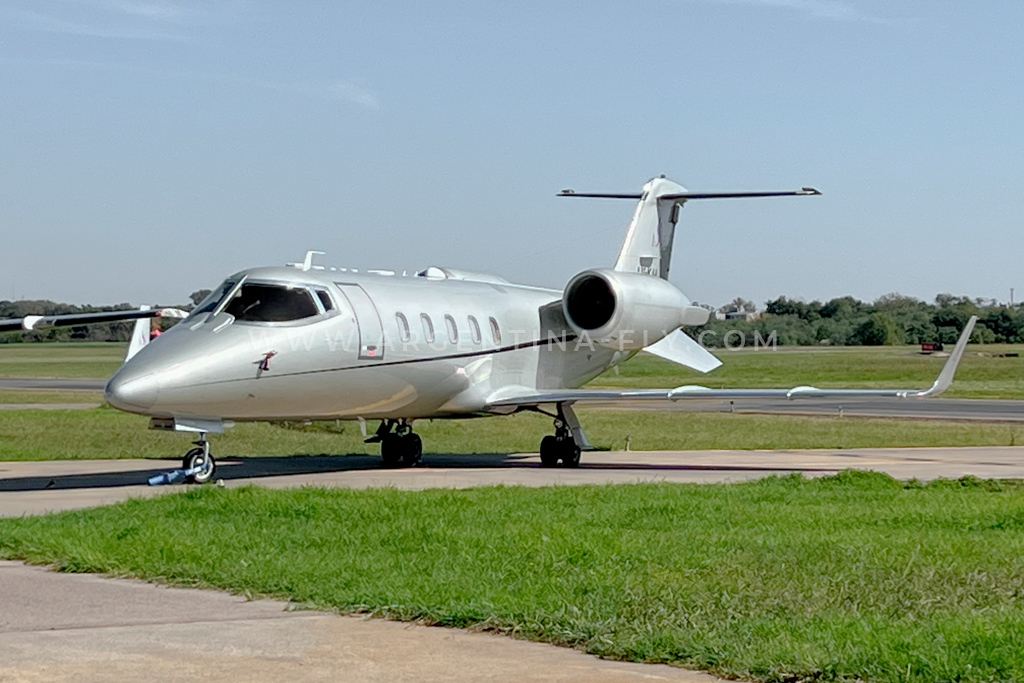
Learjet 60 XR
Midsize jet · 6 passengers · 1 h 251 h 25flight time
USD 12,370+ VAT 10.5%
Request a quote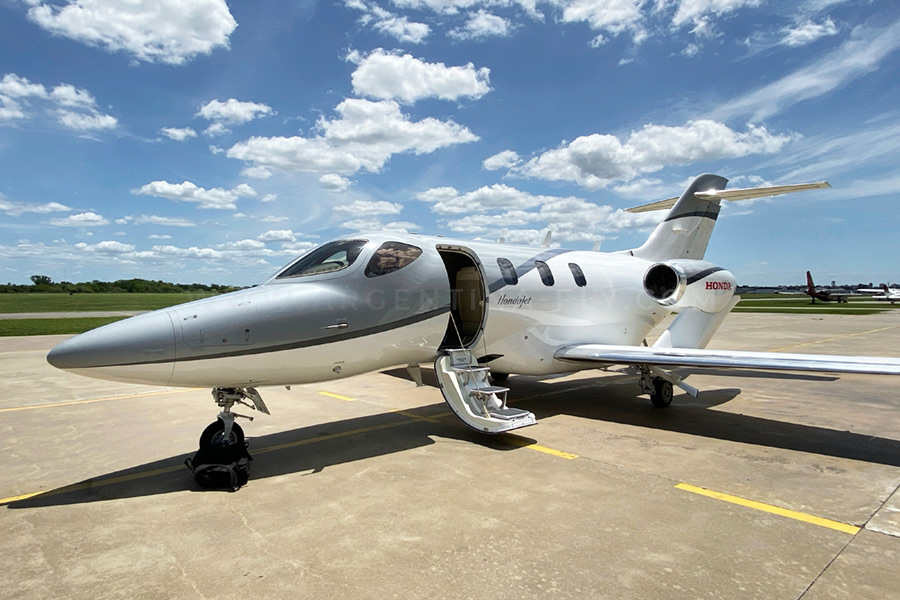
HondaJet
Light jet · 5 passengers · 1 h 351 h 35flight time
USD 13,180+ VAT 10.5%
Request a quote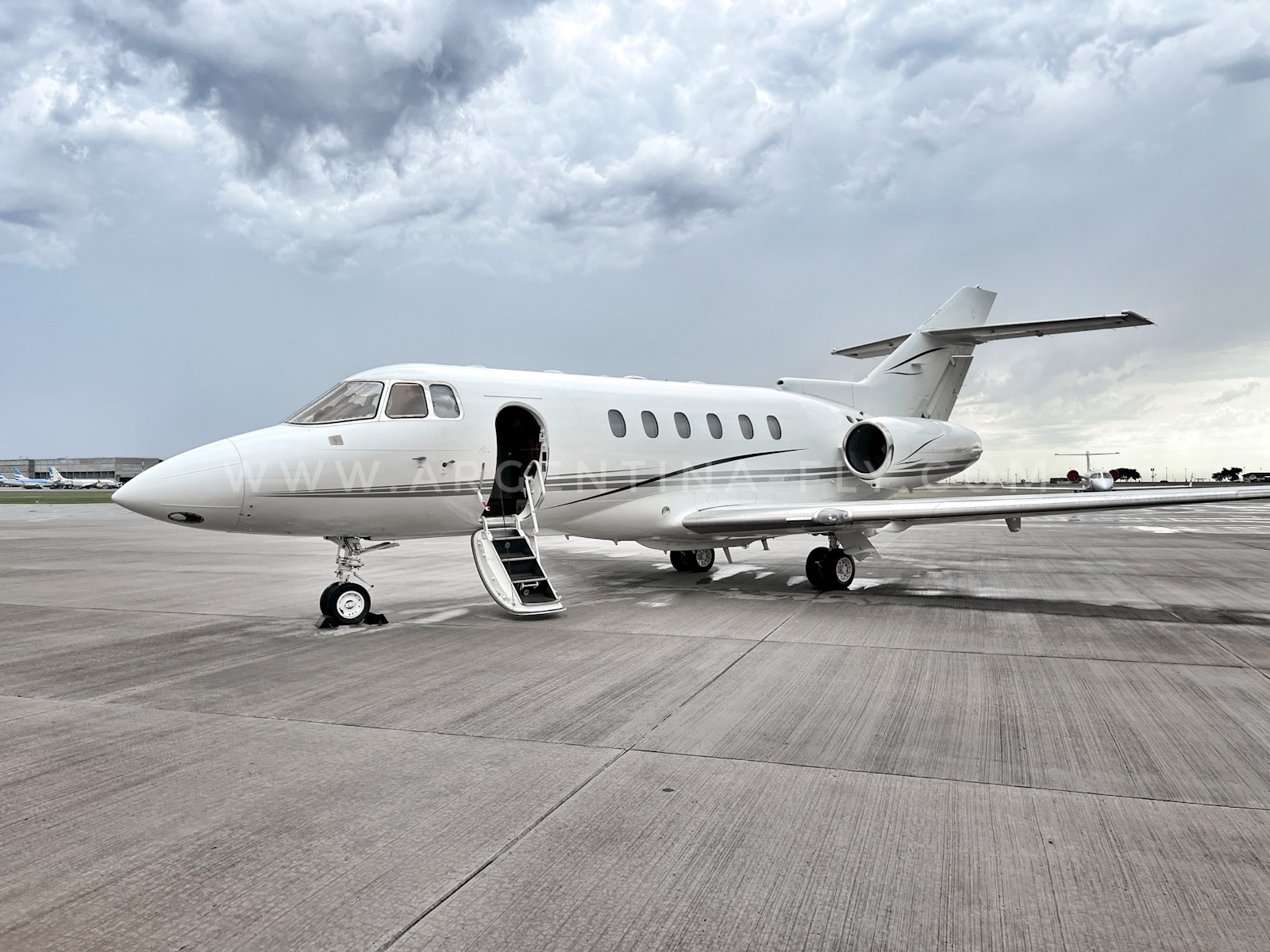
Hawker 800 XP
Midsize jet · 8 passengers · 1 h 301 h 30flight time
USD 13,270+ VAT 10.5%
Request a quote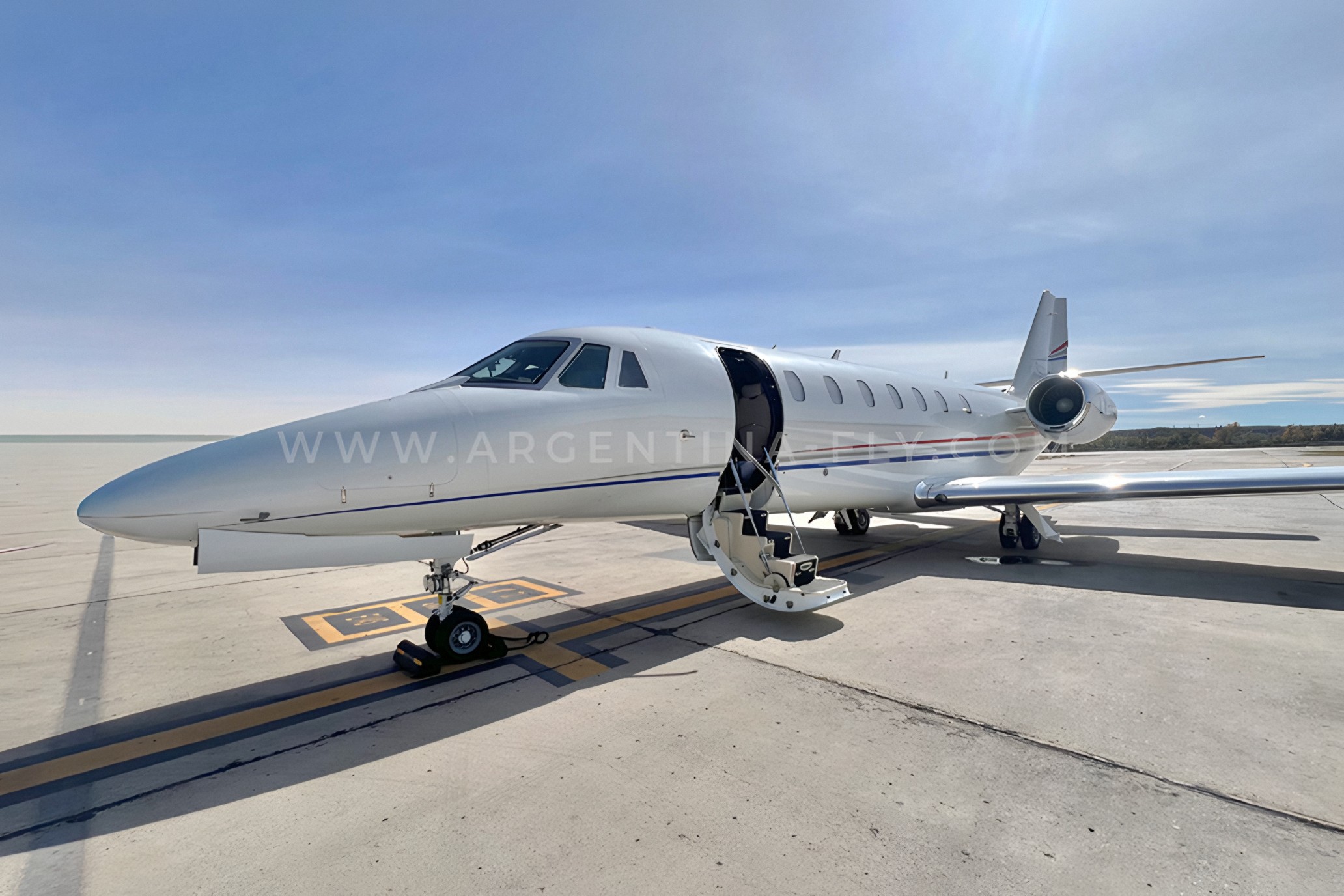
Citation Sovereign
Midsize jet · 8 passengers · 1 h 251 h 25flight time
USD 14,200+ VAT 10.5%
Request a quote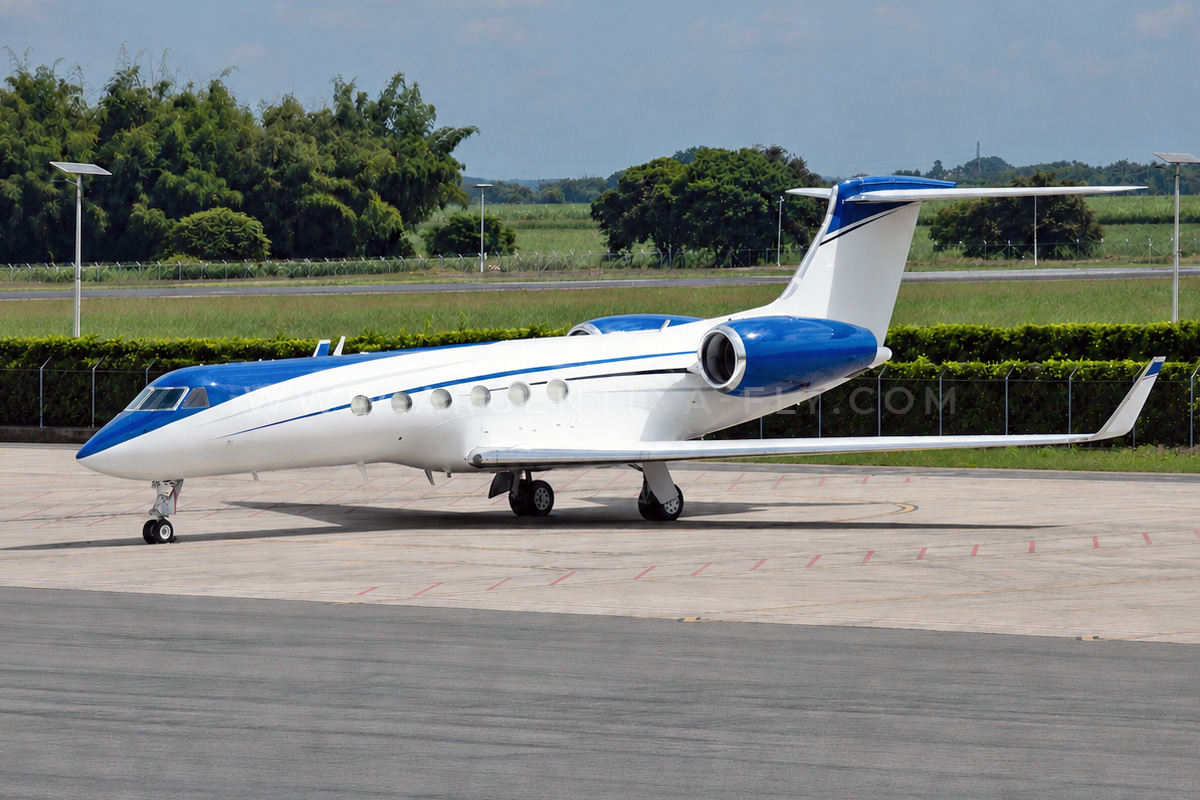
Gulfstream V
Large jet · 14 passengers · 1 h 20 · 2 options1 h 20flight time
USD 18,170+ VAT 10.5%
Request a quote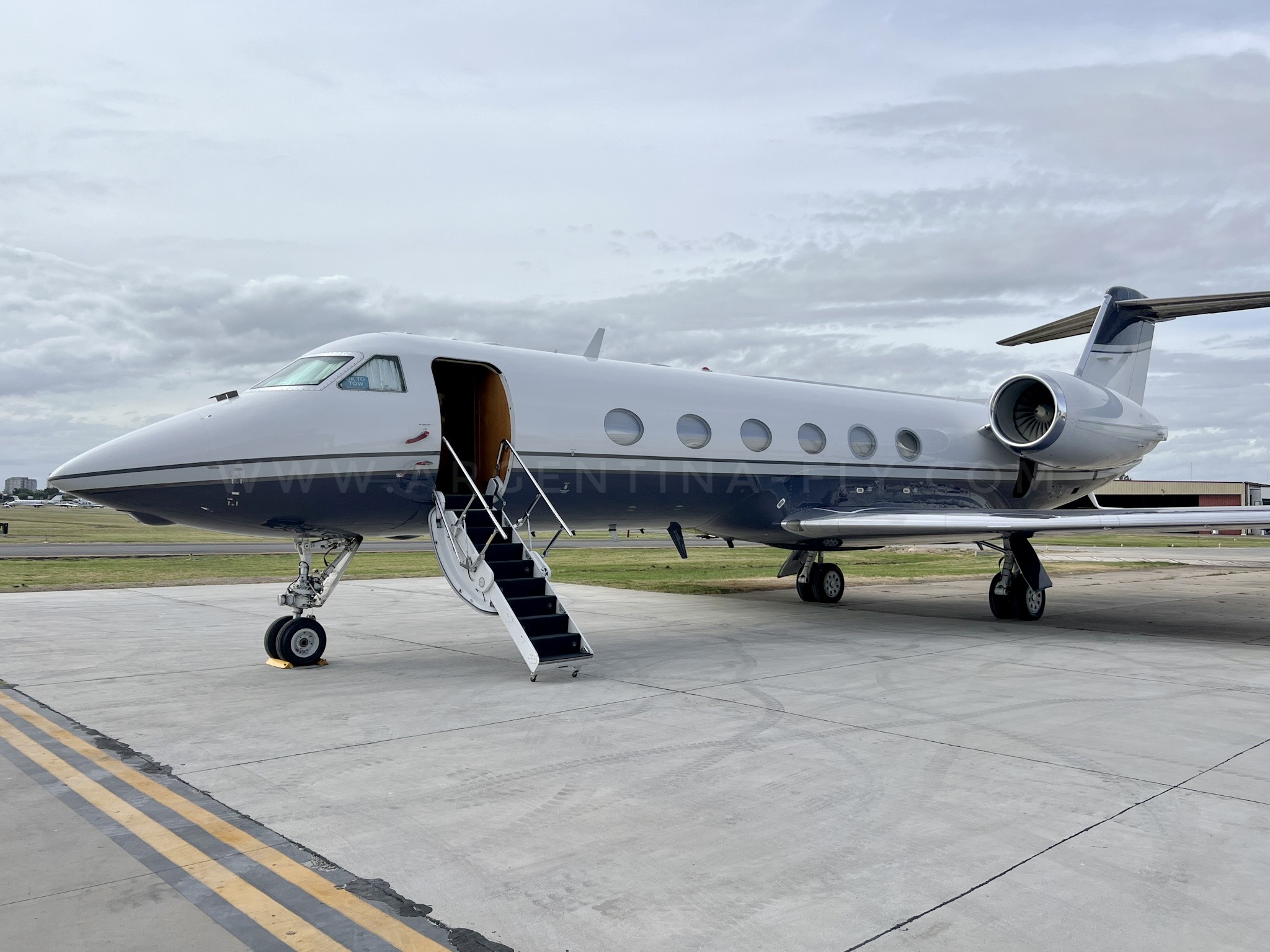
Gulfstream 400
Large jet · 14 passengers · 1 h 251 h 25flight time
USD 19,270+ VAT 10.5%
Request a quote
Route and airfields
Rate conditions
Please read carefully before requesting a quote.
Prices
Reference fares in US dollars (USD), for the entire aircraft. They may vary with aircraft availability and travel dates. For itineraries with several destinations, please request a tailored quote.
Not included
VAT on flights within Argentina, fees abroad on international flights (airport charges, handling and FBO, among others), and special services on request.
Base airport
Fares are calculated for departure from San Fernando (FDO). Departing from Aeroparque (AEP) or Ezeiza (EZE) may change the fare, depending on where each aircraft is based.
Reference fleet
The aircraft displayed are for reference purposes only and may vary depending on operational availability. Contact us to learn about the available options for your trip.
Rate conditions
Please read carefully before requesting your quotation.
Published prices are provided for reference only.
 Prices
Reference fares in US dollars (USD), for the entire aircraft. They may vary with aircraft availability and travel dates. For itineraries with several destinations, please request a tailored quote.
 Not included
VAT on flights within Argentina, fees abroad on international flights (airport charges, handling and FBO, among others), and special services on request.
 Base airport
Fares are calculated for departure from San Fernando (FDO). Departing from Aeroparque (AEP) or Ezeiza (EZE) may change the fare, depending on where each aircraft is based.
 Reference fleet
The aircraft displayed are for reference purposes only and may vary depending on operational availability. Contact us to learn about the available options for your trip.
Need a personalized quotation?
Request quotation
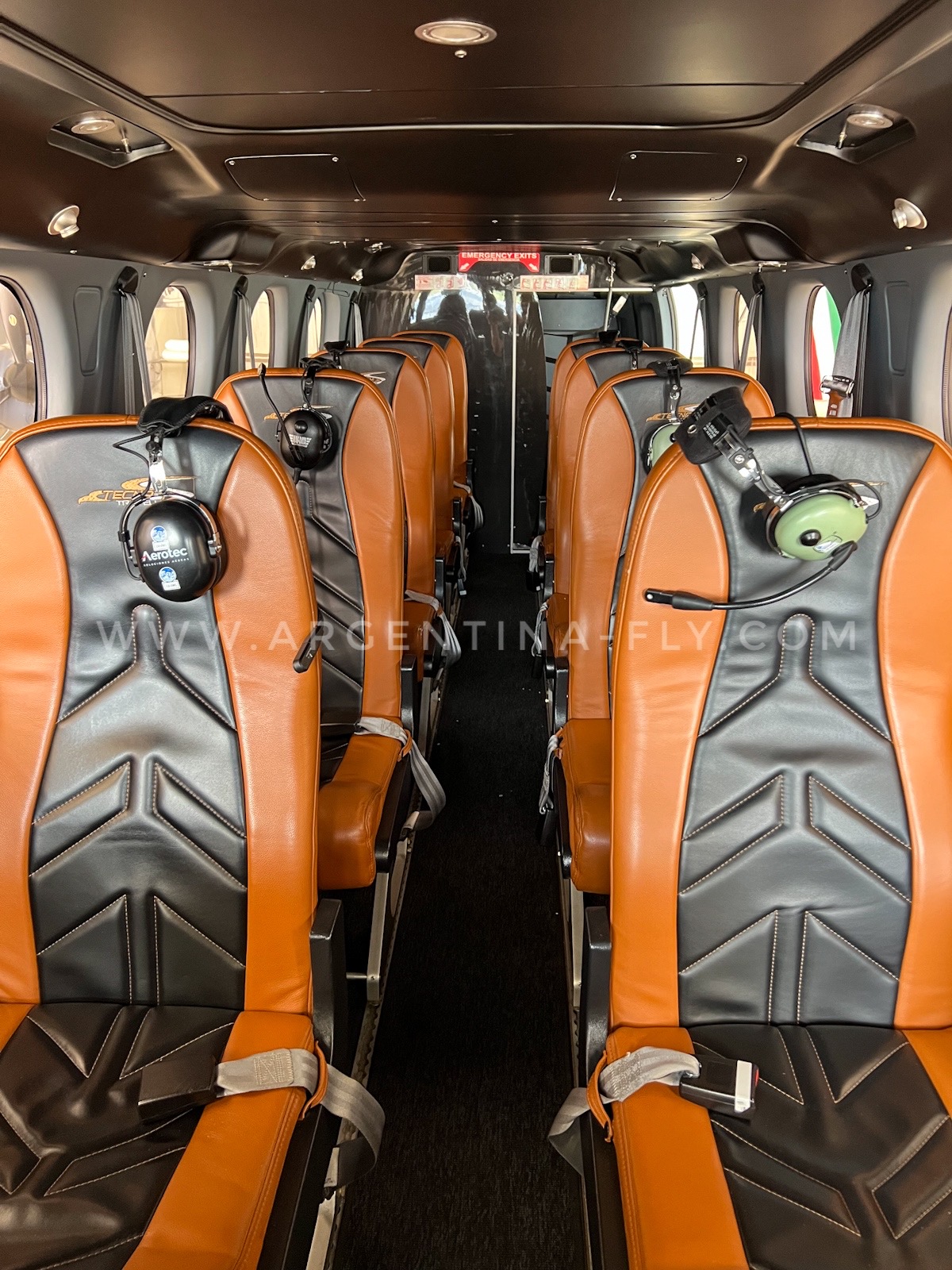
Tecnam Traveller
High-capacity twin-engine aircraft, ideal for group transfers with up to 9 passengers.
 Capacity
9 passengers
 Lavatory
Not available
 Cabin
Non-pressurized
 Luggage
Moderate
 Wi-Fi
Not available
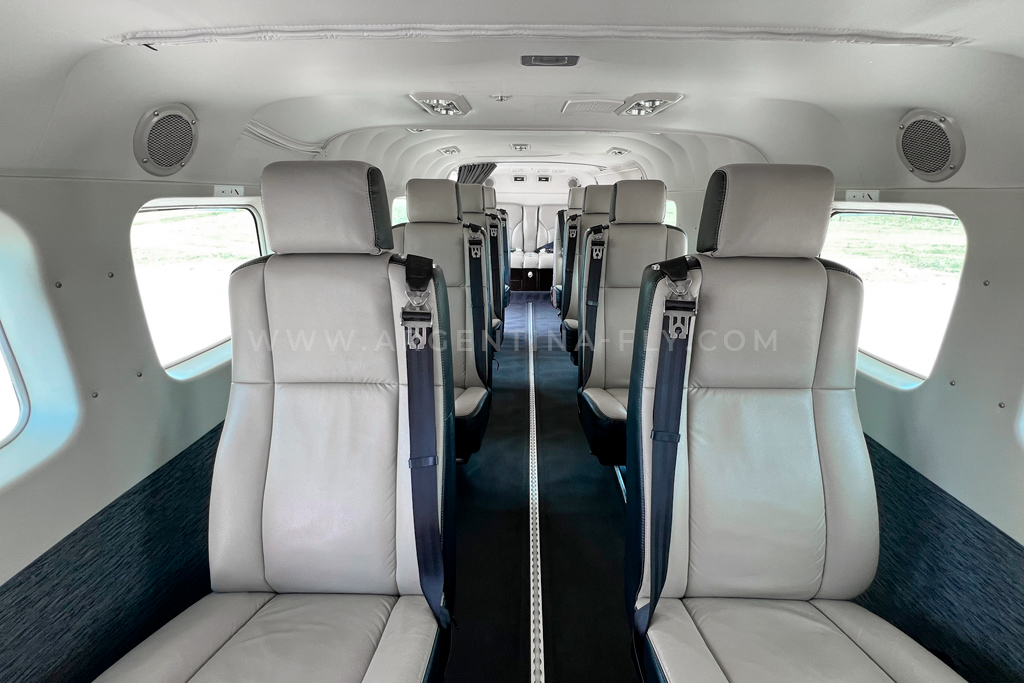
Cessna Grand Caravan
Versatile turboprop with generous payload capacity and a comfortable cabin, ideal for groups and flights to destinations with short runways.
Capacity
9 passengers
Lavatory
Not available
Cabin
Non-pressurized
Luggage
Moderate
Wi-Fi
Portable Starlink
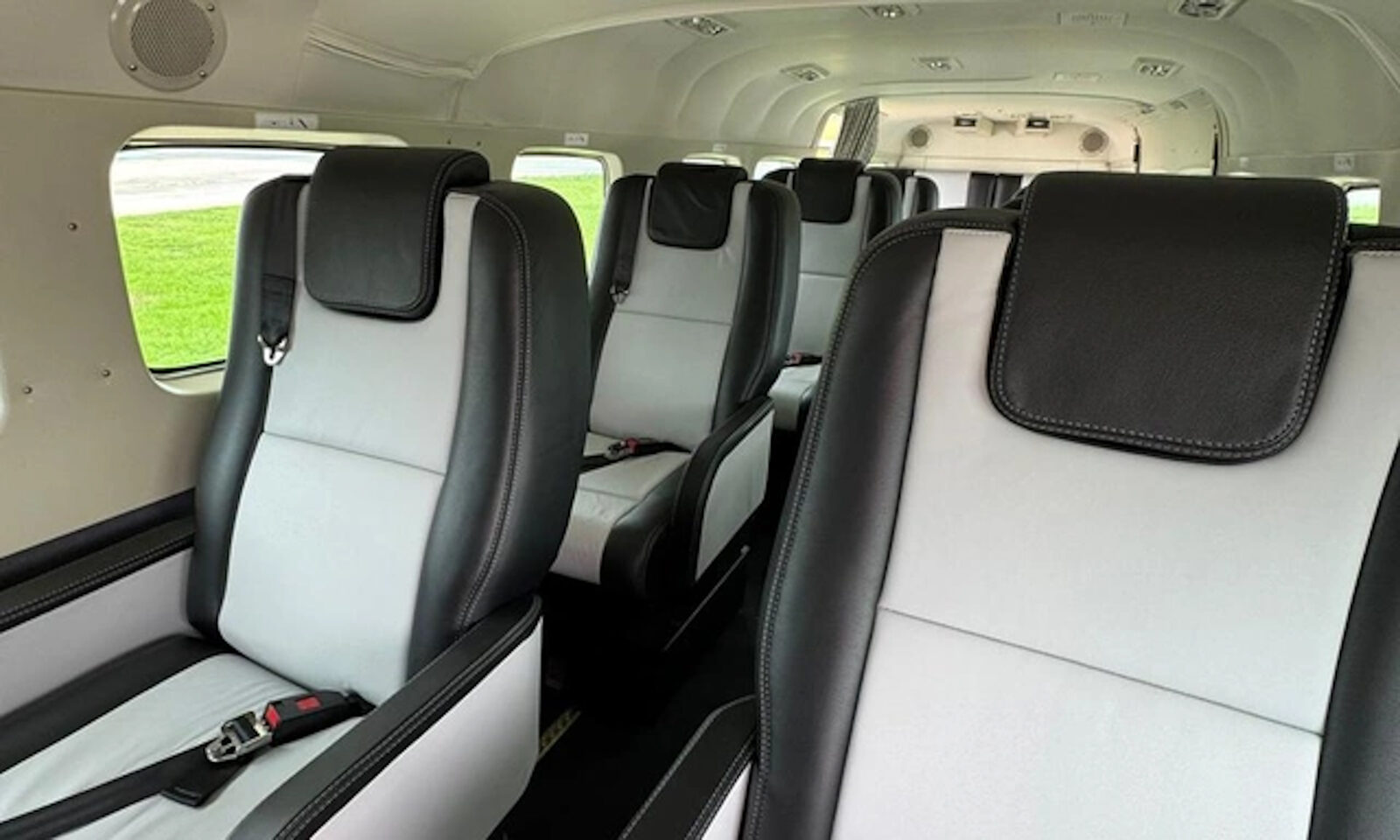
Cessna Grand Caravan Ex
Versatile turboprop with generous payload capacity and a comfortable cabin, ideal for groups and flights to destinations with short runways.
Capacity
9 passengers
Lavatory
Not available
Cabin
Not pressurized
Luggage
Standard
Wi-Fi
Portable Starlink
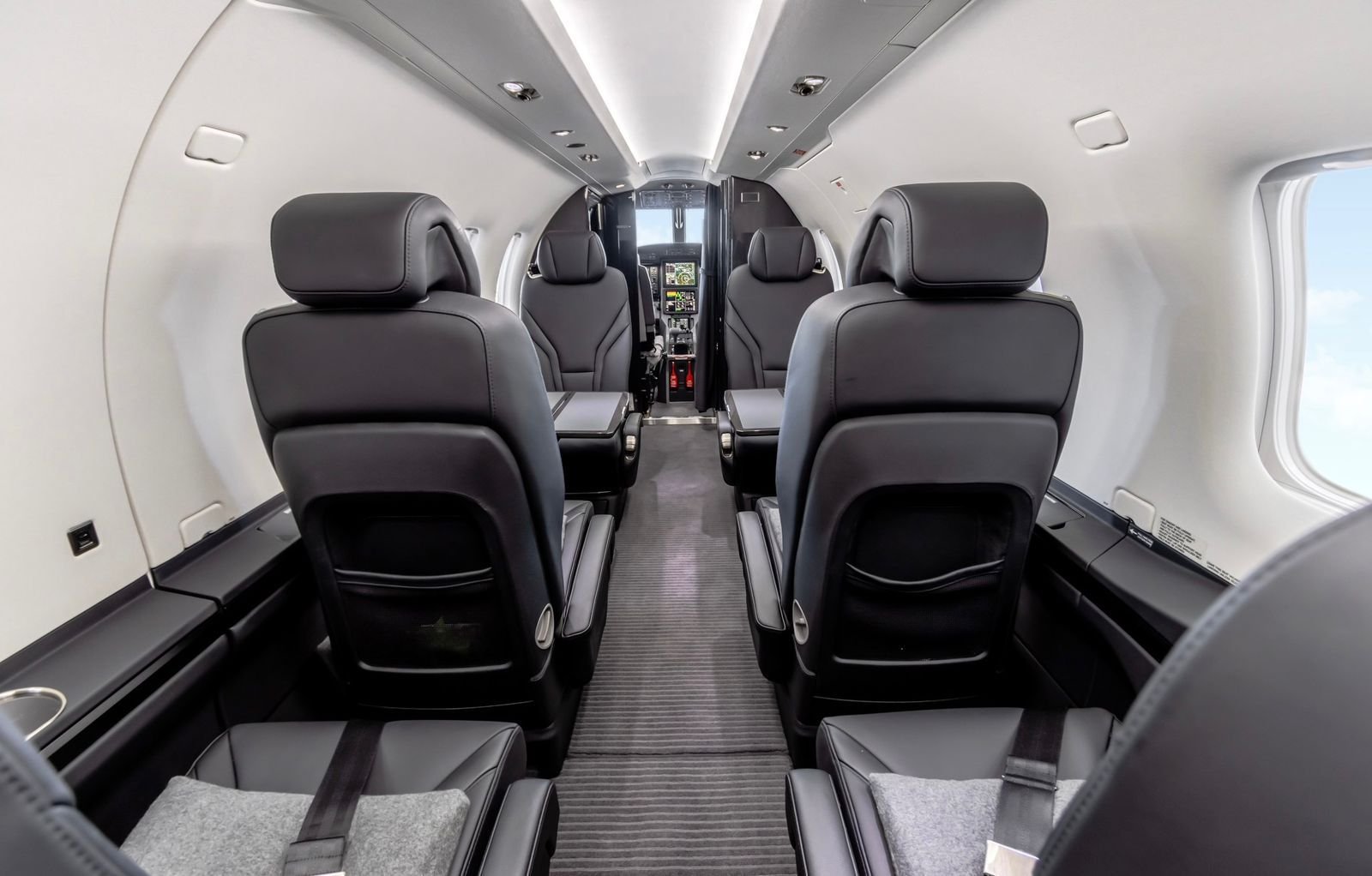
Pilatus PC-12
High-performance single-engine turboprop in executive configuration, with a spacious cabin and latest-generation technology.
Capacity
8 passengers
Lavatory
Not available
Cabin
Pressurized
Luggage
Standard
Wi-Fi
Portable Starlink
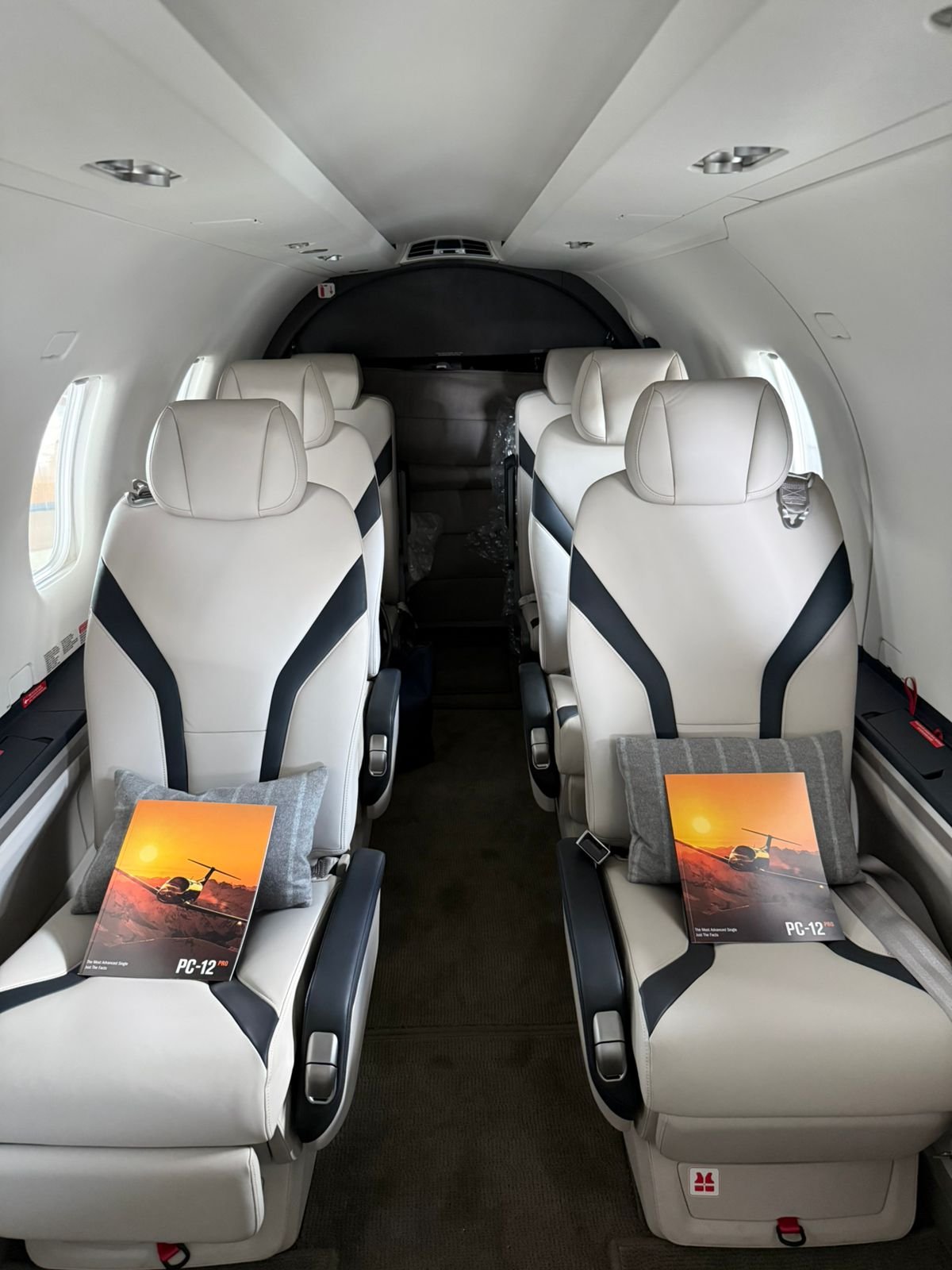
Pilatus PC12 Pro
High-performance single-engine turboprop in executive configuration, with a spacious cabin and latest-generation technology.
Capacity
8 passengers
Lavatory
Not available
Cabin
Pressurized
Luggage
Standard
Wi-Fi
Portable Starlink
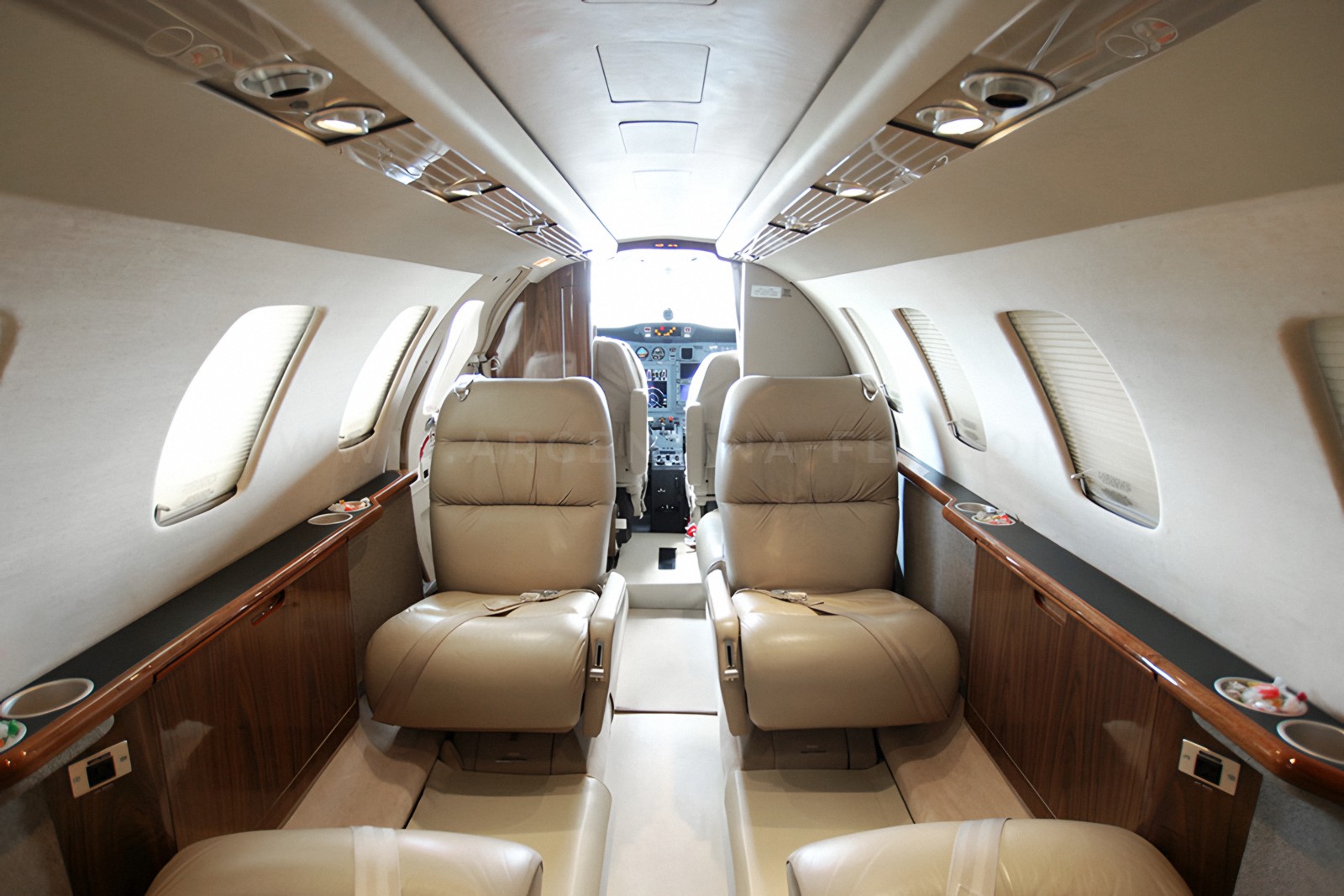
Citation CJ1
Compact light jet with excellent fuel efficiency, perfect for short-range executive flights.
Capacity
5 passengers
Lavatory
Not available
Cabin
Pressurized
Luggage
Moderate
Wi-Fi
Not available
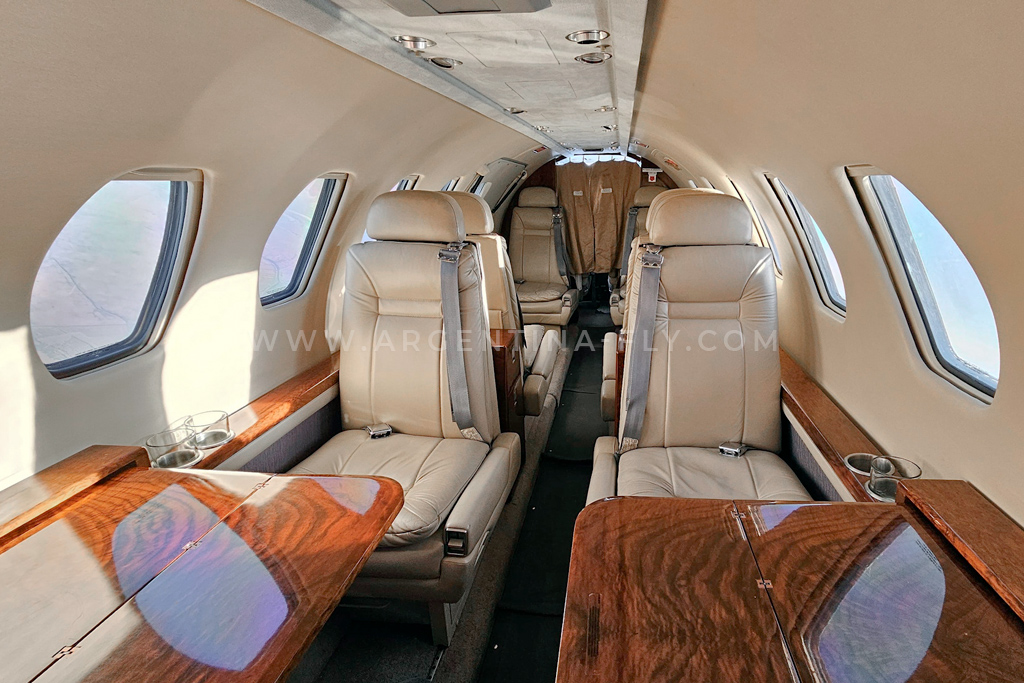
Citation V
Light jet with a comfortable cabin for up to 8 passengers and strong regional range.
Capacity
8 passengers
Lavatory
Not available
Cabin
Pressurized
Luggage
Moderate
Wi-Fi
Portable Starlink
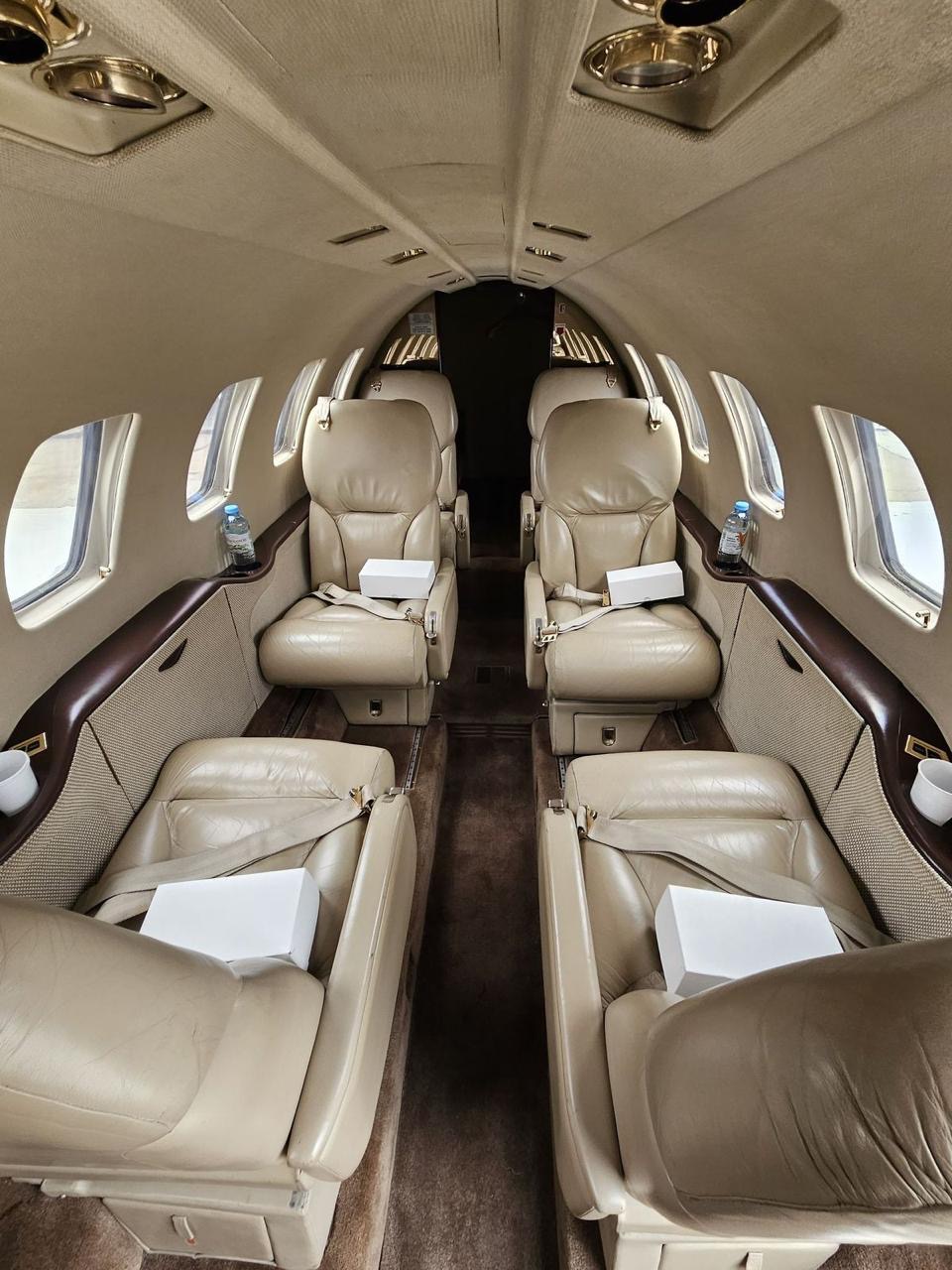
Citation Bravo
Classic light jet with a pressurized cabin, reliable and versatile for regional trips and short runways.
Capacity
7 passengers
Lavatory
Not available
Cabin
Pressurized
Luggage
Standard
Wi-Fi
Not available
 La Rioja (IRJ)
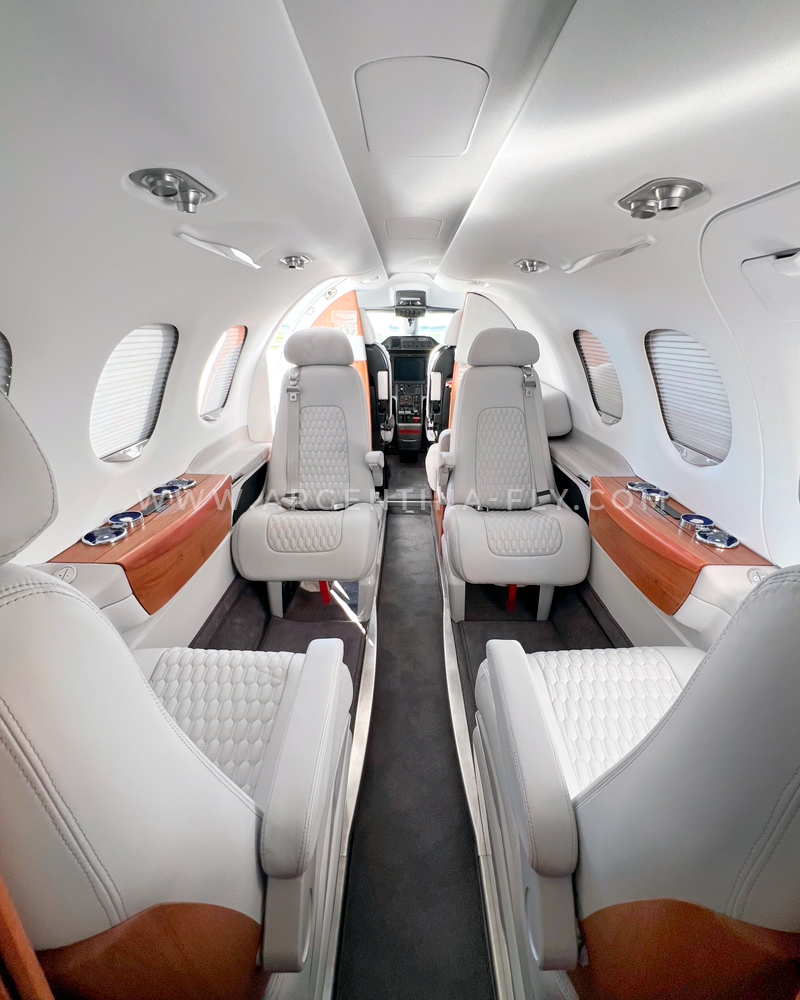
Phenom 100
Light jet ideal for short and medium sectors, with excellent cabin comfort and operating efficiency.
Capacity
5 passengers
Lavatory
Yes
Cabin
Pressurized
Luggage
Moderate
Wi-Fi
Portable Starlink
 Safety certifications
La Rioja (IRJ)
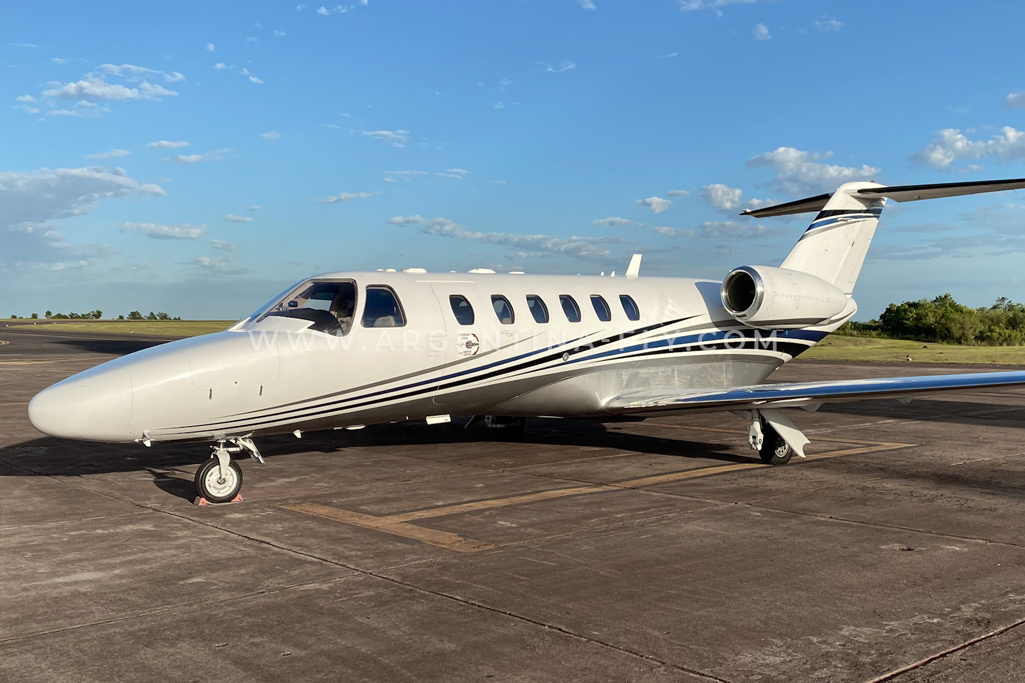
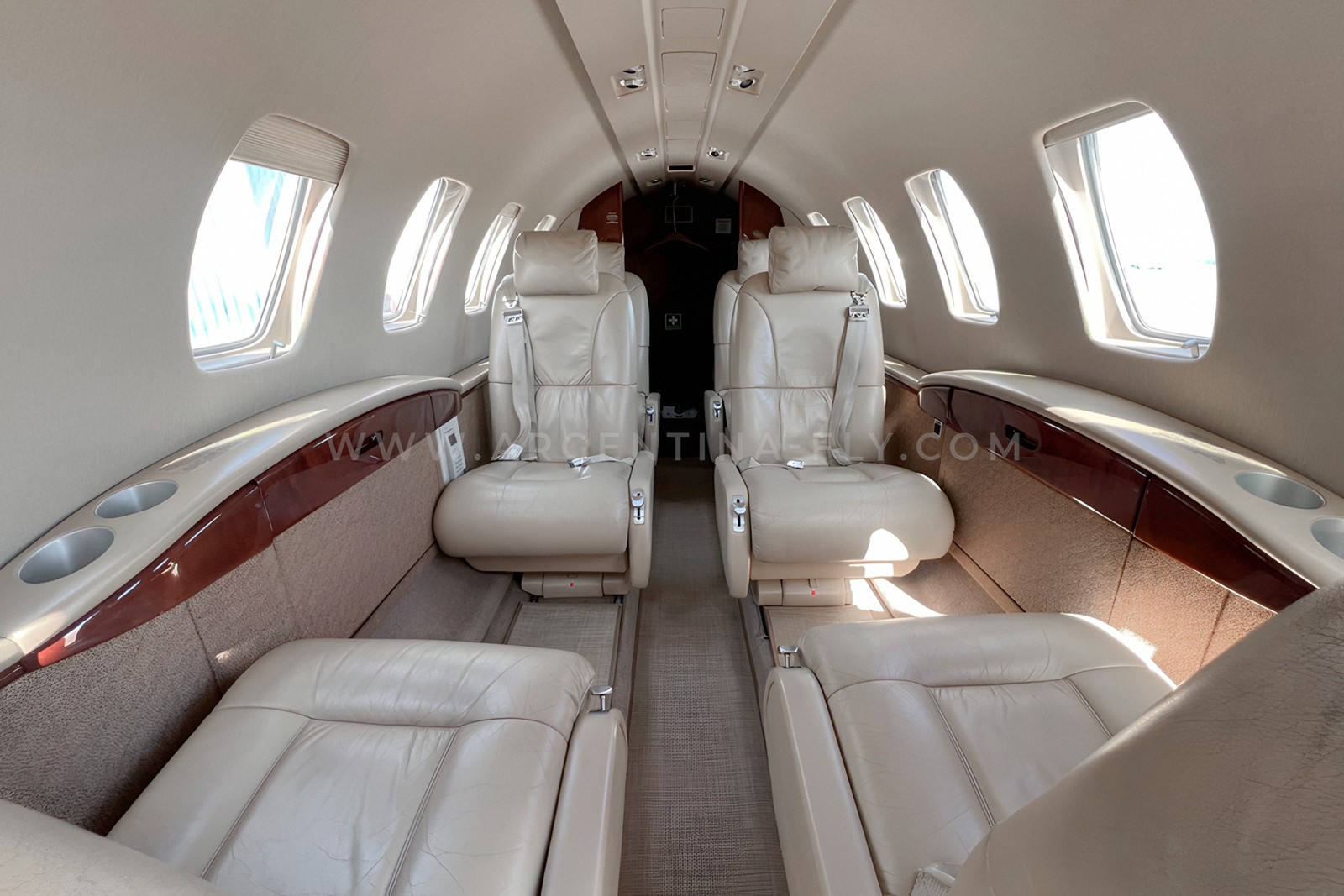
Citation CJ2
Light jet with greater range than the CJ1, offering an excellent balance between cost and executive performance.
Capacity
6 passengers
Lavatory
Not available
Cabin
Pressurized
Luggage
Moderate
Wi-Fi
Not available
La Rioja (IRJ)
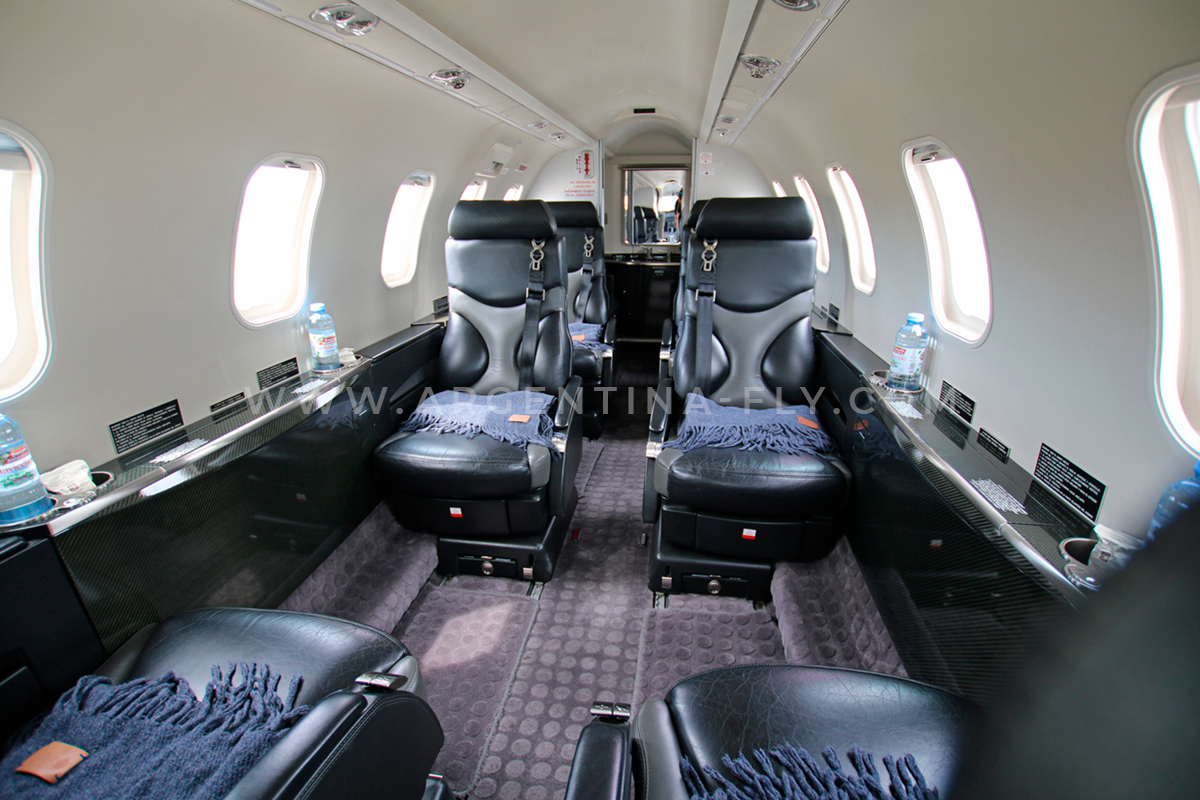
Learjet 40 XR
Light jet with a strong balance of speed and range, featuring a comfortable and modern executive cabin.
Capacity
6 passengers
Lavatory
Yes
Cabin
Pressurized
Luggage
Moderate
Wi-Fi
Not available
Safety certifications
La Rioja (IRJ)
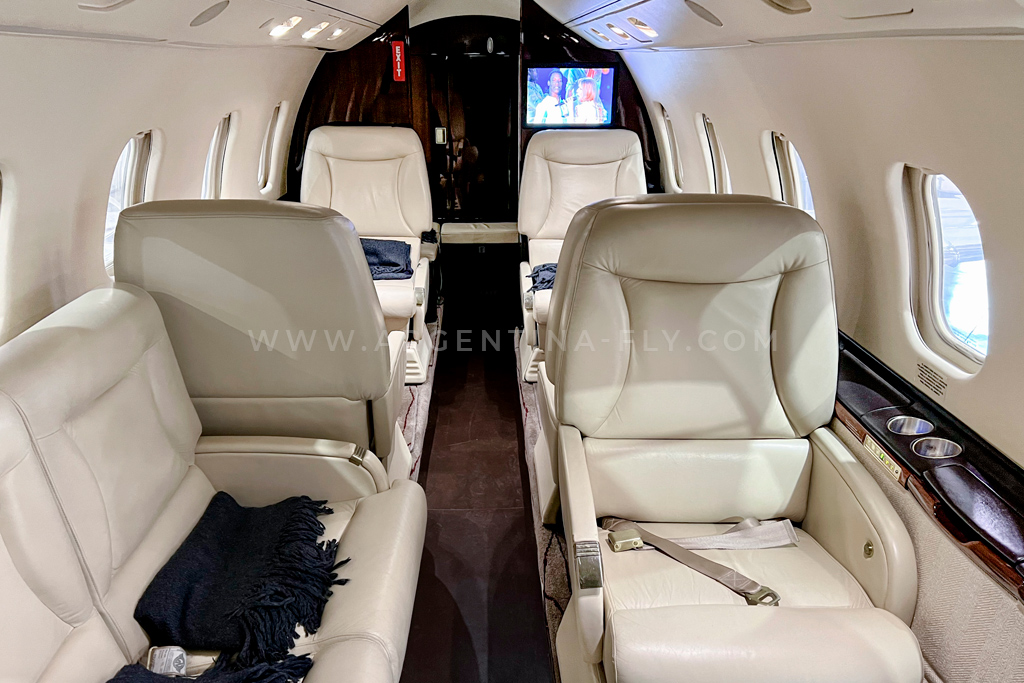
Learjet 60
Midsize jet with a spacious cabin and excellent cruise speed, one of the most requested options for executive flights.
Capacity
7 passengers
Lavatory
Yes
Cabin
Pressurized
Luggage
Moderate
Wi-Fi
Portable Starlink
Safety certifications
La Rioja (IRJ)
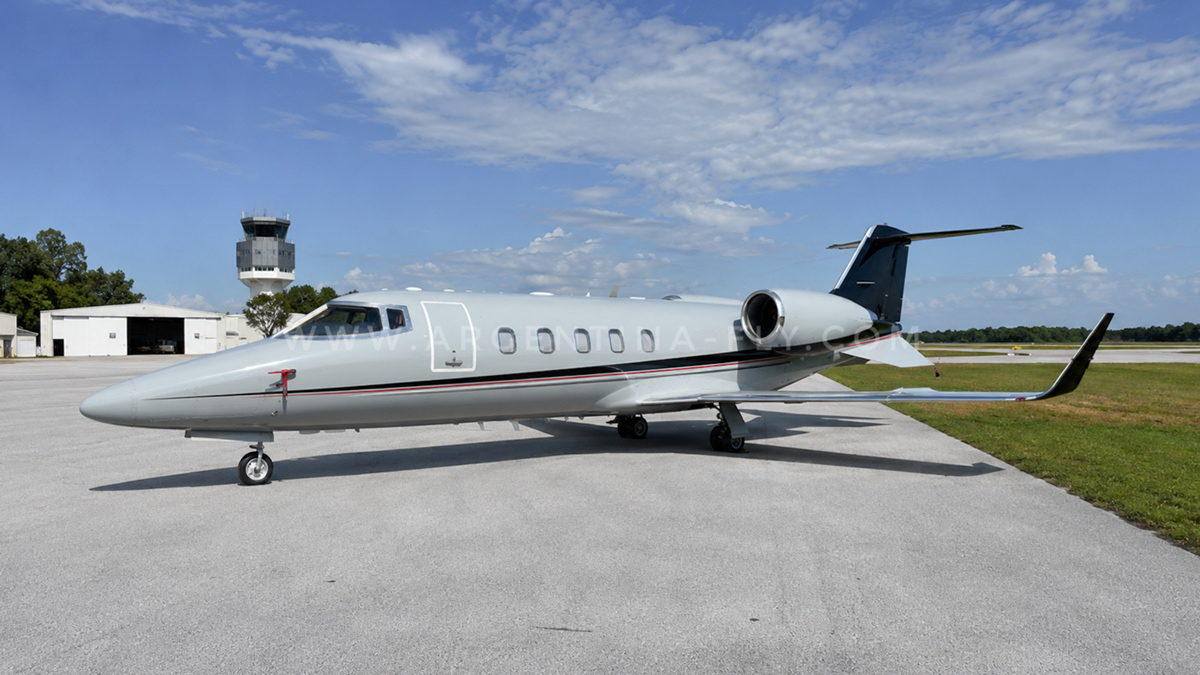
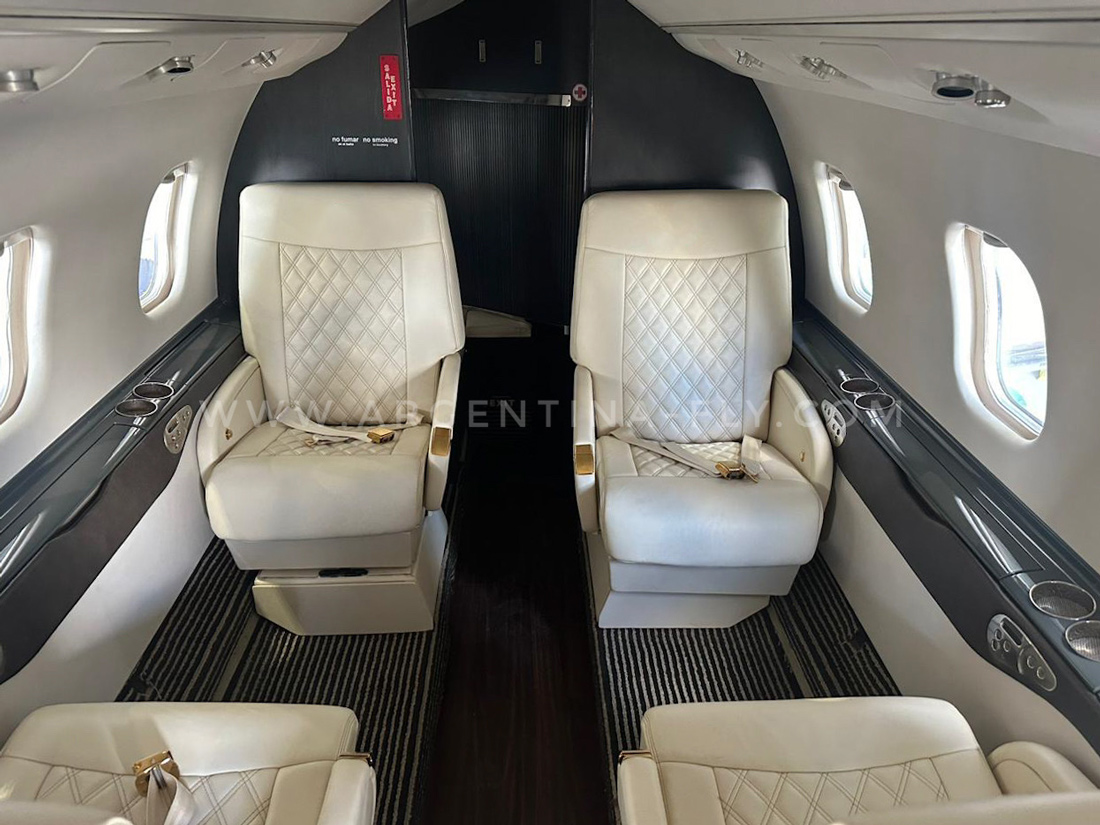
Learjet 60
Midsize jet with a spacious cabin and excellent cruise speed, one of the most requested options for executive flights.
Capacity
7 passengers
Lavatory
Yes
Cabin
Pressurized
Luggage
Standard
Wi-Fi
Not available
La Rioja (IRJ)
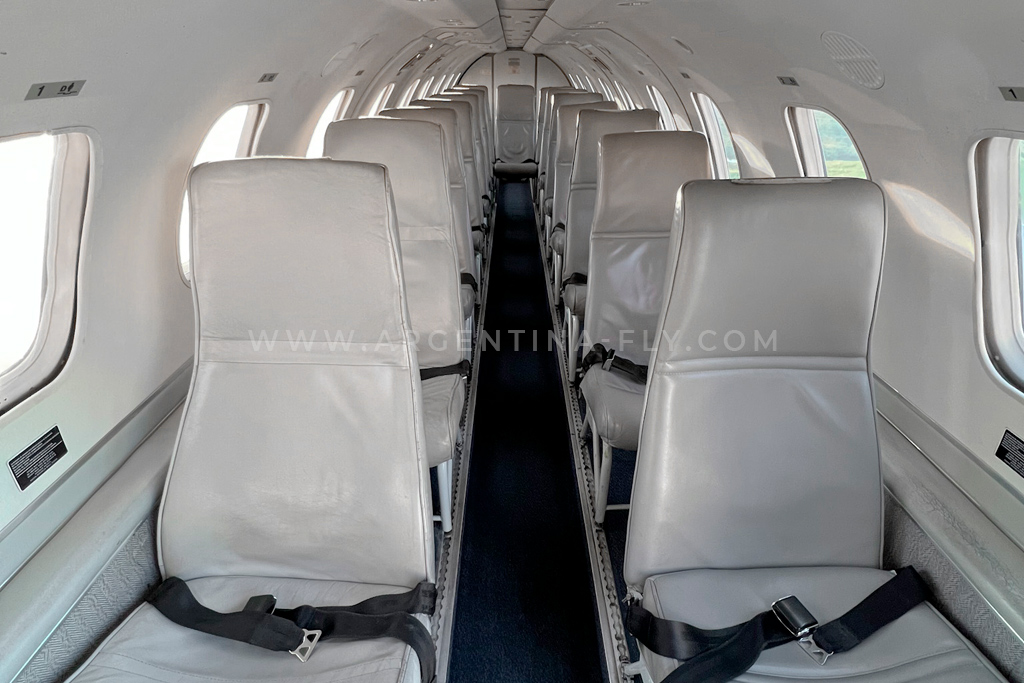
Metro 23
Pressurized regional aircraft with greater capacity, ideal for larger groups and destinations with paved runways.
Capacity
19 passengers
Lavatory
Not available
Cabin
Pressurized
Luggage
Moderate
Wi-Fi
Not available
La Rioja (IRJ)
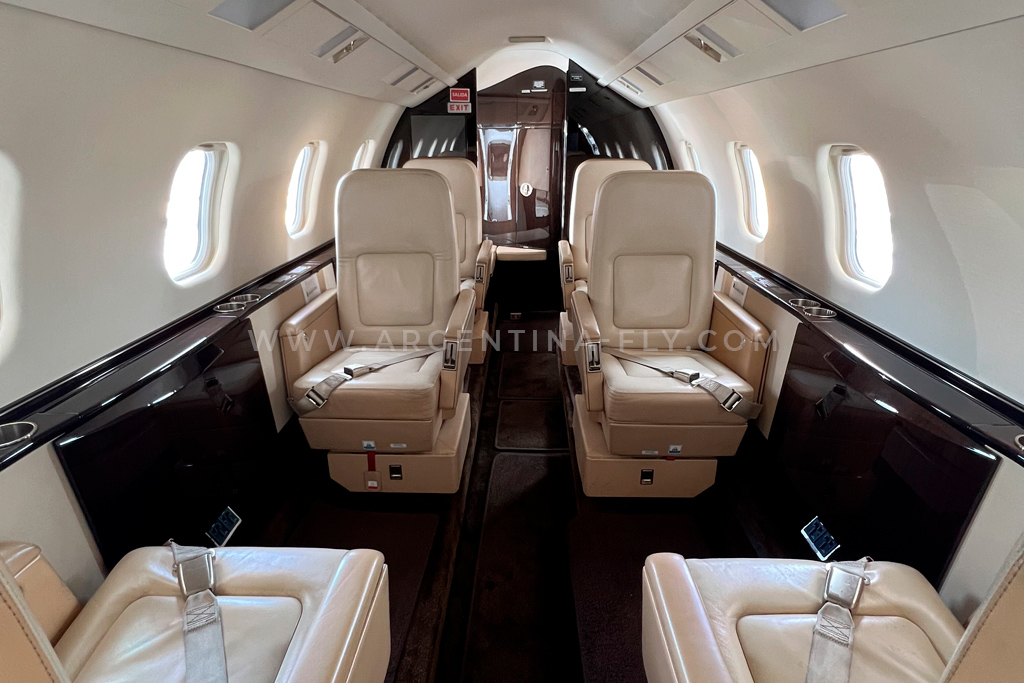
Learjet 60 XR
Enhanced version offering greater range and efficiency while maintaining the speed and comfort of the Learjet 60.
Capacity
6 passengers
Lavatory
Yes
Cabin
Pressurized
Luggage
Moderate
Wi-Fi
Not available
Safety certifications
La Rioja (IRJ)
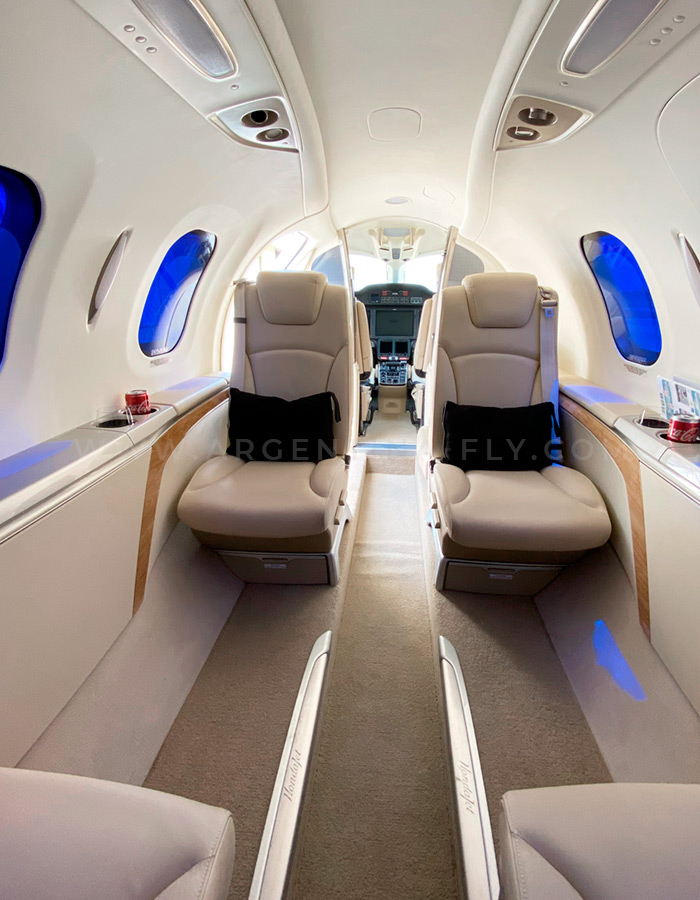
HondaJet
Next-generation light jet with over-the-wing engines, offering an excellent balance between efficiency and executive comfort.
Capacity
5 passengers
Lavatory
Yes
Cabin
Pressurized
Luggage
Moderate
Wi-Fi
Not available
La Rioja (IRJ)
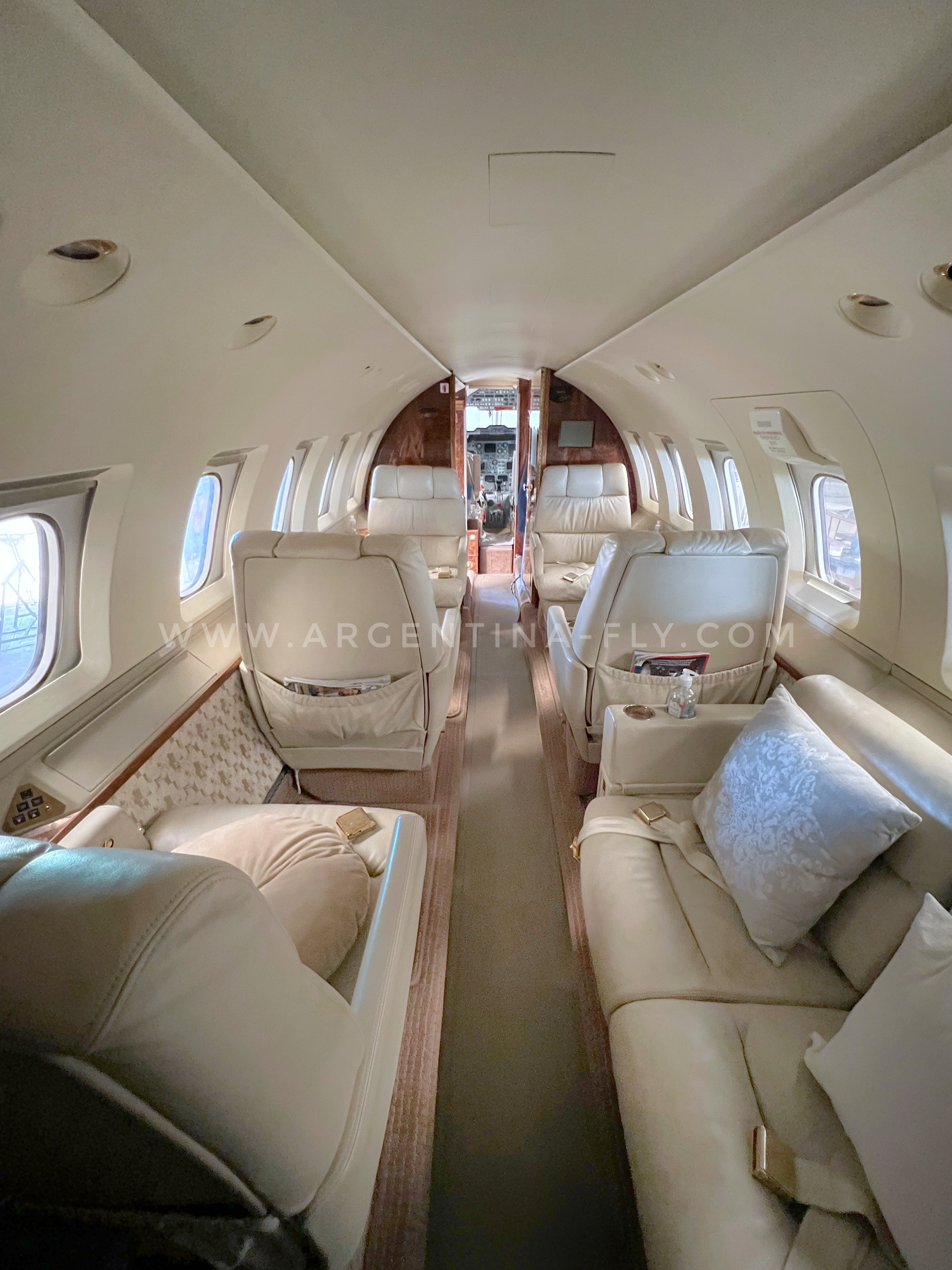
Hawker 800 XP
Midsize jet with a spacious cabin and excellent range, ideal for regional and medium-haul international flights.
Capacity
8 passengers
Lavatory
Yes
Cabin
Pressurized
Luggage
Moderate
Wi-Fi
Portable Starlink
La Rioja (IRJ)
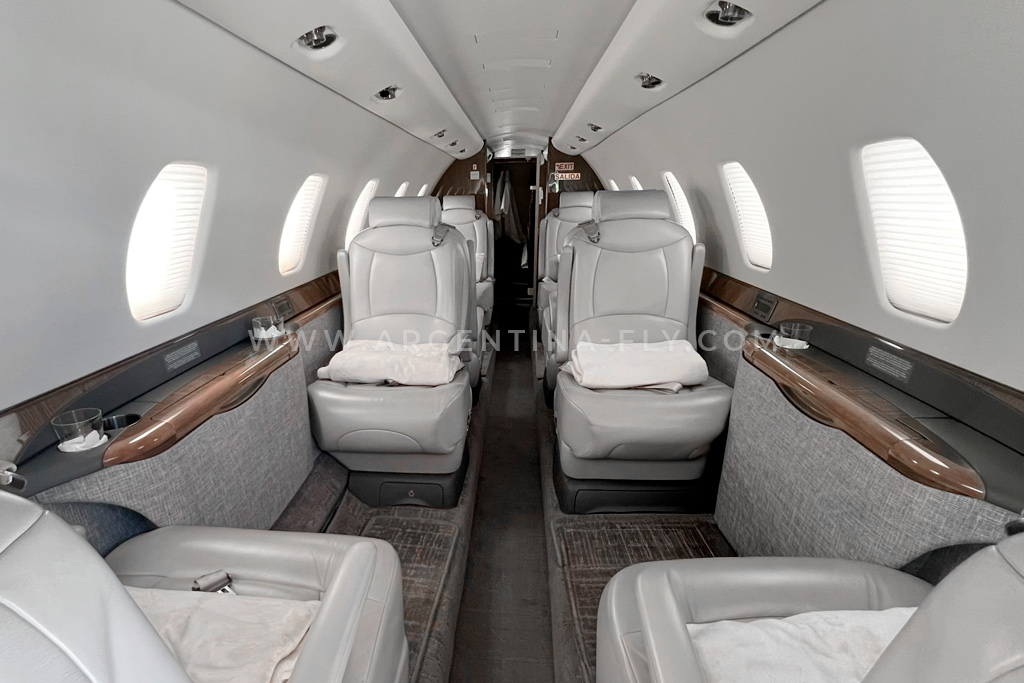
Citation Sovereign
Midsize jet with a spacious cabin, greater range and premium equipment for demanding passengers.
Capacity
8 passengers
Lavatory
Yes
Cabin
Pressurized
Luggage
Generous
Wi-Fi
Portable Starlink (extra cost)
Safety certifications
La Rioja (IRJ)
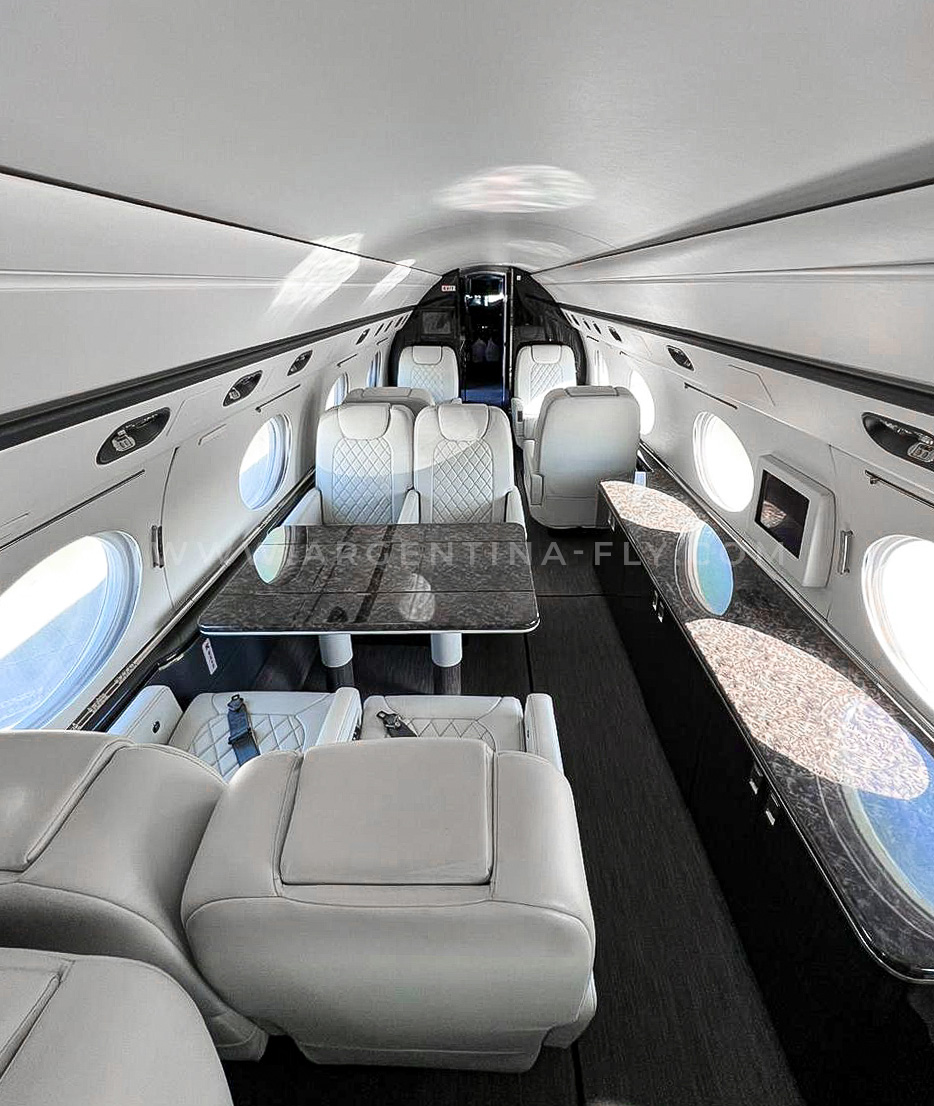
Gulfstream V
Long-range, large-cabin jet with VIP equipment for executive groups demanding the highest level of comfort.
Capacity
14 passengers
Lavatory
Yes
Cabin
Pressurized
Luggage
Spacious
Wi-Fi
Portable Starlink
La Rioja (IRJ)
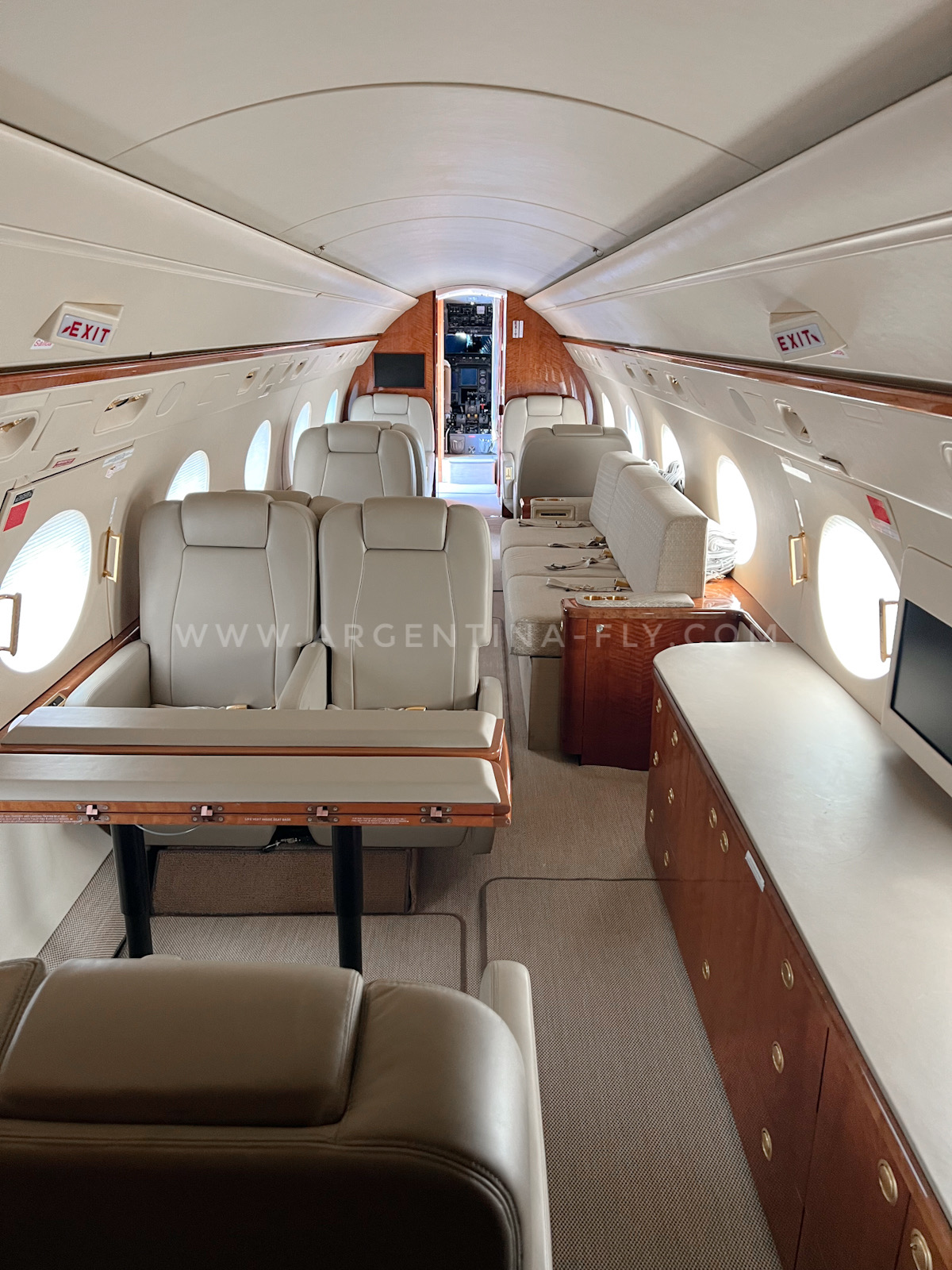
Gulfstream 400
Large jet with an exceptionally spacious cabin and long range, ideal for executive groups requiring maximum comfort.
Capacity
14 passengers
Lavatory
Yes
Cabin
Pressurized
Luggage
Generous
Wi-Fi
Built-in Starlink
Safety certifications
La Rioja (IRJ)
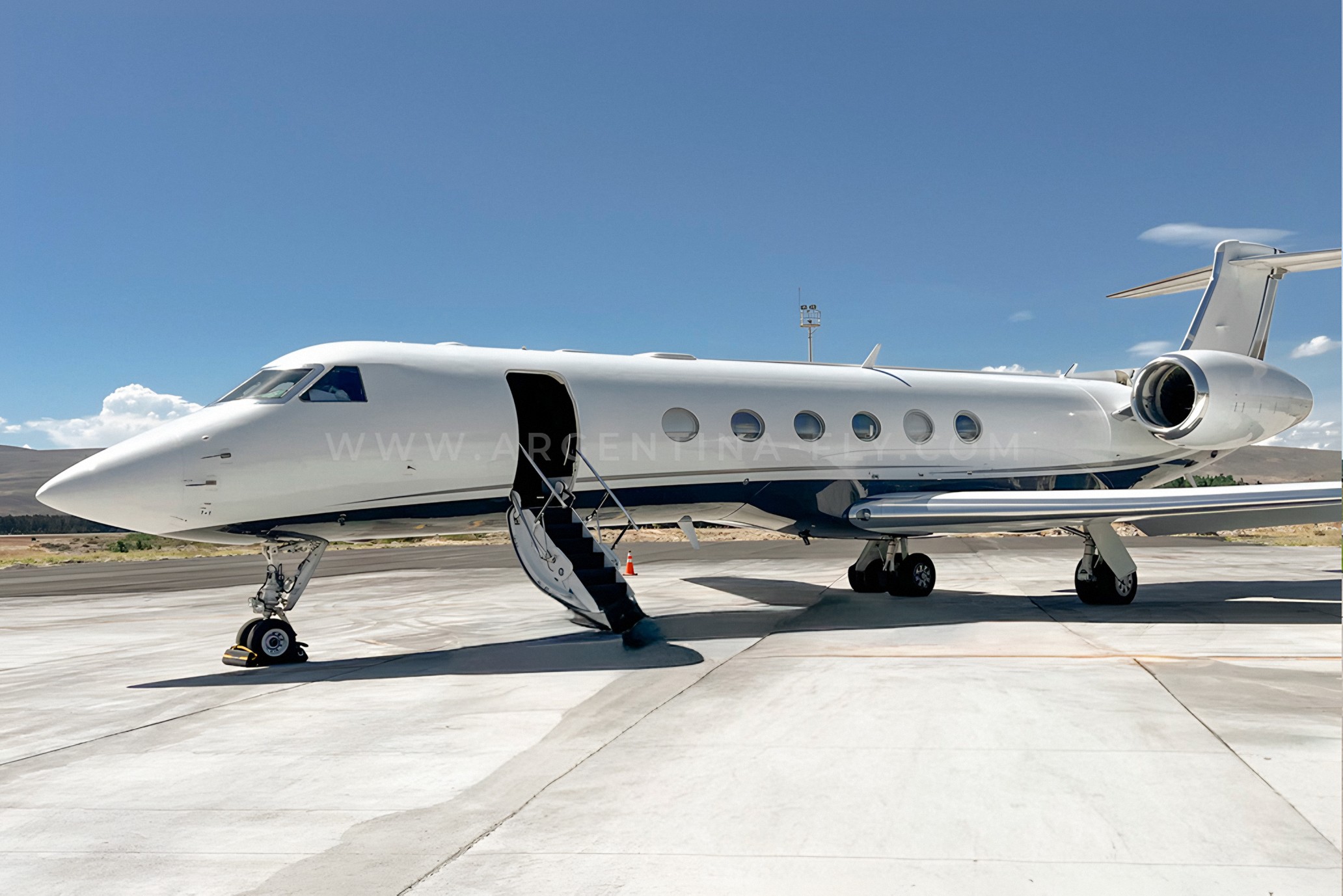
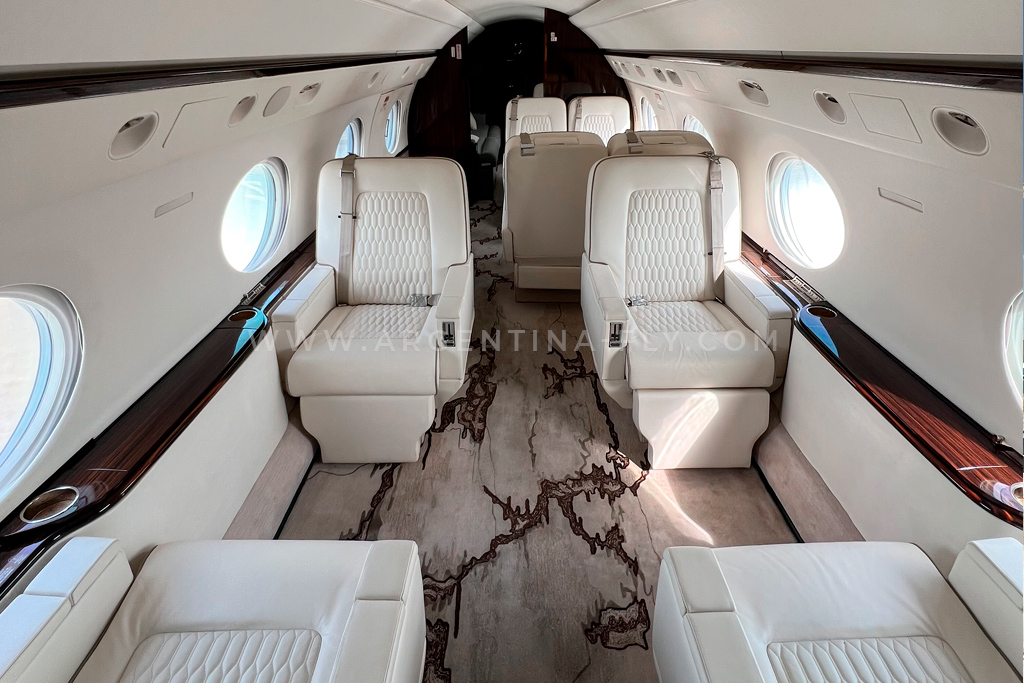
Gulfstream V
Long-range, large-cabin jet with VIP equipment for executive groups demanding the highest level of comfort.
Capacity
14 passengers
Lavatory
Yes
Cabin
Pressurized
Luggage
Generous
Wi-Fi
Built-in Starlink
Safety certifications
La Rioja (IRJ)
Other routes from Buenos Aires
Destinations near La Rioja, with the lowest reference fare and the shortest flight time.
La Rioja
La Rioja is the capital of the province of the same name, at the foot of the Sierra de Velasco: Juan Ramírez de Velazco founded the city of Todos los Santos de la Nueva Rioja there on May 20, 1591. It is the seat of the provincial government and the base for reaching Talampaya National Park and the valleys of olives and Torrontés. Every year-end the city celebrates the Tinkunaco, and in February, the Fiesta Nacional de la Chaya. From Buenos Aires it is 967 km: a private jet reaches Capitán Vicente Almandos Almonacid Airport, some 7 km from downtown, in 1 h 20 to 1 h 40.
Talampaya
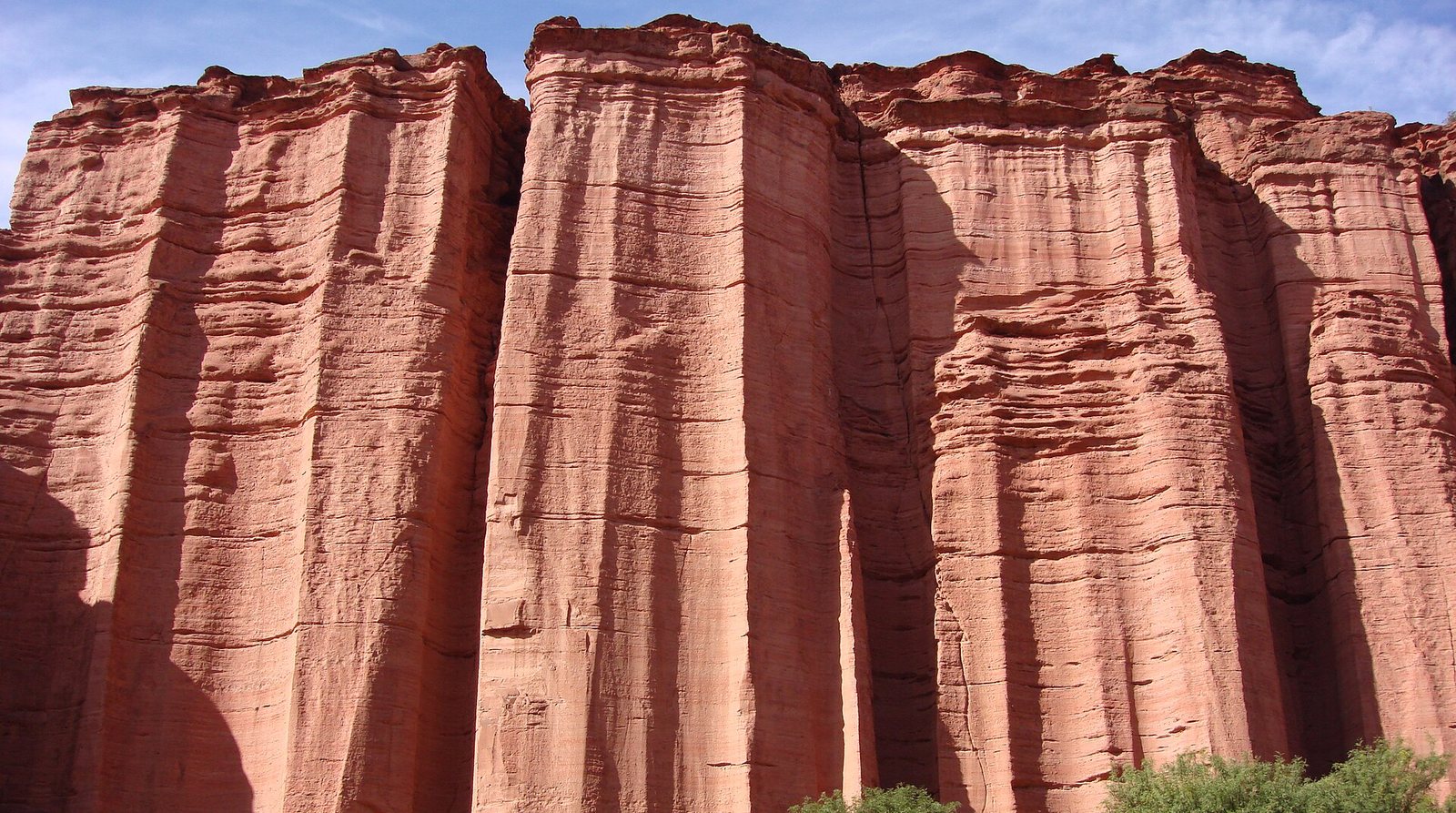
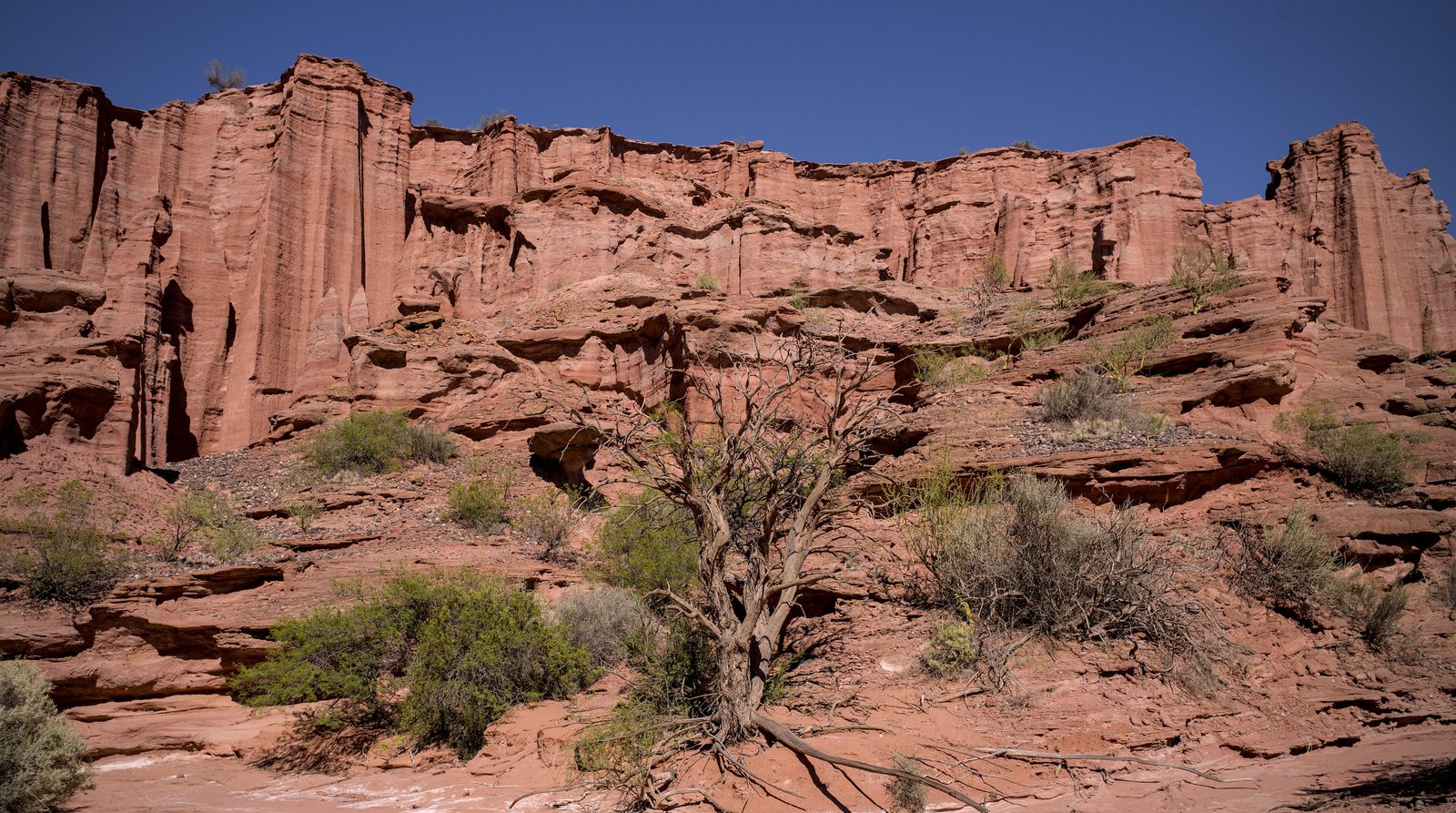
A canyon with walls over 100 m high, petroglyphs and Triassic fossils.
Talampaya National Park protects 213,800 hectares in the west of the province. It became a provincial park in 1975 and a national park in 1997; in 2000, UNESCO listed it as a World Heritage Site together with Ischigualasto Provincial Park, in San Juan, as the Ischigualasto / Talampaya Natural Parks. Its rocks hold ancestors of mammals, dinosaur remains and plants from the Triassic period.
Wind, rain and sharp swings in temperature carved cliffs and walls over 100 m high in the canyon of the Talampaya River, along with shapes the locals have named, such as the Rey Mago, the Wise King. People have lived here for more than 2,500 years: the park has the largest number of petroglyph sites in the province, carved into the rock between the 3rd and 9th centuries. The mara, a large rodent seen on the excursions and along the road, is part of its emblem; guanacos, pumas and lesser rheas also live there.
The park can be toured only with a guide, on the authorized excursions: private vehicles are not allowed in. From the Cañón de Talampaya service area, at km 59 of National Route 76, leave the vehicle excursion through the canyon, about two and a half hours, walks such as the Quebrada Don Eduardo, bike tours and a full-moon night outing. From the Cañón Arco Iris area, at km 45, leave the excursions to the Cañón Arco Iris, the rainbow canyon, and the Ciudad Perdida, about three hours.
It is open from 8:30 a.m. to 7:30 p.m. between September 21 and April 30, and from 9 a.m. to 6:30 p.m. the rest of the year; the last excursion leaves at 4 p.m. Access tickets are sold online or at the park, and excursions may be suspended during zonda winds, a hot, dry wind off the Andes, or flash floods. Flying over the park is prohibited. Villa Unión, the nearest town, is 59 km from the canyon.
What to see
- Cañón Arco IrisA vehicle excursion from the service area at km 45 of National Route 76.
- Cañón de TalampayaA vehicle excursion of about two and a half hours; also on foot, by bike and under the full moon.
- Ciudad PerdidaA three-hour excursion among eroded formations, from the Cañón Arco Iris area.
- Quebrada Don EduardoA guided walk from the Cañón de Talampaya service area.
- Sendero del TriásicoA self-guided trail at the Cañón de Talampaya service area.
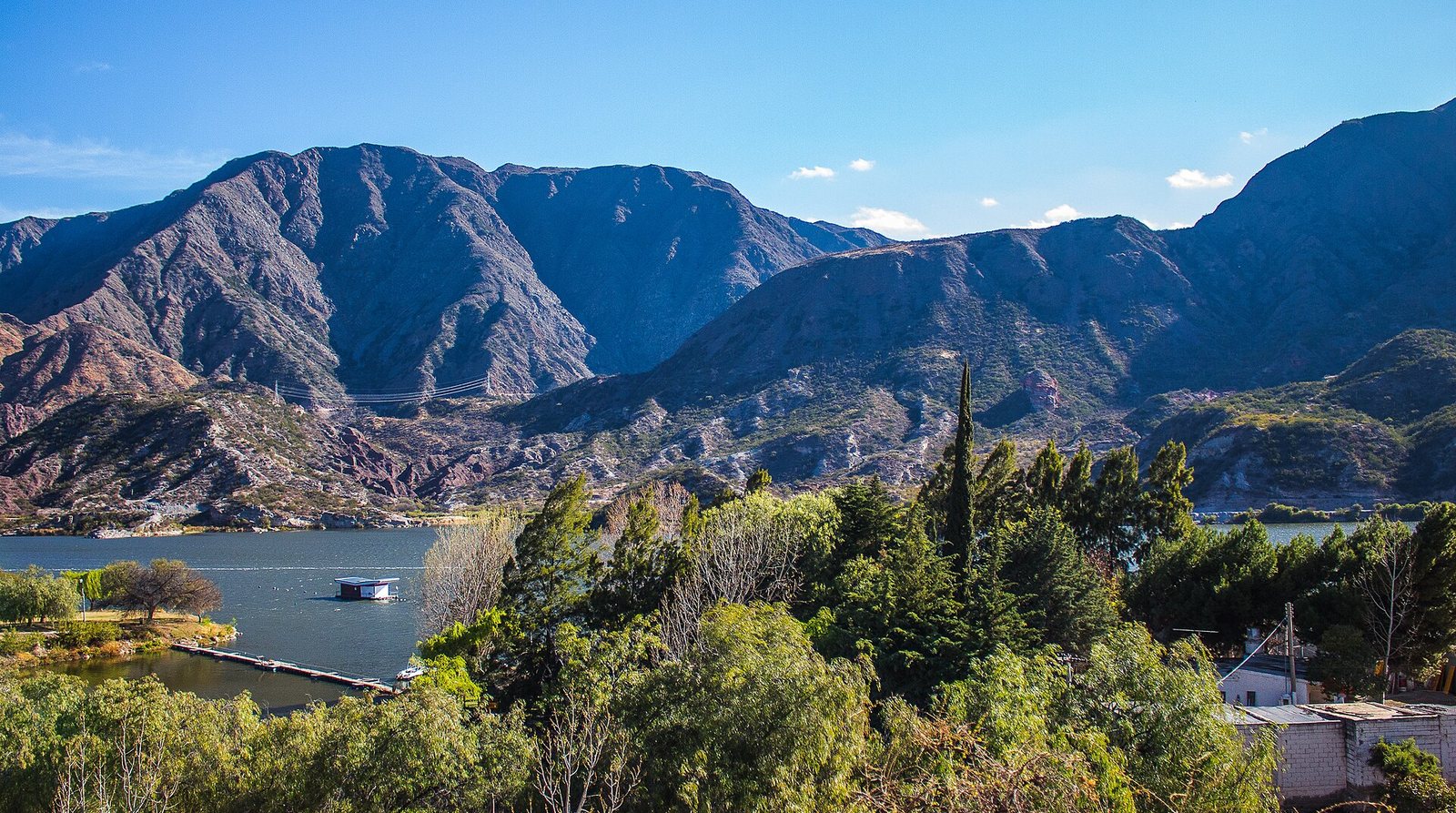
The city at the foot of the Velasco
Plaza 25 de Mayo, its churches, golf and paragliding over the range.
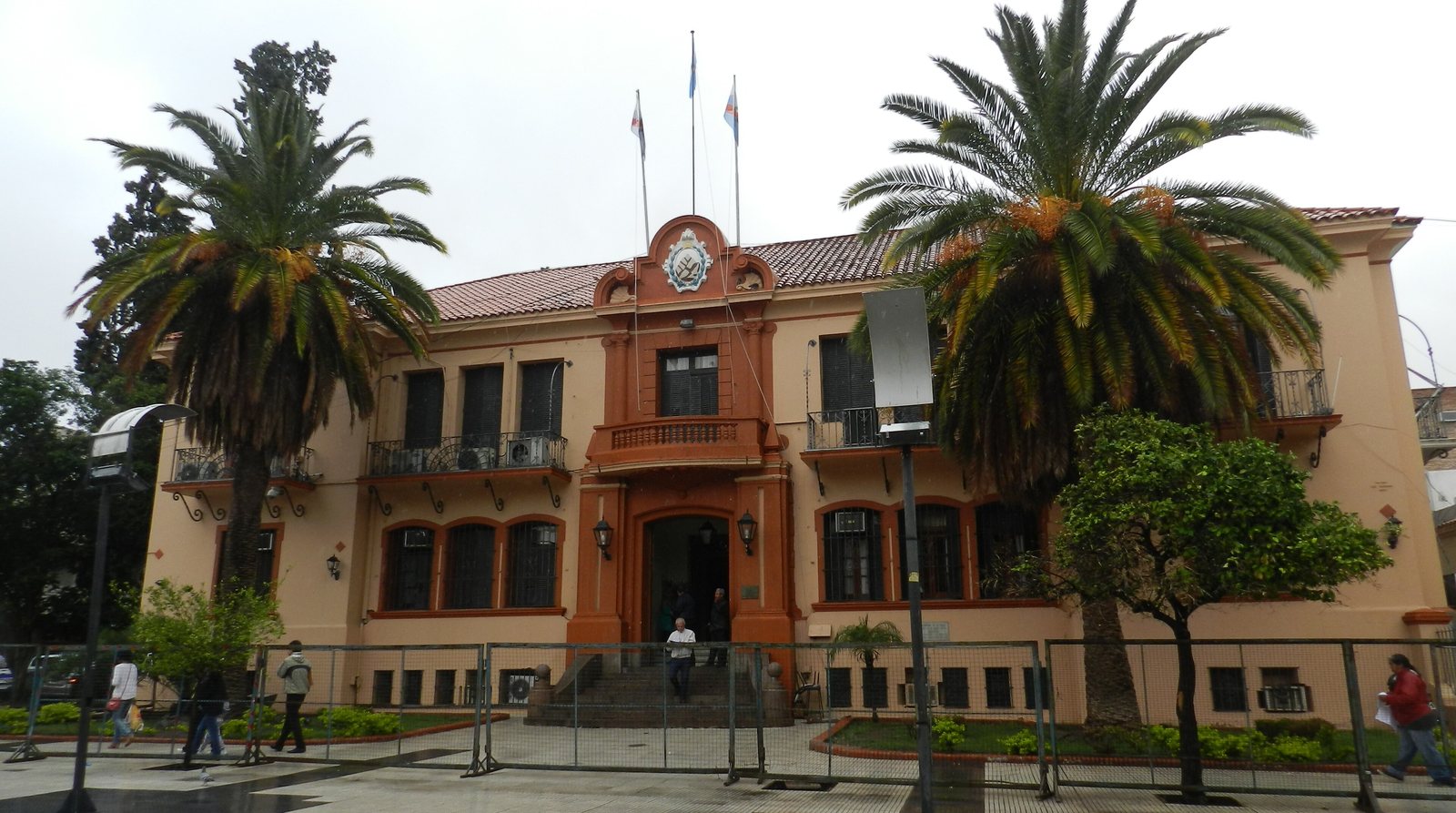
Plaza 25 de Mayo is the center of the city: facing it is the Casa de Gobierno, seat of the provincial government. A historic walk adds the church and convent of Santo Domingo, the church of San Francisco, from which the image of the Niño Jesús Alcalde, the Christ Child as mayor, goes out every December 31, the Cathedral, the Museo de Arte Sacro and the Museo Folklórico.
The Golf Club La Rioja has 18 holes on 72 hectares at the foot of the Velasco range, among cacti and carob trees, and is played year-round. From the summit of Cerro de la Cruz you can paraglide and hang glide: the province's climate allows free flight all year, and La Rioja hosts regional, national and international events in the sport.
30 km away, along National Route 75 and the Cuesta del Sauce, Sanagasta has an open-air Dinosaur Park, with replicas and the clutches of eggs found in the area; it is best to go early or late in the afternoon. In the same town, the Vista Larga and Lomas Blancas estates offer tastings of small-batch wines, by appointment.
What to see
- Cerro de la CruzA paragliding and hang gliding launch ramp above the range.
- Golf Club La Rioja18 holes on 72 hectares at the foot of the Velasco, open year-round.
- Iglesia y Convento de Santo DomingoPart of the downtown historic walk.
- Museo FolklóricoThe city's folklore museum, on the downtown walk.
- Parque de Dinosaurios de SanagastaReplicas and clutches of eggs, 30 km away on National Route 75.
- Plaza 25 de MayoThe center of the city, facing the Casa de Gobierno.
Where to stay
- Naindo Park HotelAt San Nicolás de Bari 475, downtown, with a heated pool, spa, gym and the Oliva restaurant.
Tinkunaco and Chaya
The encounter of every December 31 and La Rioja's February carnival.
The Tinkunaco, Quechua for “encounter,” has been celebrated for more than 400 years, from December 22 to January 3. It recalls the peace pact that, at Easter 1593, Friar Francisco Solano brokered between the Spanish conquistadors and the Diaguita people; half a century later, the Jesuits turned it into a religious ceremony. The province declared it Intangible Cultural Heritage in 2016.
On December 31, the image of the Niño Jesús Alcalde goes out in procession from the church of San Francisco, accompanied by the brotherhood of the Aillis, who represent the Diaguitas; from the Cathedral comes San Nicolás de Bari, with the Alféreces, who represent the Spanish. At noon the two images meet in Plaza 25 de Mayo and then remain in the Cathedral until January 3; during those days the cajas chayeras, hand drums, sound alongside songs in Quechua.
The Fiesta Nacional de la Chaya is held every February, at carnival, over five nights, with the main stage at the Autódromo Ciudad de La Rioja. It brings together Diaguita roots, criollo traditions and today's folk music, and takes its name from the legend of the young Chaya, who returns every February as dew.
What to see
- Autódromo Ciudad de La RiojaMain stage of the Fiesta Nacional de la Chaya.
- Iglesia de San FranciscoWhere the Niño Jesús Alcalde sets out every December 31.
- Plaza 25 de MayoWhere the two images of the Tinkunaco meet, at noon on December 31.
Typical calendar
- December 22 to January 3Tinkunaco, with the encounter at noon on December 31.
- FebruaryFiesta Nacional de la Chaya, five nights of carnival.
Olives, walnuts and Torrontés
The farming valleys of Arauco, the Costa Riojana and Famatina.
North of the capital, the Arauco department is an olive-growing area that exports its production. In Aimogasta, its main town, stands the Olivo Cuatricentenario, a 400-year-old olive tree declared a National Historic Monument. In the same department, some 100 km from the capital, the Termas de Santa Teresita have springs that flow at nearly 40 °C.
Riojan Torrontés is the grape that defines the province, and the Ruta del Vino Riojano, La Rioja's wine route, runs through the valleys of the Costa, Chilecito and Famatina, and the Bermejo, with small-batch and large wineries open to visitors. In spring, on Saturdays, a tourist bus leaves the capital from the Parque de las Juventudes along the Costa Riojana, the string of villages at the foot of the Velasco: it stops at Finca Condorcuna, in Anjullón; at the Las Carolinas winery, in Anillaco, and the Aminga winery; and at the Vista Larga and Lomas Blancas estates, in Sanagasta.
Farther west, in the valley of Chilecito and Famatina, among vineyards, walnut groves and orchards, the La Riojana cooperative and the Chañarmuyo boutique winery welcome visitors.
What to see
- Bodega Las CarolinasIn Anillaco, on the Costa Riojana.
- Finca CondorcunaA visitor estate in Anjullón, the first stop of the Costa wine bus.
- Olivo CuatricentenarioIn Aimogasta; a National Historic Monument.
- Ruta del Vino RiojanoA tourist bus on spring Saturdays, from the Parque de las Juventudes.
- Termas de Santa TeresitaIn Arauco, some 100 km from the capital, with waters at nearly 40 °C.
Arrival
From departure to destination.
- Departure
- From San Fernando (FDO), Aeroparque (AEP) or Ezeiza (EZE). The fare may change depending on where each aircraft is based.
- Airport
- Capitán Vicente Almandos Almonacid (IRJ): public-use and towered, some 7 km from downtown on Provincial Route 5.
- Talampaya
- The Cañón de Talampaya is 220 km from the city by road: National Route 38 to Patquía and National Route 150 to National Route 76.
- Sanagasta
- 30 km away on National Route 75 and the Cuesta del Sauce.
When to go
The seasons at the destination.
- February
- Fiesta Nacional de la Chaya, five nights of carnival.
- March to June
- Fall: one of the two recommended seasons for touring Talampaya and the province outdoors.
- Winter (June to September)
- The dry season: 4.2 mm of rain in July, with an average high of 19.5 °C and an average low of 4.2 °C; from May, the zonda wind is frequent in Talampaya.
- September to November
- Spring: the other recommended season; on Saturdays, the Wine Route bus along the Costa Riojana.
- December to February
- Summer: an average high of 35.4 °C in December and the rainy season, with 90.3 mm in January.
- December 22 to January 3
- Tinkunaco, with the encounter of the Niño Jesús Alcalde and San Nicolás at noon on December 31.
Key facts
Summer January
- Average low
- 21.5°
- Average high
- 35.2°
90.3 mm of rain
Fall April
- Average low
- 14.6°
- Average high
- 26.8°
30.8 mm of rain
Winter July
- Average low
- 4.2°
- Average high
- 19.5°
4.2 mm of rain
Spring October
- Average low
- 15.9°
- Average high
- 30.8°
19.5 mm of rain
- Airport
- Capitán Vicente Almandos AlmonacidIATA / ICAO: IRJ / SANLSome 7 km from downtown, on Provincial Route 5
- Category
- Public-use, towered
- Distance
- 967 kmFlight distance from Buenos Aires; 1,150 km by road
- Annual rainfall
- 410.3 mm86% falls from October to March
Frequently asked questions
Price, flight time, airport, departure and travel documents.
How much does a private flight from Buenos Aires to La Rioja cost?
Reference fares for a one-way private flight from Buenos Aires (San Fernando), whole aircraft, start at USD 7,650 for a piston twin, USD 7,840 for a turboprop, USD 9,190 for a light jet, USD 11,760 for a midsize jet and USD 18,170 for a large jet. Round trips are calculated in the quote tool according to the length of your stay.
How long is the flight?
Between 1 h 20 and 3 h 25, depending on the aircraft; the fastest jet on the route takes 1 h 20.
Which airport does the flight land at?
Capitán Vicente Almandos Almonacid Airport (IRJ / SANL), some 7 km from downtown on Provincial Route 5 at an elevation of 438 m. It is public-use and towered, with a paved runway.
How far is Talampaya?
The Cañón de Talampaya is 220 km from the city by road, on National Route 38 to Patquía and then National Routes 150 and 76. Flying over the park is not allowed. Villa Unión, the nearest town, is 59 km from the canyon.
How do I tour Talampaya National Park?
Only with a guide and on the authorized excursions, which leave from two service areas on National Route 76: Cañón de Talampaya, with vehicle, walking, cycling and full-moon outings, and Cañón Arco Iris, the starting point for the excursions to the Ciudad Perdida. The last excursion leaves at 4 p.m., and access tickets are sold online or at the park.
When is the Tinkunaco?
It is celebrated from December 22 to January 3. The encounter of the images of the Niño Jesús Alcalde and San Nicolás de Bari is at noon on December 31, in Plaza 25 de Mayo.
When is the Fiesta Nacional de la Chaya?
Every February, at carnival, over five nights, with the main stage at the Autódromo Ciudad de La Rioja.
When is the best time to travel?
Fall, from March to June, and spring, from September to November, for touring Talampaya and the province outdoors. In summer the average high tops 35 °C and it is the rainy season; winter is dry, with mild days.
Are the published fares final?
They are estimates. The final quote depends on dates, length of stay, aircraft type and applicable operating fees.
Where does the flight depart from?
Fares are calculated for departure from San Fernando (FDO). Departing from Aeroparque (AEP) or Ezeiza (EZE) may change the fare, depending on where each aircraft is based.
What documents do I need?
It is a domestic flight within Argentina: Argentine citizens travel with a valid national ID (DNI) and foreign nationals with a valid passport.

Ready to fly? Let’s talk.
Share the details of your trip and we’ll help you find the aircraft and flight solution best suited to your needs.
- WhatsApp+54 9 11 3080 7775
- Phone+54 9 11 3080 7775
- Emailinfo@argentina-fly.com
For charter operatorsList your aircraft