
- Home
- Flight quote
- Río Gallegos
Private flights to Río Gallegos
Jet from USD 21,260 · 3 h 15
Results:
- Itinerary
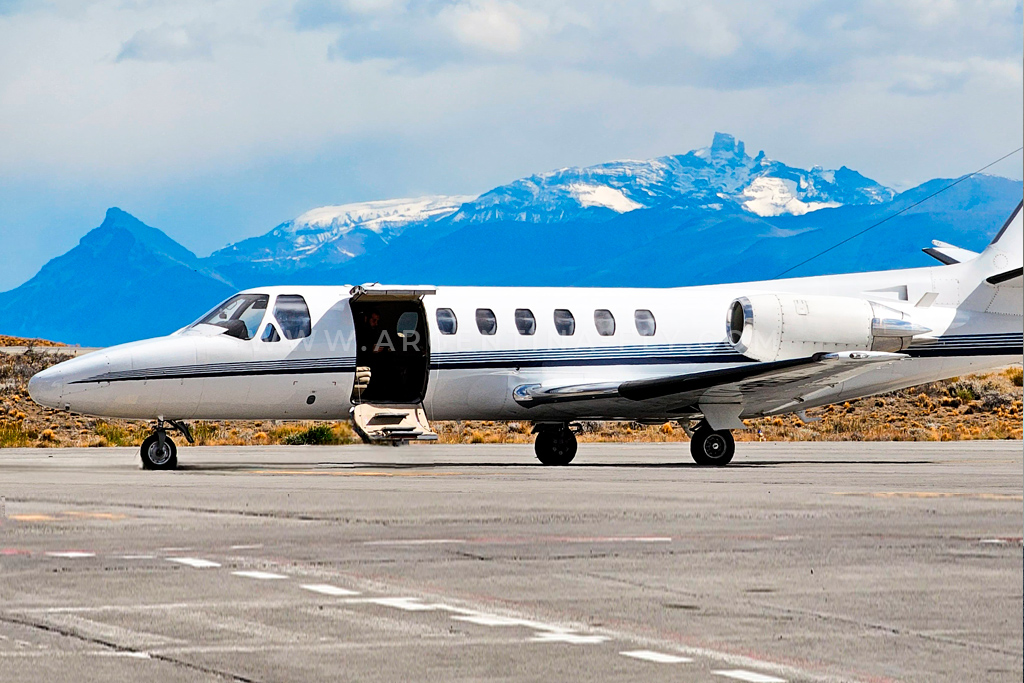
Citation V
Light jet · 8 passengers · 3 h 153 h 15flight time
USD 21,260+ VAT 10.5%
Request a quote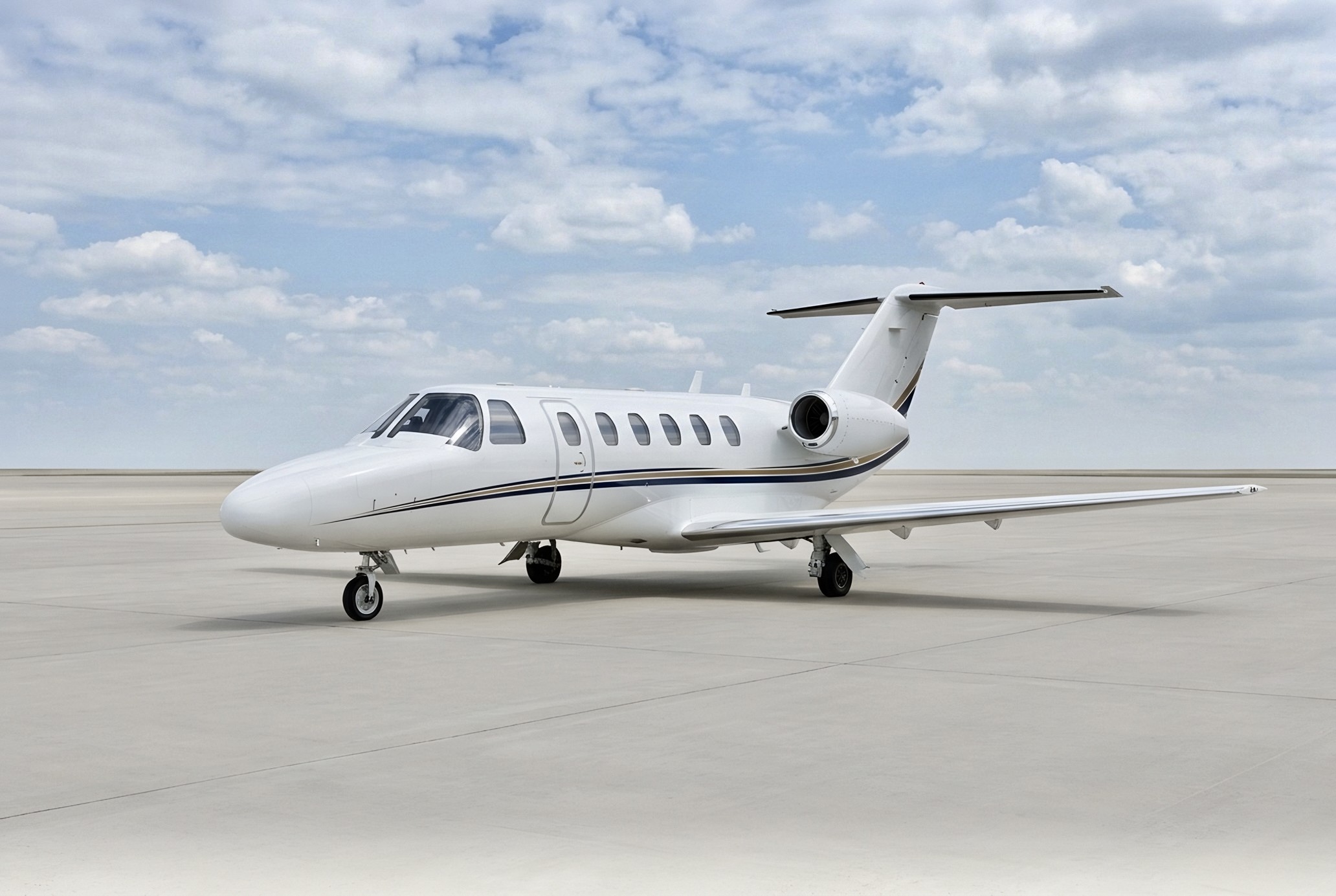
Citation CJ2
Light jet · 6 passengers · 3 h 30 · 2 options3 h 30flight time
USD 21,260+ VAT 10.5%
Request a quote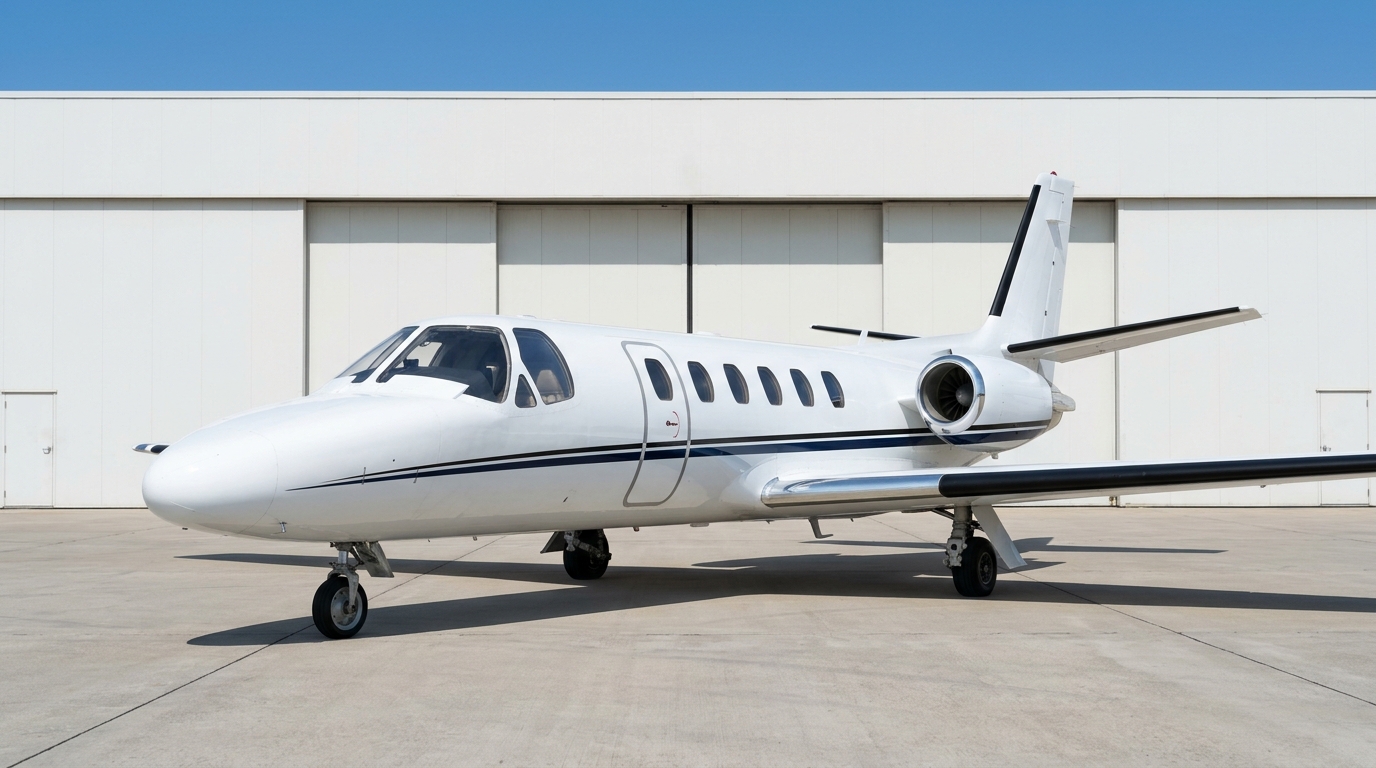
Citation Bravo
Light jet · 7 passengers · 3 h 253 h 25flight time
USD 22,620+ VAT 10.5%
Request a quote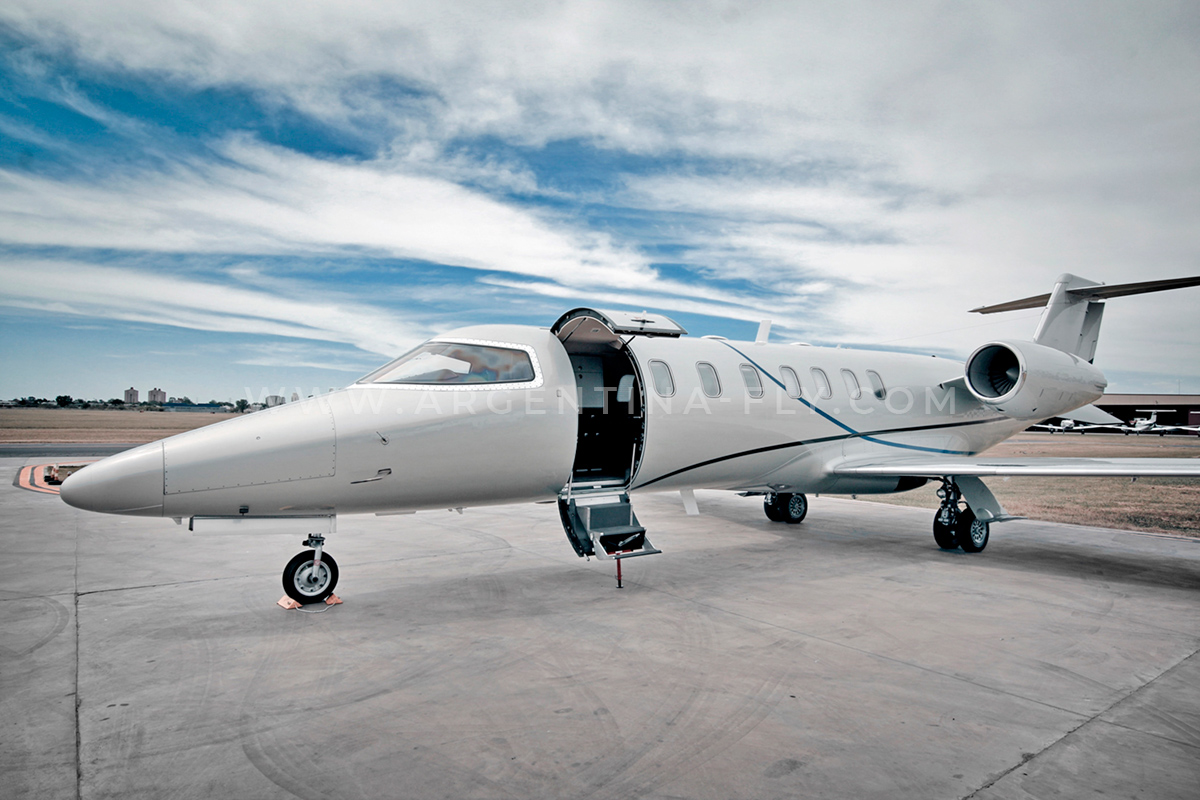
Learjet 40 XR
Light jet · 6 passengers · 3 h 053 h 05flight time
USD 25,340+ VAT 10.5%
Request a quote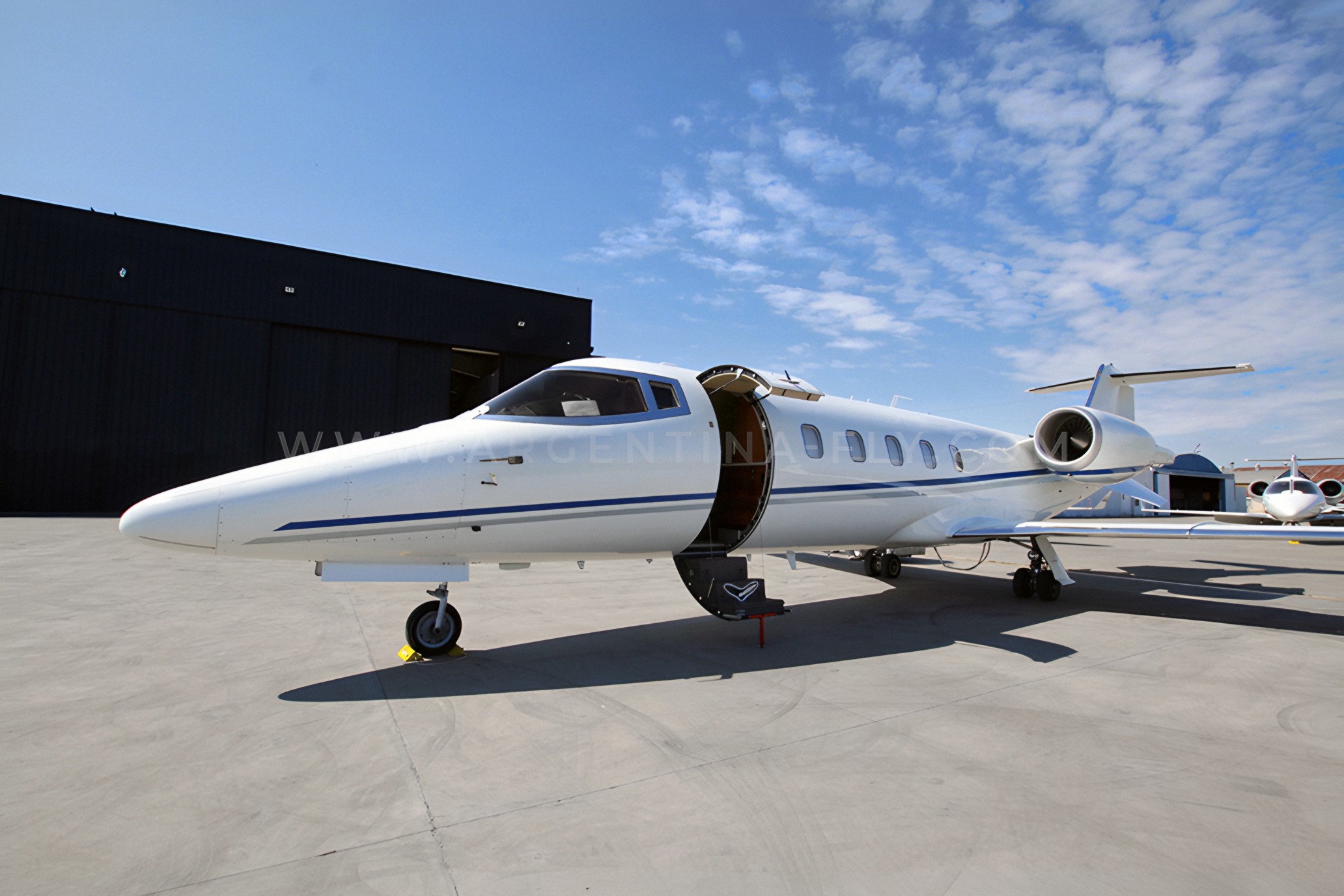
Learjet 60
Midsize jet · 7 passengers · 3 h 00 · 2 options3 h 00flight time
USD 26,240+ VAT 10.5%
Request a quote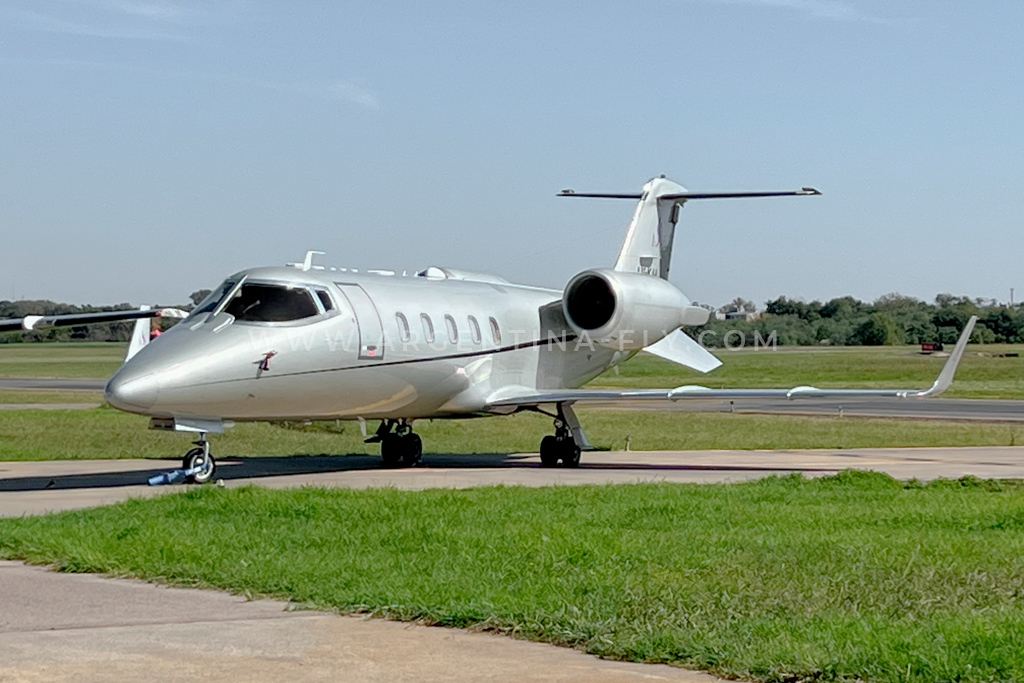
Learjet 60 XR
Midsize jet · 6 passengers · 3 h 003 h 00flight time
USD 27,600+ VAT 10.5%
Request a quote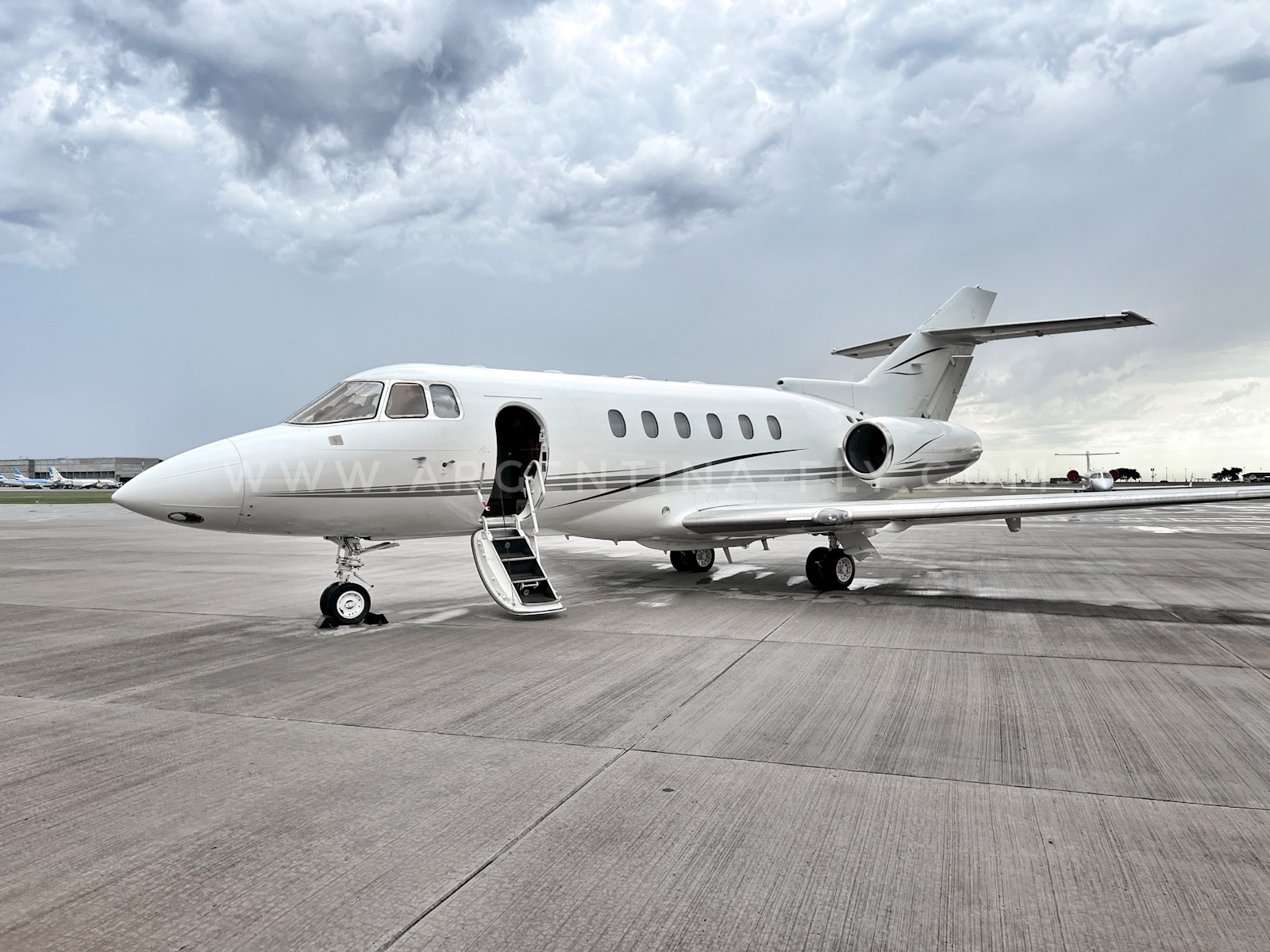
Hawker 800 XP
Midsize jet · 8 passengers · 3 h 053 h 05flight time
USD 28,250+ VAT 10.5%
Request a quote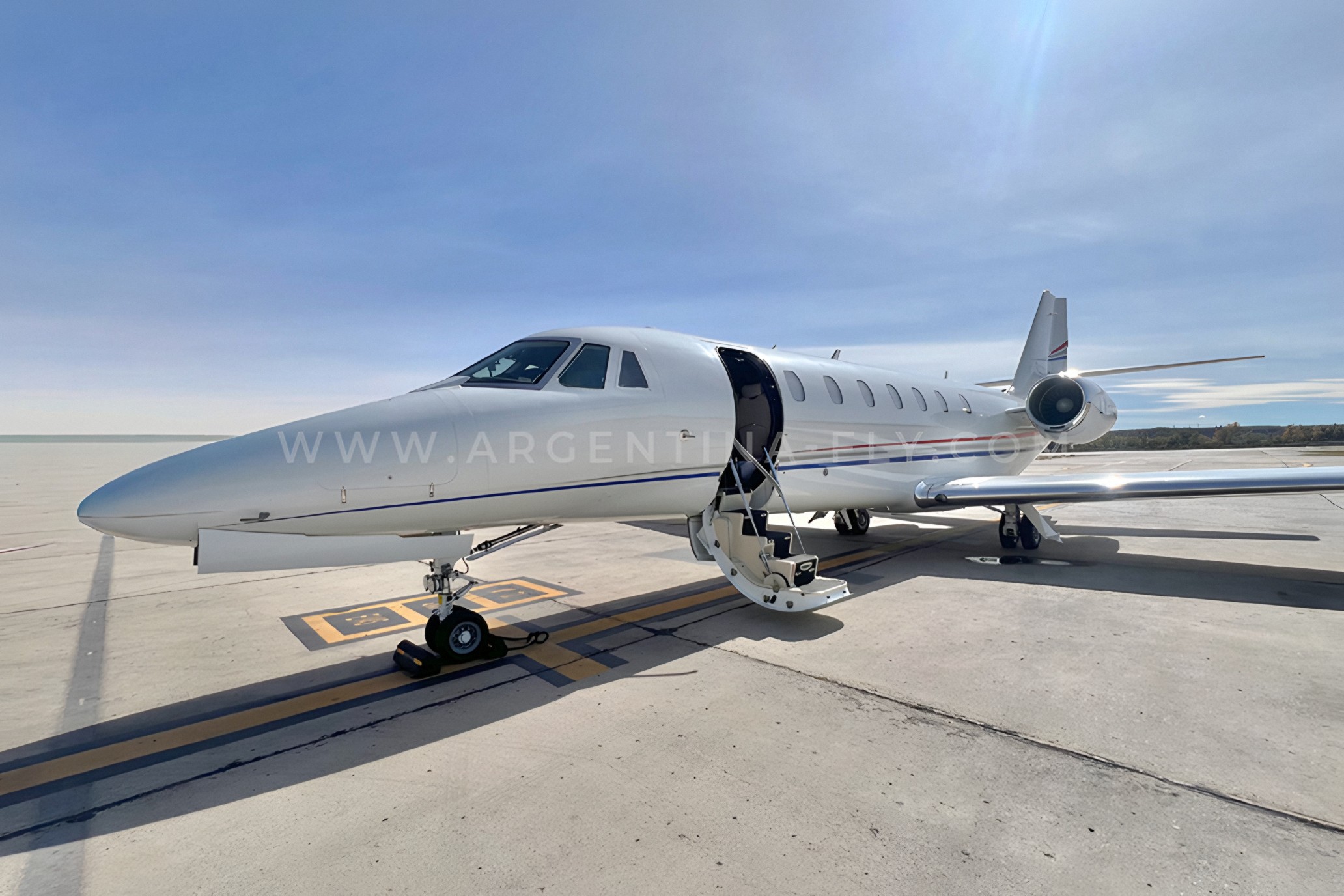
Citation Sovereign
Midsize jet · 8 passengers · 3 h 003 h 00flight time
USD 31,670+ VAT 10.5%
Request a quote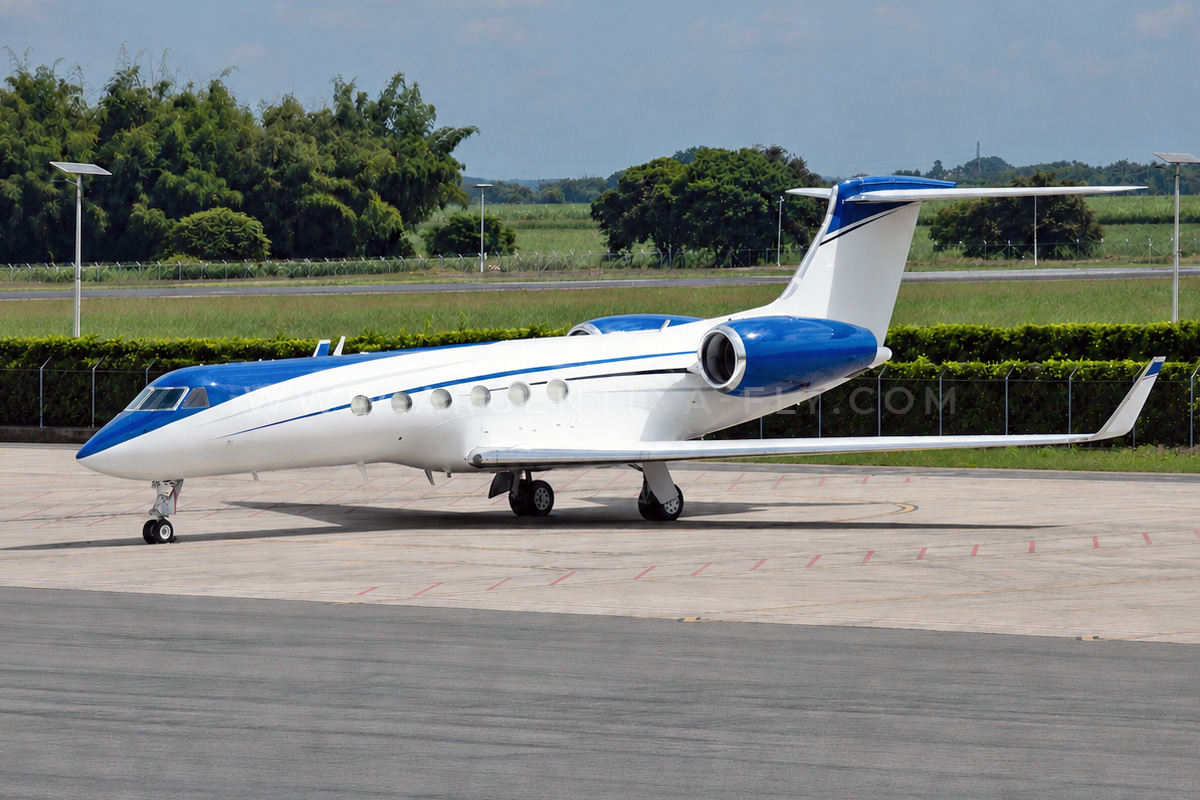
Gulfstream V
Large jet · 14 passengers · 2 h 50 · 2 options2 h 50flight time
USD 39,740+ VAT 10.5%
Request a quote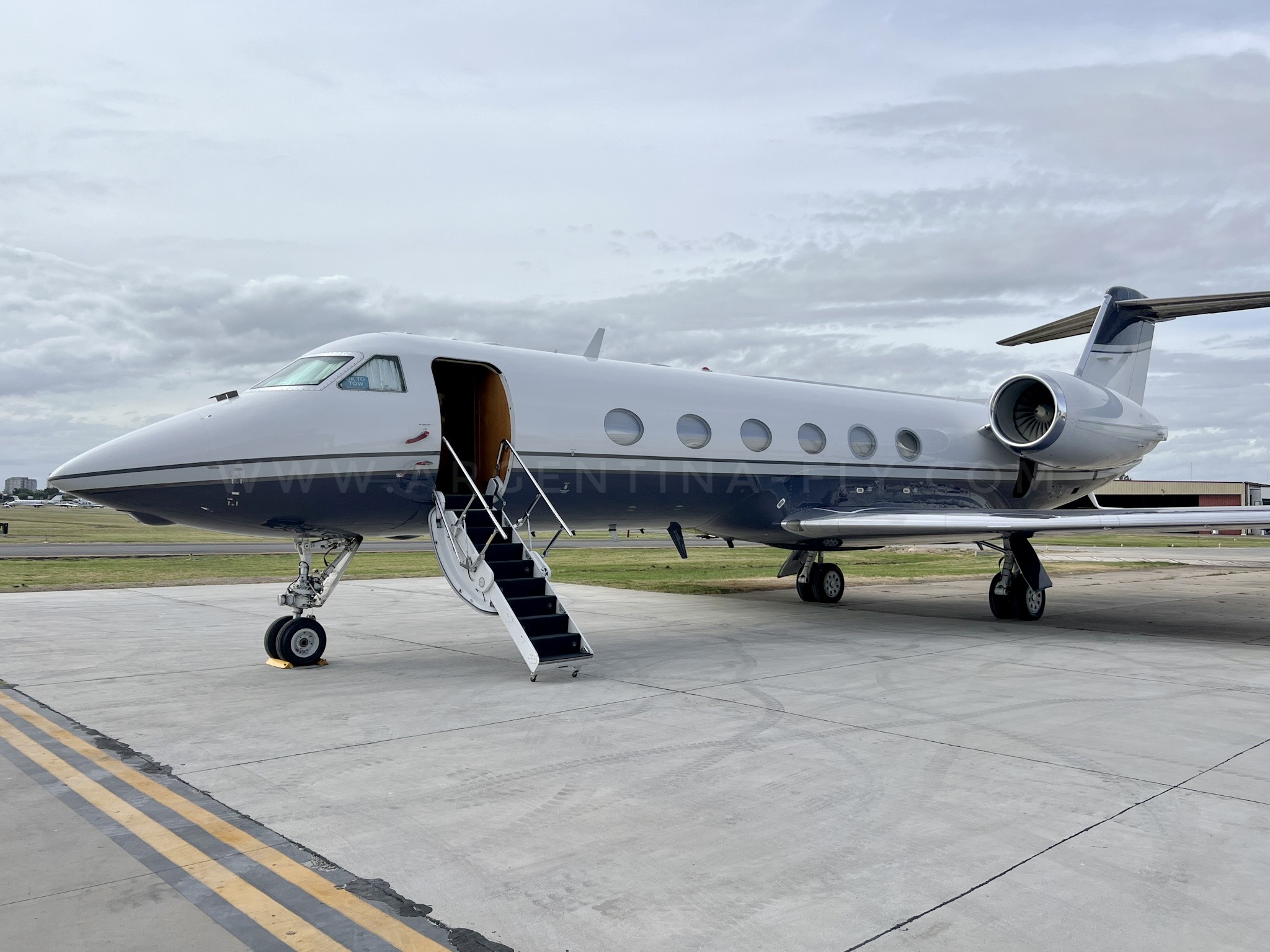
Gulfstream 400
Large jet · 14 passengers · 2 h 552 h 55flight time
USD 42,980+ VAT 10.5%
Request a quote
Route and airfields
Rate conditions
Please read carefully before requesting a quote.
Prices
Reference fares in US dollars (USD), for the entire aircraft. They may vary with aircraft availability and travel dates. For itineraries with several destinations, please request a tailored quote.
Not included
VAT on flights within Argentina, fees abroad on international flights (airport charges, handling and FBO, among others), and special services on request.
Base airport
Fares are calculated for departure from San Fernando (FDO). Departing from Aeroparque (AEP) or Ezeiza (EZE) may change the fare, depending on where each aircraft is based.
Reference fleet
The aircraft displayed are for reference purposes only and may vary depending on operational availability. Contact us to learn about the available options for your trip.
Rate conditions
Please read carefully before requesting your quotation.
Published prices are provided for reference only.
 Prices
Reference fares in US dollars (USD), for the entire aircraft. They may vary with aircraft availability and travel dates. For itineraries with several destinations, please request a tailored quote.
 Not included
VAT on flights within Argentina, fees abroad on international flights (airport charges, handling and FBO, among others), and special services on request.
 Base airport
Fares are calculated for departure from San Fernando (FDO). Departing from Aeroparque (AEP) or Ezeiza (EZE) may change the fare, depending on where each aircraft is based.
 Reference fleet
The aircraft displayed are for reference purposes only and may vary depending on operational availability. Contact us to learn about the available options for your trip.
Need a personalized quotation?
Request quotation
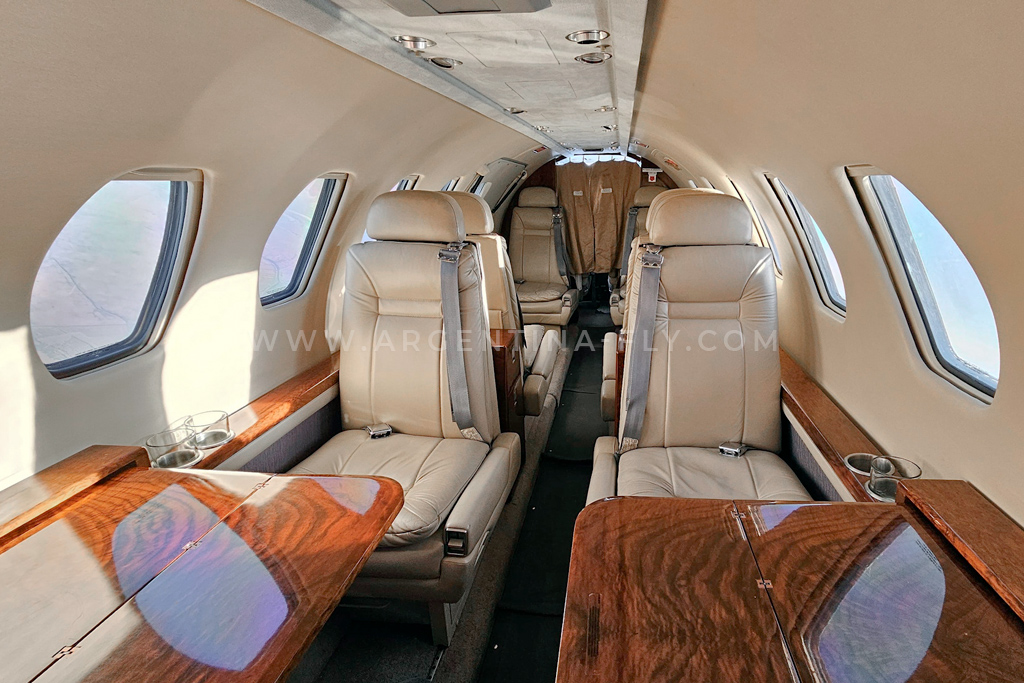
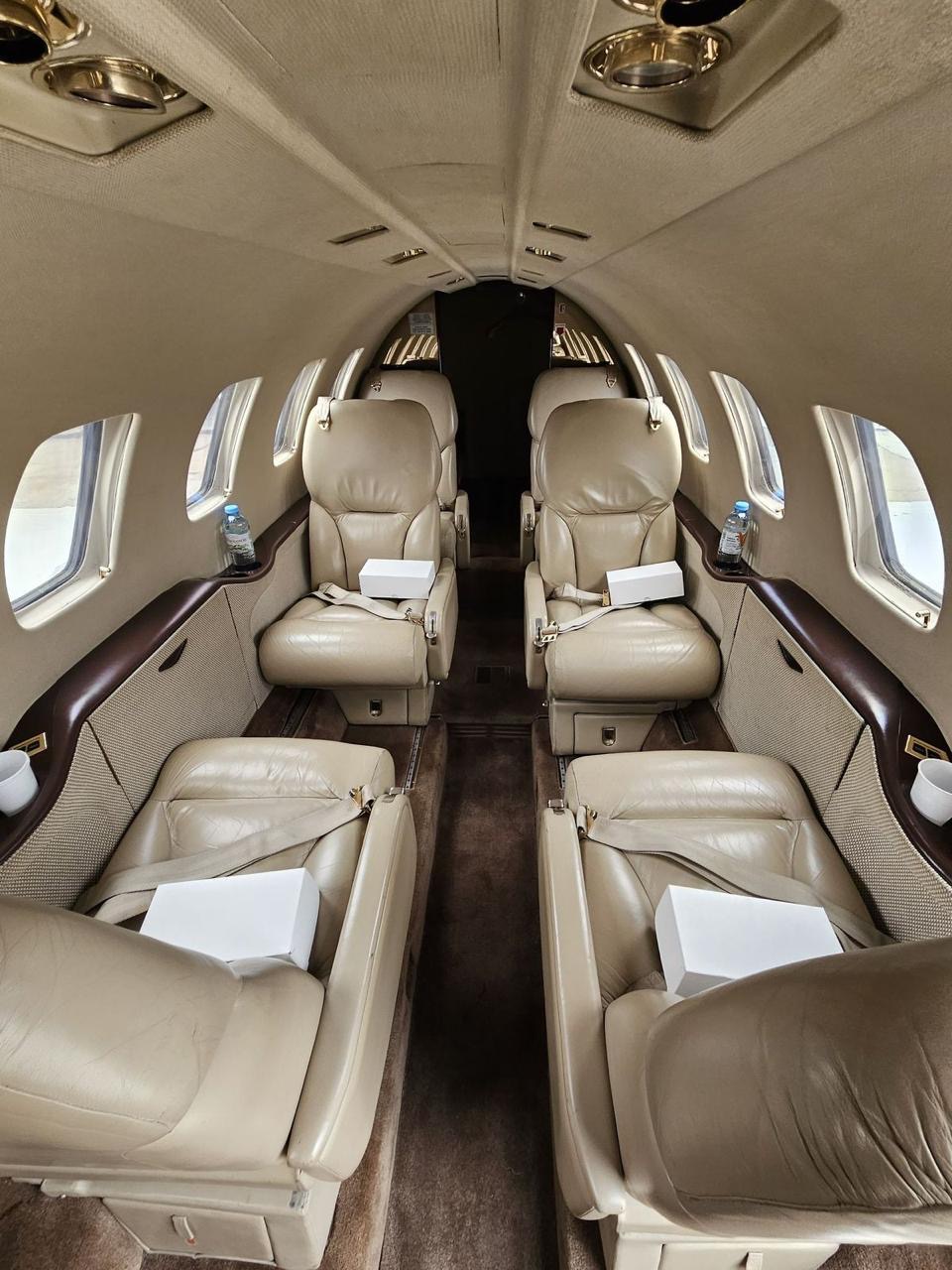
Citation V
Light jet with a comfortable cabin for up to 8 passengers and strong regional range.
 Capacity
8 passengers
 Lavatory
Not available
 Cabin
Pressurized
 Luggage
Moderate
 Wi-Fi
Portable Starlink
 Río Gallegos (RGL)
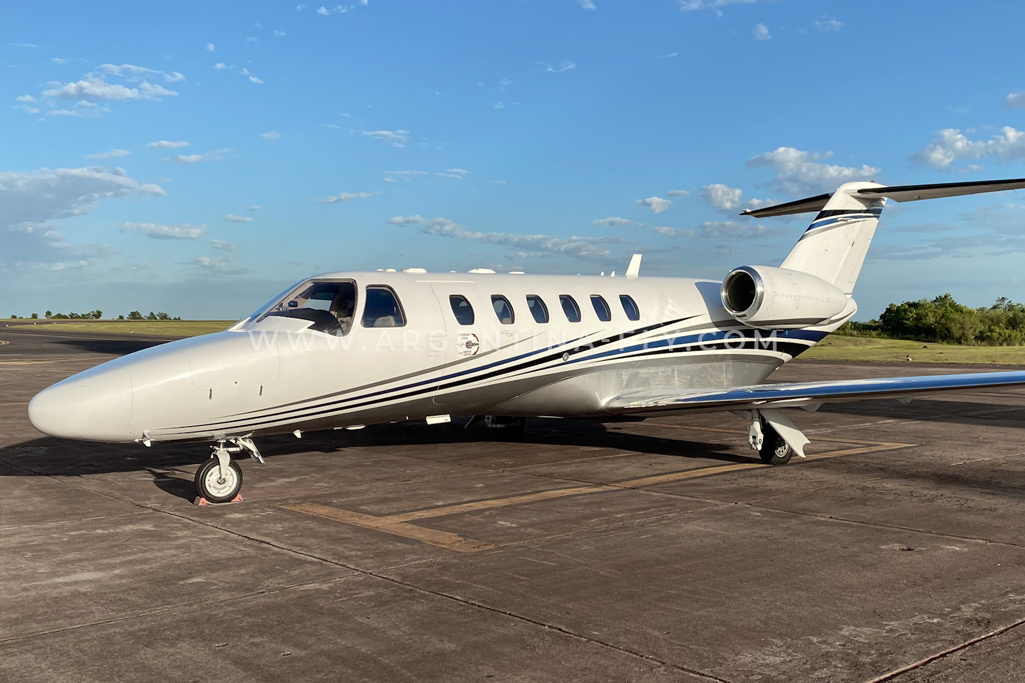
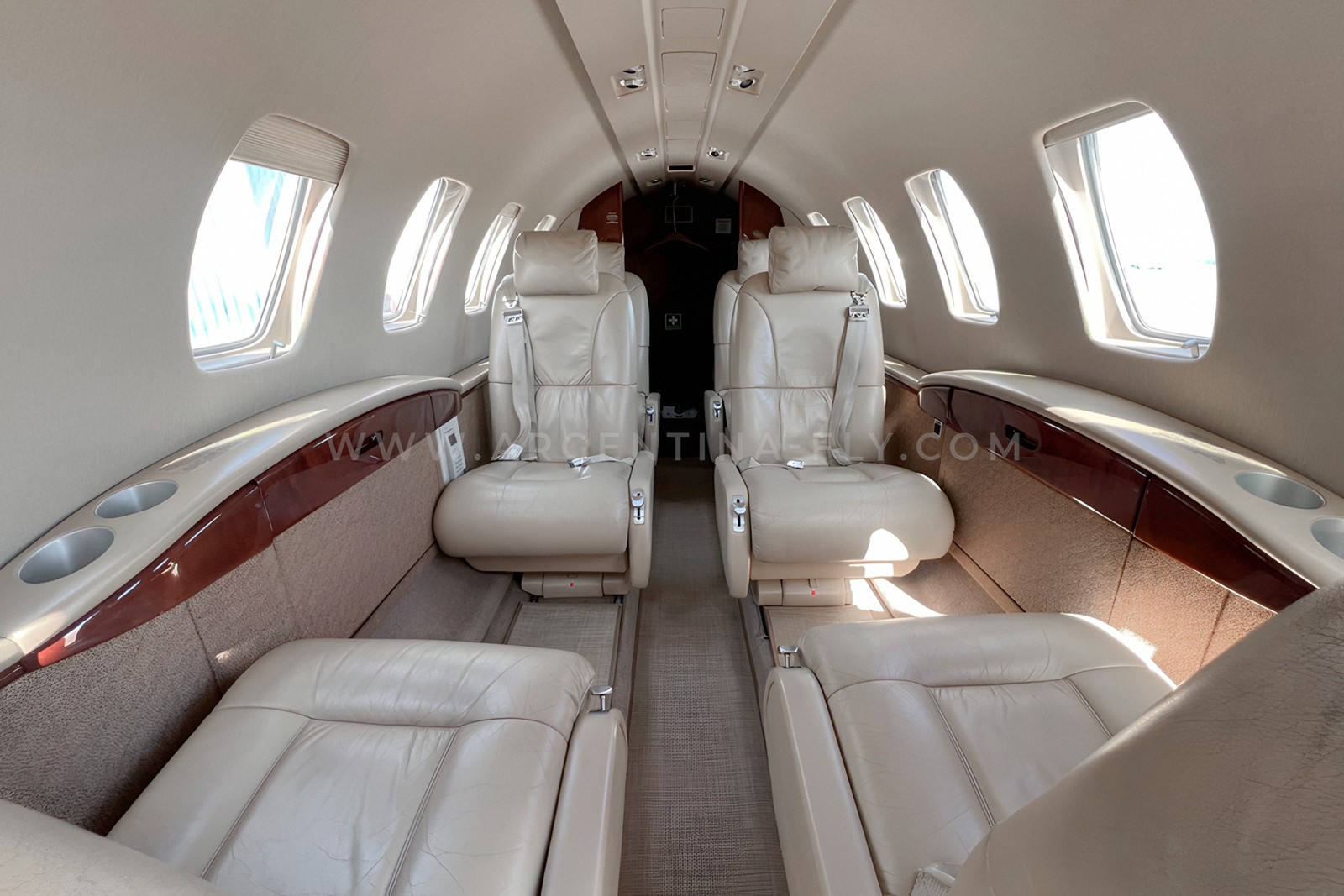
Citation Bravo
Classic light jet with a pressurized cabin, reliable and versatile for regional trips and short runways.
Capacity
7 passengers
Lavatory
Not available
Cabin
Pressurized
Luggage
Standard
Wi-Fi
Not available
Río Gallegos (RGL)
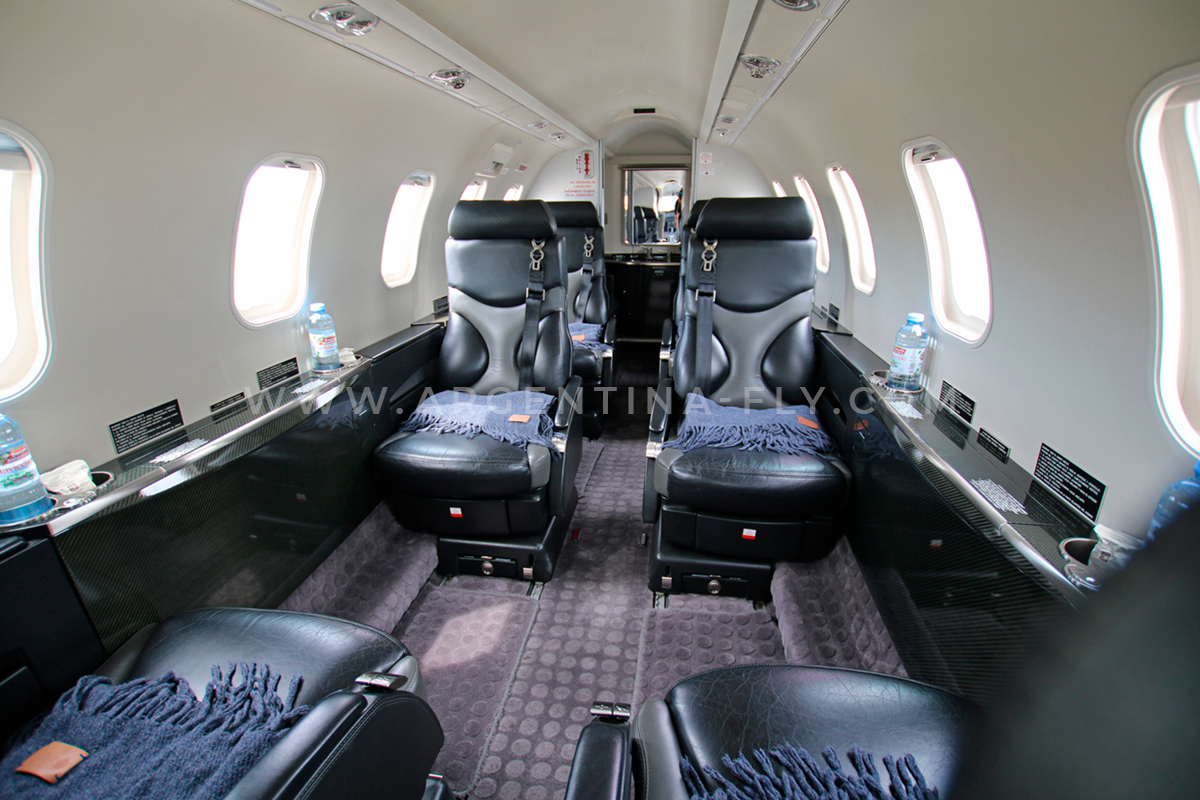
Citation CJ2
Light jet with greater range than the CJ1, offering an excellent balance between cost and executive performance.
Capacity
6 passengers
Lavatory
Not available
Cabin
Pressurized
Luggage
Moderate
Wi-Fi
Not available
Río Gallegos (RGL)
Learjet 40 XR
Light jet with a strong balance of speed and range, featuring a comfortable and modern executive cabin.
Capacity
6 passengers
Lavatory
Yes
Cabin
Pressurized
Luggage
Moderate
Wi-Fi
Not available
 Safety certifications
Río Gallegos (RGL)
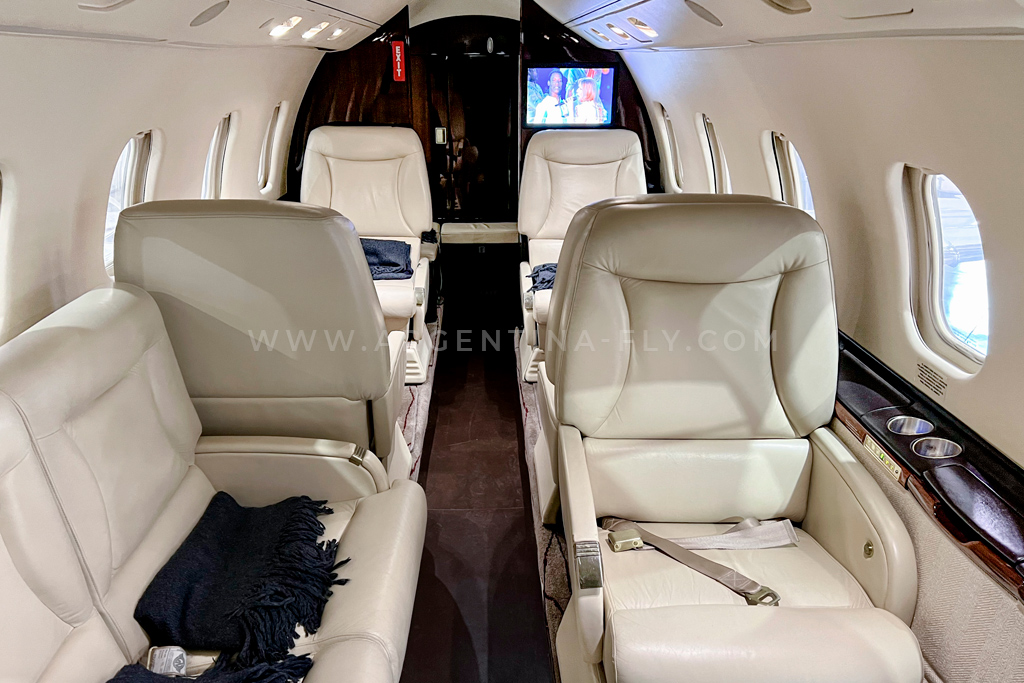
Learjet 60
Midsize jet with a spacious cabin and excellent cruise speed, one of the most requested options for executive flights.
Capacity
7 passengers
Lavatory
Yes
Cabin
Pressurized
Luggage
Moderate
Wi-Fi
Portable Starlink
Safety certifications
Río Gallegos (RGL)
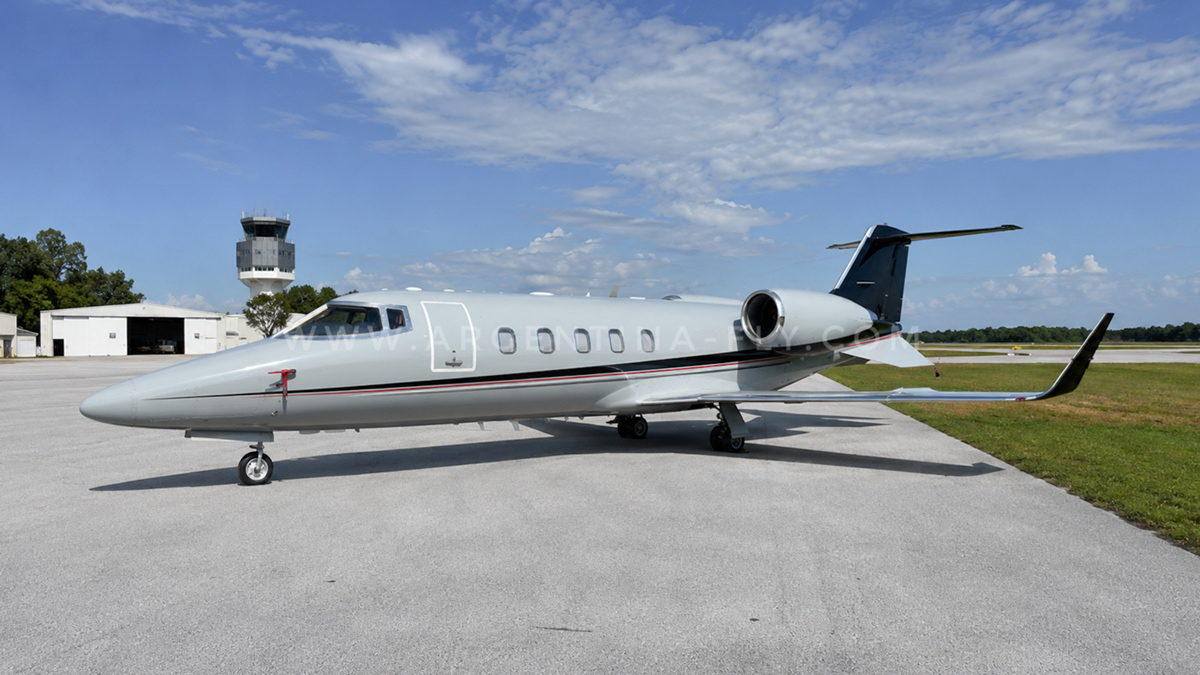
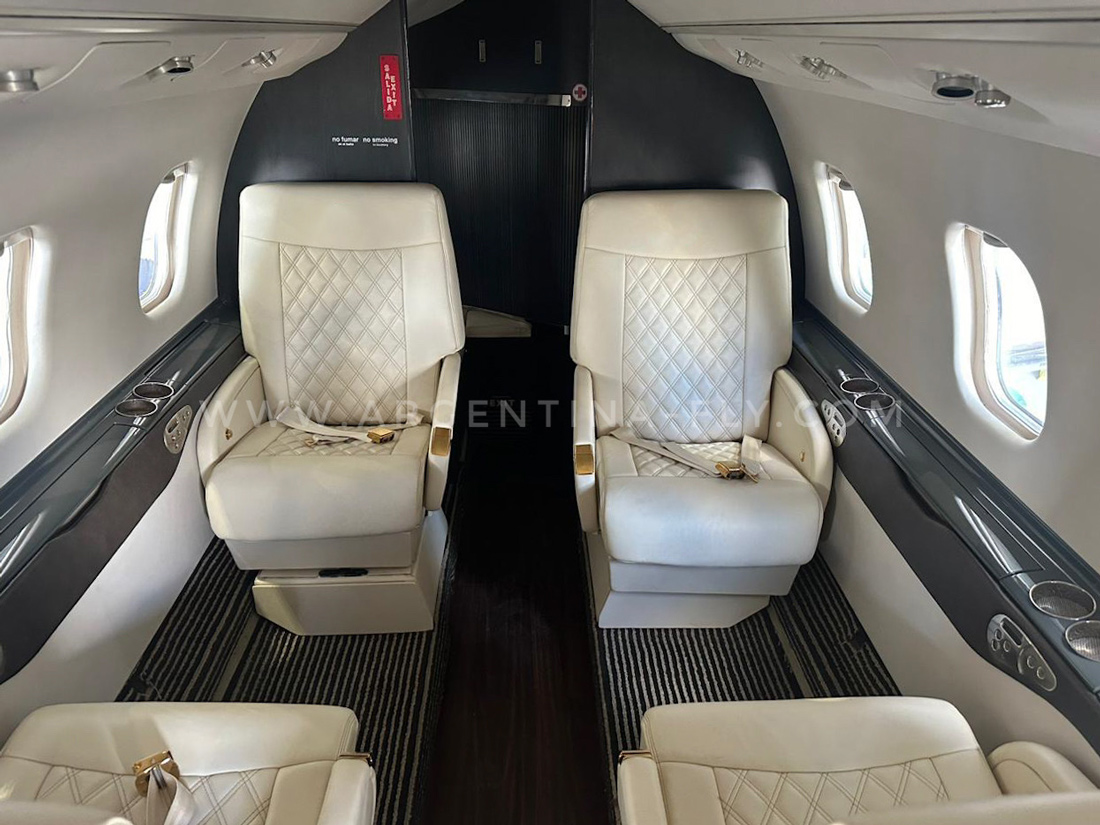
Learjet 60
Midsize jet with a spacious cabin and excellent cruise speed, one of the most requested options for executive flights.
Capacity
7 passengers
Lavatory
Yes
Cabin
Pressurized
Luggage
Standard
Wi-Fi
Not available
Río Gallegos (RGL)
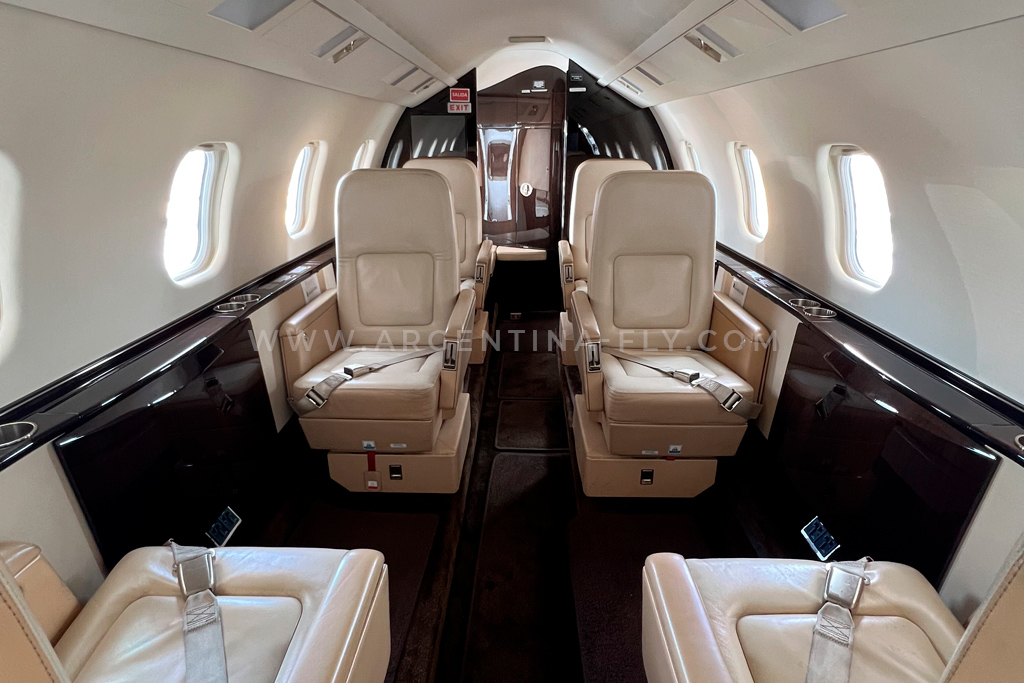
Learjet 60 XR
Enhanced version offering greater range and efficiency while maintaining the speed and comfort of the Learjet 60.
Capacity
6 passengers
Lavatory
Yes
Cabin
Pressurized
Luggage
Moderate
Wi-Fi
Not available
Safety certifications
Río Gallegos (RGL)
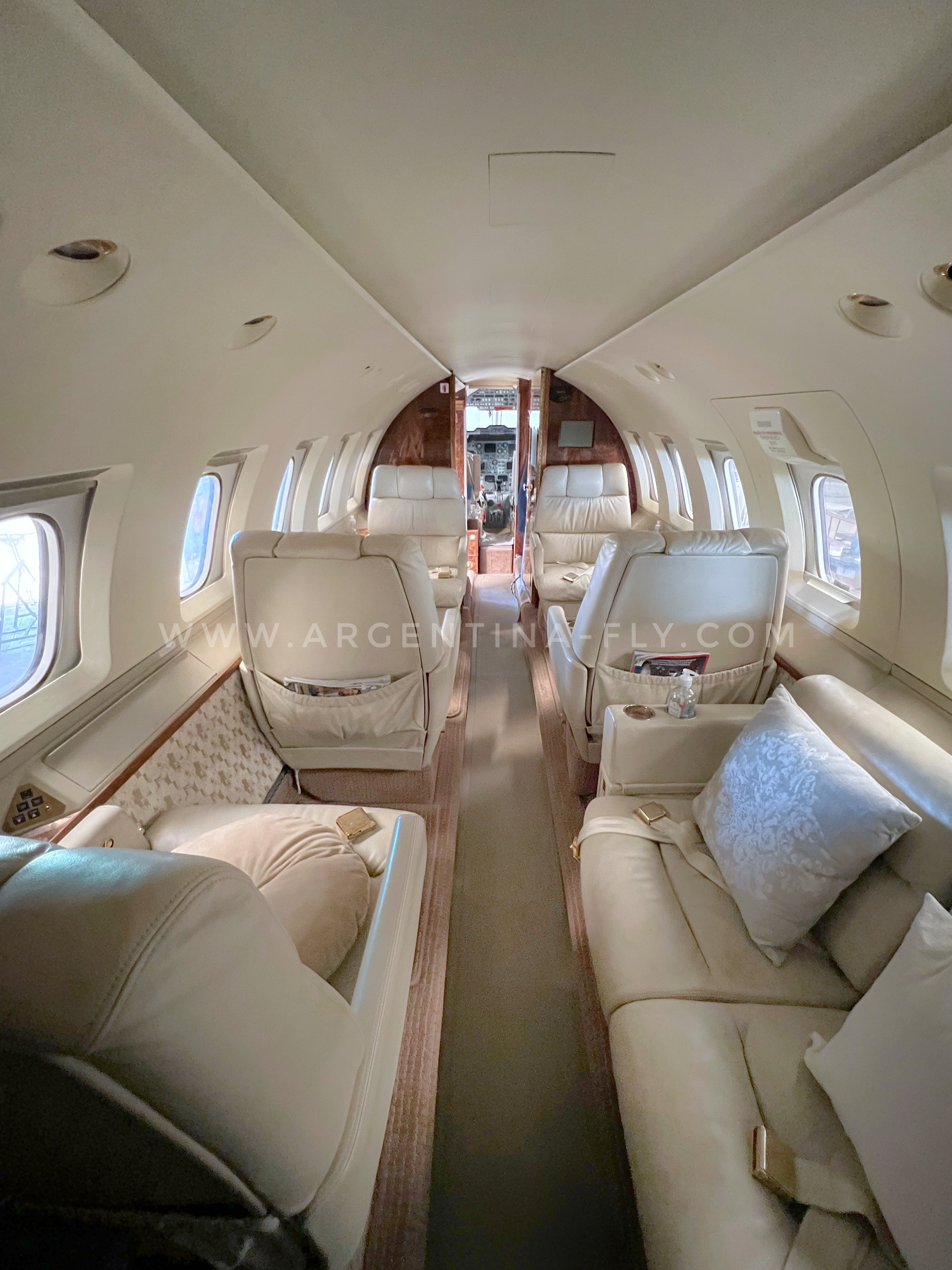
Hawker 800 XP
Midsize jet with a spacious cabin and excellent range, ideal for regional and medium-haul international flights.
Capacity
8 passengers
Lavatory
Yes
Cabin
Pressurized
Luggage
Moderate
Wi-Fi
Portable Starlink
Río Gallegos (RGL)
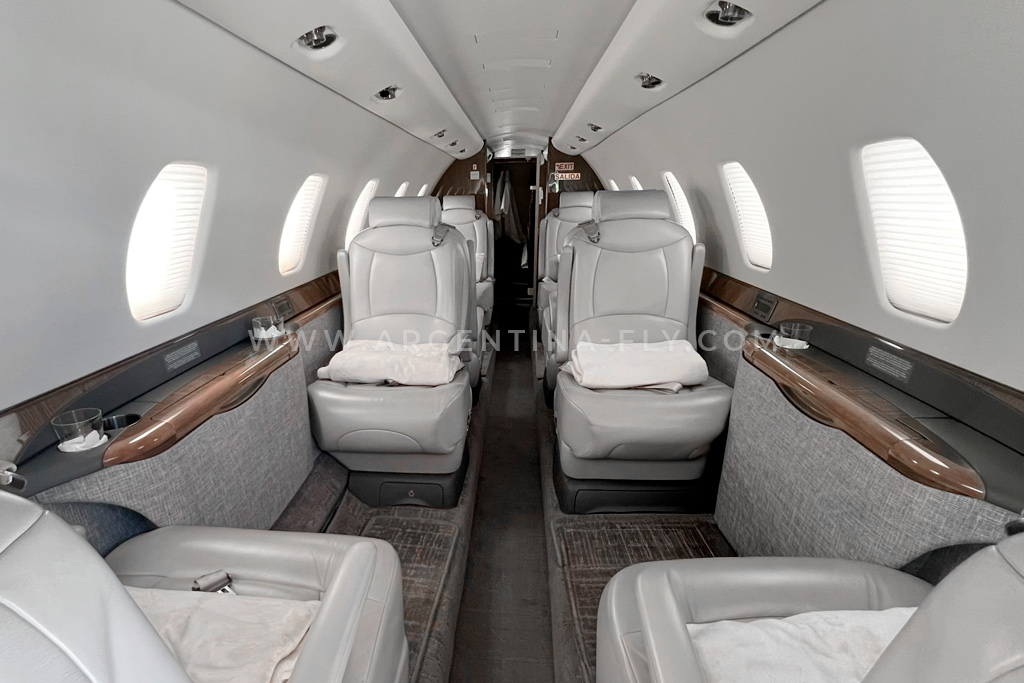
Citation Sovereign
Midsize jet with a spacious cabin, greater range and premium equipment for demanding passengers.
Capacity
8 passengers
Lavatory
Yes
Cabin
Pressurized
Luggage
Generous
Wi-Fi
Portable Starlink (extra cost)
Safety certifications
Río Gallegos (RGL)
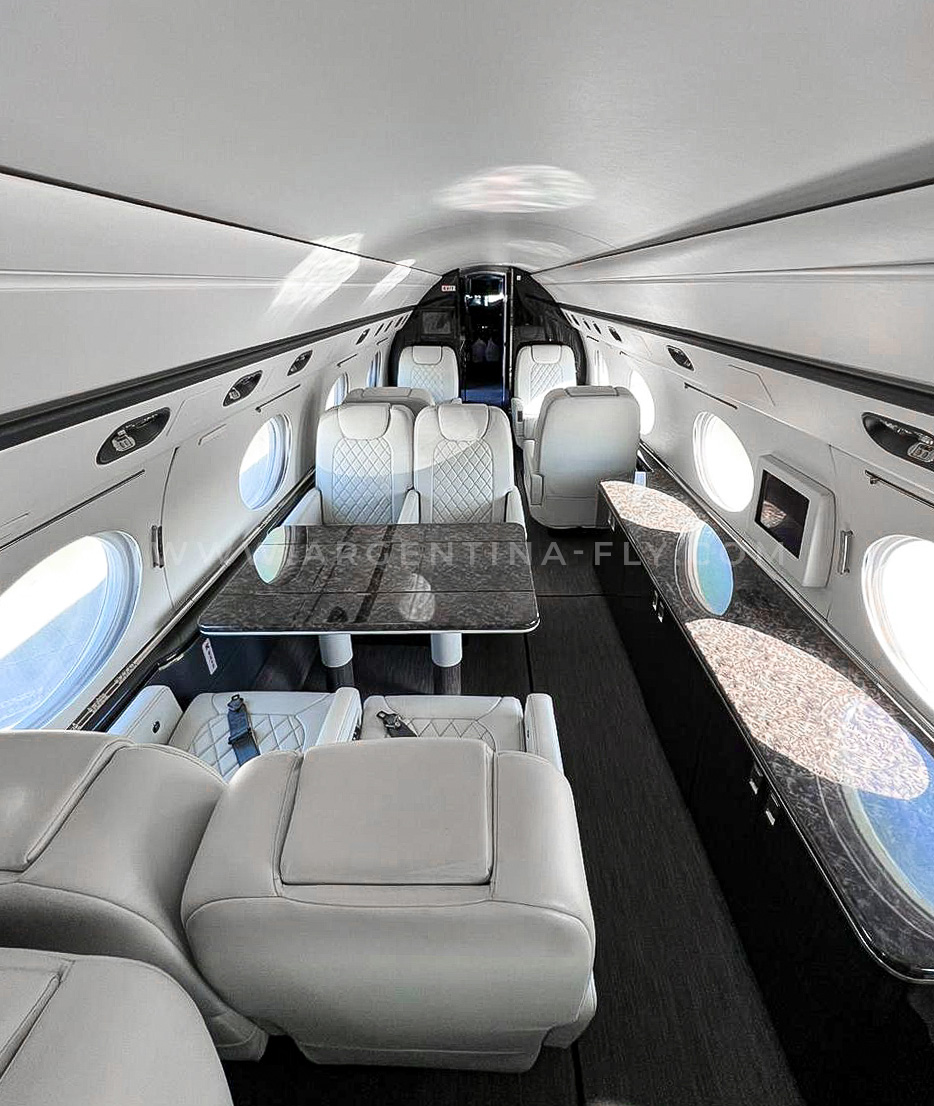
Gulfstream V
Long-range, large-cabin jet with VIP equipment for executive groups demanding the highest level of comfort.
Capacity
14 passengers
Lavatory
Yes
Cabin
Pressurized
Luggage
Spacious
Wi-Fi
Portable Starlink
Río Gallegos (RGL)
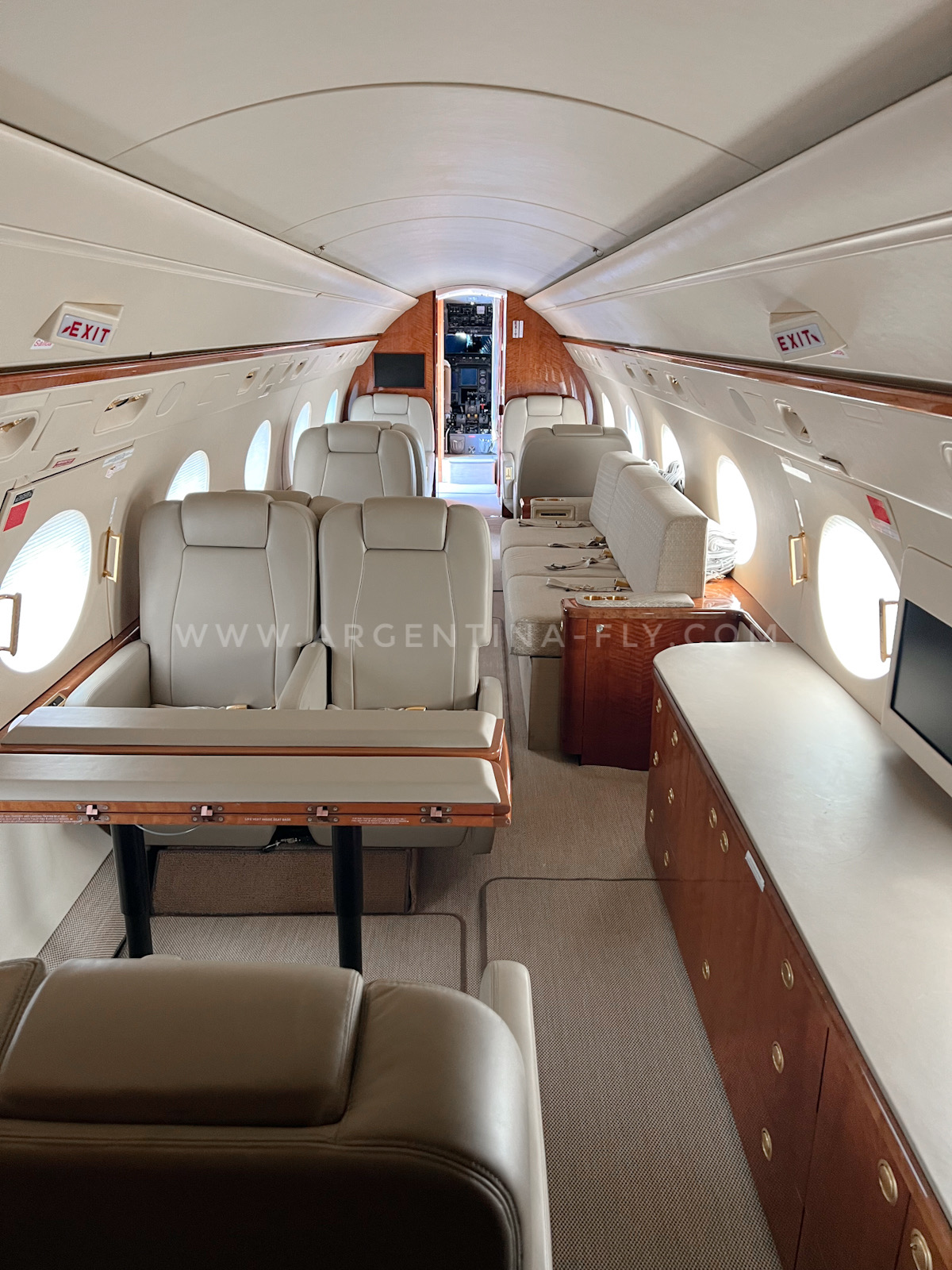
Gulfstream 400
Large jet with an exceptionally spacious cabin and long range, ideal for executive groups requiring maximum comfort.
Capacity
14 passengers
Lavatory
Yes
Cabin
Pressurized
Luggage
Generous
Wi-Fi
Built-in Starlink
Safety certifications
Río Gallegos (RGL)
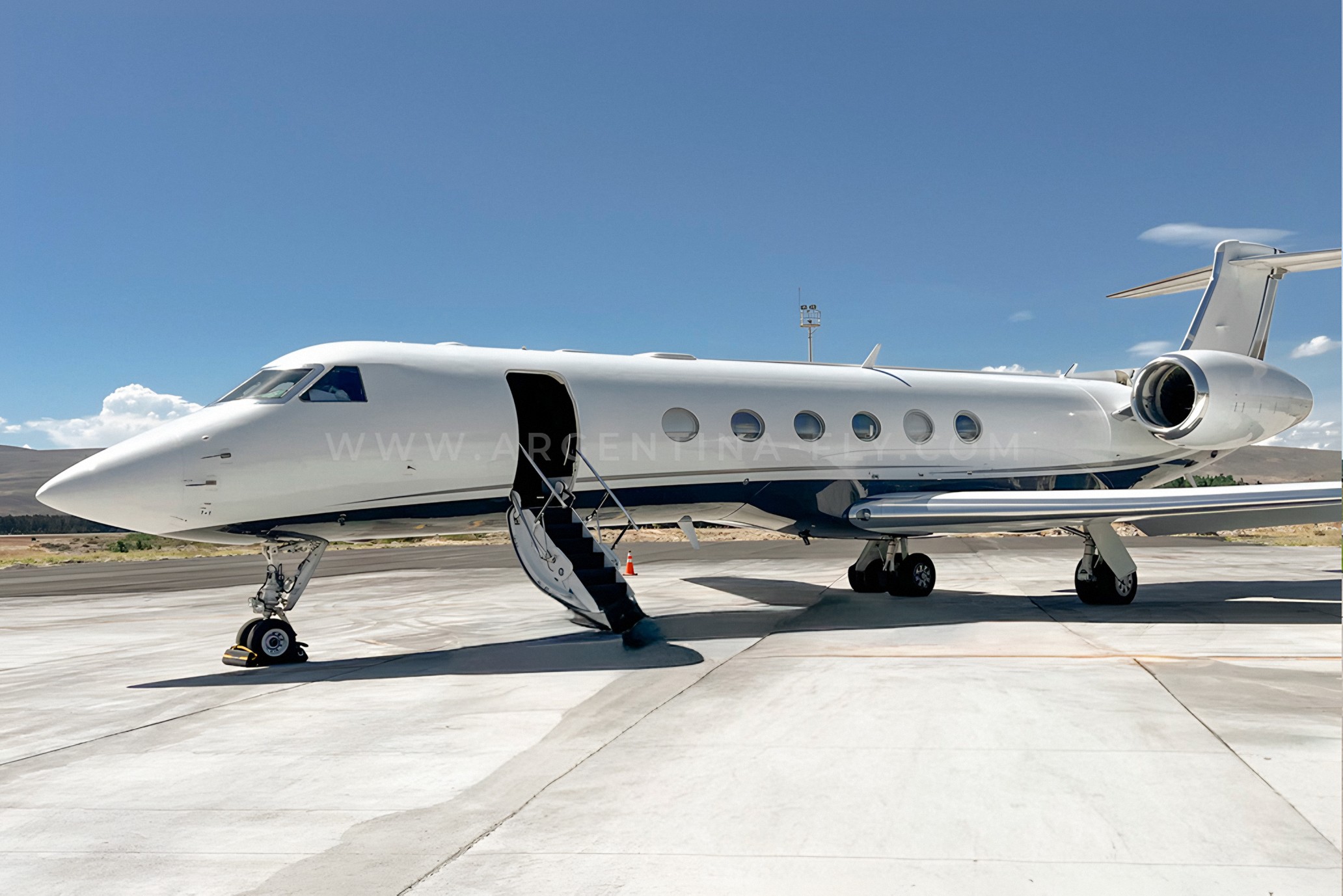
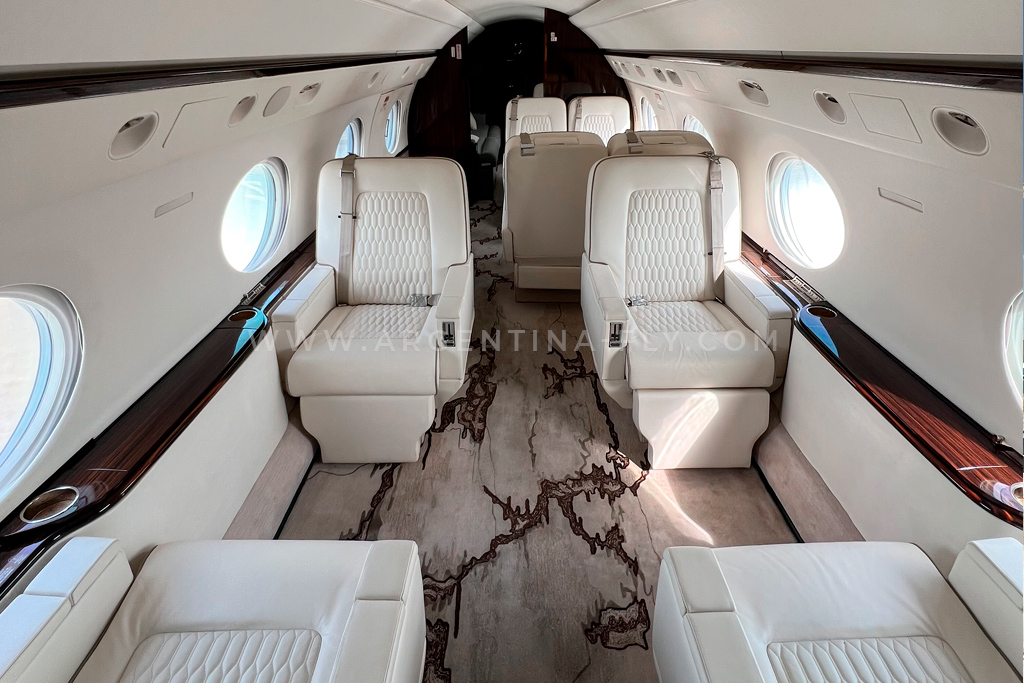
Gulfstream V
Long-range, large-cabin jet with VIP equipment for executive groups demanding the highest level of comfort.
Capacity
14 passengers
Lavatory
Yes
Cabin
Pressurized
Luggage
Generous
Wi-Fi
Built-in Starlink
Safety certifications
Río Gallegos (RGL)
Other routes from Buenos Aires
Destinations near Río Gallegos, with the lowest reference fare and the shortest flight time.
Río Gallegos
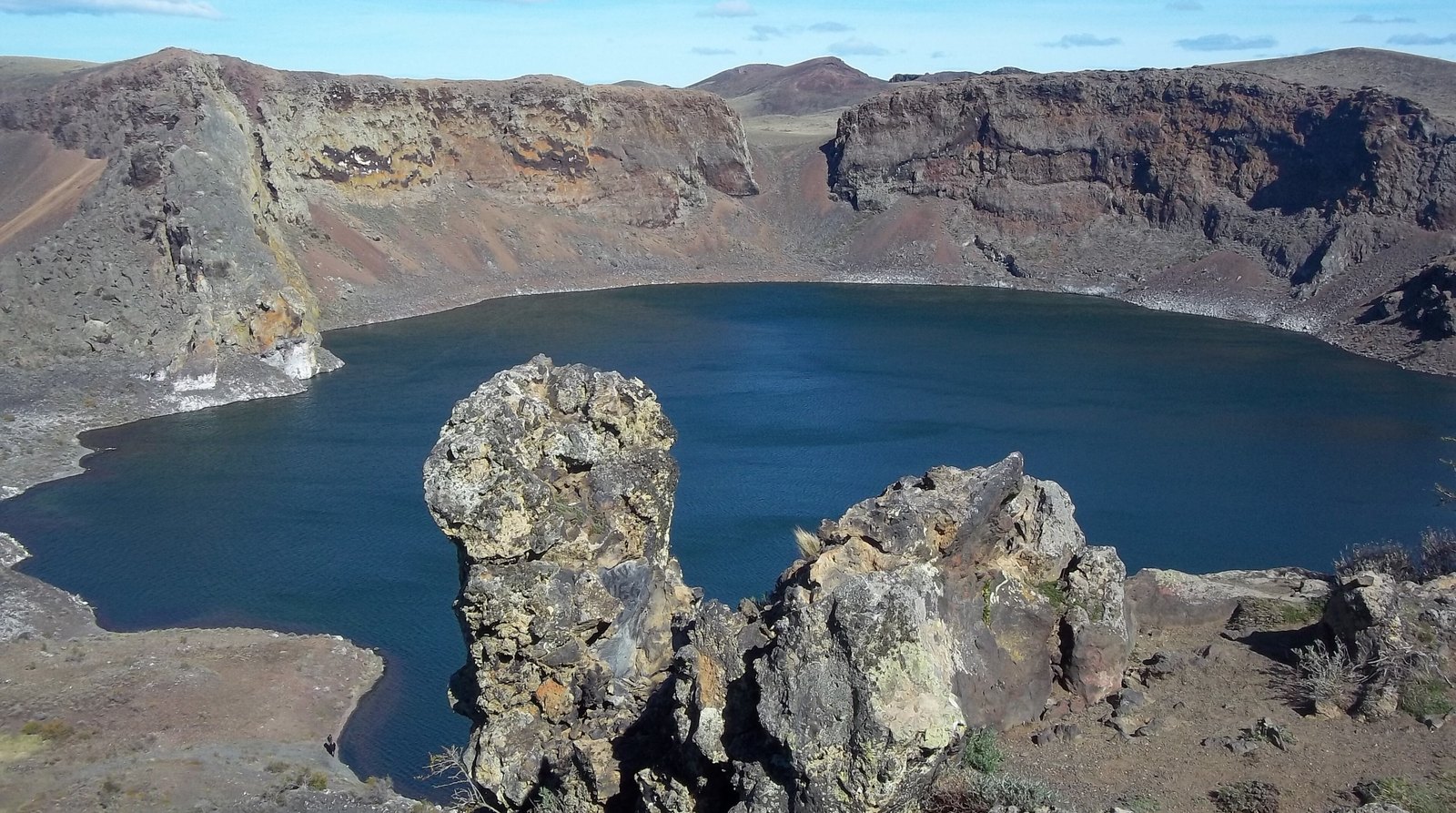
Río Gallegos, the capital of Santa Cruz, lies on the estuary of the river of the same name, in southern mainland Patagonia. It is the base for three trips at the southern tip of the continent: fishing for the sea-run brown trout that come up the Gallegos River, the penguin colony and lighthouse of Cabo Vírgenes, at kilometer 0 of Route 40, and Laguna Azul, in the crater of a volcano in the Pali Aike field. From Buenos Aires it is 2,172 km: a private jet arrives in 2 h 50 to 3 h 30 at Piloto Civil Norberto Fernández Airport, a few minutes from downtown.
Sea-run trout on the Gallegos River
Brown trout returning from the Atlantic, estancia lodges and catch and release.
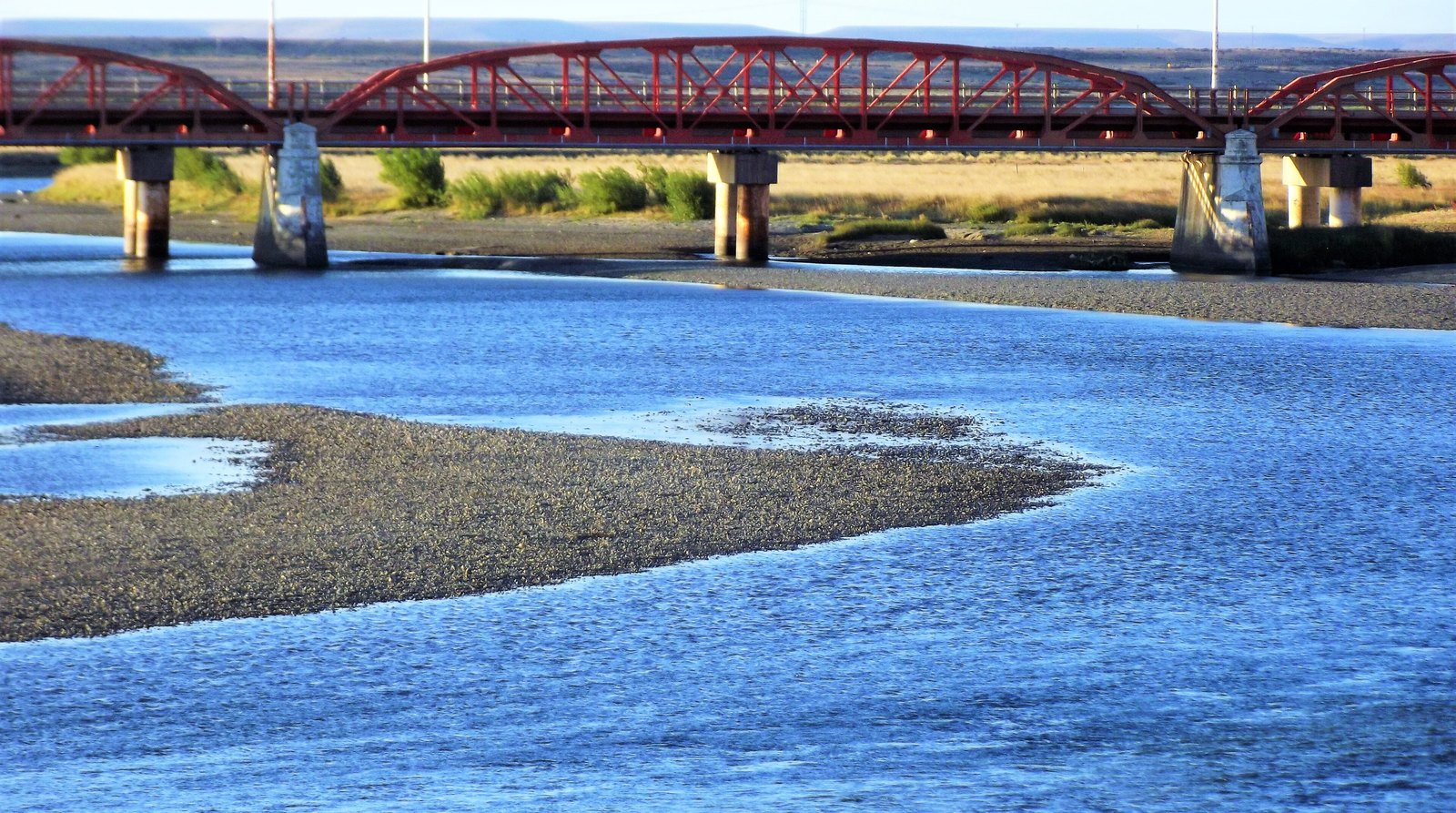
The Gallegos River crosses the steppe west of the city and flows into the Atlantic through its estuary. Sea-run brown trout come up it from the ocean: anadromous fish that spend part of their lives at sea and return to the river to spawn. They are fished mostly on the fly with two-handed rods, in deep pools spread across sheep estancias.
The river season usually runs from November to late May. Santa Cruz regulations set mandatory catch and release as the general rule, on both banks and from the headwaters to the estuary, and a closed zone 200 m upstream and downstream of the Güer Aike bridge. The Gallegos Chico, a tributary, is fly-only with strict catch and release.
Throughout the province, anglers use a single lure with a single hook, there is no night fishing and motorboats are not allowed on the rivers, with some exceptions. The license is personal, has categories for nonresidents, is valid only in Santa Cruz and must be carried with an ID. When entering the province and when moving between river basins, gear is disinfected against the alga Didymo.
Bella Sofía is a lodge on the river, within Estancia Bella Vista, about 100 km from Río Gallegos. It has 75 km of river, takes up to six rods a week in five single rooms and one double, and adds stretches of the Chico River system, with resident brown trout for dry-fly fishing.
What to see
- Gallegos Chico RiverTributary of the Gallegos: fly-only, with strict catch and release.
- Gallegos RiverSea-run brown trout from November to late May, with catch and release as the general rule.
Where to stay
- Bella Sofía Fishing LodgeOn Estancia Bella Vista, about 100 km from the city: 75 km of river and up to six rods a week.
Cabo Vírgenes and Monte Dinero
The penguin colony, the 1904 lighthouse and kilometer 0 of Route 40, at the mouth of the strait.
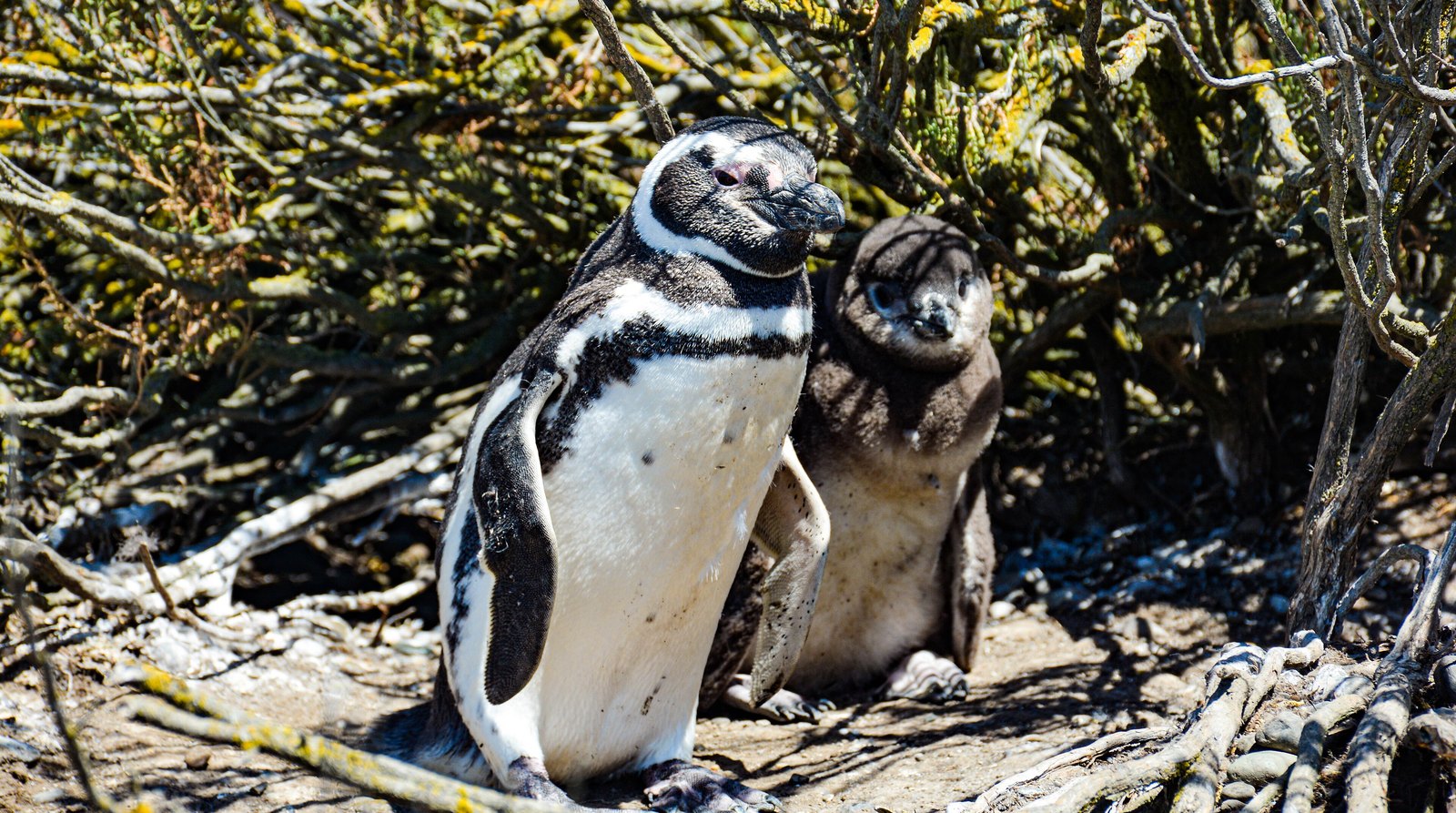
The Cabo Vírgenes Provincial Reserve protects 1,230 hectares at the eastern mouth of the Strait of Magellan, 133 km from Río Gallegos, and is managed by the Consejo Agrario Provincial, the province's agrarian council. Its Magellanic penguin colony numbers some 125,000 pairs and more than 300,000 birds in season. It is explored on a 1,700 m interpretive trail that leads to a lookout over the colony.
The penguins arrive in September to breed and leave in April, heading north as far as southern Brazil. From mid-April to mid-September the colony is empty and the reserve is closed to the public.
Next to the reserve are the Cabo Vírgenes lighthouse, built in 1904, and kilometer 0 of National Route 40. At the foot of the lighthouse, the Al fin y al Cabo teahouse serves homemade cakes and empanadas, stamps the Route 40 passport and is open from mid-October until after Holy Week, from 11 a.m. to 7 p.m.
14 km from the cape, Estancia Monte Dinero has raised sheep since 1880 and is run by the sixth generation of the Fenton family. It hosts guests in the restored Casa Grande, with cooking based on what the ranch produces, and arranges multi-day stays with the penguin colony, the lighthouse, the Atlantic cliffs and a sea lion colony with private access.
What to see
- Faro Cabo VírgenesFrom 1904, next to kilometer 0 of Route 40, with the teahouse at its foot.
- Reserva Provincial Cabo Vírgenes133 km from the city: Magellanic penguins from September to April and a 1,700 m trail.
Where to stay
- Estancia Monte DineroSheep estancia from 1880, 120 km from Río Gallegos, with guests in the Casa Grande.
Laguna Azul and the Pali Aike volcanic field
A lagoon at the bottom of a crater, on the steppe by the Chilean border.
The Laguna Azul Provincial Geological Reserve was created by law in 2005 and is managed by the Consejo Agrario Provincial. It lies about 60 km southwest of Río Gallegos, some 6 km from the Chilean border, in one of the craters of the Pali Aike volcanic field, which continues on the Chilean side. The groundwater-fed lagoon sits at the base of an inactive volcano, with the crater rim close to 200 m above sea level.
From the entrance gate, marked trails showing distance and difficulty lead down to the water. Camping, fires, entering the lagoon, pets and taking volcanic rocks are not allowed, and walking is permitted only on the marked trails.
The province publishes a driving audio guide of about 65 km that starts downtown, follows National Route 3 and describes the steppe wildlife, with guanacos, foxes and hares, all the way to the reserve gate. In winter, with cold weather and short days, the Consejo Agrario may close the reserve: check before you go.
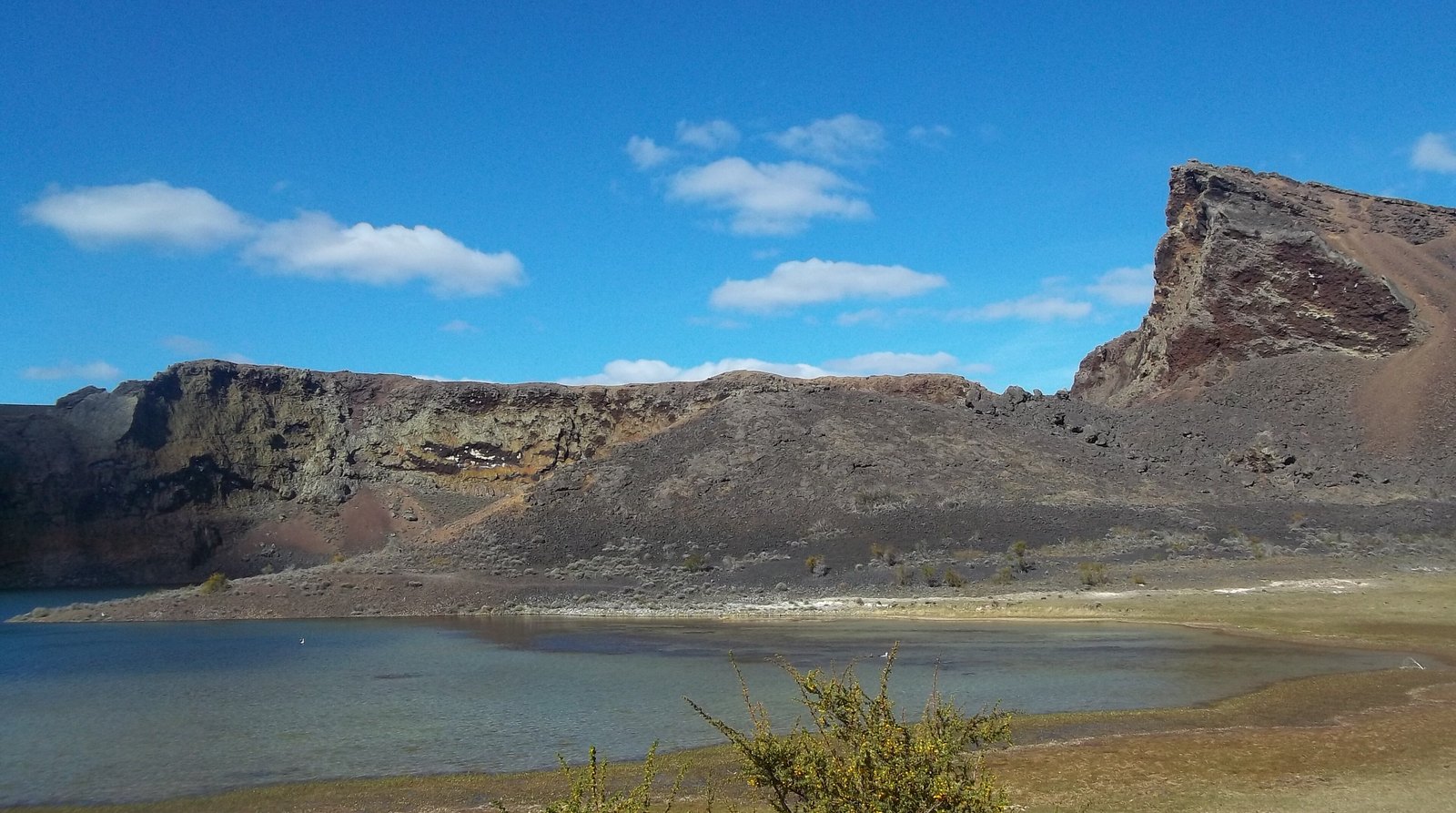
What to see
- Laguna AzulAbout 60 km southwest, in the crater of an inactive volcano, with marked trails down to the water.
The estuary and the city
Shorebirds from the Arctic, pioneer houses and hotels for the night.
Since 2005, the Gallegos River estuary has been a site of international importance in the Western Hemisphere Shorebird Reserve Network: 4,300 hectares along almost 40 km, from Güer Aike to the sea. It receives more than 20,000 shorebirds a year and more than 10% of the world population of the Magellanic plover, a bird of southern Patagonia. In the southern summer, red knots, white-rumped sandpipers and Hudsonian godwits arrive from the Northern Hemisphere.
The site has two sectors: the Reserva Costera Urbana, run by the city, and the Reserva Provincial de Aves Migratorias, run by the Consejo Agrario. The city's waterfront, which locals call la ría, runs for more than a kilometer along the estuary, and the city has an interpretation center devoted to it.
In town, the Museo de los Pioneros has occupied the oldest standing house since 1989, with objects from the first families and a quillango, a mantle of sewn guanaco hides. The wooden Casa Histórica María Auxiliadora, from 1900, and the Casa de la Cultura Fundacruz, the former Barraca Amberense from 1898, are National Historic Monuments. The Museo Ferroportuario, facing the old port where trains arrived with coal from Río Turbio, displays a steam locomotive.
To stay in the city, the Hotel Patagonia is a business hotel with a spa, a gym, meeting rooms and the Puro Sur restaurant, which serves Patagonian lamb. The Hotel Santa Cruz has 75 rooms, a traditional café and restaurant, and a function room overlooking the estuary.
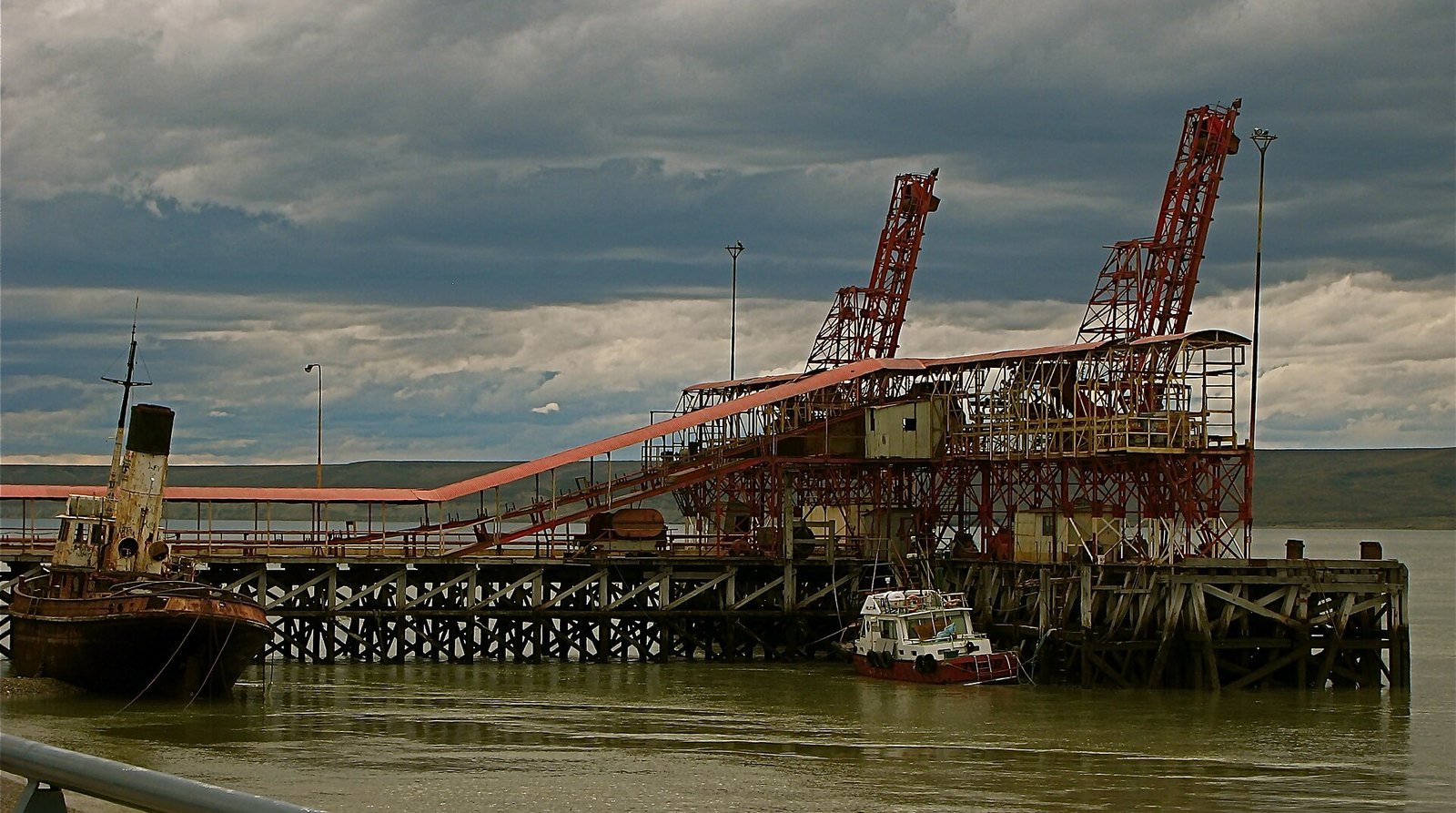
What to see
- Casa de la Cultura FundacruzThe former Barraca Amberense, from 1898; a National Historic Monument.
- Casa Histórica María AuxiliadoraBuilt of wood in 1900; a National Historic Monument.
- Centro de Interpretación Estuario del río GallegosInterpretation center devoted to the estuary and its birds.
- Museo de los PionerosIn the city's oldest standing house, with objects from the pioneer families.
- Museo FerroportuarioFacing the old Río Turbio coal port, with a steam locomotive.
- Reserva Costera UrbanaMunicipal sector of the estuary, an international shorebird site.
Where to stay
- Hotel PatagoniaBusiness hotel with a spa, a gym, meeting rooms and the Puro Sur restaurant.
- Hotel Santa Cruz75 rooms, a traditional café and restaurant, and a function room overlooking the estuary.
Arrival
From departure to destination.
- Departure
- From San Fernando (FDO), Aeroparque (AEP) or Ezeiza (EZE). The fare may change depending on where each aircraft is based.
- Airport
- Piloto Civil Norberto Fernández (RGL): public-use, towered and international, a few minutes from downtown along Autovía 17 de Octubre, with a 2,750 m runway.
- Fishing lodges
- By road, upriver; Bella Sofía is about 100 km from Río Gallegos and its airport.
- Cabo Vírgenes
- 133 km along Provincial Route 1, with gravel stretches; about 3 hours. Monte Dinero is 14 km before the cape.
- Laguna Azul
- About 60 km southwest along National Route 3, in about two hours with the provincial audio guide.
When to go
The seasons at the destination.
- September to April
- Magellanic penguins at Cabo Vírgenes; from mid-April to mid-September the reserve is closed.
- Mid-October to Holy Week (March or April)
- Al fin y al Cabo teahouse, at the foot of the Cabo Vírgenes lighthouse.
- November to late May
- Fishing season on the Gallegos River, with catch and release as the general rule.
- Summer (December to March)
- January, with an average high of 20.0 °C, is the mildest month; shorebirds from the Northern Hemisphere arrive at the estuary.
- Winter (June to September)
- July is the coldest month, with an average high of 5.1 °C and low of −2.3 °C; Laguna Azul may close due to cold and short days.
- Year-round
- The city's museums and historic houses, and the waterfront along the estuary.
Key facts
Summer January
- Average low
- 7.4°
- Average high
- 20.0°
26.9 mm of rain
Fall April
- Average low
- 2.7°
- Average high
- 13.4°
24.6 mm of rain
Winter July
- Average low
- −2.3°
- Average high
- 5.1°
19.8 mm of rain
Spring October
- Average low
- 2.3°
- Average high
- 14.8°
14.5 mm of rain
- Airport
- Piloto Civil Norberto FernándezIATA / ICAO: RGL / SAWGA few minutes from downtown Río Gallegos
- Category
- Public-use, towered, international
- Distance
- 2,172 kmFlight distance from Buenos Aires; 2,535 km by road
- Annual rainfall
- 276.6 mm56% falls from October to March
Frequently asked questions
Price, flight time, airport, departure and travel documents.
How much does a private flight from Buenos Aires to Río Gallegos cost?
Reference fares for a one-way private flight from Buenos Aires (San Fernando), whole aircraft, start at USD 21,260 for a light jet, USD 26,240 for a midsize jet and USD 39,740 for a large jet. Round trips are calculated in the quote tool according to the length of your stay.
How long is the flight?
Between 2 h 50 and 3 h 30, depending on the aircraft; the fastest jet on the route takes 2 h 50.
Which airport does the flight land at?
Piloto Civil Norberto Fernández International Airport (RGL / SAWG), a few minutes from downtown Río Gallegos, with a 2,750 m runway. It is public-use and towered. From there you continue by road to the river lodges, Cabo Vírgenes or Laguna Azul.
When is trout season on the Gallegos River?
The river season usually runs from November to late May. Santa Cruz regulations set mandatory catch and release as the general rule, a single lure with a single hook and no night fishing. You need the provincial fishing license, which has categories for nonresidents, and your gear must be disinfected against Didymo when entering the province.
When can I see the penguins at Cabo Vírgenes?
From September to April, when the Magellanic penguin colony breeds: some 125,000 pairs. From mid-April to mid-September the penguins migrate north and the reserve is closed to the public. The lighthouse teahouse is open from mid-October until after Holy Week.
How do I get to Cabo Vírgenes and Laguna Azul?
By road from Río Gallegos. Cabo Vírgenes is 133 km along Provincial Route 1, with gravel stretches, about 3 hours away; Laguna Azul is about 60 km southwest along National Route 3. The province publishes driving audio guides for both routes.
What documents do I need?
It is a domestic flight: Argentine citizens travel with a valid national ID (DNI) and foreign nationals with a passport. To fish, you also need the Santa Cruz fishing license, carried with your ID.
Are the published fares final?
They are estimates. The final quote depends on dates, length of stay, aircraft type and applicable operating fees.
Where does the flight depart from?
Fares are calculated for departure from San Fernando (FDO). Departing from Aeroparque (AEP) or Ezeiza (EZE) may change the fare, depending on where each aircraft is based.

Ready to fly? Let’s talk.
Share the details of your trip and we’ll help you find the aircraft and flight solution best suited to your needs.
- WhatsApp+54 9 11 3080 7775
- Phone+54 9 11 3080 7775
- Emailinfo@argentina-fly.com
For charter operatorsList your aircraft