
- Home
- Flight quote
- Río Grande
Private flights to Río Grande
Jet from USD 22,880 · 3 h 25
Results:
- Itinerary
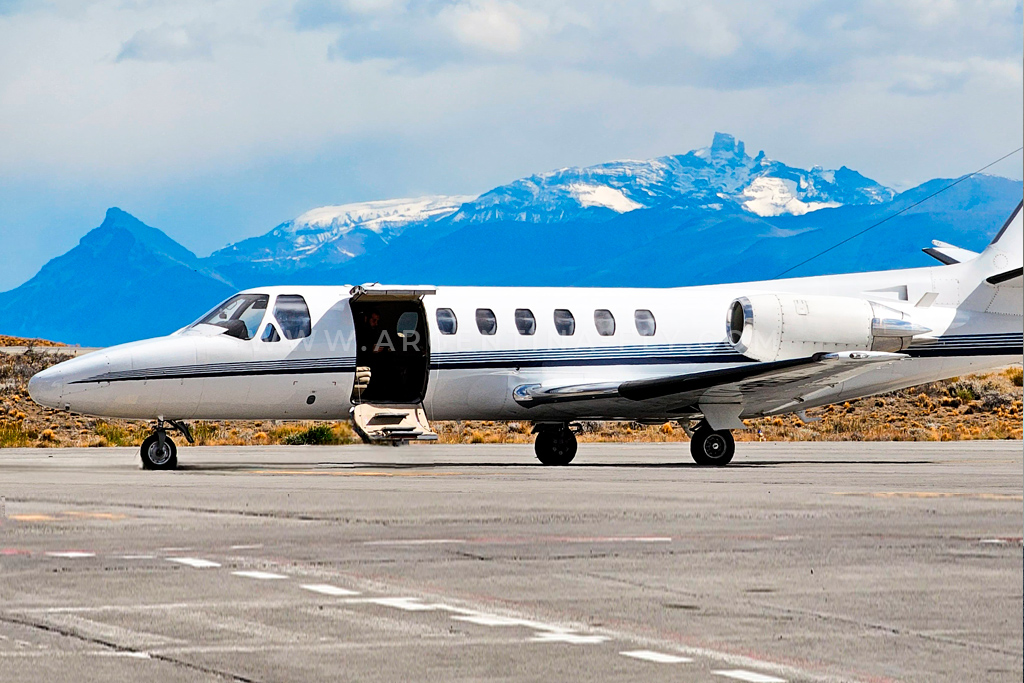
Citation V
Light jet · 8 passengers · 3 h 253 h 25flight time
USD 22,880
Request a quote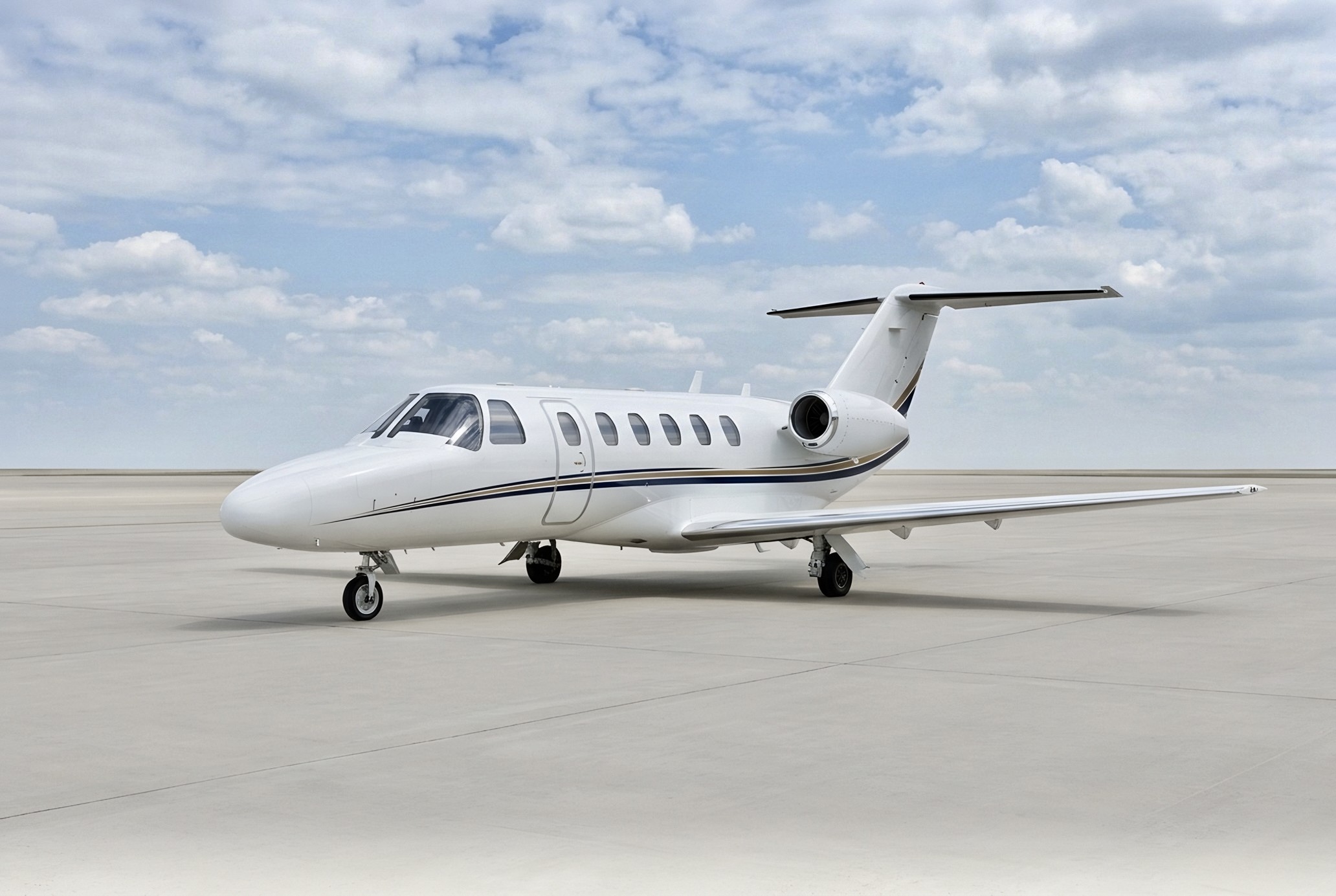
Citation CJ2
Light jet · 6 passengers · 3 h 40 · 2 options3 h 40flight time
USD 22,880
Request a quote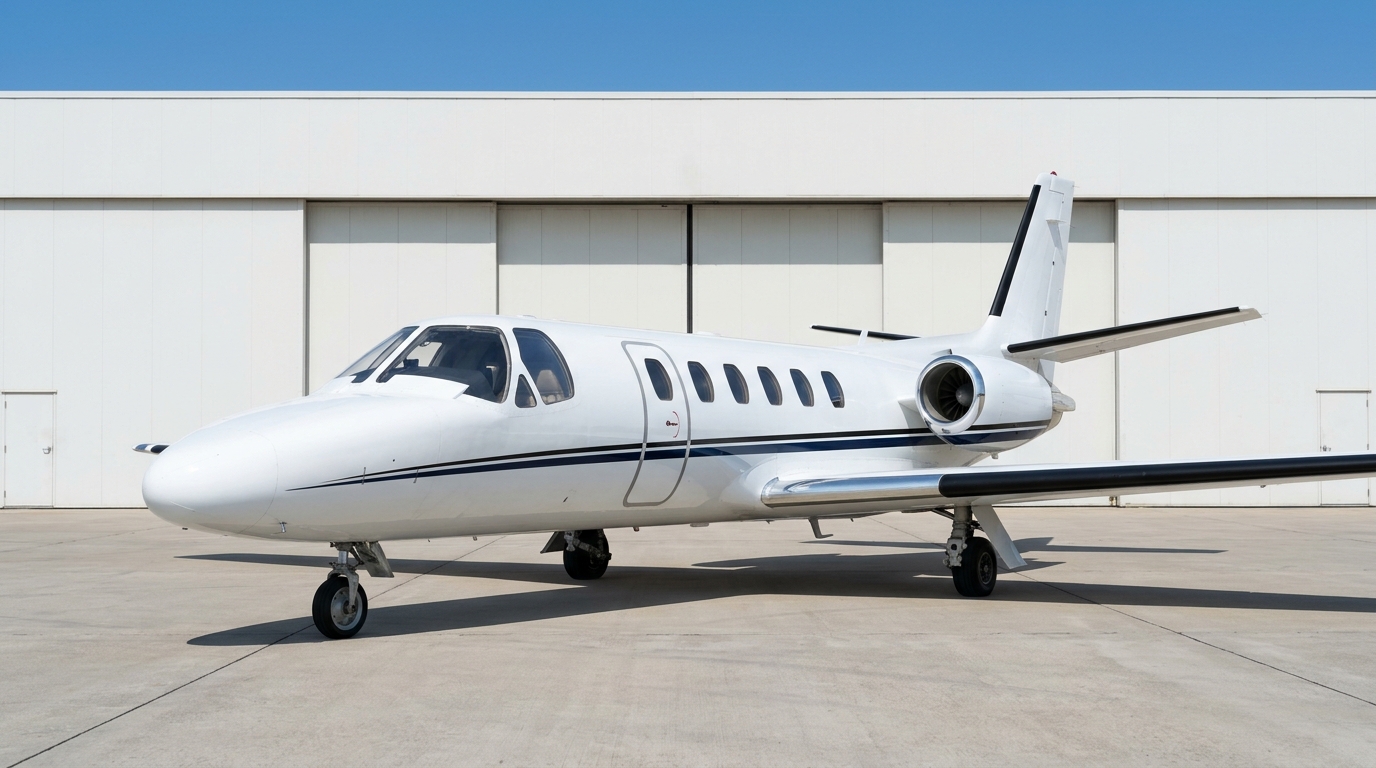
Citation Bravo
Light jet · 7 passengers · 3 h 353 h 35flight time
USD 24,340
Request a quote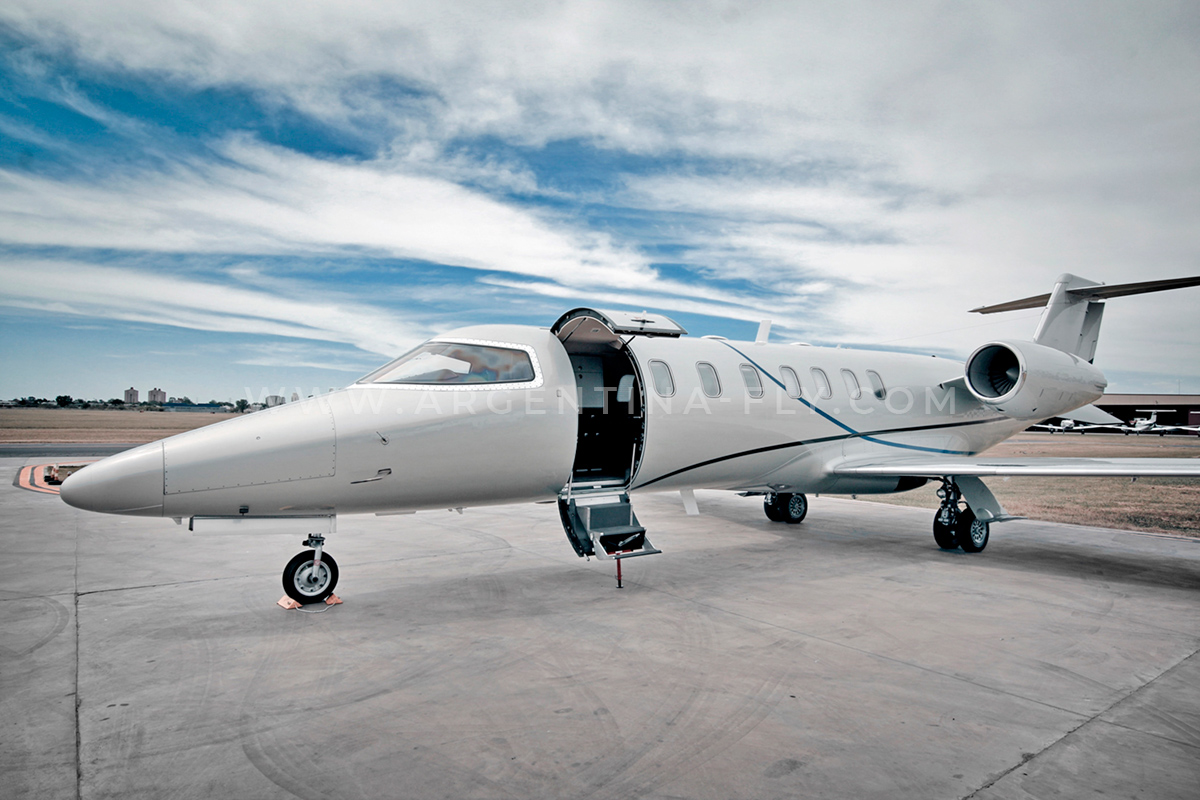
Learjet 40 XR
Light jet · 6 passengers · 3 h 153 h 15flight time
USD 27,260
Request a quote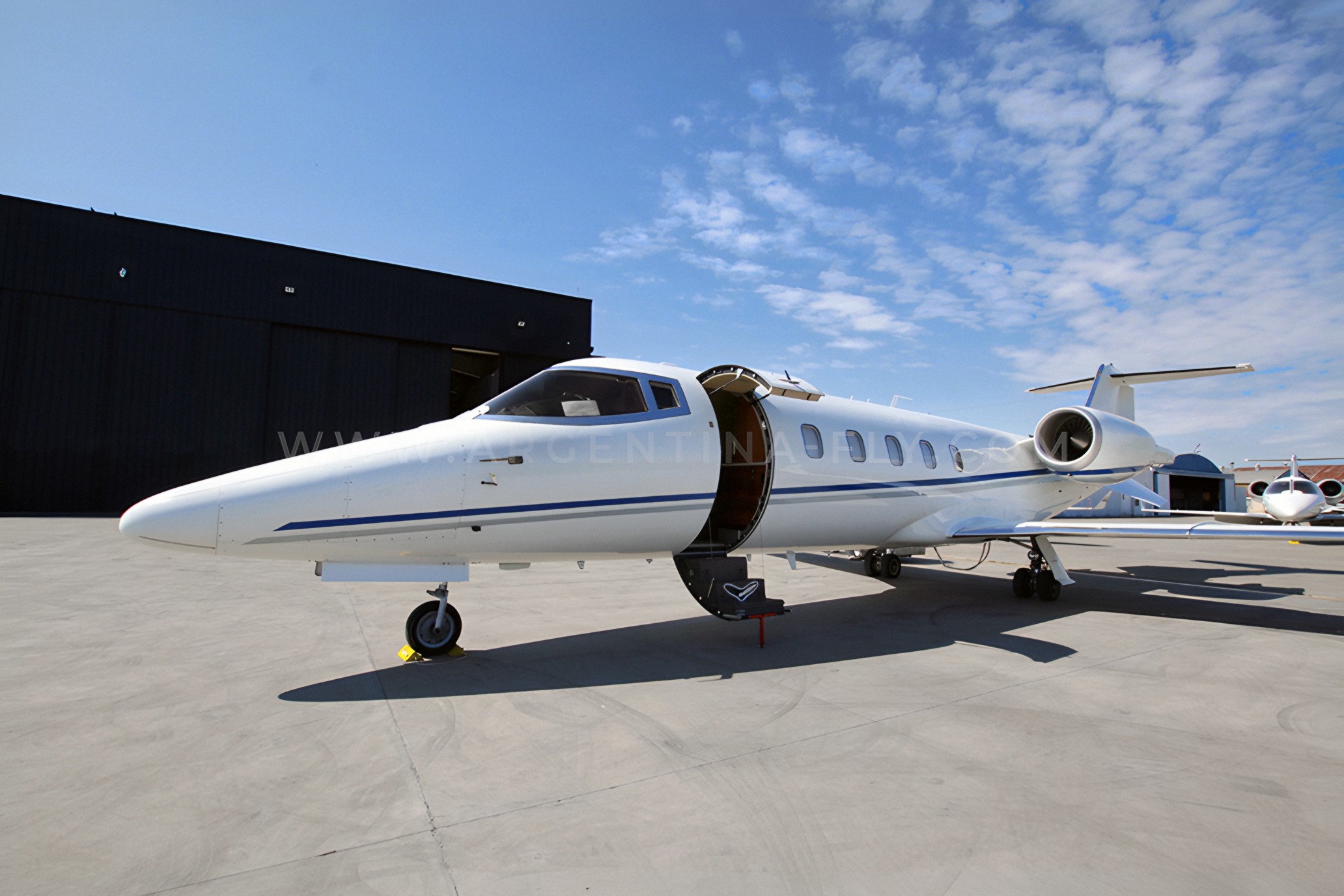
Learjet 60
Midsize jet · 7 passengers · 3 h 10 · 2 options3 h 10flight time
USD 28,240
Request a quote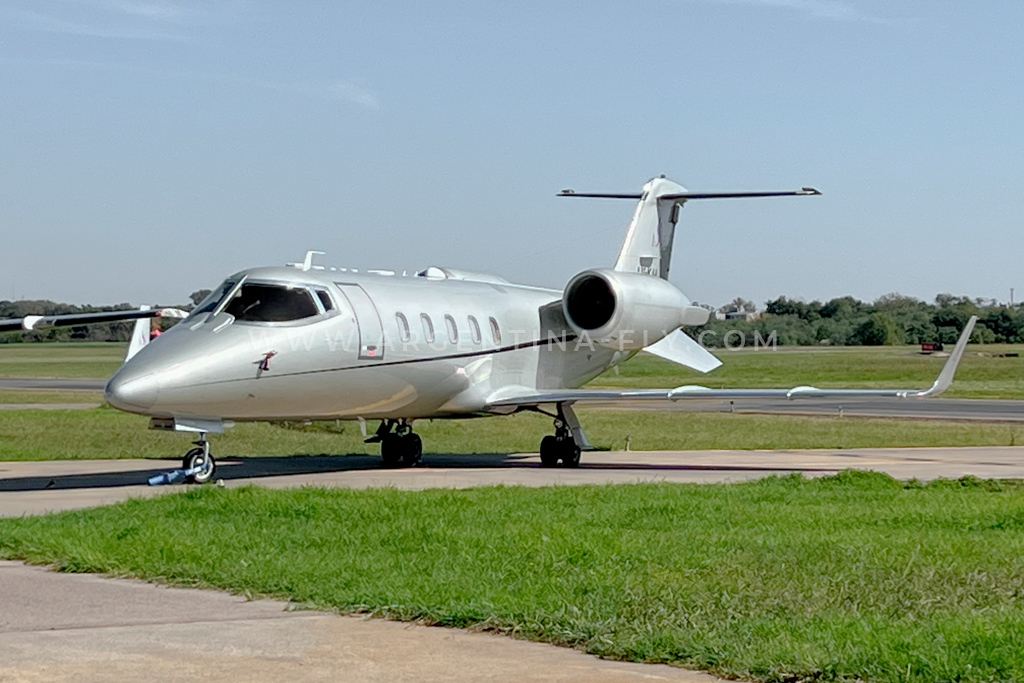
Learjet 60 XR
Midsize jet · 6 passengers · 3 h 103 h 10flight time
USD 29,700
Request a quote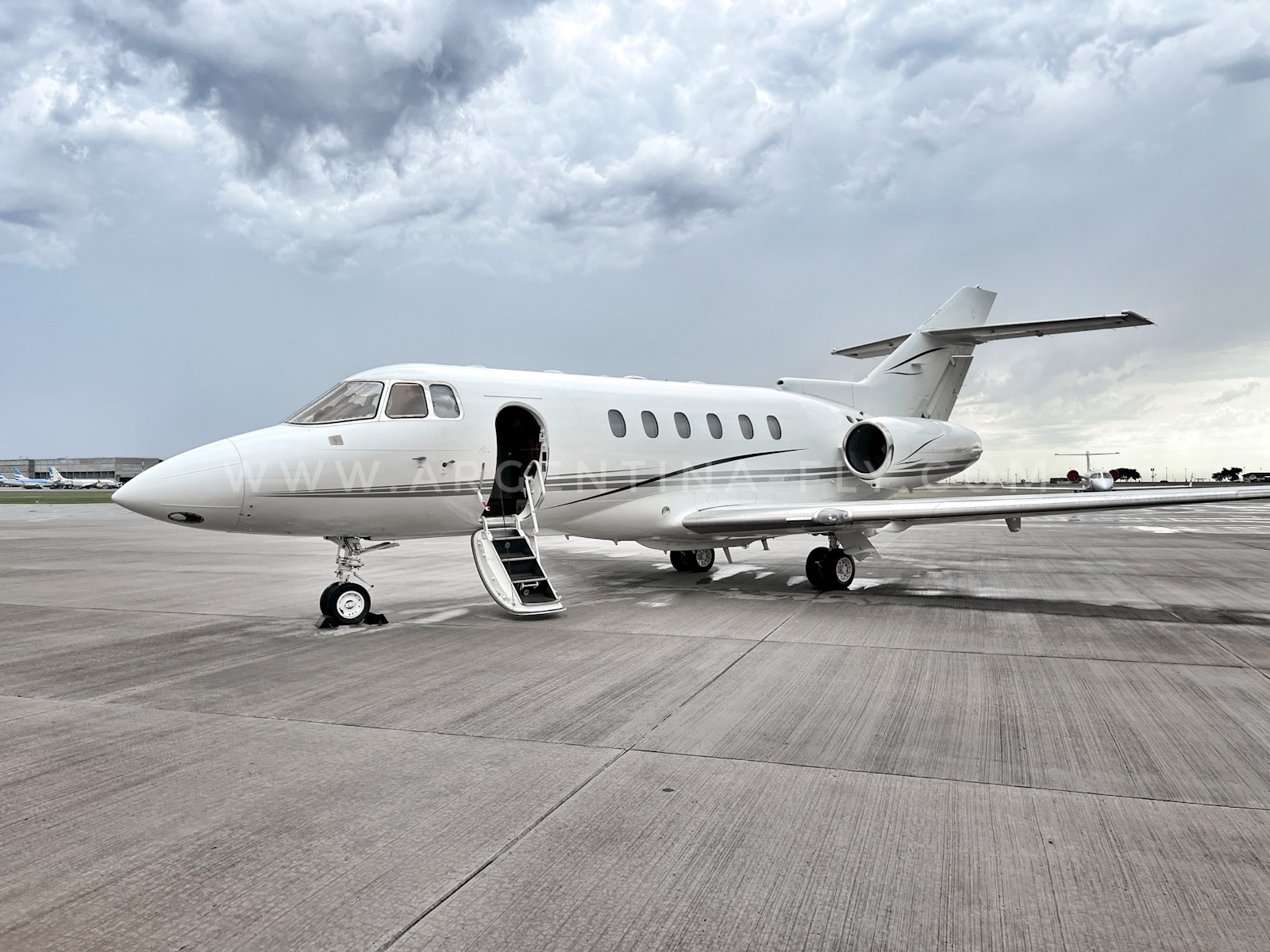
Hawker 800 XP
Midsize jet · 8 passengers · 3 h 153 h 15flight time
USD 30,320
Request a quote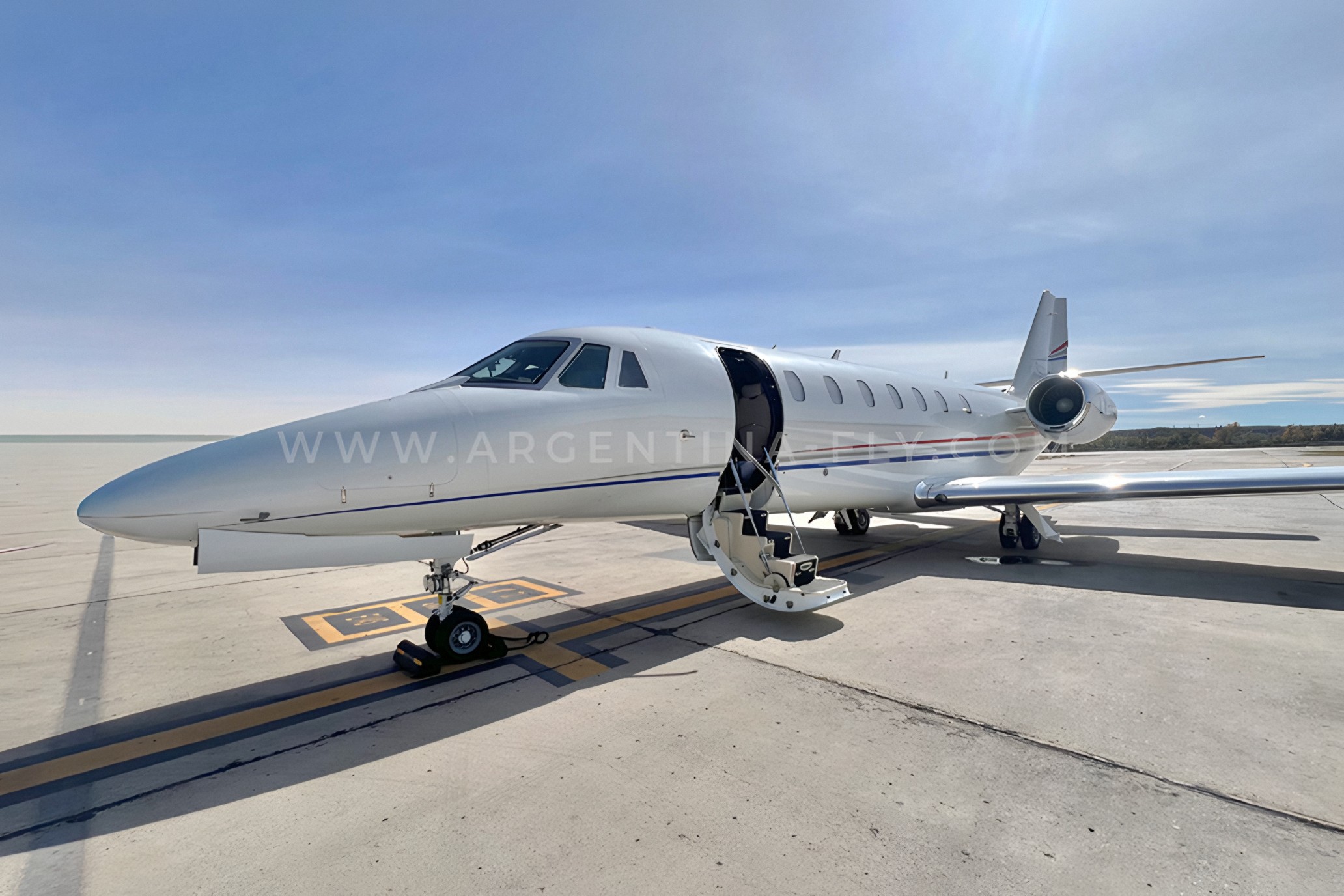
Citation Sovereign
Midsize jet · 8 passengers · 3 h 103 h 10flight time
USD 34,080
Request a quote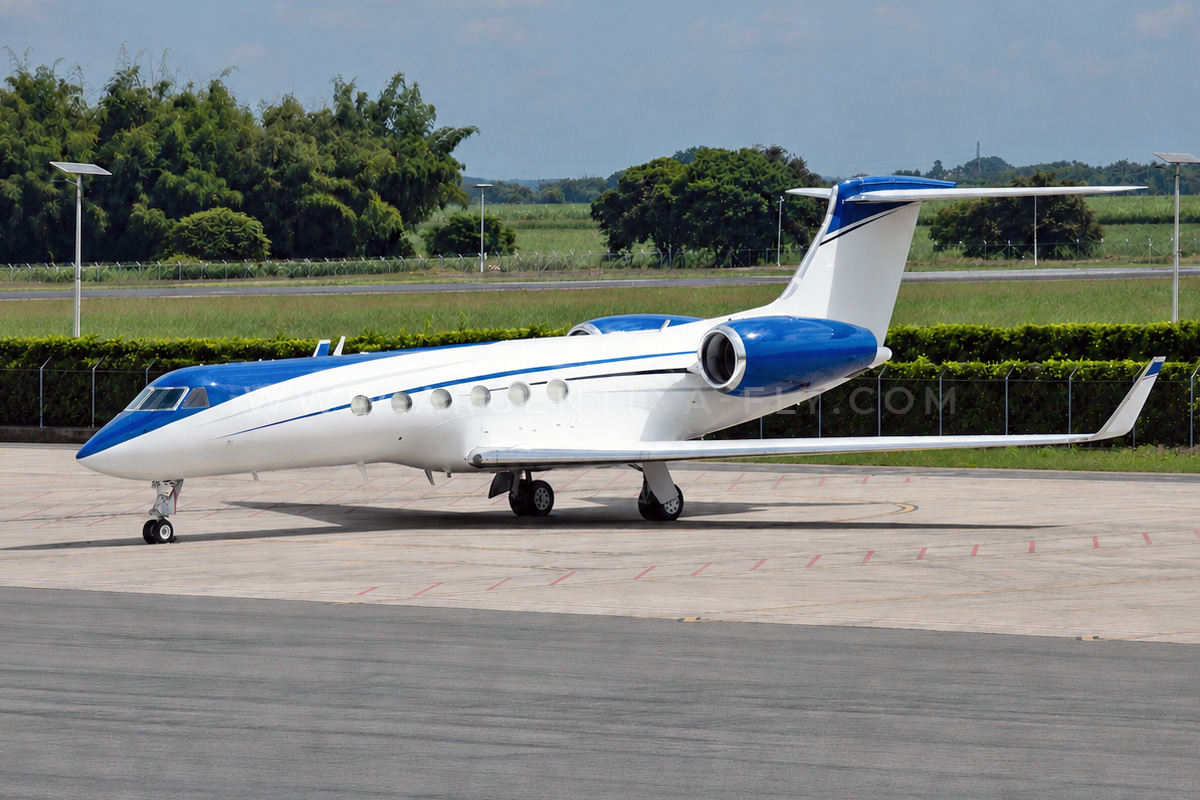
Gulfstream V
Large jet · 14 passengers · 3 h 00 · 2 options3 h 00flight time
USD 42,740
Request a quote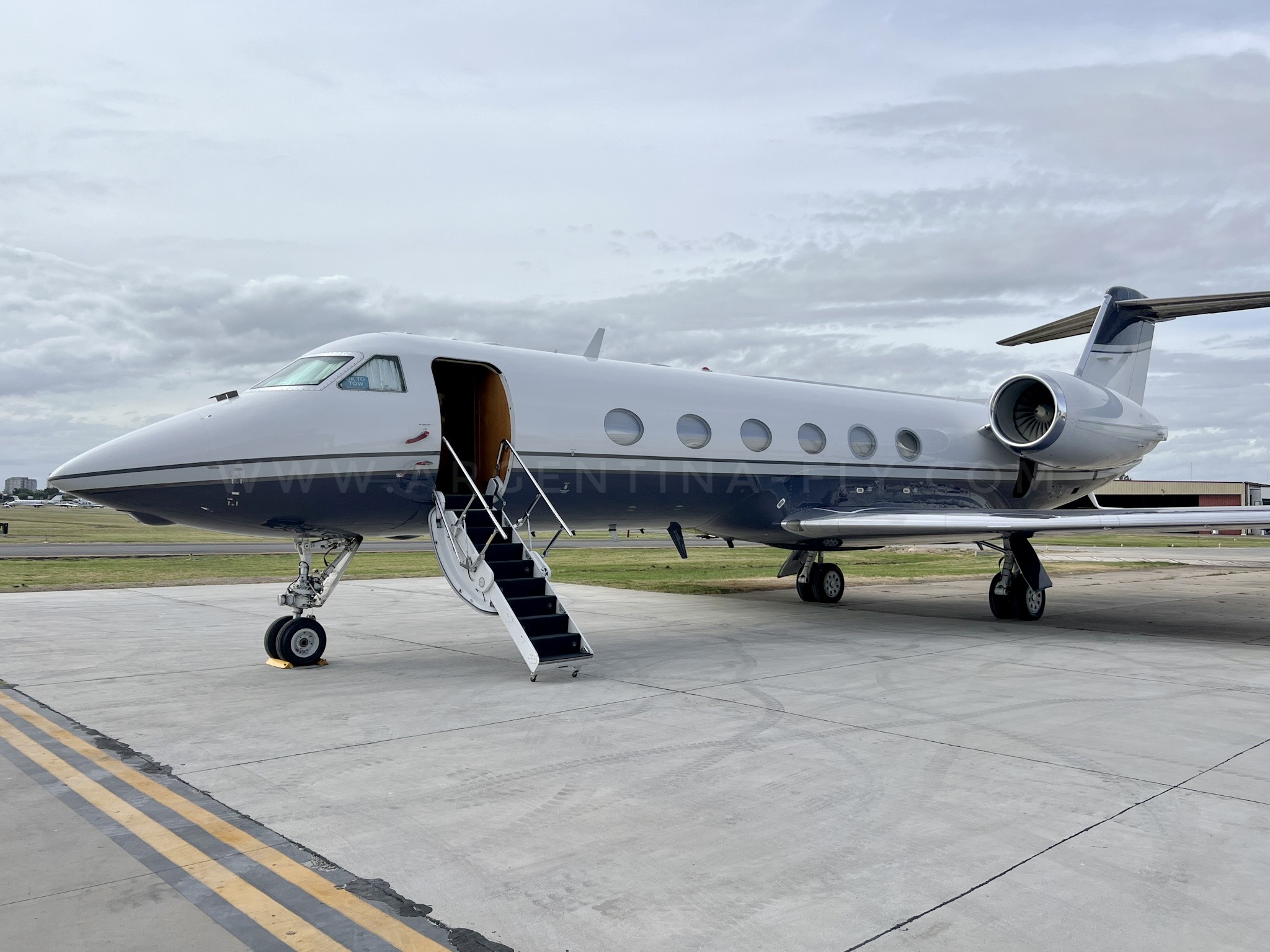
Gulfstream 400
Large jet · 14 passengers · 3 h 053 h 05flight time
USD 46,250
Request a quote
Route and airfields
Rate conditions
Please read carefully before requesting a quote.
Prices
Reference fares in US dollars (USD), for the entire aircraft. They may vary with aircraft availability and travel dates. For itineraries with several destinations, please request a tailored quote.
Not included
Special services on request. Flights to Tierra del Fuego carry no VAT, under the exemptions that apply to the province.
Base airport
Fares are calculated for departure from San Fernando (FDO). Departing from Aeroparque (AEP) or Ezeiza (EZE) may change the fare, depending on where each aircraft is based.
Reference fleet
The aircraft displayed are for reference purposes only and may vary depending on operational availability. Contact us to learn about the available options for your trip.
Rate conditions
Please read carefully before requesting your quotation.
Published prices are provided for reference only.
 Prices
Reference fares in US dollars (USD), for the entire aircraft. They may vary with aircraft availability and travel dates. For itineraries with several destinations, please request a tailored quote.
 Not included
Special services on request. Flights to Tierra del Fuego carry no VAT, under the exemptions that apply to the province.
 Base airport
Fares are calculated for departure from San Fernando (FDO). Departing from Aeroparque (AEP) or Ezeiza (EZE) may change the fare, depending on where each aircraft is based.
 Reference fleet
The aircraft displayed are for reference purposes only and may vary depending on operational availability. Contact us to learn about the available options for your trip.
Need a personalized quotation?
Request quotation
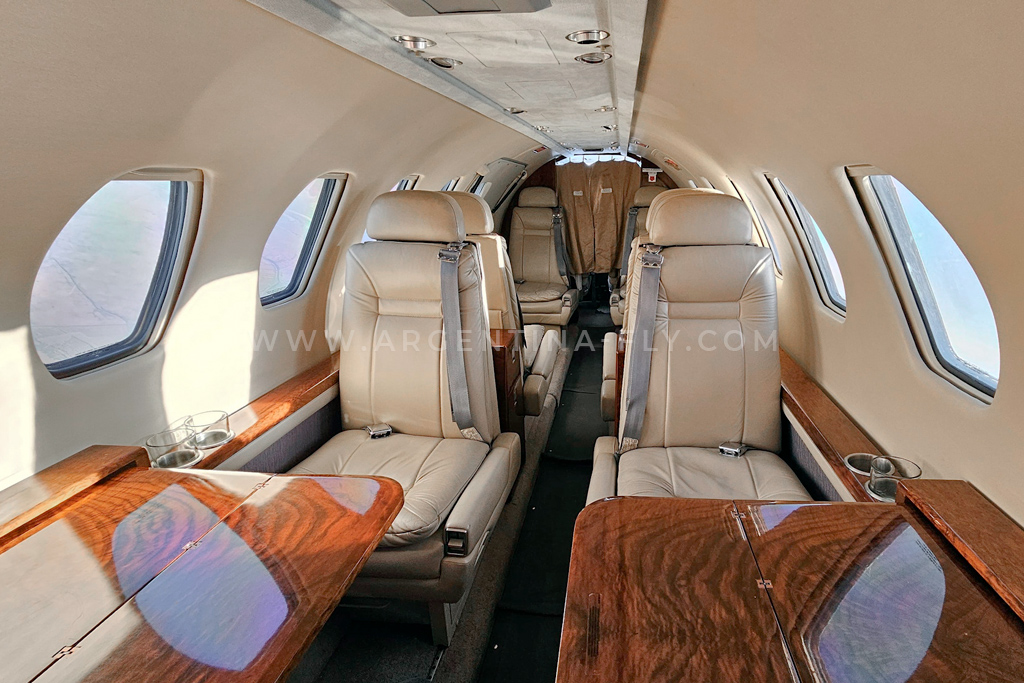
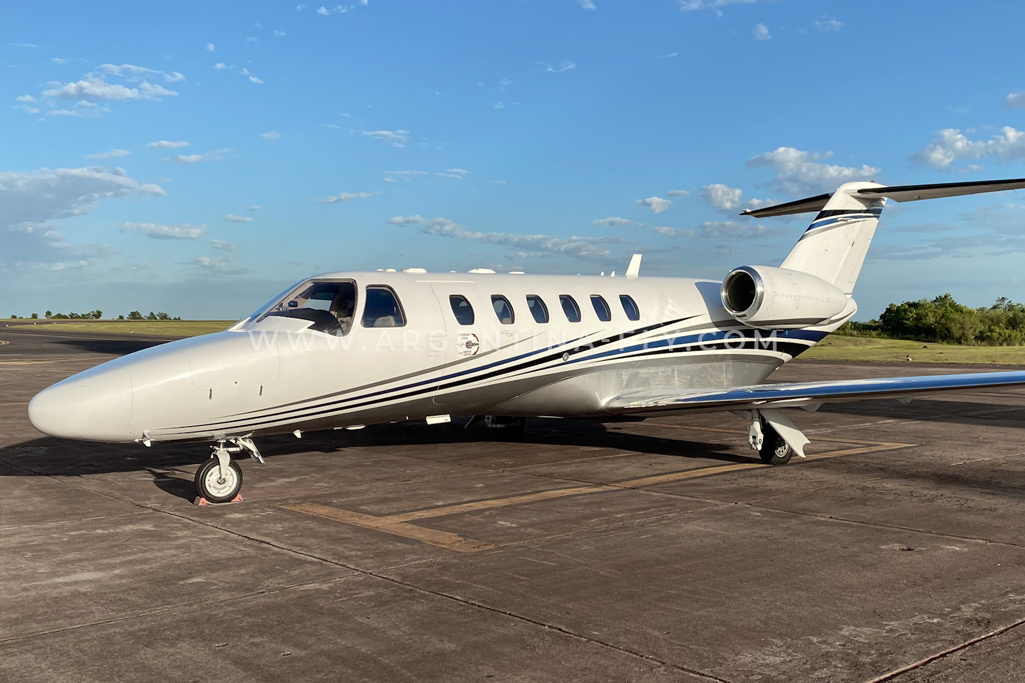
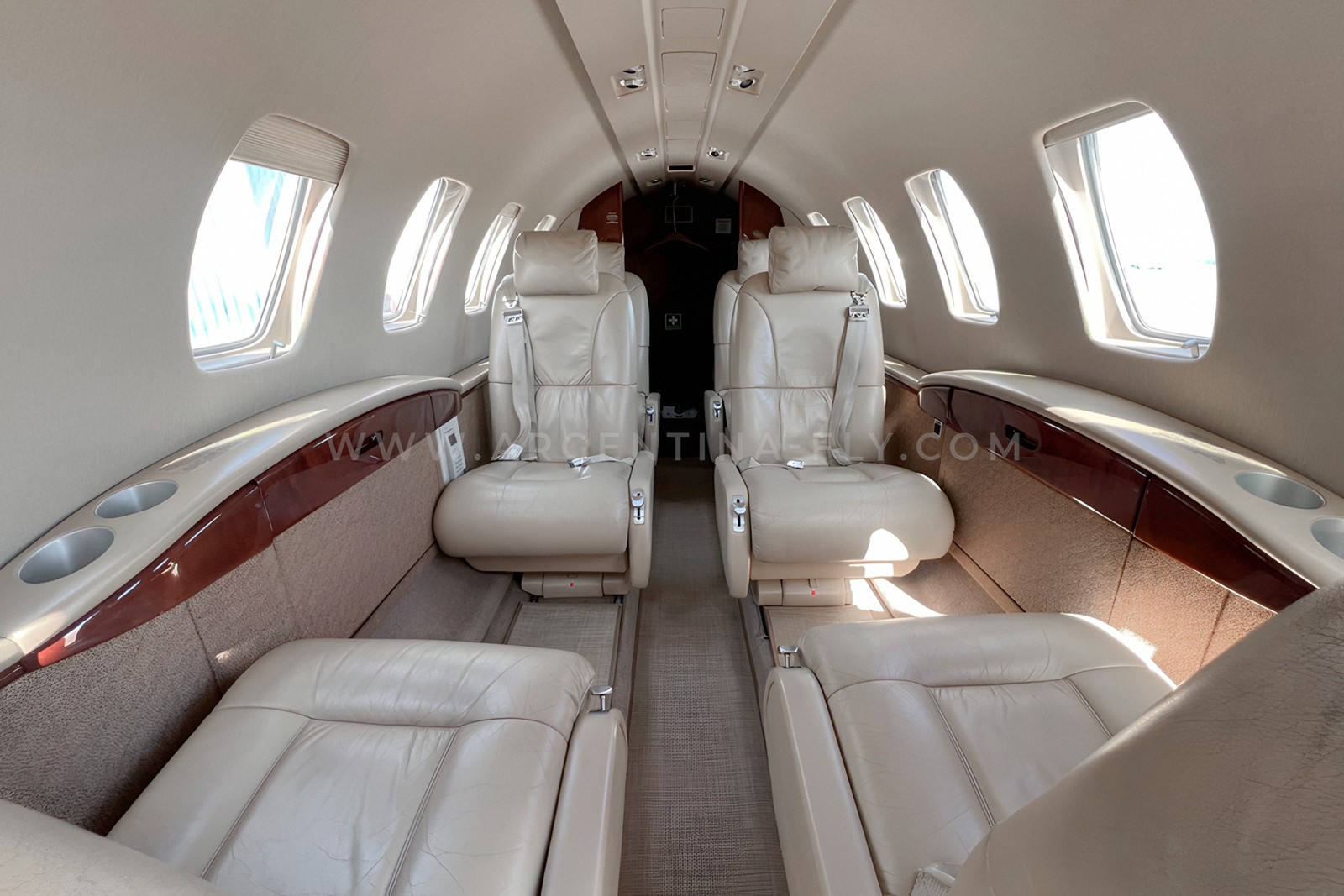
Citation V
Light jet with a comfortable cabin for up to 8 passengers and strong regional range.
 Capacity
8 passengers
 Lavatory
Not available
 Cabin
Pressurized
 Luggage
Moderate
 Wi-Fi
Portable Starlink
 Río Grande (RGA)
Citation CJ2
Light jet with greater range than the CJ1, offering an excellent balance between cost and executive performance.
Capacity
6 passengers
Lavatory
Not available
Cabin
Pressurized
Luggage
Moderate
Wi-Fi
Not available
Río Grande (RGA)
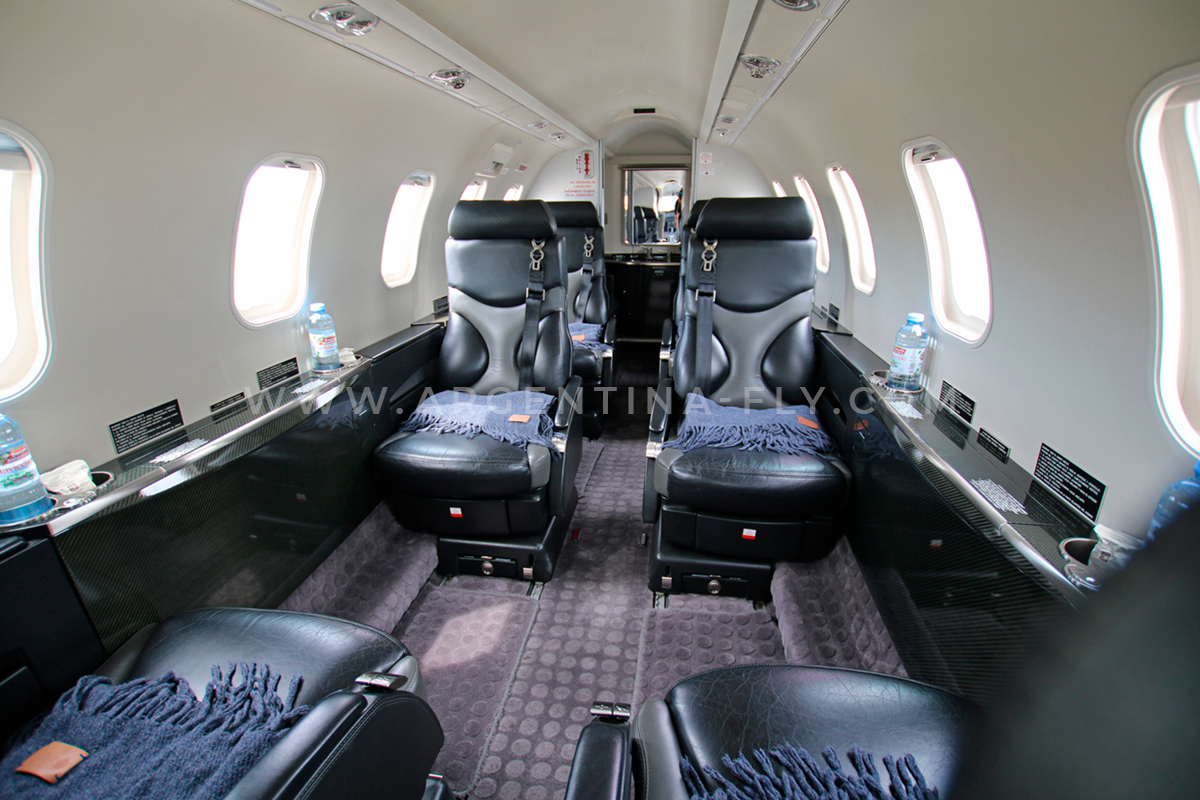
Learjet 40 XR
Light jet with a strong balance of speed and range, featuring a comfortable and modern executive cabin.
Capacity
6 passengers
Lavatory
Yes
Cabin
Pressurized
Luggage
Moderate
Wi-Fi
Not available
 Safety certifications
Río Grande (RGA)
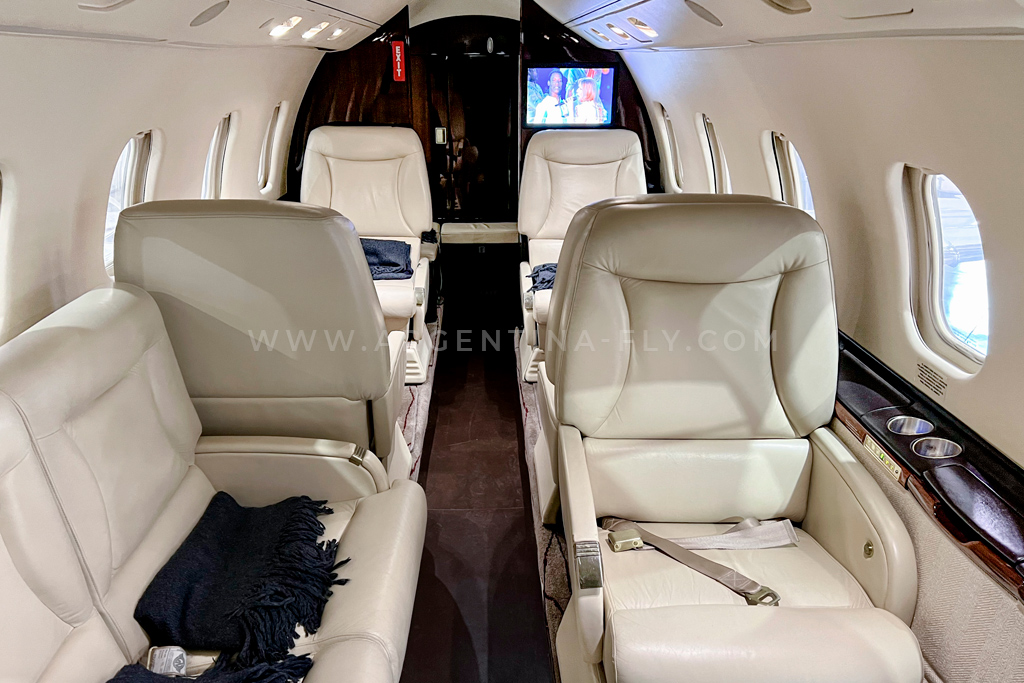
Learjet 60
Midsize jet with a spacious cabin and excellent cruise speed, one of the most requested options for executive flights.
Capacity
7 passengers
Lavatory
Yes
Cabin
Pressurized
Luggage
Moderate
Wi-Fi
Portable Starlink
Safety certifications
Río Grande (RGA)
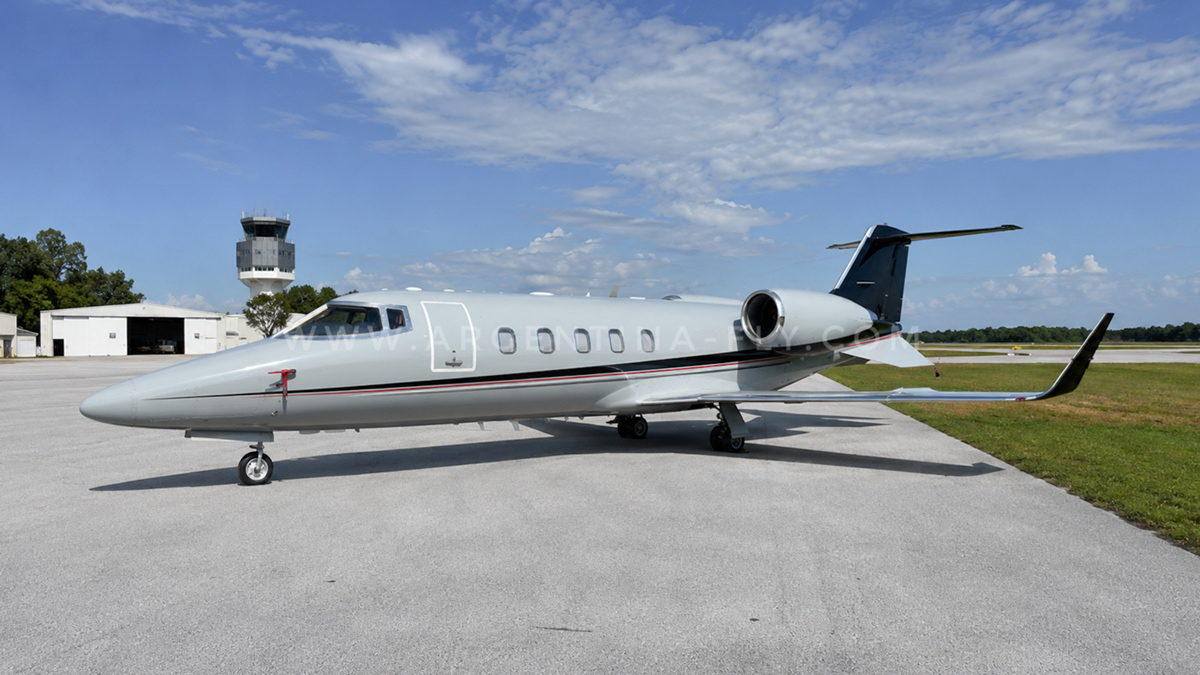
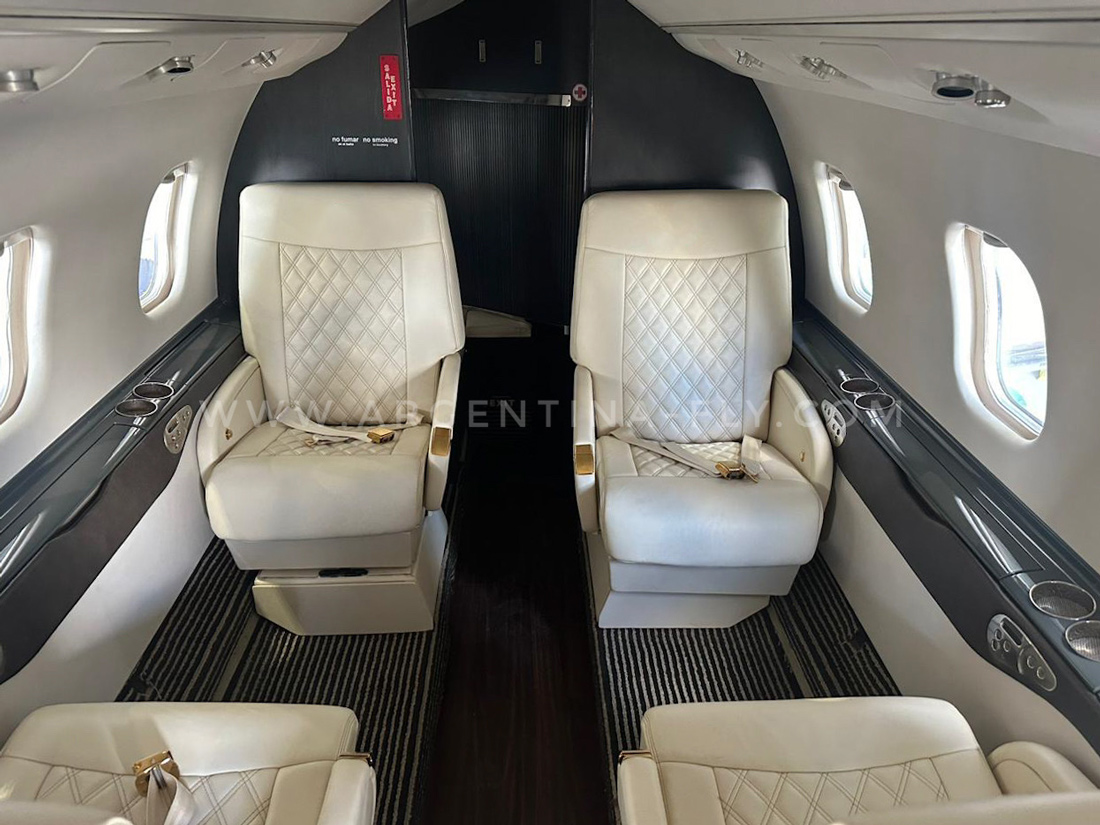
Learjet 60
Midsize jet with a spacious cabin and excellent cruise speed, one of the most requested options for executive flights.
Capacity
7 passengers
Lavatory
Yes
Cabin
Pressurized
Luggage
Standard
Wi-Fi
Not available
Río Grande (RGA)
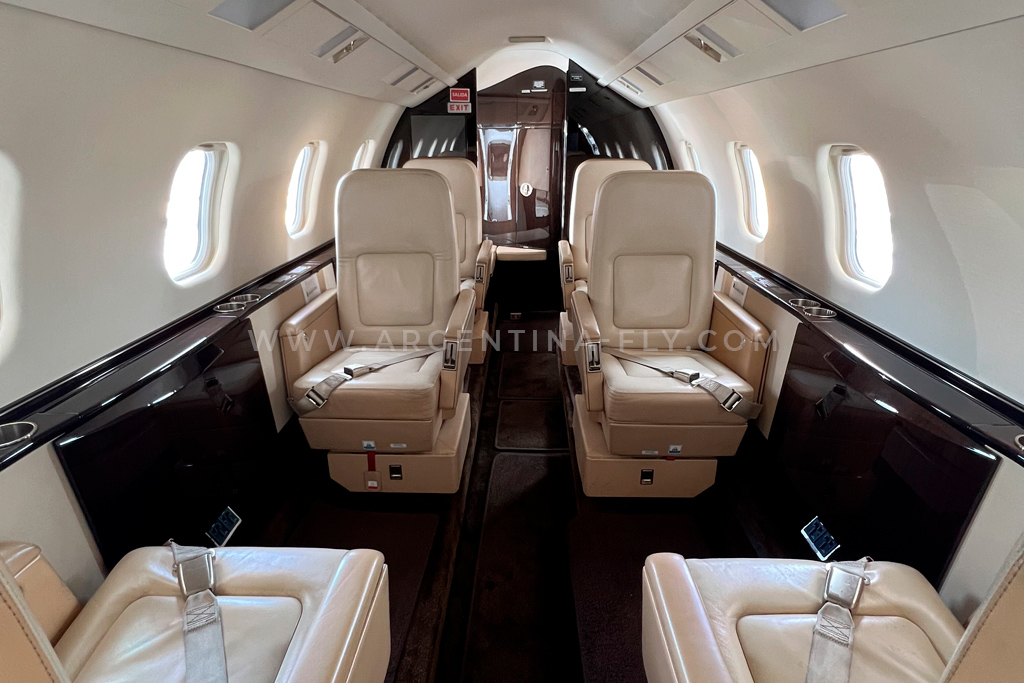
Learjet 60 XR
Enhanced version offering greater range and efficiency while maintaining the speed and comfort of the Learjet 60.
Capacity
6 passengers
Lavatory
Yes
Cabin
Pressurized
Luggage
Moderate
Wi-Fi
Not available
Safety certifications
Río Grande (RGA)
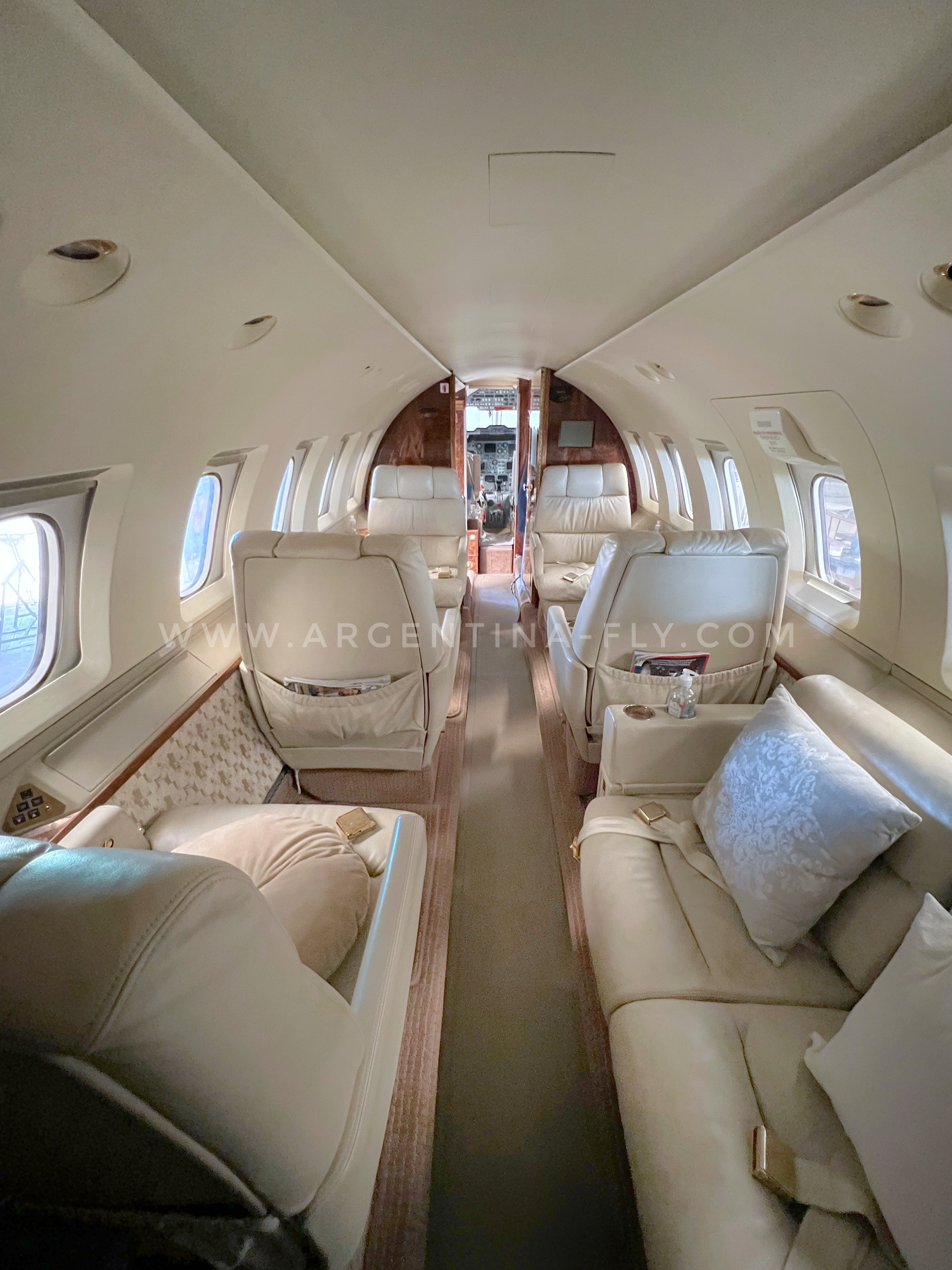
Hawker 800 XP
Midsize jet with a spacious cabin and excellent range, ideal for regional and medium-haul international flights.
Capacity
8 passengers
Lavatory
Yes
Cabin
Pressurized
Luggage
Moderate
Wi-Fi
Portable Starlink
Río Grande (RGA)
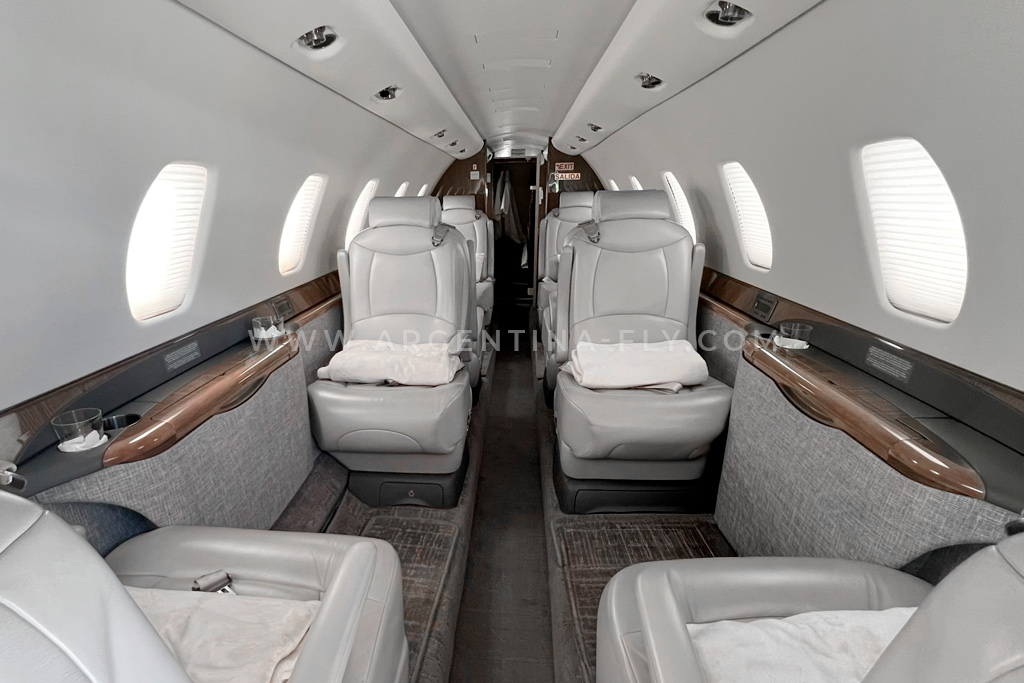
Citation Sovereign
Midsize jet with a spacious cabin, greater range and premium equipment for demanding passengers.
Capacity
8 passengers
Lavatory
Yes
Cabin
Pressurized
Luggage
Generous
Wi-Fi
Portable Starlink (extra cost)
Safety certifications
Río Grande (RGA)

Gulfstream V
Long-range, large-cabin jet with VIP equipment for executive groups demanding the highest level of comfort.
Capacity
14 passengers
Lavatory
Yes
Cabin
Pressurized
Luggage
Spacious
Wi-Fi
Portable Starlink
Río Grande (RGA)
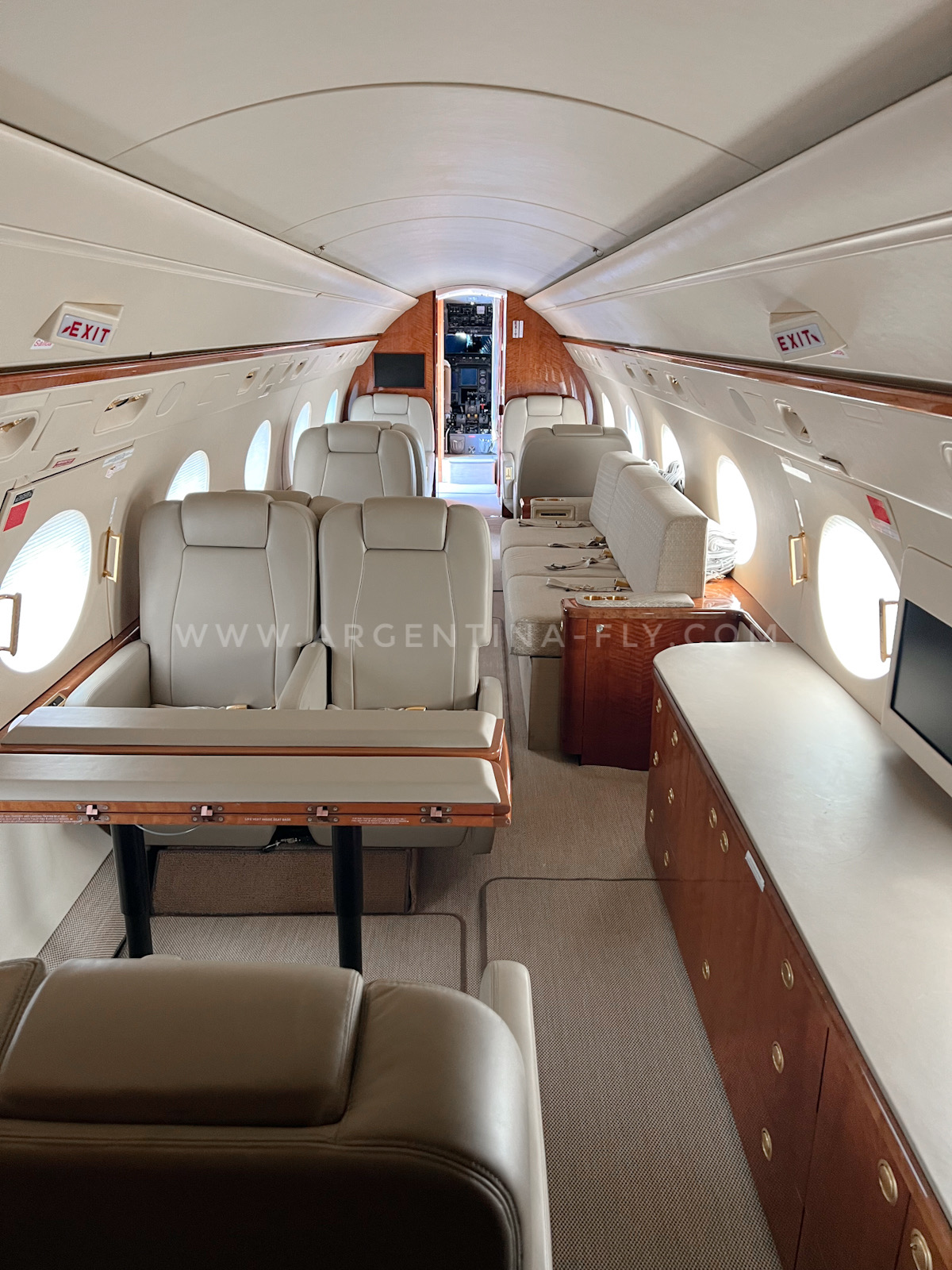
Gulfstream 400
Large jet with an exceptionally spacious cabin and long range, ideal for executive groups requiring maximum comfort.
Capacity
14 passengers
Lavatory
Yes
Cabin
Pressurized
Luggage
Generous
Wi-Fi
Built-in Starlink
Safety certifications
Río Grande (RGA)
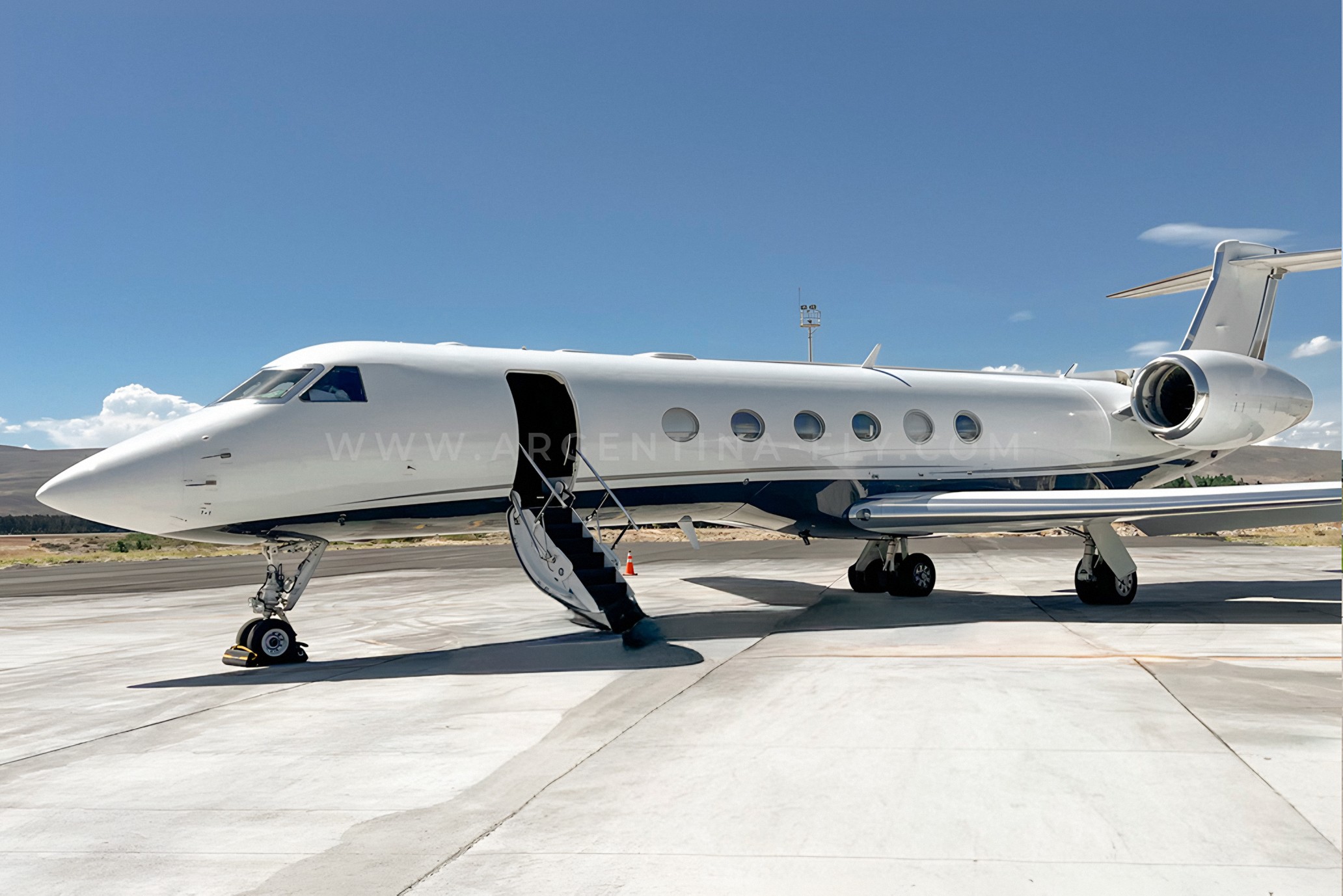
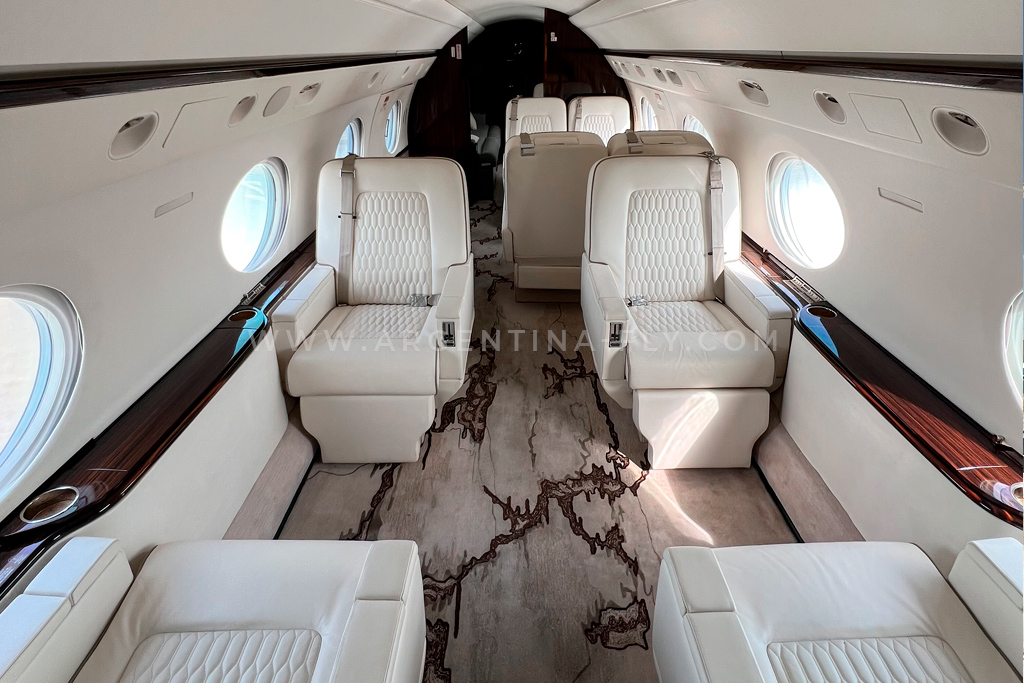
Gulfstream V
Long-range, large-cabin jet with VIP equipment for executive groups demanding the highest level of comfort.
Capacity
14 passengers
Lavatory
Yes
Cabin
Pressurized
Luggage
Generous
Wi-Fi
Built-in Starlink
Safety certifications
Río Grande (RGA)
Other routes from Buenos Aires
Destinations near Río Grande, with the lowest reference fare and the shortest flight time.
Río Grande
Río Grande lies in the north of the island of Tierra del Fuego, on the Atlantic coast and beside the mouth of the river that gives it its name. It is the base for fishing the sea-run brown trout that run up the Río Grande from the ocean, watching shorebirds in the Costa Atlántica Reserve and visiting the Salesian Mission and the estancias of the steppe. From Buenos Aires it is 2,317 km: a private jet lands in 3 h 00 to 3 h 40 at Gobernador Ramón Trejo Noel airport, about 5 km from downtown.
The sea-run trout of the Río Grande
Brown trout returning from the Atlantic, private beats on estancias and mandatory catch-and-release.
The Río Grande crosses the steppe of the island's north from west to east and flows into the Atlantic beside the city. With its tributaries, it is the area's most important fishery: it has a public stretch, but most of it runs through private fishing beats on estancias, the large ranches of Patagonia. Sea-run brown trout, which feed in the ocean and return to the river, run up it.
The Río Grande season usually runs from November to mid-April. Provincial regulations allow fishing on the river and its tributaries, the Candelaria, Ona, Menéndez, Rasmussen, Moneta and Herminita, only with mandatory release of all trout. Fishing is fly or spinning, with a single lure and a single hook; trolling and night fishing are prohibited.
The permit is provincial and has categories for foreign anglers specific to the Grande and Menéndez rivers: daily, three-day, weekly and seasonal. To enter the public stretch at El Tropezón, anglers must be registered in the province's fishing access system and hold an advance reservation. On arrival in Tierra del Fuego, fishing gear is washed and disinfected against didymo, the invasive alga known as rock snot.
Kau Tapen was the first fishing lodge on the Río Grande and opened in 1984. It hosts up to ten guests in single rooms with private bathrooms, facing the Menéndez and Grande valleys, and has a spa with a hot tub and sauna. Estancia María Behety, about 15 km from the city, has 40 km of river frontage and two fishing lodges.
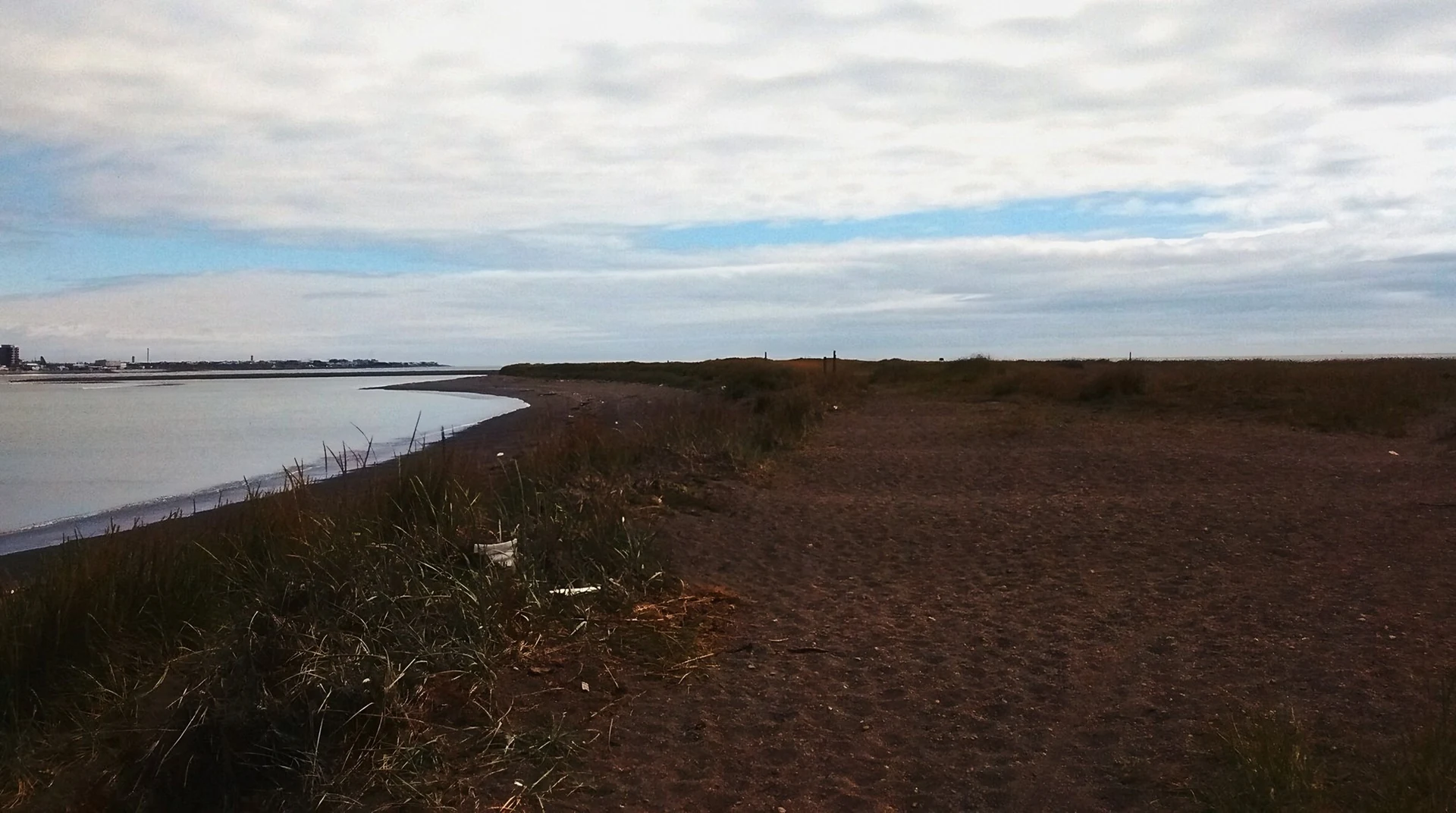
What to see
- Río GrandeSea-run brown trout from November to mid-April, with mandatory catch-and-release.
- Río MenéndezA tributary of the Grande, under the same release and permit rules.
Where to stay
- Estancia María BehetyAbout 15 km from the city: 40 km of river frontage and two fishing lodges.
- Kau Tapen LodgeThe river's first lodge, from 1984: up to ten guests in single rooms.
The shorebird coast
A Ramsar reserve along 220 km of coast, urban wetlands and the Cabo Domingo lookout.
The Costa Atlántica Provincial Reserve protects the north coast of Tierra del Fuego for 220 km, from Cabo Nombre, north of Bahía San Sebastián, to the mouth of the Ewan River. It has been a site of Hemispheric Importance in the Western Hemisphere Shorebird Reserve Network since 1992 and a Ramsar site, a wetland of international importance, since 1995. Every southern summer, shorebirds arrive from the Northern Hemisphere to feed and rest on its beaches before heading back.
The best known is the red knot, which nests in the Arctic during the northern summer and spends the southern summer on the shores of Río Grande. A bird banded in the city in 1995 with the code B95 flew, over some 20 years of migrations, more than the distance from the Earth to the Moon: it is known as Moonbird. Along the waterfront there are signs about the reserve, viewing points and, in front of the city hall building, a pair of public binoculars.
The Punta Popper Urban Nature Reserve, 12.34 ha, lies on the south bank, across the General Mosconi bridge: it has trails and observation posts and is open year-round. At Laguna de los Patos, a wetland inside the city, ducks, geese and coscoroba swans can be seen in summer. The Centro de Interpretación Ambiental, the environmental interpretation center about 8 km from downtown, runs birdwatching outings to the beach, walks through the native plants and, when the tide allows, low-tide walks.
Cabo Domingo, on Route 3 and inside the reserve, is a headland almost 100 m high with an easy climb. From the top you see the sea, the mouth of the Chico River and the steppe.
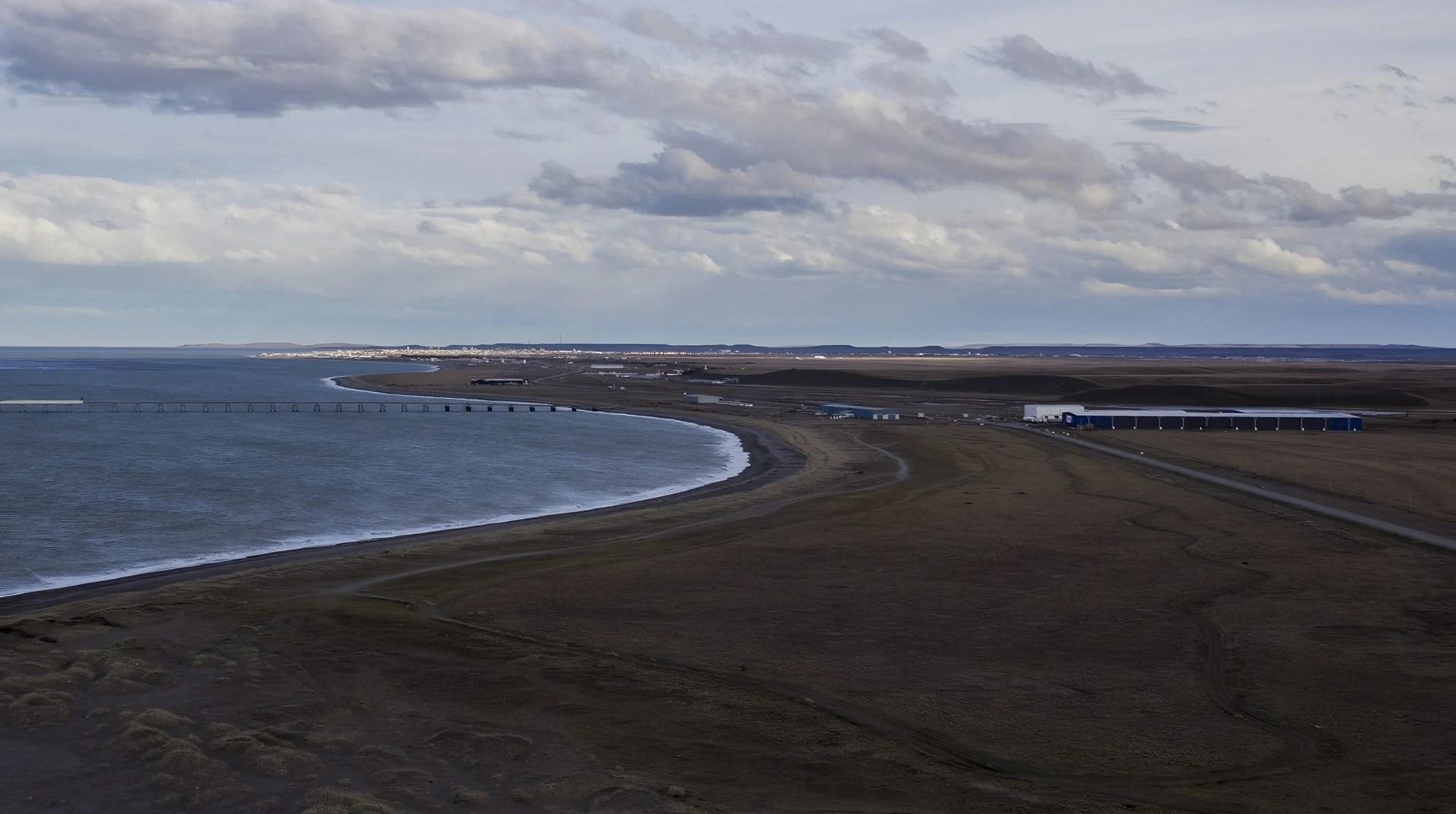
What to see
- Cabo DomingoA headland almost 100 m high on Route 3, with an easy climb.
- Centro de Interpretación AmbientalAbout 8 km from downtown, with guided birdwatching outings.
- Costa Atlántica Reserve220 km of coast, a Ramsar site and a hemispheric shorebird reserve.
- Laguna de los PatosAn urban wetland with birds in summer and an ice rink in winter.
- Punta Popper Urban Nature ReserveOn the south bank, with trails and observation posts, open year-round.
The city, the mission and the estancias
Three National Historic Monuments, a 1935 shearing shed and a downtown on foot.
Monsignor José Fagnano founded the Salesian Mission in 1893 on the north bank of the Río Grande, and in 1897 it moved to its current site, near Cabo Domingo, 12 km from the city. It has been a National Historic Monument since 1983 and has operated as an agricultural school since 1946. Guided tours cover the 1897 chapel and the houses of the Salesians and the Daughters of Mary Help of Christians. The Museo Monseñor Fagnano displays a replica of Selk'nam huts, carts and the island's wildlife, and the shop sells cheeses, preserves and meats made by students and teachers.
The Compañía Frigorífica Argentina was formed in 1917 and slaughtered for the first time in 1918; the meatpacking plant grew into a small village, with housing, a post office and a railroad station. The Ex Frigorífico CAP has been a National Historic Monument since 1999 and can be seen from the outside. Part of the complex is the Casona Oveja Negra, from 1924, now the headquarters of the Asociación Rural de Tierra del Fuego, which holds its show there every March.
José Menéndez founded Estancia María Behety in 1897, about 15 km northwest of the city, under the name Segunda Argentina; it later took his wife's name. It has been a National Historic Monument since 1997. Its 1935 shearing shed covers about 7,800 m² and was designed for 40 shearers and 7,000 animals under cover; it keeps its original steam engine. On the estancia grounds there is a nine-hole, par-three golf course open to visitors.
Downtown, the city offers a 14-stop self-guided historic walk that starts at Plaza Almirante Brown, home to the tourist information office. The old Torre de Agua water tower, from 1954, is now a lookout with a 360° view over the city, and the El Roca café, open since 1969, is a local classic. The Posada de los Sauces, with a sea view, has the à la carte restaurant La cocina de May and the Achicoria Pub.
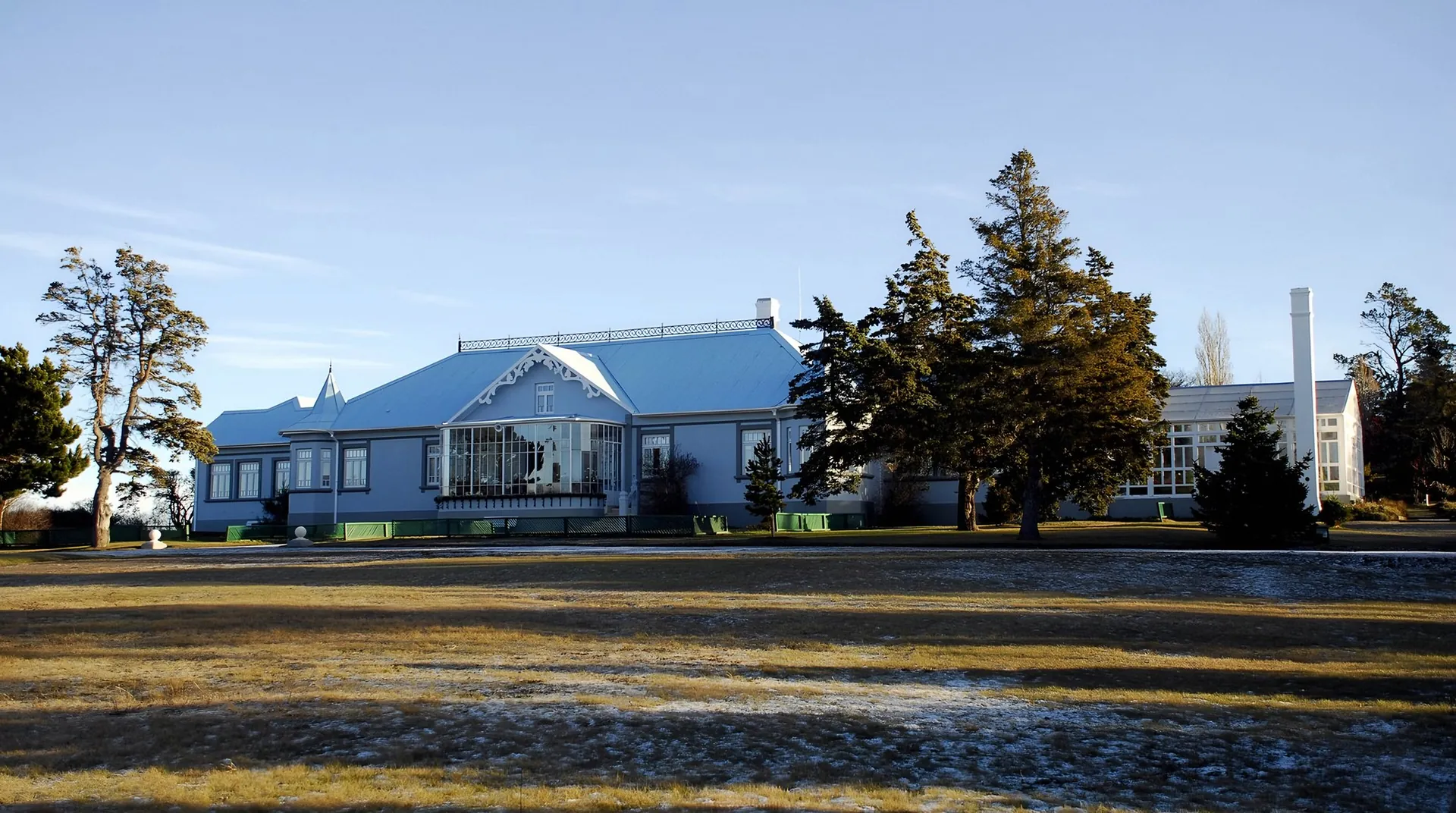
What to see
- Casona Oveja NegraFrom 1924, headquarters of the Asociación Rural and its March show.
- Estancia María BehetyFrom 1897; a National Historic Monument, with the 1935 shearing shed.
- Ex Frigorífico CAPFrom 1917; a National Historic Monument seen from the outside.
- Misión Salesiana Nuestra Señora de la Candelaria12 km from the city; a National Historic Monument, with guided tours and the Museo Monseñor Fagnano.
- Torre de AguaFrom 1954, a lookout with a 360° view over the city.
Where to stay
- Posada de los SaucesWith a sea view, the restaurant La cocina de May and the Achicoria Pub.
Cabo San Pablo
Estancias, lenga beech forest and a shipwreck off the Atlantic coast.
Cabo San Pablo is 120 km from Río Grande: 80 km on Route 3 and about 40 km on Ruta Complementaria A to the coast, with the last stretch on gravel. The road passes estancias, lenga beech forest, rolling hills and plains, with sheep and, at times, guanacos, foxes and condors.
The Ladrillero River reaches the cape underground and runs over the sand of the beach to the Atlantic. A trail with a parking area climbs to the top of the cape, with 360° lookouts, signs and benches; at the top stands an old leaning lighthouse and, off the shore, the rusted hull of the Desdémona, stranded on the cape since 1985. Several licensed agencies run the excursion.
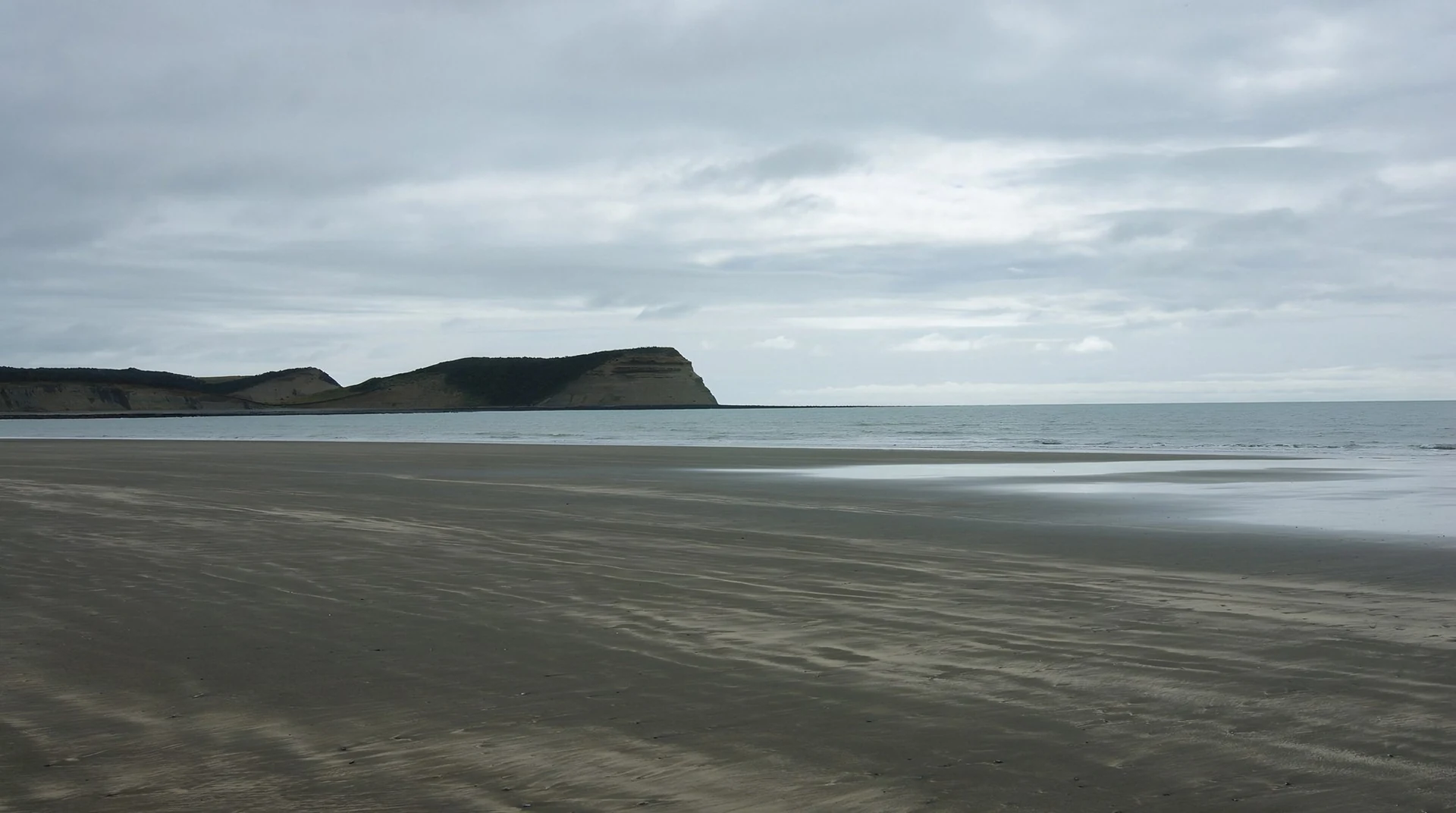
Arrival
From departure to destination.
- Departure
- From San Fernando (FDO), Aeroparque (AEP) or Ezeiza (EZE). The fare may change depending on where each aircraft is based.
- Airport
- Gobernador Ramón Trejo Noel (RGA): public-use, towered and international, about 5 km northwest of downtown.
- Fishing lodges
- By road, upriver: Estancia María Behety is about 15 km from the city and Kau Tapen about 50 to 60 minutes from the airport.
- Salesian Mission
- 12 km from the city, near Cabo Domingo, beside Route 3.
- Cabo San Pablo
- 120 km away: 80 km on Route 3 and about 40 km on Ruta Complementaria A, with the last stretch on gravel.
- Ushuaia
- 211 km away on Route 3.
When to go
The seasons at the destination.
- November to mid-April
- Fishing season on the Río Grande, with mandatory release of all trout.
- Summer (December to March)
- Almost 18 hours of daylight; January has an average high of 16.0 °C and an average low of 5.9 °C, and shorebirds from the Northern Hemisphere reach the coast.
- March
- Exposición Ganadera, Comercial, Industrial y Artesanal de Tierra del Fuego, the island's livestock, trade and crafts show, at the Casona Oveja Negra.
- Winter (June to September)
- July is the coldest month, with an average high of 3.2 °C and an average low of −3.0 °C; there is more ice than snow, and Laguna de los Patos is used as a skating rink.
- Year-round
- Guided tours of the Salesian Mission, the Punta Popper reserve and the downtown historic walk.
Key facts
Summer January
- Average low
- 5.9°
- Average high
- 16.0°
37.2 mm of rain
Fall April
- Average low
- 1.8°
- Average high
- 10.6°
30.1 mm of rain
Winter July
- Average low
- −3.0°
- Average high
- 3.2°
26.1 mm of rain
Spring October
- Average low
- 1.6°
- Average high
- 11.4°
16.0 mm of rain
- Airport
- Gobernador Ramón Trejo NoelIATA / ICAO: RGA / SAWEAbout 5 km from downtown Río Grande
- Category
- Public-use, towered, international
- Distance
- 2,317 kmFlight distance from Buenos Aires; 2,874 km by road
- Annual rainfall
- 325.5 mm54% falls from October to March
Frequently asked questions
Price, flight time, airport, departure and travel documents.
How much does a private flight from Buenos Aires to Río Grande cost?
Reference fares for a one-way private flight from Buenos Aires (San Fernando), whole aircraft, start at USD 22,880 for a light jet, USD 28,240 for a midsize jet and USD 42,740 for a large jet. Round trips are calculated in the quote tool according to the length of your stay.
How long is the flight?
Between 3 h 00 and 3 h 40, depending on the aircraft; the fastest jet on the route takes 3 h 00.
Which airport does the flight land at?
Gobernador Ramón Trejo Noel International Airport (RGA / SAWE), about 5 km northwest of downtown Río Grande. It is public-use and towered. From there you continue by road to the river lodges, the Salesian Mission or Cabo San Pablo.
When is the trout season on the Río Grande?
The river's season usually runs from November to mid-April. On the river and its tributaries, fishing is catch-and-release only for all trout, fly or spinning, a single lure with a single hook and no night fishing. You need the provincial permit, which has categories for foreign anglers specific to the Grande and Menéndez rivers, and you must wash and disinfect your gear against didymo on arrival in the province.
When is the best time to travel to Río Grande?
It depends on the plan. Fishing runs from November to mid-April; in summer there are almost 18 hours of daylight and shorebirds from the Northern Hemisphere reach the coast, with an average high of 16.0 °C in January. In March, the rural show takes place at the Casona Oveja Negra. In winter, with an average high of 3.2 °C in July, there is more ice than snow.
What documents do I need?
It is a domestic flight: Argentine citizens travel with a valid DNI and foreign nationals with a passport. To fish, you also need the Tierra del Fuego fishing permit.
Are the published fares final?
They are estimates. The final quote depends on dates, length of stay, aircraft type and applicable operating fees.
Where does the flight depart from?
Fares are calculated for departure from San Fernando (FDO). Departing from Aeroparque (AEP) or Ezeiza (EZE) may change the fare, depending on where each aircraft is based.

Ready to fly? Let’s talk.
Share the details of your trip and we’ll help you find the aircraft and flight solution best suited to your needs.
- WhatsApp+54 9 11 3080 7775
- Phone+54 9 11 3080 7775
- Emailinfo@argentina-fly.com
For charter operatorsList your aircraft