
- Home
- Flight quote
- Coronel Pringles
Private flights to Coronel Pringles
From USD 4,150 · 1 h 45 flight time
Results:
- Itinerary
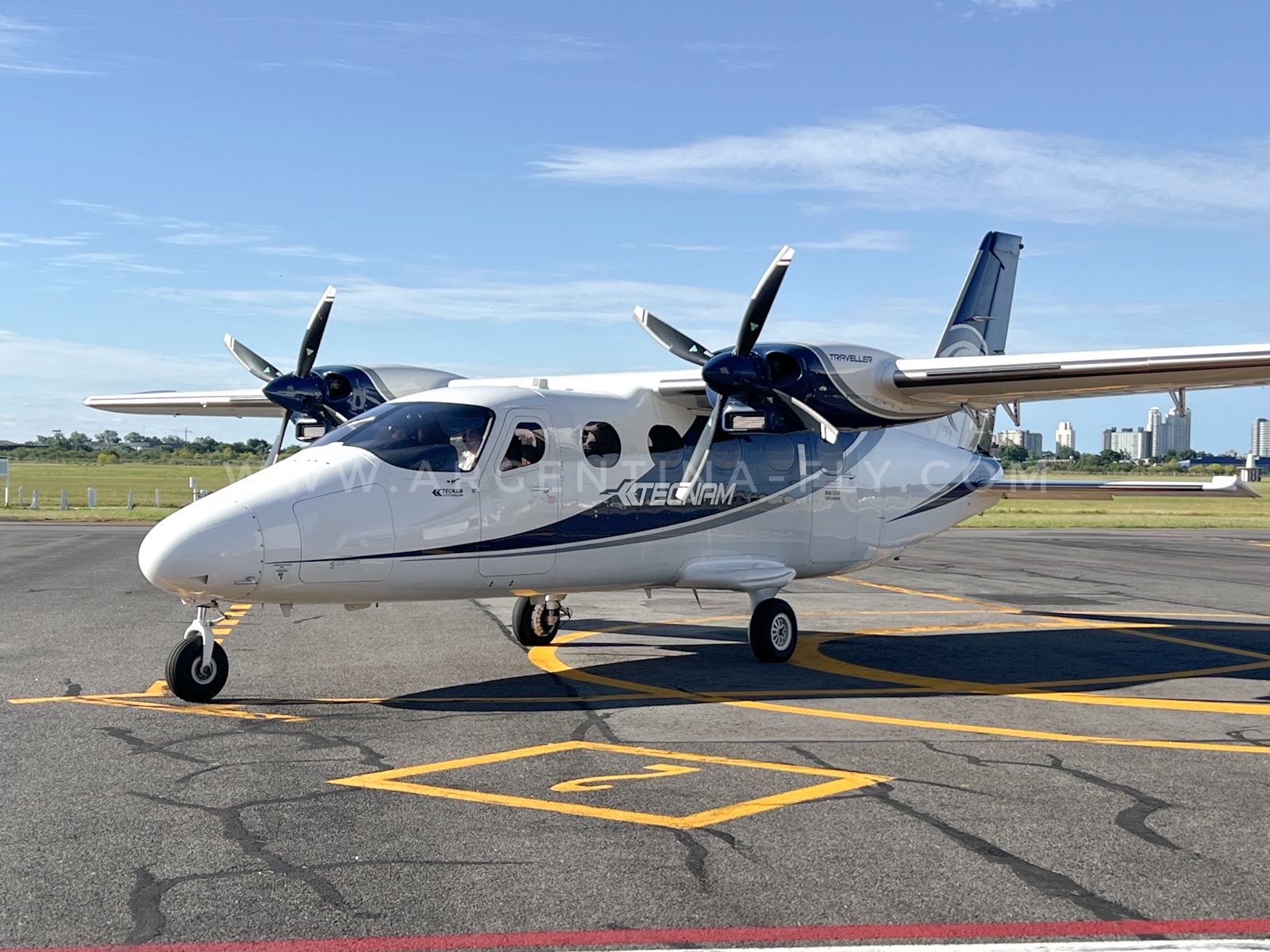
Tecnam Traveller
Piston aircraft · 9 passengers · 1 h 451 h 45flight time
USD 4,150+ VAT 10.5%
Request a quote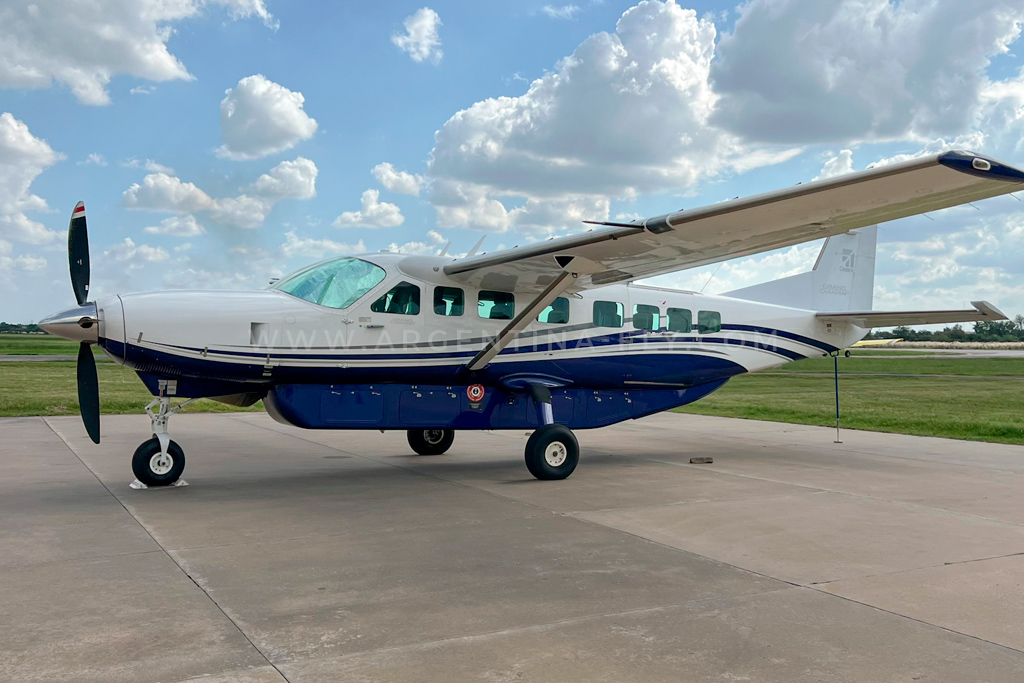
Cessna Grand Caravan
Turboprop · 9 passengers · 1 h 501 h 50flight time
USD 4,250+ VAT 10.5%
Request a quote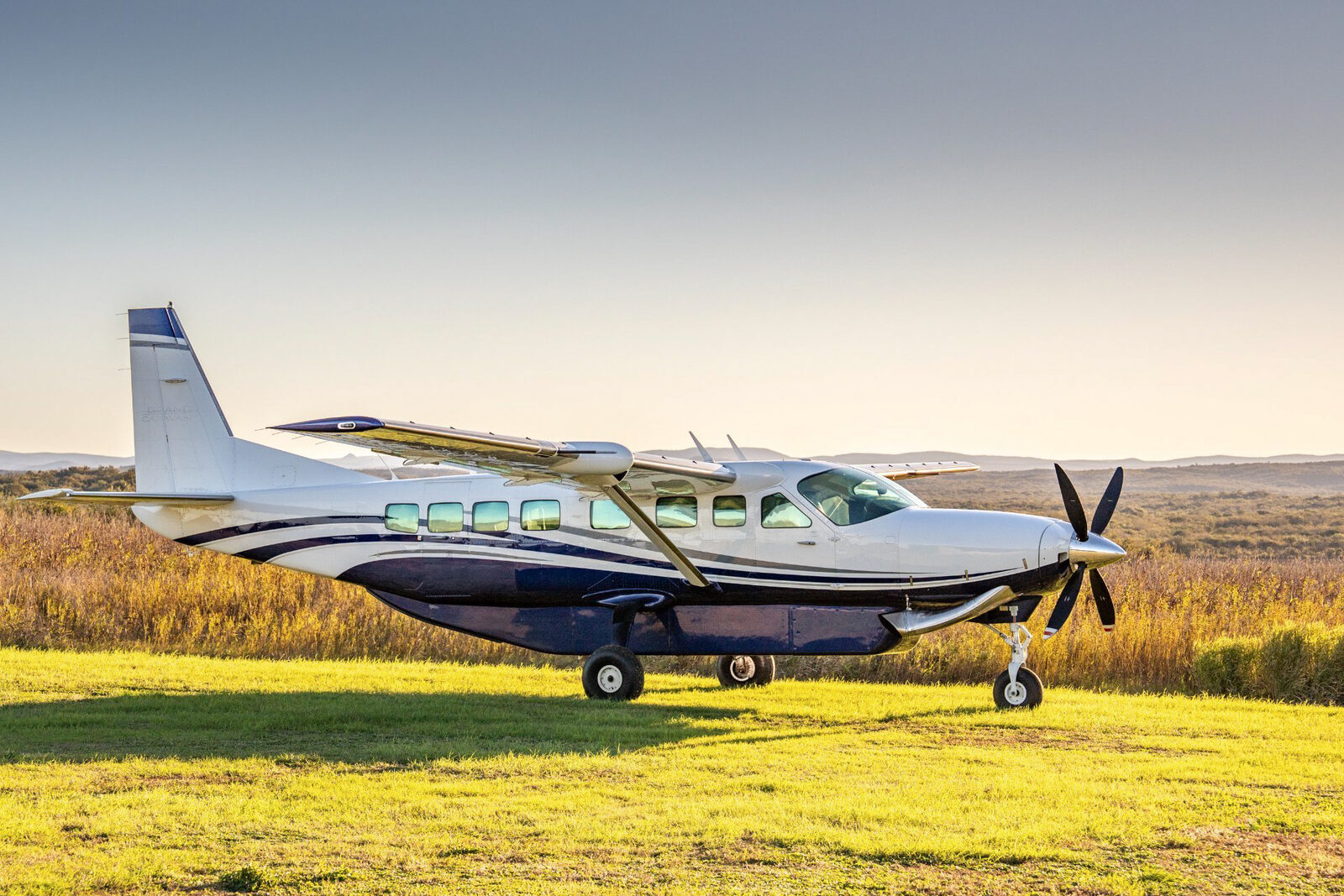
Cessna Grand Caravan Ex
Turboprop · 9 passengers · 1 h 451 h 45flight time
USD 4,550+ VAT 10.5%
Request a quote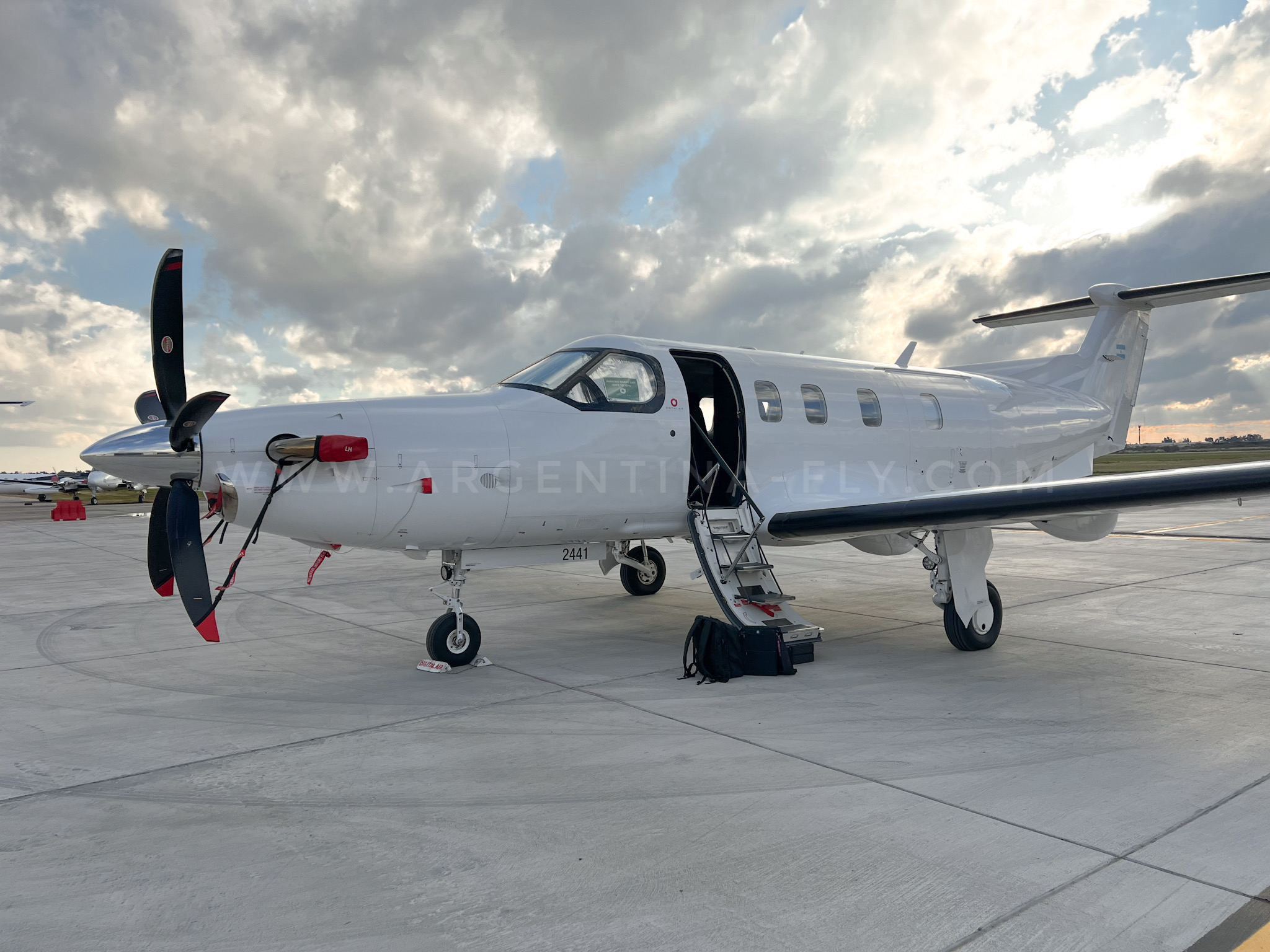
Pilatus PC-12
Turboprop · 8 passengers · 1 h 151 h 15flight time
USD 4,700+ VAT 10.5%
Request a quote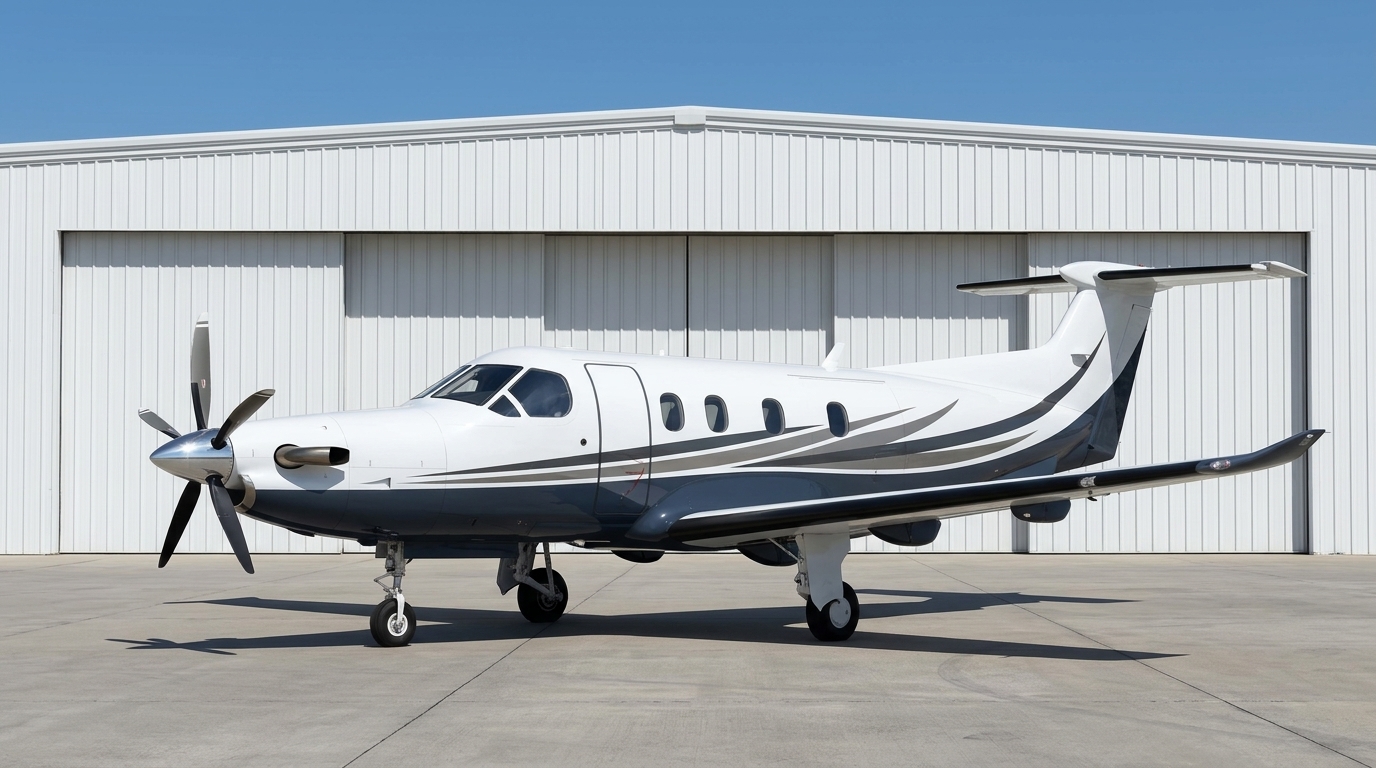
Pilatus PC12 Pro
Turboprop · 8 passengers · 1 h 151 h 15flight time
USD 4,740+ VAT 10.5%
Request a quote
Route and airfields
Rate conditions
Please read carefully before requesting a quote.
Prices
Reference fares in US dollars (USD), for the entire aircraft. They may vary with aircraft availability and travel dates. For itineraries with several destinations, please request a tailored quote.
Not included
VAT on flights within Argentina, fees abroad on international flights (airport charges, handling and FBO, among others), and special services on request.
Base airport
Fares are calculated for departure from San Fernando (FDO). Departing from Aeroparque (AEP) or Ezeiza (EZE) may change the fare, depending on where each aircraft is based.
Reference fleet
The aircraft displayed are for reference purposes only and may vary depending on operational availability. Contact us to learn about the available options for your trip.
Rate conditions
Please read carefully before requesting your quotation.
Published prices are provided for reference only.
 Prices
Reference fares in US dollars (USD), for the entire aircraft. They may vary with aircraft availability and travel dates. For itineraries with several destinations, please request a tailored quote.
 Not included
VAT on flights within Argentina, fees abroad on international flights (airport charges, handling and FBO, among others), and special services on request.
 Base airport
Fares are calculated for departure from San Fernando (FDO). Departing from Aeroparque (AEP) or Ezeiza (EZE) may change the fare, depending on where each aircraft is based.
 Reference fleet
The aircraft displayed are for reference purposes only and may vary depending on operational availability. Contact us to learn about the available options for your trip.
Need a personalized quotation?
Request quotation
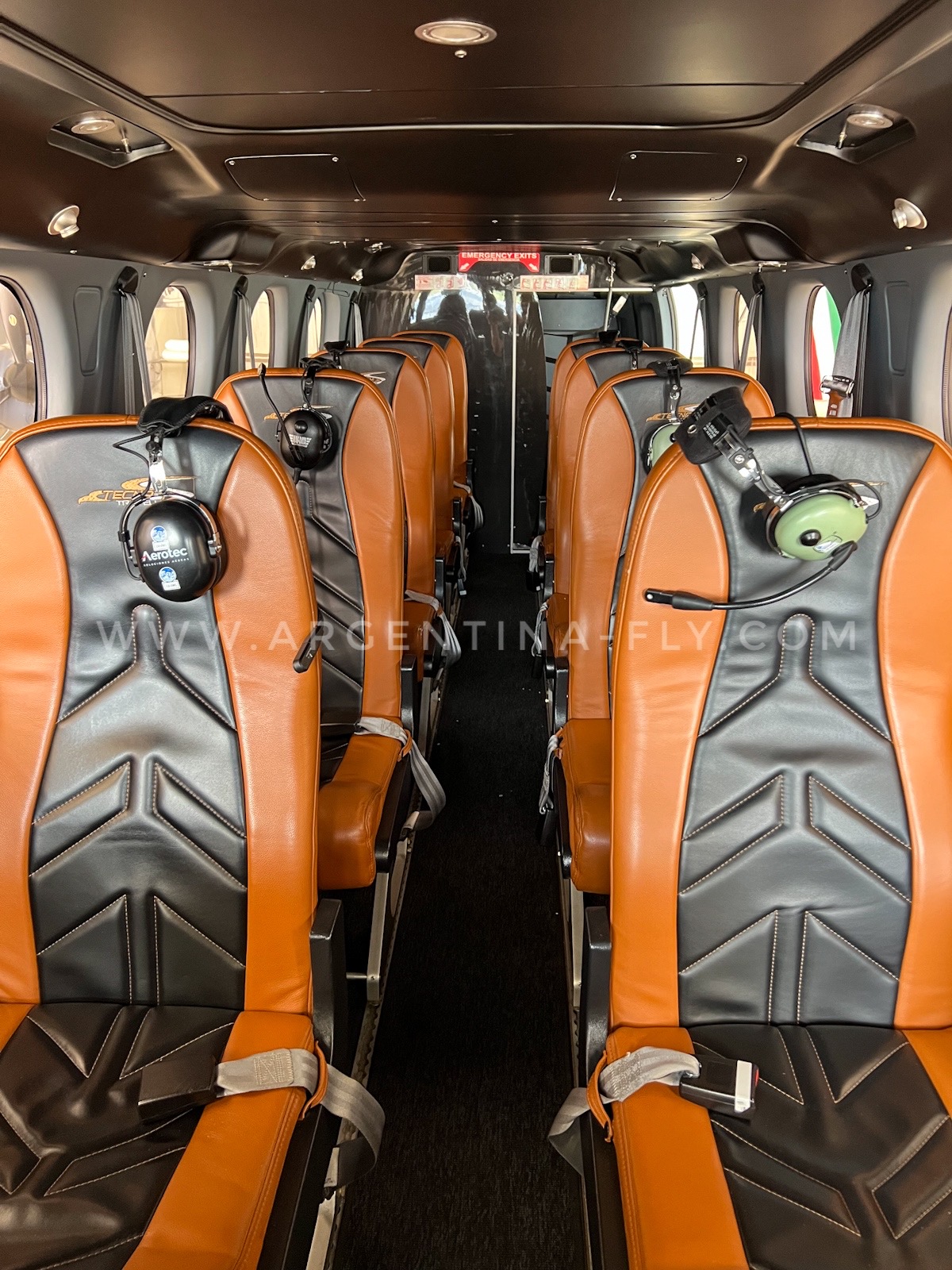
Tecnam Traveller
High-capacity twin-engine aircraft, ideal for group transfers with up to 9 passengers.
 Capacity
9 passengers
 Lavatory
Not available
 Cabin
Non-pressurized
 Luggage
Moderate
 Wi-Fi
Not available
 Coronel Pringles
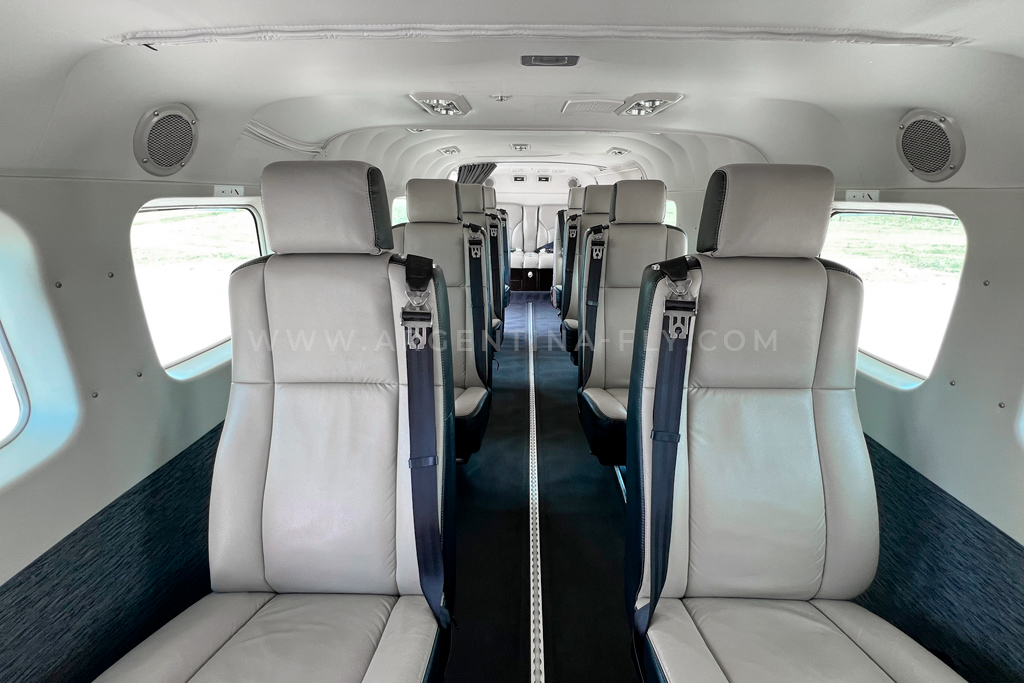
Cessna Grand Caravan
Versatile turboprop with generous payload capacity and a comfortable cabin, ideal for groups and flights to destinations with short runways.
Capacity
9 passengers
Lavatory
Not available
Cabin
Non-pressurized
Luggage
Moderate
Wi-Fi
Portable Starlink
Coronel Pringles
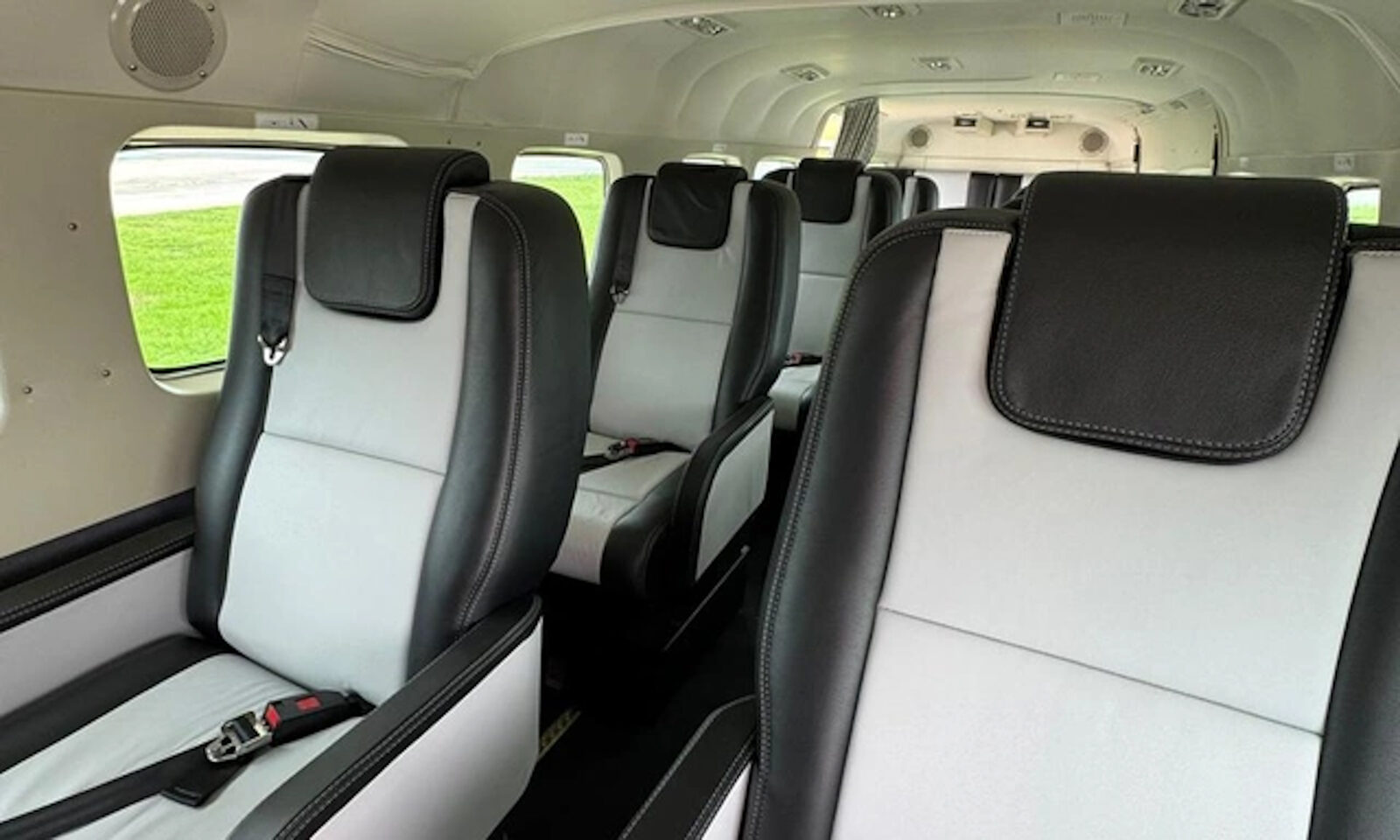
Cessna Grand Caravan Ex
Versatile turboprop with generous payload capacity and a comfortable cabin, ideal for groups and flights to destinations with short runways.
Capacity
9 passengers
Lavatory
Not available
Cabin
Not pressurized
Luggage
Standard
Wi-Fi
Portable Starlink
Coronel Pringles
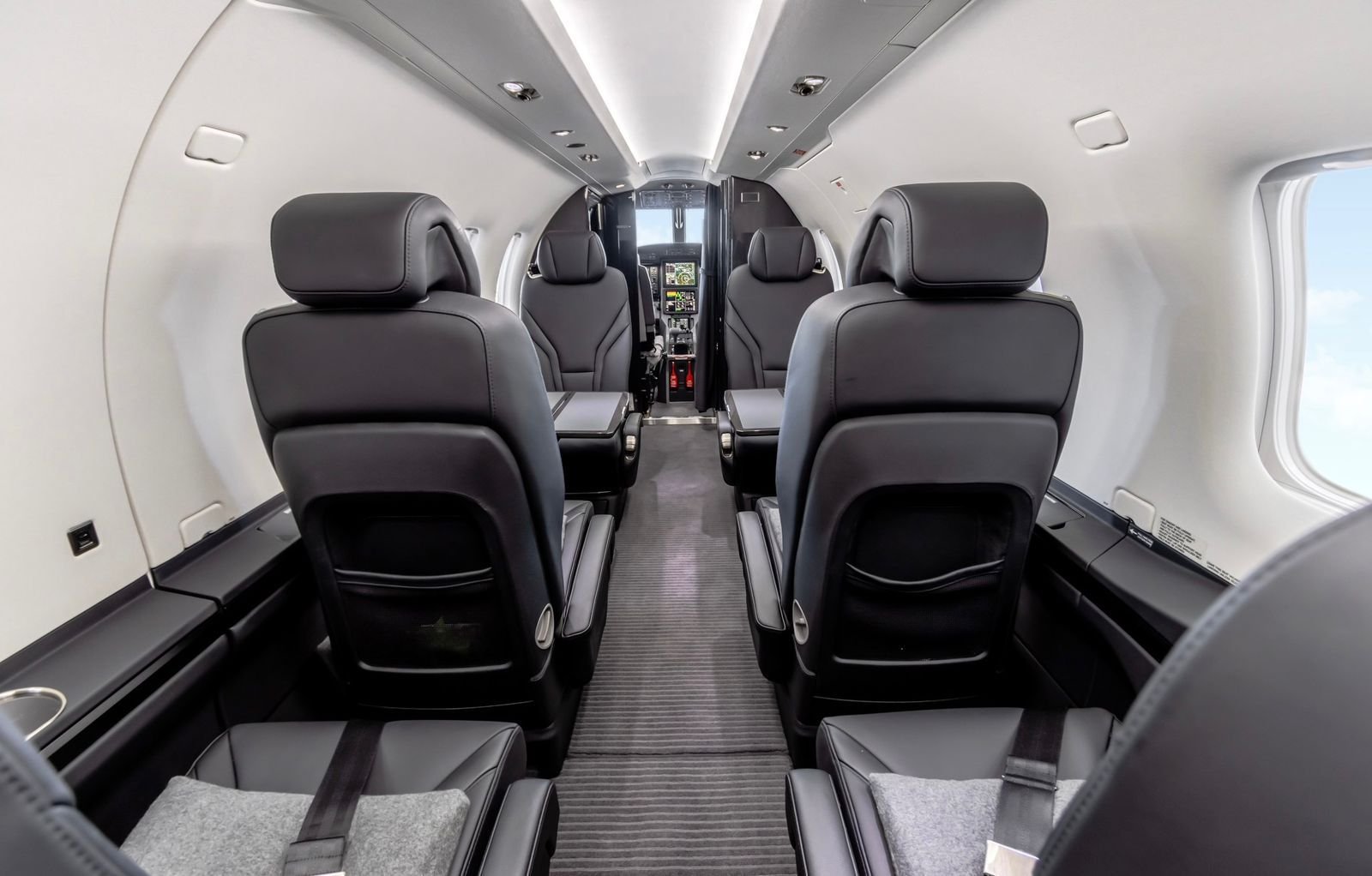
Pilatus PC-12
High-performance single-engine turboprop in executive configuration, with a spacious cabin and latest-generation technology.
Capacity
8 passengers
Lavatory
Not available
Cabin
Pressurized
Luggage
Standard
Wi-Fi
Portable Starlink
Coronel Pringles
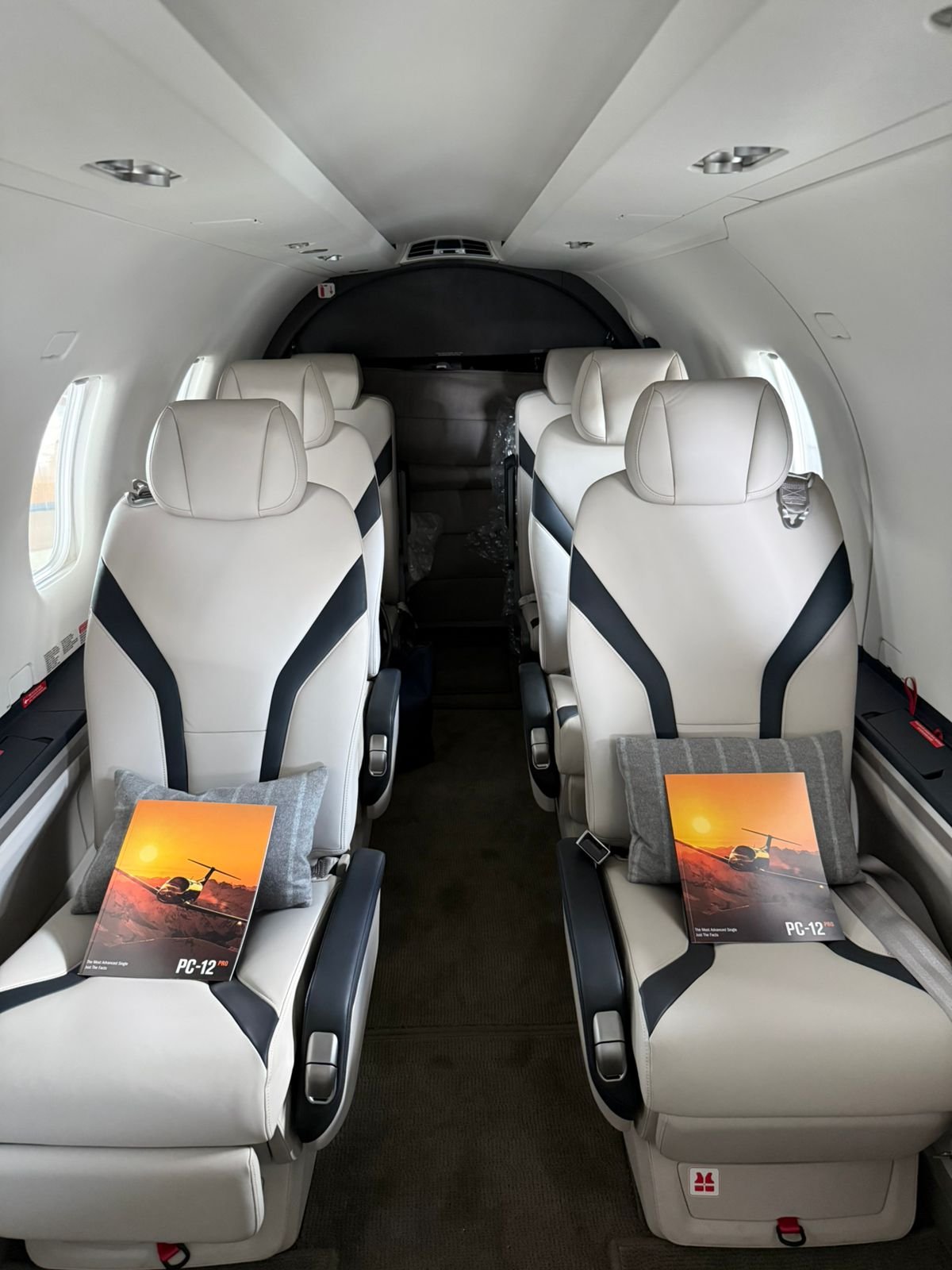
Pilatus PC12 Pro
High-performance single-engine turboprop in executive configuration, with a spacious cabin and latest-generation technology.
Capacity
8 passengers
Lavatory
Not available
Cabin
Pressurized
Luggage
Standard
Wi-Fi
Portable Starlink
Coronel Pringles
Other routes from Buenos Aires
Destinations near Coronel Pringles, with the lowest reference fare and the shortest flight time.
Coronel Pringles
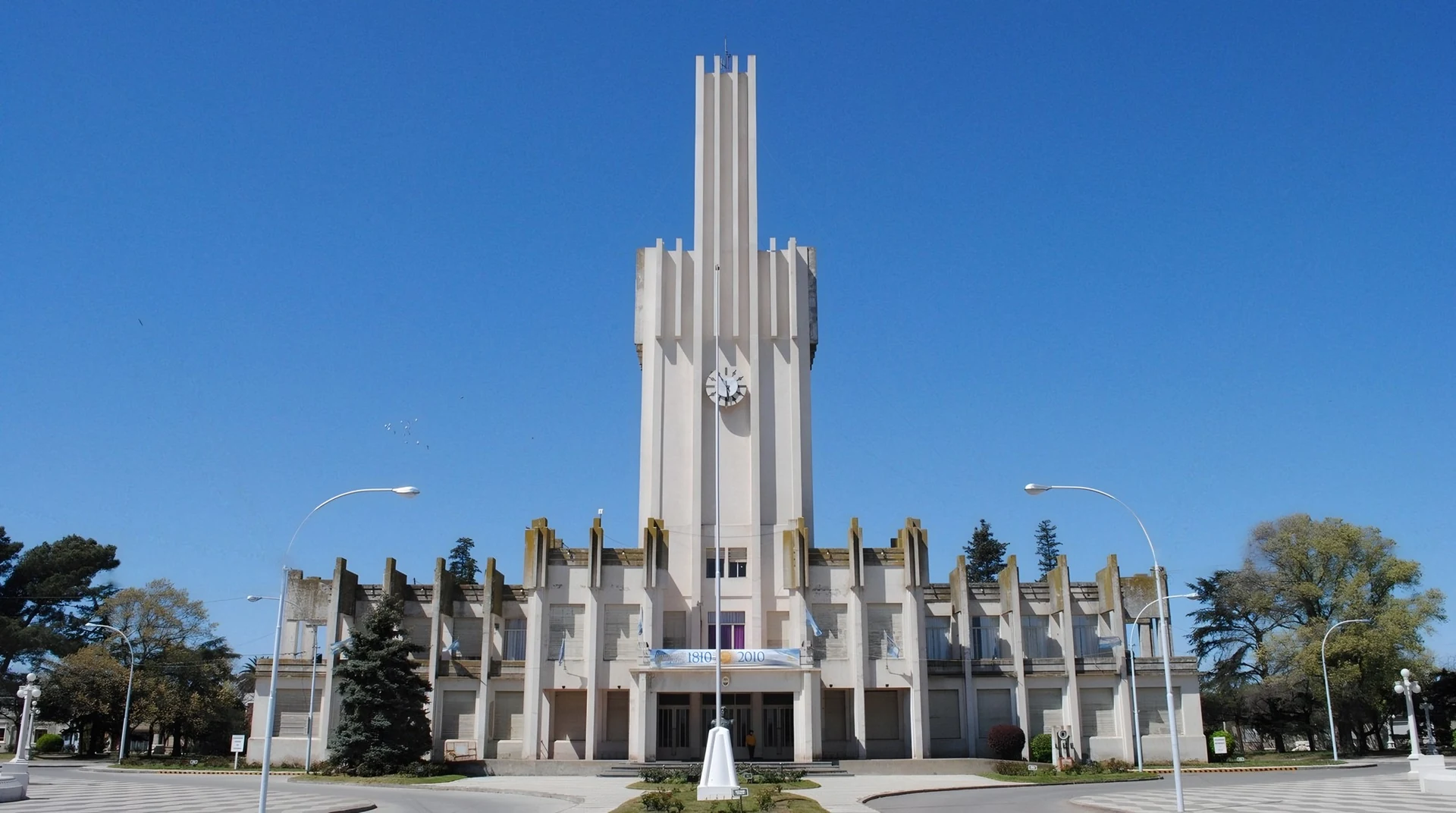
Coronel Pringles is the seat of a ranching and farming district (partido) in southwestern Buenos Aires province that takes in part of the Pillahuincó hills. The city keeps three works by Francisco Salamone from the late 1930s: the Town Hall, Plaza Juan Pascual Pringles and the former slaughterhouse, with national heritage status since 2014. The province's small-game hunting season runs from May to early August. From Buenos Aires it is 491 km: a private flight lands at Coronel Pringles airfield in 1 h 15 to 1 h 50.
Salamone's Pringles
An Art Deco town hall, square and slaughterhouse, with national heritage status since 2014.
Coronel Pringles was declared a city in 1934. Three years later, under the provincial government's public works plan, Francisco Salamone began the Town Hall, the square and the boulevard's promenades. The Town Hall has a horizontal two-story body and a clock tower taller than the church; it is aligned with the Concejo Deliberante, the town council, and the church, facing the railway.
Plaza Juan Pascual Pringles keeps Salamone's planter fountain, benches and lampposts. Each block of the square is edged by a sidewalk of black and white zigzag tiles, and pergolas and colonnades mark its limits. In 2014, the national government declared the square and the Town Hall together a Bien de Interés Histórico y Artístico Nacional, a national heritage designation.
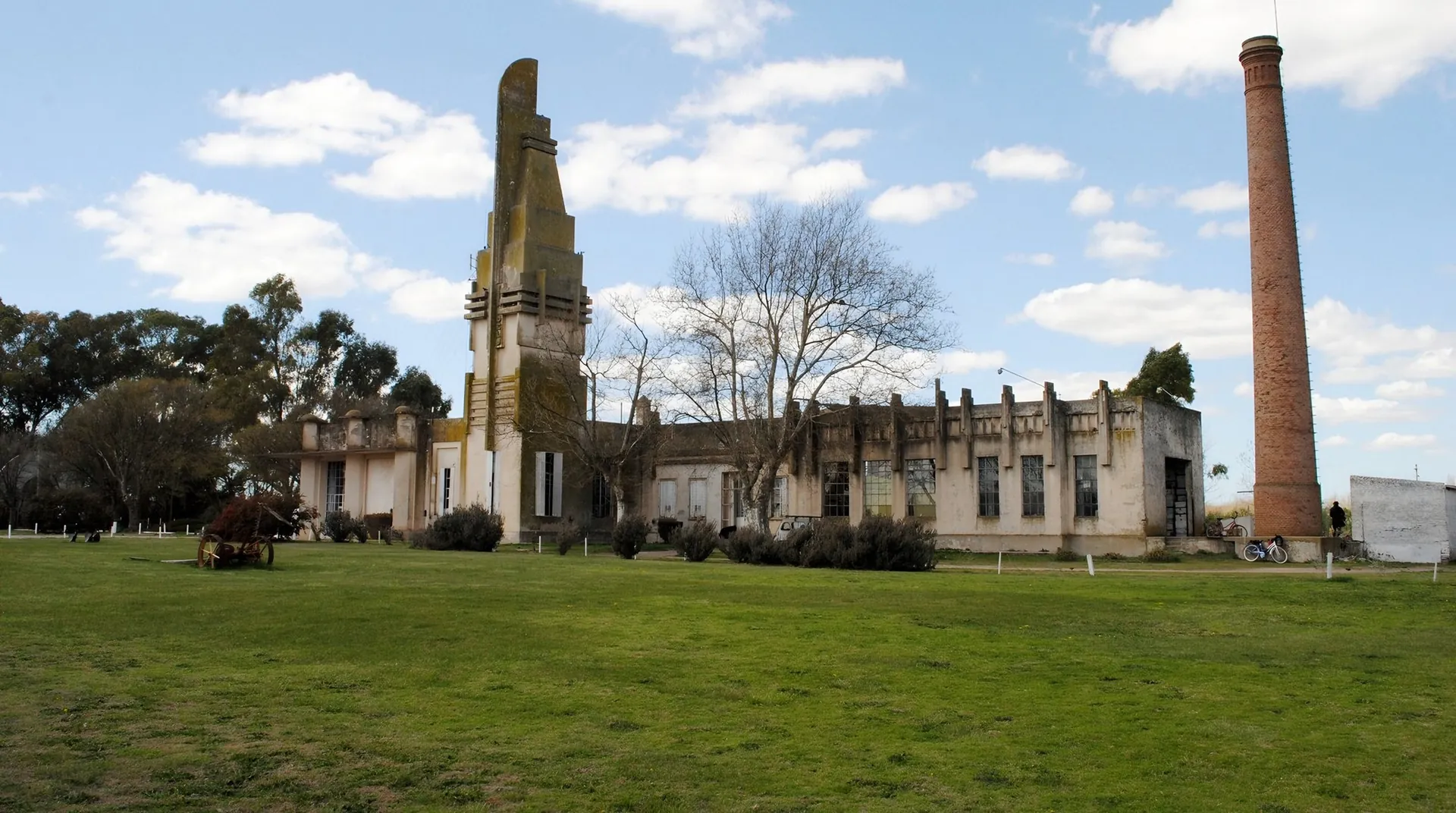
The former Municipal Slaughterhouse, on the outskirts, ran until 1981. It combines futurist and expressionist features with Art Deco: an asymmetrical plan, an arch-shaped slaughter hall and a water tower topped with the shape of a cleaver. It has been a National Historic Monument since 2014; today it houses municipal offices and cultural activities. The Cemetery Cross, from 1937, completes the route.
What to see
- Cemetery CrossA 1937 work by Salamone, on the cemetery's main lane.
- Former Municipal SlaughterhouseA National Historic Monument, with its cleaver-shaped water tower.
- Plaza Juan Pascual PringlesFountain, benches, lampposts and zigzag sidewalks designed by Salamone.
- Town HallClock tower and two-story body, on Avenida 25 de Mayo.
Ranching, wool and small-game hunting
A rural district, with a season for partridge, duck, hare and dove from May to August.
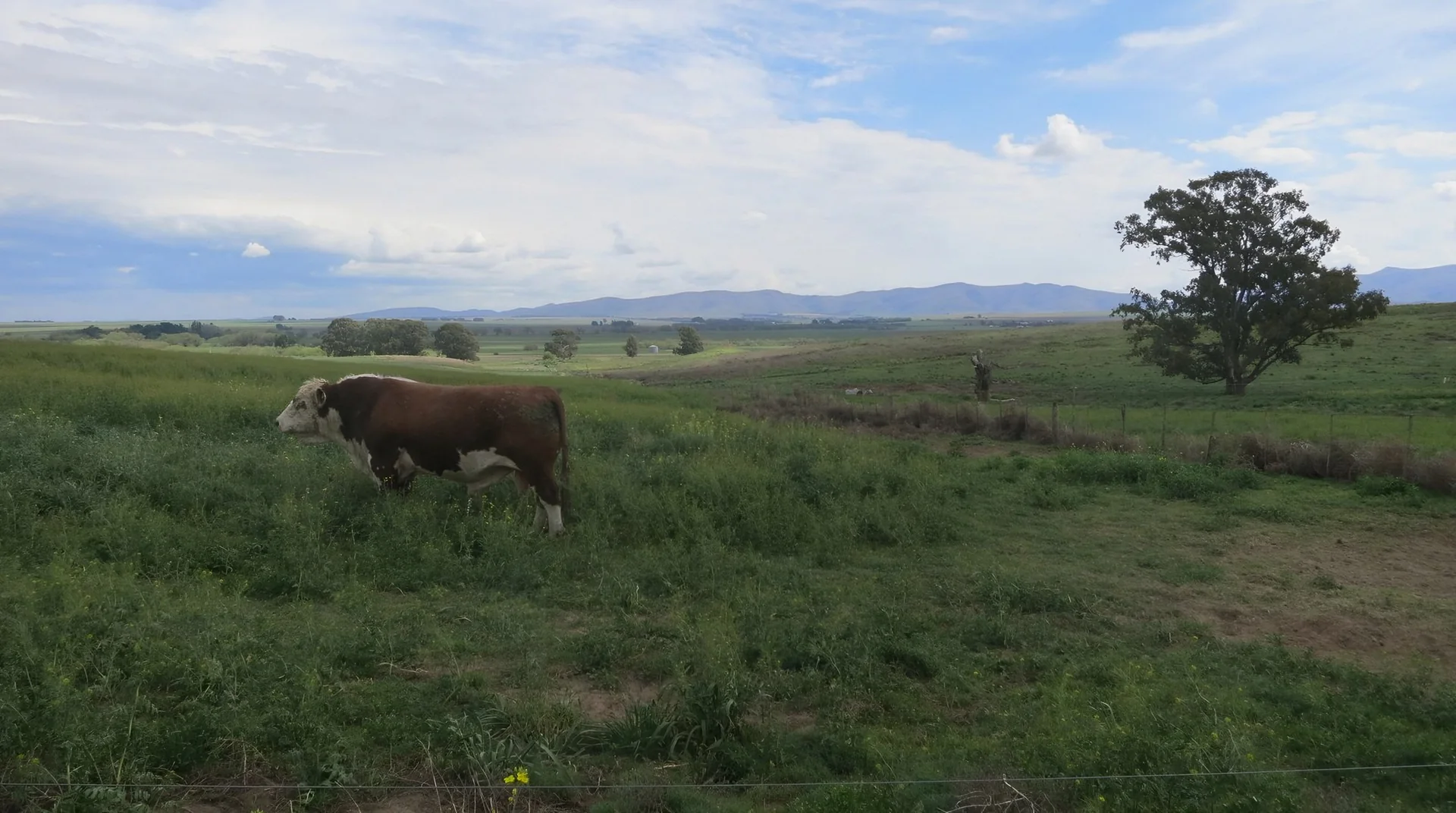
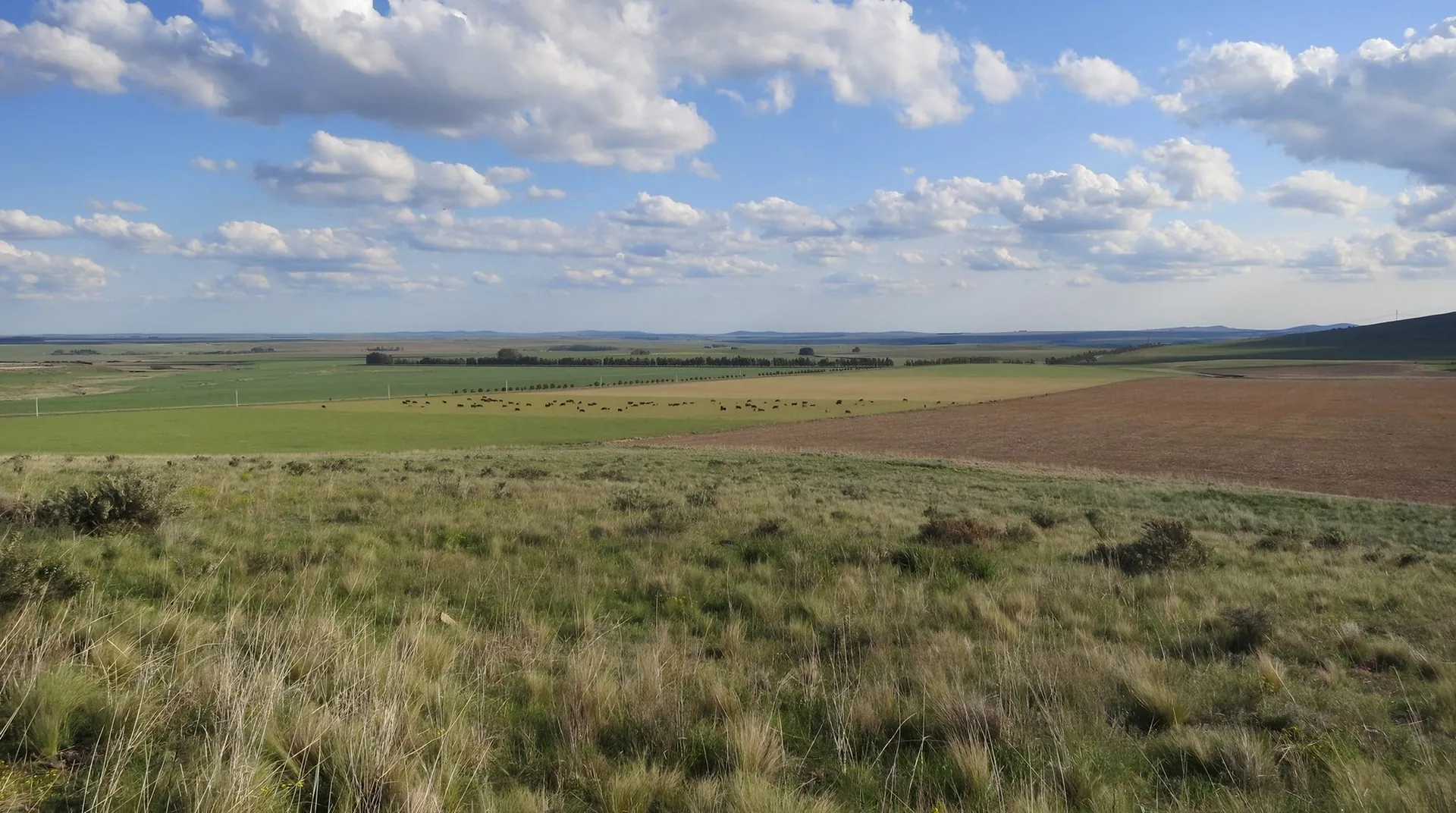
The Coronel Pringles district lives off the land: cattle and crops, and a sheep industry that earned it the nickname of “capital del lanar,” the wool capital. The district was created in 1882 and the town was laid out in 1883, on public land near the Pillahuincó; it grew with European immigration: the Italian, Spanish and French societies date from those years.
Buenos Aires province's small-game sport hunting season usually runs from May 1 to early August. The species are spotted nothura, a partridge-like tinamou locally called perdiz chica, up to 6 a day per hunter; yellow-billed teal, yellow-billed pintail, red shoveler, rosy-billed pochard and white-faced whistling-duck, up to 6 in total a day; and European hare and eared dove, up to 10 a day each.
A provincial sport hunting license is required, applied for online with the Ministerio de Desarrollo Agrario, along with a police permit; firearms need possession and carry authorization. Near towns and public roads, hunting is allowed only at 300 meters or more with a shotgun and 1,500 meters or more with a rifle. Big-game hunting for red deer, fallow deer, axis deer, blackbuck and feral goat takes place only on hunting preserves licensed by the province, from March to December.
Typical seasons
- Big gameOnly on licensed preserves, from March to December.
- DucksFrom May to early August, 6 a day in total, of five species.
- Eared doveFrom May to early August, 10 a day per hunter.
- European hareFrom May to early August, 10 a day per hunter.
- Spotted nothuraFrom May to early August, 6 a day per hunter.
The Pillahuincó hills and stream
A sparkling wine vineyard, hill wildlife and the swimming area on the stream.
In the Pillahuincó hills, Myl Colores grows 2.5 hectares of vines at 303 meters above sea level, with Malbec, Chardonnay, Pinot Noir and Tannat, and specializes in sparkling wines. At the La Catalina estancia it makes a rosé sparkling wine from Pinot Noir and Chardonnay. The house has three en-suite rooms overlooking the vineyard, and guided tours with tastings begin in October.
At the rural settlement of Fra-Pal, a walk through hill grassland offers sightings of fallow deer, mouflon, antelope and rheas. The route follows the El Tigre stream to a mallín, a wet meadow fed by natural springs, rich in birds, and ends with a tasting of local products.
On the outskirts of the city, on a branch of the Pillahuincó stream, the Balneario Municipal covers 8 wooded hectares, with an artificial lake, two semi-Olympic pools, fire pits and sports courts. Nearby, the Senda del Pillahuincó is a 1.5 km interpretive trail along the stream, for walking or cycling.
What to see
- Balneario Municipal8 hectares on the stream, with an artificial lake and two pools.
- Senda del PillahuincóA 1.5 km interpretive trail along the stream.
- Wildlife walk at Fra-PalA walk through the hill grassland, with fallow deer, mouflon and rheas.
Where to stay
- Myl ColoresA sparkling wine vineyard with three suites facing the vines.
Indio Rico and the rural settlements
A tourist village on the Quequén Salado and the district's country table.
Indio Rico is 73 km from the city, and since 2017 it has been part of the province's Pueblos Turísticos program of tourist villages. It was founded on February 19, 1930, and its natural attraction is the Quequén Salado River. Its cooking is based on lamb, criollo pastries, cheeses and honey.
Every February, with the village's anniversary, the Galpón del Ferrocarril, the old railway shed, hosts the Fiesta Provincial del Cordero al Disco, a festival of lamb cooked on a disco, a plow-disc pan, recognized as a provincial festival by law.
9 km from the city along Route 85, Paraje La Paloma has a history museum and an educational farm, and serves criollo picadas, shared boards of cured meats and cheeses, asado al asador, meat roasted on iron crosses over an open fire, dishes cooked on the disco and homemade preserves. The La Loma olive farm produces unfiltered oil from 1,500 Arbequina and Picual olive trees, with guided tours for groups by booking. The La Mercedes country house offers rural lodging with a pool, a quincho, a covered barbecue area, and walks along the river.
What to see and eat
- Establecimiento olivícola La LomaUnfiltered oil from 1,500 olive trees; group tours by booking.
- Indio RicoA tourist village 73 km away, on the Quequén Salado River.
- Paraje La Paloma9 km along Route 85: history museum, farm, picadas and asado al asador.
Where to stay
- Casa de campo La MercedesRural lodging with a pool, a quincho and walks along the river.
Arrival
From departure to destination.
- Departure
- From San Fernando (FDO), Aeroparque (AEP) or Ezeiza (EZE). The fare may change depending on where each aircraft is based.
- Airfield
- Coronel Pringles (PRI), public-use and non-towered, with a grass runway, a few minutes from downtown.
- Aircraft
- Served by piston twins and turboprops.
- Indio Rico
- 73 km from the city, within the district.
When to go
The seasons at the destination.
- Summer (December to March)
- Mild to warm, with an average high of 29.3 °C and a low of 13.7 °C in January; season of the Balneario Municipal.
- February
- Fiesta Provincial del Cordero al Disco, in Indio Rico.
- May to early August
- Small-game hunting season. July is the coldest month, with a high of 12.5 °C and a low of 1.1 °C; June is the driest, with 22.5 mm.
- October
- Visits to the Myl Colores vineyard begin; it is the wettest month, with 93.2 mm.
Key facts
Summer January
- Average low
- 13.7°
- Average high
- 29.3°
73.9 mm of rain
Fall April
- Average low
- 7.3°
- Average high
- 20.4°
62.9 mm of rain
Winter July
- Average low
- 1.1°
- Average high
- 12.5°
37.0 mm of rain
Spring October
- Average low
- 6.8°
- Average high
- 20.0°
93.2 mm of rain
- Airport
- Coronel PringlesGrass runwayA few minutes from downtown
- Category
- Public-use, non-towered
- Distance
- 491 kmFlight distance from Buenos Aires
- Annual rainfall
- 753.3 mm67% falls from October to March
Frequently asked questions
Price, flight time, airport, departure and travel documents.
How much does a private flight from Buenos Aires to Coronel Pringles cost?
Reference fares for a one-way private flight from Buenos Aires (San Fernando), whole aircraft, start at USD 4,150 for a piston twin and USD 4,250 for a turboprop. Round trips are calculated in the quote tool according to the length of your stay.
How long is the flight?
Between 1 h 15 and 1 h 50, depending on the aircraft.
Which airport does the flight land at?
Coronel Pringles airfield (PRI), public-use and non-towered, with a grass runway at an elevation of 248 m, a few minutes from downtown. It is served by piston twins and turboprops.
Which works by Salamone are in Coronel Pringles?
The Town Hall and Plaza Juan Pascual Pringles, declared together a Bien de Interés Histórico y Artístico Nacional; the former Municipal Slaughterhouse, a National Historic Monument; and the Cemetery Cross, from 1937. They were built in the late 1930s and can be seen in a day.
When is the hunting season in Coronel Pringles?
Small-game hunting usually runs from May 1 to early August: spotted nothura and ducks, up to 6 a day; European hare and eared dove, up to 10 a day. A Buenos Aires province hunting license and a police permit are required. Big-game hunting takes place only on licensed preserves, from March to December. The exact dates are set each year by the province.
When is the best time to fly to Coronel Pringles?
It depends on the plan. From May to early August it is small-game hunting season, with cool days: a high of 12.5 °C and a low of 1.1 °C in July. Summer is warm, with an average high of 29.3 °C in January, and in February Indio Rico holds its Fiesta Provincial del Cordero al Disco. October is the wettest month.
Can I fly there and back in a day?
Yes. The flight takes 1 h 15 to 1 h 50 each way, enough to see the Salamone buildings, hold a meeting at a ranch or have lunch, flying back in the afternoon. The fare is calculated by length of stay, from a same-day return to several days.
What documents do I need?
It is a domestic flight within Argentina: Argentine citizens travel with a valid national ID (DNI) and foreign nationals with a valid passport.
Are the published fares final?
They are estimates. The final quote depends on dates, length of stay, aircraft type and applicable operating fees.
Where does the flight depart from?
Fares are calculated for departure from San Fernando (FDO). Departing from Aeroparque (AEP) or Ezeiza (EZE) may change the fare, depending on where each aircraft is based.

Ready to fly? Let’s talk.
Share the details of your trip and we’ll help you find the aircraft and flight solution best suited to your needs.
- WhatsApp+54 9 11 3080 7775
- Phone+54 9 11 3080 7775
- Emailinfo@argentina-fly.com
For charter operatorsList your aircraft