
- Home
- Flight quote
- Punta Cana
Private flights to Punta Cana
Jet from USD 73,700 · 7 h 30, 1 stop
Results:
- Itinerary
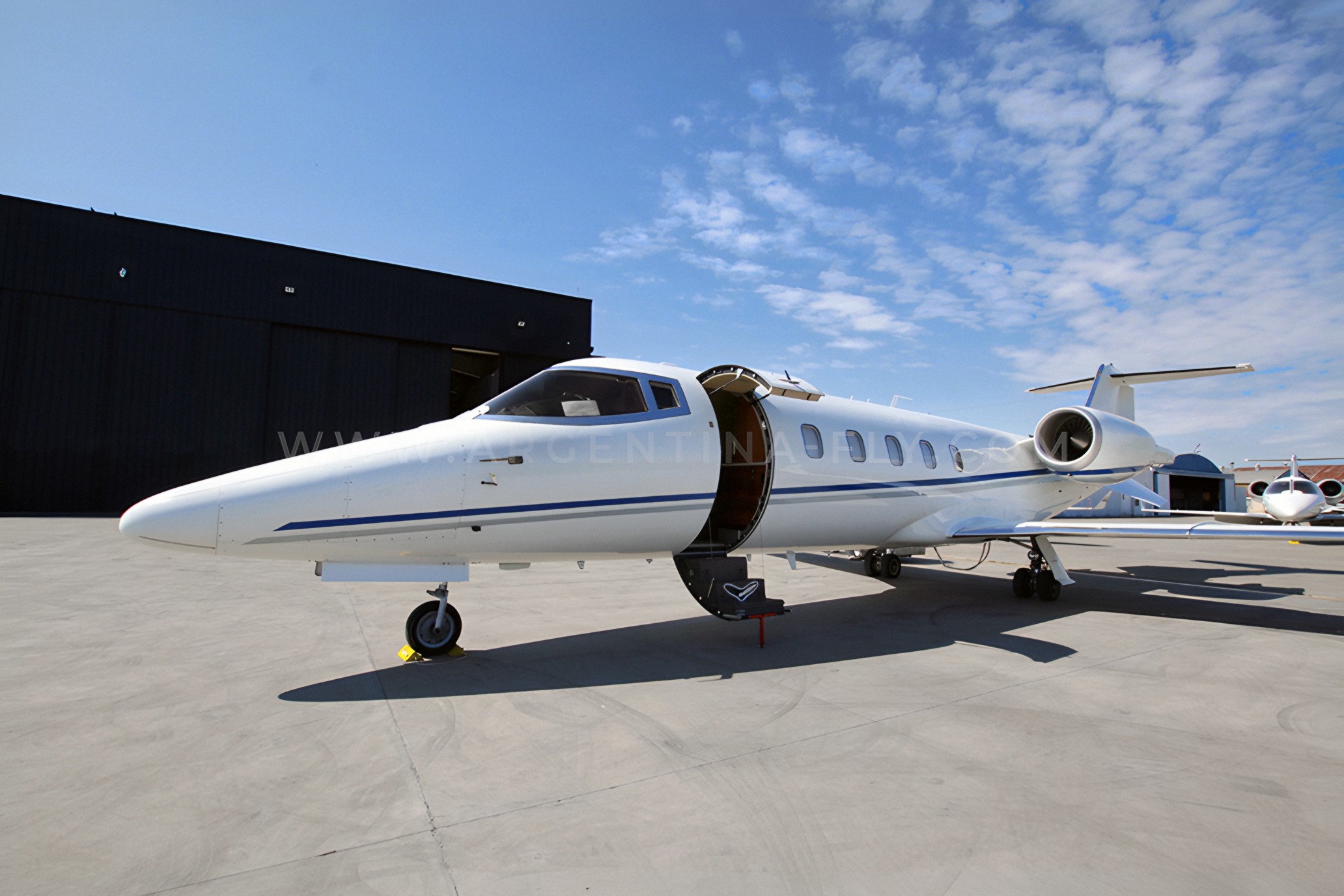
Learjet 60
Midsize jet · 7 passengers · 7 h 30 · 2 options7 h 30flight time
USD 73,700+ international fees
Request a quote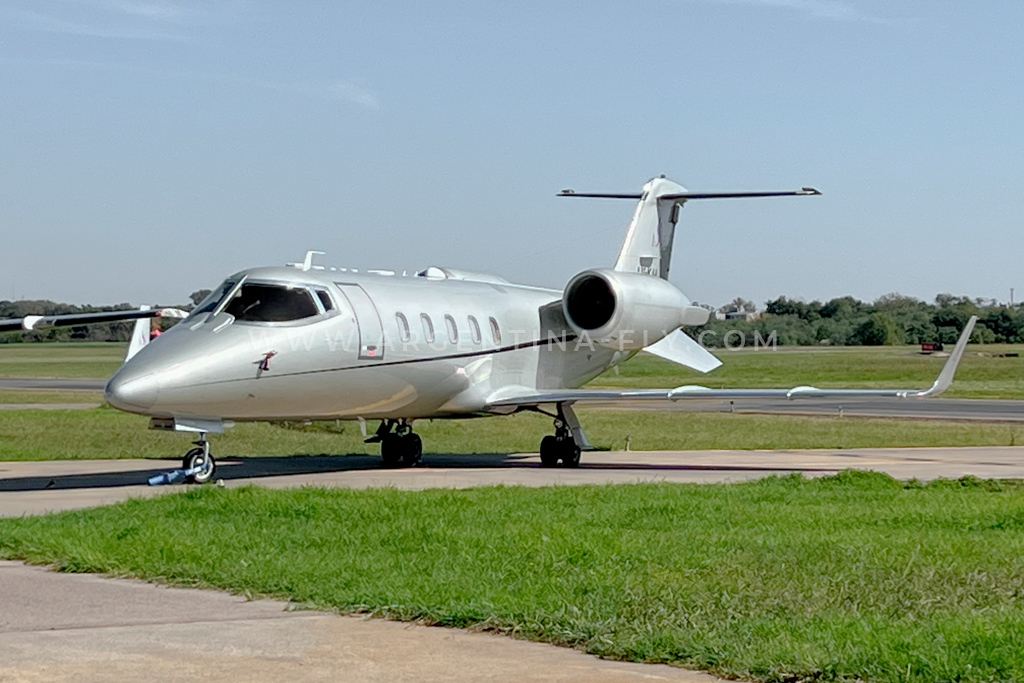
Learjet 60 XR
Midsize jet · 6 passengers · 7 h 257 h 25flight time
USD 77,510+ international fees
Request a quote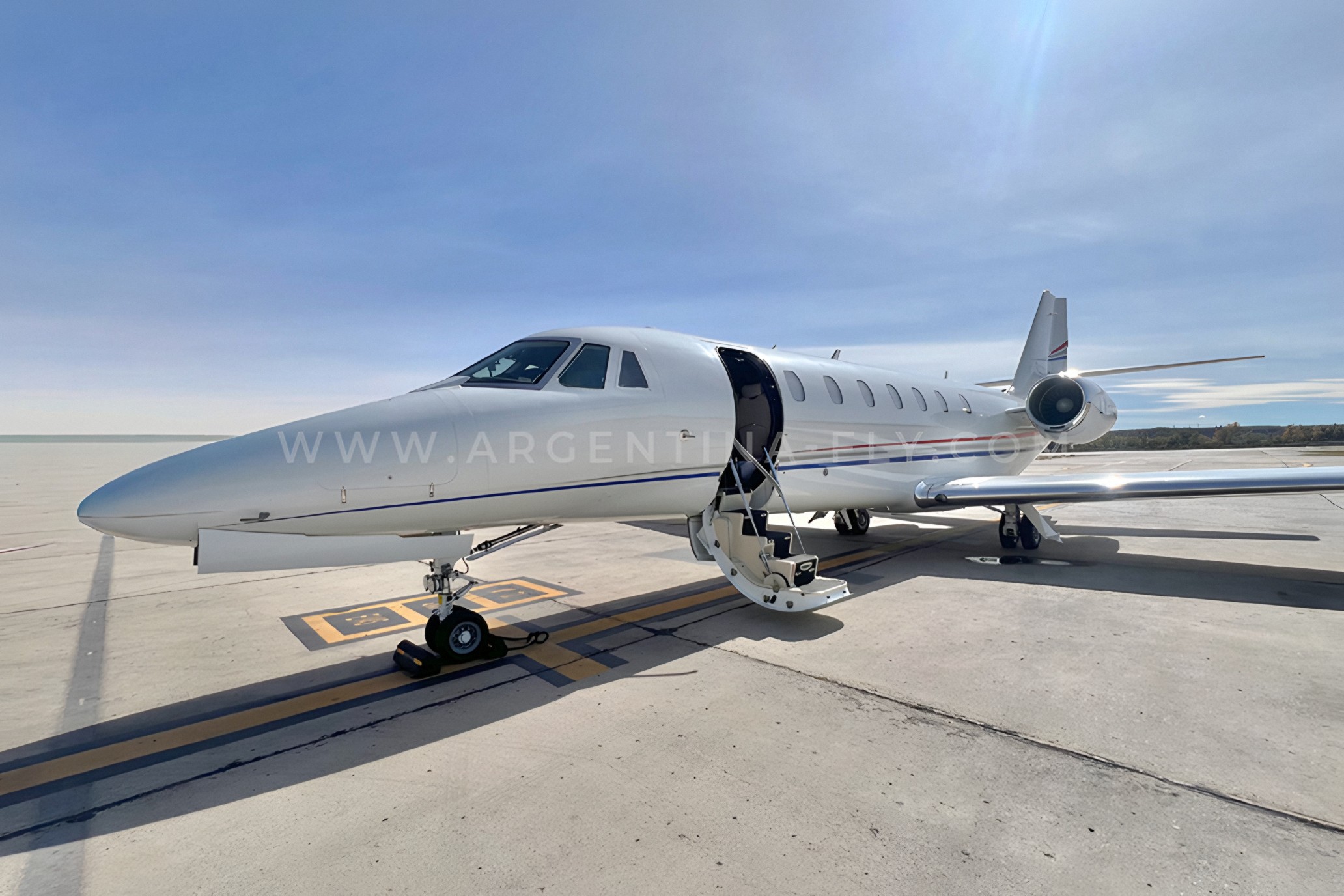
Citation Sovereign
Midsize jet · 8 passengers · 7 h 257 h 25flight time
USD 88,950+ international fees
Request a quote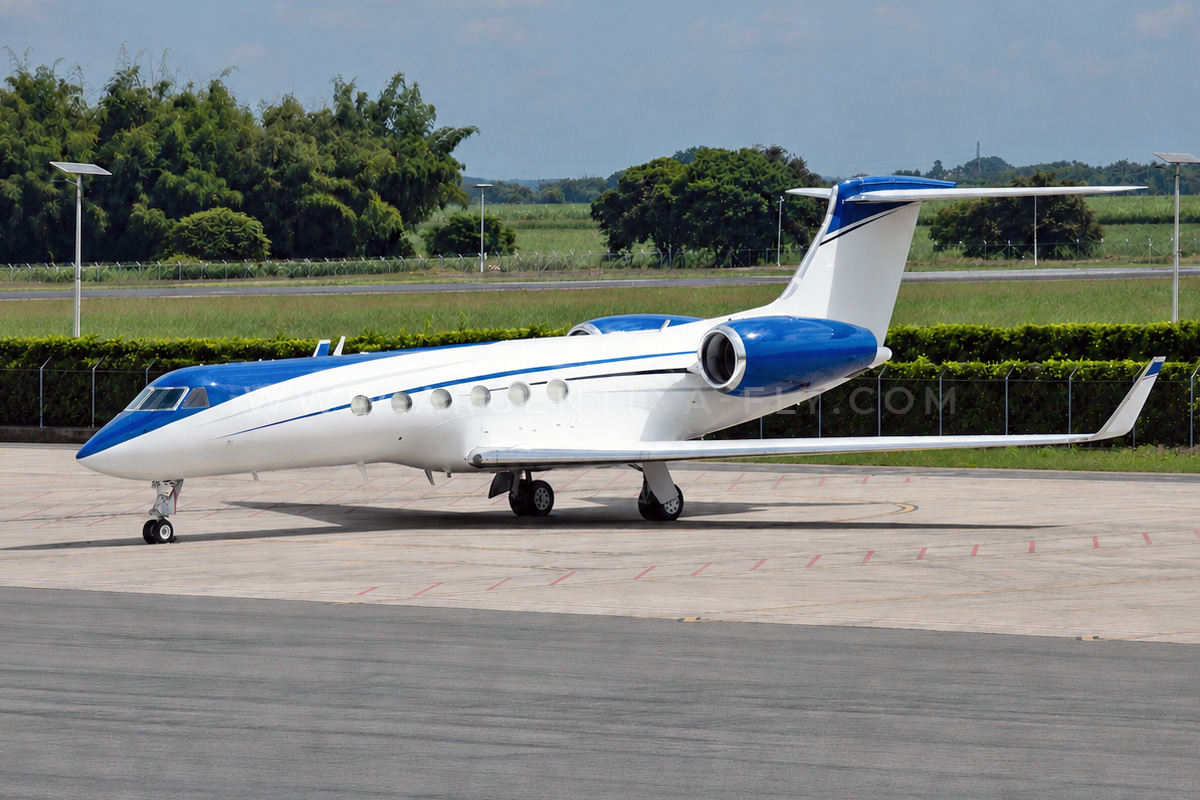
Gulfstream V
Large jet · 14 passengers · 7 h 00 · 2 options7 h 00flight time
USD 110,870+ international fees
Request a quote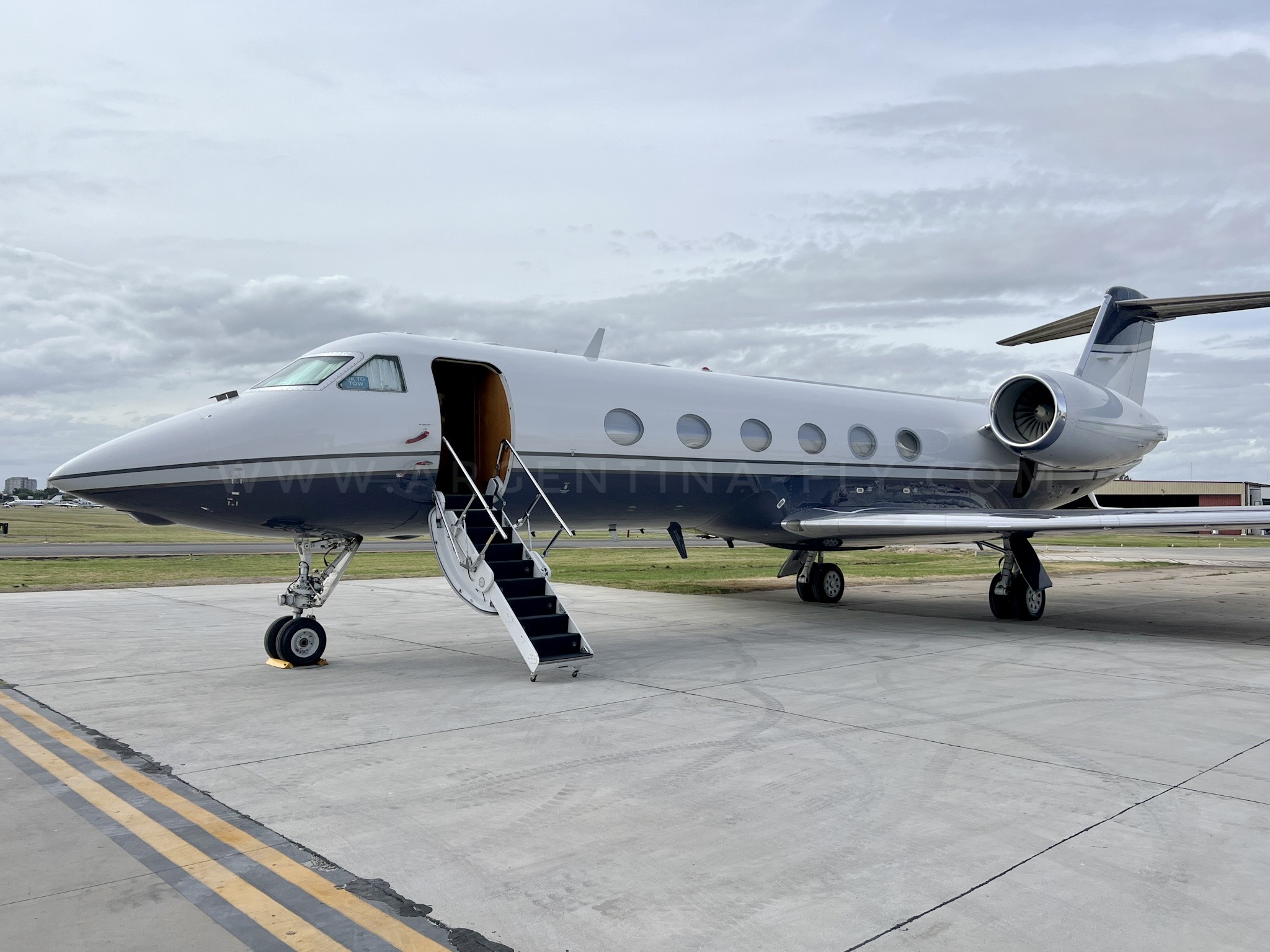
Gulfstream 400
Large jet · 14 passengers · 7 h 157 h 15flight time
USD 120,710+ international fees
Request a quote
Route and airfields
Rate conditions
Please read carefully before requesting a quote.
Prices
Reference fares in US dollars (USD), for the entire aircraft. They may vary with aircraft availability and travel dates. For itineraries with several destinations, please request a tailored quote.
Not included
VAT on flights within Argentina, fees abroad on international flights (airport charges, handling and FBO, among others), and special services on request.
Base airport
Fares are calculated for departure from San Fernando (FDO). Departing from Aeroparque (AEP) or Ezeiza (EZE) may change the fare, depending on where each aircraft is based.
Reference fleet
The aircraft displayed are for reference purposes only and may vary depending on operational availability. Contact us to learn about the available options for your trip.
Rate conditions
Please read carefully before requesting your quotation.
Published prices are provided for reference only.
 Prices
Reference fares in US dollars (USD), for the entire aircraft. They may vary with aircraft availability and travel dates. For itineraries with several destinations, please request a tailored quote.
 Not included
VAT on flights within Argentina, fees abroad on international flights (airport charges, handling and FBO, among others), and special services on request.
 Base airport
Fares are calculated for departure from San Fernando (FDO). Departing from Aeroparque (AEP) or Ezeiza (EZE) may change the fare, depending on where each aircraft is based.
 Reference fleet
The aircraft displayed are for reference purposes only and may vary depending on operational availability. Contact us to learn about the available options for your trip.
Need a personalized quotation?
Request quotation
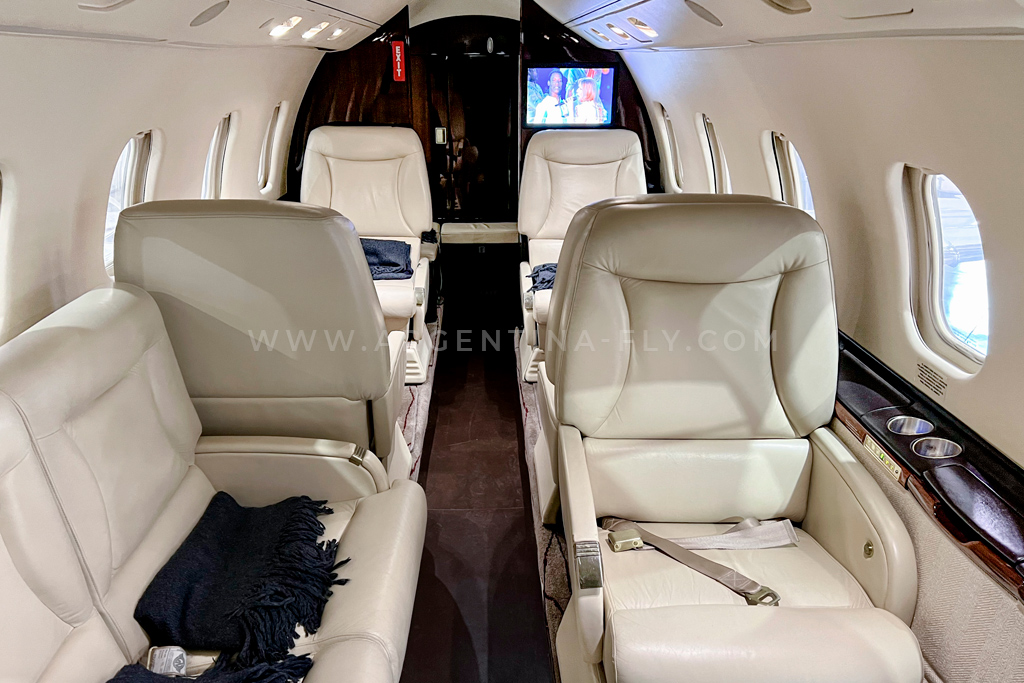
Learjet 60
Midsize jet with a spacious cabin and excellent cruise speed, one of the most requested options for executive flights.
 Capacity
7 passengers
 Lavatory
Yes
 Cabin
Pressurized
 Luggage
Moderate
 Wi-Fi
Portable Starlink
 Safety certifications
 Punta Cana (PUJ)
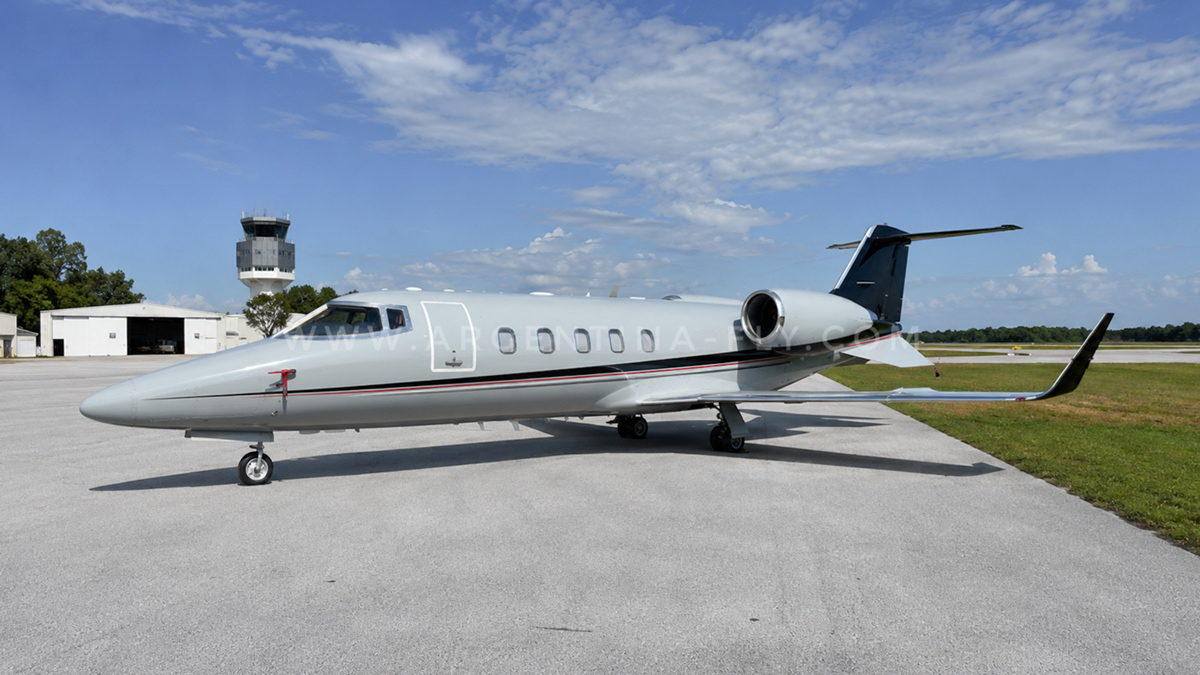
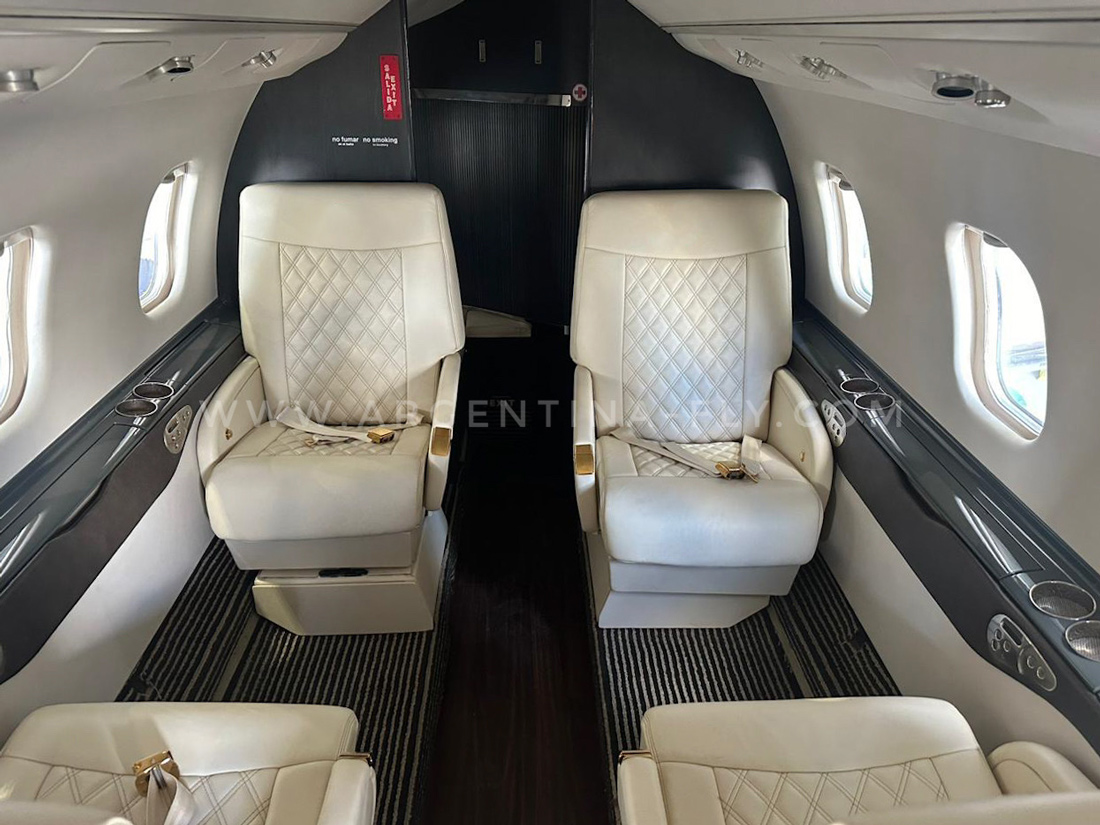
Learjet 60
Midsize jet with a spacious cabin and excellent cruise speed, one of the most requested options for executive flights.
Capacity
7 passengers
Lavatory
Yes
Cabin
Pressurized
Luggage
Standard
Wi-Fi
Not available
Punta Cana (PUJ)
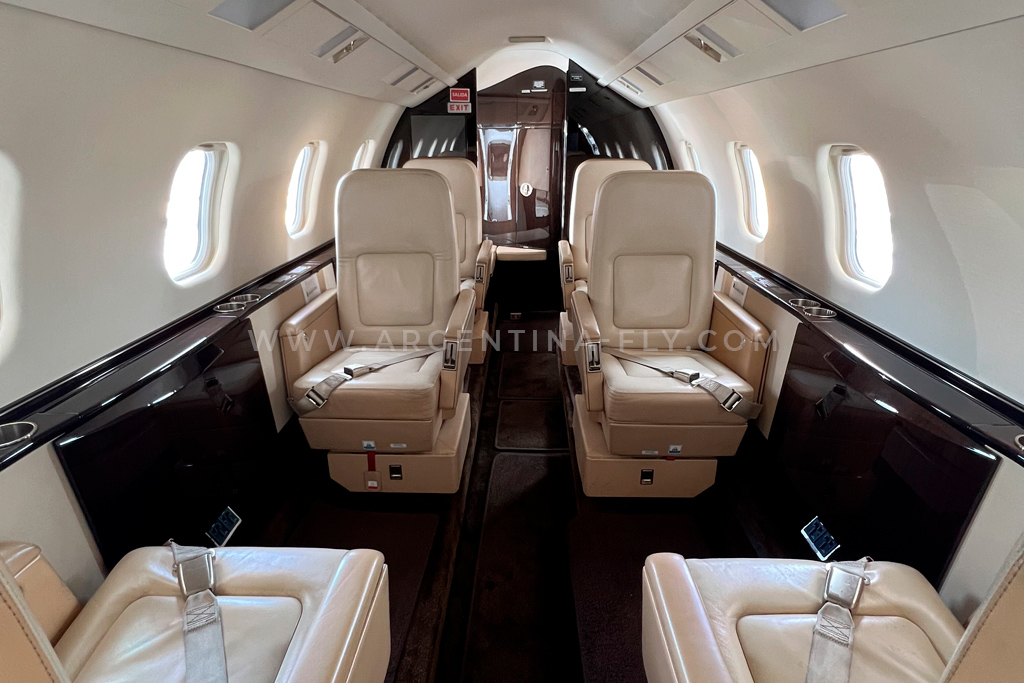
Learjet 60 XR
Enhanced version offering greater range and efficiency while maintaining the speed and comfort of the Learjet 60.
Capacity
6 passengers
Lavatory
Yes
Cabin
Pressurized
Luggage
Moderate
Wi-Fi
Not available
Safety certifications
Punta Cana (PUJ)
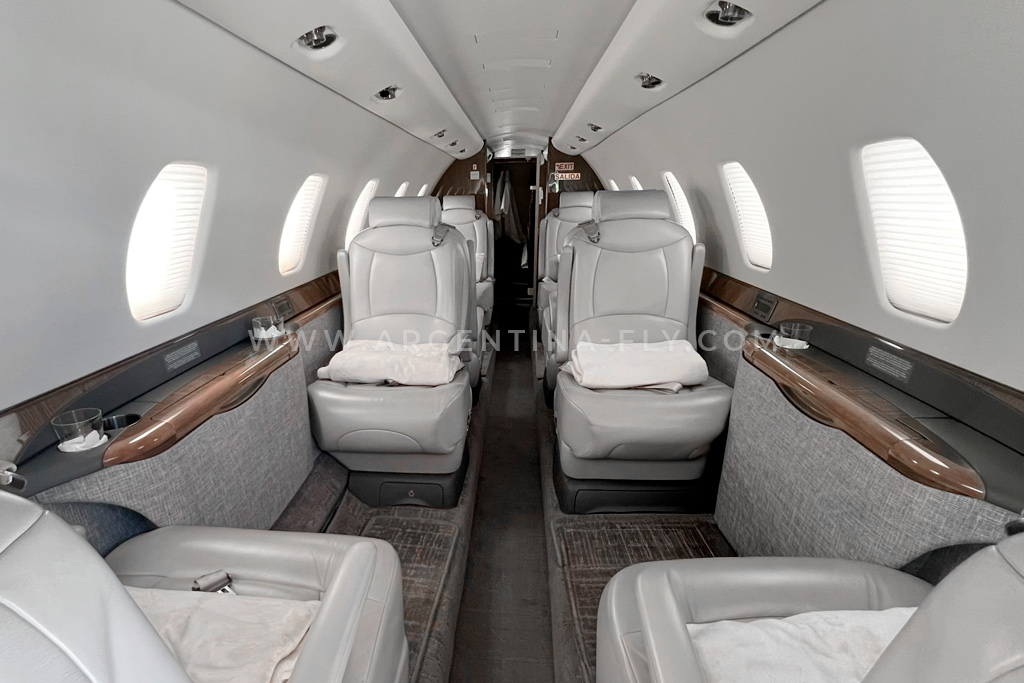
Citation Sovereign
Midsize jet with a spacious cabin, greater range and premium equipment for demanding passengers.
Capacity
8 passengers
Lavatory
Yes
Cabin
Pressurized
Luggage
Generous
Wi-Fi
Portable Starlink (extra cost)
Safety certifications
Punta Cana (PUJ)
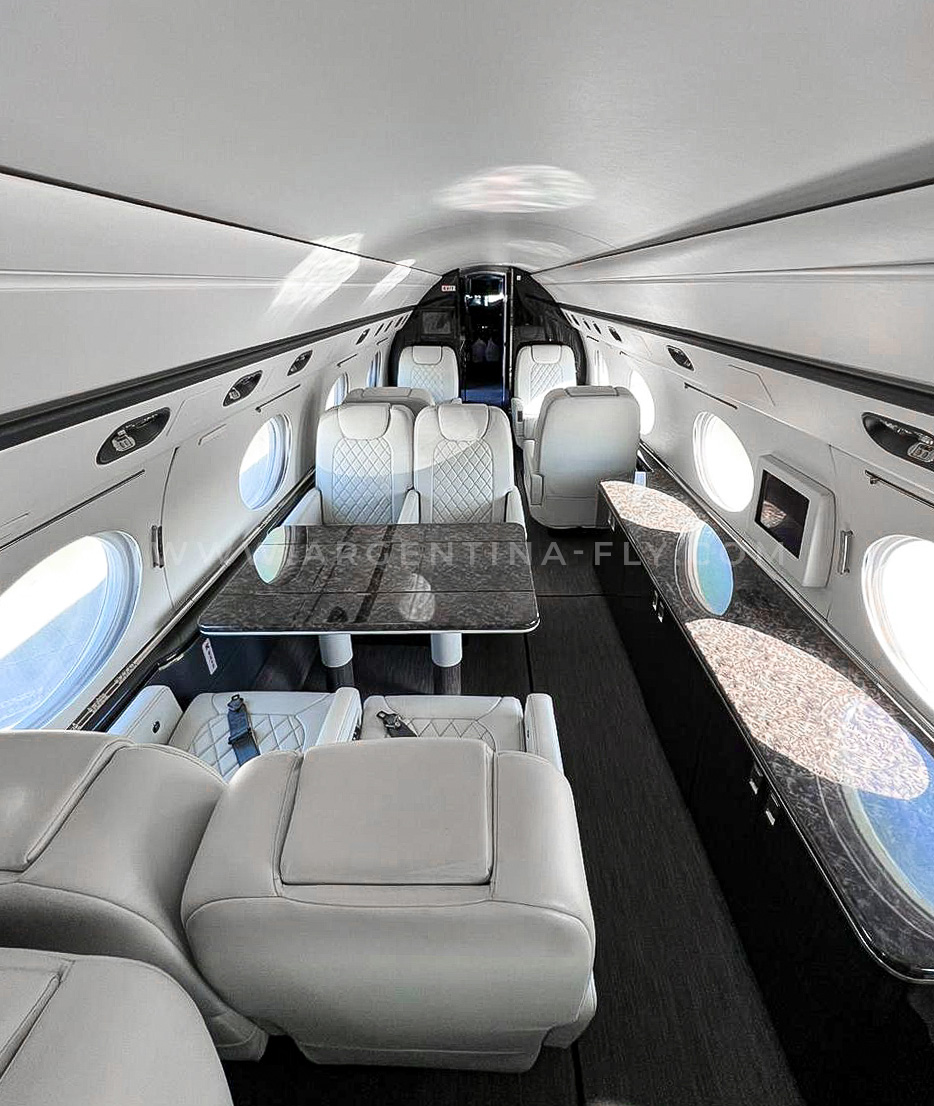
Gulfstream V
Long-range, large-cabin jet with VIP equipment for executive groups demanding the highest level of comfort.
Capacity
14 passengers
Lavatory
Yes
Cabin
Pressurized
Luggage
Spacious
Wi-Fi
Portable Starlink
Punta Cana (PUJ)
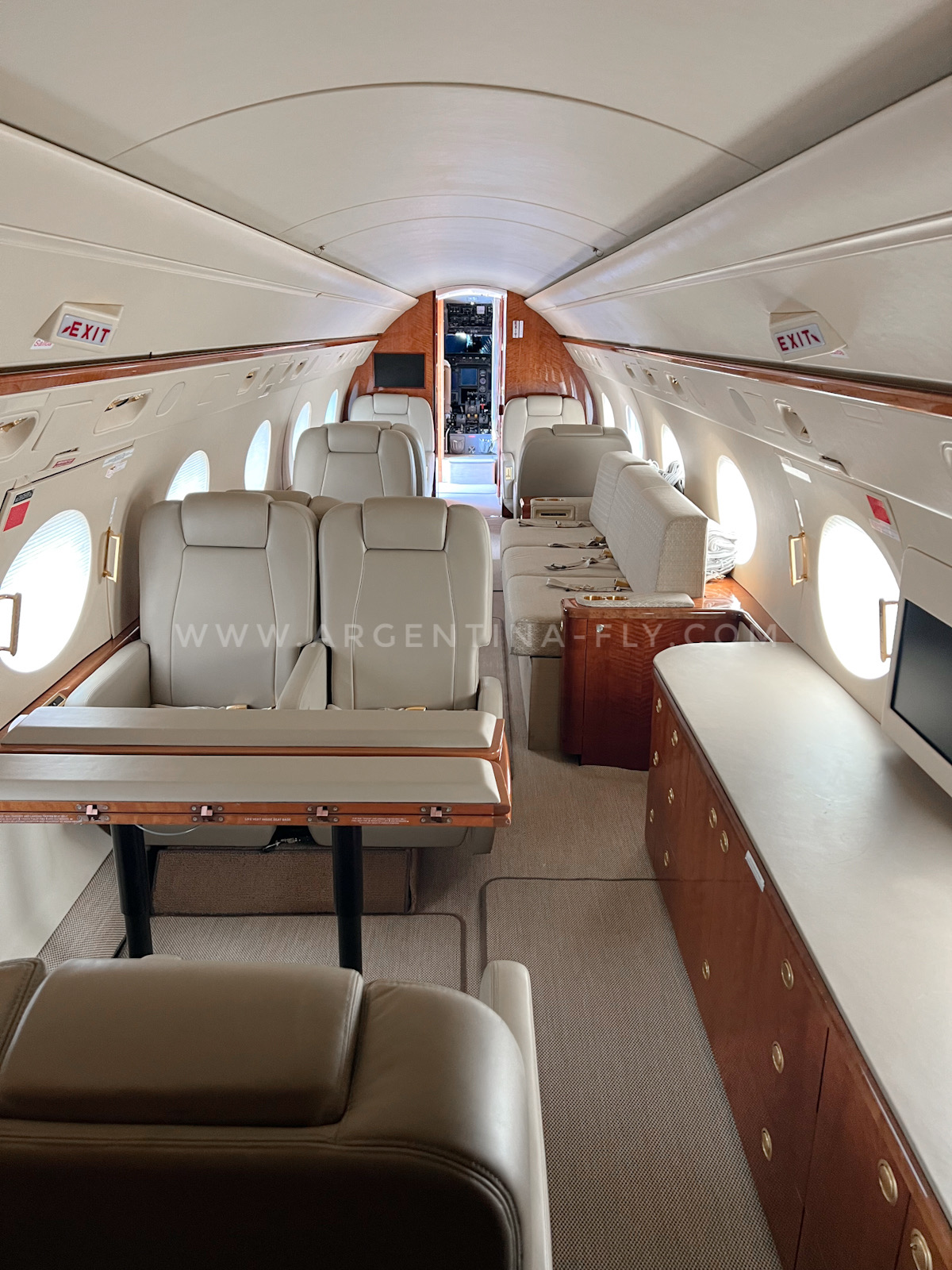
Gulfstream 400
Large jet with an exceptionally spacious cabin and long range, ideal for executive groups requiring maximum comfort.
Capacity
14 passengers
Lavatory
Yes
Cabin
Pressurized
Luggage
Generous
Wi-Fi
Built-in Starlink
Safety certifications
Punta Cana (PUJ)
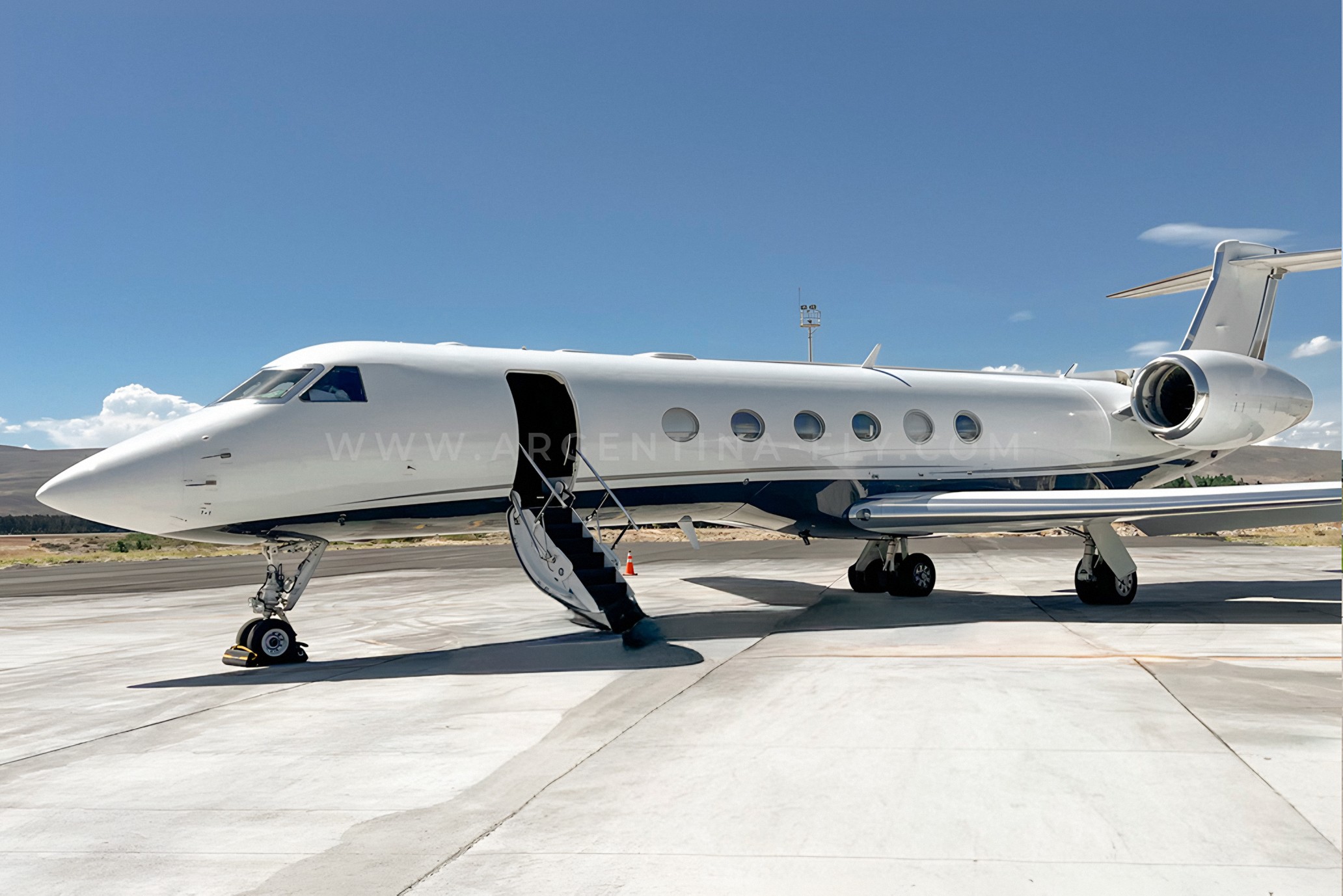
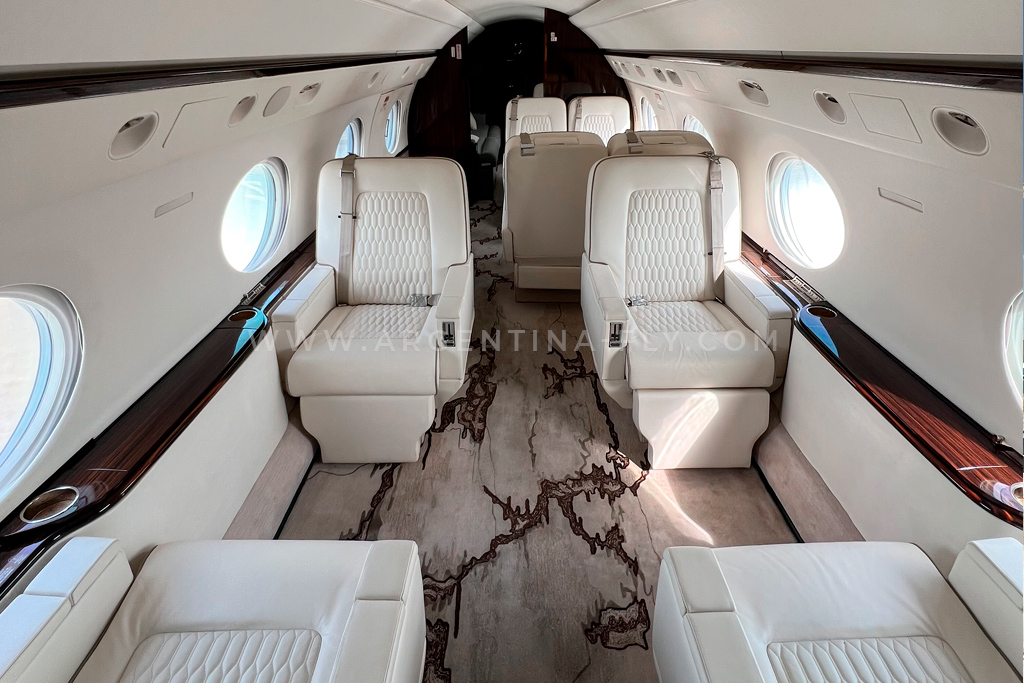
Gulfstream V
Long-range, large-cabin jet with VIP equipment for executive groups demanding the highest level of comfort.
Capacity
14 passengers
Lavatory
Yes
Cabin
Pressurized
Luggage
Generous
Wi-Fi
Built-in Starlink
Safety certifications
Punta Cana (PUJ)
Other routes from Buenos Aires
Destinations near Punta Cana, with the lowest reference fare and the shortest flight time.
Punta Cana
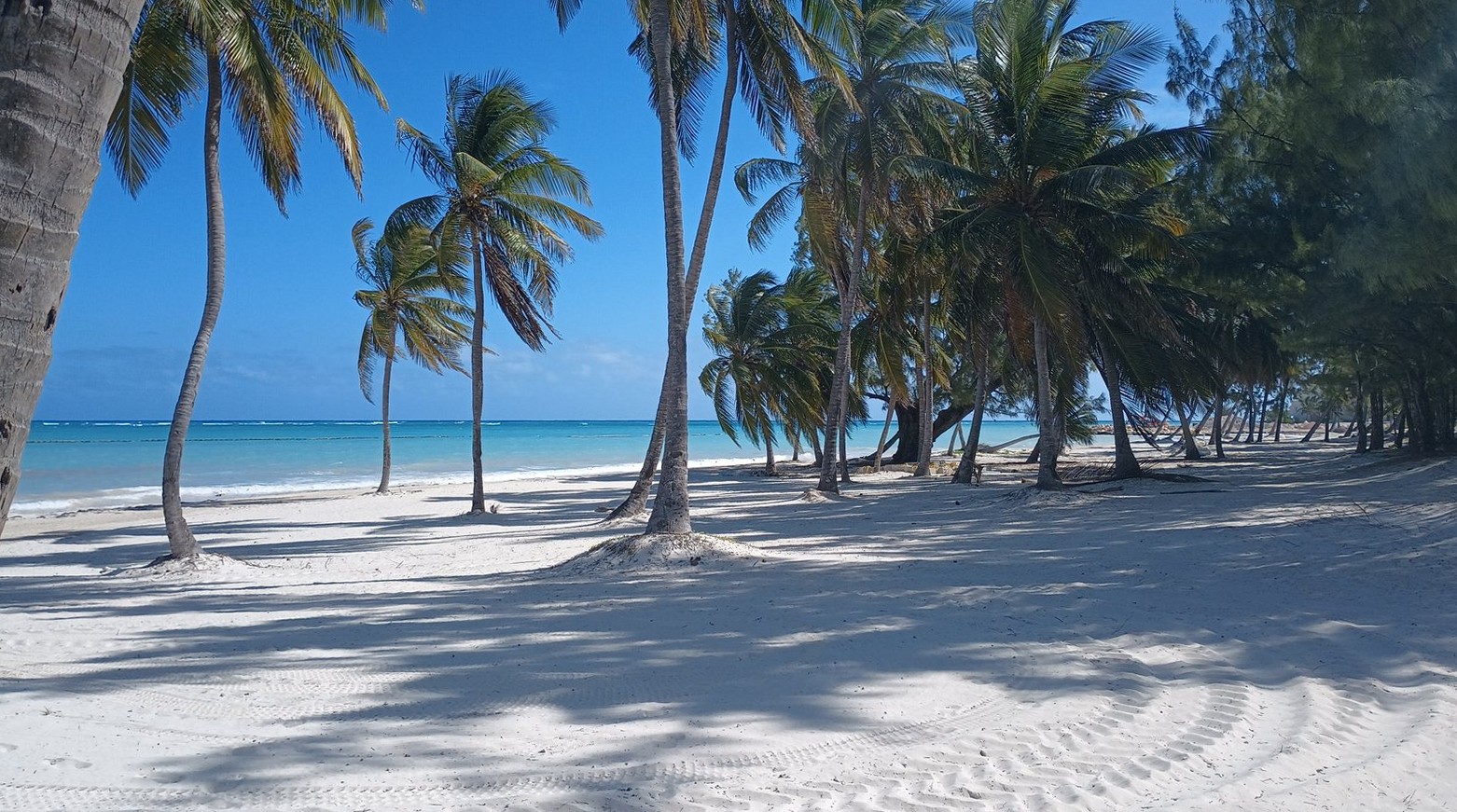
Punta Cana covers the eastern tip of the Dominican Republic: more than 50 km of white-sand beaches, from Macao in the north to Juanillo, in Cap Cana. It adds oceanfront golf courses, freshwater cenotes and, to the south, Saona Island and the stone village of Altos de Chavón. From Buenos Aires it is 6,025 km: a private jet arrives in 7 h 00 to 7 h 30, depending on the aircraft.
Bávaro and Macao
The long beaches of the north, among palm trees and resorts.
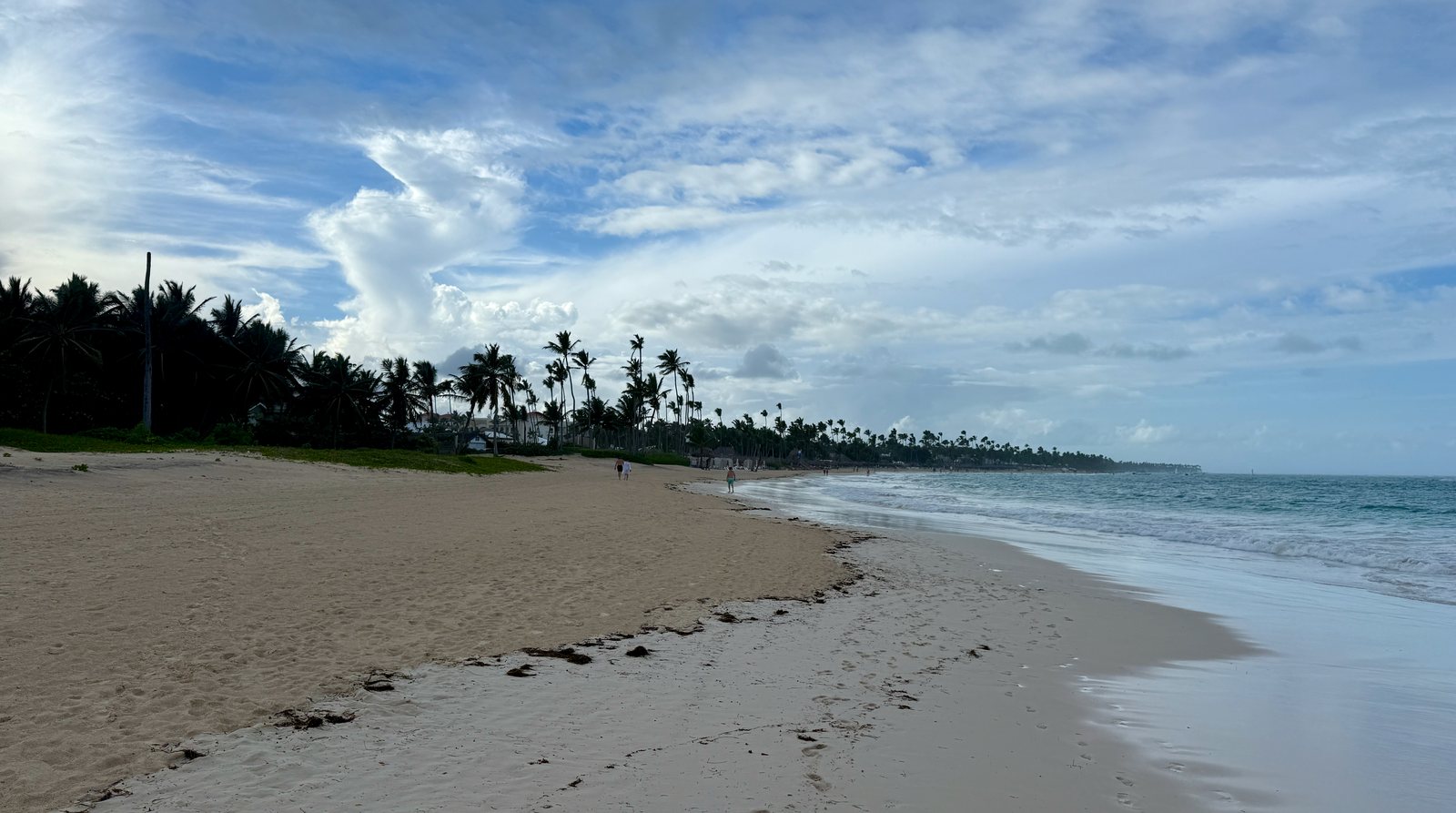
Bávaro is Punta Cana's main resort area, with wide beaches and oceanfront hotels. At Bibijagua and Los Corales, on the same coast, there are local craft stalls and a beach-town atmosphere.
In the north of the region, Playa Macao is a very wide beach of pale sand lined with palm trees, open to the surf and the trade winds. It is a surf beach, with lessons for every level year-round, especially on weekends, and its local restaurants serve Dominican-style fish.
What to see
- Bibijagua and Los CoralesLocal crafts and a beach-town atmosphere, in Bávaro.
- Playa BávaroThe main resort area, with wide oceanfront beaches.
- Playa MacaoIn the north of the region: surfing, year-round lessons and Dominican-style fish.
Cap Cana and Puntacana Resort
The two developments of the south, with beach, marina and luxury hotels.
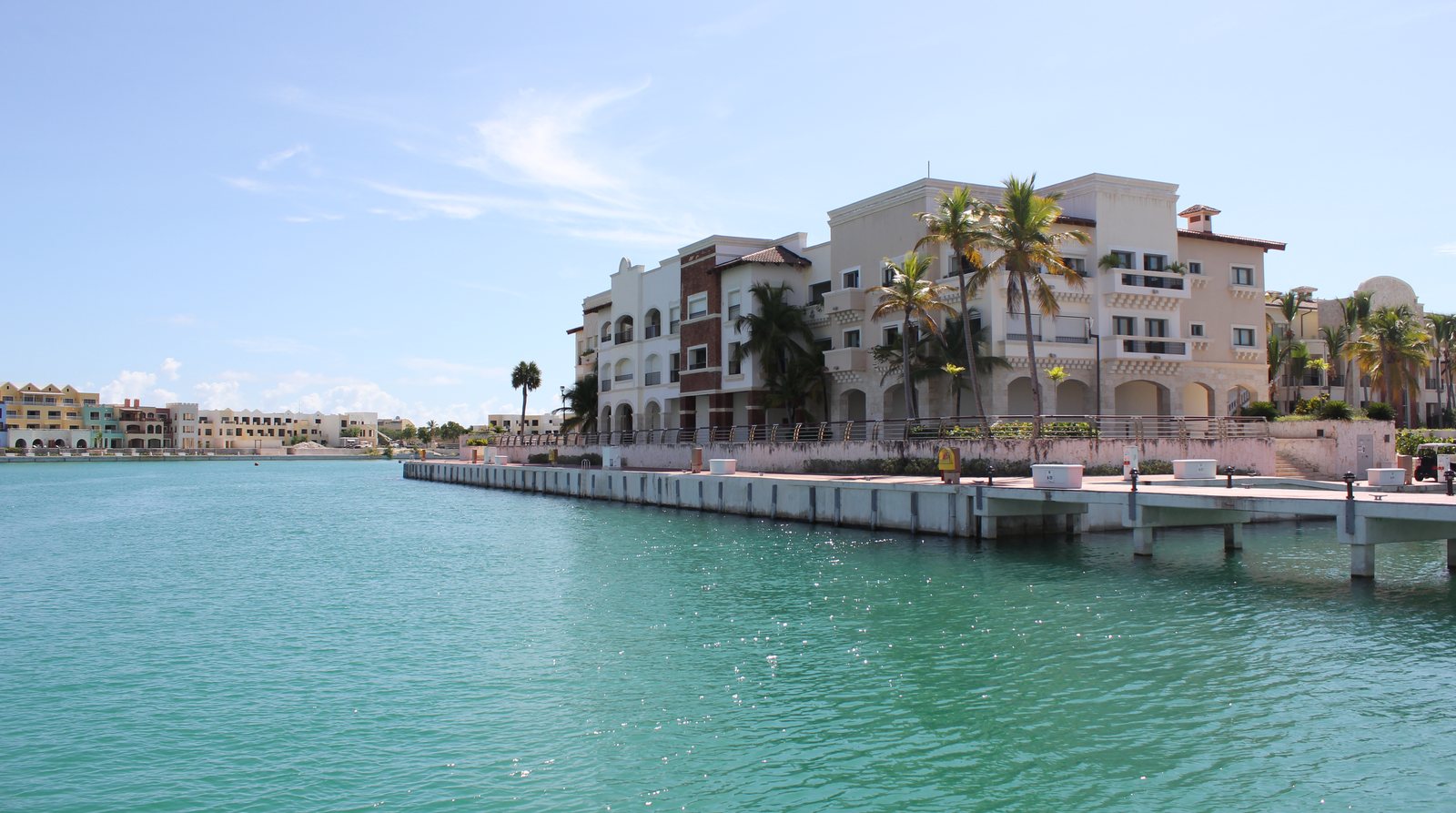
Juanillo, in Cap Cana, is a long beach of fine white sand, with tall palm trees and clear turquoise water; it has bars and restaurants, and offers snorkeling, kayaking and, thanks to the wind, kitesurfing. Next door, Marina Cap Cana has more than 150 slips for yachts up to 250 feet and is a catch-and-release sportfishing port: blue and white marlin, sailfish, wahoo and tuna. In hurricane season it serves as a protected harbor.
Puntacana Resort & Club surrounds the airport. It brings together Tortuga Bay, with villas designed by Oscar de la Renta, the Corales and La Cana golf courses, a marina and the Reserva Ecológica Ojos Indígenas, an ecological reserve.
What to see
- Marina Cap CanaMore than 150 slips for yachts up to 250 feet; catch-and-release sportfishing.
- Playa JuanilloWhite sand, palm trees and turquoise water in Cap Cana; snorkeling, kayaking and kitesurfing.
Where to stay
- Eden Roc Cap CanaIn Juanillo: freestanding suites, each with a pool. Holds two MICHELIN Keys; Forbes Travel Guide Four-Star; Relais & Châteaux.
- Sanctuary Cap CanaOn Playa Juanillo: all-inclusive, adults only.
- The St. Regis Cap Cana ResortBeside the Punta Espada course: 200 rooms, a private beach and nine restaurants. Selected by the MICHELIN Guide.
- Tortuga BayIn Puntacana Resort & Club, 5 km from the airport: 30 suites in 13 villas designed by Oscar de la Renta. Holds one MICHELIN Key; The Leading Hotels of the World.
Golf on the Caribbean
Courses by Jack Nicklaus, Tom Fazio, P.B. Dye and Pete Dye along the coast.
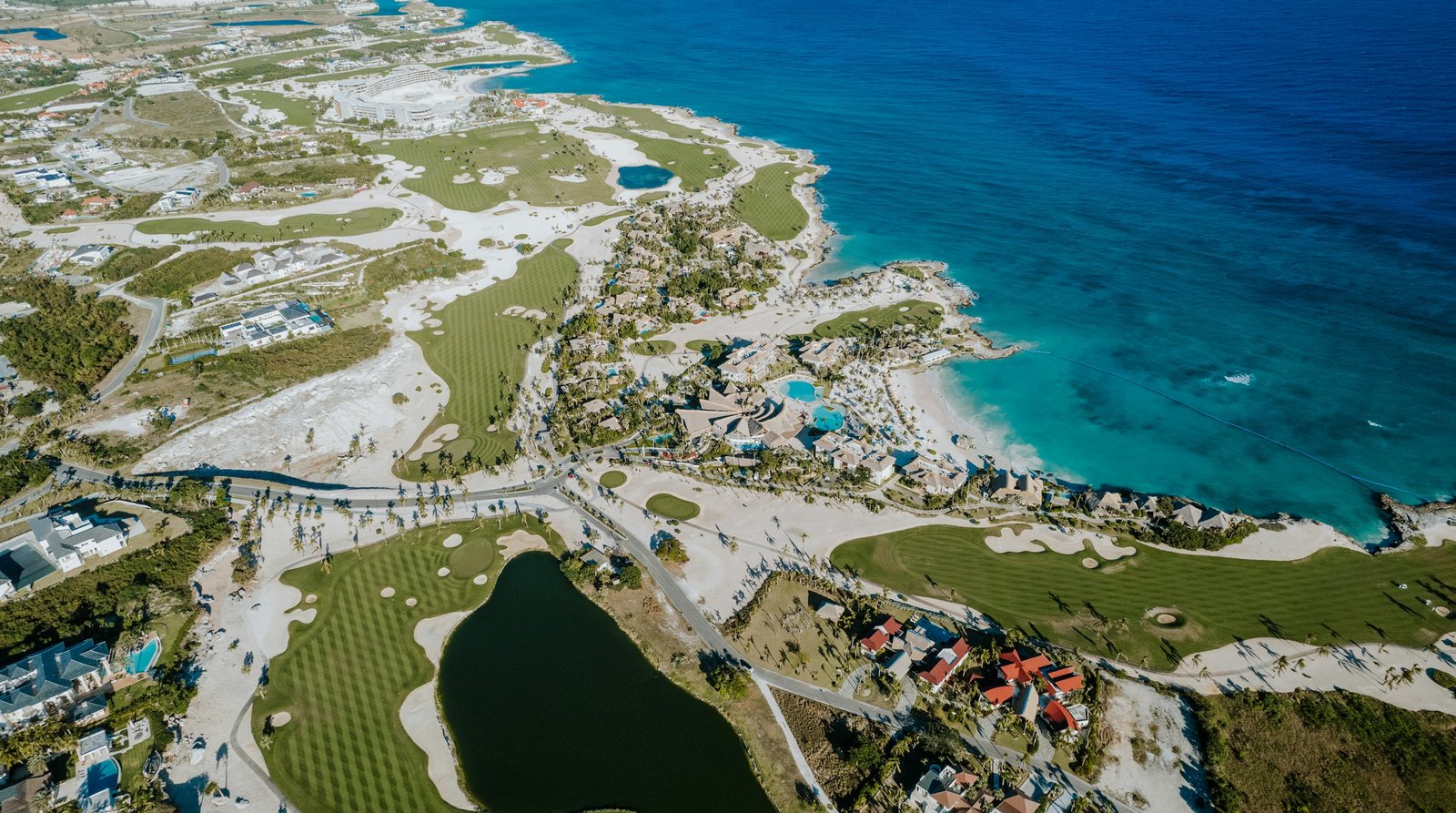
Punta Espada, in Cap Cana, is a Jack Nicklaus par 72 with eight holes looking straight out over the Caribbean Sea. It hosted the Cap Cana Championship, on the Champions Tour.
At Puntacana Resort & Club, Corales, by Tom Fazio, runs among cliffs, coral reefs and the sea, with six holes along the water; it hosts the Corales Puntacana Championship, on the PGA TOUR. La Cana, by P.B. Dye, has 27 holes, 14 with ocean views, and a clubhouse designed by Oscar de la Renta.
At Casa de Campo, in La Romana, is Teeth of the Dog, by Pete Dye, which GOLF magazine ranks No. 59 among the world's courses. It reopened after a complete restoration of its greens, fairways and bunkers.
Where to play
- CoralesBy Tom Fazio, at Puntacana Resort & Club: six holes along the sea; home of the Corales Puntacana Championship.
- La CanaBy P.B. Dye, at Puntacana Resort & Club: 27 holes, 14 with ocean views.
- Punta EspadaBy Jack Nicklaus, in Cap Cana: par 72, eight holes looking straight out over the Caribbean.
- Teeth of the DogBy Pete Dye, at Casa de Campo, La Romana; reopened after its restoration.
Hoyo Azul and Ojos Indígenas
Fresh water in the forest, a few minutes from the beach.
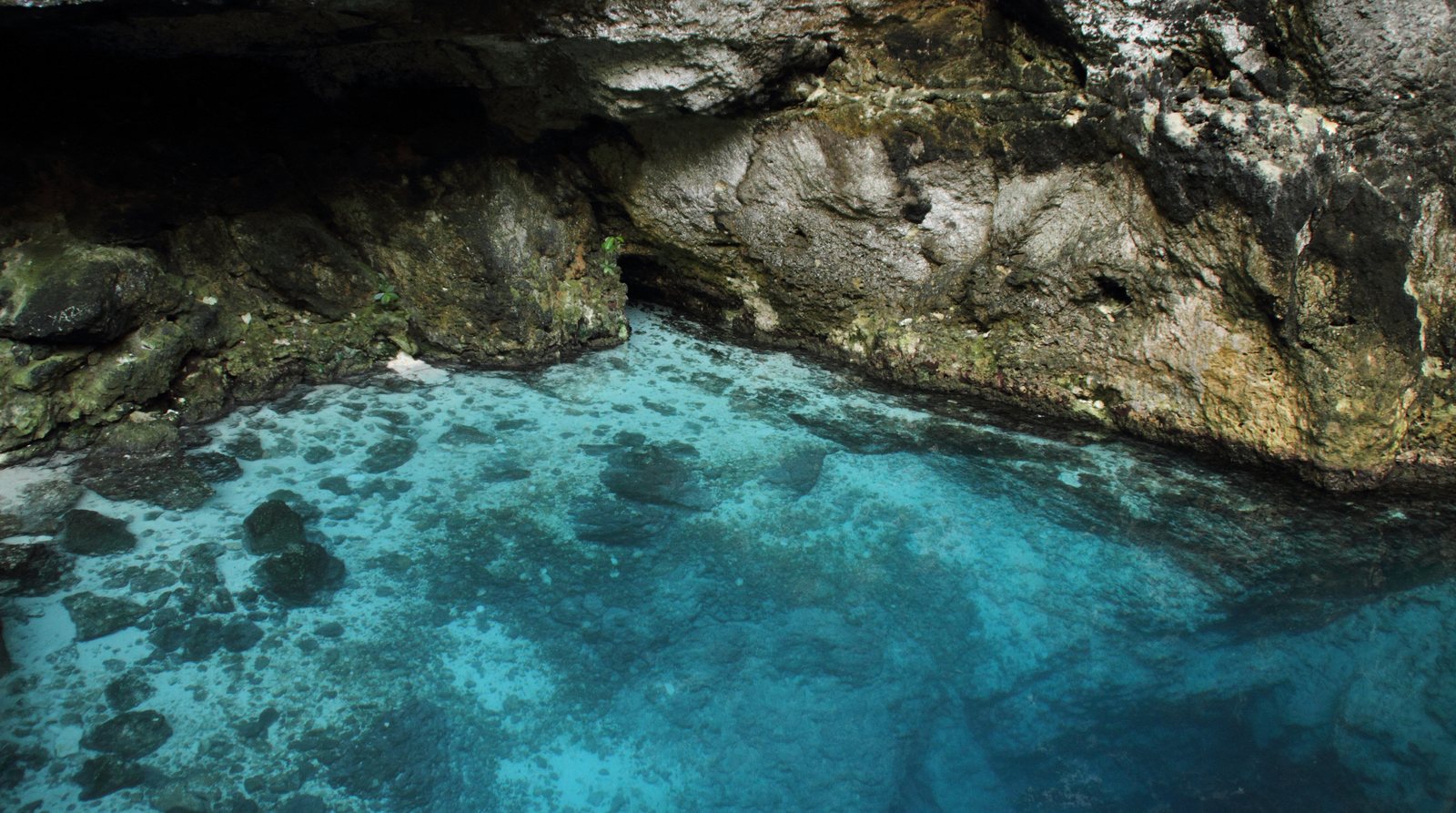
Hoyo Azul, the Blue Hole, is a cenote inside Scape Park, in Cap Cana: about 14 m deep, at the foot of a 75 m limestone cliff covered in vegetation. You reach it across a suspension bridge and along a trail with an orchid garden. The park adds zip lines, horseback rides and the expedition to Iguabonita Cave, which climbs the cliff and descends into a network of caves and tunnels.
Ojos Indígenas is the ecological reserve of the Fundación Puntacana, inside Puntacana Resort & Club: 1,500 acres (about 600 hectares) of forest with trails to freshwater lagoons. In four of them, such as Inriri and Cacibajagua, you can swim.
What to see
- Hoyo AzulA cenote about 14 m deep at the foot of a 75 m cliff, in Scape Park.
- Reserva Ecológica Ojos IndígenasFreshwater lagoons in Puntacana Resort & Club; swimming in four of them.
- Scape ParkIn Cap Cana: Hoyo Azul, zip lines, horseback rides and Iguabonita Cave.
Saona Island and Cotubanamá National Park
The island of natural pools and the reefs of the south.
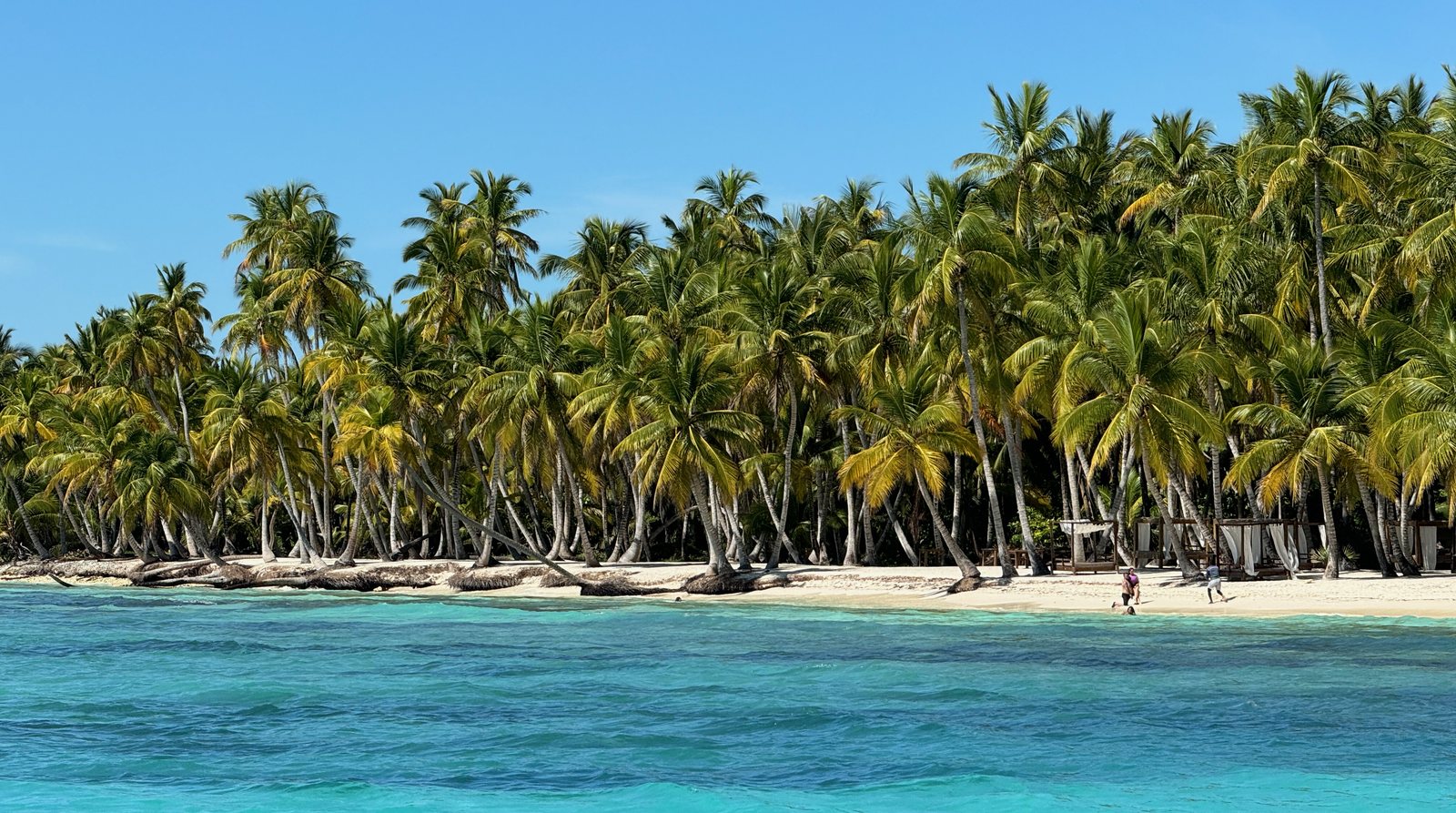
Saona is part of Cotubanamá National Park, formerly called Parque Nacional del Este. It is a 110 km² protected area with white-sand beaches, and Mano Juan is its only village. Excursions leave Bayahíbe by speedboat or catamaran and stop at Palmilla, a wide natural pool over white sand. Saona's beaches are the country's main sea turtle nesting site.
Bayahíbe, a fishing village at the gateway to the park, has Playa Dominicus, a Blue Flag beach. On land, the park is explored along marked trails to caves and springs.
Catalina Island, off La Romana, is for diving and snorkeling: coral reefs, the Catalina Wall, a wall of more than 30 m, and the Living Museum of the Sea, where Captain Kidd's ship lies about 2.5 m deep and some 25 m from shore, found after three centuries.
What to see
- BayahíbeA fishing village and departure point for Saona excursions; Playa Dominicus, a Blue Flag beach.
- Catalina IslandDiving and snorkeling on reefs, the Catalina Wall and Captain Kidd's ship.
- Cotubanamá National ParkFormerly Parque Nacional del Este; trails to caves and springs from Bayahíbe.
- Saona Island110 km² of protected area; a natural pool at Palmilla.
Casa de Campo and Altos de Chavón
In La Romana, a resort with a marina and a stone village above the Chavón River.
Casa de Campo, in La Romana, brings together three Pete Dye courses, a marina with sportfishing and a yacht club, and a hotel with rooms, suites and villas.
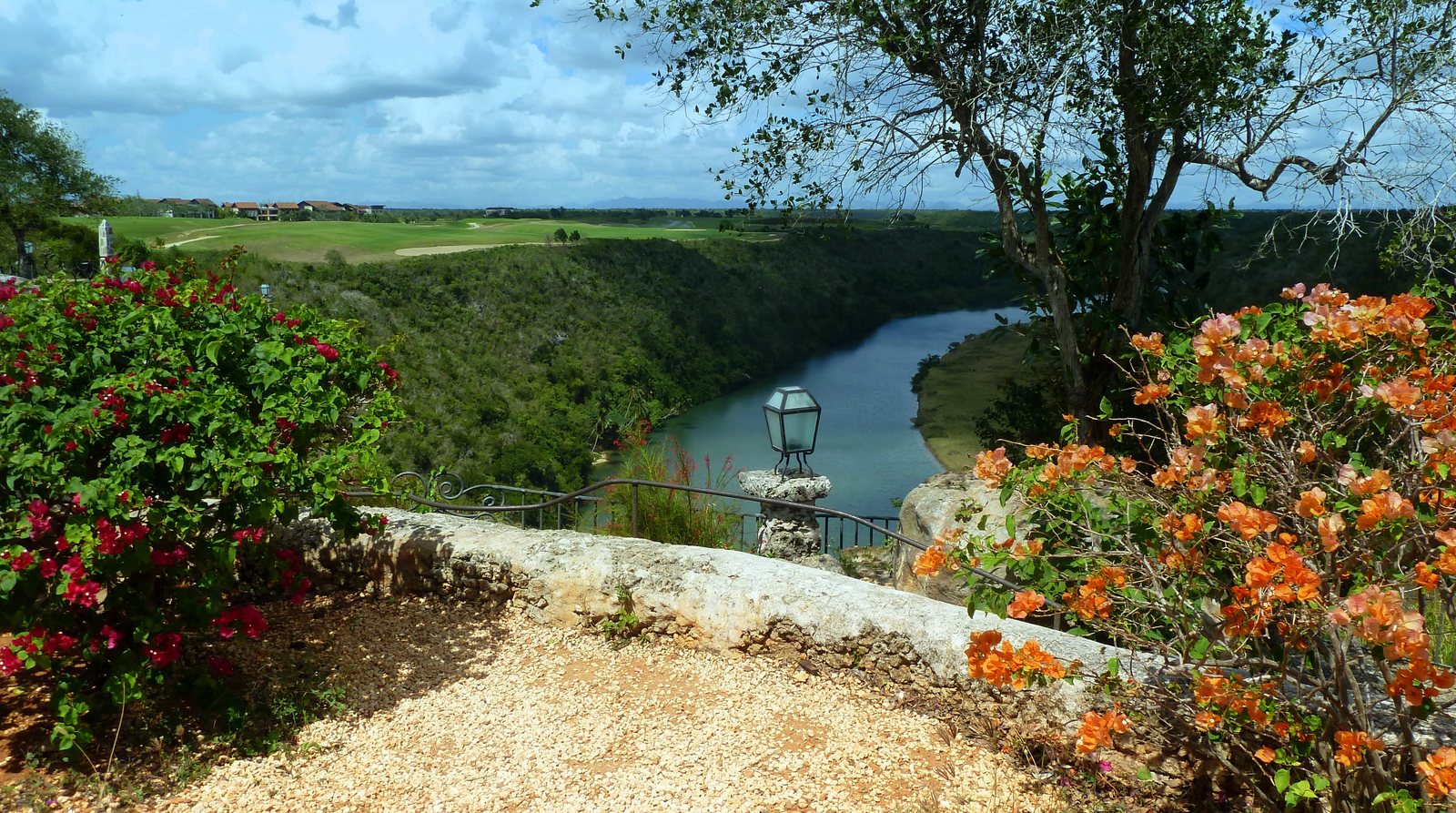
Inside the resort, Altos de Chavón recreates in stone a 16th-century Mediterranean village, overlooking the Chavón River and the Caribbean Sea. Its Greek-style amphitheater, with 5,000 seats, opened in 1982 with Frank Sinatra. St. Stanislaus Church was consecrated in 1979, and the Archaeological Regional Museum holds more than 3,000 Indigenous pieces. The village is also home to the Altos de Chavón School of Design, affiliated with Parsons School of Design in New York.
What to see
- Altos de Chavón Amphitheater5,000 seats, in the Greek style; opened in 1982.
- Archaeological Regional MuseumMore than 3,000 Indigenous pieces; Tuesday to Sunday.
- St. Stanislaus ChurchBuilt of stone, in the center of the village; consecrated in 1979.
Where to stay
- Casa de Campo Resort & VillasIn La Romana: rooms, suites and villas, three golf courses and a marina. Forbes Travel Guide Four-Star; Selected by the MICHELIN Guide.
Arrival
From departure to destination.
- Departure
- From San Fernando (FDO), Aeroparque (AEP) or Ezeiza (EZE). The fare may change depending on where each aircraft is based.
- Airport
- Punta Cana International (PUJ), privately owned and open to public use, inside Puntacana Resort & Club. Private flights are handled at a terminal separate from the commercial one, where immigration and customs are cleared.
- Documents
- U.S. citizens: a passport valid for at least six months from arrival; no visa for tourist stays of up to 30 days. Argentine citizens: a passport valid for at least six months; no visa, they enter as tourists. This information is for guidance only: always confirm entry and health requirements with the official Dominican authorities before you travel.
- E-ticket
- The airport asks every passenger for the electronic entry and exit form (e-ticket) of the Dirección General de Migración, the Dominican immigration agency, completed at least 24 hours before the flight.
When to go
The seasons at the destination.
- December to April
- High season and the driest months: from February to April, between 50 and 65 mm of rain falls per month; an average high of 28.5 °C in January.
- January to March
- Humpback whale season in Samaná Bay, in the north of the country.
- May to November
- Hotter and wetter: an average high of 32.0 °C in August; in May and from September to November rainfall tops 120 mm a month.
- June 1 to November 30
- Atlantic hurricane season.
Key facts
Winter January
- Average high
- 28.5°
84.7 mm of rain
Spring April
- Average high
- 29.8°
64.9 mm of rain
Summer July
- Average high
- 31.8°
84.7 mm of rain
Fall October
- Average high
- 31.5°
123.6 mm of rain
- Airport
- Punta Cana InternationalIATA / ICAO: PUJ / MDPCPrivately owned and open to public use; operated by Grupo Puntacana
- Category
- Public-use, towered, international
- Distance
- 6,025 kmFlight distance from Buenos Aires
- Annual rainfall
- 1,158.5 mm53% falls from April to September
Frequently asked questions
Price, flight time, airport, departure and travel documents.
How much does a private flight from Buenos Aires to Punta Cana cost?
Reference fares for a one-way private flight from Buenos Aires (San Fernando), whole aircraft, start at USD 73,700 for a midsize jet and USD 110,870 for a large jet. Passenger fees or international fees at the destination are added to the fare, depending on the aircraft, as shown on each row. Round trips are calculated in the quote tool according to the length of your stay.
How long is the flight?
Between 7 h 00 and 7 h 30, depending on the aircraft; the fastest jet on the route takes 7 h 00.
Is the flight nonstop?
It depends on the aircraft. Nonstop: the Gulfstream V and the Gulfstream 400. With one fuel stop: the Learjet 60, the Learjet 60 XR and the Citation Sovereign. In the quote tool, each aircraft shows whether it makes a stop.
Which airport does the flight land at?
Punta Cana International Airport (PUJ / MDPC), privately owned and open to public use, inside Puntacana Resort & Club; it is operated by Grupo Puntacana. Private flights are handled at a terminal separate from the commercial one, where immigration and customs are cleared.
What documents do I need to travel to the Dominican Republic?
U.S. citizens need a passport valid for at least six months from arrival and no visa for tourist stays of up to 30 days. Argentine citizens need a passport valid for at least six months and no visa; they enter as tourists. In addition, the airport asks every passenger for the electronic entry and exit form (e-ticket) of the Dirección General de Migración, at eticket.migracion.gob.do, at least 24 hours before the flight. This information is for guidance only: always confirm entry and health requirements with the official Dominican authorities before you travel.
When is the best time to fly to Punta Cana?
From December to April, the high season: February to April are the driest months, with 50 to 65 mm of rain a month, and the average high in January is 28.5 °C. From May to November it is hotter, with an average high of 32.0 °C in August, and it rains more. The Atlantic hurricane season runs from June 1 to November 30.
Where can I play golf in Punta Cana?
In Cap Cana, Punta Espada, by Jack Nicklaus, with eight holes looking straight out over the Caribbean. At Puntacana Resort & Club, Corales, by Tom Fazio, home of the PGA TOUR's Corales Puntacana Championship, and La Cana, by P.B. Dye, with 27 holes. In La Romana, Teeth of the Dog, by Pete Dye, at Casa de Campo.
What excursions can I take from Punta Cana?
Saona Island, in Cotubanamá National Park, departing from Bayahíbe by speedboat or catamaran; the Hoyo Azul cenote, in Scape Park; the lagoons of the Reserva Ecológica Ojos Indígenas; diving at Catalina Island; and Altos de Chavón, the stone village of Casa de Campo, in La Romana. From January to March, humpback whales come to Samaná Bay.
Are the published fares final?
They are estimates. The final quote depends on dates, length of stay, aircraft type and applicable operating fees; on this international flight, international fees are added.
Where does the flight depart from?
Fares are calculated for departure from San Fernando (FDO). Departing from Aeroparque (AEP) or Ezeiza (EZE) may change the fare, depending on where each aircraft is based.

Ready to fly? Let’s talk.
Share the details of your trip and we’ll help you find the aircraft and flight solution best suited to your needs.
- WhatsApp+54 9 11 3080 7775
- Phone+54 9 11 3080 7775
- Emailinfo@argentina-fly.com
For charter operatorsList your aircraft