
- Home
- Flight quote
- Cafayate
Private flights to Cafayate
Jet from USD 11,200 · 1 h 55
Results:
- Itinerary
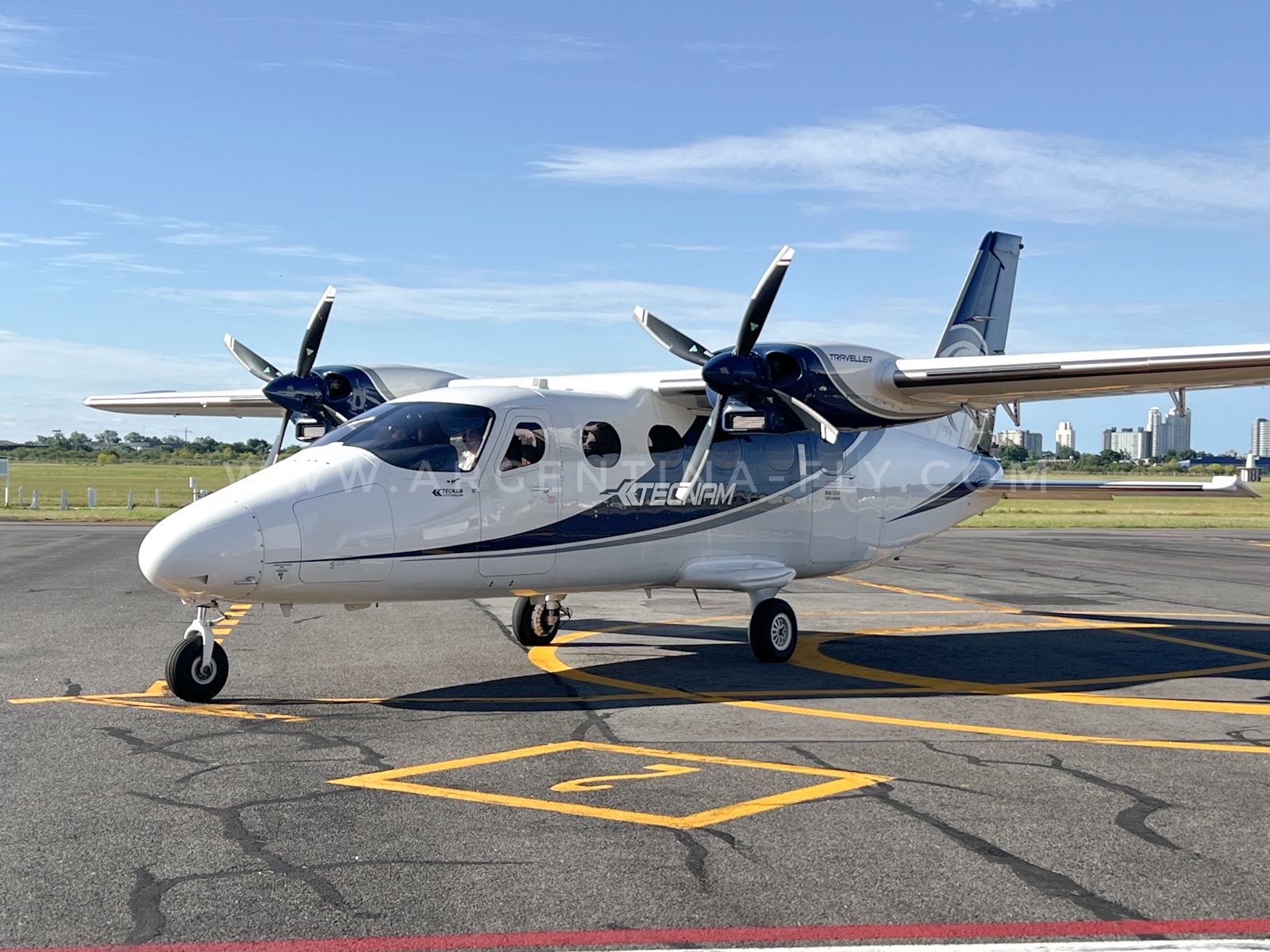
Tecnam Traveller
Piston aircraft · 9 passengers · 3 h 553 h 55flight time
USD 9,310+ VAT 10.5%
Request a quote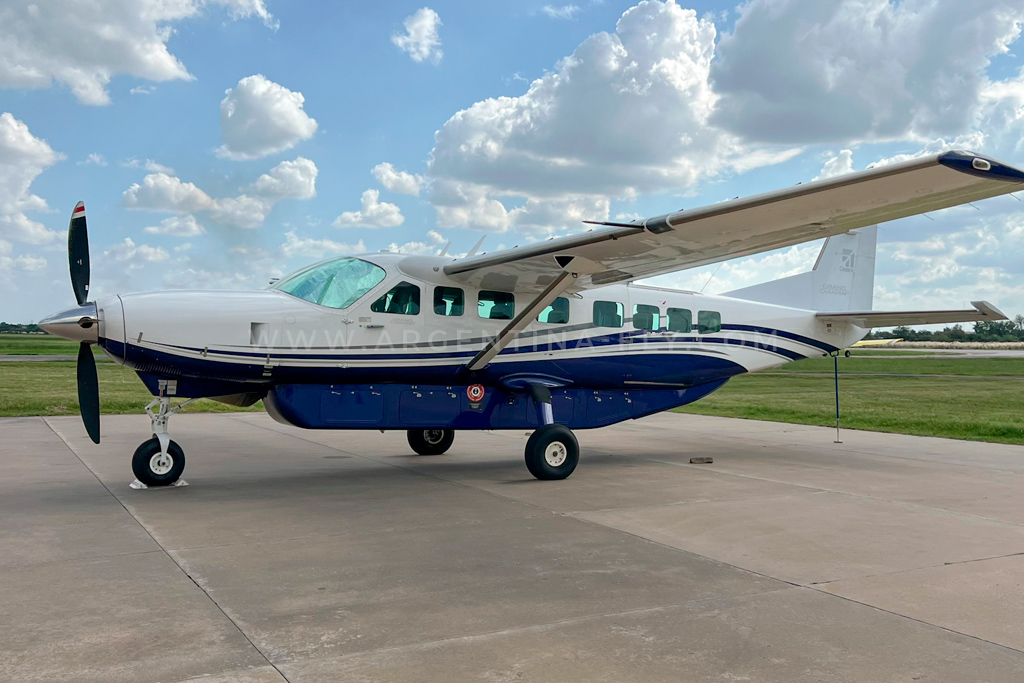
Cessna Grand Caravan
Turboprop · 9 passengers · 4 h 054 h 05flight time
USD 9,550+ VAT 10.5%
Request a quote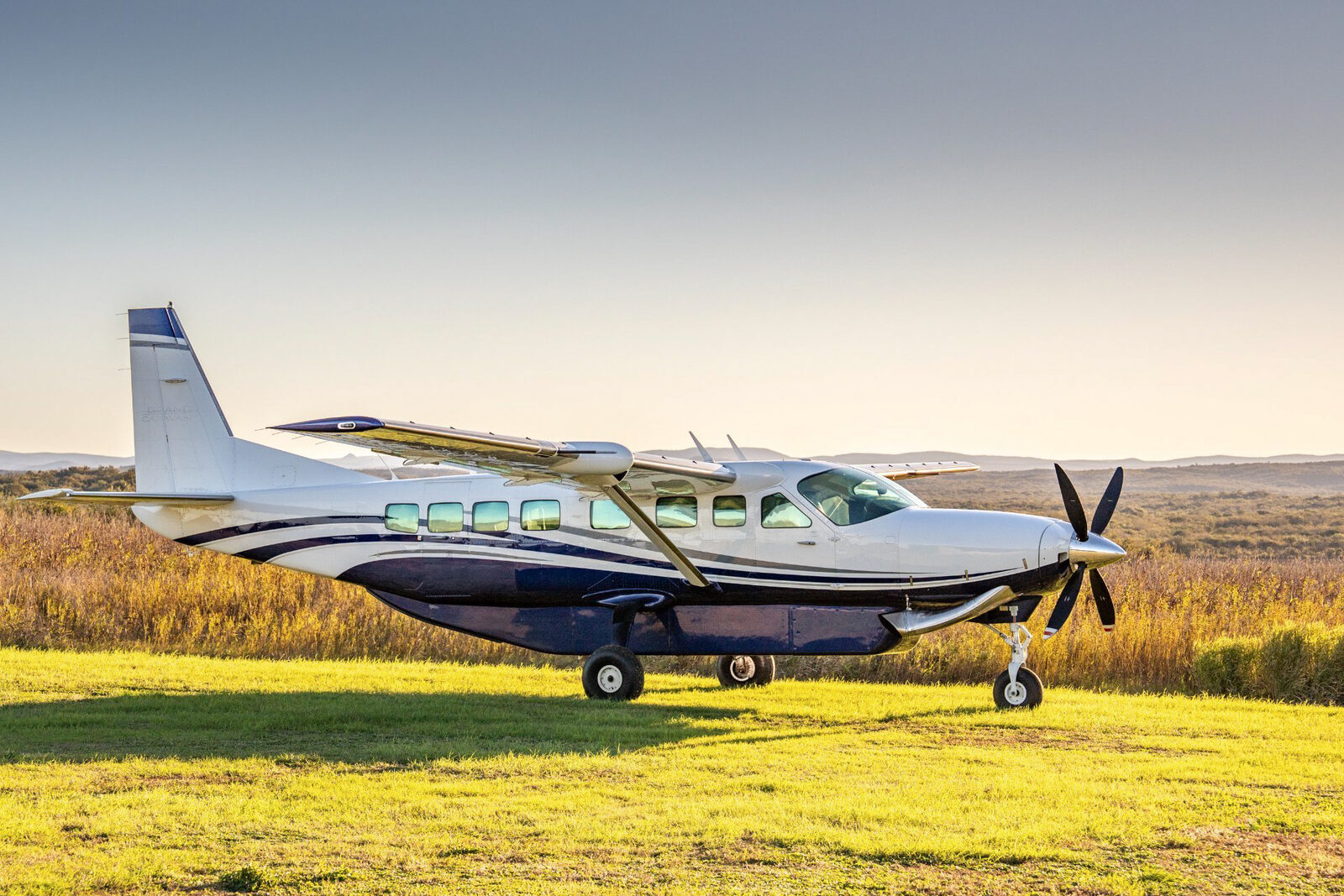
Cessna Grand Caravan Ex
Turboprop · 9 passengers · 3 h 503 h 50flight time
USD 10,260+ VAT 10.5%
Request a quote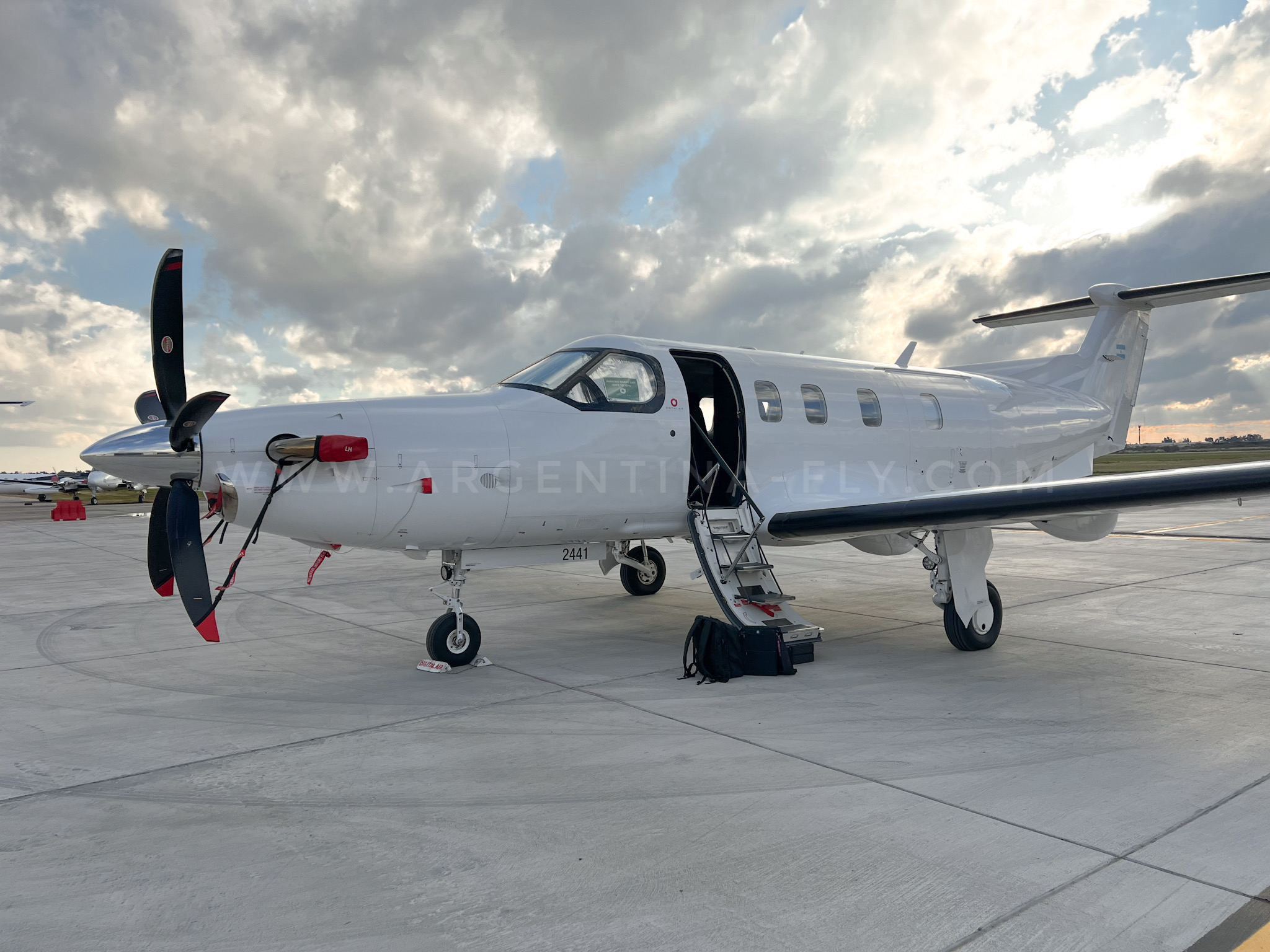
Pilatus PC-12
Turboprop · 8 passengers · 2 h 352 h 35flight time
USD 10,460+ VAT 10.5%
Request a quote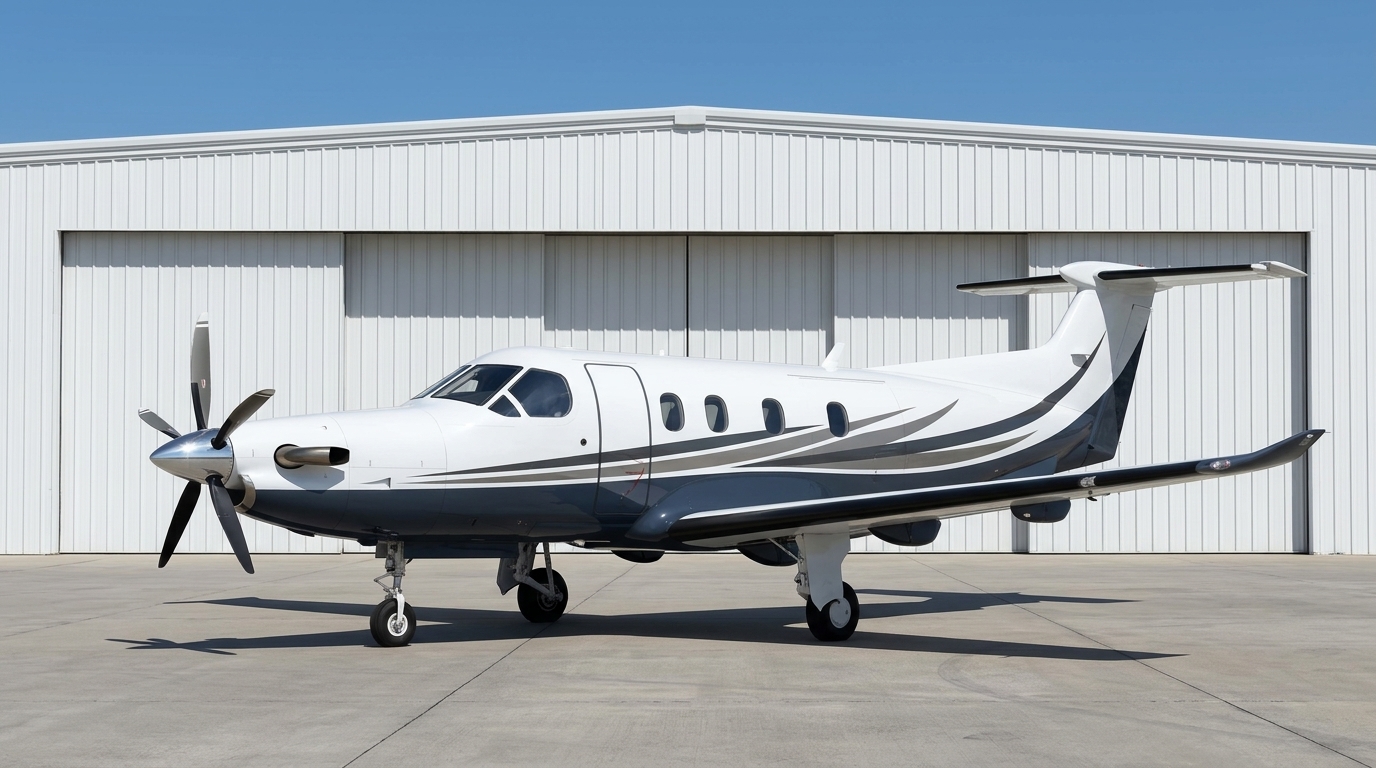
Pilatus PC12 Pro
Turboprop · 8 passengers · 2 h 352 h 35flight time
USD 10,710+ VAT 10.5%
Request a quote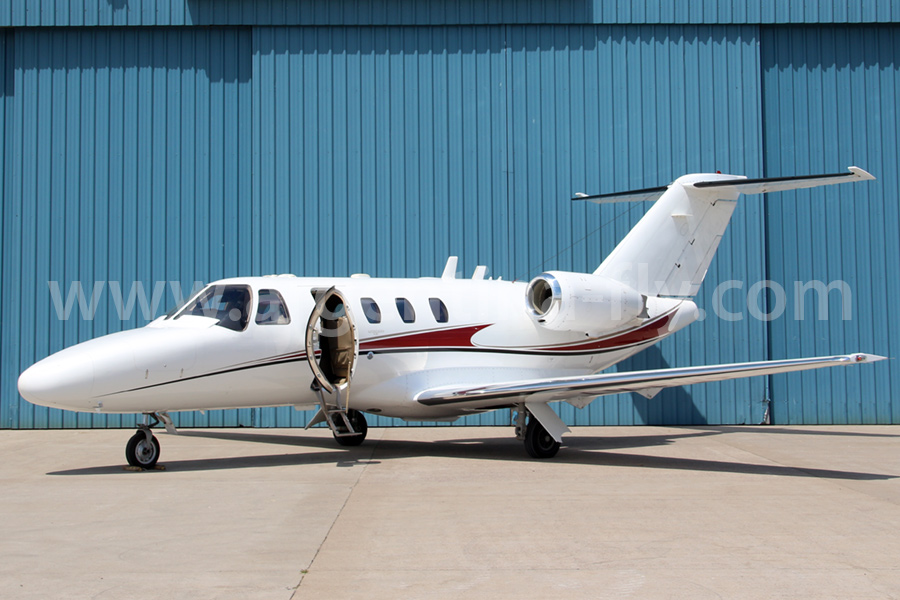
Citation CJ1
Light jet · 5 passengers · 1 h 551 h 55flight time
USD 11,200+ VAT 10.5%
Request a quote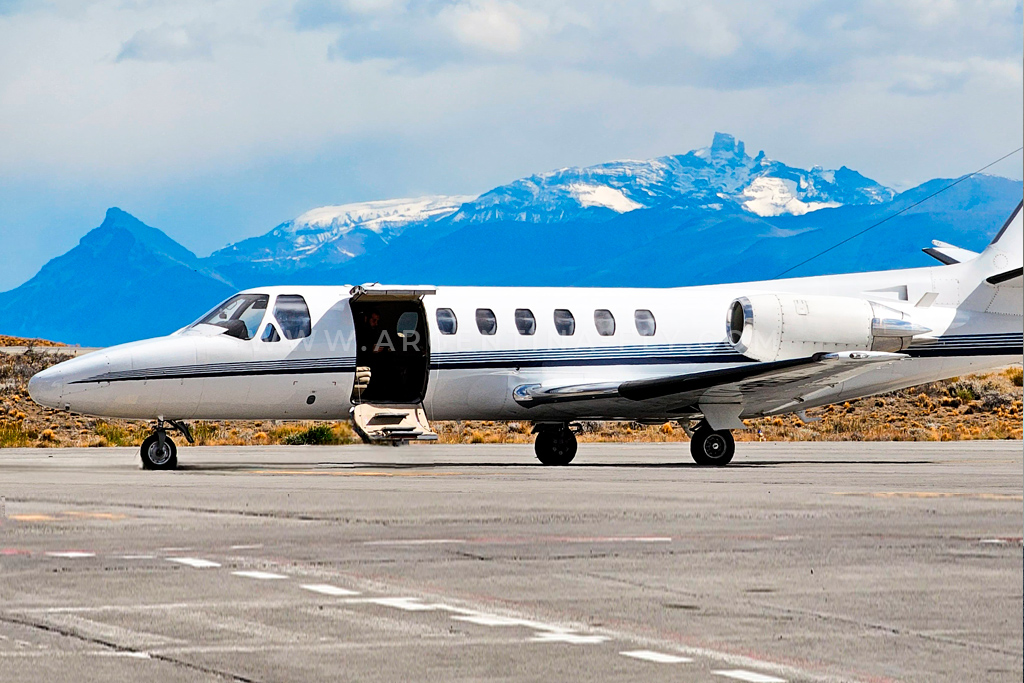
Citation V
Light jet · 8 passengers · 1 h 451 h 45flight time
USD 11,700+ VAT 10.5%
Request a quote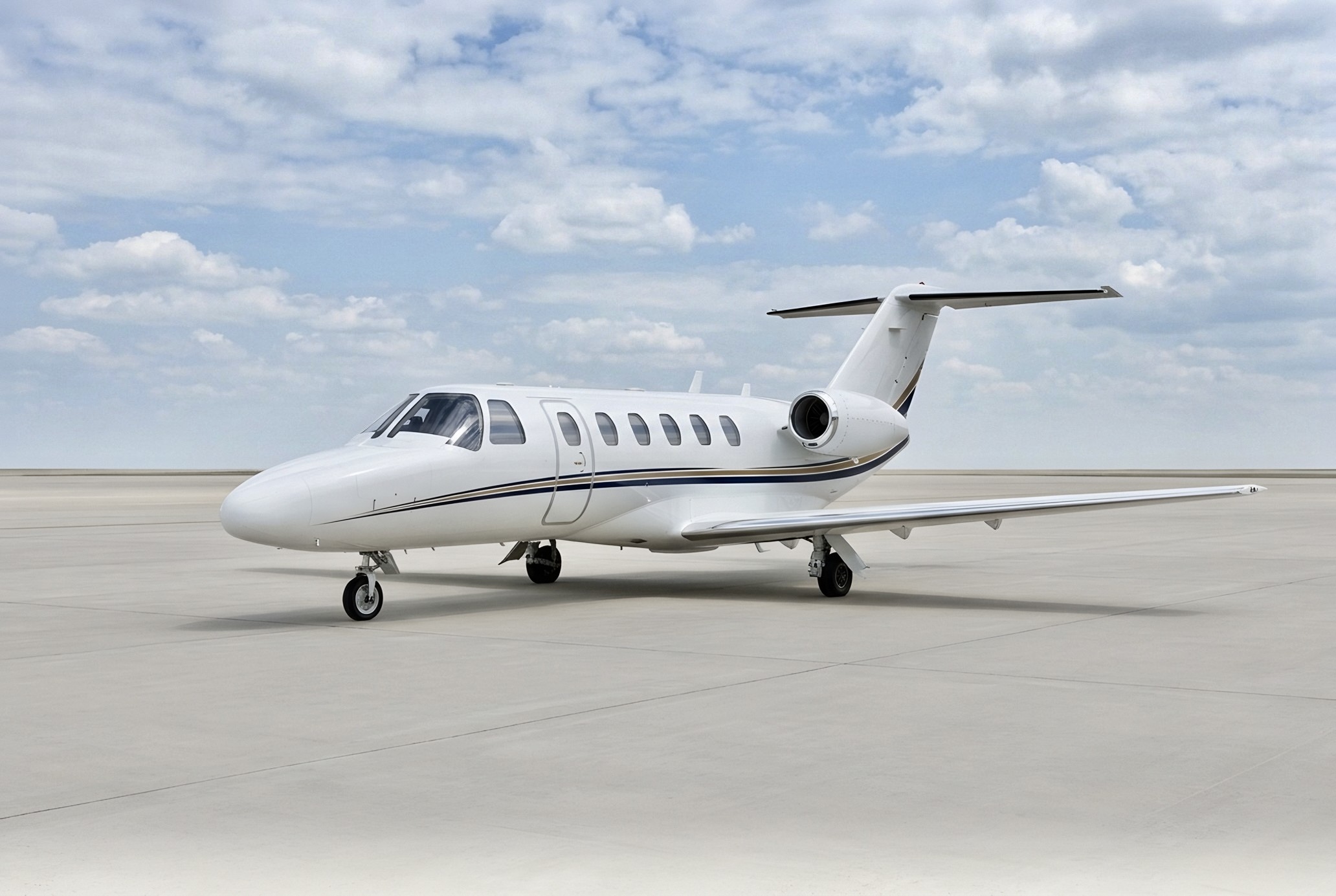
Citation CJ2
Light jet · 6 passengers · 1 h 55 · 2 options1 h 55flight time
USD 11,700+ VAT 10.5%
Request a quote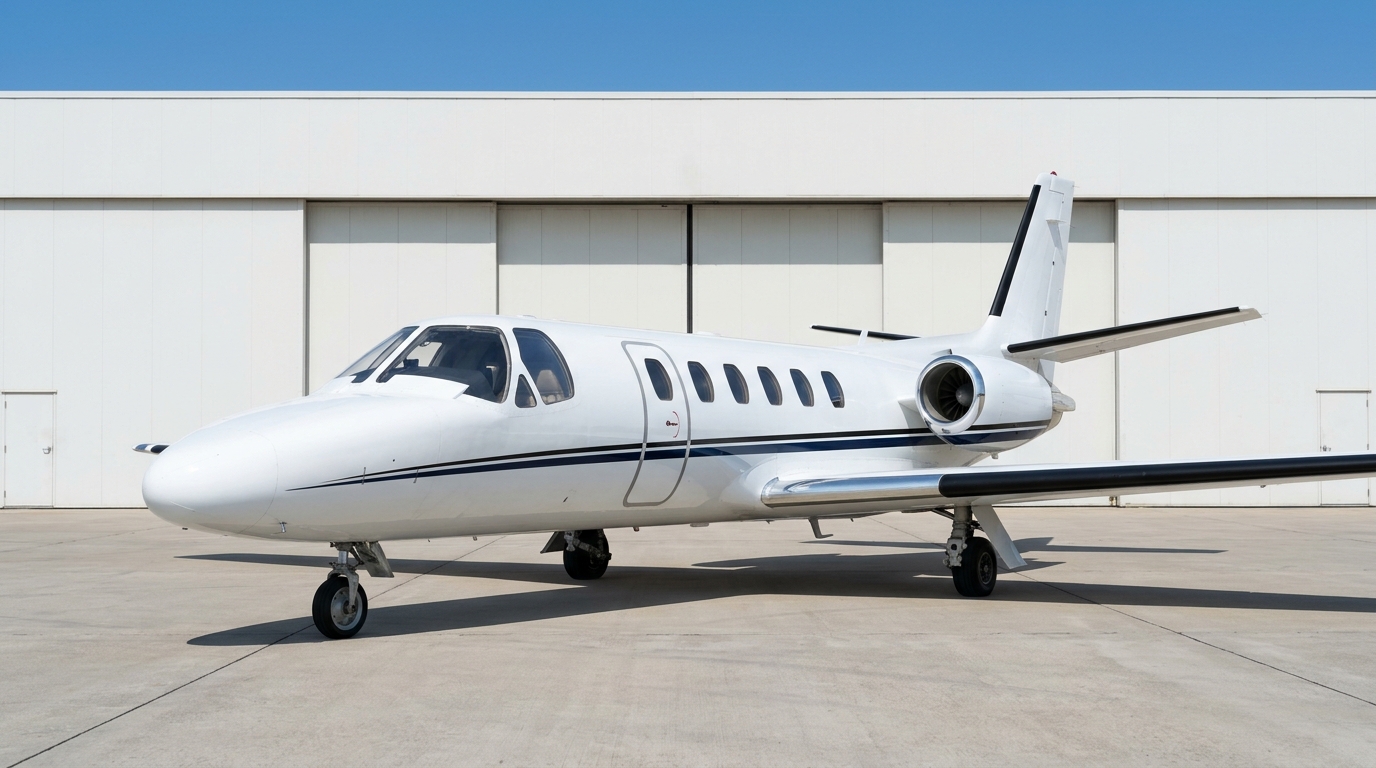
Citation Bravo
Light jet · 7 passengers · 1 h 501 h 50flight time
USD 12,450+ VAT 10.5%
Request a quote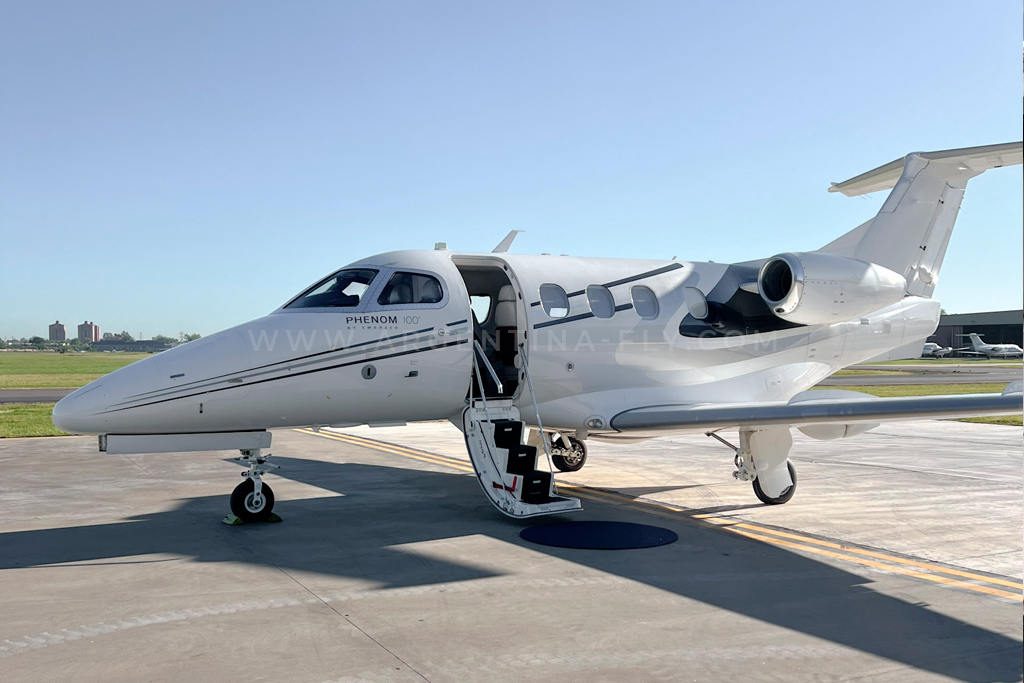
Phenom 100
Light jet · 5 passengers · 1 h 551 h 55flight time
USD 13,190+ VAT 10.5%
Request a quote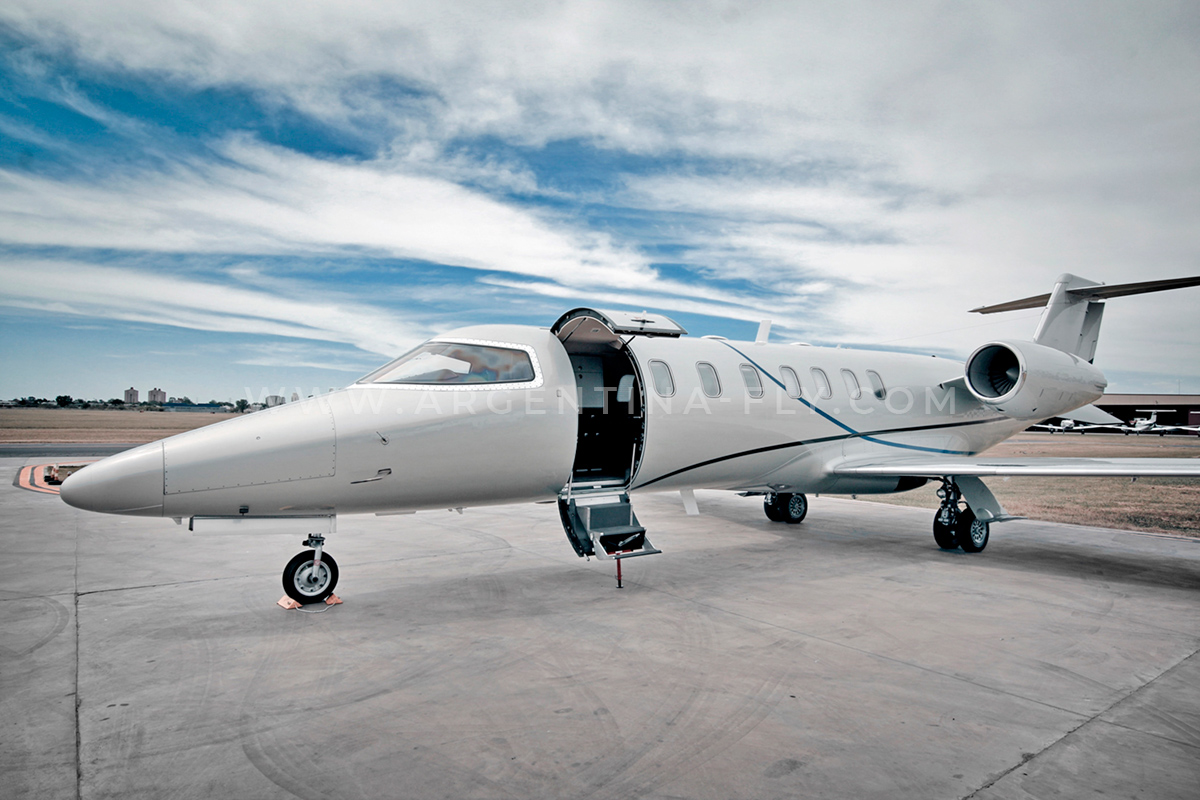
Learjet 40 XR
Light jet · 6 passengers · 1 h 401 h 40flight time
USD 13,940+ VAT 10.5%
Request a quote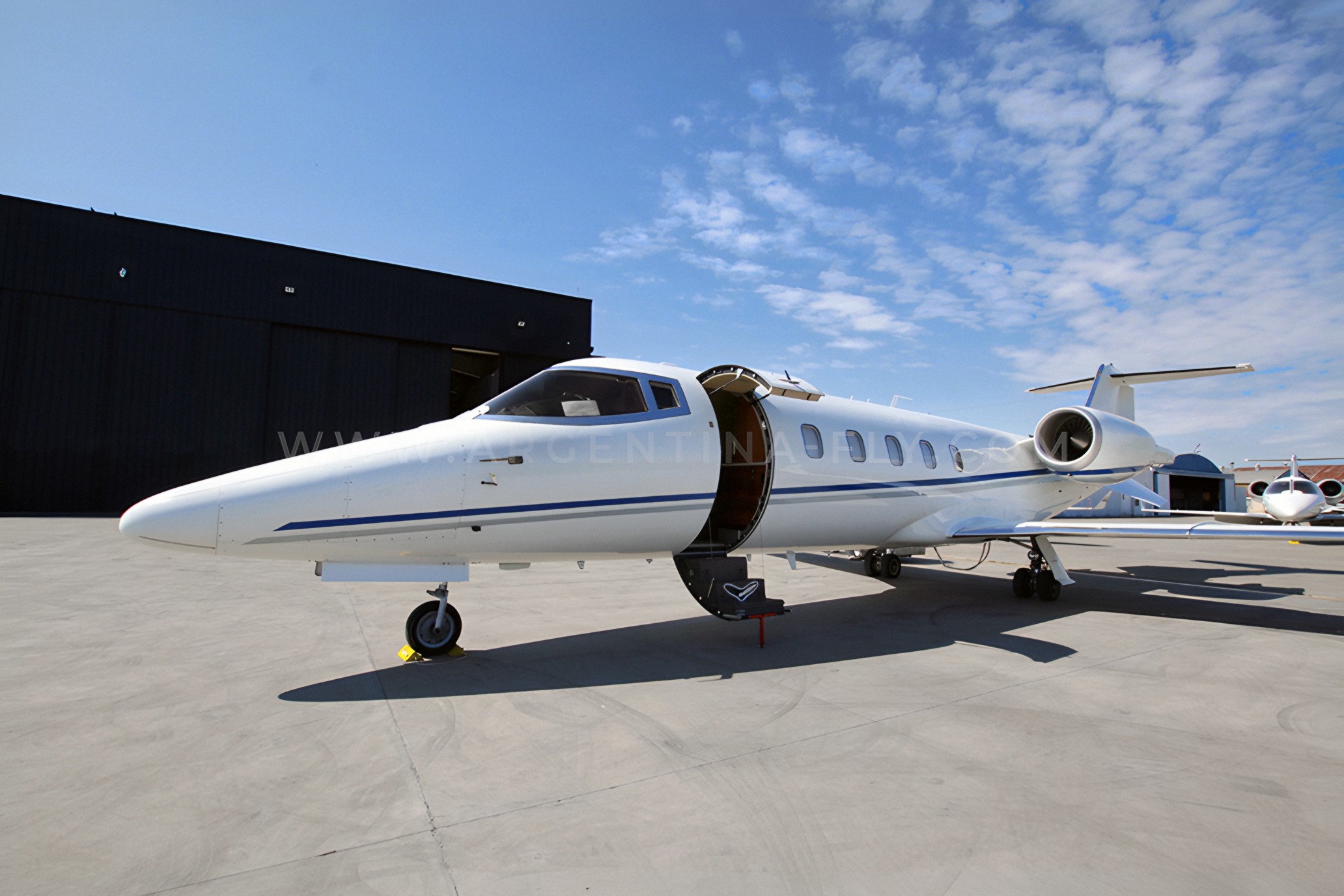
Learjet 60
Midsize jet · 7 passengers · 1 h 40 · 2 options1 h 40flight time
USD 14,440+ VAT 10.5%
Request a quote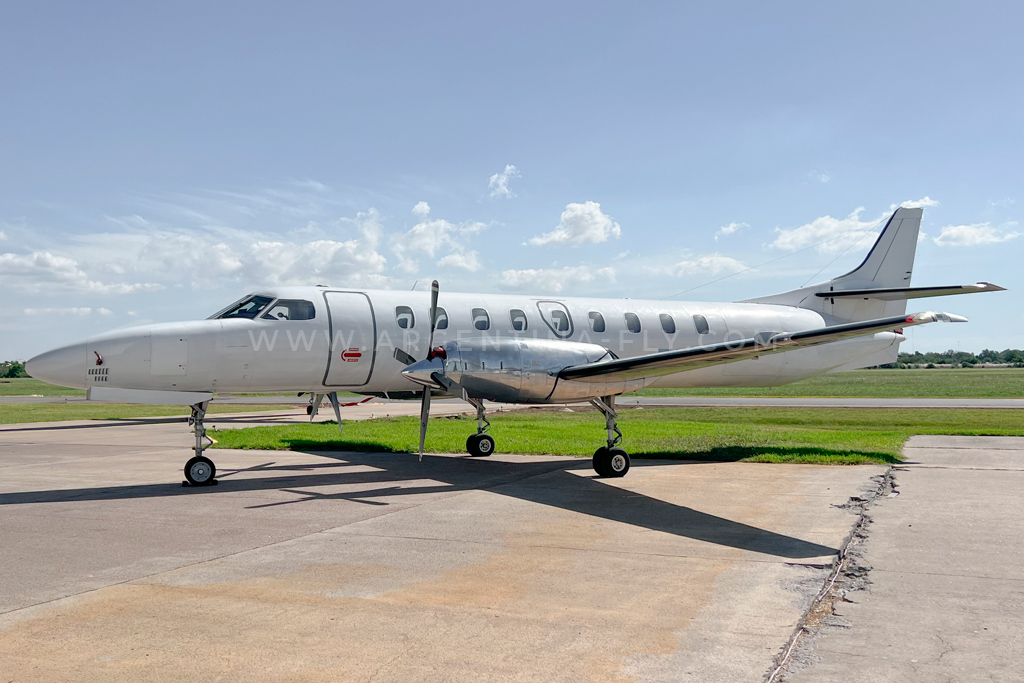
Metro 23
Turboprop · 19 passengers · 2 h 352 h 35flight time
USD 14,940+ VAT 10.5%
Request a quote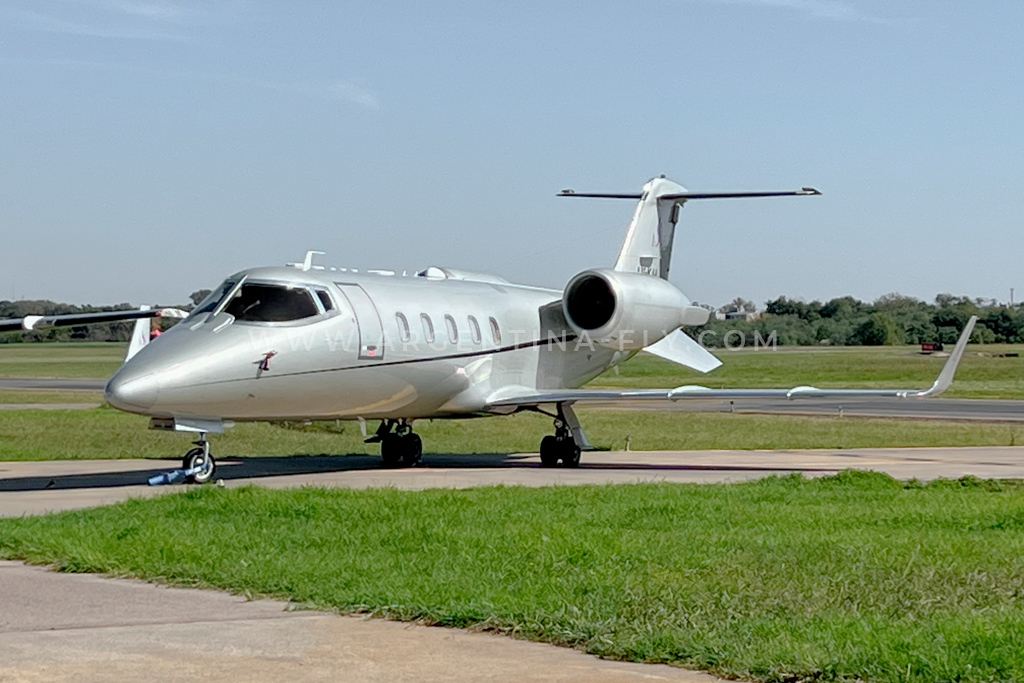
Learjet 60 XR
Midsize jet · 6 passengers · 1 h 401 h 40flight time
USD 15,180+ VAT 10.5%
Request a quote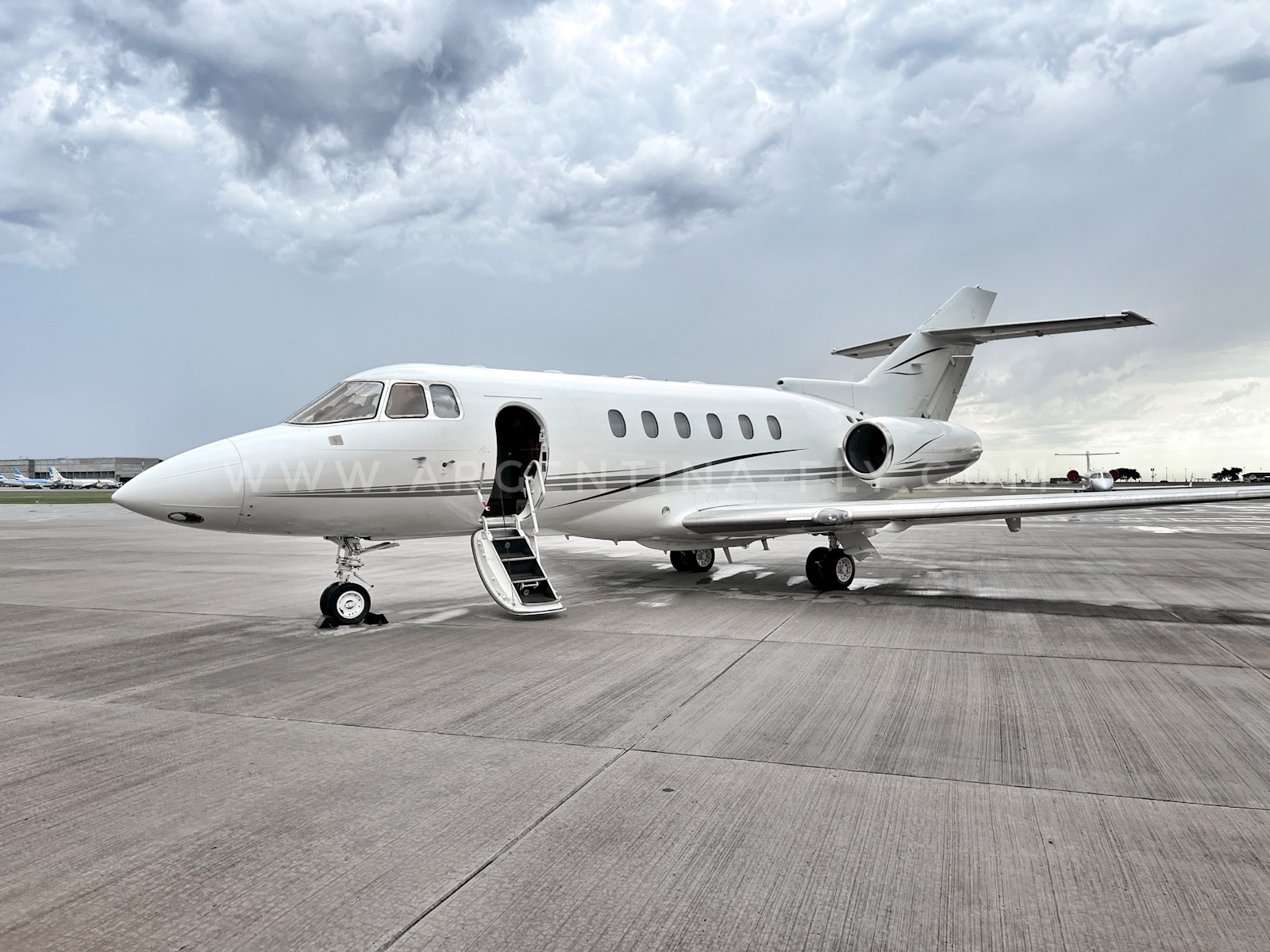
Hawker 800 XP
Midsize jet · 8 passengers · 1 h 401 h 40flight time
USD 16,120+ VAT 10.5%
Request a quote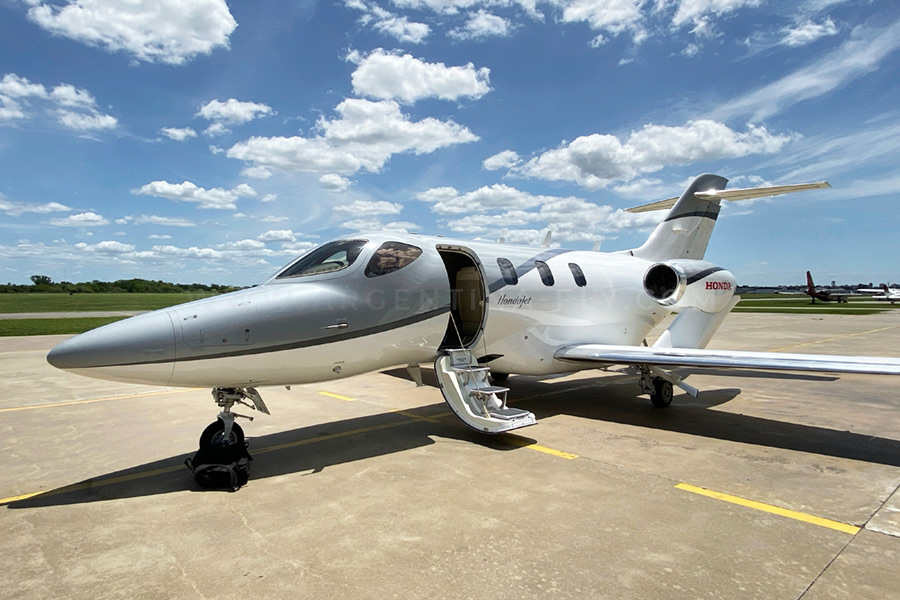
HondaJet
Light jet · 5 passengers · 1 h 501 h 50flight time
USD 16,180+ VAT 10.5%
Request a quote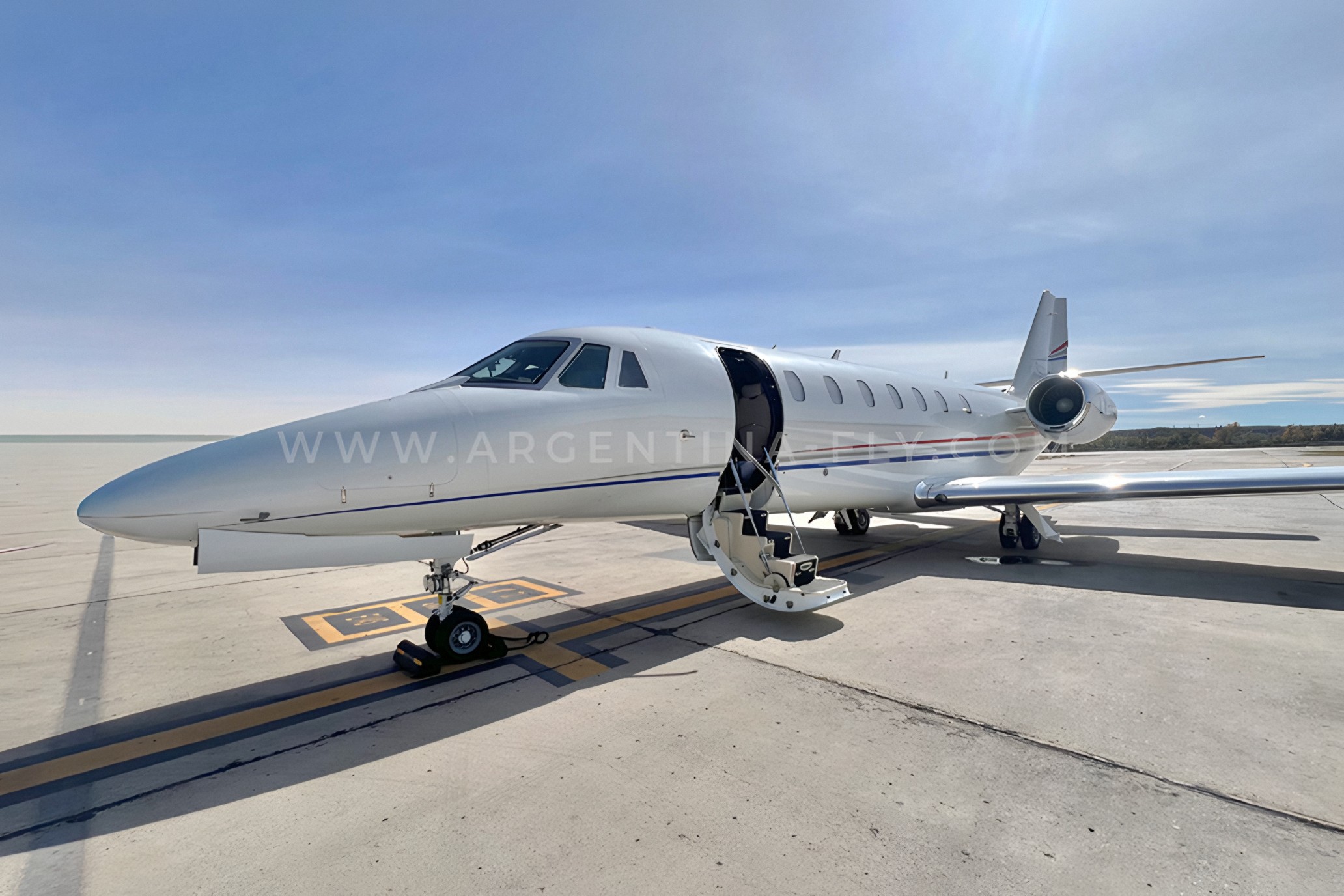
Citation Sovereign
Midsize jet · 8 passengers · 1 h 401 h 40flight time
USD 17,420+ VAT 10.5%
Request a quote
Route and airfields
Rate conditions
Please read carefully before requesting a quote.
Prices
Reference fares in US dollars (USD), for the entire aircraft. They may vary with aircraft availability and travel dates. For itineraries with several destinations, please request a tailored quote.
Not included
VAT on flights within Argentina, fees abroad on international flights (airport charges, handling and FBO, among others), and special services on request.
Base airport
Fares are calculated for departure from San Fernando (FDO). Departing from Aeroparque (AEP) or Ezeiza (EZE) may change the fare, depending on where each aircraft is based.
Reference fleet
The aircraft displayed are for reference purposes only and may vary depending on operational availability. Contact us to learn about the available options for your trip.
Rate conditions
Please read carefully before requesting your quotation.
Published prices are provided for reference only.
 Prices
Reference fares in US dollars (USD), for the entire aircraft. They may vary with aircraft availability and travel dates. For itineraries with several destinations, please request a tailored quote.
 Not included
VAT on flights within Argentina, fees abroad on international flights (airport charges, handling and FBO, among others), and special services on request.
 Base airport
Fares are calculated for departure from San Fernando (FDO). Departing from Aeroparque (AEP) or Ezeiza (EZE) may change the fare, depending on where each aircraft is based.
 Reference fleet
The aircraft displayed are for reference purposes only and may vary depending on operational availability. Contact us to learn about the available options for your trip.
Need a personalized quotation?
Request quotation
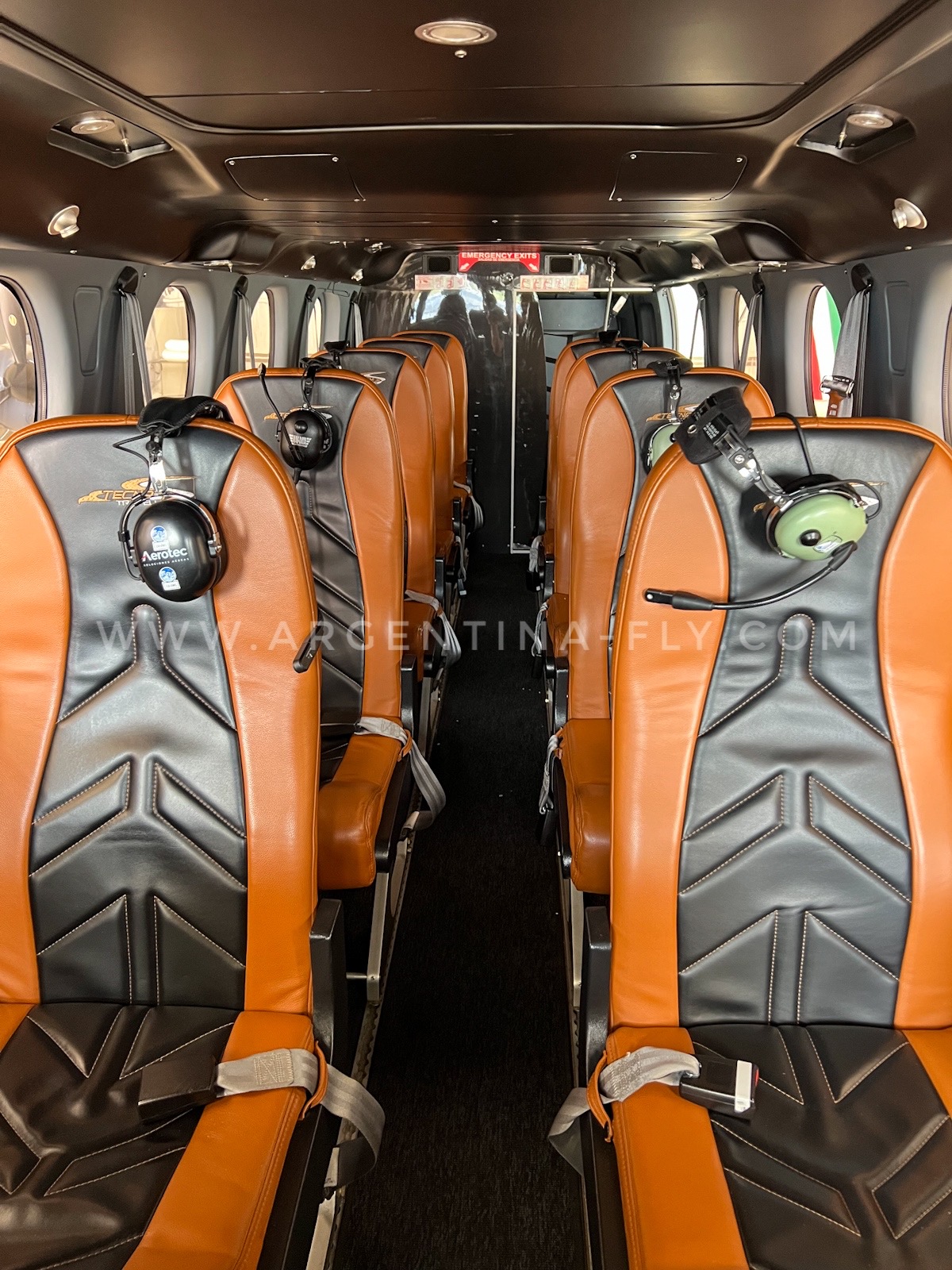
Tecnam Traveller
High-capacity twin-engine aircraft, ideal for group transfers with up to 9 passengers.
 Capacity
9 passengers
 Lavatory
Not available
 Cabin
Non-pressurized
 Luggage
Moderate
 Wi-Fi
Not available

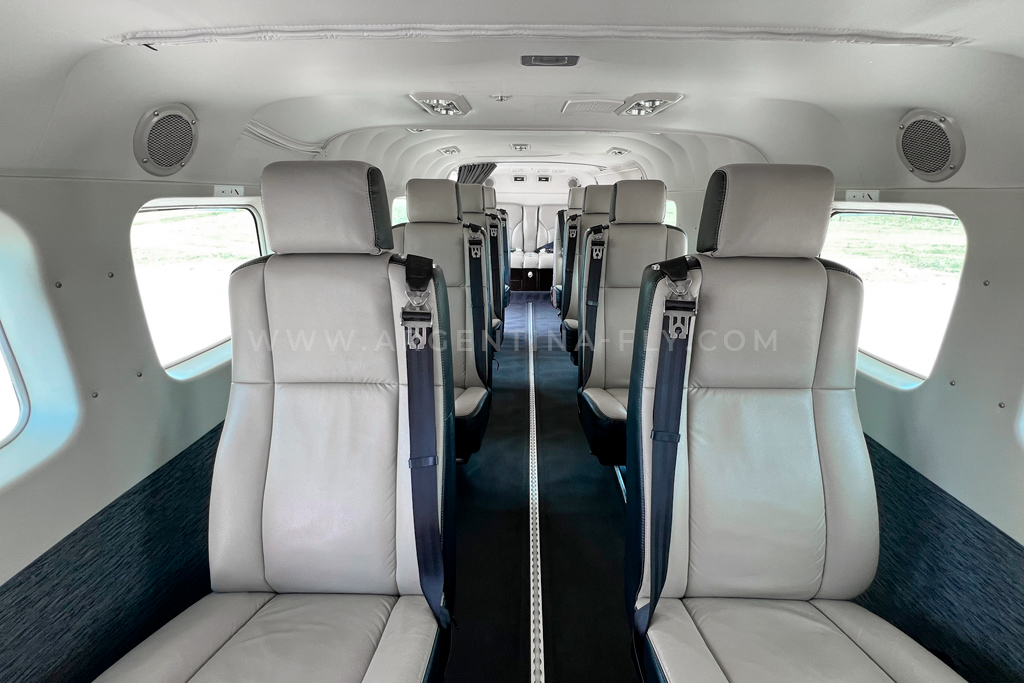
Cessna Grand Caravan
Versatile turboprop with generous payload capacity and a comfortable cabin, ideal for groups and flights to destinations with short runways.
Capacity
9 passengers
Lavatory
Not available
Cabin
Non-pressurized
Luggage
Moderate
Wi-Fi
Portable Starlink
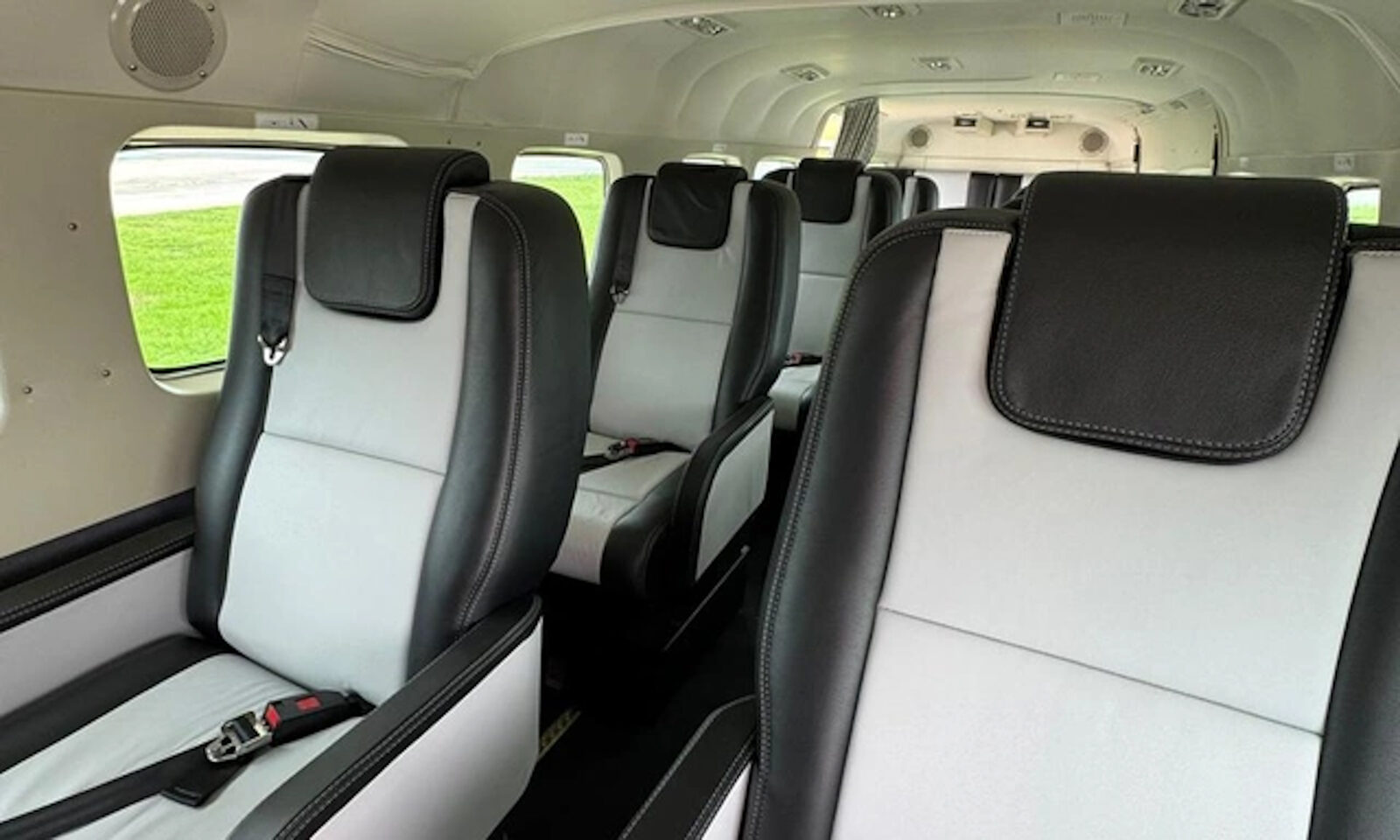
Cessna Grand Caravan Ex
Versatile turboprop with generous payload capacity and a comfortable cabin, ideal for groups and flights to destinations with short runways.
Capacity
9 passengers
Lavatory
Not available
Cabin
Not pressurized
Luggage
Standard
Wi-Fi
Portable Starlink
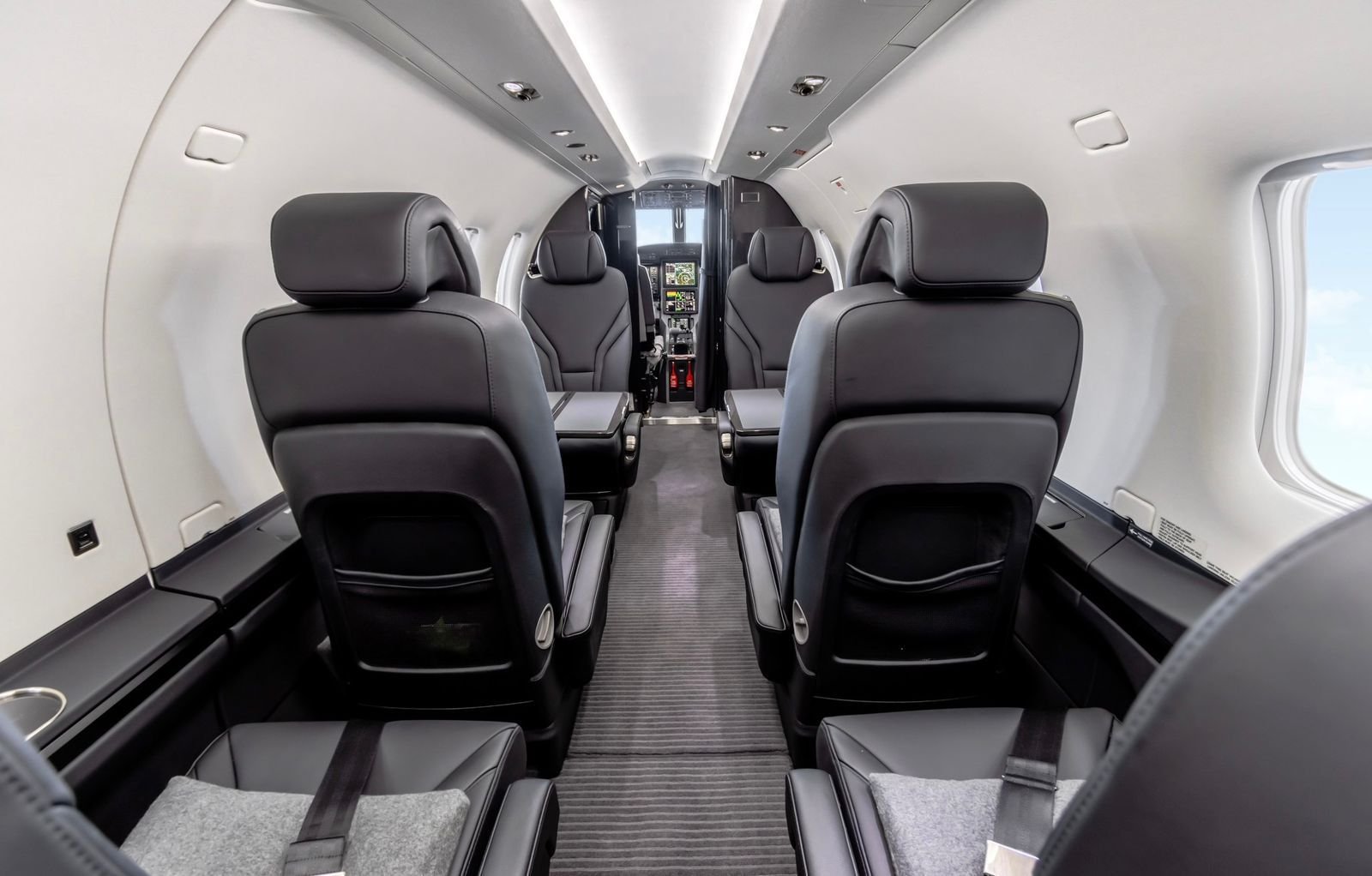
Pilatus PC-12
High-performance single-engine turboprop in executive configuration, with a spacious cabin and latest-generation technology.
Capacity
8 passengers
Lavatory
Not available
Cabin
Pressurized
Luggage
Standard
Wi-Fi
Portable Starlink
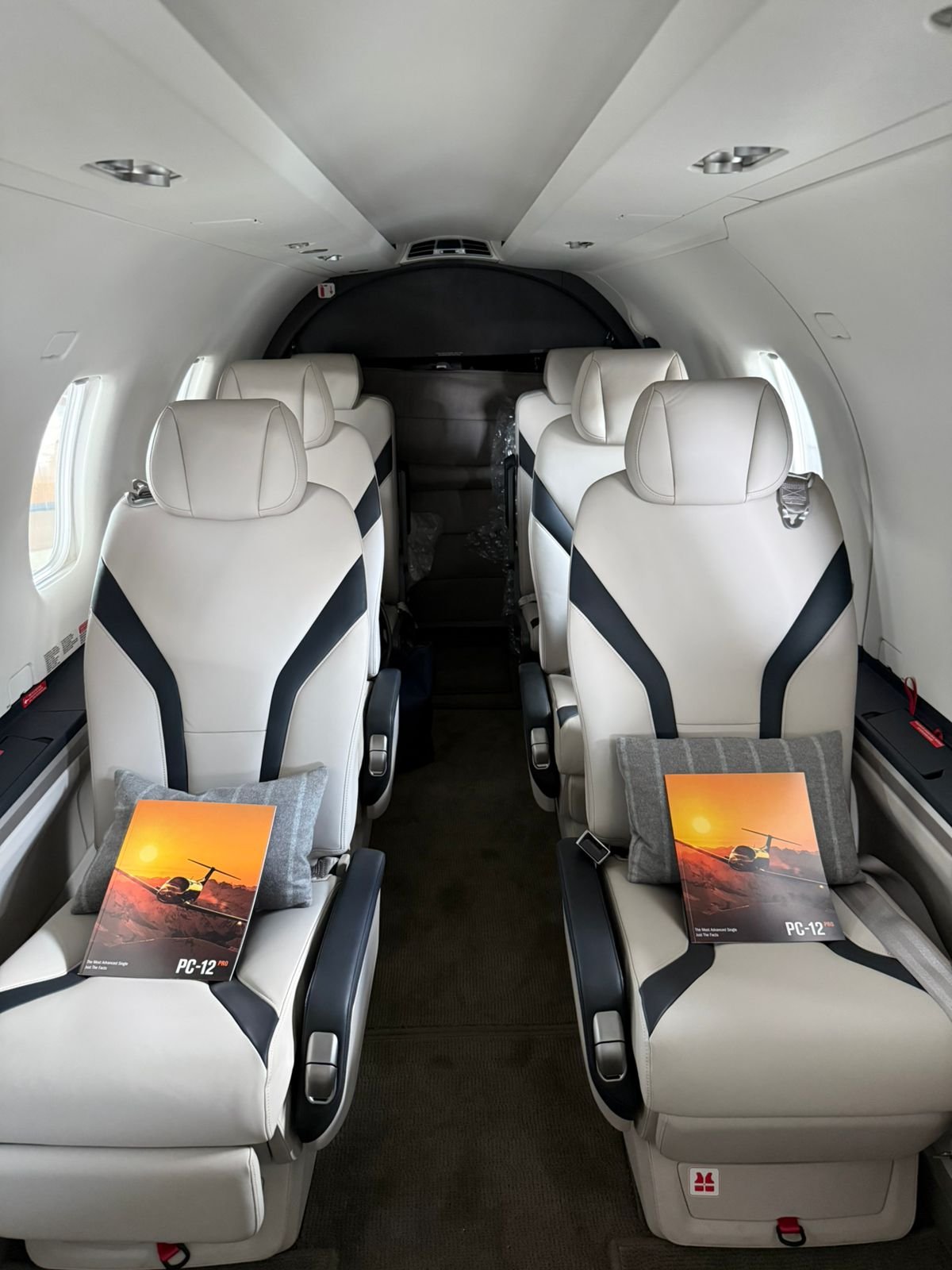
Pilatus PC12 Pro
High-performance single-engine turboprop in executive configuration, with a spacious cabin and latest-generation technology.
Capacity
8 passengers
Lavatory
Not available
Cabin
Pressurized
Luggage
Standard
Wi-Fi
Portable Starlink
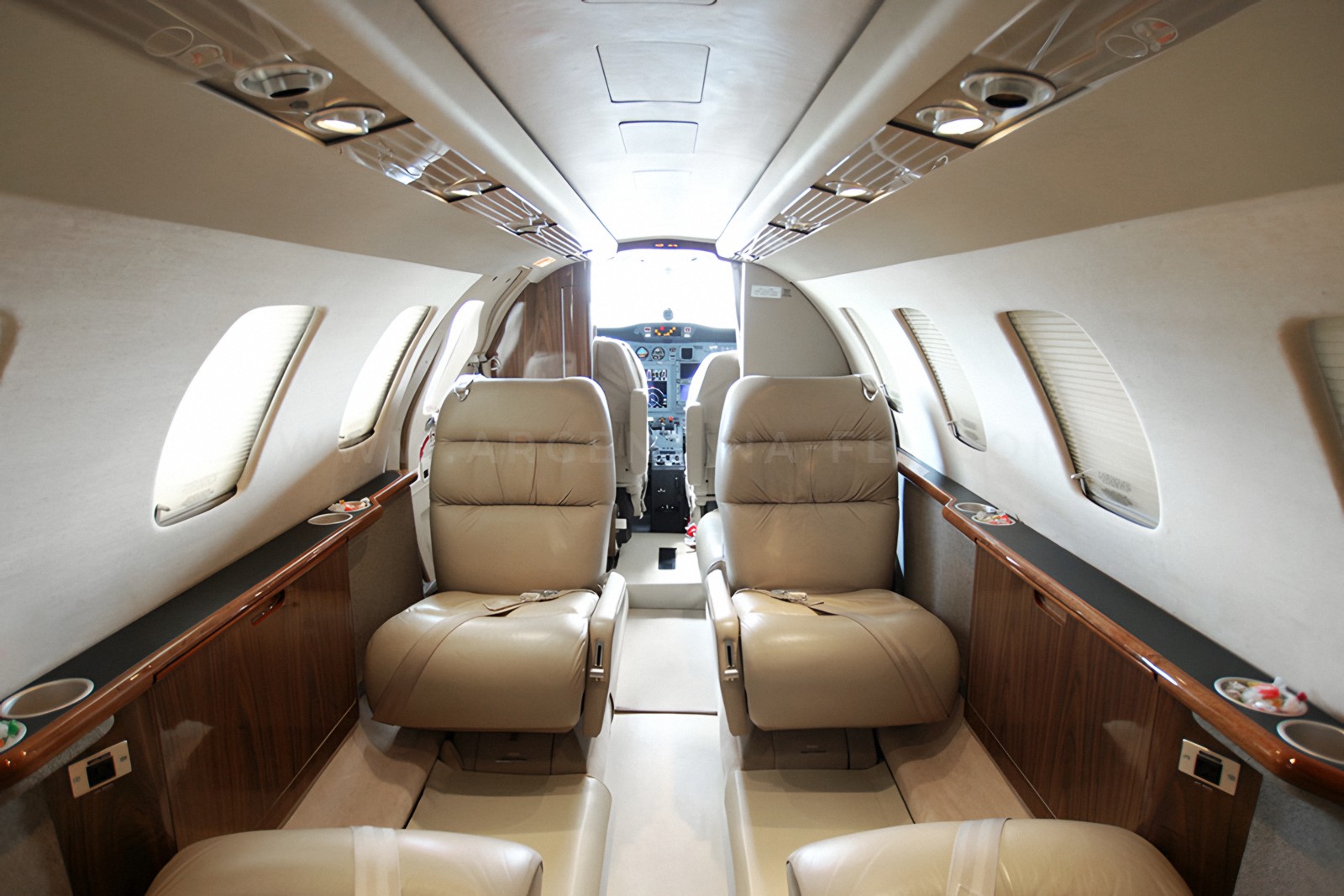
Citation CJ1
Compact light jet with excellent fuel efficiency, perfect for short-range executive flights.
Capacity
5 passengers
Lavatory
Not available
Cabin
Pressurized
Luggage
Moderate
Wi-Fi
Not available
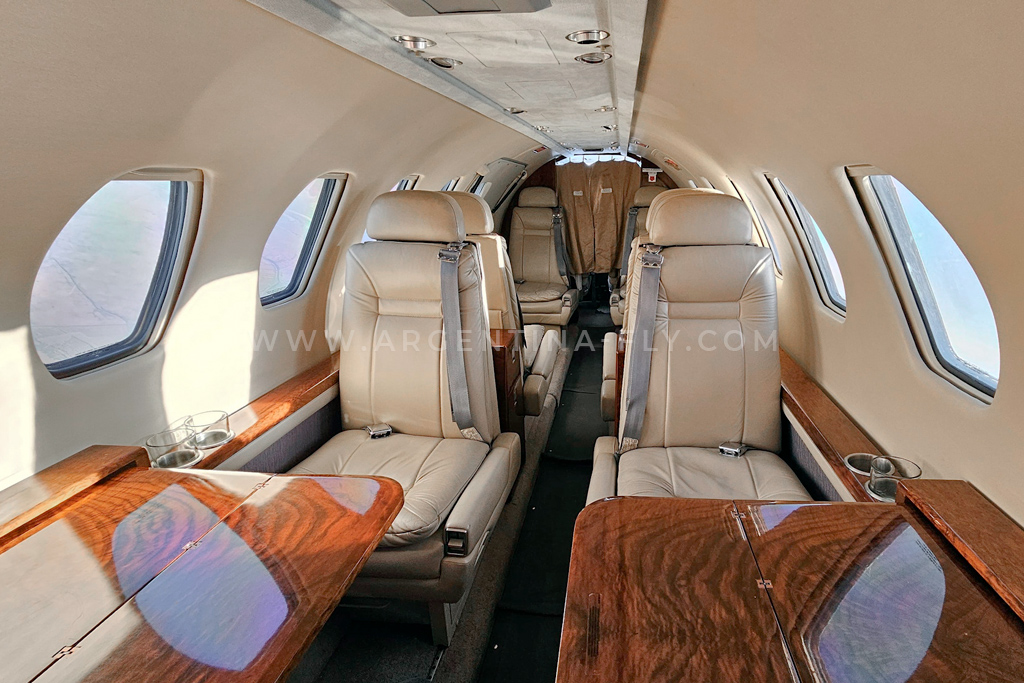
Citation V
Light jet with a comfortable cabin for up to 8 passengers and strong regional range.
Capacity
8 passengers
Lavatory
Not available
Cabin
Pressurized
Luggage
Moderate
Wi-Fi
Portable Starlink
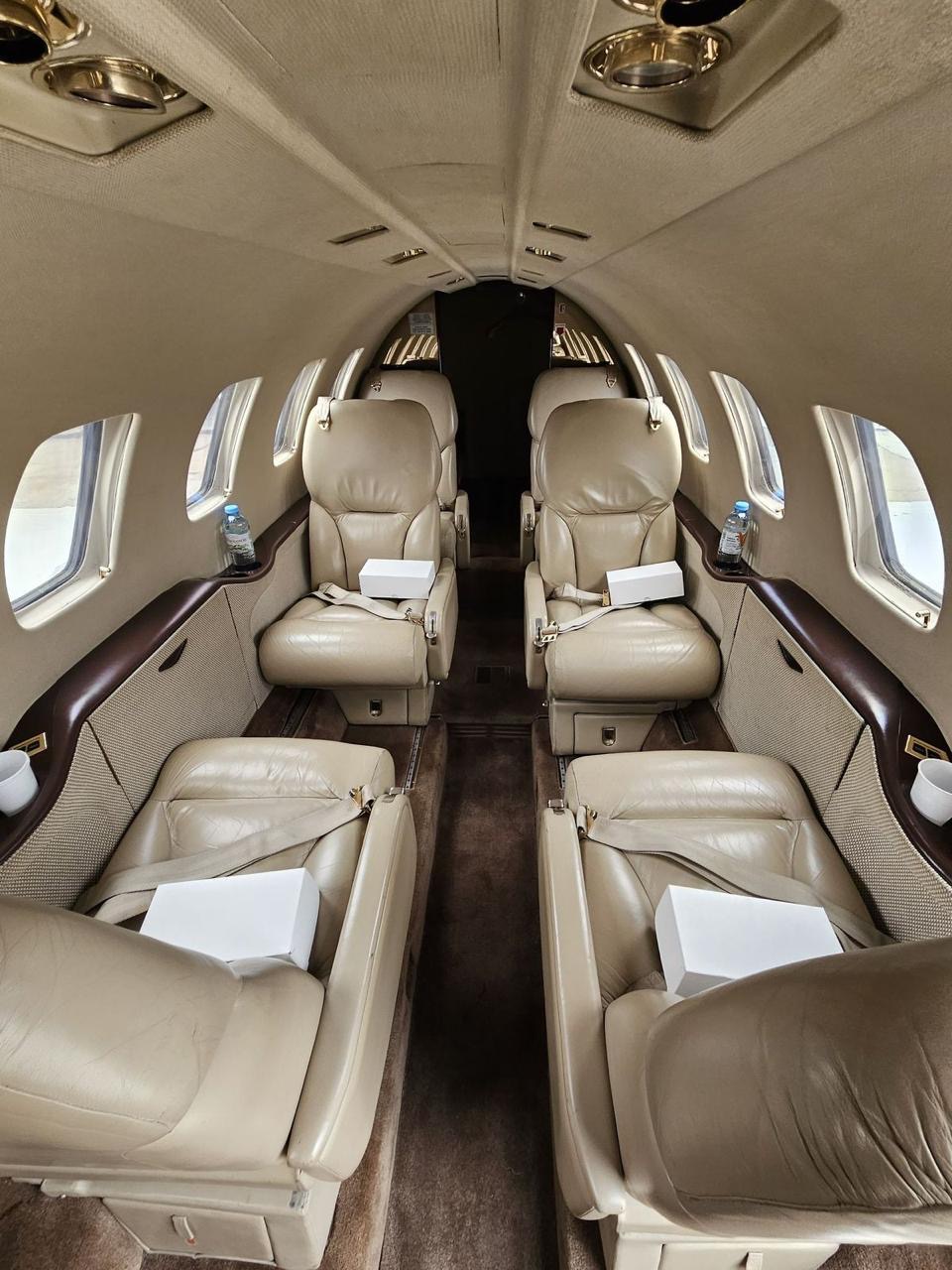
Citation Bravo
Classic light jet with a pressurized cabin, reliable and versatile for regional trips and short runways.
Capacity
7 passengers
Lavatory
Not available
Cabin
Pressurized
Luggage
Standard
Wi-Fi
Not available
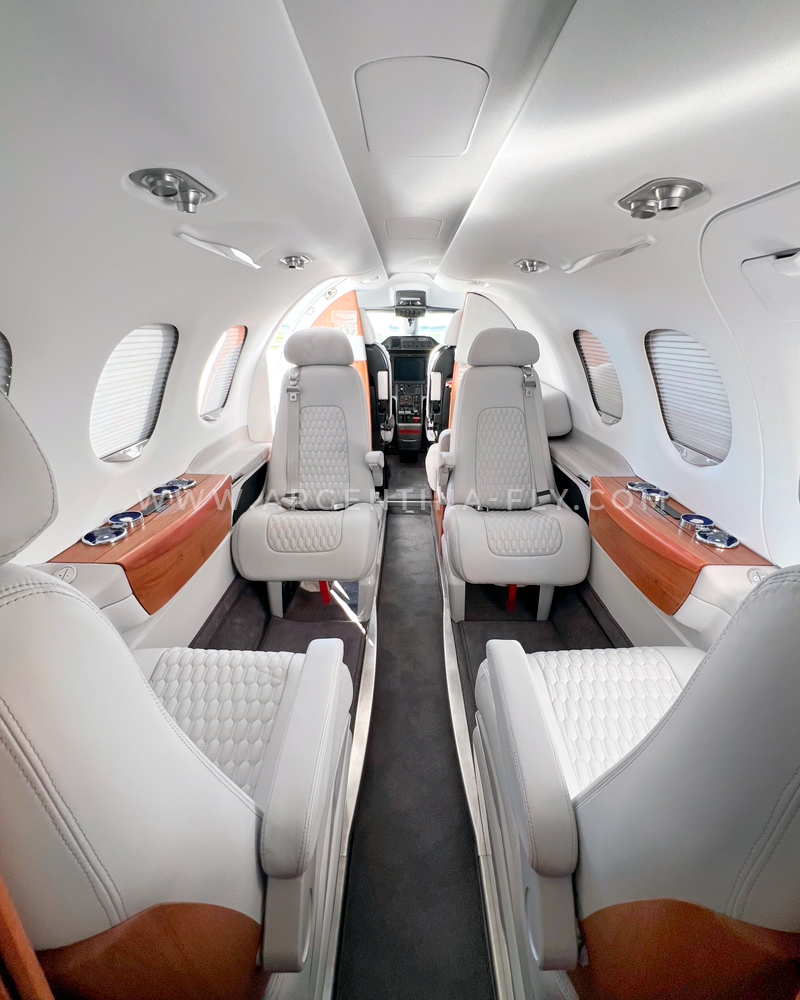
Phenom 100
Light jet ideal for short and medium sectors, with excellent cabin comfort and operating efficiency.
Capacity
5 passengers
Lavatory
Yes
Cabin
Pressurized
Luggage
Moderate
Wi-Fi
Portable Starlink
 Safety certifications
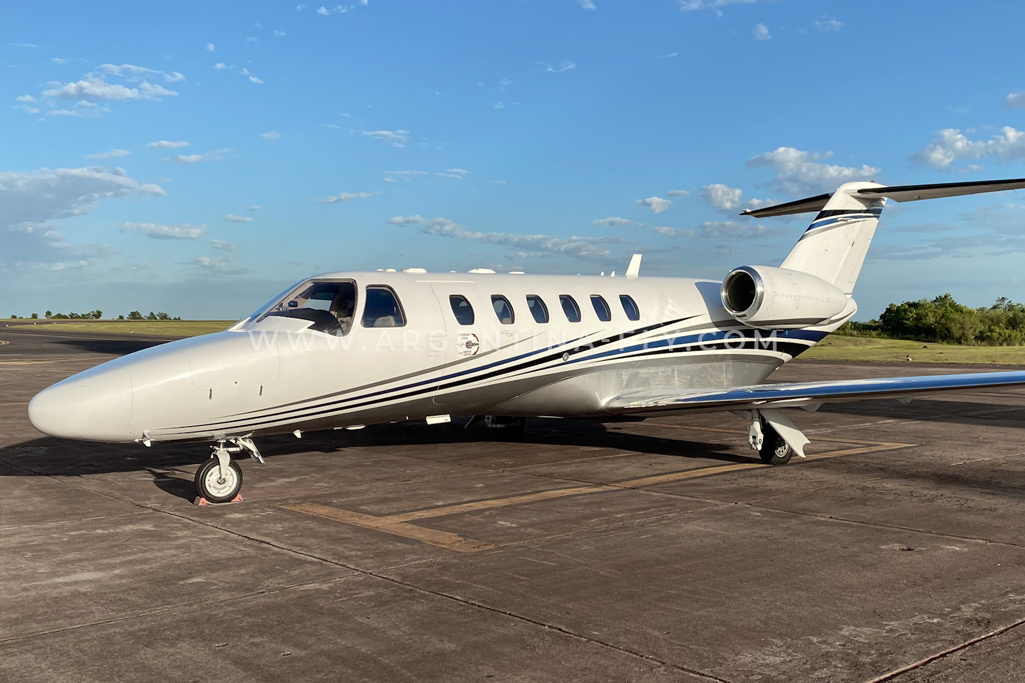
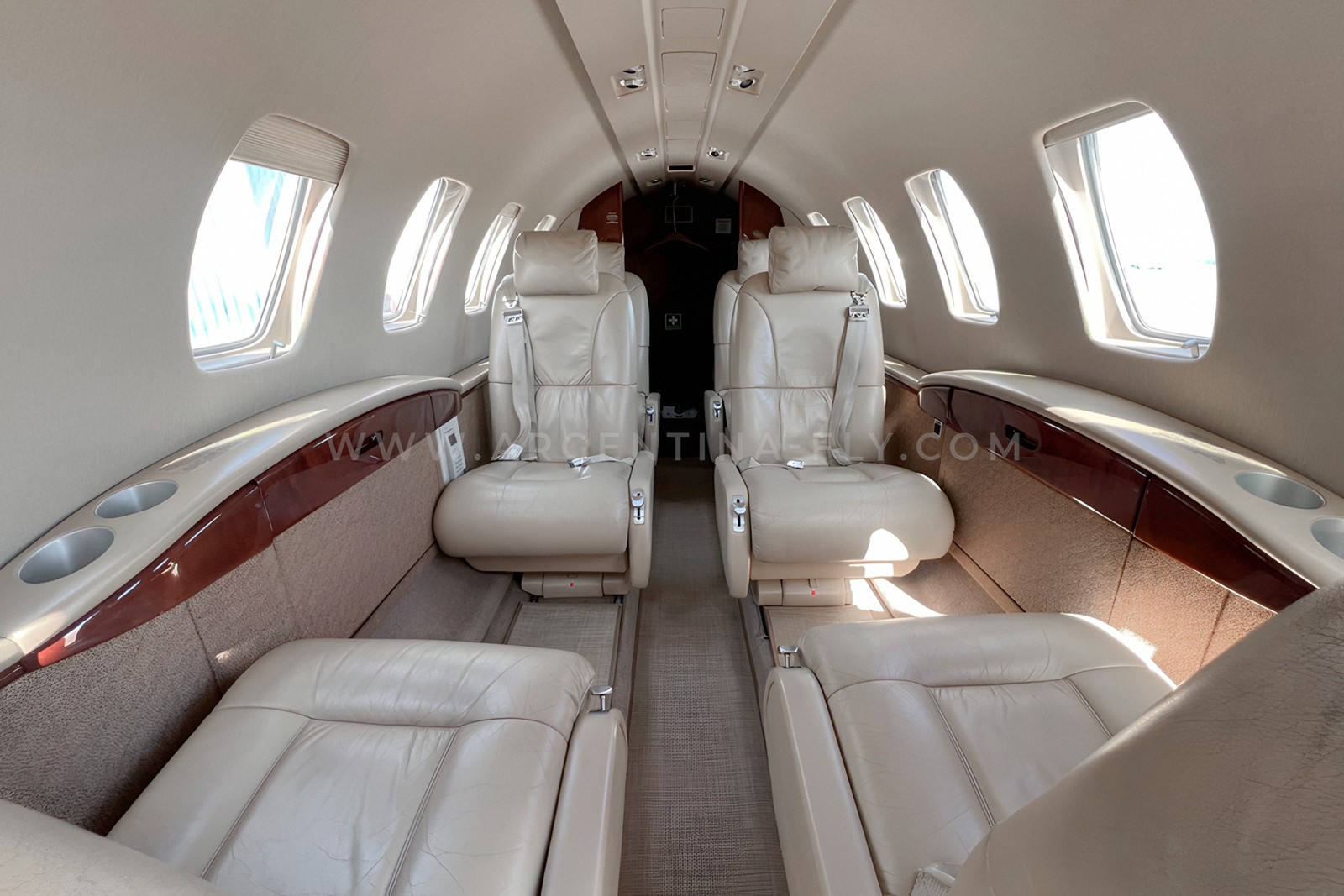
Citation CJ2
Light jet with greater range than the CJ1, offering an excellent balance between cost and executive performance.
Capacity
6 passengers
Lavatory
Not available
Cabin
Pressurized
Luggage
Moderate
Wi-Fi
Not available
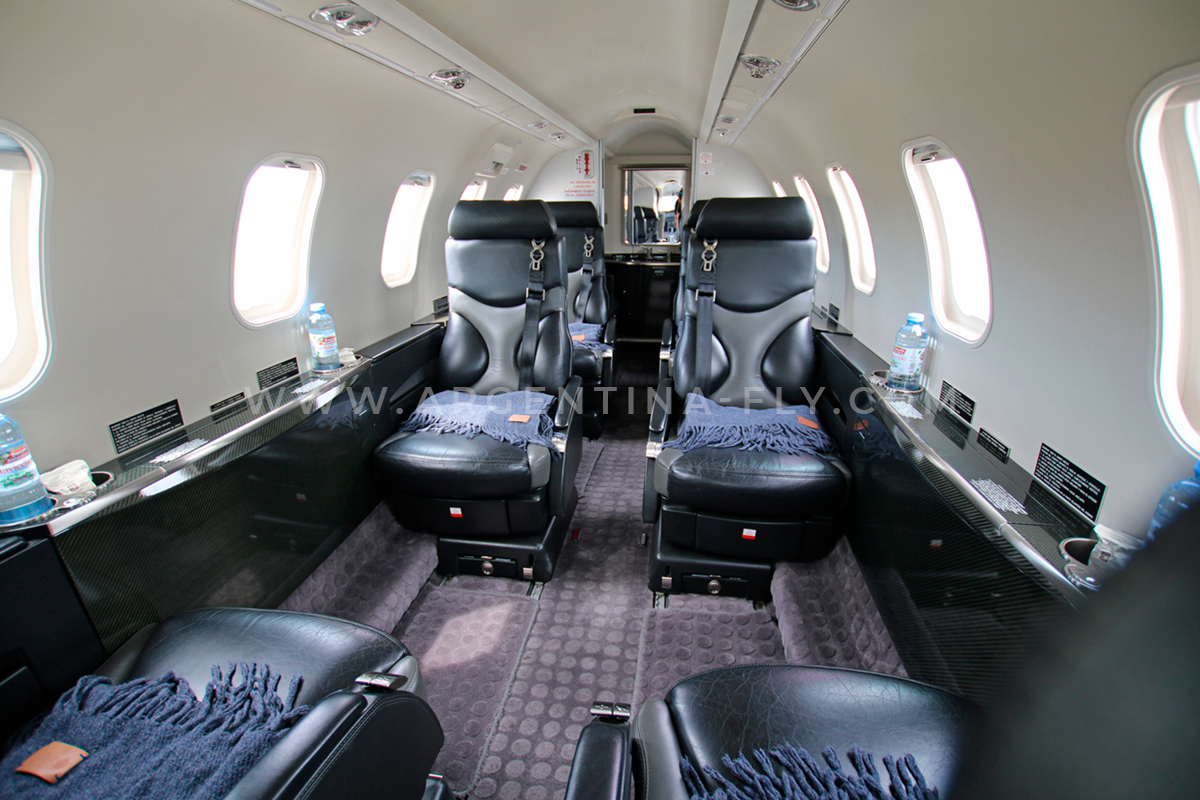
Learjet 40 XR
Light jet with a strong balance of speed and range, featuring a comfortable and modern executive cabin.
Capacity
6 passengers
Lavatory
Yes
Cabin
Pressurized
Luggage
Moderate
Wi-Fi
Not available
Safety certifications
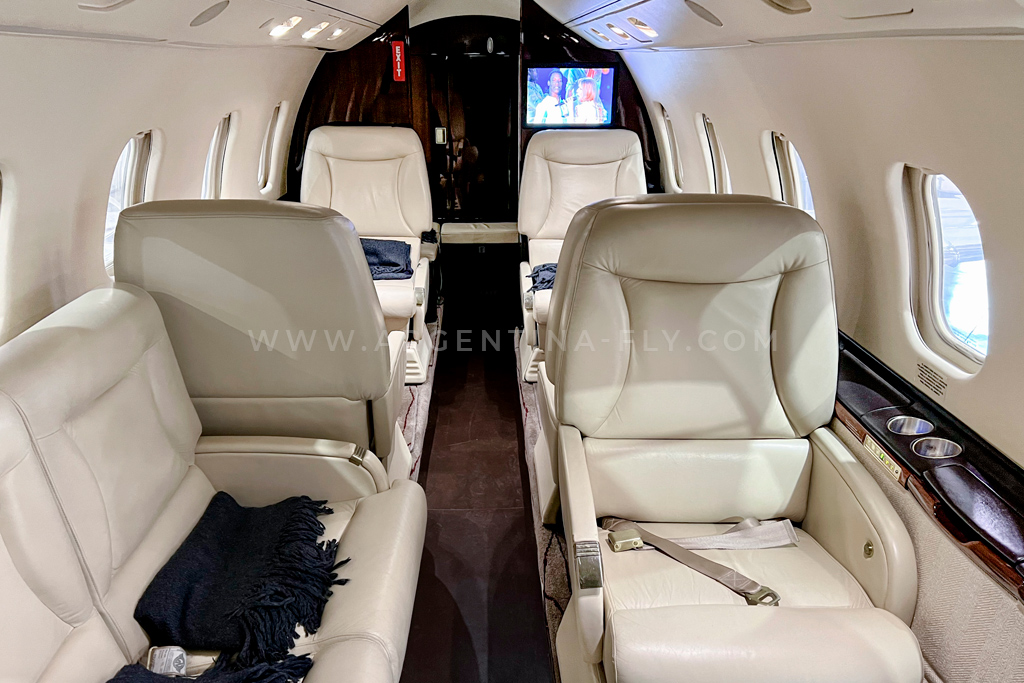
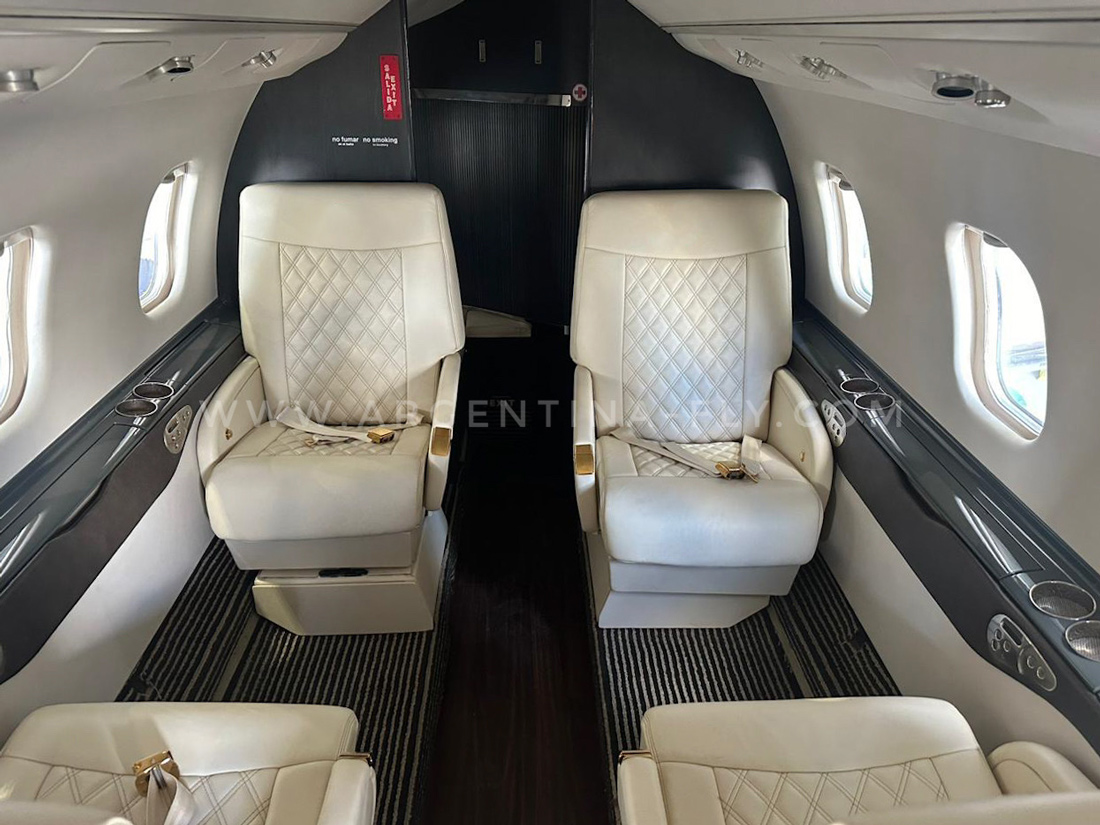
Learjet 60
Midsize jet with a spacious cabin and excellent cruise speed, one of the most requested options for executive flights.
Capacity
7 passengers
Lavatory
Yes
Cabin
Pressurized
Luggage
Moderate
Wi-Fi
Portable Starlink
Safety certifications
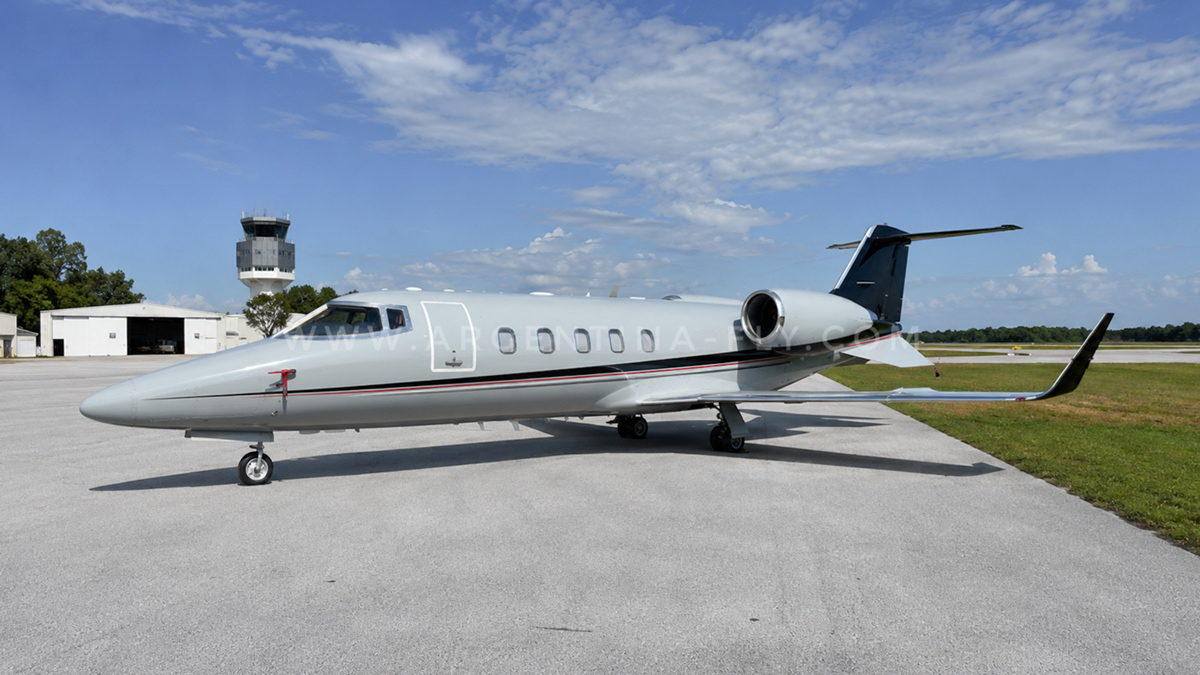
Learjet 60
Midsize jet with a spacious cabin and excellent cruise speed, one of the most requested options for executive flights.
Capacity
7 passengers
Lavatory
Yes
Cabin
Pressurized
Luggage
Standard
Wi-Fi
Not available
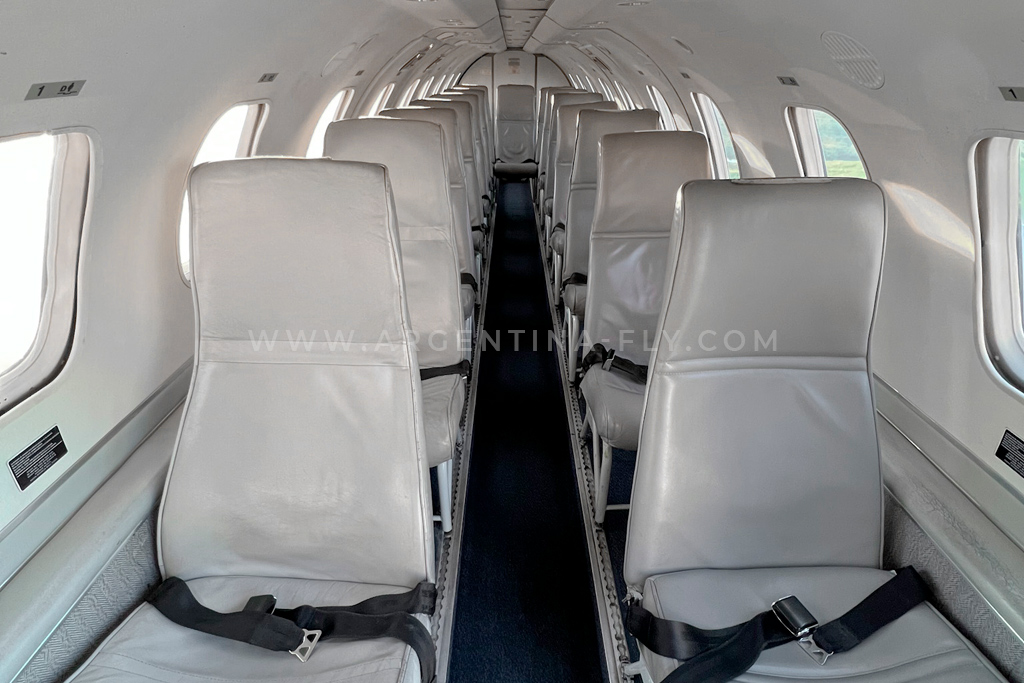
Metro 23
Pressurized regional aircraft with greater capacity, ideal for larger groups and destinations with paved runways.
Capacity
19 passengers
Lavatory
Not available
Cabin
Pressurized
Luggage
Moderate
Wi-Fi
Not available
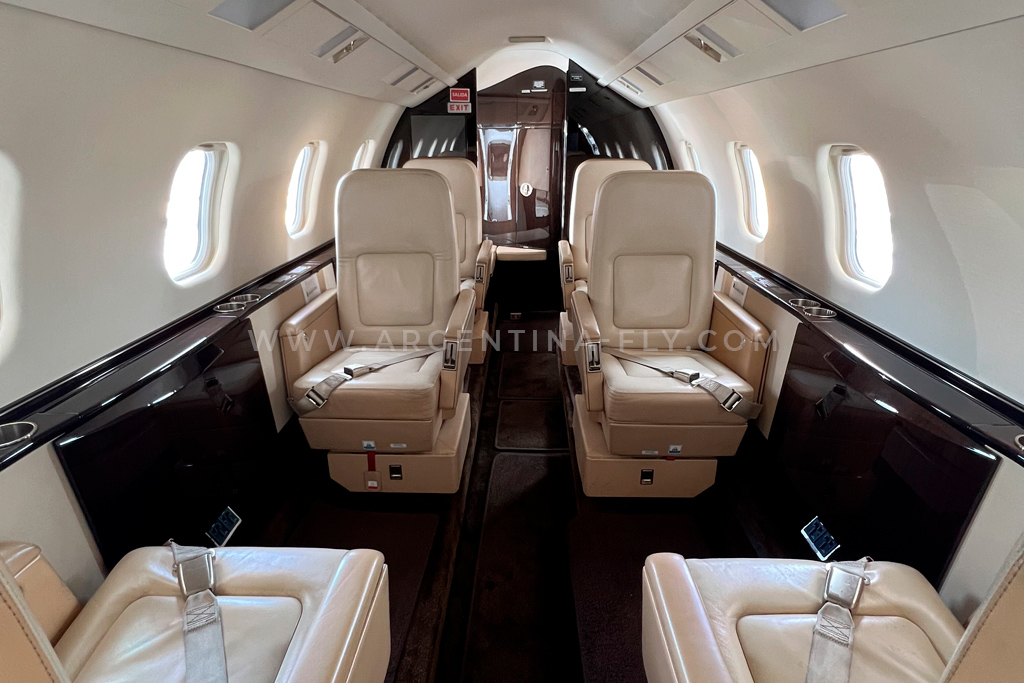
Learjet 60 XR
Enhanced version offering greater range and efficiency while maintaining the speed and comfort of the Learjet 60.
Capacity
6 passengers
Lavatory
Yes
Cabin
Pressurized
Luggage
Moderate
Wi-Fi
Not available
Safety certifications
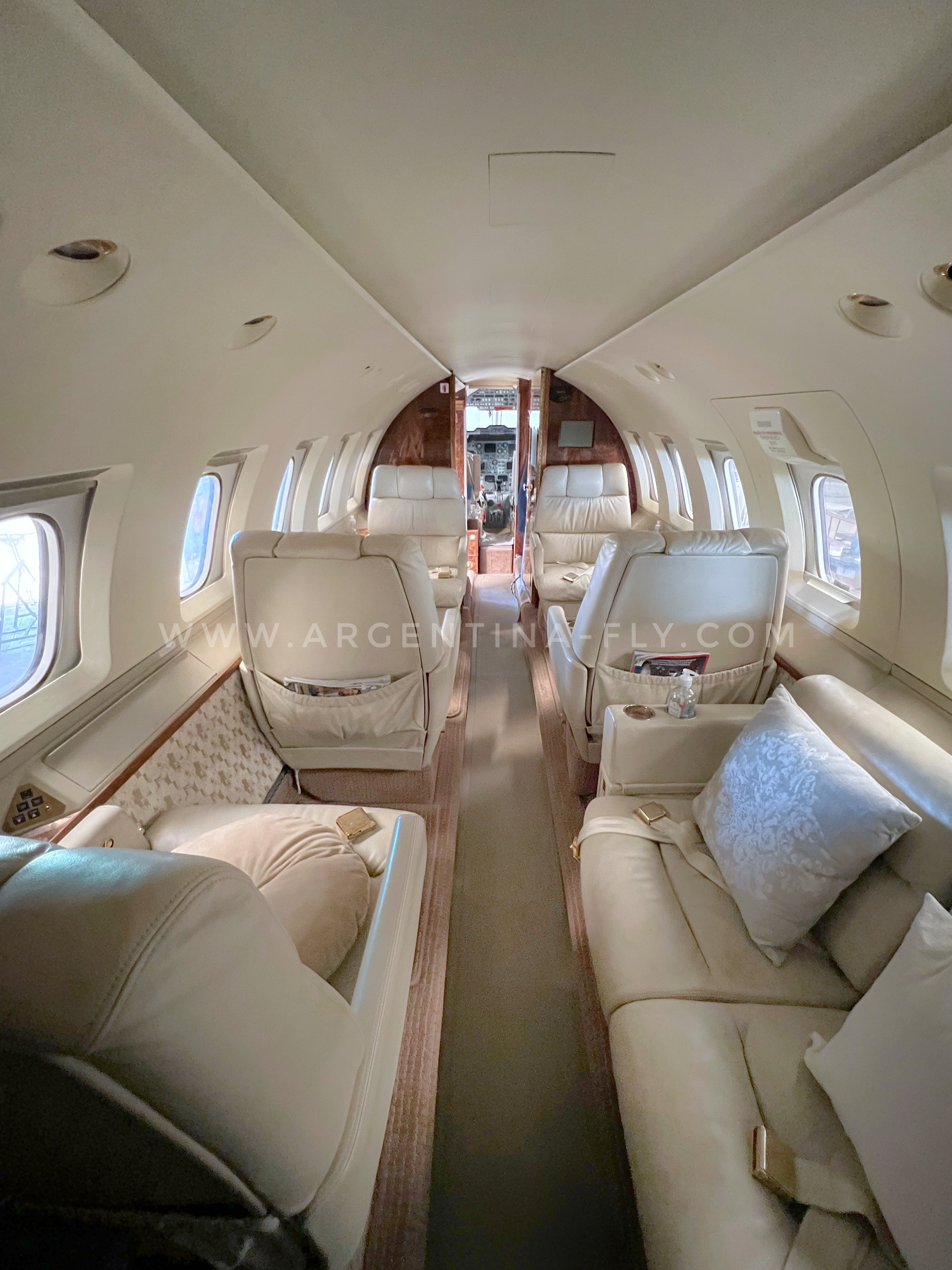
Hawker 800 XP
Midsize jet with a spacious cabin and excellent range, ideal for regional and medium-haul international flights.
Capacity
8 passengers
Lavatory
Yes
Cabin
Pressurized
Luggage
Moderate
Wi-Fi
Portable Starlink
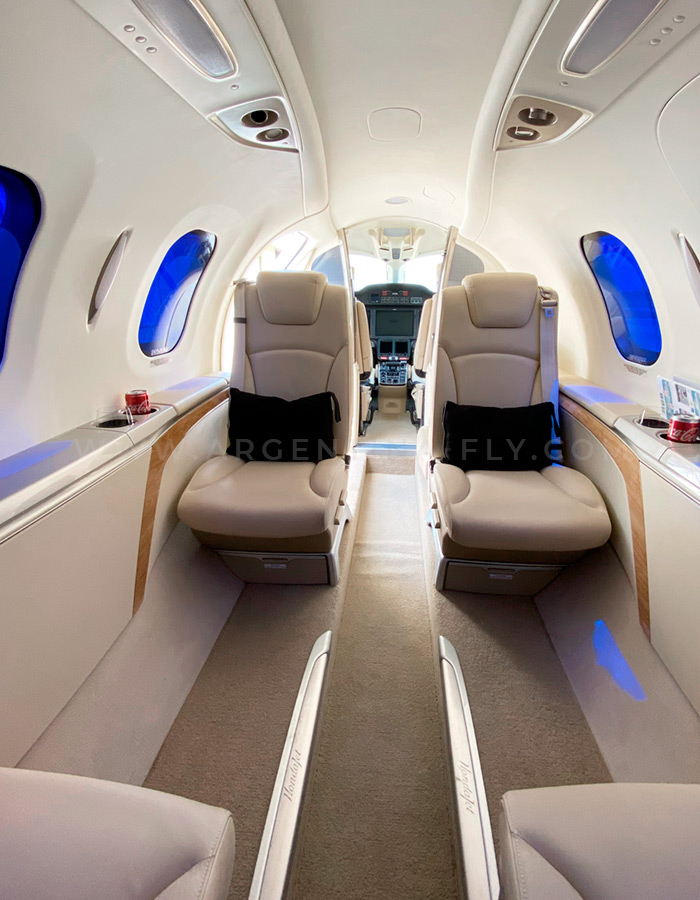
HondaJet
Next-generation light jet with over-the-wing engines, offering an excellent balance between efficiency and executive comfort.
Capacity
5 passengers
Lavatory
Yes
Cabin
Pressurized
Luggage
Moderate
Wi-Fi
Not available
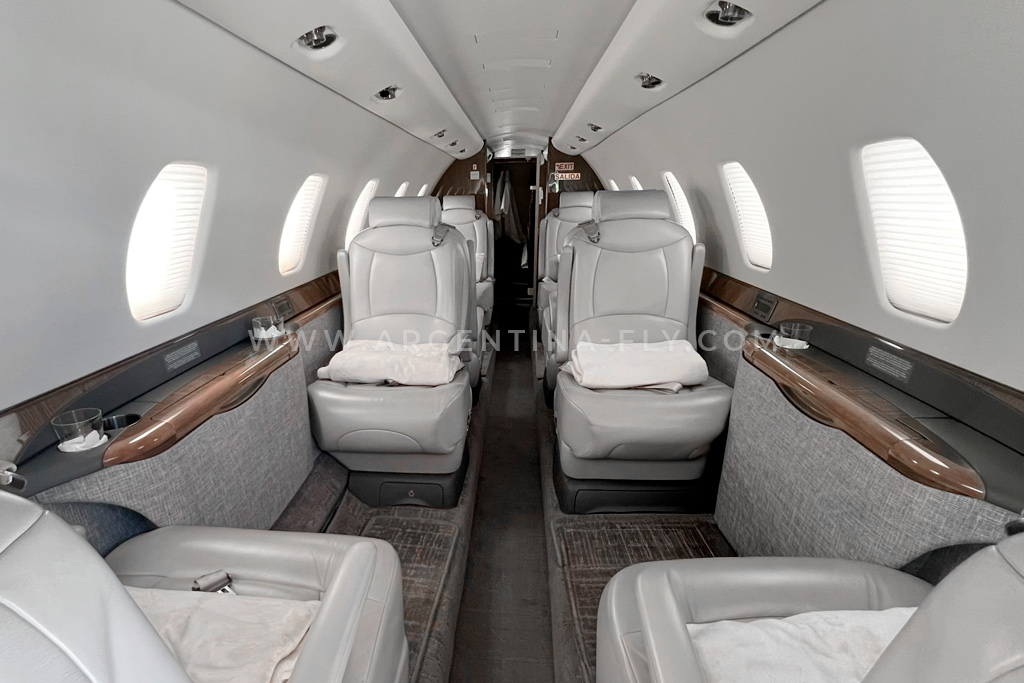
Citation Sovereign
Midsize jet with a spacious cabin, greater range and premium equipment for demanding passengers.
Capacity
8 passengers
Lavatory
Yes
Cabin
Pressurized
Luggage
Generous
Wi-Fi
Portable Starlink (extra cost)
Safety certifications
Other routes from Buenos Aires
Destinations near Cafayate, with the lowest reference fare and the shortest flight time.
Cafayate
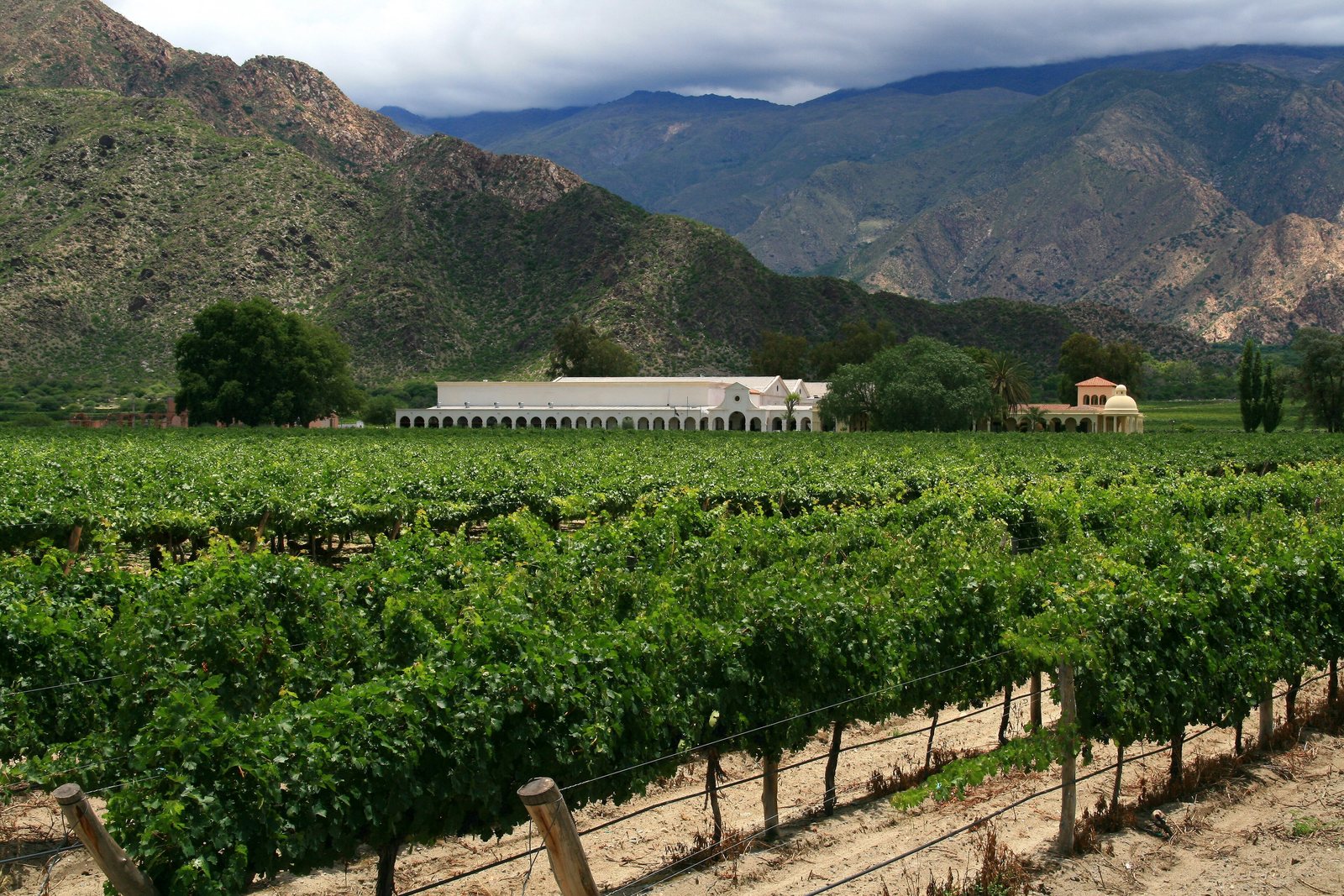
Cafayate lies in the southern Calchaquí Valleys, at about 1,600 m, among Torrontés vineyards and the hills of the Quebrada de las Conchas. By road it is some 1,700 km from Buenos Aires; a private jet reaches the Cafayate airfield in 1 h 40 to 1 h 55.
High-altitude wine
Torrontés, wineries at 1,700 m and the Museo de la Vid y el Vino.
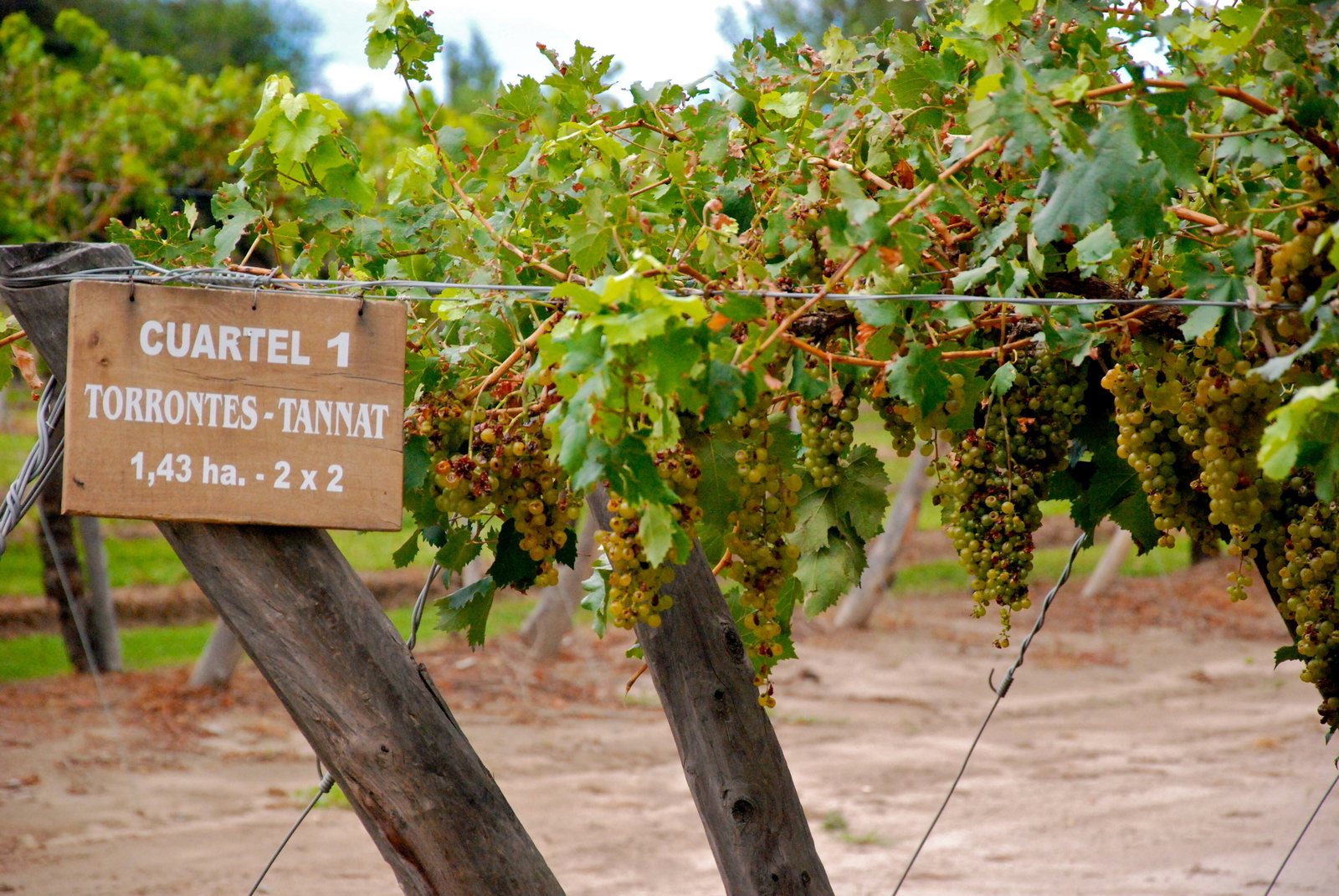
Salta's Wine Route runs through the Calchaquí Valleys along routes 68 and 40 and brings together more than 60 wineries, hotels and providers. The vineyards range from 1,600 to 3,100 m, and 99% of the province's grapes go into fine wines. The local variety is Torrontés, a dry white with aromas of rose and white peach; Malbec, Cabernet Sauvignon, Tannat, Bonarda, Syrah, Barbera and Tempranillo are also made.
Part of the character comes from the soil. Between Cafayate and the confluence of the Santa María and Calchaquí rivers lies a dune field of some 20 km², with dunes up to 15 m high. That quartz and mica sand holds little water and reflects sunlight back onto the vines, so the grapes concentrate sugar.
Several wineries welcome visitors in town or a few minutes away. El Esteco, founded in 1892 by the brothers David and Salvador Michel, stands at the junction of routes 40 and 68, 2 km from the square, with a tour and tasting. One block from the square, El Tránsito offers free guided tours; El Porvenir, on Calle Córdoba, adds lunch to the visit Monday to Saturday. In Yacochuya, above 2,000 m, Domingo Molina receives visitors daily from 10 a.m. to 5 p.m., by appointment. Amalaya has its wine bar at the foot of Cerro San Isidro, and Piattelli, on Provincial Route 2, opened in 2013 with a restaurant and hotel.
In the center, the Museo de la Vid y el Vino, the museum of the vine and wine, opened in 2011 on the grounds of the old Bodega Encantada. The self-guided tour takes 30 to 60 minutes and crosses the old fermentation tanks on a walkway. It is open Tuesday to Sunday from 9 a.m. to 6 p.m. and has a wine bar pouring wines from the valley.
What to see
- AmalayaIn El Divisadero, at the foot of Cerro San Isidro; a wine bar with regional food, Wednesday to Sunday from 11 a.m. to 8 p.m.
- Domingo MolinaIn Yacochuya, above 2,000 m; visits daily from 10 a.m. to 5 p.m., by appointment.
- El EstecoFounded in 1892, at the junction of routes 40 and 68; winery tour and tasting.
- El PorvenirOn Calle Córdoba, in town; a free guided tour and lunch with its wines Monday to Saturday.
- El TránsitoOne block from the square; free guided tours Monday to Friday from 10 a.m. to 5:30 p.m. and Saturdays from 10 a.m. to 1 p.m.
- Museo de la Vid y el VinoOn the grounds of the old Bodega Encantada; a self-guided tour, Tuesday to Sunday from 9 a.m. to 6 p.m.
- PiattelliOn Provincial Route 2, at 1,700 m; tastings, restaurants and a wine resort.
Where to stay
- AltalalunaIn Tolombón, 14 km away, in an 1892 mansion among the vineyards: 20 rooms, a spa and the Tukma winery.
- Grace CafayateInside La Estancia de Cafayate, with an 18-hole golf course, an equestrian center and a spa. Selected by the MICHELIN Guide.
- La Casa de la BodegaOn the La Punilla estate, 18 km away, built into a winery: eight rooms, for a single group of up to 16 guests.
- Patios de CafayateIn the main house of the 1892 estate that is now El Esteco, 2 km from the square: 32 rooms, a pool and a restaurant.
- Piattelli Wine ResortTwenty cottages among the Piattelli vineyards, adults over 18 only, with a spa and two pools.
Quebrada de las Conchas
Colored hills and sandstone formations along Route 68.
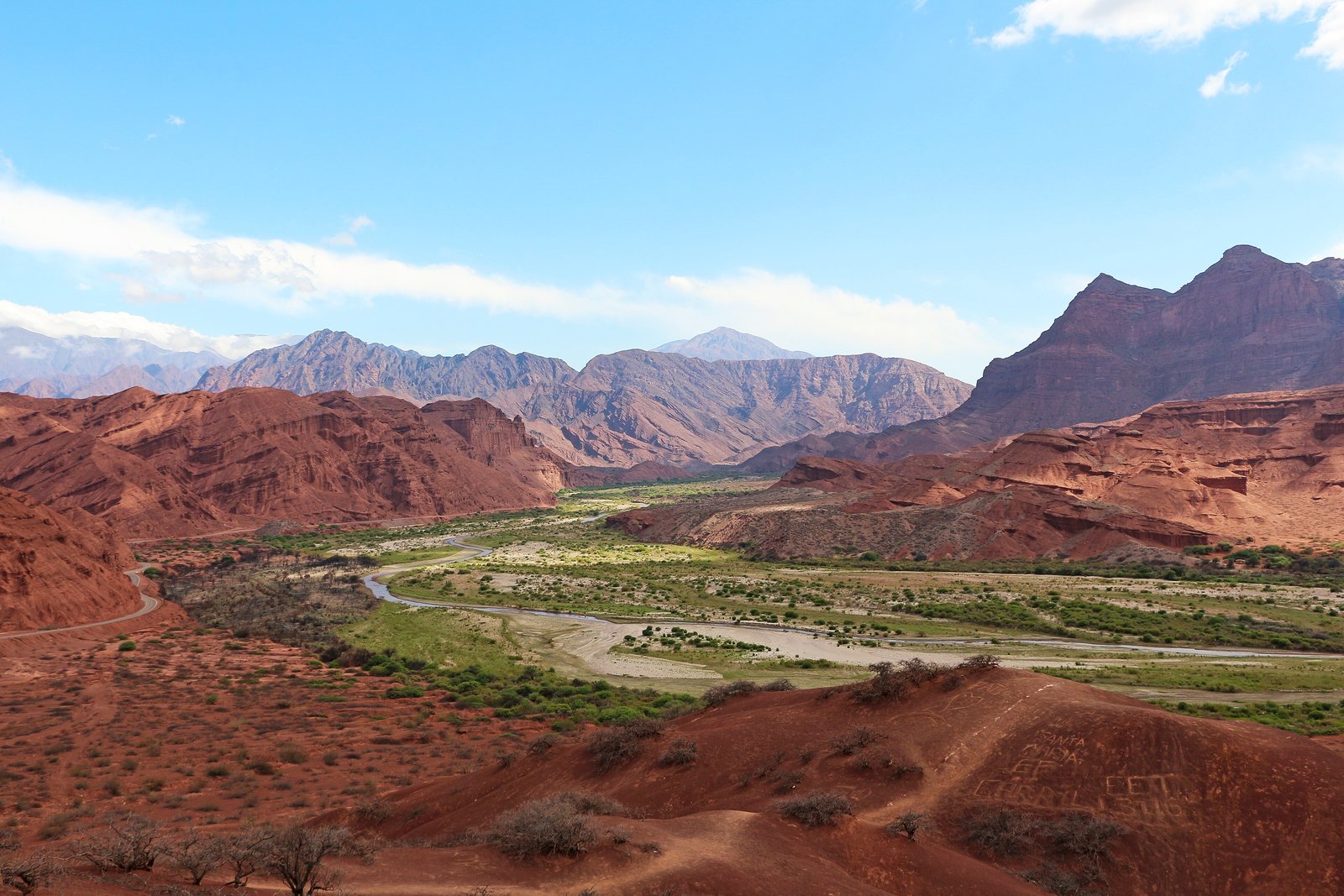
Route 68 links Cafayate with Salta through the Quebrada de las Conchas, also called the Quebrada de Cafayate: some 83 km of pavement among sandstone formations. The gorge begins at La Punilla, 18 km from town. It is a 25,874-hectare provincial nature reserve spread across Cafayate, La Viña and Guachipas, home to guanacos, condors, burrowing parakeets and two species of cardón cactus.
The colors have an explanation. The red is ferric oxide, from rocks formed on land; the green, ferrous iron from sediments laid down underwater, in seas or lakes; the yellowish tones are the weathering of the Yacoraite formation.
Los Castillos, the castles, stand near kilometer 19 of the road; one of their towers, the one known as El Titanic, collapsed from erosion. Then come El Obelisco, of red rock from the early Tertiary; Tres Cruces; El Sapo, a toad-shaped rock carved by wind and rain; and La Yesera, where a gypsum plant once operated. El Anfiteatro and the Garganta del Diablo are two hollows opened by meltwater falls over five glaciations in the last half-million years; in the Amphitheater, the walls carry sound without amplification.
6 km from town, Los Médanos, the dunes, are the place to watch the sun set over the valley. Route 68 is also a mountain bike circuit, and airplane and glider flights are offered over the gorge.
What to see
- El AnfiteatroA tube-shaped hollow in the rock, opened by meltwater, where sound carries without amplification.
- El ObeliscoA formation of soft red rock, laid down in the early Tertiary.
- El SapoA toad-shaped rock, carved by wind and rain.
- Garganta del DiabloA deep, narrow canyon with striated, slanting walls.
- La YeseraMany-colored limestone where a gypsum plant once operated; now a protected area.
- Los CastillosSandstone towers near kilometer 19 of Route 68.
- Los Médanos6 km from town; dunes up to 15 m high for walking and watching the sunset.
The Calchaquí Valleys along Route 40
San Carlos, the Quebrada de las Flechas, Molinos and Colomé.
North of Cafayate, Route 40 follows the Calchaquí River among vineyards and adobe villages. Animaná, whose name in the Cacán language means “place of the sky,” makes vino patero, foot-trodden homemade wine, and basketry. In San Carlos, at 1,624 m, the attempts to found a town between 1551 and 1641 earned it the nickname Villa de los Cinco Nombres, the town of five names. Work on its church of San Carlos Borromeo began in 1801.
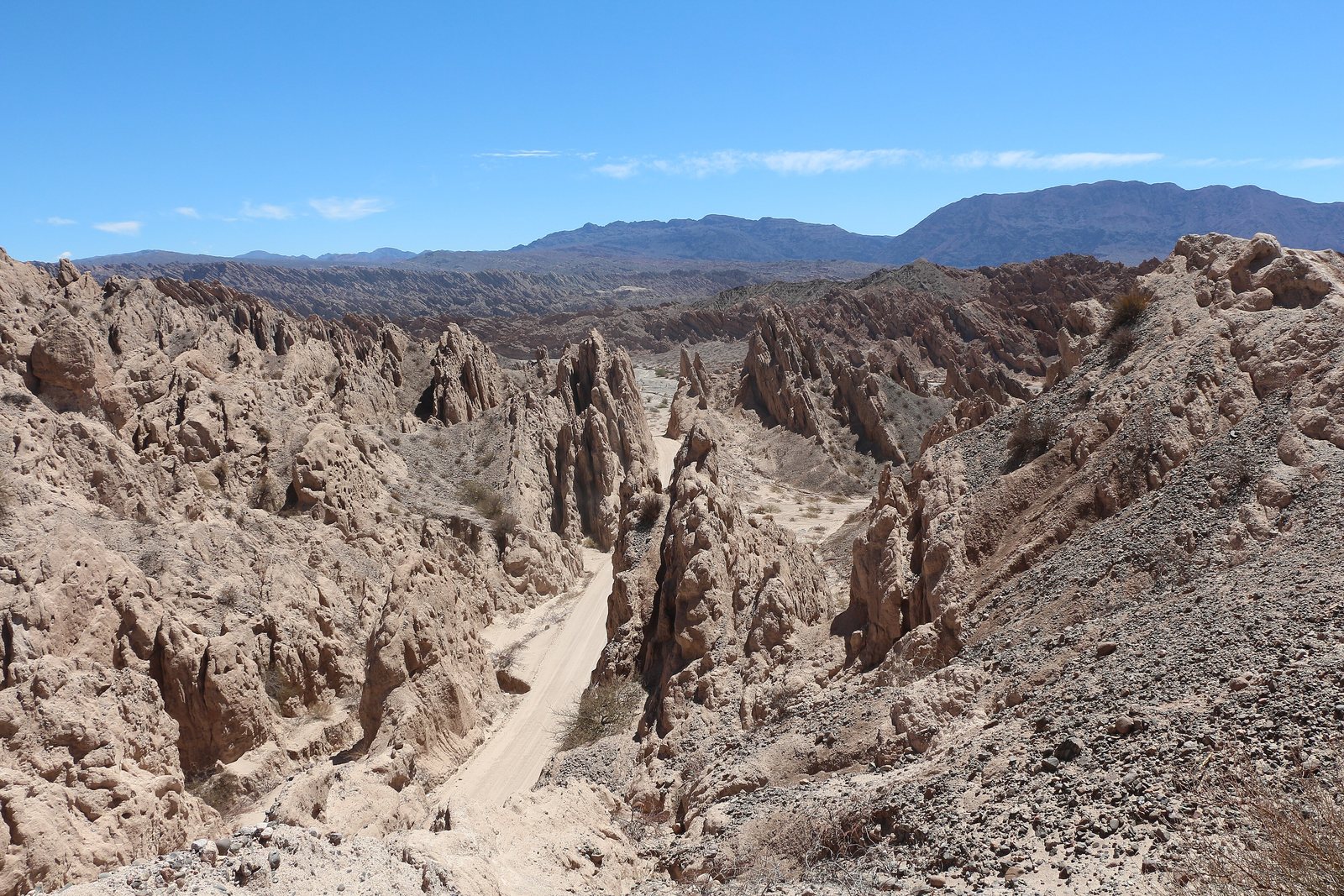
At kilometer 4,407 of the road, between San Carlos and Angastaco, the Quebrada de las Flechas forms narrow passes of sharp, tilted rocks, with walls some 20 m high. It is part of the 1,200-hectare Monumento Natural Angastaco, created by provincial law in 1995. In Angastaco, adobe houses with porches line the road for two or three kilometers, and vinos pateros and mistelas, fortified grape must, are made.
Molinos preserves the church of San Pedro Nolasco, a National Historic Monument, where Nicolás Severo de Isasmendi, the last Spanish governor of the intendancy of Salta del Tucumán, is buried. In town, the San Pedro Nolasco artisans' association and the Coquena vicuña farm weave blankets and ponchos from legally sourced vicuña fiber. 8 km away, at about 1,800 m, are the ruins of El Churcal.
Colomé is 20 km from Molinos on Provincial Route 53, and some 130 km from Cafayate on Route 40, a drive of three and a half to four hours. The winery, founded in 1831, ranks 30th on The World's 50 Best Vineyards 2025; its vineyards range from 2,300 m at the Colomé estate to 3,111 m at Altura Máxima. Among the vines, the James Turrell Museum, designed by the artist, shows nine of his light works across 1,700 m². The Colomé Experience, from 11:30 a.m. to 3 p.m., combines a tasting, lunch and the museum.
What to see
- AngastacoA village of adobe houses on Route 40, with vinos pateros and mistelas.
- Colomé and the James Turrell MuseumSome 130 km away on Route 40; a winery founded in 1831 and nine light works by the artist, at 2,300 m.
- Iglesia de San Pedro NolascoIn Molinos; a colonial church and National Historic Monument.
- Quebrada de las FlechasAt kilometer 4,407 of Route 40; narrow passes some 20 m high inside the Monumento Natural Angastaco.
- San CarlosAt 1,624 m, with the church of San Carlos Borromeo, begun in 1801, and the Jallpha Calchaquí museum.
Where to stay
- Estancia ColoméNine suites with balconies among vineyards and lavender; cooking with produce from its own garden and farm.
The town and the south of the valley
The cathedral, the artisans, El Divisadero and the ruins of Quilmes.
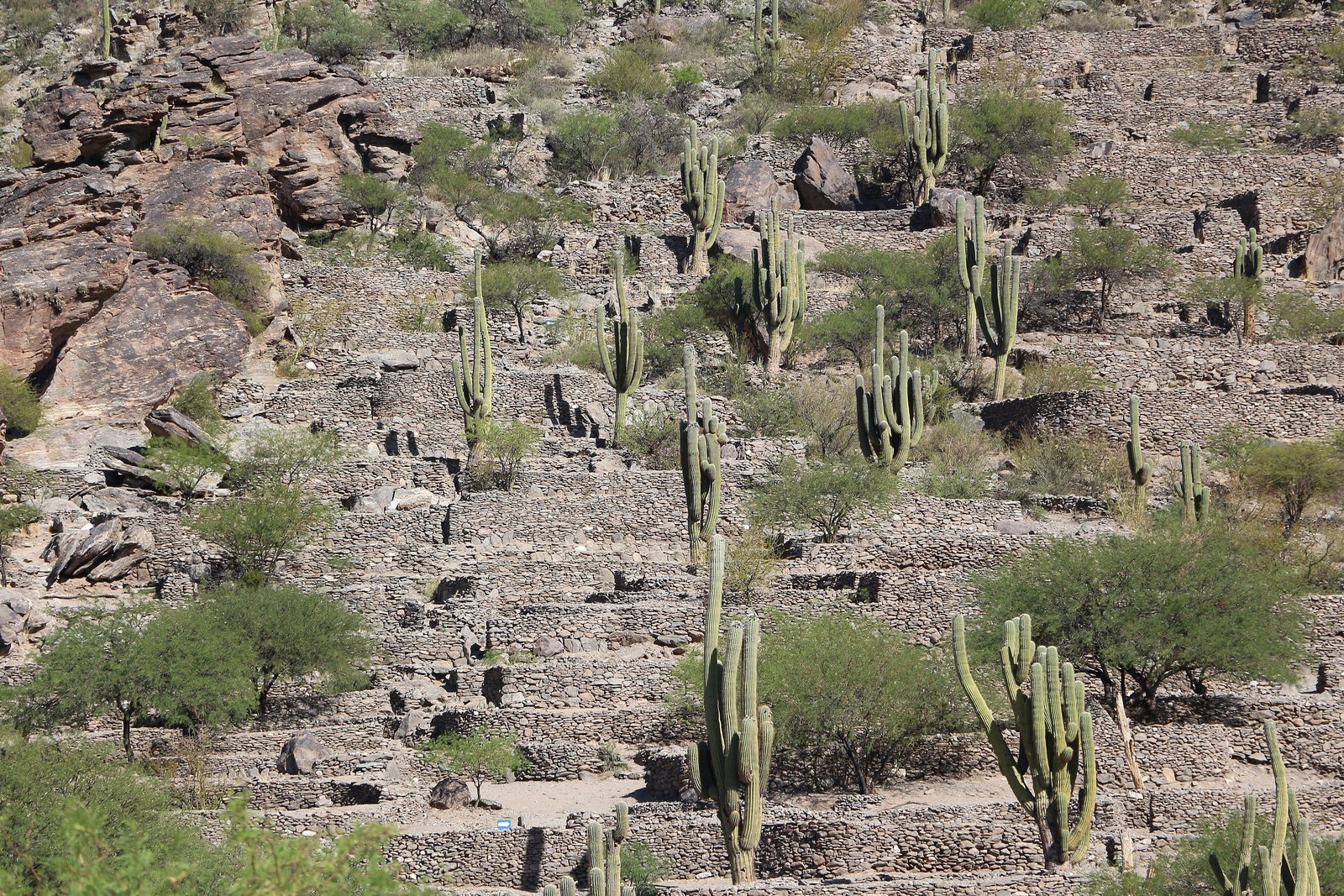
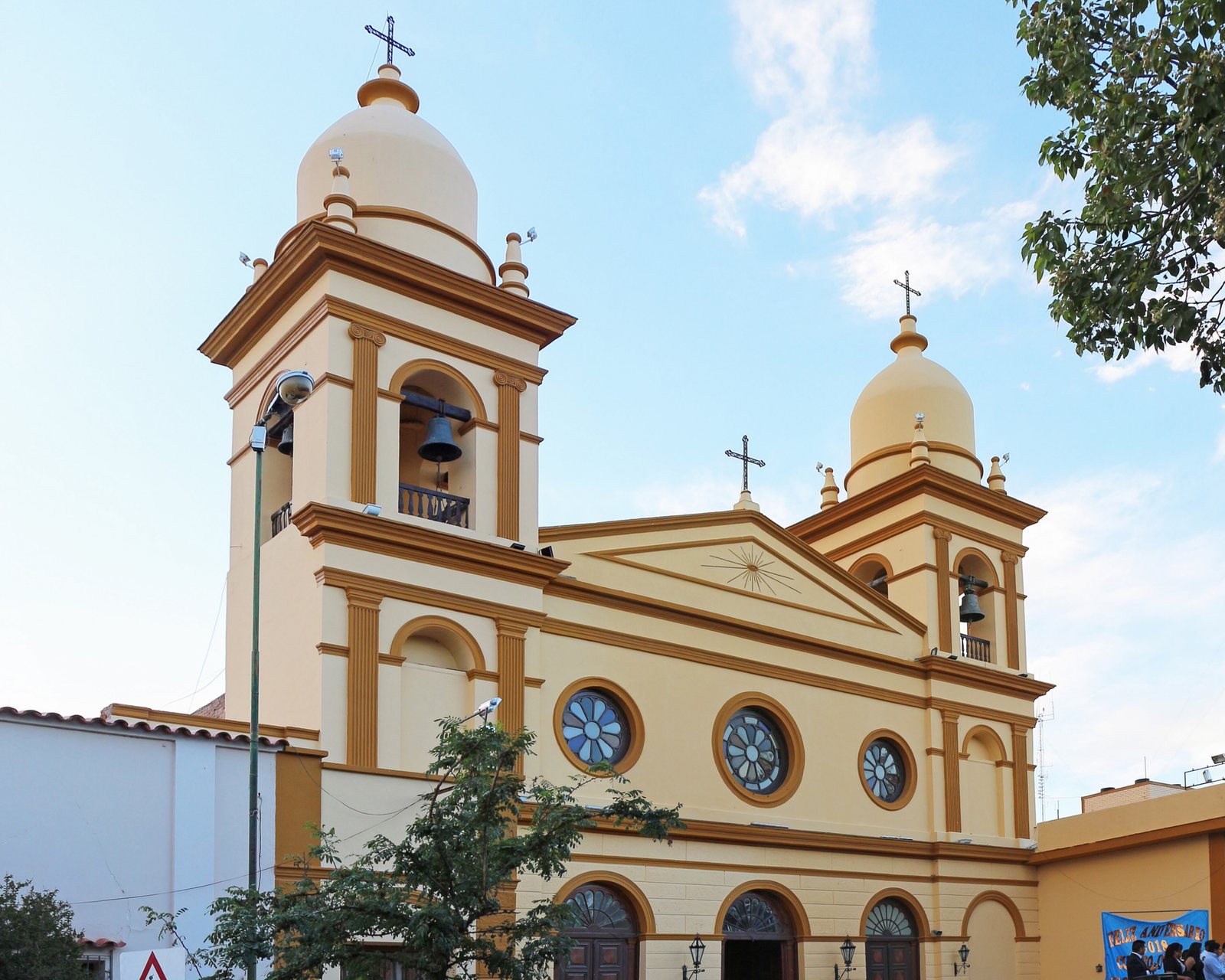
Plaza 20 de Febrero is the center of town. Facing it, the cathedral of Nuestra Señora del Rosario, from 1885, keeps its five original naves. At the Mercado Artesanal and in the workshops you can buy pottery, silverwork and handwoven textiles, and the artisans show their techniques. A local ice cream shop has made Cabernet, Malbec and Torrontés wine ice cream for decades.
The surroundings are a few kilometers away. In El Divisadero, 6 km away, you can visit the Cueva del Suri, with rock paintings, and the waterfall of the Colorado River. Yacochuya, 6 km northwest, has wineries and views over the valley; San Luis, 5 km west, keeps Indigenous stone walls and a stretch of the old Inca road.
To the south, Tolombón is 14 km away; at the foot of the Sierra del Cajón lie the remains of a pre-Hispanic city, seat of the chief Juan Calchaquí. Across the line in Tucumán, along the same Route 40, the Ciudad Sagrada de Quilmes, the sacred city of the Quilmes people, was the last stronghold of Indigenous resistance: it surrendered in 1667, and of the roughly 1,700 Quilmes marched on foot toward Buenos Aires, about 400 arrived. It is open daily from 8:30 a.m. to 6 p.m., with an interpretation center; access is by a 5 km dirt road.
Cafayate has an 18-hole golf course designed by Bob Cupp, at La Estancia de Cafayate, which hosts national and international tournaments.
What to see
- Catedral de Nuestra Señora del RosarioFacing Plaza 20 de Febrero; from 1885, with its five original naves.
- Ciudad Sagrada de QuilmesIn Tucumán, along Route 40; open daily from 8:30 a.m. to 6 p.m., with an interpretation center.
- El Divisadero6 km away; rock paintings in the Cueva del Suri and the Colorado River waterfall.
- La Estancia de CafayateAn 18-hole golf course designed by Bob Cupp.
- Mercado ArtesanalPottery, silverwork and weaving, with artisans who show their techniques.
- Tolombón14 km south, with the remains of a pre-Hispanic city at the foot of the Sierra del Cajón.
Where to eat
- Amalaya Wine BarRegional dishes to share among the vineyards, at the foot of Cerro San Isidro.
- Bad Brothers Wine & Food ExperienceSteps from the square; sharing plates with Agustín Lanús's wines, mostly in the evening.
- El PorvenirA tour, tasting and lunch with the winery's wines, Monday to Saturday.
- Patios de CafayateRegional cooking by Cafayate-born chef Virginia Marín, with a multi-course menu and El Esteco wines.
- PiattelliPatio 360, overlooking the vineyards, and Aura, the wine resort's restaurant.
Festivals and the season
La Serenata in February, Torrontés and the Virgen del Rosario in October.
La Serenata a Cafayate is held in February, over three or four nights, at the Bodega Encantada, on the Payo Solá stage. It is the town's folk music festival and brings together established artists and rising names.
Also in February, Animaná celebrates the Fiesta Provincial de la Vendimia, the provincial grape harvest festival, with wine tastings and sales, a parade of floats and a street dance, and San Carlos “unearths” carnival with flour, water, paint and gaucho skills. In late January, Molinos honors its patron saint with the Festival Nacional del Poncho, Doma y Folklore, a festival of ponchos, horse taming and folk music, and in January Tolombón holds the fiesta de la añapa, named for a drink made from carob pods.
In October, the Semana del Torrontés de Altura, a week devoted to high-altitude Torrontés, brings tastings, menus and exhibitions to Cafayate and the rest of the Wine Route. The same month, the feast of the Virgen del Rosario, patron saint of the town and of farming, goes out in procession with a parade of institutions, gaucho groups and farm machinery.
Typical calendar
- JanuaryFiesta de la añapa in Tolombón; at the end of the month, the Festival Nacional del Poncho in Molinos.
- FebruarySerenata a Cafayate, the Vendimia in Animaná and carnival in San Carlos.
- OctoberSemana del Torrontés de Altura and the feast of the Virgen del Rosario.
- November 4Feast of San Carlos Borromeo in San Carlos.
Arrival
From departure to destination.
- Departure
- From San Fernando (FDO), Aeroparque (AEP) or Ezeiza (EZE). The fare may change depending on where each aircraft is based.
- Airfield
- Gilberto Lavaque (CAF), 4.5 km northeast of town: a 2,100 m paved runway with no control tower. It operates in daylight only, and each flight is coordinated 48 hours in advance.
- Aircraft
- It takes piston aircraft, turboprops and light and midsize jets. Large jets fly to Salta, 1 h 40 from Buenos Aires.
- Salta city
- Some 190 km away along Route 68 and the Quebrada de las Conchas.
- Colomé and Molinos
- Colomé, some 130 km away on Route 40; Molinos, 20 km before it on Provincial Route 53.
When to go
The seasons at the destination.
- January
- Fiesta de la añapa in Tolombón and the Festival Nacional del Poncho in Molinos.
- February
- Serenata a Cafayate and the Fiesta Provincial de la Vendimia in Animaná.
- February to April
- Harvest in the valley's vineyards.
- October
- Semana del Torrontés de Altura and the feast of the Virgen del Rosario.
- Year-round
- Wineries, the Museo de la Vid y el Vino (Tuesday to Sunday), the Quebrada de las Conchas and Colomé.
Key facts
- Airport
- Gilberto Lavaque4.5 km northeast of Cafayate2,100 m paved runway
- Category
- Private, non-towered
- Distance
- 1,177 kmFlight distance from Buenos Aires; 1,700 km by road
Frequently asked questions
Price, flight time, airport, departure and travel documents.
How much does a private flight from Buenos Aires to Cafayate cost?
Reference fares for a one-way private flight from Buenos Aires (San Fernando), whole aircraft, start at USD 9,310 for a piston twin, USD 9,550 for a turboprop, USD 11,200 for a light jet and USD 14,440 for a midsize jet. Round trips are calculated in the quote tool according to the length of your stay.
How long is the flight?
Between 1 h 40 and 4 h 05, depending on the aircraft; the fastest jet on the route takes 1 h 40.
Which airfield does the flight land at?
Gilberto Lavaque Airfield (CAF), 4.5 km northeast of Cafayate. It has a 2,100 m paved runway and no control tower. It does not operate at night, and each flight is coordinated with Salta's Dirección General de Aviación Civil 48 hours in advance. It takes the piston aircraft, turboprops and light and midsize jets in the quote tool for this route; large jets fly to Salta, some 190 km away by road.
When is the best time to fly to Cafayate?
The wineries and the Quebrada de las Conchas can be visited year-round. In February the Serenata a Cafayate coincides with the grape harvest, which runs until April. The Semana del Torrontés de Altura is held in October. In the valleys, the temperature swings 10 to 15 °C between day and night: bring a light jacket in summer and a warm one in winter.
Can I combine Cafayate with Colomé or Salta?
Yes. Colomé is some 130 km away on Route 40, a drive of three and a half to four hours, and Salta city some 190 km away along Route 68 and the Quebrada de las Conchas. You can also fly direct to Salta: a jet arrives from Buenos Aires in 1 h 40.
Which wineries can I visit?
In town, El Tránsito and El Porvenir, a few blocks from the square, and the Museo de la Vid y el Vino. On the outskirts, El Esteco, Piattelli, Amalaya and Domingo Molina, in Yacochuya, above 2,000 m. Colomé, with the James Turrell Museum, is some 130 km away. It is best to book visits in advance.
Are the published fares final?
They are estimates. The final quote depends on dates, length of stay, aircraft type and applicable operating fees.
Where does the flight depart from?
Fares are calculated for departure from San Fernando (FDO). Departing from Aeroparque (AEP) or Ezeiza (EZE) may change the fare, depending on where each aircraft is based.
What documents do I need?
It is a domestic flight within Argentina: Argentine citizens travel with a valid national ID (DNI) and foreign nationals with a valid passport.

Ready to fly? Let’s talk.
Share the details of your trip and we’ll help you find the aircraft and flight solution best suited to your needs.
- WhatsApp+54 9 11 3080 7775
- Phone+54 9 11 3080 7775
- Emailinfo@argentina-fly.com
For charter operatorsList your aircraft