
- Home
- Flight quote
- Puerto San Julián
Private flights to Puerto San Julián
Jet from USD 18,540 · 2 h 55
Results:
- Itinerary
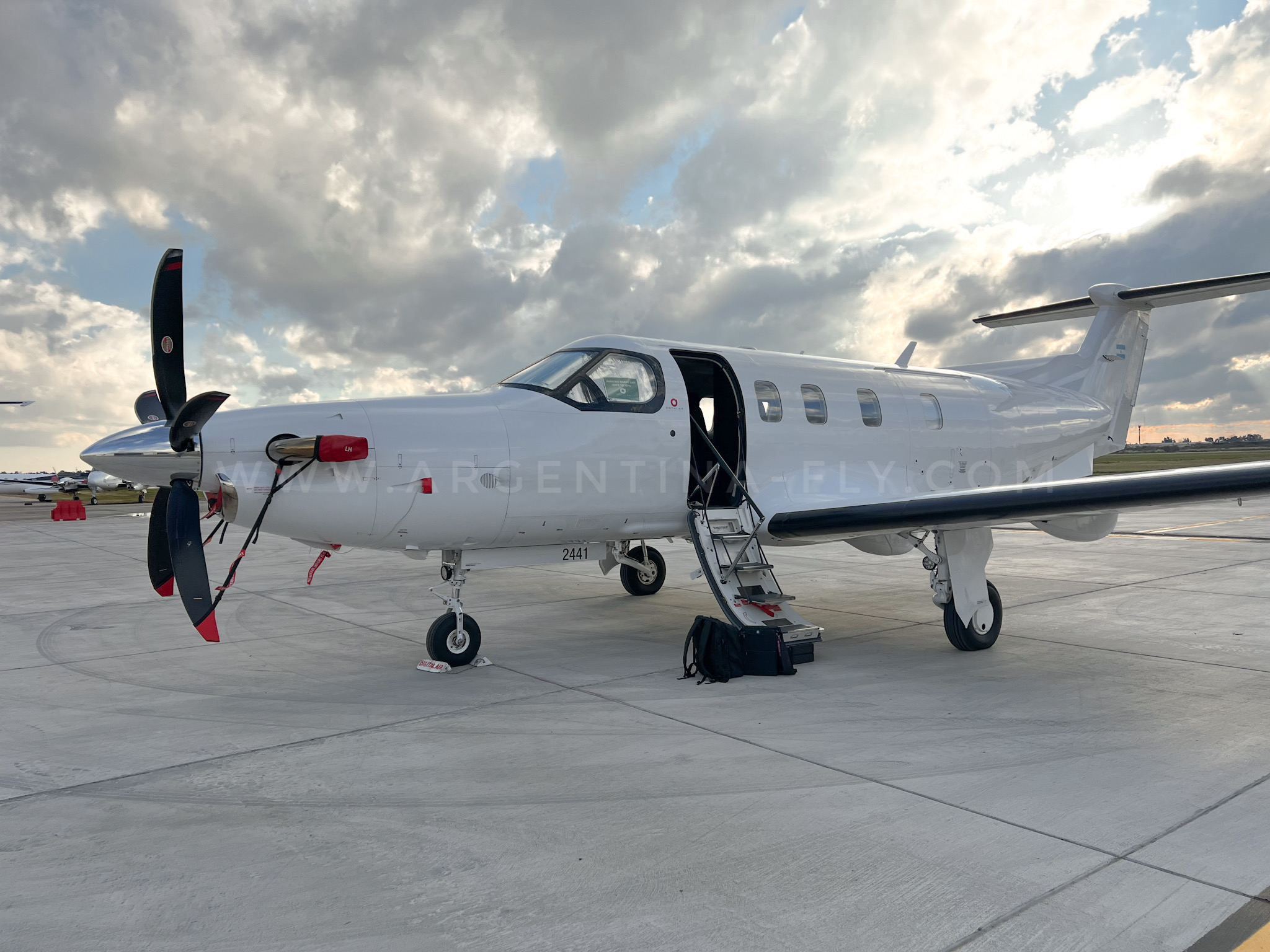
Pilatus PC-12
Turboprop · 8 passengers · 4 h 154 h 15flight time
USD 16,560+ VAT 10.5%
Request a quote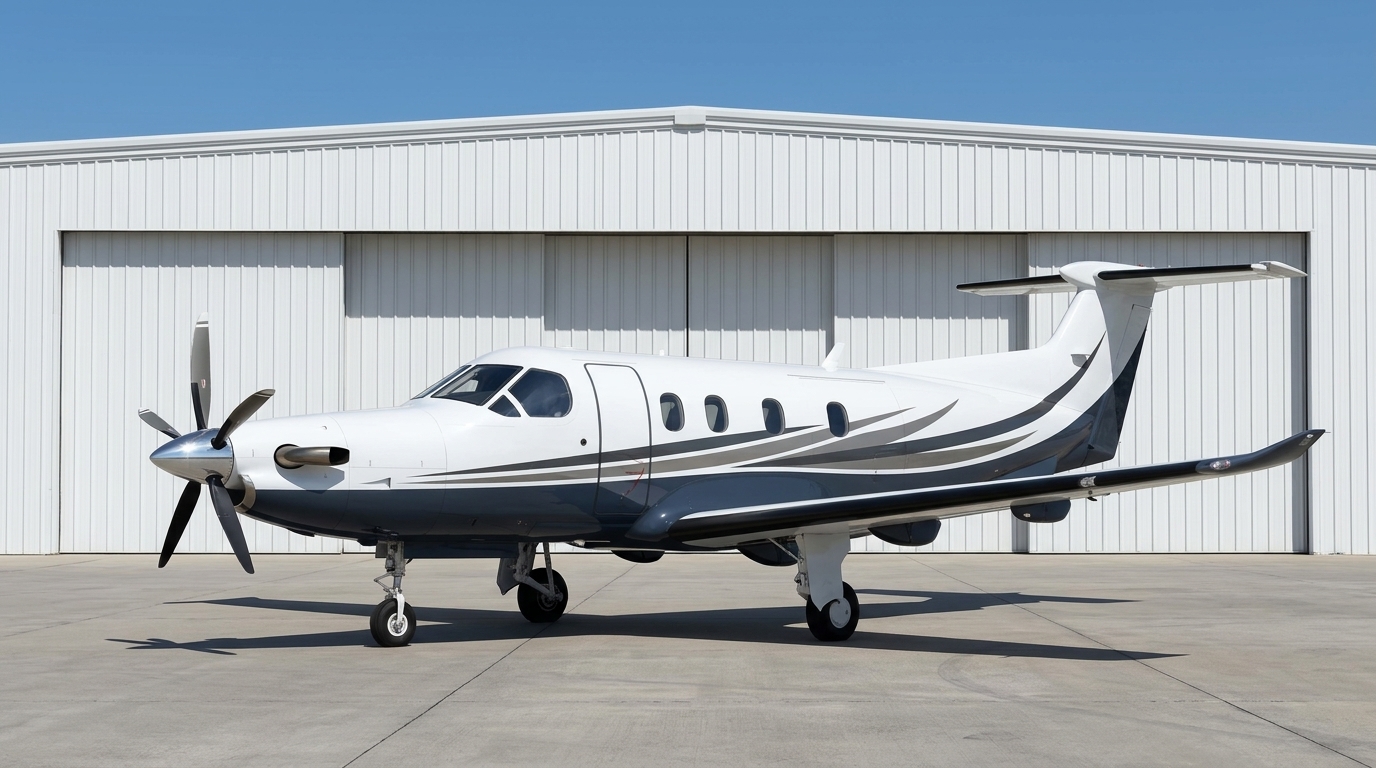
Pilatus PC12 Pro
Turboprop · 8 passengers · 4 h 154 h 15flight time
USD 16,960+ VAT 10.5%
Request a quote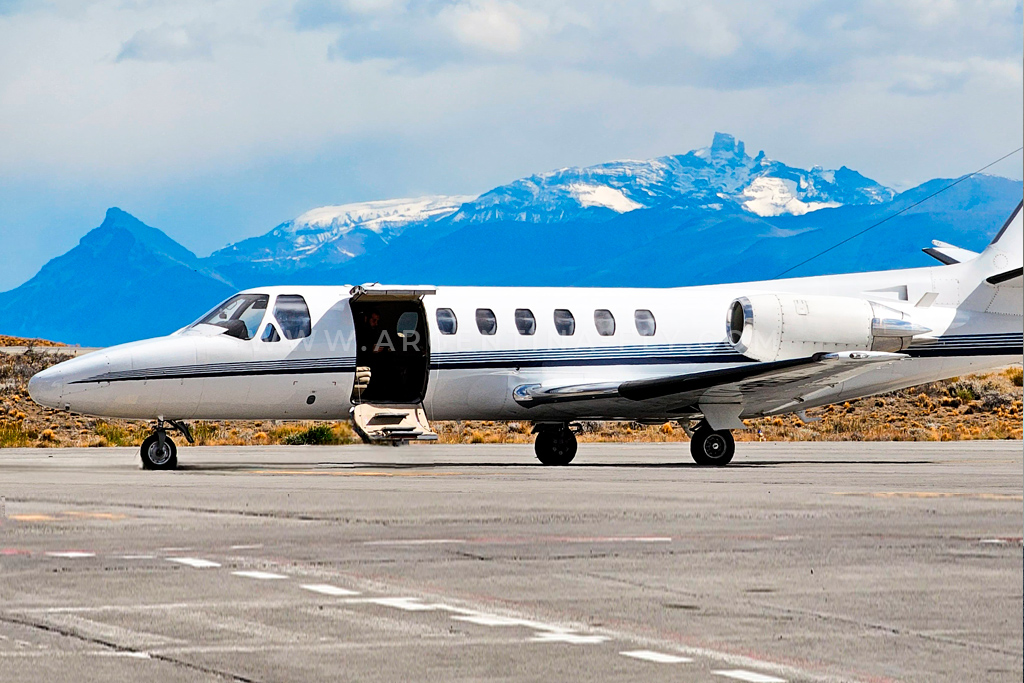
Citation V
Light jet · 8 passengers · 2 h 552 h 55flight time
USD 18,540+ VAT 10.5%
Request a quote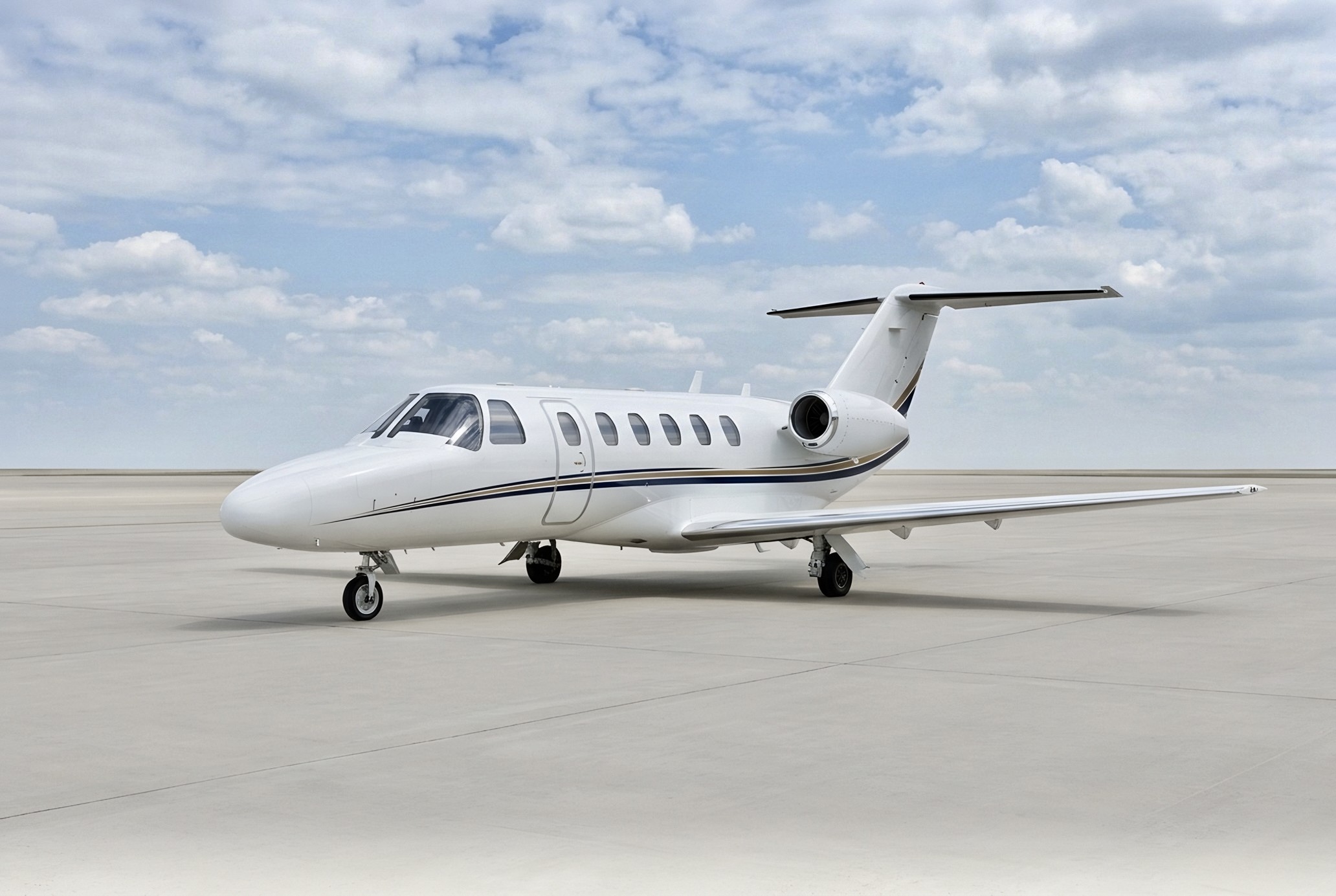
Citation CJ2
Light jet · 6 passengers · 3 h 05 · 2 options3 h 05flight time
USD 18,540+ VAT 10.5%
Request a quote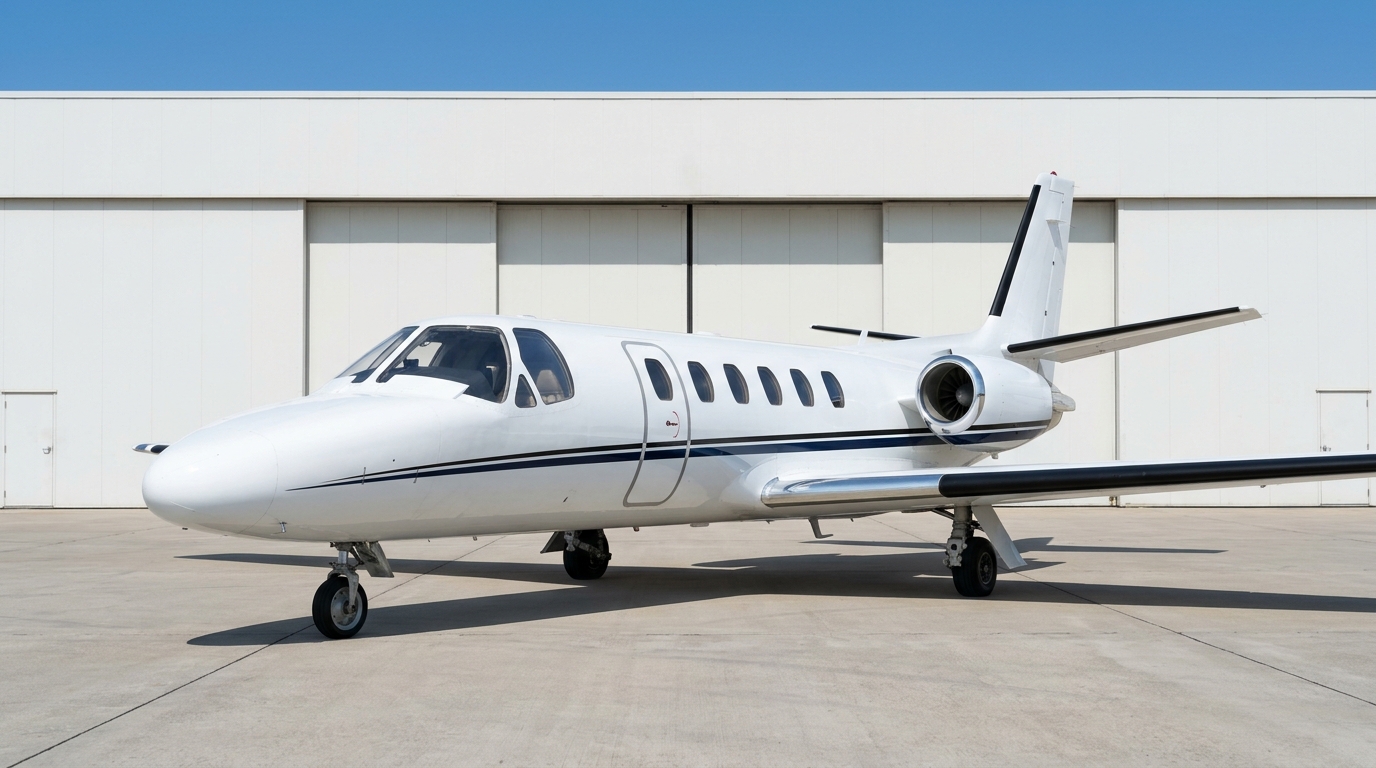
Citation Bravo
Light jet · 7 passengers · 3 h 003 h 00flight time
USD 19,720+ VAT 10.5%
Request a quote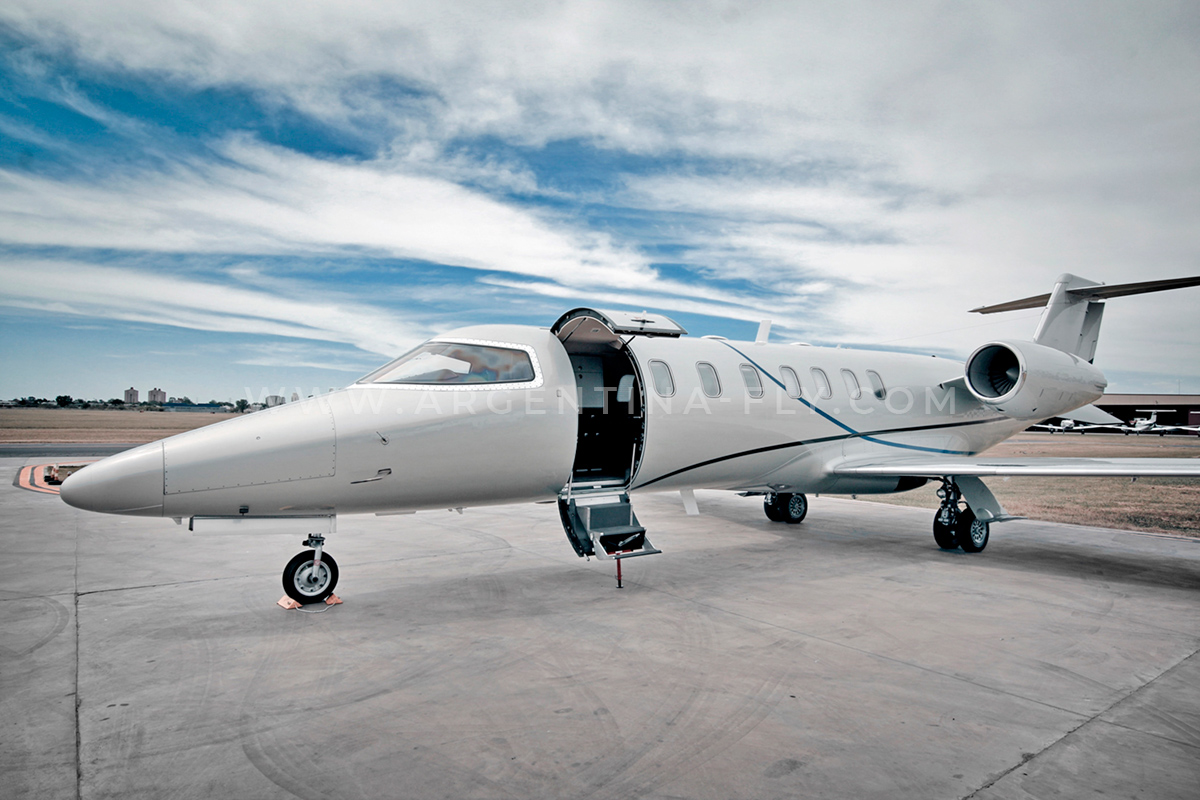
Learjet 40 XR
Light jet · 6 passengers · 2 h 452 h 45flight time
USD 22,080+ VAT 10.5%
Request a quote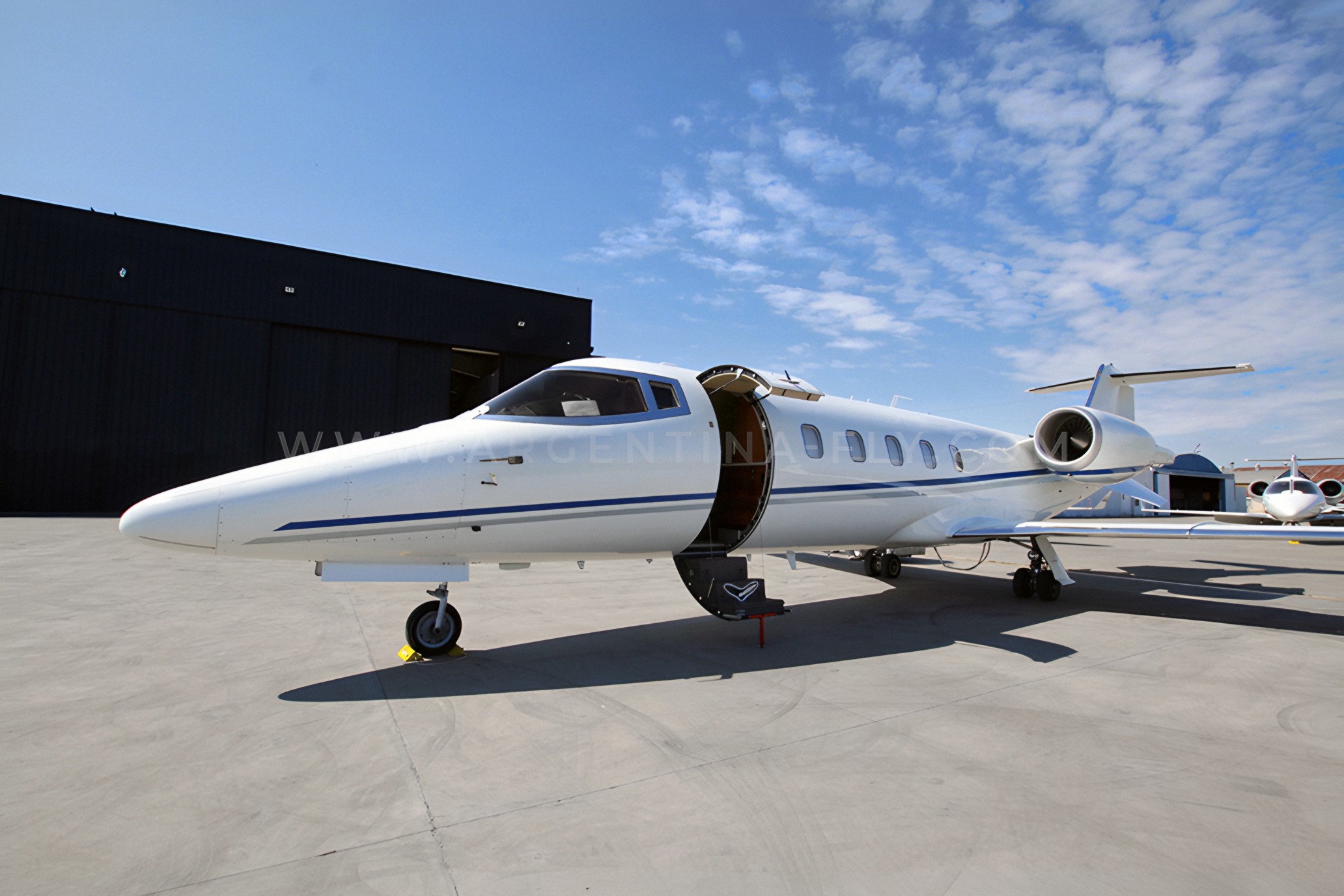
Learjet 60
Midsize jet · 7 passengers · 2 h 40 · 2 options2 h 40flight time
USD 22,870+ VAT 10.5%
Request a quote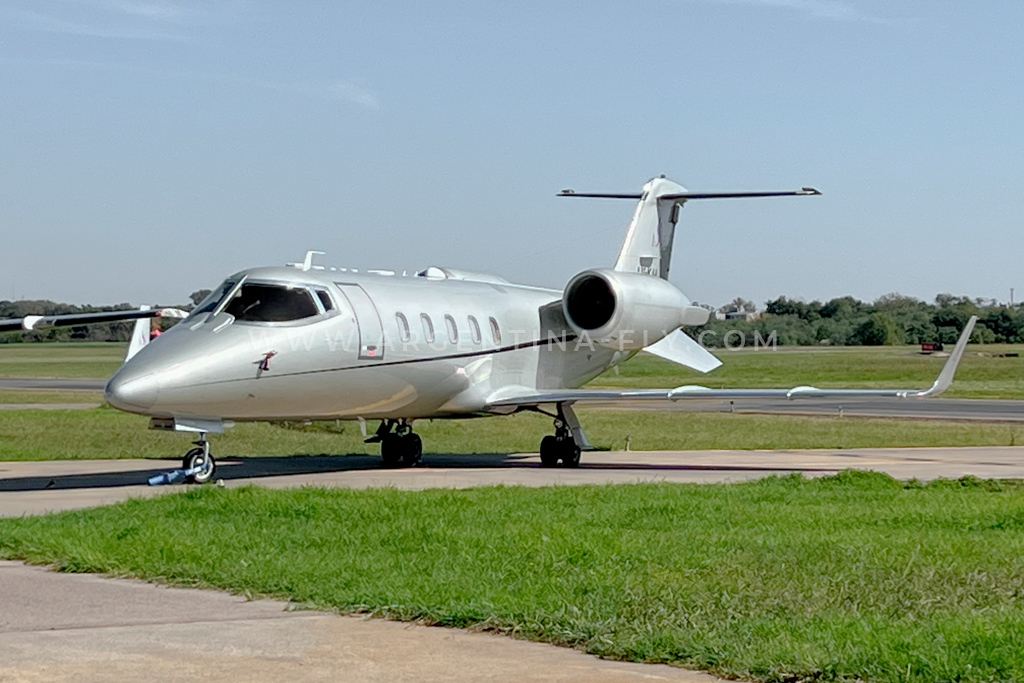
Learjet 60 XR
Midsize jet · 6 passengers · 2 h 352 h 35flight time
USD 24,060+ VAT 10.5%
Request a quote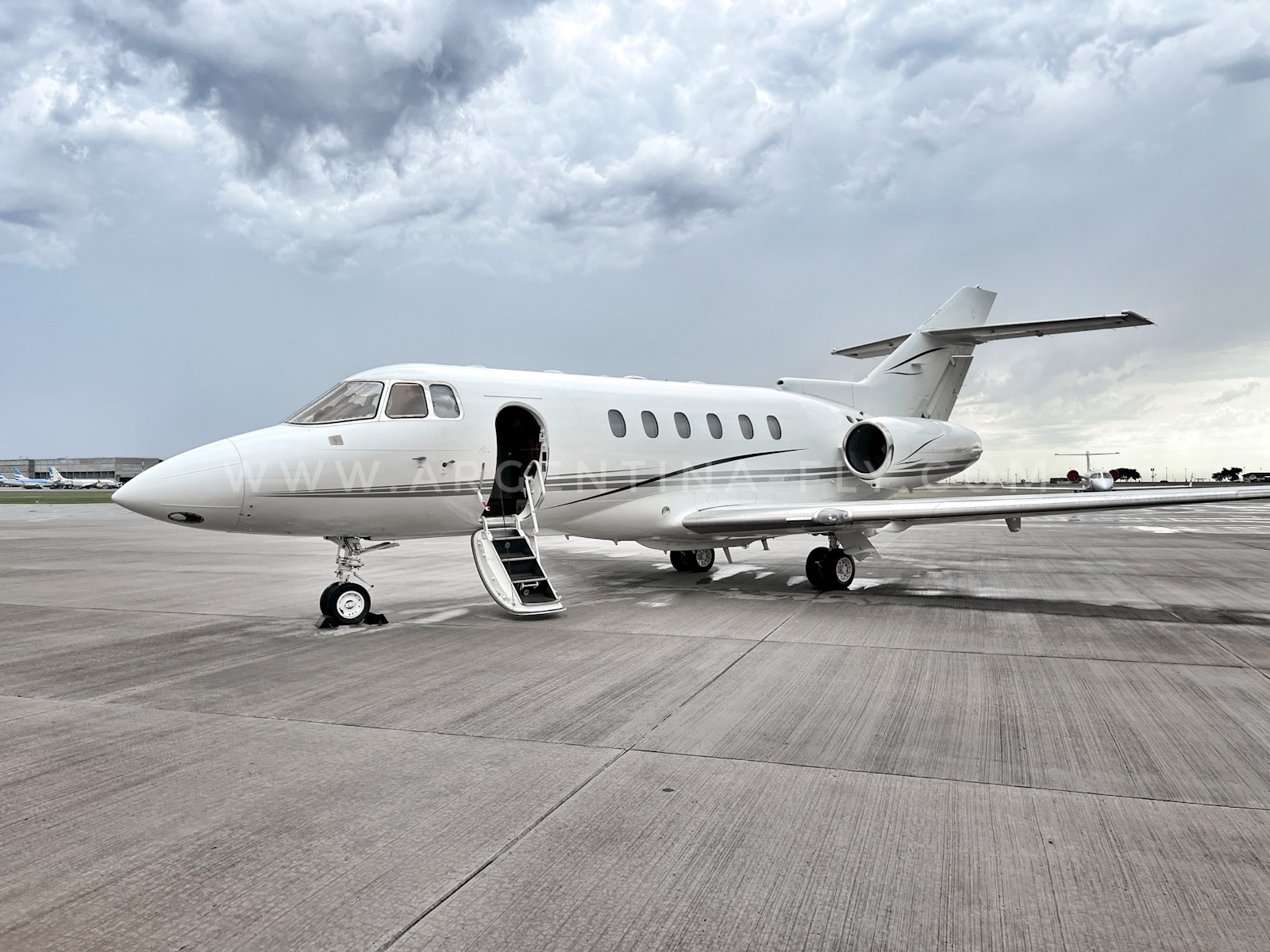
Hawker 800 XP
Midsize jet · 8 passengers · 2 h 402 h 40flight time
USD 24,660+ VAT 10.5%
Request a quote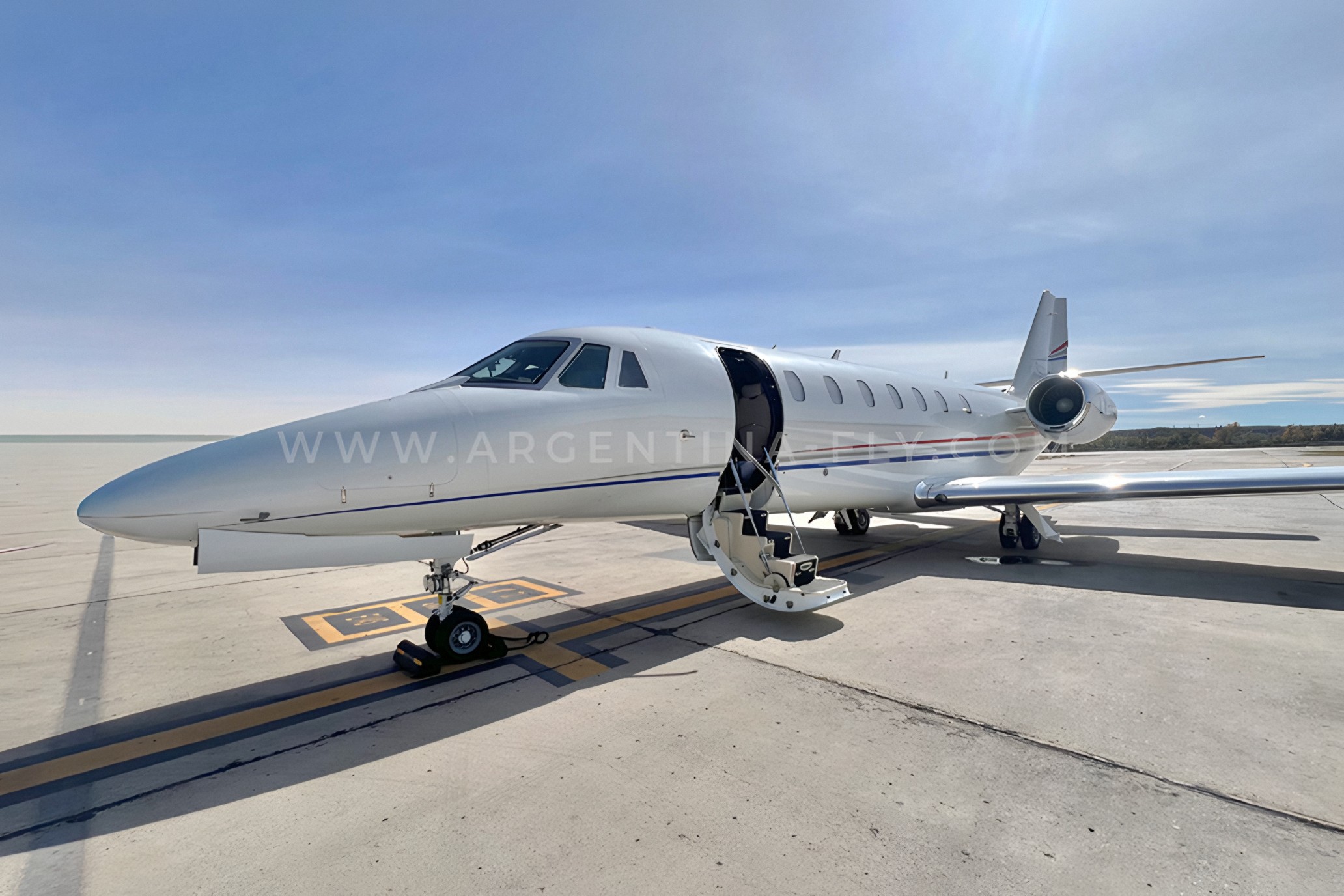
Citation Sovereign
Midsize jet · 8 passengers · 2 h 352 h 35flight time
USD 27,600+ VAT 10.5%
Request a quote
Route and airfields
Rate conditions
Please read carefully before requesting a quote.
Prices
Reference fares in US dollars (USD), for the entire aircraft. They may vary with aircraft availability and travel dates. For itineraries with several destinations, please request a tailored quote.
Not included
VAT on flights within Argentina, fees abroad on international flights (airport charges, handling and FBO, among others), and special services on request.
Base airport
Fares are calculated for departure from San Fernando (FDO). Departing from Aeroparque (AEP) or Ezeiza (EZE) may change the fare, depending on where each aircraft is based.
Reference fleet
The aircraft displayed are for reference purposes only and may vary depending on operational availability. Contact us to learn about the available options for your trip.
Rate conditions
Please read carefully before requesting your quotation.
Published prices are provided for reference only.
 Prices
Reference fares in US dollars (USD), for the entire aircraft. They may vary with aircraft availability and travel dates. For itineraries with several destinations, please request a tailored quote.
 Not included
VAT on flights within Argentina, fees abroad on international flights (airport charges, handling and FBO, among others), and special services on request.
 Base airport
Fares are calculated for departure from San Fernando (FDO). Departing from Aeroparque (AEP) or Ezeiza (EZE) may change the fare, depending on where each aircraft is based.
 Reference fleet
The aircraft displayed are for reference purposes only and may vary depending on operational availability. Contact us to learn about the available options for your trip.
Need a personalized quotation?
Request quotation
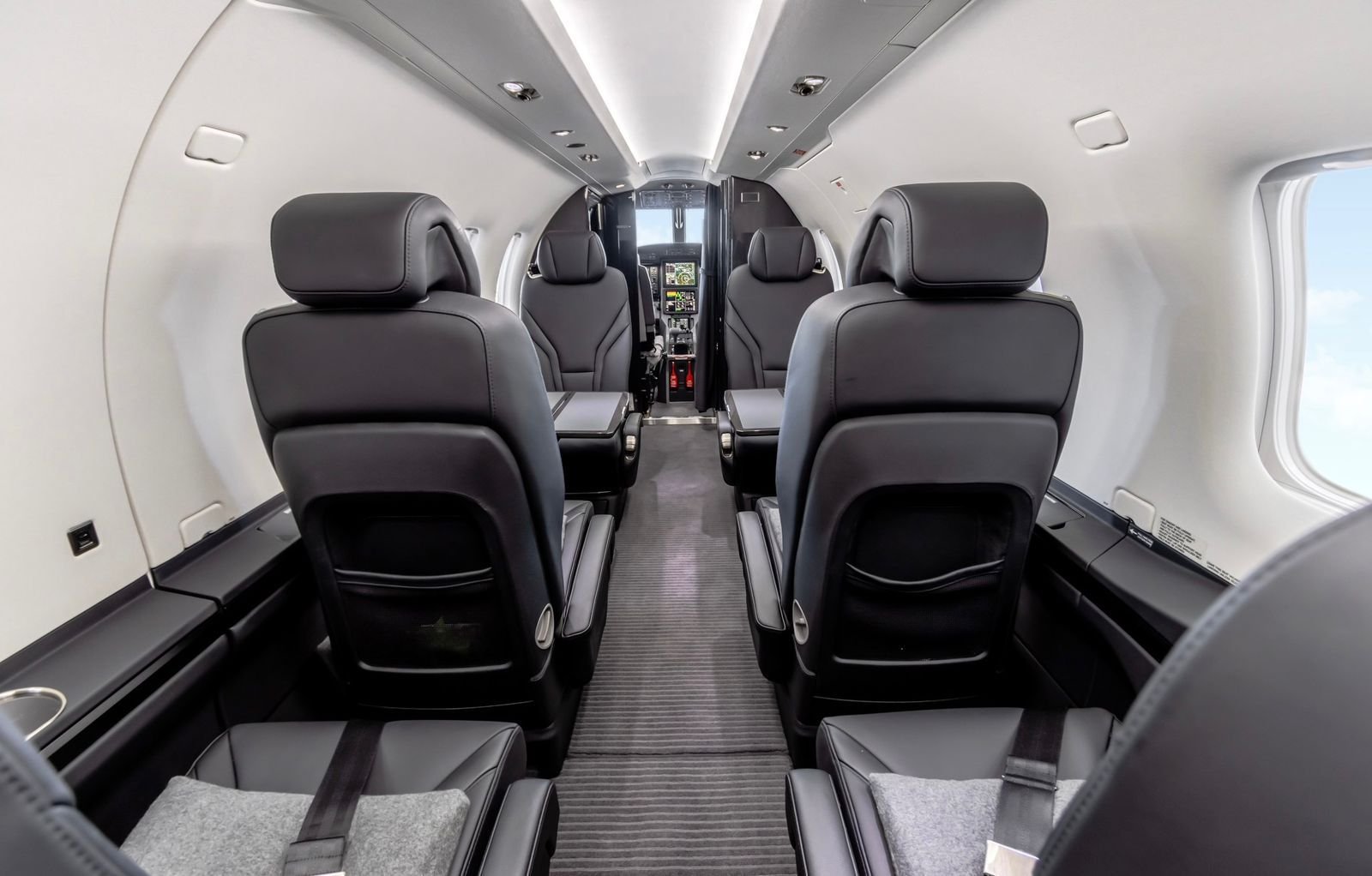
Pilatus PC-12
High-performance single-engine turboprop in executive configuration, with a spacious cabin and latest-generation technology.
 Capacity
8 passengers
 Lavatory
Not available
 Cabin
Pressurized
 Luggage
Standard
 Wi-Fi
Portable Starlink
 Puerto San Julián (ULA)
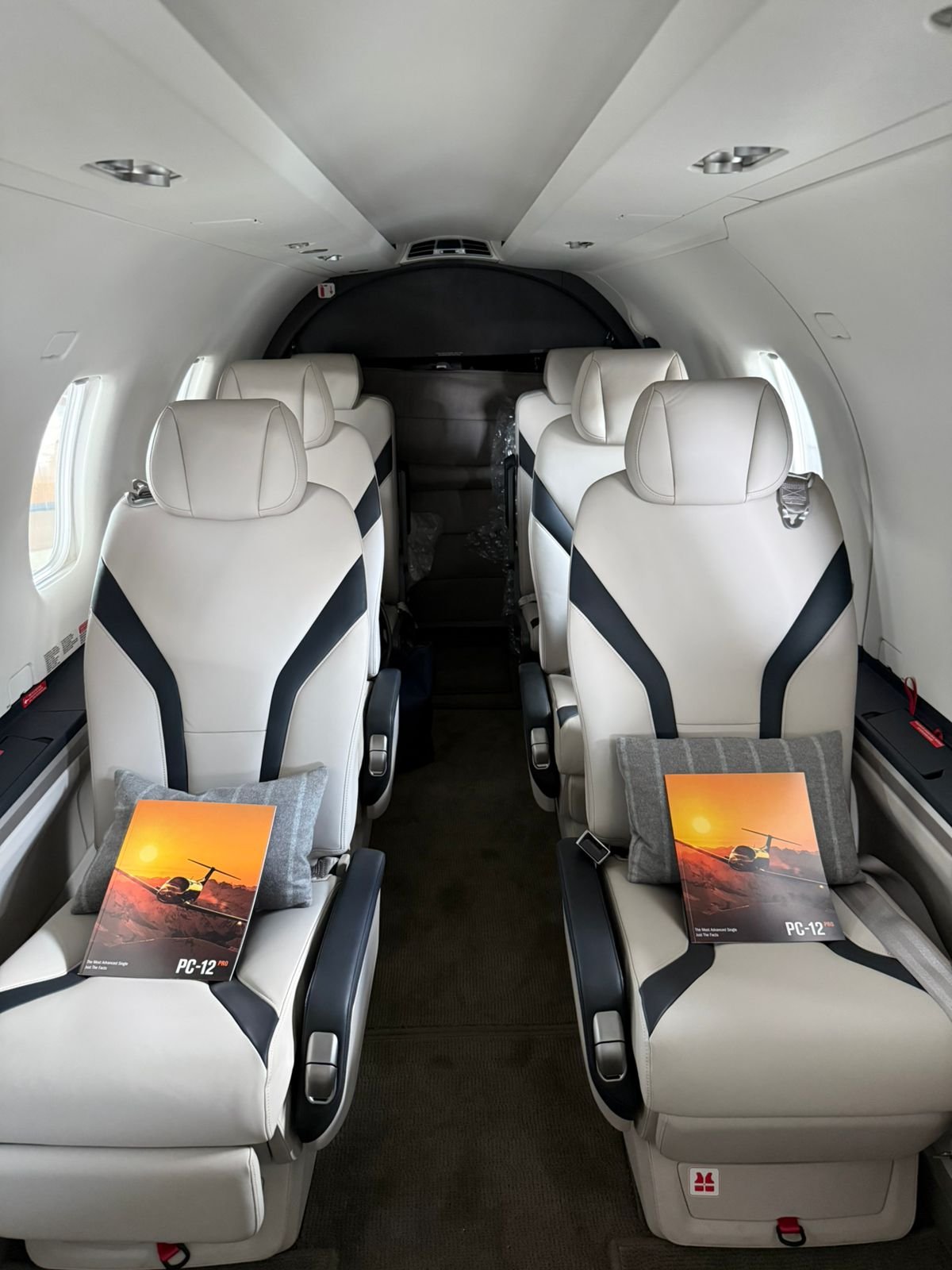
Pilatus PC12 Pro
High-performance single-engine turboprop in executive configuration, with a spacious cabin and latest-generation technology.
Capacity
8 passengers
Lavatory
Not available
Cabin
Pressurized
Luggage
Standard
Wi-Fi
Portable Starlink
Puerto San Julián (ULA)
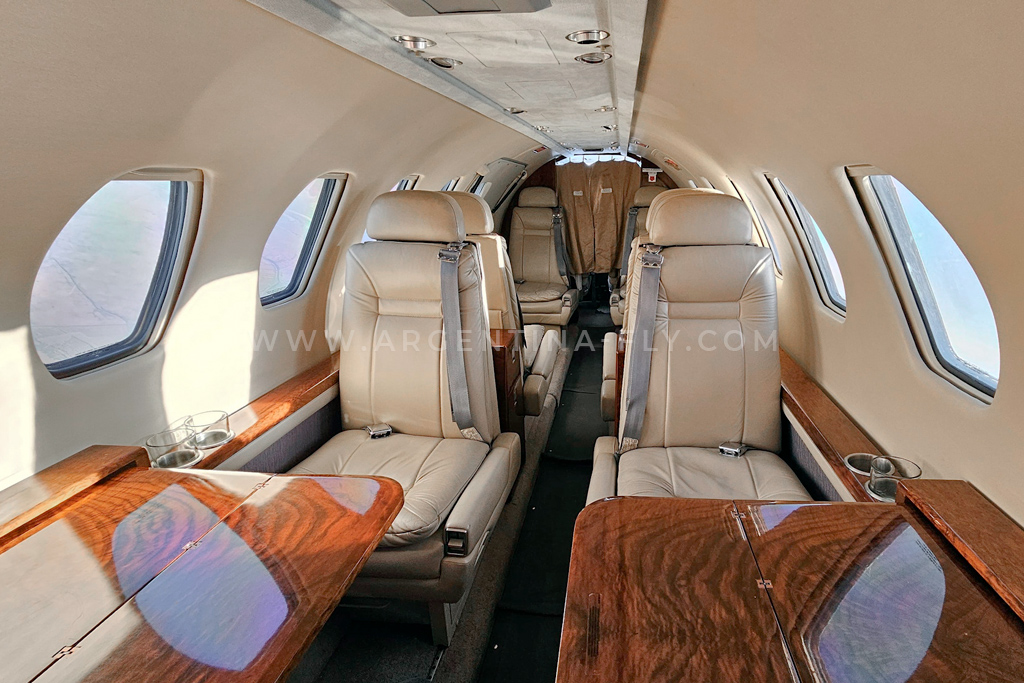
Citation V
Light jet with a comfortable cabin for up to 8 passengers and strong regional range.
Capacity
8 passengers
Lavatory
Not available
Cabin
Pressurized
Luggage
Moderate
Wi-Fi
Portable Starlink
Puerto San Julián (ULA)
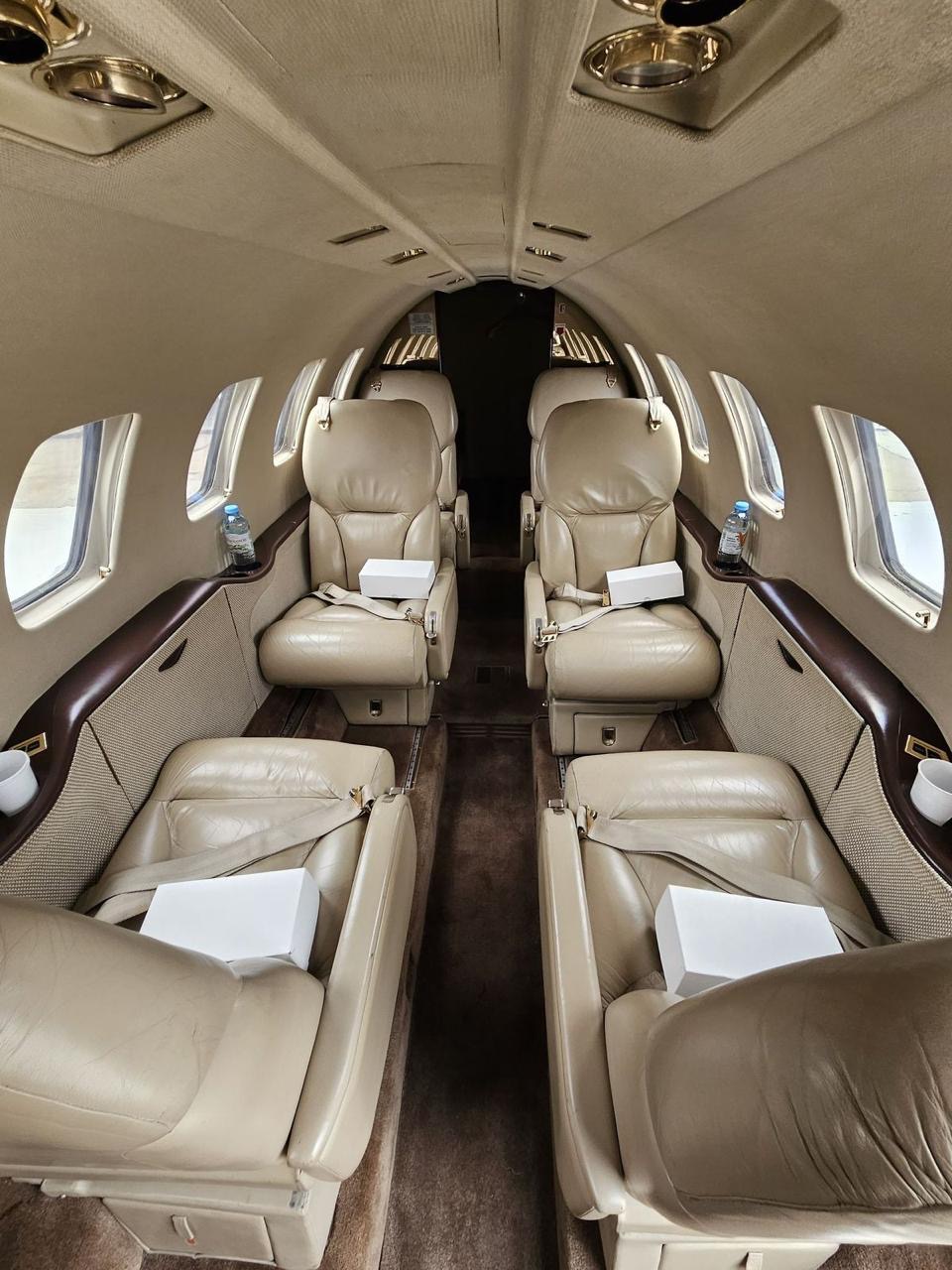
Citation Bravo
Classic light jet with a pressurized cabin, reliable and versatile for regional trips and short runways.
Capacity
7 passengers
Lavatory
Not available
Cabin
Pressurized
Luggage
Standard
Wi-Fi
Not available
Puerto San Julián (ULA)
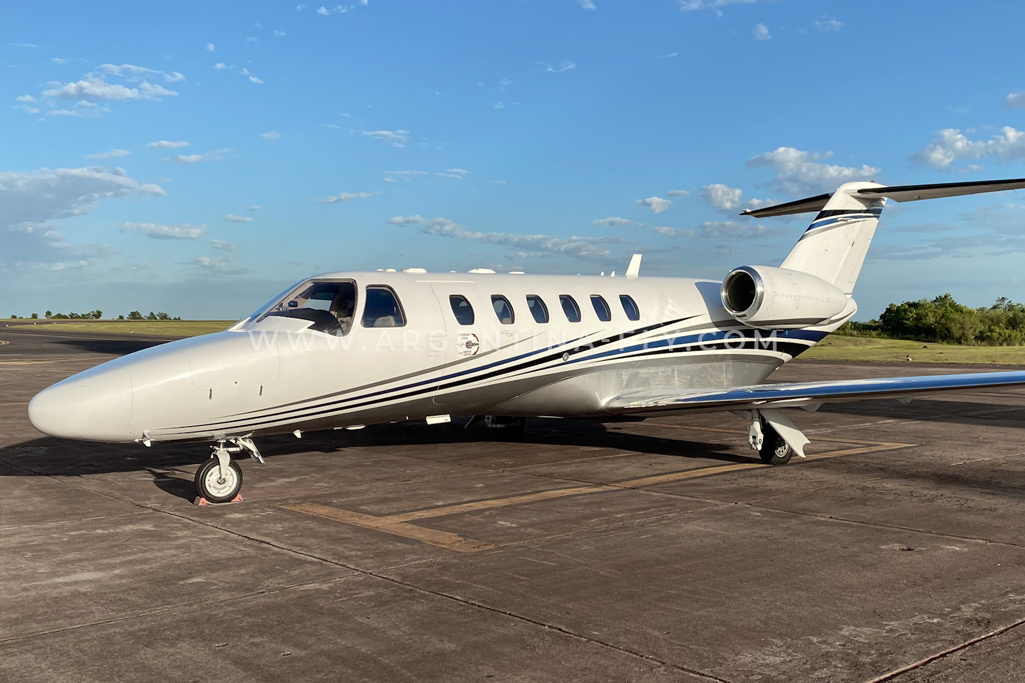
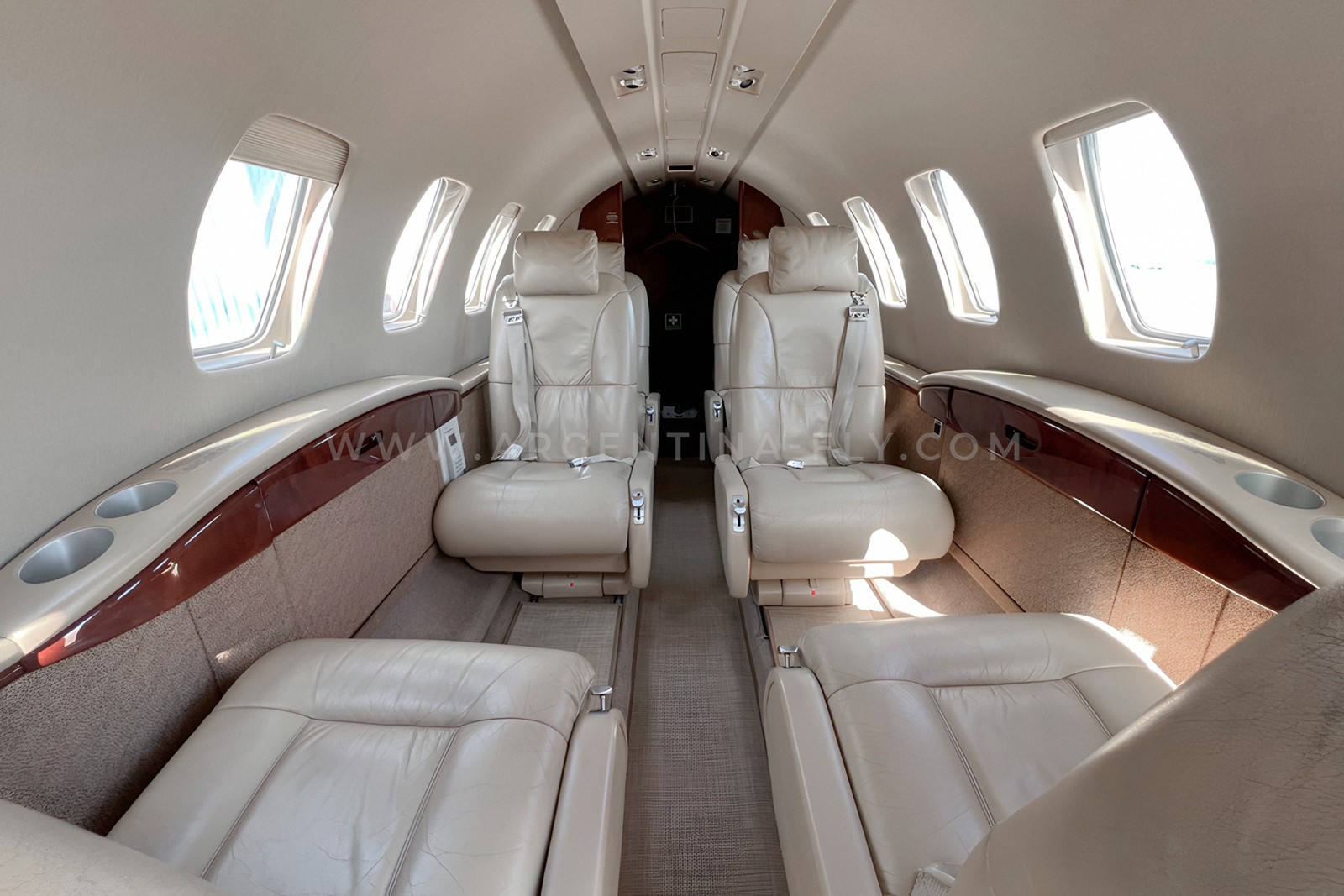
Citation CJ2
Light jet with greater range than the CJ1, offering an excellent balance between cost and executive performance.
Capacity
6 passengers
Lavatory
Not available
Cabin
Pressurized
Luggage
Moderate
Wi-Fi
Not available
Puerto San Julián (ULA)
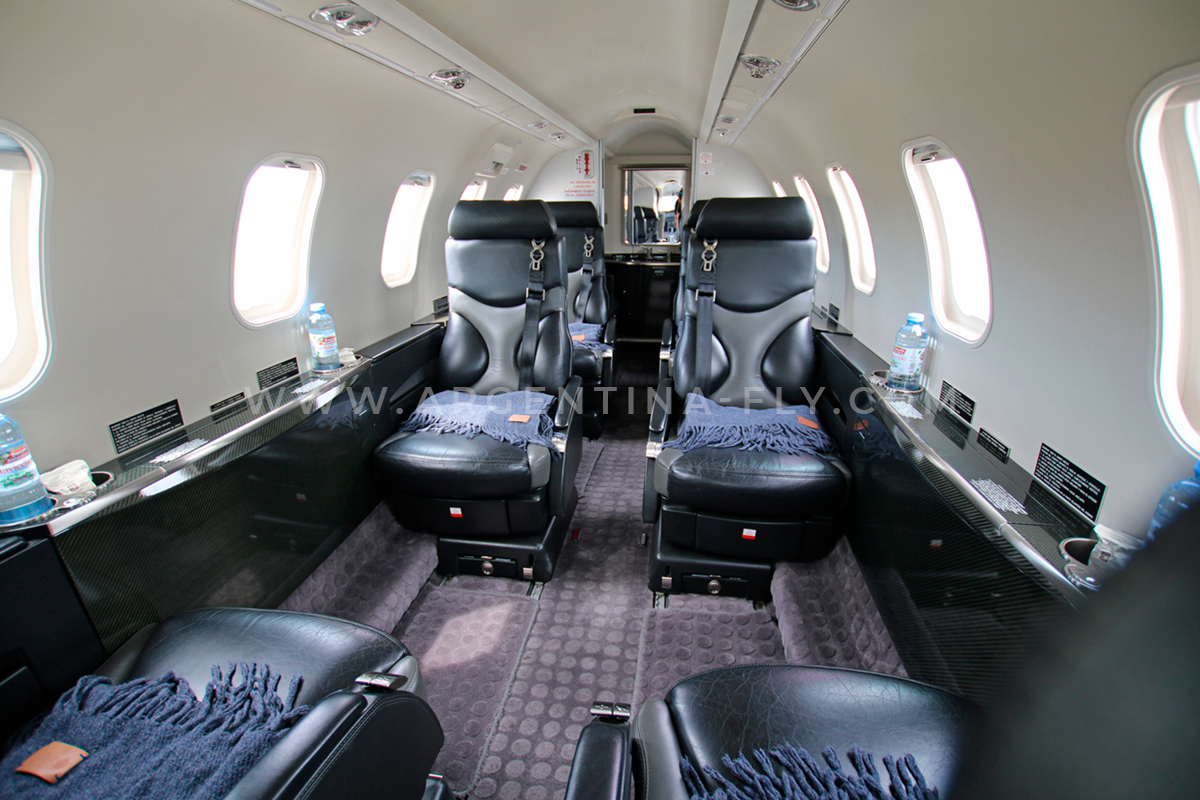
Learjet 40 XR
Light jet with a strong balance of speed and range, featuring a comfortable and modern executive cabin.
Capacity
6 passengers
Lavatory
Yes
Cabin
Pressurized
Luggage
Moderate
Wi-Fi
Not available
 Safety certifications
Puerto San Julián (ULA)
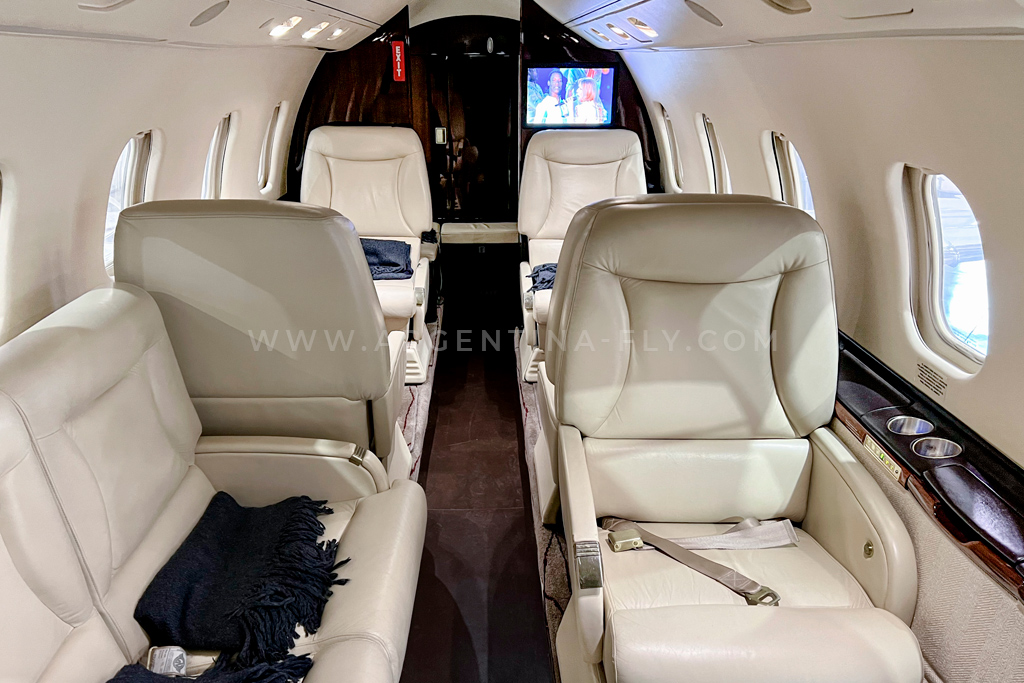
Learjet 60
Midsize jet with a spacious cabin and excellent cruise speed, one of the most requested options for executive flights.
Capacity
7 passengers
Lavatory
Yes
Cabin
Pressurized
Luggage
Moderate
Wi-Fi
Portable Starlink
Safety certifications
Puerto San Julián (ULA)
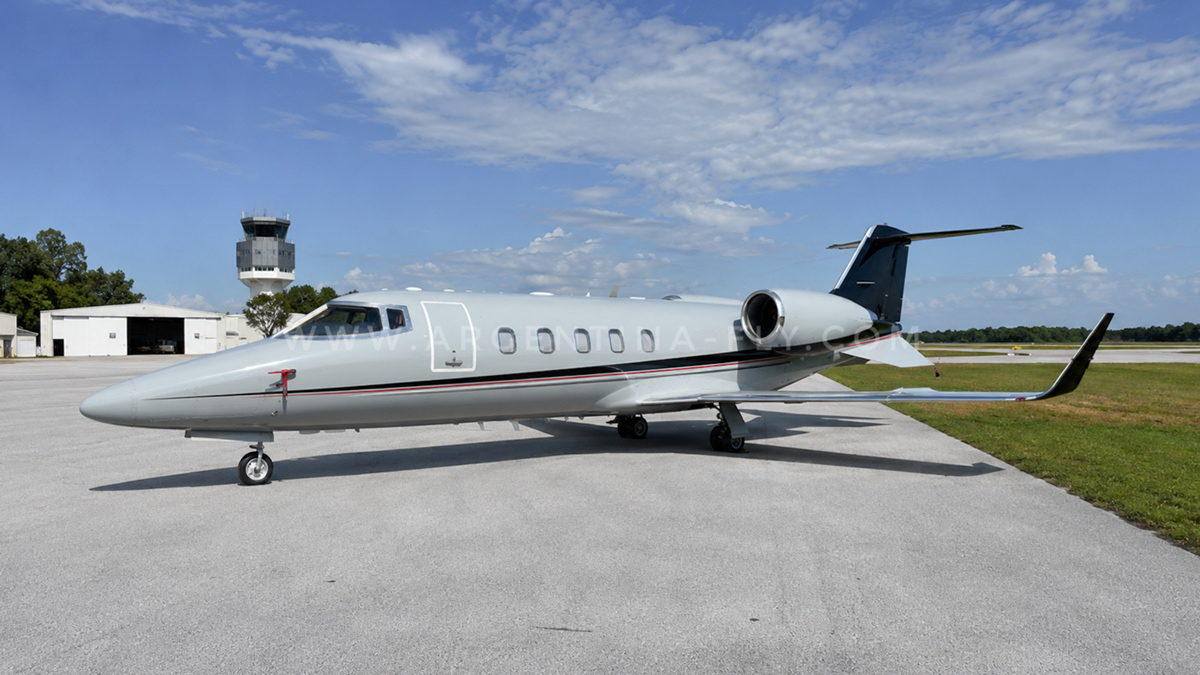
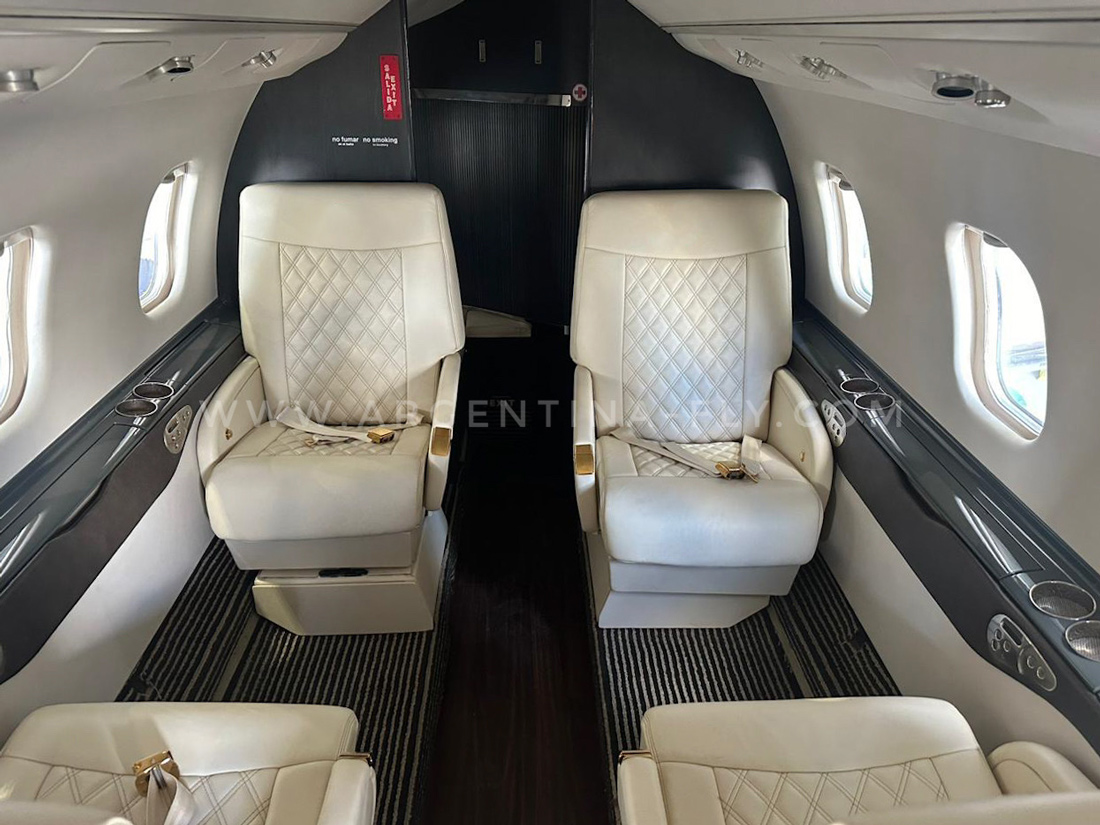
Learjet 60
Midsize jet with a spacious cabin and excellent cruise speed, one of the most requested options for executive flights.
Capacity
7 passengers
Lavatory
Yes
Cabin
Pressurized
Luggage
Standard
Wi-Fi
Not available
Puerto San Julián (ULA)
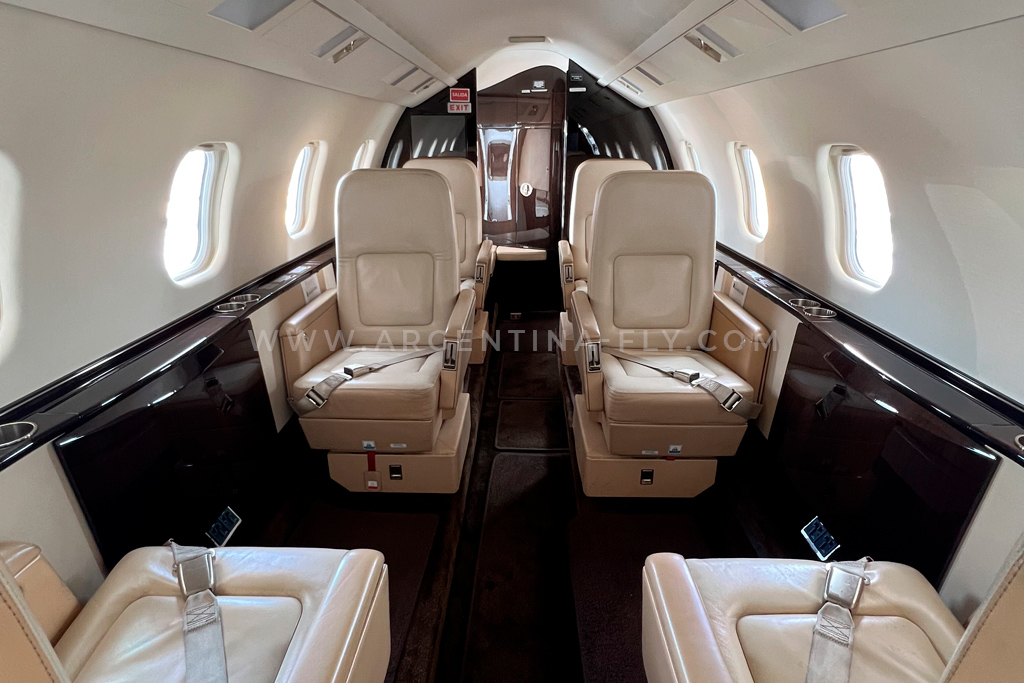
Learjet 60 XR
Enhanced version offering greater range and efficiency while maintaining the speed and comfort of the Learjet 60.
Capacity
6 passengers
Lavatory
Yes
Cabin
Pressurized
Luggage
Moderate
Wi-Fi
Not available
Safety certifications
Puerto San Julián (ULA)
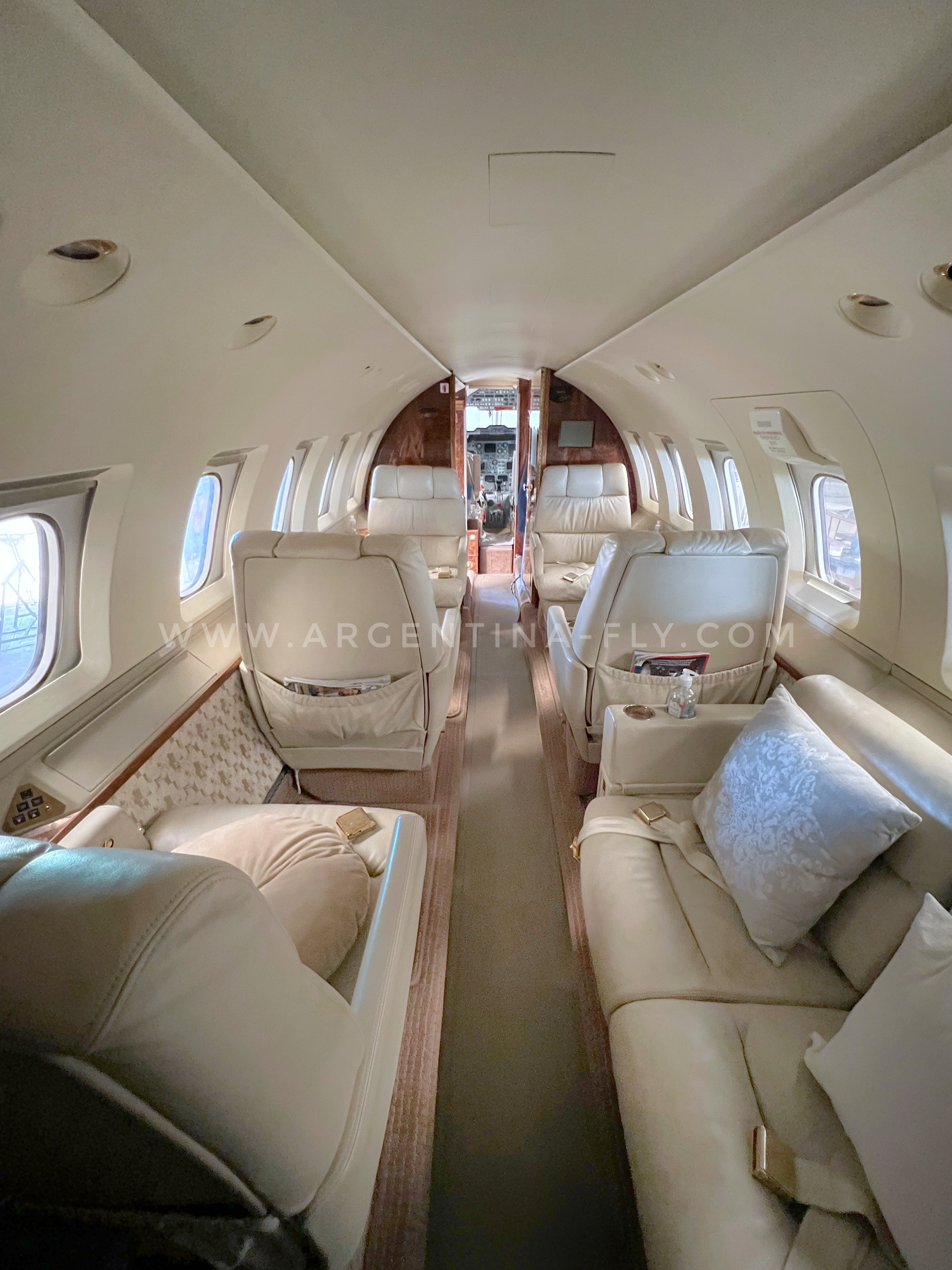
Hawker 800 XP
Midsize jet with a spacious cabin and excellent range, ideal for regional and medium-haul international flights.
Capacity
8 passengers
Lavatory
Yes
Cabin
Pressurized
Luggage
Moderate
Wi-Fi
Portable Starlink
Puerto San Julián (ULA)
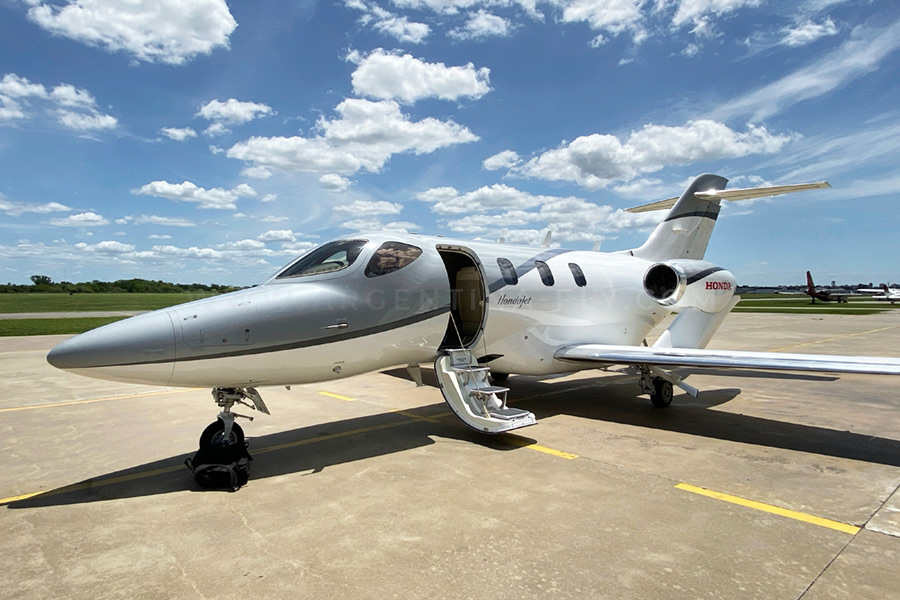
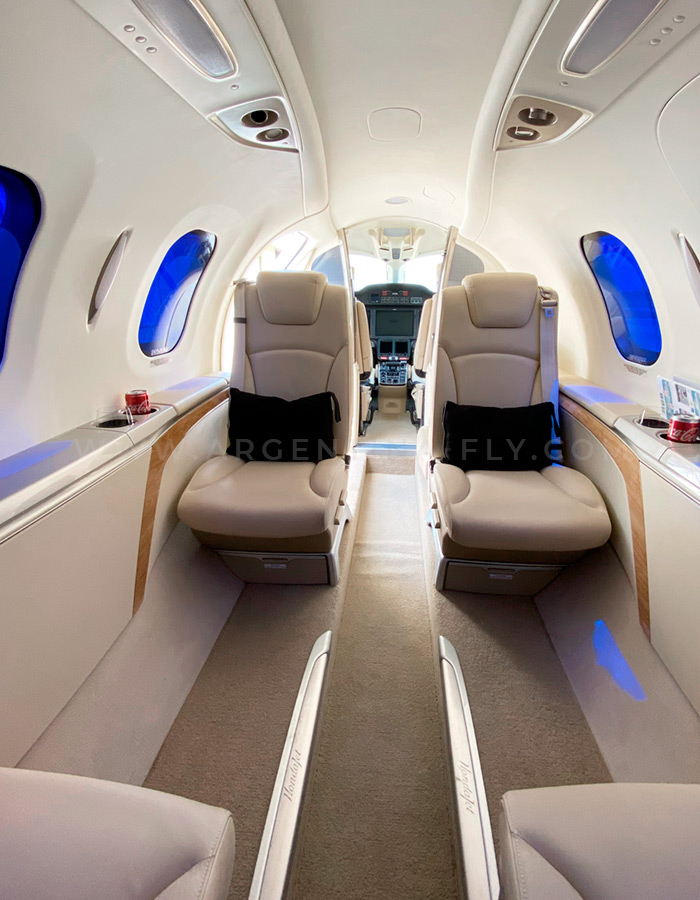
HondaJet
Next-generation light jet with over-the-wing engines, offering an excellent balance between efficiency and executive comfort.
Capacity
5 passengers
Lavatory
Yes
Cabin
Pressurized
Luggage
Moderate
Wi-Fi
Not available
Puerto San Julián (ULA)
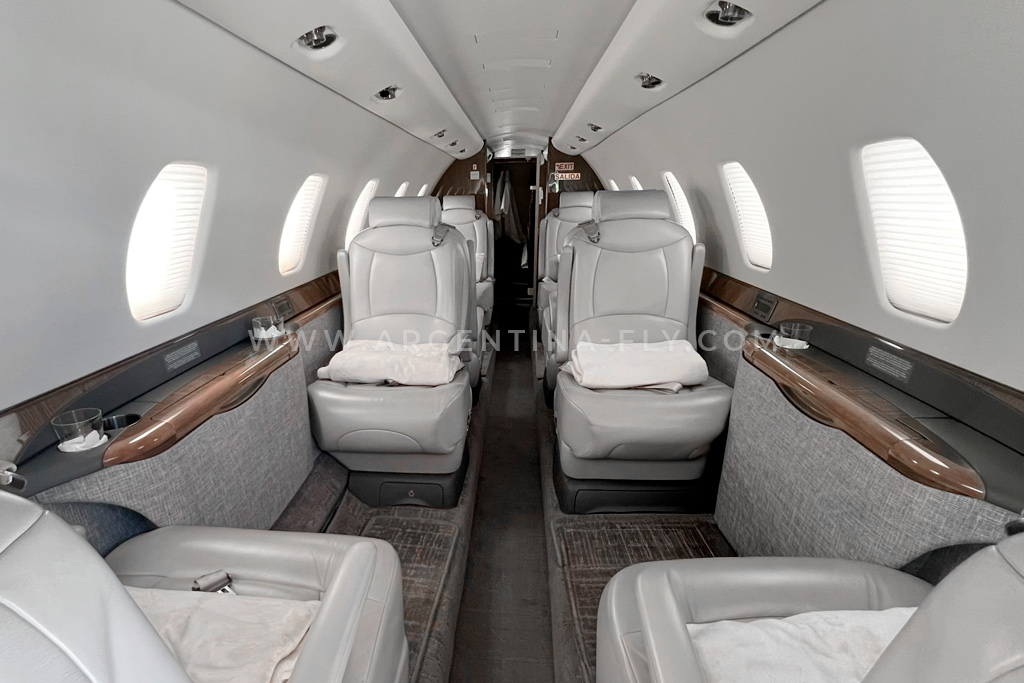
Citation Sovereign
Midsize jet with a spacious cabin, greater range and premium equipment for demanding passengers.
Capacity
8 passengers
Lavatory
Yes
Cabin
Pressurized
Luggage
Generous
Wi-Fi
Portable Starlink (extra cost)
Safety certifications
Puerto San Julián (ULA)
Other routes from Buenos Aires
Destinations near Puerto San Julián, with the lowest reference fare and the shortest flight time.
Puerto San Julián
Puerto San Julián sits on the bay of the same name, on the central coast of Santa Cruz. Ferdinand Magellan's expedition spent the winter of 1520 here, and the first Mass on what is now Argentine soil was said here. Facing the town, the Makenke Sea Park protects Commerson's dolphins, Peale's dolphins and cormorant colonies, and Isla Cormorán is home to a colony of some 130,000 Magellanic penguins. To the south, the Gran Bajo de San Julián drops to 105 m below sea level. From Buenos Aires it is 1,895 km: a private jet lands at Capitán D. Daniel Vázquez Airport, a few minutes from downtown, in 2 h 35 to 3 h 05.
Magellan in San Julián
The bay where the expedition wintered in 1520 and the country's first Mass was said.
On March 31, 1520, Ferdinand Magellan's expedition reached the bay and named it San Julián. It stayed until August 24, when it continued south. On April 1, the day after landing, the first Mass on what is now Argentine soil was said, and the first baptism took place at the same spot. For these events, Puerto San Julián was declared a National Historic Site in 1943, and a monument marks the site of the Mass.
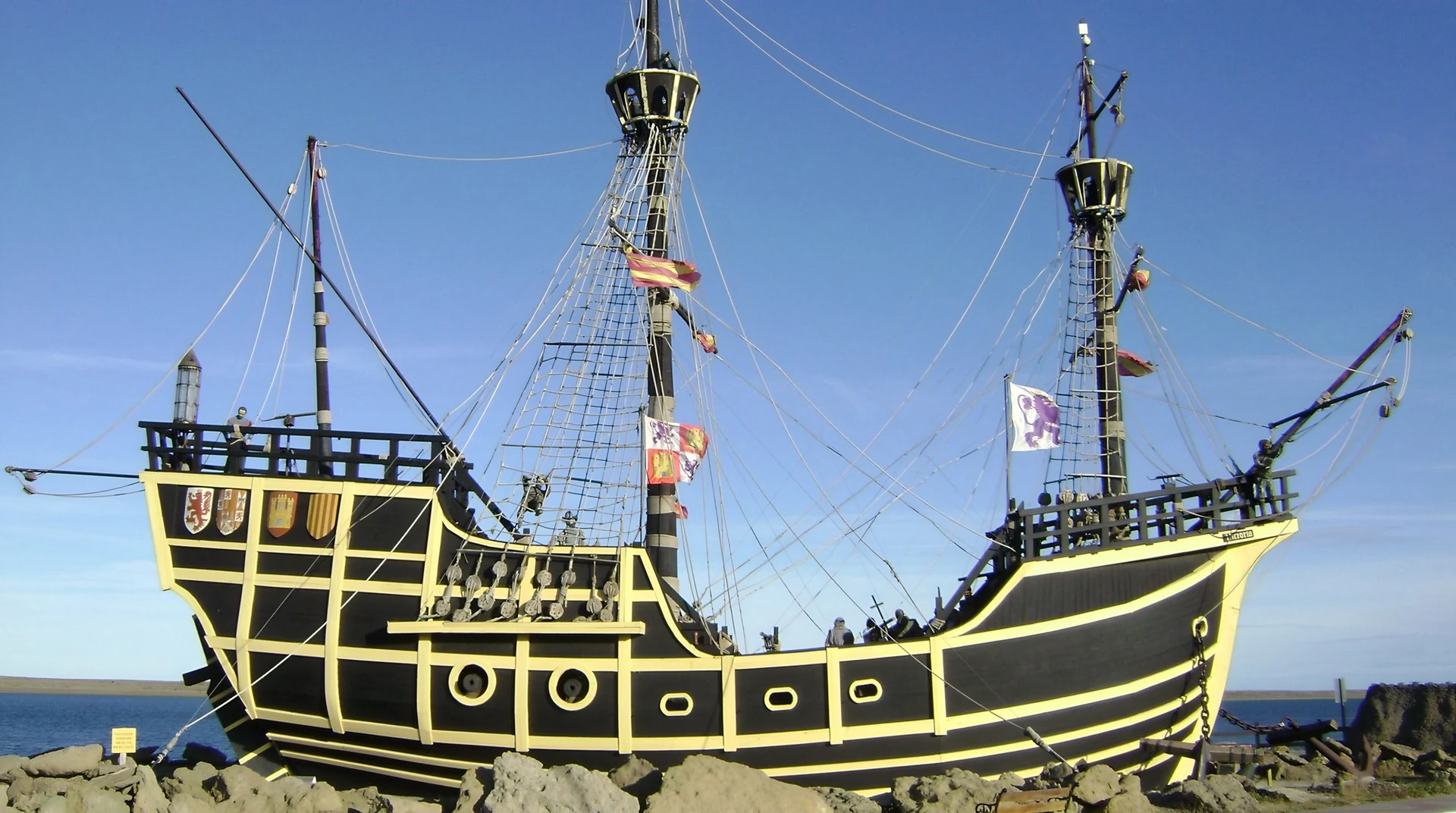
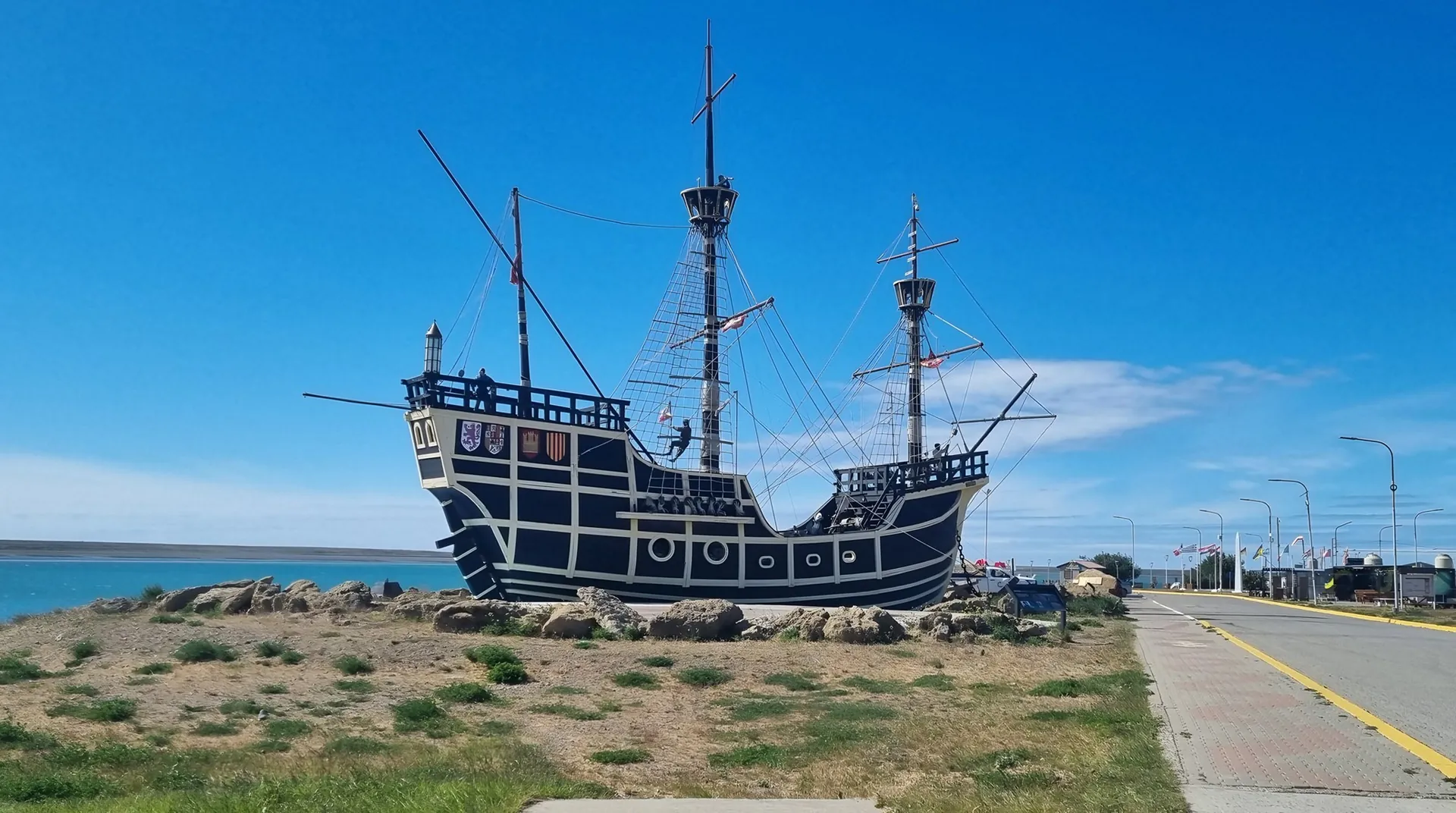
On the waterfront, at the corner of Avenida San Martín, stands a full-scale replica of the Nao Victoria, one of the expedition's ships. Inside is the Museo Temático Nao Victoria, with navigation instruments and artillery, objects from life on board and figures of the crew; check with the tourist office whether it is open. At the foot of the ship, the Punto Cero, “Origin of Patagonia,” reproduces the map by the chronicler Antonio Pigafetta that marks the “Porto de Santo Giuliano.”
Other expeditions followed Magellan, among them the Beagle, with Charles Darwin aboard. Sheep ranching drove the port's growth in the 19th and early 20th centuries. The Museo de los Pioneros Rosa Novak de Hofmann, opened in 1972, began with stone tools and Tehuelche objects, and the Museo del Campo, opened in 2013, tells the story of the pioneer families and of sheep raising.
To stay, the Hotel Bahía, on Avenida San Martín, has 29 rooms in standard, superior and suite categories, and Delicias Café, in the same building, serves a set menu at lunch and dinner. Origen Patagonia, also on Avenida San Martín, offers double rooms and apartments for three.
What to see
- Monumento a la Primera MisaMarks the site of the first Mass on what is now Argentine soil, on April 1, 1520.
- Museo de los Pioneros Rosa Novak de HofmannOpened in 1972, with stone tools and Tehuelche objects.
- Museo del CampoThe pioneer families and sheep ranching, since 2013.
- Museo Temático Nao VictoriaIn a full-scale replica of the ship, on the waterfront.
- Punto CeroAt the foot of the ship, with Pigafetta's map marking the bay.
Where to stay
- Hotel Bahía29 rooms, from standard to suite, and Delicias Café in the same building.
- Origen PatagoniaDouble rooms and apartments for three, on Avenida San Martín.
The bay: penguins, dolphins and cormorants
Islets with bird colonies and dolphins that ride alongside the boats, facing the town.
The Makenke Sea Park, an interjurisdictional marine park, protects more than 72,000 hectares of the Argentine Sea off Puerto San Julián. It was created by the national government and Santa Cruz province through a treaty approved by law in 2012, and was one of the first areas in the national system devoted to that ecosystem; Makenke means “the new ones” in Tehuelche. You can see upland geese, dolphin gulls, plovers, sandpipers, godwits, swans, black-crowned night herons and flamingos, and the mainland coast holds the country's main breeding colony of red-legged cormorants.
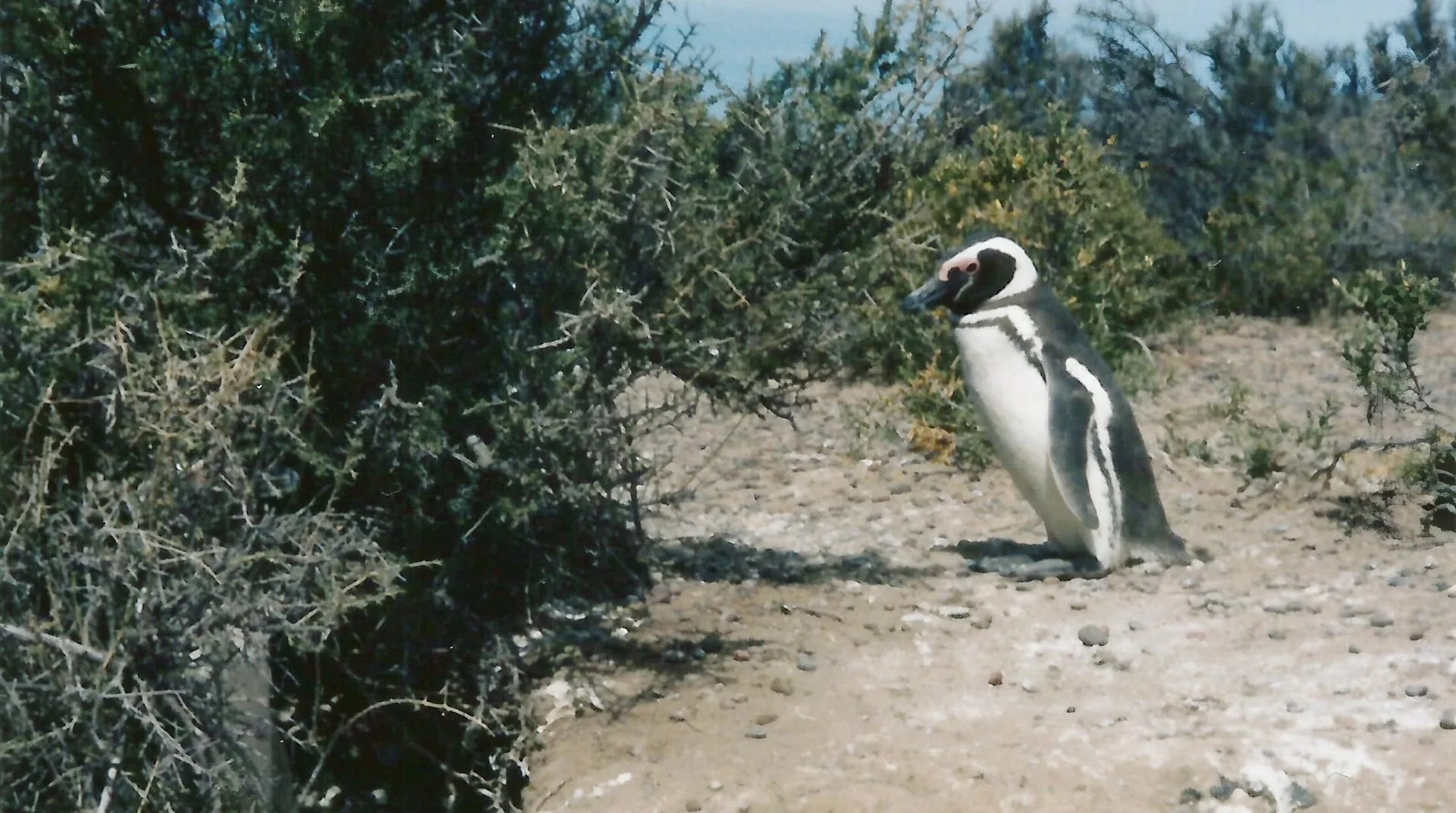
On nearby Isla Cormorán, a provincial protected area, a colony of some 130,000 Magellanic penguins nests, and nearby Isla Justicia has colonies of imperial and rock shags. Boat trips around the bay visit the islets of Banco Cormorán, Isla de los Pingüinos and Banco Justicia; the town's boat tours add walks among the penguins and Commerson's dolphin watching. The penguins are in the bay from October to April.
Commerson's and Peale's dolphins live in the bay year-round: they often ride alongside the boats and can also be seen from shore. Orcas are also seen in the park; elephant seals come to breed from October to March, and southern right whales pass through in July and August. The best time to visit the park is from October to March, when there are more species.
What to see
- Isla CormoránProvincial protected area with some 130,000 Magellanic penguins, from October to April.
- Isla JusticiaColonies of imperial and rock shags, in the bay.
- Makenke Sea ParkMore than 72,000 hectares of sea, with Commerson's and Peale's dolphins year-round.
The Circuito Costero
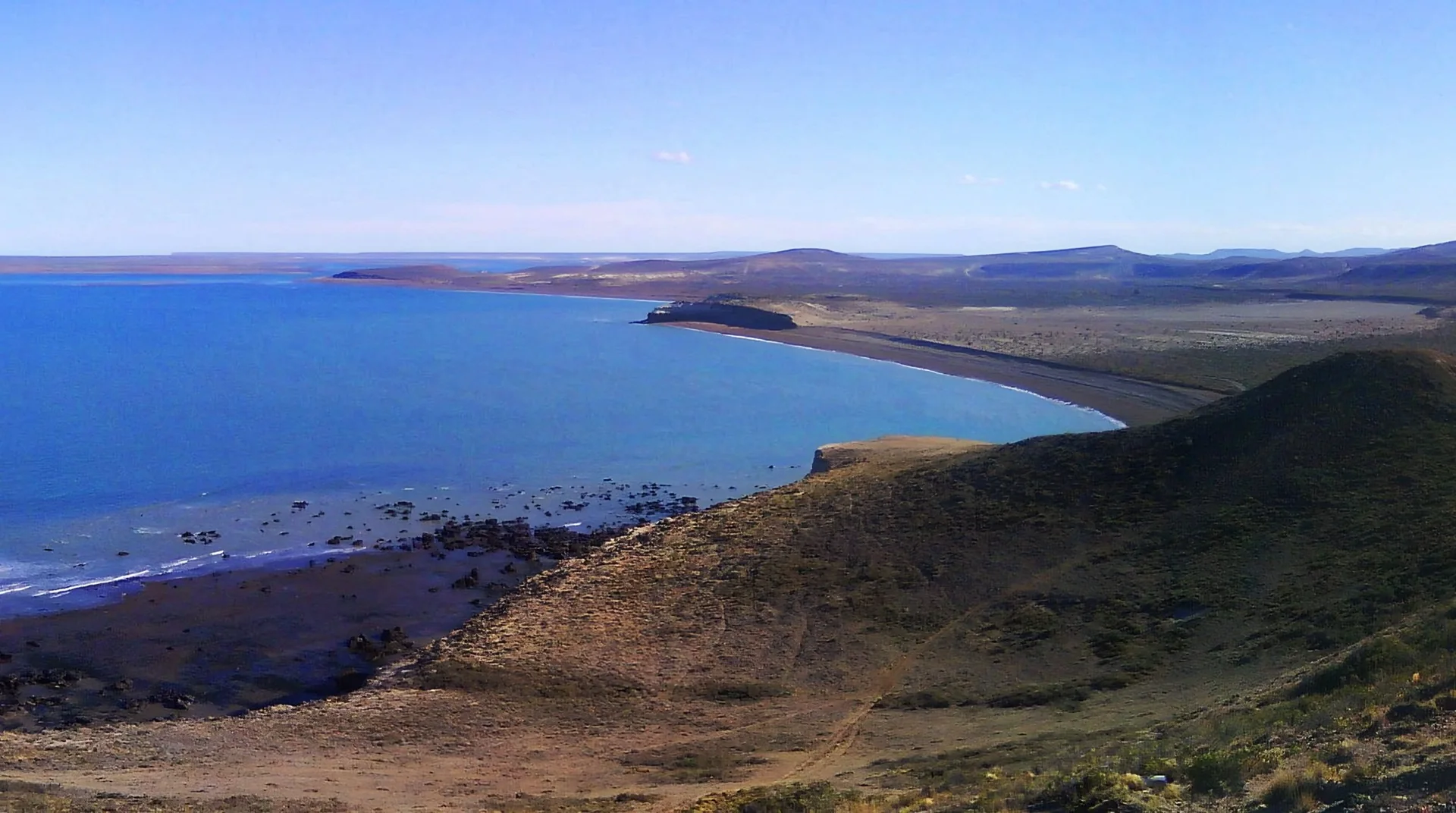
Twenty-seven kilometers of beaches, cliffs and lookouts north of town.
The Circuito Costero, the coastal drive, heads north from Puerto San Julián for 27 km; the first 10 follow the north shore of the bay, past a string of beaches and sites of historical and wildlife interest. It ends at Playa La Mina, near National Route 3, from where you can return to town or continue on.
The province publishes a driving audio guide to the circuit, with an introduction and sixteen tracks, for a drive of an hour and a half at about 30 km/h. It tells of the encounter between the Indigenous peoples and European explorers and scientists, the settlement of the coast, the first Mass and the coastal ecosystem, with stops at the Pozo Quintavalo and Banco de la Culada lookouts, the Cabo Curioso lighthouse, La Lobería and Playa La Mina. Cell signal drops along part of the route: download the tracks before setting out.
From the beaches and cliffs, Peale's and Commerson's dolphins are often seen, and whales along their migration routes.
What to see
- Cabo CuriosoLighthouse and cliffs over the sea, one of the audio guide stops.
- Mirador Banco de la CuladaLookout over the bay, on the first stretch of the circuit.
- Playa La MinaEnd of the circuit, 27 km from town and near National Route 3.
The Gran Bajo and the plateau
The lowest point in the Americas and rock art on a steppe estancia.
The Gran Bajo de San Julián is 48 km south of town along National Route 3. From a natural lookout you can see the depression, whose floor, Laguna del Carbón, lies 105 m below sea level: it is the lowest point in the Americas and, by its extent, the largest closed basin in the country. The Santa Cruz legislature declared it a Natural Monument in 2004.
The Gran Bajo holds a petrified forest of Jurassic age, a bed of Eocene plant fossils and abundant remains of marine invertebrates, and it is where the San Julián Formation was defined. It is Patagonian steppe, with low scrub, guanacos, lesser rheas, foxes and pumas.
Estancia La María, 150 km to the northwest along routes 25 and 77, both gravel, is a 22,000-hectare archaeological locality in a volcanic formation. It has 87 caves and rock shelters with rock paintings spread over 12 sectors, with motifs in up to five colors, as well as quarries, stone tool workshops and a petrified forest. Visits are arranged with the estancia.
What to see
- Estancia La María87 caves and rock shelters with rock paintings, 150 km to the northwest on gravel.
- Gran Bajo de San JuliánLookout over Laguna del Carbón, 105 m below sea level, 48 km to the south.
Arrival
From departure to destination.
- Departure
- From San Fernando (FDO), Aeroparque (AEP) or Ezeiza (EZE). The fare may change depending on where each aircraft is based.
- Airport
- Capitán D. Daniel Vázquez (ULA), public-use and non-towered, a few minutes from downtown.
- Circuito Costero
- Heads north from town: 27 km to Playa La Mina, near National Route 3.
- Gran Bajo de San Julián
- 48 km to the south along National Route 3.
- Estancia La María
- 150 km to the northwest along routes 25 and 77, both gravel.
When to go
The seasons at the destination.
- October to April
- Magellanic penguins in the bay and on Isla Cormorán.
- October to March
- Best time for Makenke Park, with more species; elephant seals on the coast.
- Summer (December to March)
- January is the mildest month, with an average high of 22.9 °C and low of 9.4 °C.
- Winter (June to September)
- Southern right whales in July and August; July is the coldest month, with an average high of 7.4 °C and low of −0.5 °C.
- Year-round
- Commerson's and Peale's dolphins and cormorants in the bay, and the town's museums.
Key facts
Summer January
- Average low
- 9.4°
- Average high
- 22.9°
16.5 mm of rain
Fall April
- Average low
- 4.9°
- Average high
- 16.1°
16.1 mm of rain
Winter July
- Average low
- −0.5°
- Average high
- 7.4°
25.6 mm of rain
Spring October
- Average low
- 4.2°
- Average high
- 16.7°
17.6 mm of rain
- Airport
- Capitán D. Daniel VázquezIATA / ICAO: ULA / SAWJA few minutes from downtown Puerto San Julián
- Category
- Public-use, non-towered
- Distance
- 1,895 kmFlight distance from Buenos Aires
- Annual rainfall
- 258.2 mm49% falls from October to March
Frequently asked questions
Price, flight time, airport, departure and travel documents.
How much does a private flight from Buenos Aires to Puerto San Julián cost?
Reference fares for a one-way private flight from Buenos Aires (San Fernando), whole aircraft, start at USD 16,560 for a turboprop, USD 18,540 for a light jet and USD 22,870 for a midsize jet. Round trips are calculated in the quote tool according to the length of your stay.
How long is the flight?
Between 2 h 35 and 4 h 15, depending on the aircraft; the fastest jet on the route takes 2 h 35.
Which airport does the flight land at?
Capitán D. Daniel Vázquez Airport (ULA / SAWJ), a few minutes from downtown Puerto San Julián. It is a public-use, non-towered airfield. From there you continue by road to the Circuito Costero, the Gran Bajo or the plateau estancias.
When can I see the penguins and dolphins?
Magellanic penguins are in the bay from October to April; Isla Cormorán has a colony of some 130,000. Commerson's and Peale's dolphins live in the bay year-round, often ride alongside the boats and can also be seen from shore. Boat trips visit the islets of Banco Cormorán, Isla de los Pingüinos and Banco Justicia.
When is the best time to travel to Puerto San Julián?
From October to March, when Makenke Park has more species and the penguins are in the bay; January is the mildest month, with an average high of 22.9 °C. In July and August the southern right whales pass through. The climate is dry: about 258 mm of rain falls a year, with the wettest month in June (30.6 mm), and in July highs are around 7.4 °C and lows −0.5 °C.
Where is the lowest point in the Americas?
In the Gran Bajo de San Julián, 48 km south of town along National Route 3. Its floor, Laguna del Carbón, lies 105 m below sea level and can be seen from a natural lookout. It has been a Santa Cruz Natural Monument since 2004.
What documents do I need?
It is a domestic flight: Argentine citizens travel with a valid national ID (DNI) and foreign nationals with a passport.
Are the published fares final?
They are estimates. The final quote depends on dates, length of stay, aircraft type and applicable operating fees.
Where does the flight depart from?
Fares are calculated for departure from San Fernando (FDO). Departing from Aeroparque (AEP) or Ezeiza (EZE) may change the fare, depending on where each aircraft is based.
Ready to fly? Let’s talk.
Share the details of your trip and we’ll help you find the aircraft and flight solution best suited to your needs.
- WhatsApp+54 9 11 3080 7775
- Phone+54 9 11 3080 7775
- Emailinfo@argentina-fly.com
For charter operatorsList your aircraft